
Forensic Toxicology — Flashcards

On this page
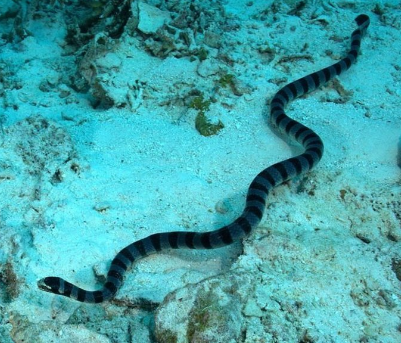
The snake in the given image is a sea snake, and its venom is _____toxic.
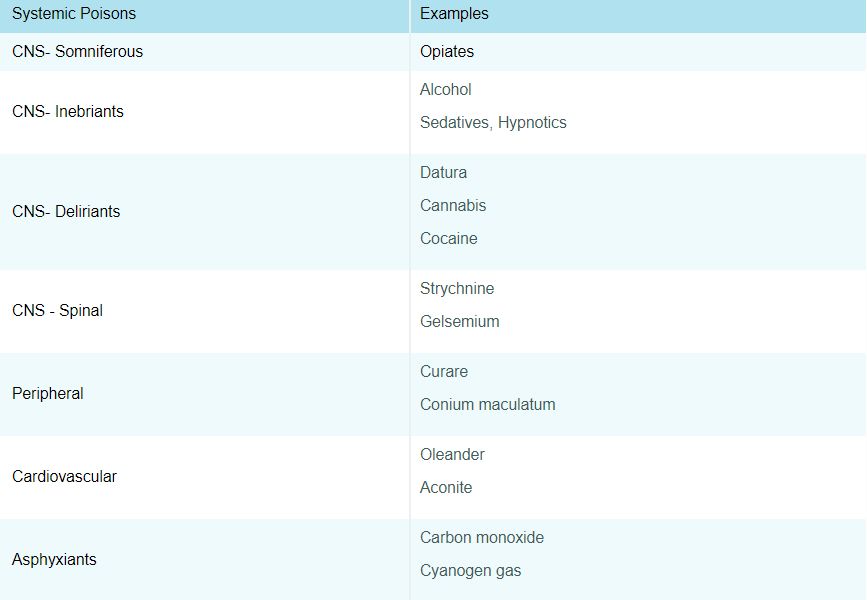
Classification of Systemic Poisons: 1. _____ (e.g., Opium, Dhatura, Alcohol) 2. Spinal (e.g., Strychnine) 3. Cardiac (e.g., Digitalis, Aconite) 4. Asphyxiants (e.g., CO, Cyanides) 5. Peripheral (e.g., Curare)
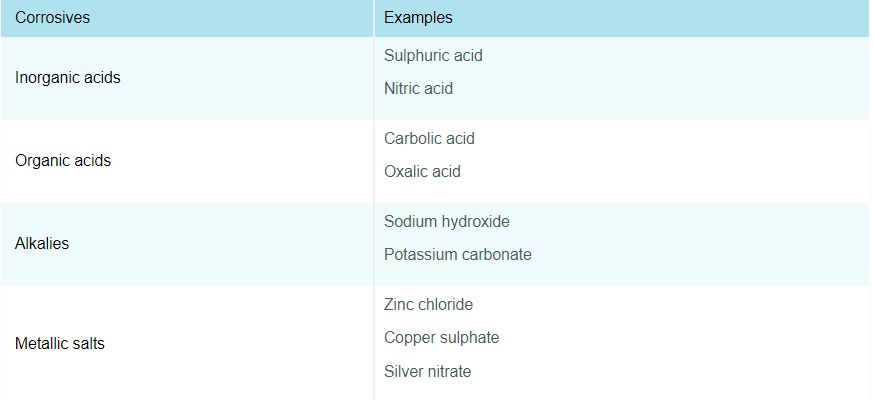
Corrosive poisons are substances that cause _____ at the site of contact.
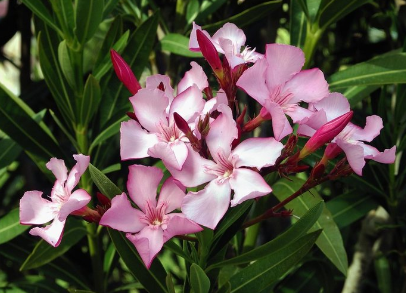
All parts of Nerium odorum are poisonous, especially the _____.
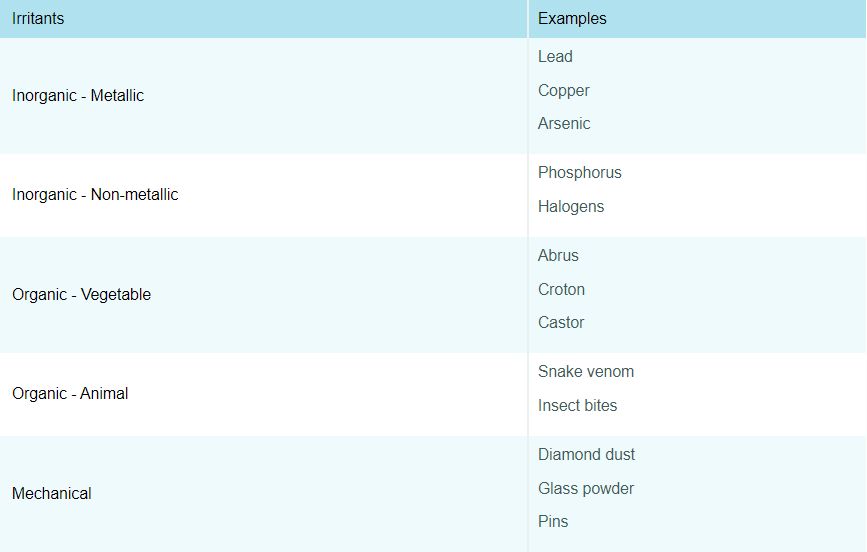
Classification of **Irritant poisons**.
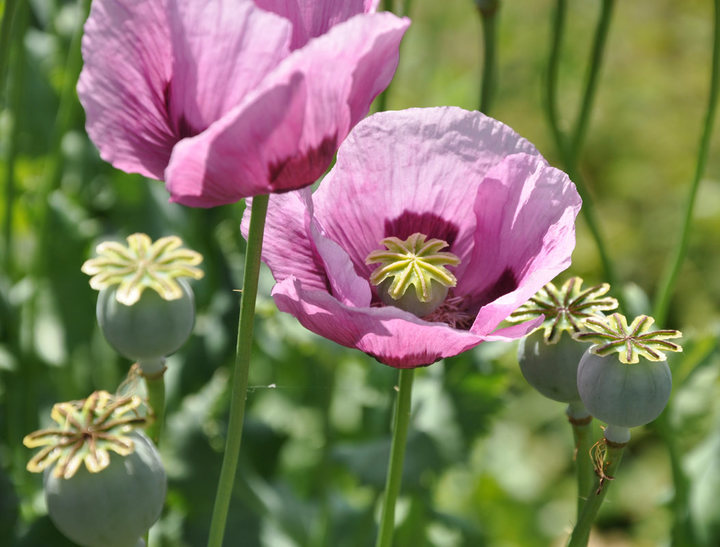
Name the following poisonous plant: _____
The given image is leaves and flowers of _____
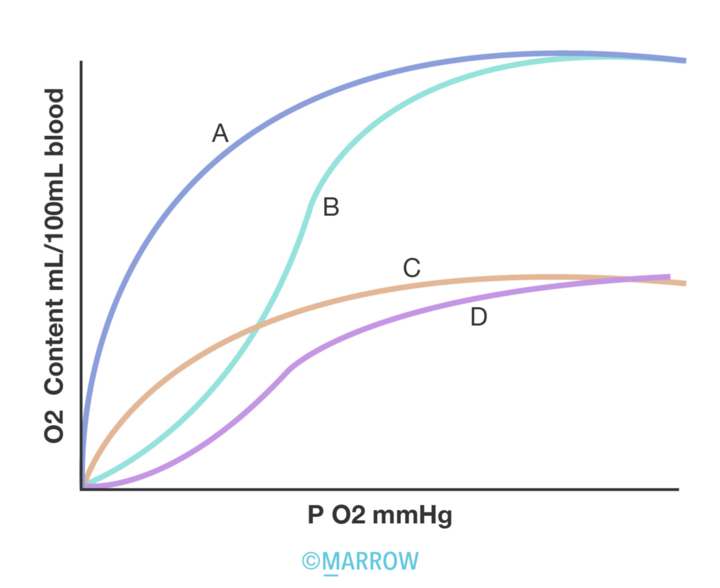
Curve C indicates which compound poisoning? _____
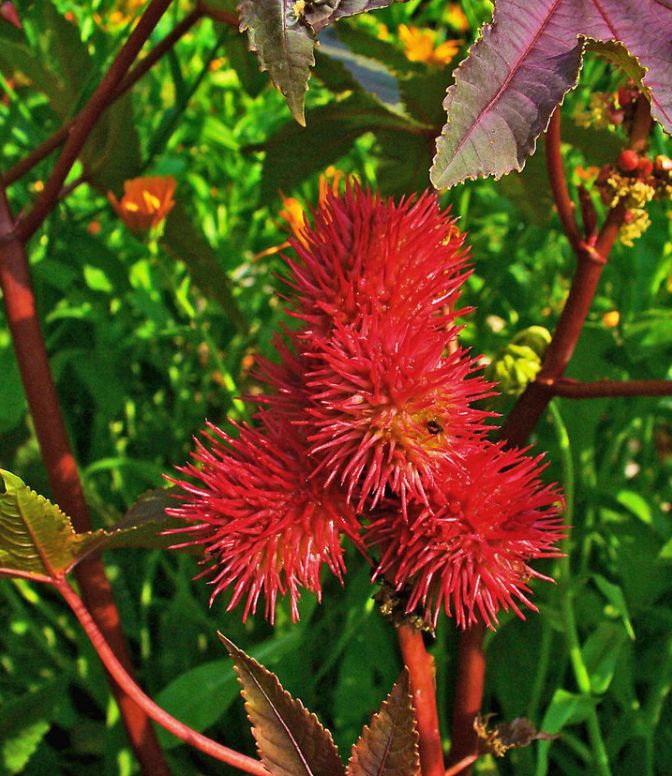
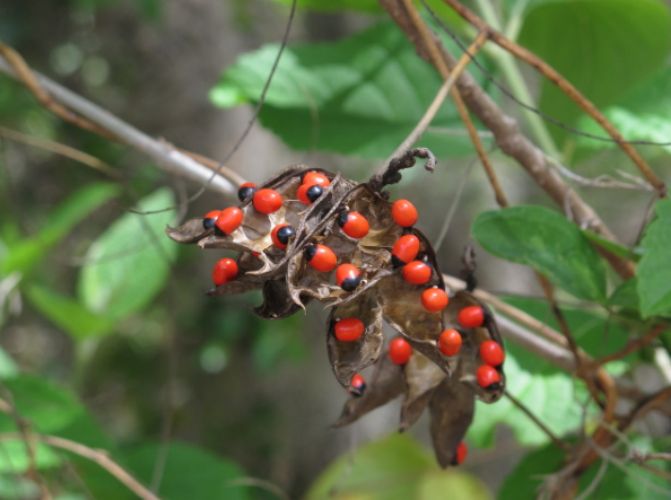
Following are the seeds of? _____
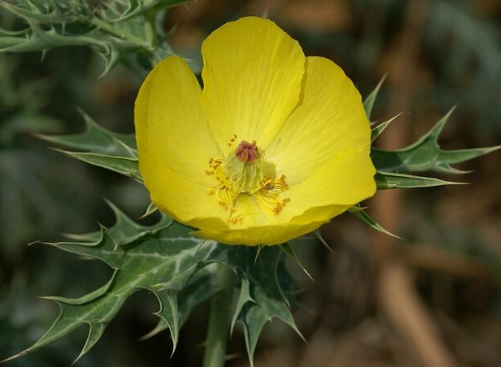
The given plant is _____.
Study by Chapter
General Principles of Toxicology
Flashcards
Corrosive Poisons
Flashcards
Metallic Poisons
Flashcards
Non-Metallic Poisons
Flashcards
Organic Irritant Poisons
Flashcards
Neurotic Poisons
Flashcards
Cardiac Poisons
Flashcards
Asphyxiant Poisons
Flashcards
Food Poisoning
Flashcards
Drug Abuse and Dependence
Flashcards
Analytical Toxicology Methods
Flashcards
Interpretation of Toxicology Results
Flashcards
About Forensic Toxicology Flashcards for NEET-PG
These Forensic Toxicology flashcards are designed for NEET-PG Forensic Medicine preparation, using active recall to help you retain high-yield concepts, clinical correlations, and commonly tested facts. Each card prompts you to retrieve information from memory rather than passively reviewing notes, which research shows leads to significantly better exam performance.
The 103 cards in this deck cover the most important topics in Forensic Toxicology, including key mechanisms, diagnostic criteria, treatment protocols, and clinical pearls that frequently appear in NEET-PG examinations. Cards are organised by chapter so you can focus on specific areas or work through the entire topic systematically.
For personalised spaced repetition scheduling that adapts to your performance, unlimited flashcards, and detailed progress analytics, download the Oncourse app.
Frequently Asked Questions
Are Forensic Toxicology flashcards free on Oncourse?
How do flashcards help with NEET-PG preparation?
How many Forensic Toxicology flashcards are available?
Can I study Forensic Toxicology flashcards by chapter?
What topics do these Forensic Medicine flashcards cover?
Want unlimited flashcards?
Get full access to all flashcards, spaced repetition, and progress tracking.
Scan to download app