
Analytical Toxicology Methods — Flashcards

Color of post mortem hypostasis in case of opium poisoning is _____.
_____ can be detected even in conflagrated human bones.
Detection of contamination of mustard oil with argemone oil can be done by _____ test.
A _____ solution is used commonly for the preservation of viscera in toxicology autopsy.
If the baseline urinary arsenic levels are within normal limits and arsenic intoxication is still suspected, what is the next step?
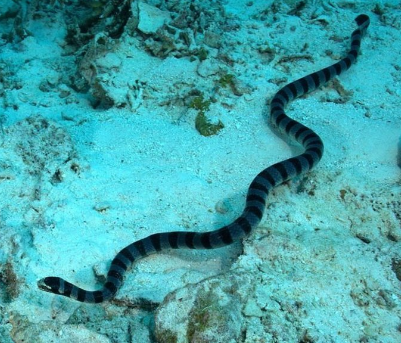
The snake in the given image is a sea snake, and its venom is _____toxic.
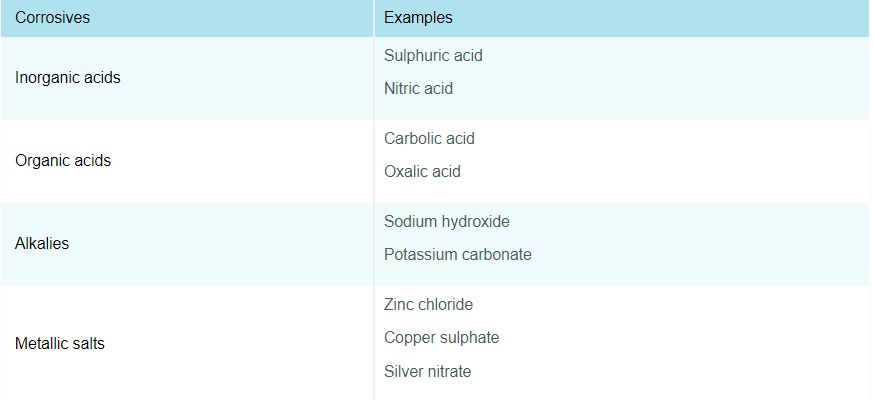
Corrosive poisons are substances that cause _____ at the site of contact.
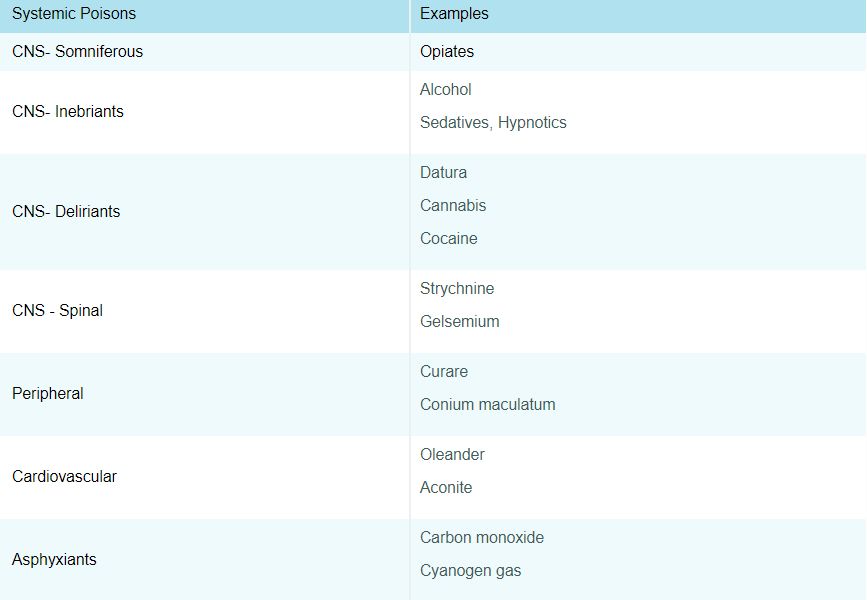
Classification of Systemic Poisons: 1. _____ (e.g., Opium, Dhatura, Alcohol) 2. Spinal (e.g., Strychnine) 3. Cardiac (e.g., Digitalis, Aconite) 4. Asphyxiants (e.g., CO, Cyanides) 5. Peripheral (e.g., Curare)
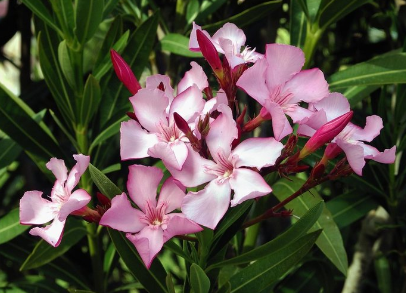
All parts of Nerium odorum are poisonous, especially the _____.
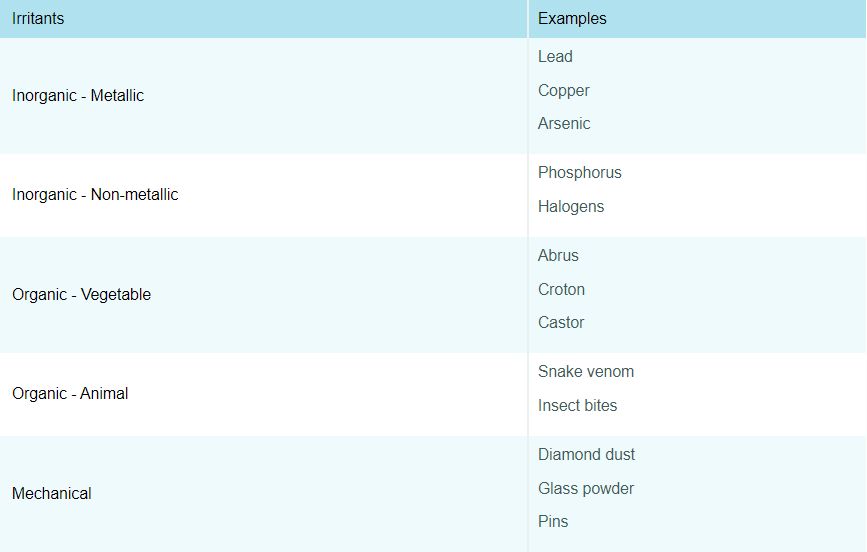
Classification of **Irritant poisons**.
Analytical Toxicology Methods Flashcards for NEET-PG
Study 10 flashcards on Analytical Toxicology Methods for NEET-PG Forensic Medicine. These active recall cards cover the key concepts, clinical associations, and high-yield facts from this chapter of Forensic Toxicology. Each card is designed to test your understanding rather than just recognition, building stronger and more durable memories for exam day.
For personalised spaced repetition scheduling and unlimited flashcards, download the Oncourse app.
Frequently Asked Questions
Are Analytical Toxicology Methods flashcards free?
How many flashcards does this chapter have?
How should I use these flashcards for NEET-PG?
Are there more flashcards for Forensic Toxicology?
Want unlimited flashcards?
Get full access to all flashcards, spaced repetition, and progress tracking.
Scan to download app