
General Principles of Toxicology — Flashcards

What is the most common mode of absorption in lead poisoning?_____
_____ is the science dealing with properties, actions, toxicity, fatal dose, detection and estimation of poisons.
Hydrofluoric acid causes _____ necrosis
The likely color of postmortem lividity in Phosphorous poisoning will be _____ or yellow.
What is the best specimen for cyanide poisoning?_____
Steeping pulses in hot water for toxin removal is done for _____
Section _____ IPC deals with 'causing hurt by means of poisons, etc.'
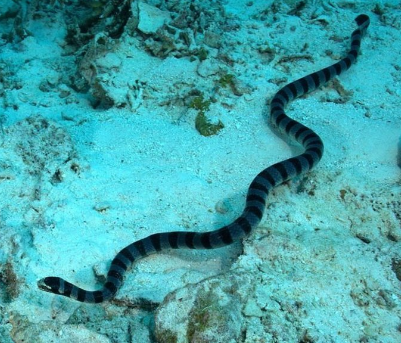
The snake in the given image is a sea snake, and its venom is _____toxic.
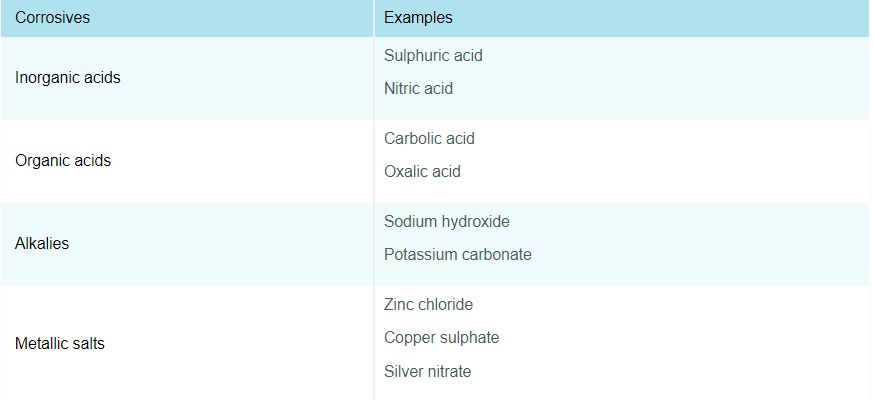
Corrosive poisons are substances that cause _____ at the site of contact.
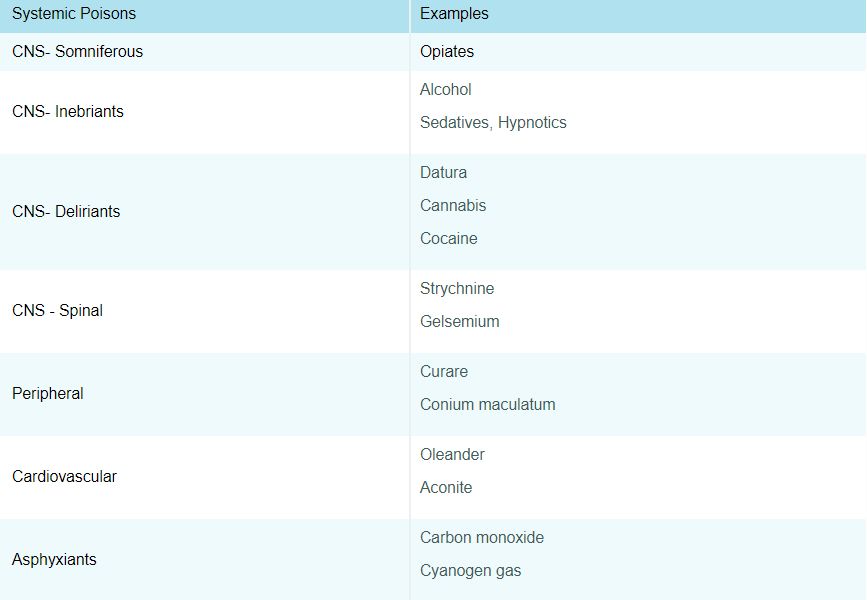
Classification of Systemic Poisons: 1. _____ (e.g., Opium, Dhatura, Alcohol) 2. Spinal (e.g., Strychnine) 3. Cardiac (e.g., Digitalis, Aconite) 4. Asphyxiants (e.g., CO, Cyanides) 5. Peripheral (e.g., Curare)
General Principles of Toxicology Flashcards for NEET-PG
Study 10 flashcards on General Principles of Toxicology for NEET-PG Forensic Medicine. These active recall cards cover the key concepts, clinical associations, and high-yield facts from this chapter of Forensic Toxicology. Each card is designed to test your understanding rather than just recognition, building stronger and more durable memories for exam day.
For personalised spaced repetition scheduling and unlimited flashcards, download the Oncourse app.
Frequently Asked Questions
Are General Principles of Toxicology flashcards free?
How many flashcards does this chapter have?
How should I use these flashcards for NEET-PG?
Are there more flashcards for Forensic Toxicology?
Want unlimited flashcards?
Get full access to all flashcards, spaced repetition, and progress tracking.
Scan to download app