INI-CET 2018 — Physiology
3 Previous Year Questions with Answers & Explanations
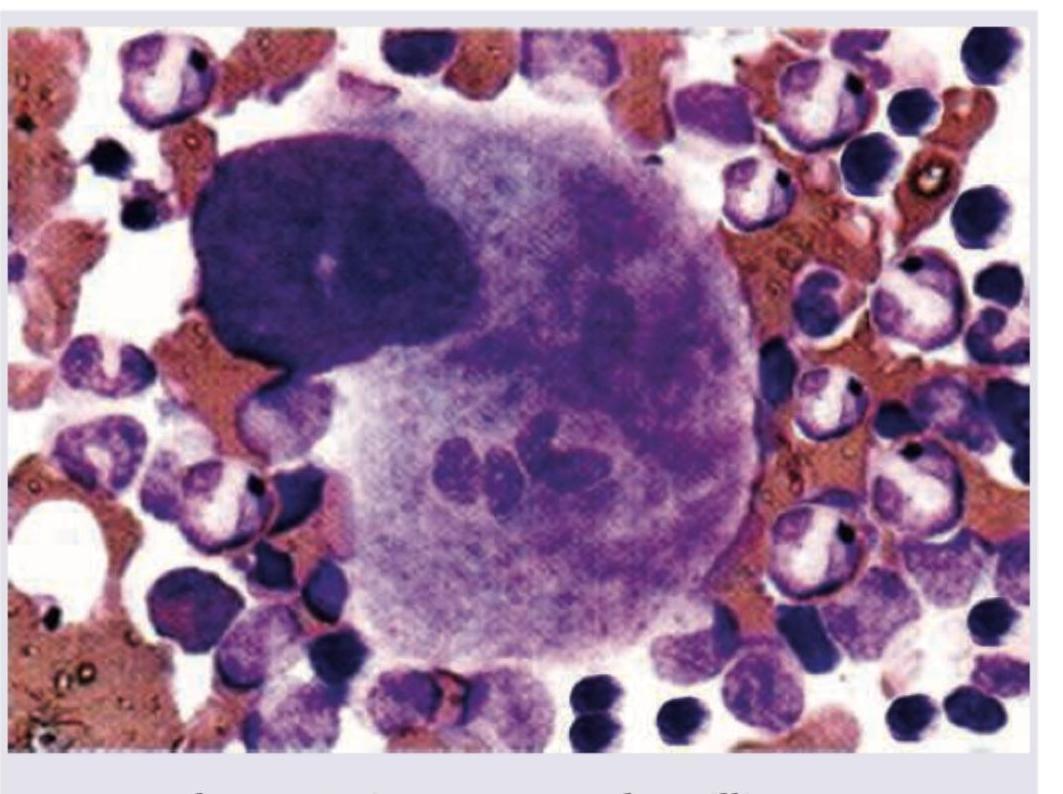
A macrophage engulfs different cells as shown in the image. This is known as?
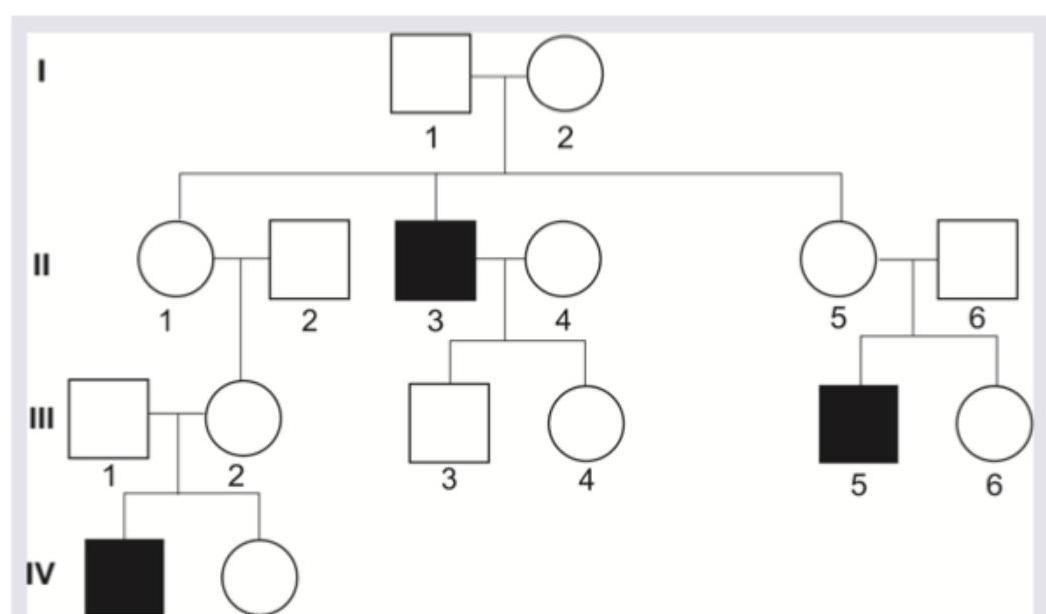
Identify the inheritance pattern shown below.
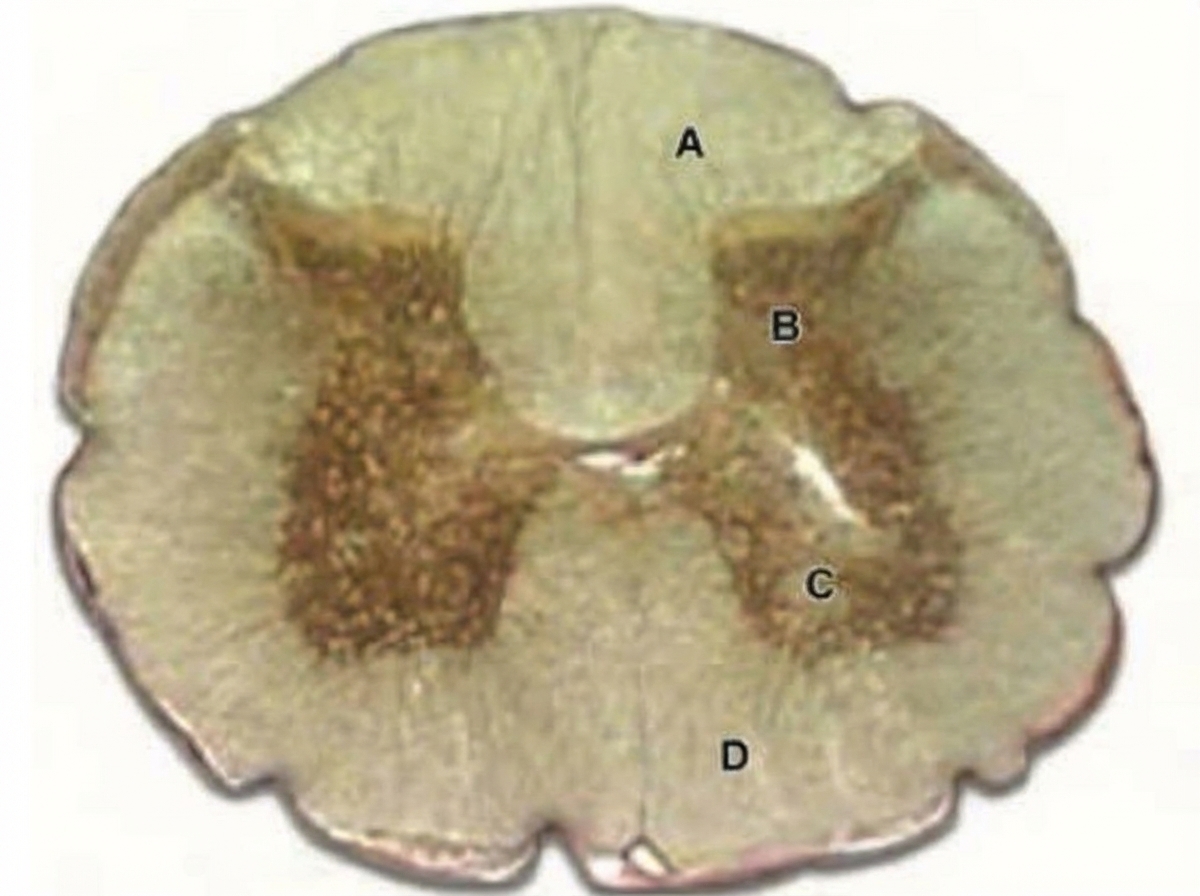
In the image shown below, which of the marked area is involved in relieving pain in response to massage?
INI-CET 2018 - Physiology INI-CET Practice Questions and MCQs
Question 1: A macrophage engulfs different cells as shown in the image. This is known as?
- A. Phagocytosis
- B. Killing
- C. Cytotoxicity
- D. Emperipolesis (Correct Answer)
Explanation: ***Emperipolesis*** - The image shows a large cell (likely a macrophage or megakaryocyte) containing **intact various blood cells** within its cytoplasm without signs of degeneration. - **Emperipolesis** is specifically defined as the **active penetration of one cell by another**, where both the engulfed and engulfing cells remain viable. *Phagocytosis* - **Phagocytosis** involves the ingestion and subsequent **destruction or degradation** of foreign particles, microorganisms, or cellular debris. - The cells within the macrophage in the image appear **morphologically intact** and not in a state of degradation. *Killing* - **Killing** implies the process by which a cell actively destroys another cell, often through mechanisms like **apoptosis or necrosis**. - There are **no morphological features** in the image to suggest that the engulfed cells are being actively killed or are undergoing degeneration. *Cytotoxicity* - **Cytotoxicity** refers to the ability of certain immune cells (e.g., cytotoxic T lymphocytes, NK cells) to **kill target cells**. - This process usually involves specific recognition and induction of target cell death, which is not what is depicted by the presence of intact cells within another cell.
Question 2: Identify the inheritance pattern shown below.
- A. Y linked recessive
- B. X linked recessive (Correct Answer)
- C. X linked dominant
- D. Y linked dominant
Explanation: ***X linked recessive*** - The pattern shows that mainly **males are affected**, and the trait skips generations (e.g., individual I-1 is unaffected, but his children are affected). - Affected fathers (like II-3) do not pass the trait to their sons, but their daughters are carriers and can pass it on to their sons (like IV-1). *Y linked recessive* - In Y-linked inheritance, only **males would be affected**, and all sons of an affected father would inherit the trait. - This pedigree shows unaffected fathers having affected sons, and not all sons of affected males are affected directly. *X linked dominant* - In X-linked dominant inheritance, affected fathers pass the trait to **all their daughters**, and at least one parent would be affected in each generation. - This pedigree shows skipping of generations and affected individuals being born to unaffected parents (e.g., II-3 and III-5). *Y linked dominant* - Y-linked inheritance, whether dominant or recessive, would only affect **males** and would be directly passed from father to all sons. - The pedigree shows unaffected parents having affected offspring (e.g., I-1 and I-2 produced II-3), which rules out Y-linked inheritance.
Question 3: In the image shown below, which of the marked area is involved in relieving pain in response to massage?
- A. Area A (Correct Answer)
- B. Area B
- C. Area C
- D. Area D
Explanation: ***A*** - Area A points to the **dorsal columns** (specifically the fasciculus gracilis and cuneatus) of the spinal cord, which carry **mechanoreceptive** and proprioceptive information. - Massage activates large diameter afferent fibers which transmit signals via the dorsal columns, inhibiting pain transmission through the **gate control theory of pain**. *B* - Area B points to the **dorsal horn** (specifically lamina I, II, and V), which is primarily involved in receiving and processing **nociceptive input**. - While integration of pain occurs here, it is not the primary pathway for the **modulatory effects of touch/pressure** from massage for pain relief. *C* - Area C indicates the **ventral horn** of the spinal cord, which contains **motor neurons** that control skeletal muscle activity. - It is involved in motor output, not directly in the sensory processing or modulation of pain signals from massage. *D* - Area D points to the **lateral white matter**, which contains various ascending and descending tracts, including the **spinothalamic tract** (primary pain pathway) and corticospinal tract. - While the spinothalamic tract carries pain signals, the direct pain-relieving effect of massage primarily involves activation of mechanoreceptors whose signals ascend via the dorsal columns.