Community Medicine
4 questionsThe life cycle shown below is of:

Which is incorrect about the image shown below?
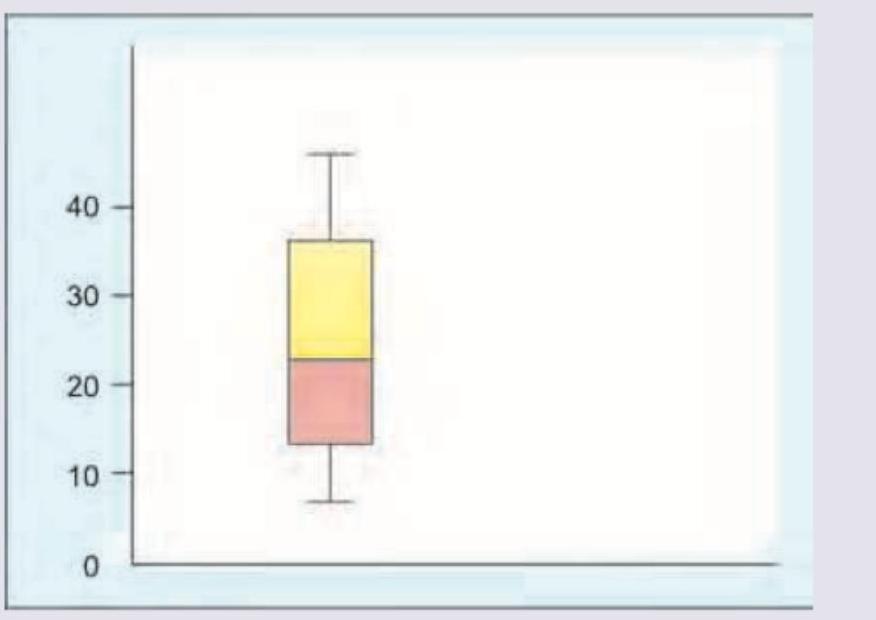
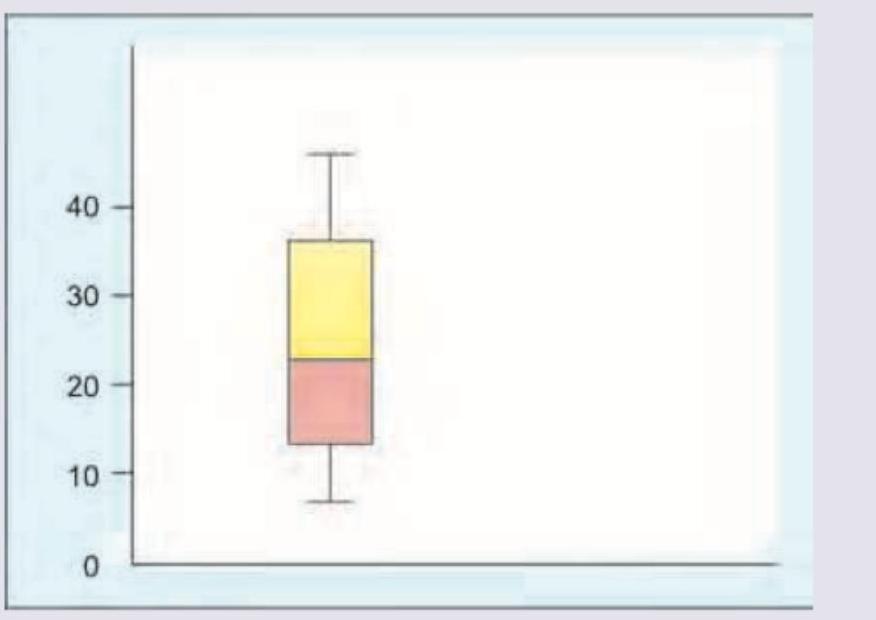
Which of the following is true about the box plot shown?
The biomedical waste category for the item shown in the image is:

INI-CET 2018 - Community Medicine INI-CET Practice Questions and MCQs
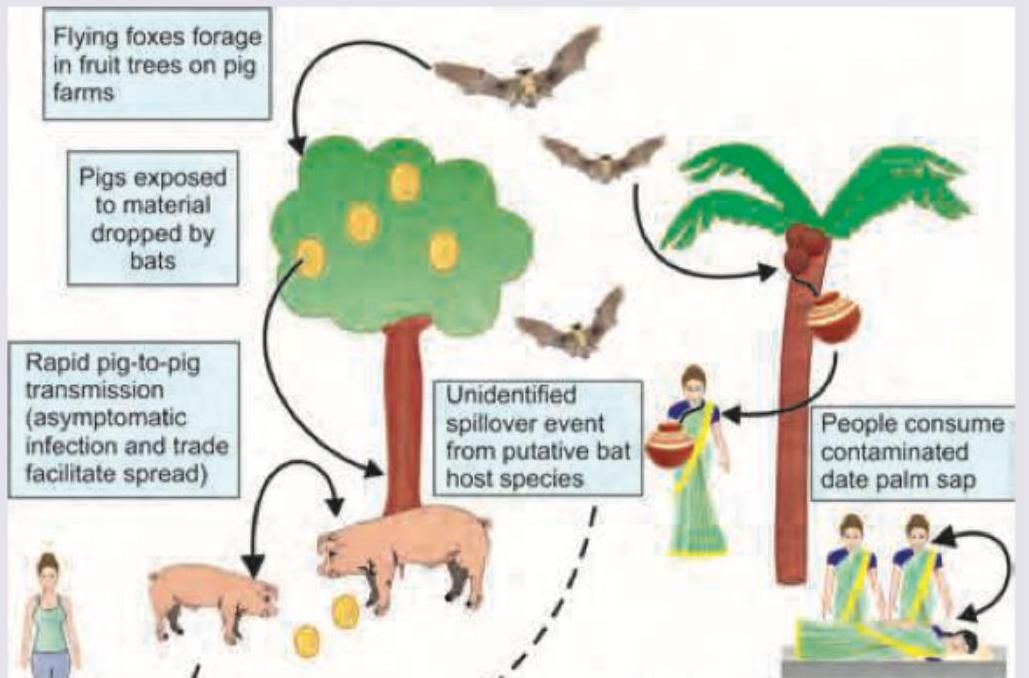
Question 31: The life cycle shown below is of:
- A. Japanese encephalitis
- B. Nipah virus (Correct Answer)
- C. Chandipura virus
- D. Influenza
Explanation: ***Nipah virus*** - The diagram clearly illustrates the transmission pathways characteristic of Nipah virus, involving **fruit bats (flying foxes)** as primary reservoirs, **pigs as intermediate hosts**, and human infection through direct contact with infected animals or consumption of **contaminated date palm sap**. - The described "rapid pig-to-pig transmission" and "people consume contaminated date palm sap" are key epidemiological features of Nipah virus outbreaks in Southeast Asia. *Japanese encephalitis* - Japanese encephalitis is primarily transmitted by **mosquitoes** (Culex species) and involves **water birds** as primary reservoirs, and pigs as amplifying hosts. - The life cycle shown does not depict mosquito vectors or water birds, which are central to Japanese encephalitis transmission. *Chandipura virus* - Chandipura virus is an arbovirus transmitted by **sandflies** and often associated with seasonal outbreaks of acute encephalitis, primarily affecting children. - Its transmission cycle does not involve bats, pigs, or contaminated date palm sap as depicted in the image. *Influenza* - Influenza viruses circulate mainly among **humans, birds, and pigs**, with transmission primarily through **respiratory droplets** or direct contact. - While pigs can play a role in certain influenza strains (e.g., swine flu), the involvement of bats and consumption of contaminated sap is not characteristic of human influenza transmission.
Question 32: Which is incorrect about the image shown below?
- A. Negatively skewed
- B. Positively skewed
- C. 75 % values are above 25 mg (Correct Answer)
- D. Median is 50 mg
Explanation: ***75 % values are above 25 mg*** - This statement is incorrect. In a box plot, the **second quartile (Q2)** or **median** represents the 50th percentile. The upper boundary of the lower box (Q2) is at 23 mg, meaning 50% of values are above 23 mg. - The upper boundary of the upper box (Q3) is at 35 mg, meaning 25% of values are above 35 mg. Therefore, it is incorrect to say 75% of values are above 25 mg. *Negatively skewed* - The long **tail of the distribution** is on the left side, as indicated by the lower whisker extending further from the box than the upper whisker, and the lower half of the box being larger than the upper half. - In a negatively skewed distribution, the **mean is typically less than the median**, and the bulk of the values are concentrated on the higher end. *Positively skewed* - This statement is incorrect. A **positively skewed** distribution would have a longer tail on the right side, meaning the upper whisker would be longer than the lower whisker and the upper box larger than the lower box. - The provided image shows the opposite, with the longer tail towards the lower values. *Median is 50 mg* - The **median** is represented by the line dividing the lower and upper halves of the box. In this box plot, the median line is at approximately **23 mg**, not 50 mg. - The box itself represents the **interquartile range (IQR)**, with the median dividing it.
Question 33: Which of the following is true about the box plot shown?
- A. Mean = median = mode
- B. Mean = median, not equal to mode (Correct Answer)
- C. Mean = mode, not equal to median
- D. Mean, median and mode are not equal
Explanation: ***Mean = median, not equal to mode*** - A **perfectly symmetrical distribution** (represented by a **symmetrical box plot without whiskers extending further in one direction**) indicates that the **mean and median are equal**. - However, the mode, which is the most frequent value, is not necessarily equal to the mean and median in all symmetrical distributions, especially if it's **not unimodal or not centered at the mean/median**. When depicted using a boxplot, we cannot ascertain the mode simply by looking at where the median lies. *Mean = median = mode* - While the **mean and median are equal** in a symmetrical distribution, the **mode is not explicitly represented** in a box plot. - The mode is the most frequently occurring value, and a box plot primarily shows quartiles and spread, not individual frequencies. *Mean = mode, not equal to median* - In a symmetrical distribution, the **mean and median are equal**. - Therefore, this option is incorrect as it states the mean is not equal to the median. *Mean, median and mode are not equal* - The **symmetrical nature** of the box plot strongly suggests that the **mean and median are equal**. - This option is therefore incorrect, as at least two of the measures of central tendency are equal.
Question 34: The biomedical waste category for the item shown in the image is:
- A. Biomedical waste
- B. Cytotoxic waste (Correct Answer)
- C. Radiation hazard
- D. Chemical waste
Explanation: ***Cytotoxic waste*** - The image displays a **bone marrow needle**, a device used to obtain bone marrow samples, often in the diagnosis and monitoring of cancers. - Materials contaminated with **chemotherapeutic agents** or originating from patients undergoing such treatments are classified as cytotoxic waste due to their genotoxic, carcinogenic, or teratogenic properties. *Biomedical waste* - **Biomedical waste** is a broader category that includes general healthcare waste, but cytotoxic waste requires specific handling due to its hazardous nature. - While a bone marrow needle is a medical device, its association with cancer treatment and potentially cytotoxic substances elevates its classification beyond regular biomedical waste. *Radiation hazard* - **Radiation hazard** waste typically involves materials contaminated with radioactive isotopes, indicated by a trefoil symbol. - The instrument shown is not associated with radioactive materials or procedures involving ionizing radiation. *Bioterrorism* - **Bioterrorism** refers to the intentional release of biological agents to cause illness or death in humans, animals, or plants. - The item pictured is a medical instrument for diagnostic purposes, unrelated to the deliberate use of biological agents for harm.
Forensic Medicine
2 questionsA female was found dead in her bedroom. The room was not locked from inside. Her blood alcohol value was found to be 350 mg/dL. The picture taken at the post mortem is shown below. The diagnosis is? (AIIMS Nov 2018, AIIMS Nov 2017)

The following image shows: (AIIMS Nov 2018)

INI-CET 2018 - Forensic Medicine INI-CET Practice Questions and MCQs
Question 31: A female was found dead in her bedroom. The room was not locked from inside. Her blood alcohol value was found to be 350 mg/dL. The picture taken at the post mortem is shown below. The diagnosis is? (AIIMS Nov 2018, AIIMS Nov 2017)
- A. Traumatic asphyxia
- B. Throttling (Correct Answer)
- C. Café coronary
- D. Bansdola
Explanation: ***Throttling*** - The autopsy image shows extensive **internal hemorrhage** and disruption of neck structures, consistent with significant compressive force applied to the neck by hands, as seen in **throttling**. - **Throttling** (manual strangulation) causes deep internal injuries including fractured **hyoid bone**, damaged **thyroid cartilage**, and **strap muscle hemorrhage**, even when external marks may be minimal or absent. - The high blood alcohol level (350 mg/dL - severe intoxication) would have impaired her ability to resist, and the unlocked room suggests **homicidal** intent rather than suicide. - Key autopsy findings: **deep neck muscle hemorrhage**, **laryngeal fractures**, and **torn blood vessels** without a ligature pattern. *Traumatic asphyxia* - Traumatic asphyxia results from severe **chest/thoracic compression** leading to acute venous congestion in the head and neck region. - Classical signs include **petechial hemorrhages** on face and conjunctivae, **cyanosis** above compression level, and relatively **intact neck structures** on autopsy. - The severe internal neck damage shown in the autopsy image is **not characteristic** of traumatic asphyxia, which primarily affects superficial vessels due to back-pressure, not deep structural injury. *Café coronary* - **Café coronary** is sudden death from **food bolus aspiration** causing airway obstruction, commonly occurring in intoxicated individuals who cannot protect their airway. - Autopsy findings would show an **obstructing food bolus in the larynx/trachea** without the extensive neck trauma and hemorrhage depicted in the image. - No manual strangulation injuries would be present. *Bansdola* - **Bansdola** is a traditional method of strangulation using a **bamboo stick or rod** twisted across the neck with a rope, used historically as torture or execution. - It causes a characteristic **linear ligature mark** with underlying soft tissue injury in a horizontal pattern across the neck. - The autopsy findings in the image show **diffuse manual strangulation injury** rather than the specific linear pattern of ligature strangulation seen in Bansdola.
Question 32: The following image shows: (AIIMS Nov 2018)
- A. Abrasion (Correct Answer)
- B. Imprint
- C. Laceration
- D. Contusion
Explanation: ***Abrasion*** - An **abrasion** is a type of wound caused by the skin rubbing or scraping against a rough surface, resulting in the **removal of the superficial layers of the epidermis**. - The image shows a reddened, raw, and sometimes bleeding area where the top layer of skin has been scraped off, which is characteristic of an abrasion. *Imprint* - An **imprint injury** typically refers to a mark left on the skin by an object that has pressed or struck it, leaving a discernible pattern or shape. - The image does not show a distinct pattern or shape indicative of an object pressing against the skin, but rather a diffuse superficial skin loss. *Laceration* - A **laceration** is a deep cut or tear in the skin or flesh, often with irregular edges, caused by a forceful impact or trauma. - The injury in the image is superficial and does not appear to be a deep cut or tear through the skin layers. *Contusion* - A **contusion**, or bruise, is caused by trauma to blood vessels under the skin, resulting in blood leaking into surrounding tissues. - While there might be some underlying bruising, the primary visible injury is the **surface skin loss and raw appearance**, which is not characteristic of a simple contusion.
Microbiology
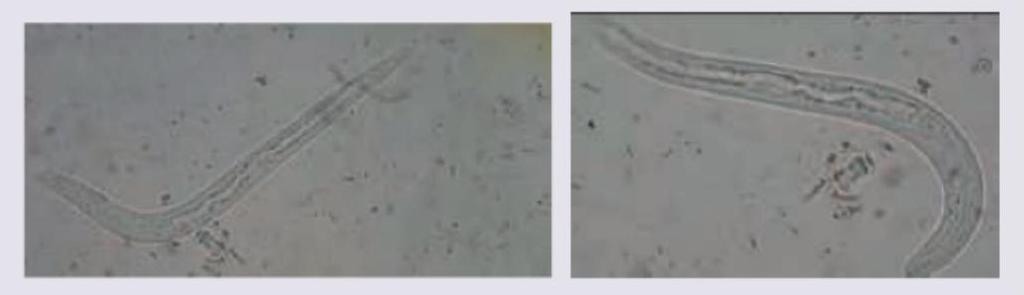
2 questionsPost kidney transplantation, a patient presents with diarrhoea. The motility of the worms is shown in the figure. Correct statement about the organism is: (AIIMS Nov 2018)

The technique shown in the picture is used for: (AIIMS Nov 2018)

INI-CET 2018 - Microbiology INI-CET Practice Questions and MCQs
Question 31: Post kidney transplantation, a patient presents with diarrhoea. The motility of the worms is shown in the figure. Correct statement about the organism is: (AIIMS Nov 2018)
- A. Monoecious organism related with parthenogenesis
- B. Transmitted by intake of contaminated food and water
- C. Loeffler pneumonia is caused by the same organism (Correct Answer)
- D. Infection occurs by filariform larvae
Explanation: ***Loeffler pneumonia is caused by the same organism*** - The image shows **Strongyloides stercoralis larvae** with characteristic motility. In a post-kidney transplant patient with diarrhea, this points to **Strongyloides hyperinfection** due to immunosuppression. - **Loeffler's syndrome (Loeffler pneumonia)** is a transient pulmonary infiltrative disease with eosinophilia, caused by larval migration through lungs. It is classically associated with *Strongyloides stercoralis*, *Ascaris lumbricoides*, and hookworms during their migratory phase. - This option represents an important **clinical association** that connects the organism to a significant pulmonary manifestation. *Monoecious organism related with parthenogenesis* - *Strongyloides stercoralis* is **dioecious (unisexual)**, not monoecious, meaning it has separate male and female forms. - While the parasitic females do exhibit **parthenogenesis** (reproducing without fertilization), the organism is not monoecious. *Transmitted by intake of contaminated food and water* - This is **incorrect**. *Strongyloides stercoralis* is transmitted through **percutaneous penetration** by filariform larvae from contaminated soil. - Fecal-oral transmission via contaminated food/water applies to parasites like *Entamoeba histolytica*, *Giardia*, *Ascaris*, and *Enterobius*, but not *Strongyloides*. *Infection occurs by filariform larvae* - This statement is **factually correct** - infection with *Strongyloides* does occur through **filariform (L3) larvae** penetrating intact skin. - However, in the context of this PYQ, Option C is preferred as it highlights the **clinically significant pulmonary manifestation** (Loeffler's syndrome) that is particularly relevant in immunocompromised patients, while this option merely describes the mode of transmission without clinical correlation.
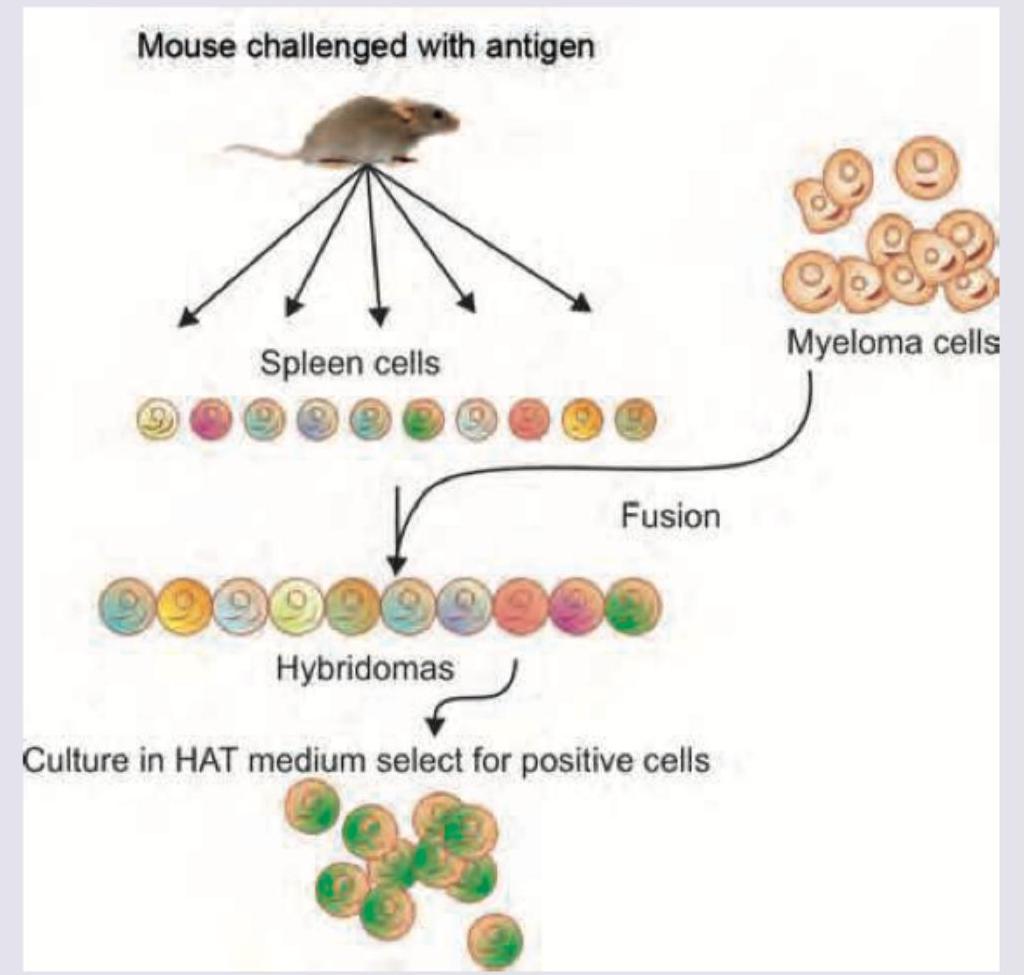
Question 32: The technique shown in the picture is used for: (AIIMS Nov 2018)
- A. Synthesis of monoclonal antibodies (Correct Answer)
- B. Preparing cell lines for viral culture
- C. Synthesis of vaccine
- D. Process of genetic engineering
Explanation: ***Synthesis of monoclonal antibodies*** - The image depicts the process of creating **hybridomas** by fusing antibody-producing spleen cells from an immunized mouse with myeloma cells. - These hybridomas are then cultured in **HAT medium** to select for stable cell lines that continuously produce a single type of antibody, known as **monoclonal antibodies**. *Preparing cell lines for viral culture* - While cell cultures are used for viral studies, the specific methodology shown involving immunization, spleen cell extraction, and fusion with myeloma cells is not for preparing routine **viral cultures**. - Viral culture typically involves growing target cells that are susceptible to a virus and then inoculating them with the virus for replication and study. *Synthesis of vaccine* - **Vaccine synthesis** involves producing antigens (e.g., inactivated viruses, attenuated microbes, or recombinant proteins) to stimulate an immune response, not the production of antibodies themselves. - The process shown aims to generate antibodies, which could *potentially* be used therapeutically, but not primarily for vaccine production. *Process of genetic engineering* - **Genetic engineering** involves manipulating an organism's genes, such as introducing foreign DNA or modifying existing genes. - While molecular biology techniques are involved in antibody production, the core process of fusing cells to create hybridomas specifically for large-scale antibody production is distinct from typical genetic engineering methods like gene cloning or gene editing.
Orthopaedics
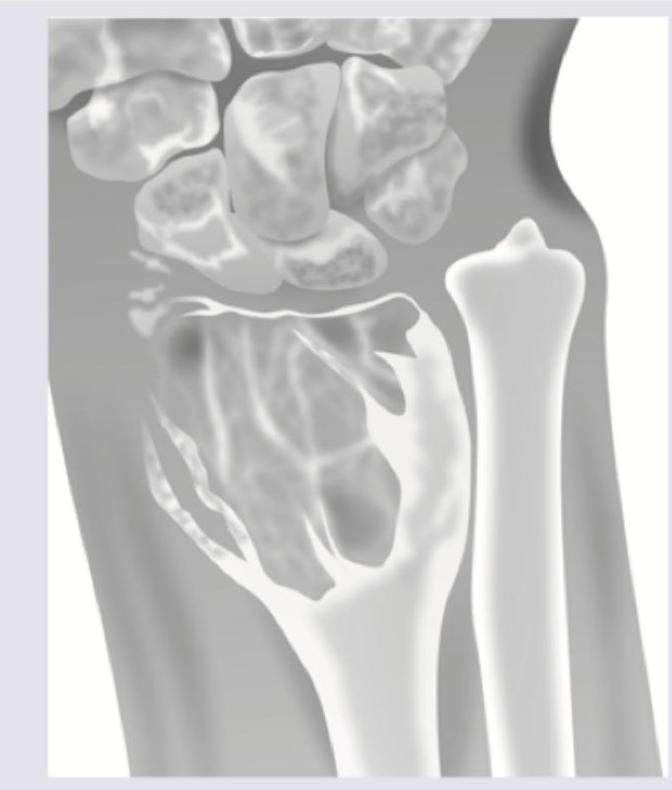
2 questionsIdentify the lesion in the X-ray shown below:

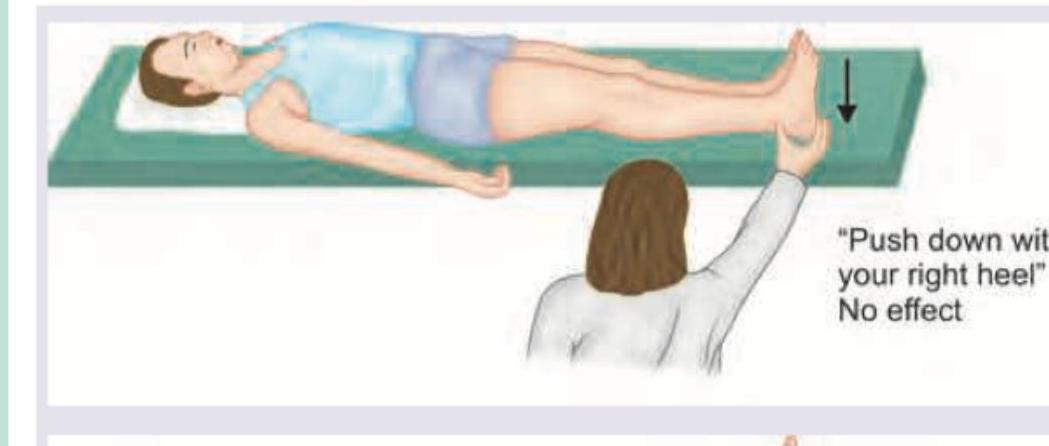
Comment on the test being performed in the patient.

INI-CET 2018 - Orthopaedics INI-CET Practice Questions and MCQs
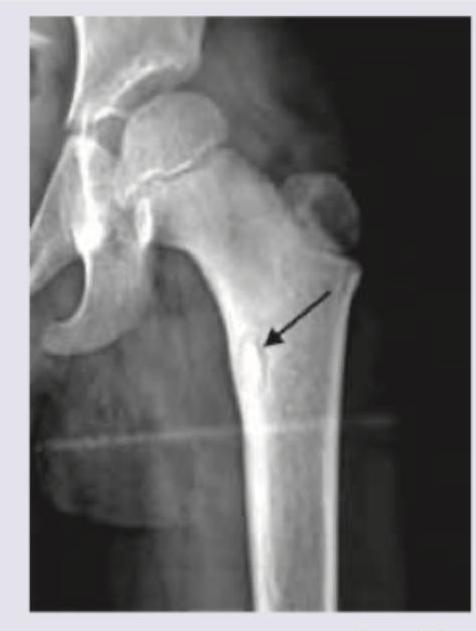
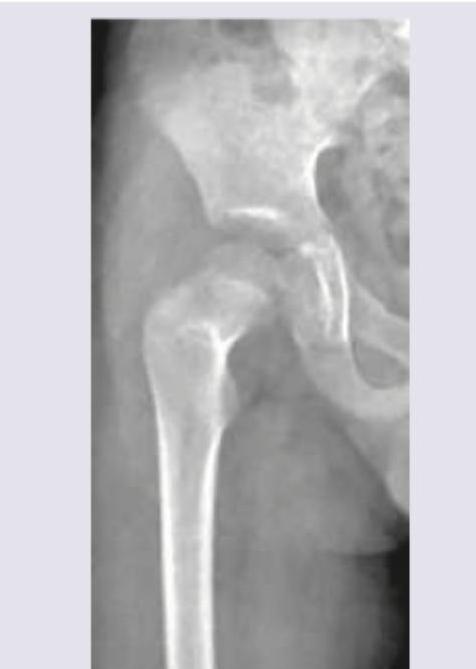
Question 31: Identify the lesion in the X-ray shown below:
- A. Giant cell tumour
- B. Aneurysmal bone cyst (Correct Answer)
- C. Osteoma
- D. Osteosarcoma
Explanation: ***Aneurysmal bone cyst*** - The image shows a **lytic, expansile lesion** in the distal radius with a **"soap bubble" appearance**, characteristic of an aneurysmal bone cyst. - These are typically **benign, blood-filled lesions** that cause bone remodeling and expansion. *Giant cell tumour* - While also a **lytic lesion**, giant cell tumors are usually more aggressive and often show **cortical destruction** and less distinct margins without the typical septations seen here. - They tend to occur in the **epiphysis** of long bones after epiphyseal closure. *Osteoma* - An osteoma is a **benign, dense, sclerotic bone growth**, appearing as a very bright, compact lesion on X-ray, which is clearly not depicted in the image. - These are typically **asymptomatic** and found incidentally. *Osteosarcoma* - This is a **highly malignant primary bone tumor** that typically presents with a **blastic or mixed lytic-blastic appearance**, often with a **"sunburst" pattern** or **Codman's triangle**, characteristics not seen in this image. - It usually causes significant **cortical destruction** and a more aggressive soft tissue mass.
Question 32: Comment on the test being performed in the patient.
- A. McMurray
- B. Apley's grinding test
- C. Hoover sign (Correct Answer)
- D. Gordon sign
Explanation: ***Hoover sign*** - The image depicts the Hoover sign, which tests for **non-organic weakness** in a lower limb. - The examiner asks the patient to lift one leg while feeling for contralateral heel pressure; absence of pressure indicates an inconsistent effort. *McMurray* - The McMurray test evaluates for a **meniscal tear** in the knee. - It involves flexing and rotating the knee while extending it to elicit a click or pain. *Apley's grinding test* - Apley's grinding test is used to assess for **meniscal or ligamentous injury** in the knee. - The patient lies prone, and the examiner applies downward pressure with rotation to the flexed knee. *Gordon sign* - The Gordon sign is a pathological reflex used to identify **upper motor neuron lesions**. - It involves squeezing the calf muscle, which results in **dorsiflexion of the great toe** and fanning of the other toes, similar to a Babinski sign.