INI-CET 2018 — Microbiology
2 Previous Year Questions with Answers & Explanations
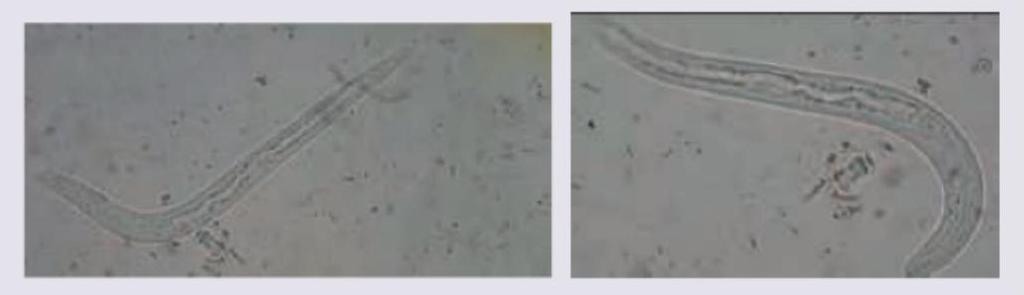
Post kidney transplantation, a patient presents with diarrhoea. The motility of the worms is shown in the figure. Correct statement about the organism is: (AIIMS Nov 2018)
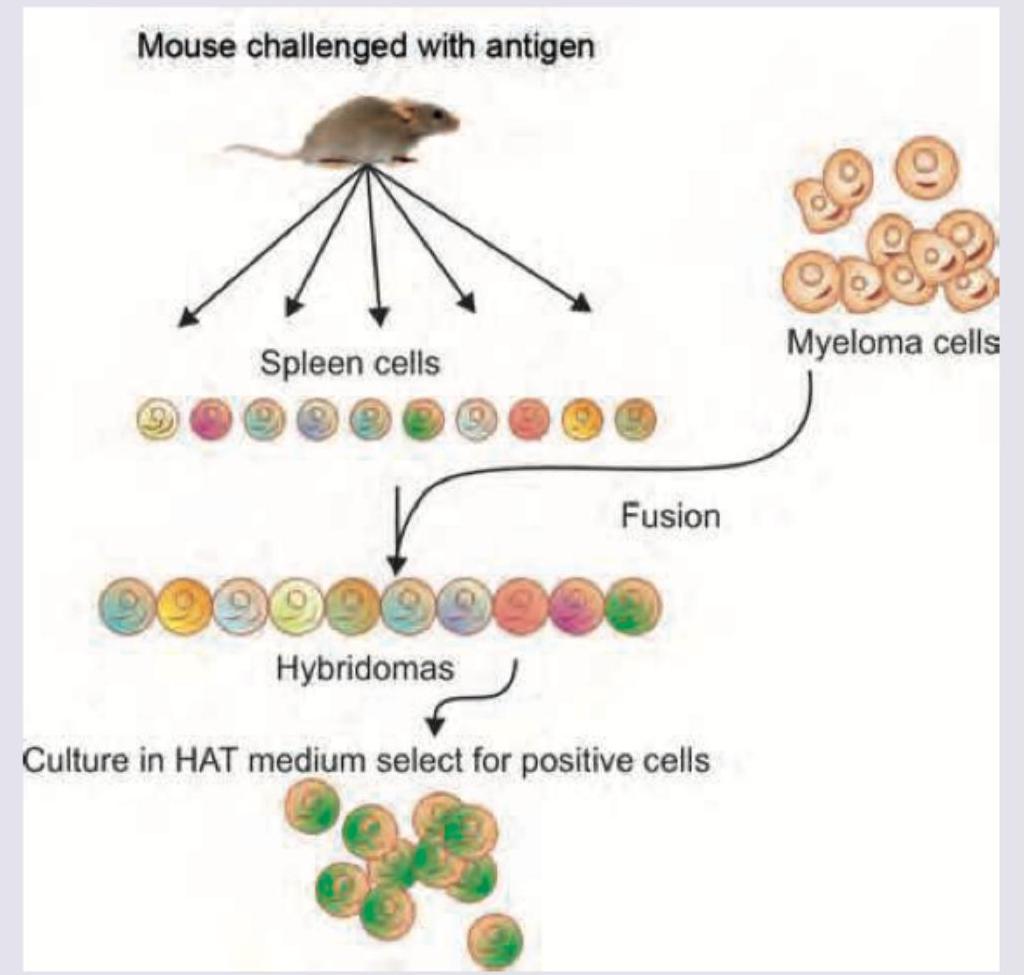
The technique shown in the picture is used for: (AIIMS Nov 2018)
INI-CET 2018 - Microbiology INI-CET Practice Questions and MCQs
Question 1: Post kidney transplantation, a patient presents with diarrhoea. The motility of the worms is shown in the figure. Correct statement about the organism is: (AIIMS Nov 2018)
- A. Monoecious organism related with parthenogenesis
- B. Transmitted by intake of contaminated food and water
- C. Loeffler pneumonia is caused by the same organism (Correct Answer)
- D. Infection occurs by filariform larvae
Explanation: ***Loeffler pneumonia is caused by the same organism*** - The image shows **Strongyloides stercoralis larvae** with characteristic motility. In a post-kidney transplant patient with diarrhea, this points to **Strongyloides hyperinfection** due to immunosuppression. - **Loeffler's syndrome (Loeffler pneumonia)** is a transient pulmonary infiltrative disease with eosinophilia, caused by larval migration through lungs. It is classically associated with *Strongyloides stercoralis*, *Ascaris lumbricoides*, and hookworms during their migratory phase. - This option represents an important **clinical association** that connects the organism to a significant pulmonary manifestation. *Monoecious organism related with parthenogenesis* - *Strongyloides stercoralis* is **dioecious (unisexual)**, not monoecious, meaning it has separate male and female forms. - While the parasitic females do exhibit **parthenogenesis** (reproducing without fertilization), the organism is not monoecious. *Transmitted by intake of contaminated food and water* - This is **incorrect**. *Strongyloides stercoralis* is transmitted through **percutaneous penetration** by filariform larvae from contaminated soil. - Fecal-oral transmission via contaminated food/water applies to parasites like *Entamoeba histolytica*, *Giardia*, *Ascaris*, and *Enterobius*, but not *Strongyloides*. *Infection occurs by filariform larvae* - This statement is **factually correct** - infection with *Strongyloides* does occur through **filariform (L3) larvae** penetrating intact skin. - However, in the context of this PYQ, Option C is preferred as it highlights the **clinically significant pulmonary manifestation** (Loeffler's syndrome) that is particularly relevant in immunocompromised patients, while this option merely describes the mode of transmission without clinical correlation.
Question 2: The technique shown in the picture is used for: (AIIMS Nov 2018)
- A. Synthesis of monoclonal antibodies (Correct Answer)
- B. Preparing cell lines for viral culture
- C. Synthesis of vaccine
- D. Process of genetic engineering
Explanation: ***Synthesis of monoclonal antibodies*** - The image depicts the process of creating **hybridomas** by fusing antibody-producing spleen cells from an immunized mouse with myeloma cells. - These hybridomas are then cultured in **HAT medium** to select for stable cell lines that continuously produce a single type of antibody, known as **monoclonal antibodies**. *Preparing cell lines for viral culture* - While cell cultures are used for viral studies, the specific methodology shown involving immunization, spleen cell extraction, and fusion with myeloma cells is not for preparing routine **viral cultures**. - Viral culture typically involves growing target cells that are susceptible to a virus and then inoculating them with the virus for replication and study. *Synthesis of vaccine* - **Vaccine synthesis** involves producing antigens (e.g., inactivated viruses, attenuated microbes, or recombinant proteins) to stimulate an immune response, not the production of antibodies themselves. - The process shown aims to generate antibodies, which could *potentially* be used therapeutically, but not primarily for vaccine production. *Process of genetic engineering* - **Genetic engineering** involves manipulating an organism's genes, such as introducing foreign DNA or modifying existing genes. - While molecular biology techniques are involved in antibody production, the core process of fusing cells to create hybridomas specifically for large-scale antibody production is distinct from typical genetic engineering methods like gene cloning or gene editing.