INI-CET 2018 — Community Medicine
4 Previous Year Questions with Answers & Explanations
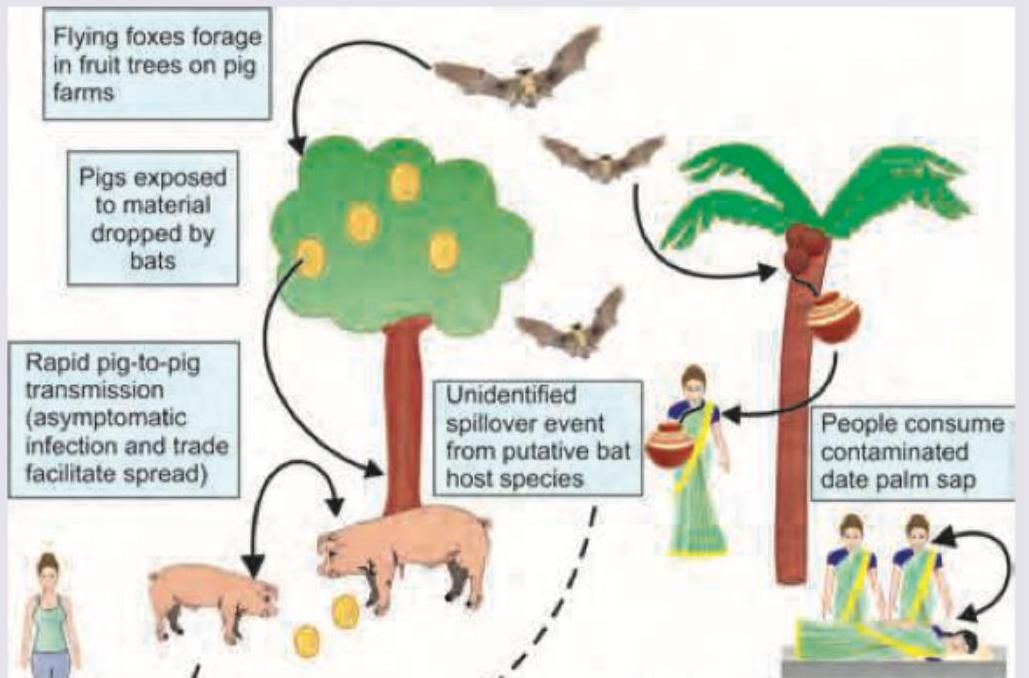
The life cycle shown below is of:
Which is incorrect about the image shown below?
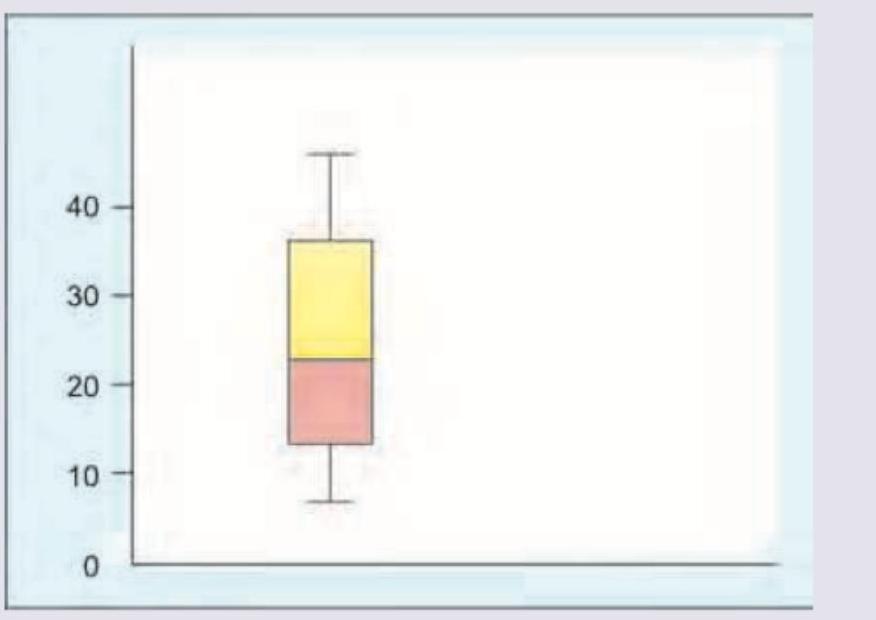
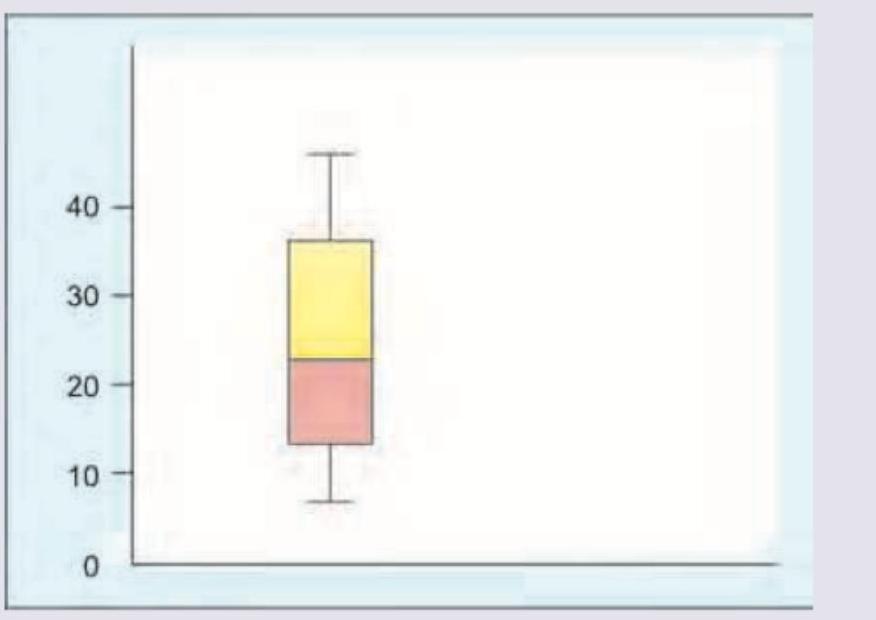
Which of the following is true about the box plot shown?
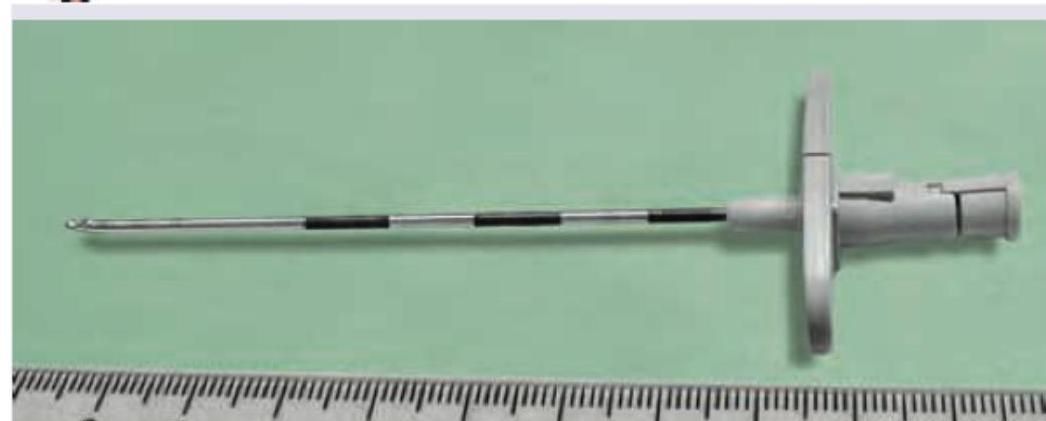
The biomedical waste category for the item shown in the image is:
INI-CET 2018 - Community Medicine INI-CET Practice Questions and MCQs
Question 1: The life cycle shown below is of:
- A. Japanese encephalitis
- B. Nipah virus (Correct Answer)
- C. Chandipura virus
- D. Influenza
Explanation: ***Nipah virus*** - The diagram clearly illustrates the transmission pathways characteristic of Nipah virus, involving **fruit bats (flying foxes)** as primary reservoirs, **pigs as intermediate hosts**, and human infection through direct contact with infected animals or consumption of **contaminated date palm sap**. - The described "rapid pig-to-pig transmission" and "people consume contaminated date palm sap" are key epidemiological features of Nipah virus outbreaks in Southeast Asia. *Japanese encephalitis* - Japanese encephalitis is primarily transmitted by **mosquitoes** (Culex species) and involves **water birds** as primary reservoirs, and pigs as amplifying hosts. - The life cycle shown does not depict mosquito vectors or water birds, which are central to Japanese encephalitis transmission. *Chandipura virus* - Chandipura virus is an arbovirus transmitted by **sandflies** and often associated with seasonal outbreaks of acute encephalitis, primarily affecting children. - Its transmission cycle does not involve bats, pigs, or contaminated date palm sap as depicted in the image. *Influenza* - Influenza viruses circulate mainly among **humans, birds, and pigs**, with transmission primarily through **respiratory droplets** or direct contact. - While pigs can play a role in certain influenza strains (e.g., swine flu), the involvement of bats and consumption of contaminated sap is not characteristic of human influenza transmission.
Question 2: Which is incorrect about the image shown below?
- A. Negatively skewed
- B. Positively skewed
- C. 75 % values are above 25 mg (Correct Answer)
- D. Median is 50 mg
Explanation: ***75 % values are above 25 mg*** - This statement is incorrect. In a box plot, the **second quartile (Q2)** or **median** represents the 50th percentile. The upper boundary of the lower box (Q2) is at 23 mg, meaning 50% of values are above 23 mg. - The upper boundary of the upper box (Q3) is at 35 mg, meaning 25% of values are above 35 mg. Therefore, it is incorrect to say 75% of values are above 25 mg. *Negatively skewed* - The long **tail of the distribution** is on the left side, as indicated by the lower whisker extending further from the box than the upper whisker, and the lower half of the box being larger than the upper half. - In a negatively skewed distribution, the **mean is typically less than the median**, and the bulk of the values are concentrated on the higher end. *Positively skewed* - This statement is incorrect. A **positively skewed** distribution would have a longer tail on the right side, meaning the upper whisker would be longer than the lower whisker and the upper box larger than the lower box. - The provided image shows the opposite, with the longer tail towards the lower values. *Median is 50 mg* - The **median** is represented by the line dividing the lower and upper halves of the box. In this box plot, the median line is at approximately **23 mg**, not 50 mg. - The box itself represents the **interquartile range (IQR)**, with the median dividing it.
Question 3: Which of the following is true about the box plot shown?
- A. Mean = median = mode
- B. Mean = median, not equal to mode (Correct Answer)
- C. Mean = mode, not equal to median
- D. Mean, median and mode are not equal
Explanation: ***Mean = median, not equal to mode*** - A **perfectly symmetrical distribution** (represented by a **symmetrical box plot without whiskers extending further in one direction**) indicates that the **mean and median are equal**. - However, the mode, which is the most frequent value, is not necessarily equal to the mean and median in all symmetrical distributions, especially if it's **not unimodal or not centered at the mean/median**. When depicted using a boxplot, we cannot ascertain the mode simply by looking at where the median lies. *Mean = median = mode* - While the **mean and median are equal** in a symmetrical distribution, the **mode is not explicitly represented** in a box plot. - The mode is the most frequently occurring value, and a box plot primarily shows quartiles and spread, not individual frequencies. *Mean = mode, not equal to median* - In a symmetrical distribution, the **mean and median are equal**. - Therefore, this option is incorrect as it states the mean is not equal to the median. *Mean, median and mode are not equal* - The **symmetrical nature** of the box plot strongly suggests that the **mean and median are equal**. - This option is therefore incorrect, as at least two of the measures of central tendency are equal.
Question 4: The biomedical waste category for the item shown in the image is:
- A. Biomedical waste
- B. Cytotoxic waste (Correct Answer)
- C. Radiation hazard
- D. Chemical waste
Explanation: ***Cytotoxic waste*** - The image displays a **bone marrow needle**, a device used to obtain bone marrow samples, often in the diagnosis and monitoring of cancers. - Materials contaminated with **chemotherapeutic agents** or originating from patients undergoing such treatments are classified as cytotoxic waste due to their genotoxic, carcinogenic, or teratogenic properties. *Biomedical waste* - **Biomedical waste** is a broader category that includes general healthcare waste, but cytotoxic waste requires specific handling due to its hazardous nature. - While a bone marrow needle is a medical device, its association with cancer treatment and potentially cytotoxic substances elevates its classification beyond regular biomedical waste. *Radiation hazard* - **Radiation hazard** waste typically involves materials contaminated with radioactive isotopes, indicated by a trefoil symbol. - The instrument shown is not associated with radioactive materials or procedures involving ionizing radiation. *Bioterrorism* - **Bioterrorism** refers to the intentional release of biological agents to cause illness or death in humans, animals, or plants. - The item pictured is a medical instrument for diagnostic purposes, unrelated to the deliberate use of biological agents for harm.