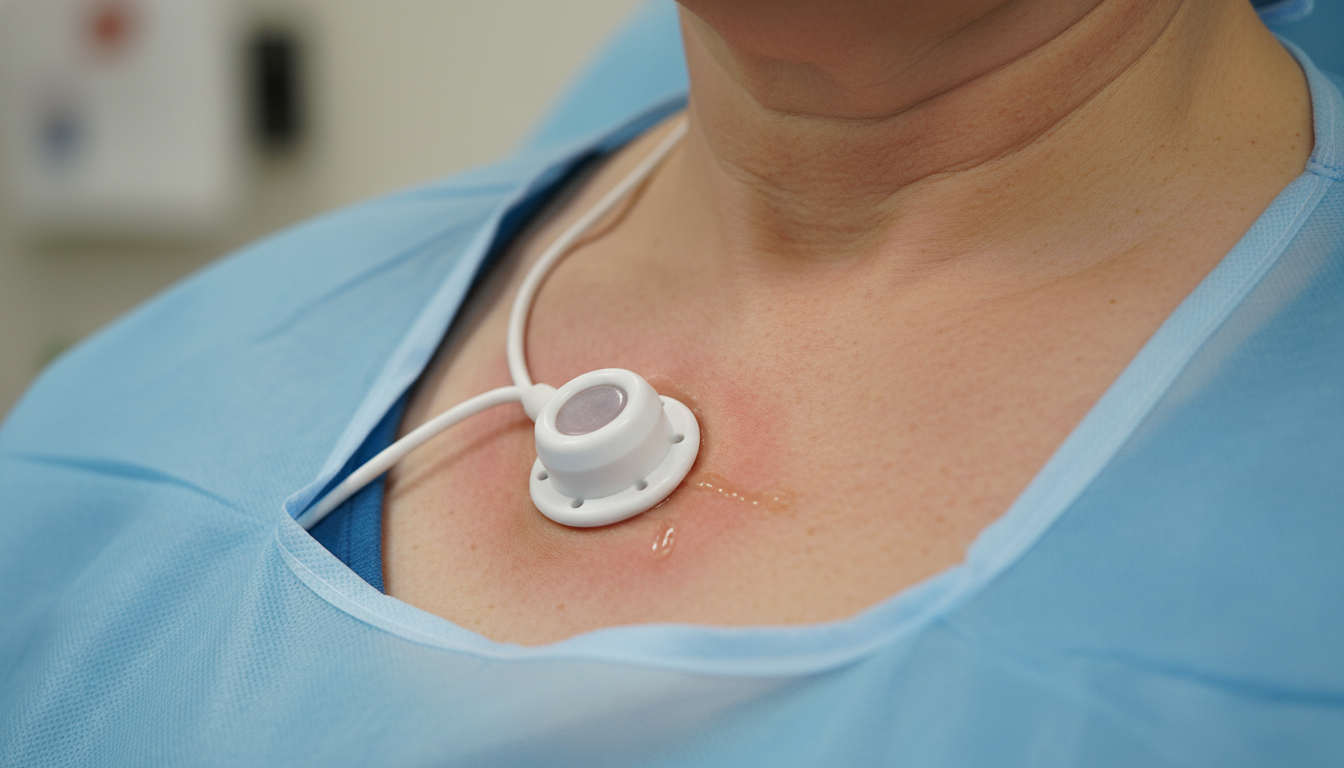
What is the diagnostic test for group A streptococcal erysipelas?
Antigenic variation is seen in which of the following?
What is the term for a water loss of 5-10 liters/hour in cholera?
Which medium is used for the early diagnosis of Corynebacterium diphtheriae?
What is the medium used for the culture of Legionella species?
All of the following are examples of antigen virulence factors EXCEPT?
Which of the following is NOT associated with Helicobacter pylori infection?
All of the following are main virulence factors of Pseudomonas aeruginosa except?
In ideal conditions, how long does it take for E. coli to multiply and produce daughter cells?
Which of the following best describes the genus Neisseria?
Explanation: **Explanation:** **Group A Streptococcus (GAS)**, specifically *Streptococcus pyogenes*, is the primary causative agent of **erysipelas**, a superficial cutaneous infection characterized by a well-demarcated, fiery-red rash. **Why Bacitracin Sensitivity is correct:** In the microbiology laboratory, *S. pyogenes* is identified by its pattern of **Beta-hemolysis** on blood agar. To differentiate it from other beta-hemolytic streptococci (like Group B), the **Bacitracin Sensitivity Test** is used. Group A Streptococci are uniquely **sensitive** to low concentrations of bacitracin (Taxo A disc), showing a zone of inhibition around the disc. **Why the other options are incorrect:** * **Bile solubility test (A):** This test is used to identify *Streptococcus pneumoniae*, which lyses in the presence of bile salts. * **Catalase test (B):** This is the primary test to differentiate *Staphylococci* (Catalase positive) from *Streptococci* (Catalase negative). All Streptococci, including GAS, are catalase-negative. * **Optochin sensitivity (C):** This is used to differentiate *Streptococcus pneumoniae* (Sensitive) from Viridans group streptococci (Resistant). **High-Yield Clinical Pearls for NEET-PG:** * **PYR Test:** The most definitive biochemical test for Group A Streptococcus is the **PYR (Pyrrolidonyl Arylamidase) test**, which is positive for GAS and Enterococci. * **ASO Titer:** Useful for diagnosing post-streptococcal sequelae like Acute Rheumatic Fever, but notably **often negative or low in skin infections** like erysipelas or impetigo. * **M Protein:** The major virulence factor of *S. pyogenes*, responsible for inhibiting phagocytosis.
Explanation: ### Explanation **Correct Answer: B. Neisseria** **1. Why Neisseria is Correct:** Antigenic variation is a survival strategy used by pathogens to evade the host's immune system by constantly changing their surface proteins. **Neisseria gonorrhoeae** (and to an extent *N. meningitidis*) is a classic example. It achieves this primarily through its **Pili (Type IV pili)** and **Opa proteins**. * **Mechanism:** Through programmed gene conversion and recombination, the bacteria shuffle "silent" pilin genes into an expression locus. This results in the production of structurally different pili, ensuring that antibodies produced against the previous version are no longer effective. This is why repeated infections with Gonorrhoea are common. **2. Why Other Options are Incorrect:** * **A. Treponema pallidum:** While it has very few surface proteins ("stealth pathogen" strategy) to avoid immune detection, it is not primarily characterized by the rapid antigenic variation of surface structures seen in Neisseria. * **C. Corynebacterium diphtheriae:** This organism relies on the production of a potent exotoxin (Diphtheria toxin). Immunity is mediated by antitoxin antibodies; the bacterium does not frequently change its surface antigens to evade the immune system. **3. High-Yield Clinical Pearls for NEET-PG:** * **Other organisms showing Antigenic Variation:** * *Borrelia recurrentis* (causes relapsing fever due to VMP protein changes). * *Trypanosoma brucei* (VSG - Variant Surface Glycoproteins). * Influenza virus (Antigenic Drift and Shift). * *Giardia lamblia* (VSP - Variant-specific Surface Proteins). * **Phase Variation vs. Antigenic Variation:** Phase variation is the "on-off" switching of an antigen, whereas antigenic variation is the alteration of the antigen's structure. Neisseria exhibits both. * **Vaccine Challenge:** Antigenic variation is the primary reason why there is currently **no effective vaccine** for Gonorrhoea.
Explanation: **Explanation:** **Cholera gravis** is the term used to describe the most severe clinical manifestation of infection by *Vibrio cholerae*. The underlying pathophysiology involves the **Cholera Toxin (Choleragen)**, which permanently activates adenylate cyclase, leading to high levels of intracellular cAMP. This results in the massive secretion of isotonic fluid into the intestinal lumen. In its most fulminant form, patients can lose **5 to 10 liters of fluid per hour**, leading to rapid dehydration, hypovolemic shock, and "Rice Water Stools." **Analysis of Options:** * **Cholera gravis (Correct):** Refers to the severe, life-threatening form of the disease characterized by massive fluid loss (>1 liter/hour in adults) and high mortality if untreated. * **Cholera mitis:** This term is not a standard clinical classification for cholera. In microbiology, "mitis" is often used to describe milder strains of other bacteria (e.g., *C. diphtheriae*), but it does not define the 5-10 L/hr fluid loss in cholera. * **Cholera majoris & Cholera intermedius:** These are descriptive distractors and are not recognized medical terms used to classify the severity of *Vibrio cholerae* infections. **High-Yield Clinical Pearls for NEET-PG:** * **Rice Water Stools:** Characteristically non-offensive, colorless with mucus flakes, and containing high concentrations of Potassium ($K^+$) and Bicarbonate ($HCO_3^-$). * **Diagnosis:** Gold standard is stool culture on **TCBS (Thiosulfate Citrate Bile Salts Sucrose) agar**, where *V. cholerae* produces yellow colonies. * **Transport Media:** Venkatraman-Ramakrishnan (VR) medium or Cary-Blair medium. * **Treatment:** The priority is aggressive fluid resuscitation (ORS or IV Ringer’s Lactate). **Doxycycline** is the drug of choice for reducing the duration of shedding.
Explanation: **Explanation:** The correct answer is **Loeffler’s serum slope (LSS)** because it is an enriched medium that allows for the **rapid growth** of *Corynebacterium diphtheriae*. While most bacteria take 24 hours to grow, *C. diphtheriae* grows on LSS within **6 to 8 hours**, making it the medium of choice for early presumptive diagnosis. Furthermore, LSS preserves the characteristic morphology (Chinese letter pattern) and enhances the development of **metachromatic granules** (Volutin/Babes-Ernst granules), which are essential for microscopic identification using Albert’s stain. **Analysis of Incorrect Options:** * **Potassium tellurite agar (PTA):** This is a **selective medium**. While it is excellent for isolating the organism by inhibiting commensal flora, it is slow-growing (requires 24–48 hours). It is used for biotyping (mitis, intermedius, gravis) rather than early diagnosis. * **Hoyle’s media:** This is a modified tellurite medium used for the selective isolation and differentiation of *C. diphtheriae* types. Like PTA, it is not as rapid as LSS. * **Tinsdale agar:** Another selective and differential medium containing potassium tellurite and cystine. It produces a characteristic **brown halo** around colonies but is used for definitive identification, not rapid early diagnosis. **NEET-PG High-Yield Pearls:** * **Specimen of choice:** Throat swab (from the edge of the pseudomembrane). * **Morphology:** Gram-positive, non-motile, club-shaped bacilli arranged in **cuneiform/Chinese letter patterns** due to snapping division. * **Gold Standard for Toxigenicity:** Elek’s Gel Precipitation Test. * **Schick Test:** Used to demonstrate the immune status (hypersensitivity and immunity) of an individual against diphtheria toxin.
Explanation: **Explanation:** **1. Why BCYE medium is correct:** *Legionella pneumophila* is a fastidious, Gram-negative bacillus that requires specific growth factors, most notably **L-cysteine** and **iron**. **BCYE (Buffered Charcoal Yeast Extract) agar** is the gold standard medium for its cultivation. * **Yeast extract** provides vitamins and nutrients. * **L-cysteine and Ferric pyrophosphate** are essential for growth. * **Activated Charcoal** serves a critical role by neutralizing toxic peroxides and metabolic byproducts produced by the bacteria during growth. **2. Why the other options are incorrect:** * **Loeffler’s serum slope:** Used primarily for the rapid growth of *Corynebacterium diphtheriae*. It enhances the development of characteristic metachromatic granules. * **Tellurite agar (Potassium Tellurite):** A selective medium for *Corynebacterium diphtheriae*, where the bacteria reduce tellurite to metallic tellurium, resulting in black-colored colonies. * **Thayer-Martin agar:** A selective medium (Chocolate agar + Vancomycin, Colistin, Nystatin, and Trimethoprim) used for the isolation of pathogenic *Neisseria* species (*N. meningitidis* and *N. gonorrhoeae*). **3. High-Yield NEET-PG Clinical Pearls:** * **Staining:** *Legionella* stains poorly with Gram stain; **Dieterle silver stain** or Direct Fluorescent Antibody (DFA) is preferred. * **Clinical Presentation:** Causes **Legionnaires' disease** (severe pneumonia with diarrhea and hyponatremia) and **Pontiac fever** (mild flu-like illness). * **Transmission:** Associated with aerosolization from water cooling towers, AC systems, and showerheads. No person-to-person transmission occurs. * **Diagnosis:** The **Urinary Antigen Test** is the most rapid and commonly used initial test in clinical practice.
Explanation: ### Explanation The core concept tested here is **Antigenic Variation**, a mechanism used by pathogens to evade the host's immune system by periodically changing their surface antigens. **Why Corynebacterium diphtheriae is the correct answer:** *Corynebacterium diphtheriae* does **not** utilize antigenic variation as a virulence factor. Its primary virulence is mediated by the **Diphtheria toxin** (an exotoxin encoded by a tox gene via a lysogenic bacteriophage). Because the surface antigens of *C. diphtheriae* remain stable, the host can mount a consistent immune response, and vaccines (like the DPT vaccine) targeting the toxoid are highly effective. **Analysis of Incorrect Options (Organisms that show Antigenic Variation):** * **Borrelia species:** *Borrelia recurrentis* (Relapsing fever) is the classic example. It undergoes programmed rearrangements of genes encoding **VMP (Variable Major Proteins)**, leading to successive waves of fever as the immune system struggles to keep up with new antigenic variants. * **Malarial parasites:** *Plasmodium falciparum* expresses the **PfEMP1** (Plasmodium falciparum erythrocyte membrane protein 1) on red cells. By switching between different *var* genes, the parasite avoids clearance by the spleen. * **Filarial parasites:** These parasites utilize surface coat changes and molecular mimicry to persist in the host lymphatic system for years, effectively "hiding" from immune detection. **NEET-PG High-Yield Pearls:** 1. **Classic Examples of Antigenic Variation:** *Neisseria gonorrhoeae* (Pili), *Trypanosoma brucei* (VSG - Variable Surface Glycoproteins), *Influenza virus* (Antigenic drift/shift), and *Borrelia*. 2. **Diphtheria Toxin Mechanism:** It inhibits protein synthesis by **ADP-ribosylation of Elongation Factor-2 (EF-2)**. 3. **Diagnosis:** *C. diphtheriae* is identified using **Albert’s stain** (metachromatic granules) and the **Elek’s gel precipitation test** (for toxin detection).
Explanation: **Explanation:** The correct answer is **Type A gastritis**. To understand why, we must distinguish between the two primary types of chronic gastritis: 1. **Type A Gastritis (Autoimmune):** This involves the **A**ntibodies against parietal cells and intrinsic factor. It primarily affects the **A**ndrum-sparing areas (the Fundus and Body). It is **not** associated with *H. pylori*. 2. **Type B Gastritis (Bacterial):** This is caused by *H. pylori*. It typically starts in the **B**antrum (Antrum) and is the most common form of chronic gastritis worldwide. **Analysis of Options:** * **Option A (Correct):** As established, Type A is autoimmune, whereas *H. pylori* causes Type B (Antral) gastritis. * **Option B (MALToma):** *H. pylori* provides chronic antigenic stimulation, leading to B-cell proliferation. It is a definitive risk factor for Mucosa-Associated Lymphoid Tissue lymphoma; eradication of the bacteria often leads to tumor regression. * **Option C (Gastric Adenocarcinoma):** The WHO classifies *H. pylori* as a **Class 1 Carcinogen**. Chronic inflammation leads to intestinal metaplasia and eventually adenocarcinoma. * **Option D (Hyperchlorhydria):** In the early stages of infection (Antral-predominant gastritis), *H. pylori* inhibits somatostatin release, leading to increased gastrin levels and **hyperchlorhydria**, which predisposes patients to duodenal ulcers. **NEET-PG High-Yield Pearls:** * **Virulence Factors:** **CagA** (associated with cancer) and **VacA** (cytotoxin). * **Urease Production:** The basis for the **Urea Breath Test** (non-invasive gold standard for follow-up) and Rapid Urease Test (invasive). * **Microscopy:** Gram-negative, S-shaped/spiral bacilli exhibiting "corkscrew motility." * **Treatment:** Standard Triple Therapy (PPI + Amoxicillin + Clarithromycin).
Explanation: **Explanation:** *Pseudomonas aeruginosa* is a quintessential opportunistic pathogen known for its extensive arsenal of virulence factors. The correct answer is **Enterotoxin**, as *P. aeruginosa* does not typically produce enterotoxins; these are characteristic of enteric pathogens like *Vibrio cholerae* or *Staphylococcus aureus* (causing food poisoning). **Why the other options are wrong (Virulence Factors of Pseudomonas):** * **Type III Secretion System (T3SS):** This is a critical "needle-like" apparatus that injects effector toxins (ExoS, ExoT, ExoU, ExoY) directly into host cells, causing cell death and immune evasion. * **Proteases:** *Pseudomonas* secretes several proteases, most notably **Elastase**. These enzymes degrade host tissues (collagen, elastin), interfere with complement activation, and are responsible for the characteristic hemorrhagic lesions known as **Ecthyma gangrenosum**. * **Phospholipases:** It produces Phospholipase C, which breaks down phospholipids in host cell membranes and lung surfactant, contributing to tissue invasion and respiratory failure in cystic fibrosis patients. **High-Yield NEET-PG Pearls:** 1. **Exotoxin A:** Its most potent toxin. Like Diphtheria toxin, it inhibits **EF-2** via ADP-ribosylation, halting protein synthesis. 2. **Pyocyanin:** A blue-green pigment that generates reactive oxygen species (ROS) to damage host tissues. 3. **Alginate:** An exopolysaccharide responsible for **biofilm** formation, particularly in Cystic Fibrosis patients, protecting the bacteria from antibiotics and phagocytosis. 4. **Quorum Sensing:** A cell-to-cell communication mechanism that regulates the expression of these virulence factors based on bacterial population density.
Explanation: **Explanation:** The correct answer is **20 minutes**. This question tests the concept of **Generation Time** (or doubling time), which is the time required for a bacterial cell to divide into two daughter cells under optimal laboratory conditions. **1. Why 20 minutes is correct:** *Escherichia coli* is a rapidly growing facultative anaerobe. In ideal conditions (nutrient-rich media like Brain Heart Infusion broth at 37°C), its generation time is approximately **20 minutes**. This rapid multiplication explains why a small inoculum can lead to a significant bacterial load and clinical symptoms within a short incubation period. **2. Why the other options are incorrect:** * **24 hours:** This is the typical time required for most clinically significant bacteria (like *Staphylococcus* or *E. coli*) to form **visible colonies** on an agar plate, not the time for a single cell division. * **20 days:** This is characteristic of **slow-growing mycobacteria**, specifically *Mycobacterium leprae*, which has an exceptionally long generation time (approx. 12–14 days). * **4 weeks:** This timeframe is associated with the clinical observation of growth for *Mycobacterium tuberculosis* on solid media (like LJ medium), which typically takes 2–8 weeks to show visible growth. **Clinical Pearls for NEET-PG:** * **Fastest Grower:** *Vibrio parahaemolyticus* has one of the shortest generation times (approx. 8–10 minutes). * **Slowest Grower:** *Mycobacterium leprae* cannot be cultured in vitro; its doubling time is measured in armadillos or mouse footpads. * **Bacterial Growth Curve:** Remember the four phases: **Lag** (no division, metabolic buildup), **Log/Exponential** (rapid division, generation time is measured here), **Stationary** (growth equals death), and **Decline**. * **Antibiotic Sensitivity:** Bacteria are most susceptible to antimicrobial agents (like Beta-lactams) during the **Log phase**.
Explanation: **Explanation:** The genus **Neisseria** consists of aerobic, non-motile, **Gram-negative diplococci**. Under the microscope, they typically appear in pairs with adjacent sides flattened, often described as **"kidney-bean" or "coffee-bean" shaped**. The two primary human pathogens in this genus are *N. meningitidis* (meningococcus) and *N. gonorrhoeae* (gonococcus). **Analysis of Options:** * **Option B (Correct):** Neisseria species are classic Gram-negative diplococci. They are also **Oxidase positive** and **Catalase positive**, which are key biochemical markers for identification. * **Option A:** Gram-positive diplococci primarily refers to *Streptococcus pneumoniae* (which are lancet-shaped). * **Option C:** Gram-negative coccobacilli include organisms like *Haemophilus influenzae*, *Bordetella pertussis*, and *Brucella*. * **Option D:** Gram-positive bacilli include *Bacillus* and *Clostridium* species. **High-Yield Clinical Pearls for NEET-PG:** * **Culture Media:** Neisseria are fastidious. *N. gonorrhoeae* grows on **Thayer-Martin Medium** (a selective VCN medium: Vancomycin, Colistin, Nystatin). * **Sugar Fermentation:** A classic "PGI-style" fact is their acid production from sugars: * *N. **m**eningitidis* ferments **M**altose and Glucose. * *N. **g**onorrhoeae* ferments only **G**lucose. * **Virulence:** *N. meningitidis* is capsulated (polysaccharide), whereas *N. gonorrhoeae* is non-capsulated but possesses highly antigenic pili for attachment. * **Waterhouse-Friderichsen Syndrome:** A severe complication of meningococcemia involving adrenal hemorrhage.
Staphylococci
Practice Questions
Streptococci and Enterococci
Practice Questions
Neisseria and Moraxella
Practice Questions
Corynebacterium and Listeria
Practice Questions
Bacillus and Clostridium
Practice Questions
Enterobacteriaceae
Practice Questions
Vibrio, Aeromonas, and Plesiomonas
Practice Questions
Pseudomonas and Related Bacteria
Practice Questions
Haemophilus and HACEK Group
Practice Questions
Bordetella and Brucella
Practice Questions
Mycobacteria
Practice Questions
Spirochetes
Practice Questions
Get full access to all questions, explanations, and performance tracking.
Start For Free