Radio-metric BACTEC detects the growth of M. tuberculosis in approximately how much time?
Which of the following is the endotoxin from gram-negative organisms?
Rat bite fever may be caused by which of the following organisms?
A hospital has identified a significant outbreak of Methicillin-resistant Staphylococcus aureus (MRSA). What is the immediate priority to prevent further spread of the infection?
A 32-year-old male who recently visited a sea coast presented with an ulcer over the left leg. What is the probable cause of this ulcer?
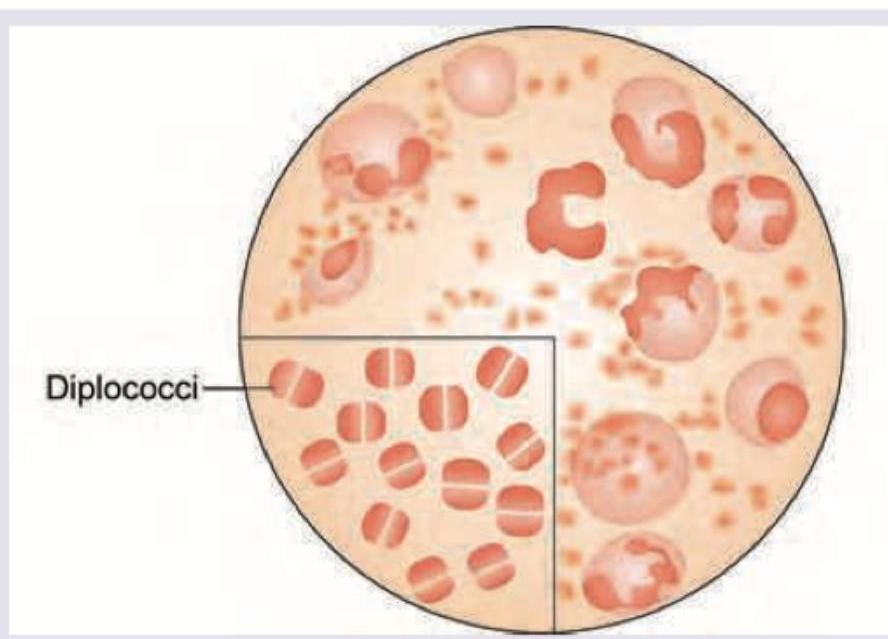
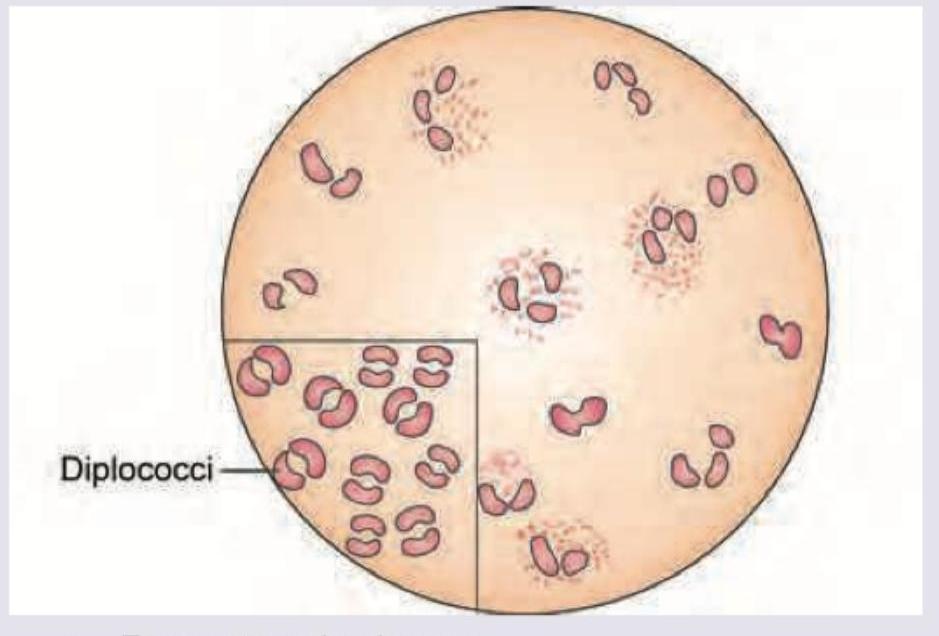
A 20-year-old male patient presents with a genital discharge described as resembling the flow of seeds. He reports a history of sexual intercourse with a commercial sex worker 5 days prior to presentation. What culture medium is typically used for the isolation of the causative organism?
Which of the following statements regarding anthrax is INCORRECT?
A 3-week-old child presented with meningitis. A presumptive diagnosis of late-onset perinatal meningitis was made, and the CSF culture was positive for Gram-positive bacilli. Which of the following characteristics of this bacterium would be most helpful in differentiating it from other bacterial agents?
Which of the following statements about non-typhoidal Salmonella is FALSE?
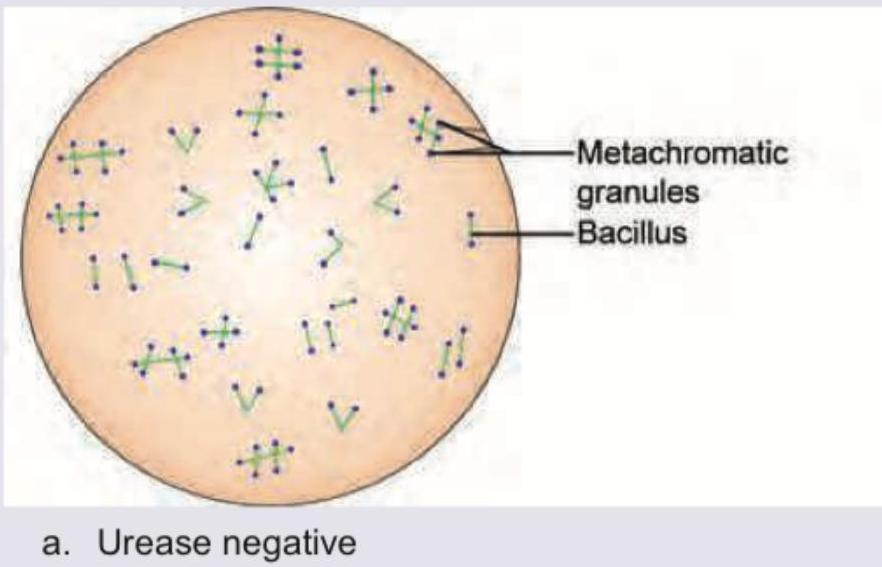
What is true regarding Diphtheria?
Explanation: **Explanation:** The **BACTEC system** is a rapid automated culture method used for the detection of *Mycobacterium tuberculosis*. It utilizes a liquid medium (Middlebrook 7H12) containing a **$^{14}$C-labeled substrate** (palmitic acid). 1. **Why Option B is correct:** When *M. tuberculosis* grows in the medium, it metabolizes the $^{14}$C-palmitic acid and releases **radioactive $^{14}$CO₂** into the headspace of the vial. The BACTEC instrument detects this radioactivity and reports it as a "Growth Index" (GI). Because liquid media allow for faster bacterial multiplication compared to solid media, growth is typically detected within **2 to 3 weeks** (average 9–14 days). 2. **Why other options are incorrect:** * **Option A (1 week):** While some rapid growers (atypical mycobacteria) might be detected this early, *M. tuberculosis* generally requires at least 9–12 days for measurable CO₂ production. * **Option C (4-8 weeks):** This is the timeframe for **conventional solid media** (like Lowenstein-Jensen medium), which relies on visible colony formation. * **Option D (>10 weeks):** This is far beyond the diagnostic window; most cultures are discarded as negative if no growth occurs by 8 weeks. **High-Yield Clinical Pearls for NEET-PG:** * **Gold Standard:** Culture remains the gold standard for TB diagnosis, but BACTEC is preferred for its speed. * **Non-Radiometric BACTEC (MGIT):** Modern labs now use the **BACTEC MGIT 960**, which uses **oxygen-sensitive fluorescence** instead of radioactivity, making it safer and more common. * **NAP Test:** To differentiate *M. tuberculosis* from atypical mycobacteria in BACTEC, the **NAP (p-nitro-alpha-acetylamino-beta-hydroxypropiophenone)** test is used; it selectively inhibits the *M. tuberculosis* complex.
Explanation: **Explanation:** The correct answer is **Lipopolysaccharide (LPS)**. Endotoxins are integral components of the outer membrane of almost all Gram-negative bacteria. Unlike exotoxins, which are actively secreted by bacteria, endotoxins are released primarily during bacterial cell lysis or death. **Why Lipopolysaccharide (LPS) is correct:** LPS is a complex molecule consisting of three parts: 1. **Lipid A:** The toxic moiety responsible for the biological effects (fever, shock, DIC). 2. **Core Polysaccharide:** Connects Lipid A to the O-antigen. 3. **O-antigen (O-specific side chain):** The outer hydrophilic part used for serological identification. **Why other options are incorrect:** * **Polysaccharide:** While LPS contains a polysaccharide component, the term "polysaccharide" alone is too broad and lacks the toxic Lipid A component necessary to be defined as an endotoxin. * **Glycoprotein:** These are proteins with carbohydrate chains. While many bacterial surface receptors are glycoproteins, they do not function as endotoxins. * **Lipoprotein:** Gram-negative bacteria contain **Braun’s lipoprotein**, which anchors the outer membrane to the peptidoglycan layer, but it does not possess the endotoxic activity characteristic of LPS. **High-Yield Clinical Pearls for NEET-PG:** * **Mechanism of Action:** LPS binds to **CD14** and **TLR-4** (Toll-like receptor 4) on macrophages, triggering the release of potent cytokines like **IL-1, IL-6, and TNF-α**. * **Heat Stability:** Endotoxins are heat-stable (withstand 100°C for 1 hour), whereas most exotoxins are heat-labile. * **Detection:** The **Limulus Amebocyte Lysate (LAL) test** (derived from horseshoe crab blood) is the gold standard for detecting endotoxins in parenteral fluids. * **Toxoid formation:** Unlike exotoxins, endotoxins **cannot** be converted into toxoids for vaccines.
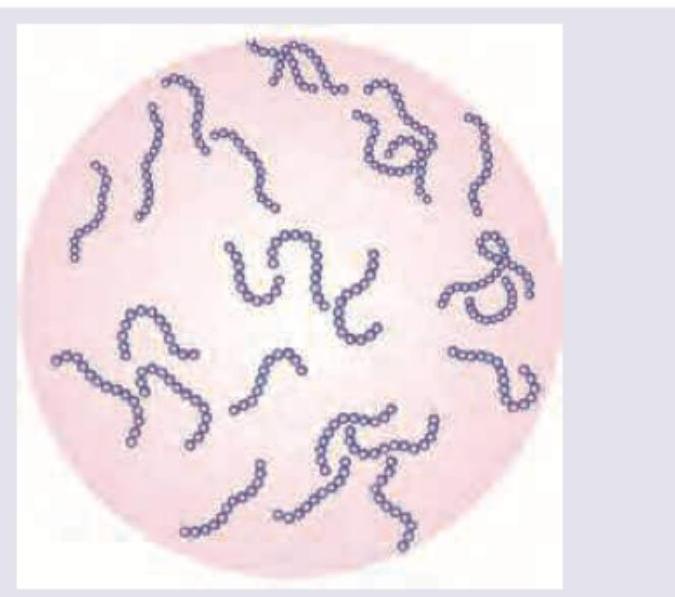
Explanation: **Explanation:** **Rat-bite fever (RBF)** is a systemic zoonotic illness transmitted through the bite or scratch of an infected rodent. It is caused by two distinct bacteria: **Streptobacillus moniliformis** (most common in North America/Europe) and **Spirillum minus** (common in Asia, where it is known as *Sodoku*). 1. **Why Option B is Correct:** * *Streptobacillus moniliformis* is a pleomorphic, Gram-negative, non-motile coccobacillus that grows in chains (streptos = twisted/chain). * **Clinical Presentation:** It typically presents with fever, vomiting, headache, and a characteristic maculopapular rash on the palms and soles, often complicated by migratory polyarthralgia. * **Haverhill Fever:** This is the name given to the illness when *S. moniliformis* is acquired through the ingestion of contaminated milk or water rather than a bite. 2. **Why Other Options are Incorrect:** * **A. Leptospira canicola:** Causes Leptospirosis (Weil’s disease). While transmitted via animal urine (often dogs or rats), it presents with jaundice, renal failure, and conjunctival suffusion, not the classic RBF syndrome. * **C. Borrelia recurrentis:** The causative agent of **Louse-borne Relapsing Fever**, transmitted by the human body louse (*Pediculus humanus corporis*). * **D. Yersinia:** *Yersinia pestis* causes the Plague (transmitted by rat fleas), while *Y. enterocolitica* causes enterocolitis. Neither causes Rat-bite fever. **High-Yield Pearls for NEET-PG:** * **Microscopy:** *S. moniliformis* shows "string of beads" appearance in culture. * **Culture:** It is fastidious and requires blood, serum, or ascitic fluid for growth; it is inhibited by **Sodium Polyanethol Sulfonate (SPS)**, a common anticoagulant in blood culture bottles. * **Differential:** If the question mentions a long incubation period (1–4 weeks) and prominent lymphadenopathy without arthritis, think **Spirillum minus (Sodoku)**.
Explanation: ### Explanation **1. Why Option B is Correct:** The primary mode of transmission for *Methicillin-resistant Staphylococcus aureus* (MRSA) in a healthcare setting is via the **contaminated hands of healthcare workers**. Hand hygiene (using soap and water or alcohol-based hand rubs) is the single most effective, simplest, and most immediate intervention to break the chain of transmission. According to WHO and CDC guidelines, strict adherence to hand hygiene "moments" is the cornerstone of infection control during any nosocomial outbreak. **2. Analysis of Incorrect Options:** * **Option A:** Closing a hospital is an extreme, impractical measure that does not address the root cause of transmission (human vectors) and is never the "immediate priority." * **Option C:** While isolation and active surveillance (nasal swabs) are crucial components of an outbreak response, they are secondary steps. Hand hygiene must be implemented *immediately* even before screening results are available. * **Option D:** Environmental cleaning is important, but MRSA is more commonly spread through direct contact rather than surface-to-patient transmission. Furthermore, chlorhexidine is primarily a skin antiseptic, not a standard environmental disinfectant (hypochlorite or quaternary ammonium compounds are preferred for surfaces). **3. NEET-PG High-Yield Pearls:** * **Mechanism of Resistance:** MRSA resistance is mediated by the **_mecA_ gene**, which encodes an altered Penicillin-Binding Protein (**PBP-2a**). This protein has a low affinity for almost all beta-lactams. * **Drug of Choice:** **Vancomycin** is the gold standard for systemic MRSA. For skin/soft tissue infections, Linezolid or Daptomycin may be used. * **Decolonization:** For carriers, the drug of choice for nasal decolonization is **Mupirocin** ointment. * **Screening Site:** The **anterior nares** is the most common site for MRSA colonization.
Explanation: **Explanation:** The clinical presentation of an ulcer following exposure to a **sea coast** (saltwater) is a classic hallmark of **Vibrio vulnificus** infection. **1. Why Vibrio vulnificus is correct:** *Vibrio vulnificus* is a halophilic (salt-loving), Gram-negative, comma-shaped rod. It is found in warm coastal waters. Infection typically occurs via two routes: * **Wound infection:** Direct inoculation of an open wound with seawater, leading to rapidly progressing cellulitis, hemorrhagic bullae, and necrotic ulcers. * **Ingestion:** Consumption of contaminated raw seafood (e.g., oysters), which can lead to primary septicemia, especially in patients with chronic liver disease or iron overload. **2. Why other options are incorrect:** * **Pasturella multocida:** Associated with **animal bites or scratches** (typically cats and dogs), causing rapid-onset cellulitis, not seawater exposure. * **Micrococcus halophillus:** While halophilic, it is generally considered a saprophyte and is not a recognized human pathogen causing skin ulcers. * **Neisseria gonorrhea:** Causes sexually transmitted infections (urethritis, PID) or disseminated gonococcal infection (DGI) characterized by a triad of tenosynovitis, dermatitis, and polyarthralgia, but not coastal-related ulcers. **Clinical Pearls for NEET-PG:** * **Halophilism:** All *Vibrio* species require NaCl for growth (except *V. cholerae*, which can grow without it but grows better with it). * **TCBS Agar:** The selective medium for *Vibrio*. *V. vulnificus* typically appears as **green colonies** (sucrose non-fermenter) on TCBS. * **Risk Factor:** Patients with **liver cirrhosis** or **hemochromatosis** are at a 200x higher risk of fatal septicemia from *V. vulnificus* due to the bacteria's requirement for free iron.
Explanation: **Explanation:** The clinical presentation of a "flow of seeds" (the literal translation of the Greek word *gonorrhea*) refers to the thick, purulent urethral discharge characteristic of **Neisseria gonorrhoeae**. The incubation period of 2–7 days and history of high-risk sexual exposure further confirm the diagnosis of Gonococcal urethritis. **Why Thayer-Martin media is correct:** *Neisseria gonorrhoeae* is a fastidious organism that requires enriched media for growth. **Thayer-Martin (TM) media** is a selective medium consisting of Chocolate Agar supplemented with antibiotics to inhibit the growth of commensal flora: * **Vancomycin:** Inhibits Gram-positive organisms. * **Colistin:** Inhibits Gram-negative organisms (except Neisseria). * **Nystatin:** Inhibits fungi. * **Trimethoprim:** Inhibits swarming of Proteus. **Analysis of Incorrect Options:** * **Ludlam’s media:** A selective medium used for the isolation of *Staphylococcus aureus*. * **Potassium tellurite agar:** Used for the isolation of *Corynebacterium diphtheriae*; the tellurite is reduced to metallic selenium, giving colonies a characteristic black color. * **Bile-esculin agar:** Used to identify *Enterococci* and *Group D Streptococci*, which can grow in 40% bile and hydrolyze esculin. **High-Yield Clinical Pearls for NEET-PG:** * **Gram Stain:** Shows Gram-negative kidney-shaped diplococci within polymorphonuclear leukocytes (Intracellular). * **Gold Standard Diagnosis:** Culture remains the gold standard, though NAAT is the most sensitive. * **Other Media:** New York City (NYC) medium is another selective medium used for Neisseria. * **Biochemical test:** *N. gonorrhoeae* ferments only **G**lucose (whereas *N. meningitidis* ferments **G**lucose and **M**altose).
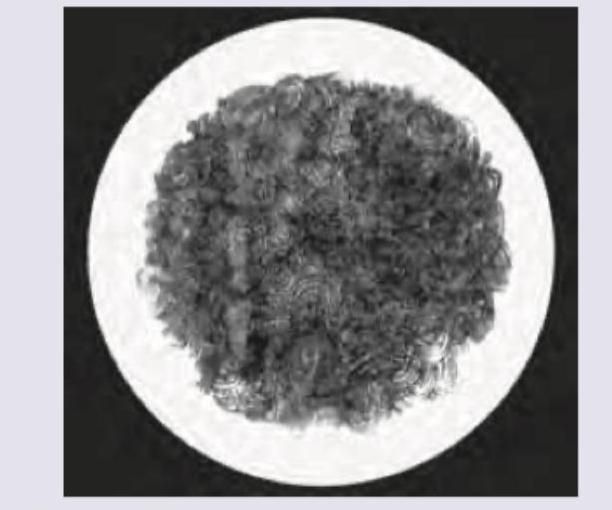
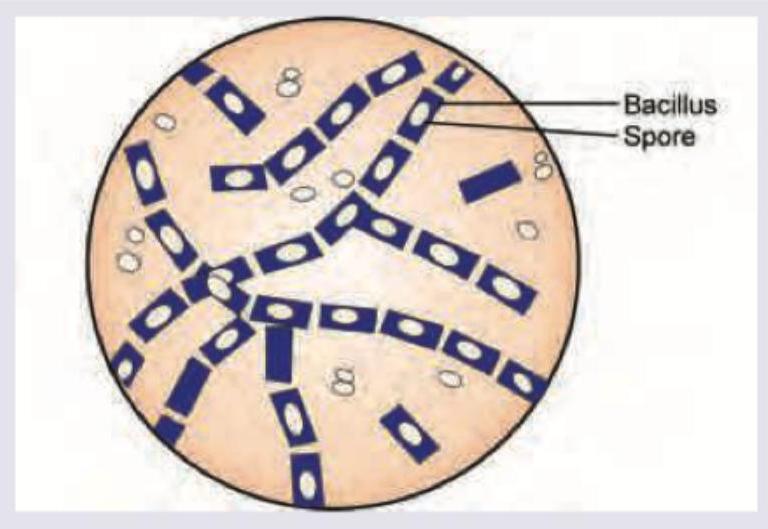
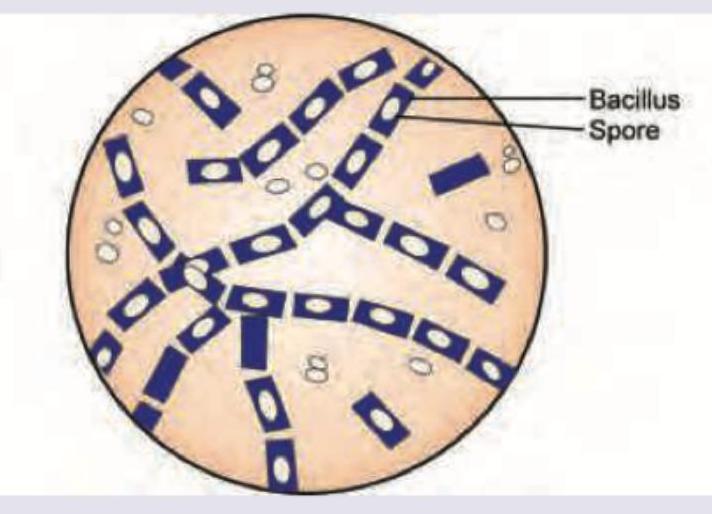
Explanation: **Explanation:** The correct answer is **C** because it contains a factual contradiction. While cutaneous anthrax is indeed the **most common form** of the disease (accounting for >95% of cases globally), it is **not rare**. It remains an endemic occupational hazard in many parts of the world, particularly among livestock handlers and textile workers. **Analysis of Options:** * **Option A (Correct statement):** *Bacillus anthracis* is a classic zoonosis. Humans acquire the infection through direct contact with infected carcasses or contaminated animal products like wool, hides, and bone meal. * **Option B (Correct statement):** Cutaneous anthrax, often called "Hide Porter’s Disease," occurs when spores enter through abrasions in the skin during the handling of contaminated animal hides or hair. * **Option D (Correct statement):** Pulmonary anthrax (Woolsorter’s disease) is caused by the inhalation of spores (1–5 µm) into the alveolar spaces, usually during the processing of contaminated wool or animal hair. **High-Yield NEET-PG Pearls:** * **The Lesion:** Cutaneous anthrax presents as a painless, pruritic papule that develops into a vesicle and eventually a characteristic **black necrotic eschar** surrounded by edema. * **Morphology:** *B. anthracis* is a Gram-positive, non-motile, spore-forming rod. In culture, it shows a **"Medusa head" appearance** and a **"Bamboo stick"** arrangement. * **Virulence Factors:** Encoded on two plasmids: **pXO1** (Toxins: Edema Factor, Lethal Factor, Protective Antigen) and **pXO2** (Polypeptide capsule made of **poly-D-glutamic acid**). * **McFadyean’s Reaction:** Used for presumptive identification (polychrome methylene blue staining reveals purple capsules).
Explanation: **Explanation:** The clinical presentation of neonatal meningitis (3 weeks old) caused by **Gram-positive bacilli** strongly points towards ***Listeria monocytogenes***. While *Streptococcus agalactiae* (GBS) is the most common cause of neonatal meningitis, *Listeria* is a significant pathogen in both early-onset (vertical transmission) and late-onset (environmental/postnatal) cases. **Why Option D is correct:** The hallmark laboratory feature of *Listeria monocytogenes* is its **temperature-dependent motility**. It exhibits a characteristic **"tumbling motility"** in wet mounts and a **"umbrella-shaped"** growth pattern in semi-solid agar when incubated at **22–25°C**. At 37°C, the flagella are not produced, and the organism becomes non-motile. This specific trait is a high-yield differentiator from other Gram-positive bacilli like *Corynebacterium* species. **Analysis of Incorrect Options:** * **A. Ability to grow on blood agar:** Most common neonatal pathogens (GBS, *E. coli*, *Listeria*) grow well on blood agar. *Listeria* produces a narrow zone of beta-hemolysis, similar to GBS, making this non-discriminatory. * **B. Ability to produce catalase:** While *Listeria* is catalase-positive (differentiating it from *Streptococci*), many other Gram-positive bacilli, such as *Corynebacterium* and *Bacillus* species, are also catalase-positive. * **C. Fermentative attack on sugars:** Many bacteria involved in meningitis ferment sugars (e.g., glucose). This is a common metabolic trait and not a specific diagnostic feature for *Listeria*. **NEET-PG High-Yield Pearls:** * **Cold Enrichment:** *Listeria* can grow at temperatures as low as 4°C, a property used for selective isolation. * **CAMP Test:** *Listeria* is **CAMP test positive** (it enhances the hemolysis of *Staphylococcus aureus*), a feature it shares with Group B *Streptococcus*. * **Transmission:** Often associated with unpasteurized dairy and deli meats. * **Treatment:** The drug of choice for *Listeria* meningitis is **Ampicillin** (often added to cephalosporins in neonatal empiric therapy).
Explanation: **Explanation:** The correct answer is **A**. The genus *Salmonella* is divided into typhoidal and non-typhoidal (NTS) groups. While *Salmonella Typhi* and *Paratyphi* are strictly human pathogens (no animal reservoir), **Non-Typhoidal Salmonella (NTS)**, such as *S. Enteritidis* and *S. Typhimurium*, are **zoonotic**. They have a wide host range, including poultry, cattle, rodents, and reptiles. **Analysis of Options:** * **Option A (False):** Humans are NOT the only reservoirs. NTS is primarily acquired from animal sources. This distinguishes it from Typhoid fever, where humans are the sole source of infection. * **Option B (True):** The most common route of transmission is the consumption of contaminated animal products, particularly **undercooked eggs, poultry, and meat**, as well as unpasteurized milk. * **Option C (True):** NTS infections are more severe and prone to bacteremia in **immunocompromised individuals**, especially those with HIV/AIDS, sickle cell disease (predisposes to osteomyelitis), and malaria. * **Option D (True):** While fluoroquinolones were once the mainstay of treatment, there is a significant global rise in **fluoroquinolone resistance** (and multidrug resistance), necessitating the use of third-generation cephalosporins or azithromycin. **High-Yield Clinical Pearls for NEET-PG:** * **Most common presentation:** Self-limiting gastroenteritis (incubation period 6–72 hours). * **Sickle Cell Anemia Connection:** NTS is the most common cause of **osteomyelitis** in patients with Sickle Cell Disease. * **Rose Spots:** These are characteristic of Typhoid fever, NOT non-typhoidal salmonellosis. * **Antibiotic Policy:** Antibiotics are generally avoided in uncomplicated NTS gastroenteritis as they may prolong fecal shedding; they are reserved for invasive disease or high-risk patients.
Explanation: **Explanation:** **1. Why Option A is Correct:** In Diphtheria, **nasal carriers** are considered more dangerous than clinical cases from an epidemiological standpoint. While cases are infectious, they are usually isolated or bedridden due to the severity of the illness. In contrast, nasal carriers are asymptomatic, remain mobile in the community, and shed the bacilli (*Corynebacterium diphtheriae*) for longer periods. Nasal carriers, in particular, shed more organisms into the environment compared to throat carriers, making them highly effective "silent" spreaders. **2. Why Other Options are Incorrect:** * **Option B:** Immunization with DPT/Pentavalent vaccine (Diphtheria toxoid) induces **humoral immunity against the toxin**, not the bacterium itself. Therefore, it prevents clinical disease but **does not prevent the carrier state** or colonization by the bacilli. * **Option C:** **Carriers** (both temporary and chronic) are the most important source of infection in an endemic setup, outnumbering cases by a ratio of roughly 95:5. * **Option D:** This is factually reversed. The **Schick test** (used to detect immune status) is an obsolete *in vivo* test that has been largely replaced by modern *in vitro* methods like **Passive Hemagglutination tests** or ELISA to measure antitoxin titers. **Clinical Pearls for NEET-PG:** * **Agent:** *C. diphtheriae* (Klebs-Löffler bacillus); Gram-positive, non-motile, club-shaped rods with metachromatic (Volutin) granules. * **Virulence:** Regulated by the *tox* gene integrated by a **Beta-corynephage** (Lysogenic conversion). * **Culture:** **Löffler’s Serum Slope** (rapid growth) and **Potassium Tellurite Agar** (black colonies). * **Toxicity Testing:** **Elek’s Gel Precipitation test** is the gold standard *in vitro* test for toxigenicity. * **Treatment:** Prompt administration of **Anti-Diphtheritic Serum (ADS)** is the priority; antibiotics (Erythromycin/Penicillin) are used only to kill the bacteria and stop further toxin production.
Staphylococci
Practice Questions
Streptococci and Enterococci
Practice Questions
Neisseria and Moraxella
Practice Questions
Corynebacterium and Listeria
Practice Questions
Bacillus and Clostridium
Practice Questions
Enterobacteriaceae
Practice Questions
Vibrio, Aeromonas, and Plesiomonas
Practice Questions
Pseudomonas and Related Bacteria
Practice Questions
Haemophilus and HACEK Group
Practice Questions
Bordetella and Brucella
Practice Questions
Mycobacteria
Practice Questions
Spirochetes
Practice Questions
Get full access to all questions, explanations, and performance tracking.
Start For Free