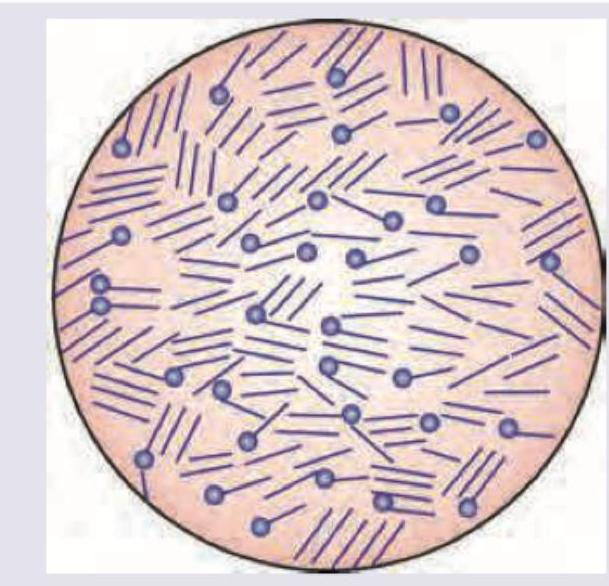
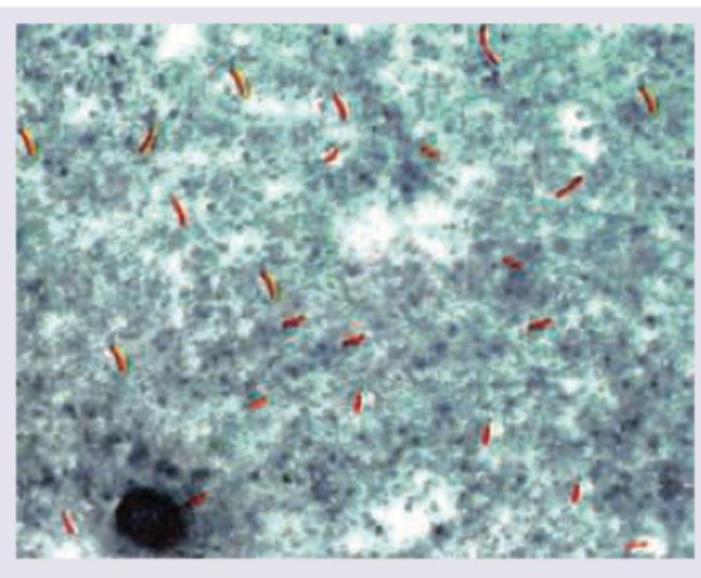
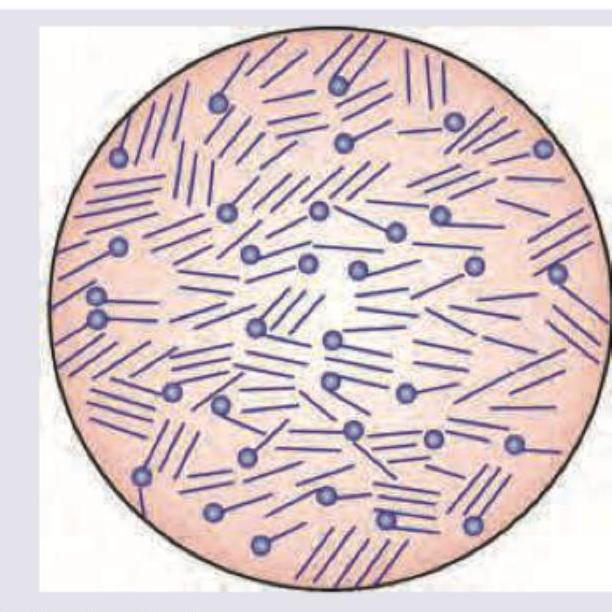
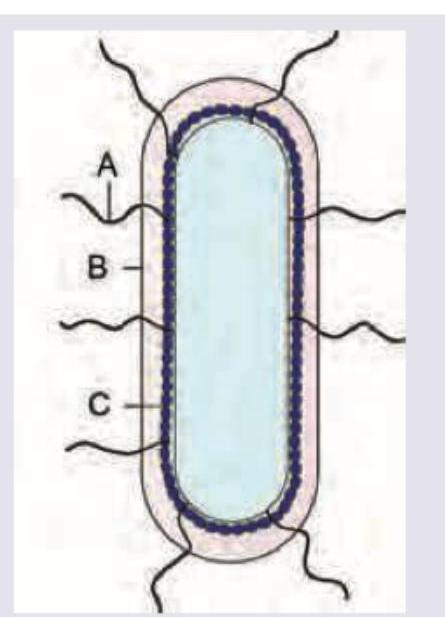
Bacterial adherence to epithelium is mediated through which structure?
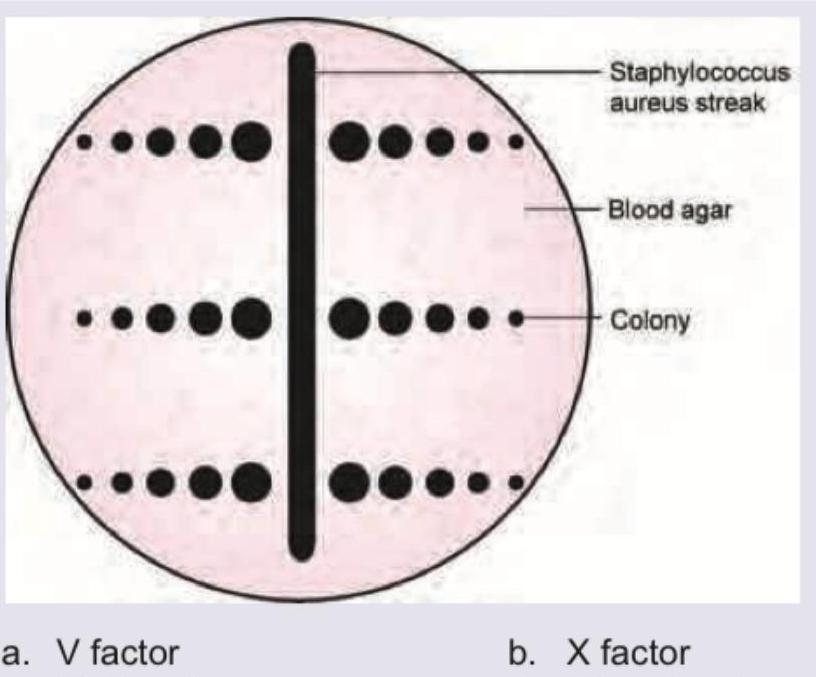
A child presented with otitis media. The suspected organism is Hemophilus influenzae. All are true about H. influenzae, EXCEPT:
All are tests used to assess the treatment response in Helicobacter pylori infection, EXCEPT:
Dental caries is associated with which bacterium?
Eschar is formed by which of the following organism?
The Nagler reaction is a type of?
What is the incubation period of typhoid?
Corynebacterium diphtheriae is also called as:
The virulence factor of P.aeruginosa, endotoxin A, acts by which mechanism?
Which of the following tests is best used in the diagnosis of congenital syphilis?
Explanation: **Explanation:** The correct answer is **B. Fimbriae**. **Why Fimbriae is correct:** Fimbriae (also known as common pili) are hair-like, proteinaceous appendages found on the surface of many bacteria, particularly Gram-negative organisms. Their primary function is **adhesion**. They contain specialized proteins called **adhesins** at their tips, which recognize and bind to specific receptors on host epithelial cells. This adherence is the crucial first step in colonization and pathogenesis (e.g., *E. coli* causing UTIs). **Why other options are incorrect:** * **A. Sex pili:** These are specialized, longer pili involved in **conjugation** (the horizontal transfer of genetic material/plasmids between bacteria). They do not mediate general tissue adherence. * **C. Flagella:** These are complex, whip-like structures primarily responsible for **motility** (chemotaxis). While they help a bacterium reach a surface, they are not the primary organs of attachment. * **D. Mesosomes:** These are invaginations of the plasma membrane. Historically thought to function in cell division or respiration, they are now largely considered artifacts of chemical fixation for electron microscopy. **High-Yield Clinical Pearls for NEET-PG:** * **UTI Pathogenesis:** P-fimbriae in *Uropathogenic E. coli* (UPEC) allow the bacteria to adhere to uroepithelial cells, resisting the flushing action of urine. * **Gonorrhea:** *Neisseria gonorrhoeae* uses fimbriae to attach to the urethral epithelium; strains lacking fimbriae are non-pathogenic. * **Biofilms:** Fimbriae also play a significant role in the formation of biofilms on medical devices (e.g., catheters). * **Composition:** Fimbriae are made of a protein subunit called **pilin**.
Explanation: **Explanation:** The question asks for the **incorrect** statement regarding *Haemophilus influenzae*. **Why Option C is the correct answer (The False Statement):** The primary virulence factor for *H. influenzae* type b (Hib) is its **polyribosylitol phosphate (PRP) capsular polysaccharide**, not the outer membrane protein. This capsule is antiphagocytic and allows the organism to survive in the bloodstream, leading to invasive diseases like meningitis and epiglottitis. While outer membrane proteins (OMPs) exist, they are primarily used for subtyping and do not play the "most important" role in the pathogenesis of type b strains compared to the capsule. **Analysis of Other Options:** * **Option A:** *H. influenzae* is fastidious and requires **Factor X (Hemin)** and **Factor V (NAD)** for growth. This is traditionally demonstrated using the **Satellite phenomenon** around *S. aureus* on blood agar. * **Option B:** In the Central Nervous System, *H. influenzae* is a classic cause of pyogenic meningitis, particularly in unvaccinated children. * **Option C:** This is the false statement (as explained above). * **Option D:** In neonates (less than 2 months), the most common causes of meningitis are *Group B Streptococcus*, *E. coli*, and *Listeria monocytogenes*. *H. influenzae* typically affects children between 6 months and 5 years of age. **NEET-PG High-Yield Pearls:** * **Culture:** Grows on **Chocolate Agar** (which releases Factors X and V). * **Vaccine:** The Hib vaccine is a **conjugate vaccine** (PRP conjugated to a protein carrier like Tetanus toxoid) to induce a T-cell dependent immune response. * **Quellung Reaction:** Positive for encapsulated strains. * **Otitis Media:** Most cases of otitis media and sinusitis are caused by **Non-typeable *H. influenzae* (NTHi)**, which lack a capsule.
Explanation: **Explanation:** The goal of post-treatment testing in *Helicobacter pylori* infection is to confirm **active eradication**. To achieve this, a test must be able to distinguish between a current infection and a past, resolved infection. **Why Serology is the Correct Answer:** Serology (detecting IgG antibodies) is the only test listed that **cannot** be used to assess treatment response. Antibodies against *H. pylori* persist in the blood for months or even years after the bacteria have been successfully eradicated. Therefore, a positive serology test does not necessarily indicate an active infection, making it useless for confirming cure. It is primarily used for initial screening in untreated patients. **Why the other options are incorrect:** * **Urea Breath Test (UBT):** This is the **non-invasive "gold standard"** for confirming eradication. It detects the urease activity of live bacteria; if the bacteria are gone, the test becomes negative. * **Stool Antigen Test:** This detects actual bacterial antigens in the feces. Like the UBT, it only yields a positive result if live *H. pylori* are present, making it highly reliable for monitoring treatment success. * **Biopsy-based tests (RUT, Histology, Culture):** These invasive tests (performed via endoscopy) directly detect the presence of the organism or its enzyme activity in the gastric mucosa. A negative biopsy post-treatment confirms eradication. **Clinical Pearls for NEET-PG:** * **Timing:** Post-treatment testing should be performed at least **4 weeks** after completing antibiotic therapy and **2 weeks** after stopping Proton Pump Inhibitors (PPIs) to avoid false negatives. * **Most Sensitive/Specific (Non-invasive):** Urea Breath Test. * **Invasive Gold Standard:** Endoscopy with biopsy for Histopathology. * **Virulence Factors:** Keep in mind **CagA** (associated with gastric cancer) and **VacA** (vacuolating cytotoxin).
Explanation: **Explanation:** **Streptococcus mutans** is the primary etiologic agent of dental caries. It belongs to the **Viridans group streptococci (VGS)**. The underlying mechanism involves the production of an enzyme called **glucosyltransferase**, which converts dietary sucrose into high-molecular-weight fructose polymers called **glucans (dextrans)**. These sticky polymers allow the bacteria to adhere firmly to the tooth enamel, forming dental plaque. Once attached, *S. mutans* ferments dietary sugars into **lactic acid**, which lowers the local pH, leading to the demineralization of the tooth enamel and subsequent cavity formation. **Analysis of Incorrect Options:** * **Streptococcus agalactiae (Group B Strep):** Primarily causes neonatal sepsis, meningitis, and pneumonia. It is part of the normal vaginal flora in about 25% of women. * **Streptococcus bovis (Group D Strep):** Now reclassified (e.g., *S. gallolyticus*), it is strongly associated with **colorectal cancer** and endocarditis. * **Streptococcus anginosus:** Part of the "S. anginosus group" (including *S. constellatus* and *S. intermedius*), these are known for their tendency to cause **pyogenic abscesses** in internal organs like the liver and brain. **High-Yield Clinical Pearls for NEET-PG:** * **Viridans Group:** Most common cause of **Subacute Bacterial Endocarditis (SABE)**, typically following dental procedures. * **S. sanguinis:** Another Viridans member; it is often the first to colonize the tooth surface and is also a major cause of SABE. * **Sucrose Dependency:** Dental caries is specifically linked to sucrose intake because only sucrose can be converted into the sticky dextrans required for plaque formation.
Explanation: **Explanation:** The correct answer is **B. anthracis**. An **eschar** is a characteristic clinical lesion seen in **Cutaneous Anthrax** (also known as "Hide Porter’s Disease"). **Why B. anthracis is correct:** When *Bacillus anthracis* spores enter the skin through abrasions, they germinate and produce toxins (Edema Factor and Lethal Factor). This leads to a painless, pruritic papule that evolves into a vesicle and eventually undergoes central necrosis. The result is a **painless, depressed black eschar** surrounded by significant non-pitting edema. The black color is due to necrosis, not pus (it is typically a "malignant pustule" despite the lack of true pus). **Analysis of Incorrect Options:** * **A. B. henselae:** Causes Cat-scratch disease. It typically presents with regional lymphadenopathy and a small papule or pustule at the inoculation site, but not a classic necrotic black eschar. * **C. Staph aureus:** Typically causes pyogenic (pus-forming) infections like boils, carbuncles, or impetigo. While it can cause skin necrosis in severe cases (like necrotizing fasciitis), it does not form the classic circumscribed dry black eschar. * **D. E. coli:** Primarily causes UTIs and neonatal meningitis; it is not a primary skin pathogen associated with eschar formation. **High-Yield Clinical Pearls for NEET-PG:** * **Other causes of Eschar:** Apart from Anthrax, always remember **Orientia tsutsugamushi** (Scrub Typhus) and **Rickettsia akari** (Rickettsialpox). * **Anthrax Morphology:** Large, Gram-positive, box-car shaped bacilli. * **Culture:** Shows characteristic **"Medusa head"** colonies on agar. * **McFadyean’s Reaction:** Used to visualize the capsule using polychrome methylene blue. * **Selective Media:** PLET medium (Polymyxin, Lysozyme, EDTA, Thallous acetate).
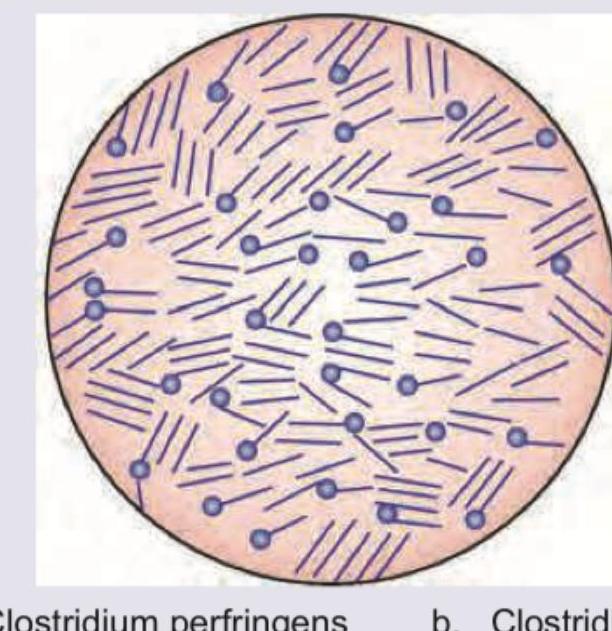
Explanation: The **Nagler reaction** is a biochemical test used for the rapid identification of *Clostridium perfringens*. It specifically detects the presence of **alpha toxin** (lecithinase), which is the primary virulence factor of the organism. ### Why the correct answer is right: The Nagler reaction is a **Neutralization reaction**. In this test, *C. perfringens* is cultured on an egg yolk agar plate. One half of the plate is smeared with **anti-alpha toxin (antitoxin)**, while the other half is not. * On the side without antitoxin, the alpha toxin (lecithinase) breaks down lecithin in the egg yolk, producing an opaque halo around the colonies. * On the side with antitoxin, the toxin is **neutralized**, preventing the breakdown of lecithin and resulting in no opalescence. This specific inhibition by an antibody confirms the identity of the toxin. ### Why incorrect options are wrong: * **Complement Fixation Test (CFT):** This involves the consumption of complement by an antigen-antibody complex. It is used for diagnosing infections like Syphilis (Wassermann test), not for toxin detection in *Clostridia*. * **Precipitation:** This occurs when soluble antigens react with antibodies to form an insoluble precipitate (e.g., VDRL or Elek’s test). While Nagler involves a visible change, the mechanism is enzymatic neutralization, not lattice formation. * **Agglutination:** This involves the clumping of particulate antigens (like whole bacteria or RBCs) by antibodies (e.g., Widal test). ### High-Yield Clinical Pearls for NEET-PG: * **Organism:** *Clostridium perfringens* (formerly *C. welchii*). * **Enzyme detected:** Lecithinase (Alpha toxin). * **Medium used:** Egg Yolk Agar. * **Clinical condition:** Gas gangrene (Myonecrosis) and food poisoning. * **Other "Stormy fermentation":** *C. perfringens* also produces "stormy fermentation" in litmus milk due to heavy gas production.
Explanation: **Explanation:** **Typhoid fever**, caused by *Salmonella Typhi*, is a systemic infection characterized by a prolonged fever. The **incubation period** typically ranges from **7 to 14 days**, but it can be as short as **3 days** or as long as **21 days (3–20 days)**. This duration is inversely proportional to the size of the bacterial inoculum ingested; a higher dose of bacteria leads to a shorter incubation period. * **Option A (Correct):** 3-20 days aligns with the standard medical literature (Ananthanarayan and Paniker’s Textbook of Microbiology) which states the range is usually 1–3 weeks. * **Option B (14-45 days):** This is too long for Typhoid. Such extended periods are more characteristic of Hepatitis A or certain parasitic infections. * **Option C (5-10 days):** While this falls within the range, it is too narrow and misses the common 2-week presentation. * **Option D (15-60 days):** This range is characteristic of Hepatitis E or Brucellosis, not enteric fever. **Clinical Pearls for NEET-PG:** * **Pathogenesis:** The bacteria enter via the M-cells of Peyer’s patches in the small intestine, leading to primary bacteremia. * **Step-ladder Fever:** The classic clinical sign where the temperature rises gradually over the first week. * **Diagnosis (Widal Test):** Becomes positive only after the **first week** (usually in the 2nd week). * **Gold Standard:** Bone marrow culture is the most sensitive, but **Blood culture** is the investigation of choice in the **1st week**. * **Carrier State:** Defined as excretion of *S. Typhi* in feces/urine for >1 year; the **Gallbladder** is the most common reservoir in chronic carriers.
Explanation: **Explanation:** **Correct Answer: D. Kleb-Loeffler's bacilli** *Corynebacterium diphtheriae* is known as **Kleb-Loeffler's bacilli** because it was first described by Edwin Klebs in 1883 (in diphtheritic membranes) and subsequently isolated in pure culture by Friedrich Loeffler in 1884. It is a Gram-positive, non-motile, pleomorphic rod characterized by "Chinese letter" or cuneiform arrangements and metachromatic granules (Volutin/Babes-Ernst granules). **Analysis of Incorrect Options:** * **A. Pfeiffer's bacilli:** This refers to ***Haemophilus influenzae***, discovered by Richard Pfeiffer during the 1889 influenza pandemic. * **B. Whitmore's bacilli:** This refers to ***Burkholderia pseudomallei***, the causative agent of Melioidosis, named after Alfred Whitmore. * **C. Robert Koch's bacilli:** This refers to ***Mycobacterium tuberculosis***. Koch identified the bacterium in 1882, establishing the etiology of tuberculosis. **High-Yield Clinical Pearls for NEET-PG:** * **Culture Media:** Loeffler’s Serum Slope (rapid growth) and Potassium Tellurite Agar (black colonies). * **Virulence:** Pathogenicity is due to **Diphtheria toxin** (an AB toxin), which inhibits protein synthesis by inactivating **EF-2** via ADP-ribosylation. * **Toxin Detection:** The **Elek’s gel precipitation test** is the gold standard for detecting toxigenicity. * **Clinical Hallmark:** A tough, leathery **pseudo-membrane** on the tonsils/pharynx; attempts to remove it cause bleeding. * **Staining:** Albert’s stain is used to visualize metachromatic granules (granules appear bluish-black, while the body appears green).
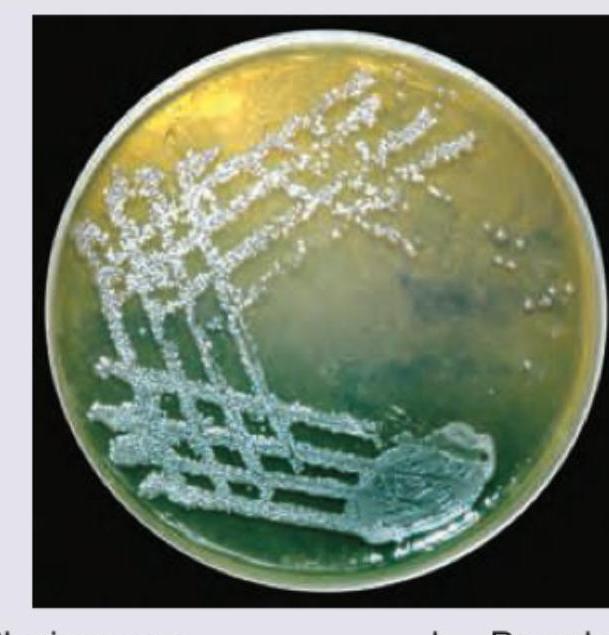
Explanation: **Explanation:** The primary virulence factor of *Pseudomonas aeruginosa* is **Exotoxin A** (often referred to as ETA). Its mechanism of action is identical to that of the *Corynebacterium diphtheriae* toxin. 1. **Mechanism of Correct Option (B):** Exotoxin A is an A-B toxin. The 'A' subunit catalyzes the **ADP-ribosylation of Elongation Factor-2 (EF-2)**. EF-2 is essential for the translocation step of polypeptide chain elongation during translation. By inactivating EF-2, the toxin halts host cell protein synthesis, leading to cell death and tissue necrosis. 2. **Analysis of Incorrect Options:** * **Option A:** While *P. aeruginosa* does utilize a **Type 3 Secretion System (T3SS)** to inject effector proteins (like Exo-S, T, U, and Y) directly into host cells, Exotoxin A is secreted into the extracellular environment and enters cells via receptor-mediated endocytosis. * **Option C:** Endotoxins (Lipopolysaccharides/LPS) act on **Toll-like receptor 4 (TLR4)** to trigger cytokine release. Exotoxin A is an *exotoxin*, not an endotoxin. * **Option D:** Biofilm formation is mediated by **Alginate** (an exopolysaccharide), which protects the bacteria from phagocytosis and antibiotics, particularly in Cystic Fibrosis patients. **High-Yield Clinical Pearls for NEET-PG:** * **Identical Mechanism:** Pseudomonas Exotoxin A and Diphtheria toxin both inhibit EF-2 via ADP-ribosylation. * **Pigments:** *P. aeruginosa* produces **Pyocyanin** (blue-green, generates reactive oxygen species) and **Pyoverdin** (yellow-green, a siderophore). * **Ecthyma Gangrenosum:** A characteristic necrotic skin lesion in Pseudomonas septicemia caused by toxin-mediated tissue destruction and perivascular invasion. * **Culture:** Exhibits a characteristic **fruity/grape-like odor** and grows at **42°C**.
Explanation: **Explanation:** The diagnosis of congenital syphilis is challenging because maternal **IgG antibodies** cross the placenta and can persist in the neonate's circulation for up to 12–15 months, leading to false-positive results in standard treponemal tests. **Why IgM-FTA ABS is the Correct Answer:** Unlike IgG, **IgM antibodies do not cross the placenta.** Therefore, the detection of specific anti-treponemal IgM in the neonate’s serum is definitive evidence of an active fetal immune response to *Treponema pallidum*. The **IgM-FTA ABS (Fluorescent Treponemal Antibody Absorption)** test is the gold standard for diagnosing congenital syphilis because it specifically detects these fetal-derived antibodies, distinguishing true infection from passive maternal antibody transfer. **Analysis of Incorrect Options:** * **FTA-ABS (IgG):** This test detects total antibodies (primarily IgG). Since maternal IgG crosses the placenta, a positive result in a neonate does not differentiate between an infected infant and a healthy infant born to a syphilitic mother. * **TPHA (Treponema Pallidum Hemagglutination Assay):** Similar to FTA-ABS, this measures IgG. It remains positive for long periods and cannot distinguish between maternal and neonatal antibodies. * **TPI (Treponema Pallidum Immobilization):** This is a highly specific research-grade test but is technically demanding and obsolete in clinical practice. It also primarily detects IgG. **NEET-PG High-Yield Pearls:** * **Screening:** VDRL/RPR (Non-treponemal tests) are used for screening and monitoring treatment response (titer falls after therapy). * **Confirmatory:** FTA-ABS and TPHA are treponemal tests used to confirm a positive screening result. * **Congenital Syphilis:** Look for clinical signs like **Snuffles** (early), **Hutchinson’s triad** (late: notched incisors, interstitial keratitis, eighth nerve deafness), and **Saber shin**. * **Rule of Thumb:** If a neonate’s VDRL titer is **fourfold higher** than the mother’s, it strongly suggests congenital syphilis.
Staphylococci
Practice Questions
Streptococci and Enterococci
Practice Questions
Neisseria and Moraxella
Practice Questions
Corynebacterium and Listeria
Practice Questions
Bacillus and Clostridium
Practice Questions
Enterobacteriaceae
Practice Questions
Vibrio, Aeromonas, and Plesiomonas
Practice Questions
Pseudomonas and Related Bacteria
Practice Questions
Haemophilus and HACEK Group
Practice Questions
Bordetella and Brucella
Practice Questions
Mycobacteria
Practice Questions
Spirochetes
Practice Questions
Get full access to all questions, explanations, and performance tracking.
Start For Free