
Neurology — MCQs

On this page
A 35-year-old patient presents with numbness over the neck. On examination, decreased pain and temperature sensation is found in the distribution of C4 and C5 dermatomes. Scalp sensation, cranial nerve function, and limb examination are normal. Bladder and bowel sphincter control are normal. What is the diagnosis?
A 68-year-old man presents with delirium secondary to a urinary tract infection. Following successful treatment of the infection, his mental status improved, but he exhibits persistent disorientation, impaired short-term memory, difficulty naming objects, and poor concentration. His family reports an 8-month history of gradual cognitive decline. He is now unable to manage finances and has a history of getting lost twice while driving. Post-discharge, he has urinary incontinence and an unsteady gait requiring assistance. Which disorder most likely accounts for this patient's dementia?
A 12-year-old boy presents with a history of progressively increasing difficulty in walking and frequent falls. Physical examination reveals an ataxic gait and nystagmus. All deep tendon reflexes are absent, and the plantar response is extensor. What is the most likely diagnosis?
In Bell's palsy, in which part of the face is a neurological lesion typically seen?
A 8-year-old boy presents with a 2-year history of progressive proximal muscle weakness, difficulty climbing stairs, and frequent falls. On examination, he has pseudohypertrophy of the calves, positive Gower's sign, and weakness predominantly affecting the hip and shoulder girdles. Muscle biopsy shows variation in fiber size, necrotic and regenerating fibers, and replacement of muscle tissue with fibrofatty tissue. What is the diagnosis of this patient?
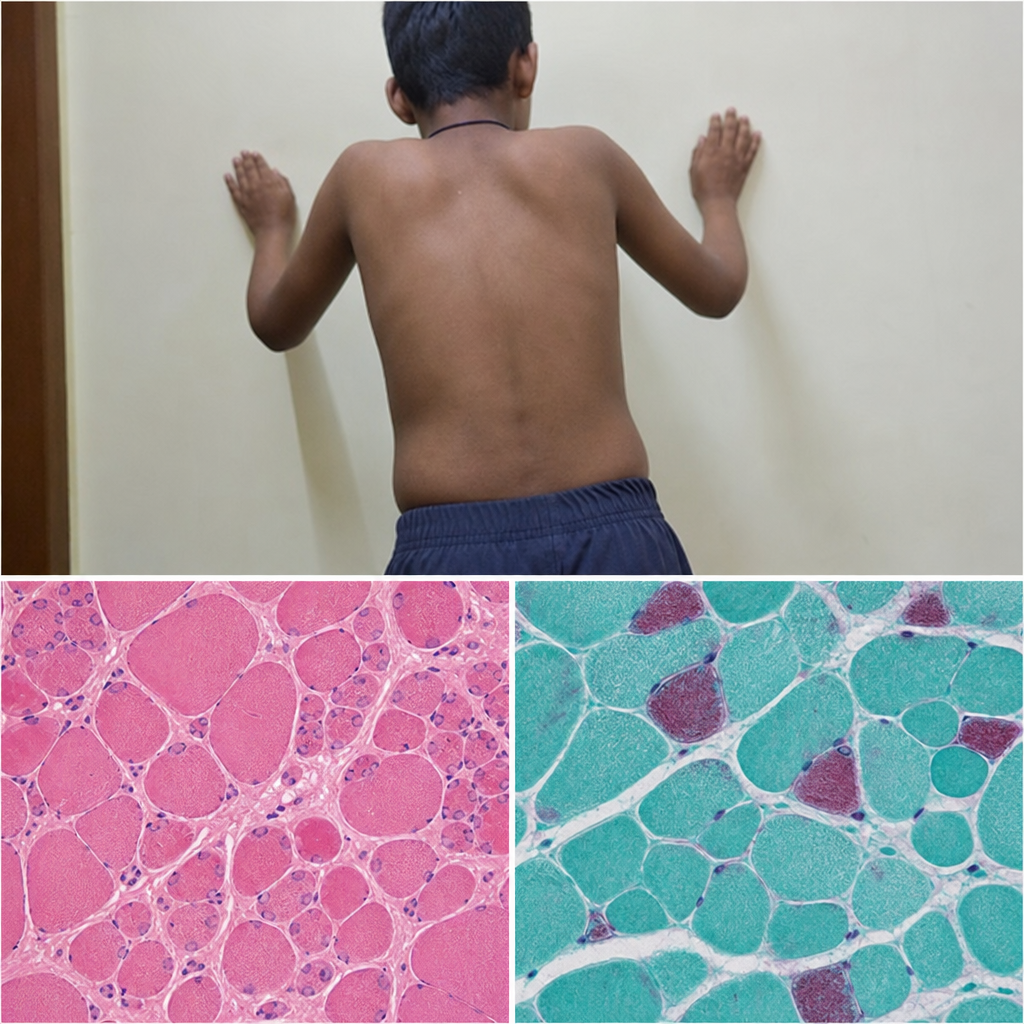
Which of the following is NOT true regarding Frontotemporal Dementia (FTD)?
A 23-year-old man complains of intermittent double vision and fatigue. The symptoms are worse at the end of the day, and he has stopped working as a courier because of easy leg fatigue and weakness. He finds that the symptoms improve with rest. On physical examination, there is weakness of the eyelids, masticatory muscles, and thigh flexors. Having him look up at the ceiling for a long time brings on his double vision. There is no sensory abnormality, and reflexes are normal. Which of the following treatments is contraindicated in this patient?
In herpes encephalitis, all of the following are true, except?
A 16-year-old male presents with complaints of seeing wave-like visual disturbances and sudden monocular blindness, occurring while watching movies. What is the most likely diagnosis?
All of the following are true about Juvenile Myoclonic Epilepsy, except:
Practice by Chapter
Cerebrovascular Diseases
Practice Questions
Seizure Disorders and Epilepsy
Practice Questions
Headache Disorders
Practice Questions
Movement Disorders
Practice Questions
Demyelinating Diseases
Practice Questions
Neurodegenerative Disorders
Practice Questions
Neuromuscular Junction Disorders
Practice Questions
Peripheral Neuropathies
Practice Questions
CNS Infections
Practice Questions
Neuro-oncology
Practice Questions
Dementia and Cognitive Disorders
Practice Questions
Neurological Emergencies
Practice Questions
Want unlimited practice?
Get full access to all questions, explanations, and performance tracking.
Scan to download app