
Neurology — MCQs

On this page
Which of the following is a characteristic feature of frontotemporal dementia?
A typical child presents with an epigastric aura, followed by a quiet period of unresponsiveness with staring, lip-smacking, picking at sheets or clothes, contralateral dystonic posturing, and postictal confusion and lethargy. What is the probable diagnosis?
Which of the following is NOT a feature of Medial medullary syndrome?
What is the least common symptom in Friedrich's ataxia?
A 50-year-old man presents with ataxia and abnormal eye movements. Examination reveals gaze palsy. MRI was performed. What is the most likely diagnosis?
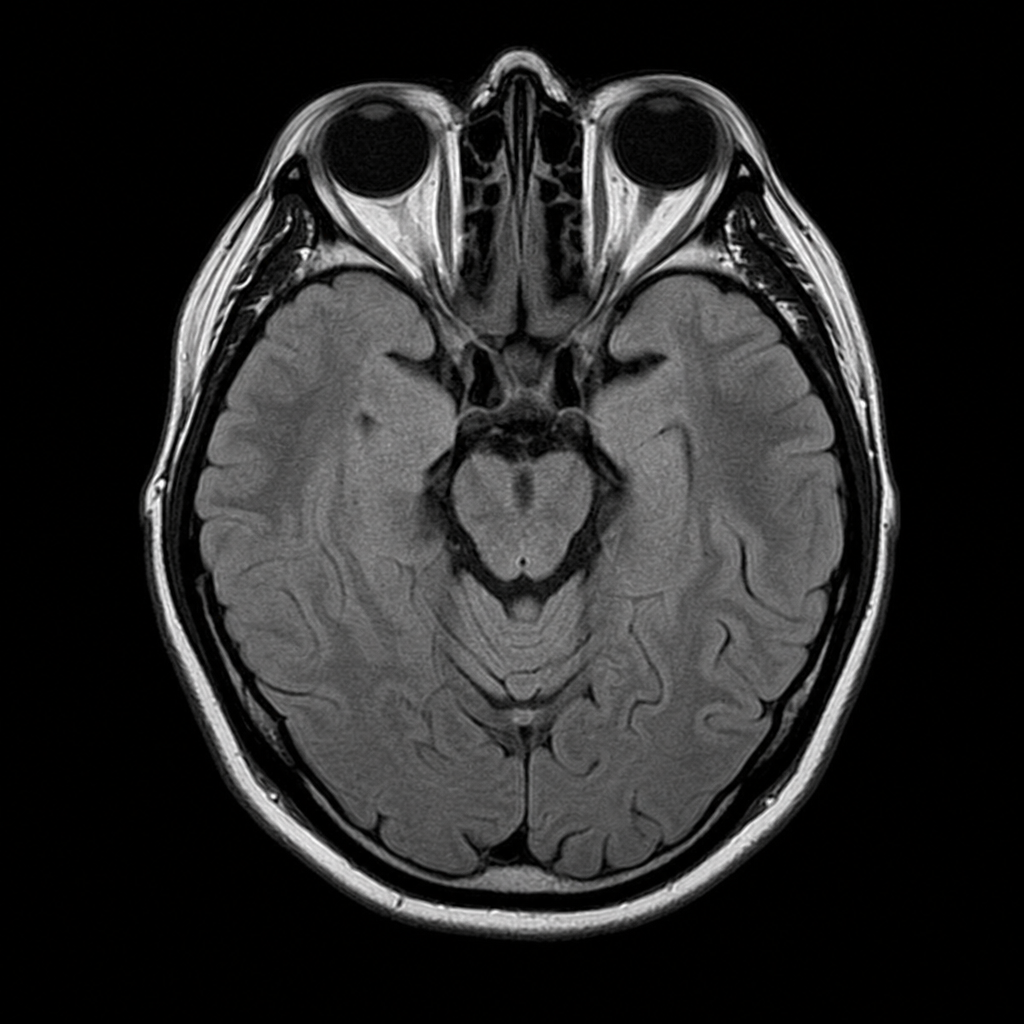
A lady in her first trimester with hyperemesis gravidarum presents with diplopia, mental confusion, and nystagmus. What is the probable diagnosis?
A patient presents with acute onset headache, fever, and seizure. What is the most likely diagnosis?
All of the following are features of cerebellar disease except?
A 45-year-old hypertensive male presented with sudden onset severe headache, vomiting, and neck stiffness. On examination, he did not have any focal neurological deficit. His CT scan showed blood in the Sylvian fissure. What is the probable diagnosis?
A 48-year-old woman presents with a 6-month history of intermittent cranial nerve palsy that has become progressively worse in the past 2 weeks. On examination, ptosis and diplopia are evident. Her condition shows a favorable response to the anticholinesterase inhibitory drug neostigmine. What is the most likely diagnosis?
Practice by Chapter
Cerebrovascular Diseases
Practice Questions
Seizure Disorders and Epilepsy
Practice Questions
Headache Disorders
Practice Questions
Movement Disorders
Practice Questions
Demyelinating Diseases
Practice Questions
Neurodegenerative Disorders
Practice Questions
Neuromuscular Junction Disorders
Practice Questions
Peripheral Neuropathies
Practice Questions
CNS Infections
Practice Questions
Neuro-oncology
Practice Questions
Dementia and Cognitive Disorders
Practice Questions
Neurological Emergencies
Practice Questions
Want unlimited practice?
Get full access to all questions, explanations, and performance tracking.
Scan to download app