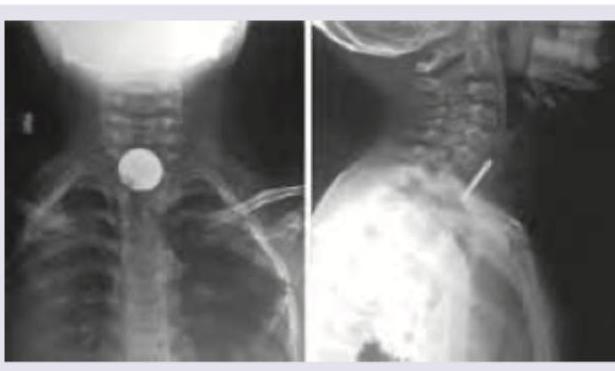
Which of the following statements is NOT true about acute retropharyngeal abscess?
What is the most common type of nasopharyngeal malignancy?
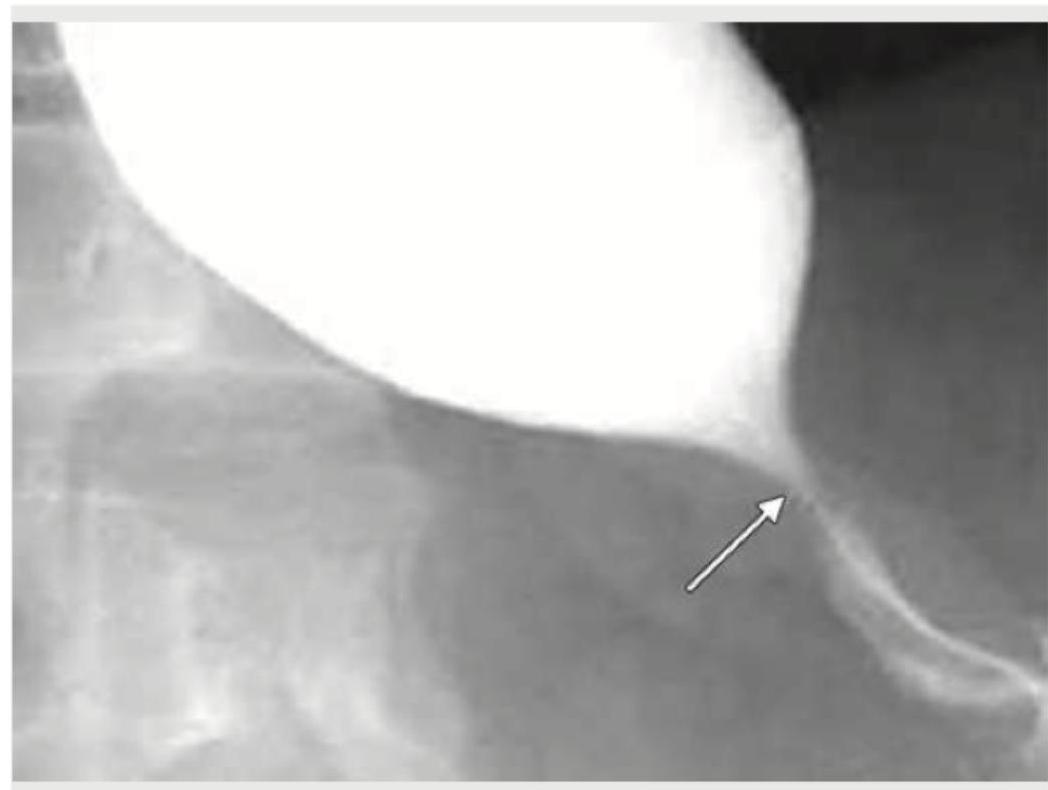
A 65-year-old patient presents with dysphagia, regurgitation, and halitosis. A barium swallow shows diverticula at the upper esophagus. Which of the following statements is FALSE about this condition?
What is the most common cause of parapharyngeal abscess in adults?
Pain from a malignant lesion in the pyriform fossa is referred to the ear via which nerve?
Tonsillectomy is recommended if the number of acute infections in a year exceeds:
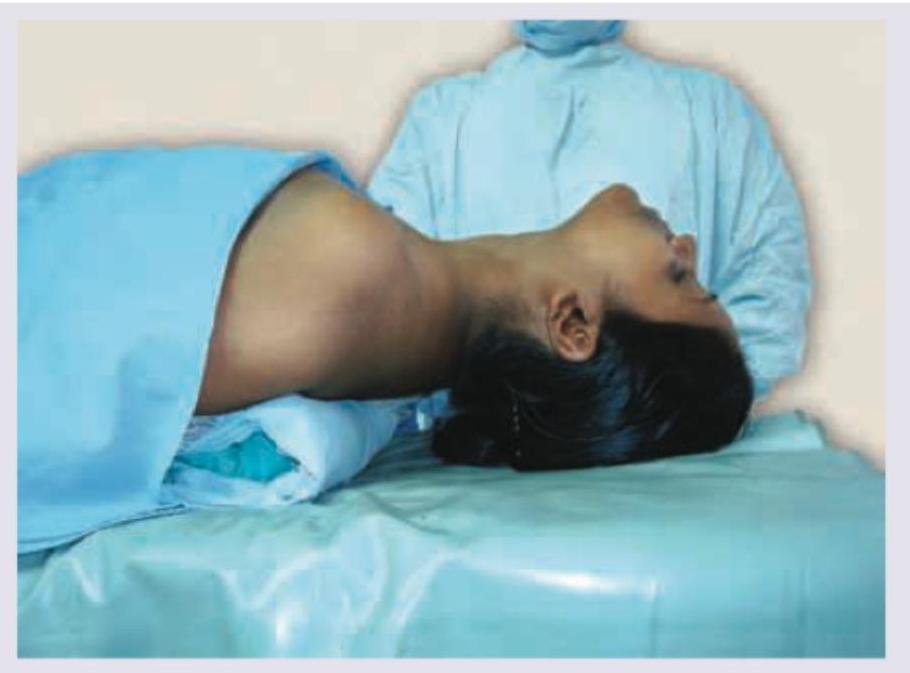
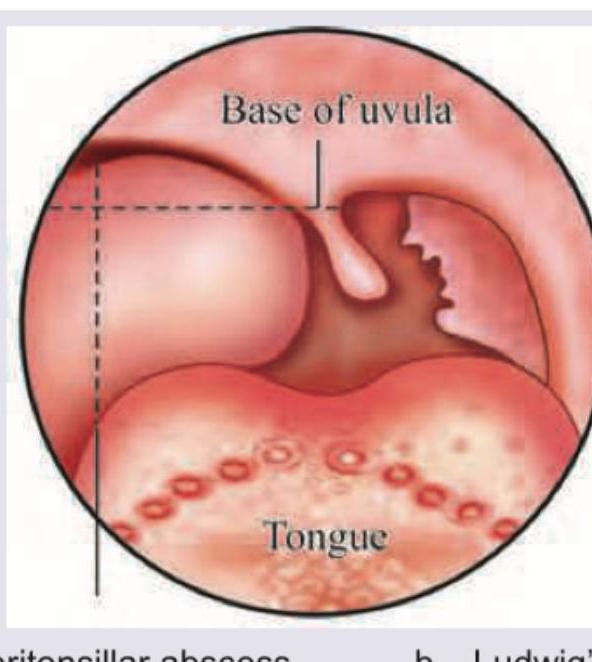
All are true about Parapharyngeal abscess, except?
The sinus of Morgagni is present in which of the following locations?
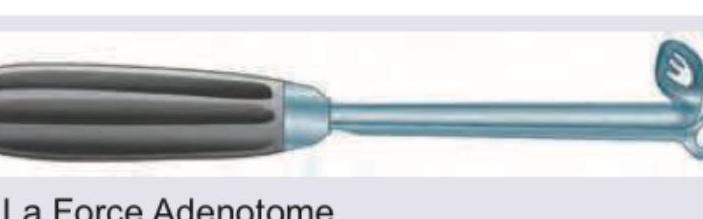
Which of the following is NOT true for adenoid hypertrophy?
What is the most common site of esophageal rupture during rigid bronchoscopy?
Explanation: ### Explanation The question asks for the **incorrect** statement regarding acute retropharyngeal abscess. **1. Why Option D is the Correct Answer (The False Statement):** Acute retropharyngeal abscess is primarily a disease of **infants and children** (usually under 5 years). It occurs due to the suppuration of the **Retropharyngeal Lymph Nodes (Nodes of Rouviere)**, which regress after age 5. These infections are typically secondary to acute upper respiratory tract infections (sore throat, adenoiditis). In contrast, **Caries of the cervical spine** (Tuberculosis) causes **Chronic Retropharyngeal Abscess**, which is more common in adults and presents as a cold abscess. Therefore, spinal caries is not a cause of the *acute* form. **2. Analysis of Other Options:** * **Option A (Torticollis):** Irritation of the prevertebral muscles and cervical nerves by the inflammatory process leads to neck stiffness and a tilted head position (torticollis). * **Option B (Swelling on posterolateral wall):** The retropharyngeal space is divided into two lateral compartments by a midline fibrous raphe. Hence, an acute abscess (originating in the nodes) presents as a **unilateral, bulge on the posterolateral pharyngeal wall**, pushing the tonsil forward. * **Option C (Dysphagia):** Due to the mass effect in the oropharynx and associated pain (odynophagia), patients commonly present with difficulty swallowing and drooling of saliva. ### Clinical Pearls for NEET-PG: * **X-ray Finding:** Lateral view of the neck shows widening of the **prevertebral space** (normally <7mm at C2 and <14mm at C6 in children). * **Airway Emergency:** The most dreaded complication is laryngeal edema or spontaneous rupture leading to aspiration pneumonia. * **Treatment:** Incision and drainage are performed in the **Trendelenburg position** (head low) to prevent aspiration of pus. * **Chronic vs. Acute:** Chronic abscess (TB) presents as a **midline** swelling; Acute abscess presents as a **lateral** swelling.
Explanation: **Explanation:** **Nasopharyngeal Carcinoma (NPC)** is the most common malignancy of the nasopharynx. According to the **WHO classification**, NPC is categorized into three types: 1. **Type 1:** Keratinizing Squamous Cell Carcinoma (SCC) 2. **Type 2:** Non-keratinizing Squamous Cell Carcinoma 3. **Type 3:** Undifferentiated Carcinoma (formerly known as Lymphoepithelioma) Since all three WHO types are technically variants of **Squamous Cell Carcinoma**, it remains the most common histological diagnosis. In endemic regions (like Southern China), Type 2 and 3 are more prevalent and strongly associated with the **Epstein-Barr Virus (EBV)**, whereas Type 1 is more common in non-endemic areas and associated with smoking. **Analysis of Incorrect Options:** * **B. Lymphoma:** While the nasopharynx contains abundant lymphoid tissue (Waldeyer’s ring), lymphomas are the second most common malignancy, not the first. * **C. Adenocarcinoma:** These are rare in the nasopharynx and usually arise from minor salivary glands. * **D. Mixed variety:** This is not a standard histological classification for primary nasopharyngeal malignancies. **High-Yield Clinical Pearls for NEET-PG:** * **Most common site of origin:** Fossa of Rosenmüller. * **Trotter’s Triad:** Conductive hearing loss (due to Eustachian tube blockage), Ipsilateral temporofacial neuralgia (CN V involvement), and Palatal paralysis (CN X involvement). * **Most common presenting feature:** Level II cervical lymphadenopathy (often bilateral). * **Treatment of Choice:** Radiotherapy (NPC is highly radiosensitive); surgery is reserved for salvage.
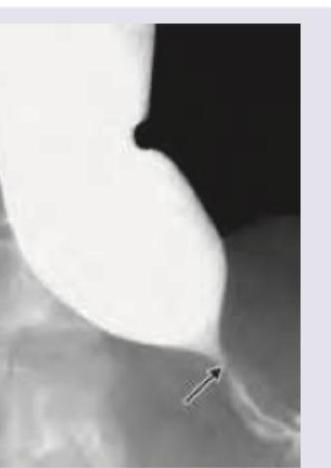
Explanation: ### Explanation The clinical presentation of dysphagia, regurgitation, and halitosis in an elderly patient, combined with a barium swallow showing a diverticulum, is diagnostic of **Zenker’s Diverticulum** (Pharyngeal Pouch). **1. Why Option A is the Correct (False) Statement:** Zenker’s diverticulum is significantly **more common in men** than in women (ratio approx. 2:1 or 3:1). It typically affects the elderly, usually in the 7th or 8th decade of life. **2. Analysis of Other Options:** * **Option B (Killian’s Triangle):** This is a true statement. The pouch is a **pulsion diverticulum** (mucosal herniation) occurring through a weak area between the horizontal fibers of the **cricopharyngeus** and the oblique fibers of the **thyropharyngeus** (inferior constrictor). * **Option C (Left-sided deviation):** This is true. Although it originates in the midline posteriorly, as the sac enlarges, it usually deviates to the **left side** because the esophagus lies slightly to the left of the midline and there is more space in the left prevertebral area. * **Option D (Treatment):** This is true. Management involves addressing the underlying cause (cricopharyngeal spasm) via **cricopharyngeal myotomy**. Small sacs may be left alone after myotomy, but larger ones require excision (**diverticulectomy**) or suspension (**diverticulopexy**). Endoscopic Dohlman’s procedure is also a modern alternative. ### High-Yield Clinical Pearls for NEET-PG: * **Boyce’s Sign:** A gurgling sound heard on the side of the neck when external pressure is applied to the pouch. * **Diagnosis:** **Barium Swallow** is the investigation of choice. * **Contraindication:** Rigid esophagoscopy or NG tube insertion should be avoided or done with extreme caution due to the high risk of **perforation**. * **Complications:** Aspiration pneumonia (most common) and rarely, Squamous Cell Carcinoma within the pouch.
Explanation: **Explanation:** The **parapharyngeal space** (lateral pharyngeal space) is a potential space shaped like an inverted pyramid. In **adults**, the most common cause of a parapharyngeal abscess is **odontogenic infections**, particularly following **tooth extraction** or apical dental abscesses (usually involving the lower second or third molars). The infection spreads via the submandibular space or directly through the buccopharyngeal fascia into the anterior compartment of the parapharyngeal space. **Analysis of Options:** * **B. Tooth extraction (Correct):** Dental infections and post-extraction complications account for the majority of cases in the adult population due to the proximity of the mandibular molar roots to the parapharyngeal boundaries. * **C. Tonsillitis:** While this is the **most common cause in children**, it is less frequent in adults compared to odontogenic sources. Infection spreads via the pharyngeal constrictor muscles. * **D. Lymphadenitis:** Suppuration of the deep cervical lymph nodes can lead to abscess formation, but this is more typically associated with pediatric retropharyngeal or parapharyngeal infections following upper respiratory tract infections. * **A. Tuberculosis:** Cold abscesses can occur in the neck, but TB is a chronic granulomatous condition and not the primary cause of acute parapharyngeal space infections. **High-Yield Clinical Pearls for NEET-PG:** * **Clinical Presentation:** Characterized by "Trismus" (due to irritation of the medial pterygoid muscle), fever, and a bulge in the lateral pharyngeal wall (displacing the tonsil medially). * **Complications:** The most feared complication is **internal jugular vein thrombosis** (Lemierre’s syndrome) or **erosion of the internal carotid artery**. * **Radiology:** Contrast-enhanced CT (CECT) is the gold standard for diagnosis. * **Management:** Secure the airway, intravenous antibiotics, and surgical drainage (usually via a cervical approach).
Explanation: **Explanation:** The phenomenon of referred pain occurs when sensory fibers from two different anatomical sites converge on the same nucleus in the brainstem. In the case of the **pyriform fossa**, the correct answer is the **Vagus nerve (CN X)**. 1. **Why Vagus nerve is correct:** The pyriform fossa is part of the laryngopharynx (hypopharynx). Sensory innervation to the mucous membrane of the laryngopharynx is provided by the **Internal Laryngeal Nerve**, a branch of the Superior Laryngeal Nerve, which is itself a branch of the Vagus nerve. The Vagus nerve also provides sensory innervation to the external auditory canal and part of the pinna via **Arnold’s nerve (Auricular branch of Vagus)**. When a malignancy irritates the internal laryngeal nerve, the brain misinterprets the signals as coming from the ear. 2. **Why other options are incorrect:** * **Glossopharyngeal nerve (CN IX):** While this nerve also causes referred ear pain (via **Jacobson’s nerve**), it carries sensation from the **oropharynx** (e.g., tonsillitis or tonsillar fossa malignancy). * **Brachial plexus:** This involves spinal nerves C5-T1 and supplies the upper limb; it has no role in pharyngeal sensation or referred otalgia. **High-Yield Clinical Pearls for NEET-PG:** * **Referred Otalgia Summary:** * **Oropharynx/Tonsil/Base of Tongue:** Referred via CN IX (Jacobson’s Nerve). * **Laryngopharynx/Pyriform Fossa/Larynx:** Referred via CN X (Arnold’s Nerve). * **Nasopharynx:** Referred via CN V3 (Auriculotemporal Nerve). * **TMJ/Lower Teeth:** Referred via CN V3. * **Clinical Significance:** In an elderly patient or a chronic smoker presenting with "normal-looking" ears but complaining of earache (referred otalgia), always perform a fiberoptic laryngoscopy to rule out a hidden malignancy in the pyriform fossa or base of tongue.
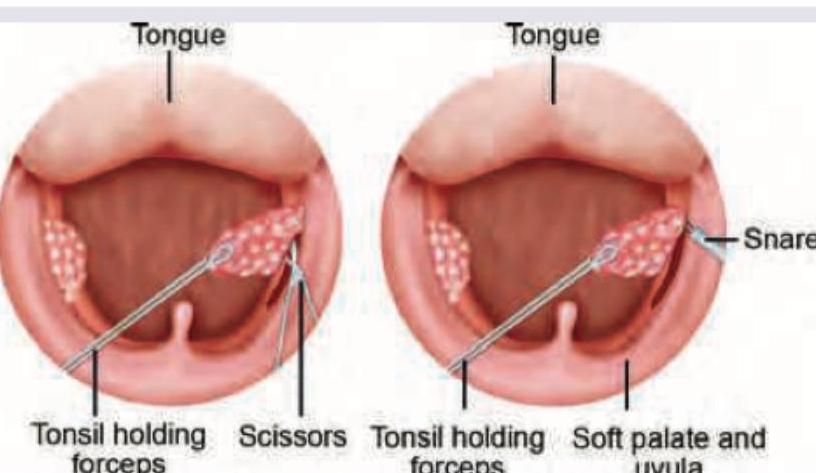
Explanation: This question pertains to the **Paradise Criteria**, which are the gold-standard clinical guidelines used to determine the necessity of a tonsillectomy in patients with recurrent throat infections. ### **Explanation of the Correct Answer** According to the Paradise Criteria, tonsillectomy is indicated if a patient experiences a specific frequency of documented sore throat episodes. The minimum frequency requirements are: * **7 episodes** in the preceding **1 year**. * **5 episodes per year** for the preceding **2 years**. * **3 episodes per year** for the preceding **3 years**. Since the question asks for the minimum number of infections in a year (implying a sustained pattern over a 3-year period), **Option A (3 episodes)** is the correct threshold for long-term recurrence. Each episode must be accompanied by at least one clinical feature: temperature >38.3°C (101°F), cervical lymphadenopathy, tonsillar exudate, or a positive culture for Group A Beta-Hemolytic Streptococcus (GABHS). ### **Analysis of Incorrect Options** * **Options B (4) and C (5):** While 5 episodes meet the criteria if they occur for two consecutive years, "3" is the established minimum annual threshold for the three-year observation period. * **Option D (6):** This number does not align with the specific 3-5-7 frequency pattern defined in standard ENT textbooks (Dhingra) and clinical guidelines. ### **Clinical Pearls for NEET-PG** * **Most common indication:** Recurrent acute tonsillitis (as per Paradise Criteria). * **Absolute indications:** Obstructive Sleep Apnea (OSA) due to tonsillar hypertrophy, suspicion of malignancy (asymmetric tonsil), and peritonsillar abscess (Quinsy) unresponsive to drainage. * **Eagle’s Syndrome:** Elongated styloid process causing throat pain; tonsillectomy is performed to access and excise the process. * **Post-operative Hemorrhage:** * *Primary:* Within 24 hours (usually due to slipping of a ligature). * *Secondary:* Between 5–10 days (due to infection/sloughing of the scab). This is a common high-yield question.
Explanation: **Explanation:** The **Parapharyngeal space** (also known as the pharyngomaxillary or lateral pharyngeal space) is an inverted pyramid-shaped potential space located lateral to the pharynx. **1. Why "Midline Swelling" is the correct (False) statement:** A parapharyngeal abscess typically presents as a **lateral neck swelling** (below the angle of the mandible) and a **medial displacement of the lateral pharyngeal wall and tonsil**. Because the space is situated lateral to the constrictor muscles, the swelling is inherently eccentric. In contrast, a **Retropharyngeal abscess** is the classic cause of a midline or paramedian bulge in the posterior pharyngeal wall. **2. Analysis of other options:** * **Abscess in pharyngomaxillary space:** This is the anatomical synonym for the parapharyngeal space. * **Trismus:** This occurs due to irritation and spasm of the **medial pterygoid muscle**, which forms the lateral boundary of the anterior compartment of this space. * **Torticollis:** Inflammation of the prevertebral muscles or irritation of the accessory nerve can lead to a "wry neck" or tilting of the head toward the unaffected side to relieve pressure. **Clinical Pearls for NEET-PG:** * **Source of Infection:** Most commonly follows acute tonsillitis, dental infections (lower molars), or Bezold’s abscess. * **Compartments:** Divided by the styloid process into **Pre-styloid** (contains fat, nodes, and pterygoids; presents with trismus) and **Post-styloid** (contains Carotid artery, IJV, and CN IX-XII; presents with neurological deficits but NO trismus). * **Complications:** The most dreaded complication is **Internal Jugular Vein Thrombophlebitis (Lemierre’s Syndrome)** or Carotid artery erosion.
Explanation: ### Explanation The **Sinus of Morgagni** is a critical anatomical space located in the **Nasopharynx**. It is a gap in the pharyngeal wall situated between the upper border of the **Superior Constrictor muscle** and the **Base of the Skull**. #### Why Nasopharynx is Correct: The pharyngeal wall is not a continuous muscular layer. In the nasopharynx, there is a deficiency in the muscle layer where the Superior Constrictor does not reach the skull base. This gap is closed by the **pharyngobasilar fascia**. The Sinus of Morgagni serves as a conduit for three important structures to enter the pharynx: 1. **Eustachian tube** (Cartilaginous portion) 2. **Levator veli palatini** muscle 3. **Ascending palatine artery** (branch of the facial artery) #### Why Other Options are Incorrect: * **Oropharynx:** This region lies below the soft palate. The gaps here (e.g., between superior and middle constrictors) transmit the stylopharyngeus muscle and glossopharyngeal nerve, but are not termed the Sinus of Morgagni. * **Hypopharynx/Laryngopharynx:** These terms are synonymous. This region contains the **Killian’s Dehiscence** (a potential site for Zenker’s diverticulum) between the thyropharyngeus and cricopharyngeus muscles, but not the Sinus of Morgagni. #### NEET-PG High-Yield Pearls: * **Passavant’s Ridge:** A mucosal ridge formed by the palatopharyngeal sphincter in the nasopharynx during swallowing. * **Fossa of Rosenmüller:** A deep recess located posterior to the Eustachian tube orifice in the nasopharynx; it is the most common site of origin for **Nasopharyngeal Carcinoma**. * **Trotter’s Triad:** Associated with nasopharyngeal tumors invading the Sinus of Morgagni, characterized by: 1. Conductive deafness (Eustachian tube blockage) 2. Ipsilateral facial pain/temporoparietal neuralgia (V2/V3 involvement) 3. Palatal paralysis (Levator veli palatini involvement)
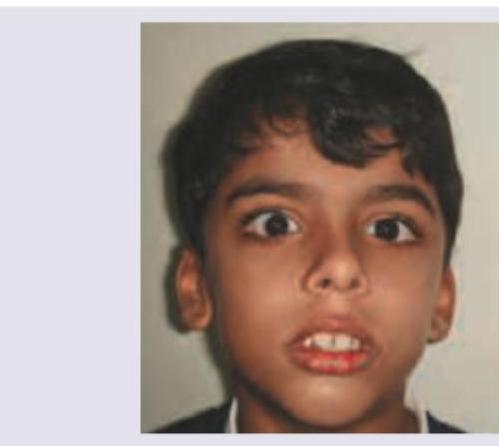
Explanation: ### Explanation The correct answer is **D. CT scan should be done to assess size.** **Why Option D is the correct answer (False Statement):** Adenoid hypertrophy is a clinical diagnosis supplemented by simple imaging. The gold standard for assessing the size and the degree of airway obstruction is **Flexible Nasopharyngoscopy**. If imaging is required, a **Lateral View X-ray of the Nasopharynx** (soft tissue neck) is the investigation of choice, showing a soft tissue mass encroaching on the nasopharyngeal air column. A CT scan is unnecessary, expensive, and involves high radiation exposure, making it inappropriate for routine assessment of adenoids in children. **Analysis of Incorrect Options (True Statements):** * **A. Mouth breathing:** Enlarged adenoids obstruct the posterior choanae, forcing the child to breathe through the mouth. This is often worse at night and associated with snoring. * **B. High arched palate:** Chronic mouth breathing leads to "Adenoid Facies." Because the mouth remains open, the molding action of the tongue on the palate is lost, while the persistent atmospheric pressure on the hard palate leads to a narrow, high-arched palate. * **C. Failure to thrive:** Severe hypertrophy can lead to Obstructive Sleep Apnea (OSA). This causes nocturnal hypoxia, poor feeding, and decreased growth hormone secretion (which occurs during deep sleep), leading to physical growth retardation or "failure to thrive." **Clinical Pearls for NEET-PG:** * **Adenoid Facies:** Characterized by an elongated face, dull expression, open mouth, crowded teeth, hitched-up upper lip, and high arched palate. * **Ear Involvement:** Adenoid hypertrophy is the most common cause of **Otitis Media with Effusion (Glue Ear)** in children due to Eustachian tube blockage. * **Treatment:** The treatment of choice for symptomatic hypertrophy is **Adenoidectomy**. * **Auscultation:** Look for "Bruit" in Juvenile Nasopharyngeal Angiofibroma (JNA), but never in adenoids.
Explanation: **Explanation:** The most common site of esophageal rupture during instrumentation (such as rigid bronchoscopy or esophagoscopy) is the **cervical region**, specifically at the **Cricopharyngeal sphincter (C6 level)**. **1. Why the Cervical Region is Correct:** The cricopharyngeus muscle acts as the "gatekeeper" of the esophagus and is the narrowest part of the entire alimentary tract. During rigid bronchoscopy, the neck is extended, which compresses the esophagus against the prominent bodies of the cervical vertebrae. The posterior wall of the esophagus at this level is thin and lacks a longitudinal muscle layer (Killian’s dehiscence), making it highly susceptible to perforation when the rigid instrument is being introduced. **2. Why the Other Options are Incorrect:** * **Cardiac region & Gastroesophageal junction:** While these are sites of physiological narrowing, they are more flexible and less likely to be injured by the initial passage of a rigid scope compared to the cricopharyngeus. Perforations here are more common during forceful pneumatic dilation for Achalasia Cardia. * **Mid esophagus:** This area is relatively wider. Perforations here are usually due to foreign bodies or malignancy rather than iatrogenic trauma from a rigid scope. **Clinical Pearls for NEET-PG:** * **Most common site of iatrogenic perforation:** Cricopharyngeus (Cervical esophagus). * **Most common site of spontaneous rupture (Boerhaave Syndrome):** Left posterolateral aspect of the lower 1/3rd of the esophagus (just above the diaphragm). * **Killian’s Dehiscence:** A potential weak spot between the thyropharyngeus and cricopharyngeus muscles, also the site for Zenker’s Diverticulum. * **Early sign of perforation:** Surgical emphysema (crepitus) in the neck.
Pharyngitis
Practice Questions
Tonsillitis
Practice Questions
Peritonsillar Abscess
Practice Questions
Retropharyngeal Abscess
Practice Questions
Adenoid Hypertrophy
Practice Questions
Sleep-Disordered Breathing
Practice Questions
Obstructive Sleep Apnea
Practice Questions
Nasopharyngeal Carcinoma
Practice Questions
Oropharyngeal Carcinoma
Practice Questions
Hypopharyngeal Carcinoma
Practice Questions
Dysphagia
Practice Questions
Globus Pharyngeus
Practice Questions
Get full access to all questions, explanations, and performance tracking.
Start For Free