Mondor's disease involves which of the following structures?
Sacrococcygeal teratoma arises from which structure?
Which of the following antiretroviral drugs does not cause peripheral neuropathy?
Glycolipids are mostly found in which of the following structures?
What is the approximate number of genes contained in the human genome?
Proptosis is seen in which of the following conditions?
What disease is associated with misfolded proteins?
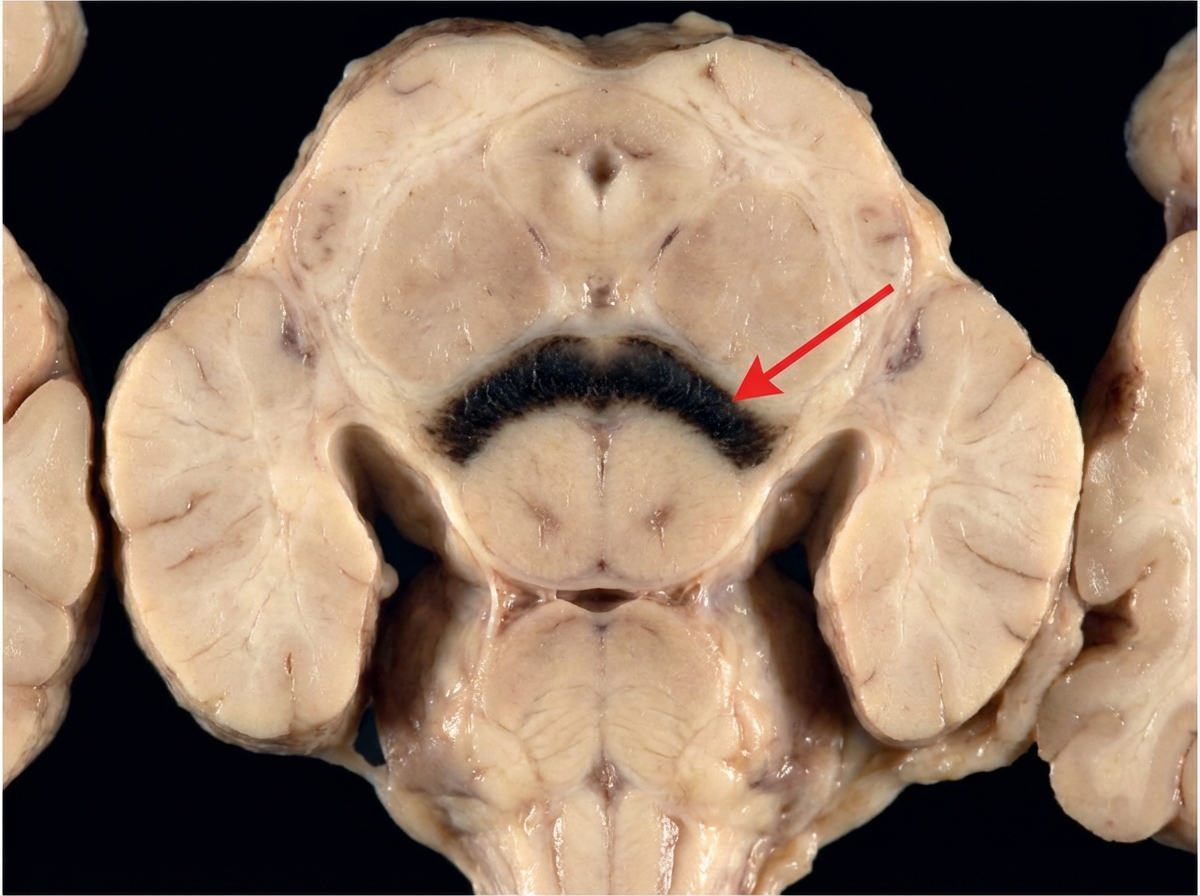
Which of the following is considered a nucleus of the basal ganglia?
A 45-year-old woman has a severe asthmatic exacerbation and requires an arterial blood gas specimen for management. If you are planning to draw the sample from the brachial artery, where should you insert the needle?
Which chemical mediator is an arachidonic acid metabolite produced by the cyclooxygenase pathway?
Explanation: **Explanation:** **Mondor’s disease** is a rare clinical condition characterized by **superficial thrombophlebitis** of the subcutaneous veins of the anterior chest wall and breast. It most commonly involves the **lateral thoracic vein**, the **thoracoepigastric vein**, or the **superior epigastric vein**. 1. **Why Breast is Correct:** The pathology involves the inflammation and clotting of veins within the subcutaneous tissue of the breast and chest wall. Clinically, it presents as a sudden, painful, "cord-like" structure under the skin of the breast, which may cause skin retraction (mimicking malignancy). 2. **Why Incorrect Options are Wrong:** * **Axilla:** While the lateral thoracic vein extends toward the axilla, the primary site of clinical manifestation and diagnosis is the breast/chest wall. * **Neck:** Thrombophlebitis in the neck usually involves the external or internal jugular veins (e.g., Lemierre’s syndrome), not Mondor’s disease. * **Thymus:** The thymus is a deep mediastinal organ; Mondor’s disease is strictly a superficial venous condition. **High-Yield Clinical Pearls for NEET-PG:** * **Presentation:** A palpable, tender, "iron-wire" cord on the breast. * **Etiology:** Often idiopathic, but can be triggered by local trauma, vigorous exercise, tight clothing, or post-breast surgery. * **Association:** While usually benign and self-limiting, it can rarely be a paraneoplastic manifestation of underlying breast cancer; therefore, a mammogram is often recommended to rule out malignancy. * **Management:** Reassurance and NSAIDs; it typically resolves spontaneously within 4–8 weeks.
Explanation: **Explanation:** **Sacrococcygeal Teratoma (SCT)** is the most common congenital tumor in newborns [1]. It arises from remnants of the **primitive streak**, which normally disappears by the end of the fourth week of development. 1. **Why Option A is Correct:** The primitive streak is composed of pluripotent cells capable of differentiating into all three germ layers (ectoderm, mesoderm, and endoderm) [1]. If these cells persist in the sacrococcygeal region instead of undergoing apoptosis, they can proliferate and form a teratoma containing various tissues like hair, teeth, muscle, and gut epithelium. 2. **Why Other Options are Incorrect:** * **Neural plate:** This is the thickened ectoderm that forms the neural tube. Defects here lead to neural tube defects (NTDs) like anencephaly, not teratomas. * **Cloacal membrane:** This forms the future site of the anus and urogenital openings. Abnormalities here lead to imperforate anus or cloacal exstrophy. * **Posterior neuropore:** Failure of this structure to close by day 27 results in **Spina Bifida**, a defect in the vertebral arches and neural tube, rather than a germ cell tumor. **High-Yield Clinical Pearls for NEET-PG:** * **Epidemiology:** SCT is more common in **females** (4:1 ratio), but malignancy is more common in males. * **Diagnosis:** Often detected via prenatal ultrasound; elevated **Alpha-fetoprotein (AFP)** levels can be a marker for malignant components (yolk sac tumor). * **Surgical Note:** Complete surgical excision, including the **coccyx**, is mandatory to prevent recurrence [1].
Explanation: Explanation: The development of peripheral neuropathy in HIV patients is frequently associated with a specific class of antiretroviral drugs known as **Nucleoside Reverse Transcriptase Inhibitors (NRTIs)**. The underlying mechanism is **mitochondrial toxicity** caused by the inhibition of **DNA polymerase-gamma**, the enzyme responsible for mitochondrial DNA replication. **Why Lamivudine is the correct answer:** **Lamivudine (3TC)** is an NRTI known for its low affinity for mitochondrial DNA polymerase-gamma. Consequently, it has a very low potential for mitochondrial toxicity and **does not cause peripheral neuropathy**. It is generally well-tolerated and is a staple in many HAART (Highly Active Antiretroviral Therapy) regimens. **Why the other options are incorrect:** The "D-drugs" are the classic culprits of NRTI-induced peripheral neuropathy: * **Stavudine (d4T):** Has the highest affinity for DNA polymerase-gamma and is the most common cause of drug-induced distal symmetrical polyneuropathy among NRTIs. * **Didanosine (ddI):** Frequently causes dose-dependent sensory neuropathy and is also associated with pancreatitis. * **Zalcitabine (ddC):** Known for significant neurotoxicity; it is rarely used in modern clinical practice due to this side effect. **High-Yield Clinical Pearls for NEET-PG:** * **The "D-drugs" (Didanosine, Stavudine, Zalcitabine)** are the primary NRTIs associated with peripheral neuropathy and pancreatitis. * **Abacavir** is associated with a life-threatening **Hypersensitivity Reaction** (linked to HLA-B*5701). * **Zidovudine (AZT)** is notorious for causing **Bone Marrow Suppression** (Anemia/Neutropenia) and Myopathy. * **Tenofovir** is associated with **Renal toxicity** (Fanconi Syndrome) and decreased bone mineral density.
Explanation: **Explanation:** **Correct Answer: B. Brain** Glycolipids (lipids with attached carbohydrates) are essential components of cell membranes, but they are found in the highest concentration within the **nervous system**, particularly the **brain** [1]. The primary reason for this localization is the abundance of **myelin** and specialized neuronal membranes. The most common glycolipids in the brain are **glycosphingolipids** (cerebrosides and gangliosides). * **Cerebrosides** (e.g., Galactocerebroside) are the major glycolipids in the myelin sheath, providing electrical insulation for axons [3]. * **Gangliosides** are concentrated in the gray matter (neuronal cell bodies), where they act as receptors for neurotransmitters and play a role in cell-to-cell recognition and signaling. **Why other options are incorrect:** * **A. Liver:** While the liver is the primary site for lipid metabolism and synthesis, it does not store or utilize glycolipids as a structural hallmark compared to the brain. * **C. Spinal cord:** Although the spinal cord contains myelin, the total concentration and diversity of complex glycolipids (especially gangliosides) are significantly higher in the brain's cortical and subcortical structures. * **D. Testis:** The testis contains specialized lipids for steroidogenesis, but glycolipids are not a predominant feature of its tissue architecture. **High-Yield NEET-PG Pearls:** 1. **Galactocerebroside** is the characteristic glycolipid of the myelin sheath (Brain) [2]. 2. **Glucocerebroside** is more common in non-neural tissues. 3. **Clinical Correlation:** Deficiencies in lysosomal enzymes that break down these glycolipids lead to **Sphingolipidoses** (e.g., Gaucher’s disease, Tay-Sachs disease, and Krabbe’s disease), which often present with severe neurological deterioration due to the brain's high glycolipid content [2].
Explanation: **Explanation:** The human genome consists of approximately 3.2 billion base pairs. Historically, scientists estimated that humans required over 100,000 genes to account for our biological complexity. However, following the completion of the **Human Genome Project (HGP)**, it was discovered that the actual number of protein-coding genes is significantly lower, currently estimated to be between **20,000 and 30,000** (most standard textbooks and exams cite the approximate figure of 30,000). **Analysis of Options:** * **B (30,000):** This is the correct consensus figure. While recent refinements suggest the number may be closer to 21,000, "30,000" remains the standard high-yield answer in medical entrance examinations based on landmark genomic studies. * **A (40,000):** This was an early post-HGP estimate that has since been revised downward as gene identification techniques became more precise. * **C & D (80,000 and 100,000):** These were the "pre-genomic era" estimates. They were based on the false assumption that because humans have a massive proteome (over 100,000 proteins), we must have an equivalent number of genes. We now know that **alternative splicing** allows a single gene to code for multiple proteins. **High-Yield NEET-PG Pearls:** * **Coding vs. Non-coding:** Only about **1.5%** of the human genome actually codes for proteins. * **Complexity:** Human complexity arises not from the *number* of genes, but from complex regulatory sequences and post-translational modifications. * **Similarity:** Any two unrelated humans share approximately **99.9%** of their DNA sequence; the 0.1% variation accounts for phenotypic differences and disease susceptibility.
Explanation: **Explanation:** **Neuroblastoma** is the most common extracranial solid tumor of childhood, typically arising from the adrenal medulla or sympathetic chain [3]. In the context of NEET-PG, it is a classic "high-yield" cause of **orbital metastasis**. When these cells spread to the orbital bones (specifically the retro-bulbar space), they cause rapid, often bilateral, displacement of the globe, leading to **proptosis** [1]. A characteristic clinical sign associated with this is "Raccoon eyes" (periorbital ecchymosis) due to tumor infiltration and obstruction of palpebral vessels [1]. **Analysis of Incorrect Options:** * **Meningioma:** While optic nerve sheath meningiomas can cause proptosis, they are significantly rarer causes compared to the systemic presentation of Neuroblastoma in pediatric boards. Most intracranial meningiomas do not present with proptosis unless they invade the orbit through the sphenoid wing. * **Sympathetic Ophthalmia:** This is a bilateral granulomatous panuveitis following penetrating trauma to one eye. It presents with redness, pain, and photophobia, but **not** proptosis (protrusion of the globe). * **Injuries:** While orbital fractures (blow-out fractures) can cause changes in eye position, they more commonly result in **enophthalmos** (sunken eye) due to the herniation of orbital contents into the maxillary sinus, rather than proptosis. **Clinical Pearls for NEET-PG:** * **Most common cause of childhood proptosis:** Orbital Cellulitis (Inflammatory); Neuroblastoma/Rhabdomyosarcoma (Neoplastic). * **Most common cause of adult proptosis:** Thyroid Eye Disease (Graves' Ophthalmopathy) [2]. * **Neuroblastoma Marker:** Elevated urinary VMA (Vanillylmandelic acid) and HVA (Homovanillic acid). * **Opsoclonus-Myoclonus Syndrome:** A paraneoplastic syndrome specifically associated with Neuroblastoma.
Explanation: **Explanation:** The correct answer is **Prion disease**. **1. Why Prion Disease is Correct:** Prion diseases (Transmissible Spongiform Encephalopathies) are caused by the misfolding of a normal cellular protein called **PrPc** (rich in alpha-helices) into an abnormal, pathogenic isoform called **PrPsc** (rich in beta-pleated sheets) [1]. This misfolded protein is resistant to proteases and acts as a template, inducing other normal proteins to misfold [1]. This leads to protein aggregation, neuronal loss, and a "spongiform" appearance of the brain parenchyma [3]. Examples include Creutzfeldt-Jakob Disease (CJD) and Kuru. **2. Why Other Options are Incorrect:** * **Typhoid:** This is an infectious bacterial disease caused by *Salmonella typhi*. It is characterized by systemic inflammation, "rose spots," and intestinal complications, not protein misfolding. * **Cholera:** This is an acute diarrheal illness caused by the bacterium *Vibrio cholerae*. Its pathology is driven by the **cholera toxin**, which increases cAMP levels in intestinal cells, leading to massive water and electrolyte secretion. **3. NEET-PG High-Yield Clinical Pearls:** * **Histology:** Look for "spongiform encephalopathy" (vacuolation of neurons and glia) and lack of inflammatory response [3]. * **Key Feature:** Prions are unique because they lack nucleic acids (DNA/RNA) and are highly resistant to standard sterilization methods like boiling or irradiation. * **Other Misfolding Diseases:** While Prion disease is the classic example, remember that **Alzheimer’s disease** (Amyloid-beta and Tau) and **Parkinson’s disease** (alpha-synuclein) also involve protein misfolding and aggregation [2]. * **Diagnosis:** In CJD, 14-3-3 protein in CSF is a high-yield diagnostic marker.
Explanation: The **Basal Ganglia** (or Basal Nuclei) are a group of subcortical nuclei situated deep within the cerebral hemispheres, primarily involved in the control of voluntary motor movements, procedural learning, and habit formation [1]. **Why Caudate is Correct:** The **Caudate nucleus** is a major component of the basal ganglia [1]. Together with the Putamen, it forms the **Striatum** (Neostriatum) [1]. Anatomically, it is C-shaped and closely related to the lateral ventricles. It plays a vital role in the "cognitive" loop of motor control, processing information from the association cortex. **Analysis of Incorrect Options:** * **A. Dentate:** This is the largest of the **deep cerebellar nuclei**. It is located in the cerebellum and is involved in the planning and initiation of voluntary movements, not the basal ganglia [1]. * **B. Thalamus:** While the thalamus is a major relay station that works closely with the basal ganglia (via the thalamic fasciculus), it is a **diencephalic structure** and is not classified as part of the basal ganglia itself [3]. * **D. Red Nucleus:** Located in the **midbrain tegmentum**, it is part of the extrapyramidal system (rubrospinal tract) but is not considered a primary nucleus of the basal ganglia [2]. **High-Yield NEET-PG Pearls:** 1. **Components of Basal Ganglia:** Caudate, Putamen, Globus Pallidus (Internal & External), Subthalamic Nucleus, and Substantia Nigra [1]. 2. **Corpus Striatum:** Caudate + Putamen + Globus Pallidus [1]. 3. **Lentiform Nucleus:** Putamen + Globus Pallidus (wedge-shaped) [1]. 4. **Clinical Correlation:** Degeneration of dopaminergic neurons in the Substantia Nigra pars compacta leads to **Parkinson’s Disease**, while atrophy of the Caudate nucleus is the hallmark of **Huntington’s Chorea** [4].
Explanation: ### Explanation **Correct Answer: C. Just medial to the biceps tendon in the cubital fossa** The **brachial artery** is the direct continuation of the axillary artery. In the cubital fossa (the transition zone between the arm and forearm), it is the most central structure. The anatomical arrangement of the cubital fossa from **medial to lateral** is remembered by the mnemonic **MBBR**: **M**edian nerve, **B**rachial artery, **B**iceps tendon, and **R**adial nerve. Therefore, to palpate the brachial pulse or perform an arterial puncture, the needle must be inserted **medial to the biceps tendon**. #### Analysis of Incorrect Options: * **Option A:** This describes the location of the **profunda brachii artery** or the radial nerve in the spiral groove, not the site for a standard arterial blood gas (ABG) draw. * **Option B:** The area lateral to the biceps tendon contains the **radial nerve** (deep) and the **musculocutaneous nerve** (as the lateral cutaneous nerve of the forearm). Puncturing here risks nerve injury and misses the artery. * **Option D:** This describes the location of the **radial artery** at the wrist. While the radial artery is the most common site for ABG, it is located **lateral** to the flexor carpi radialis (FCR) tendon, not medial. #### NEET-PG High-Yield Pearls: * **Cubital Fossa Boundaries:** Superiorly by an imaginary line between epicondyles; Medially by **Pronator teres**; Laterally by **Brachioradialis**. * **Roof Structures:** The **median cubital vein** (common site for venipuncture) lies superficial to the brachial artery, separated by the **bicipital aponeurosis**, which protects the artery during blood draws. * **Clinical Correlation:** The brachial artery is the preferred site for blood pressure auscultation and is the second most common site for ABG after the radial artery. Always check for collateral circulation (though Allen's test is specific to the radial/ulnar arteries).
Explanation: The metabolism of **Arachidonic Acid (AA)**, a 20-carbon polyunsaturated fatty acid derived from membrane phospholipids, occurs via two primary enzymatic pathways: the **Cyclooxygenase (COX)** pathway and the **Lipoxygenase (LOX)** pathway [3]. **Why Prostaglandin H2 (PGH2) is Correct:** The COX pathway (involving COX-1 and COX-2 enzymes) converts arachidonic acid into unstable intermediate endoperoxides, specifically **Prostaglandin G2 (PGG2)** and subsequently **Prostaglandin H2 (PGH2)** [1]. PGH2 serves as the common precursor for the synthesis of various biologically active prostanoids, including Prostaglandins (PGE2, PGD2, PGF2α), Prostacyclin (PGI2), and Thromboxane A2 (TXA2) [1]. **Analysis of Incorrect Options:** * **Leukotriene A4 (LTA4) & Leukotriene B4 (LTB4):** These are products of the **5-Lipoxygenase (5-LOX)** pathway. LTA4 is the initial unstable intermediate, which is then converted into LTB4 (a potent chemotactic agent) or the cysteinyl leukotrienes (LTC4, LTD4, LTE4). * **5-Hydroxyeicosatetraenoic acid (5-HETE):** This is also a product of the **5-LOX** pathway. It is a precursor to leukotrienes and acts as a potent chemoattractant for neutrophils. **High-Yield Clinical Pearls for NEET-PG:** * **Pharmacological Inhibition:** Aspirin and NSAIDs irreversibly or reversibly inhibit the **COX pathway**, thereby blocking the production of PGH2 and its derivatives [2]. * **Corticosteroids:** These inhibit **Phospholipase A2**, preventing the release of arachidonic acid from the cell membrane, thus blocking *both* the COX and LOX pathways. * **Zileuton:** A specific inhibitor of the 5-LOX pathway, used in asthma management. * **Prostacyclin (PGI2) vs. Thromboxane (TXA2):** PGI2 (from vascular endothelium) causes vasodilation and inhibits platelet aggregation, while TXA2 (from platelets) causes vasoconstriction and promotes aggregation.
Organization of the Nervous System
Practice Questions
Spinal Cord Anatomy
Practice Questions
Brainstem Anatomy
Practice Questions
Cerebellum
Practice Questions
Diencephalon
Practice Questions
Cerebral Cortex
Practice Questions
Basal Ganglia
Practice Questions
Limbic System
Practice Questions
Cranial Nerves
Practice Questions
Autonomic Nervous System
Practice Questions
Neural Pathways and Tracts
Practice Questions
Neurovascular Anatomy
Practice Questions
Get full access to all questions, explanations, and performance tracking.
Start For Free