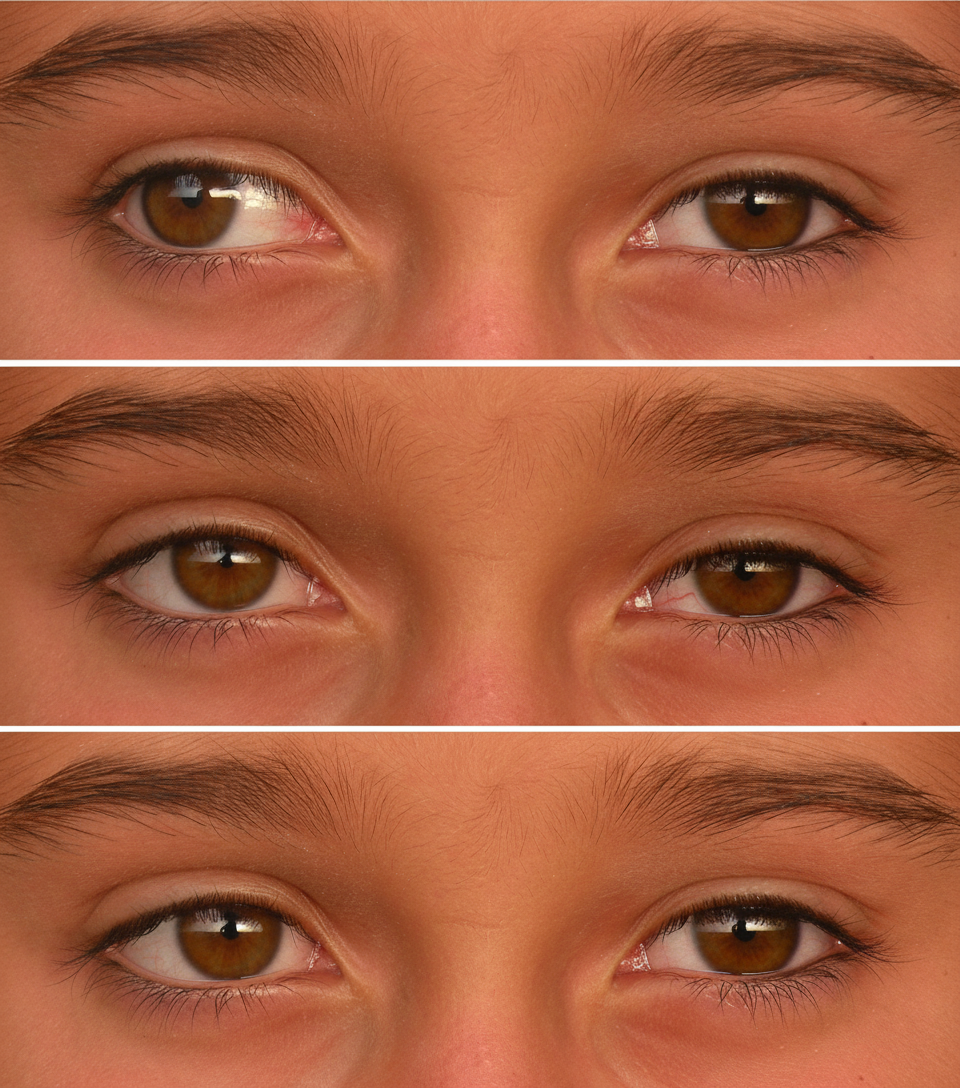
A person who speaks contrary to what they previously stated is referred to as:
Which of the following cells are derived from the mesoderm?
Helicobacter pylori infection is associated with all of the following conditions, except?
Taste pathway is associated with which neural column?
A female patient is unable to walk on her tiptoes. Which of the following nerves is most likely damaged?
What is the basis for combining Ritonavir with Lopinavir?
The collecting part of the kidney develops from which embryonic structure?
All of the following are features of premature ventricular complexes except?
True regarding iridocyclitis?
Which of the following cells of the germinal epithelium of the testis divides by meiosis?
Explanation: **Explanation:** In the context of Forensic Medicine and Toxicology (often integrated with Neuroanatomy/Psychiatry in NEET-PG regarding behavioral assessment), a **Hostile Witness** (also known as an adverse witness) is one who, while testifying under oath, exhibits a lack of desire to tell the truth or gives testimony contrary to their previous recorded statement to the police or magistrate. Under **Section 154 of the Indian Evidence Act**, the party that called the witness may, with the court's permission, cross-examine their own witness if they turn hostile. **Analysis of Options:** * **Expert Witness (Option A):** A person with specialized knowledge (e.g., a doctor, forensic expert) who assists the court in understanding technical evidence. They provide opinions based on facts. * **Common Witness (Option B):** Also known as a witness of fact, this is an ordinary person who testifies about what they perceived through their senses (saw, heard, or felt) regarding the case. * **Perjury (Option D):** This refers to the actual *act* of giving false evidence under oath (Section 191 IPC). While a hostile witness may commit perjury, the term for the *person* who contradicts their previous statement in court is a "Hostile Witness." **Clinical Pearls for NEET-PG:** * **Section 191 IPC:** Defines giving false evidence (Perjury). * **Section 193 IPC:** Prescribes punishment for perjury (up to 7 years imprisonment). * **Conduct Money:** The fee paid to a witness (usually in civil cases) to cover travel and expenses for attending court. * **Subpoena/Summon:** A legal document commanding attendance in court; failure to comply can lead to criminal charges.
Explanation: **Explanation:** The development of the nervous system follows a specific embryological pattern. While the majority of the central nervous system (CNS) originates from the **neuroectoderm**, microglial cells are the notable exception. **1. Why Microglial cells are the correct answer:** Microglial cells are the resident macrophages of the CNS. Unlike other glial cells, they are derived from **mesoderm** (specifically from yolk sac hematopoietic progenitors) [1]. They migrate into the developing brain during early embryonic life. Their primary function is immune surveillance and phagocytosis, acting as the brain's defense system [1]. **2. Why the other options are incorrect:** * **Astrocytes (Option A):** These are the most numerous glial cells in the CNS. They are derived from the **neuroectoderm** (specifically the neural tube) [1]. * **Oligodendrocytes (Option B):** Responsible for myelination in the CNS, these cells also originate from the **neuroectoderm** (neural tube) [1]. * **Schwann cells (Option D):** These cells provide myelination for the Peripheral Nervous System (PNS) [2]. They are derived from **Neural Crest Cells** (which are ectodermal in origin). **High-Yield Clinical Pearls for NEET-PG:** * **Mnemonic:** Remember **"M"** for **M**icroglia = **M**esoderm = **M**acrophage. * **Neural Crest Derivatives:** Schwann cells, melanocytes, adrenal medulla, and dorsal root ganglia are high-yield ectodermal derivatives often tested. * **Fried Egg Appearance:** On histology, both Oligodendrocytes and Perinuclear halos in seminomas are described this way, but in neuroanatomy, it specifically refers to Oligodendrocytes. * **Blood-Brain Barrier:** Astrocytes play a crucial role in maintaining the BBB via their "foot processes."
Explanation: **Explanation:** *Helicobacter pylori* is a gram-negative, microaerophilic bacterium that colonizes the gastric mucosa [1]. It is recognized as a Type 1 carcinogen by the WHO due to its role in chronic inflammation and genetic mutations [3]. **Why Burkitt’s Lymphoma is the Correct Answer:** Burkitt’s lymphoma is a highly aggressive B-cell non-Hodgkin lymphoma characterized by the **c-myc gene translocation [t(8;14)]**. It is strongly associated with the **Epstein-Barr Virus (EBV)**, particularly in the endemic (African) variant, and malaria—not *H. pylori*. **Analysis of Other Options:** * **Peptic Ulcer (A):** *H. pylori* is the most common cause of both duodenal (90%) and gastric (70%) ulcers [2]. It increases acid secretion and disrupts the protective mucosal barrier. * **Gastric Adenocarcinoma (B):** Chronic infection leads to atrophic gastritis and intestinal metaplasia, significantly increasing the risk of distal gastric adenocarcinoma [2]. * **B-cell Lymphoma (C):** Specifically, *H. pylori* is the primary driver of **MALToma** (Mucosa-Associated Lymphoid Tissue lymphoma), a type of marginal zone B-cell lymphoma. Notably, early-stage MALToma can often be cured solely by eradicating the *H. pylori* infection. **High-Yield Clinical Pearls for NEET-PG:** * **Virulence Factors:** CagA (Cytotoxin-associated gene A) is the most important protein linked to gastric cancer. * **Diagnostic Gold Standard:** Endoscopic biopsy followed by a Rapid Urease Test (RUT) or Histopathology. * **Non-invasive Test of Choice:** Urea Breath Test (uses C13 or C14 isotopes) is excellent for confirming eradication [1]. * **Triple Therapy:** PPI + Amoxicillin + Clarithromycin (Standard first-line treatment).
Explanation: **Explanation:** The functional components of cranial nerves are categorized based on the type of information they carry and the embryological origin of the structures they innervate. **Why Special Visceral Afferent (SVA) is correct:** The **SVA** column is dedicated to the "special" senses associated with the gastrointestinal tract—specifically **taste (gustation)** and **smell (olfaction)**. Taste is considered "visceral" because of its close functional relationship with digestion and its development from the endodermal lining of the pharyngeal arches [1]. The cranial nerves carrying SVA fibers for taste are: * **CN VII (Facial):** Anterior 2/3 of the tongue (via Chorda tympani) [1]. * **CN IX (Glossopharyngeal):** Posterior 1/3 of the tongue [1]. * **CN X (Vagus):** Epiglottis and far posterior tongue [1]. **Analysis of Incorrect Options:** * **SSA (Special Somatic Afferent):** Associated with special senses that relate the body to the external physical environment, specifically **vision, hearing, and balance** (CN II and CN VIII). * **GSA (General Somatic Afferent):** Carries general sensations like touch, pain, and temperature from the skin and mucous membranes (e.g., CN V trigeminal distribution to the face). * **GVA (General Visceral Afferent):** Carries sensory impulses from internal organs, glands, and blood vessels (e.g., baroreceptors or distension of the gut). **High-Yield Clinical Pearls for NEET-PG:** * **Nucleus Solitarius:** This is the "sensory nucleus" for the viscera. The **rostral part** (Gustatory nucleus) receives SVA (taste) fibers, while the **caudal part** receives GVA fibers [1]. * **Mnemonic:** "SVA = Smell & Savor (Taste)." * All taste fibers, regardless of the cranial nerve, eventually synapse in the **Nucleus Tractus Solitarius (NTS)** in the medulla [1].
Explanation: The ability to walk on tiptoes requires **plantarflexion** of the foot at the ankle joint. This movement is primarily performed by the muscles of the posterior compartment of the leg, specifically the **Gastrocnemius** and **Soleus** (the Triceps Surae). These muscles are innervated by the **Tibial nerve** (L4–S3). Damage to the tibial nerve results in paralysis of these muscles, leading to an inability to plantarflex the foot and, consequently, an inability to stand or walk on tiptoes. **Analysis of Options:** * **Tibial Nerve (Correct):** Supplies the posterior compartment of the leg (plantarflexors). Loss leads to "calcaneovalgus" deformity where the foot is dorsiflexed and everted. * **Sural Nerve:** This is a purely **sensory** nerve (formed by branches of the tibial and common fibular nerves). Damage would cause sensory loss on the lateral aspect of the foot but no motor deficit. * **Common Fibular (Peroneal) Nerve:** Supplies the anterior and lateral compartments. Damage leads to "Foot Drop" (loss of dorsiflexion), making it impossible to walk on **heels**, not tiptoes. * **Superficial Fibular Nerve:** A branch of the common fibular nerve that supplies the lateral compartment (fibularis longus/brevis). Damage affects eversion but not the primary power of plantarflexion. **Clinical Pearls for NEET-PG:** * **Mnemonic (PED/TIP):** **P**eroneal **E**verts and **D**orsiflexes (if damaged, foot drops down). **T**ibial **I**nverts and **P**lantarflexes (if damaged, foot stays up). * **Tarsal Tunnel Syndrome:** Compression of the tibial nerve behind the medial malleolus. * **Reflex:** The Tibial nerve mediates the **Achilles (Ankle) jerk reflex** (S1, S2). Loss of this reflex is a classic sign of tibial nerve or S1 nerve root pathology.
Explanation: **Explanation:** The combination of Lopinavir and Ritonavir is a classic example of **pharmacokinetic boosting**. **1. Why Option B is Correct:** Lopinavir is a potent Protease Inhibitor (PI) used in HIV treatment, but it is rapidly metabolized by the hepatic enzyme **CYP3A4**, leading to poor oral bioavailability and sub-therapeutic plasma levels when used alone. Ritonavir, while also a PI, is a **potent irreversible inhibitor of CYP3A4**. When added in low doses to Lopinavir, Ritonavir "boosts" the plasma concentration of Lopinavir by blocking its metabolism. This allows for lower dosing frequency and improved efficacy. **2. Why Other Options are Incorrect:** * **Option A:** While they are pharmaceutically compatible in a single tablet (Kaletra), this is a result of the combination's utility, not the pharmacological basis for it. * **Option C:** Ritonavir actually has a relatively short half-life; its value lies in its enzyme-inhibiting potency, not its own persistence in the body. * **Option D:** Ritonavir does not counteract Lopinavir's side effects; in fact, Ritonavir itself often adds to gastrointestinal distress and lipid elevations. **High-Yield Clinical Pearls for NEET-PG:** * **"Booster" Effect:** Ritonavir is used at "sub-therapeutic" doses (100–200 mg) specifically for enzyme inhibition, not for its own antiviral activity. * **Cobicistat:** Another drug used solely as a pharmacokinetic enhancer (CYP3A4 inhibitor) without any intrinsic antiviral activity. * **Drug Interactions:** Because Ritonavir inhibits CYP3A4, it has significant interactions with other drugs metabolized by this pathway (e.g., statins, benzodiazepines, and rifampin).
Explanation: **Explanation:** The development of the definitive kidney (metanephros) involves the interaction of two distinct mesodermal structures: the **Ureteric Bud** and the **Metanephric Blastema**. 1. **Why Ureteric Bud is Correct:** The ureteric bud is an outgrowth from the distal end of the mesonephric duct. It undergoes repeated branching to form the **entire collecting system** of the kidney [1]. This includes the ureter, renal pelvis, major and minor calyces, and the collecting tubules (up to the collecting ducts). 2. **Why Other Options are Incorrect:** * **Pronephros:** This is the first, most primitive kidney system that appears in the cervical region. It is non-functional in humans and disappears completely by the end of the 4th week. * **Mesonephros:** This "interim" kidney functions briefly during the first trimester. While most of it regresses, its duct (Wolffian duct) persists in males to form the reproductive tract (epididymis, vas deferens). * **Metanephros (Metanephric Blastema):** While the metanephros is the definitive kidney, the *blastema* specifically forms the **excretory part** (nephrons), including Bowman’s capsule, proximal convoluted tubule, Loop of Henle, and distal convoluted tubule. **High-Yield Clinical Pearls for NEET-PG:** * **Reciprocal Induction:** The ureteric bud and metanephric blastema must interact for kidney development. If the ureteric bud fails to develop or reach the blastema, **renal agenesis** occurs. * **Duplication:** Early division of the ureteric bud results in a **bifid ureter** or double ureter [1]. * **Wilms Tumor:** Associated with mutations in genes (WT1) that regulate the transformation of the metanephric blastema into renal epithelium. * **Memory Trick:** **U**reteric bud = **U**reter & Collecting system; **M**etanephric blastema = **M**aking the Nephron.
Explanation: **Explanation** Premature Ventricular Complexes (PVCs) are ectopic beats originating from an irritable focus within the ventricular myocardium or Purkinje fibers, rather than the SA node [1]. **Why "Prolonged PR interval" is the correct answer:** The PR interval represents the time taken for an impulse to travel from the atria to the ventricles through the AV node. In a PVC, the impulse originates **within the ventricles** themselves. Because the impulse does not travel from the atria through the AV node, there is no associated P wave preceding the ectopic QRS complex. Therefore, a PR interval cannot be measured, making "prolonged PR interval" a false statement regarding PVCs. **Analysis of other options:** * **Wide QRS complex:** Since the impulse originates in the ventricular muscle rather than the specialized conduction system (His-Purkinje), depolarization occurs slowly via cell-to-cell conduction. This results in a wide, bizarre QRS complex (>0.12s). * **Absent P wave:** The ectopic focus is below the AV node; therefore, the ventricles depolarize without prior atrial depolarization. * **Complete compensatory pause:** This occurs because the PVC usually does not retrograde into the atria to reset the SA node. The next sinus impulse arrives when the ventricles are still refractory from the PVC, causing a "skipped beat." The distance between the pre-PVC and post-PVC R waves is exactly twice the normal R-R interval [1]. **High-Yield Clinical Pearls for NEET-PG:** * **Rule of Bigeminy:** Every other beat is a PVC. * **R-on-T Phenomenon:** A PVC falling on the T-wave of the preceding beat can trigger Ventricular Tachycardia or Fibrillation [1]. * **Treatment:** In asymptomatic patients, no treatment is needed. If symptomatic, **Beta-blockers** are the first-line therapy.
Explanation: **Explanation:** **Iridocyclitis**, a form of anterior uveitis, involves inflammation of the iris and the ciliary body. 1. **Why Option A is Correct:** Iridocyclitis is frequently associated with systemic inflammatory conditions, particularly **vasculitis** and HLA-B27 associated spondyloarthropathies. Systemic vasculitides (like Behçet’s disease or Polyarteritis Nodosa) cause inflammation of the ocular blood vessels, leading to a breakdown of the blood-aqueous barrier, resulting in the characteristic "flare and cells" seen on slit-lamp examination. 2. **Why the other options are incorrect:** * **Option B:** While steroids *are* the mainstay of treatment to reduce inflammation, the question asks for a "True" statement regarding the nature/association of the disease. In many competitive exams, if an association (Option A) is a definitive pathological link, it is prioritized over management steps unless specified. (Note: In some contexts, B is also factually true, but A represents the core systemic association often tested in Neuro-ophthalmology/Anatomy). * **Option C:** This is incorrect because **trauma** is a leading cause of "traumatic iridocyclitis" due to blunt force causing mechanical irritation of the ciliary body. * **Option D:** This is incorrect because iridocyclitis can occur at any age, including the elderly, often secondary to chronic systemic diseases or post-cataract surgery inflammation. **High-Yield Clinical Pearls for NEET-PG:** * **Classic Presentation:** Ciliary congestion (circumcorneal flush), miosis (due to sphincter spasm), and Keratic Precipitates (KPs) on the corneal endothelium. * **The "Gold Standard" Sign:** Presence of aqueous cells and flare in the anterior chamber. * **Key Association:** Strongly linked with **HLA-B27** (Ankylosing spondylitis, Reiter’s syndrome, IBD, and Psoriatic arthritis) [1]. * **Complication:** Posterior synechiae (adhesion of iris to the lens), which can lead to secondary glaucoma. **Additional Notes:** Chronic uveitis (iridocyclitis) is a known precursor to corneal degenerations like calcific band keratopathy, particularly in juvenile inflammatory conditions [1].
Explanation: The process of spermatogenesis involves the transformation of primitive germ cells into mature spermatozoa through a series of mitotic and meiotic divisions [3]. **Why Primary Spermatocytes are correct:** Primary spermatocytes are the cells that initiate the first meiotic division (**Meiosis I**). They are diploid cells (46, XY) derived from Type B spermatogonia. Upon completing Meiosis I (reduction division), one primary spermatocyte gives rise to two haploid secondary spermatocytes [3]. This is the critical stage where genetic recombination and reduction of chromosome number occur [3]. **Analysis of Incorrect Options:** * **Type A Spermatogonium:** These are stem cells that divide by **mitosis** to maintain the germ cell population (self-renewal) or differentiate into Type B spermatogonia [3]. * **Secondary Spermatocyte:** While these do undergo **Meiosis II** (equational division), the question asks which cell *divides* by meiosis as a process. In the sequence of spermatogenesis, the primary spermatocyte is the hallmark cell defined by its entry into the meiotic cycle [3]. (Note: If the question asks for the result of Meiosis I, it is the secondary spermatocyte). * **Spermatid:** These are haploid cells that do not divide further. They undergo **spermiogenesis** (a morphological transformation, not division) to become mature spermatozoa [2]. **High-Yield NEET-PG Pearls:** * **Duration:** Spermatogenesis takes approximately **74 days** in humans. * **Spermiogenesis vs. Spermatogenesis:** Spermiogenesis is the transformation of a spermatid to a spermatozoon (no division involved) [2]. * **Blood-Testis Barrier:** Formed by **Sertoli cells**; it protects the developing haploid cells (which are immunologically "foreign") from the immune system [1]. * **Chromosome Status:** Primary spermatocytes are **2n (46 chromosomes)**, while secondary spermatocytes and spermatids are **1n (23 chromosomes)** [3].
Organization of the Nervous System
Practice Questions
Spinal Cord Anatomy
Practice Questions
Brainstem Anatomy
Practice Questions
Cerebellum
Practice Questions
Diencephalon
Practice Questions
Cerebral Cortex
Practice Questions
Basal Ganglia
Practice Questions
Limbic System
Practice Questions
Cranial Nerves
Practice Questions
Autonomic Nervous System
Practice Questions
Neural Pathways and Tracts
Practice Questions
Neurovascular Anatomy
Practice Questions
Get full access to all questions, explanations, and performance tracking.
Start For Free