Internal Medicine
1 questionsWhat is the role of Procalcitonin in pneumonia?
INI-CET 2025 - Internal Medicine INI-CET Practice Questions and MCQs
Question 151: What is the role of Procalcitonin in pneumonia?
- A. Requirement of further investigation
- B. Guiding initiation of antibiotic
- C. Early antibiotic discontinuation (Correct Answer)
- D. No role
Explanation: ***Early antibiotic discontinuation*** - Procalcitonin (PCT) is a validated biomarker used to monitor clinical response and guide the safe cessation of antibiotics in patients with **Community-Acquired Pneumonia (CAP)** and other lower respiratory tract infections. - A significant decrease in PCT levels (typically <0.25 ng/mL or a substantial drop from peak) suggests the infection is resolving, facilitating **de-escalation** and reducing unnecessary antibiotic exposure. ***Guiding initiation of antibiotic*** - While elevated PCT levels (e.g., >0.5 ng/mL) strongly suggest a **bacterial etiology** over a viral one, clinical guidelines often mandate immediate empiric antibiotic initiation based on the severity of illness (e.g., **CURB-65** criteria) [1]. - Although useful for differentiating bacterial vs. viral causes, the strongest evidence and clinical application of PCT in pneumonia focus on the timing of **stopping** treatment rather than starting [2]. ***Requirement of further investigation*** - PCT is a specific **biomarker** that helps establish the presence of a **systemic bacterial infection** or sepsis, thus serving as a diagnostic aid itself rather than just indicating the need for additional, generic investigations [2]. - If PCT levels are high, it confirms the likelihood of a bacterial etiology, directing the clinician towards definitive **antibiotic therapy** and close monitoring rather than simply delaying treatment with more tests. ***No role*** - This statement is incorrect; PCT-guided algorithms for antibiotic management are integrated into many international guidelines (like those from the Infectious Diseases Society of America/American Thoracic Society) to reduce the **duration of therapy**. - Its measurable sensitivity and specificity in distinguishing bacterial infections from non-infectious causes or viral infections provide a substantial clinical role in improving **antibiotic stewardship** [2].
Microbiology
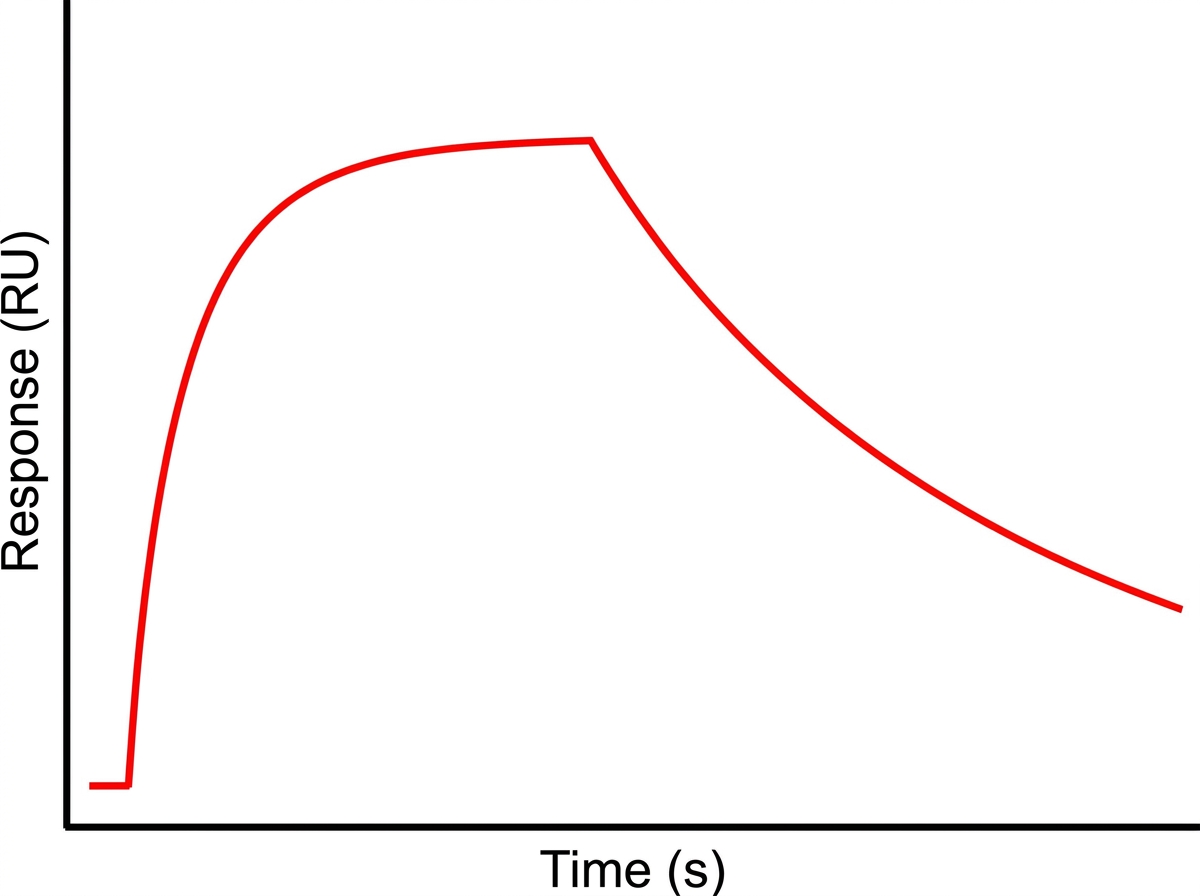
2 questionsWhat is the technique shown in the graph that demonstrates antibody-antigen interaction and response kinetics?
Identify the antibody shown in the diagram which has a joining chain and is mainly found in mucosal areas.
INI-CET 2025 - Microbiology INI-CET Practice Questions and MCQs
Question 151: What is the technique shown in the graph that demonstrates antibody-antigen interaction and response kinetics?
- A. Surface plasmon resonance for affinity (Correct Answer)
- B. Competitive ELISA for antibody concentration
- C. Surface plasmon resonance for concentration
- D. Competitive ELISA for antibody affinity
Explanation: ***Surface plasmon resonance for affinity*** - **Surface Plasmon Resonance (SPR)** is the only technique among these capable of measuring biological interactions **in real time**, displaying a sensorgram that maps response units versus time, indicating association and dissociation phases. - The curve shown depicting the binding (association rate, $\text{k}_{on}$) and unbinding (dissociation rate, $\text{k}_{off}$) kinetics is characteristic of SPR, which allows for the accurate calculation of **binding affinity ($\text{K}_{D})$** derived from these kinetic constants. ***Competitive ELISA for antibody affinity*** - **ELISA** is an endpoint assay; it records the final quantity of bound product rather than the **real-time kinetic** curves (association and dissociation) shown in the graph. - While affinity can be approximated using specialized competitive ELISA formats, it relies on static equilibrium measurements, not the detailed kinetic analysis provided by $\text{k}_{on}$ and $\text{k}_{off}$. ***Competitive ELISA for antibody concentration*** - This technique is typically used for **quantitation** (determining concentration) by comparing an unknown sample to a standard curve at a single time point (endpoint). - It cannot generate the characteristic graph showing dynamic changes in the **association and dissociation profile** over time, which are essential for kinetic analysis. ***Surface plasmon resonance for concentration*** - While SPR can be used for quantitation, the primary purpose of generating and analyzing the complex **full kinetic curve** (both association and dissociation phases) is to precisely determine the binding affinity ($\text{K}_{D}$). - Simple concentration measurements using SPR often involve a brief contact time or steady-state analysis, not the detailed monitoring of the specific **dissociation phase** necessary to calculate $\text{k}_{off}$ and thus affinity.
Question 152: Identify the antibody shown in the diagram which has a joining chain and is mainly found in mucosal areas.
- A. IgM
- B. IgG
- C. IgE
- D. IgA (Correct Answer)
Explanation: ***IgA*** - The diagram shows a **dimeric** antibody structure, which consists of two monomer units linked by a **J chain** (joining chain) and a **secretory component**, a classic representation of secretory IgA (sIgA). - IgA is the predominant immunoglobulin found in **mucosal secretions** such as saliva, tears, breast milk, and gastrointestinal fluids, where it provides the first line of defense against pathogens. ***IgG*** - IgG is a **monomer**, meaning it exists as a single Y-shaped unit, and it does not have a J chain or form polymeric structures. - It is the most abundant antibody in the **blood** and tissue fluids, plays a key role in the secondary immune response, and is the only immunoglobulin that can cross the **placenta**. ***IgM*** - IgM exists as a **pentamer** in its secreted form, consisting of five monomer units linked by a J chain, which is much larger than the dimer shown in the image. - It is the first antibody class produced during a **primary immune response** and is highly effective at activating the complement system. ***IgE*** - IgE is a **monomer** and does not contain a J chain or form polymers. - It is present in very low concentrations in the serum and is primarily involved in **allergic reactions** (type I hypersensitivity) and defense against **parasitic worms**.
Pathology
1 questionsHLA-mismatched transplant is not a problem in which of the following diseases?
INI-CET 2025 - Pathology INI-CET Practice Questions and MCQs
Question 151: HLA-mismatched transplant is not a problem in which of the following diseases?
- A. Job's syndrome
- B. Wiskott-Aldrich syndrome
- C. Chediak-Higashi syndrome
- D. Bare lymphocyte syndrome (Correct Answer)
Explanation: **Bare lymphocyte syndrome (Correct)** - **Bare Lymphocyte Syndrome** (BLS) is characterized by a failure to express **MHC Class I (Type I)** or **MHC Class II (Type II)** molecules on the cell surface, crucial for antigen presentation. - The absence of functional MHC in the recipient means their cells cannot effectively present the donor's HLA antigens, minimizing host immune rejection (host-versus-graft rejection) and allowing for the successful use of **HLA-mismatched transplants**. *Wiskott-Aldrich syndrome (Incorrect)* - This X-linked immunodeficiency involves the **WASp gene** and affects the cytoskeleton of hematopoietic cells, leading to defects in **T-cell function** and a high risk of autoimmune disease. - Since the patient's capacity for MHC presentation is generally intact, standard severe **Graft-versus-Host Disease (GvHD)** is a major risk following mismatched transplant, necessitating stringent HLA matching. *Job's syndrome (Incorrect)* - Job's syndrome (Hyper-IgE syndrome) is typically caused by mutations in **STAT3**, impairing signal transduction necessary for Th17 cell differentiation and resulting in defective neutrophil chemotaxis. - This syndrome does not eliminate the ability of the recipient's cells to express and utilize MHC molecules; therefore, an **HLA-matched donor** is required to prevent transplant rejection and GvHD. *Chediak-Higashi syndrome (Incorrect)* - Caused by a mutation in the **LYST gene**, leading to defective lysosomal trafficking, which primarily affects phagocytes and pigment cells. - Although it is an immunodeficiency, the fundamental mechanisms for T-cell recognition of foreign alloantigens (such as mismatched HLA) are functional, making a severe **HLA mismatch** highly problematic and usually fatal.
Pharmacology
6 questionsMechanism of action of Fenoldopam drug is:
Which of the following anti-epileptics is not given during pregnancy?
Which of the following statements is not true regarding benzodiazepines and barbiturates?
Which of the following is the classical drug for clinical cure in malaria?
Which of the following is not true regarding bempedoic acid?
Which of the following is the treatment for complicated gonorrhoea due to penicillin-resistant Neisseria gonorrhoeae?
INI-CET 2025 - Pharmacology INI-CET Practice Questions and MCQs
Question 151: Mechanism of action of Fenoldopam drug is:
- A. Beta-2 agonist
- B. Alpha-1 antagonist
- C. D1 agonist (Correct Answer)
- D. D2 antagonist
Explanation: ***D1 agonist*** - **Fenoldopam** is a selective, short-acting agonist of the **Dopamine-1 (D1) receptor**. - D1 receptor stimulation leads to **vasodilation** in peripheral, coronary, renal, and splanchnic arterial beds, explaining its use as a rapid-acting antihypertensive agent. ***Alpha-1 antagonist*** - Alpha-1 antagonists (e.g., prazosin, doxazosin) block peripheral vasoconstriction and are used for hypertension and BPH, which is not the mechanism of Fenoldopam. - These drugs act by blocking the binding of **norepinephrine** to the alpha-1 receptor on smooth muscle cells. ***Beta-2 agonist*** - Beta-2 agonists (e.g., salbutamol) primarily act as **bronchodilators** by relaxing bronchial smooth muscles, and are unrelated to Fenoldopam's mechanism of action. - They sometimes cause peripheral vasodilation and increased heart rate, but Fenoldopam acts via the D1 receptor. ***D2 antagonist*** - D2 antagonists (e.g., metoclopramide, typical antipsychotics) block dopamine receptors, resulting in antiemetic or antipsychotic effects. - This mechanism is opposite to that of Fenoldopam, which is a dopamine **receptor agonist**.
Question 152: Which of the following anti-epileptics is not given during pregnancy?
- A. Lamotrigine
- B. Carbamazepine
- C. Valproate (Correct Answer)
- D. Levetiracetam
Explanation: ***Correct: Valproate*** - Valproate (Valproic Acid) is the anti-epileptic drug (AED) with the **highest teratogenic risk**, particularly causing **Neural Tube Defects (NTDs)** like spina bifida (1-2% risk), in a dose-dependent manner - It is **strictly contraindicated** during pregnancy (FDA Category X) due to increased risks of **major congenital malformations (10-20%)** and long-term neurodevelopmental consequences, including lower IQ and increased risk of **Autism Spectrum Disorder** in the child - This is the AED that should **NOT be given during pregnancy** *Incorrect: Lamotrigine* - Lamotrigine is generally considered one of the **safer AEDs** used in pregnancy, often a preferred alternative when monotherapy is necessary - While initial data suggested a small risk of oral clefts, current extensive evidence shows it has a **low overall risk** of major congenital malformations - Can be safely used during pregnancy when needed *Incorrect: Levetiracetam* - Levetiracetam (Keppra) is highly favored during pregnancy because it has one of the **lowest risks** of causing major congenital malformations among all AEDs - It is often recommended as the **drug of choice** for women who require AED continuation during gestation due to its favorable safety profile for both physical and neurodevelopmental outcomes *Incorrect: Carbamazepine* - Carbamazepine increases the risk of teratogenicity, classically associated with a risk of **NTDs** (~1%, lower than Valproate) and minor craniofacial defects like cleft lip/palate - Although generally reserved for situations where safer alternatives are ineffective, it **can still be used** when benefits outweigh risks - not absolutely contraindicated like valproate
Question 153: Which of the following statements is not true regarding benzodiazepines and barbiturates?
- A. Both can be used as a sedative hypnotic
- B. With alcohol it causes CNS depression
- C. Both act on GABA-A
- D. Flumazenil can be used for severe alcohol withdrawal symptoms (Correct Answer)
Explanation: ***Flumazenil can be used for severe alcohol withdrawal symptoms*** - This statement is **not true** because **Flumazenil** is a competitive antagonist at the **GABA-A receptor** that specifically reverses the effects of benzodiazepines. - Flumazenil is **contraindicated** in severe alcohol withdrawal, especially when BZDs are used for treatment, as it can precipitate **seizures**. ***Both act on GABA-A*** - This statement is true; both benzodiazepines and barbiturates are **positive allosteric modulators** of the **GABA-A receptor**. - Benzodiazepines increase the **frequency of chloride ion channel opening**, while barbiturates increase the **duration of opening**. ***With alcohol it causes CNS depression*** - This statement is true; both classes exhibit a **synergistic effect** with alcohol, leading to rapid and profound **CNS depression**. - Combining these drugs dramatically increases the risk of respiratory depression, coma, and lethal overdose due to enhanced inhibitory neurotransmission. ***Both can be used as a sedative hypnotic*** - This statement is true; both benzodiazepines (e.g., Diazepam, Clonazepam) and barbiturates (e.g., Phenobarbital) are classified as central nervous system depressants used to produce **sedation** (calmness) or induce **hypnosis** (sleep). - Barbiturates are largely replaced by safer BZDs for hypnotic use due to their lower therapeutic index and higher dependence potential.
Question 154: Which of the following is the classical drug for clinical cure in malaria?
- A. Sulfadoxine-pyrimethamine
- B. Chloroquine (Correct Answer)
- C. Artesunate
- D. Primaquine
Explanation: ***Chloroquine*** - **Clinical cure** in malaria refers to the eradication of the **asexual erythrocytic forms** of the parasite, which are responsible for the clinical symptoms. - **Chloroquine** is the classical 4-aminoquinoline drug historically used as the prototype for clinical cure, acting specifically against asexual blood stages in chloroquine-sensitive *Plasmodium* species. - It remains the drug of choice for *P. vivax*, *P. malariae*, and *P. ovale* in areas without resistance. *Primaquine* - Primarily used for **radical cure** (preventing relapse) by eliminating **hypnozoites** (dormant liver stages) in *P. vivax* and *P. ovale*. - Also kills **gametocytes** (sexual stages) to reduce transmission, but does NOT provide clinical cure as it has minimal activity against asexual blood stages. *Artesunate* - A fast-acting artemisinin derivative that rapidly clears **asexual blood stages** and is used in Artemisinin-based Combination Therapy (ACT) as first-line treatment for *P. falciparum*. - While artesunate does achieve clinical cure in modern practice, chloroquine is the **classical prototype drug** traditionally associated with this concept in pharmacology teaching. *Sulfadoxine-pyrimethamine* - A **folate antagonist** combination used as alternative treatment or for Intermittent Preventive Treatment in Pregnancy (IPTp). - Widespread resistance limits its use for clinical cure, and it's not the classical drug associated with this concept.
Question 155: Which of the following is not true regarding bempedoic acid?
- A. It is a dicarboxylic acid
- B. It is used when statins and diet cannot control dyslipidemia
- C. It non-competitively inhibits ATP citrate lyase (Correct Answer)
- D. It inhibits de-novo synthesis of liver cholesterol
Explanation: ***It non-competitively inhibits ATP citrate lyase*** - This statement is **incorrect** because Bempedoic acid's active metabolite, **ETC-1002-CoA**, inhibits **Adenosine Triphosphate Citrate Lyase (ACL)**, but it does so in a **competitive** manner, not a non-competitive one. - This inhibition leads to reduced acetyl-CoA production in the liver, subsequently lowering **cholesterol synthesis**. ***It is a dicarboxylic acid*** - This statement is **true**. Bempedoic acid (ETC-1002) is structurally a **dicarboxylic acid derivative**, requiring activation in the liver by short-chain acyl-CoA synthetase 1 (ACSVL1). - The presence of the dicarboxylic acid structure is key to its mechanism and selective liver activation. ***It is used when statins and diet cannot control dyslipidemia*** - This statement is **true**. Bempedoic acid is approved primarily for patients with **heterozygous familial hypercholesterolemia** or established **atherosclerotic cardiovascular disease (ASCVD)** who require additional lowering of LDL-C despite maximally tolerated statin therapy. - It is often used as an adjunct to diet and other lipid-lowering therapies, particularly in statin-intolerant patients. ***It inhibits de-novo synthesis of liver cholesterol*** - This statement is **true**. By competitively inhibiting **ATP Citrate Lyase (ACL)**, Bempedoic acid reduces the availability of **acetyl-CoA** in the cytosol, which is the necessary precursor for *de novo* cholesterol synthesis in the liver. - This mechanism is upstream of the HMG-CoA reductase step targeted by statins, offering a complementary path to reducing cholesterol.
Question 156: Which of the following is the treatment for complicated gonorrhoea due to penicillin-resistant Neisseria gonorrhoeae?
- A. Vancomycin
- B. Tetracycline
- C. Ceftriaxone (Correct Answer)
- D. Amoxicillin
Explanation: ***Correct: Ceftriaxone*** - **Ceftriaxone** (a third-generation cephalosporin) is the current cornerstone of treatment for both uncomplicated and complicated gonorrhoea, especially given the high prevalence of **penicillin resistance** in *N. gonorrhoeae*. - For complicated infections (e.g., disseminated gonococcal infection, epididymo-orchitis, pelvic inflammatory disease), it is often given as a higher dose (e.g., 1g IV daily) and sometimes combined with **azithromycin** where co-infection with *Chlamydia* is possible. *Incorrect: Amoxicillin* - **Amoxicillin** is a penicillin-class antibiotic and is ineffective due to widespread resistance mediated by **plasmid-encoded beta-lactamases** (e.g., *penicillinase-producing Neisseria gonorrhoeae* or PPNG). - Penicillins are no longer recommended for the treatment of gonorrhoea in any setting because of this high resistance. *Incorrect: Tetracycline* - **Tetracycline** (or doxycycline) was historically used for gonorrhoea treatment but resistance has become common, rendering it unreliable as a first-line therapy. - It is currently used primarily to treat concurrent **Chlamydia trachomatis** infection, rather than gonorrhoea itself. *Incorrect: Vancomycin* - **Vancomycin** is a glycopeptide antibiotic primarily effective against **Gram-positive bacteria** (like MRSA) by interfering with cell wall synthesis. - *Neisseria gonorrhoeae* is a **Gram-negative bacterium**, and vancomycin is not effective for its treatment.