Anatomy
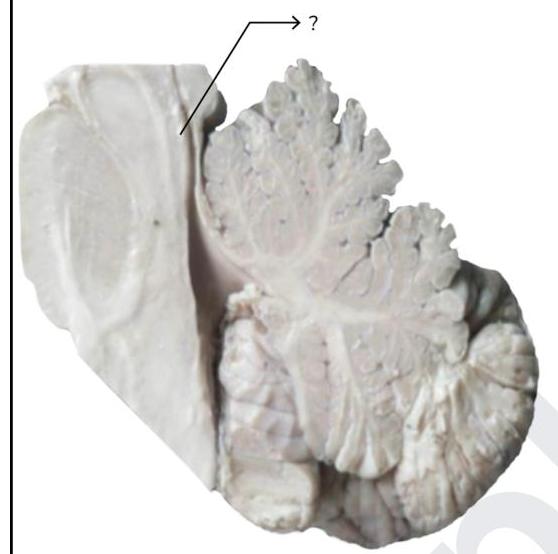
2 questionsFibers from the marked structure terminate at which of the following?
A patient who has taken the first COVID vaccine comes for the second dose. An astute nurse noticed that the shoulder was flabby, flat, and was asymmetrical. There was an associated loss of contour of the shoulder joint. Injury to which of the structures might have resulted and was avoidable?
INI-CET 2021 - Anatomy INI-CET Practice Questions and MCQs
Question 111: Fibers from the marked structure terminate at which of the following?
- A. Red nucleus (Correct Answer)
- B. Subthalamus
- C. Inferior olivary nucleus
- D. Fastigial nucleus
Explanation: ***Red nucleus*** - The arrow points to the **superior cerebellar peduncle**, which contains efferent fibers from the **dentate nucleus** of the cerebellum. - A major projection of the superior cerebellar peduncle is to the **contralateral red nucleus**, forming part of the **dentato-rubro-thalamic pathway**. *Subthalamus* - The subthalamus is part of the **diencephalon** and is involved in motor control as part of the **basal ganglia circuit**. - It does not receive direct efferent projections from the cerebellum via the superior cerebellar peduncle. *Inferior olivary nucleus* - The inferior olivary nucleus is a major source of **climbing fibers** to the cerebellum, providing **afferent input** for motor learning and coordination. - It does not receive direct efferent output from the cerebellum's deep nuclei via the superior cerebellar peduncle. *Fastigial nucleus* - The fastigial nucleus is one of the **deep cerebellar nuclei**, located medially. - Its primary efferent projections are via the **inferior cerebellar peduncle** to the vestibular nuclei and reticular formation, not typically receiving fibers from the superior cerebellar peduncle.
Question 112: A patient who has taken the first COVID vaccine comes for the second dose. An astute nurse noticed that the shoulder was flabby, flat, and was asymmetrical. There was an associated loss of contour of the shoulder joint. Injury to which of the structures might have resulted and was avoidable?
- A. Supraspinatus muscle
- B. Infraspinatus muscle
- C. Teres minor muscle
- D. Deltoid muscle (Correct Answer)
Explanation: ***Deltoid muscle*** - The **deltoid muscle** is the principal muscle that gives the shoulder its rounded contour. Damage to or atrophy of the deltoid can lead to a **flat, flabby, and asymmetrical shoulder**. - Improper vaccine administration, such as injecting too high or too deep, can directly injure the deltoid muscle, leading to inflammation (**SIRVA - Shoulder Injury Related to Vaccine Administration**) or even deltoid atrophy, which would cause the observed lack of contour. *Supraspinatus muscle* - The **supraspinatus** is primarily involved in the initial **abduction** of the arm and stabilization of the shoulder joint, but it does not significantly contribute to the visible external contour of the shoulder. - Injury to the supraspinatus mainly causes **pain and weakness** with abduction, rather than a visible change in shoulder shape. *Infraspinatus muscle* - The **infraspinatus** is a rotator cuff muscle primarily responsible for **external rotation** of the arm. - Injury to this muscle would cause weakness in external rotation and potentially posterior shoulder pain, but not the noticeable loss of shoulder contour described. *Teres minor muscle* - The **teres minor** is also a rotator cuff muscle assisting in **external rotation** and stabilization of the humeral head. - Similar to the infraspinatus, its injury would impair external rotation and cause posterior shoulder pain, but it doesn't define the overall shape of the shoulder.
Internal Medicine
1 questionsA patient admitted after a road traffic accident is put on mechanical ventilation. He opens his eyes on verbal command and moves all four limbs spontaneously. Calculate his GCS.
INI-CET 2021 - Internal Medicine INI-CET Practice Questions and MCQs
Question 111: A patient admitted after a road traffic accident is put on mechanical ventilation. He opens his eyes on verbal command and moves all four limbs spontaneously. Calculate his GCS.
- A. Eyes-3, Verbal -NT, Motor-6 (Correct Answer)
- B. Eyes -3, Verbal-1, Motor -6
- C. Eyes-2, Verbal -1, Motor -5
- D. Eyes-2, Verbal -NT, Motor -5
Explanation: ***Eyes-3, Verbal -NT, Motor-6*** - **Eyes opening to verbal command** scores 3 points on the GCS [1]. - The patient is on **mechanical ventilation**, meaning their verbal response cannot be assessed, leading to a "Non-Testable" (NT) score for verbal [1]. **Spontaneous movement of all four limbs** indicates full motor function, scoring 6 points [2]. *Eyes -3, Verbal-1, Motor -6* - While **eyes opening to verbal command** (3 points) and **spontaneous motor movement** (6 points) are correct, a verbal score of 1 implies **no verbal response** if the patient were able to speak, which is not applicable here due to mechanical ventilation. *Eyes-2, Verbal -1, Motor -5* - **Eyes opening to pain** scores 2, but the patient responded to verbal command. A verbal score of 1 is for no response, and a motor score of 5 indicates localizing to pain, not spontaneous movement. *Eyes-2, Verbal -NT, Motor -5* - **Eyes opening to pain** scores 2, but the patient responded to verbal command (3 points). While **Verbal-NT** is correct due to mechanical ventilation, a motor score of 5 (localizes to pain) is incorrect, as the patient moved limbs spontaneously (6 points).
Microbiology
3 questionsA patient presented with meningitis, and the CSF sample shows Gram-negative diplococci on Gram staining and microscopy. Which of the following features/tests will be characteristic of the organism?
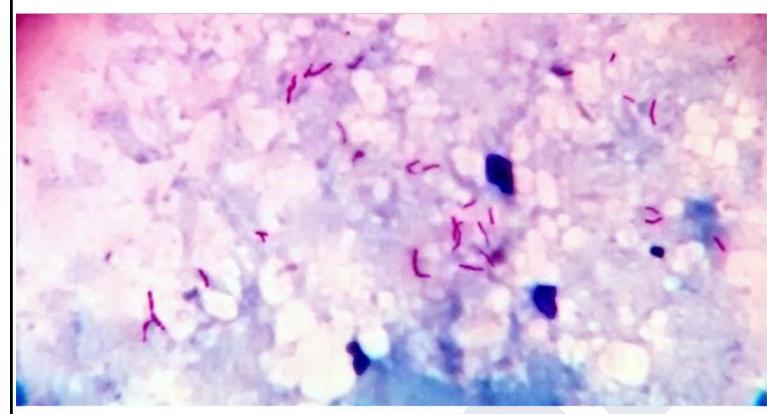
A 32 year old laborer working at a construction site presented with fever and hemoptysis. The sputum sample collected for examination showed the following. The smear will be stained by which of the following sequences?

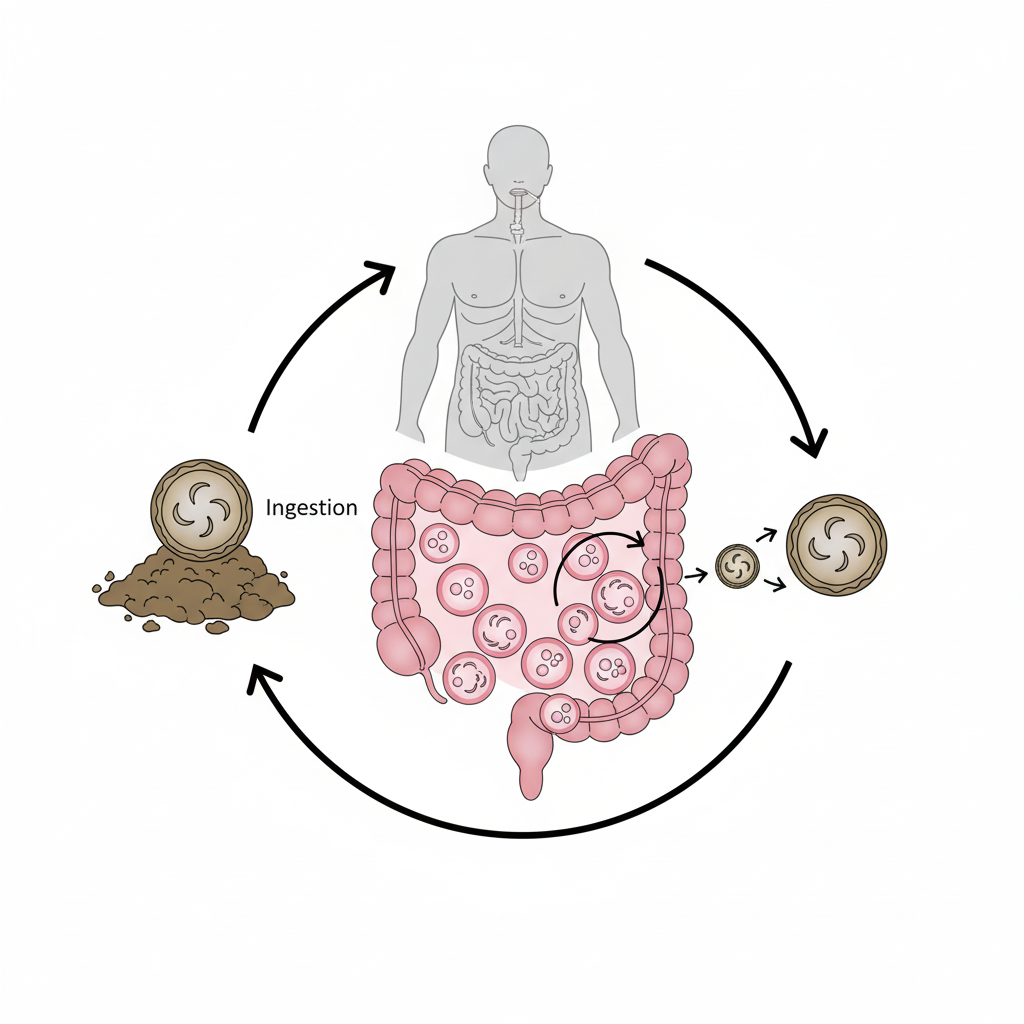
Identify the organism from the life cycle shown in the image given below

INI-CET 2021 - Microbiology INI-CET Practice Questions and MCQs
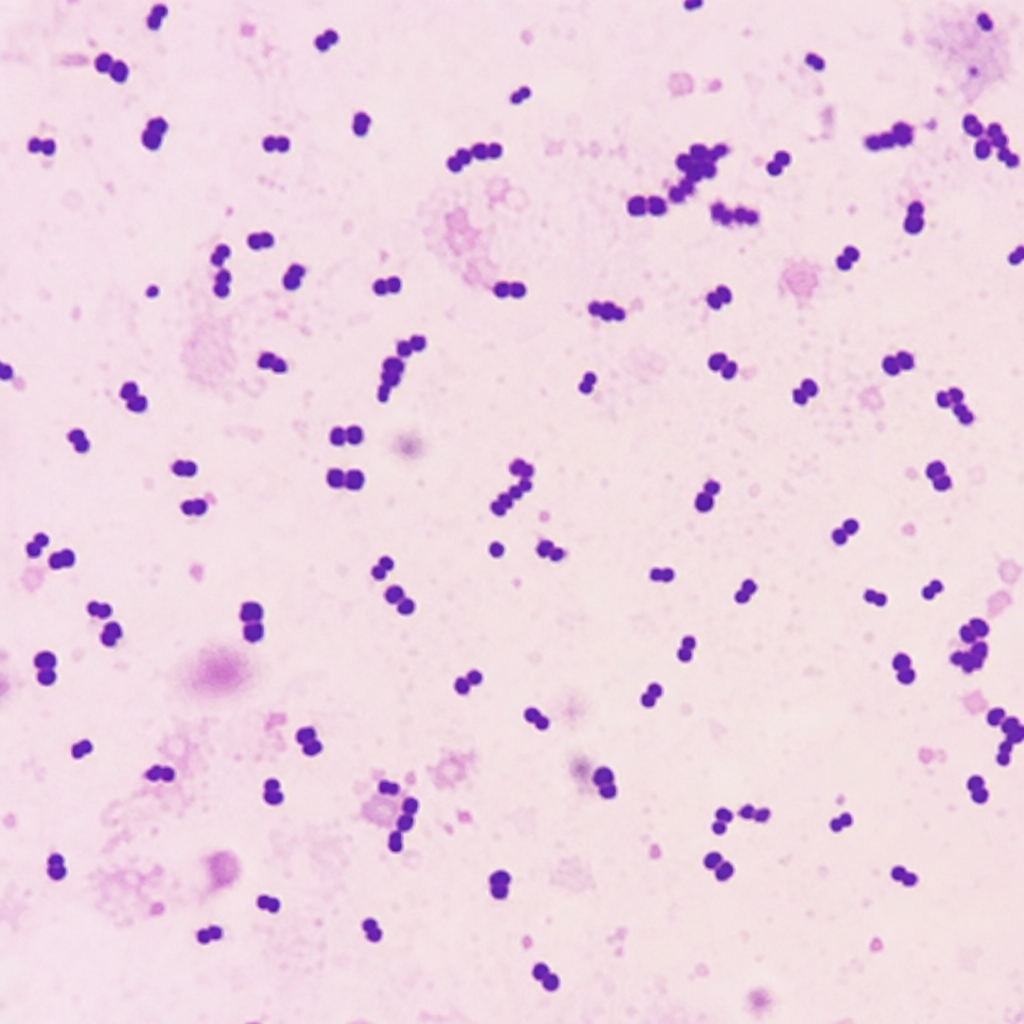
Question 111: A patient presented with meningitis, and the CSF sample shows Gram-negative diplococci on Gram staining and microscopy. Which of the following features/tests will be characteristic of the organism?
- A. Oxidase positive, catalase positive, ferments glucose and maltose (Correct Answer)
- B. Catalase negative, optochin sensitive, alpha-hemolytic
- C. Oxidase negative, catalase positive, coagulase positive
- D. Catalase positive, urease positive, does not ferment glucose
Explanation: ***Oxidase positive, catalase positive, ferments glucose and maltose*** - The CSF findings show **Gram-negative diplococci**, characteristic of *Neisseria meningitidis*, a major cause of bacterial meningitis. - *N. meningitidis* is definitively identified by being **oxidase positive, catalase positive**, and able to **ferment both glucose and maltose**. *Catalase negative, optochin sensitive, alpha-hemolytic* - These are characteristic features of *Streptococcus pneumoniae*, which appears as **Gram-positive lancet-shaped diplococci**, not the Gram-negative diplococci seen in this case. - *S. pneumoniae* is **catalase negative** and shows **alpha-hemolysis** on blood agar, distinguishing it from Neisseria species. *Oxidase negative, catalase positive, coagulase positive* - These biochemical properties describe *Staphylococcus aureus*, which appears as **Gram-positive cocci in clusters** on microscopy. - *S. aureus* is **oxidase negative** and **coagulase positive**, completely different from the organism characteristics shown in the CSF sample. *Catalase positive, urease positive, does not ferment glucose* - This combination suggests organisms like **Enterobacteriaceae** or *Cryptococcus neoformans*, which have different morphological appearances. - The **urease positivity** and **lack of glucose fermentation** are inconsistent with *N. meningitidis*, which readily ferments glucose.
Question 112: A 32 year old laborer working at a construction site presented with fever and hemoptysis. The sputum sample collected for examination showed the following. The smear will be stained by which of the following sequences?
- A. Methylene blue- malachite green-acetic acid - water
- B. Gentian violet - iodine - alcohol saffranin
- C. Methanol - methylene blue-acid - water
- D. Carbol fuchsin - acid - alcohol- methylene blue (Correct Answer)
Explanation: ***Carbol fuchsin - acid - alcohol- methylene blue*** - The image displays thin, red, rod-shaped bacteria against a blue background, characteristic of **acid-fast bacilli** stained using the **Ziehl-Neelsen (ZN) method**. This staining sequence identifies *Mycobacterium tuberculosis*. - The ZN stain involves **carbol fuchsin** as the primary stain, followed by **acid-alcohol** as a decolorizer, and then **methylene blue** as a counterstain. *Methylene blue- malachite green-acetic acid - water* - This sequence is not a standard microbiological staining procedure for identifying common pathogens or acid-fast bacteria. - It does not contain the necessary components to achieve **acid-fast staining**, which is crucial for identifying mycobacteria. *Gentian violet - iodine - alcohol saffranin* - This sequence describes the reagents used in a **Gram stain**, which differentiates bacteria based on their cell wall composition. - Gram staining would show either purple (Gram-positive) or pink (Gram-negative) bacteria, not the red acid-fast bacilli seen in the image. *Methanol - methylene blue-acid - water* - While methylene blue is a counterstain in ZN, this sequence is incomplete and incorrect for standard acid-fast staining or other common bacterial stains. - It lacks **carbol fuchsin** as the primary stain, which is essential for acid-fast bacteria to retain the stain after destaining.
Question 113: Identify the organism from the life cycle shown in the image given below
- A. Cryptosporidium (Correct Answer)
- B. Cystoisospora
- C. Plasmodium knowlesi
- D. Toxoplasma gondii
Explanation: ***Cryptosporidium*** - This life cycle demonstrates **oocysts** being shed in feces and sporulating in the environment, which is characteristic of *Cryptosporidium*. - The infection of **intestinal cells** and the development of **trophozoites**, **schizonts**, and **gametes** within the same host also align with the *Cryptosporidium* life cycle. - *Cryptosporidium* oocysts are **immediately infective** upon shedding and contain **four sporozoites** without sporocysts. *Cystoisospora* - While *Cystoisospora* also produces **oocysts**, their oocysts contain **two sporocysts**, each with four sporozoites, whereas *Cryptosporidium* oocysts are immediately infective and contain **four sporozoites** upon shedding. - *Cystoisospora* typically involves a **monoxenous** life cycle (one host), but the distinct oocyst structure differentiates it from *Cryptosporidium*. *Plasmodium knowlesi* - *Plasmodium knowlesi* is a parasite responsible for **malaria** and its life cycle involves an **insect vector** (mosquito) and a **vertebrate host** (human or monkey). - The diagram shows a fecal-oral transmission route with **oocysts** and tissue cysts, which is not consistent with the **blood-borne transmission** and liver/blood stage development of *Plasmodium*. *Toxoplasma gondii* - *Toxoplasma gondii* has a complex life cycle with **definitive host** (cats) and **intermediate hosts** (humans, animals), producing **oocysts** in cat feces. - However, *Toxoplasma* oocysts contain **two sporocysts** with **four sporozoites each**, and the parasite forms **tissue cysts** in intermediate hosts, which differs from the *Cryptosporidium* life cycle shown with direct intestinal infection and immediate oocyst infectivity.
Pharmacology
2 questionsNivolumab is used as checkpoint inhibitor in
Antimicrobial combinations are used in all except
INI-CET 2021 - Pharmacology INI-CET Practice Questions and MCQs
Question 111: Nivolumab is used as checkpoint inhibitor in
- A. Hodgkin's lymphoma (Correct Answer)
- B. Medulloblastoma
- C. Retinoblastoma
- D. Pleuropulmonary blastoma
Explanation: ***Hodgkin's lymphoma*** - **Nivolumab** is an **immune checkpoint inhibitor** targeting **PD-1**. It has shown significant efficacy in treating relapsed or refractory Hodgkin's lymphoma, particularly in patients who have failed prior therapies. - Hodgkin's lymphoma cells, specifically **Reed-Sternberg cells**, often overexpress PD-L1, which allows them to evade the immune system, making PD-1 blockade a rational therapeutic strategy. *Medulloblastoma* - **Medulloblastoma** is a common malignant brain tumor in children, and while immunotherapy research is ongoing, Nivolumab is **not a standard treatment** for this condition. - Treatment typically involves **surgery, radiation, and chemotherapy**, with targeted therapies under investigation. *Retinoblastoma* - **Retinoblastoma** is a malignant tumor of the retina, most commonly affecting young children. Treatment usually involves **chemotherapy, laser therapy, cryotherapy, or enucleation**. - There is **no established role for Nivolumab** or PD-1 inhibitors in the routine management of retinoblastoma. *Pleuropulmonary blastoma* - **Pleuropulmonary blastoma** is a rare, malignant lung tumor of childhood. Treatment primarily consists of **surgery and chemotherapy**. - While experimental, there is **no current evidence** supporting the use of Nivolumab as a standard treatment for pleuropulmonary blastoma.
Question 112: Antimicrobial combinations are used in all except
- A. Intra abdominal infections
- B. Malaria
- C. Tuberculosis
- D. Gonorrhea (Correct Answer)
Explanation: ***Gonorrhea*** - While **gonorrhea** treatment has evolved to include **dual therapy** (e.g., ceftriaxone + azithromycin), this is primarily for co-treatment of potential Chlamydia co-infection and to combat emerging resistance, given as a **single-session treatment**. - Unlike the other conditions, gonorrhea does not require a **prolonged multi-drug regimen** with true synergy or prevention of resistance development during treatment. - The combination is more about empiric co-coverage and resistance concerns rather than the classic indications for antimicrobial combinations (synergy, preventing resistance emergence during therapy, polymicrobial coverage). - This distinguishes it from conditions requiring extended combination therapy. *Intra-abdominal infections* - Involve **polymicrobial etiology** requiring combination therapy to cover both aerobic (e.g., Enterobacteriaceae) and anaerobic bacteria (e.g., Bacteroides fragilis). - Combination therapy ensures broad-spectrum coverage for mixed infections and prevents treatment failures in complex intra-abdominal sepsis. *Malaria* - **Artemisinin-based combination therapies (ACTs)** are the standard first-line treatment for uncomplicated *Plasmodium falciparum* malaria. - Combination therapy reduces drug resistance risk and improves cure rates by targeting different mechanisms of action against the parasite. *Tuberculosis* - Treatment always involves **multi-drug regimen** (isoniazid, rifampicin, pyrazinamide, ethambutol) to prevent emergence of drug-resistant strains. - Multi-drug therapy is essential because *Mycobacterium tuberculosis* rapidly develops resistance if exposed to single agents during the prolonged treatment course.
Physiology
1 questionsA woman with right-sided loss of sensations of both the upper and lower limb complains of shooting pain from her fingers to the right shoulder and a burning sensation when touching cold water. Motor functions are normal. Which of the following structures is likely to be involved?
INI-CET 2021 - Physiology INI-CET Practice Questions and MCQs
Question 111: A woman with right-sided loss of sensations of both the upper and lower limb complains of shooting pain from her fingers to the right shoulder and a burning sensation when touching cold water. Motor functions are normal. Which of the following structures is likely to be involved?
- A. Anterior spinothalamic tract
- B. Spinocerebellar tract
- C. Lateral spinothalamic tract (Correct Answer)
- D. Posterior column
Explanation: ***Lateral spinothalamic tract*** - The symptoms described, such as **loss of sensations**, **shooting pain** (neuropathic pain), and **burning sensation** with cold water (dysesthesia/allodynia), are characteristic of damage to the **spinothalamic tract**, which carries **pain and temperature** sensations. - Involvement of the **right-sided upper and lower limb** indicates a lesion affecting sensory pathways on the ipsilateral side of the body before decussation, or more commonly a contralateral lesion above the level of decussation for the specific tract. Given the symptoms affecting pain and temperature, the lateral spinothalamic tract is the primary candidate. *Anterior spinothalamic tract* - This tract primarily transmits **crude touch** and **pressure** sensations. - While loss of sensation is present, the prominent **shooting pain** and **burning sensation with cold water** are not typically associated with isolated anterior spinothalamic tract lesions. *Spinocerebellar tract* - This tract is responsible for transmitting **proprioceptive information** to the cerebellum for motor coordination. - Damage to the spinocerebellar tracts would manifest as **ataxia** and **incoordination**, not pain or loss of touch/temperature sensation, and motor functions are stated as normal in the patient. *Posterior column* - The posterior column (dorsal column-medial lemniscus pathway) transmits **fine touch**, **vibration**, and **proprioception**. - While a loss of sensation is present, the specific complaints of **shooting pain** and **burning sensation to cold water** are not characteristic of posterior column damage, which would typically present with deficits in discriminative touch, vibratory sense, and position sense.
Surgery
1 questionsA 55-year-old female patient presented with a $4 \times 3 \mathrm{~cm}$ lump in the right upper outer quadrant, with no axillary lymph node involvement. Mammography revealed BIRADS 4b staging. She underwent breast conservation surgery, and the final HPE report showed high nuclear-grade DCIS with necrosis and 10 mm margin clearance. What is the further management?
INI-CET 2021 - Surgery INI-CET Practice Questions and MCQs
Question 111: A 55-year-old female patient presented with a $4 \times 3 \mathrm{~cm}$ lump in the right upper outer quadrant, with no axillary lymph node involvement. Mammography revealed BIRADS 4b staging. She underwent breast conservation surgery, and the final HPE report showed high nuclear-grade DCIS with necrosis and 10 mm margin clearance. What is the further management?
- A. Follow up 6 monthly for 2 years and then yearly follow up
- B. Trastuzumab therapy
- C. Adjuvant chemotherapy
- D. Adjuvant radiotherapy (Correct Answer)
Explanation: ***Adjuvant radiotherapy*** - For **high-grade DCIS** with necrosis after breast conservation surgery, adjuvant radiotherapy significantly reduces the risk of **local recurrence** (by approximately 50%). - Even with adequate margin clearance (10 mm), radiotherapy is recommended to treat **potential residual microscopic disease** elsewhere in the breast tissue. - This is the **standard of care** for high-grade DCIS post-BCS, particularly when necrosis is present. *Follow up 6 monthly for 2 years and then yearly follow up* - While regular follow-up is essential for all breast cancer patients, it is **not sufficient alone** for high-grade DCIS treated with breast conservation. - **Adjuvant radiotherapy** is necessary to reduce recurrence risk before initiating the follow-up schedule. *Trastuzumab therapy* - **Trastuzumab** is specifically indicated for **HER2-positive invasive breast cancer**. - The patient has **DCIS**, which is **non-invasive (in situ)**, making trastuzumab inappropriate. - There is no role for targeted therapy in DCIS management. *Adjuvant chemotherapy* - **Adjuvant chemotherapy** is generally reserved for **invasive breast cancers**, especially those with high-risk features like lymph node involvement or aggressive tumor biology. - For **DCIS**, even high-grade with necrosis, chemotherapy is **not indicated** as it provides no proven benefit for non-invasive disease.