Anatomical Variations and Anomalies Indian Medical PG Flashcards - Medical Study Cards
Master Anatomical Variations and Anomalies with OnCourse flashcards. These spaced repetition flashcards are designed for medical students preparing for NEET PG, USMLE Step 1, USMLE Step 2, MBBS exams, and other medical licensing examinations.
Anatomical Variations and Anomalies Flashcard Deck - 109 Cards
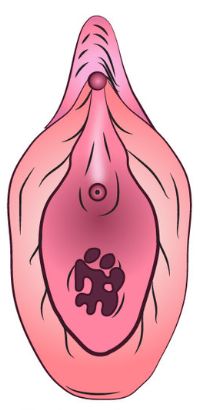
Flashcard 1: Identify the type of hymen: _____
Answer: Cribriform
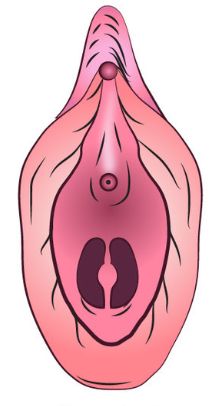
Flashcard 2: Identify the type of hymen: _____
Answer: Septate
Flashcard 3: Unilateral _____ ureter describes the appearance of retrocaval ureter.
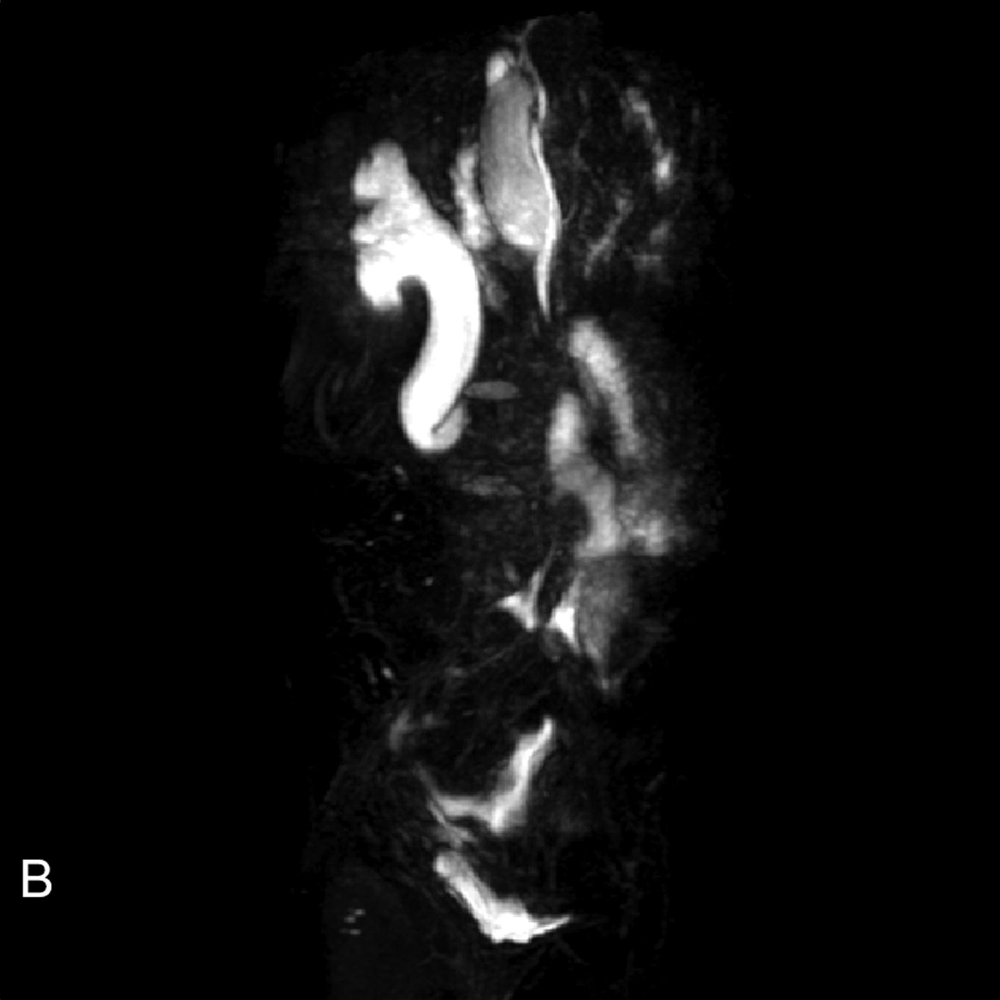
Answer: Fish hook
Flashcard 4: _____ skull is found in Aryans, Aborigines, Negros
Answer: Dolichocephalic
Flashcard 5: _____ and Parietal eminences are large in a female skull
Answer: Frontal
Flashcard 6: _____ malformation presents as a massively dilated 4th ventricle and an absent cerebellar vermis
Answer: Dandy-Walker
Flashcard 7: _____ malformation is a congenital failure of the cerebellar vermis to develop
Answer: Dandy-Walker
Flashcard 8: The cervical rib is an additional rib that arises from the _____ vertebra usually unilateral and more common on the right side.
Answer: 7th cervical
Flashcard 9: _____ have a Brachycephalic skull
Answer: Mongolians
Flashcard 10: Chiari _____ malformation is characterized by downward displacement of the cerebellar tonsils through the foramen magnum
Answer: I
Flashcard 11: _____ is the abnormal opening of the penile urethra on the dorsal surface of the penis due to faulty positioning of the genital tubercle
Answer: Epispadias
Flashcard 12: _____-ring is a type of distal esophageal mucosal ring, which occurs at the squamocolumnar junction
Answer: B
Flashcard 13: _____ skull is found in Europeans, Chinese, Indians
Answer: Mesaticephalic
Flashcard 14: Chiari _____ malformation is often associated with lumbosacral meningomyelocele
Answer: II
Flashcard 15: The most common site of a branchial _____ is at the junction of the upper third and middle third of the sternomastoid muscle at its anterior border
Answer: cyst
Flashcard 16: _____ is an epithelial-lined median recess found within the adenoid mass and extends from pharyngeal mucosa to the periosteum of the basiocciput.
Answer: Thornwaldt cyst
Flashcard 17: The most common site of sequestered lung segment is the _____ segment of left lower lobe.
Answer: posterobasal
Flashcard 18: _____ dysostosis/Crouzon syndrome refers to the premature closure of the coronal and sagittal sutures (brachycephaly) associated with maxillary hypoplasia
Answer: Craniofacial
Flashcard 19: Preauricular sinus/cyst is commonly seen between _____ and crus of helix of pinna
Answer: tragus
Flashcard 20: Nasal gliomas are _____ranasal>intranasal (extra/intra)
Answer: ext
Flashcard 21: In the infantile form, coarctation of the aorta lies _____ the aortic arch, but before the PDA
Answer: after
Flashcard 22: _____ pancreas is a congenital malformation in which the ventral pancreatic bud forms a ring around the 2nd part of the duodenum
Answer: Annular
Flashcard 23: Meckel diverticulum may contain ectopic acid-secreting _____ and/or pancreatic tissue
Answer: gastric mucosa
Flashcard 24: Uterus is generally shifted off the midline, and and the endometrial cavity assumes a _____ shape in unicornuate uterus
Answer: banana
Flashcard 25: When the _____ arises from both the right coronary artery and left circumflex artery, it is referred to as codominant circulation (7%)
Answer: posterior descending artery (PDA)
Flashcard 26: Patients with a _____ deficiency commonly also have a micropenis and hypospadias
Answer: 5a-reductase
Flashcard 27: Agenesis of the _____ vein has been reported in association with KlippelTrenaunay syndrome.
Answer: external iliac
Flashcard 28: An _____-shaped greater sciatic notch is seen in females
Answer: L
Flashcard 29: _____ cell (sphenoethmoidal cell) is related to the optic nerve
Answer: Onodi
Flashcard 30: Tortuosity of the _____ artery is an anomaly present in front of the origin of the cystic duct known as caterpillar turn or Moynihans hump.
Answer: hepatic
Flashcard 31: Pancreas _____ is a congenital malformation in which the ventral and dorsal parts fail to fuse at 8 weeks
Answer: divisum
Flashcard 32: _____ occurs due to persistent omovertebral bar
Answer: Sprengel deformity
Flashcard 33: _____ is a branch of brachiocephalic trunk or directly from the arch of aorta.
Answer: Arteria thyroidea ima
Flashcard 34: One classic location for a _____ outside of the adrenal medulla is the organ of Zuckerkandl at the inferior mesenteric artery root
Answer: pheochromocytoma
Flashcard 35: _____ syndrome/Mandibulofacial dysostosis refers to a condition resulting from the hypoplasia of the zygoma and mandible.
Answer: Treacher Collins
Flashcard 36: _____ cross section of hair is found in Negroids race.
Answer: Elliptical
Flashcard 37: _____ syndrome is defined as the absence of Pectoralis major. muscle
Answer: Poland's
Flashcard 38: In the normal heart, the aorta is _____ and to the left of the pulmonary artery; whereas in D-transposition of the great vessels, the aorta is anterior and to the right of the pulmonary artery
Answer: posterior
Flashcard 39: Fused portion of horseshoe kidney lies adjacent to the _____ or L4 vertebra
Answer: L3
Flashcard 40: _____ Diverticulum is an esophageal diverticulum that originates laterally between the oblique and transverse fibers of the cricopharyngeal muscle, at its attachment to cricoid cartilage
Answer: Killian Jamieson
Flashcard 41: An aberrant right subclavian artery presents with hoarseness (due to compression of the _____) and dysphagia (due to compression of the esophagus by an incomplete vascular ring)
Answer: left recurrent laryngeal nerve
Flashcard 42: The most common site of a congenital branchial _____ is at the junction of the middle third and lower third of the sternomastoid muscle
Answer: fistula
Flashcard 43: There are normally _____ total -globin alleles present on chromosome 16
Answer: four
Flashcard 44: _____ diverticulum classically arises at Killian's triangle, between the thyropharyngeal and cricopharyngeal parts of the inferior pharyngeal constrictor
Answer: Zenker
Flashcard 45: Orbits are round with sharp margins in a _____ skull
Answer: female
Flashcard 46: Horseshoe kindey increases the vulnerability to develop into a diseased condition, possibly because the ureters are _____
Answer: angulated
Flashcard 47: Interparietal bone of the skull is known as _____.
Answer: inca
Flashcard 48: Cephalic Index is used to determine the _____ of the individual.
Answer: race
Flashcard 49: What is the demographic of horseshoe kindey?_____
Answer: males>females (2:1)
Flashcard 50: _____ races tend to have large teeth and often have more cusps on their molars
Answer: Negroid
Flashcard 51: The most dangerous type of total anomalous pulmonary venous connection (TAPVC) is _____cardiac.
Answer: infra
Flashcard 52: Highest cephalic index is found in _____ skull
Answer: Brachycephalic
Flashcard 53: Scaphocephaly involves the premature fusion of _____ suture
Answer: saggital
Flashcard 54: Trigonocephaly involves the premature fusion of _____ suture
Answer: metopic
Flashcard 55: When superior poles and inferior poles of kidney are fused it is referred to as a _____
Answer: sigmoid kidney.
Flashcard 56: Esophageal webs typically arise from the _____ wall
Answer: anterior
Flashcard 57: A patent _____ will cause umbilical discharge in the presence of straining
Answer: urachus
Flashcard 58: Branchial cysts are present most commonly at the _____
Answer: angle of the mandible
Flashcard 59: The skull of an Indian is _____
Answer: 'Caucasian with a few Negroid features'
Flashcard 60: The most common site for congenital dehiscence in the fallopian canal for the facial nerve is the _____ segment
Answer: tympanic
Flashcard 61: What is the most common anomaly of the 1st branchial arch?_____
Answer: Pre-auricular sinus
Flashcard 62: Brachycephaly involves the premature fusion of _____ sutures
Answer: both coronal
Flashcard 63: Absent helix is referred to as _____
Answer: Wildermuth ear
Flashcard 64: Patients of autism spectrum disorder have higher incidence of abnormal fingerprints (_____)
Answer: dermatoglyphics
Flashcard 65: _____ long bones have a modified shaft or ends, and no medullary cavity
Answer: Modified
Flashcard 66: The most frequent site of the ectopic gastric mucosa is the _____ of the esophagus
Answer: upper-third
Flashcard 67: Ascent of the fused kidneys in horseshoe kidney is prevented by the _____
Answer: inferior mesenteric artery.
Flashcard 68: The most common site for thyroglossal cyst is _____hyoid
Answer: infra
Flashcard 69: The most common type of craniosynostosis involves the premature fusion of the midline _____ suture
Answer: sagittal
Flashcard 70: Fusion of helix & antihelix is referred to as _____
Answer: Mozart ear
Flashcard 71: The most common type of total anomalous pulmonary venous connection (TAPVC) is _____cardiac.
Answer: supra
Flashcard 72: An occipital bone defect in a newborn with retroflexion of the neck and trunk is typical of _____.
Answer: iniencephaly
Flashcard 73: In pancreas divisum, which duct of the pancreas is the major drainage source?_____
Answer: Dorsal duct
Flashcard 74: Sacral angle less than 90 is seen in _____ pelvis
Answer: android
Flashcard 75: _____ fistula is present between EAC and neck
Answer: Collaural
Flashcard 76: The foramen of _____ is one of the posterolateral sites for herniation of abdominal viscera in congenital diaphragmatic hernia
Answer: Bockdalek
Flashcard 77: Sternal index is _____ in females compared to males
Answer: more
Flashcard 78: The foramen of _____ is one of the anterolateral sites for herniation of abdominal viscera in congenital diaphragmatic hernia
Answer: Morgagni
Flashcard 79: Identify the type of hymen: _____
Answer: Septate
Flashcard 80: The persistant petrosquamous suture is called _____
Answer: Korners septum
Flashcard 81: In a _____ nose, there is excess of bony or cartilaginous dorsum.
Answer: hump
Flashcard 82: The most common anomaly of the hepatic artery is replaced right hepatic artery arising from the _____ artery
Answer: superior mesenteric
Flashcard 83: Carabellis cusp, are most common in _____ races and rare in the other major racial group.
Answer: Caucasian
Flashcard 84: The _____ is the most reliable bone for sex determination.
Answer: whole pelvis (bone)
Flashcard 85: _____ is the most common congenital anatomic variant of the human pancreas.
Answer: Pancreas divisum
Flashcard 86: Small pinna is referred to as _____
Answer: Microtia
Flashcard 87: Which long bone is the most useful for sex determination?_____
Answer: Femur
Flashcard 88: Depth of AC is _____ in women than in men.
Answer: less
Flashcard 89: _____ pancreas is most often seen in association with congenital duodenal stenosis or atresia
Answer: Annular
Flashcard 90: _____ is the most common malformation of the posterior fossa and hindbrain.
Answer: Arnold Chiari malformation
Flashcard 91: What is the most common cause of a complete vascular ring obstructing the trachea and esophagus at birth?_____
Answer: Double aortic arch
Flashcard 92: Left anterior plagiocephaly involves the premature fusion of _____ suture
Answer: left coronal
Flashcard 93: Sciatic index is _____ in females compared to males
Answer: more
Flashcard 94: Right posterior plagiocephaly involves the premature fusion of _____ suture
Answer: right lambdoid
Flashcard 95: Concha bullosa is pneumatization of _____ turbinate.
Answer: middle
Flashcard 96: The preauricular sulcus is a groove on the iliac bone found in a _____ pelvis
Answer: female (sex)
Flashcard 97: Azygous lobe is a portion of the _____ lobe of the lung
Answer: superior
Flashcard 98: The vertebrae in Klippel-Fiel syndrome are also widened and flattened (_____ appearance).
Answer: wasp-waist
Flashcard 99: _____ is a deformity in which there is an indention of the skull floor by the upper cervical spine.
Answer: Basilar impression (basilar invagination)
Flashcard 100: A U-shaped chin is seen in _____
Answer: males (sex)
Flashcard 101: What is the most common congenital anomaly of the gallbladder?_____
Answer: Phrygian cap
Flashcard 102: Type _____ esophageal rings are muscular rings located at the junction between tubular and vestibular esophagus
Answer: A
Flashcard 103: Most common site of occurrence of fibrous dysplasia is _____
Answer: maxillary sinus
Flashcard 104: _____ cell (sphenoethmoidal cell) is a posterior ethmoidal cell extending into sphenoid sinus
Answer: Onodi
Flashcard 105: Absent anti-helix is referred to as _____
Answer: Bat ear
Flashcard 106: _____ law is applicable in the case of duplicated collecting system.
Answer: Weigert-Meyer
Flashcard 107: In a retroverted uterus, lowest part of cervix that is palpable is external os or _____ lip
Answer: posterior
Flashcard 108: Anomalies associated with biliary atresia include:_____Situs inversusAbsent vena cava_____ portal vein
Answer: Polysplenia; Preduodenal
Flashcard 109: Coloboma of the eyelid usually involves the _____ lid and the _____ side
Answer: upper; nasal
Keywords: Anatomical Variations and Anomalies flashcards, medical flashcards, NEET PG preparation, USMLE Step 1 flashcards, Anki alternative, spaced repetition medical, OnCourse flashcards