A 72-year-old man is brought to the emergency department after an episode of hemoptysis. He has a chronic cough that is productive of copious sputum. Six years ago, he had a stroke that left him with difficulty swallowing. He smoked one pack of cigarettes daily for 40 years, but quit 2 years ago. His respirations are 25/min and labored. Physical examination shows digital clubbing. An x-ray of the chest shows tram track opacities in the lower lung fields. Which of the following is the most likely diagnosis?
Q672
A 48-year-old male presents to his primary physician with the chief complaints of fever, abdominal pain, weight loss, muscle weakness, and numbness in his lower extremities. UA is normal. A biopsy of the sural nerve reveals transmural inflammation and fibrinoid necrosis of small and medium arteries. Chart review reveals a remote history of cigarette smoking as a teenager and Hepatitis B seropositivity. What is the most likely diagnosis?
Q673
A 71-year-old man comes to the physician for a health maintenance examination. Aside from occasional lower back pain in the last couple of years, he feels well. He had a right-sided myocardial infarction 4 years ago. Currently, he has no shortness of breath and has no anginal symptoms. He has a 30 pack-year history of smoking but stopped smoking 10 years ago and does not drink alcohol. His pulse is 59/min, and his blood pressure is 135/75 mm Hg. Physical examination reveals 1+ lower extremity edema. Cardiac and pulmonary auscultation show no abnormalities. There is no lymphadenopathy. His laboratory studies show a hemoglobin of 13.2 g/dL and serum protein of 10.1 g/dL. ECG shows known Q wave abnormalities unchanged since the last ECG one year ago. A serum protein electrophoresis with immunofixation is shown. Which of the following is the most appropriate next step to establish the diagnosis?
Q674
A previously healthy 64-year-old woman comes to the physician because of a dry cough and progressively worsening shortness of breath for the past 2 months. She has not had fever, chills, or night sweats. She has smoked one pack of cigarettes daily for the past 45 years. She appears thin. Examination of the lung shows a prolonged expiratory phase and end-expiratory wheezing. Spirometry shows decreased FEV1:FVC ratio (< 70% predicted), decreased FEV1, and a total lung capacity of 125% of predicted. The diffusion capacity of the lung (DLCO) is decreased. Which of the following is the most likely diagnosis?
Q675
A 63-year-old man comes to the physician because of a 2-day history of a painful rash on his right flank. Two years ago, he underwent cadaveric renal transplantation. Current medications include tacrolimus, mycophenolate mofetil, and prednisone. Examination shows an erythematous rash with grouped vesicles in a band-like distribution over the patient's right flank. This patient is at greatest risk for which of the following complications?
Q676
A 68-year-old man is brought to the emergency department by his wife because of a 2-week history of progressive disorientation and a 1-day history of left-sided weakness and difficulty speaking. The wife reports that the patient had a minor fall 4 months ago, during which he may have hit his head. He has hypertension and hyperlipidemia. He drinks 3–4 bottles of beer daily. He is only oriented to person. Neurological examination shows moderate spastic weakness, decreased sensation, and increased deep tendon reflexes in the left upper and lower extremities. A CT scan of the head is shown. Which of the following is the most likely cause of this patient's condition?
Q677
A 23-year-old female presents to the emergency department with monocular blindness. She states that early this morning she lost her vision seemingly "out of nowhere." She denies trauma or any precipitating factors. She does state though that over the past year she has had occasional episodes of weakness and even an episode of urinary incontinence, which always resolve on their own. On exam, pain is elicited with eye movement and nystagmus is appreciated. The emergency physician performs a lumbar puncture. What is most likely to be observed in the CSF of this patient?
Q678
A 52-year-old man presents to his primary care physician to discuss laboratory results that were obtained during his annual checkup. He has no symptoms or concerns and denies changes in eating or urination patterns. Specifically, the physician ordered a panel of metabolic laboratory tests to look for signs of diabetes, hyperlipidemia, or other chronic disorders. A spot glucose check from a random blood sample showed a glucose level of 211 mg/dL. A hemoglobin A1c level was obtained at the same time that showed a level of 6.3%. A fasting blood glucose was obtained that showed a blood glucose level of 125 mg/dL. Finally, a 2-hour glucose level was obtained after an oral glucose tolerance test that showed a glucose level of 201 mg/dL. Which of the following statements is most accurate for this patient?
Q679
A 32-year-old woman presents to the clinic with the complaint of excessive fatigue for the past few weeks. After returning home from the office, she feels too tired to climb up the stairs, comb her hair, or chew her food. She has occasionally experienced double vision. She denies any history of fever, cough, weight loss, night sweats, or snoring. Past history is unremarkable. Physical examination reveals: blood pressure 124/86 mm Hg, heart rate 85/min, respiratory rate 14/min, temperature 37.0°C (98.6°F), and body mass index (BMI) 22.6 kg/m2. On examination, the right upper eyelid is slightly drooping when compared to the left side. Her eye movements are normal. Flexion of the neck is mildly weak. Muscle strength is 5/5 in all 4 limbs. When she is asked to alternately flex and extend her shoulder continuously for 5 minutes, the power in the proximal upper limb muscles becomes 4/5. The muscle tone and deep tendon reflexes are normal. What is the most appropriate test to diagnose this condition?
Q680
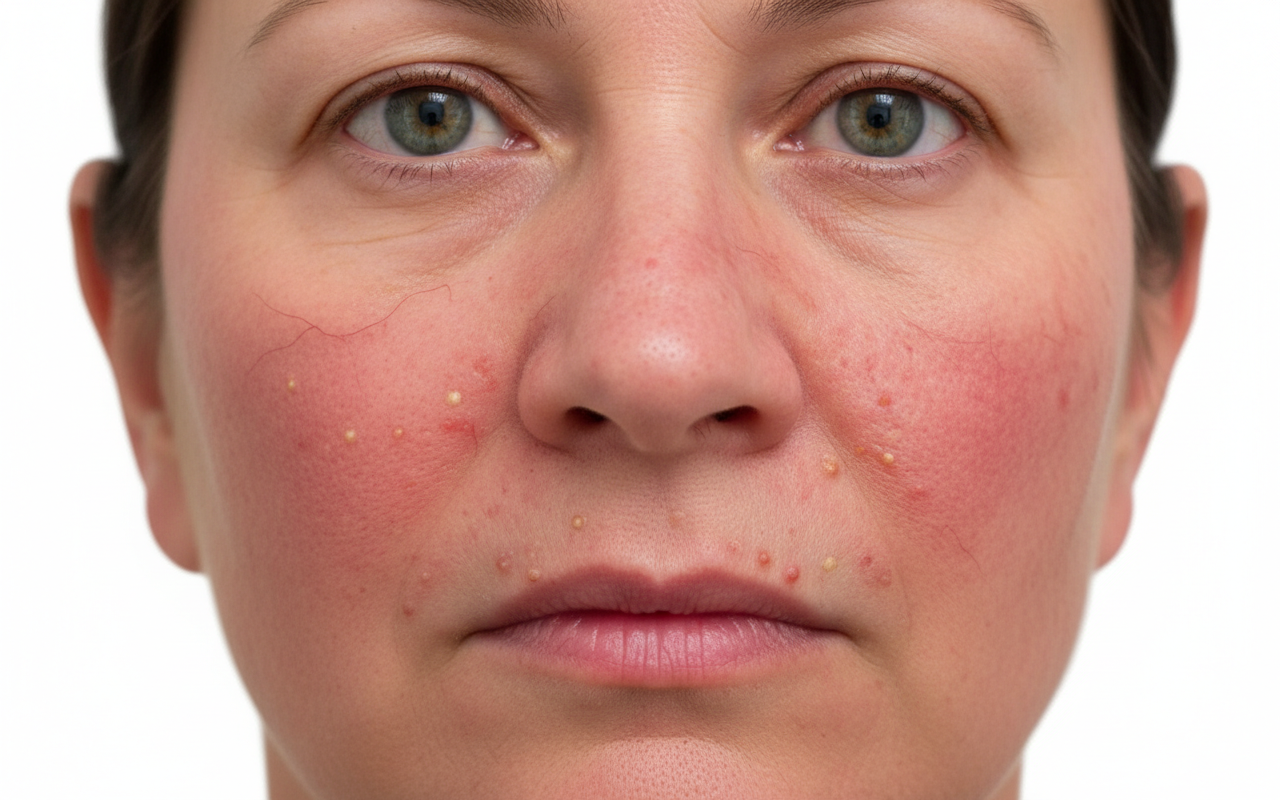
A 25-year-old woman presents into the clinic complaining of worsening malaise, hair loss, and a rash on her face. The patient states that she has been avoiding daylight because the rash becomes painful, and she has not been able to go to classes because of debilitating arthralgia in her fingers and ankles. No significant past medical history. She takes no medication. At the time of the consult, the patient has a fever of 39.0°C (102.2 °F). The presence of which of the following is most commonly seen on diagnostic labs in this patient’s most likely condition?
Cardiology US Medical PG Practice Questions and MCQs
Question 671: A 72-year-old man is brought to the emergency department after an episode of hemoptysis. He has a chronic cough that is productive of copious sputum. Six years ago, he had a stroke that left him with difficulty swallowing. He smoked one pack of cigarettes daily for 40 years, but quit 2 years ago. His respirations are 25/min and labored. Physical examination shows digital clubbing. An x-ray of the chest shows tram track opacities in the lower lung fields. Which of the following is the most likely diagnosis?
A. Aspiration pneumonia
B. Bronchiectasis (Correct Answer)
C. Emphysema
D. Lung cancer
E. Chronic bronchitis
Explanation: ***Bronchiectasis***
- The combination of **chronic cough with copious sputum**, **hemoptysis**, **digital clubbing**, and **tram track opacities** on chest x-ray is highly characteristic of bronchiectasis.
- The patient's history of difficulty swallowing following a stroke suggests a risk factor for recurrent aspirations leading to chronic infection and airway damage characteristic of bronchiectasis.
*Aspiration pneumonia*
- While the patient has a risk factor for aspiration due to difficulty swallowing, aspiration pneumonia typically presents as an acute infection with fever and infiltrates, rather than chronic symptoms and specific radiographic findings like **tram track opacities** and **digital clubbing**.
- Aspiration pneumonia may lead to bronchiectasis if chronic, but it is not the most definitive diagnosis given the full constellation of findings described.
*Emphysema*
- Emphysema is a form of COPD characterized by destruction of alveolar walls and presents with **dyspnea**, **barrel chest**, and often a history of smoking, but does not typically cause **hemoptysis** or **tram track opacities**.
- Chest x-rays in emphysema usually show **hyperinflation** and **flattened diaphragms**, not specific airway dilation.
*Lung cancer*
- While **hemoptysis** and **chronic cough** can be symptoms of lung cancer, and the patient has a significant smoking history, lung cancer does not typically cause **copious sputum** or **tram track opacities**.
- Although digital clubbing can occur with lung cancer as a paraneoplastic syndrome, the presence of **tram track opacities** is pathognomonic for bronchiectasis and points strongly to this diagnosis.
*Chronic bronchitis*
- Chronic bronchitis is defined by a **chronic productive cough** for at least three months in two consecutive years and is associated with smoking.
- However, it does not typically cause **hemoptysis**, **digital clubbing**, or the specific **tram track opacities** seen on x-ray, which indicate bronchial wall thickening and dilation.
Question 672: A 48-year-old male presents to his primary physician with the chief complaints of fever, abdominal pain, weight loss, muscle weakness, and numbness in his lower extremities. UA is normal. A biopsy of the sural nerve reveals transmural inflammation and fibrinoid necrosis of small and medium arteries. Chart review reveals a remote history of cigarette smoking as a teenager and Hepatitis B seropositivity. What is the most likely diagnosis?
A. Raynaud disease
B. Systemic lupus erythematosus
C. Microscopic polyangiitis
D. Thromboangiitis obliterans
E. Polyarteritis nodosa (Correct Answer)
Explanation: ***Polyarteritis nodosa***
- The constellation of **fever, abdominal pain, weight loss, muscle weakness, and numbness in the lower extremities** (suggesting **neuropathy**) along with **Hepatitis B seropositivity**, is highly indicative of **Polyarteritis nodosa (PAN)**.
- The **sural nerve biopsy findings of transmural inflammation and fibrinoid necrosis of small and medium arteries** are pathognomonic for PAN, confirming a **necrotizing vasculitis** primarily affecting these vessel types.
*Raynaud disease*
- This condition involves **vasospasm of small arteries and arterioles**, typically in the fingers and toes, leading to characteristic color changes.
- It does not present with systemic symptoms like **fever, weight loss, or abdominal pain**, nor does it cause **transmural inflammation or fibrinoid necrosis** of arteries.
*Systemic lupus erythematosus*
- SLE is a multisystem autoimmune disease that can cause a wide range of symptoms, but it is not typically characterized by **necrotizing vasculitis of small and medium arteries** with **fibrinoid necrosis** as seen in the biopsy.
- While it can cause neuropathy, the specific biopsy findings and the strong association with **Hepatitis B** make PAN a more fitting diagnosis.
*Microscopic polyangiitis*
- **Microscopic polyangiitis (MPA)** is a **pauci-immune necrotizing vasculitis** that primarily affects **small vessels** (capillaries, venules, arterioles) and is often associated with **ANCA** (anti-neutrophil cytoplasmic antibodies).
- While it can cause systemic symptoms and neuropathy, the biopsy finding of **transmural inflammation affecting medium arteries** and the strong link to **Hepatitis B** point away from MPA and towards PAN.
*Thromboangiitis obliterans*
- This is a **segmental, thrombosing vasculitis** primarily affecting **small and medium arteries and veins of the extremities**, almost exclusively seen in **smokers**.
- While the patient has a remote history of smoking, the biopsy finding of **transmural inflammation and fibrinoid necrosis** is typical of PAN, not the thrombosing inflammation of Thromboangiitis obliterans.
Question 673: A 71-year-old man comes to the physician for a health maintenance examination. Aside from occasional lower back pain in the last couple of years, he feels well. He had a right-sided myocardial infarction 4 years ago. Currently, he has no shortness of breath and has no anginal symptoms. He has a 30 pack-year history of smoking but stopped smoking 10 years ago and does not drink alcohol. His pulse is 59/min, and his blood pressure is 135/75 mm Hg. Physical examination reveals 1+ lower extremity edema. Cardiac and pulmonary auscultation show no abnormalities. There is no lymphadenopathy. His laboratory studies show a hemoglobin of 13.2 g/dL and serum protein of 10.1 g/dL. ECG shows known Q wave abnormalities unchanged since the last ECG one year ago. A serum protein electrophoresis with immunofixation is shown. Which of the following is the most appropriate next step to establish the diagnosis?
A. Rectal biopsy
B. Echocardiography
C. Whole-body CT scan (Correct Answer)
D. Urine dipstick
E. Bone densitometry
Explanation: ***Whole-body CT scan***
- A whole-body CT scan is crucial in evaluating for **multiple myeloma** due to the patient's elevated serum protein (10.1 g/dL) and history of back pain, which could indicate **lytic bone lesions**.
- This imaging modality can detect osteolytic lesions, which are characteristic features of multiple myeloma and are often asymptomatic until advanced.
*Rectal biopsy*
- This procedure is primarily used to diagnose **amyloidosis**, particularly AL amyloidosis, which can present with systemic symptoms.
- While amyloidosis can cause elevated serum protein, the patient's presentation with back pain, specifically in the context of plasma cell dyscrasia suggested by SPEP, points more strongly towards multiple myeloma, for which a rectal biopsy is not the first diagnostic step.
*Echocardiography*
- Echocardiography is used to assess cardiac function and identify conditions such as **cardiac amyloidosis** or other cardiac complications.
- The patient has no current cardiac symptoms or signs of new cardiac dysfunction, despite a history of MI, making it less urgent than investigating potential multiple myeloma.
*Urine dipstick*
- A urine dipstick can detect **proteinuria**, which is common in various kidney conditions, including those associated with multiple myeloma (Bence Jones proteinuria).
- However, a dipstick is not specific enough to confirm the type of protein or its origin, and a more definitive test like **urine protein electrophoresis** would be needed to assess for light chain proteinuria.
*Bone densitometry*
- This test measures **bone mineral density** and is primarily used to diagnose **osteoporosis**.
- While multiple myeloma can lead to bone loss, bone densitometry cannot detect the specific lytic lesions characteristic of the disease.
Question 674: A previously healthy 64-year-old woman comes to the physician because of a dry cough and progressively worsening shortness of breath for the past 2 months. She has not had fever, chills, or night sweats. She has smoked one pack of cigarettes daily for the past 45 years. She appears thin. Examination of the lung shows a prolonged expiratory phase and end-expiratory wheezing. Spirometry shows decreased FEV1:FVC ratio (< 70% predicted), decreased FEV1, and a total lung capacity of 125% of predicted. The diffusion capacity of the lung (DLCO) is decreased. Which of the following is the most likely diagnosis?
A. Bronchiectasis
B. Interstitial lung disease
C. Chronic obstructive pulmonary disease (Correct Answer)
D. Hypersensitivity pneumonitis
E. Bronchial asthma
Explanation: ***Chronic obstructive pulmonary disease***
- The patient's long history of **smoking (45 pack-years)**, **prolonged expiratory phase**, and **end-expiratory wheezing** are classic signs of airway obstruction.
- Spirometry findings of a **decreased FEV1:FVC ratio** (< 70% predicted), **decreased FEV1**, **increased total lung capacity (TLC)**, and **decreased DLCO** are all highly indicative of **emphysema**, a subtype of COPD.
*Bronchiectasis*
- While it shares symptoms like cough and SOB, **bronchiectasis** is characterized by permanent **dilatation of bronchi** and profuse, chronic **sputum production**, which is not mentioned here.
- Spirometry typically shows **obstructive patterns**, but the marked increase in TLC and decreased DLCO are more specific to emphysema.
*Interstitial lung disease*
- This condition primarily causes a **restrictive lung pattern**, meaning a decreased TLC and normal or increased FEV1:FVC ratio.
- The patient's **increased TLC** and **obstructive spirometry** rule out a purely restrictive process.
*Hypersensitivity pneumonitis*
- This is an inflammatory response to inhaled antigens, often presenting with **recurrent episodes** of fever, chills, and cough, and can lead to restrictive physiology.
- The patient lacks a history of specific **antigen exposure** and presents with an obstructive pattern and increased TLC.
*Bronchial asthma*
- While asthma shares obstructive features like wheezing and a decreased FEV1:FVC ratio, it is characterized by **reversibility** of airway obstruction and typically does not cause a significantly **elevated TLC** or **decreased DLCO** in uncomplicated cases.
- The patient's long smoking history points away from asthma as the primary diagnosis.
Question 675: A 63-year-old man comes to the physician because of a 2-day history of a painful rash on his right flank. Two years ago, he underwent cadaveric renal transplantation. Current medications include tacrolimus, mycophenolate mofetil, and prednisone. Examination shows an erythematous rash with grouped vesicles in a band-like distribution over the patient's right flank. This patient is at greatest risk for which of the following complications?
A. Loss of vision
B. Temporal lobe inflammation
C. Postherpetic neuralgia (Correct Answer)
D. Sensory neuropathy
E. Urinary retention
Explanation: ***Postherpetic neuralgia***
- This patient has **herpes zoster (shingles)**, characterized by a painful vesicular rash in a dermatomal distribution. **Postherpetic neuralgia (PHN)** is the most common complication of herpes zoster, defined as persistent neuropathic pain lasting more than 90 days after rash onset.
- This patient has **multiple risk factors for PHN**: advanced age (63 years), immunocompromised state (renal transplant on tacrolimus, mycophenolate, and prednisone), and severe acute pain. PHN occurs in **10-18% of all herpes zoster cases** but can affect **50-70% of immunocompromised patients**.
- PHN results from nerve damage caused by VZV reactivation and inflammation, leading to chronic neuropathic pain that can persist for months to years after the rash resolves.
*Loss of vision*
- Loss of vision occurs with **herpes zoster ophthalmicus**, which involves the ophthalmic division of the trigeminal nerve (V1) and can lead to keratitis, uveitis, and vision loss.
- This patient's rash is on the **right flank** (thoracic/lumbar dermatome), not the ophthalmic distribution, making vision loss unlikely.
*Temporal lobe inflammation*
- **Temporal lobe encephalitis** is a rare complication of disseminated VZV infection, typically occurring in severely immunocompromised patients (AIDS, chemotherapy).
- While this transplant patient is immunosuppressed, localized dermatomal zoster rarely causes CNS complications. Encephalitis would present with altered mental status, seizures, and focal neurological deficits.
*Urinary retention*
- Urinary retention can occur when herpes zoster affects the **sacral dermatomes (S2-S4)**, involving autonomic nerves that innervate the bladder.
- This patient's rash is on the **right flank** (thoracic or lumbar dermatome), making sacral involvement and urinary retention unlikely.
*Sensory neuropathy*
- While herpes zoster does cause sensory nerve damage, "sensory neuropathy" is not a standard clinical term for herpes zoster complications. The specific consequence of this nerve damage that persists as a complication is **postherpetic neuralgia** (PHN).
- All nerve damage from zoster is essentially sensory in nature, but when asking about the greatest risk for complications, **postherpetic neuralgia** is the recognized and most common complication, especially in elderly immunocompromised patients.
Question 676: A 68-year-old man is brought to the emergency department by his wife because of a 2-week history of progressive disorientation and a 1-day history of left-sided weakness and difficulty speaking. The wife reports that the patient had a minor fall 4 months ago, during which he may have hit his head. He has hypertension and hyperlipidemia. He drinks 3–4 bottles of beer daily. He is only oriented to person. Neurological examination shows moderate spastic weakness, decreased sensation, and increased deep tendon reflexes in the left upper and lower extremities. A CT scan of the head is shown. Which of the following is the most likely cause of this patient's condition?
A. Tearing of bridging veins (Correct Answer)
B. Embolus to middle cerebral artery
C. Injury to middle meningeal artery
D. Bleeding from intraventricular vascular malformation
E. Damage to lenticulostriate arteries
Explanation: ***Tearing of bridging veins***
- The patient's presentation with progressive disorientation, left-sided weakness, and difficulty speaking, occurring months after a minor head trauma, is highly suggestive of a **chronic subdural hematoma**. This typically results from the tearing of **bridging veins** traversing the subdural space.
- Risk factors like **advanced age** (brain atrophy stretches bridging veins), **alcoholism** (which leads to brain atrophy and increased fall risk), and his symptoms progressing over weeks further support this diagnosis.
*Embolus to middle cerebral artery*
- An **embolic stroke** typically presents with a **sudden onset** of neurological deficits, not a progressive deterioration over weeks as seen in this patient.
- While an MCA stroke could cause left-sided weakness and aphasia, the **history of head trauma** and delayed, progressive symptoms are not characteristic.
*Injury to middle meningeal artery*
- Injury to the middle meningeal artery usually leads to an **epidural hematoma**, which presents acutely with a **lucid interval** followed by rapid neurological decline.
- The CT scan of an epidural hematoma shows a **biconvex (lenticular) shape**, whereas a subdural hematoma has a crescent shape.
*Bleeding from intraventricular vascular malformation*
- Intraventricular bleeding from a vascular malformation typically causes **acute hydrocephalus**, severe headache, and rapid neurological deterioration with signs of increased intracranial pressure.
- This scenario does not fit the several-week progressive course or the delayed presentation after trauma.
*Damage to lenticulostriate arteries*
- Damage to the lenticulostriate arteries (often due to hypertension) is a common cause of **lacunar strokes**, which can lead to pure motor or pure sensory deficits.
- While the patient has hypertension, the clinical presentation of progressive symptoms over weeks following head trauma is not typical for a lacunar stroke.
Question 677: A 23-year-old female presents to the emergency department with monocular blindness. She states that early this morning she lost her vision seemingly "out of nowhere." She denies trauma or any precipitating factors. She does state though that over the past year she has had occasional episodes of weakness and even an episode of urinary incontinence, which always resolve on their own. On exam, pain is elicited with eye movement and nystagmus is appreciated. The emergency physician performs a lumbar puncture. What is most likely to be observed in the CSF of this patient?
A. Increased lymphocyte count
B. Normal findings
C. Albuminocytologic dissociation
D. Oligoclonal bands (Correct Answer)
E. Increased opening pressure
Explanation: ***Oligoclonal bands***
- The patient's presentation with **monocular blindness**, **pain with eye movement**, **nystagmus**, and a history of resolving neurological symptoms like weakness and urinary incontinence is highly suggestive of **multiple sclerosis (MS)**.
- **Oligoclonal bands** in the CSF, representing intrathecal immunoglobulin production, are a hallmark finding supportive of an MS diagnosis, found in over 90% of patients.
*Increased lymphocyte count*
- While there can be a mild increase in **lymphocytes** in the CSF of MS patients during acute exacerbations, a significant increase is more characteristic of infectious meningoencephalitis.
- A definitive diagnostic marker like oligoclonal bands is more specific for MS than a general increase in lymphocytes alone.
*Normal findings*
- Given the patient's symptoms and the strong clinical suspicion for **multiple sclerosis**, a completely normal CSF analysis is unlikely.
- MS is characterized by distinct immunological changes in the CSF, making a normal result improbable for diagnosis.
*Albuminocytologic dissociation*
- **Albuminocytologic dissociation**, characterized by a high protein count with a normal cell count, is a classic finding in **Guillain-Barré Syndrome (GBS)**.
- The patient's symptoms (monocular blindness, nystagmus, resolving neurological deficits) are not typical of GBS, which usually presents with ascending paralysis.
*Increased opening pressure*
- **Increased opening pressure** in the CSF is primarily associated with conditions like **idiopathic intracranial hypertension (pseudotumor cerebri)** or space-occupying lesions.
- While some MS patients might have mild elevations, it is not a hallmark diagnostic feature and the clinical picture does not point to conditions primarily causing increased intracranial pressure.
Question 678: A 52-year-old man presents to his primary care physician to discuss laboratory results that were obtained during his annual checkup. He has no symptoms or concerns and denies changes in eating or urination patterns. Specifically, the physician ordered a panel of metabolic laboratory tests to look for signs of diabetes, hyperlipidemia, or other chronic disorders. A spot glucose check from a random blood sample showed a glucose level of 211 mg/dL. A hemoglobin A1c level was obtained at the same time that showed a level of 6.3%. A fasting blood glucose was obtained that showed a blood glucose level of 125 mg/dL. Finally, a 2-hour glucose level was obtained after an oral glucose tolerance test that showed a glucose level of 201 mg/dL. Which of the following statements is most accurate for this patient?
A. This patient does not have type 2 diabetes
B. This patient has type 2 diabetes as diagnosed by his fasting blood glucose
C. This patient has type 2 diabetes as diagnosed by his oral tolerance blood glucose (Correct Answer)
D. This patient has type 2 diabetes as diagnosed by his random blood glucose
E. This patient has type 2 diabetes as diagnosed by his hemoglobin A1c
Explanation: **This patient has type 2 diabetes as diagnosed by his oral tolerance blood glucose**
- A 2-hour plasma glucose of **200 mg/dL or higher** during an Oral Glucose Tolerance Test (OGTT) is a diagnostic criterion for diabetes. This patient's 2-hour glucose level of **201 mg/dL** meets this criterion.
- The combination of this elevated OGTT result with a random glucose over 200 mg/dL further supports the diagnosis, even in an asymptomatic individual.
*This patient does not have type 2 diabetes*
- The patient has multiple laboratory values that meet or exceed diagnostic thresholds for diabetes, including a random glucose of **211 mg/dL**, an HbA1c of **6.3%**, and a 2-hour OGTT glucose of **201 mg/dL**.
- While one individual threshold might not be conclusive, the overall pattern of results clearly indicates diabetes.
*This patient has type 2 diabetes as diagnosed by his fasting blood glucose*
- A fasting plasma glucose (FPG) of **126 mg/dL or higher** is diagnostic for diabetes. This patient's FPG of **125 mg/dL** is just below this threshold.
- While concerning, an FPG of 125 mg/dL alone is considered **impaired fasting glucose** (pre-diabetes), not diabetes.
*This patient has type 2 diabetes as diagnosed by his random blood glucose*
- A random plasma glucose of **200 mg/dL or higher** in a symptomatic patient is diagnostic for diabetes. However, this patient is **asymptomatic**.
- In an asymptomatic patient, an elevated random glucose requires confirmation by another diagnostic test (e.g., FPG, OGTT, or HbA1c) on a subsequent day, or concurrent with another positive test (like the OGTT in this case).
*This patient has type 2 diabetes as diagnosed by his hemoglobin A1c*
- An HbA1c level of **6.5% or higher** is diagnostic for diabetes. This patient's HbA1c of **6.3%** is below this cutoff.
- An HbA1c between 5.7% and 6.4% indicates **pre-diabetes**, specifically increased risk for diabetes.
Question 679: A 32-year-old woman presents to the clinic with the complaint of excessive fatigue for the past few weeks. After returning home from the office, she feels too tired to climb up the stairs, comb her hair, or chew her food. She has occasionally experienced double vision. She denies any history of fever, cough, weight loss, night sweats, or snoring. Past history is unremarkable. Physical examination reveals: blood pressure 124/86 mm Hg, heart rate 85/min, respiratory rate 14/min, temperature 37.0°C (98.6°F), and body mass index (BMI) 22.6 kg/m2. On examination, the right upper eyelid is slightly drooping when compared to the left side. Her eye movements are normal. Flexion of the neck is mildly weak. Muscle strength is 5/5 in all 4 limbs. When she is asked to alternately flex and extend her shoulder continuously for 5 minutes, the power in the proximal upper limb muscles becomes 4/5. The muscle tone and deep tendon reflexes are normal. What is the most appropriate test to diagnose this condition?
A. CT scan chest
B. Plasmapheresis
C. Tensilon test
D. Single-fiber electromyography (Correct Answer)
E. Presynaptic calcium channel antibodies
Explanation: ***Single-fiber electromyography***
- This patient presents with symptoms highly suggestive of **myasthenia gravis**, including **fatigue**, **ptosis**, **diplopia**, and **fatigable weakness** of proximal muscles exacerbated by repetitive use.
- **Single-fiber electromyography (SFEMG)** is the **most sensitive** electrodiagnostic test for myasthenia gravis, detecting impaired neuromuscular transmission with a sensitivity of **95-99%**.
- While **acetylcholine receptor (AChR) antibodies** are often the first-line test in clinical practice (85-90% sensitivity), SFEMG is superior when antibody tests are negative or when the highest diagnostic sensitivity is required, making it the most appropriate test overall.
*CT scan chest*
- A CT scan of the chest is used to look for a **thymoma**, which is associated with myasthenia gravis in 10-15% of cases, but it is not a diagnostic test for the condition itself.
- While important for prognostication and treatment planning (particularly in patients with confirmed MG), it does not confirm the diagnosis of myasthenia gravis.
*Plasmapheresis*
- **Plasmapheresis** is a treatment for myasthenia gravis, particularly in myasthenic crisis or during exacerbations, by removing anti-acetylcholine receptor antibodies.
- It is not a diagnostic test; diagnostic tests are performed to identify the condition before treatment initiation.
*Tensilon test*
- The **Tensilon (edrophonium) test** was historically used to diagnose myasthenia gravis by transiently improving muscle weakness upon administration of the anticholinesterase drug.
- However, due to potential side effects (e.g., **bradycardia, syncope**) and the availability of more sensitive and safer diagnostic methods like SFEMG and antibody testing, it is **less commonly used** as a primary diagnostic tool today.
*Presynaptic calcium channel antibodies*
- Presynaptic calcium channel antibodies (specifically **P/Q-type voltage-gated calcium channel antibodies**) are characteristic of **Lambert-Eaton myasthenic syndrome (LEMS)**, a disorder of the neuromuscular junction distinct from myasthenia gravis.
- LEMS typically presents with **proximal weakness that improves with exercise** (unlike MG where weakness worsens), autonomic dysfunction, and association with small cell lung cancer.
- This patient's symptoms (fatigable weakness worsening with activity, ptosis, diplopia) are more consistent with myasthenia gravis, which involves postsynaptic acetylcholine receptor antibodies.
Question 680: A 25-year-old woman presents into the clinic complaining of worsening malaise, hair loss, and a rash on her face. The patient states that she has been avoiding daylight because the rash becomes painful, and she has not been able to go to classes because of debilitating arthralgia in her fingers and ankles. No significant past medical history. She takes no medication. At the time of the consult, the patient has a fever of 39.0°C (102.2 °F). The presence of which of the following is most commonly seen on diagnostic labs in this patient’s most likely condition?
A. Anti-smith antibody
B. Anti-dsDNA
C. Anti-Ro antibody
D. Antinuclear antibody (Correct Answer)
E. Anti-histone antibody
Explanation: ***Antinuclear antibody***
- The patient's symptoms (malaise, hair loss, photosensitive malar rash, arthralgia, fever) are highly suggestive of **Systemic Lupus Erythematosus (SLE)**.
- An **antinuclear antibody (ANA)** test is the **most sensitive screening test** for SLE and is present in over 95% of patients with the condition.
*Anti-dsDNA*
- While **anti-dsDNA antibodies** are highly specific for SLE and often correlate with disease activity, particularly **lupus nephritis**, they are present in only about 70-80% of SLE patients, making them less common than ANA.
- This antibody is more specific than ANA but **not as sensitive** as ANA for initial diagnosis.
*Anti-smith antibody*
- **Anti-Smith antibodies** are highly specific for SLE (pathognomonic), meaning their presence strongly indicates SLE, but they are found in only about 20-30% of SLE patients, making them relatively uncommon.
- Their presence is **not as common** as ANA or even anti-dsDNA in the general SLE population.
*Anti-Ro antibody*
- **Anti-Ro/SSA antibodies** are associated with specific manifestations of SLE, such as **subacute cutaneous lupus erythematosus**, neonatal lupus, and Sjögren's syndrome, but are not present in all SLE patients.
- This antibody is present in approximately 25-30% of SLE patients, and its diagnostic significance is more often for specific subsets rather than overall disease presence.
*Anti-histone antibody*
- **Anti-histone antibodies** are primarily associated with **drug-induced lupus (DIL)**, although they can also be present in a small percentage of idiopathic SLE cases.
- Given that the patient takes no medication and her symptoms are more consistent with idiopathic SLE, this antibody is **less likely to be the most commonly seen** diagnostic marker.