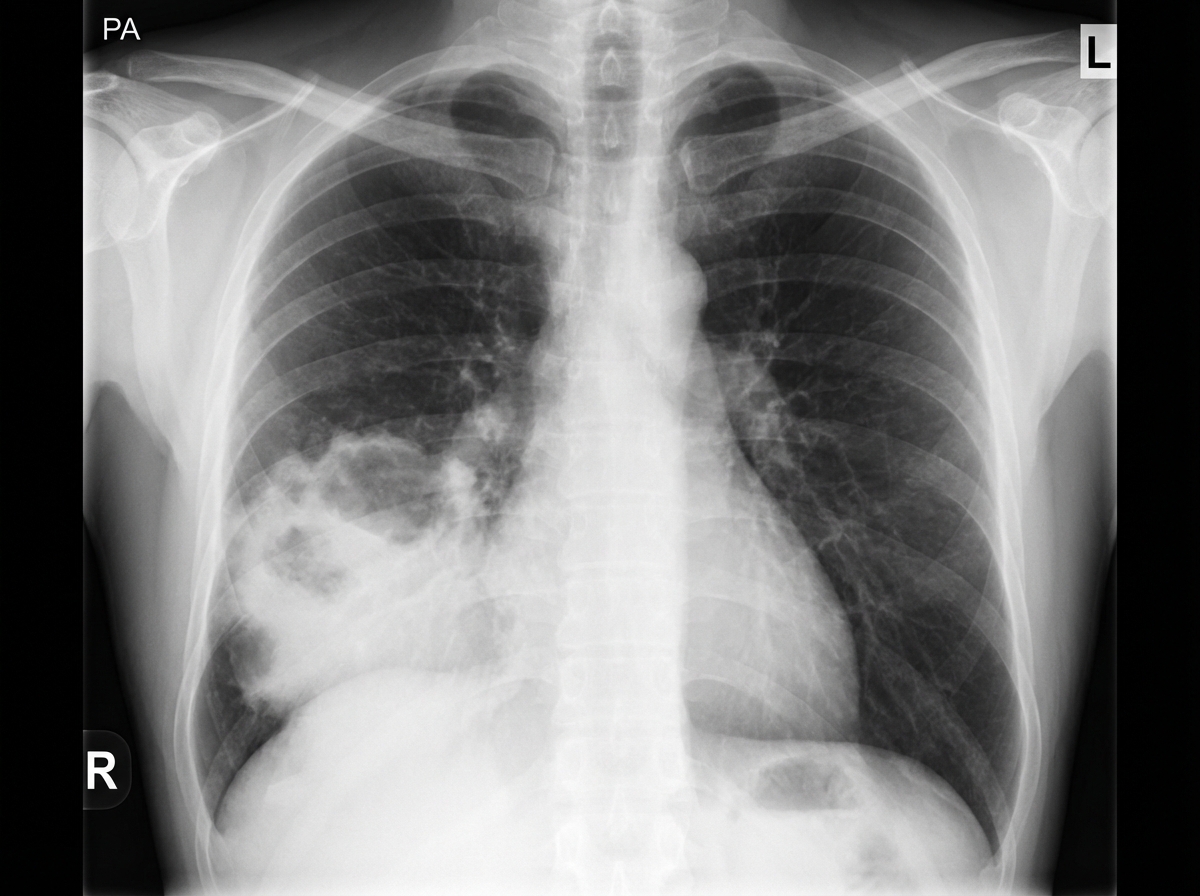
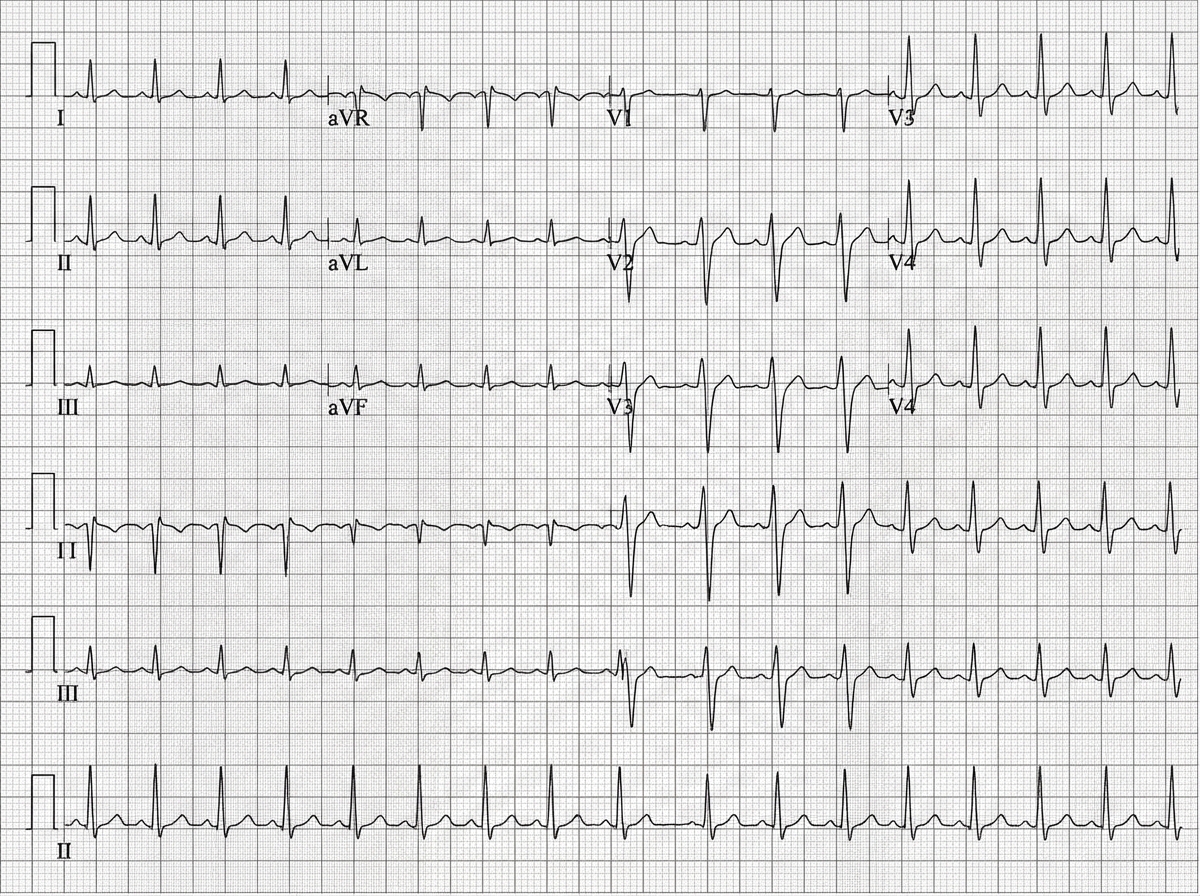
A 52 year-old woman comes to the physician because of intense retrosternal chest pain for the last three days. The pain is worse with breathing or coughing, and improves while sitting upright. She also reports a mild fever and shortness of breath. She was diagnosed with chronic kidney disease secondary to lupus nephritis 12 years ago and has been on hemodialysis since then, but she missed her last two appointments because of international travel. She also underwent a percutaneous coronary intervention eight months ago for a myocardial infarction. She takes azathioprine after hemodialysis. Her temperature is 37.8°C (100°F), pulse is 110/min, and blood pressure is 130/84 mm Hg. The lungs are clear to auscultation bilaterally with normal breath sounds. Cardiac examination reveals a high-pitched scratching that obscures both heart sounds. The remainder of the examination is otherwise unremarkable. Cardiac enzyme levels and anti-DNA antibodies are within normal limits. An x-ray of the chest shows no abnormalities. An ECG shows Q waves in the anterior leads. Which of the following is the most likely cause of these findings?
Q592
A 72-year-old man is brought to the physician by his wife for forgetfulness, confusion, and mood changes for the past 4 months. His symptoms started with misplacing items such as his wallet and keys around the house. Two months ago, he became unable to manage their finances as it became too difficult for him. Last week, he became lost while returning home from the grocery store. His wife reports that he shows “no emotion” and that he is seemingly not concerned by his recent symptoms. He has hypertension, type 2 diabetes mellitus, and coronary artery disease. Current medications include aspirin, metoprolol, lisinopril, metformin, and rosuvastatin. His pulse is 56/min and blood pressure is 158/76 mm Hg. Neurologic examination shows loss of sensation on his right leg and an unsteady gait. When asked to stand with his eyes closed and palms facing upward, his right arm rotates inward. An MRI of the brain shows multiple deep white matter lesions. Which of the following is the most likely diagnosis?
Q593
A 76-year-old woman presents to her primary care physician with an intense, throbbing, right-sided headache. She has a history of migraine headaches and tried her usual medications this afternoon with no alleviation of symptoms. She states that this headache feels different because she also has pain in her jaw that is worse with chewing. The pain came on gradually and is getting worse. In addition, over the past few months, she has had some difficulty getting up out of chairs and raising both her arms over her head to put on her clothes. She has had no recent falls or injuries. On exam, the patient's temperature is 98.3°F (36.8°C), blood pressure is 115/70 mmHg, pulse is 93/min, and respirations are 15/min. The patient has tenderness over her right temple. She has no focal neurological deficits, and no abnormalities on fundoscopic exam. Her physical exam is otherwise within normal limits.
Given the patient's most likely diagnosis, which of the following methods of treatment should be used in order to prevent any further complications?
Q594
A 31-year-old woman returns to her primary care provider for a follow-up visit. At a routine health maintenance visit 2 months ago, her blood pressure (BP) was 181/97 mm Hg. She has adhered to a low-salt diet and exercises regularly. On repeat examination 1 month later, her BP was 178/93, and she was prescribed hydrochlorothiazide and lisinopril. The patient denies any complaint, except for occasional headaches. Now, her BP is 179/95 in the right arm and 181/93 in the left arm. Physical examination reveals an abdominal bruit that lateralizes to the left. A magnetic resonance angiogram of the renal arteries is shown in the image. Which of the following is the best next step for the management of this patient condition?
Q595
A 32-year-old woman presents with progressive shortness of breath and a dry cough. She says that her symptoms onset recently after a 12-hour flight. Past medical history is unremarkable. Current medications are oral estrogen/progesterone containing contraceptive pills. Her vital signs include: blood pressure 110/60 mm Hg, pulse 101/min, respiratory rate 22/min, oxygen saturation 88% on room air, and temperature 37.9℃ (100.2℉). Her weight is 94 kg (207.2 lb) and height is 170 cm (5 ft 7 in). On physical examination, she is acrocyanotic. There are significant swelling and warmth over the right calf. There are widespread bilateral rales present. Cardiac auscultation reveals accentuation of the pulmonic component of the second heart sound (P2) and an S3 gallop. Which of the following ventilation/perfusion (V/Q) ratios most likely corresponds to this patient’s condition?
Q596
A 43-year-old man with HIV comes to the physician because of fever and night sweats over the past 15 days. During this period, he has also had headaches and generalized weakness. He has no cough or shortness of breath. He has hypertension controlled with lisinopril and is currently receiving triple antiretroviral therapy. He has smoked one pack of cigarettes daily for the past 15 years and drinks one to two beers on weekends. He is a known user of intravenous illicit drugs. His temperature is 39°C (102°F), pulse is 115/min, respirations are 15/min, and blood pressure is 130/80 mm Hg. Examination shows several track marks on the forearms. The lungs are clear to auscultation. A holosystolic murmur that increases on inspiration is heard along the left sternal border. The remainder of the physical examination shows no abnormalities. Laboratory studies show a leukocyte count of 12,800/mm3 and an erythrocyte sedimentation rate of 52 mm/h. His CD4+ T-lymphocyte count is 450/mm3 (normal ≥ 500). Which of the following is the most likely sequela of the condition?
Q597
A 50-year-old man presents to the emergency department with a severe headache. The patient reports that it started approx. 2 hours ago and has steadily worsened. He describes it as a stabbing pain localized behind his left eye. The patient reports that he has been having similar headaches several times a day for the past week, most often at night. He denies any nausea, vomiting, and visual or auditory disturbances. He has no significant past medical history. Current medications are a multivitamin and caffeine pills. The patient reports regular daily alcohol use but does not smoke. His temperature is 37.0°C (98.6°F), the blood pressure is 120/70 mm Hg, the pulse is 85/min, the respiratory rate is 18/min, and the oxygen saturation is 99% on room air. The patient is in moderate distress from the pain. The physical exam is significant for unilateral diaphoresis on the left forehead, left-sided rhinorrhea, and pronounced lacrimation of the left eye. The remainder of the physical exam is normal. Laboratory tests are normal. Non-contrast CT of the head shows no evidence of intracranial masses or hemorrhage. High flow oxygen and fluid resuscitation are initiated. Ibuprofen 200 mg orally is administered. Despite these interventions, the patient continues to be in significant pain. What is the next best step in management?
Q598
A 77-year-old woman is brought by ambulance to the emergency department after she developed weakness of her right arm along with a right-sided facial droop. By the time the ambulance arrived, she was having difficulty speaking. Past medical history is significant for hypertension, diabetes mellitus type II, and hyperlipidemia. She takes lisinopril, hydrochlorothiazide, metformin, and atorvastatin. On arrival to the emergency department, her vital signs are within normal limits. On physical examination, she is awake and alert but the right side of her mouth is dropping, making it difficult for her to speak clearly. Her heart has a regular rate and rhythm and her lungs are clear to auscultation bilaterally. Fingerstick glucose is 85 mg/dL. Her right upper extremity strength is 2/5 and her left upper extremity strength is 5/5. Which of the following is the best next step in management?
Q599
A 44-year-old man is brought to the emergency department after sustaining high-voltage electrical burns over his left upper limb. On examination, the tip of his left middle finger is charred, and there are 2nd-degree burns involving the whole of the left upper limb. Radial and ulnar pulses are strong, and there are no signs of compartment syndrome. An exit wound is present over the sole of his right foot. His temperature is 37.7°C (99.8°F), the blood pressure is 110/70 mm Hg, the pulse is 105/min, and the respiratory rate is 26/min. His urine is reddish-brown, and urine output is 0.3 mL/kg/h. Laboratory studies show:
Hemoglobin 13.9 g/dL
Hematocrit 33%
Leukocyte count 11,111/mm3
Serum
Creatinine 4.6 mg/dL
Creatine phosphokinase 15,230 U/L
K+ 7.7 mEq/L
Na+ 143 mEq/L
What is the most likely mechanism for this patient's renal failure?
Q600
A 34-year-old primigravida presents with progressive shortness of breath on exertion and while sleeping. The patient says that she uses 2 pillows to breathe comfortably while sleeping at night. These symptoms started in the 3rd week of the 2nd trimester of pregnancy. She does not have any chronic health problems. She denies smoking and alcohol intake. Vital signs include: blood pressure 110/50 mm Hg, temperature 36.9°C (98.4°F), and regular pulse 90/min. Previous physical examination in the 1st trimester had disclosed no cardiac abnormalities, but on current physical examination, she has a loud S1 and a 2/6 diastolic rumble over the cardiac apex. A transthoracic echocardiogram shows evidence of mitral valve stenosis. Which of the following is the best initial treatment for this patient?
Cardiology US Medical PG Practice Questions and MCQs
Question 591: A 52 year-old woman comes to the physician because of intense retrosternal chest pain for the last three days. The pain is worse with breathing or coughing, and improves while sitting upright. She also reports a mild fever and shortness of breath. She was diagnosed with chronic kidney disease secondary to lupus nephritis 12 years ago and has been on hemodialysis since then, but she missed her last two appointments because of international travel. She also underwent a percutaneous coronary intervention eight months ago for a myocardial infarction. She takes azathioprine after hemodialysis. Her temperature is 37.8°C (100°F), pulse is 110/min, and blood pressure is 130/84 mm Hg. The lungs are clear to auscultation bilaterally with normal breath sounds. Cardiac examination reveals a high-pitched scratching that obscures both heart sounds. The remainder of the examination is otherwise unremarkable. Cardiac enzyme levels and anti-DNA antibodies are within normal limits. An x-ray of the chest shows no abnormalities. An ECG shows Q waves in the anterior leads. Which of the following is the most likely cause of these findings?
A. Adverse effect of medication
B. Serositis from an immunologic reaction
C. Infarction of myocardial segment
D. Low serum levels of thyroid hormone
E. Elevated serum levels of nitrogenous waste (Correct Answer)
Explanation: ***Elevated serum levels of nitrogenous waste***
- The patient's history of **chronic kidney disease** and missed hemodialysis sessions strongly suggest accumulation of **uremic toxins**, which can cause **uremic pericarditis**.
- **Uremic pericarditis** presents with **pleuritic chest pain** that improves with sitting upright, a **pericardial friction rub** (high-pitched scratching sound), and is not typically associated with classic ECG changes of MI or elevated cardiac enzymes.
*Adverse effect of medication*
- While medications can cause chest pain, there is no specific medication the patient is taking (e.g., azathioprine) that typically causes this constellation of **pericardial symptoms** and **friction rub**.
- The patient's missed dialysis sessions offer a much more direct and common explanation for her symptoms than an unspecified medication adverse effect.
*Serositis from an immunologic reaction*
- Although the patient has a history of **lupus nephritis**, current antibody levels (**anti-DNA antibodies within normal limits**) suggest that an acute lupus flare causing serositis is less likely than other causes.
- Serositis due to lupus can cause pericarditis, but the **missed dialysis** makes uremia a more immediate and probable cause.
*Infarction of myocardial segment*
- The patient's **cardiac enzymes are within normal limits**, ruling out an **acute myocardial infarction (MI)**, which would be expected with ongoing myocardial ischemia.
- While the ECG shows **Q waves**, indicating a *prior* MI (consistent with her history), it does not explain the *current* acute symptoms of pleuritic chest pain and friction rub.
*Low serum levels of thyroid hormone*
- **Hypothyroidism** can lead to **pericardial effusion**, but typically not acute, intense pleuritic chest pain and a friction rub as the primary presentation.
- There are no other clinical signs or symptoms presented that would suggest **hypothyroidism** in this patient.
Question 592: A 72-year-old man is brought to the physician by his wife for forgetfulness, confusion, and mood changes for the past 4 months. His symptoms started with misplacing items such as his wallet and keys around the house. Two months ago, he became unable to manage their finances as it became too difficult for him. Last week, he became lost while returning home from the grocery store. His wife reports that he shows “no emotion” and that he is seemingly not concerned by his recent symptoms. He has hypertension, type 2 diabetes mellitus, and coronary artery disease. Current medications include aspirin, metoprolol, lisinopril, metformin, and rosuvastatin. His pulse is 56/min and blood pressure is 158/76 mm Hg. Neurologic examination shows loss of sensation on his right leg and an unsteady gait. When asked to stand with his eyes closed and palms facing upward, his right arm rotates inward. An MRI of the brain shows multiple deep white matter lesions. Which of the following is the most likely diagnosis?
A. Vitamin B12 deficiency
B. Frontotemporal dementia
C. Alzheimer disease
D. Lewy body dementia
E. Vascular dementia (Correct Answer)
Explanation: ***Vascular dementia***
- The patient's history of **hypertension, type 2 diabetes mellitus, and coronary artery disease** indicates significant vascular risk factors. The **multiple deep white matter lesions** on MRI are characteristic findings in vascular dementia, resulting from chronic **cerebral ischemia**.
- The **insidious onset** with progressive **cognitive decline** (forgetfulness, confusion, financial difficulties, getting lost) combined with **focal neurological deficits** (loss of sensation, unsteady gait, pronator drift), and "no emotion" or lack of concern, strongly points towards vascular dementia.
*Vitamin B12 deficiency*
- While vitamin B12 deficiency can cause cognitive impairment and neurological symptoms, it typically manifests with **megaloblastic anemia** and **peripheral neuropathy**, which are not noted in this case.
- The MRI findings of **multiple deep white matter lesions** are not characteristic of vitamin B12 deficiency, and the patient's extensive vascular risk factors are more indicative of a cerebrovascular etiology.
*Frontotemporal dementia*
- Characterized primarily by **early and prominent behavioral and personality changes** (e.g., disinhibition, apathy) or **language deficits**. While apathy is present ("no emotion"), the prominent **focal neurological deficits** and MRI findings of deep white matter lesions are less typical.
- Unlike this case, memory impairment is usually not the initial or most prominent symptom in frontotemporal dementia until later stages, which contrasts with the patient's initial presentation of forgetfulness.
*Alzheimer disease*
- Alzheimer disease typically presents with **progressive memory impairment** as the hallmark symptom, often preceding other cognitive or neurological deficits. While memory loss is present here, the rapid progression (4 months), prominent focal neurological signs, and vascular risk factors are less typical.
- MRI would typically show **cortical atrophy**, particularly in the hippocampus and medial temporal lobes, rather than multiple deep white matter lesions without significant atrophy.
*Lewy body dementia*
- Key features include **fluctuating cognition, recurrent visual hallucinations**, and spontaneous **parkinsonism**. None of these core features are explicitly described in the patient's presentation.
- While mood changes and apathy can occur, the presence of **focal neurological deficits** and deep white matter lesions on MRI are not primary characteristics of Lewy body dementia.
Question 593: A 76-year-old woman presents to her primary care physician with an intense, throbbing, right-sided headache. She has a history of migraine headaches and tried her usual medications this afternoon with no alleviation of symptoms. She states that this headache feels different because she also has pain in her jaw that is worse with chewing. The pain came on gradually and is getting worse. In addition, over the past few months, she has had some difficulty getting up out of chairs and raising both her arms over her head to put on her clothes. She has had no recent falls or injuries. On exam, the patient's temperature is 98.3°F (36.8°C), blood pressure is 115/70 mmHg, pulse is 93/min, and respirations are 15/min. The patient has tenderness over her right temple. She has no focal neurological deficits, and no abnormalities on fundoscopic exam. Her physical exam is otherwise within normal limits.
Given the patient's most likely diagnosis, which of the following methods of treatment should be used in order to prevent any further complications?
A. High dose steroids (Correct Answer)
B. Thrombolytics
C. Craniotomy
D. Lumbar puncture
E. Antibiotics
Explanation: **Correct: High dose steroids**
- The patient's presentation with a new-onset, severe headache, **jaw claudication**, and proximal muscle weakness (difficulty getting out of chairs and raising arms) in an elderly woman is highly suggestive of **giant cell arteritis (GCA)**, also known as temporal arteritis, often co-occurring with **polymyalgia rheumatica**.
- **High-dose steroids** (e.g., prednisone) are the primary treatment for GCA to rapidly reduce inflammation and prevent devastating complications such as **irreversible vision loss** due to ophthalmic artery occlusion.
*Incorrect: Thrombolytics*
- **Thrombolytics** are used to dissolve acute blood clots, typically in conditions like ischemic stroke or pulmonary embolism.
- While GCA can lead to thrombotic events, the immediate treatment is to address the underlying inflammation with steroids, not to acutely break down clots that may have already formed or prevent them with a different mechanism.
*Incorrect: Craniotomy*
- A **craniotomy** is a surgical procedure involving the temporary removal of a bone flap from the skull to access the brain, usually indicated for conditions like brain tumors, aneurysms, or traumatic brain injury.
- It is an invasive surgical intervention and has no role in the management of giant cell arteritis.
*Incorrect: Lumbar puncture*
- A **lumbar puncture** (spinal tap) is performed to collect cerebrospinal fluid (CSF) for diagnostic purposes, often to investigate infections, inflammatory conditions, or neurological disorders affecting the central nervous system.
- While headaches can be a symptom of conditions requiring a lumbar puncture (e.g., meningitis), the constellation of symptoms (jaw claudication, proximal muscle weakness) strongly points away from general CNS infection or inflammation requiring CSF analysis.
*Incorrect: Antibiotics*
- **Antibiotics** are medications used to treat bacterial infections.
- Giant cell arteritis is an autoimmune inflammatory condition, not an infection, and therefore antibiotics would be ineffective and inappropriate as a treatment.
Question 594: A 31-year-old woman returns to her primary care provider for a follow-up visit. At a routine health maintenance visit 2 months ago, her blood pressure (BP) was 181/97 mm Hg. She has adhered to a low-salt diet and exercises regularly. On repeat examination 1 month later, her BP was 178/93, and she was prescribed hydrochlorothiazide and lisinopril. The patient denies any complaint, except for occasional headaches. Now, her BP is 179/95 in the right arm and 181/93 in the left arm. Physical examination reveals an abdominal bruit that lateralizes to the left. A magnetic resonance angiogram of the renal arteries is shown in the image. Which of the following is the best next step for the management of this patient condition?
A. Balloon angioplasty (Correct Answer)
B. Intravenous phentolamine
C. Stenting
D. Add statin and aspirin
E. Surgical reconstruction
Explanation: ***Balloon angioplasty***
- This patient presents with **severe hypertension, particularly diastolic hypertension**, that is **refractory to standard medical therapy** (hydrochlorothiazide and lisinopril).
- The combination of uncontrolled hypertension in a young woman, a **lateralizing abdominal bruit**, and the **magnetic resonance angiogram (MRA) findings consistent with fibromuscular dysplasia (FMD)** strongly suggests renovascular hypertension, for which **renal artery angioplasty is the preferred treatment**, especially in FMD due to its high success rate and low complication rate compared to stenting.
*Intravenous phentolamine*
- **Phentolamine is an alpha-adrenergic blocker** used for the short-term control of hypertensive crises, particularly those due to **pheochromocytoma** or sympathomimetic overdose.
- It is **not a definitive, long-term treatment for renovascular hypertension** and would not address the underlying anatomical lesion.
*Stenting*
- **Stenting is typically reserved for renal artery stenosis caused by atherosclerosis**, especially in older patients, or for cases of FMD with **recurrent stenosis after angioplasty or with aneurysmal disease**.
- For **initial treatment of FMD**, balloon angioplasty alone is generally preferred due to the lower rate of complications and avoidance of leaving an intimal foreign body in a young patient.
*Add statin and aspirin*
- **Statins and aspirin are crucial for managing atherosclerotic cardiovascular disease risk factors**, especially in patients with established atherosclerosis.
- While general cardiovascular health is important, these medications **do not address the underlying renovascular cause of this patient's hypertension**, which is likely fibromuscular dysplasia, and therefore will not control her severe blood pressure.
*Surgical reconstruction*
- **Surgical revascularization is typically reserved for complex cases of renovascular hypertension** where endovascular approaches have failed or are technically not feasible.
- Given the patient's likely diagnosis of FMD, **endovascular balloon angioplasty is the first-line treatment**, and surgery carries higher risks and is more invasive.
Question 595: A 32-year-old woman presents with progressive shortness of breath and a dry cough. She says that her symptoms onset recently after a 12-hour flight. Past medical history is unremarkable. Current medications are oral estrogen/progesterone containing contraceptive pills. Her vital signs include: blood pressure 110/60 mm Hg, pulse 101/min, respiratory rate 22/min, oxygen saturation 88% on room air, and temperature 37.9℃ (100.2℉). Her weight is 94 kg (207.2 lb) and height is 170 cm (5 ft 7 in). On physical examination, she is acrocyanotic. There are significant swelling and warmth over the right calf. There are widespread bilateral rales present. Cardiac auscultation reveals accentuation of the pulmonic component of the second heart sound (P2) and an S3 gallop. Which of the following ventilation/perfusion (V/Q) ratios most likely corresponds to this patient’s condition?
A. 1.3 (Correct Answer)
B. 1
C. 0.8
D. 0.5
E. 0.3
Explanation: ***1.3***
- This value represents an increased V/Q ratio, or **dead space ventilation**, which is characteristic of a **pulmonary embolism (PE)**. In PE, a portion of the lung is ventilated but not perfused due to the embolism blocking blood flow, leading to wasted ventilation.
- The patient's symptoms (sudden onset dyspnea after a long flight, use of oral contraceptives, calf swelling, hypoxia, and accentuated P2) are highly suggestive of a PE, which is the most likely cause of increased V/Q mismatch.
*1*
- A V/Q ratio of 1 indicates **perfect matching** of ventilation and perfusion, which is an ideal state not typically achieved throughout the entire lung, especially in disease.
- This value would not explain the patient's severe **hypoxia** and overall clinical picture of respiratory distress.
*0.8*
- This is the **average normal V/Q ratio** for the lung as a whole, representing slightly more perfusion than ventilation.
- While it's a normal physiological state, it does not account for the significant V/Q mismatch indicated by the patient's severe hypoxemia (SpO2 88%) and clinical symptoms.
*0.5*
- This value represents a **low V/Q ratio**, indicating relatively more perfusion than ventilation, often seen in conditions like **shunt physiology** (e.g., pneumonia, atelectasis, pulmonary edema).
- While the patient has rales and an S3 gallop suggesting potential pulmonary edema or heart failure secondary to increased right heart strain, the primary pathophysiology in PE is increased V/Q due to unperfused but ventilated lung regions.
*0.3*
- This is a severely **low V/Q ratio**, approaching a **shunt**, where blood passes through the lungs without being adequately oxygenated. This is typical of conditions like **severe pneumonia, ARDS, or significant atelectasis**.
- While PE can cause some degree of bronchoconstriction leading to areas of low V/Q, the predominant and most impactful V/Q mismatch in PE is the high V/Q ratio in areas of unperfused lung.
Question 596: A 43-year-old man with HIV comes to the physician because of fever and night sweats over the past 15 days. During this period, he has also had headaches and generalized weakness. He has no cough or shortness of breath. He has hypertension controlled with lisinopril and is currently receiving triple antiretroviral therapy. He has smoked one pack of cigarettes daily for the past 15 years and drinks one to two beers on weekends. He is a known user of intravenous illicit drugs. His temperature is 39°C (102°F), pulse is 115/min, respirations are 15/min, and blood pressure is 130/80 mm Hg. Examination shows several track marks on the forearms. The lungs are clear to auscultation. A holosystolic murmur that increases on inspiration is heard along the left sternal border. The remainder of the physical examination shows no abnormalities. Laboratory studies show a leukocyte count of 12,800/mm3 and an erythrocyte sedimentation rate of 52 mm/h. His CD4+ T-lymphocyte count is 450/mm3 (normal ≥ 500). Which of the following is the most likely sequela of the condition?
A. Retinal hemorrhages
B. Painful nodules on pads of the fingers
C. Hematuria
D. Hemorrhages underneath fingernails (Correct Answer)
E. Pulmonary embolism
Explanation: ***Hemorrhages underneath fingernails***
- This patient presents with **infective endocarditis** affecting the **tricuspid valve** (holosystolic murmur increasing with inspiration along left sternal border in an IV drug user).
- **Splinter hemorrhages** (linear hemorrhages underneath fingernails) are a classic peripheral manifestation of infective endocarditis caused by **microemboli** and **vasculitis**.
- While more common in left-sided endocarditis, peripheral stigmata can occur in right-sided endocarditis as well, and represent an important diagnostic clue.
*Retinal hemorrhages*
- **Roth spots** (retinal hemorrhages with pale centers) can occur in infective endocarditis but are less common than splinter hemorrhages.
- They are also less specific, occurring in other conditions like acute leukemia and hypertensive retinopathy.
*Painful nodules on pads of the fingers*
- **Osler nodes** are painful, tender nodules on the pads of fingers/toes representing immunologic phenomena in endocarditis.
- While characteristic of endocarditis, they are less commonly observed than splinter hemorrhages and occur in only 10-25% of cases.
*Hematuria*
- Can occur due to **immune complex glomerulonephritis** or **renal infarcts** from septic emboli.
- While possible, it is not as specific or commonly recognized as a peripheral stigma of endocarditis compared to splinter hemorrhages.
*Pulmonary embolism*
- Right-sided endocarditis typically causes **septic pulmonary emboli** traveling through the pulmonary circulation.
- However, this patient has **clear lungs on auscultation** and **no respiratory symptoms** (no cough, shortness of breath, or tachypnea), making active pulmonary involvement unlikely.
- The question focuses on recognizable peripheral sequelae of the endocarditis itself.
Question 597: A 50-year-old man presents to the emergency department with a severe headache. The patient reports that it started approx. 2 hours ago and has steadily worsened. He describes it as a stabbing pain localized behind his left eye. The patient reports that he has been having similar headaches several times a day for the past week, most often at night. He denies any nausea, vomiting, and visual or auditory disturbances. He has no significant past medical history. Current medications are a multivitamin and caffeine pills. The patient reports regular daily alcohol use but does not smoke. His temperature is 37.0°C (98.6°F), the blood pressure is 120/70 mm Hg, the pulse is 85/min, the respiratory rate is 18/min, and the oxygen saturation is 99% on room air. The patient is in moderate distress from the pain. The physical exam is significant for unilateral diaphoresis on the left forehead, left-sided rhinorrhea, and pronounced lacrimation of the left eye. The remainder of the physical exam is normal. Laboratory tests are normal. Non-contrast CT of the head shows no evidence of intracranial masses or hemorrhage. High flow oxygen and fluid resuscitation are initiated. Ibuprofen 200 mg orally is administered. Despite these interventions, the patient continues to be in significant pain. What is the next best step in management?
A. RF ablation of the left trigeminal nerve
B. CT angiography
C. Deep brain stimulation of the posterior inferior hypothalamus
D. Verapamil
E. Administer subcutaneous sumatriptan (Correct Answer)
Explanation: ***Administer subcutaneous sumatriptan***
- This patient's presentation with severe, unilateral, retro-orbital pain, accompanied by **ipsilateral autonomic symptoms** (lacrimation, rhinorrhea, unilateral diaphoresis) and episodic occurrence, is highly characteristic of a **cluster headache**.
- **Subcutaneous sumatriptan** is a highly effective acute abortive treatment for cluster headaches due to its rapid onset of action, making it the most appropriate next step given the patient's ongoing severe pain despite initial symptomatic management.
*RF ablation of the left trigeminal nerve*
- **RF ablation of the trigeminal nerve** is a treatment for refractory trigeminal neuralgia, a different headache disorder characterized by lancinating facial pain.
- It is an **invasive procedure** and not an acute management strategy for cluster headache.
*CT angiography*
- A **CT angiography** would be indicated if there was suspicion of a vascular abnormality such as an aneurysm or dissection, which would typically present with a "thunderclap" headache, but may also have focal neurological deficits.
- While always considered in severe headache, the patient's symptoms are classic for cluster headache and the initial non-contrast CT was unremarkable; thus, it is not the most immediate next step for acute symptom relief.
*Deep brain stimulation of the posterior inferior hypothalamus*
- **Deep brain stimulation (DBS)** of the posterior inferior hypothalamus is a neurosurgical treatment reserved for **highly refractory chronic cluster headaches** that have failed all other medical therapies.
- It is not an acute management strategy and is considered only in severe, debilitating, and treatment-resistant cases.
*Verapamil*
- **Verapamil** is a calcium channel blocker used as a **prophylactic treatment** for cluster headaches to reduce the frequency and severity of attacks.
- It is not an acute abortive treatment for an ongoing cluster headache attack, which requires rapid symptom relief.
Question 598: A 77-year-old woman is brought by ambulance to the emergency department after she developed weakness of her right arm along with a right-sided facial droop. By the time the ambulance arrived, she was having difficulty speaking. Past medical history is significant for hypertension, diabetes mellitus type II, and hyperlipidemia. She takes lisinopril, hydrochlorothiazide, metformin, and atorvastatin. On arrival to the emergency department, her vital signs are within normal limits. On physical examination, she is awake and alert but the right side of her mouth is dropping, making it difficult for her to speak clearly. Her heart has a regular rate and rhythm and her lungs are clear to auscultation bilaterally. Fingerstick glucose is 85 mg/dL. Her right upper extremity strength is 2/5 and her left upper extremity strength is 5/5. Which of the following is the best next step in management?
A. Obtain transcranial doppler
B. Start tissue plasminogen activator (tPA)
C. Consult cardiology
D. Intubate the patient
E. Obtain noncontrast CT of the brain (Correct Answer)
Explanation: ***Obtain noncontrast CT of the brain***
- An **urgent noncontrast CT of the brain** is the **most crucial initial step** in managing acute neurological deficits suggestive of stroke.
- This imaging is essential to **rule out hemorrhagic stroke** before considering thrombolytic therapy like tPA.
*Obtain transcranial doppler*
- **Transcranial Doppler (TCD)** can be used to assess cerebral blood flow and identify vascular stenosis but is not the immediate first-line diagnostic imaging for an acute stroke presentation.
- TCD is typically performed **after initial imaging** to determine the presence of large vessel occlusion or monitor for vasospasm, not to differentiate between ischemic and hemorrhagic stroke.
*Start tissue plasminogen activator (tPA)*
- While **tPA** is a treatment for acute ischemic stroke, it is **contraindicated in hemorrhagic stroke**.
- Without a **noncontrast CT scan to rule out hemorrhage**, administering tPA can be life-threatening.
*Consult cardiology*
- Consulting cardiology is important for evaluating potential cardiac sources of emboli (e.g., atrial fibrillation) as a cause of stroke but it is **not the immediate next step** in managing acute stroke symptoms.
- The **immediate priority is diagnosing the type of stroke** and determining eligibility for acute interventions.
*Intubate the patient*
- **Intubation** is reserved for patients with compromise of their **airway, breathing, or circulation (ABCs)**, or a significantly decreased level of consciousness (e.g., GCS < 8).
- This patient is described as **awake and alert**, making intubation unnecessary at this stage.
Question 599: A 44-year-old man is brought to the emergency department after sustaining high-voltage electrical burns over his left upper limb. On examination, the tip of his left middle finger is charred, and there are 2nd-degree burns involving the whole of the left upper limb. Radial and ulnar pulses are strong, and there are no signs of compartment syndrome. An exit wound is present over the sole of his right foot. His temperature is 37.7°C (99.8°F), the blood pressure is 110/70 mm Hg, the pulse is 105/min, and the respiratory rate is 26/min. His urine is reddish-brown, and urine output is 0.3 mL/kg/h. Laboratory studies show:
Hemoglobin 13.9 g/dL
Hematocrit 33%
Leukocyte count 11,111/mm3
Serum
Creatinine 4.6 mg/dL
Creatine phosphokinase 15,230 U/L
K+ 7.7 mEq/L
Na+ 143 mEq/L
What is the most likely mechanism for this patient's renal failure?
A. Septicemia leading to acute pyelonephritis
B. Rhabdomyolysis, myoglobinuria, and renal injury (Correct Answer)
C. Direct visceral electrical injury to the kidneys
D. Fluid and electrolyte loss and hypovolemia
E. Volume overload because of excessive intravenous fluid resuscitation
Explanation: ***Rhabdomyolysis, myoglobinuria, and renal injury***
- The high **creatine phosphokinase (CPK)** level of 15,230 U/L indicates significant **muscle damage** (**rhabdomyolysis**) from the high-voltage electrical burn.
- **Myoglobin** released from damaged muscle is **nephrotoxic** and precipitates in the renal tubules, leading to **acute kidney injury**, evidenced by **reddish-brown urine** and elevated **creatinine (4.6 mg/dL)**.
*Septicemia leading to acute pyelonephritis*
- While burns can lead to infection, there are no specific signs of **septicemia** or **pyelonephritis** (e.g., fever, flank pain) in the provided information.
- The patient's **hyperkalemia** and elevated **CPK** are not typical findings for pyelonephritis.
*Direct visceral electrical injury to the kidneys*
- **Direct electrical injury** to internal organs such as the kidneys is **rare** unless the electrical current traverses the abdomen.
- The entry and exit wounds (left upper limb and right foot) suggest a current path that is **less likely** to directly involve the kidneys.
*Fluid and electrolyte loss and hypovolemia*
- Although **burn injuries** can cause significant fluid loss, this patient's **blood pressure (110/70 mm Hg)** and **heart rate (105/min)** do not strongly suggest severe **hypovolemic shock**.
- The **hemoglobin (19.9 g/dL)** and **hematocrit (33%)** also do not directly point to severe acute fluid loss as the primary cause of renal failure in the context of other findings.
*Volume overload because of excessive intravenous fluid resuscitation*
- The patient's **low urine output (0.3 mL/kg/h)** suggests **renal failure**, not fluid overload.
- There is no mention of **fluid resuscitation** being administered, making this an unlikely cause of the current presentation.
Question 600: A 34-year-old primigravida presents with progressive shortness of breath on exertion and while sleeping. The patient says that she uses 2 pillows to breathe comfortably while sleeping at night. These symptoms started in the 3rd week of the 2nd trimester of pregnancy. She does not have any chronic health problems. She denies smoking and alcohol intake. Vital signs include: blood pressure 110/50 mm Hg, temperature 36.9°C (98.4°F), and regular pulse 90/min. Previous physical examination in the 1st trimester had disclosed no cardiac abnormalities, but on current physical examination, she has a loud S1 and a 2/6 diastolic rumble over the cardiac apex. A transthoracic echocardiogram shows evidence of mitral valve stenosis. Which of the following is the best initial treatment for this patient?
A. Loop diuretics
B. Percutaneous mitral balloon valvotomy (PMBV) (Correct Answer)
C. Valve replacement
D. Open valve commissurotomy
E. No therapy is required
Explanation: **Percutaneous mitral balloon valvotomy (PMBV)**
- This patient presents with **symptomatic mitral stenosis** during the second trimester of pregnancy, evidenced by progressive **shortness of breath, orthopnea**, and characteristic findings of a **loud S1 and diastolic rumble**. Due to the high risk of **maternal and fetal complications** with continued severe symptoms, an intervention is necessary.
- **PMBV** is the **preferred initial treatment for symptomatic severe mitral stenosis** in pregnant patients with suitable valve morphology who are not responding to medical therapy because it is less invasive than surgery and generally well-tolerated.
*Loop diuretics*
- While **loop diuretics** can help manage **pulmonary congestion** and **dyspnea** by reducing preload, they are a **symptomatic treatment** and do not address the underlying mechanical obstruction of mitral stenosis.
- In a patient with severe, progressive symptoms of mitral stenosis during pregnancy, medical therapy alone is often insufficient, and definitive intervention is required.
*Valve replacement*
- **Surgical valve replacement** is a **major invasive procedure** with significant risks to both the mother and fetus, including higher rates of miscarriage, prematurity, and maternal mortality.
- It is typically reserved for cases where PMBV is not feasible or has failed, or if there are other concomitant cardiac lesions requiring surgical correction.
*Open valve commissurotomy*
- **Open valve commissurotomy** is a surgical procedure that is more invasive than PMBV and carries similar risks as valve replacement for a pregnant patient.
- It is generally considered when **PMBV is contraindicated** due to unsuitable valve anatomy or has been unsuccessful, and surgical intervention is deemed necessary.
*No therapy is required*
- This patient's symptoms are **progressive and significantly impacting her quality of life**, indicating that medical intervention is necessary to prevent further decompensation and improve maternal and fetal outcomes.
- Untreated symptomatic mitral stenosis in pregnancy can lead to severe complications such as **pulmonary edema, heart failure, and maternal/fetal mortality**.