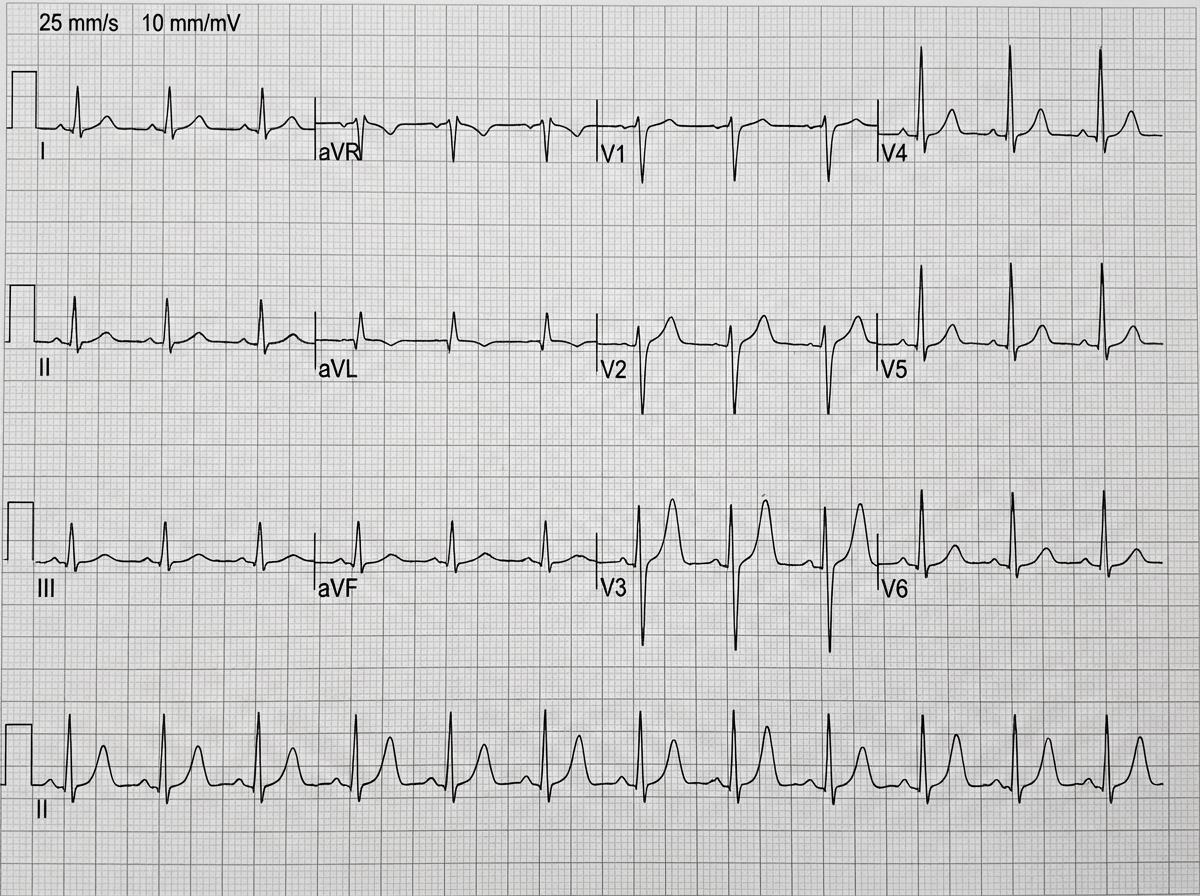
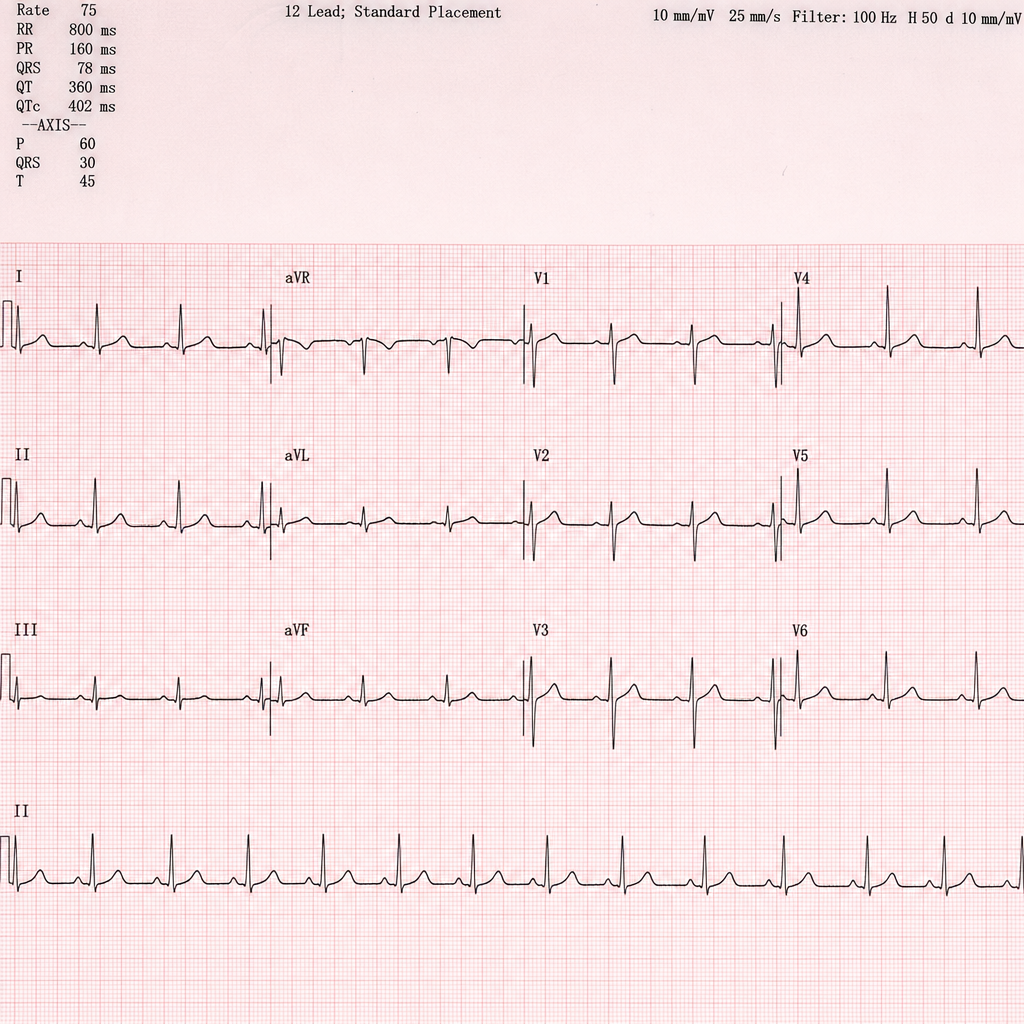
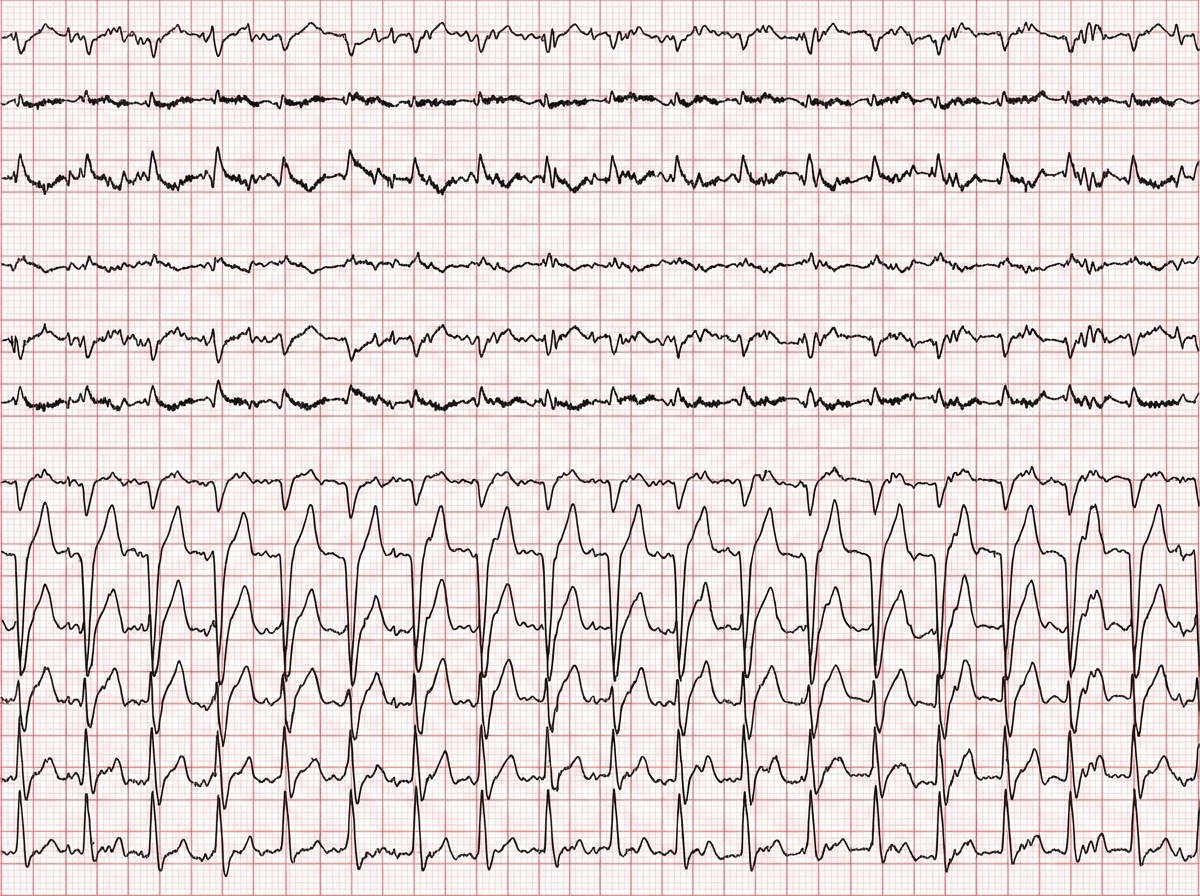
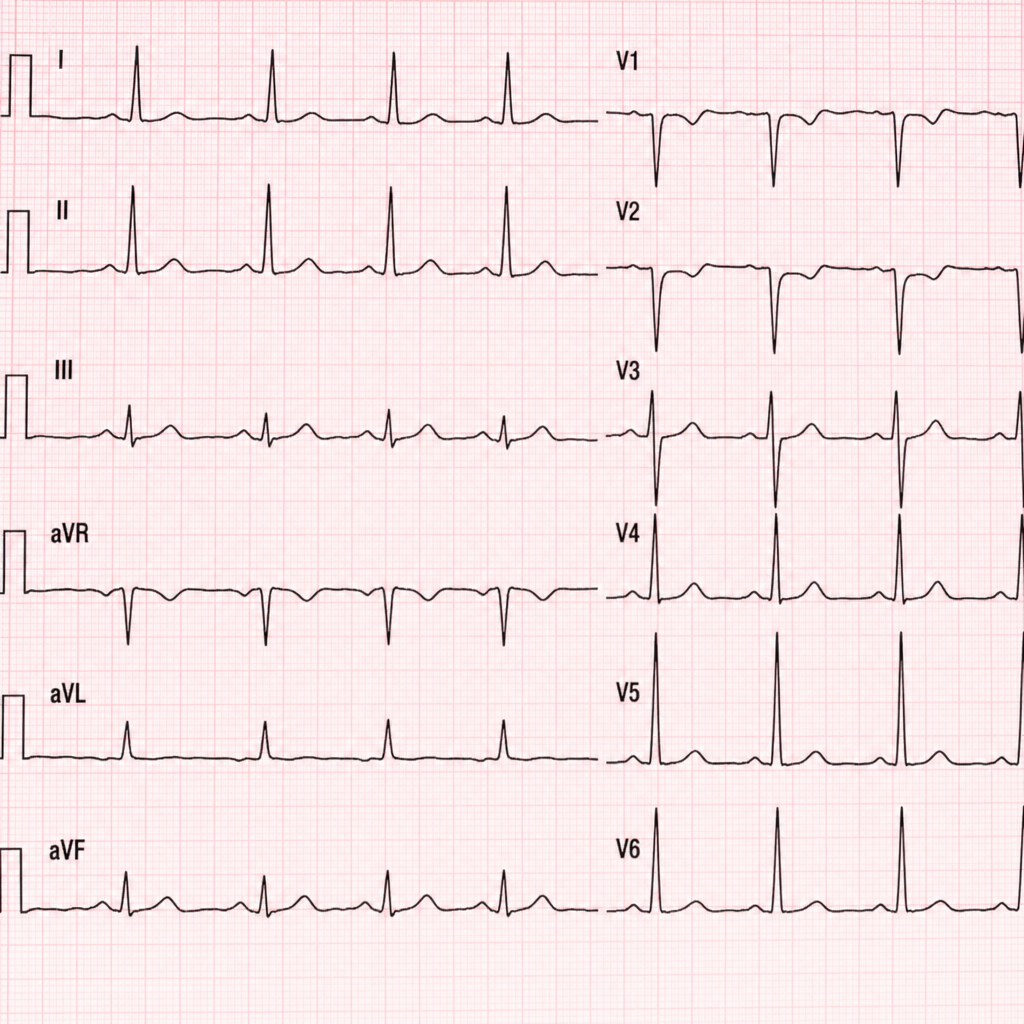
A patient complains of exertional syncope. He gives history of sudden death of his elder brother during a football game. Which of the following ECG findings is seen here?

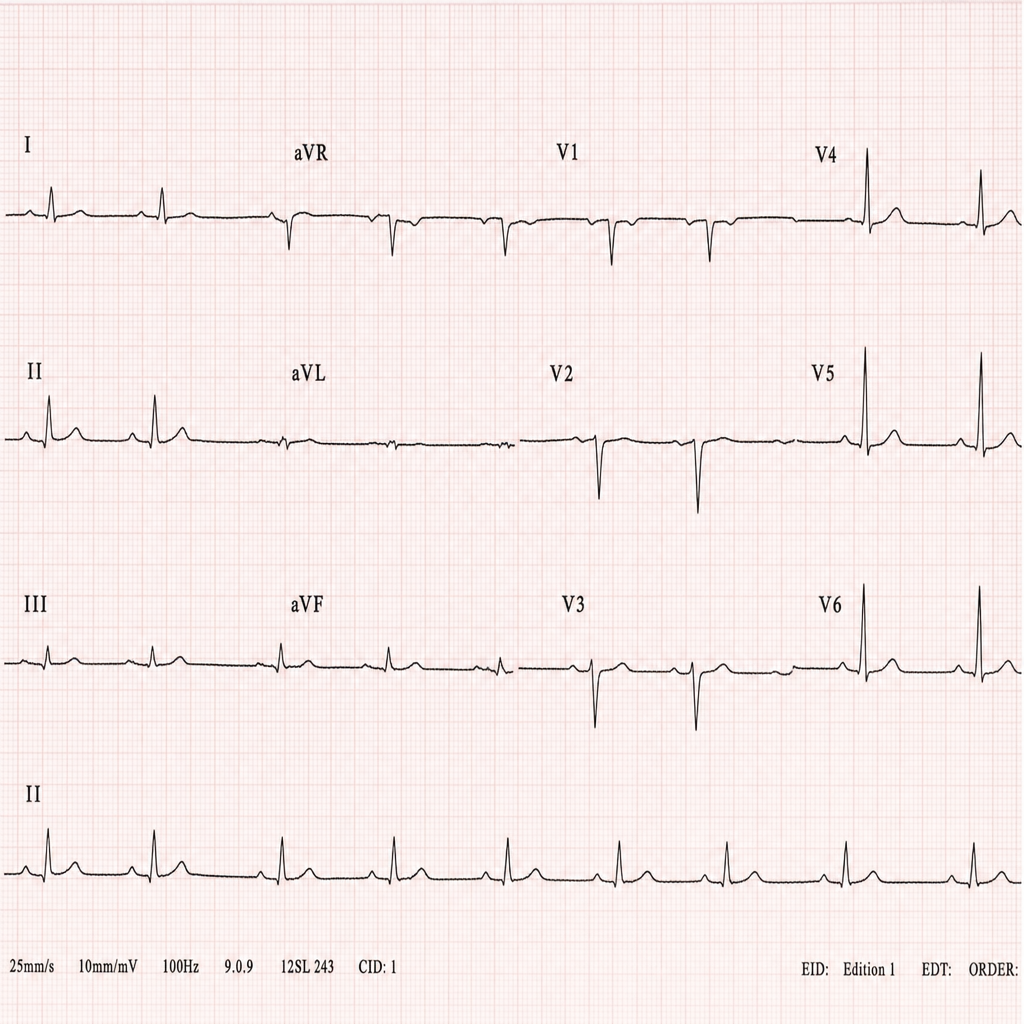
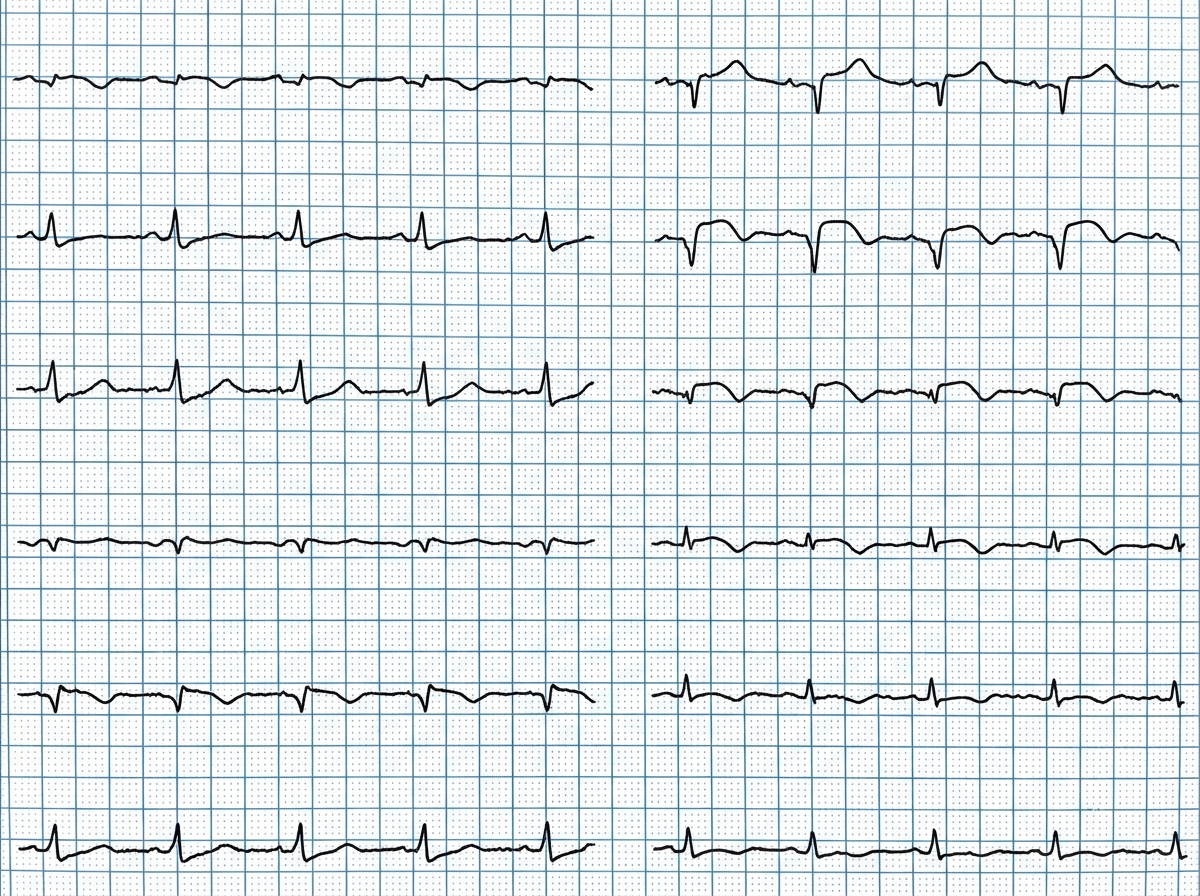
An 80-year-old lady who had previously had a few attacks of dizziness, fell and broke her hip. She was found to have slow pulse, ECG was performed. Which is the next best step for management of this patient?

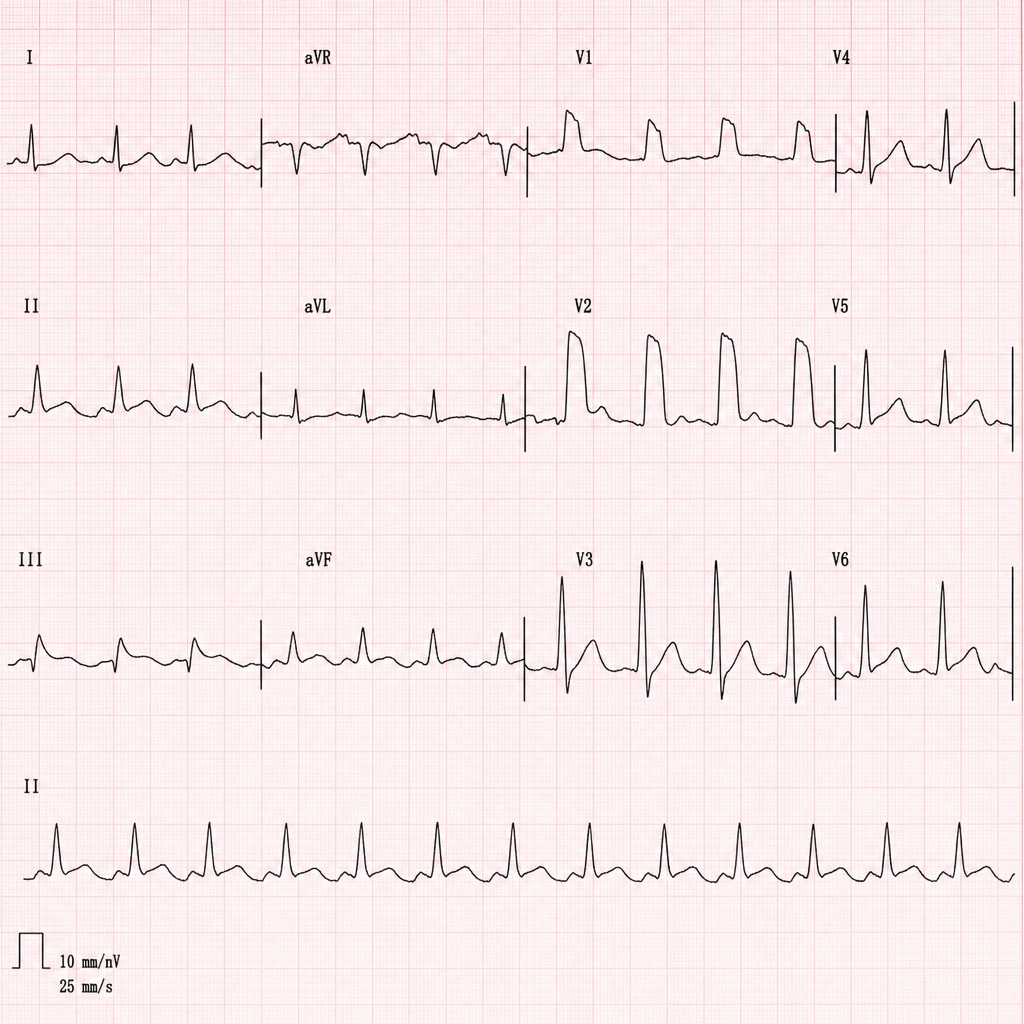
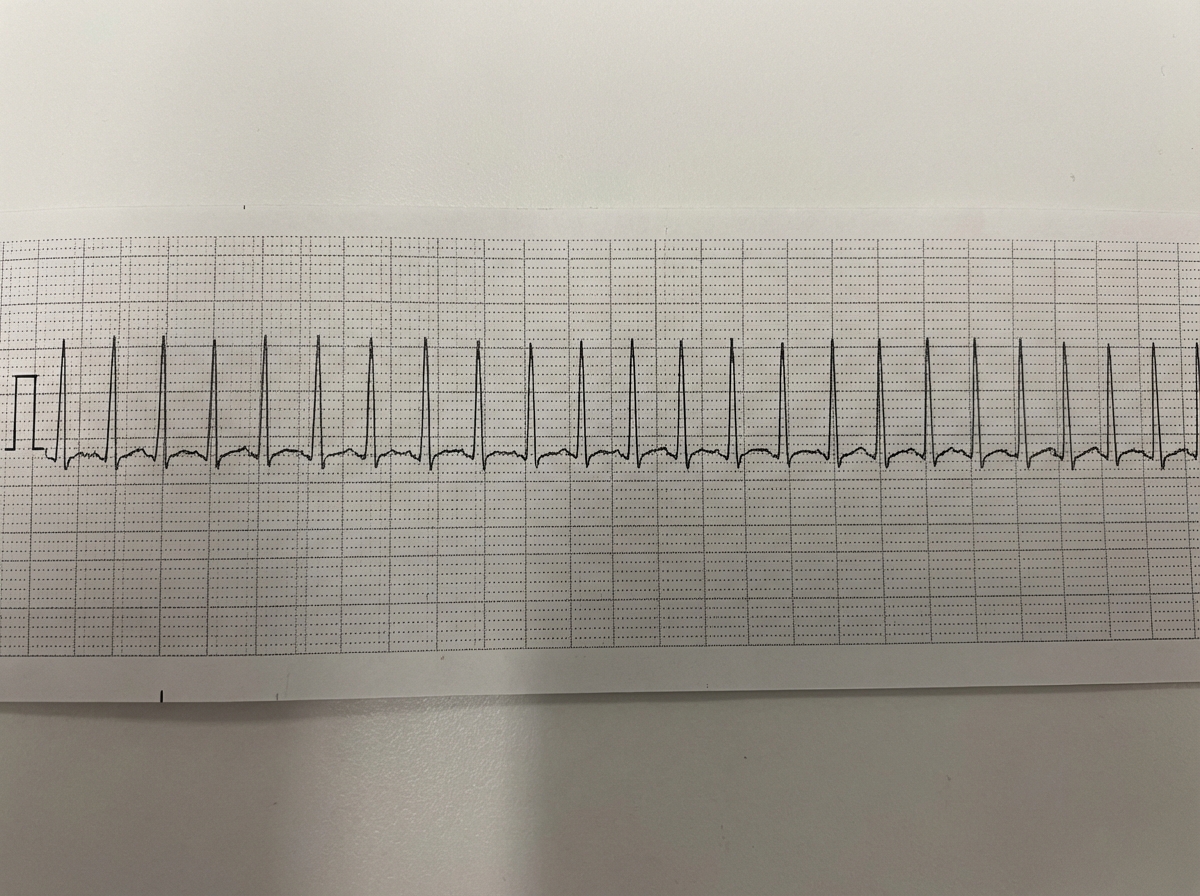
A 16-year-old boy presents with recurrent episodes of light headedness followed by syncope in school assembly. ECG was done on arrival to hospital. What is the diagnosis?

274. A young athlete was found to have hypertrophic cardiomyopathy during testing for a competitive sport. Which of the following maneuvers will increase the murmur?
A patient presents with features of heart failure. On examination, an irregularly irregular pulse is noted, and the patient has a loud diastolic sound. The jugular venous pressure (JVP) shows a rapid Y descent. What is the most likely diagnosis?
A 35-year-old male from a rural village in South Asia is admitted to the hospital with a 5-day history of high-grade fever, severe headache, and progressive breathlessness. His family reports that he has become increasingly disoriented over the past 48 hours, with episodes of confusion and drowsiness. Upon examination, the patient is febrile with a temperature of 39°C (102.2°F), tachypneic with a respiratory rate of 30 breaths per minute, and is displaying signs of altered mental status, including lethargy and difficulty following commands. His oxygen saturation is 92% on room air. There are no signs of a rash or bleeding. What is the diagnosis?

A 32-year-old female presents with a 2-month history of progressive, painless swelling in the left side of her neck. She also reports low-grade fever, night sweats, and unintentional weight loss. Physical examination reveals a firm, non-tender, immobile mass in the left cervical region, and multiple smaller lymph nodes in the supraclavicular area. Chest X-ray shows mediastinal widening, and a lymph node biopsy confirms the presence of Reed-Sternberg cells. What is the most appropriate management for this patient?
A 45-year-old patient presents with hypertension, hematuria, and flank pain. An MRI scan is performed, and the image provided shows multiple cystic lesions in both kidneys. What is the most likely diagnosis?

A patient presents with large sweaty hands, macroglossia, and frontal bossing. What is the best test for confirmation of the diagnosis?
What is the most common cause of death in idiopathic pulmonary fibrosis (IPF)?
Explanation: ***Broad QRS with short PR with delta wave*** - The clinical presentation of **exertional syncope** and a family history of **sudden cardiac death** strongly suggests a **pre-excitation syndrome** like Wolff-Parkinson-White (WPW). - ECG findings in WPW syndrome include a **short PR interval (<0.12s)** due to conduction bypassing the AV node, a **delta wave** (slurring of the initial part of the QRS complex), and a **broad QRS complex (>0.10s)** due to the combined ventricular activation from the accessory pathway and the normal AV nodal route. *Broad QRS with prolonged PR with epsilon wave* - An **epsilon wave** is characteristic of **arrhythmogenic right ventricular cardiomyopathy (ARVC)**, which can also cause sudden cardiac death, but it is typically seen with a **normal or prolonged PR interval**, not a short one. - A **prolonged PR interval** would indicate delayed AV nodal conduction, contradicting the presence of a bypass tract causing pre-excitation. *Narrow QRS with prolonged PR with Osborn wave* - An **Osborn wave (J wave)** is typically associated with **hypothermia**, early repolarization, or severe hypercalcemia, and not with pre-excitation syndromes or exertional syncope related to re-entrant arrhythmias. - A **narrow QRS complex** suggests normal ventricular depolarization, which is inconsistent with the presence of a delta wave and ventricular pre-excitation. *Narrow QRS with short PR with left ventricular hypertrophy* - While **left ventricular hypertrophy (LVH)** can cause ST-T wave changes, a **narrow QRS complex** here would rule out WPW syndrome, as WPW typically features a broad QRS. - Although WPW has a **short PR interval**, the absence of a **delta wave** and a narrow QRS complex makes this option less likely for a case suggestive of WPW syndrome. *Deep Q waves with LVH and left atrial enlargement* - These findings are characteristic of **hypertrophic cardiomyopathy (HCM)**, which is the **most common cause of sudden cardiac death in young athletes** and should be a key differential in this case. - However, HCM does not typically present with **short PR interval** or **delta waves**, which are pathognomonic for WPW syndrome. - The presence of **deep Q waves** (from septal hypertrophy) and **LVH voltage criteria** with **left atrial enlargement** would suggest HCM rather than a pre-excitation syndrome.
Explanation: ***Temporary pacemaker*** - The patient's presentation with **dizziness**, a **fall resulting in hip fracture**, and a **slow pulse** strongly suggests symptomatic bradycardia, likely due to a conduction disturbance visible on the ECG (e.g., **AV block**). - A temporary pacemaker is indicated to stabilize the patient's heart rate and rhythm in the acute setting, especially before major surgery like hip repair, to prevent further hemodynamic compromise and ensure surgical safety. *Permanent pacemaker* - A permanent pacemaker is typically considered after the acute phase, once the cause of the bradycardia has been fully evaluated and deemed irreversible, and the patient's condition has stabilized. - While ultimately this patient may need a permanent pacemaker, the immediate priority is to address the acute, symptomatic bradycardia with a temporary measure. *ICD* - An **Implantable Cardioverter-Defibrillator (ICD)** is primarily indicated for patients at high risk of sudden cardiac death from ventricular arrhythmias, not for symptomatic bradycardia. - There is no information in the scenario or the ECG suggesting the need for an ICD. *Atropine* - Atropine is a medication that can acutely increase heart rate and may be used as a temporizing measure for acute bradycardia. - However, in this patient with **recurrent symptomatic episodes** requiring **urgent hip surgery**, atropine alone would not provide sustained rate control or ensure hemodynamic stability during the perioperative period. - A temporary pacemaker provides more reliable and sustained cardiac pacing support. *Proceed with hip joint repair surgery* - It is crucial to address the patient's symptomatic bradycardia and stabilize their cardiac status **before** proceeding with elective surgery, especially for an older patient. - Performing surgery with profound bradycardia or an unstable rhythm would significantly increase perioperative risks, including cardiac arrest and other complications.
Explanation: ***Wolff-Parkinson-White syndrome*** - The ECG shows a **short PR interval**, a **delta wave** (slurring of the initial QRS complex), and **wide QRS complexes**, which are classic findings of Wolff-Parkinson-White (WPW) syndrome due to an accessory pathway. - Recurrent episodes of lightheadedness and syncope in a young individual with these ECG findings suggest that the patient is experiencing **tachyarrhythmias** (e.g., AVRT or AF with rapid conduction over the accessory pathway) originating from the accessory pathway with hemodynamic compromise. *Left ventricular hypertrophy* - While left ventricular hypertrophy (LVH) can cause syncope due to outflow obstruction or arrhythmias, the primary ECG findings of **short PR interval**, **delta wave**, and **wide QRS** are not characteristic of LVH. - LVH typically presents with increased QRS voltage in specific leads (e.g., S in V1/V2 plus R in V5/V6 > 35mm), which is not the prominent feature here. *VT storm* - A VT storm refers to multiple episodes of ventricular tachycardia within a short period, which is a life-threatening condition. - While syncope can be a symptom of VT, the ECG pattern shown reflects a baseline conduction abnormality (WPW) and not directly a VT event, although WPW can predispose to VT or rapid supraventricular tachycardias that can degenerate into VF. *ECG is normal, look for other causes of syncope* - The ECG displayed is definitively **not normal** due to the presence of a **short PR interval**, a **delta wave**, and **QRS widening**, which are hallmark features of Wolff-Parkinson-White syndrome. - These prominent abnormalities directly explain the patient's symptoms of lightheadedness and syncope, indicating a cardiac cause rather than requiring a search for non-cardiac etiologies. *Long QT syndrome* - Long QT syndrome is another important cause of syncope in young patients and presents with a **prolonged QT interval** (QTc > 440-460 ms) on ECG. - However, the key distinguishing features in this case are the **short PR interval** and **delta wave**, which are pathognomonic for WPW syndrome, not Long QT syndrome. - Long QT syndrome would not show pre-excitation patterns or delta waves.
Explanation: **Valsalva maneuver** - The **Valsalva maneuver** reduces **preload** by decreasing venous return to the heart. - A decrease in preload reduces the left ventricular chamber size, which in turn exacerbates the **left ventricular outflow tract (LVOT) obstruction** characteristic of hypertrophic cardiomyopathy (HCM), thereby **increasing the intensity of the murmur**. *Handgrip* - **Handgrip** is an isometric exercise that leads to an increase in **afterload** and **peripheral vascular resistance**. - Increased afterload causes the left ventricle to eject blood against higher pressure, which **enlarges the left ventricular chamber** and **reduces the LVOT obstruction**, thus **decreasing the intensity of the murmur** in HCM. *Squatting* - **Squatting** increases both **preload** (due to increased venous return) and **afterload** (due to increased peripheral vascular resistance). - The increased preload and afterload lead to an **increased left ventricular volume**, which **reduces the LVOT obstruction** and therefore **decreases the intensity of the murmur** in HCM. *Passive leg raise* - **Passive leg raise** increases **preload** by increasing venous return to the heart from the lower extremities. - The increased preload leads to an **increased left ventricular chamber size**, which **reduces the LVOT obstruction** and therefore **decreases the intensity of the murmur** in HCM. *Leaning forward* - Leaning forward during auscultation is typically used to better hear **aortic regurgitation murmurs**, as it brings the aorta closer to the chest wall. - This maneuver does not significantly alter **cardiac preload or afterload** in a way that would consistently increase the murmur of hypertrophic cardiomyopathy.
Explanation: ***Mitral stenosis*** - An **irregularly irregular pulse** suggests **atrial fibrillation**, a common complication of mitral stenosis due to left atrial enlargement. - A **loud diastolic sound**, also known as an **opening snap**, is characteristic of a stenotic mitral valve as it opens, occurring early in diastole. - The **rapid Y descent** on JVP can occur due to elevated right-sided pressures from pulmonary hypertension secondary to mitral stenosis. *Constrictive pericarditis* - While it can cause heart failure and an elevated JVP with a rapid Y descent (**Friedreich's sign**), the description of an "irregularly irregular pulse" and a "loud diastolic sound" (opening snap) is not typical. - The loud diastolic sound in constrictive pericarditis would be a **pericardial knock**, which is usually later than an opening snap and less distinct. *Cardiac tamponade* - Characterized by **Beck's triad** (hypotension, muffled heart sounds, elevated JVP) and often presents with **pulsus paradoxus**. - The JVP in tamponade typically shows an **absent or diminished Y descent**, due to impaired ventricular filling from external compression. *Aortic regurgitation* - Causes a **diastolic murmur**, but not a loud diastolic sound or opening snap. - The pulse is often a **collapsing pulse** or **water-hammer pulse**, and it is not typically irregularly irregular unless atrial fibrillation or another arrhythmia is co-existent. *Mitral regurgitation* - Can cause heart failure and atrial fibrillation, but the characteristic finding is a **pansystolic murmur**, not a loud diastolic sound. - There is no opening snap in mitral regurgitation; instead, there may be an **S3 gallop** in severe cases. - The rapid Y descent is less prominent compared to mitral stenosis.
Explanation: ***NIPAH*** - The combination of **rapidly progressive encephalitis** (disorientation, confusion, lethargy), **respiratory distress** (breathlessness, tachypnea, reduced O2 saturation), and **geographical context** (rural South Asia) strongly points towards NIPAH virus infection. - **Bats** (specifically fruit bats) are the natural reservoir for NIPAH virus, and exposure to bat secretions or contaminated food can lead to outbreaks, especially in rural areas where the image suggests bats are present. - The **distinctive combination of severe respiratory and neurological symptoms** with rapid progression is characteristic of NIPAH. *Ebola* - Ebola typically presents with **hemorrhagic fever**, characterized by severe bleeding (both internal and external), which is not described in the patient's symptoms. - While it causes high fever and altered mental status, the **prominent respiratory symptoms and lack of bleeding** make Ebola less likely. *Zika* - Zika virus infection is usually **mild or asymptomatic** and primarily transmitted by mosquitoes. - While encephalitis can occur in rare cases, the **severe respiratory distress and rapid progression of neurological symptoms** described are not typical for Zika. *Malaria* - Malaria is characterized by **cyclic fevers, chills, and sweats**, and can cause severe symptoms like cerebral malaria leading to altered mental status. - However, the patient's **pronounced respiratory symptoms and rapid onset of encephalitis without typical cyclic fever patterns** make malaria a less fitting diagnosis than NIPAH. *Japanese Encephalitis* - Japanese Encephalitis is endemic in South Asia and does cause **encephalitis with altered mental status**. - However, **prominent respiratory distress and breathlessness** are not typical features of Japanese Encephalitis, which primarily affects the central nervous system. - The **rapid progression with severe respiratory involvement** points more toward NIPAH than Japanese Encephalitis.
Explanation: ***Hodgkin Lymphoma with the ABVD regimen*** - The presence of **Reed-Sternberg cells** in a lymph node biopsy, along with **painless lymphadenopathy**, **mediastinal widening**, and **B symptoms** (fever, night sweats, weight loss), is characteristic of **Hodgkin Lymphoma**. - **ABVD chemotherapy** (Adriamycin, Bleomycin, Vinblastine, Dacarbazine) is the standard frontline treatment regimen for Hodgkin Lymphoma, especially in advanced stages or with B symptoms. *NHL with a highly aggressive chemotherapy regimen* - This patient's symptoms and especially the presence of **Reed-Sternberg cells** are pathognomonic for **Hodgkin Lymphoma**, not Non-Hodgkin Lymphoma (NHL). - While some NHLs require aggressive chemotherapy, the specific findings in this case point away from an NHL diagnosis. *NHL with Rituximab* - **Rituximab** is a monoclonal antibody targeting the **CD20 antigen** found on B-cells and is primarily used in the treatment of **B-cell Non-Hodgkin Lymphomas**. - Since the diagnosis here is Hodgkin Lymphoma, characterized by Reed-Sternberg cells (which are atypical B cells that typically lack CD20), rituximab is not an appropriate primary treatment. *Hodgkin Lymphoma with surgical excision only* - **Hodgkin Lymphoma** is a systemic disease, as evidenced by mediastinal widening and B symptoms, indicating spread beyond a localized area. - **Surgical excision alone** is not curative for Hodgkin Lymphoma; systemic chemotherapy, often combined with radiation therapy, is essential for effective treatment. *Hodgkin Lymphoma with radiation therapy only* - While **radiation therapy** plays a role in Hodgkin Lymphoma treatment, it is typically used in **combination with chemotherapy** (combined modality therapy) or reserved for **early-stage, favorable-risk disease without B symptoms**. - This patient presents with **advanced disease** (mediastinal involvement, B symptoms, multiple lymph node regions), which requires **systemic chemotherapy** as the primary treatment modality. - Radiation alone would be inadequate for achieving optimal disease control and cure in this clinical scenario.
Explanation: ***Autosomal Dominant Polycystic Kidney Disease (ADPKD)*** - The presence of **hypertension, hematuria, and flank pain** in conjunction with an MRI showing **multiple bilateral renal cystic lesions** is highly characteristic of ADPKD. - ADPKD is a genetic disorder leading to the gradual enlargement of **cysts in both kidneys**, often accompanied by complications such as pain, bleeding into cysts, and eventually **renal failure**. *Renal cyst* - A **simple renal cyst** is typically a solitary, benign lesion and would not explain the **hypertension, hematuria, or multiple bilateral cysts** seen on imaging. - While common, a simple cyst usually causes no symptoms unless it becomes very large or ruptures. *Renal tumor* - A renal tumor, such as **renal cell carcinoma**, typically presents as a **solid mass** or a complex cystic mass, not multiple simple cysts bilaterally. - While it can cause hematuria, flank pain, and hypertension, the imaging description of **multiple cystic lesions in both kidneys** points away from a single tumor. *Chronic kidney disease with cystic degeneration* - While **chronic kidney disease (CKD)** can sometimes be associated with acquired renal cysts, especially in patients on dialysis, these cysts are typically **smaller, fewer in number**, and develop over a longer course than what is implied here. - This condition does not typically present with the extensive, bilateral cystic burden seen in ADPKD as the primary pathology. *Acquired cystic kidney disease* - **Acquired cystic kidney disease (ACKD)** typically develops in patients with **end-stage renal disease**, particularly those on **long-term dialysis**. - While it can present with bilateral renal cysts, it usually occurs in the context of **pre-existing chronic kidney disease**, and the patient would have a known history of renal dysfunction. - The clinical presentation here, with a 45-year-old presenting acutely with hypertension, hematuria, and flank pain without mention of dialysis or CKD history, favors **ADPKD** over ACKD.
Explanation: ***IGF-1*** - Elevated **IGF-1 (Insulin-like Growth Factor 1)** is the most reliable screening test for acromegaly, reflecting integrated GH secretion over time. - The clinical signs of **large sweaty hands**, **macroglossia**, and **frontal bossing** are classic symptoms of acromegaly, caused by excessive growth hormone (GH) production, which then stimulates IGF-1. *GHRH levels* - **Growth hormone-releasing hormone (GHRH)** levels are typically only measured when investigating ectopic GHRH production as a rare cause of acromegaly, which is not the primary diagnostic step. - While GHRH stimulates GH, its direct measurement is not the standard initial diagnostic test for suspected pituitary-driven acromegaly. *IGF-2* - **IGF-2 (Insulin-like Growth Factor 2)** plays a role in fetal growth and certain tumor-related syndromes, but it is not the primary mediator or diagnostic marker for acromegaly in adults. - IGF-1, not IGF-2, is the main growth factor responsible for the anabolic effects of growth hormone. *GH levels after glucose suppression* - Measuring **GH levels after glucose suppression** (oral glucose tolerance test with 75g glucose) is a confirmatory test for acromegaly, used when IGF-1 levels are equivocal or borderline. - In healthy individuals, glucose suppresses GH secretion to <1 ng/mL, but in acromegaly, GH levels remain elevated (failure to suppress), confirming autonomous GH hypersecretion. *Random GH level* - **Random GH levels** are unreliable for diagnosing acromegaly due to the pulsatile nature of GH secretion, with significant variation throughout the day. - A single normal GH level does not exclude acromegaly, and a single elevated level can occur in healthy individuals during normal secretory peaks, making it inadequate as a diagnostic test.
Explanation: ***Respiratory failure*** - **Progressive fibrosis** of the lung tissue in idiopathic pulmonary fibrosis (IPF) directly impairs gas exchange, leading to **hypoxemia** and hypercapnia. - This deterioration ultimately culminates in **respiratory failure**, which is the primary cause of mortality in most IPF patients. *Pulmonary edema* - While pulmonary edema can occur in systemic conditions, it is not the **primary or most common cause of death** specifically in IPF. - IPF is characterized by **fibrotic remodeling**, not primarily fluid overload in the alveoli. *Cancer* - Patients with IPF have an **increased risk of lung cancer**, but it is not the most common cause of death compared to respiratory failure. - The development of cancer is a **complication**, not the direct mechanism by which most IPF patients succumb to the disease. *Pulmonary arterial hypertension (PAH)* - PAH can be a significant complication of IPF, contributing to increased morbidity and mortality, but it is typically a **secondary contributor to death**, often by worsening respiratory mechanics. - Its presence usually **compounds respiratory failure**, rather than being the standalone, most common cause of death. *Acute exacerbation of IPF* - Acute exacerbations represent episodes of **rapid clinical deterioration** with worsening dyspnea and hypoxemia, often idiopathic or triggered by infections. - While they are a **significant cause of mortality** (accounting for a substantial proportion of IPF deaths), the underlying mechanism still relates to respiratory failure, making chronic progressive respiratory failure the most common overall cause of death.
Hypertension diagnosis and management
Practice Questions
Stable coronary artery disease
Practice Questions
Peripheral arterial disease
Practice Questions
Aortic diseases
Practice Questions
Valvular heart disease
Practice Questions
Pericardial diseases
Practice Questions
Adult congenital heart disease
Practice Questions
Cardiac tumors
Practice Questions
Cardiac manifestations of systemic diseases
Practice Questions
Pre-operative cardiac risk assessment
Practice Questions
Cardiac imaging modalities
Practice Questions
Preventive cardiology
Practice Questions
Cardiac rehabilitation
Practice Questions
Get full access to all questions, explanations, and performance tracking.
Start For Free