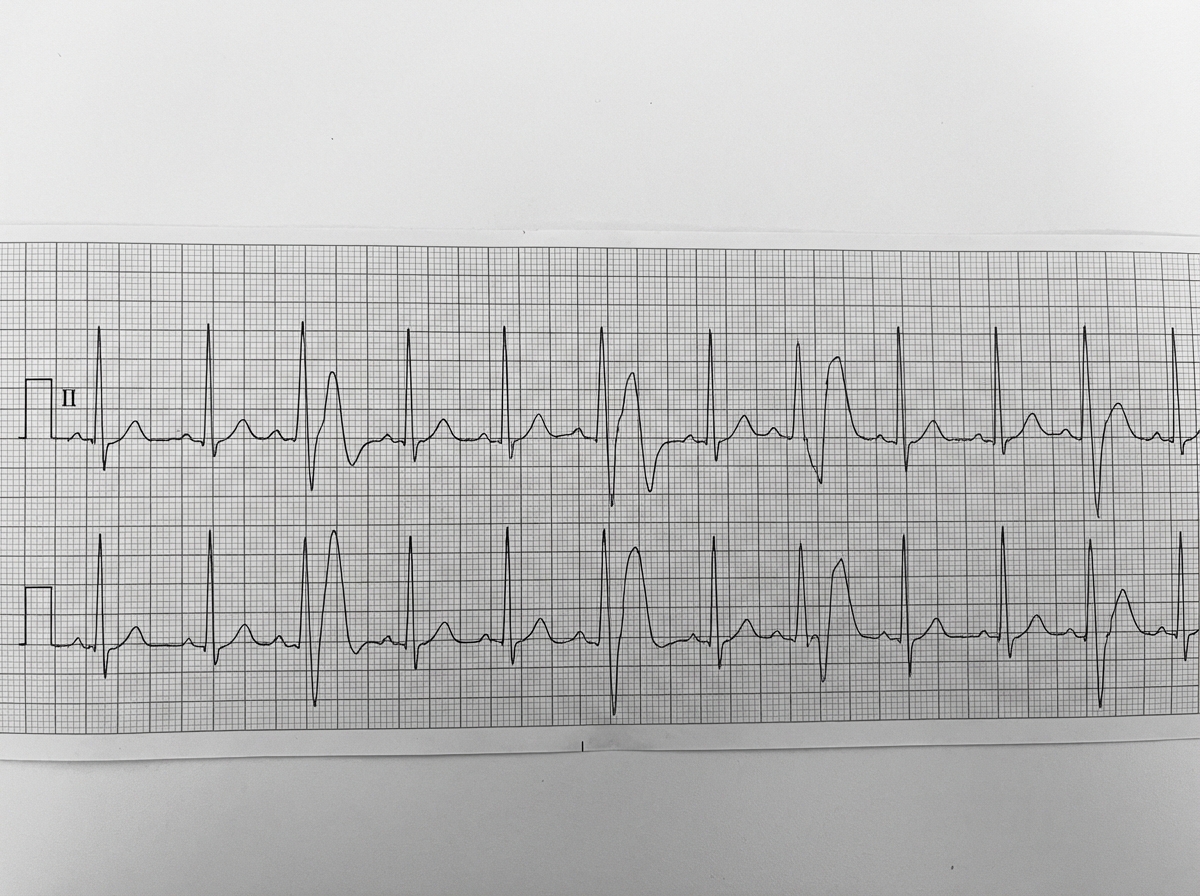
A 65-year-old patient of STEMI underwent thrombolysis with STK. The ECG tracing performed after thrombolysis is shown below. What does it exhibit?

What ECG finding is shown here?

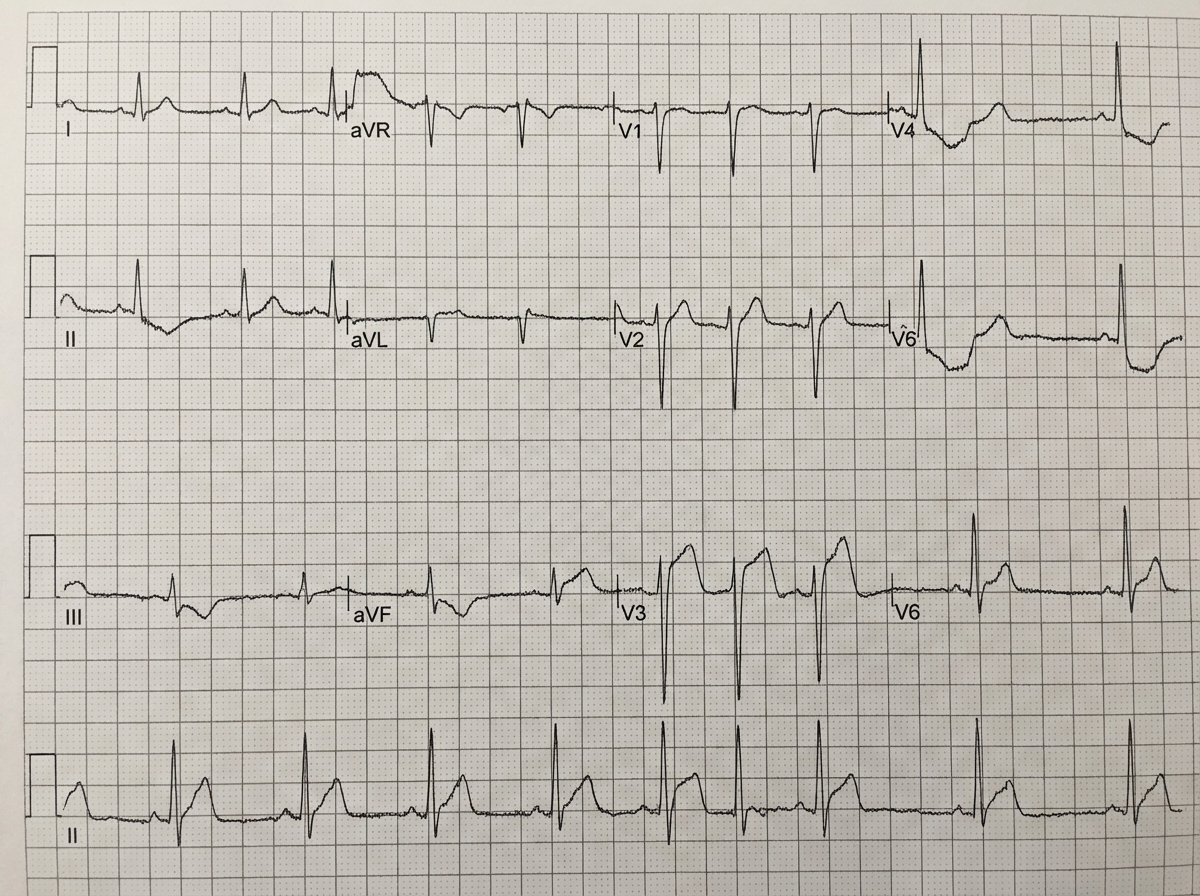
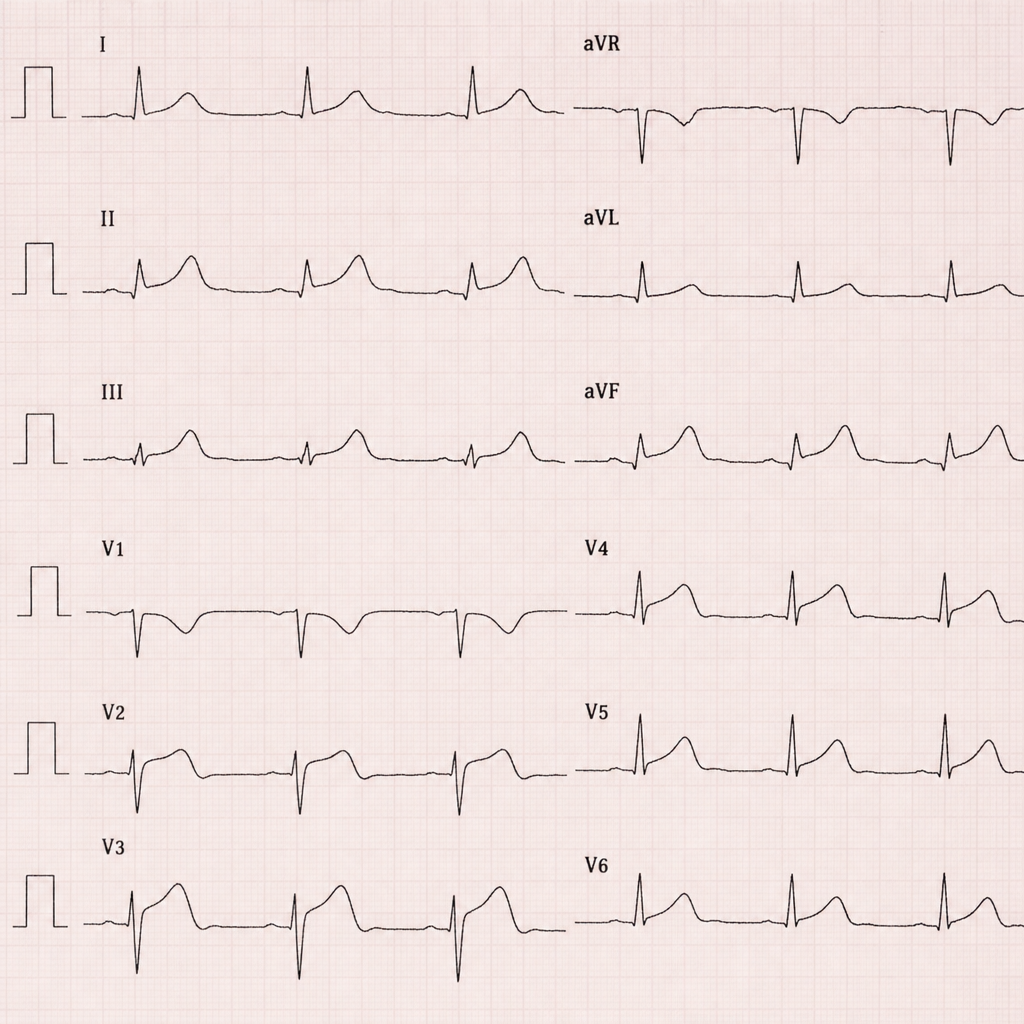
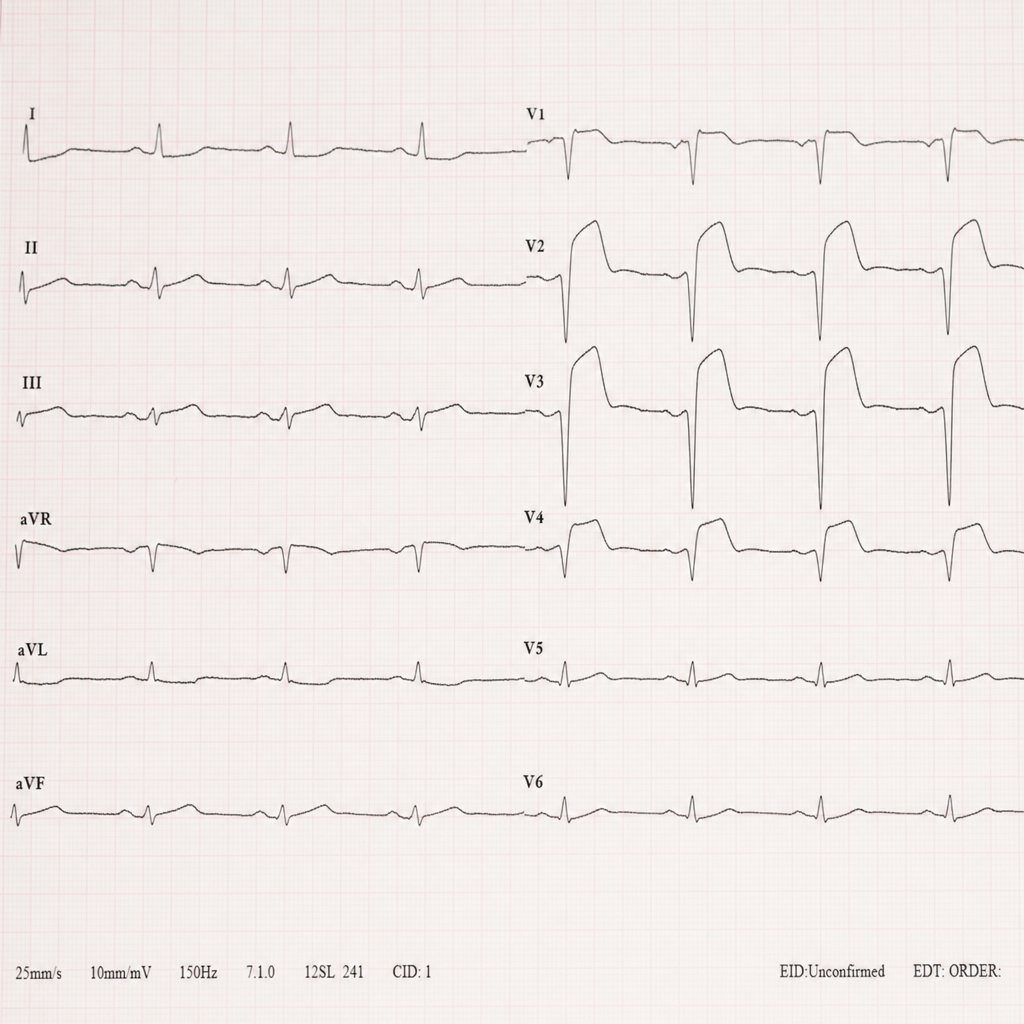
A 50-year-old man is admitted to hospital with Levine sign. BP on admission is 70/50 mm Hg. On auscultation S2 is wide split with S3 gallop rhythm. The ECG is shown below. Which is the correct statement about this patient?

A 40-year-old man was admitted to the hospital emergency with sudden onset of symptoms and signs of severe left ventricular failure. What would be the best management of this patient?

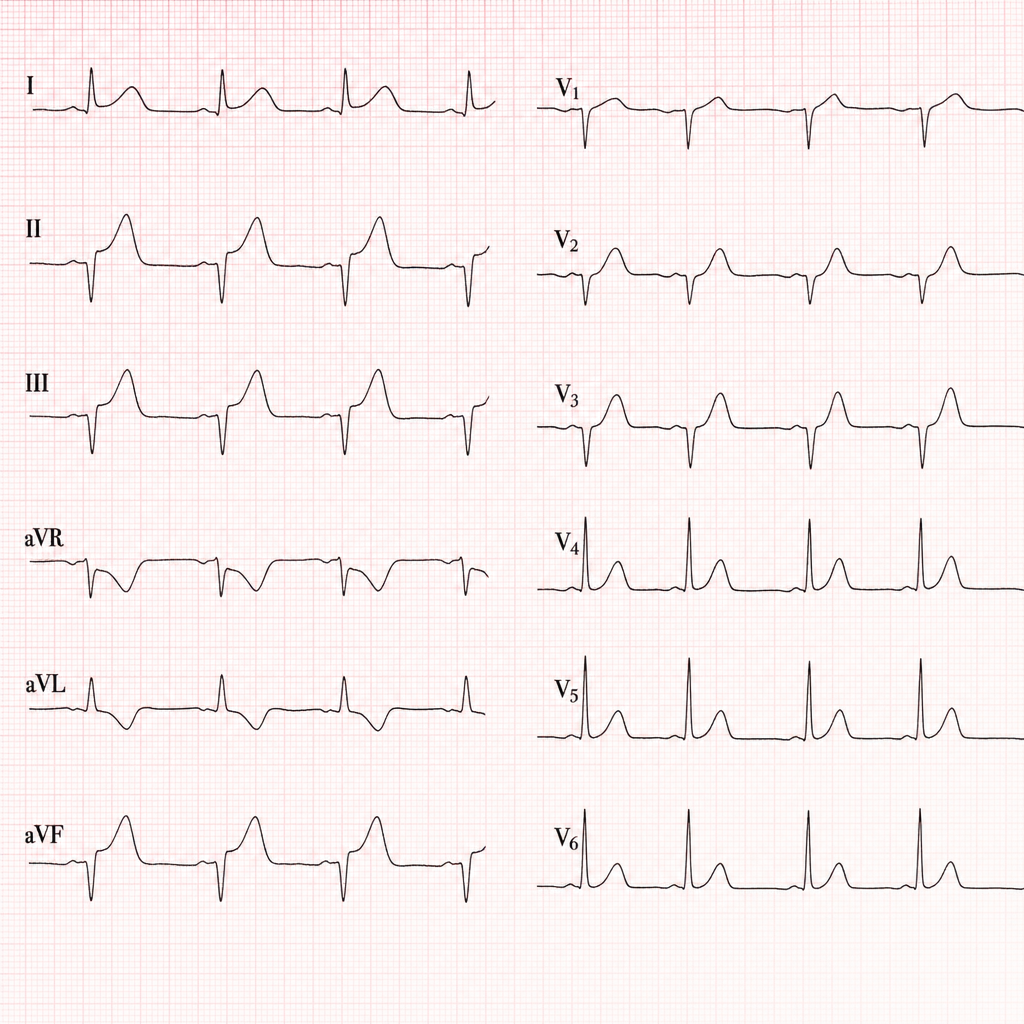
A 50-year-old man is admitted to hospital with Levine sign. BP on admission is 90/60 mm Hg. On auscultation S2 is wide split with S3 gallop rhythm. Which is correct statement about this patient?

Comment on the ECG shown:

Which score is calculated during performance of this test?

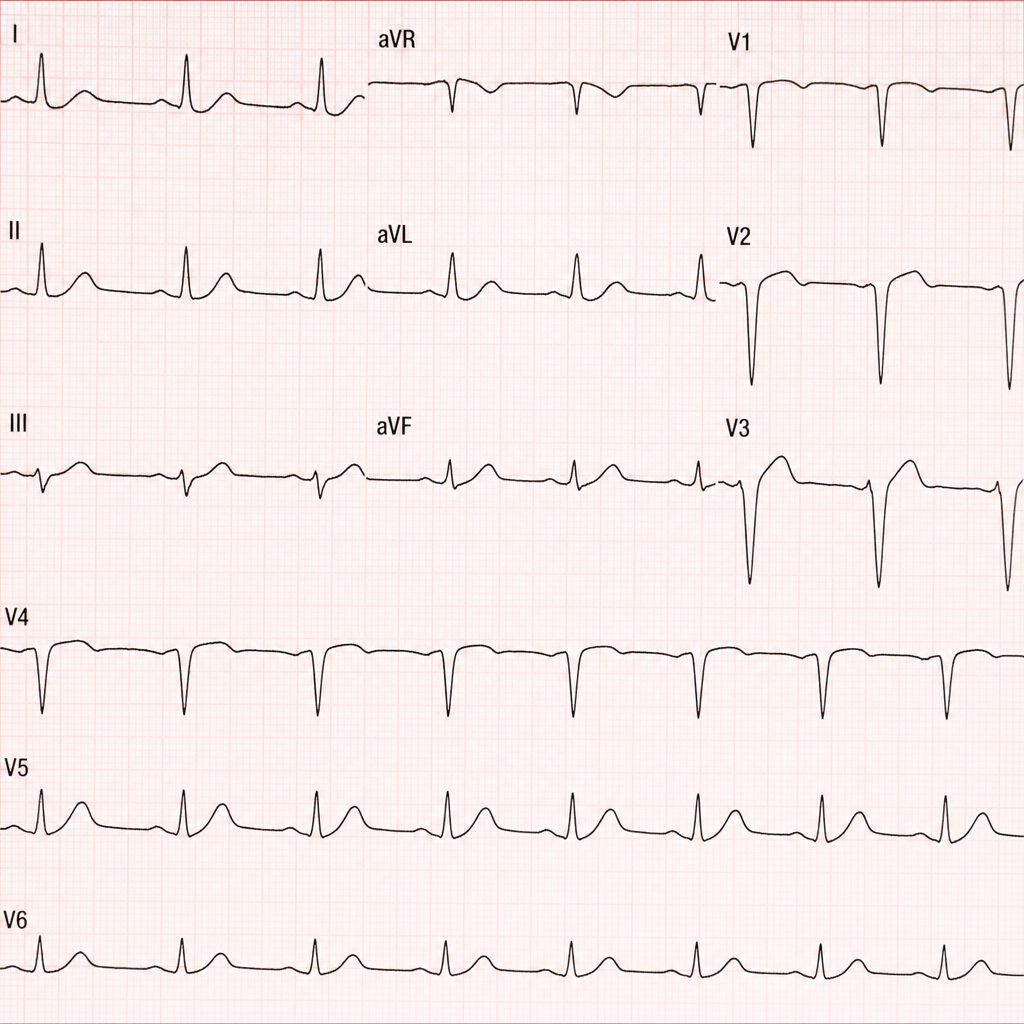
Which is correct about the ECG shown below?

What is not recommended while wearing this cardiac device?

Which device is shown here?

Explanation: ***Accelerated idioventricular rhythm*** - The ECG shows a wide-QRS rhythm with a regular rate between 50 and 100 bpm, which is characteristic of an **accelerated idioventricular rhythm (AIVR)**. - AIVR is often seen during the **reperfusion phase** after thrombolysis or PCI for STEMI, typically resolves spontaneously, and rarely requires treatment unless it causes hemodynamic instability. *Ventricular bigeminy* - **Ventricular bigeminy** involves a normal sinus beat followed by a premature ventricular contraction (PVC), occurring in an alternating pattern. - The rhythm shown in the ECG is regular and appears to be originating from the ventricles without alternating premature beats and normal beats. *Ventricular tachycardia* - **Ventricular tachycardia (VT)** is a wide-QRS rhythm that typically has a rate greater than 100 bpm (usually 100-250 bpm). - The rate in the provided ECG tracing is slower, falling within the range for AIVR, not VT. *Ventricular escape rhythm* - **Ventricular escape rhythm** is a wide-QRS rhythm with a slower rate, typically between 20 and 40 bpm, serving as a backup pacemaker when higher pacemakers fail. - The rate shown in the ECG is faster (50-100 bpm), which is consistent with AIVR rather than a ventricular escape rhythm. *Wenckebach phenomenon* - The **Wenckebach phenomenon (Mobitz Type I AV block)** is characterized by progressive prolongation of the PR interval until a QRS complex is dropped. - The ECG tracing shows a regular wide-QRS rhythm with no P waves preceding the QRS complexes, which is inconsistent with an AV block.
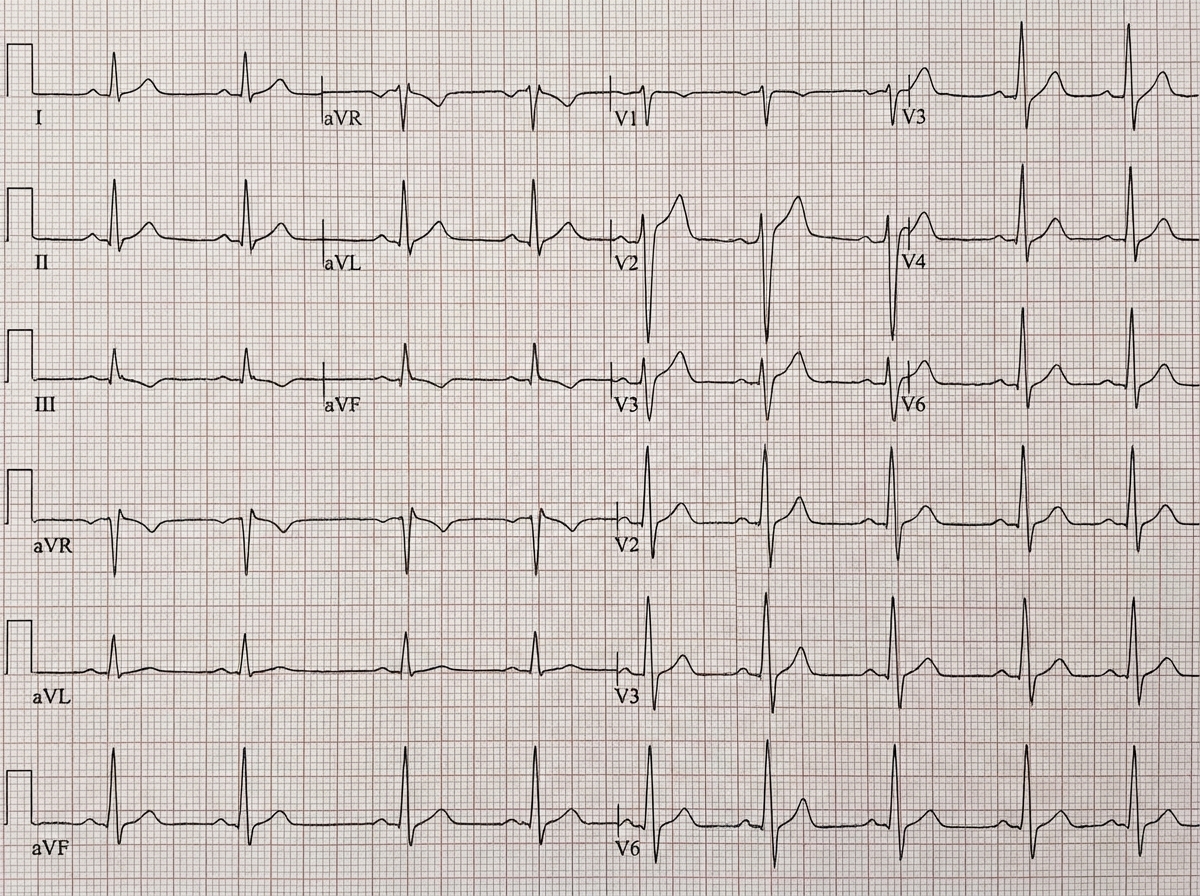
Explanation: ***T-wave alternans*** - The ECG shows a beat-to-beat alternation of the **T-wave amplitude** or morphology. This is particularly noticeable in lead V3 where consecutive T-waves vary in height. - **T-wave alternans** is a potential marker for **electrical instability of the myocardium** and an increased risk of ventricular arrhythmias and sudden cardiac death. *Hyperacute T-wave* - Hyperacute T-waves are typically seen in the very early stages of a **myocardial infarction** and are usually broad, symmetric, and unusually tall. - While the T-waves in V3 are tall, the key feature here is the **alternating pattern**, not just their height, and they are not particularly broad. *T-wave inversion* - **T-wave inversion** refers to a T-wave that is pointing downwards below the baseline, which is not seen in the provided ECG lead (V3 shows upright T-waves). - Inverted T-waves can indicate myocardial ischemia, infarction, or other cardiac conditions. *Wellens syndrome* - **Wellens syndrome** presents with characteristic **biphasic or deeply inverted T-waves** in the precordial leads (V2-V3), typically indicating critical stenosis of the left anterior descending (LAD) artery. - While Wellens syndrome involves T-wave abnormalities in V3, it shows a consistent pattern of inverted or biphasic T-waves, not the alternating amplitude pattern seen here. *Artifact* - **Artifacts** are disturbances or errors in the ECG tracing caused by external factors such as patient movement, electrical interference, or poor electrode contact. - While the tracing quality looks generally good, the consistent, rhythmic alternation of the T-wave morphology is a physiological phenomenon rather than a random artifact.
Explanation: ***Start Streptokinase*** - The patient presents with **Levine sign**, which is a classic indicator of **ischemic chest pain**, and severe **hypotension (70/50 mm Hg)** suggestive of **cardiogenic shock**. The ECG shows **ST-segment elevation** in leads V1-V4, consistent with an **anterior myocardial infarction (MI)**. - Given the ECG findings of anterior MI and cardiogenic shock, **fibrinolytic therapy** like Streptokinase, or preferably primary percutaneous coronary intervention (PCI) if available, is indicated to restore coronary blood flow and reduce myocardial damage. - **Reperfusion therapy is the primary treatment** that addresses the underlying cause of the cardiogenic shock by restoring blood flow to the ischemic myocardium. *Give bolus fluid* - Administering a **fluid bolus** to a patient in cardiogenic shock (especially with evidence of **right ventricular infarction** or poor left ventricular function due to anterior MI) can worsen their condition by increasing preload and exacerbating pulmonary edema without addressing the underlying cardiac pump failure. - The primary issue is pump failure, not hypovolemia, so fluids may further compromise the already struggling heart. *IV Atropine* - **Atropine** is primarily used to treat **bradycardia**, often associated with inferior MI. This patient's ECG shows **anterior MI**, usually associated with tachycardia or normal heart rate due to sympathetic activation, not bradycardia. While a **gallop rhythm** is noted, it doesn't automatically imply bradycardia requiring atropine. - Atropine would also **increase myocardial oxygen demand**, which is detrimental in an acute MI. *IV Metoprolol* - **Beta-blockers** like Metoprolol are generally contraindicated in the setting of **acute decompensated heart failure** or **cardiogenic shock** because they can further depress myocardial contractility and worsen hypotension. - The patient's **blood pressure is already severely low (70/50 mm Hg)**, and administering Metoprolol would likely exacerbate the hypotension and shock. *Start IV Dopamine* - While **inotropic support** with Dopamine or Dobutamine may be used as an **adjunctive therapy** to support blood pressure in cardiogenic shock, it is **not the primary intervention**. - The underlying problem is **acute coronary occlusion**, which requires **immediate reperfusion therapy** (fibrinolysis or PCI) to restore blood flow and salvage myocardium. - Starting inotropes without addressing the coronary occlusion would only provide temporary hemodynamic support while the infarction continues to extend, leading to worse outcomes.
Explanation: ***DC shock 25-50 J*** - The ECG shows a **narrow complex tachycardia** with a consistent, rapid rhythm and no clear P waves, consistent with **supraventricular tachycardia (SVT)**, likely **atrial flutter with 2:1 conduction** or **atrial tachycardia**. - Given the patient's **sudden onset of severe left ventricular failure (cardiogenic shock)**, this is an **unstable arrhythmia** requiring immediate treatment, which is **synchronized electrical cardioversion** (DC shock). *Adenosine* - **Adenosine** is the first-line drug for stable SVT (e.g., AVNRT, AVRT) due to its rapid onset and ability to terminate reentrant rhythms. - However, in a patient with **hemodynamic instability and severe left ventricular failure**, immediate synchronized cardioversion is preferred over pharmacological management. - Additionally, adenosine is less effective for **atrial flutter**, and the transient AV block it causes may unmask underlying flutter waves but won't terminate the arrhythmia. *Esmolol* - **Esmolol** is a beta-blocker used to slow the ventricular rate in stable SVT, but it is **contraindicated in acute decompensated heart failure** and would worsen the patient's condition. - While it can terminate some SVTs, the patient's **hemodynamic instability** demands a more immediate and definitive intervention. *Ibutilide* - **Ibutilide** is an antiarrhythmic drug used for pharmacological cardioversion of atrial flutter and atrial fibrillation. - However, in a patient with **severe left ventricular failure (unstable)**, pharmacological cardioversion is **too slow** and may exacerbate the heart failure, making synchronized electrical cardioversion the preferred treatment. *Digoxin* - **Digoxin** is primarily used to control the ventricular rate in chronic atrial fibrillation or flutter, and can improve symptoms of heart failure. - It has a **slow onset of action** and is **not suitable for acute, unstable arrhythmias** causing severe heart failure.
Explanation: ***RCA occlusion with RV dysfunction*** - The patient presents with **hypotension** (BP 90/60 mmHg), a **wide split S2** with an **S3 gallop**, and a **Levine sign**, which are all highly suggestive of **right ventricular (RV) infarction**. This is typically caused by an occlusion of the **right coronary artery (RCA)**, especially its proximal portion. - The ECG shows significant **ST elevation** in leads **II, III, and aVF (inferior leads)**, which are indicative of an **inferior wall myocardial infarction**. Since the RCA typically supplies the inferior wall and the RV, these findings, coupled with signs of RV dysfunction, point towards a proximal RCA occlusion. *LAD occlusion with LV dysfunction* - **LAD occlusion** primarily causes **anterior myocardial infarction**, characterized by ST elevation in leads V1-V4 and potentially I, aVL. - While LAD occlusion can lead to **LV dysfunction** and cardiogenic shock, the ECG pattern and clinical signs (wide split S2, S3 gallop, and hypotension) are more consistent with RV involvement. *Posterior descending artery blockage with RV dysfunction* - The posterior descending artery (PDA) typically supplies the **inferior wall** and can be a branch of either the RCA (in 85% of cases) or the circumflex artery (in 15%). - Although PDA blockage can cause **inferior MI**, the profound hypotension and signs of RV dysfunction (wide split S2, S3 gallop) suggest a more extensive occlusion, likely involving the proximal RCA which supplies a larger territory including the RV. *Left circumflex artery blockage with LV dysfunction* - **Left circumflex artery (LCX) occlusion** typically causes **lateral or posterior myocardial infarction**, indicated by ST elevation in leads I, aVL, V5, V6, or ST depression in V1-V3 (posterior MI). - The presented ECG pattern of inferior ST elevation is not consistent with an isolated LCX occlusion. *Obtuse marginal artery occlusion with lateral wall dysfunction* - The **obtuse marginal (OM) artery** is a branch of the left circumflex artery that supplies the **lateral wall** of the left ventricle. - OM artery occlusion would present with **lateral wall MI**, showing ST elevation in leads I, aVL, V5, and V6, not the inferior lead ST elevations (II, III, aVF) seen in this patient.
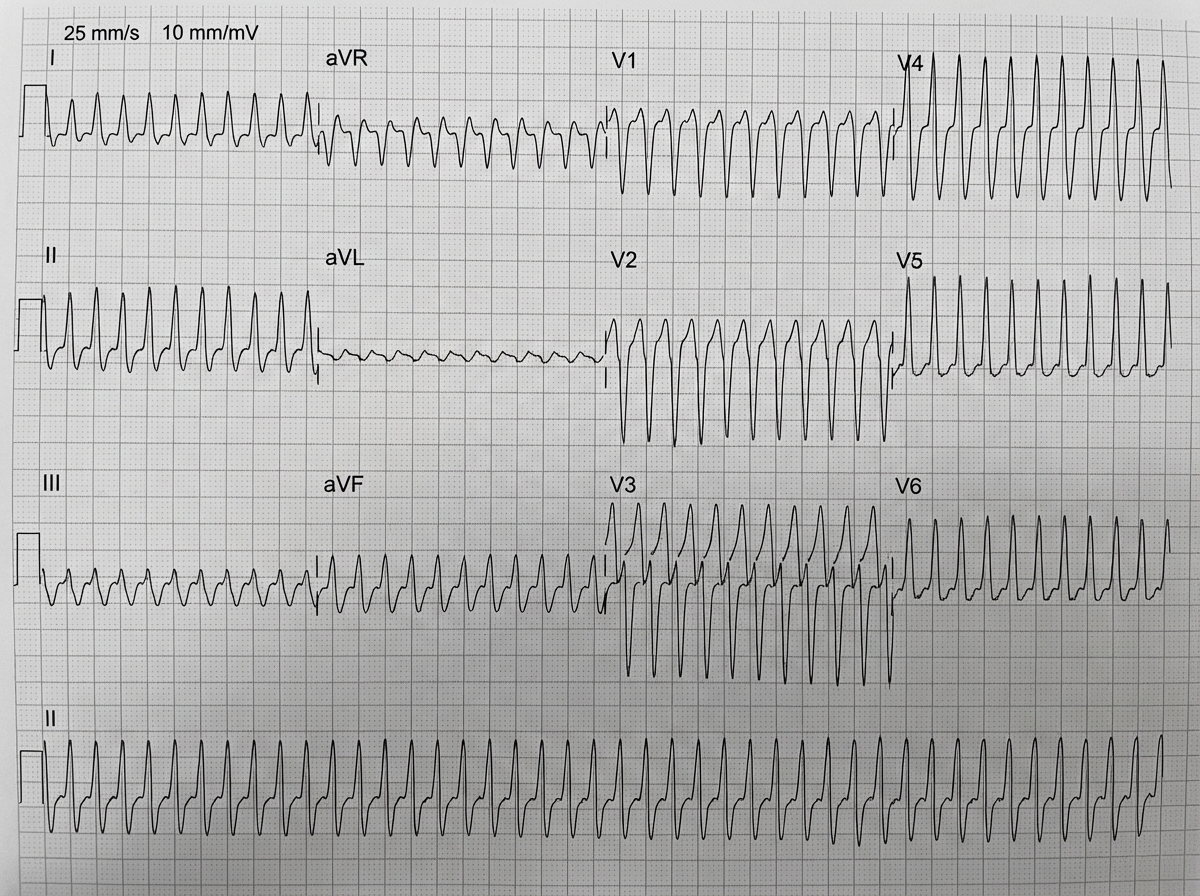
Explanation: ***VT*** - The ECG shows a **wide complex tachycardia** with **QRS duration > 0.12 seconds**, which is a hallmark of ventricular tachycardia. - The rhythm is regular with a fast rate, and there is **AV dissociation** visible in several leads (e.g., V1, V2), indicating the ventricles and atria are beating independently. - **AV dissociation is pathognomonic for VT** and is the key distinguishing feature in this ECG. *PSVT* - **Paroxysmal supraventricular tachycardia (PSVT)** typically presents with a **narrow QRS complex** (<0.12 seconds) as it originates above the ventricles. - This ECG clearly shows **wide QRS complexes**, ruling out typical PSVT. *Ventricular fibrillation* - **Ventricular fibrillation (VF)** is characterized by **chaotic, irregular electrical activity** with no distinguishable QRS complexes, P waves, or T waves, leading to cardiac arrest. - The ECG displayed shows a **regular rhythm** with clearly defined, albeit wide, QRS complexes. *Junctional tachycardia* - **Junctional tachycardia** typically presents with a **narrow QRS complex** and an absent or inverted P wave, often occurring before or after the QRS complex. - The wide QRS complexes seen in this ECG are inconsistent with a junctional origin. *SVT with aberrancy* - **SVT with aberrant conduction** (e.g., RBBB or LBBB pattern) can present with wide QRS complexes, making it a differential for wide complex tachycardia. - However, the presence of **AV dissociation** in this ECG strongly favors VT over SVT with aberrancy, as SVT maintains 1:1 AV conduction.
Explanation: ***Duke score (Duke Treadmill Score)*** - The image depicts a patient undergoing a **cardiac stress test** on a treadmill, and the **Duke Treadmill Score** is the primary score calculated during this test. - The Duke Treadmill Score is calculated using the formula: **Exercise time (minutes) - (5 × ST deviation in mm) - (4 × angina index)**. - It provides **prognostic information** for patients with suspected coronary artery disease and stratifies them into low, moderate, or high-risk categories. - This score integrates **exercise capacity, ECG changes, and angina symptoms** into a single prognostic value. *Bruce score (Bruce Protocol)* - The **Bruce Protocol** is the name of the standardized exercise testing protocol with progressive stages of increasing speed and incline. - It is the **method/protocol** used to conduct the test, not a score that is calculated. - While the test follows the Bruce Protocol, no "Bruce score" is derived from it. *Jones score (Jones Criteria)* - The **Jones criteria** are diagnostic criteria used for diagnosing **rheumatic fever**. - Completely unrelated to cardiac stress testing or exercise capacity assessment. *DeBakey score (DeBakey Classification)* - The **DeBakey classification** categorizes **aortic dissections** based on anatomical involvement. - Used in vascular surgery, not in exercise stress testing. *Wells score* - The **Wells score** is used for assessing the pretest probability of **deep vein thrombosis (DVT)** or **pulmonary embolism (PE)**. - Unrelated to cardiac stress testing or functional capacity evaluation.
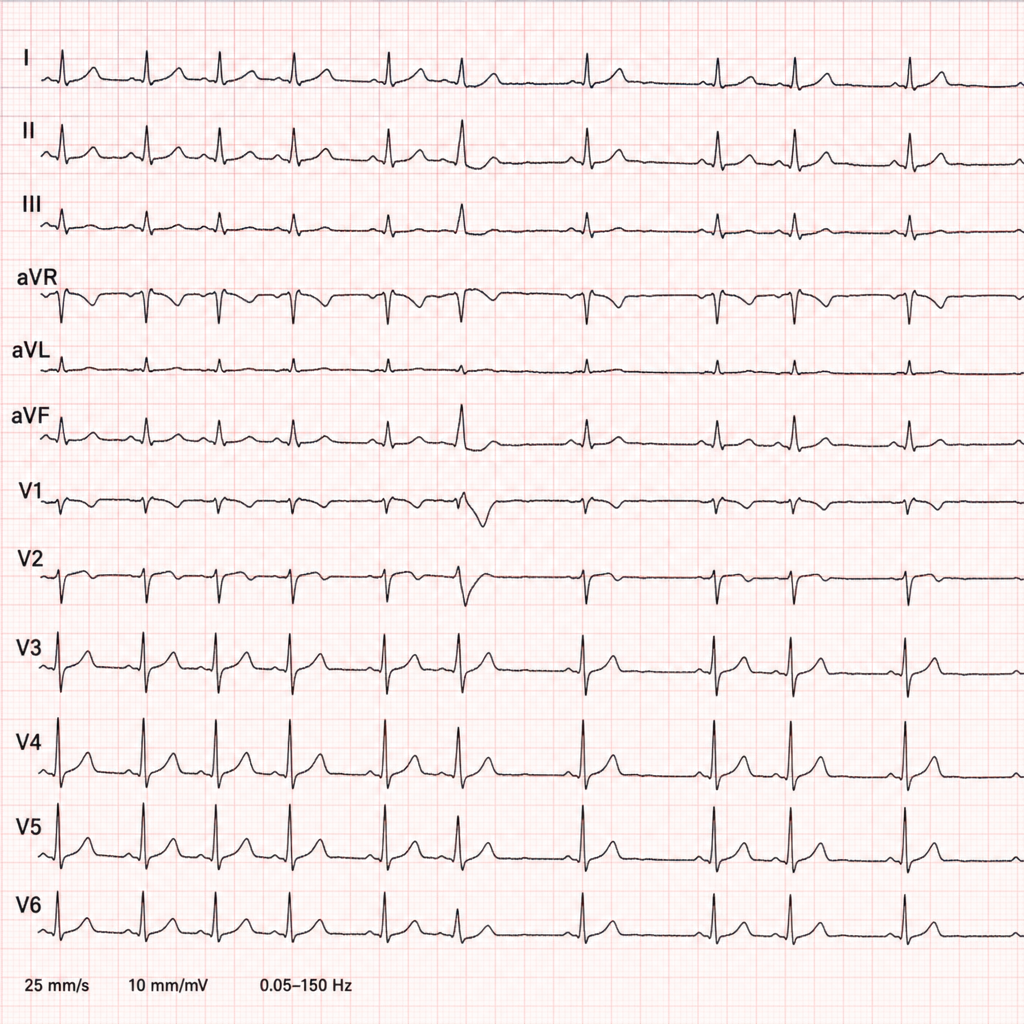
Explanation: ***Second degree heart block, Wenckebach*** - The ECG shows progressive **PR interval lengthening** with each successive beat, followed by a **dropped QRS complex**, indicating a Wenckebach (Mobitz Type I) block. - This pattern **"P-R-elongates-elongates-drops"** is characteristic of Wenckebach, where the SA node fires normally but AV nodal conduction progressively fails. *First degree heart block* - First-degree heart block is characterized by a **constantly prolonged PR interval** (greater than 0.20 seconds) without any dropped QRS complexes. - The ECG in the image clearly shows a **dropped beat** and progressively lengthening PR intervals, which are not features of a first-degree block. *Second degree heart block, Mobitz Type II* - Mobitz Type II is characterized by **constant PR intervals** with sudden, unpredictable dropped QRS complexes without prior PR prolongation. - This ECG shows **progressive PR lengthening** before the dropped beat, which is the hallmark of Mobitz Type I (Wenckebach), not Mobitz Type II. - Mobitz Type II typically occurs at the level of the His-Purkinje system and often progresses to complete heart block. *2:1 block* - A 2:1 block implies that **every other P wave is blocked**, resulting in two P waves for every QRS complex. - The given ECG shows a different pattern where the PR interval prolongs before a beat is dropped, which is not a fixed 2:1 conduction ratio. *Third degree heart block* - Third-degree (complete) heart block involves **complete dissociation** between atrial and ventricular activity, meaning P waves and QRS complexes occur independently. - This ECG demonstrates a clear relationship between the P waves and QRS complexes (until a beat is dropped), ruling out complete AV dissociation.
Explanation: ***Taking a bath*** - The device shown is a **Holter monitor**, which is an **electronic, portable device** for monitoring the electrical activity of the heart for an extended period, usually 24 to 48 hours, during daily activity. - Since the device is electrical and not waterproof, **taking a bath** or swimming could damage it and disrupt its function. *Use of cell-phone* - While older models or certain medical devices might have minor interactions with strong electromagnetic fields, **modern Holter monitors** are generally not affected by everyday electronics like cell phones when held at a normal distance. - Patients are typically advised to keep cell phones at least **six inches away** from the device to avoid potential, albeit rare, interference. *Consumption of energy drinks* - **Energy drinks** contain stimulants like caffeine and can influence heart rate and rhythm, potentially contributing to or exacerbating arrhythmias that the Holter monitor is trying to record. - However, consuming an energy drink is an activity that the device is specifically designed to **monitor and record any cardiac response** to, not an activity that would damage the device itself. *Consumption of coffee* - Similar to energy drinks, **coffee contains caffeine**, which is a stimulant that can affect heart activity. - Patients are often advised to maintain their regular dietary habits, including coffee consumption, so that the Holter monitor can capture any cardiac responses to their **typical daily routine**. *Exercise* - Patients wearing a Holter monitor are typically **encouraged to perform their normal daily activities**, including exercise, unless specifically instructed otherwise by their physician. - The purpose of ambulatory cardiac monitoring is to capture the heart's electrical activity during **various levels of physical exertion** and daily routines. - Exercise is not contraindicated and is often desirable to assess cardiac function during stress.
Explanation: ***Holter*** - The image shows a **small, portable device** connected to the chest via several **electrodes**, designed to record the heart's electrical activity over an extended period. - This setup is characteristic of a **Holter monitor**, used for continuous ambulatory electrocardiography to detect intermittent arrhythmias or other cardiac events. - Holter monitors provide **continuous 24-48 hour recording** without patient activation. *IABP* - An **Intra-Aortic Balloon Pump** (IABP) is an invasive device typically inserted into the aorta via a peripheral artery, with its effects seen on hemodynamic monitoring rather than external chest electrodes. - It is used for temporary mechanical circulatory support in patients with severe heart failure or cardiogenic shock, not for ambulatory ECG recording. *ICD* - An **Implantable Cardioverter-Defibrillator** (ICD) is a surgically implanted device, usually beneath the skin in the chest or abdomen, with leads going into the heart. - It is used to detect and correct life-threatening arrhythmias and would not be visible externally as a connected portable device with electrodes. *AED* - An **Automated External Defibrillator** (AED) is a portable device used in emergency situations to deliver an electrical shock to restore normal heart rhythm in cases of sudden cardiac arrest. - It consists of large pads applied to the chest for defibrillation and is not used for continuous, long-term monitoring as depicted. *Event recorder* - An **event recorder** is similar to a Holter monitor but is **patient-activated** and worn for longer periods (weeks to months). - Unlike the Holter's continuous recording, event recorders capture ECG data only when the patient experiences symptoms and presses a button, making it unsuitable for detecting asymptomatic arrhythmias. - The image shows a device with continuous electrode attachment typical of Holter monitoring, not an event recorder.
Hypertension diagnosis and management
Practice Questions
Stable coronary artery disease
Practice Questions
Peripheral arterial disease
Practice Questions
Aortic diseases
Practice Questions
Valvular heart disease
Practice Questions
Pericardial diseases
Practice Questions
Adult congenital heart disease
Practice Questions
Cardiac tumors
Practice Questions
Cardiac manifestations of systemic diseases
Practice Questions
Pre-operative cardiac risk assessment
Practice Questions
Cardiac imaging modalities
Practice Questions
Preventive cardiology
Practice Questions
Cardiac rehabilitation
Practice Questions
Get full access to all questions, explanations, and performance tracking.
Start For Free