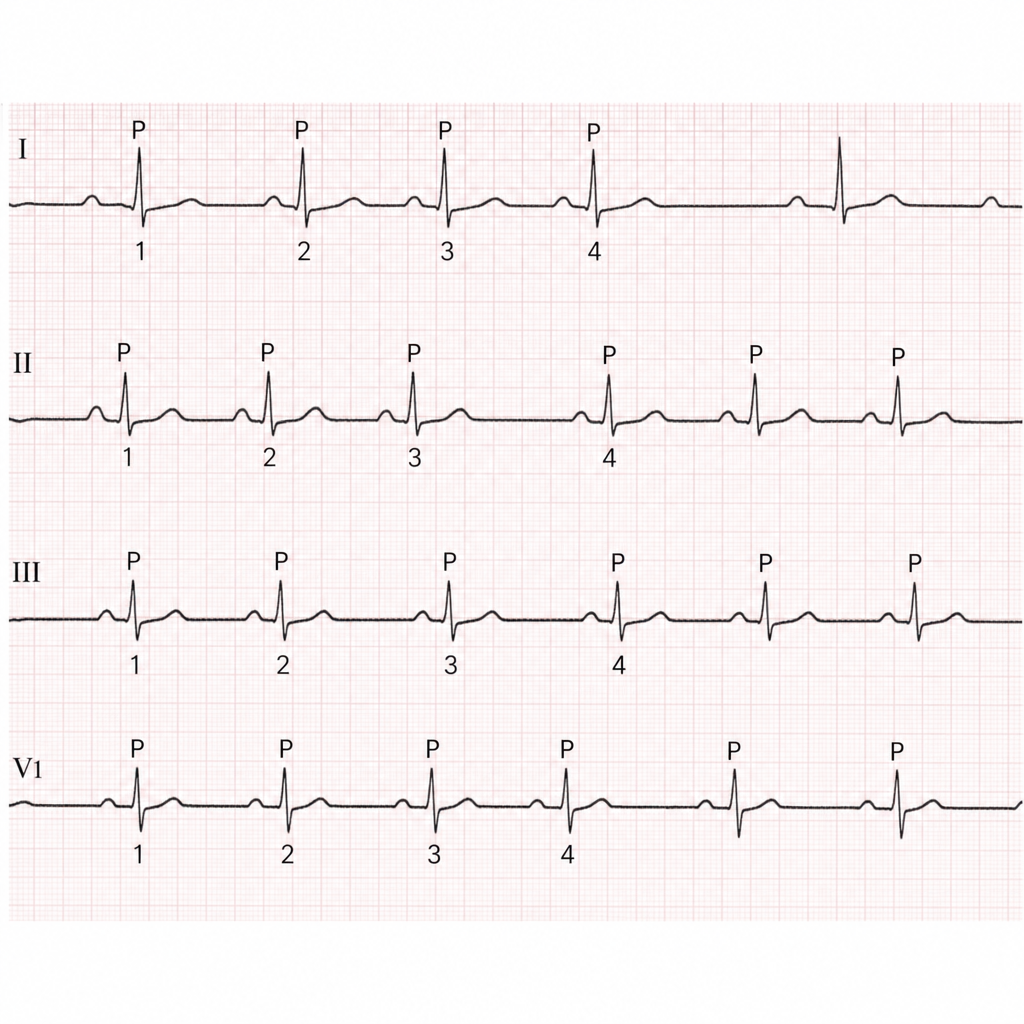
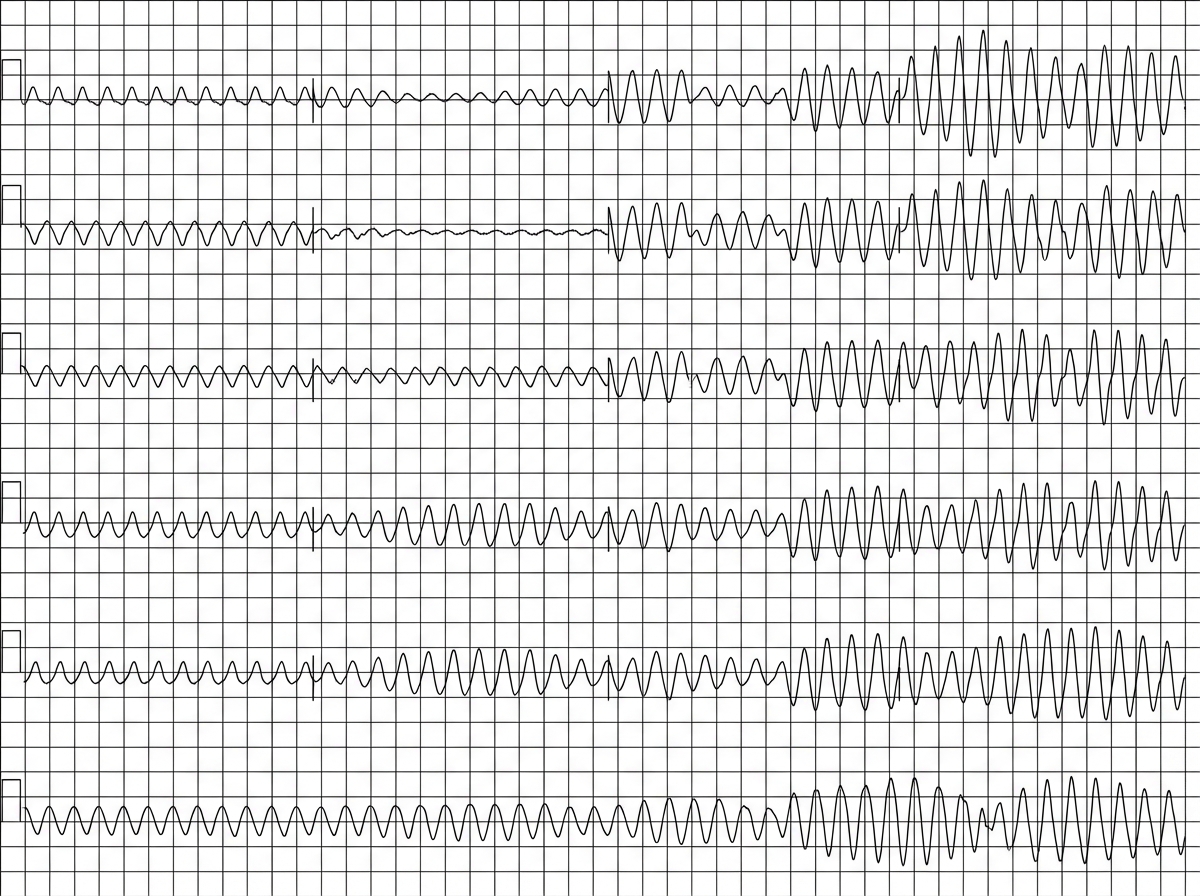
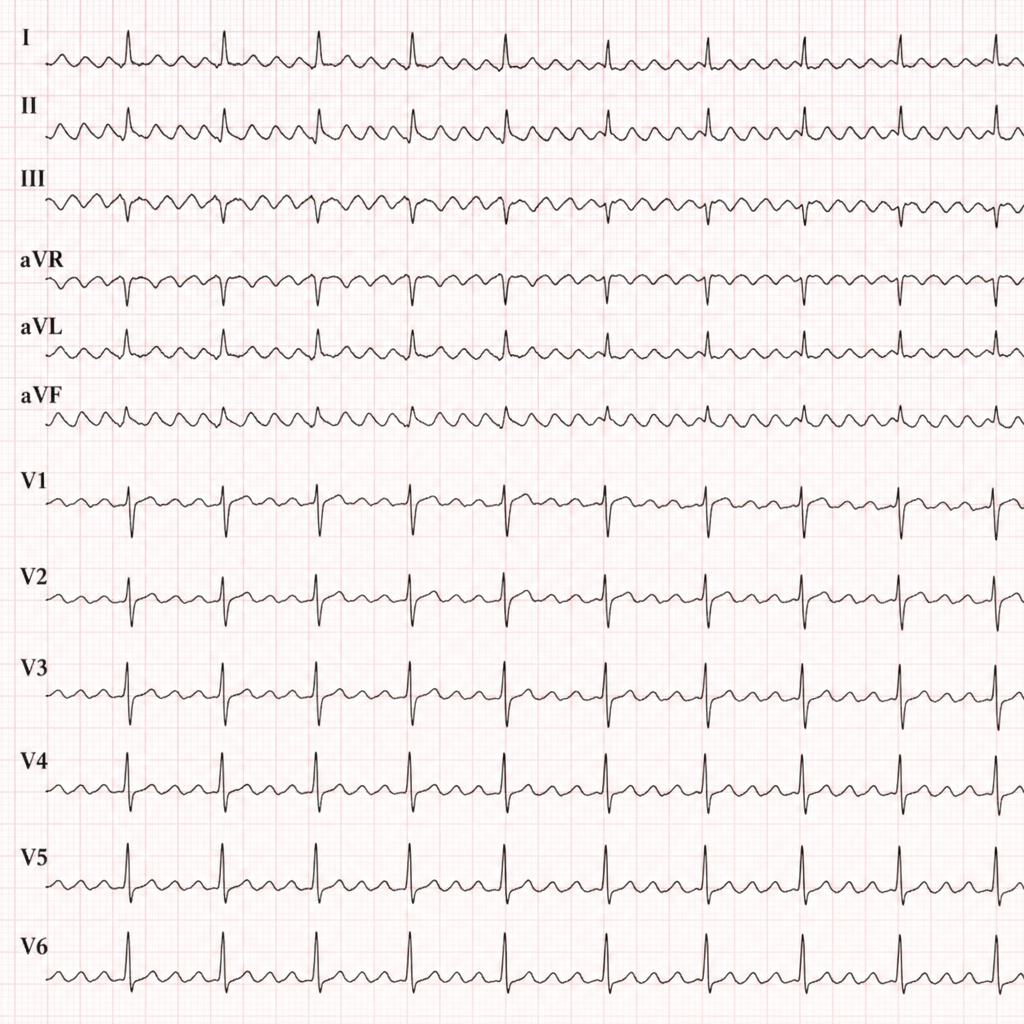
What does the following ECG show?

A 55-year-old woman with non-ischemic cardiomyopathy presents with palpitations. ECG shows:

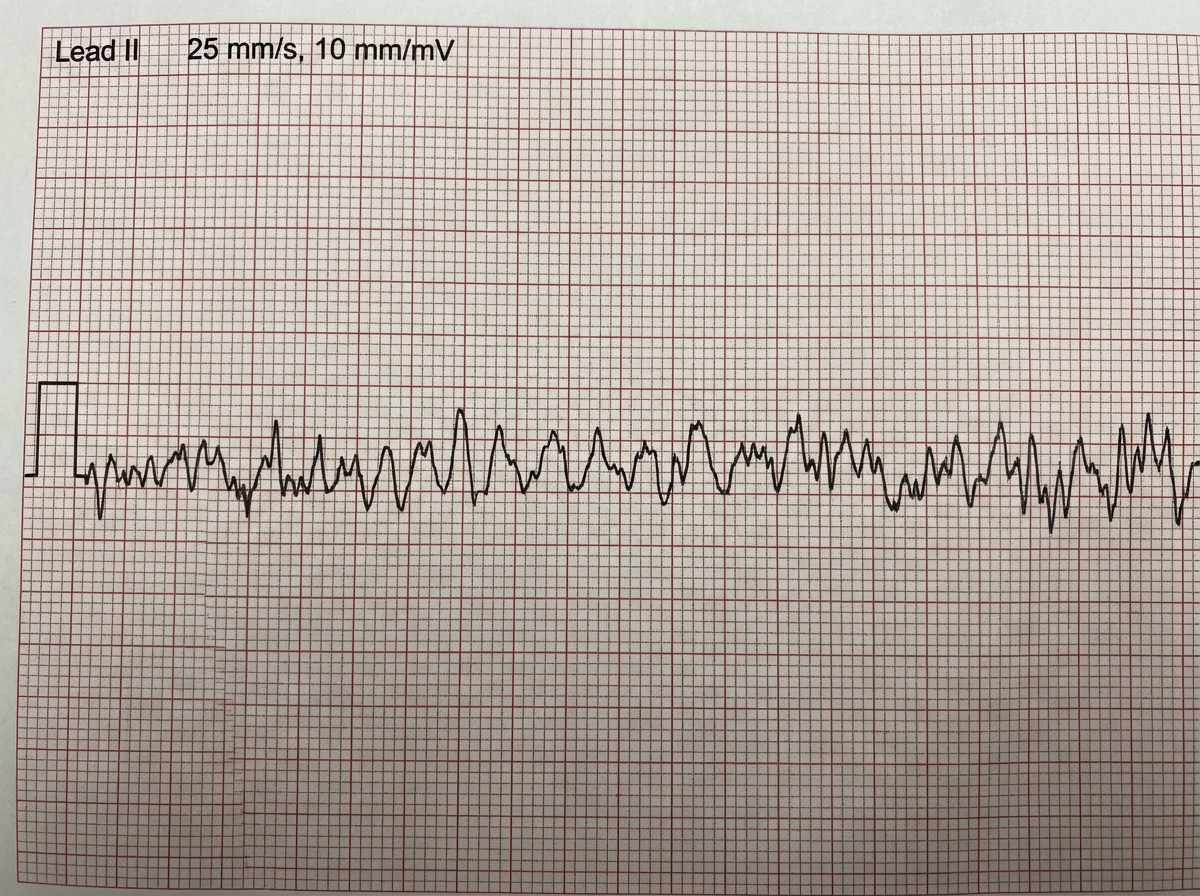
A patient becomes pulseless and his BP crashes after myocardial infarction. Diagnosis is:
A 68 -year-old man presents with symptoms of alcohol withdrawal. ECG shows:
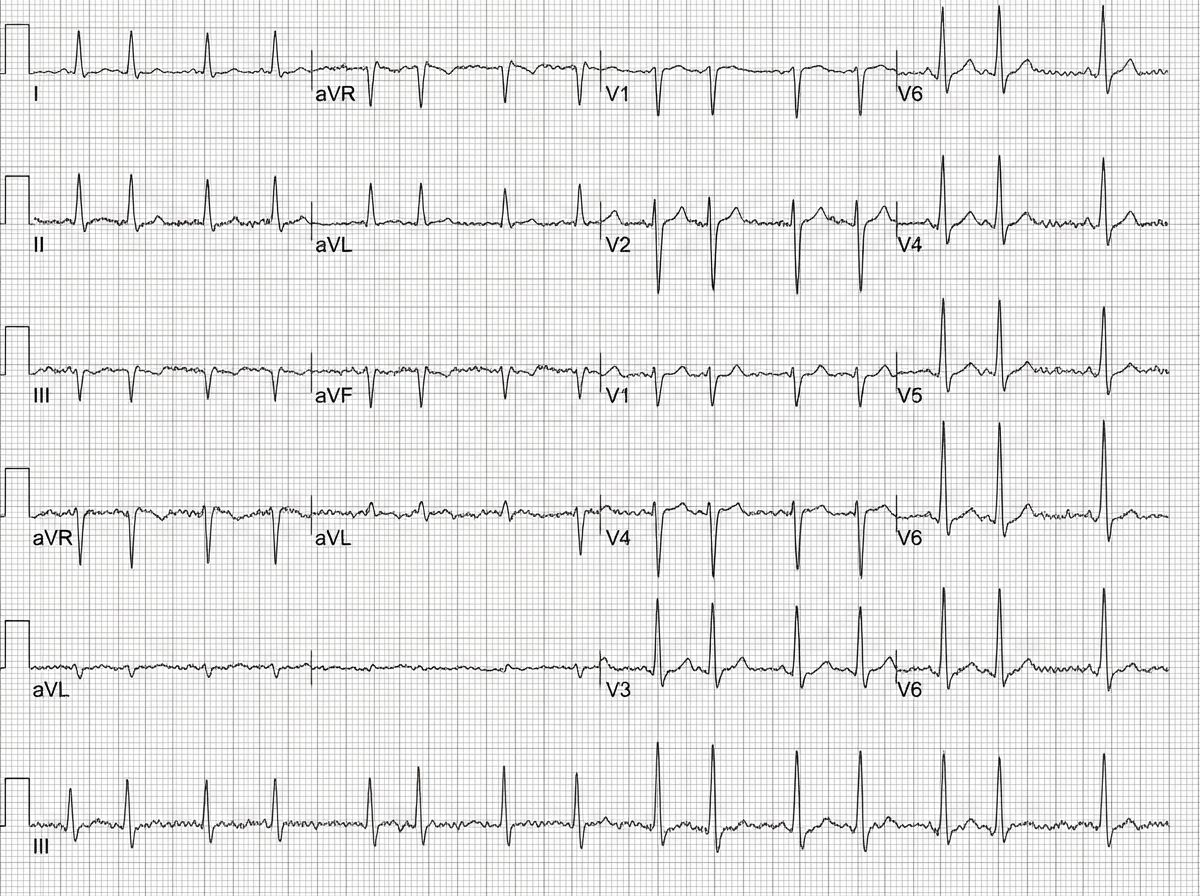
Comment on the diagnosis from the ECG shown below:
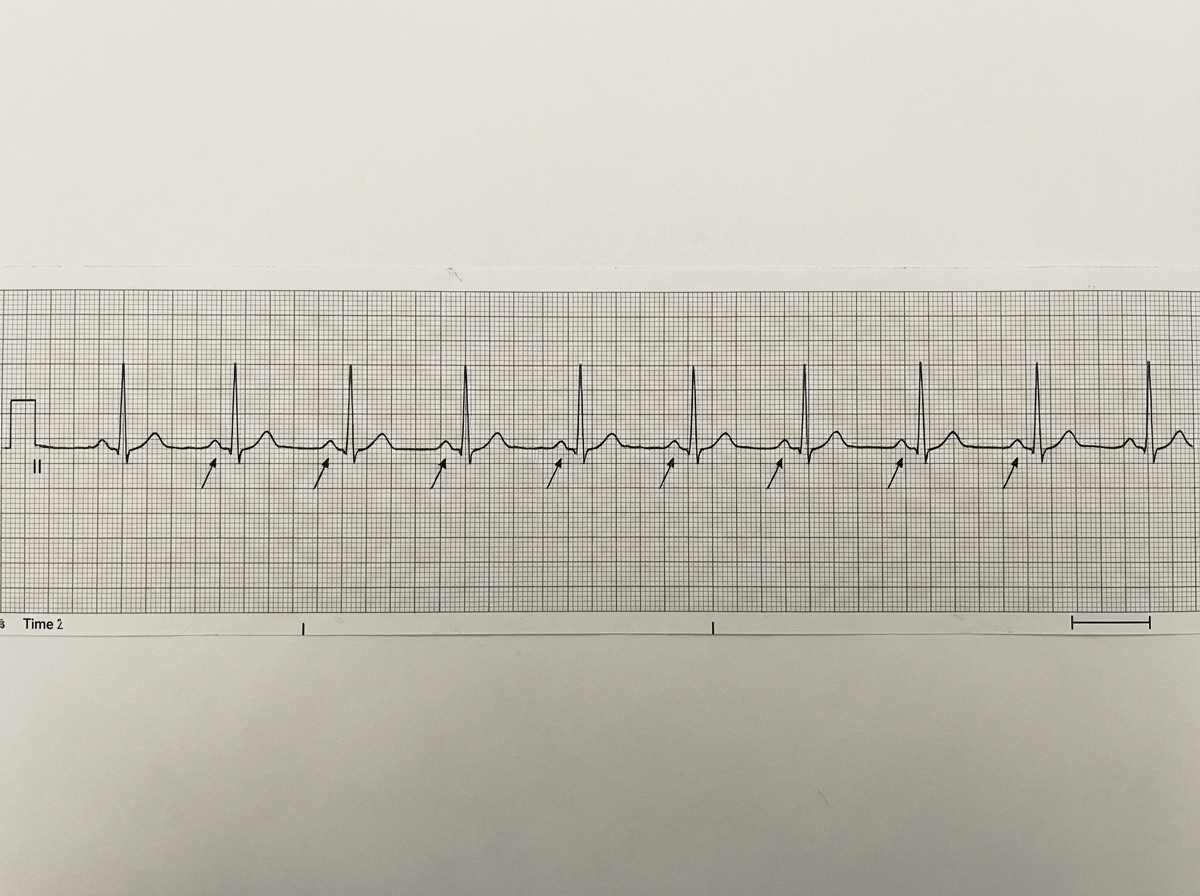
In the ECG shown below, which drug will not be given?

What does the following ECG show?

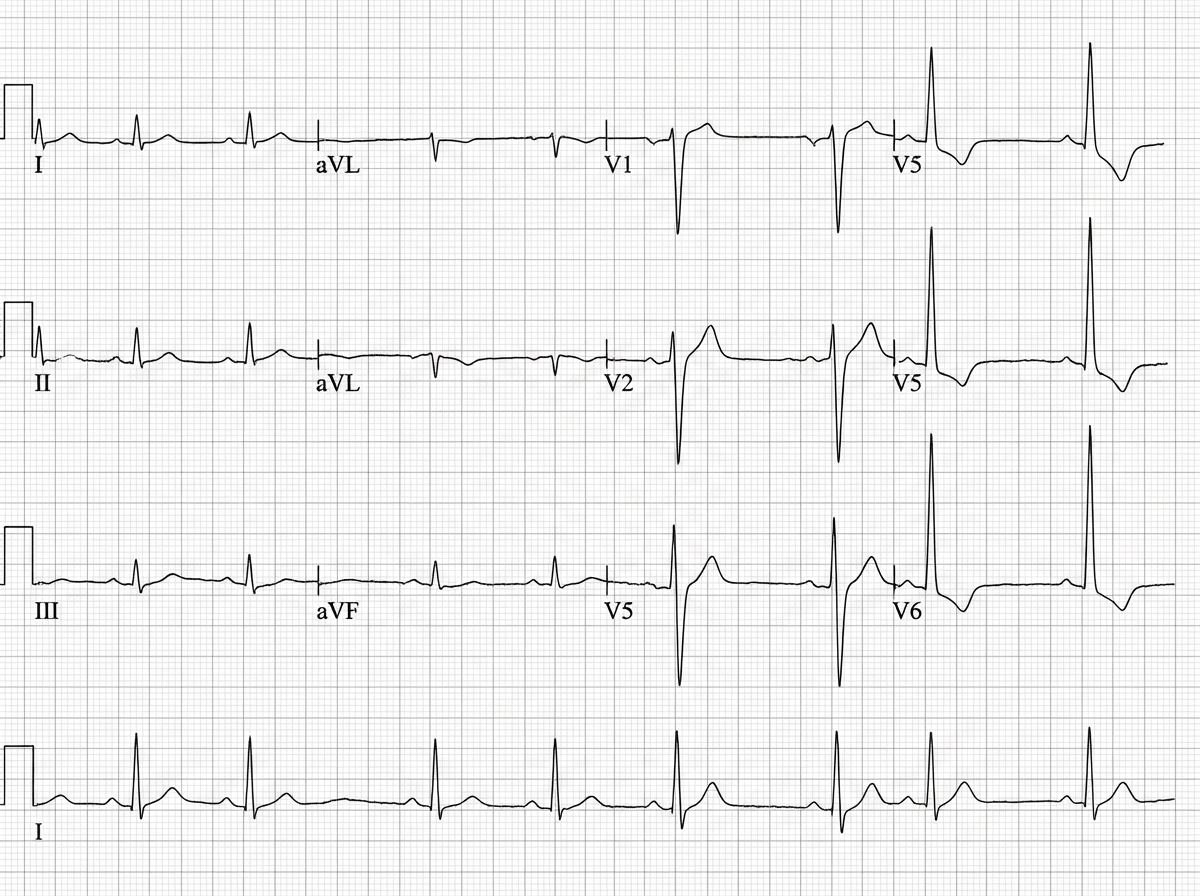
A 35-year-old lady has been diagnosed with anxiety neurosis by her psychiatrist. She came to you for second opinion. Comment on the diagnosis based on ECG.

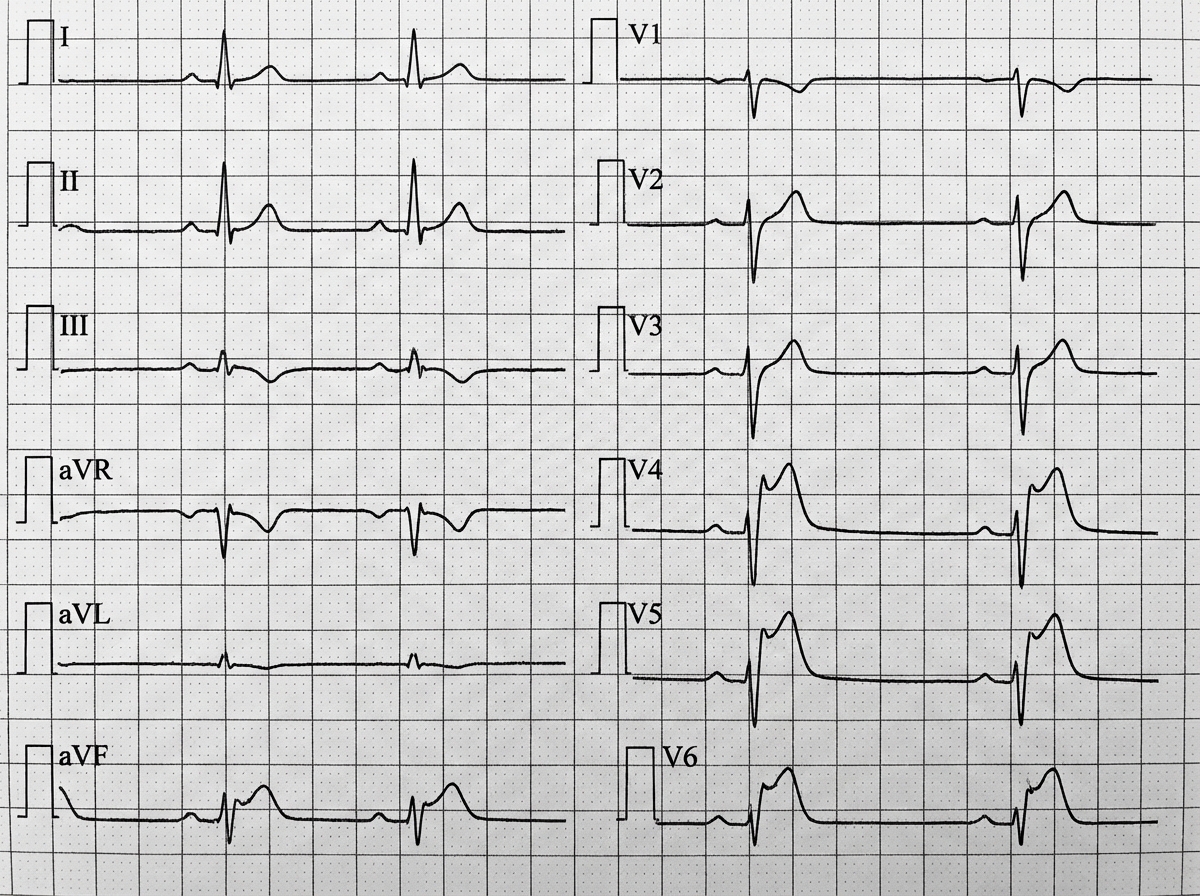
A 46-year-old man presents with diffuse chest pain at rest and recent history of cough, fever and rhinorrhea lasting for 3 days. ECG shows diffuse ST-segment elevation with PR-segment depression. What is the most likely diagnosis?

ECG of a patient had ST segment elevation in V1-V6, lead I and AVL. Which of the following branches is involved?

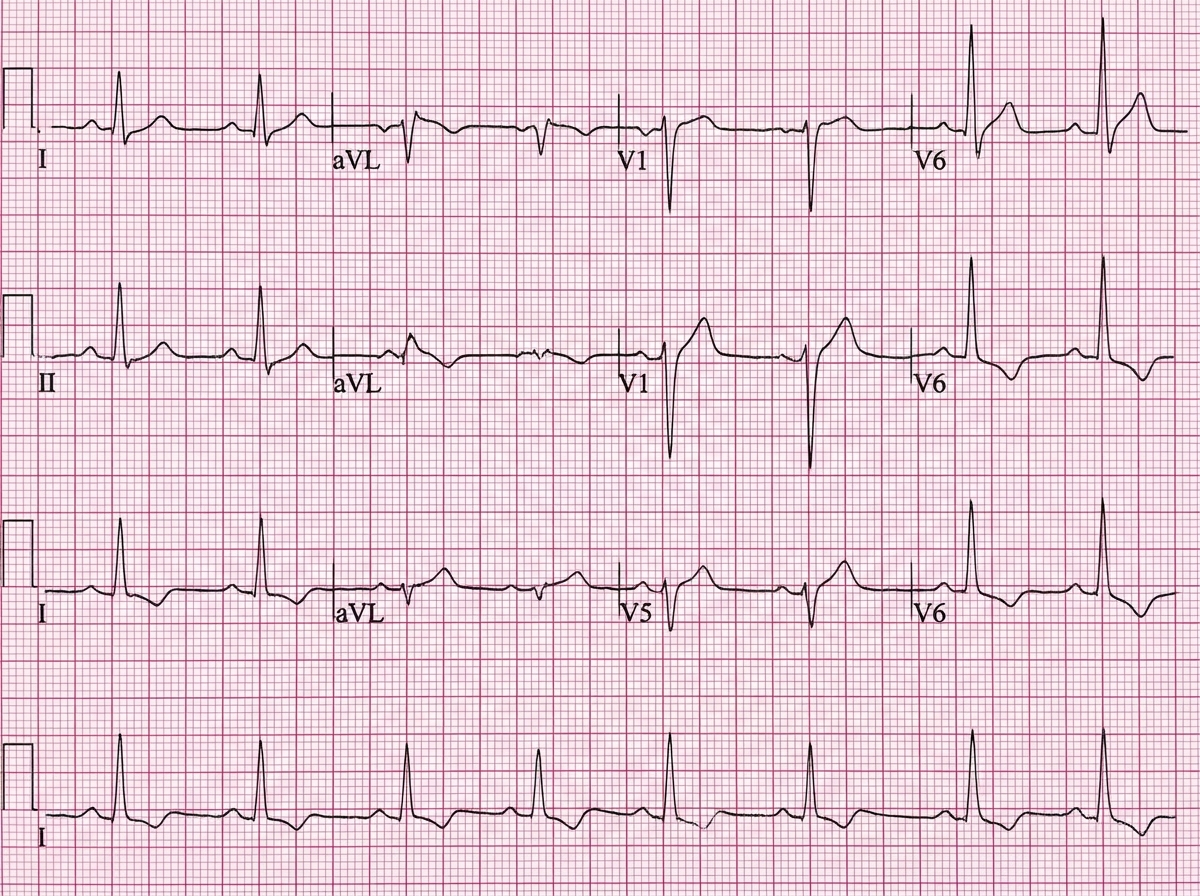
Explanation: ***Delta wave*** - The ECG shows a **short PR interval** and a **slurring upstroke of the QRS complex**, known as a delta wave. - This pattern is characteristic of **Wolff-Parkinson-White (WPW) syndrome**, caused by an accessory pathway that bypasses the AV node, leading to premature ventricular activation. *Osborn wave* - An Osborn wave, or J wave, is a **positive deflection at the J point** (junction of the QRS complex and ST segment), typically seen in **hypothermia**. - This ECG does not show the characteristic prominent J-wave morphology associated with Osborn waves. *Hockey stick sign* - The "hockey stick sign" usually refers to the **downsloping ST segment with a concave upward elevation** seen in conditions like **pericarditis**. - This ECG does not display the characteristic ST segment changes indicative of pericarditis. *Epsilon wave* - An Epsilon wave is a **small, positive deflection embedded in the terminal part of the QRS complex** or immediately after it, primarily seen in **arrhythmogenic right ventricular cardiomyopathy (ARVC)**. - This ECG does not exhibit the small, fragmented depolarization in the terminal QRS characteristic of an epsilon wave. *U wave* - A U wave is a **small deflection that follows the T wave**, most commonly associated with **hypokalemia**, but also seen in conditions like bradycardia or left ventricular hypertrophy. - This ECG does not demonstrate the separate wave following the T wave characteristic of a U wave.
Explanation: ***Torsades de pointes*** - The ECG demonstrates a polymorphic ventricular tachycardia with a characteristic **"twisting of the points"** pattern around the isoelectric line, which is pathognomonic for Torsades de Pointes. - This arrhythmia is often associated with a **prolonged QT interval**, which can be congenital or acquired due to drugs or electrolyte imbalances, and is common in patients with underlying cardiac conditions like cardiomyopathy. *Ventricular tachycardia* - While Torsades de Pointes is a form of ventricular tachycardia, the term "ventricular tachycardia" alone does not capture the specific **polymorphic and twisting morphology** seen on this ECG. - Monomorphic ventricular tachycardia typically exhibits **QRS complexes of uniform shape and amplitude**, which is not seen here. *Bidirectional tachycardia* - **Bidirectional tachycardia** is characterized by alternating QRS axis and morphology, often with a different QRS complex every other beat and an alternating axis. - This pattern is not evident in the provided ECG, which shows a continuous, varying morphology typical of Torsades. *Atrial fibrillation with aberrancy* - **Atrial fibrillation with aberrant conduction** presents with irregularly irregular rhythm and wide QRS complexes due to bundle branch block or rate-related aberrancy. - The ECG shows a **characteristic polymorphic twisting pattern** with a regular ventricular rate, not the irregular rhythm expected with atrial fibrillation. *PSVT* - **Paroxysmal supraventricular tachycardia (PSVT)** involves narrow QRS complexes and originates above the ventricles, typically presenting with heart rates of 150-250 bpm. - The ECG shows **wide, polymorphic QRS complexes**, clearly indicating a ventricular origin rather than supraventricular.
Explanation: ***Ventricular fibrillation*** - This ECG shows completely **disorganized electrical activity** with no identifiable QRS complexes, P waves, or T waves, characteristic of ventricular fibrillation. - In ventricular fibrillation, the heart muscle quivers rather than contracts effectively, leading to immediate **pulselessness** and a rapid drop in blood pressure, often after a myocardial infarction. *Monomorphic ventricular tachycardia* - This rhythm typically presents with wide QRS complexes of **uniform morphology** and a rapid, regular rate. - While it can cause hemodynamic instability, the ECG in this case does not show organized wide QRS complexes. *Bidirectional tachycardia* - This is a rare form of ventricular tachycardia characterized by **alternating QRS complex morphologies** in the same lead, which is not seen here. - It is often associated with **digoxin toxicity** or severe heart disease. *Polymorphic ventricular tachycardia* - This rhythm features **wide QRS complexes** that vary in morphology and amplitude, indicating multiple re-entrant pathways. - Although it is a life-threatening arrhythmia, the tracing here is more chaotic and completely disorganized, lacking discernible QRS complexes altogether. *Pulseless electrical activity* - PEA presents with **organized electrical activity** on ECG but **no palpable pulse** or mechanical cardiac output. - The ECG in this case shows **chaotic, disorganized waveforms** without any recognizable complexes, which is inconsistent with PEA.
Explanation: ***Atrial fibrillation*** - The ECG shows a **chaotic, irregular baseline with no discernible P waves**, which is characteristic of atrial fibrillation. - The ventricular rhythm is **irregularly irregular**, with varying R-R intervals, further confirming the diagnosis. - Atrial fibrillation is commonly associated with **alcohol withdrawal** (holiday heart syndrome), making this the most likely diagnosis in this clinical context. *Atrial flutter* - This rhythm is characterized by regular, sawtooth-shaped **F waves** in leads II, III, and aVF, which are absent in this ECG. - While it can also lead to a rapid ventricular rate, the atrial activity is organized, unlike the chaotic activity seen here. *PSVT* - PSVT typically presents with a **regular, narrow-complex tachycardia** with a sudden onset and termination. - The chaotic atrial activity and irregularly irregular ventricular rhythm seen in the ECG are not consistent with PSVT. *VT* - Ventricular tachycardia is characterized by a **wide-complex tachycardia**, often regular, originating from the ventricles. - The ECG shows **narrow QRS complexes** and chaotic atrial activity, ruling out VT. *Multifocal atrial tachycardia* - MAT shows at least **three distinct P wave morphologies** with varying PR intervals, creating an irregularly irregular rhythm. - However, **P waves are identifiable** in MAT, whereas this ECG shows **no discernible P waves** with a chaotic baseline, making atrial fibrillation the correct diagnosis.
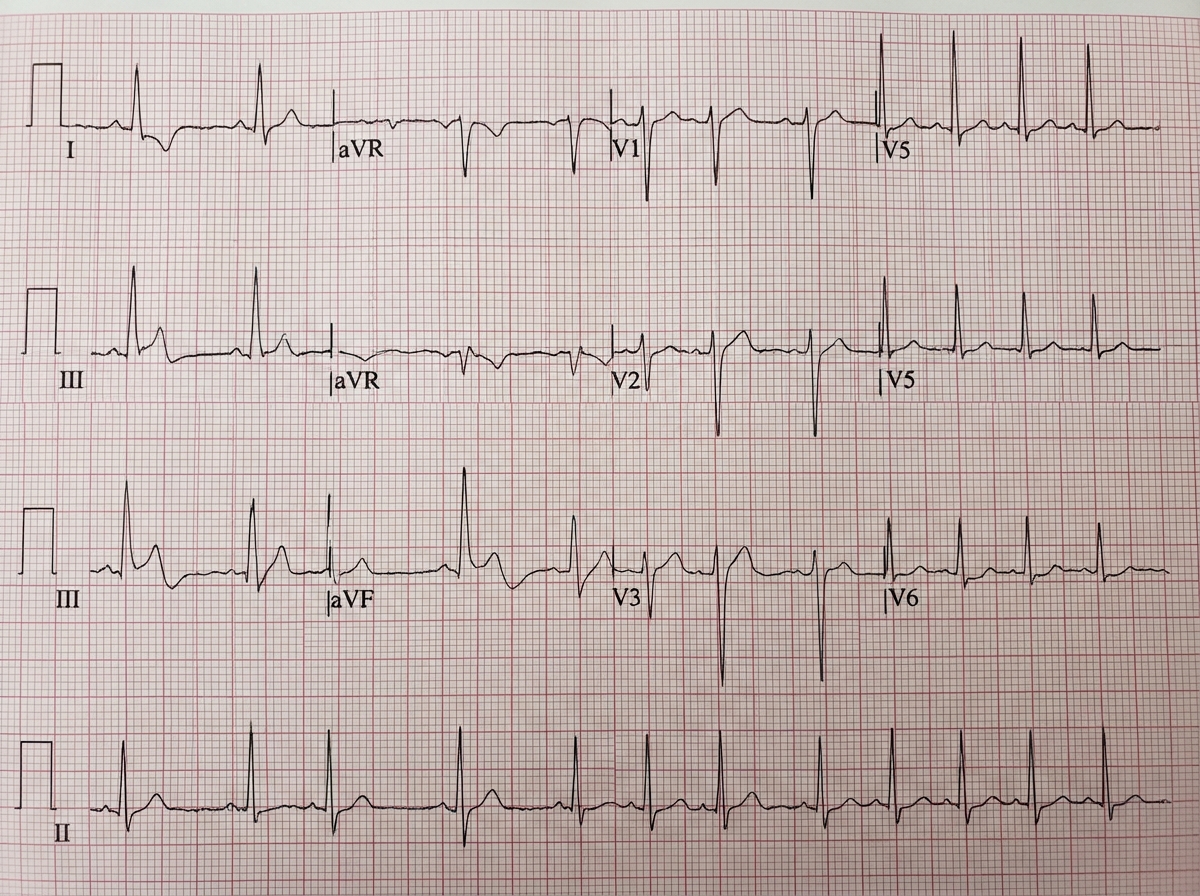
Explanation: ***2:1 heart block*** - The ECG shows a regular rhythm where every **second P wave is not conducted** to the ventricles, resulting in a QRS complex. This distinct pattern of two P waves for every QRS complex defines a 2:1 AV block. - The **P-P interval is consistent**, indicating a regular atrial rhythm, but the **R-R interval is also regular** but at half the rate of the conducted P waves. *Trifascicular block* - A multifascicular block involves impairment in at least two of the three fascicles: the right bundle branch, the left anterior fascicle, and the left posterior fascicle. It is characterized by conduction abnormalities such as **right bundle branch block (RBBB)** with **left anterior fascicular block** or RBBB with **left posterior fascicular block**, which are not seen here. - This ECG does not display the characteristic **widened QRS complexes** or specific axis deviations associated with trifascicular blocks. *First-degree heart block* - First-degree AV block is characterized by a **prolonged PR interval (greater than 0.20 seconds)**, with **every P wave followed by a QRS complex**. - In this ECG, there are non-conducted P waves, which is not consistent with first-degree AV block where every P wave is conducted, however delayed. *Atrial fibrillation* - Atrial fibrillation is characterized by an **irregularly irregular rhythm**, **no discernible P waves**, and **fibrillatory waves** (f waves) throughout the baseline. - This ECG shows regular P waves and an organized atrial activity, which is inconsistent with the chaotic electrical activity seen in atrial fibrillation. *Complete heart block* - Complete (third-degree) AV block is characterized by **complete AV dissociation** where P waves and QRS complexes occur independently with **no consistent PR interval**. - In complete heart block, the **atrial rate is faster than the ventricular rate**, but there is no relationship between P waves and QRS complexes, unlike this ECG where there is a clear 2:1 conduction pattern.
Explanation: ***Adenosine*** - The ECG shows a **wide complex tachycardia** with a regular rhythm and a rate of approximately 150 bpm. Given the wide QRS, the differential includes **ventricular tachycardia (VT)** or a **supraventricular tachycardia (SVT) with aberrancy**. - In wide complex tachycardia, **Adenosine** is contraindicated if there is suspicion of **ventricular tachycardia (VT)**, as it can cause **hemodynamic collapse** or **degenerate into ventricular fibrillation**. - Adenosine is primarily used for **narrow complex SVT** and should be avoided in wide complex tachycardias when VT cannot be excluded. *Verapamil* - Verapamil, a **calcium channel blocker**, can be used to slow the ventricular response in certain SVTs, but it is generally **contraindicated** in **wide complex tachycardias** of unknown origin because it can worsen hypotension or cause cardiovascular collapse if the rhythm is VT. - Its use in pre-excited atrial fibrillation can lead to **ventricular fibrillation**. *Diltiazem* - Diltiazem is a **non-dihydropyridine calcium channel blocker** similar to Verapamil. - It works by slowing conduction through the **AV node** and is effective for rate control in SVTs. However, it is also generally **contraindicated** in wide complex tachycardias if the origin is uncertain, particularly if **VT** is suspected, due to the risk of further **hemodynamic compromise**. *Flecainide* - Flecainide is a **Class IC antiarrhythmic drug** that prolongs the QRS duration. - It is typically used for the treatment of **supraventricular arrhythmias** and **ventricular arrhythmias** in patients without structural heart disease. However, it is **contraindicated** in patients with **structural heart disease** (e.g., myocardial infarction, heart failure) due to an increased risk of proarrhythmia and mortality. The ECG shows signs of an evolving MI or prior MI in the inferior leads, making flecainide a risky choice for this patient. *Amiodarone* - Amiodarone is a **Class III antiarrhythmic drug** that can be used for both **SVT with aberrancy** and **ventricular tachycardia**. - It is considered a **safe option** in wide complex tachycardia of uncertain etiology, as it is effective for both VT and SVT, and has a lower risk of causing hemodynamic collapse compared to other agents. - Amiodarone is often the preferred drug when the origin of wide complex tachycardia is unclear.
Explanation: ***Ventricular bigeminy*** - The ECG shows a repeating pattern of a **normal QRS complex** followed by a **premature ventricular contraction (PVC)**, which is characteristic of bigeminy. - The premature beats are wide and bizarre, indicating their **ventricular origin**, and occur every second beat. - This is a **regular coupling pattern**, distinguishing it from other PVC patterns. *Ventricular trigeminy* - This rhythm would show a PVC occurring every **third beat**, meaning two normal beats followed by one PVC. - The presented ECG consistently shows a PVC after every normal beat, not every third beat. *Atrial premature contraction* - An APC typically results in a **narrow QRS complex** because the signal originates in the atria and conducts normally through the ventricles. - The premature beats in this ECG are wide and abnormal, consistent with a ventricular origin, not an atrial one. *Atrial bigeminy* - Atrial bigeminy involves an **atrial premature contraction (APC)** following every normal beat. - An APC would typically have a **narrow QRS complex** and a P wave that looks different from the sinus P waves, which is not seen here. *Multifocal PVCs* - Multifocal PVCs refer to PVCs with **different morphologies** arising from multiple ventricular foci. - While this ECG shows frequent PVCs, they occur in a **regular bigeminal pattern** rather than irregularly with varying morphologies characteristic of multifocal PVCs.
Explanation: ***WPW syndrome*** - The ECG clearly shows a **short PR interval** and a **delta wave** (slurring of the initial part of the QRS complex), which are classic findings for **Wolff-Parkinson-White (WPW) syndrome**. - While anxiety neurosis can cause sinus tachycardia, the presence of a **pre-excitation pattern** on ECG indicates an underlying cardiac electrical abnormality that requires further evaluation and management, irrespective of the anxiety diagnosis. *Sinus tachycardia* - Sinus tachycardia would show a normal P wave before every QRS complex, a normal PR interval, and a heart rate >100 bpm. This ECG shows a **short PR interval** and a **delta wave**, which are not consistent with pure sinus tachycardia. - While anxiety can cause sinus tachycardia, the ECG findings here point to an **anatomical accessory pathway** rather than just a physiological response. *Supraventricular tachycardia* - While WPW syndrome can lead to **atrioventricular reentrant tachycardia (AVRT)**, a type of SVT, the ECG shown demonstrates the **baseline pre-excitation pattern** with delta waves, not an active tachyarrhythmia. - Classic SVT (such as AVNRT) during an episode would show a **narrow QRS complex** tachycardia with a regular rhythm and no delta waves, whereas this ECG shows the **characteristic delta wave** of WPW syndrome at baseline. *Multifocal atrial tachycardia* - Characterized by at least **three different P wave morphologies** and an irregular rhythm, which are not seen in this ECG. - The rhythm shown is regular, and the P wave morphology (or lack thereof before the delta wave) is consistent, ruling out multifocal atrial tachycardia. *Atrial fibrillation* - Atrial fibrillation would present with an **irregularly irregular rhythm**, absence of distinct P waves, and F waves (fibrillatory waves), none of which are evident in this ECG. - The ECG shows a regular rhythm with discernible complexes, inconsistent with the chaotic electrical activity of atrial fibrillation.
Explanation: ***Acute pericarditis*** - The ECG shows **diffuse ST-segment elevation** with **PR-segment depression**, particularly in leads II, III, aVF, and V4-V6. This is a classic hallmark of acute pericarditis. - The patient's history of recent **viral-like illness** (cough, fever, rhinorrhea) followed by **diffuse chest pain at rest** is highly suggestive of viral pericarditis. - Unlike STEMI, the ST elevations are **diffuse across multiple vascular territories** rather than localized to a specific coronary distribution. *Acute myocardial infarction (STEMI)* - While STEMI also presents with ST-segment elevation, it is typically **localized to a specific coronary artery territory** (e.g., anterior, inferior, lateral) rather than diffuse. - STEMI would **not show PR-segment depression**, which is characteristic of pericarditis. - The recent viral prodrome and diffuse nature of chest pain make pericarditis more likely than MI in this clinical context. *Constrictive pericarditis* - This condition is characterized by a **thickened, rigid pericardium** that impairs diastolic filling, typically presenting with symptoms of right heart failure but with a normal heart size. - ECG findings for constrictive pericarditis are usually **non-specific**, often showing low voltage or T-wave inversions, not diffuse ST elevation and PR depression. *Takotsubo cardiomyopathy* - Also known as **stress-induced cardiomyopathy**, this typically presents after severe emotional or physical stress, resulting in transient left ventricular dysfunction. - ECG often mimics an **anterior myocardial infarction** with ST elevation and T-wave inversion in precordial leads, but without the diffuse nature seen here and usually spares the PR segment. *Cor pulmonale* - This refers to **right ventricular hypertrophy and dilation** due to pulmonary hypertension, usually from chronic lung disease. - ECG findings include **right axis deviation**, P pulmonale, and R/S ratio > 1 in V1, which are not apparent in this ECG.
Explanation: ***1*** - The ECG findings of **ST segment elevation in V1-V6, lead I and aVL** indicate an **extensive anterior myocardial infarction**. This territory is supplied by the **left main coronary artery (LMCA)** and its major branch, the **left anterior descending (LAD) artery** (numbered as 1 in the image). - The image clearly labels **1 as the left anterior descending (LAD) artery**, which is responsible for perfusing the anterior wall, septum, and apex of the left ventricle. *2* - **2 points to a diagonal branch** stemming from the LAD artery. While occlusion of a diagonal branch can cause ST elevation, it would typically be more localized (e.g., in aVL and some precordial leads) and not as extensive as V1-V6. - A diagonal branch occlusion would not account for the **extensive anterior infarction** indicated by widespread precordial and high lateral lead ST elevation. *3* - **3 points to a more distal portion of the LAD artery** or one of its smaller distal branches. Occlusion here would cause an **apical or antero-septal infarction**, which is usually less extensive than an occlusion higher up. - The widespread ST elevation across V1-V6, I, and aVL suggests a more **proximal occlusion** affecting a larger myocardial territory, rather than just the distal LAD. *4* - **4 points to a marginal branch of the left circumflex artery (LCx)**. The LCx artery supplies the lateral wall of the left ventricle. - Occlusion of a marginal branch would typically result in **ST elevation in leads I, aVL, V5, and V6**, but would not cause ST elevation in the septal and anterior leads (V1-V4), which are indicative of LAD involvement. *5* - **5 points to the right coronary artery (RCA)** or its branches. The RCA supplies the inferior wall of the left ventricle, the right ventricle, and often the posterior wall. - Occlusion of the RCA would cause **ST elevation in leads II, III, and aVF** (inferior MI), not the anterior and lateral leads (V1-V6, I, aVL) seen in this case.
Hypertension diagnosis and management
Practice Questions
Stable coronary artery disease
Practice Questions
Peripheral arterial disease
Practice Questions
Aortic diseases
Practice Questions
Valvular heart disease
Practice Questions
Pericardial diseases
Practice Questions
Adult congenital heart disease
Practice Questions
Cardiac tumors
Practice Questions
Cardiac manifestations of systemic diseases
Practice Questions
Pre-operative cardiac risk assessment
Practice Questions
Cardiac imaging modalities
Practice Questions
Preventive cardiology
Practice Questions
Cardiac rehabilitation
Practice Questions
Get full access to all questions, explanations, and performance tracking.
Start For Free