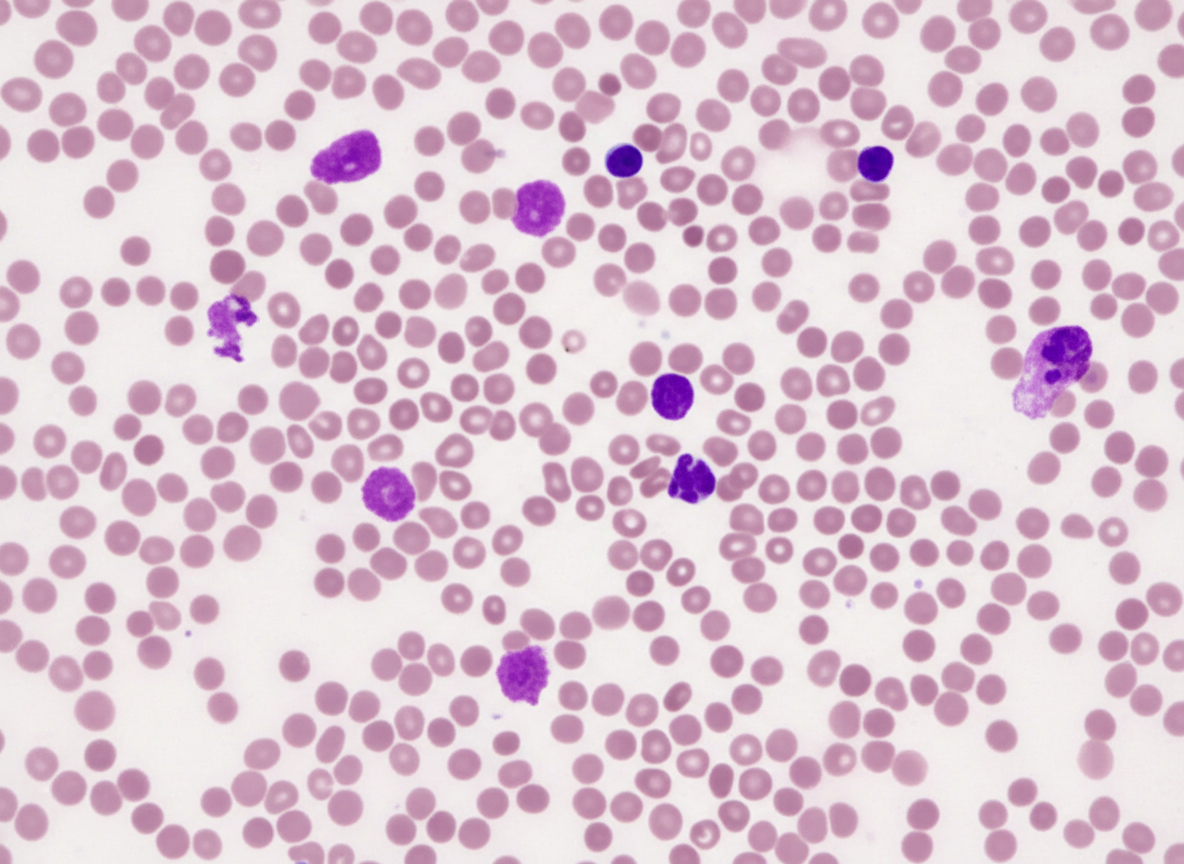
A 27-year-old woman comes to the emergency department because of progressive numbness and weakness in her left arm and left leg for 2 days. During this period, she has also had urinary urgency and incontinence. Three months ago, she had blurry vision, difficulty distinguishing colors, and headache for one week, all of which have resolved. The patient has smoked a half pack of cigarettes daily for 10 years and drinks four glasses of wine each week. Her temperature is 37°C (98.6°F), pulse is 78/min, respirations are 14/min, and blood pressure is 110/68 mm Hg. Examination shows 3/5 strength in the left arm and leg, and 5/5 strength on the right side. Upon flexion of the neck, the patient experiences a shooting electric sensation that travels down the spine. MRI of the brain shows gadolinium-enhancing lesions in the right central sulcus, cervical spinal cord, and optic nerve. Which of the following is the most appropriate next step in the management of this patient?
Q1092
A 21-year-old man presents to a physician because of extreme fatigue, palpitations, fever, and weight loss. He developed these symptoms gradually over the past 3 months. His blood pressure is 110/80 mm Hg, heart rate is 109/min, respiratory rate is 17/min, and temperature is 38.1°C (100.6°F). The patient is emaciated and pale. There are conjunctival hemorrhages and several bruises noted in the inner cubital area bilaterally. There are also a few lesions on the left foot. The cardiac examination reveals a holosystolic murmur best heard at the 4th intercostal space at the left sternal edge. Two blood cultures grew Staphylococcus aureus, and echocardiography shows a tricuspid valve vegetation. Which of the following would most likely be revealed in a detailed history from this patient?
Q1093
A 64-year-old man presents to the office for an annual physical examination. He has no complaints at this visit. His chart states that he has a history of hypertension, chronic obstructive pulmonary disease (emphysema), Raynaud’s disease, and glaucoma. He is a 30 pack-year smoker. His medications included lisinopril, tiotropium, albuterol, nifedipine, and latanoprost. The blood pressure is 139/96 mm Hg, the pulse is 86/min, the respiration rate is 16/min, and the temperature is 37.2°C (99.1°F). On physical examination, his pupils are equal, round, and reactive to light. The cardiac auscultation reveals an S4 gallop without murmur, and the lungs are clear to auscultation bilaterally. However, the inspection of the chest wall shows an enlarged anterior to posterior diameter. Which of the following is the most appropriate screening test for this patient?
Q1094
A 78-year-old man is brought to the emergency department because of a 3-week history of productive cough, swelling of the legs and feet, and fatigue. He has had progressive dyspnea on exertion for the past 2 months. Twelve years ago, he received a porcine valve replacement for severe mitral valve regurgitation. He has coronary artery disease, type 2 diabetes mellitus, and hypertension. He has smoked one pack of cigarettes daily for 60 years and drinks one beer daily. Current medications include aspirin, simvastatin, ramipril, metoprolol, metformin, and hydrochlorothiazide. He appears pale. He is 179 cm (5 ft 9 in) tall and weighs 127 kg (279.9 lb); BMI is 41.3 kg/m2. His temperature is 37.1°C (98.9°F), respirations are 22/min, pulse is 96/min, and blood pressure is 146/94 mm Hg. Bilateral basilar rales are heard on auscultation of the lungs. Cardiac examination shows a laterally displaced apical heartbeat. A grade 3/6, holosystolic murmur is heard over the apex, radiating to the axilla. There is bilateral pitting edema of the feet and ankles. The remainder of the examination shows no abnormalities. Which of the following is the most likely cause of this patient's symptoms?
Q1095
A 16-year-old girl presents with a sore throat. The patient says symptoms onset acutely 3 days ago and have progressively worsened. She denies any history of cough, nasal congestion or rhinorrhea. No significant past medical history or current medications. The vital signs include: temperature 37.7°C (99.9°F), blood pressure 110/70 mm Hg, pulse 74/min, respiratory rate 20/min, and oxygen saturation 99% on room air. Physical examination is significant for anterior cervical lymphadenopathy. There is edema of the oropharynx and tonsillar swelling but no tonsillar exudate. Which of the following is the next best step in management?
Q1096
A 43-year-old woman comes to the physician for a 3-month history of redness and itching in both eyes. She has also had swelling and pain in the index and middle fingers of both hands and wrist joints over the past 5 months. She has had multiple dental treatments for oral infections over the past year. She has type 2 diabetes mellitus and eczema. Her sister has vitiligo. Current medications include metformin and a daily multivitamin. Vital signs are within normal limits. Examination shows lichenified lesions over her wrists and knees. Bilateral wrist and first metacarpophalengeal joints show swelling and tenderness; range of motion is limited by pain. Oropharyngeal examination shows dry mucous membranes and multiple dental caries. Visual acuity is slightly decreased in both eyes. There are multiple corneal punctate spots on fluorescein staining. Laboratory studies show:
Hemoglobin 10.7 g/dL
Leukocyte count 4,100/mm3
Platelet count 155,000/mm3
Erythrocyte sedimentation rate 48 mm/h
Serum
Creatinine 1.0 mg/dL
Anti-nuclear antibody positive
Rheumatoid factor positive
Urinalysis is within normal limits. This patient's condition is most likely associated with which of the following antibodies?
Q1097
A 43-year-old man presents to his primary care physician for his yearly check-up exam. He has no new concerns but wants to make sure that his hypertension and diabetes are properly controlled. His past medical history is otherwise unremarkable and his only medications are metformin and lisinopril. He has smoked a pack of cigarettes per day since he was 16 years of age and drinks 3 beers per night. Physical exam is remarkable for a murmur best heard in the 5th intercostal space at the left mid-clavicular line. The murmur is high-pitched and blowing in character and can be heard throughout systole. Which of the following properties is characteristic of this patient's most likely disorder?
Q1098
A 59-year-old woman comes to the physician because of progressively worsening coordination and involuntary movements in her left hand for the past 6 months. Her husband also reports that she has been withdrawn and apathetic during this period. She is oriented to time, place, and person. Examination shows a bimanual, rhythmic, low-frequency tremor that is more prominent in the left hand. There is normal range of motion in the arms and legs; active movements are very slow. Muscle strength is normal, and there is increased resistance to passive flexion and extension in the limbs. She walks with a shuffling gait and takes small steps. Which of the following is the most likely underlying cause of this patient's symptoms?
Q1099
A 56-year-old woman presents to the emergency department with severe pain in her legs. She has had these pains in the past but access to a doctor was not readily available in her remote village back home. She and her family have recently moved to the United States. She is seen walking to her stretcher with a broad-based gait. Ophthalmic examination shows an absent pupillary light reflex, and pupillary constriction with accommodation and convergence. What other sign or symptom is most likely present in this patient?
Q1100
A 52-year-old man comes to the physician for a routine health maintenance examination. He has not seen a physician for 10 years. He works as a telemarketer and does not exercise. Cardiac examination shows a dull, low-pitched sound during late diastole that is best heard at the apex. The sound is loudest in the left lateral decubitus position and during end-expiration. Which of the following is the most likely cause of this finding?
Cardiology US Medical PG Practice Questions and MCQs
Question 1091: A 27-year-old woman comes to the emergency department because of progressive numbness and weakness in her left arm and left leg for 2 days. During this period, she has also had urinary urgency and incontinence. Three months ago, she had blurry vision, difficulty distinguishing colors, and headache for one week, all of which have resolved. The patient has smoked a half pack of cigarettes daily for 10 years and drinks four glasses of wine each week. Her temperature is 37°C (98.6°F), pulse is 78/min, respirations are 14/min, and blood pressure is 110/68 mm Hg. Examination shows 3/5 strength in the left arm and leg, and 5/5 strength on the right side. Upon flexion of the neck, the patient experiences a shooting electric sensation that travels down the spine. MRI of the brain shows gadolinium-enhancing lesions in the right central sulcus, cervical spinal cord, and optic nerve. Which of the following is the most appropriate next step in the management of this patient?
A. Administer lorazepam
B. Plasmapheresis
C. Administer IV methylprednisolone (Correct Answer)
D. Glatiramer acetate therapy
E. Administer tissue plasminogen activator
Explanation: ***Administer IV methylprednisolone***
- This patient presents with an acute exacerbation of **multiple sclerosis (MS)**, characterized by new neurological deficits (numbness, weakness, urinary urgency) and resolving symptoms that point to prior demyelination (blurry vision).
- High-dose **intravenous corticosteroids** like methylprednisolone are the first-line treatment for acute MS relapses to reduce inflammation and shorten the duration of the attack.
*Administer lorazepam*
- **Lorazepam** is a benzodiazepine primarily used for anxiety, seizures, or agitation and does not address the underlying inflammatory process of an acute MS exacerbation.
- While some MS patients may experience anxiety, it is not the indicated treatment for acute neurological deficits.
*Plasmapheresis*
- **Plasmapheresis** is considered for severe MS exacerbations that are refractory to high-dose corticosteroids.
- It is not typically the first-line treatment in an acute relapse unless corticosteroids have failed.
*Glatiramer acetate therapy*
- **Glatiramer acetate** is a disease-modifying therapy (DMT) for MS, used to reduce the frequency of relapses and prevent disease progression.
- It is administered long-term but is not an appropriate treatment for an acute MS exacerbation.
*Administer tissue plasminogen activator*
- **Tissue plasminogen activator (tPA)** is a thrombolytic agent used to treat acute ischemic stroke by dissolving blood clots.
- This patient's symptoms are neurological but are consistent with demyelination rather than an ischemic event, making tPA inappropriate.
Question 1092: A 21-year-old man presents to a physician because of extreme fatigue, palpitations, fever, and weight loss. He developed these symptoms gradually over the past 3 months. His blood pressure is 110/80 mm Hg, heart rate is 109/min, respiratory rate is 17/min, and temperature is 38.1°C (100.6°F). The patient is emaciated and pale. There are conjunctival hemorrhages and several bruises noted in the inner cubital area bilaterally. There are also a few lesions on the left foot. The cardiac examination reveals a holosystolic murmur best heard at the 4th intercostal space at the left sternal edge. Two blood cultures grew Staphylococcus aureus, and echocardiography shows a tricuspid valve vegetation. Which of the following would most likely be revealed in a detailed history from this patient?
A. Lung abscess evacuation 3 months ago
B. Chronic intravenous drug usage (Correct Answer)
C. Catheterization of the urinary bladder
D. Percutaneous nephrostomy for acute ureterolithiasis 5 months ago
E. Adenoidectomy 6 months ago
Explanation: ***Chronic intravenous drug usage***
- The constellation of **fever**, **fatigue**, **palpitations**, **weight loss**, signs of **embolism** (conjunctival hemorrhages, foot lesions, bruises in cubital area), and particularly a **tricuspid valve aneurysm** with **Staphylococcus aureus** bacteremia, is highly suggestive of **infective endocarditis** in an intravenous drug user. The bruises in the cubital area could represent track marks.
- **Staphylococcus aureus** is the most common pathogen in **IVDU-associated endocarditis**, and the **tricuspid valve** is most frequently involved due to the direct injection of bacteria into the venous system.
*Lung abscess evacuation 3 months ago*
- While a lung abscess could be a source of infection, an evacuation procedure is less directly linked to subsequent **tricuspid valve endocarditis** than IV drug use, especially with the characteristic signs of repeated venipuncture.
- A lung abscess is more likely to be a **sequela** of endocarditis (septic emboli to the lungs) rather than the primary cause of *S. aureus* tricuspid valve endocarditis.
*Catheterization of the urinary bladder*
- Urinary catheterization can be a risk factor for bacteremia, but it typically leads to **urinary tract infections** and subsequently endocarditis with organisms like **Enterococcus** or gram-negative rods, not typically *Staphylococcus aureus* on the tricuspid valve.
- There are no symptoms suggesting a recent **urinary tract infection** in this patient.
*Percutaneous nephrostomy for acute ureterolithiasis 5 months ago*
- A percutaneous nephrostomy, although an invasive procedure, is less commonly associated with **staphylococcal tricuspid valve endocarditis** than IV drug use.
- The timeline of 5 months ago is also a bit remote for directly causing the current, 3-month-onset symptoms unless there was chronic infection associated with the nephrostomy, which is not mentioned.
*Adenoidectomy 6 months ago*
- An adenoidectomy is a procedure of the lymphatic system that can cause transient bacteremia, but it is not typically associated with **Staphylococcus aureus endocarditis** or tricuspid valve involvement.
- The 6-month timeline makes it an unlikely direct cause of the current acute presentation.
Question 1093: A 64-year-old man presents to the office for an annual physical examination. He has no complaints at this visit. His chart states that he has a history of hypertension, chronic obstructive pulmonary disease (emphysema), Raynaud’s disease, and glaucoma. He is a 30 pack-year smoker. His medications included lisinopril, tiotropium, albuterol, nifedipine, and latanoprost. The blood pressure is 139/96 mm Hg, the pulse is 86/min, the respiration rate is 16/min, and the temperature is 37.2°C (99.1°F). On physical examination, his pupils are equal, round, and reactive to light. The cardiac auscultation reveals an S4 gallop without murmur, and the lungs are clear to auscultation bilaterally. However, the inspection of the chest wall shows an enlarged anterior to posterior diameter. Which of the following is the most appropriate screening test for this patient?
A. Low-dose CT (Correct Answer)
B. Bronchoalveolar lavage with cytology
C. Magnetic resonance imaging
D. Pulmonary function tests
E. Chest radiograph
Explanation: ***Low-dose CT***
- This patient, a 64-year-old with a 30 pack-year smoking history and current emphysema (COPD), falls precisely within the **high-risk criteria** for lung cancer screening.
- The **USPSTF guidelines** recommend annual **low-dose computed tomography (LDCT)** for individuals aged 50-80 years with a 20 pack-year smoking history who currently smoke or have quit within the past 15 years.
*Bronchoalveolar lavage with cytology*
- This is an **invasive diagnostic procedure** used to collect cells and fluid directly from the airways, typically performed when there is already suspicion of a lung malignancy or infection.
- It is not a recommended **screening test** for asymptomatic individuals due to its invasiveness and the absence of clear evidence of benefit as a primary screening tool.
*Magnetic resonance imaging*
- **MRI** is primarily used for evaluating soft tissue structures, defining tumor extent, and assessing metastatic disease, but it is **not the preferred imaging modality for lung cancer screening** due to its lower spatial resolution for pulmonary nodules compared to CT and higher cost.
- It involves longer scan times and is not routinely used for primary lung screening.
*Pulmonary function tests*
- **PFTs** are used to assess lung function, diagnose and monitor respiratory conditions like COPD, and evaluate the severity of airflow obstruction.
- While important for managing his **emphysema**, PFTs do not directly screen for **lung cancer**; they measure how well the lungs work.
*Chest radiograph*
- A **chest X-ray** is less sensitive than LDCT for detecting small lung nodules and early-stage lung cancer due to its two-dimensional nature and potential for superimposition of structures.
- While readily available and less expensive, it is **not recommended for lung cancer screening** as it has not shown a mortality benefit in randomized controlled trials compared to no screening.
Question 1094: A 78-year-old man is brought to the emergency department because of a 3-week history of productive cough, swelling of the legs and feet, and fatigue. He has had progressive dyspnea on exertion for the past 2 months. Twelve years ago, he received a porcine valve replacement for severe mitral valve regurgitation. He has coronary artery disease, type 2 diabetes mellitus, and hypertension. He has smoked one pack of cigarettes daily for 60 years and drinks one beer daily. Current medications include aspirin, simvastatin, ramipril, metoprolol, metformin, and hydrochlorothiazide. He appears pale. He is 179 cm (5 ft 9 in) tall and weighs 127 kg (279.9 lb); BMI is 41.3 kg/m2. His temperature is 37.1°C (98.9°F), respirations are 22/min, pulse is 96/min, and blood pressure is 146/94 mm Hg. Bilateral basilar rales are heard on auscultation of the lungs. Cardiac examination shows a laterally displaced apical heartbeat. A grade 3/6, holosystolic murmur is heard over the apex, radiating to the axilla. There is bilateral pitting edema of the feet and ankles. The remainder of the examination shows no abnormalities. Which of the following is the most likely cause of this patient's symptoms?
A. Infective endocarditis
B. Pneumonia
C. Valve degeneration (Correct Answer)
D. Chronic obstructive pulmonary disease
E. Pulmonary embolism
Explanation: ***Valve degeneration***
- The patient has a history of a **porcine mitral valve replacement** 12 years ago. **Bioprosthetic valves** (like porcine valves) typically have a limited lifespan, often degenerating after 10-15 years, leading to **regurgitation** or less commonly stenosis.
- The presence of a **grade 3/6 holosystolic murmur** over the apex radiating to the axilla is the classic finding of **mitral regurgitation**, indicating the bioprosthetic valve has degenerated and is now incompetent.
- The **bilateral basilar rales**, **peripheral edema**, **laterally displaced apex**, and **progressive dyspnea on exertion** are all classic signs of **left-sided heart failure** caused by severe **mitral regurgitation** from the degenerated valve.
- **Bioprosthetic valves most commonly fail by developing regurgitation**, particularly after 10-15 years, making this the most likely diagnosis in this patient with a 12-year-old valve.
*Infective endocarditis*
- While a possibility in patients with prosthetic valves, **infective endocarditis** typically presents with symptoms such as **fever, new or worsening murmur, and embolic phenomena** (splinter hemorrhages, Janeway lesions, Osler nodes, Roth spots).
- The patient is **afebrile** (37.1°C), and the symptoms are more chronic and progressive over 3 weeks to 2 months, rather than the more acute onset often seen with bacterial infections on heart valves.
- The absence of fever and other stigmata of endocarditis makes this diagnosis less likely.
*Pneumonia*
- **Pneumonia** would likely present with more acute symptoms like **high fever, chills, and productive cough with purulent sputum**, along with focal findings on chest auscultation (e.g., bronchial breath sounds, egophony, dullness to percussion).
- While he has a productive cough and basilar rales, the dominant features of **progressive dyspnea**, **bilateral peripheral edema**, **laterally displaced apex**, and the specific **mitral regurgitation murmur** point away from primary pneumonia and towards cardiac causes.
- The bilateral basilar rales are better explained by pulmonary edema from heart failure rather than infectious consolidation.
*Chronic obstructive pulmonary disease*
- The patient has a long smoking history (60 pack-years), making **COPD** a likely comorbidity. However, the new prominent **holosystolic cardiac murmur**, **bilateral rales**, and **bilateral peripheral edema** are not typical primary presentations of a COPD exacerbation.
- **COPD exacerbations** typically present with increased cough, purulent sputum, and wheezing, but do not cause the cardiac findings (murmur, laterally displaced apex, peripheral edema) seen in this patient.
- While chronic dyspnea can occur with COPD, the acute decompensation with clear cardiac signs points to valvular dysfunction.
*Pulmonary embolism*
- **Pulmonary embolism** usually presents with **acute onset dyspnea, pleuritic chest pain, tachycardia, and sometimes hemoptysis**.
- The **progressive nature** of symptoms over 2 months and the prominent cardiac murmur with signs of volume overload (peripheral edema, displaced apex) are not typical for PE.
- The absence of acute onset, pleuritic chest pain, and significant risk factors for thromboembolism (recent surgery, prolonged immobility, malignancy) makes this diagnosis unlikely.
Question 1095: A 16-year-old girl presents with a sore throat. The patient says symptoms onset acutely 3 days ago and have progressively worsened. She denies any history of cough, nasal congestion or rhinorrhea. No significant past medical history or current medications. The vital signs include: temperature 37.7°C (99.9°F), blood pressure 110/70 mm Hg, pulse 74/min, respiratory rate 20/min, and oxygen saturation 99% on room air. Physical examination is significant for anterior cervical lymphadenopathy. There is edema of the oropharynx and tonsillar swelling but no tonsillar exudate. Which of the following is the next best step in management?
A. Reassurance
B. Empiric treatment with antibiotics
C. Empiric treatment with antivirals
D. Rapid strep test (Correct Answer)
E. Ultrasound of the anterior cervical lymph nodes
Explanation: ***Rapid strep test***
- This patient presents with symptoms suggestive of **Streptococcal pharyngitis (Centor criteria)**, including acute onset sore throat, anterior cervical lymphadenopathy, tonsillar swelling, and absence of cough. A rapid strep test is crucial to confirm the diagnosis and guide antibiotic therapy.
- While tonsillar exudates are often present in strep throat, their absence does not rule out the diagnosis, especially given the other strong indicators.
*Reassurance*
- Reassurance alone is insufficient given the patient's symptoms are highly suggestive of a **bacterial infection** that could lead to serious complications if left untreated.
- Untreated **Streptococcal pharyngitis** can lead to complications such as acute rheumatic fever and peritonsillar abscess.
*Empiric treatment with antibiotics*
- Empiric antibiotic treatment without confirmation can contribute to **antibiotic resistance** and is not the best approach when a diagnostic test is readily available.
- Without a positive rapid strep test, the patient could be unnecessarily exposed to antibiotics, potentially leading to **adverse drug reactions** or masking other underlying conditions.
*Empiric treatment with antivirals*
- The patient's symptoms are more consistent with a **bacterial infection** (strep throat) rather than a viral illness that would benefit from antiviral treatment.
- Antivirals are generally reserved for specific viral infections like influenza or herpes, and there is no indication for their use in this clinical scenario.
*Ultrasound of the anterior cervical lymph nodes*
- While the patient has **anterior cervical lymphadenopathy**, this is a common finding in pharyngitis and an ultrasound is not necessary as a first step to diagnose the cause of a sore throat.
- Imaging of the lymph nodes would be considered if there were concerns for an **abscess** or malignancy, which are not suggested by the current presentation.
Question 1096: A 43-year-old woman comes to the physician for a 3-month history of redness and itching in both eyes. She has also had swelling and pain in the index and middle fingers of both hands and wrist joints over the past 5 months. She has had multiple dental treatments for oral infections over the past year. She has type 2 diabetes mellitus and eczema. Her sister has vitiligo. Current medications include metformin and a daily multivitamin. Vital signs are within normal limits. Examination shows lichenified lesions over her wrists and knees. Bilateral wrist and first metacarpophalengeal joints show swelling and tenderness; range of motion is limited by pain. Oropharyngeal examination shows dry mucous membranes and multiple dental caries. Visual acuity is slightly decreased in both eyes. There are multiple corneal punctate spots on fluorescein staining. Laboratory studies show:
Hemoglobin 10.7 g/dL
Leukocyte count 4,100/mm3
Platelet count 155,000/mm3
Erythrocyte sedimentation rate 48 mm/h
Serum
Creatinine 1.0 mg/dL
Anti-nuclear antibody positive
Rheumatoid factor positive
Urinalysis is within normal limits. This patient's condition is most likely associated with which of the following antibodies?
A. Anti-Jo1 antibodies
B. Anti-topoisomerase I antibodies
C. Anti-Ro antibodies (Correct Answer)
D. Anti-dsDNA antibodies
E. Anti-U1 RNP antibodies
Explanation: ***Anti-Ro antibodies***
- The patient exhibits classic symptoms of **Sjogren's syndrome**, including **dry eyes** (redness, itching, corneal punctate spots), **dry mouth** (multiple dental caries, dry mucous membranes), and **arthralgia/arthritis** (swelling and pain in fingers and wrists).
- **Anti-Ro/SSA antibodies** are highly specific for Sjogren's syndrome, making this the most likely associated antibody.
*Anti-Jo1 antibodies*
- These antibodies are characteristic of **polymyositis** and **dermatomyositis**, which primarily present with **proximal muscle weakness** and specific skin rashes (e.g., heliotrope rash, Gottron's papules).
- While arthritis can occur, the prominent dry eyes and mouth, coupled with dental issues, are not typical for these conditions.
*Anti-topoisomerase I antibodies*
- Also known as anti-Scl-70 antibodies, these are strongly associated with **systemic sclerosis (scleroderma)**, particularly the diffuse cutaneous form.
- Scleroderma is characterized by **skin thickening** and **fibrosis** of internal organs, which are not described in this patient's presentation.
*Anti-dsDNA antibodies*
- These antibodies are highly specific for **Systemic Lupus Erythematosus (SLE)** and are often associated with **lupus nephritis**.
- While SLE can cause arthritis and dry eyes/mouth, the overall clinical picture with prominent sicca symptoms points more strongly to Sjogren's in the absence of other SLE features like malar rash, serositis, or significant renal involvement.
*Anti-U1 RNP antibodies*
- These antibodies are characteristic of **Mixed Connective Tissue Disease (MCTD)**, which features overlapping symptoms of SLE, scleroderma, and polymyositis.
- While some features like arthritis and perhaps mild sicca symptoms could occur, the isolated and prominent sicca complex described here and the absence of clear features from other conditions makes Sjogren's a more direct fit.
Question 1097: A 43-year-old man presents to his primary care physician for his yearly check-up exam. He has no new concerns but wants to make sure that his hypertension and diabetes are properly controlled. His past medical history is otherwise unremarkable and his only medications are metformin and lisinopril. He has smoked a pack of cigarettes per day since he was 16 years of age and drinks 3 beers per night. Physical exam is remarkable for a murmur best heard in the 5th intercostal space at the left mid-clavicular line. The murmur is high-pitched and blowing in character and can be heard throughout systole. Which of the following properties is characteristic of this patient's most likely disorder?
A. Radiation of murmur to the axilla (Correct Answer)
B. Results in mixing of blood between left and right ventricles
C. Radiation of murmur to the right sternal border
D. Presents with an opening snap
E. Radiation of murmur to the neck
Explanation: ***Radiation of murmur to the axilla***
- The patient's presentation of a **systolic murmur** best heard at the **5th intercostal space at the left mid-clavicular line** (the apex) strongly suggests **mitral regurgitation**.
- A characteristic feature of **mitral regurgitation** is the **radiation of the murmur to the axilla**.
*Results in mixing of blood between left and right ventricles*
- This describes a **ventricular septal defect (VSD)**, which presents with a holosystolic murmur typically loudest at the **left sternal border** and not the apex.
- While VSD is a systolic murmur, its location and consequence of intracardiac shunting differ from the described clinical picture.
*Radiation of murmur to the right sternal border*
- This type of radiation is commonly associated with benign flow murmurs or sometimes **tricuspid regurgitation**, though tricuspid regurgitation is typically heard loudest at the **lower left sternal border** and increases with inspiration.
- It is not characteristic of a murmur heard best at the apex with the described qualities.
*Presents with an opening snap*
- An **opening snap** is a characteristic finding of **mitral stenosis**, which is a **diastolic murmur**, not a systolic murmur as described in the patient.
- The murmur in this patient is heard throughout systole, ruling out mitral stenosis.
*Radiation of murmur to the neck*
- Radiation to the neck is a classic feature of **aortic stenosis**, which is typically a **systolic ejection murmur** heard best at the **right upper sternal border**, radiating to the carotid arteries.
- This differs significantly from a murmur heard maximally at the apex.
Question 1098: A 59-year-old woman comes to the physician because of progressively worsening coordination and involuntary movements in her left hand for the past 6 months. Her husband also reports that she has been withdrawn and apathetic during this period. She is oriented to time, place, and person. Examination shows a bimanual, rhythmic, low-frequency tremor that is more prominent in the left hand. There is normal range of motion in the arms and legs; active movements are very slow. Muscle strength is normal, and there is increased resistance to passive flexion and extension in the limbs. She walks with a shuffling gait and takes small steps. Which of the following is the most likely underlying cause of this patient's symptoms?
A. Proliferation of beta-adrenergic receptors from excessive circulating T4
B. Neuronal degeneration due to α-synuclein protein misfolding (Correct Answer)
C. Accumulation of neurotoxic metabolites secondary to hepatocyte damage
D. Copper accumulation due to mutations in hepatocyte copper-transporting ATPase
E. Cerebellar ischemia due to chronic hypertension
Explanation: ***Neuronal degeneration due to α-synuclein protein misfolding***
- This describes **Parkinson's disease (PD)**, characterized by the degeneration of dopaminergic neurons in the **substantia nigra** due to the accumulation of misfolded **α-synuclein** into Lewy bodies.
- The patient's symptoms—**bradykinesia (slow movements), resting tremor (rhythmic, low-frequency tremor), rigidity (increased resistance to passive movement), and shuffling gait**—are classic signs of PD. Apathy and withdrawal are common non-motor symptoms.
*Proliferation of beta-adrenergic receptors from excessive circulating T4*
- This describes symptoms of **hyperthyroidism**, which can cause a fine tremor, but not the **low-frequency resting tremor** and **rigidity** seen in this patient.
- Hyperthyroidism is also associated with weight loss, heat intolerance, and tachycardia, which are not mentioned.
*Accumulation of neurotoxic metabolites secondary to hepatocyte damage*
- This is characteristic of **hepatic encephalopathy**, which presents with altered mental status, asterixis (flapping tremor), and generalized slowness.
- However, the patient's specific motor symptoms like **rigidity, shuffling gait**, and a distinct **resting tremor** are not typical features of hepatic encephalopathy.
*Copper accumulation due to mutations in hepatocyte copper-transporting ATPase*
- This describes **Wilson's disease**, an inherited disorder of copper metabolism. It can cause neurological symptoms, including tremor, dystonia, and ataxia, along with liver disease.
- However, the patient's age (59 years) and the specific presentation of a **resting tremor, bradykinesia, and rigidity** are more consistent with Parkinson's disease than Wilson's, which typically presents in younger individuals.
*Cerebellar ischemia due to chronic hypertension*
- **Cerebellar ischemia** would lead to **ataxia, dysarthria, and intention tremor**, which is a tremor that worsens with voluntary movement, unlike the **resting tremor** observed in this patient.
- **Rigidity and bradykinesia** are not primary symptoms of cerebellar lesions.
Question 1099: A 56-year-old woman presents to the emergency department with severe pain in her legs. She has had these pains in the past but access to a doctor was not readily available in her remote village back home. She and her family have recently moved to the United States. She is seen walking to her stretcher with a broad-based gait. Ophthalmic examination shows an absent pupillary light reflex, and pupillary constriction with accommodation and convergence. What other sign or symptom is most likely present in this patient?
A. Painless ulcerated papules
B. Negative Romberg sign
C. Deep tendon hyperreflexia
D. Bell's Palsy
E. Loss of vibration sensation (Correct Answer)
Explanation: ***Loss of vibration sensation***
- The patient's presentation with **severe leg pain** (tabes dorsalis), a **broad-based gait** (sensory ataxia), and **Argyll Robertson pupils** (absent pupillary light reflex but present accommodation reflex) are classic signs of **neurosyphilis**.
- **Demyelination** of the dorsal columns in the spinal cord, characteristic of neurosyphilis, specifically impairs **proprioception** and **vibration sensation**.
*Painless ulcerated papules*
- **Painless chancres** are typically associated with **primary syphilis**, an earlier stage of the disease, and would likely have resolved by the time neurosyphilis manifests.
- While syphilis causes lesions, **ulcerated papules** are not a direct manifestation of **neurosyphilis** itself.
*Negative Romberg sign*
- A **positive Romberg sign** is typically observed in patients with **sensory ataxia** due to impaired proprioception, which is present in neurosyphilis.
- A **negative Romberg sign** would indicate intact proprioception, which contradicts the clinical picture of **broad-based gait** and the underlying pathology.
*Deep tendon hyperreflexia*
- **Tabes dorsalis** (a form of neurosyphilis) is characterized by **degeneration of the dorsal columns and dorsal roots**, leading to **hyporeflexia** or **areflexia** (absent deep tendon reflexes), not hyperreflexia.
- **Hyperreflexia** would suggest an **upper motor neuron lesion**, which is not the primary pathology in this presentation.
*Bell's Palsy*
- **Bell's palsy** is an **idiopathic facial nerve paralysis** and is not a specific or most likely symptom of neurosyphilis.
- While syphilis can cause cranial neuropathies, including facial nerve involvement, the defining features in this case point more strongly to **tabes dorsalis** rather than cranial nerve palsy as the most likely additional symptom.
Question 1100: A 52-year-old man comes to the physician for a routine health maintenance examination. He has not seen a physician for 10 years. He works as a telemarketer and does not exercise. Cardiac examination shows a dull, low-pitched sound during late diastole that is best heard at the apex. The sound is loudest in the left lateral decubitus position and during end-expiration. Which of the following is the most likely cause of this finding?
A. Fusion of mitral valve leaflets
B. Dilation of both ventricles
C. Concentric left ventricular hypertrophy (Correct Answer)
D. Aortic root dilatation
E. Right bundle branch block
Explanation: ***Concentric left ventricular hypertrophy***
- The described **dull, low-pitched sound** during **late diastole**, best heard at the apex in the left lateral decubitus position and during end-expiration, is consistent with a **S4 gallop**.
- An **S4 heart sound** is caused by the **atrial kick** into a **stiff, non-compliant ventricle**, which is characteristic of **concentric left ventricular hypertrophy** due to long-standing hypertension or aortic stenosis.
*Fusion of mitral valve leaflets*
- This condition, known as **mitral stenosis**, typically causes a **mid-diastolic rumble** with an opening snap, not an S4 sound.
- The associated murmur would be loudest closer to the S2 sound and might have a snapping quality.
*Dilation of both ventricles*
- **Dilated cardiomyopathy** with compromised systolic function can lead to an **S3 gallop** (early diastolic sound) due to rapid ventricular filling into an already overloaded ventricle.
- It does not typically cause an S4 sound, which is associated with ventricular stiffness.
*Aortic root dilatation*
- This can lead to **aortic regurgitation**, which is typically characterized by an **early diastolic decrescendo murmur** heard best at the left sternal border.
- It is not associated with an S4 sound.
*Right bundle branch block*
- A **right bundle branch block (RBBB)** is an electrical conduction abnormality that results in a **widely split S2 heart sound** due to delayed pulmonic valve closure.
- It does not directly produce an S4 sound, which is a mechanical event related to ventricular compliance.