
Hemodynamics and Blood Flow — MCQs

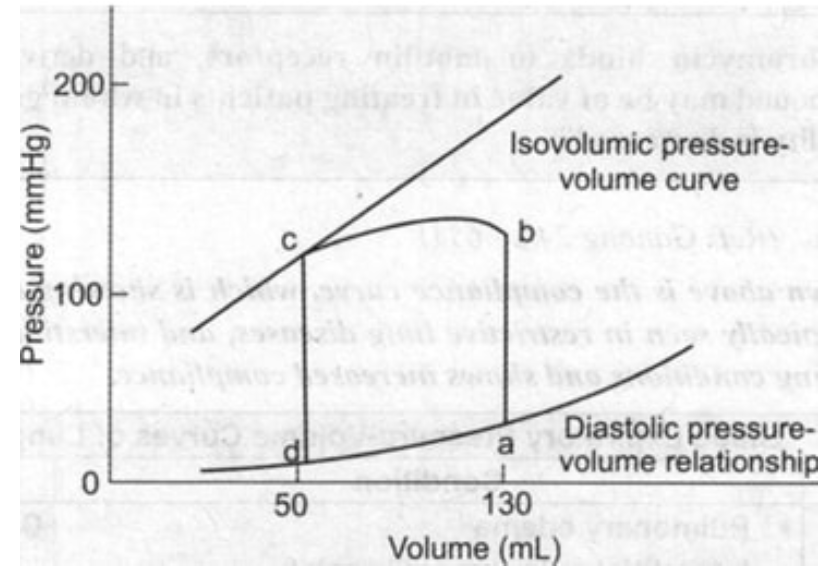
From the given pressure-volume curve, identify the end-diastolic volume (EDV) and end-systolic volume (ESV), then calculate the ejection fraction using the formula EF = (EDV - ESV)/EDV × 100%.
Which hormone, together with the catecholamines, enhances the tone of vascular smooth muscle and assists in elevating blood pressure?
What is the physiological response of the kidney during shock?
The largest component of the total peripheral resistance is due to:
Which hormone is the primary regulator of short-term blood pressure changes?
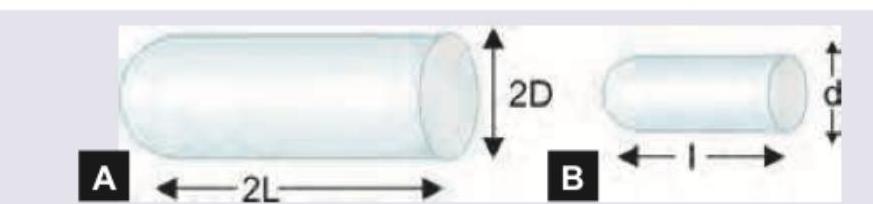
There are two blood vessels shown below. Assuming that pressure along both the vessels is same and both of them follow linear flow pattern, what will be the amount of blood flow in A compared to B?
Cerebral blood flow is regulated by all of the following except:
All are cardiovascular system changes in pregnancy except.
What is the definition of autoregulation in the context of blood flow?
Which factor most strongly influences coronary blood flow during exercise?
Want unlimited practice?
Get full access to all questions, explanations, and performance tracking.
Scan to download app