Hydatid sand is composed of what structures?
Man serves as the intermediate host for which of the following parasites?
Which of the following statements about neurocysticercosis is false?
Chagas disease is caused by which of the following organisms?
Which stain is used to identify Cryptosporidium cysts in a stool sample?
Megaloblastic anemia is caused by which of the following?
Which of the following causes dysentery?
What is the intermediate host for Taenia saginata?
Ingested RBCs (erythrophagy) are seen in which of the following parasitic infections?
Which of the following statements about amoebiasis is NOT true?
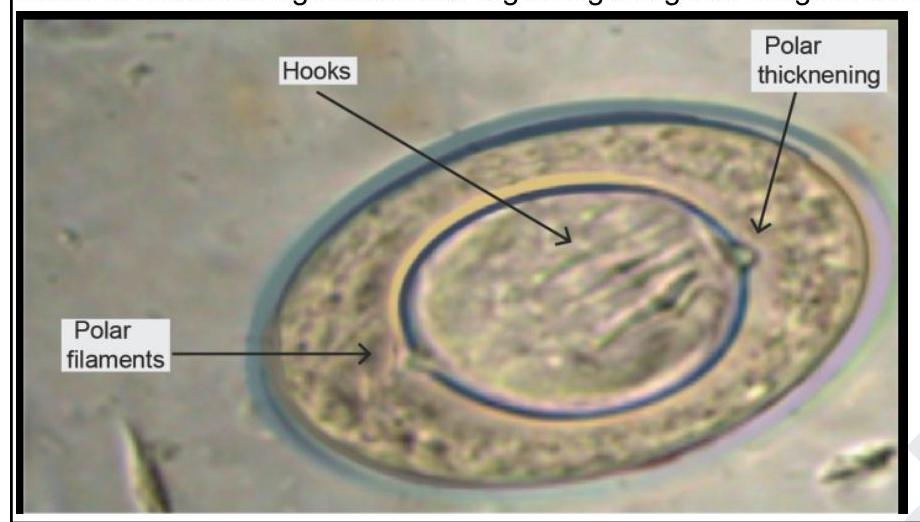
Explanation: **Explanation:** Hydatid disease is caused by the larval stage of the tapeworm *Echinococcus granulosus*. The hydatid cyst is a fluid-filled structure that develops primarily in the liver or lungs. **Why Option C is Correct:** **Hydatid sand** refers to the granular sediment found at the bottom of a mature hydatid cyst. It is primarily composed of **protoscolices** (the infectious larval heads), along with free brood capsules and calcareous corpuscles that have detached from the germinal layer. When the cyst is shaken or aspirated, these microscopic structures settle, resembling grains of sand. **Analysis of Incorrect Options:** * **A. Scolex:** This is the head of an adult tapeworm. While a protoscolex is a precursor to a scolex, the term "scolex" specifically refers to the attachment organ of the adult worm found in the definitive host (dog), not the sediment in the larval cyst. * **B. Cyst:** The cyst is the entire macroscopic pathological structure (containing the ectocyst, endocyst, and fluid). It is the container, not a component of the "sand" within it. * **D. Brood capsule:** While brood capsules (small secondary cysts attached to the germinal layer) can be part of the sediment if they rupture or detach, the diagnostic hallmark and primary constituent of hydatid sand are the **protoscolices**. **High-Yield NEET-PG Pearls:** * **Casoni Test:** An immediate hypersensitivity skin test used for diagnosis (now largely replaced by serology/ELISA). * **Water Lily Sign:** Seen on imaging when the endocyst ruptures and the membranes float in the pericyst. * **Treatment:** Surgical removal is preferred, but **PAIR** (Puncture, Aspiration, Injection of scolicidal agent like hypertonic saline, and Re-aspiration) is an alternative. * **Drug of Choice:** Albendazole. * **Risk:** Spillage of hydatid sand during surgery can lead to **anaphylactic shock** or secondary cyst formation.
Explanation: In parasitology, the classification of hosts depends on the stage of the parasite’s life cycle: the **Definitive Host** harbors the adult (sexual) stage, while the **Intermediate Host** harbors the larval (asexual) stage. **Why Hydatid Cyst is correct:** Hydatid disease is caused by the tapeworm *Echinococcus granulosus*. * **Definitive Host:** Dogs (and other canines), which harbor the adult worm in their intestines. * **Intermediate Host:** Sheep (natural) and **Humans (accidental)**. In humans, the ingested eggs hatch into oncospheres that migrate to organs (primarily the liver and lungs) to form **hydatid cysts**, which represent the larval stage. Since humans harbor the larvae, they serve as the intermediate host. **Why the other options are incorrect:** * **Filariasis (*Wuchereria bancrofti*):** Humans serve as the **Definitive Host** because the adult worms reside in the human lymphatic system. The mosquito (Culex) serves as the intermediate host, harboring the infective larval stages. * **Both:** This is incorrect because the host status for Filariasis and Hydatid disease is fundamentally different regarding the human role. **High-Yield Clinical Pearls for NEET-PG:** * **Dead-end Host:** Humans are "dead-end" intermediate hosts for *E. granulosus* because the cycle usually terminates there (dogs do not typically eat infected human viscera). * **Other parasites where Man is the Intermediate Host:** *Plasmodium* (Malaria), *Toxoplasma gondii*, and *Taenia solium* (in the case of Cysticercosis). * **Diagnosis:** Casoni’s test (historical) and "Water lily sign" on ultrasound/MRI are classic associations for Hydatid cysts.
Explanation: **Explanation** Neurocysticercosis (NCC) is caused by the larval stage (*Cysticercus cellulosae*) of the pork tapeworm, **Taenia solium**. Understanding the life cycle is crucial for NEET-PG: humans are the definitive hosts for the adult worm (Taeniasis) but act as accidental intermediate hosts for the larvae (Cysticercosis). **Why Option A is the "False" Statement (Correct Answer):** While the question identifies Option A as the correct answer based on the provided key, there is a technical nuance in medical terminology. Cysticercosis is acquired by the **ingestion of T. solium eggs** via the feco-oral route (contaminated water/food) or autoinfection. In many standardized exams, if the question implies that eating "larvae" causes NCC, it is incorrect; eating larvae in undercooked pork causes intestinal Taeniasis, not NCC. **Analysis of Other Options:** * **Option B:** Internal autoinfection can occur when gravid proglottids are **regurgitated** into the stomach by reverse peristalsis, where eggs hatch into oncospheres. * **Option C:** This is a common distractor. Eating undercooked pork containing *cysticerci* leads to **Taeniasis** (adult worm in the gut). However, a person with Taeniasis can then develop NCC via autoinfection. * **Option D:** This is false because contaminated vegetables are a major source of egg ingestion leading to NCC. **High-Yield Clinical Pearls for NEET-PG:** * **Most common clinical presentation:** New-onset seizures in adults (Neurocysticercosis is the leading cause of acquired epilepsy in developing countries). * **Imaging:** "Starry sky appearance" on CT/MRI (multiple calcified cysts). * **Drug of Choice:** **Albendazole** (preferred over Praziquantel as it has better CNS penetration). Steroids are always co-administered to reduce inflammation caused by dying larvae. * **Viable vs. Degenerating:** The "hole-with-dot" appearance represents the scolex within the cyst.
Explanation: **Explanation:** **Chagas disease** (American Trypanosomiasis) is caused by the protozoan parasite **Trypanosoma cruzi**. It is primarily transmitted to humans through the feces of the **Triatomine bug** (also known as the "kissing bug" or "reduviid bug"). The parasite enters the body through the bite wound or mucosal surfaces. * **Why Option A is correct:** *Trypanosoma cruzi* is the specific etiological agent. In the acute phase, it is characterized by **Romaña’s sign** (unilateral painless periorbital edema). In the chronic phase, it leads to visceral involvement, most notably **Dilated Cardiomyopathy**, **Megaesophagus**, and **Megacolon** due to the destruction of autonomic nerve plexuses. * **Why other options are incorrect:** * **Brucella:** A gram-negative coccobacillus causing Brucellosis (undulant fever), typically transmitted via unpasteurized dairy. * **Trichinella:** A nematode (*Trichinella spiralis*) causing Trichinellosis, usually acquired by consuming undercooked pork containing encysted larvae in muscle. * **Bartonella:** *Bartonella henselae* causes Cat-scratch disease, while *Bartonella quintana* causes Trench fever. **High-Yield Clinical Pearls for NEET-PG:** 1. **Vector:** Reduviid bug (Triatoma). 2. **Infective Stage:** Metacyclic trypomastigotes (found in bug feces). 3. **Diagnostic feature:** C-shaped trypomastigotes in peripheral blood smears during the acute phase; Amastigotes in tissue (pseudocysts). 4. **Drug of Choice:** Benznidazole or Nifurtimox. 5. **Gold Standard for Chronic phase:** Serology (ELISA/IFA).
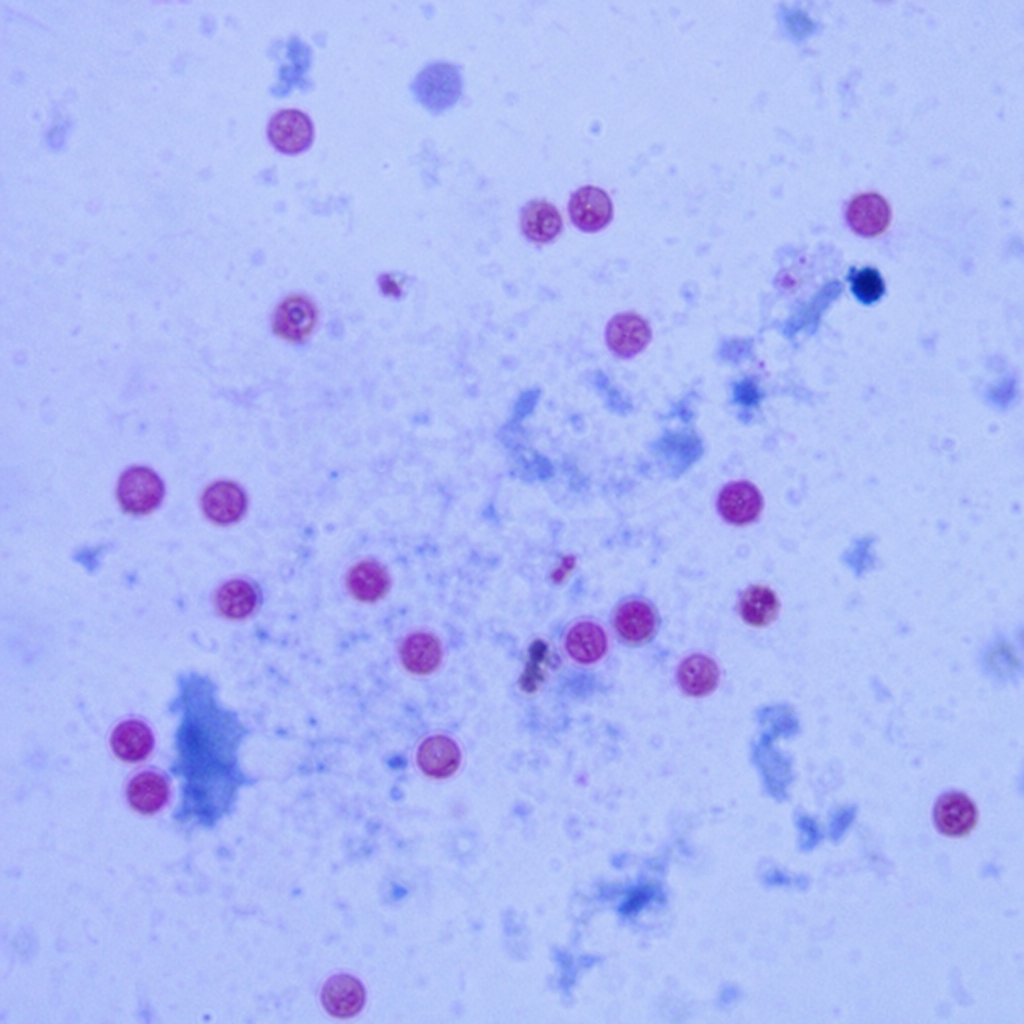
Explanation: **Explanation:** **1. Why Acid-fast stain is correct:** *Cryptosporidium parvum* is a coccidian parasite that causes self-limiting diarrhea in immunocompetent individuals and chronic, life-threatening diarrhea in immunocompromised patients (e.g., HIV/AIDS). The oocysts of *Cryptosporidium* possess a unique lipid-rich cell wall containing mycolic acids, similar to *Mycobacterium*. This property makes them **acid-fast**. In a clinical laboratory, the **Modified Ziehl-Neelsen (Kinyoun) stain** is the gold standard; the oocysts appear as bright red/pink spherical bodies against a blue or green background. **2. Why other options are incorrect:** * **PAS (Periodic Acid-Schiff) stain:** Primarily used to detect glycogen and mucopolysaccharides. It is useful for identifying fungi (like *Candida*) and Tropheryma whipplei, but not specific for *Cryptosporidium*. * **H&E (Hematoxylin and Eosin) stain:** This is a routine histological stain. While it can show organisms attached to the intestinal brush border in biopsy samples, it is not used for stool microscopy as it lacks the contrast needed to differentiate oocysts from fecal debris. * **Giemsa stain:** Used for blood parasites (Plasmodium, Leishmania) and certain intracellular bacteria. It does not highlight the acid-fast nature of *Cryptosporidium*. **3. NEET-PG High-Yield Pearls:** * **Other Acid-fast Parasites:** Remember the "Big Three" coccidians: *Cryptosporidium* (4-6 µm), *Cyclospora* (8-10 µm), and *Cystoisospora* (25-30 µm). * **Morphology:** *Cryptosporidium* oocysts are small (4-6 µm) and contain **four sporozoites** but no sporocysts. * **Treatment of choice:** Nitazoxanide (in immunocompetent) and HAART (in HIV patients). * **Infection Source:** Often associated with contaminated water (chlorine-resistant oocysts) and swimming pools.
Explanation: **Explanation:** **Correct Answer: A. Diphyllobothrium latum** *Diphyllobothrium latum*, also known as the **Fish Tapeworm**, is the largest parasite infecting humans. It causes megaloblastic anemia because the adult worm has a high affinity for **Vitamin B12 (Cobalamin)**. It competes with the host for B12 absorption in the ileum, consuming up to 80–100% of the host's dietary intake. This leads to a B12 deficiency, resulting in megaloblastic anemia and potentially subacute combined degeneration of the spinal cord. **Why the other options are incorrect:** * **B. Schistosoma hematobium:** This is a blood fluke that resides in the vesical venous plexus. It typically causes **painless terminal hematuria** and is a major risk factor for squamous cell carcinoma of the urinary bladder, not megaloblastic anemia. * **C. Echinococcus granulosus:** Known as the Dog Tapeworm, it causes **Hydatid disease**, primarily forming cysts in the liver and lungs. It does not interfere with B12 absorption. * **D. Taenia solium:** The Pork Tapeworm causes intestinal taeniasis or **Cysticercosis** (neurocysticercosis being the most common presentation). It does not cause megaloblastic anemia. **NEET-PG High-Yield Pearls:** * **Transmission:** Ingestion of undercooked freshwater fish containing **plerocercoid larvae**. * **Intermediate Hosts:** 1st—Cyclops; 2nd—Freshwater fish. * **Diagnosis:** Presence of **operculated eggs** (bile-stained) in stool. * **Treatment:** Praziquantel is the drug of choice. * **Differential:** While *D. latum* causes megaloblastic anemia, **Hookworms** (*Ancylostoma duodenale*) are the classic cause of **Iron Deficiency Anemia** (Microcytic Hypochromic).
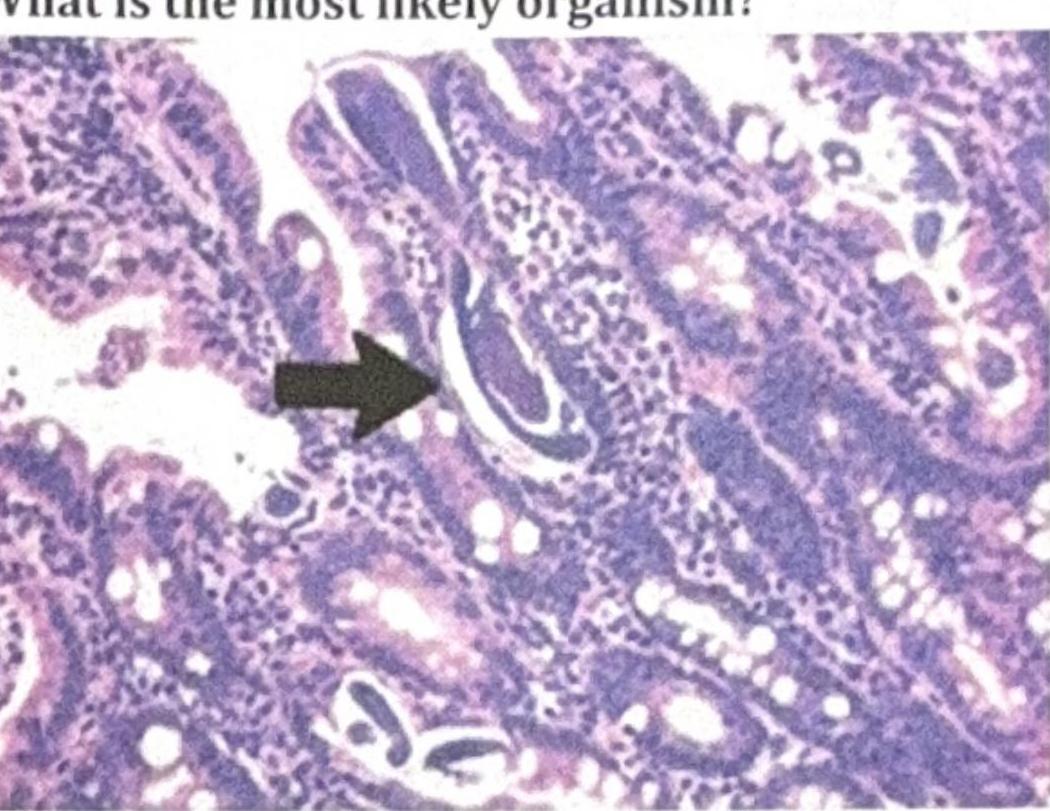
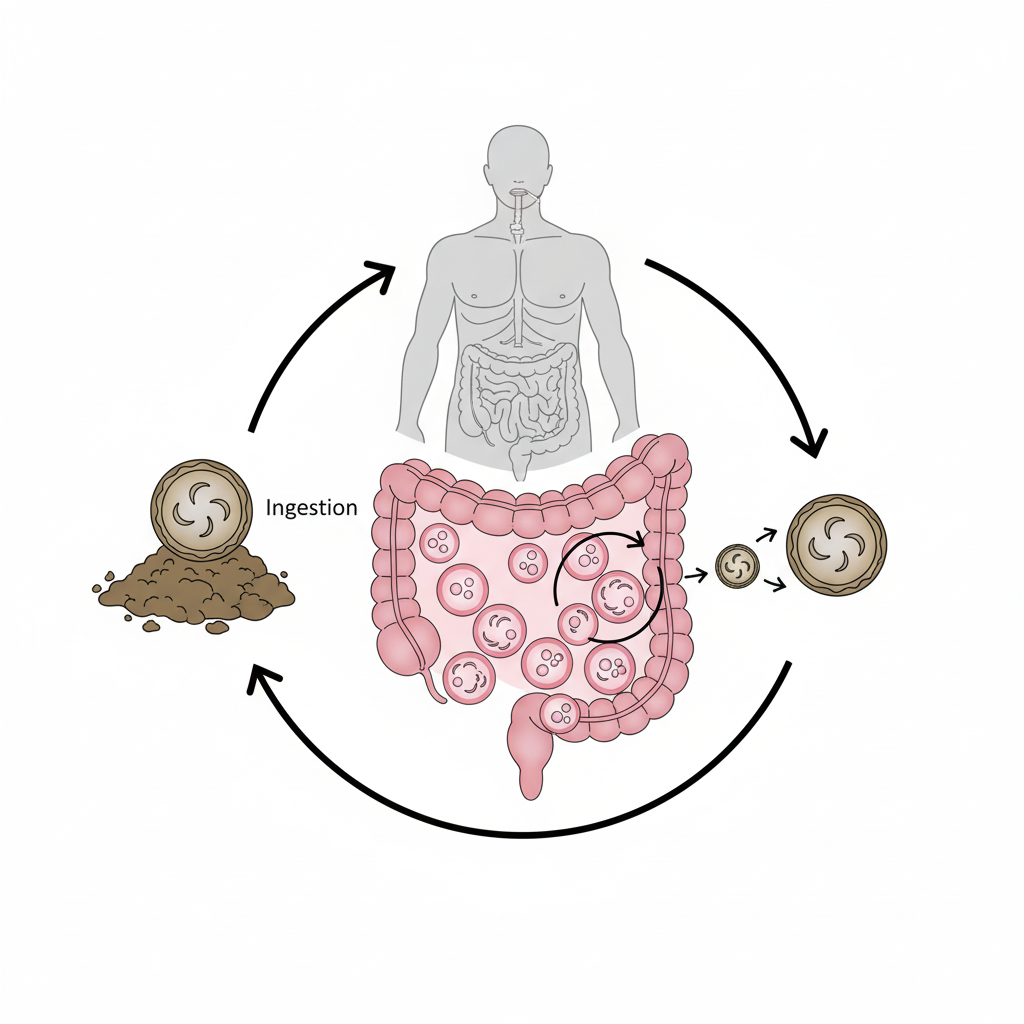
Explanation: **Explanation:** **Entamoeba histolytica** is the correct answer as it is the primary causative agent of **Amoebic Dysentery**. The underlying mechanism involves the parasite’s ability to invade the colonic mucosa using proteolytic enzymes (histolysins), leading to the characteristic **"flask-shaped ulcers."** This tissue destruction results in bloody diarrhea with mucus (dysentery), typically with minimal fecal leucocytes. **Analysis of Options:** * **Giardiasis (Giardia lamblia):** Causes malabsorption and **steatorrhea** (foul-smelling, fatty stools). It inhabits the duodenum and jejunum and does not invade the mucosa; hence, it does not cause dysentery. * **Balantidium coli:** While it *can* cause dysentery (it is the only ciliate human pathogen), it is much rarer than *E. histolytica*. In the context of standard medical exams, *E. histolytica* is the definitive answer for parasitic dysentery unless otherwise specified. * **Cyclosporiasis (Cyclospora cayetanensis):** A coccidian parasite that causes watery diarrhea, especially in immunocompromised patients. It does not cause mucosal invasion or dysentery. **NEET-PG High-Yield Pearls:** * **Trophozoite Morphology:** *E. histolytica* trophozoites are identified by **ingested RBCs** (erythrophagocytosis) and a central karyosome. * **Cyst Stage:** The mature infective stage is the **quadrinucleate cyst**. * **Extra-intestinal site:** The most common site is the **Liver** (Amoebic Liver Abscess), characterized by "Anchovy sauce" pus. * **Treatment:** Metronidazole or Tinidazole (for trophozoites) followed by a luminal amoebicide like Diloxanide furoate (to eradicate cysts).
Explanation: **Explanation:** *Taenia saginata*, also known as the **Beef Tapeworm**, is a parasite that requires two hosts to complete its life cycle. 1. **Why Cattle is Correct:** Cattle (cows/buffaloes) serve as the **intermediate host**. They ingest vegetation contaminated with eggs or gravid proglottids. Once inside the bovine intestine, the oncospheres hatch, penetrate the intestinal wall, and migrate to striated muscle where they develop into the infective larval stage, **Cysticercus bovis**. Humans (the definitive host) become infected by consuming undercooked beef containing these larvae. 2. **Why Other Options are Incorrect:** * **Man:** Humans are the **definitive host** for *T. saginata*. Unlike *T. solium*, humans **cannot** act as intermediate hosts for *T. saginata*; therefore, cysticercosis does not occur with this species. * **Snail:** Snails serve as intermediate hosts for trematodes (flukes) like *Schistosoma* or *Fasciola*, not cestodes. * **Pig:** Pigs are the intermediate host for ***Taenia solium*** (Pork tapeworm). **High-Yield Clinical Pearls for NEET-PG:** * **Infective Stage to Humans:** Cysticercus bovis (larva). * **Diagnostic Feature:** The gravid proglottid of *T. saginata* has **15–30 lateral uterine branches** (more than *T. solium*, which has 7–13). * **Morphology:** The scolex of *T. saginata* has 4 suckers but **lacks hooks and a rostellum** (it is "unarmed"). * **Key Distinction:** *T. saginata* is longer (up to 10m) and causes more significant GI symptoms than *T. solium*, but it is clinically "safer" because it does not cause neurocysticercosis.
Explanation: **Explanation:** The presence of ingested red blood cells (erythrophagy) within the cytoplasm of a trophozoite is the **pathognomonic** feature of **Entamoeba histolytica**. **1. Why Entamoeba histolytica is correct:** * **Concept:** *E. histolytica* is an invasive parasite. The trophozoites produce proteolytic enzymes (histolysins) that destroy host tissues and cause mucosal ulceration. * **Mechanism:** During this invasive process, the trophozoites ingest host erythrocytes. Finding these "hematophagous" trophozoites in a stool sample or biopsy is the gold standard for differentiating the pathogenic *E. histolytica* from the morphologically identical but non-pathogenic *E. dispar*. **2. Why other options are incorrect:** * **Entamoeba coli:** This is a commensal amoeba. It does not invade tissues and lacks the machinery to ingest RBCs. Its trophozoites typically contain ingested bacteria and debris. * **Naegleria fowleri:** Known as the "brain-eating amoeba," it causes Primary Amoebic Meningoencephalitis (PAM). While highly destructive to brain tissue, erythrophagy is not its defining diagnostic characteristic in clinical samples. * **Acanthamoeba:** This free-living amoeba causes Granulomatous Amoebic Encephalitis (GAE) and Keratitis. It does not typically exhibit erythrophagy. **Clinical Pearls for NEET-PG:** * **Morphology:** *E. histolytica* trophozoites show **unidirectional motility** via pseudopodia and a nucleus with a **central karyosome** and fine peripheral chromatin. * **Stain:** Erythrophagy is best visualized using **Iron-hematoxylin** or Trichrome stain. * **Culture:** The **Robinson’s medium** and **NIH medium** are used for cultivation. * **Key Distinction:** Remember the "Rule of 4": *E. histolytica* cysts have a maximum of **4 nuclei**, whereas *E. coli* cysts have up to **8 nuclei**.
Explanation: **Explanation:** The correct answer is **C**. Amoebic liver abscesses (ALA) are caused by the direct cytolytic action of *Entamoeba histolytica* trophozoites, not by pyogenic bacteria. The term "abscess" is actually a misnomer because the process is one of **liquefactive necrosis** (sterile necrosis) rather than true suppuration. The characteristic "anchovy sauce" pus found in these lesions is composed of liquefied hepatocytes and debris, and it is typically sterile unless secondary bacterial infection occurs (which is rare). **Analysis of other options:** * **Option A:** In tropical regions, extraintestinal amoebiasis (primarily ALA) is a significant complication, occurring in approximately 10% of symptomatic cases. * **Option B:** The portal venous system is the primary route of spread. Trophozoites from the colon enter the mesenteric veins and are carried to the liver, which acts as a filter, trapping the parasites in the hepatic sinusoids. * **Option C (Incorrect Statement):** As explained, the pathology is driven by amoebic enzymes (cysteine proteases) and not by pyogenic bacteria. * **Option D:** In an ALA, the central necrotic material is usually devoid of parasites. The actively multiplying trophozoites are found in the **peripheral wall** of the abscess where they are invading healthy tissue. Therefore, the wall is the best site for recovery/culture. **High-Yield Clinical Pearls for NEET-PG:** * **Most common site:** Right lobe of the liver (due to the bulk of blood flow from the superior mesenteric vein). * **Pus appearance:** "Anchovy sauce" (chocolate brown, odorless, and sterile). * **Diagnosis:** Serology (IHA/ELISA) is highly sensitive; Stool microscopy is negative in 60-90% of ALA cases. * **Drug of Choice:** Metronidazole followed by a luminal amoebicide (e.g., Paromomycin) to eradicate the intestinal colonization.
Classification of Parasites
Practice Questions
Intestinal Protozoa
Practice Questions
Blood and Tissue Protozoa
Practice Questions
Malaria Parasites
Practice Questions
Leishmaniasis
Practice Questions
Intestinal Helminths: Nematodes
Practice Questions
Tissue Nematodes
Practice Questions
Trematodes
Practice Questions
Cestodes
Practice Questions
Ectoparasites
Practice Questions
Antiparasitic Drugs
Practice Questions
Laboratory Diagnosis of Parasitic Infections
Practice Questions
Get full access to all questions, explanations, and performance tracking.
Start For Free