Dogs are responsible for the transmission of all the following infections except:
What is the main reservoir for Entamoeba histolytica?
What is the largest trematode that infects humans?
What is true about toxoplasmosis?
A patient presents with subcutaneous nodules over the right iliac crest. Lymph node and skin smears show microfilariae. The patient also has eye manifestations. What is the most common filarial species involved?
Which of the following statements is true about toxoplasmosis?
What is the most common presenting symptom of threadworm infection?
What is the normal habitat of Giardia lamblia?
Which of the following is TRUE about antigen detection tests in the diagnosis of Plasmodium falciparum, EXCEPT?
What is the most common cause of anemia in tropical regions?
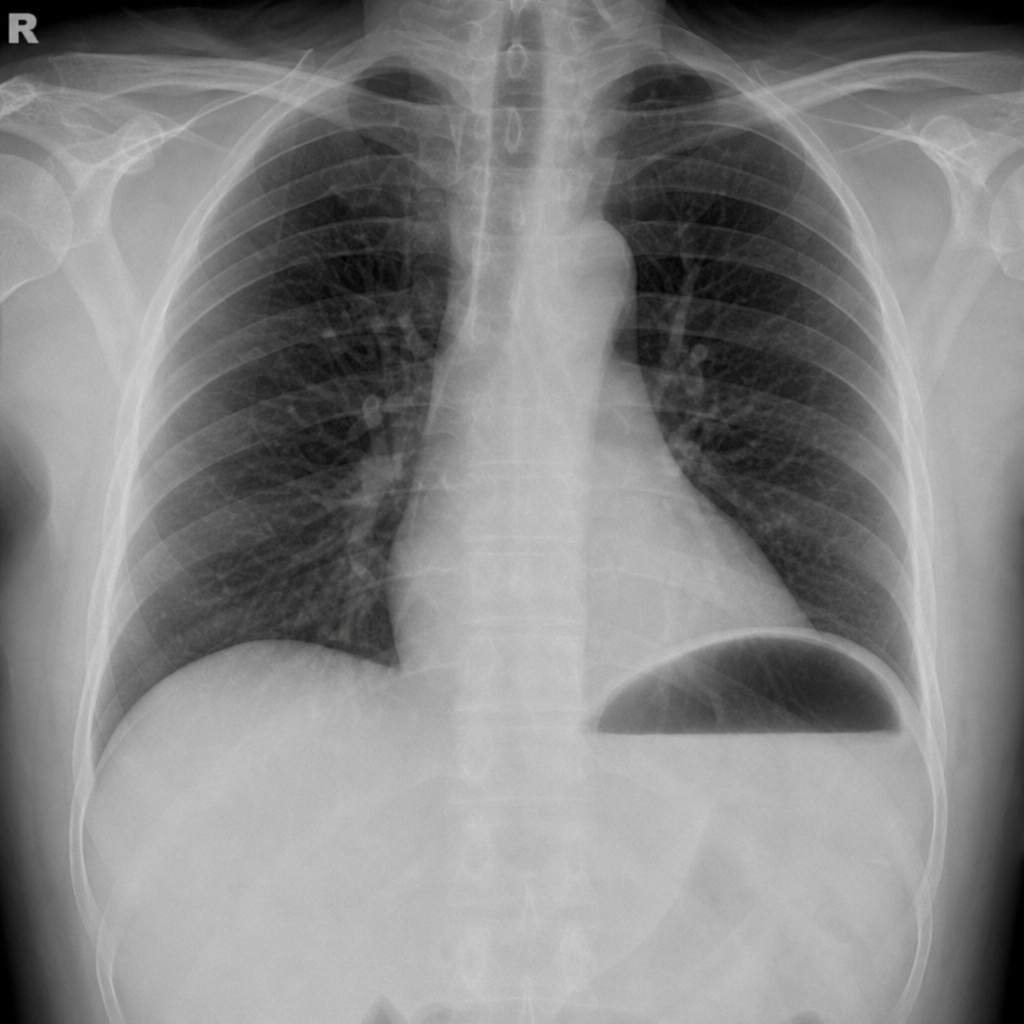
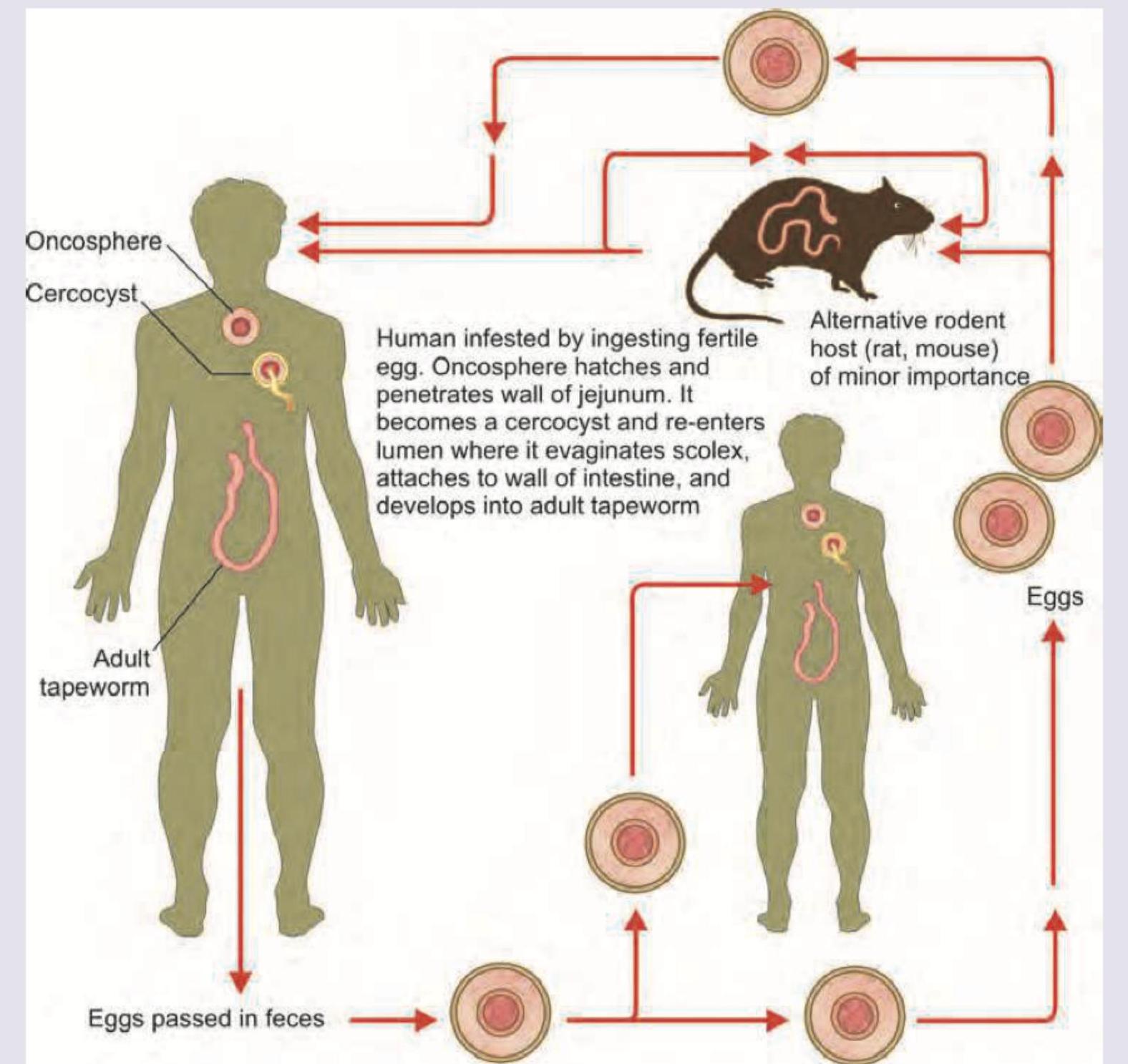
Explanation: **Explanation:** The correct answer is **Toxoplasmosis** because the definitive hosts for *Toxoplasma gondii* are members of the **Felidae family (cats)**, not dogs. 1. **Toxoplasmosis (Option B):** Cats acquire the infection by eating infected rodents. The parasite undergoes its sexual cycle in the feline gut, and infectious oocysts are shed in cat feces. Humans are accidental intermediate hosts, infected via ingestion of oocysts (from soil/cat litter) or tissue cysts (undercooked meat). While dogs can be mechanical carriers if they roll in contaminated soil, they play no biological role in the parasite's life cycle. 2. **Hydatid Disease (Option A):** Caused by *Echinococcus granulosus*. The **dog is the definitive host**, harboring the adult worm in its intestine. Humans are accidental intermediate hosts infected by ingesting eggs shed in dog feces. 3. **Kala-azar (Option C):** In the transmission of Visceral Leishmaniasis (especially the Mediterranean/Zoonotic type caused by *L. infantum*), **dogs serve as the primary reservoir host**. The sandfly transmits the parasite from dogs to humans. 4. **Toxocara canis (Option D):** This is the **dog roundworm**. It causes Visceral Larva Migrans (VLM) in humans when eggs from dog feces are accidentally ingested. **NEET-PG High-Yield Pearls:** * **Definitive Host:** Where the sexual cycle occurs (Cat for *Toxoplasma*; Dog for *Echinococcus*). * **Intermediate Host:** Where the asexual cycle occurs (Human for both *Toxoplasma* and *Echinococcus*). * **Toxoplasmosis Triad:** Chorioretinitis, Hydrocephalus, and Intracranial calcifications (Congenital infection). * **Hydatid Cyst:** Look for "Eggshell calcification" on X-ray and "Water lily sign" on USG/CT.
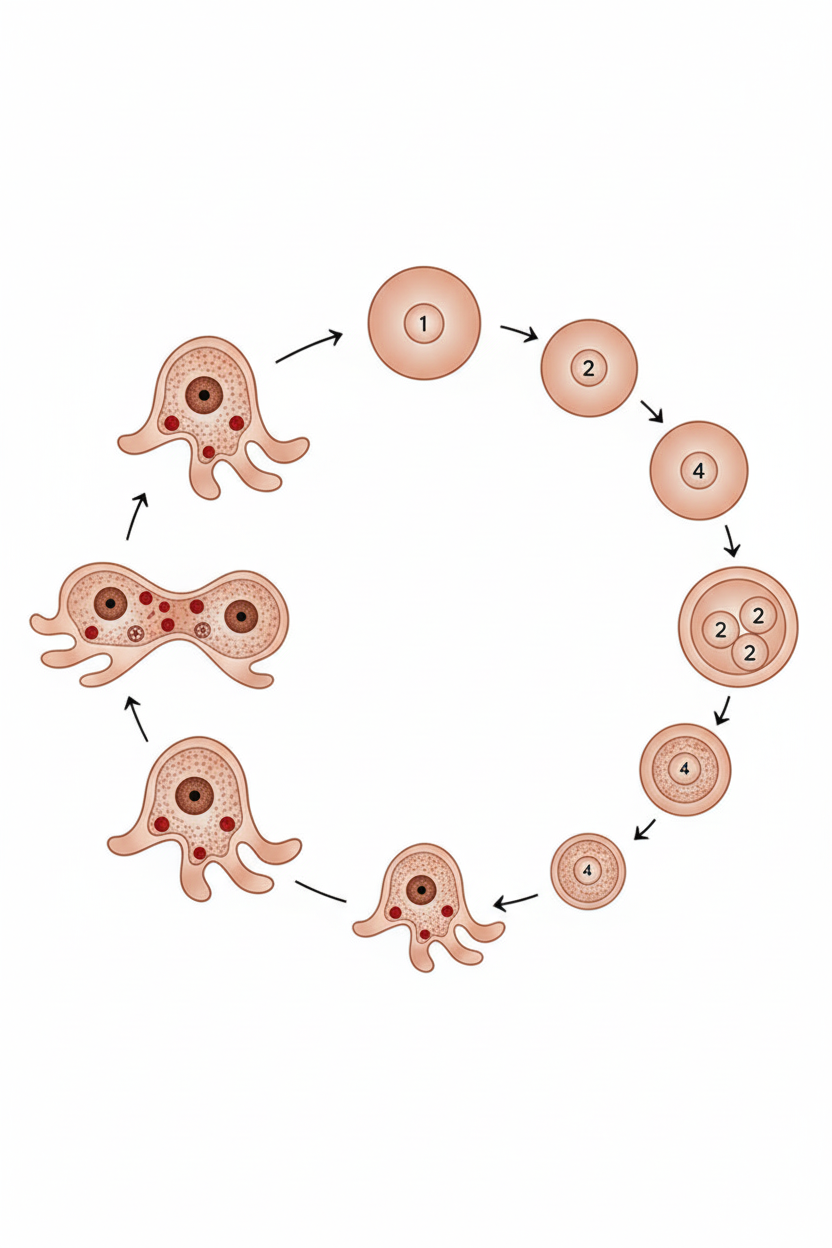
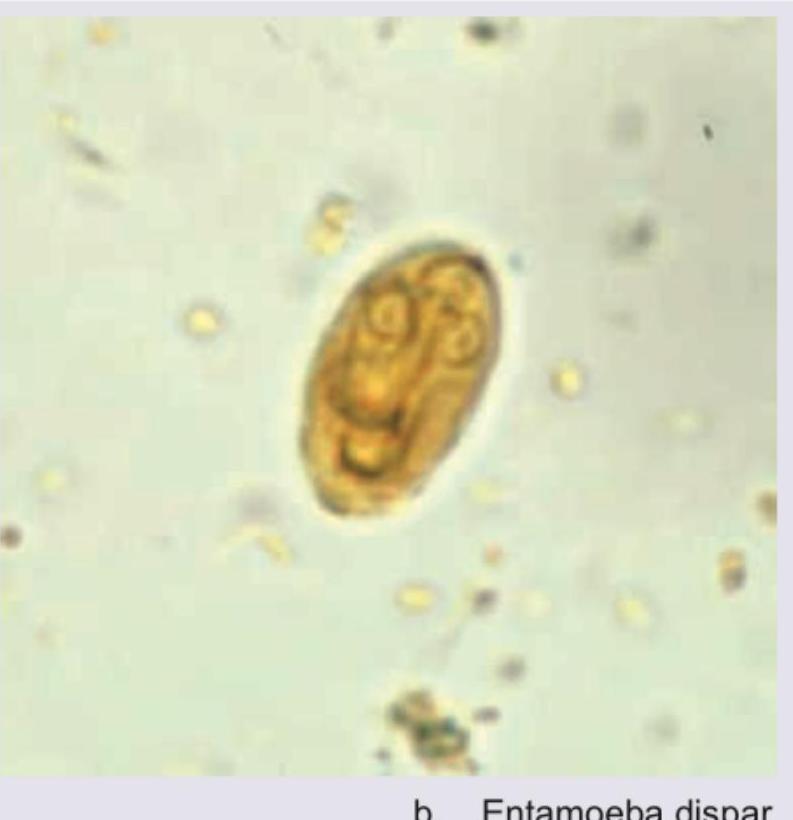
Explanation: **Explanation:** **1. Why the Correct Answer is Right:** *Entamoeba histolytica* is an obligate human parasite. **Man is the only natural host and the primary reservoir** for this infection. The life cycle is simple and does not require an intermediate host. The reservoir consists primarily of "asymptomatic cyst passers" (chronic carriers) who discharge mature, quadrinucleated cysts in their feces. These cysts are the infective stage, and since humans are the sole source, the maintenance of the parasite in nature depends entirely on human-to-human transmission via the fecal-oral route. **2. Why the Incorrect Options are Wrong:** * **B, C, and D (Drinking water, Soil, Ponds):** These are **vehicles of transmission** or environmental media, not reservoirs. While cysts can survive in moist soil or water for several weeks, the parasite cannot multiply or maintain its population within these elements. They serve as the route through which the parasite reaches a new human host but are not the biological source. **3. NEET-PG Clinical Pearls & High-Yield Facts:** * **Infective Form:** Mature quadrinucleated cyst. * **Pathogenic Form:** Trophozoite (shows "crawling" pseudopodial movement and may contain ingested RBCs—a pathognomonic feature). * **Primary Site:** Large intestine (Caecum and Sigmoid colon). * **Classic Lesion:** Flask-shaped ulcer. * **Extra-intestinal Site:** Liver is the most common site (Amoebic Liver Abscess), characterized by "Anchovy sauce" pus. * **Drug of Choice:** Metronidazole or Tinidazole (followed by a luminal amoebicide like Diloxanide furoate to eradicate the carrier state).
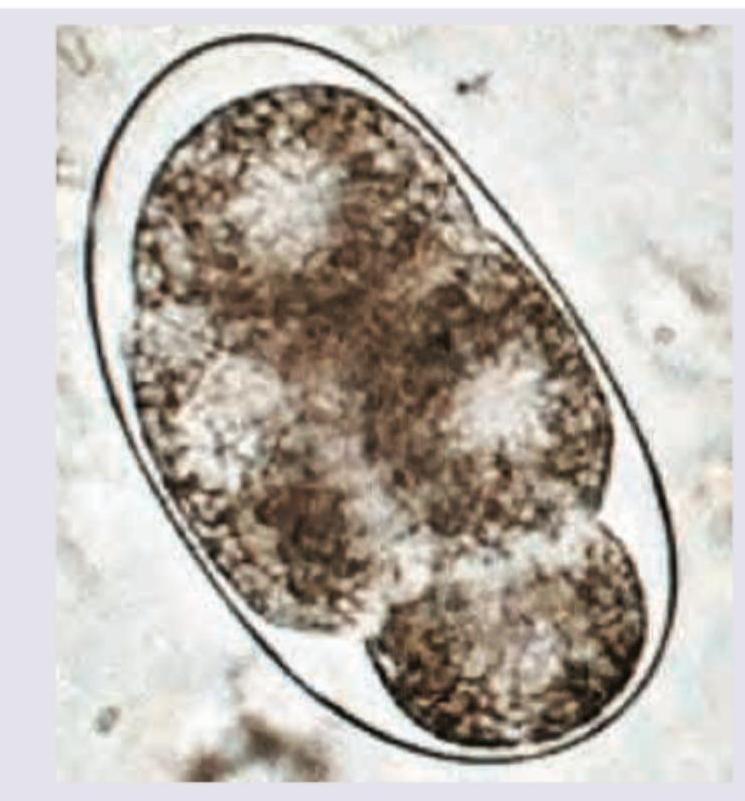
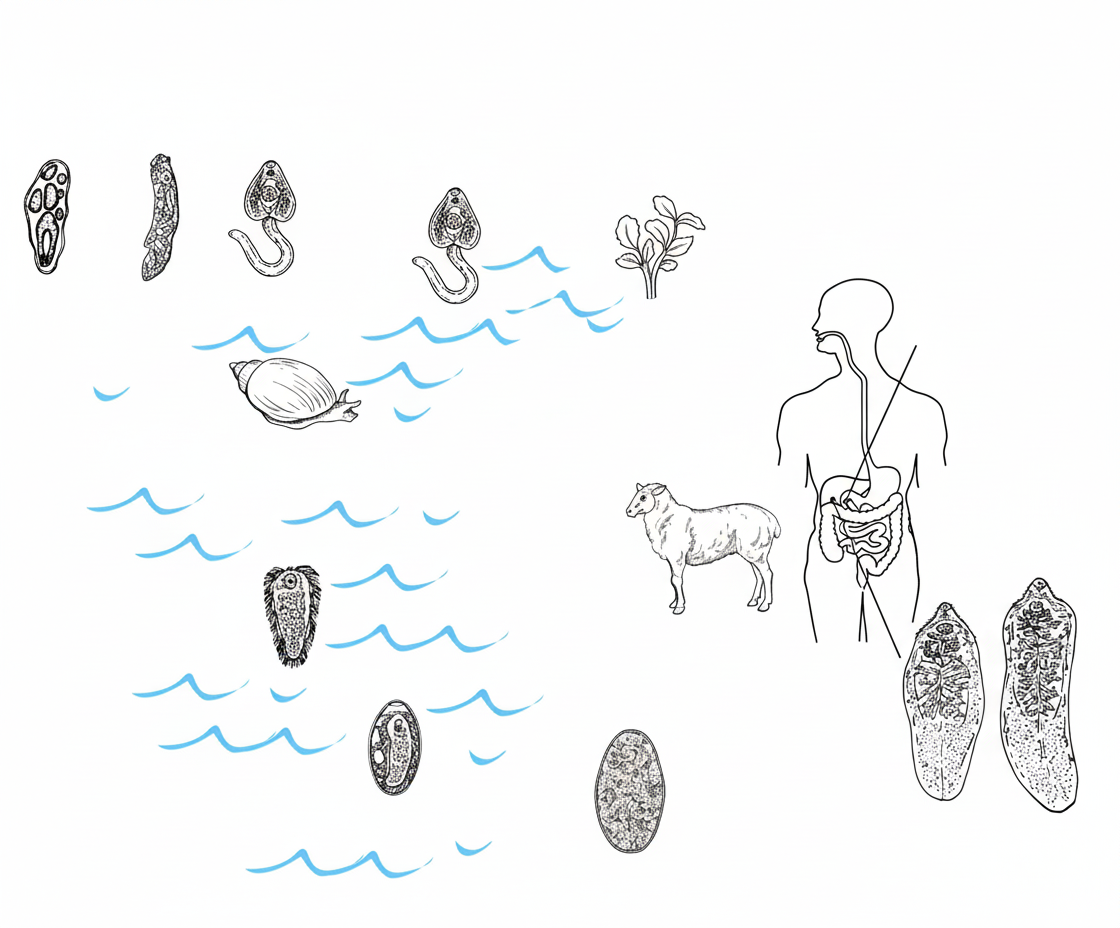
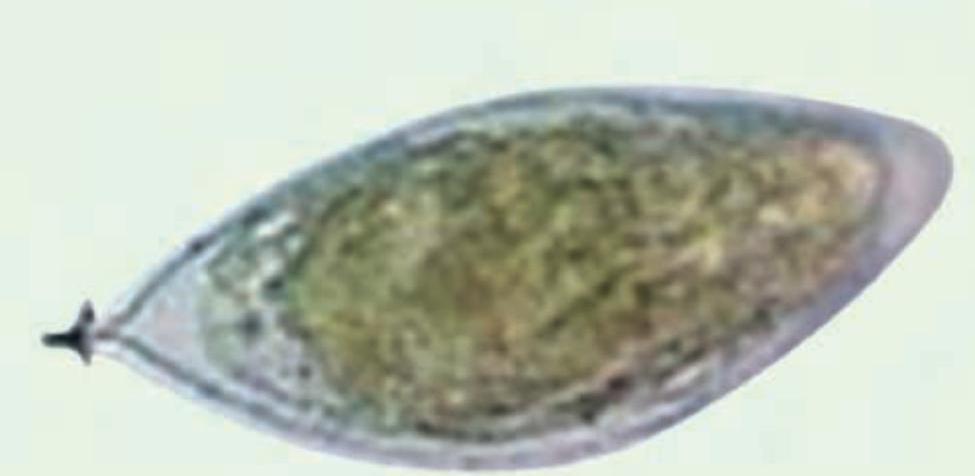
Explanation: **Explanation:** **Fasciolopsis buski** is the correct answer as it is the **largest intestinal fluke** and the largest trematode (flatworm) to infect humans. It typically measures 2 to 7.5 cm in length and 1 to 2 cm in width. It resides in the small intestine of humans and pigs, which serve as the primary reservoir. **Analysis of Options:** * **Fasciola hepatica (Sheep Liver Fluke):** While large, it is significantly smaller than *F. buski* (averaging 3 cm). It primarily infects the bile ducts rather than the intestine. * **Echinococcus granulosus:** This is a **Cestode** (tapeworm), not a Trematode. Furthermore, it is one of the smallest tapeworms (3–6 mm), though it causes large hydatid cysts. * **Clonorchis sinensis (Chinese Liver Fluke):** This is a much smaller trematode (1–2 cm) that inhabits the distal bile ducts. **High-Yield NEET-PG Pearls:** * **Habitat:** Small intestine (duodenum and jejunum). * **Infective Stage:** **Metacercariae** encysted on aquatic plants (e.g., Water chestnut, Water caltrop). * **Intermediate Hosts:** 1st—Snail (*Segmentina*); 2nd—Aquatic plants. * **Clinical Presentation:** Mostly asymptomatic, but heavy loads cause epigastric pain, malabsorption, and characteristic **non-pitting edema** (due to toxin absorption). * **Diagnosis:** Large, operculated, bile-stained eggs in stool (identical to *Fasciola hepatica*). * **Drug of Choice:** Praziquantel.
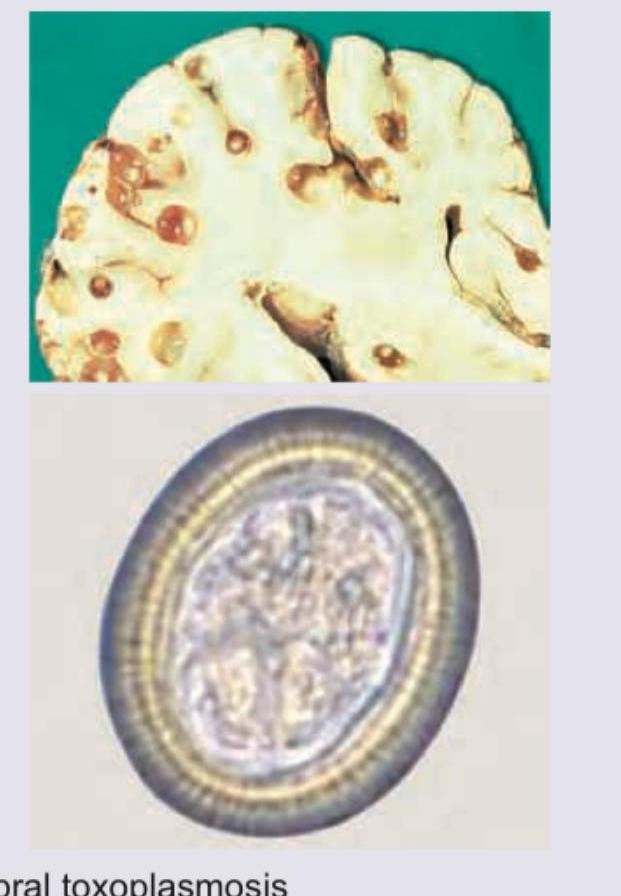
Explanation: **Explanation:** *Toxoplasma gondii* is an obligate intracellular protozoan. The definitive hosts are members of the Felidae family (cats), while humans serve as accidental intermediate hosts. **Why Option B is correct:** The sexual cycle of *Toxoplasma* occurs only in the intestinal epithelium of cats, resulting in the excretion of **unsporulated oocysts** in their feces. These oocysts mature (sporulate) in the environment. Humans become infected primarily by the **ingestion of sporulated oocysts** via soil, water, or food contaminated with cat feces. **Analysis of Incorrect Options:** * **Option A:** While ingestion of meat is a common route of transmission, it involves the ingestion of **tissue cysts** (containing bradyzoites), not sporocysts. Sporocysts are components found within the oocyst. * **Option C:** This is a tricky distractor. While Spiramycin is used in pregnancy, it is specifically indicated only when **fetal infection has NOT yet occurred** (to prevent vertical transmission). If fetal infection is confirmed, the treatment of choice is Pyrimethamine, Sulfadiazine, and Folinic acid. Therefore, "Spiramycin given in pregnancy" is a management strategy rather than a biological "truth" about the parasite's nature in this context. * **Option D:** *Toxoplasma* is not transmitted by mosquitoes. *Anopheles* is the vector for Malaria. **High-Yield Clinical Pearls for NEET-PG:** * **Infective forms for humans:** Sporulated oocysts (from cats), Tissue cysts (from undercooked meat), and Tachyzoites (transplacental). * **Congenital Toxoplasmosis Triad:** Chorioretinitis, Hydrocephalus, and Intracranial calcifications (typically diffuse). * **Diagnosis:** Sabin-Feldman Dye Test (Gold Standard) and ELISA for IgM/IgG antibodies. * **HIV/Immunocompromised:** Most common cause of CNS mass lesions (Ring-enhancing lesions on CT/MRI).
Explanation: ### Explanation **Correct Option: B. *Onchocerca volvulus*** The clinical triad of **subcutaneous nodules** (Onchocercomas), **skin manifestations** (dermatitis/atrophy), and **ocular involvement** (River Blindness) is classic for *Onchocerca volvulus*. Unlike other filarial worms, the adult worms reside in subcutaneous nodules, and the microfilariae are found primarily in the **skin and eyes**, rather than the blood. The iliac crest is a common site for these nodules in African variants. **Analysis of Incorrect Options:** * **A. *Brugia timori*:** Primarily causes lymphatic filariasis (elephantiasis) confined to the lower limbs. Microfilariae are found in the **blood**, not skin smears. * **C. *Loa loa* (African Eye Worm):** Characterized by transient **Calabar swellings** and the migration of the adult worm across the conjunctiva. While it involves the eye, it does not typically cause the permanent blindness or the specific subcutaneous nodules (Onchocercomas) seen here. * **D. *Mansonella ozzardi*:** Generally considered non-pathogenic or causes mild symptoms like arthralgia. Microfilariae circulate in the blood. **High-Yield Clinical Pearls for NEET-PG:** * **Vector:** Transmitted by the **Blackfly (*Simulium*)**, which breeds in fast-flowing rivers (hence "River Blindness"). * **Diagnosis:** The gold standard is the **Skin Snip Test** to demonstrate microfilariae. * **Mazzotti Reaction:** A severe inflammatory response (fever, rash, hypotension) occurring after treatment with Diethylcarbamazine (DEC) as microfilariae die. * **Drug of Choice:** **Ivermectin** (Note: DEC is contraindicated due to the risk of ocular damage from the Mazzotti reaction). * **Wolbachia:** *Onchocerca* harbors symbiotic *Wolbachia* bacteria; Doxycycline can be used to sterilize adult female worms.
Explanation: ### Explanation: Congenital Toxoplasmosis The risk and severity of congenital toxoplasmosis are determined by the gestational age at the time of primary maternal infection. This relationship follows an **inverse correlation** between transmission rate and fetal damage. **1. Why Option C is Correct:** * **Maximum Damage (1st Trimester):** During the first trimester, organogenesis is occurring. Although the placenta is less permeable to *Toxoplasma gondii* tachyzoites at this stage, any infection that does cross the barrier results in severe clinical manifestations, such as chorioretinitis, hydrocephalus, intracranial calcifications (Sabin’s triad), or fetal demise. * **Maximum Transmission (3rd Trimester):** As pregnancy progresses, the placenta becomes more vascular and thinner, increasing its permeability. Consequently, the risk of vertical transmission is highest (up to 60–80%) in the third trimester, though most neonates are asymptomatic at birth. **2. Why Other Options are Incorrect:** * **Options A, B, & D:** These options incorrectly pair the timing of transmission and damage. They fail to recognize that while the fetus is most vulnerable early on, the physiological barrier of the placenta is most effective during that same period. **3. NEET-PG High-Yield Pearls:** * **Definitive Host:** Domestic cat (sexual cycle occurs in the small intestine). * **Intermediate Host:** Humans and other mammals (asexual cycle). * **Infective Forms:** Oocysts (from cat feces) or Tissue cysts (from undercooked meat). * **Classic Triad:** Chorioretinitis, Hydrocephalus, and Intracranial calcifications. * **Diagnosis:** Sabin-Feldman Dye Test (Gold Standard) or IgM/IgG ELISA. * **Treatment:** Spiramycin (to prevent transmission); Pyrimethamine + Sulfadiazine (if fetal infection is confirmed).
Explanation: **Explanation:** The correct answer is **B. Irritation and pruritus of the perianal area.** **Threadworm (Enterobius vermicularis)**, also known as pinworm, is the most common helminthic infection worldwide. The hallmark symptom is **nocturnal perianal pruritus** (itching). This occurs because the gravid female worm migrates out of the anus at night to deposit thousands of eggs on the perianal skin folds. The movement of the worm and the sticky substance used to adhere the eggs cause intense irritation and an allergic reaction, leading to the classic "itchy bottom" symptom. **Analysis of Incorrect Options:** * **A. Abdominal pain:** While heavy infestations can occasionally cause vague abdominal discomfort or mimic appendicitis, it is not the *most common* presenting symptom. * **C. Urticaria:** This is more characteristic of helminths that have a tissue-migratory phase (like *Ascaris* or *Strongyloides*). *E. vermicularis* does not invade the tissues or blood. * **D. Vaginitis:** This can occur in young girls if the worms migrate into the vulva (ectopic migration), but it is a complication rather than the primary presenting symptom. **High-Yield Clinical Pearls for NEET-PG:** * **Diagnosis:** The gold standard is the **NIH Swab** or **Scotch Tape (Cellophane Tape) Test**, performed early in the morning before bathing. * **Transmission:** Primarily via the **fecal-oral route** (autoinoculation via fingernails) or retroinfection. * **Treatment:** **Albendazole or Mebendazole** (single dose, repeated after 2nd week). It is crucial to treat the **entire family** simultaneously to prevent reinfection. * **Key Fact:** *Enterobius* is the only common intestinal nematode that does **not** have a lung migration phase and does **not** cause eosinophilia.
Explanation: **Explanation:** *Giardia lamblia* (also known as *G. duodenalis* or *G. intestinalis*) is a flagellated protozoan that primarily inhabits the **duodenum and the upper part of the jejunum**. This is the correct answer because the parasite thrives in an alkaline environment rich in nutrients. After ingestion of cysts, excystation occurs in the stomach due to gastric acid, but the resulting trophozoites migrate to and colonize the small intestine, where they attach to the mucosal surface using a ventral sucking disc. **Analysis of Incorrect Options:** * **Stomach (B):** The highly acidic environment of the stomach is lethal to trophozoites. While cysts pass through the stomach, it is not a site of colonization. * **Caecum (C):** This is the typical habitat for parasites like *Entamoeba histolytica* and *Trichuris trichiura*, not *Giardia*. * **Ileum (D):** While *Giardia* may occasionally be found in the ileum, its primary site of heavy colonization and clinical significance is the proximal small intestine (duodenum/jejunum). **Clinical Pearls for NEET-PG:** * **Pathogenesis:** *Giardia* causes malabsorption (especially of fats and fat-soluble vitamins) by "carpeting" the mucosa and causing blunting of villi. * **Clinical Feature:** Characterized by foul-smelling, frothy, non-bloody steatorrhea. * **Diagnosis:** The "String Test" (Entero-test) can be used to sample duodenal contents. Stool microscopy shows "falling leaf motility" (trophozoites) or oval cysts. * **Drug of Choice:** Metronidazole or Tinidazole.
Explanation: **Explanation:** Rapid Diagnostic Tests (RDTs) for Malaria are primarily based on **immunochromatographic methods** (Option A) that detect specific parasite antigens in the blood. The correct answer is **Option B** because the specific antigen detected in *Plasmodium falciparum* is **Histidine-Rich Protein 2 (HRP-2)**, not HRP-1. HRP-2 is a water-soluble protein produced by the asexual stages and young gametocytes of *P. falciparum*. It is highly specific and can remain in the bloodstream for up to 2–4 weeks even after successful treatment, sometimes leading to false-positive results during follow-up. **Analysis of other options:** * **Option C:** **Parasite Lactate Dehydrogenase (pLDH)** is an enzyme produced by the glycolytic pathway of all four human malaria species. Tests detecting pLDH can differentiate between *P. falciparum* and non-falciparum species. * **Option D:** **Plasmodium Glutamate Dehydrogenase (pGDH)** is another metabolic enzyme used as a diagnostic marker for all *Plasmodium* species. * **Option A:** These tests are indeed **immunochromatographic** "dipstick" or "cassette" tests, providing results within 15–20 minutes without the need for microscopy. **High-Yield Clinical Pearls for NEET-PG:** * **HRP-2:** Specific to *P. falciparum* only. * **pLDH & pGDH:** Common to all species (Pan-malarial markers). * **Prozone Phenomenon:** Very high parasitemia can lead to false-negative RDT results. * **Gold Standard:** Peripheral Blood Smear (Thin for species identification, Thick for parasite density) remains the gold standard for malaria diagnosis.
Explanation: **Explanation:** **Hookworm infection** (primarily *Ancylostoma duodenale* and *Necator americanus*) is the leading cause of iron-deficiency anemia in tropical regions. The underlying mechanism is chronic intestinal blood loss. These parasites attach to the small intestinal mucosa using buccal capsules (teeth or cutting plates) and secrete anticoagulants (e.g., factor Xa inhibitors). A single *A. duodenale* can cause up to 0.2 ml of blood loss per day, while *N. americanus* causes about 0.03 ml. Over time, this exceeds the host's dietary iron intake, leading to microcytic hypochromic anemia. **Analysis of Incorrect Options:** * **Threadworm (*Strongyloides stercoralis*):** While it can cause malabsorption and abdominal pain, it does not typically cause significant blood loss or anemia. Its hallmark is autoinfection and hyperinfection syndrome in immunocompromised patients. * **Ascaris (*Ascaris lumbricoides*):** The largest nematode, it primarily causes malnutrition and intestinal obstruction (bolus formation). It does not suck blood. * **Guinea worm (*Dracunculus medinensis*):** This parasite resides in subcutaneous tissues, causing skin ulcers. It has no involvement with the intestinal tract or systemic blood loss. **High-Yield Clinical Pearls for NEET-PG:** * **Infective stage:** L3 (Filariform) larva (penetrates intact skin, often via walking barefoot). * **Diagnosis:** Presence of non-bile stained, segmented eggs in stool. * **Loeffler’s Syndrome:** Can occur during the pulmonary migration phase of the larvae (transient eosinophilic pneumonia). * **Treatment:** Albendazole (400 mg single dose) is the drug of choice.
Classification of Parasites
Practice Questions
Intestinal Protozoa
Practice Questions
Blood and Tissue Protozoa
Practice Questions
Malaria Parasites
Practice Questions
Leishmaniasis
Practice Questions
Intestinal Helminths: Nematodes
Practice Questions
Tissue Nematodes
Practice Questions
Trematodes
Practice Questions
Cestodes
Practice Questions
Ectoparasites
Practice Questions
Antiparasitic Drugs
Practice Questions
Laboratory Diagnosis of Parasitic Infections
Practice Questions
Get full access to all questions, explanations, and performance tracking.
Start For Free