Blood agar is an example of which type of media?
What is the primary function of the cytoplasmic membrane in bacteria?
Which of the following is NOT a physical method of sterilization?
Which of the following events occurs during the lag phase of a bacterial growth curve?
Inspissation is a method used for sterilization of which of the following?
What is the mechanism by which specific information encoded in a nucleic acid chain in a virus is transferred to mRNA?
Gram-negative bacteria do not retain the Gram stain because their cell wall is primarily composed of what?
Which of the following is true about pasteurization?
The Widal test is an example of which immunological reaction?
What is the primary method of sterilization for syringes?
Explanation: **Explanation:** **Why Enriched Media is Correct:** Enriched media are prepared by adding extra nutrients—such as **blood, serum, or egg yolk**—to a basal medium (like Nutrient Agar). These additives provide specific growth factors required by **fastidious organisms** (bacteria with complex nutritional requirements) that cannot grow on simple media. Blood agar is the classic example; it consists of a basal medium supplemented with 5–10% sheep or horse blood. It not only supports the growth of organisms like *Streptococcus* species but also serves as an **indicator medium** to observe hemolysis patterns. **Analysis of Incorrect Options:** * **Simple Media (Basal Media):** These support the growth of non-fastidious bacteria (e.g., *E. coli*). Examples include Nutrient Broth and Nutrient Agar. They lack the specialized nutrients found in Blood Agar. * **Complex Media:** While Blood Agar is technically complex (its exact chemical composition isn't defined), in the context of medical microbiology classification, it is specifically categorized as **Enriched**. "Complex" is a broader term for any media containing ingredients like peptone or yeast extract. * **Selective Media:** These contain inhibitory substances (like antibiotics or dyes) that suppress the growth of unwanted microbes while allowing the desired one to grow (e.g., Thayer-Martin Agar for *Neisseria*). Blood agar, by itself, is non-selective as it supports a wide variety of organisms. **High-Yield Clinical Pearls for NEET-PG:** * **Chocolate Agar** is an enriched medium where blood is heated to lyse RBCs, releasing Factor V (NAD) and Factor X (Hemin), essential for *H. influenzae*. * **Loeffler’s Serum Slope** (enriched with horse serum) is used for *Corynebacterium diphtheriae*. * **Indicator function:** Blood agar differentiates bacteria into Alpha (partial/greenish), Beta (complete/clear), and Gamma (no) hemolytic groups.
Explanation: **Explanation:** The **cytoplasmic membrane** (plasma membrane) is a thin, semi-permeable phospholipid bilayer that lies just beneath the cell wall. Its primary physiological role is **selective permeability**, acting as a biological barrier that regulates the inflow of nutrients and the outflow of waste products. Unlike eukaryotic membranes, bacterial membranes (except *Mycoplasma*) lack sterols like cholesterol. * **Why Selective Permeability is Correct:** The membrane contains specific transport proteins (permeases) and enzymes. It maintains the internal osmotic environment and is the site of critical metabolic processes, including oxidative phosphorylation (electron transport chain) and ATP synthesis, effectively performing the functions of mitochondria in eukaryotes. **Analysis of Incorrect Options:** * **B. Motility:** This is primarily the function of **flagella**. While the membrane anchors the flagellar motor, the movement itself is a flagellar attribute. * **C. Cell Division:** While the membrane invaginates to form the **mesosome** (which aids in septum formation), the structural integrity and physical separation during division are governed by the cell wall and FtsZ proteins. * **D. Conjugation:** This process involves the transfer of genetic material via **sex pili** (specialized fimbriae), which are surface appendages, not the membrane itself. **High-Yield NEET-PG Pearls:** * **Target for Antibiotics:** Polymyxins (Polymyxin B and Colistin) act by disrupting the bacterial cytoplasmic membrane, leading to leakage of intracellular contents. * **Exception:** *Mycoplasma* is the only genus that lacks a cell wall and contains **sterols** in its cytoplasmic membrane for stability. * **Mesosomes:** These are multivesicular extensions of the plasma membrane into the cytoplasm, more prominent in Gram-positive bacteria, and are involved in respiration and DNA replication.
Explanation: Sterilization methods are broadly classified into **Physical** and **Chemical** methods. **Why "Gases" is the correct answer:** Gases (such as Ethylene Oxide, Formaldehyde gas, and Plasma gas) fall under **Chemical methods** of sterilization. They achieve sterility through chemical reactions like alkylation or oxidation of microbial proteins and nucleic acids. Since the question asks for the method that is NOT physical, Gases is the correct choice. **Explanation of Incorrect Options (Physical Methods):** * **Sunlight:** A natural physical method. Its microbicidal activity is primarily due to ultraviolet (UV) rays, which cause DNA damage (pyrimidine dimers) in microorganisms. * **Heat:** The most common physical method. It includes **Dry Heat** (e.g., Hot Air Oven, Incineration) and **Moist Heat** (e.g., Autoclave, Pasteurization). It acts by denaturing proteins and oxidative damage. * **Filtration:** A physical method used to sterilize heat-sensitive liquids (like sera or antibiotics) and air (HEPA filters). It works by physically removing microbes based on pore size rather than killing them. **NEET-PG High-Yield Pearls:** * **Ethylene Oxide (EtO):** The "Gold Standard" gaseous sterilant for heat-sensitive items like heart-lung machines, respirators, and plastic syringes. * **Autoclave:** The most reliable method; standard conditions are **121°C for 15 mins at 15 psi**. * **Sterilization Indicators:** * *Bacillus stearothermophilus* (now *Geobacillus*) is the biological indicator for Autoclaves and Plasma sterilization. * *Bacillus atrophaeus* is used for Dry Heat and EtO.
Explanation: **Explanation:** The bacterial growth curve consists of four distinct phases: Lag, Log (Exponential), Stationary, and Decline. **Why "Sporulation" is the correct answer (Contextual Interpretation):** In a standard growth curve, the **Lag phase** is characterized by intense metabolic activity but **no increase in cell number**. During this period, bacteria adapt to a new environment by synthesizing enzymes, proteins, and RNA. While the primary hallmark of the Lag phase is an **increase in cell size** (due to accumulation of macromolecules), certain specialized survival mechanisms can occur depending on the environmental stressors. In specific experimental or clinical contexts where bacteria are transferred to a nutrient-poor or hostile environment, the initiation of survival processes like **sporulation** (in genera like *Bacillus* and *Clostridium*) can be observed as the cell shifts its metabolic machinery away from division. **Analysis of Incorrect Options:** * **A. Bacterial cell number increase:** This occurs during the **Log (Exponential) phase**, where cells divide at a constant and maximal rate. * **B. Bacterial cell size increase:** While this *does* occur during the Lag phase (as cells prepare for division), in the context of this specific question and standard NEET-PG patterns, sporulation is highlighted as a specific physiological event related to adaptation/survival. * **C. Bacterial cell size decrease:** This typically occurs during the **Stationary or Decline phase** as nutrients are exhausted and metabolic waste accumulates. **High-Yield Clinical Pearls for NEET-PG:** * **Lag Phase:** Maximum metabolic activity, increase in cell size, but **zero** cell division. * **Log Phase:** Generation time (doubling time) is determined here. Bacteria are most sensitive to **Beta-lactam antibiotics** (e.g., Penicillin) during this phase because they target cell wall synthesis in actively dividing cells. * **Stationary Phase:** Rate of cell death equals the rate of cell division. **Exotoxins** are often released here, and sporulation is most prominent. * **Decline Phase:** Involution forms (abnormal shapes) are commonly seen.
Explanation: **Explanation:** **Inspissation** is a specialized method of sterilization used for culture media that contain high amounts of protein (like serum or egg). These proteins would coagulate and denature if subjected to the high temperatures of an autoclave (121°C). The process involves heating the medium to **80°C–85°C for 30 minutes on three successive days**. This temperature is sufficient to solidify the protein without destroying its nutritive properties. The intervals between heating allow any remaining spores to germinate into vegetative forms, which are then killed during the subsequent heating cycles. **Why other options are incorrect:** * **Needles and Scissors (Options A & C):** These are surgical instruments made of metal. They are typically sterilized using **Hot Air Ovens** (Dry heat: 160°C for 1 hour) or **Autoclaving** (Moist heat). Inspissation is too slow and ineffective for surgical steel. * **Endoscopes (Option B):** These are heat-sensitive instruments containing delicate optics. They are sterilized using "Cold Sterilization" methods, most commonly **2% Glutaraldehyde (Cidex)** or Ethylene Oxide (ETO) gas. **High-Yield Clinical Pearls for NEET-PG:** * **Classic Examples:** Inspissation is essential for **Lowenstein-Jensen (LJ) medium** (used for *M. tuberculosis*) and **Loeffler’s Serum Slope** (used for *C. diphtheriae*). * **Temperature Check:** Remember, Inspissation occurs at **80-85°C**, whereas Tyndallization (another fractional sterilization method) occurs at **100°C**. * **Equipment:** The device used for this process is called an **Inspissator**.
Explanation: **Explanation:** The process of transferring genetic information from a nucleic acid template (DNA or RNA) to messenger RNA (mRNA) is known as **Transcription**. In the context of virology, all viruses must eventually produce mRNA to utilize the host cell's ribosomes for protein synthesis. This is the "Central Dogma" of molecular biology: DNA is transcribed into mRNA, which is then translated into proteins. For DNA viruses, this usually involves host or viral DNA-dependent RNA polymerase. For RNA viruses (except retroviruses), it involves viral RNA-dependent RNA polymerase. **Analysis of Incorrect Options:** * **B. Translation:** This is the subsequent step where the genetic code carried by mRNA is decoded to synthesize specific proteins at the ribosome. It is the transfer of information from *nucleic acid to amino acids*, not nucleic acid to mRNA. * **C. Transformation:** This is a process of horizontal gene transfer in bacteria where "naked" DNA is taken up from the environment and incorporated into the recipient's genome. * **D. Transduction:** This refers to the transfer of bacterial DNA from one bacterium to another via a bacteriophage (virus). **High-Yield Clinical Pearls for NEET-PG:** * **Baltimore Classification:** Viruses are classified into seven groups based on their mechanism of mRNA synthesis. * **Negative-sense RNA viruses** (e.g., Influenza, Rabies) must carry their own **RNA-dependent RNA polymerase** within the virion because the host cell lacks enzymes to transcribe mRNA from an RNA template. * **Retroviruses** (e.g., HIV) use **Reverse Transcription** (RNA → DNA) before undergoing standard transcription to produce mRNA.
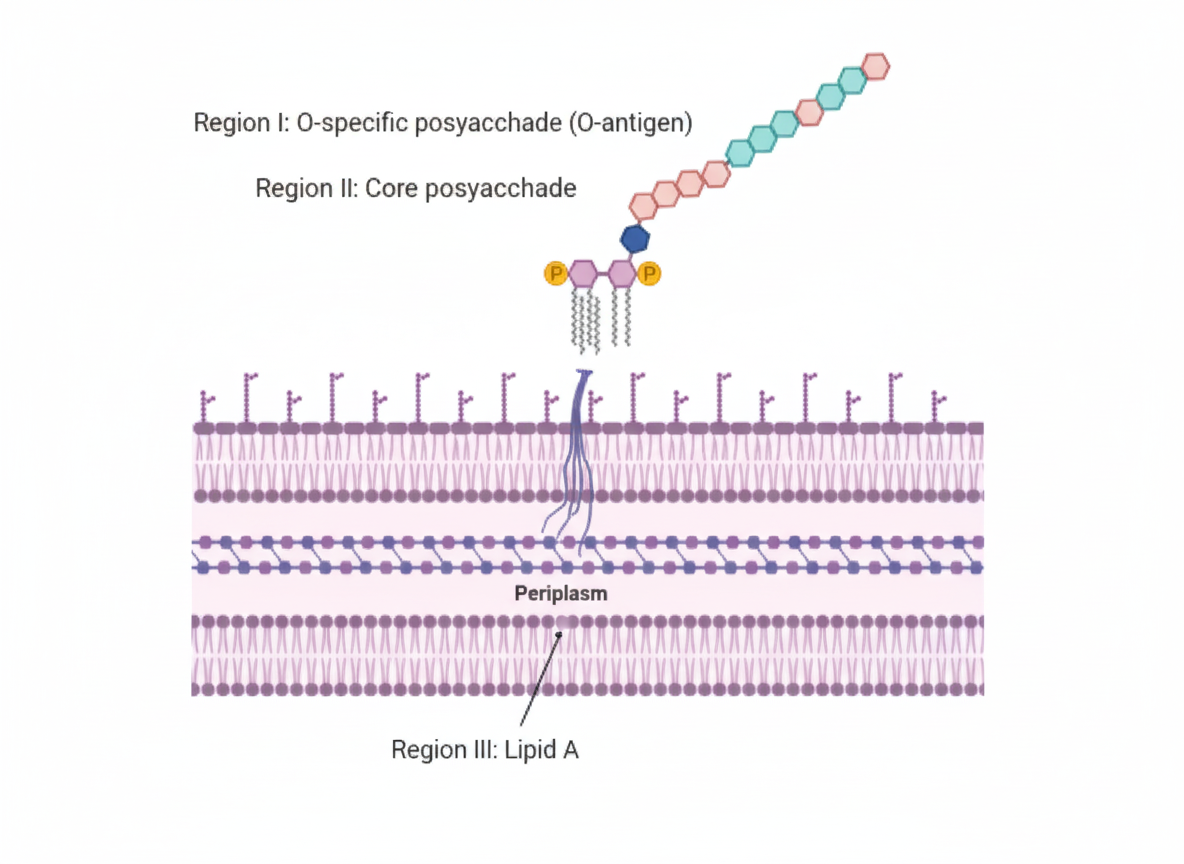
Explanation: **Explanation:** The correct answer is **None of the above** because the primary reason Gram-negative bacteria do not retain the primary stain (Crystal Violet) is the **thinness of their peptidoglycan layer** and the high **lipid content** of their outer membrane, rather than the presence of any single specific molecule listed. **Why "None of the above" is correct:** During the Gram staining procedure, alcohol (decolorizer) acts on the Gram-negative cell wall by extracting lipids from the outer membrane and increasing cell wall permeability. Because the peptidoglycan layer in Gram-negative bacteria is very thin (only 1–2 layers), it cannot trap the Crystal Violet-Iodine (CV-I) complex. Consequently, the primary stain is washed away, and the bacteria take up the counterstain (Safranin), appearing pink/red. **Analysis of Incorrect Options:** * **A & B (Polysaccharide/Lipopolysaccharide):** While Lipopolysaccharide (LPS) is a major component of the Gram-negative outer membrane (acting as an endotoxin), it is not the structural reason for stain retention or loss. The loss of stain is due to the structural integrity and thickness of the peptidoglycan, not the presence of LPS. * **C (Teichoic acid):** This is a characteristic component of **Gram-positive** cell walls. It provides negative charge and antigenic specificity but is entirely absent in Gram-negative bacteria. **NEET-PG High-Yield Pearls:** * **Peptidoglycan (Murein):** Comprises up to 90% of Gram-positive cell walls but only 5–10% of Gram-negative walls. * **Periplasmic Space:** Significant in Gram-negative bacteria; it contains beta-lactamases (clinical relevance: antibiotic resistance). * **Gram-Variable Organisms:** Some bacteria (e.g., *Gardnerella vaginalis*, *Mobiluncus*) may show inconsistent staining. Old cultures of Gram-positive bacteria often appear Gram-negative due to cell wall autolysis. * **L-forms:** Bacteria that have lost their cell wall (can occur due to penicillin treatment) and do not stain with Gram stain.
Explanation: **Explanation:** Pasteurization is a process of heat treatment used primarily in the food industry (especially for milk) to reduce the microbial load and eliminate specific pathogens without altering the nutritional quality of the product. **1. Why Option B is Correct:** Pasteurization is **not a sterilization technique**; it is a disinfection process. It is specifically designed to kill pathogenic vegetative bacteria (like *Mycobacterium bovis*, *Brucella*, and *Salmonella*). However, it does not eliminate **thermoduric bacteria** (e.g., *Lactobacillus*, *Streptococcus thermophilus*) or **thermophilic organisms**, which can survive the heat treatment but typically do not cause disease in humans under normal storage conditions. **2. Why Other Options are Incorrect:** * **Options A & D:** These are incorrect because pasteurization does not achieve sterilization. It does not kill **bacterial spores** (e.g., *Bacillus* or *Clostridium* spores) or highly heat-resistant vegetative cells. * **Option C:** While pasteurization significantly reduces the microbial count, the percentage is not fixed at exactly 95%. The primary goal is the elimination of specific public health pathogens rather than a specific mathematical reduction of all commensal flora. **High-Yield NEET-PG Clinical Pearls:** * **Target Organism:** The "index organism" for pasteurization is ***Coxiella burnetii*** (the causative agent of Q fever), as it is the most heat-resistant non-spore-forming pathogen found in milk. * **Methods:** * **Holder Method:** 63°C for 30 minutes. * **Flash Method (HTST):** 72°C for 15 seconds, followed by rapid cooling to 4°C. * **Efficacy Test:** The **Phosphatase Test** is used to check the adequacy of pasteurization. If the enzyme alkaline phosphatase (normally present in raw milk) is inactivated, the process is considered successful.
Explanation: ### Explanation **Correct Answer: B. Agglutination** The **Widal test** is a classic serological test used for the diagnosis of enteric fever (Typhoid and Paratyphoid). It is based on the principle of **direct agglutination**. In this reaction, specific antibodies (agglutinins) present in the patient's serum react with particulate antigens (agglutinogens) of *Salmonella Typhi* (O and H antigens) and *Salmonella Paratyphi* (AH and BH antigens). When these antigens and antibodies meet in an isotonic saline medium, they form visible clumps or aggregates, which is the hallmark of an agglutination reaction. **Why other options are incorrect:** * **A. Flocculation:** This is a specific type of precipitation reaction where the antigen-antibody complex remains suspended as "floccules" rather than settling down. A classic example is the **VDRL test** for Syphilis. While Widal involves clumping, it is categorized as agglutination because it involves particulate (cellular) antigens, not soluble ones. * **C & D:** Since the Widal test specifically utilizes the principle of agglutination, these options are incorrect. **High-Yield Clinical Pearls for NEET-PG:** * **Antigens used:** *S. Typhi* O (somatic) and H (flagellar) antigens; *S. Paratyphi* AH and BH antigens. * **Interpretation:** O agglutinins appear early and disappear early (indicates acute infection); H agglutinins appear later and persist longer (indicates past infection or immunization). * **Diagnostic Titer:** Generally, a titer of **>1:80 for O** and **>1:160 for H** is considered significant, though this varies by endemicity. * **Prozone Phenomenon:** False negatives can occur due to antibody excess; this is managed by serial dilution of the serum. * **Alternative:** The **Tube Agglutination** (Felix-Widal) method is more accurate than the rapid slide test.
Explanation: **Explanation:** The primary and most recommended method for sterilizing **glass syringes** is the **Hot Air Oven** (Dry Heat Sterilization). **1. Why Hot Air Oven is Correct:** Dry heat sterilization at **160°C for 1 hour** is the standard for glass instruments. It is preferred for syringes because it ensures the glass remains completely dry, preventing moisture from being trapped inside the narrow barrel and plunger, which could interfere with medication or lead to corrosion. Dry heat kills microorganisms by causing **oxidative damage** and denaturation of bacterial proteins. **2. Why Other Options are Incorrect:** * **Autoclaving (Moist Heat):** While effective for many surgical instruments, it is not the primary choice for glass syringes because the steam often leaves condensation inside the barrel, requiring an additional drying step. * **Irradiation (Gamma Rays):** This is the method of choice for **disposable (plastic) syringes** manufactured on an industrial scale ("Cold Sterilization"). However, for reusable glass syringes in a clinical/lab setting, dry heat remains the standard. * **Ethylene Oxide (EtO):** This is a gaseous chemical sterilant used primarily for heat-sensitive materials like heart-lung machines or catheters. It is not used for glass syringes due to its toxicity, long aeration times, and the availability of simpler heat-based methods. **3. High-Yield Clinical Pearls for NEET-PG:** * **Sterilization of choice for Oils, Powders, and Greases:** Always Hot Air Oven (moist heat cannot penetrate these). * **Sterilization of choice for Sharp Instruments:** Hot Air Oven (to prevent dulling of edges, though many are now disposable). * **Biological Indicator for Hot Air Oven:** *Bacillus atrophaeus* (formerly *B. subtilis var. niger*). * **Biological Indicator for Autoclave:** *Geobacillus stearothermophilus*.
History and Scope of Microbiology
Practice Questions
Classification of Microorganisms
Practice Questions
Bacterial Morphology and Structure
Practice Questions
Bacterial Physiology and Metabolism
Practice Questions
Bacterial Genetics
Practice Questions
Microbial Growth and Nutrition
Practice Questions
Sterilization and Disinfection
Practice Questions
Bacterial Identification Methods
Practice Questions
Normal Microbiota and Pathogenicity
Practice Questions
Antimicrobial Susceptibility Testing
Practice Questions
Get full access to all questions, explanations, and performance tracking.
Start For Free