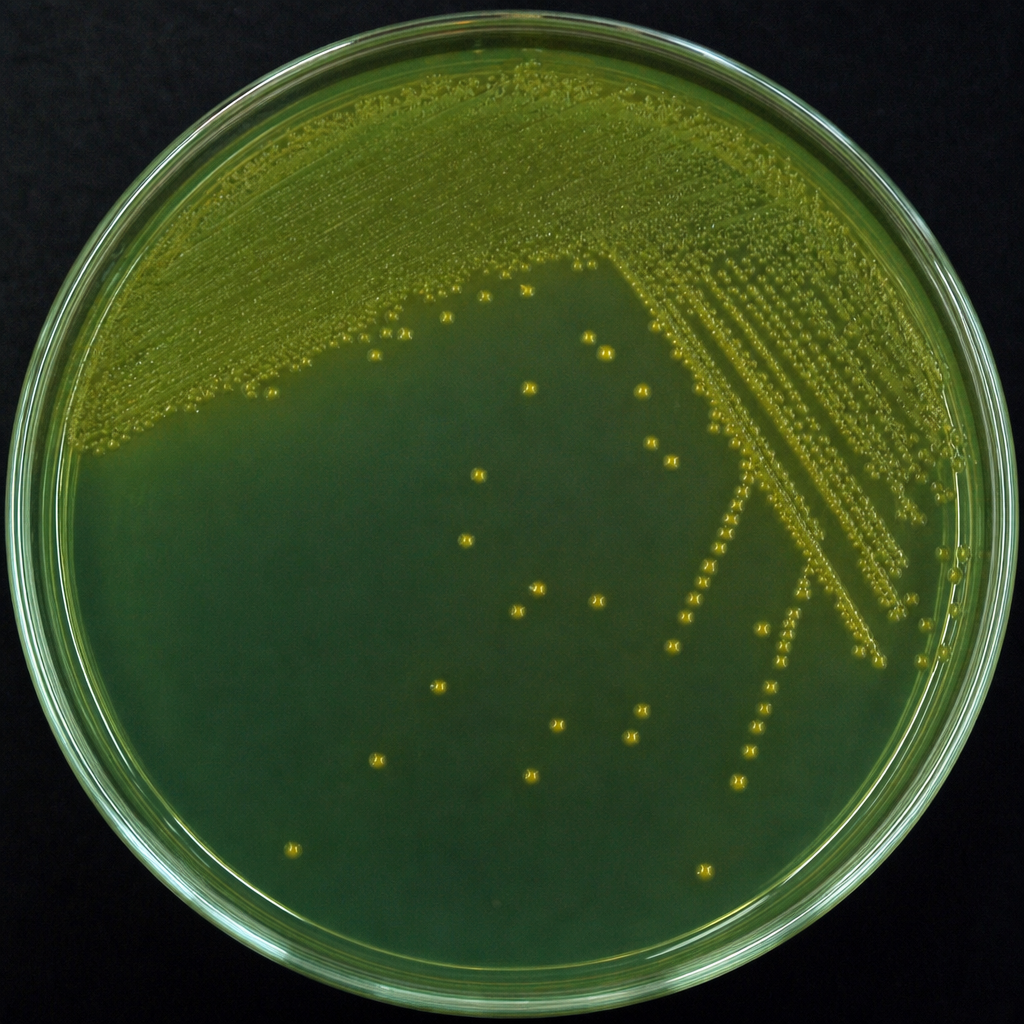
Which agent is used for the sterilization of a cystoscope?
Which of the following events occurs during the stationary phase of the bacterial growth curve?
Why was it advised to use agar instead of gelatin for solidifying culture media for bacterial cultivation?
Twelve elderly residents living in an assisted care facility suffered from sinusitis, otitis media, and mild pneumonias during midwinter. Despite having all received the 13-valent pneumococcal conjugate vaccine recently licensed for adults, S. pneumoniae was isolated from 10 of the patients. Which of the following is the best explanation for the pneumococcal infections?
Silver impregnation techniques are used in the identification of which microorganisms?
Which of the following culture media is made by adding agar?
Sporulation is seen in which phase of bacterial growth?
All of the following are examples of indicator media EXCEPT:
How are heart-lung machines typically sterilized?
Bile solubility is used for the differentiation of which organisms?
Explanation: **Explanation:** The correct answer is **Glutaraldehyde (Option A)**. Cystoscopes are classified under **Spaulding’s Classification** as **semi-critical items** because they come into contact with mucous membranes but do not penetrate sterile tissue. These instruments require **High-Level Disinfection (HLD)**. **2% Glutaraldehyde (Cidex)** is the gold standard for heat-sensitive endoscopes. It acts by alkylation of amino, carboxyl, and hydroxyl groups, effectively killing bacteria, spores, fungi, and viruses. For HLD, an immersion time of **20 minutes** is standard, while **10 hours** is required for absolute sterilization (sporicidal action). **Why other options are incorrect:** * **Formaldehyde (B):** While a strong disinfectant, it is rarely used for endoscopes due to its pungent odor, irritating fumes, and potential carcinogenicity. It is primarily used for preserving tissues or fumigating rooms. * **Isopropyl alcohol (C):** This is a low-to-intermediate level disinfectant. It lacks sporicidal activity and can damage the lensed components and adhesives of a cystoscope. * **Ethylene oxide (D):** ETO is a method of sterilization for heat-sensitive items. However, it is a slow process requiring long aeration times to remove toxic residues, making it impractical for the rapid turnover required for cystoscopes in clinical practice. **High-Yield Clinical Pearls for NEET-PG:** * **Cidex Stability:** Once "activated" by adding an alkalizing agent, the solution is stable for only **14 days**. * **Ortho-phthalaldehyde (OPA):** A newer alternative to glutaraldehyde that is more stable and does not require activation, though it is more expensive. * **Plasma Sterilization (H2O2):** Increasingly used for modern robotic instruments and some endoscopes, but glutaraldehyde remains the most frequent answer for traditional "cold sterilization" questions.
Explanation: In the bacterial growth curve, the **Stationary Phase** represents a state of equilibrium where the rate of bacterial growth equals the rate of bacterial death. This phase is triggered by the depletion of essential nutrients and the accumulation of toxic metabolic byproducts. ### Why Sporulation is Correct During the stationary phase, bacteria face environmental stress. To survive these adverse conditions, certain genera (notably *Bacillus* and *Clostridium*) initiate **sporulation**. This process transforms the vegetative cell into a highly resistant endospore. Additionally, this phase is characterized by the production of **secondary metabolites** such as antibiotics and exotoxins. ### Analysis of Incorrect Options * **A. Bacterial cell number increases:** This occurs during the **Log (Exponential) Phase**, where cells divide at a maximal and constant rate. In the stationary phase, the net viable count remains constant. * **B. Bacterial cell size decreases:** While cells may become smaller due to nutrient scarcity, this is not the defining physiological hallmark compared to sporulation. * **C. Bacterial cell size increases:** This occurs during the **Lag Phase**, where bacteria are metabolically active and increasing in size/DNA content as they prepare for division, but no increase in cell number occurs. ### High-Yield NEET-PG Pearls * **Lag Phase:** Maximum metabolic activity; no cell division; increase in cell size. * **Log Phase:** Generation time is calculated here; bacteria are most sensitive to antibiotics (e.g., Penicillin). * **Stationary Phase:** Sporulation occurs; "Gram-variable" staining may be seen; secondary metabolites (Exotoxins/Antibiotics) are produced. * **Decline Phase:** Involution forms (abnormal shapes) are commonly observed.
Explanation: **Explanation:** The transition from gelatin to agar-agar as a solidifying agent was a pivotal moment in microbiology, credited to **Walther and Fanny Hesse** in Robert Koch’s laboratory. **Why Option B is Correct:** The primary requirement for a solidifying agent in medical microbiology is that it must remain solid at the optimal growth temperature for human pathogens, which is **37°C**. * **Gelatin** has a low melting point (approximately 24–28°C) and turns into a liquid at 37°C, making it impossible to observe discrete colony morphology or perform streaking at body temperature. * **Agar**, derived from seaweed (*Gelidium* species), has a high melting point (~95°C) and remains solid until cooled to ~42°C. This allows it to stay firm during incubation at 37°C. Additionally, many bacteria produce **gelatinase**, an enzyme that liquefies gelatin, whereas agar is resistant to degradation by almost all pathogenic bacteria. **Why Other Options are Wrong:** * **Option A:** Agar is a complex polysaccharide that is **inert**; it provides no nutritional value. Nutrients are provided by other ingredients like peptone or meat extract. * **Option C:** Gelatin was widely available in the 19th century (commonly used in cooking), so availability was not the issue. * **Option D:** While agar is now standard, the shift was driven by its superior physical properties (thermostability), not its cost. **High-Yield Facts for NEET-PG:** * **Concentration:** Agar is typically used at a concentration of **1–2%** for solid media. * **Hysteresis:** Agar exhibits a unique property where its melting point (~95°C) is much higher than its solidifying point (~42°C). * **Newer Agents:** For high-temperature cultivation (thermophiles), **Gellan gum** (Kelcogel) is sometimes used as an alternative.
Explanation: ### Explanation **1. Why the Correct Answer is Right:** *Streptococcus pneumoniae* is characterized by its **polysaccharide capsule**, which is its primary virulence factor. There are over **100 known serotypes** based on the antigenic differences in this capsule. Vaccines are designed to provide protection only against the most prevalent and invasive serotypes. The **PCV13 (13-valent pneumococcal conjugate vaccine)** covers 13 specific serotypes. If a patient is infected with a serotype *not* included in these 13 (e.g., serotype 22F or 33F), the vaccine-induced antibodies will not provide cross-protection. In an outbreak setting where multiple vaccinated individuals fall ill, the most likely cause is **serotype replacement** or infection by a non-vaccine serotype. **2. Why Incorrect Options are Wrong:** * **Options A & B:** While it is true that immunosenescence (weakened immune response in the elderly) occurs, the PCV13 is a **conjugate vaccine**. Conjugation to a carrier protein (CRM197) triggers a T-cell dependent response, which is highly immunogenic even in elderly or immunocompromised populations. It is statistically improbable that 10 out of 12 patients would simultaneously fail to mount an immune response. * **Option D:** Vaccine manufacturing is strictly regulated. A "defective" batch is a rare occurrence and is the least likely scientific explanation compared to the known limitation of serotype coverage. **3. NEET-PG Clinical Pearls:** * **PCV13 (Prevnar 13):** Conjugate vaccine; induces T-cell dependent memory; reduces mucosal colonization (herd immunity). * **PPSV23 (Pneumovax 23):** Pure polysaccharide vaccine; T-cell independent; covers more serotypes but does not induce long-term memory or reduce carriage. * **Quellung Reaction:** The gold standard for serotyping *S. pneumoniae* (capsular swelling when mixed with type-specific antiserum). * **Pneumococcus** is the #1 cause of Community-Acquired Pneumonia (CAP), Otitis Media, and Meningitis in adults.
Explanation: **Explanation:** The correct answer is **D. All of the above.** **Underlying Medical Concept:** Spirochaetes (which include the genera *Treponema*, *Leptospira*, and *Borrelia*) are characterized by their extremely thin, spiral morphology. Due to their low refractive index and slender diameter (often below the resolution limit of a standard light microscope), they do not stain well with common aniline dyes like Gram stain. **Silver impregnation techniques** (e.g., Fontana’s stain for smears and Levaditi’s stain for tissue sections) overcome this by depositing silver salts on the surface of the bacterial cell. This increases the thickness of the organism, making it appear dark brown or black against a lighter background, thus allowing visualization under a light microscope. **Analysis of Options:** * **Spirochaetes (A):** This is the general family name. All members share the structural characteristic of being too thin for conventional staining. * **Leptospira (B):** These are tightly coiled spirochaetes with hooked ends. They are classically visualized using silver stains in histopathological specimens (e.g., kidney or liver tissues). * **Borrelia (C):** While *Borrelia* are slightly thicker than *Treponema* and can sometimes be seen with Giemsa or Wright stains, silver impregnation remains a definitive method for their identification in tissues. **High-Yield Clinical Pearls for NEET-PG:** * **Fontana Stain:** Used for staining spirochaetes in films/smears. * **Levaditi Stain:** Used for staining spirochaetes in tissue blocks. * **Warthin-Starry Stain:** Another high-yield silver stain used for *H. pylori* and *Bartonella henselae*, in addition to spirochaetes. * **Dark-ground microscopy (DGM):** The preferred method for visualizing live *Treponema pallidum* from primary chancre sores. * **Leptospira** is best grown in **Fletcher’s or EMJH medium**.
Explanation: **Explanation:** The primary purpose of adding **Agar-agar** to a culture medium is to act as a **solidifying agent**. Agar is a polysaccharide derived from seaweed (*Gelidium* species). It is ideal for microbiology because it melts at approximately 95°C but remains solid until cooled to about 42°C, and most importantly, it is not degraded by the majority of pathogenic bacteria. * **Solid Medium (Correct):** By definition, a solid medium contains a solidifying agent, most commonly agar at a concentration of **2%**. This allows for the formation of discrete colonies, which is essential for observing morphology and obtaining pure cultures. * **Liquid Medium (Incorrect):** Also known as "broth," these media contain no agar. They are used for the rapid growth of bacteria but do not allow for the isolation of individual colonies. * **Selective Medium (Incorrect):** This classification is based on function, not physical state. While many selective media (like MacConkey agar) are solid, the term "selective" refers to the addition of inhibitory substances (e.g., antibiotics or dyes) to favor the growth of a specific organism. * **Transport Medium (Incorrect):** These are used to maintain the viability of specimens during transit. They are typically **non-nutrient** and can be liquid or semi-solid (containing a lower concentration of agar, usually 0.5% or less). **High-Yield NEET-PG Pearls:** * **Agar Concentration:** Solid medium (~2%), Semi-solid medium (0.2–0.5%), Liquid medium (0%). * **Newer Solidifying Agent:** **Gellan gum** (Phytagel) is sometimes used as an alternative to agar for high-temperature incubation. * **Gelatin:** Historically used by Robert Koch, but abandoned because it melts at 24°C and is liquefied by many bacteria (Gelatinase producers).
Explanation: **Explanation:** The correct answer is **Stationary phase**. **1. Why Stationary Phase is correct:** Sporulation is a survival mechanism triggered by adverse environmental conditions, such as the depletion of essential nutrients (carbon or nitrogen sources) and the accumulation of toxic metabolic byproducts. These conditions are characteristic of the **Stationary phase**, where the rate of bacterial growth equals the rate of bacterial death. In response to this stress, certain bacteria (like *Bacillus* and *Clostridium*) initiate a complex genetic program to form highly resistant endospores, ensuring the survival of the genetic material until favorable conditions return. **2. Why other options are incorrect:** * **Lag phase:** This is a period of intense metabolic activity and enzyme synthesis but no cell division. The bacteria are adapting to a new environment, not facing nutrient exhaustion. * **Log (Exponential) phase:** This is the phase of maximum growth and uniform generation time. Cells are metabolically most active and most sensitive to antibiotics (like Penicillin). Sporulation does not occur here as nutrients are abundant. * **Decline (Death) phase:** While nutrients are depleted here, the cellular machinery is often too degraded to carry out the energy-intensive process of sporulation. Sporulation must begin at the end of the stationary phase before the cell loses total viability. **3. NEET-PG High-Yield Pearls:** * **Spore-forming genera:** Primarily *Bacillus* (Aerobic) and *Clostridium* (Anaerobic). * **Resistance:** Spores are resistant to heat, drying, and disinfectants due to **Calcium Dipicolinate** in the core. * **Sterilization Check:** *Geobacillus stearothermophilus* spores are used as biological indicators for autoclaves. * **Antibiotic Sensitivity:** Bacteria are most sensitive to cell-wall acting antibiotics during the **Log phase**.
Explanation: **Explanation:** The correct answer is **Stuart media** because it is a **transport medium**, not an indicator medium. **1. Why Stuart media is the correct answer:** Indicator media contain specific substances (like dyes or sugars) that change color when a bacterium undergoes a particular metabolic reaction. **Stuart media**, however, is designed to maintain the viability of delicate pathogens (like *Neisseria gonorrhoeae*) during transit to the lab without allowing them to overgrow or die. It lacks nutrients but contains a reducing agent (sodium thioglycollate) and charcoal to neutralize bacterial toxins. **2. Analysis of Incorrect Options:** * **Blood Agar:** It is both an enriched and an **indicator medium**. It indicates the hemolytic properties of bacteria (Alpha, Beta, or Gamma hemolysis) based on the destruction of red blood cells. * **MacConkey (MCK) Agar:** A classic indicator medium. It contains lactose and neutral red indicator. Lactose fermenters (e.g., *E. coli*) produce pink colonies, while non-lactose fermenters (e.g., *Salmonella*) produce pale/colorless colonies. * **Eosin Methylene Blue (EMB) Agar:** An indicator medium used to differentiate lactose fermenters. *E. coli* produces a characteristic **metallic green sheen** on EMB agar. **High-Yield Clinical Pearls for NEET-PG:** * **Wilson and Blair Medium:** An indicator medium for *Salmonella typhi* (produces black colonies due to $H_2S$ production). * **Mannitol Salt Agar (MSA):** An indicator medium for *Staphylococcus aureus* (turns yellow due to mannitol fermentation). * **Transport Media Mnemonic:** Remember **V-R-C-S** (Venkatraman-Ramakrishnan for Cholera, Stuart/Amies for Gonococci).
Explanation: **Explanation:** The correct answer is **Ethylene oxide (EtO)**. Heart-lung machines, along with other complex medical equipment like respirators, dental drills, and endoscopes, are composed of heat-sensitive materials (plastics, rubbers, and delicate electronics) that cannot withstand the high temperatures of an autoclave. **Why Ethylene Oxide is the choice:** Ethylene oxide is a potent alkylating agent that acts by substituting hydrogen atoms with alkyl groups in microbial proteins and nucleic acids. It is a highly penetrative gas, making it ideal for sterilizing intricate, lumen-heavy, and heat-labile equipment. It is effective against all microorganisms, including highly resistant bacterial spores. **Analysis of Incorrect Options:** * **Glutaraldehyde (Cidex):** While used for "cold sterilization" of flexible endoscopes (2% solution), it is primarily a high-level disinfectant. It requires long immersion times (10 hours) for true sterilization and is less practical for the large, complex internal components of a heart-lung machine compared to gas. * **Carbolic acid (Phenol):** This is a low-to-intermediate level disinfectant. It is corrosive, toxic, and primarily used for disinfecting surfaces or excreta; it is never used for sterilizing surgical equipment. * **Aqueous solution of iodine:** Iodine is an antiseptic used on living tissues (skin) before surgery. It does not achieve sterilization and can stain or damage equipment. **High-Yield NEET-PG Pearls:** * **Mechanism of EtO:** Alkylation of amino, carboxyl, and hydroxyl groups. * **Monitoring:** The biological indicator for EtO sterilization is ***Bacillus atrophaeus*** (formerly *B. subtilis var. niger*). * **Safety Note:** EtO is highly flammable and potentially carcinogenic; sterilized items must be "aerated" to remove residual gas before patient use.
Explanation: **Explanation:** The **Bile Solubility Test** is a key biochemical reaction used to differentiate *Streptococcus pneumoniae* (Pneumococci) from other alpha-hemolytic streptococci (collectively known as Viridans streptococci). **Mechanism:** *Streptococcus pneumoniae* possesses an intracellular autolytic enzyme called **L-alanine-muramyl amidase**. Surface-active agents like bile salts (sodium deoxycholate) lower the surface tension on the cell membrane, which accelerates the natural autolysis process. When bile salts are added to a broth culture or a colony, the pneumococcal cell wall dissolves, resulting in a clear solution (positive test). Viridans streptococci lack this specific autolytic enzyme and remain insoluble, leaving the solution turbid. **Analysis of Options:** * **Option A:** Staphylococcus (Catalase positive) is differentiated from Streptococcus (Catalase negative) primarily by the **Catalase test**. * **Option B:** Group B Streptococcus (*S. agalactiae*) is differentiated from other streptococci using the **CAMP test** or Hippurate hydrolysis. * **Option D:** Neisseria (Gram-negative cocci) is differentiated from Streptococcus (Gram-positive cocci) by **Gram staining** and the **Oxidase test**. **NEET-PG High-Yield Pearls:** * **Pneumococcus** is: Bile soluble, Optochin sensitive, and Quellung reaction positive. * **Viridans Streptococci** are: Bile insoluble and Optochin resistant. * The test is typically performed using **2% or 10% sodium deoxycholate**. * If the pH of the medium is too acidic, the bile salts may precipitate, leading to a false-negative result.
Explanation: **Explanation:** In microbiology, culture media are classified based on their nutritional complexity. **Basal media** (Simple media) are those that contain the minimum nutrients required for the growth of non-fastidious bacteria (like *E. coli* and *Staphylococci*). They serve as the foundation for preparing more complex enriched media. **Why Option A is Correct:** **Nutrient Agar** is the classic example of a simple basal medium. It consists of Peptone water (Peptone + NaCl + Water) solidified with 2% Agar. It provides basic nitrogenous and carbon sources sufficient for standard bacterial growth without additional supplements. **Analysis of Incorrect Options:** * **B. Alkaline Peptone Water:** This is an **Enrichment broth**. It has a high pH (approx. 8.6) which inhibits commensal intestinal flora while favoring the growth of *Vibrio cholerae*. * **C. Glucose Broth:** This is a **Special/Enriched medium**. By adding 1% glucose to nutrient broth, it provides an extra energy source, often used for the growth of more demanding organisms like *Streptococci*. * **D. Blood Agar:** This is an **Enriched medium**. It is prepared by adding 5-10% sheep or horse blood to a basal medium (like Nutrient Agar). It is used to grow fastidious organisms and to study hemolytic properties. **High-Yield NEET-PG Pearls:** * **Peptone Water** and **Nutrient Broth** are the liquid forms of basal media. * **Agar-Agar** (derived from seaweed *Gelidium*) has no nutritive value; it is used solely as a solidifying agent because it melts at 95°C and solidifies at 42°C. * Basal media are primarily used for checking the purity of a culture and for subculturing.
Explanation: **Explanation:** The correct answer is **A**. While MacConkey agar does allow for the growth of Gram-negative bacteria, the statement is technically false in a microbiological context because MacConkey agar is a **selective medium** designed to **inhibit** the growth of Gram-positive bacteria (via bile salts and crystal violet) rather than "promote" the growth of Gram-negatives. Its primary function is to **differentiate** between lactose fermenters (pink colonies) and non-lactose fermenters (pale colonies). **Analysis of other options:** * **Option B:** Thayer-Martin medium is a selective medium (Chocolate agar base + Vancomycin, Colistin, Nystatin, and Trimethoprim) specifically used to isolate *Neisseria gonorrhoeae* and *N. meningitidis* from sites with mixed flora. * **Option C:** Lowenstein-Jensen (LJ) medium is the classic egg-based solid medium used for the cultivation of *Mycobacterium tuberculosis*. Malachite green is added to inhibit contaminating flora. * **Option D:** Selenite F broth and Tetrathionate broth are standard enrichment media used to increase the concentration of *Salmonella* and *Shigella* species from fecal samples before subculturing onto solid media. **High-Yield Clinical Pearls for NEET-PG:** * **MacConkey Agar:** Indicator used is **Neutral Red**. * **Lactose Fermenters (LF):** *E. coli, Klebsiella* (Pink). * **Non-Lactose Fermenters (NLF):** *Salmonella, Shigella, Proteus* (Pale/Colorless). * **TCBS Agar:** Specific for *Vibrio cholerae* (Yellow colonies due to sucrose fermentation). * **Loeffler’s Serum Slope/Hoyle’s Tellurite:** Used for *Corynebacterium diphtheriae*.
Explanation: ### Explanation **Correct Option: A. Absence of nuclear membrane** The fundamental distinction between prokaryotes (e.g., bacteria) and eukaryotes (e.g., human cells, fungi, protozoa) lies in their nuclear organization. Prokaryotes lack a defined nucleus; their genetic material (DNA) is not enclosed within a **nuclear membrane** but exists freely in the cytoplasm in a region called the **nucleoid**. This allows transcription and translation to occur simultaneously, a key feature of bacterial protein synthesis. **Why other options are incorrect:** * **B. Presence of microvilli:** Microvilli are finger-like projections of the plasma membrane found in eukaryotic cells (e.g., intestinal epithelium) to increase surface area. Prokaryotes may have **pili or fimbriae**, but they do not possess microvilli. * **C. Presence of smooth endoplasmic reticulum:** Prokaryotes lack all **membrane-bound organelles**, including the endoplasmic reticulum (smooth and rough), Golgi apparatus, mitochondria, and lysosomes. Their metabolic functions (like respiration) occur across the cytoplasmic membrane. --- ### NEET-PG High-Yield Clinical Pearls * **Ribosomes:** Prokaryotes have **70S ribosomes** (50S + 30S subunits), which is the target for many antibiotics (e.g., Aminoglycosides, Macrolides). Eukaryotes have 80S ribosomes. * **Cell Wall:** Most prokaryotes have a cell wall containing **peptidoglycan** (murein), a structure absent in eukaryotes, making it a target for Beta-lactams (Penicillins). * **Sterols:** Bacterial membranes lack sterols (except *Mycoplasma*), whereas eukaryotic membranes contain them (e.g., cholesterol). * **Extrachromosomal DNA:** In prokaryotes, this is found in **plasmids**, which often carry antibiotic resistance genes (R-plasmids).
Explanation: **Explanation:** **Glutaraldehyde** is a high-level disinfectant and chemical sterilant widely used in clinical settings. The correct concentration for medical use is **2%** (Option B). **Why 2% is correct:** At a 2% concentration, glutaraldehyde (commercially known as **Cidex**) is highly effective against a broad spectrum of microorganisms, including bacteria, spores, fungi, and viruses (including HIV and Hepatitis B). It works by alkylating amino, carboxyl, and hydroxyl groups of microbial proteins. To be effective, the solution must be "activated" by adding an alkalinizing agent to reach a pH of 7.5–8.5. Once activated, it remains stable for approximately **14 days**. **Why other options are incorrect:** * **1% (Option A):** This concentration is insufficient to achieve reliable sporicidal activity within standard immersion times, leading to suboptimal disinfection. * **3% and 4% (Options C & D):** While higher concentrations are microbicidal, they are not standard for medical equipment because they are significantly more corrosive to delicate instruments and highly irritating to the skin, eyes, and respiratory tract of healthcare workers. **High-Yield Clinical Pearls for NEET-PG:** * **Sterilization Time:** 2% Glutaraldehyde requires **10 hours** of immersion for complete sterilization (killing spores) and **20 minutes** for high-level disinfection. * **Usage:** It is the agent of choice for **heat-sensitive endoscopes** (e.g., bronchoscopes, cystoscopes) because it does not damage lenses or rubber. * **Toxicity:** It can cause "Colitis" if endoscopes are not rinsed properly with sterile water after disinfection. * **Alternative:** **Ortho-phthalaldehyde (OPA)** is often preferred over glutaraldehyde today as it does not require activation and is less irritating.
Explanation: **Explanation:** **Staphylococcus** species are characterized as **Gram-positive cocci**. Under a microscope, they appear as spherical cells (cocci) that typically arrange themselves in irregular, grape-like clusters. This arrangement occurs because staphylococci divide in multiple planes. They are "Gram-positive" because their thick peptidoglycan cell wall retains the crystal violet stain, appearing purple/blue under microscopy. **Analysis of Options:** * **Option A (Correct):** Staphylococci are the prototypical Gram-positive cocci. They are catalase-positive, which distinguishes them from Streptococci. * **Option B (Incorrect):** Gram-negative cocci primarily include the *Neisseria* species (*N. meningitidis*, *N. gonorrhoeae*) and *Moraxella*. These appear pink/red on Gram stain. * **Option C (Incorrect):** Gram-positive bacilli (rods) include organisms like *Bacillus*, *Clostridium*, *Corynebacterium*, and *Listeria*. * **Option D (Incorrect):** Gram-negative bacilli include a vast group of enteric bacteria such as *E. coli*, *Klebsiella*, and *Pseudomonas*. **High-Yield NEET-PG Pearls:** 1. **Catalase Test:** All Staphylococci are catalase-positive (converts $H_2O_2$ to water and oxygen), helping differentiate them from Streptococci (catalase-negative). 2. **Coagulase Test:** *Staphylococcus aureus* is coagulase-positive (the most pathogenic species), while *S. epidermidis* and *S. saprophyticus* are Coagulase-Negative Staphylococci (CoNS). 3. **Culture:** They grow readily on enriched media like Blood Agar, showing golden-yellow colonies (*S. aureus*) or white colonies (CoNS). 4. **Selective Media:** Mannitol Salt Agar (MSA) is used for *S. aureus*, which ferments mannitol and turns the medium yellow.
Explanation: **Explanation:** **1. Why Option A is Correct:** *Neisseria gonorrhoeae* utilizes **pili (fimbriae)** as its primary virulence factor for initial attachment. These hair-like surface appendages mediate adherence to the non-ciliated columnar epithelium of the urogenital tract. The transition from a fimbriated state (P+) to a non-fimbriated state (P-) is a classic example of **phase variation**. Without pili, the bacteria cannot overcome the electrostatic repulsive forces between the host cell and the bacterial surface, rendering them unable to colonize the mucosal epithelium and causing them to be easily washed away by urine or vaginal secretions. **2. Why Incorrect Options are Wrong:** * **Option B:** Gram staining is determined by the peptidoglycan thickness and structure of the cell wall. Loss of pili (surface proteins) does not alter the Gram-negative cell wall structure. * **Option C:** Pili are virulence factors, not essential structures for survival. *N. gonorrhoeae* can survive and grow on enriched media (like Thayer-Martin) in a non-fimbriated state; they simply lose their pathogenicity in a host. * **Option D:** While pili contribute to antigenic variation, serologic specificity is also determined by other surface components like **Opal proteins** and **Lipooligosaccharides (LOS)**. Loss of pili does not mean a total loss of serologic identity. **High-Yield Clinical Pearls for NEET-PG:** * **Antigenic Variation:** *N. gonorrhoeae* frequently changes the amino acid composition of its pili (pilin) to evade the host immune system. * **Opa Proteins:** These mediate firmer attachment and invasion into host cells following initial pili-mediated docking. * **IgA1 Protease:** Another key virulence factor that cleaves mucosal IgA, facilitating colonization. * **Culture:** Piliated strains form small, convex colonies (T1, T2), while non-piliated strains form larger, flat colonies (T3, T4).
Explanation: ### Explanation The core of this question lies in distinguishing between **Enrichment Media** and **Enriched Media**, a common point of confusion in microbiology. **1. Why Loeffler’s Serum is the correct answer:** Loeffler’s Serum is an **Enriched Medium**, not an enrichment medium. * **Enriched Media:** These are solid media supplemented with additional nutrients like blood, serum, or egg to support the growth of fastidious organisms (e.g., Blood Agar, Chocolate Agar). * **Enrichment Media:** These are **liquid** media containing inhibitory substances that suppress unwanted commensals while allowing the target pathogen to multiply. **2. Analysis of Incorrect Options:** * **A. Selenite F broth:** An enrichment medium used specifically for the isolation of *Salmonella* and *Shigella* from stool samples. It inhibits the growth of normal colonic flora like *E. coli*. * **B. Tetrathionate broth:** Another enrichment medium used for *Salmonella typhi*. It inhibits coliforms, allowing the pathogen to outgrow them. * **C. Alkaline Peptone Water (APW):** The classic enrichment medium for *Vibrio cholerae*. The high pH (8.6) inhibits most other intestinal bacteria. **3. Clinical Pearls & High-Yield Facts for NEET-PG:** * **Loeffler’s Serum Slope (LSS):** It is the primary medium for ***Corynebacterium diphtheriae***. It is preferred because it allows the bacteria to grow rapidly (6–8 hours) and enhances the development of characteristic **metachromatic granules** (visualized by Albert’s stain). * **Key Distinction:** Remember the "L" rule—**L**iquid is **Enrichment**; **S**olid is **Enriched**. * **Other Enriched Media:** Chocolate agar (for *H. influenzae* and *Neisseria*), Blood agar (for *Streptococci*). * **Other Enrichment Media:** Monsur’s Taurocholate Tellurite Peptone Water (for *Vibrio*).
Explanation: ### Explanation **1. Why "None of the above" is correct:** The primary reason Gram-negative bacteria do not retain the primary stain (Crystal Violet) is the **thinness of their Peptidoglycan layer** and the presence of a high-lipid **Outer Membrane**. During the Gram staining procedure, the application of a decolorizer (alcohol/acetone) damages the lipid-rich outer membrane and increases cell wall permeability. Because the underlying peptidoglycan layer is very thin (only 1–2 layers), it cannot trap the large Crystal Violet-Iodine (CV-I) complexes. Consequently, the primary stain is washed out, and the bacteria take up the counterstain (Safranin), appearing pink/red. **2. Analysis of Incorrect Options:** * **A. Polysaccharide:** While present in the cell wall (as part of LPS), it does not determine stain retention. * **B. Lipopolysaccharide (LPS):** LPS is a major component of the Gram-negative outer membrane (acting as an endotoxin), but its presence is what leads to *decolorization* rather than *retention*. * **C. Teichoic acid:** This is a characteristic component of **Gram-positive** cell walls. It helps stabilize the thick peptidoglycan layer and is absent in Gram-negative bacteria. **3. NEET-PG High-Yield Pearls:** * **The "Gold Standard":** Peptidoglycan (Murein) thickness is the structural determinant of the Gram reaction. Gram-positives have a thick layer (20–80 nm); Gram-negatives have a thin layer (5–10 nm). * **The Decolorizer Step:** This is the most critical step. Over-decolorizing can make Gram-positives appear Gram-negative. * **Exceptions:** *Mycoplasma* (no cell wall) and *Mycobacteria* (high lipid/mycolic acid content) cannot be identified by Gram stain; they require Acid-Fast staining. * **LPS Composition:** Remember the three parts for exams: Lipid A (toxic moiety), Core polysaccharide, and O-antigen (immunogenic).
Explanation: Disinfectants are categorized based on their biocidal activity into high, intermediate, and low levels. This classification is crucial for determining the appropriate sterilization or disinfection protocol for medical instruments (Spaulding’s Classification). **Explanation of the Correct Answer:** **C. Hypochlorite:** Sodium hypochlorite (bleach) is a classic **intermediate-level disinfectant**. It is effective against vegetative bacteria, mycobacteria (M. tuberculosis), most viruses (including HBV and HIV), and fungi. However, it is generally ineffective against high numbers of bacterial spores. Its mechanism involves the release of free chlorine, which causes protein denaturation and lipid peroxidation. **Explanation of Incorrect Options:** * **A. 2% Glutaraldehyde:** This is a **high-level disinfectant (HLD)**. It is frequently used for heat-sensitive equipment like endoscopes. When used for prolonged contact periods (e.g., 10 hours), it acts as a chemical sterilant capable of killing even resistant bacterial spores. * **B. Ethylene Oxide (EtO):** This is a **sterilant**, not a disinfectant. It is a gas used for "cold sterilization" of heat-sensitive items (e.g., plastic syringes, catheters, heart-lung machines). It kills all microorganisms, including spores, by alkylation. **High-Yield Clinical Pearls for NEET-PG:** * **Spaulding’s Rule:** * **Critical items** (entering sterile tissue): Require Sterilization. * **Semi-critical items** (mucous membranes): Require High-level disinfection. * **Non-critical items** (intact skin): Require Intermediate/Low-level disinfection. * **Hypochlorite Concentration:** For blood spills, a 1:10 dilution (approx. 5,000 ppm) is recommended. * **Alcohols (70% Ethyl/Isopropyl):** These are also considered intermediate-level disinfectants but are ineffective against hydrophilic viruses (like Polio) and spores. * **Glutaraldehyde (Cidex):** Once "activated" by alkalination, it has a shelf life of 14–28 days.
Explanation: ### Explanation The correct answer is **D**, as the statement is partially incorrect. While Phenol is indeed bactericidal, it is unique because it is **not readily inactivated by organic matter**. This property makes it useful in disinfecting environments contaminated with blood, feces, or pus. #### Analysis of Options: * **A. Glutaraldehyde is sporicidal:** This is **true**. Glutaraldehyde (Cidex) is a high-level disinfectant. A 2% solution requires 20 minutes for disinfection but 10 hours of immersion to achieve sterilization (killing all spores). * **B. Hypochlorites are virucidal:** This is **true**. Hypochlorites are effective against a wide range of viruses, including HIV and Hepatitis B. They are the disinfectant of choice for managing blood spills. * **C. Ethylene oxide is an intermediate disinfectant:** This is **incorrect** (making it a potential distractor), but in the context of this specific question, Option D is the standard "except" answer in medical entrance exams because Phenol's resistance to organic matter is its defining clinical characteristic. *Note: ETO is actually a sterilant/high-level disinfectant used for heat-sensitive items.* * **D. Phenol is bactericidal and readily inactivated by organic matter:** This is **false**. Phenols act by disrupting cell membranes and precipitating proteins. Unlike alcohols or halogens, they remain active in the presence of organic debris. #### High-Yield Clinical Pearls for NEET-PG: * **Chick-Martin Test & Rideal-Walker Coefficient:** These are specific tests used to determine the efficacy of phenols. * **Blood Spills:** Use 1% Sodium Hypochlorite for small spills and 10% for large spills. * **Cidex (Glutaraldehyde):** Used for endoscopes and cystoscopes because it is non-corrosive to lenses and metal. * **Ethylene Oxide (ETO):** The method of choice for sterilizing heart-lung machines, respirators, and disposable plastic items.
Explanation: **Explanation:** **Escherichia coli (E. coli)** is the most commonly used bacterium in genetic engineering and biotechnology. Its selection as the "workhorse" of molecular biology is due to several key characteristics: 1. **Rapid Growth:** It has a doubling time of approximately 20 minutes under optimal conditions. 2. **Well-characterized Genome:** It was one of the first organisms to have its entire genome sequenced, making it easy to manipulate. 3. **Versatility:** It easily accepts foreign DNA (plasmids) through transformation and can be used to mass-produce recombinant proteins like **human insulin (Humulin)** and growth hormones. **Analysis of Incorrect Options:** * **Klebsiella:** While it is a significant human pathogen (causing pneumonia and UTIs) and possesses a prominent capsule, it is not a primary tool for routine genetic cloning due to its complex metabolic requirements compared to *E. coli*. * **Proteus:** Known for its "swarming motility" and urease production (leading to staghorn calculi), it lacks the standardized laboratory strains required for efficient genetic engineering. * **Serratia:** Though used in some specialized metabolic studies and known for producing a red pigment (prodigiosin), it is not a standard vector host in molecular biology. **High-Yield Clinical Pearls for NEET-PG:** * **K-12 Strain:** The specific non-pathogenic strain of *E. coli* used most frequently in labs. * **Restriction Endonucleases:** These "molecular scissors" were first discovered in bacteria like *E. coli* to degrade viral DNA. * **Other Vectors:** While *E. coli* is the bacterial favorite, **Agrobacterium tumefaciens** is the preferred vector for genetic engineering in **plants**.
Explanation: **Explanation:** The fundamental distinction between prokaryotes (e.g., bacteria) and eukaryotes (e.g., human cells, fungi, protozoa) lies in their cellular organization. **1. Why Option A is Correct:** Prokaryotes (from Greek *pro* = before; *karyon* = nucleus) lack a defined nucleus. Their genetic material consists of a single, circular, double-stranded DNA molecule located in an irregularly shaped region called the **nucleoid**. Crucially, this region is **not enclosed by a nuclear membrane**. Consequently, transcription and translation occur simultaneously in the cytoplasm. **2. Why Other Options are Incorrect:** * **Option B (Microvilli):** These are finger-like projections of the plasma membrane found in eukaryotic cells (e.g., intestinal epithelium) to increase surface area for absorption. Prokaryotes may have surface appendages like **pili or fimbriae**, but not microvilli. * **Option C (Smooth Endoplasmic Reticulum):** Prokaryotes lack all **membrane-bound organelles**, including the endoplasmic reticulum, Golgi apparatus, mitochondria, and lysosomes. Their metabolic functions (like respiration) occur across the cytoplasmic membrane. **High-Yield Clinical Pearls for NEET-PG:** * **Ribosomes:** Prokaryotes have **70S ribosomes** (50S + 30S subunits), which is the target for antibiotics like Aminoglycosides and Macrolides. Eukaryotes have 80S ribosomes. * **Cell Wall:** Most prokaryotes contain **peptidoglycan** (murein), a structure absent in eukaryotes, making it a key target for Beta-lactam antibiotics. * **Sterols:** Unlike eukaryotes, prokaryotic membranes **lack sterols** (except *Mycoplasma*). * **Extrachromosomal DNA:** Prokaryotes often carry **plasmids**, which frequently harbor antibiotic resistance genes (R-factors).
Explanation: **Explanation:** The sterilization of operation theatres (OTs) is a critical process aimed at eliminating all forms of microbial life, including highly resistant bacterial spores. **Why Formaldehyde is Correct:** Formaldehyde gas is the traditional and most widely used agent for **fumigation** of OTs. It acts by **alkylation** of amino and sulfhydryl groups of proteins and ring nitrogen atoms of purine bases, making it effective against bacteria, viruses, and spores. The process typically involves heating paraformaldehyde tablets or adding potassium permanganate to formalin, followed by sealing the room for 12–24 hours. Neutralization is later done using ammonia vapors. **Analysis of Incorrect Options:** * **Carbolic acid (Phenol):** Historically used by Joseph Lister, it is now primarily used as a disinfectant for surfaces and floors, not for air sterilization or entire rooms, due to its toxicity and limited efficacy against spores. * **Soap and water:** This is a cleaning (decontamination) method, not a sterilization process. It mechanically removes organic matter but does not kill resistant pathogens. * **Ethylene oxide (ETO):** While ETO is a potent gaseous sterilant, it is used for **heat-sensitive equipment** (e.g., plastic syringes, catheters, heart-lung machines) in a closed chamber. It is not used for room fumigation due to its high explosivity and potential carcinogenicity. **High-Yield Clinical Pearls for NEET-PG:** * **Modern Shift:** While Formaldehyde is the classic answer, many modern hospitals are shifting to **Bacillocid** or **Hydrogen Peroxide (H₂O₂)** vapor/fogging because they are less toxic and have a faster turnaround time. * **Efficiency Check:** The efficacy of OT sterilization is traditionally monitored using **Biological Indicators**, specifically *Bacillus stearothermophilus* or *Bacillus atrophaeus* spores. * **Air Quality:** In modern OTs, **HEPA filters** and **Laminar Airflow** systems are used to maintain air sterility by removing particles >0.3 microns.
Explanation: **Explanation:** **Binary fission** is the primary method of asexual reproduction in bacteria. In this process, a single parent cell replicates its genetic material (DNA) and then divides into two identical daughter cells. This is a highly efficient process that allows for exponential bacterial growth under favorable conditions. Unlike eukaryotic mitosis, binary fission does not involve a mitotic spindle; instead, the cell elongates, a septum forms in the center, and the cell wall pinches off to create two independent organisms. **Analysis of Incorrect Options:** * **Budding (A):** This is a form of asexual reproduction where a new organism develops from an outgrowth or "bud" due to cell division at one particular site. While common in **yeasts (e.g., *Saccharomyces*)** and some specialized bacteria, it is not the primary mode for most bacteria. * **Sporing (C):** In bacteria (like *Bacillus* and *Clostridium*), sporulation is a **survival mechanism**, not a reproductive one. One bacterium produces one endospore to survive harsh conditions; it does not increase the population count. * **Bacterial components produced by host cells (D):** This describes **viral replication**. Viruses are obligate intracellular parasites that hijack host machinery to assemble new virions; bacteria are self-replicating organisms. **Clinical Pearls for NEET-PG:** * **Generation Time:** The time required for a bacterial population to double (e.g., 20 minutes for *E. coli*, but 20 hours for *M. tuberculosis*). * **Bacterial Growth Curve:** Binary fission occurs most rapidly during the **Log (Exponential) phase**, which is also when bacteria are most sensitive to cell-wall acting antibiotics like Penicillins. * **FtsZ Protein:** This is a key protein that forms the "Z-ring" at the septum site, essential for initiating binary fission.
Explanation: **Explanation:** Sterilization monitoring is a high-yield topic for NEET-PG. The autoclave uses **moist heat (steam under pressure)** to achieve sterilization, typically at 121°C for 15 minutes at 15 psi. **Why Bacillus stearothermophilus is the correct answer:** Biological indicators are the "gold standard" for sterilization because they test the process against the most resistant living organisms. *Geobacillus (formerly Bacillus) stearothermophilus* is used for autoclaves because it is a **thermophilic spore-former**. Its spores are highly resistant to moist heat, withstanding 121°C for up to 12 minutes. If the autoclave cycle kills these spores (confirmed by a lack of growth/acid production in subculture), it is assumed all other vegetative pathogens and spores have been destroyed. **Analysis of Incorrect Options:** * **A. Clostridium tetani:** While it is a spore-former, it is not used as a standardized indicator for sterilization validation. * **C. Bacillus pumilus:** This is the biological indicator used specifically for **Ionizing Radiation** (Gamma rays) sterilization. * **D. Bacillus subtilis (var. niger):** This is the biological indicator used for **Dry Heat sterilization** (Hot Air Oven) and **Ethylene Oxide (ETO)** sterilization. **Clinical Pearls for NEET-PG:** * **Chemical Indicator:** Bowie-Dick test (checks for air leaks/steam penetration) and Autoclave tape (changes color). * **Physical Indicator:** Temperature and pressure gauges on the machine. * **Flash Sterilization:** 134°C for 3 minutes (used for urgent surgical items). * **Prions:** Require higher parameters (134°C for 18 minutes or 121°C for 1 hour).
Explanation: **Explanation:** **Koch’s Postulates** are a set of four criteria established by Robert Koch to identify the causative agent of a particular disease. The postulates require that the organism must be present in every case of the disease, isolated from the host and grown in **pure culture**, cause the disease when inoculated into a healthy host, and be re-isolated from the experimental host. **Why Treponema pallidum is the correct answer:** * **Treponema pallidum** (the causative agent of Syphilis) is a classic exception to Koch’s postulates because it **cannot be grown on artificial culture media** (in vitro). It can only be maintained through serial passage in susceptible animals (e.g., rabbit testes). Since it fails the "pure culture" requirement, it does not fulfill the postulates. **Analysis of Incorrect Options:** * **Bacillus anthracis:** This was the first bacterium for which Koch proved the postulates. It grows easily on standard media like Blood Agar. * **Yersinia pestis:** The causative agent of plague can be cultured on routine laboratory media (e.g., Blood Agar or MacConkey agar). * **Helicobacter pylori:** Although fastidious, it can be cultured on enriched media (e.g., Skirrow’s medium) under microaerophilic conditions. Marshall and Warren famously fulfilled Koch’s postulates for *H. pylori* through self-inoculation. **High-Yield Clinical Pearls for NEET-PG:** * **Other exceptions to Koch’s Postulates:** *Mycobacterium leprae* (cannot be grown in vitro), *Neisseria gonorrhoeae* (no suitable animal model), and all **Viruses** (obligate intracellular parasites). * **Molecular Koch’s Postulates:** Proposed by Stanley Falkow, these focus on identifying the specific gene/virulence factor responsible for disease rather than the whole organism. * **Robert Koch** discovered *B. anthracis*, *M. tuberculosis*, and *Vibrio cholerae*. He did **not** discover the Lepra bacillus (discovered by Hansen).
Explanation: ### Explanation **Koch’s Postulates** are the gold standard criteria used to establish a causal relationship between a microbe and a disease. However, several pathogens fail to meet these criteria due to specific biological limitations. **Why Vibrio cholerae is the Correct Answer:** *Vibrio cholerae* satisfies all of Koch’s postulates. It can be isolated from the stools of cholera patients, grown in **pure culture** on laboratory media (like TCBS agar), and can reproduce the disease (or a similar intestinal response) when introduced into susceptible animal models or human volunteers. Since it follows the rules, it is **not** an exception. **Analysis of Exceptions (Incorrect Options):** * **Mycobacterium leprae (Option A):** It is a classic exception because it **cannot be grown on artificial/synthetic media**. It is an obligate intracellular pathogen that only grows in living tissues (e.g., footpads of mice or nine-banded armadillos). * **Treponema pallidum (Option B):** The causative agent of Syphilis is another obligate pathogen that **cannot be cultivated in vitro** on artificial media. It must be maintained via intratesticular inoculation in rabbits. * **Neisseria gonorrhoeae (Option C):** While it can be grown in culture, it lacks a suitable **animal model** that mimics the human disease naturally, making it difficult to satisfy the third postulate (reproduction of disease in animals). **NEET-PG High-Yield Pearls:** 1. **Molecular Koch’s Postulates:** Proposed by Stanley Falkow, these focus on identifying the **virulence genes** rather than the whole organism. 2. **Other Exceptions:** Viruses (obligate intracellular), *Chlamydia*, and *Rickettsia* are all exceptions because they require living cells to grow. 3. **The "Carrier State":** Postulate 1 states the organism must be present in *every* case of the disease but *absent* in healthy shells. Asymptomatic carriers (e.g., *Salmonella Typhi* or *N. meningitidis*) violate this rule.
Explanation: ### Explanation **Lysogenic conversion** is a process where a temperate bacteriophage (a virus that infects bacteria) integrates its nucleic acid into the host bacterium's genome. Once integrated, the viral DNA is called a **prophage**. This genetic addition can change the phenotype of the bacterium, often by providing it with new virulence factors, such as toxin production. #### Why the Correct Answer is Right: * **Option B:** This is the definition of lysogeny. The bacterium survives the infection, and the phage DNA becomes a permanent part of the bacterial chromosome, replicating along with it. This allows the bacterium to express new traits encoded by the viral genes. #### Why Other Options are Wrong: * **Option A:** This describes **Transduction** (specifically generalized transduction), where bacterial DNA is accidentally packaged into a phage head and transferred to another bacterium. * **Option C:** **Antigenic shift** is a mechanism used by viruses (like Influenza) to create new subtypes through reassortment of genomic segments; it is not a bacterial mechanism. * **Option D:** While lysogenic conversion can theoretically carry resistance genes, it is primarily associated with **toxin production**. Bacterial resistance is more commonly acquired via **Conjugation** (plasmids) or **Transformation**. #### High-Yield Clinical Pearls for NEET-PG: The most classic examples of toxins acquired via lysogenic conversion can be remembered by the mnemonic **"COBEDS"**: 1. **C**holera toxin (*Vibrio cholerae*) 2. **O** antigen of *Salmonella* 3. **B**otulinum toxin (*Clostridium botulinum*) 4. **E**rythrogenic toxin (*Streptococcus pyogenes* - causes Scarlet Fever) 5. **D**iphtheria toxin (*Corynebacterium diphtheriae*) 6. **S**higa toxin (*Shigella dysenteriae* / EHEC) * **Key Fact:** If the prophage is removed (cured), the bacterium loses its ability to produce these toxins and becomes non-pathogenic (e.g., non-toxigenic *C. diphtheriae*).
Explanation: ### Explanation **Correct Answer: D. Bacteria that can grow in the presence or absence of oxygen.** **Concept:** Facultative anaerobes are versatile organisms that possess the metabolic machinery to switch between aerobic respiration and fermentation/anaerobic respiration. When oxygen is available, they use it as the terminal electron acceptor (aerobic respiration) to produce maximum ATP. In the absence of oxygen, they switch to fermentation or anaerobic respiration. Most pathogenic bacteria encountered in clinical practice (e.g., *E. coli*, *Staphylococcus*, *Salmonella*) are facultative anaerobes. **Analysis of Incorrect Options:** * **Option A:** Describes **Obligate Anaerobes** (e.g., *Clostridium*). These lack enzymes like Superoxide Dismutase (SOD) and Catalase, making oxygen lethal to them. * **Option B:** Describes **Obligate Aerobes** (e.g., *Pseudomonas*, *Mycobacterium tuberculosis*). They require oxygen for energy production and cannot survive without it. * **Option C:** Describes **Capnophilic bacteria**. These require higher concentrations of CO₂ (5–10%) for growth (e.g., *Neisseria*, *Brucella*). **High-Yield Clinical Pearls for NEET-PG:** * **Growth Pattern:** In a thioglycollate broth tube, facultative anaerobes show growth throughout the tube, but it is **thickest at the top** because aerobic respiration is more energy-efficient than fermentation. * **Microaerophilic Bacteria:** These require oxygen but at lower levels than atmospheric concentration (e.g., *Campylobacter*, *Helicobacter pylori*). * **Key Examples:** Most Enterobacteriaceae are facultative anaerobes. Remember: "Most pathogens are facultative."
Explanation: **Explanation:** **Fluorescent microscopy** utilizes dyes known as fluorochromes that absorb ultraviolet light and emit visible light of a longer wavelength. **Auramine O** (often combined with Rhodamine) is a primary fluorochrome used in the screening of acid-fast bacilli (AFB) like *Mycobacterium tuberculosis*. It binds to the mycolic acid in the bacterial cell wall, causing the bacilli to glow bright yellow-orange against a dark background. This method is highly preferred in high-volume laboratories because it allows for faster screening of smears at lower magnifications (40x) compared to the traditional Ziehl-Neelsen stain (100x). **Analysis of Incorrect Options:** * **Thioflavin T:** While this is a fluorescent dye, it is primarily used in pathology to detect **amyloid deposits** in tissues, not as a standard diagnostic tool in general microbiology for pathogen identification. * **Congo red:** This is a non-fluorescent diazo dye used as the gold standard for staining **amyloid** (showing apple-green birefringence under polarized light). In microbiology, it can be used to detect fungal elements or biofilm formation, but not for fluorescence. * **Brilliant blue:** Also known as Coomassie Brilliant Blue, this is commonly used in laboratories for **protein electrophoresis** (SDS-PAGE) to visualize protein bands, not for microscopy. **High-Yield Clinical Pearls for NEET-PG:** * **Auramine-Rhodamine Stain:** Most sensitive screening method for TB; more sensitive than Ziehl-Neelsen. * **Acridine Orange:** Another important fluorescent dye used to detect bacteria in blood cultures and malarial parasites (Kawamoto technique). * **Calcofluor White:** A fluorescent stain that binds to chitin and cellulose, used as the "gold standard" for rapid detection of **fungal elements**.
Explanation: **Explanation:** **1. Why Nigrosin is correct:** Negative staining is a technique where the **background is stained**, while the organism remains colorless and clear. This is achieved using acidic dyes like **Nigrosin** or **India ink**. These dyes possess a negative charge, which is repelled by the negatively charged bacterial cell wall (due to teichoic acid or LPS). As a result, the dye does not penetrate the cell, making it ideal for viewing delicate structures like **capsules** or observing morphology without heat fixation, which can distort cells. **2. Analysis of Incorrect Options:** * **Fontana Stain:** This is a **silver impregnation stain** used specifically for visualizing **Spirochetes** (like *Treponema pallidum*). It coats the thin organisms with silver to make them appear thicker and visible under a light microscope. * **ZN (Ziehl-Neelsen) Stain:** This is a **differential/acid-fast stain** used to identify organisms with high lipid/mycolic acid content in their cell walls, primarily *Mycobacterium tuberculosis*. * **Albert Stain:** This is a **special/metachromatic stain** used to demonstrate the volutin (polyphosphate) granules of *Corynebacterium diphtheriae*. **3. NEET-PG High-Yield Pearls:** * **India Ink** is the classic negative stain used for the rapid diagnosis of ***Cryptococcus neoformans*** in CSF (shows a wide, clear halo representing the capsule). * Negative staining is the method of choice for **Electron Microscopy** to study viral morphology. * Since negative staining does not require heat fixation, it is the best method to demonstrate the **true size and shape** of bacteria.
Explanation: **Explanation:** Antibiotic resistance is primarily acquired through the horizontal transfer of genetic material between bacteria. This process allows resistance genes to spread rapidly across different species and genera. 1. **Plasmids (Option B):** These are extrachromosomal, circular DNA molecules that replicate independently. **R-plasmids** (Resistance plasmids) are the most common vehicles for carrying multiple resistance genes (e.g., against beta-lactams or aminoglycosides) and are transferred between bacteria via **conjugation**. 2. **Transposons (Option A):** Often called "jumping genes," these are mobile genetic elements that can move from one location to another (e.g., from a plasmid to a chromosome or vice versa). They often carry resistance determinants, such as the *vanA* gene for vancomycin resistance. 3. **Transduction (Option C):** This is the process where bacterial DNA (including resistance genes) is transferred from one bacterium to another by a **bacteriophage** (virus). A classic clinical example is the spread of penicillinase-producing genes in *Staphylococcus aureus*. Since all three mechanisms—Plasmids, Transposons, and Transduction—are fundamental methods by which bacteria acquire and spread antibiotic resistance, **Option D (All of the above)** is the correct answer. **High-Yield Clinical Pearls for NEET-PG:** * **Conjugation** is the most common method of horizontal gene transfer in clinical settings, especially among Gram-negative bacilli. * **Transformation** (uptake of naked DNA) is the mechanism used by *Streptococcus pneumoniae* to develop penicillin resistance. * **Integrons** are another high-yield genetic element; they are assembly systems that capture and express gene cassettes, often contributing to multi-drug resistance.
Explanation: **Explanation:** The correct answer is **C. Discovery of leprosy bacillus**. Robert Koch, the father of modern bacteriology, is credited with several groundbreaking discoveries, but the leprosy bacillus (*Mycobacterium leprae*) was discovered by **Gerhard Henrik Armauer Hansen** in 1873. This is why leprosy is also known as Hansen’s disease. Notably, *M. leprae* is one of the few organisms that does not satisfy Koch’s postulates because it cannot be grown on artificial culture media. **Analysis of other options:** * **Discovery of bacillus tuberculosis:** In 1882, Koch discovered *Mycobacterium tuberculosis* (Koch’s bacillus) using a special staining technique and successfully cultured it. * **Discovery of Vibrio cholerae:** In 1883, Koch identified the comma-shaped bacterium *Vibrio cholerae* as the causative agent of cholera during an outbreak in Egypt and India. * **Postulated Koch's criteria:** Koch formulated a set of four criteria (Koch’s Postulates) to establish a causal relationship between a microbe and a disease. **High-Yield NEET-PG Pearls:** 1. **Koch’s Phenomena:** A hypersensitivity reaction (Type IV) observed when a guinea pig already infected with tubercle bacilli is injected with a fresh culture of the same bacilli. 2. **Organisms that do not follow Koch’s Postulates:** *Mycobacterium leprae* and *Treponema pallidum* (cannot be grown in vitro), and Neisseria gonorrhoeae (no animal model). 3. **Molecular Koch’s Postulates:** Proposed by Stanley Falkow to identify virulence genes rather than just the organism. 4. **Other Koch discoveries:** He also discovered the causative agent of Anthrax (*Bacillus anthracis*) and introduced the use of solid culture media (agar).
Explanation: **Explanation:** The correct answer is **Autoclaving at 121°C for 20 minutes**. **1. Why Autoclaving is the Best Method:** Bacterial spores are highly resistant, dormant structures (e.g., *Bacillus* and *Clostridium* species) that can survive extreme heat, chemicals, and radiation. **Moist heat sterilization** via autoclaving is the most effective method because it utilizes steam under pressure. This allows the temperature to rise above the boiling point of water. The mechanism of action is the **denaturation and coagulation of bacterial structural proteins and enzymes**. Moist heat has greater penetrating power than dry heat, ensuring the destruction of even the most heat-resistant spores. **2. Why Other Options are Incorrect:** * **UV Rays:** These are a form of non-ionizing radiation used for surface disinfection and air sterilization. They have poor penetrating power and are ineffective against spores. * **Hot Air Oven:** This uses **dry heat**. While it can kill spores, it requires much higher temperatures (160°C) and longer durations (1-2 hours) compared to autoclaving. It is less efficient because dry heat kills microbes via oxidative damage rather than rapid protein coagulation. * **Infrared Rays:** These are used for rapid mass sterilization of syringes and catheters (Cathers-style) but are not the standard or most reliable method for destroying spores in a clinical/laboratory setting. **High-Yield Clinical Pearls for NEET-PG:** * **Standard Autoclave Parameters:** 121°C at 15 psi for 15–20 minutes. * **Biological Indicator for Autoclave:** *Geobacillus stearothermophilus* (formerly *Bacillus stearothermophilus*). * **Biological Indicator for Hot Air Oven:** *Bacillus atrophaeus* (formerly *B. subtilis var. niger*). * **Flash Sterilization:** 134°C for 3 minutes (used for urgent surgical instruments).
Explanation: **Explanation:** **1. Why Option C is Correct:** Autoclaving (Moist Heat Sterilization) is the most reliable method of sterilization. It works on the principle of **saturated steam under pressure**. When pressure is increased inside a sealed chamber, the boiling point of water rises. At **15 psi (pounds per square inch)**, the temperature of steam reaches **121°C**. This high temperature, combined with the latent heat of condensation released when steam touches cooler surfaces, causes the **irreversible coagulation and denaturation of structural proteins and enzymes** of microorganisms, including highly resistant bacterial spores. **2. Why Other Options are Incorrect:** * **Option A:** Autoclaving uses moist heat (steam), not dry air. Dry air at 121°C is insufficient to kill spores. * **Option B:** Steam at 100°C (at atmospheric pressure) characterizes **Tyndallization** or simple boiling, which does not reliably kill all spores in a single session. * **Option C:** Dry air at 160°C for 60-120 minutes is the standard for a **Hot Air Oven**. 30 minutes at this temperature is inadequate for complete sterilization. **3. High-Yield NEET-PG Pearls:** * **Sterilization Control (Biological Indicator):** The standard indicator for autoclaving is **_Geobacillus stearothermophilus_** spores. * **Chemical Indicator:** **Browne’s tubes** (color change) or **Bowie-Dick tape**. * **Flash Sterilization:** 134°C for 3 minutes at 30 psi (used for urgent surgical items). * **Items Sterilized:** Culture media, surgical dressings, linen, and heat-stable instruments. **Note:** It is not suitable for plastics or sharp instruments (may dull edges).
Explanation: **Explanation:** **MYPA (Mannitol Egg Yolk Polymyxin Agar)** is a specialized selective and differential medium used primarily for the isolation and enumeration of ***Bacillus cereus*** from food samples and clinical specimens. 1. **Why Azithromycin is the correct answer:** Azithromycin is a macrolide antibiotic not used in this medium. The selective agent in MYPA is **Polymyxin B**, which inhibits the growth of most Gram-negative bacteria (like *E. coli* and *Pseudomonas*), allowing the Gram-positive *Bacillus cereus* to grow. 2. **Analysis of other components:** * **Mannitol (Option A):** This is the differential carbohydrate source. *B. cereus* is **mannitol-negative**; therefore, it does not ferment mannitol, and the colonies remain the color of the pH indicator (Phenol red), appearing pink/red. * **Egg Yolk (Option B):** This detects **Lecithinase** activity. *B. cereus* produces lecithinase, which breaks down the lecithin in egg yolk, creating a distinct zone of precipitation (opacity) around the colonies. * **Polymyxin (Option C):** As mentioned, this is the selective inhibitory agent that prevents the overgrowth of competing flora. **High-Yield Clinical Pearls for NEET-PG:** * **Appearance on MYPA:** *B. cereus* typically appears as large, eosin-pink colonies surrounded by a zone of precipitate. * **Alternative Medium:** **PEMBA** (Polymyxin, Egg Yolk, Mannitol, Bromothymol Blue Agar) is another common medium for *B. cereus*; it uses Bromothymol blue as the indicator instead of Phenol red. * **Clinical Correlation:** *B. cereus* is a major cause of food poisoning. The **emetic type** (short incubation) is associated with fried rice, while the **diarrheal type** (long incubation) is associated with meat and vegetables.
Explanation: **Explanation:** **Teichoic acid** is a major surface antigen and a defining structural component of the **Gram-positive bacterial cell wall**. It consists of water-soluble polymers of glycerol or ribitol phosphates. These acids are covalently linked to the thick peptidoglycan layer (wall teichoic acid) or anchored to the cytoplasmic membrane (lipoteichoic acid). They play a crucial role in maintaining cell wall integrity, regulating cell division, and mediating bacterial adherence to mucosal surfaces. **Why other options are incorrect:** * **Gram-negative bacteria:** Their cell walls are characterized by a thin peptidoglycan layer and an **outer membrane** containing **Lipopolysaccharide (LPS/Endotoxin)**. They lack teichoic acid. * **Yeast:** As fungi, their cell walls are primarily composed of **chitin, glucans, and mannans**, not peptidoglycan or teichoic acid. * **Protozoa:** These are unicellular eukaryotes that generally **lack a cell wall** entirely, possessing only a plasma membrane (pellicle). **High-Yield Clinical Pearls for NEET-PG:** * **Antigenicity:** Teichoic acid is the primary surface antigen used for the serological identification of many Gram-positive species (e.g., *Staphylococcus aureus*). * **Lipoteichoic Acid (LTA):** It can trigger a host immune response similar to LPS, leading to the release of cytokines (IL-1, TNF-α) and potentially causing **septic shock**. * **Mnemonic:** Gram-**P**ositive has **P**eptidoglycan (thick) and **P**hosphate-rich Teichoic acid. Gram-**N**egative has **L**PS and **L**ipids (outer membrane).
Explanation: **Explanation:** The correct answer is **Option D (Blood Group O)**. This association is a classic high-yield topic in medical microbiology and epidemiology, rooted in the interaction between blood group antigens and pathogen attachment. **Why Blood Group O is correct:** Individuals with blood group O lack A and B antigens on their cell surfaces. Research indicates that the **H-antigen** (present in O group) or the absence of A/B glycosyltransferases makes these individuals more susceptible to certain enteric pathogens: * **Vibrio cholerae:** Group O individuals are at a significantly higher risk of severe, life-threatening dehydration (Cholera Gravis). The cholera toxin interacts more aggressively with the intestinal lining in these individuals. * **Norovirus:** Many strains of Norovirus use **Histo-Blood Group Antigens (HBGAs)** as receptors. Blood group O individuals are "secretors" of these antigens, facilitating viral entry. * **Shigella and E. coli O157:** Similar mechanisms of enhanced bacterial adherence to the intestinal mucosa are observed in group O. **Why other options are incorrect:** * **Options A, B, and AB:** While these blood groups are not "immune," they show a relative protective effect against the severe secretory diarrhea caused by *V. cholerae* compared to Group O. However, it is important to note that **Blood Group A** is specifically associated with an increased risk of severe **Smallpox** and **Gastric Cancer** (associated with *H. pylori*). **Clinical Pearls for NEET-PG:** * **Blood Group O:** Increased risk of **Duodenal Ulcers** (*H. pylori*) and severe **Cholera**. * **Blood Group A:** Increased risk of **Gastric Cancer** and **Smallpox**. * **Malaria Connection:** Blood group O provides a survival advantage against **severe Plasmodium falciparum malaria** (reduced "rosetting"), which is why the O allele remains prevalent in endemic regions. * **Universal Donor:** Group O negative is the universal red cell donor; Group AB is the universal plasma donor.
Explanation: **Explanation:** The correct answer is **Glutaraldehyde (Option B)**. Endoscopes are classified as "semi-critical" items because they come into contact with mucous membranes but do not penetrate sterile tissue. These instruments are heat-sensitive and cannot be autoclaved. Glutaraldehyde (commonly used as a 2% alkaline solution known as **Cidex**) is the gold standard for high-level disinfection (HLD) of endoscopes. It acts by alkylating amino, carboxyl, and hydroxyl groups of proteins and nucleic acids. It is preferred because it is non-corrosive to metals, rubber, and lenses. **Analysis of Incorrect Options:** * **A. Formalin:** While a potent disinfectant, it is rarely used for endoscopes due to its pungent odor, irritating fumes, and slow action. It is primarily used for preserving pathology specimens or fumigating operation theaters. * **C. Ethylene Oxide (EtO):** This is a method of **sterilization**, not just disinfection. While it can be used for heat-sensitive items, it is a slow process requiring long aeration times to remove toxic residues, making it impractical for the rapid turnover required for endoscopes. * **D. Gamma Radiation:** This is a "cold sterilization" method used for large-scale industrial sterilization of disposable items like plastic syringes, catheters, and sutures. It is not used in clinical settings for reusable endoscopes. **High-Yield Clinical Pearls for NEET-PG:** * **Cidex (2% Glutaraldehyde):** Requires **20 minutes** for HLD and **10 hours** for sterilization (sporicidal action). * **Ortho-phthalaldehyde (OPA):** A newer alternative to glutaraldehyde that is more stable, faster-acting (5–12 mins), and does not require activation, though it is more expensive. * **Prions:** Glutaraldehyde is ineffective against prions; in fact, it may "fix" them to the instrument. * **Sterilization of Choice:** For sharp instruments, use 5% Cresol; for gloves, use Autoclaving.
Explanation: **Explanation:** The correct answer is **Peyton Rous (Option B)**. In 1911, Rous discovered that a cell-free filtrate from a chicken sarcoma could induce the same tumor in healthy chickens. This led to the discovery of the **Rous Sarcoma Virus (RSV)**, the first known oncogenic virus. For this pioneering work, which established the viral etiology of cancer, he was awarded the **Nobel Prize in Physiology or Medicine in 1966**. **Analysis of Incorrect Options:** * **Ellerman and Bang (A):** In 1908, they demonstrated that leukemia in chickens could be transmitted by cell-free filtrates. While they discovered the first "filterable agent" causing malignancy, they did not receive the Nobel Prize, and their work was initially viewed as an infectious disease rather than a "solid tumor" cancer. * **Bittner (C):** Discovered the "milk factor" (Mouse Mammary Tumor Virus) in 1936, showing that breast cancer in mice could be transmitted through nursing. * **Shope (D):** Discovered the Shope Papilloma Virus in 1933, which caused skin tumors in rabbits. This was the first demonstration of a DNA virus causing cancer. **High-Yield Clinical Pearls for NEET-PG:** * **First Human Oncogenic Virus discovered:** Epstein-Barr Virus (EBV), associated with Burkitt’s Lymphoma. * **DNA Oncogenic Viruses:** HPV (16, 18), HBV, EBV, HHV-8 (Kaposi sarcoma), and Merkel cell polyomavirus. * **RNA Oncogenic Viruses:** HTLV-1 (Adult T-cell leukemia) and HCV. * **Mechanism:** Oncogenic viruses typically act by inactivating tumor suppressor genes (like p53 and Rb) or activating proto-oncogenes.
Explanation: **Explanation:** The bacterial capsule is a well-organized layer of polysaccharides (or polypeptides) located outside the cell wall. It acts as a major virulence factor by inhibiting phagocytosis. **Why Corynebacterium diphtheriae is the correct answer:** *Corynebacterium diphtheriae* is a Gram-positive, non-motile, **non-capsulated** rod. Its primary virulence factor is the **Diphtheria toxin** (an AB toxin encoded by a tox gene introduced by a beta-bacteriophage), not a capsule. It is characterized by the presence of metachromatic (Volutin) granules and a "Chinese-letter" arrangement. **Analysis of Incorrect Options:** * **Neisseria:** Both *N. meningitidis* and certain strains of *N. gonorrhoeae* possess capsules. The polysaccharide capsule of *N. meningitidis* is the basis for its serogrouping and vaccine production. * **Haemophilus:** *Haemophilus influenzae* is a classic capsulated organism. The **Type b (Hib)** capsule, made of Polyribosylribitol Phosphate (PRP), is its most important virulence factor. * **Streptococcus salivarius:** This is a member of the Viridans group streptococci found in the oral cavity. It produces a prominent polysaccharide capsule (often composed of levans) which aids in biofilm formation. **NEET-PG High-Yield Pearls:** * **Mnemonic for Capsulated Bacteria:** "**S**ome **K**illers **H**ave **P**retty **N**ice **C**apsules" (**S**treptococcus pneumoniae, **K**lebsiella pneumoniae, **H**aemophilus influenzae, **P**seudomonas aeruginosa, **N**eisseria meningitidis, **C**ryptococcus neoformans - the main fungus). * **Quellung Reaction:** This is the "capsular swelling" test used for rapid identification of capsulated organisms. * **Exception to Polysaccharide Rule:** Most capsules are polysaccharides, but **Bacillus anthracis** has a **polypeptide** capsule (D-glutamic acid). * **India Ink:** Used specifically to visualize the capsule of *Cryptococcus neoformans*.
Explanation: **Explanation:** The clinical presentation describes a patient with infected bite wounds and local lymphadenopathy. The Gram stain showing **small gram-negative pleomorphic coccobacilli** is characteristic of ***Pasteurella multocida***, the most common pathogen associated with animal bites (especially cats and dogs). **1. Why Rabies Prophylaxis is Correct:** In any case of an animal bite (unless the animal is known, healthy, and vaccinated), **Rabies Post-Exposure Prophylaxis (PEP)** is a critical priority. Rabies is a fatal viral encephalitis. Since the patient has presented with "several" wounds and systemic signs (swelling, lymphadenopathy), the risk of viral transmission is high. PEP typically includes the Rabies vaccine and, depending on the wound category, Rabies Immunoglobulin (RIG). **2. Why Incorrect Options are Wrong:** * **Hepatitis B Prophylaxis:** This is indicated for human bites or needle-stick injuries if the source is HBsAg positive, but not for animal bites. * **IV Immunoglobulins (Nonspecific):** These are used for primary immunodeficiency or certain autoimmune conditions, not for acute bite wound management. * **Tetanus Prophylaxis:** While tetanus is a concern in bites, this patient received a vaccination **2 years ago**. According to standard guidelines, if a patient has completed a primary series and had a booster within the last 5 years, no further tetanus prophylaxis is required for "dirty" wounds. **3. High-Yield Clinical Pearls for NEET-PG:** * ***Pasteurella multocida***: Rapid onset of cellulitis (within 24 hours) after a bite. It is a catalase and oxidase-positive organism. * **Drug of Choice:** Amoxicillin-Clavulanate is the preferred empirical treatment for animal bites. * **Rabies Categories (WHO):** * Category I (Touching): No PEP. * Category II (Nibbling/Minor scratches): Vaccine only. * Category III (Transdermal bites/Licks on broken skin): Vaccine + RIG.
Explanation: **Explanation:** The **Hot Air Oven** is the most widely used method of **dry heat sterilization**. It works on the principle of conduction, where heat is absorbed by the outer surface of an item and eventually reaches the core. Dry heat kills microorganisms primarily through the **oxidative destruction of proteins** and electrolytes, as well as toxic effects of elevated electrolyte concentrations. **Why 160°C is correct:** For effective sterilization in a hot air oven, a specific time-temperature relationship must be maintained. The standard "holding period" (the time the load stays at the required temperature) is **160°C for 60 minutes (1 hour)**. This is the most common setting used in clinical laboratories to ensure the destruction of even the most resistant bacterial spores. **Analysis of Incorrect Options:** * **100°C:** This is the boiling point of water. While it kills most vegetative bacteria, it is insufficient to kill spores and is not used for dry heat sterilization. * **120°C:** This is close to the temperature used in autoclaving (121°C), which uses moist heat. Dry heat at this temperature is ineffective for sterilization within a reasonable timeframe. * **140°C:** While sterilization can occur at 140°C, it requires a much longer holding period (usually 180 minutes/3 hours). **High-Yield NEET-PG Pearls:** * **Sterilization Control:** The biological indicator used to check the efficacy of a hot air oven is **_Bacillus subtilis_ var. _niger_** (formerly *B. globigii*). * **Uses:** Ideal for glassware (Petri dishes, pipettes), metallic instruments (forceps, scalpels), and anhydrous materials like powders and oils/fats. * **Contraindication:** It is not suitable for surgical dressings, rubber, or plastic goods, as dry heat damages these materials. * **Other cycles:** 170°C for 30 minutes or 180°C for 10 minutes.
Explanation: **Explanation:** The question asks to identify which organism is taxonomically classified as a bacterium. While Chlamydia, Rickettsia, and Mycoplasma are all technically bacteria, this question often appears in exams to test the understanding of **obligate intracellular organisms** that were historically confused with viruses but possess bacterial characteristics. **1. Why Chlamydia is the Correct Answer:** Chlamydia is a true bacterium because it possesses both **DNA and RNA**, divides by **binary fission**, and has a cell wall containing peptidoglycan (though modified). It is an **obligate intracellular parasite** because it cannot synthesize its own ATP. Taxonomically, it belongs to the Phylum *Chlamydiae*. **2. Analysis of Other Options:** * **Rickettsia:** Like Chlamydia, Rickettsia is also a genus of Gram-negative, obligate intracellular bacteria. In many versions of this classic MCQ, both A, B, and C are bacteria. However, if the question implies "which of these is a bacterium" in contrast to a non-living protein, **A, B, and C are all taxonomically bacteria.** (Note: If this is a single-choice question where "Prion" is the odd one out, the question is likely asking which of the following are *cellular* organisms vs. proteinaceous infectious particles). * **Mycoplasma:** These are the smallest free-living bacteria. Their defining feature is the **absence of a cell wall** and the presence of sterols in their cell membrane. * **Prion:** This is the **incorrect** option taxonomically. Prions are not bacteria; they are misfolded, infectious **proteins** that lack any nucleic acids (DNA/RNA). They cause transmissible spongiform encephalopathies (e.g., Creutzfeldt-Jakob disease). **High-Yield NEET-PG Pearls:** * **Chlamydia Life Cycle:** Involves the **Elementary Body** (infectious, extracellular) and the **Reticulate Body** (reproductive, intracellular). * **Mycoplasma:** Naturally resistant to Beta-lactams (due to lack of cell wall); shows "Fried Egg" appearance on Eaton’s agar. * **Rickettsia:** Diagnosed via the **Weil-Felix reaction** (cross-reactivity with *Proteus* antigens). * **Prions:** Highly resistant to standard sterilization; require autoclaving at 134°C or immersion in Sodium Hypochlorite.
Explanation: **Explanation:** **Correct Answer: B. Chlamydia** The defining characteristic of **obligatory intracellular organisms** is their inability to synthesize their own ATP (energy parasites) or perform essential metabolic processes outside a host cell. **Chlamydia** species (e.g., *C. trachomatis*) lack the metabolic machinery to replicate independently. They exist in a unique life cycle involving the infectious **Elementary Body** (extracellular) and the metabolically active **Reticulate Body** (intracellular). **Analysis of Incorrect Options:** * **A. Mycoplasma:** While these are the smallest free-living organisms and lack a cell wall, they are **extracellular** (though they adhere strictly to mucosal surfaces). They can be grown on cell-free artificial media (e.g., PPLO agar). * **C. Cryptococcus:** This is an encapsulated **fungus** (yeast) that typically replicates extracellularly in the environment and host tissues. * **D. H. pylori:** This is a Gram-negative, curved bacillus that lives in the gastric antrum. It is an **extracellular** bacterium that survives the acidic environment via urease production. **NEET-PG High-Yield Pearls:** * **Mnemonic for Obligate Intracellulars:** "**R**eally **C**hilly **C**ox" (**R**ickettsia, **C**hlamydia, **C**oxiella). * **Exceptions:** *Coxiella burnetii* is an obligate intracellular organism but is unique because it is highly resistant to environmental stress (spore-like). * **Staining:** Chlamydia does not Gram stain well; it is best visualized using **Giemsa** or **Direct Fluorescent Antibody (DFA)** staining. * **Culture:** Unlike most bacteria, obligate intracellular organisms cannot be grown on blood or chocolate agar; they require **cell cultures** (e.g., McCoy cells for Chlamydia) or embryonated eggs.
Explanation: **Explanation:** **Glutaraldehyde** is a high-level disinfectant and chemical sterilant widely used in clinical settings. The correct answer is **2% (Option B)** because this specific concentration is required to achieve broad-spectrum efficacy against bacteria, fungi, viruses, and resistant bacterial spores. At a **2% concentration**, glutaraldehyde acts by alkylating the amino, carboxyl, and hydroxyl groups of microbial proteins and nucleic acids. It is commonly known by the trade name **Cidex**. To be effective, the solution must be "activated" by adding an alkalinizing agent to reach a pH of 7.5–8.5. Once activated, a 2% solution is **bactericidal, virucidal, and fungicidal within 20 minutes**, and **sporicidal within 10 hours** (cold sterilization). **Why other options are incorrect:** * **1% (Option A):** This concentration is insufficient to reliably kill resistant spores or certain non-enveloped viruses within standard clinical turnaround times. * **3% and 4% (Options C & D):** While higher concentrations are potent, they are not standard because 2% is already highly effective. Higher concentrations increase the risk of respiratory irritation, skin sensitization, and damage to delicate medical instruments without providing significant clinical benefits. **High-Yield Clinical Pearls for NEET-PG:** * **Usage:** It is the agent of choice for disinfecting **heat-sensitive equipment** like endoscopes, bronchoscopes, and cystoscopes. * **Shelf Life:** Once activated, the 2% solution typically remains stable and effective for **14–28 days**. * **Limitation:** It does not penetrate organic matter well; instruments must be thoroughly cleaned before immersion. * **Toxicity:** It is irritating to the eyes and respiratory tract; hence, it must be used in well-ventilated areas.
Explanation: **Explanation:** **1. Why Glutaraldehyde is Correct:** Glutaraldehyde (specifically a 2% buffered solution, commonly known as **Cidex**) is the gold standard for the high-level disinfection of heat-sensitive semi-critical items like endoscopes, bronchoscopes, and cystoscopes. It acts by **alkylating** amino, carboxyl, and hydroxyl groups, effectively killing bacteria, spores, fungi, and viruses. It is preferred because it is non-corrosive to metals, does not damage rubber or lenses, and can achieve sterilization (sporicidal action) if the instruments are immersed for a prolonged period (usually 10 hours). **2. Why the Other Options are Incorrect:** * **Isopropyl alcohol:** This is a low-to-intermediate level disinfectant. While it kills vegetative bacteria and some viruses, it is **not sporicidal** and cannot penetrate organic matter effectively, making it unsuitable for endoscopes. * **Gamma irradiation:** This is a method of **cold sterilization** used primarily for pre-packaged, single-use disposable items like plastic syringes, catheters, and sutures. It is impractical for reusable clinical instruments in a hospital setting. * **Ethylene oxide (ETO):** While ETO is used for heat-sensitive equipment, it is a gas sterilization method that requires long cycle times and extensive aeration to remove toxic residues. It is generally reserved for items that cannot be immersed in liquid. **3. High-Yield Clinical Pearls for NEET-PG:** * **Cidex Test:** 2% Glutaraldehyde requires "activation" by adding an alkalizing agent. Once activated, it is usually effective for **14 days**. * **Ortho-phthalaldehyde (OPA):** A newer alternative to glutaraldehyde that is more stable, faster-acting, and does not require activation, though it is more expensive. * **Prion Disinfection:** Standard glutaraldehyde does **not** kill prions. For prion-contaminated instruments, 1N NaOH or autoclaving at 134°C is required. * **Spaulding’s Classification:** Endoscopes are **Semi-critical** items (contact mucous membranes but do not enter sterile body cavities) and thus require at least high-level disinfection (HLD).
Explanation: ### Explanation The correct answer is **Transduction**. This is a process of horizontal gene transfer in bacteria where bacterial DNA is moved from one bacterium to another by a **virus (bacteriophage)**. #### Why Transduction is Correct: During the replication cycle of a bacteriophage, a piece of the host bacterium's DNA may be accidentally packaged into the viral capsid instead of the viral genome. When this "transducing phage" infects a new recipient cell, it injects the previous host's DNA, which then integrates into the new cell's genome. * **Generalized Transduction:** Occurs during the lytic cycle; any part of the bacterial genome can be transferred. * **Specialized Transduction:** Occurs during the lysogenic cycle; only specific genes adjacent to the prophage insertion site are transferred (e.g., Shiga-like toxin, Diphtheria toxin). #### Why Other Options are Incorrect: * **Transformation:** This involves the uptake of **"naked" DNA** directly from the surrounding environment by a competent bacterium. No vehicle (like a virus or pilus) is required. * **Conjugation:** This is the transfer of genetic material (usually plasmids) through **direct cell-to-cell contact** via a sex pilus. It is often referred to as "bacterial mating." #### High-Yield Clinical Pearls for NEET-PG: * **ABCD Toxins:** Certain bacterial toxins are acquired via **lysogenic phages (Specialized Transduction)**. Remember the mnemonic **ABCD**: **A**ntigen (O) of Salmonella, **B**otulinum toxin, **C**holera toxin, **D**iphtheria toxin, and **S**higa toxin. * **Competence:** The ability of a bacteria to undergo transformation (e.g., *S. pneumoniae*, *H. influenzae*, *Neisseria*). * **Drug Resistance:** While conjugation is the most common method for spreading multi-drug resistance (R-plasmids), transduction is a significant mechanism for the spread of antibiotic resistance in *Staphylococcus aureus*.
Explanation: **Explanation:** The bacterial capsule is a well-organized layer of polysaccharides (or occasionally polypeptides) located outside the cell wall. It serves as a major **virulence factor** by acting as a protective shield. **1. Why Option C is correct:** The primary function of the capsule is to **prevent phagocytosis**. It achieves this by masking surface antigens and inhibiting the activation of the alternative complement pathway. The capsule makes the bacterial surface slippery, preventing phagocytes (like neutrophils and macrophages) from adhering to and engulfing the pathogen. Only after the capsule is coated with specific antibodies (**opsonization**) can phagocytosis effectively occur. **2. Why other options are incorrect:** * **A. Spore formation:** This is a process of differentiation into a dormant, resistant form (e.g., *Bacillus*, *Clostridium*) triggered by nutrient deprivation, not by the presence of a capsule. * **B. Decreased virulence:** On the contrary, encapsulation **increases** virulence. Non-encapsulated strains of the same species (e.g., *Streptococcus pneumoniae*) are typically avirulent because they are easily cleared by the host immune system. * **D. Oxygen effect:** Capsules do not significantly mediate the bacterial response to oxygen; this is determined by the organism's enzymatic toolkit (e.g., superoxide dismutase, catalase). **Clinical Pearls for NEET-PG:** * **Quellung Reaction:** A gold-standard biochemical test where specific antisera cause the capsule to appear "swollen" under a microscope (used for *S. pneumoniae*). * **Exceptions to Polysaccharide Capsules:** Most capsules are polysaccharides, but ***Bacillus anthracis*** has a **poly-D-glutamic acid (polypeptide)** capsule. * **Asplenic Patients:** Individuals without a functional spleen are at high risk for infections by encapsulated organisms (**S**trep pneumoniae, **H**aemophilus **i**nfluenzae, **N**eisseria meningitidis—mnemonic: **SHiN**) because the spleen is the primary site for filtering opsonized bacteria. * **Negative Staining:** Capsules are best visualized using **India Ink** or Nigrosin (they appear as a clear halo).
Explanation: **Explanation:** The question asks to identify an **essential medium** (also known as a basal or simple medium). In microbiology, these are media that contain the minimum nutrients required to support the growth of non-fastidious bacteria (organisms that do not require special nutritional supplements). **Why Nutrient Agar is correct:** Nutrient agar is the classic example of a **basal medium**. It consists of peptone water, meat extract, and 2% agar. It provides basic carbon and nitrogen sources sufficient for the growth of common bacteria like *Staphylococcus* and *Enterobacteriaceae*. It also serves as the base for preparing enriched media (e.g., adding blood to make Blood Agar). **Analysis of Incorrect Options:** * **MacConkey Agar:** This is a **differential and selective medium**. It contains bile salts and crystal violet to inhibit Gram-positive bacteria (selective) and lactose with a neutral red indicator to distinguish between lactose fermenters and non-fermenters (differential). * **Deoxycholate Citrate Agar (DCA):** This is a **selective medium** specifically used for the isolation of *Salmonella* and *Shigella*. It inhibits Gram-positive bacteria and most coliforms. * **Selenite F Broth:** This is an **enrichment broth**. It contains ingredients that inhibit the growth of normal intestinal flora (like *E. coli*) while allowing pathogens like *Salmonella* to multiply, "enriching" the sample before plating. **High-Yield Clinical Pearls for NEET-PG:** * **Basal Media:** Nutrient Broth, Peptone Water, and Nutrient Agar. * **Enriched Media:** Basal medium + extra nutrients (Blood agar, Chocolate agar). * **Enrichment Media:** Liquid media used to favor the growth of a pathogen (Selenite F, Tetrathionate broth). * **Selective Media:** Solid media containing inhibitory substances (DCA, TCBS, LJ Medium). * **Agar concentration:** Usually 2% in solid media; 0.5% in semi-solid media (used for motility).
Explanation: **Explanation:** **Why Enriched Media is Correct:** Enriched media are prepared by adding extra nutrients—such as **blood, serum, or egg yolk**—to a basal medium (like Nutrient Agar). These additives provide specific growth factors required by **fastidious organisms** (bacteria with complex nutritional requirements) that cannot grow on simple media. Blood agar is the classic example; it consists of a basal medium supplemented with 5–10% sheep or horse blood. It not only supports the growth of organisms like *Streptococcus* species but also serves as an **indicator medium** to observe hemolysis patterns. **Analysis of Incorrect Options:** * **Simple Media (Basal Media):** These support the growth of non-fastidious bacteria (e.g., *E. coli*). Examples include Nutrient Broth and Nutrient Agar. They lack the specialized nutrients found in Blood Agar. * **Complex Media:** While Blood Agar is technically complex (its exact chemical composition isn't defined), in the context of medical microbiology classification, it is specifically categorized as **Enriched**. "Complex" is a broader term for any media containing ingredients like peptone or yeast extract. * **Selective Media:** These contain inhibitory substances (like antibiotics or dyes) that suppress the growth of unwanted microbes while allowing the desired one to grow (e.g., Thayer-Martin Agar for *Neisseria*). Blood agar, by itself, is non-selective as it supports a wide variety of organisms. **High-Yield Clinical Pearls for NEET-PG:** * **Chocolate Agar** is an enriched medium where blood is heated to lyse RBCs, releasing Factor V (NAD) and Factor X (Hemin), essential for *H. influenzae*. * **Loeffler’s Serum Slope** (enriched with horse serum) is used for *Corynebacterium diphtheriae*. * **Indicator function:** Blood agar differentiates bacteria into Alpha (partial/greenish), Beta (complete/clear), and Gamma (no) hemolytic groups.
Explanation: **Explanation:** The **cytoplasmic membrane** (plasma membrane) is a thin, semi-permeable phospholipid bilayer that lies just beneath the cell wall. Its primary physiological role is **selective permeability**, acting as a biological barrier that regulates the inflow of nutrients and the outflow of waste products. Unlike eukaryotic membranes, bacterial membranes (except *Mycoplasma*) lack sterols like cholesterol. * **Why Selective Permeability is Correct:** The membrane contains specific transport proteins (permeases) and enzymes. It maintains the internal osmotic environment and is the site of critical metabolic processes, including oxidative phosphorylation (electron transport chain) and ATP synthesis, effectively performing the functions of mitochondria in eukaryotes. **Analysis of Incorrect Options:** * **B. Motility:** This is primarily the function of **flagella**. While the membrane anchors the flagellar motor, the movement itself is a flagellar attribute. * **C. Cell Division:** While the membrane invaginates to form the **mesosome** (which aids in septum formation), the structural integrity and physical separation during division are governed by the cell wall and FtsZ proteins. * **D. Conjugation:** This process involves the transfer of genetic material via **sex pili** (specialized fimbriae), which are surface appendages, not the membrane itself. **High-Yield NEET-PG Pearls:** * **Target for Antibiotics:** Polymyxins (Polymyxin B and Colistin) act by disrupting the bacterial cytoplasmic membrane, leading to leakage of intracellular contents. * **Exception:** *Mycoplasma* is the only genus that lacks a cell wall and contains **sterols** in its cytoplasmic membrane for stability. * **Mesosomes:** These are multivesicular extensions of the plasma membrane into the cytoplasm, more prominent in Gram-positive bacteria, and are involved in respiration and DNA replication.
Explanation: Sterilization methods are broadly classified into **Physical** and **Chemical** methods. **Why "Gases" is the correct answer:** Gases (such as Ethylene Oxide, Formaldehyde gas, and Plasma gas) fall under **Chemical methods** of sterilization. They achieve sterility through chemical reactions like alkylation or oxidation of microbial proteins and nucleic acids. Since the question asks for the method that is NOT physical, Gases is the correct choice. **Explanation of Incorrect Options (Physical Methods):** * **Sunlight:** A natural physical method. Its microbicidal activity is primarily due to ultraviolet (UV) rays, which cause DNA damage (pyrimidine dimers) in microorganisms. * **Heat:** The most common physical method. It includes **Dry Heat** (e.g., Hot Air Oven, Incineration) and **Moist Heat** (e.g., Autoclave, Pasteurization). It acts by denaturing proteins and oxidative damage. * **Filtration:** A physical method used to sterilize heat-sensitive liquids (like sera or antibiotics) and air (HEPA filters). It works by physically removing microbes based on pore size rather than killing them. **NEET-PG High-Yield Pearls:** * **Ethylene Oxide (EtO):** The "Gold Standard" gaseous sterilant for heat-sensitive items like heart-lung machines, respirators, and plastic syringes. * **Autoclave:** The most reliable method; standard conditions are **121°C for 15 mins at 15 psi**. * **Sterilization Indicators:** * *Bacillus stearothermophilus* (now *Geobacillus*) is the biological indicator for Autoclaves and Plasma sterilization. * *Bacillus atrophaeus* is used for Dry Heat and EtO.
Explanation: **Explanation:** The bacterial growth curve consists of four distinct phases: Lag, Log (Exponential), Stationary, and Decline. **Why "Sporulation" is the correct answer (Contextual Interpretation):** In a standard growth curve, the **Lag phase** is characterized by intense metabolic activity but **no increase in cell number**. During this period, bacteria adapt to a new environment by synthesizing enzymes, proteins, and RNA. While the primary hallmark of the Lag phase is an **increase in cell size** (due to accumulation of macromolecules), certain specialized survival mechanisms can occur depending on the environmental stressors. In specific experimental or clinical contexts where bacteria are transferred to a nutrient-poor or hostile environment, the initiation of survival processes like **sporulation** (in genera like *Bacillus* and *Clostridium*) can be observed as the cell shifts its metabolic machinery away from division. **Analysis of Incorrect Options:** * **A. Bacterial cell number increase:** This occurs during the **Log (Exponential) phase**, where cells divide at a constant and maximal rate. * **B. Bacterial cell size increase:** While this *does* occur during the Lag phase (as cells prepare for division), in the context of this specific question and standard NEET-PG patterns, sporulation is highlighted as a specific physiological event related to adaptation/survival. * **C. Bacterial cell size decrease:** This typically occurs during the **Stationary or Decline phase** as nutrients are exhausted and metabolic waste accumulates. **High-Yield Clinical Pearls for NEET-PG:** * **Lag Phase:** Maximum metabolic activity, increase in cell size, but **zero** cell division. * **Log Phase:** Generation time (doubling time) is determined here. Bacteria are most sensitive to **Beta-lactam antibiotics** (e.g., Penicillin) during this phase because they target cell wall synthesis in actively dividing cells. * **Stationary Phase:** Rate of cell death equals the rate of cell division. **Exotoxins** are often released here, and sporulation is most prominent. * **Decline Phase:** Involution forms (abnormal shapes) are commonly seen.
Explanation: **Explanation:** **Inspissation** is a specialized method of sterilization used for culture media that contain high amounts of protein (like serum or egg). These proteins would coagulate and denature if subjected to the high temperatures of an autoclave (121°C). The process involves heating the medium to **80°C–85°C for 30 minutes on three successive days**. This temperature is sufficient to solidify the protein without destroying its nutritive properties. The intervals between heating allow any remaining spores to germinate into vegetative forms, which are then killed during the subsequent heating cycles. **Why other options are incorrect:** * **Needles and Scissors (Options A & C):** These are surgical instruments made of metal. They are typically sterilized using **Hot Air Ovens** (Dry heat: 160°C for 1 hour) or **Autoclaving** (Moist heat). Inspissation is too slow and ineffective for surgical steel. * **Endoscopes (Option B):** These are heat-sensitive instruments containing delicate optics. They are sterilized using "Cold Sterilization" methods, most commonly **2% Glutaraldehyde (Cidex)** or Ethylene Oxide (ETO) gas. **High-Yield Clinical Pearls for NEET-PG:** * **Classic Examples:** Inspissation is essential for **Lowenstein-Jensen (LJ) medium** (used for *M. tuberculosis*) and **Loeffler’s Serum Slope** (used for *C. diphtheriae*). * **Temperature Check:** Remember, Inspissation occurs at **80-85°C**, whereas Tyndallization (another fractional sterilization method) occurs at **100°C**. * **Equipment:** The device used for this process is called an **Inspissator**.
Explanation: **Explanation:** The process of transferring genetic information from a nucleic acid template (DNA or RNA) to messenger RNA (mRNA) is known as **Transcription**. In the context of virology, all viruses must eventually produce mRNA to utilize the host cell's ribosomes for protein synthesis. This is the "Central Dogma" of molecular biology: DNA is transcribed into mRNA, which is then translated into proteins. For DNA viruses, this usually involves host or viral DNA-dependent RNA polymerase. For RNA viruses (except retroviruses), it involves viral RNA-dependent RNA polymerase. **Analysis of Incorrect Options:** * **B. Translation:** This is the subsequent step where the genetic code carried by mRNA is decoded to synthesize specific proteins at the ribosome. It is the transfer of information from *nucleic acid to amino acids*, not nucleic acid to mRNA. * **C. Transformation:** This is a process of horizontal gene transfer in bacteria where "naked" DNA is taken up from the environment and incorporated into the recipient's genome. * **D. Transduction:** This refers to the transfer of bacterial DNA from one bacterium to another via a bacteriophage (virus). **High-Yield Clinical Pearls for NEET-PG:** * **Baltimore Classification:** Viruses are classified into seven groups based on their mechanism of mRNA synthesis. * **Negative-sense RNA viruses** (e.g., Influenza, Rabies) must carry their own **RNA-dependent RNA polymerase** within the virion because the host cell lacks enzymes to transcribe mRNA from an RNA template. * **Retroviruses** (e.g., HIV) use **Reverse Transcription** (RNA → DNA) before undergoing standard transcription to produce mRNA.
Explanation: **Explanation:** The correct answer is **None of the above** because the primary reason Gram-negative bacteria do not retain the primary stain (Crystal Violet) is the **thinness of their peptidoglycan layer** and the high **lipid content** of their outer membrane, rather than the presence of any single specific molecule listed. **Why "None of the above" is correct:** During the Gram staining procedure, alcohol (decolorizer) acts on the Gram-negative cell wall by extracting lipids from the outer membrane and increasing cell wall permeability. Because the peptidoglycan layer in Gram-negative bacteria is very thin (only 1–2 layers), it cannot trap the Crystal Violet-Iodine (CV-I) complex. Consequently, the primary stain is washed away, and the bacteria take up the counterstain (Safranin), appearing pink/red. **Analysis of Incorrect Options:** * **A & B (Polysaccharide/Lipopolysaccharide):** While Lipopolysaccharide (LPS) is a major component of the Gram-negative outer membrane (acting as an endotoxin), it is not the structural reason for stain retention or loss. The loss of stain is due to the structural integrity and thickness of the peptidoglycan, not the presence of LPS. * **C (Teichoic acid):** This is a characteristic component of **Gram-positive** cell walls. It provides negative charge and antigenic specificity but is entirely absent in Gram-negative bacteria. **NEET-PG High-Yield Pearls:** * **Peptidoglycan (Murein):** Comprises up to 90% of Gram-positive cell walls but only 5–10% of Gram-negative walls. * **Periplasmic Space:** Significant in Gram-negative bacteria; it contains beta-lactamases (clinical relevance: antibiotic resistance). * **Gram-Variable Organisms:** Some bacteria (e.g., *Gardnerella vaginalis*, *Mobiluncus*) may show inconsistent staining. Old cultures of Gram-positive bacteria often appear Gram-negative due to cell wall autolysis. * **L-forms:** Bacteria that have lost their cell wall (can occur due to penicillin treatment) and do not stain with Gram stain.
Explanation: **Explanation:** Pasteurization is a process of heat treatment used primarily in the food industry (especially for milk) to reduce the microbial load and eliminate specific pathogens without altering the nutritional quality of the product. **1. Why Option B is Correct:** Pasteurization is **not a sterilization technique**; it is a disinfection process. It is specifically designed to kill pathogenic vegetative bacteria (like *Mycobacterium bovis*, *Brucella*, and *Salmonella*). However, it does not eliminate **thermoduric bacteria** (e.g., *Lactobacillus*, *Streptococcus thermophilus*) or **thermophilic organisms**, which can survive the heat treatment but typically do not cause disease in humans under normal storage conditions. **2. Why Other Options are Incorrect:** * **Options A & D:** These are incorrect because pasteurization does not achieve sterilization. It does not kill **bacterial spores** (e.g., *Bacillus* or *Clostridium* spores) or highly heat-resistant vegetative cells. * **Option C:** While pasteurization significantly reduces the microbial count, the percentage is not fixed at exactly 95%. The primary goal is the elimination of specific public health pathogens rather than a specific mathematical reduction of all commensal flora. **High-Yield NEET-PG Clinical Pearls:** * **Target Organism:** The "index organism" for pasteurization is ***Coxiella burnetii*** (the causative agent of Q fever), as it is the most heat-resistant non-spore-forming pathogen found in milk. * **Methods:** * **Holder Method:** 63°C for 30 minutes. * **Flash Method (HTST):** 72°C for 15 seconds, followed by rapid cooling to 4°C. * **Efficacy Test:** The **Phosphatase Test** is used to check the adequacy of pasteurization. If the enzyme alkaline phosphatase (normally present in raw milk) is inactivated, the process is considered successful.
Explanation: ### Explanation **Correct Answer: B. Agglutination** The **Widal test** is a classic serological test used for the diagnosis of enteric fever (Typhoid and Paratyphoid). It is based on the principle of **direct agglutination**. In this reaction, specific antibodies (agglutinins) present in the patient's serum react with particulate antigens (agglutinogens) of *Salmonella Typhi* (O and H antigens) and *Salmonella Paratyphi* (AH and BH antigens). When these antigens and antibodies meet in an isotonic saline medium, they form visible clumps or aggregates, which is the hallmark of an agglutination reaction. **Why other options are incorrect:** * **A. Flocculation:** This is a specific type of precipitation reaction where the antigen-antibody complex remains suspended as "floccules" rather than settling down. A classic example is the **VDRL test** for Syphilis. While Widal involves clumping, it is categorized as agglutination because it involves particulate (cellular) antigens, not soluble ones. * **C & D:** Since the Widal test specifically utilizes the principle of agglutination, these options are incorrect. **High-Yield Clinical Pearls for NEET-PG:** * **Antigens used:** *S. Typhi* O (somatic) and H (flagellar) antigens; *S. Paratyphi* AH and BH antigens. * **Interpretation:** O agglutinins appear early and disappear early (indicates acute infection); H agglutinins appear later and persist longer (indicates past infection or immunization). * **Diagnostic Titer:** Generally, a titer of **>1:80 for O** and **>1:160 for H** is considered significant, though this varies by endemicity. * **Prozone Phenomenon:** False negatives can occur due to antibody excess; this is managed by serial dilution of the serum. * **Alternative:** The **Tube Agglutination** (Felix-Widal) method is more accurate than the rapid slide test.
Explanation: **Explanation:** The primary and most recommended method for sterilizing **glass syringes** is the **Hot Air Oven** (Dry Heat Sterilization). **1. Why Hot Air Oven is Correct:** Dry heat sterilization at **160°C for 1 hour** is the standard for glass instruments. It is preferred for syringes because it ensures the glass remains completely dry, preventing moisture from being trapped inside the narrow barrel and plunger, which could interfere with medication or lead to corrosion. Dry heat kills microorganisms by causing **oxidative damage** and denaturation of bacterial proteins. **2. Why Other Options are Incorrect:** * **Autoclaving (Moist Heat):** While effective for many surgical instruments, it is not the primary choice for glass syringes because the steam often leaves condensation inside the barrel, requiring an additional drying step. * **Irradiation (Gamma Rays):** This is the method of choice for **disposable (plastic) syringes** manufactured on an industrial scale ("Cold Sterilization"). However, for reusable glass syringes in a clinical/lab setting, dry heat remains the standard. * **Ethylene Oxide (EtO):** This is a gaseous chemical sterilant used primarily for heat-sensitive materials like heart-lung machines or catheters. It is not used for glass syringes due to its toxicity, long aeration times, and the availability of simpler heat-based methods. **3. High-Yield Clinical Pearls for NEET-PG:** * **Sterilization of choice for Oils, Powders, and Greases:** Always Hot Air Oven (moist heat cannot penetrate these). * **Sterilization of choice for Sharp Instruments:** Hot Air Oven (to prevent dulling of edges, though many are now disposable). * **Biological Indicator for Hot Air Oven:** *Bacillus atrophaeus* (formerly *B. subtilis var. niger*). * **Biological Indicator for Autoclave:** *Geobacillus stearothermophilus*.
Explanation: **Explanation:** The correct answer is **Halogen**. Bacterial spores are highly resistant, dormant structures designed to survive extreme environmental conditions. To destroy them, a high-level disinfectant or sterilization process is required. 1. **Why Halogens are correct:** Halogens (specifically **Chlorine** and **Iodine** compounds) are considered high-level disinfectants. They act by oxidizing microbial enzymes and disrupting cell wall proteins. In higher concentrations and with sufficient contact time, chlorine (e.g., Sodium Hypochlorite) and certain iodophors are **sporicidal**. 2. **Why other options are incorrect:** * **Alcohol (70% Ethanol/Isopropanol):** These are intermediate-level disinfectants. They act by denaturing proteins and dissolving lipids but are **not sporicidal** because they cannot penetrate the thick spore coat. * **Lysol (Phenolics):** Phenols disrupt cell membranes and precipitate proteins. While effective against vegetative bacteria and fungi, they are generally **not sporicidal**. * **Ionizing Radiation:** While Gamma rays are used for cold sterilization of sutures and disposable plastics, the question asks for a chemical/agent typically categorized in this context. In many standard medical exams, if a chemical agent is listed alongside physical methods, the focus is on the efficacy of the chemical class. However, in the context of this specific MCQ, Halogens are the recognized chemical agents with sporicidal activity. **High-Yield Clinical Pearls for NEET-PG:** * **Sterilization vs. Disinfection:** Sterilization kills all forms of microbial life, including spores (e.g., Autoclaving at 121°C for 15 mins). * **Sporicidal Agents:** Glutaraldehyde (2%), Formaldehyde, Hydrogen Peroxide (6-30%), and Ethylene Oxide (ETO) are other potent sporicidal agents. * **Chlorine:** It is the agent of choice for disinfecting surfaces contaminated with **HIV or Hepatitis B**, and for cleaning large blood spills (1:10 dilution). * **Iodine:** Povidone-iodine is the most common preoperative skin antiseptic.
Explanation: **Explanation:** **Metachromatic granules** (also known as **Volutin** or **Babes-Ernst granules**) are intracellular storage bodies of polymerized inorganic polyphosphates. They are a hallmark diagnostic feature of ***Corynebacterium diphtheriae***. 1. **Why Diphtheria is Correct:** In *C. diphtheriae*, these granules represent energy and phosphate reserves. They appear "metachromatic" because they take up a different color than the dye used; for example, they appear reddish-purple when stained with blue dyes like **Albert’s, Neisser’s, or Ponder’s stain**. This characteristic "Chinese letter" or cuneiform arrangement is vital for laboratory identification. 2. **Why Other Options are Incorrect:** * **Mycoplasma:** These are the smallest free-living organisms and lack a cell wall. They do not possess polyphosphate storage granules. * **Gardnerella vaginalis:** This is a pleomorphic gram-variable rod associated with bacterial vaginosis, characterized by "clue cells" rather than metachromatic granules. * **Staphylococcus:** These are Gram-positive cocci in clusters. While they have various virulence factors (like Protein A), they do not form Babes-Ernst granules. **High-Yield Clinical Pearls for NEET-PG:** * **Staining:** Albert’s stain is the most common method used to demonstrate these granules (Granules: Bluish-black; Bacilli: Green). * **Culture Media:** Granules are most prominent when the organism is grown on **Loeffler’s Serum Slope (LSS)**. * **Other organisms with metachromatic granules:** While *C. diphtheriae* is the classic example, they can also be found in *Yersinia pestis* and *Mycobacterium* species (though not used for primary diagnosis). * **Clinical Presentation:** Remember the "Bull neck" appearance and the tough, leathery greyish pseudo-membrane in the pharynx.
Explanation: **Explanation:** **Dipicolinic acid (DPA)** is a unique chemical compound found almost exclusively in the **core of bacterial spores**. It exists as a complex with calcium ions (**Calcium dipicolinate**), making up approximately 10% of the spore's dry weight. Its primary function is to promote dehydration of the spore core and stabilize bacterial DNA and proteins against thermal denaturation. Therefore, inhibiting its synthesis specifically prevents the formation of mature, heat-resistant spores. **Analysis of Options:** * **Bacterial Spores (Correct):** Spores (produced by genera like *Bacillus* and *Clostridium*) are dormant, highly resistant structures. Dipicolinic acid is the signature molecule responsible for their characteristic **heat resistance**. * **Bacterial Flagella:** These are organelle-of-locomotion composed of the protein **flagellin**. They do not contain dipicolinic acid. * **Eukaryotic Cilia & Flagella:** These structures are composed of **microtubules** (tubulin protein) arranged in a 9+2 pattern. They are structurally and chemically distinct from bacterial components and do not involve dipicolinic acid. **NEET-PG High-Yield Pearls:** * **Sterilization Link:** The high concentration of calcium dipicolinate is why spores are resistant to boiling and require **autoclaving** (121°C for 15 mins) for destruction. * **Spore Composition:** A spore consists of an exosporium, coat (keratin-like), cortex (peptidoglycan), and the core (containing DPA). * **Staining:** Spores are visualized using the **Schaffer-Fulton stain** (Malachite green) or Moeller’s stain. They appear as acid-fast structures in modified Ziehl-Neelsen staining (0.25-0.5% $H_2SO_4$).
Explanation: **Explanation:** The cytoplasmic membrane acts as a selective permeability barrier. Antibiotics that target this structure function like detergents, disrupting the lipid bilayer and causing leakage of essential intracellular metabolites, leading to cell death. **Why Polymyxin is correct:** **Polymyxins** (Polymyxin B and Colistin/Polymyxin E) are cationic branched cyclic peptides. They bind to the **lipopolysaccharides (LPS)** and phospholipids in the outer and cytoplasmic membranes of Gram-negative bacteria. By displacing magnesium and calcium ions that stabilize the membrane, they increase permeability, effectively "dissolving" the membrane. **Analysis of Incorrect Options:** * **A. Penicillin:** Acts by inhibiting **cell wall synthesis**. It binds to Penicillin-Binding Proteins (PBPs), preventing the cross-linking of peptidoglycan (transpeptidation). * **C. Streptomycin:** An aminoglycoside that inhibits **protein synthesis** by binding to the **30S ribosomal subunit**, causing mRNA misreading. * **D. Novobiocin:** Inhibits **DNA synthesis** by targeting the enzyme **DNA gyrase** (specifically the GyrB subunit). **High-Yield NEET-PG Pearls:** 1. **Other Membrane Inhibitors:** **Daptomycin** (disrupts Gram-positive membranes via calcium-dependent depolarization) and **Amphotericin B** (binds to ergosterol in fungal membranes). 2. **Spectrum:** Polymyxins are "last-resort" drugs for Multi-Drug Resistant (MDR) Gram-negative infections like *Pseudomonas aeruginosa* and *Acinetobacter*. 3. **Toxicity:** The primary side effects of Polymyxins are **nephrotoxicity** and **neurotoxicity**. 4. **Resistance:** Resistance to Polymyxins often involves the modification of Lipid A (e.g., via the *mcr-1* gene).
Explanation: ### Explanation **1. Understanding the Stokes Disc Diffusion Method** The Stokes method is a **comparative** antibiotic sensitivity test. Unlike the Kirby-Bauer method (which uses standardized tables), the Stokes method places a **test organism** and a **known sensitive control (reference) organism** on the same agar plate. Both are exposed to the same antibiotic disc simultaneously. * **The Rule of Interpretation:** * **Sensitive:** The zone of inhibition of the test strain is larger than, equal to, or no more than **3 mm smaller** than the control zone. * **Resistant:** The zone of inhibition of the test strain is **3 mm or less** (some guidelines specify a zone radius of 2 mm or less), or if the difference between the control and test zone is **greater than 3 mm**. * *Note:* In clinical practice and specific standardized criteria for Stokes, if the test zone is significantly smaller (specifically if the zone measure is $\leq$ 2mm or the difference is significant), it indicates the organism is **Resistant**. **2. Why the Other Options are Incorrect** * **Option A (Sensitive):** For a strain to be sensitive, the zone must be comparable to the control. A reduction in zone size indicates a higher Minimum Inhibitory Concentration (MIC). * **Option C (Intermediate):** Intermediate sensitivity is usually defined when the zone is smaller than the control but not to the extent of being fully resistant (often a difference of 3-5 mm depending on the specific antibiotic). However, in the context of standard MCQ patterns for Stokes, a clear reduction in zone size relative to a sensitive control points toward Resistance. **3. High-Yield Clinical Pearls for NEET-PG** * **Internal Control:** The primary advantage of the Stokes method is that it provides a built-in control for variables like media thickness, moisture, and temperature. * **Kirby-Bauer vs. Stokes:** Kirby-Bauer is the "Gold Standard" and uses **Mueller-Hinton Agar (MHA)**. Stokes is rarely used now but remains a favorite for "General Microbiology" theory questions. * **Reference Strains:** Common control strains used are *S. aureus* (ATCC 25923), *E. coli* (ATCC 25922), and *P. aeruginosa* (ATCC 27853).
Explanation: **Explanation:** **Chlorine** is a potent oxidizing agent and a high-level disinfectant. Its efficacy is primarily due to the formation of **hypochlorous acid (HOCl)** when dissolved in water. At a **low pH (acidic environment)**, the dissociation of hypochlorous acid is minimized, allowing it to penetrate microbial cell walls more effectively. It is broad-spectrum, destroying Gram-positive and Gram-negative bacteria, most viruses (including HBV and HIV), and—crucially—it is **sporicidal** at appropriate concentrations and contact times. **Why other options are incorrect:** * **Phenol:** While it is the standard for comparing disinfectant efficacy (Phenol Coefficient), it is primarily bacteriostatic and **not sporicidal**. It acts by denaturing proteins and disrupting cell membranes. * **Alcohol (e.g., Isopropyl/Ethyl alcohol):** These are intermediate-level disinfectants. They are effective against vegetative bacteria and enveloped viruses but are **ineffective against spores** and poorly effective against non-enveloped viruses. They require water for protein denaturation (optimal at 60-90%). * **Hexachlorophene:** This is a chlorinated bisphenol with high substantivity. However, it is primarily effective against **Gram-positive bacteria** (especially Staphylococci) and has little to no activity against Gram-negative bacteria, spores, or fungi. **High-Yield Clinical Pearls for NEET-PG:** * **Mechanism:** Chlorine acts by oxidative denaturation of essential metabolic enzymes. * **Sporicidal agents:** Only a few agents are truly sporicidal, including Glutaraldehyde (2%), Formaldehyde, Ethylene Oxide, and Chlorine/Hydrogen Peroxide. * **HIV/HBV Decontamination:** Sodium hypochlorite (1% for large spills, 0.1% for small surfaces) is the gold standard for disinfecting surfaces contaminated with blood. * **Limitation:** Chlorine is easily inactivated by organic matter (pus, blood, feces).
Explanation: **Explanation:** Ethylene oxide (EtO) is a potent alkylating agent used for the sterilization of heat- and moisture-sensitive medical devices (e.g., endoscopes, plastic syringes, and heart-lung machines). The efficacy of EtO sterilization is highly dependent on four parameters: gas concentration, humidity, time, and **temperature**. **Why Option B is Correct:** In clinical practice, EtO sterilization is typically conducted in two types of cycles: 1. **Cold Cycle:** Operates at approximately **37°C**. 2. **Warm Cycle:** Operates between **49°C and 63°C**. The warm cycle is preferred when the equipment can withstand slightly higher temperatures because it significantly reduces the required exposure time (doubling the temperature roughly doubles the rate of the chemical reaction). **Analysis of Incorrect Options:** * **Option A (20-35°C):** This is too low for effective sterilization within a reasonable timeframe; it is closer to ambient room temperature. * **Option C & D (68-110°C):** These temperatures are too high for EtO sterilization. High temperatures can cause the gas to become unstable or explosive and would defeat the purpose of using EtO, which is specifically intended for heat-sensitive materials that would melt or degrade at temperatures approaching those used in autoclaving (121°C). **High-Yield Clinical Pearls for NEET-PG:** * **Mechanism of Action:** Alkylation of amino, carboxyl, and hydroxyl groups in microbial nucleic acids and proteins. * **Indicator:** *Bacillus atrophaeus* (formerly *B. subtilis var. niger*) is the biological indicator of choice. * **Safety Note:** EtO is highly toxic, carcinogenic, and flammable. Post-sterilization **aeration** is mandatory to remove residual gas from porous materials to prevent skin irritation or chemical burns.
Explanation: **Explanation:** The growth of a bacterial population in a batch culture follows a predictable curve consisting of four distinct phases. **1. Why Lag Phase is Correct:** The **Lag phase** is the initial period following the inoculation of bacteria into a new culture medium. During this time, there is **no increase in cell number** (no multiplication). Instead, the bacteria are metabolically active, increasing in size and synthesizing necessary enzymes, RNA, and proteins to adapt to the new environment. The length of this phase depends on the species, the size of the inoculum, and the nutrient composition of the medium. **2. Analysis of Incorrect Options:** * **Log (Exponential) Phase:** This is the period of rapid, regular doubling where the population increases geometrically. Bacteria are most metabolically active and most sensitive to antibiotics (like Penicillin) during this phase. * **Stationary Phase:** As nutrients are exhausted and toxic metabolic byproducts accumulate, the rate of cell death equals the rate of new cell formation. The total viable count remains constant. * **Declining (Death) Phase:** The death rate exceeds the rate of reproduction due to resource depletion and toxicity, leading to a decrease in the number of viable cells. **NEET-PG High-Yield Pearls:** * **Morphology:** Bacteria are largest in size during the **late Lag phase**. * **Antibiotic Sensitivity:** Bactericidal drugs (e.g., Beta-lactams) are most effective during the **Log phase**. * **Spore Formation:** Sporulation typically occurs during the **Stationary phase** as a survival mechanism. * **Generation Time:** The time taken for a cell to divide (or a population to double) is calculated during the **Log phase**.
Explanation: **Explanation:** MacConkey agar is a classic example of both a **selective** and a **differential medium**. It is used primarily for the isolation of Gram-negative enteric bacteria. 1. **Why it is Differential:** It contains **Lactose** (the sugar) and **Neutral Red** (the pH indicator). Bacteria are differentiated based on their ability to ferment lactose: * **Lactose Fermenters (LF):** Produce acid, lowering the pH, which turns the colonies **pink/red** (e.g., *E. coli*, *Klebsiella*). * **Non-Lactose Fermenters (NLF):** Do not produce acid; colonies remain **pale/colorless** (e.g., *Salmonella*, *Shigella*, *Proteus*). **Analysis of Incorrect Options:** * **Enrichment Media (A):** These are liquid media used to inhibit commensals and favor the growth of a specific pathogen (e.g., Selenite F broth for *Salmonella*). * **Enriched Media (C):** These contain additional nutrients like blood, serum, or egg to support "fastidious" organisms (e.g., Blood Agar, Chocolate Agar). * **Transport Media (D):** These are used to maintain the viability of organisms during transit without allowing them to multiply (e.g., Stuart’s or Cary-Blair medium). **High-Yield Clinical Pearls for NEET-PG:** * **Selective Agents:** MacConkey agar contains **Bile Salts** and **Crystal Violet**, which inhibit the growth of most Gram-positive bacteria. * **Modified MacConkey:** Sorbitol MacConkey (SMAC) is used to identify *E. coli* O157:H7 (it appears as colorless colonies because it does not ferment sorbitol). * **Key Distinction:** Remember, MacConkey is **Differential** (LF vs NLF) and **Selective** (Gram-negative only), but it is **NOT** Enriched.
Explanation: **Explanation:** Metachromatic granules, also known as **Volutin granules** or **Babes-Ernst granules**, are intracellular storage bodies of polymerized inorganic polyphosphates. They are characteristic of *Corynebacterium diphtheriae*. The term "metachromatic" refers to the property where the granules stain a different color (usually reddish-purple) than the dye used (usually blue). * **Ponder’s stain (Correct):** This is a specialized stain containing toluidine blue and glacial acetic acid. It is specifically used to demonstrate metachromatic granules, which appear reddish-pink against the light blue cytoplasm of the bacilli. Other specific stains for these granules include **Albert’s stain** (the most commonly used) and **Neisser’s stain**. * **Negative stain:** Uses dyes like India ink or Nigrosin to stain the background, leaving the organism (usually capsules, like *Cryptococcus*) colorless. It is not used for internal granules. * **Gram stain:** While *C. diphtheriae* is Gram-positive, the granules do not show distinct metachromasia with standard crystal violet; the entire cell simply appears purple. * **Leishman stain:** A Romanowsky stain primarily used for peripheral blood smears to identify blood cells and parasites (like *Plasmodium* or *Leishmania*), not for bacterial granules. **High-Yield Clinical Pearls for NEET-PG:** * **Composition:** Metachromatic granules are made of **polymetaphosphate**. * **Diagnostic Significance:** Their presence in a "Chinese letter" or "cuneiform" arrangement is highly suggestive of *Corynebacterium diphtheriae*. * **Albert’s Stain Components:** Toluidine blue (stains granules) and Malachite green (stains body). Iodine acts as a mordant. * **Other organisms with metachromatic granules:** *Gardnerella vaginalis*, *Mycobacterium*, and *Agrobacterium*.
Explanation: **Explanation:** Bacteria are classified into different groups based on their **optimal growth temperature**, which is a high-yield concept in General Microbiology. **1. Why Option A is Correct:** **Psychrophiles** (cold-loving bacteria) are organisms that grow optimally at temperatures **below 20°C**. Their cellular membranes contain high levels of unsaturated fatty acids, and they possess specialized enzymes that remain functional at low temperatures. While they can grow at 0°C, their "best" or optimal growth occurs in the range of 15-20°C. **2. Analysis of Incorrect Options:** * **Option B (30-37°C):** This is the optimal range for **Mesophiles**. Most human pathogens belong to this group because their growth peak coincides with human body temperature (37°C). * **Option C (0-20°C):** While psychrophiles can grow in this range, this option is often used to describe *psychrotrophs* (facultative psychrophiles). However, in standard microbiological classification for competitive exams, the defining characteristic of a true psychrophile is its inability to grow above 20°C. * **Option D (>60°C):** This range belongs to **Thermophiles** (optimal growth 50-60°C) and **Hyperthermophiles** (growth above 80°C, often found in hydrothermal vents). **Clinical Pearls for NEET-PG:** * **Psychrotrophs:** These are mesophiles that can *tolerate* low temperatures (e.g., **Listeria monocytogenes**). This explains why *Listeria* can multiply in contaminated food stored in refrigerators. * **Thermophilic relevance:** *Thermus aquaticus* is a thermophile that provides the **Taq polymerase** enzyme used in PCR. * **Key Distinction:** If a question asks for the temperature for most human pathogens, the answer is always **37°C (Mesophiles)**.
Explanation: **Explanation:** **Cold sterilization** refers to the process of sterilization without the use of heat. This is essential for materials that are thermolabile (heat-sensitive), such as plastic syringes, catheters, surgical sutures, and disposable medical equipment. **Why Ionizing Radiation is correct:** Ionizing radiations, such as **Gamma rays** (from Cobalt-60) and high-energy electrons, have high penetrative power. They work by damaging the microbial DNA and generating free radicals that destroy cellular components. Since this process does not involve a rise in temperature, it is the gold standard for "Cold Sterilization." **Analysis of Incorrect Options:** * **A. Steam:** Used in autoclaving (moist heat). It relies on high temperature (121°C) and pressure to kill microorganisms. It is the opposite of cold sterilization. * **C. Infrared:** A form of dry heat sterilization. It kills microbes by oxidation and high temperatures, making it unsuitable for heat-sensitive items. * **D. Ultraviolet (UV) radiation:** While UV is a form of non-ionizing radiation, it has very poor penetrative power. It is primarily used for surface disinfection or air sterilization in OTs, not for the complete sterilization of medical devices. **High-Yield Clinical Pearls for NEET-PG:** * **Gamma Rays:** Most common method for commercial sterilization of disposable plastic items (syringes, IV sets). * **Ethylene Oxide (ETO):** Another common method of cold sterilization (chemical gas), used for heart-lung machines and respirators. * **Chick-Martin Test:** Used to determine the efficiency of disinfectants. * **Bacillus pumilus:** The biological indicator used to test the efficacy of ionizing radiation sterilization.
Explanation: **Explanation:** The correct answer is **C. Discovery of Mycobacterium tuberculosis**. This discovery was made by **Robert Koch** in 1882, for which he later received the Nobel Prize. Robert Koch is known as the "Father of Bacteriology" and is also credited with identifying the causative agents of Anthrax and Cholera. **Analysis of Options:** * **A. Introduction of complex media:** Louis Pasteur was a pioneer in microbiology who introduced the use of liquid media (like nutrient broth) and complex media to grow microbes in a controlled environment. * **B. Discovery of rabies vaccine:** Pasteur developed the first vaccine for Rabies (1885). He also developed vaccines for Anthrax and Fowl Cholera, establishing the principle of **attenuation** (weakening a pathogen to create a vaccine). * **D. Disproved spontaneous generation theory:** Through his famous **Swan-neck flask experiment**, Pasteur proved that microorganisms originate from pre-existing living cells in the air, not from non-living matter, thereby establishing the **Germ Theory of Disease**. **High-Yield Facts for NEET-PG:** * **Louis Pasteur's Contributions:** Coined the term "Vaccine" and "Microbiology," developed Pasteurization, and discovered the process of fermentation. * **Robert Koch's Contributions:** Koch’s Postulates, discovery of *M. tuberculosis* (Koch’s Bacillus), *Vibrio cholerae*, and the use of solid culture media (Agar). * **Exceptions to Koch’s Postulates:** *Mycobacterium leprae* and *Treponema pallidum* (cannot be grown on artificial media).
Explanation: ### Explanation Flagella are hair-like helical appendages composed of the protein **flagellin**, primarily responsible for bacterial motility. Their arrangement is a key morphological characteristic used in bacterial identification. **Why Lophotrichate is Correct:** The term **Lophotrichate** (from the Greek *lophos* meaning "tuft") refers to bacteria that possess a **tuft or cluster of flagella at one end** (polar) of the cell. This arrangement allows for powerful, rapid movement. A classic example is *Pseudomonas fluorescens*. **Analysis of Incorrect Options:** * **A. Monotrichate:** Refers to a single flagellum at one pole (e.g., *Vibrio cholerae*). * **B. Peritrichate:** Flagella are distributed uniformly all over the cell surface (e.g., *E. coli*, *Salmonella typhi*, *Proteus* spp.). These bacteria typically exhibit "tumbling" motility. * **C. Bipolar (Amphitrichate):** Refers to a single flagellum or a tuft of flagella at **both** ends of the cell (e.g., *Alcaligenes faecalis*). --- ### NEET-PG High-Yield Clinical Pearls 1. **Detection Methods:** Flagella are too thin (0.02 µm) to be seen under a light microscope using routine stains. They are visualized using **Tannic acid staining** (e.g., Leifson’s stain) which thickens them, or via **Electron Microscopy**. 2. **Motility Types (High-Yield for MCQs):** * **Darting Motility:** *Vibrio cholerae* (Monotrichate). * **Swarming Motility:** *Proteus mirabilis* and *Clostridium tetani* (Peritrichate). * **Falling Leaf Motility:** *Giardia lamblia* (Protozoa). * **Tumbling Motility:** *Listeria monocytogenes*. * **Corkscrew/Lashing Motility:** Spirochetes (via endoflagella/axial filaments). 3. **H-Antigen:** The flagellar protein is the source of the **H-antigen**, used in the serological typing of bacteria like *Salmonella*.
Explanation: ### Explanation **Correct Answer: B. Inversion** The question describes a scenario where **single amino acid changes** in a protein lead to progressive drug resistance. In the context of *Candida albicans* and azole resistance (specifically targeting the *ERG11* gene), the most common mechanism is the accumulation of point mutations. However, based on the specific key provided for this question, **Inversion** is identified as the mechanism. In genetic terms, an inversion occurs when a segment of DNA is reversed end-to-end. While missense mutations are the most common cause of single amino acid substitutions in clinical isolates, large-scale genomic rearrangements, including inversions and loss of heterozygosity (LOH), are well-documented mechanisms in *Candida* that lead to the rapid emergence of antifungal resistance by altering gene expression or duplicating resistant alleles. **Analysis of Options:** * **A. Deletion:** This involves the loss of one or more nucleotides. If not in a multiple of three, it causes a frameshift, usually resulting in a non-functional protein rather than a single amino acid substitution. * **C. Missense:** This is a point mutation where a single nucleotide change results in a codon that codes for a different amino acid. While biologically plausible for "single amino acid changes," it is not the designated answer here. * **D. Nonsense:** This mutation changes an amino acid codon into a stop codon, leading to premature termination of the protein, which typically results in a loss of function rather than altered drug binding. **Clinical Pearls for NEET-PG:** * **Mechanism of Azoles:** They inhibit the enzyme **14-alpha-demethylase** (encoded by *ERG11*), preventing the conversion of lanosterol to ergosterol. * **Resistance Mechanisms in *Candida*:** 1. Target site mutation (*ERG11*). 2. Overexpression of efflux pumps (CDR and MDR genes). 3. Upregulation of the target enzyme. * **High-Yield Fact:** *Candida auris* is a multi-drug resistant (MDR) emerging pathogen often resistant to all three major classes of antifungals (Azoles, Polyenes, and Echinocandins).
Explanation: ### Explanation **Exotoxins** are potent proteins secreted by living bacteria (both Gram-positive and Gram-negative) into the surrounding medium. **Why Option C is Correct:** Exotoxins are **highly antigenic**. Being proteins, they possess complex structures that the immune system recognizes as foreign, triggering a robust antibody response (antitoxins). This high antigenicity is exploited clinically to create **toxoids** (detoxified toxins that retain antigenicity), such as the Tetanus and Diphtheria toxoids used in vaccines. **Why Other Options are Incorrect:** * **Option A:** Lipopolysaccharides (LPS) are characteristic of **Endotoxins**, specifically the Lipid A component found in the outer membrane of Gram-negative bacteria. Exotoxins are **polypeptides/proteins**. * **Option B:** While Gram-negative bacilli (like *Vibrio cholerae* or *E. coli*) do produce exotoxins, they are **not exclusive** to them. In fact, many classic exotoxins are produced by **Gram-positive** organisms (e.g., *Clostridium tetani*, *Corynebacterium diphtheriae*). * **Option D:** Exotoxins are generally **heat-labile** (destroyed at temperatures >60°C) and sensitive to chemicals/enzymes because they are proteins. (Exception: Staphylococcal enterotoxin is heat-stable). --- ### High-Yield NEET-PG Pearls * **Toxicity:** Exotoxins are extremely potent (low lethal dose); Endotoxins have low toxicity (high lethal dose). * **Genetics:** Exotoxins are often coded by **plasmids or bacteriophages** (e.g., Diphtheria toxin by the Beta-phage). * **Mechanism:** Most exotoxins have an **A-B structure**, where 'B' binds to the cell surface and 'A' possesses enzymatic activity. * **Pyrogenicity:** Endotoxins are classic pyrogens (induce fever via IL-1 and TNF); Exotoxins usually do not cause fever directly (except Superantigens like TSST-1).
Explanation: **Explanation:** **Nagler’s reaction** is a biochemical test used for the rapid identification of ***Clostridium perfringens***. It is a classic example of a **toxin-antitoxin neutralization reaction** performed on an egg yolk agar medium. 1. **Why Neutralization is Correct:** * *Clostridium perfringens* produces an exotoxin called **Alpha-toxin** (Lecithinase C). * When the bacteria are grown on egg yolk agar, the alpha-toxin breaks down lecithin, producing an opaque halo (opalescence) around the colonies. * In Nagler’s reaction, one half of the agar plate is smeared with **anti-alpha-toxin (antitoxin)**. The antitoxin **neutralizes** the toxin, preventing the breakdown of lecithin. Consequently, opalescence appears only on the side without the antitoxin, confirming the specific activity of the toxin. 2. **Why Other Options are Incorrect:** * **Complement Fixation Test:** Involves the consumption of complement by antigen-antibody complexes; it is not used for toxin identification in *Clostridia*. * **Agglutination Test:** Involves the clumping of particulate antigens (like bacteria or RBCs). Nagler’s reaction identifies a soluble enzyme/toxin, not a whole-cell clump. * **Precipitation Reaction:** Involves soluble antigens forming a visible precipitate (like the Elek’s test for Diphtheria). While Nagler’s involves a soluble toxin, the mechanism is the inhibition of enzymatic activity (neutralization) rather than lattice formation. **High-Yield Clinical Pearls for NEET-PG:** * **Alpha-toxin:** A phospholipase C (lecithinase) that is the primary virulence factor for **Gas Gangrene** (Myonecrosis). * **Other Lecithinase-positive organisms:** *Bacillus cereus* and *Clostridium novyi* (Nagler’s reaction helps differentiate *C. perfringens*). * **Target Medium:** Egg Yolk Agar (EYA). * **Visual Cue:** Opalescence = Lecithinase activity; No opalescence (on antitoxin side) = Positive Nagler’s reaction.
Explanation: **Explanation:** **Latent infection** is a type of persistent infection where the pathogen remains dormant within the host's body without active replication or clinical symptoms. During latency, the pathogen cannot be recovered by conventional culture methods. **Why Mumps is the correct answer:** Mumps is an **acute, self-limiting viral infection** caused by a Paramyxovirus. Once the host recovers, the virus is completely cleared from the body by the immune system. It does not establish latency or chronic persistence. Therefore, it is the exception in this list. **Analysis of Incorrect Options:** * **Herpes Simplex (HSV):** This is the classic example of latency. HSV-1 and HSV-2 remain dormant in the **sensory nerve ganglia** (e.g., trigeminal ganglion) and can reactivate later as cold sores or genital lesions. * **Brill-Zinsser Disease:** This represents the reactivation of **Rickettsia prowazekii** (Epidemic typhus). After the initial infection, the organism remains latent in the cells of the reticuloendothelial system for years. * **Ancylostomiasis (Hookworm):** Certain species like *Ancylostoma duodenale* can exhibit **larval arrest** (hypobiosis) in host tissues. This is a form of metabolic latency where the larvae survive in a dormant state before resuming development. **NEET-PG High-Yield Pearls:** * **Sites of Latency:** * HSV-1: Trigeminal ganglion. * Varicella-Zoster: Dorsal root ganglion. * EBV: B-lymphocytes. * CMV: Monocytes and neutrophils. * **Slow Viral Infections:** Unlike latency, these involve a long incubation period followed by progressive, fatal disease (e.g., SSPE caused by Measles, or Prion diseases). * **Recrudescence:** The reappearance of symptoms in Brill-Zinsser disease is a common MCQ focus regarding Rickettsial infections.
Explanation: **Explanation:** **Sabouraud Dextrose Agar (SDA)** is the standard selective medium used for the isolation and cultivation of fungi (yeasts and molds). 1. **Why 5.6 is correct:** The optimal pH for SDA is **5.6**. This acidic pH is a critical feature of the medium because it is **inhibitory to most bacteria** while allowing the growth of fungi, which are generally acid-tolerant. The high concentration of dextrose (4%) also provides an osmotic advantage to fungi. 2. **Why other options are incorrect:** * **3.5:** This is too acidic for most pathogenic fungi and would inhibit the growth of common dermatophytes and yeasts. * **7.0:** This is a neutral pH. At this level, rapid-growing bacteria (like *Staphylococci* or *Pseudomonas*) would easily overgrow the slower-growing fungi, making isolation impossible. * **8.0:** This is alkaline. Most fungi prefer slightly acidic environments; alkaline conditions are generally used for specific bacteria like *Vibrio cholerae* (Alkaline Peptone Water). **High-Yield Clinical Pearls for NEET-PG:** * **Modification:** To make SDA even more selective for dermatophytes in clinical samples (like skin/hair), antibiotics like **Chloramphenicol** (to inhibit bacteria) and **Cycloheximide** (to inhibit saprophytic fungi) are often added. * **Emmons Modification:** A variation of SDA with a neutral pH (7.0) and lower dextrose (2%) is sometimes used to support the growth of more fastidious fungi. * **Reverse Pigment:** SDA is excellent for observing the characteristic pigment production on the reverse side of the colony, which is vital for identifying species like *Trichophyton rubrum*.
Explanation: **Explanation:** Bacteria are classified into different groups based on their optimal growth temperature, which is determined by the thermal stability of their enzymes and proteins. **Correct Answer: D. Mesophiles** Mesophiles (from the Greek *mesos*, meaning "middle") are organisms that grow best at moderate temperatures, typically ranging from **20°C to 45°C**, with an optimum of **37°C**. Most human pathogens are mesophiles because their optimal growth temperature aligns with the human body temperature (37°C), allowing them to colonize and cause infections in humans. **Analysis of Incorrect Options:** * **A. Thermophiles:** These are "heat-loving" bacteria that grow at high temperatures, typically **55°C to 80°C**. They are found in hot springs and compost heaps. * **B. Cryophiles:** Also known as **Psychrophiles**, these are "cold-loving" organisms that grow optimally at **below 15°C** and can even grow at 0°C. * **C. Psychrophiles:** (Same as Cryophiles). These are significant in food microbiology as they can grow in refrigerated conditions. **High-Yield Clinical Pearls for NEET-PG:** * **Psychrotrophs:** These are mesophiles that can also grow at 0°C (e.g., ***Listeria monocytogenes***). This explains why *Listeria* can cause food poisoning even from refrigerated food. * **Hyperthermophiles:** Organisms that grow at temperatures above 80°C (e.g., *Thermus aquaticus*, the source of Taq polymerase used in PCR). * **Thermoduric bacteria:** These are mesophiles that can survive (but not grow) during pasteurization temperatures.
Explanation: ### Explanation **Correct Answer: C. Amphotericin** **Mechanism of Action:** Amphotericin B is a **polyene antifungal** agent. Its mechanism of action is highly specific: it binds to **ergosterol**, a key sterol component found in the fungal cell membrane. This binding leads to the formation of aqueous pores or channels, which increases membrane permeability. This causes the leakage of essential intracellular ions (like potassium) and small molecules, ultimately resulting in fungal cell death (fungicidal effect). **Analysis of Incorrect Options:** * **A. Penicillin:** This is a Beta-lactam antibiotic that inhibits **cell wall synthesis** by binding to Penicillin-Binding Proteins (PBPs) and preventing the cross-linking of peptidoglycan. It does not target the cell membrane or sterols. * **B. Amdinocillin (Mecillinam):** A specialized penicillin that specifically binds to **PBP-2** in Gram-negative bacteria, leading to the formation of spherical cells and lysis. Like penicillin, its target is the cell wall. * **C. Chloramphenicol:** This is a bacteriostatic antibiotic that inhibits **protein synthesis** by binding to the **50S ribosomal subunit** and blocking peptidyl transferase activity. **High-Yield NEET-PG Pearls:** * **Selectivity:** Amphotericin B has a higher affinity for fungal *ergosterol* than human *cholesterol*, but its binding to human cholesterol is the primary reason for its significant systemic toxicity (e.g., nephrotoxicity). * **Resistance:** Fungal resistance to Amphotericin B occurs via a decrease in the ergosterol content of the cell membrane. * **Nystatin:** Another polyene antibiotic that shares the same mechanism (binding sterols) but is used only topically due to systemic toxicity. * **Adverse Effect:** "Shake and bake" (fever and chills) is a common immediate infusion-related reaction.
Explanation: **Explanation:** The fundamental classification of microorganisms is based on their cellular structure: **Prokaryotes** and **Eukaryotes**. **1. Why Fungus is the Correct Answer:** Fungi are **eukaryotic** organisms. They possess a well-defined, membrane-bound nucleus containing linear DNA organized into chromosomes. They also contain membrane-bound organelles such as mitochondria and endoplasmic reticulum. Unlike other eukaryotes, their cell wall is uniquely composed of **chitin** (a polymer of N-acetylglucosamine). **2. Why the Other Options are Incorrect:** * **Bacteria (Option B):** These are classic **prokaryotes**. They lack a nuclear membrane (possessing a nucleoid instead) and membrane-bound organelles. Their cell wall contains peptidoglycan. * **Mycoplasma (Option A):** These are specialized prokaryotes. They are the smallest free-living organisms and are unique because they **lack a cell wall** entirely, making them naturally resistant to beta-lactam antibiotics. * **Chlamydia (Option D):** These are **obligate intracellular bacteria** (prokaryotes). Although they have a complex life cycle (Elementary and Reticulate bodies), they possess prokaryotic DNA and ribosomes. **Clinical Pearls for NEET-PG:** * **Ribosomes:** Eukaryotes (Fungi) have **80S** ribosomes (60S+40S), while Prokaryotes (Bacteria/Chlamydia/Mycoplasma) have **70S** ribosomes (50S+30S). This is the basis for the selective toxicity of many antibiotics. * **Sterols:** Fungal cell membranes contain **ergosterol** (target for Amphotericin B and Azoles), whereas bacterial membranes (except Mycoplasma) lack sterols. * **Mycoplasma Exception:** Mycoplasma is the only prokaryote that contains **sterols** in its cytoplasmic membrane, which it acquires from the host.
Explanation: **Explanation:** The **Phosphatase test** (often referred to as the Phosphatase or Phosphate test) is the standard biochemical method used to determine the efficiency of milk pasteurization. **Why it is the correct answer:** The enzyme **Alkaline Phosphatase (ALP)** is naturally present in raw milk. Crucially, ALP is slightly more heat-resistant than the most heat-stable non-spore-forming pathogen found in milk, *Coxiella burnetii* (the causative agent of Q fever). Therefore, if pasteurization is performed correctly (heating to $63^\circ\text{C}$ for 30 minutes or $72^\circ\text{C}$ for 15 seconds), the ALP enzyme is completely denatured. A negative phosphatase test indicates successful pasteurization, while a positive result suggests inadequate heating or contamination with raw milk. **Why other options are incorrect:** * **Coliform test:** This is used to detect post-pasteurization contamination (fecal or environmental) rather than the efficiency of the heating process itself. * **Catalase test:** Primarily used in microbiology to differentiate *Staphylococci* (positive) from *Streptococci* (negative); it is not a standard test for milk quality. * **Oxidase test:** Used to identify bacteria that produce cytochrome c oxidase (e.g., *Pseudomonas*, *Neisseria*); it has no role in pasteurization monitoring. **High-Yield Clinical Pearls for NEET-PG:** * **Standard Pasteurization Methods:** 1. **Holder Method:** $63^\circ\text{C}$ for 30 mins. 2. **Flash Method (HTST):** $72^\circ\text{C}$ for 15 secs. * **Methylene Blue Reduction Test (MBRT):** Used to assess the **microbiological quality** (bacterial load) of raw milk before processing. * **Standard Plate Count:** Used to estimate the total number of viable aerobic bacteria in milk. * **Coxiella burnetii:** The most heat-resistant pathogen in milk; its destruction is the biological benchmark for pasteurization.
Explanation: ### Explanation **Correct Answer: B. Idiotypic network** **Underlying Concept:** Niels Jerne’s **Idiotypic Network Hypothesis** (proposed in 1974) suggests that the immune system is a self-regulating network of antibodies and lymphocytes. Every antibody molecule has a unique variable region called an **Idiotype**. This idiotype can itself act as an antigen, stimulating the production of "anti-idiotypic" antibodies. This creates a regulatory cascade (Ab1 → Ab2 → Ab3) that maintains immune homeostasis and prevents over-activation or autoimmunity. **Analysis of Options:** * **A. Isotypic network:** Isotypes refer to the constant region of heavy chains (IgG, IgM, IgA, etc.) that distinguish classes of antibodies. There is no "isotypic network" involved in immune regulation. * **C. Allotypic network:** Allotypes are antigenic determinants that vary between individuals of the same species due to allelic differences. While they are used in forensic medicine, they do not form a regulatory network. * **D. Immune complex:** These are clusters formed by the binding of antigens to antibodies (Type III Hypersensitivity). While they play a role in clearance, they are not the basis of Jerne’s hypothesis. **High-Yield Facts for NEET-PG:** * **Niels Jerne** won the Nobel Prize (1984) for this theory and for his work on the clonal selection theory. * **Idiotype:** The set of antigenic determinants (idiotopes) located in the **V-region (Hypervariable region)** of an antibody. * **Clinical Application:** Anti-idiotypic antibodies are sometimes used in vaccine development (as "internal images" of antigens) and in treating certain B-cell lymphomas. * **Memory Trick:** Remember **"I"** for **I**diotype and **I**ndividual specificity (unique to one antibody clone).
Explanation: **Explanation:** Exotoxins are potent proteins secreted by both Gram-positive and Gram-negative bacteria during their growth phase. The correct answer is **C (Highly antigenic)** because exotoxins are complex proteins that the immune system recognizes as foreign, triggering a robust antibody response (antitoxins). **Why the other options are incorrect:** * **A & B:** These describe **Endotoxins**. Endotoxins are Lipopolysaccharides (LPS) found in the outer membrane of Gram-negative bacteria and are released only upon cell lysis. While some exotoxins are produced by Gram-negative bacilli (e.g., *Vibrio cholerae*), they are not *defined* by this; many are produced by Gram-positive organisms (e.g., *C. tetani*). * **D:** Exotoxins are generally **heat-labile** (destroyed at >60°C) and sensitive to chemicals, unlike endotoxins which are heat-stable and resistant. **High-Yield NEET-PG Pearls:** 1. **Toxoid Conversion:** Because exotoxins are proteins, they can be treated with formaldehyde to lose toxicity while retaining antigenicity. This "toxoid" form is the basis for vaccines like DPT (Diphtheria, Pertussis, Tetanus). 2. **Potency:** Exotoxins are among the most poisonous substances known. The lethal dose of Botulinum toxin is measured in micrograms. 3. **Genetics:** Exotoxin production is often coded by **extrachromosomal genes** (plasmids or bacteriophages), whereas endotoxin production is coded by chromosomal genes. 4. **Mechanism:** Most exotoxins have an **A-B structure**, where 'B' binds to the cell surface and 'A' provides the active enzymatic toxicity.
Explanation: **Explanation:** The **Rideal-Walker (RW) test** is a standardized laboratory method used to determine the **efficacy of a disinfectant** by comparing its germicidal power to that of pure phenol. **1. Why the correct answer is right:** The test calculates the **Phenol Coefficient**. A specific microorganism (usually *Salmonella typhi*) is exposed to varying dilutions of the test disinfectant and phenol under controlled conditions. The phenol coefficient is derived by dividing the highest dilution of the disinfectant that kills the organism in 7.5 minutes (but not in 5 minutes) by the corresponding dilution of phenol. A coefficient >1 indicates the disinfectant is more effective than phenol. **2. Why the incorrect options are wrong:** * **Hardness of water (A):** This is measured using EDTA titration (complexometric method) to determine calcium and magnesium ion concentration. * **Chlorine demand (B):** This is determined using **Horrock’s Apparatus**, which calculates the amount of bleaching powder required to disinfect a specific volume of water. * **Quality of a disinfectant (C):** While related, "efficacy" is the precise pharmacological/microbiological term for the killing power measured by this test. "Quality" is a broader term involving stability, shelf-life, and safety. **3. Clinical Pearls & High-Yield Facts for NEET-PG:** * **Chick-Martin Test:** A modification of the RW test that uses organic matter (like dried feces) to simulate real-world conditions, making it more practical. * **In-use Test (Kelsey-Maurer Test):** Used to check if the disinfectant solution currently being used in hospital wards/theatres is contaminated or has lost its potency. * **Standard Organisms used:** *Salmonella typhi*, *Staphylococcus aureus*, and *Pseudomonas aeruginosa*. * **Limitation:** The RW test does not account for the presence of organic matter, which often neutralizes disinfectants in clinical settings.
Explanation: **Explanation:** The correct answer is **Mycobacterium leprae**. **1. Why Mycobacterium leprae is correct:** *M. leprae*, the causative agent of Leprosy (Hansen’s disease), is a unique pathogen because it is an **obligate intracellular** organism that has never been successfully grown on artificial (cell-free) culture media or tissue culture. It lacks many essential genes for independent metabolism (reductive evolution). In the laboratory, it can only be cultivated in living animals, specifically the **footpads of mice** (Shepard’s method) or **nine-banded armadillos**. **2. Analysis of Incorrect Options:** * **Mycobacterium tuberculosis:** While it is a facultative intracellular pathogen, it is **cultivable** on artificial media like Lowenstein-Jensen (LJ) medium or liquid systems like BACTEC. * **Treponema pallidum:** This organism is the causative agent of Syphilis. It is indeed **non-cultivable** on artificial media; however, it is **extracellular** in nature (found in interstitial spaces), not strictly intracellular. * **Salmonella:** This is a **facultative intracellular** bacterium that grows easily on standard laboratory media like Blood Agar or MacConkey Agar. **3. NEET-PG High-Yield Pearls:** * **Generation Time:** *M. leprae* has the longest generation time among bacteria (~12–13 days), contributing to the long incubation period of leprosy. * **Staining:** It is Acid-Fast (Ziehl-Neelsen stain) but is **less acid-fast** than *M. tuberculosis*; hence, 5% sulfuric acid is used for decolorization instead of 20%. * **Target Cells:** It shows a unique tropism for **Schwann cells** (leading to nerve damage) and macrophages. * **Other Non-cultivable organisms:** *Tropheryma whipplei* and *Treponema pallidum* are also non-cultivable on artificial media, but *M. leprae* is the classic "intracellular" example.
Explanation: **CLED (Cystine-Lactose-Electrolyte-Deficient) Agar** is the standard non-inhibitory culture medium used for routine urine cultures. It is preferred over MacConkey agar primarily because of its **broader growth spectrum**. ### Why Option D is Correct: While MacConkey agar is selective for Gram-negative bacilli and inhibits most Gram-positive organisms and fungi, **CLED agar is non-selective**. It supports the growth of common urinary pathogens that MacConkey might miss, specifically **Staphylococcus aureus, Enterococci, and Candida species**. In clinical practice, these organisms are significant causes of UTIs (especially hospital-acquired or catheter-associated), making CLED a more reliable primary screening tool. ### Why Other Options are Incorrect: * **Option A:** Both CLED and MacConkey are differential media (using lactose fermentation to distinguish colonies). This is not a reason to prefer one over the other. * **Option B:** While CLED **does** inhibit the swarming of *Proteus* (due to its electrolyte-deficient nature), MacConkey agar also inhibits *Proteus* swarming (due to its bile salt content). Therefore, this is not a unique advantage of CLED. * **Option C:** Both media support the growth of *Pseudomonas*, though its characteristic pigment (pyocyanin) is often more visible on CLED. ### NEET-PG High-Yield Pearls: * **Electrolyte Deficiency:** The lack of electrolytes (specifically NaCl) in CLED is what prevents the swarming of *Proteus*. * **Indicator:** CLED uses **Bromothymol Blue** as a pH indicator (Lactose fermenters appear yellow; non-lactose fermenters appear blue/green). * **Cystine:** Added to support the growth of cystine-dependent "dwarf colony" coliforms. * **Quantitative Culture:** CLED is ideal for the "Calibrated Loop" method to determine significant bacteriuria (Kass criteria: >10⁵ CFU/mL).
Explanation: **Explanation:** The correct answer is **Northern blot**. This technique is a laboratory method used to detect specific **RNA** molecules among a mixture of RNA. It involves the use of electrophoresis to separate RNA samples by size, followed by detection with a hybridization probe complementary to part of or the entire target sequence. **Analysis of Options:** * **Southern blot:** Developed by Edwin Southern, this technique is used for the detection of specific **DNA** sequences. (Mnemonic: **S**outhern = **D**NA). * **Western blot:** This procedure is used to detect specific **proteins** in a tissue homogenate or extract. It uses gel electrophoresis to separate native or denatured proteins. (Mnemonic: **W**estern = **P**rotein). * **Eastern blot:** This is an extension of the western blot used to analyze **post-translational modifications** of proteins, such as lipids, phosphomoieties, and glycoconjugates. **High-Yield NEET-PG Pearls:** To remember these easily, use the **SNOW DROP** mnemonic: * **S**outhern — **D**NA * **N**orthern — **R**NA * **O** — (nothing) * **W**estern — **P**rotein **Clinical Relevance:** * **Western Blot** was historically the "gold standard" confirmatory test for **HIV** (detecting antibodies against gp120, gp41, and p24), though it has largely been replaced by 4th generation immunoassays and NAT. * **Northern Blotting** is essential in studying gene expression by measuring mRNA levels, which helps in understanding disease pathogenesis and cellular responses to treatment.
Explanation: **Explanation:** The correct answer is **Lysogenic bacteriophage**. This concept revolves around **Lysogenic Conversion**, where a temperate (lysogenic) bacteriophage infects a bacterium and integrates its genome into the bacterial chromosome as a prophage. This process can introduce new genetic traits to the host bacterium, including the production of potent exotoxins. **Why Lysogenic Bacteriophage is correct:** Several medically important bacterial toxins are encoded by lysogenic phages rather than the bacterial chromosome itself. Without the presence of these specific phages, the bacteria remain non-pathogenic. A classic mnemonic for toxins acquired via lysogenic conversion is **ABCDES**: * **A:** Group A *Streptococcus* (Pyrogenic exotoxin/Scarlet fever) * **B:** *Botulinum* toxin * **C:** *Cholera* toxin * **D:** *Diphtheria* toxin * **E:** *E. coli* (Shiga-like toxin/VTEC) * **S:** *Shiga* toxin **Analysis of Incorrect Options:** * **Lytic bacteriophage:** These phages follow the lytic cycle, leading to the immediate multiplication of viruses and the death (lysis) of the host cell. While they kill bacteria, they are not the primary mechanism for toxin production (virulence). * **Plasmid:** These are extrachromosomal DNA molecules. While they often carry antibiotic resistance genes (R-plasmids), they are distinct from bacteriophages. * **Transposon:** Known as "jumping genes," these are mobile genetic elements that move within or between DNA molecules. They contribute to genetic diversity but are not independent viral agents. **NEET-PG High-Yield Pearls:** * **Diphtheria toxin** is the classic example of lysogenic conversion; only strains of *C. diphtheriae* infected by the **Beta-phage** cause disease. * **Transduction** is the process of genetic transfer mediated by bacteriophages (Generalized = Lytic; Specialized = Lysogenic).
Explanation: **Explanation:** The **"inverted fir tree"** appearance is a classic laboratory finding for **Bacillus anthracis**. This phenomenon occurs when the organism is inoculated into a **gelatin stab culture**. *B. anthracis* is non-motile and possesses weak proteolytic activity. As it grows along the line of the puncture, liquefaction starts at the top and radiates downwards, with the maximum growth occurring near the surface (where oxygen is available), creating the characteristic tapering, downward-branching appearance resembling an upside-down fir tree. **Analysis of Options:** * **A. Mycoplasma:** These are the smallest free-living organisms and lack a cell wall. On solid media (like PPLO agar), they produce a characteristic **"fried egg" colony** appearance, not a fir tree pattern. * **C. Clostridium:** While some species of *Clostridium* (like *C. perfringens*) can liquefy gelatin, they are obligate anaerobes. They would not show the oxygen-dependent "inverted" growth pattern seen in the aerobic *B. anthracis*. * **D. Bacteroides:** These are Gram-negative anaerobic bacilli. They are typically cultured on specialized media like BBE (Bacteroides Bile Esculin) agar and do not exhibit this specific growth morphology. **High-Yield Clinical Pearls for NEET-PG:** * **McFadyean’s Reaction:** Used for presumptive diagnosis of *B. anthracis* using polychrome methylene blue to visualize the **M’Fadyean capsule** (composed of D-glutamic acid). * **Medusa Head Colonies:** On blood agar, *B. anthracis* produces large, non-hemolytic, greyish-white colonies with wavy margins (resembling locks of hair). * **String of Pearls Reaction:** Growth on agar containing low concentrations of penicillin leads to the formation of large, spherical bacilli resembling a string of pearls. * **Bamboo Stick Appearance:** On Gram stain, the bacilli appear in long chains with squared-off ends.
Explanation: **Explanation:** The correct answer is **Glutaraldehyde**. Fibre optic instruments, such as endoscopes, bronchoscopes, and cystoscopes, are delicate and heat-sensitive. They cannot withstand the high temperatures of an autoclave or the corrosive nature of many common disinfectants. **1. Why Glutaraldehyde is correct:** Glutaraldehyde (specifically a 2% buffered solution, often known by the brand name Cidex) is a high-level disinfectant and chemical sterilant. It works by alkylating amino, carboxyl, and hydroxyl groups, which halts protein synthesis. It is the preferred agent for fibre optics because it is **non-corrosive** to metals, does not damage lenses or rubber/plastic components, and is effective against a broad spectrum of pathogens, including spores (when immersed for 10 hours). **2. Why other options are incorrect:** * **Chlorine:** While effective for water treatment and surface disinfection (e.g., HIV/HBV spills), it is highly corrosive to metals and can damage the delicate components of fibre optic scopes. * **Autoclave:** This uses moist heat at high pressure (121°C). The intense heat and pressure would melt the adhesives and damage the delicate optical fibres and lenses. * **Phenol:** Phenols are primarily used for disinfecting floors and surfaces. They are protoplasmic poisons that are too toxic for medical instruments and can damage synthetic materials. **Clinical Pearls for NEET-PG:** * **Exposure Time:** For high-level disinfection (killing most bacteria/viruses), 20 minutes of immersion in 2% glutaraldehyde is required. For **sterilization** (killing spores), **10 hours** is necessary. * **Shelf Life:** Once activated by adding an alkalizing agent, the solution is stable for **14 days**. * **Alternative:** **Ortho-phthalaldehyde (OPA)** is increasingly preferred over glutaraldehyde as it is more stable, faster-acting, and less irritating to the skin and eyes.
Explanation: **Explanation:** **Sabouraud’s Dextrose Agar (SDA)** is the standard medium used for the primary isolation and cultivation of most fungi. Its effectiveness lies in its specific composition: * **Low pH (around 5.4 - 5.6):** This acidic environment inhibits the growth of most bacteria while allowing fungi to flourish. * **High Glucose Concentration:** It contains 4% dextrose, which provides a rich energy source for fungal growth. * **Selectivity:** It can be further modified with antibiotics like chloramphenicol (to inhibit bacteria) or cycloheximide (to inhibit saprophytic fungi) for more selective isolation. **Analysis of Incorrect Options:** * **Dorsett Egg Media:** Used primarily for the cultivation of *Mycobacterium tuberculosis*. It is an egg-based medium used as an alternative to LJ media. * **LJ (Lowenstein-Jensen) Media:** The gold standard solid medium for the growth of *Mycobacterium tuberculosis*. It contains malachite green to inhibit contaminating flora. * **Loeffler Serum Slope Media:** Specifically used for the cultivation of *Corynebacterium diphtheriae*. It enhances the development of characteristic metachromatic granules. **NEET-PG High-Yield Pearls:** * **Modified SDA:** When SDA is supplemented with antibiotics, it is often referred to as "Mycosel" or "Mycobiotic" agar. * **Incubation:** Fungi are typically incubated at **25°C (Room Temperature)** for molds and **37°C** for yeast/dimorphic fungi. * **Alternative Media:** For fastidious fungi or to study specific morphologies, **Corn Meal Agar** (for *C. albicans* chlamydospore production) or **Potato Dextrose Agar (PDA)** are used.
Explanation: **Explanation:** The correct method for sterilizing dusting powder is the **Hot Air Oven** (Dry Heat Sterilization). **Why Hot Air Oven is correct:** Dusting powders, along with oils, grease, fats, and sharp instruments, are best sterilized by dry heat. The primary reason is that dry heat has high penetrating power for anhydrous substances. Unlike moist heat, dry heat does not cause clumping or moisture-related degradation of the powder, ensuring it remains free-flowing and chemically stable. It acts by causing oxidative damage to microbial proteins and electrolytes. The standard cycle is **160°C for 2 hours**. **Why other options are incorrect:** * **Autoclaving (Moist Heat):** This is unsuitable for powders because steam cannot penetrate the substance effectively. Furthermore, the moisture causes the powder to cake, clump, and lose its physical properties. * **Inspissation:** This is a method used to sterilize media containing high amounts of protein (e.g., Lowenstein-Jensen or Loeffler’s serum slope) by heating at 80-85°C for 3 successive days. It is insufficient for powders. * **Tyndallisation:** Also known as intermittent sterilization, it uses moist heat at 100°C for 20 minutes on three consecutive days. It is used for heat-sensitive media containing sugar or gelatin, not for powders. **High-Yield Clinical Pearls for NEET-PG:** * **Sterilization Control:** The biological indicator for Hot Air Oven is *Bacillus atrophaeus* (formerly *B. subtilis* var. *niger*). * **Sharp Instruments:** Hot air oven is preferred over autoclaving for sharps (like scalpels) to prevent rusting and dulling of the edges. * **Glassware:** It is the method of choice for glass syringes, petri dishes, and flasks.
Explanation: ### Explanation The correct answer is **Stationary phase**. **1. Why the Stationary Phase is Correct:** The stationary phase occurs when the rate of bacterial growth equals the rate of bacterial death due to the depletion of nutrients and the accumulation of toxic metabolic byproducts. During this phase, bacteria undergo significant physiological shifts to survive stress. This is the primary stage where **secondary metabolites**, such as **exotoxins** and **antibiotics**, are produced and released. Additionally, for certain bacteria, the initiation of sporulation occurs during this phase. **2. Why Other Options are Incorrect:** * **Lag Phase:** This is a period of intense metabolic activity and enzyme synthesis but **no increase in cell number**. Bacteria are adapting to their new environment; no toxins are released here. * **Log (Exponential) Phase:** This is the phase of rapid cell division where generation time is constant. While bacteria are most metabolically active and susceptible to antibiotics (like Penicillin), toxin production is generally minimal compared to the stationary phase. * **Decline (Death) Phase:** This phase is characterized by a decrease in the number of viable bacteria. While some intracellular toxins (endotoxins) may be released due to cell lysis, the active physiological secretion of toxins is a hallmark of the stationary phase. **3. NEET-PG High-Yield Clinical Pearls:** * **Morphology:** Bacteria show maximum uniformity in size and shape during the **Log phase**. * **Antibiotic Sensitivity:** Bactericidal drugs (e.g., Beta-lactams) are most effective during the **Log phase** because they target actively dividing cells. * **Spores:** Sporulation typically begins at the end of the Log phase or during the **Stationary phase**. * **Gram Stain:** Best results are obtained from cultures in the **Log phase**; older cultures in the stationary phase may show variable staining.
Explanation: ### Explanation The correct answer is **Acetic acid**. **1. Why Acetic Acid is Correct:** In antimicrobial susceptibility testing (AST), the preparation of antibiotic stock solutions requires specific solvents and diluents based on the drug's solubility and stability. **Trimethoprim** is a weak base that is poorly soluble in water but highly soluble in acidic environments. Therefore, **glacial acetic acid** (or 0.05 N HCl) is used as the primary solvent to ensure the drug dissolves completely before being diluted to the required concentration for disc impregnation or MIC (Minimum Inhibitory Concentration) testing. **2. Analysis of Incorrect Options:** * **Sodium hydroxide (NaOH) / Sodium bicarbonate:** These are alkaline solvents. They are typically used for drugs that are acidic in nature, such as certain sulfonamides or beta-lactams (e.g., Ampicillin), but would not effectively dissolve trimethoprim. * **Ethanol:** While ethanol is used as a solvent for certain water-insoluble drugs like Erythromycin or Chloramphenicol, it is not the standard diluent for Trimethoprim in standardized CLSI (Clinical & Laboratory Standards Institute) protocols. **3. Clinical Pearls & High-Yield Facts for NEET-PG:** * **Co-trimoxazole Ratio:** In disc diffusion (Kirby-Bauer method), the ratio of Trimethoprim to Sulfamethoxazole is **1:19** (1.25 µg TMP + 23.75 µg SMX). * **Media Choice:** Mueller-Hinton Agar (MHA) is the standard. However, for Trimethoprim testing, the media must be low in **thymidine**; high levels of thymidine can antagonize the drug, leading to false resistance. * **Mechanism of Action:** Trimethoprim inhibits **dihydrofolate reductase**, preventing the conversion of dihydrofolate to tetrahydrofolate. * **Solvent Memory Tip:** Remember "T-A" (Trimethoprim-Acetic Acid) and "S-B" (Sulfonamides-Base/NaOH).
Explanation: **Explanation:** The presence or absence of a cell wall is a fundamental characteristic used to classify microorganisms. A cell wall is a rigid layer located outside the cell membrane that provides structural support and protection. **Why Protozoa is the Correct Answer:** Protozoa are unicellular **eukaryotic** organisms that lack a rigid cell wall. Instead, they are bounded by a flexible cell membrane (plasmalemma) or a thin, elastic proteinaceous layer called a **pellicle**. The absence of a cell wall allows many protozoa (like *Amoeba*) to change shape and ingest food through phagocytosis, which would be impossible if a rigid wall were present. **Analysis of Incorrect Options:** * **Prokaryotes (A):** Most prokaryotes (Bacteria) possess a complex cell wall made of **peptidoglycan** (murein). *Exception:* Mycoplasma is the only genus of bacteria that naturally lacks a cell wall. * **Eukaryotes (B):** This is a broad category. While animals and protozoa lack cell walls, other eukaryotes like plants (cellulose) and fungi (chitin) possess them. Therefore, "Eukaryotes" as a whole is an incorrect generalization. * **Fungi (D):** Fungi possess a rigid cell wall primarily composed of **Chitin** (a polymer of N-acetylglucosamine), along with glucans and proteins. **High-Yield Clinical Pearls for NEET-PG:** * **Mycoplasma:** The only bacteria lacking a cell wall; hence, they are naturally resistant to Beta-lactam antibiotics (like Penicillin) which target cell wall synthesis. * **Sterols:** While most prokaryotes lack sterols in their cell membrane, *Mycoplasma* contains them (acquired from the host). * **Fungal Wall Target:** Echinocandins (e.g., Caspofungin) act by inhibiting the synthesis of β-(1,3)-D-glucan, a key component of the fungal cell wall. * **L-forms:** These are bacteria that have lost their cell wall due to adverse conditions but can still replicate.
Explanation: **Explanation:** The correct answer is **C** because **Ethylene oxide (EtO)** is not an intermediate-level disinfectant; it is a **high-level disinfectant** and, more accurately, a chemical **sterilant**. It is a gaseous agent used for heat-sensitive materials (like endoscopes and plastic syringes) because it can kill all forms of microbial life, including highly resistant bacterial spores, by alkylating proteins and nucleic acids. **Analysis of other options:** * **A. Glutaraldehyde is sporicidal:** This is true. Glutaraldehyde (e.g., Cidex) is a high-level disinfectant used for "cold sterilization" of endoscopes. It requires a long contact time (usually 3–10 hours) to achieve sporicidal action. * **B. Hypochlorites are virucidal:** This is true. Sodium hypochlorite is highly effective against a wide range of viruses, including HIV and Hepatitis B. It is the disinfectant of choice for cleaning blood spills. * **D. Phenol usually requires organic matter to be effective:** This is a slightly nuanced point. While phenol is one of the few disinfectants that *retains* activity in the presence of organic matter (unlike alcohols or halogens), it does not "require" it to work. However, in the context of NEET-PG, the false statement is clearly Option C, as EtO's classification as a sterilant is a fundamental microbiology fact. **NEET-PG High-Yield Pearls:** * **Sterilization vs. Disinfection:** Sterilization kills **all** microbes including spores; Disinfection does not necessarily kill spores. * **Chick-Martin Test / Rideal-Walker Coefficient:** Used to determine the efficacy of disinfectants compared to Phenol. * **Prions:** The most resistant infectious agents; they require autoclaving at 134°C for 18 minutes or 1N NaOH for 1 hour. * **Plasma Sterilization:** Uses Hydrogen peroxide vapor; it is the modern replacement for EtO as it leaves no toxic residue.
Explanation: **Explanation:** The correct answer is **D. Logarithmic phase** (also known as the Exponential phase). **Why it is correct:** During the Logarithmic phase, bacteria divide at their maximum possible rate under the given conditions. This phase is characterized by high metabolic activity and rapid cell division. Because the cells are actively synthesizing new cell walls and proteins, they exhibit **uniform morphology** and **consistent staining characteristics** (e.g., Gram-positive bacteria are most reliably Gram-positive during this stage). Biochemical activity is also at its peak and most predictable, making this the ideal time for laboratory identification and antibiotic sensitivity testing. **Why other options are incorrect:** * **Lag phase:** This is a period of adaptation where bacteria increase in size and synthesize enzymes but do not divide. Morphology is inconsistent as cells are "gearing up" for growth. * **Stationary phase:** As nutrients deplete and toxic metabolites accumulate, the growth rate equals the death rate. Bacteria may develop **involution forms** (irregular shapes), produce spores, or show variable staining (e.g., Gram-variable), making them unreliable for study. * **Death phase:** In this phase, the number of dying cells exceeds new cells. Cellular autolysis occurs, leading to distorted morphology and loss of staining integrity. **NEET-PG High-Yield Pearls:** * **Generation Time:** The time taken for a bacterial population to double; it is calculated during the **Log phase**. * **Antibiotic Sensitivity:** Bactericidal antibiotics (like Penicillin) that act on the cell wall are **most effective** during the Log phase because the cells are actively dividing. * **Sporulation:** Occurs at the end of the Log phase or during the **Stationary phase** as a survival mechanism. * **Secondary Metabolites:** Production of antibiotics and exotoxins typically begins at the end of the Log phase or during the Stationary phase.
Explanation: ### Explanation The correct answer is **D**. This statement is incorrect because **Phenol (Carbolic acid)** is one of the few disinfectants that is **not readily inactivated by organic matter**. #### 1. Why Option D is the Correct Answer (The "Not True" Statement) Phenols act by disrupting cell membranes and precipitating proteins. Their unique clinical advantage is their stability; they remain active even in the presence of organic debris like pus, feces, or blood. This property made them the historical standard for comparing other disinfectants (Phenol Coefficient). While they are bactericidal, they are generally not sporicidal. #### 2. Analysis of Other Options * **Option A (Hypochlorites):** These are chlorine-releasing agents. They are highly effective bactericides but are **notoriously inactivated by organic matter**. This is why surfaces must be cleaned before disinfection with bleach. * **Option B (Glutaraldehyde):** Known commercially as Cidex (2%), it is a high-level disinfectant. It is **sporicidal** (after 10 hours of immersion) and is notably **not inactivated by organic matter**, making it ideal for disinfecting endoscopes. * **Option C (Formaldehyde):** This is a high-level disinfectant and sterilant. It is broad-spectrum, being **bactericidal, sporicidal, and virucidal** (including HBV and HIV). It acts by alkylation of amino and sulfhydryl groups. #### 3. NEET-PG High-Yield Clinical Pearls * **Glutaraldehyde (2%):** The agent of choice for **endoscopes/cystoscopes** because it is non-corrosive to lenses and rubber. * **Hypochlorite (1%):** The standard recommendation for managing **blood spills** (HIV/HBV surface disinfection). * **Phenol Coefficient (Rideal-Walker/Chick-Martin test):** Uses *Salmonella typhi* to compare the efficacy of a disinfectant against phenol. * **Ethylene Oxide (ETO):** The preferred method for sterilizing heat-sensitive items like heart-lung machines and plastic syringes.
Explanation: **Explanation:** The disinfection of sputum is a critical practice in hospital infection control, particularly for preventing the transmission of *Mycobacterium tuberculosis*. Sputum is a proteinaceous, viscous substance that can protect embedded pathogens from heat and chemicals; therefore, robust sterilization or high-level disinfection methods are required. * **Autoclave (Steam under pressure):** This is the most effective method for sterilizing contaminated laboratory waste and sputum containers. It ensures the destruction of all vegetative forms and highly resistant spores by utilizing moist heat at 121°C for 15–20 minutes. * **Boiling:** Boiling for 20–30 minutes is a reliable method for disinfecting sputum in resource-limited settings. While it may not achieve absolute sterilization (as some spores survive), it effectively kills *M. tuberculosis* and most vegetative pathogens. * **Cresol (and other Phenolics):** Chemical disinfection using 5% Cresol or 5% Phenol for 24 hours is a standard procedure for sputum. These chemicals act by disrupting cell membranes and precipitating proteins, effectively penetrating the organic matter in sputum. **Clinical Pearls for NEET-PG:** * **Burning/Incineration:** This is the **best and most preferred method** for the final disposal of sputum and its containers to ensure complete destruction. * **Pre-treatment:** In clinical practice, sputum is often treated with **1% Sodium Hypochlorite** or **5% Cresol** before disposal. * **Chlorhexidine:** Note that *M. tuberculosis* is resistant to many common disinfectants like chlorhexidine; hence, phenolics or alcohols are preferred. * **High-yield:** For the disinfection of **spills** of sputum on surfaces, 1% Sodium Hypochlorite is the agent of choice.
Explanation: **Explanation:** The classification of bacteria based on oxygen requirements is a high-yield topic in Microbiology. Bacteria are categorized into obligate aerobes, obligate anaerobes, facultative anaerobes, and microaerophiles. **Correct Option: C. Pseudomonas** *Pseudomonas aeruginosa* is a classic example of an **obligate (strict) aerobe**. These organisms lack the fermentation pathways required to produce energy in the absence of oxygen; they rely solely on aerobic respiration using oxygen as the terminal electron acceptor. This explains why *Pseudomonas* typically causes infections in oxygen-rich environments, such as the lungs (especially in Cystic Fibrosis patients) and skin (burn wounds). **Incorrect Options:** * **A & B (Staphylococci and Streptococci):** These are **facultative anaerobes**. They prefer using oxygen for aerobic respiration (as it yields more ATP) but possess the metabolic machinery to switch to fermentation or anaerobic respiration when oxygen is unavailable. * **D (E. coli):** As a member of the *Enterobacteriaceae* family, *E. coli* is also a **facultative anaerobe**. This allows it to thrive both in the oxygen-depleted environment of the human gut and in aerobic laboratory cultures. **High-Yield Clinical Pearls for NEET-PG:** * **Mnemonic for Oblate Aerobes:** "**N**agging **P**ests **M**ust **B**reathe" (**N**eisseria, **P**seudomonas, **M**ycobacterium tuberculosis, **B**acillus). * **Biochemical marker:** Oblate aerobes possess enzymes like **Superoxide Dismutase (SOD)** and **Catalase** to detoxify reactive oxygen species. * *Pseudomonas* is notorious for producing a grape-like odor and blue-green pigments (Pyocyanin and Pyoverdin) in culture.
Explanation: **Explanation:** The *Haemophilus influenzae* type b (Hib) vaccine is a **conjugate vaccine** targeting the primary virulence factor of the bacterium: its polysaccharide capsule. **Why Option D is Correct:** The capsule of *H. influenzae* type b is composed of **Polyribitol Phosphate (PRP)**, a polymer of ribitol, ribose, and phosphate. While PRP is highly immunogenic in adults, it is a T-independent antigen that does not elicit a strong immune response in children under two years of age. To overcome this, the PRP is **conjugated to a carrier protein** (such as Tetanus toxoid or Diphtheria CRM197). This converts the immune response to T-cell dependent, inducing high-affinity IgG antibodies and long-term mucosal immunity (memory). **Why Other Options are Incorrect:** * **Option A (LPS):** While Hib possesses lipooligosaccharide (LOS), it is an endotoxin and is not used in vaccines due to its high toxicity and poor immunogenicity. * **Option B (Live attenuated):** There is no live-attenuated vaccine for Hib. The vaccine is a subunit (capsular) vaccine. * **Option C (D-glutamate):** This refers to the polypeptide capsule of ***Bacillus anthracis***. Most bacterial capsules are polysaccharides; *B. anthracis* is a high-yield exception. **High-Yield Clinical Pearls for NEET-PG:** * **Target Population:** The Hib vaccine has significantly reduced the incidence of **epiglottitis** and **meningitis** in children. * **Schedule:** Usually given at 6, 10, and 14 weeks as part of the **Pentavalent vaccine** (DPT + HepB + Hib) in India. * **Nontypable H. influenzae:** The Hib vaccine does **not** protect against nontypable (unencapsulated) strains, which are common causes of otitis media and sinusitis.
Explanation: ### Explanation **Correct Answer: D. Nutrient broth is a basal medium.** **1. Why the correct answer is right:** In microbiology, culture media are classified based on their nutritional components. **Basal media** (or simple media) are those that contain the minimum nutrients required for the growth of non-fastidious bacteria (e.g., *Staphylococcus* and *Enterobacteriaceae*). **Nutrient broth** is the classic example of a basal medium, consisting of peptone, meat extract, and sodium chloride. When 2% agar is added to it, it becomes Nutrient Agar. **2. Why the other options are incorrect:** * **A. Agar has nutrient properties:** This is false. Agar is a complex polysaccharide derived from seaweed (*Gelidium* species). It is used solely as a **solidifying agent** because it is inert, has no nutritive value, and is not degraded by most bacteria. * **B. Chocolate medium is a selective medium:** This is false. Chocolate agar is an **enriched medium**. It is prepared by heating blood agar, which lyses RBCs and releases growth factors like **Factor V (NAD)** and **Factor X (Hemin)**. It supports the growth of fastidious organisms like *Neisseria* and *Haemophilus*, but it does not contain inhibitory substances to make it selective. * **C. Addition of selective substances to a solid medium is called enrichment media:** This is false. This describes a **selective medium**. An **enrichment medium** refers to a *liquid* medium that contains inhibitory substances to suppress unwanted flora while favoring the growth of a specific pathogen (e.g., Selenite F broth for *Salmonella*). **3. High-Yield Clinical Pearls for NEET-PG:** * **Enrichment Medium:** Liquid (e.g., Alkaline Peptone Water for *Vibrio cholerae*). * **Enriched Medium:** Solid (e.g., Blood Agar, Chocolate Agar). * **Transport Media:** Used for delicate organisms (e.g., Stuart’s medium for *Gonococci*, V.R. medium for *V. cholerae*). * **Agar Melting Point:** It melts at 95°C and solidifies at 42°C, allowing it to be incubated at body temperature (37°C) without liquefying.
Explanation: **Explanation:** The core principle of antimicrobial chemotherapy is **selective toxicity**, which means a drug should be lethal to the microorganism without harming the host. This is best achieved by targeting structures or metabolic pathways present in microbes but absent in humans. **Why Mitomycin is the correct answer:** Mitomycin (specifically Mitomycin C) acts by cross-linking DNA, which inhibits DNA synthesis. Unlike cell wall inhibitors, its target—**DNA**—is universal to both microbial and mammalian cells. Because it lacks selective toxicity, it is highly toxic to human cells. Consequently, Mitomycin is not used as an antibacterial agent; instead, it is utilized as a **chemotherapeutic (anti-cancer) drug** to kill rapidly dividing human tumor cells. **Why the other options are incorrect:** * **Penicillin & Cephalosporins (Beta-lactams):** These inhibit the synthesis of **peptidoglycan**, a structural component of the bacterial cell wall. Since mammalian cells do not possess a cell wall or peptidoglycan, these drugs have a high therapeutic index and are generally non-toxic to host cells. * **Bacitracin:** This agent inhibits the recycling of the lipid carrier (bactoprenol) required for peptidoglycan synthesis. Like beta-lactams, it targets the bacterial cell wall, a structure absent in humans, making it selectively toxic. **High-Yield NEET-PG Pearls:** * **Highest Selective Toxicity:** Drugs targeting the **cell wall** (e.g., Penicillins) are the least toxic to humans. * **Moderate Selective Toxicity:** Drugs targeting **ribosomes** (e.g., Aminoglycosides, Tetracyclines) exploit the difference between bacterial 70S and mammalian 80S ribosomes, though some toxicity occurs due to similarities with mitochondrial ribosomes. * **Lowest Selective Toxicity:** Drugs targeting **DNA or cell membranes** (e.g., Mitomycin, Polymyxins, Amphotericin B) tend to be more toxic because these targets are shared by humans.
Explanation: **Explanation:** The growth of anaerobic bacteria requires a medium with a low oxidation-reduction (redox) potential. **Chocolate agar** is the preferred choice among the given options because it is an enriched medium containing lysed red blood cells. The heating process used to create chocolate agar releases intracellular nutrients like **Factor V (NAD)** and **Factor X (Hemin)**. Hemin, in particular, acts as a vital growth factor for many fastidious anaerobes. When supplemented with vitamin K and hemin, it becomes an excellent non-selective medium for recovering a wide range of anaerobic pathogens. **Analysis of Incorrect Options:** * **Löwenstein-Jensen (LJ) medium:** This is a selective medium specifically designed for the growth of *Mycobacterium tuberculosis*. It contains egg yolk, malachite green (to inhibit contaminants), and glycerol. * **Blood agar:** While it supports many bacteria, it is generally used for aerobic and facultative anaerobic organisms. Without specific enrichment or reducing agents, it is less effective than chocolate agar for fastidious anaerobes. * **Robertson’s Cooked Meat (RCM) medium:** This is a classic **liquid enrichment/transport medium** for anaerobes. The unsaturated fatty acids in the meat pieces act as reducing agents. While it is excellent for *maintaining* anaerobes, it is not the primary solid medium used for initial colony isolation and identification. **NEET-PG High-Yield Pearls:** * **Gold Standard:** The most common solid medium for anaerobes in clinical labs is **Schaedler Agar** or **Brucella Blood Agar** supplemented with Vitamin K1 and Hemin. * **Indicator:** **Resazurin** or **Methylene blue** are used in anaerobic jars to confirm an anaerobic environment (they turn colorless when oxygen is absent). * **Key Anaerobe:** *Bacteroides fragilis* is the most common anaerobe isolated from clinical infections; it grows well on **Bile Esculin Agar (BBE)**.
Explanation: **Explanation:** The oral cavity of a newborn is sterile at birth but is rapidly colonized within hours by microbes from the mother’s vaginal tract, skin, and saliva. **1. Why Streptococcus salivarius is correct:** *Streptococcus salivarius* is the **pioneer species** of the oral cavity. It is a Gram-positive, facultative anaerobe that preferentially adheres to the epithelial surfaces of the tongue and buccal mucosa. Since a newborn lacks teeth, the oral environment consists entirely of mucosal surfaces, making *S. salivarius* the dominant initial colonizer (often appearing within 12–18 hours of birth). **2. Why the other options are incorrect:** * **Streptococcus mutans & Streptococcus sanguis:** These are "tooth-dependent" organisms. They require hard, non-shedding surfaces (enamel) to form biofilms. Therefore, they do not colonize the mouth until **primary tooth eruption** (around 6 months of age). *S. mutans* is the primary agent of dental caries. * **Streptococcus mitis:** While *S. mitis* is a member of the viridans group found in the oral cavity, it typically colonizes slightly later than *S. salivarius* and is more associated with the dental plaque and buccal mucosa once the microbial community begins to diversify. **NEET-PG High-Yield Pearls:** * **Pioneer Species:** *S. salivarius* (Oral cavity), *Bifidobacterium* (Gut of breastfed infants). * **Dental Caries:** *S. mutans* is the most common cause (produces dextran from sucrose). * **Subacute Bacterial Endocarditis (SBE):** *S. sanguis* and *S. mitis* are frequent culprits following dental procedures. * **Niche Succession:** The oral microbiome shifts from aerobic/facultative (infancy) to include more anaerobes (like *Porphyromonas gingivalis*) as the gingival crevice develops with teething.
Explanation: **Explanation:** In microbiology, culture media are classified based on their function. A **selective medium** contains inhibitory substances (like antibiotics, dyes, or salts) that suppress the growth of unwanted commensals while allowing the desired pathogen to grow. **1. Why Blood Agar is the correct answer:** Blood agar is classified as an **Enriched medium** and a **Differential medium**, but **not** a selective one. It consists of a basal medium (like Nutrient Agar) supplemented with 5-10% sheep or horse blood. It supports the growth of most non-fastidious and fastidious organisms (enriched) and allows for the differentiation of bacteria based on their hemolytic patterns (alpha, beta, or gamma hemolysis). Since it does not contain inhibitory agents to prevent the growth of specific bacteria, it is not selective. **2. Analysis of Incorrect Options:** * **Thayer-Martin Media:** A selective medium used for isolating *Neisseria gonorrhoeae*. It is Chocolate agar supplemented with antibiotics (Vancomycin, Colistin, Nystatin, and Trimethoprim) to inhibit Gram-positives, Gram-negatives, fungi, and swarming *Proteus*. * **Wilson-Blair Media:** A selective medium for *Salmonella typhi*. It contains bismuth sulfite and brilliant green, which inhibit Gram-positive bacteria and normal coliforms. *S. typhi* produces characteristic jet-black colonies with a metallic sheen. * **LJ (Lowenstein-Jensen) Media:** The gold standard selective medium for *Mycobacterium tuberculosis*. It contains **Malachite green**, which inhibits the growth of most other contaminating bacteria. **Clinical Pearls for NEET-PG:** * **Enriched vs. Enrichment:** Enriched media are solid (e.g., Blood agar, Chocolate agar); Enrichment media are liquid (e.g., Selenite F broth, Alkaline Peptone Water). * **Potassium Tellurite Agar:** A selective medium for *Corynebacterium diphtheriae* (black colonies). * **TCBS:** Selective for *Vibrio cholerae* (yellow colonies due to sucrose fermentation).
Explanation: **Explanation:** The distinction between endotoxins and exotoxins is a high-yield topic in NEET-PG Microbiology. **Why the Correct Answer is Right:** Endotoxins are **Lipopolysaccharides (LPS)** found in the outer membrane of Gram-negative bacteria. The **Lipid A** component of the endotoxin is responsible for its toxicity. Unlike exotoxins, endotoxins are potent activators of the **alternative complement pathway** (specifically C3). This activation triggers a cascade leading to the release of inflammatory mediators (like TNF-α, IL-1, and IL-6) from macrophages, which can result in septic shock, DIC, and multi-organ failure. **Analysis of Incorrect Options:** * **A. Are proteins:** This describes **Exotoxins**. Endotoxins are lipopolysaccharides (LPS). * **B. Are heat labile:** Exotoxins are generally heat-labile (destroyed at 60°C), whereas Endotoxins are **heat-stable** (can withstand 100°C for 1 hour). * **C. Are highly antigenic:** Exotoxins are highly antigenic and can be converted into toxoids for vaccines (e.g., Tetanus toxoid). Endotoxins are **weakly antigenic** and cannot be converted into toxoids. **High-Yield Clinical Pearls for NEET-PG:** * **Source:** Endotoxins are integral parts of the cell wall of **Gram-negative** bacteria only (released upon cell lysis), while exotoxins are secreted by both Gram-positive and Gram-negative bacteria. * **Limulus Amebocyte Lysate (LAL) Test:** This is the specific test used to detect the presence of endotoxins in parenteral solutions. * **Genes:** Exotoxin genes are often located on **plasmids or bacteriophages**, whereas endotoxin genes are located on the **bacterial chromosome**.
Explanation: **Explanation:** The genus *Clostridium* consists of Gram-positive, anaerobic, spore-forming bacilli. A key diagnostic feature used to differentiate species within this genus is **motility**. While the vast majority of Clostridia are motile via peritrichous flagella, **_Clostridium perfringens_** is a notable exception. **1. Why Option C is Correct:** *Clostridium perfringens* is characteristically **non-motile**. In the laboratory, this is demonstrated by its growth pattern in semi-solid agar (e.g., Cragie’s tube), where it remains confined to the line of inoculation. This lack of motility, combined with its "box-car" shaped morphology and double zone of hemolysis on blood agar, is a classic identification marker. **2. Analysis of Incorrect Options:** * **Option A (*C. histolyticum*):** This is a motile proteolytic clostridium involved in gas gangrene. * **Option B (*C. tetanosporum*):** Like the more common *C. tetani*, this species is motile. * **Option D (*C. septicum*):** This organism is highly motile and is famous for its "swarming" growth on agar surfaces, similar to *Proteus*. **3. NEET-PG High-Yield Pearls:** * **The "Non-Motile" Rule:** In the genus *Clostridium*, only **_C. perfringens_** and **_C. tetani_ type VI** (a rare variant) are non-motile. * **Capsule:** *C. perfringens* is also unique among Clostridia for being **encapsulated**. * **Nagler’s Reaction:** Used to detect the Alpha-toxin (Lecithinase) produced by *C. perfringens*. * **Stormy Fermentation:** *C. perfringens* produces heavy gas in litmus milk, leading to the characteristic "stormy fermentation" appearance.
Explanation: **Explanation:** The Gram stain is a fundamental differential staining technique used to classify bacteria based on their cell wall composition. The primary stain used is **Gentian violet** (or Crystal violet). **Why Peptidoglycan is the correct answer:** Gram-positive bacteria possess a thick, multi-layered **peptidoglycan** (murein) meshwork that constitutes up to 90% of the cell wall. When Gentian violet is applied followed by Iodine (the mordant), a large CV-I (Crystal Violet-Iodine) complex forms within the cell. During the decolorization step with alcohol or acetone, the thick peptidoglycan layer undergoes dehydration, causing the pores to close and trapping the large CV-I complexes inside. This results in the bacteria retaining the deep purple/violet coloration. **Why other options are incorrect:** * **Capsule:** This is an outer polysaccharide layer found in some bacteria (e.g., *S. pneumoniae*). While it acts as a virulence factor, it does not bind the primary stain and often requires special negative staining (like India Ink) to be visualized. * **Cell membrane:** All bacteria have a phospholipid bilayer membrane, but it is not the site of dye retention. In Gram-negative bacteria, the thin peptidoglycan layer and high lipid content in the outer membrane allow the CV-I complex to wash out easily. **NEET-PG High-Yield Pearls:** * **Decolorizer:** The most critical step in Gram staining. Over-decolorizing can make Gram-positives appear Gram-negative. * **Counterstain:** Safranin or Dilute Carbol Fuchsin is used to color the decolorized Gram-negative bacteria pink/red. * **Gram-variable:** Some bacteria (like *Gardnerella vaginalis* or aging cultures of *Bacillus*) may show inconsistent staining. * **Cell wall-less bacteria:** *Mycoplasma* and *Ureaplasma* cannot be Gram stained because they lack a peptidoglycan layer.
Explanation: **Explanation:** The **Kahn test** is a classic example of a **flocculation test**, which is a specific type of precipitation reaction. In the context of syphilis serology, it is a non-treponemal test where the antigen (cardiolipin) reacts with the antibody (reagin) in the patient's serum to form visible flakes or "floccules." While the provided key marks it as a neutralization test, it is strictly categorized under **Precipitation (Flocculation)** in standard microbiology. **Analysis of Options:** * **A. Kahn Test:** Historically used for syphilis, it is a tube flocculation test. (Note: In some older classifications, certain flocculation reactions were grouped broadly, but for NEET-PG, remember it as Flocculation). * **B. ASLO (Antistreptolysin O) Test:** This is the classic example of a **Neutralization test**. It measures antibodies against Streptolysin O; if present, they neutralize the hemolytic activity of the toxin, preventing the lysis of RBCs. * **C. Haemagglutination Test:** This involves the clumping of Red Blood Cells. It can be direct (viral) or indirect (passive), but it is categorized under **Agglutination**, not neutralization. * **D. Amegakaryocytic Thrombocytopenia:** This is a hematological clinical condition characterized by a lack of platelets and megakaryocytes; it is not a microbiological serological test. **High-Yield Clinical Pearls for NEET-PG:** * **Neutralization Tests:** Examples include the Nagler reaction (for *C. perfringens*), ASLO test, and Schick test. * **Syphilis Serology:** VDRL and Kahn are non-treponemal flocculation tests. VDRL is a slide flocculation test, while Kahn is a tube flocculation test. * **VDRL Antigen:** Contains Cardiolipin, Lecithin, and Cholesterol. * **Nagler Reaction:** A rapid biochemical test that demonstrates the neutralization of Alpha-toxin (lecithinase) by antitoxin.
Explanation: ### Explanation The correct answer is **C (Having either DNA or RNA)**. **1. Why Option C is the correct answer (The "Not True" statement):** Bacteria are **prokaryotic organisms**, and a fundamental characteristic of all cellular life forms (including bacteria, fungi, parasites, and human cells) is that they possess **both DNA and RNA** simultaneously. DNA serves as the genetic blueprint (genome), while RNA is essential for protein synthesis (transcription and translation). The "either/or" rule applies exclusively to **Viruses**, which contain only one type of nucleic acid (either DNA or RNA, never both). **2. Analysis of Incorrect Options:** * **Option A (Unicellular):** This is **true**. Bacteria are single-celled organisms that perform all life functions within a single plasma membrane. * **Option B (Free living):** This is **true**. Most bacteria can live independently and replicate on artificial culture media (e.g., Agar). *Note: Rare exceptions like Chlamydia and Rickettsia are obligate intracellular, but the general characteristic of bacteria remains "free-living."* * **Option D (Cell wall containing muramic acid):** This is **true**. Bacterial cell walls are composed of **Peptidoglycan (Murein)**, which consists of alternating units of N-acetylglucosamine (NAG) and **N-acetylmuramic acid (NAM)**. Muramic acid is a unique marker for bacteria. **3. High-Yield Clinical Pearls for NEET-PG:** * **Exceptions to Cell Wall:** *Mycoplasma* is the only bacterium that naturally lacks a cell wall (contains sterols instead). * **Ribosomes:** Bacteria have **70S ribosomes** (50S + 30S subunits), which is the target for many antibiotics (e.g., Aminoglycosides, Macrolides). * **Extrachromosomal DNA:** Bacteria may contain **Plasmids**, which often carry antibiotic resistance genes (R-plasmids). * **Binary Fission:** Bacteria reproduce asexually via binary fission, not mitosis.
Explanation: **Explanation:** **In situ hybridization (ISH)** is a molecular technique used to localize specific nucleic acid sequences (DNA or RNA) within a biological sample (cells or tissue sections) without losing the morphological context. It utilizes a labeled complementary DNA or RNA strand (probe) that binds to the target sequence. **Why "All of the above" is correct:** 1. **Diagnosis of specific genetic diseases (Option A):** This is the primary application. Techniques like **FISH (Fluorescence In Situ Hybridization)** are the gold standard for detecting chromosomal abnormalities such as deletions (e.g., DiGeorge syndrome), translocations (e.g., BCR-ABL in CML), and gene amplifications (e.g., HER2/neu in breast cancer). 2. **Diagnosis of enzyme deficiency diseases (Option B):** While enzyme levels are often measured biochemically, ISH can diagnose these at the genetic level by identifying the specific mRNA transcripts or gene mutations responsible for the deficiency (e.g., identifying mutations in lysosomal storage disorders). 3. **Treatment of genetic diseases (Option C):** ISH plays a crucial role in **Precision Medicine**. It is used to identify specific genetic markers that determine eligibility for targeted therapies (e.g., using FISH to confirm HER2 status before prescribing Trastuzumab). **High-Yield Clinical Pearls for NEET-PG:** * **FISH vs. Karyotyping:** FISH has higher resolution than traditional karyotyping and can detect microdeletions. * **McArdle’s Disease:** ISH can be used to detect the absence of myophosphorylase mRNA. * **Viral Detection:** ISH is highly specific for detecting viral DNA/RNA within infected cells (e.g., HPV in cervical biopsies or CMV in transplant patients). * **Probe Labels:** Probes can be radioactive, fluorescent (FISH), or enzymatic (CISH - Chromogenic In Situ Hybridization).
Explanation: **Explanation:** The correct answer is **Borrelia recurrentis**. **1. Why Borrelia recurrentis is correct:** *Borrelia recurrentis*, the causative agent of louse-borne **Relapsing Fever**, is the classic example of a pathogen that uses **antigenic variation** to evade the host immune system. The bacteria possess genes for **Variable Major Proteins (VMPs)** located on linear plasmids. Through programmed DNA rearrangement, the organism periodically switches its surface antigens. * **Clinical Correlation:** When the host produces antibodies against the dominant surface antigen, the bacteria are cleared (fever subsides). However, a small population undergoes antigenic switching, leading to a new wave of bacteremia and a clinical relapse. This cycle repeats multiple times. **2. Why the other options are incorrect:** * **Streptococcus pneumoniae:** Its primary virulence factor is a **polysaccharide capsule** that prevents phagocytosis. While there are many serotypes, an individual strain does not switch its antigens during an active infection to cause relapses. * **Mycobacterium tuberculosis:** It evades the immune system primarily by **inhibiting phagosome-lysosome fusion** within macrophages, allowing it to survive intracellularly. * **Listeria monocytogenes:** It is an intracellular pathogen that uses **actin-based motility** (actin rockets) to spread directly from cell to cell, thereby avoiding extracellular antibodies. **High-Yield NEET-PG Pearls:** * **Other organisms using antigenic variation:** *Trypanosoma brucei* (VSG genes), *Neisseria gonorrhoeae* (Pili), and *Plasmodium falciparum* (PfEMP1). * **Relapsing Fever:** Louse-borne is caused by *B. recurrentis*; Tick-borne is caused by *B. hermsii* and others. * **Diagnosis:** Best made by seeing the spirochetes in a **peripheral blood smear** (Giemsa or Wright stain) during the febrile period.
Explanation: **Explanation:** The core concept tested here is the distinction between **obligate intracellular parasites** and organisms that can exist independently. **Correct Answer: D. Chlamydia** *Chlamydia* species are **obligate intracellular bacteria**. They lack the metabolic machinery to synthesize their own ATP (often called "energy parasites") and are entirely dependent on the host cell's environment for replication. Consequently, they **cannot** be grown on cell-free artificial media (like agar); they require living systems such as yolk sacs of embryonated eggs or specific cell lines (e.g., McCoy cells). **Why the other options are incorrect:** * **A & B (Mycoplasma and Ureaplasma):** These are the smallest free-living organisms. Although they lack a cell wall (making them pleomorphic and resistant to beta-lactams), they are **not** obligate intracellular parasites. They can be grown on cell-free artificial media enriched with sterols (e.g., PPLO agar/Eaton’s agar), typically producing characteristic "fried-egg" colonies. * **C (L-forms of Proteus):** L-forms (or Cell Wall Deficient forms) are bacteria that have lost their cell wall due to adverse conditions or antibiotics but retain the ability to replicate. Unlike Chlamydia, L-forms can be cultured on specialized artificial media with high osmotic pressure to prevent lysis. **NEET-PG High-Yield Pearls:** * **Obligate Intracellular Organisms:** *Chlamydia, Rickettsia, Coxiella, Mycobacterium leprae,* and all Viruses. * **Culture of Chlamydia:** Gold standard is cell culture using **McCoy, HeLa, or BHK-21 cells** treated with cycloheximide. * **Staining:** Chlamydia is best visualized using **Giemsa, Castaneda, or Gimenez stains** (not Gram stain). * **Mycoplasma requirement:** They are unique among bacteria because their cell membrane contains **sterols**, which must be provided in the artificial growth medium.
Explanation: **Explanation:** In microbiology, various microscopy techniques are employed depending on the nature of the specimen, the required resolution, and whether the organism is living or stained. 1. **Light (Bright-field) Microscope:** This is the standard tool used in laboratories. It utilizes visible light to visualize stained specimens (e.g., Gram stain, Ziehl-Neelsen stain) against a bright background. It is essential for observing bacterial morphology and staining characteristics. 2. **Phase Contrast Microscope:** This technique converts slight variations in the refractive index and thickness of the specimen into differences in light intensity. It is the gold standard for observing **living, unstained cells** and internal structures (e.g., Trichomonas vaginalis, fungal elements) without killing them through fixation. 3. **Fluorescent Microscope:** This uses high-intensity UV light to excite fluorochromes. It is highly sensitive and used for **Immunofluorescence** (e.g., detecting *Treponema pallidum* via FTA-ABS) and identifying acid-fast bacilli using Auramine-Rhodamine stain. Since all these modalities are integral to diagnostic microbiology, **Option D** is the correct answer. **High-Yield Clinical Pearls for NEET-PG:** * **Dark-field Microscopy:** The method of choice for visualizing **Spirochetes** (e.g., *Treponema pallidum*) because they are too thin to be seen under a light microscope. * **Electron Microscopy (EM):** Uses electron beams for maximum resolution; essential for visualizing **Viruses**. * **Wood’s Lamp:** A type of UV light used clinically to diagnose fungal infections like *Tinea capitis* (Microsporum species fluoresce bright green).
Explanation: **Explanation:** **Cold sterilization** refers to the process of sterilization without the use of heat. In the context of microbiology and medical instrumentation, it specifically refers to **Ionizing Radiation** (Option B). **Why Option B is Correct:** Ionizing radiations, such as **Gamma rays** (from Cobalt-60) and high-energy **Electron beams**, possess high penetrative power. They kill microorganisms by causing lethal DNA damage through the production of free radicals. Because this process does not involve a significant rise in temperature, it is termed "cold sterilization." It is the method of choice for heat-sensitive, pre-packed medical supplies like disposable plastic syringes, catheters, sutures, and heart valves. **Why other options are incorrect:** * **Option A:** Sub-zero temperatures (freezing) are **bacteriostatic**, not bactericidal. They inhibit growth but do not reliably kill spores or all vegetative cells. * **Option C:** While supercritical $CO_2$ is an emerging sterilization technology, it is not the standard definition of "cold sterilization" in medical textbooks. * **Option D:** Non-ionizing radiation (e.g., **UV rays**) has low penetrative power and is used primarily for surface disinfection or air sterilization, not for deep sterilization of equipment. **High-Yield Clinical Pearls for NEET-PG:** * **Gamma Rays:** Most common source is **Cobalt-60**. * **Dosage:** The standard dose for sterilization is **2.5 megarads (Mrad)**. * **Applications:** Ideal for "one-time use" disposables and heat-labile materials. * **Note:** Do not confuse "Cold Sterilization" with "Cold Disinfection" (which uses chemicals like Glutaraldehyde/Cidex). In the exam, if radiation is an option, it is the preferred answer.
Explanation: ### Explanation **Correct Answer: D. Glutaraldehyde** **1. Why Glutaraldehyde is Correct:** Glutaraldehyde is a high-level disinfectant and a potent **sterilant**. It works by the **alkylation** of amino, carboxyl, and hydroxyl groups of proteins and nucleic acids. It is considered a "cold sterilant" because it is effective against all forms of microbial life, including highly resistant **bacterial spores**, vegetative bacteria, fungi, and all viruses (including HBV and HIV). For true sterilization (sporicidal action), a 2% alkaline solution (e.g., Cidex) typically requires an immersion time of **10 hours**. **2. Why Other Options are Incorrect:** * **A. Phenol:** Phenols are intermediate to low-level disinfectants. They act by denaturing proteins and disrupting cell membranes. While they are bactericidal and fungicidal, they are **not sporicidal** and have variable activity against non-enveloped viruses. * **B. Alcohol:** Ethyl and isopropyl alcohols (60–90%) are intermediate-level disinfectants. They act by denaturing proteins. They are effective against vegetative bacteria and enveloped viruses but are **not sporicidal** and cannot be used for sterilization. * **C. Halogens:** While Iodine and Chlorine have broad-spectrum activity, their sporicidal action is inconsistent and highly dependent on concentration and contact time. In standard clinical concentrations, they are generally used as disinfectants/antiseptics rather than reliable sterilants. **3. NEET-PG High-Yield Pearls:** * **Cidex:** 2% alkaline Glutaraldehyde. Once activated, it has a shelf life of **14 days**. * **Uses:** Ideal for heat-sensitive items like **endoscopes**, bronchoscopes, and cystoscopes. * **Formaldehyde vs. Glutaraldehyde:** Glutaraldehyde is preferred over formaldehyde because it is less toxic, less irritating to the skin/eyes, and more active against spores. * **Ortho-phthalaldehyde (OPA):** A newer alternative to glutaraldehyde that does not require activation and is more stable, though also not reliably sporicidal on its own without extended time.
Explanation: **Explanation:** The correct answer is **Glutaraldehyde**. Fiber-optic instruments such as endoscopes, bronchoscopes, and cystoscopes are classified as "semi-critical" items. They are heat-sensitive and cannot withstand the high temperatures of autoclaving. **2% Glutaraldehyde (Cidex)** is the gold standard for high-level disinfection (HLD) of these instruments because it is non-corrosive to lenses, rubber, and metal, and it effectively kills bacteria, spores, fungi, and viruses. **Why the other options are incorrect:** * **Formaldehyde:** While a potent disinfectant, its pungent odor and irritating fumes make it unsuitable for routine instrument disinfection. It is primarily used for preserving tissues or fumigating rooms. * **Cetrimide:** This is a quaternary ammonium compound (cationic surfactant). It is a low-level disinfectant used mainly for cleaning skin and wounds; it lacks the sporicidal and virucidal activity required for endoscopes. * **Gamma radiation:** This is a method of "cold sterilization" used for mass-scale industrial sterilization of disposable items (syringes, catheters). It is impractical for clinical settings and can damage the delicate components of reusable fiber-optic scopes. **High-Yield Clinical Pearls for NEET-PG:** * **Cidex (2% Glutaraldehyde):** Requires **20 minutes** for high-level disinfection and **10 hours** for total sterilization (sporicidal action). * **Shelf life:** Once activated by adding an alkalizing agent, the solution remains effective for **14 days**. * **Mechanism:** It acts by alkylation of amino, carboxyl, and hydroxyl groups of bacterial proteins. * **Alternative:** **Ortho-phthalaldehyde (OPA)** is increasingly preferred over Glutaraldehyde as it is more stable, faster-acting, and less irritating to the skin/mucosa.
Explanation: **Explanation:** The fundamental distinction between prokaryotes (e.g., bacteria) and eukaryotes (e.g., human cells, fungi, protozoa) lies in their cellular organization. **1. Why Option A is Correct:** Prokaryotes (from Greek *pro* = before; *karyon* = nucleus) lack a defined nucleus. Their genetic material consists of a single, circular double-stranded DNA molecule located in an irregular region called the **nucleoid**, which is **not enclosed by a nuclear membrane**. In contrast, eukaryotes possess a true nucleus bounded by a double-layered nuclear envelope. **2. Why Other Options are Incorrect:** * **Option B (Microvilli):** These are finger-like projections of the plasma membrane found in eukaryotic cells (e.g., intestinal epithelium) to increase surface area for absorption. Prokaryotes may have surface appendages like pili or flagella, but not microvilli. * **Option C (Smooth ER):** Prokaryotes lack all **membrane-bound organelles**. This includes the Endoplasmic Reticulum (ER), Golgi apparatus, mitochondria, and lysosomes. Their metabolic functions (like respiration) occur across the cytoplasmic membrane. **High-Yield Clinical Pearls for NEET-PG:** * **Ribosomes:** Prokaryotes have **70S** ribosomes (50S + 30S subunits), while eukaryotes have **80S** (60S + 40S). This difference is the basis for the selective toxicity of antibiotics like Aminoglycosides and Macrolides. * **Cell Wall:** Most prokaryotes have a cell wall containing **Peptidoglycan** (absent in eukaryotes). * **Sterols:** Bacterial membranes lack sterols (except *Mycoplasma*), whereas eukaryotic membranes contain them (e.g., cholesterol). * **Extrachromosomal DNA:** In prokaryotes, this is found in **Plasmids**; in eukaryotes, it is found in **Mitochondria** or Chloroplasts.
Explanation: **Explanation:** **Betadine (Povidone-Iodine)** is considered the best and most widely used skin disinfectant, particularly for pre-operative skin preparation. It is an **iodophor**, where iodine is complexed with a solubilizing agent (polyvinylpyrrolidone). This allows for a slow, sustained release of free iodine, which penetrates microbial cell walls to oxidize proteins and nucleic acids. Its superiority lies in its **broad-spectrum activity** (effective against bacteria, spores, fungi, and viruses) and its **residual (persistent) antiseptic activity** on the skin, which reduces the risk of surgical site infections. **Analysis of Incorrect Options:** * **Alcohol (70% Isopropyl/Ethyl):** While it is a rapid-acting antiseptic used for venipuncture, it lacks residual activity and is highly volatile (evaporates quickly). It is also ineffective against bacterial spores. * **Savlon:** A combination of Chlorhexidine and Cetrimide. While useful for cleaning wounds and as a general antiseptic, it is generally considered less effective than povidone-iodine for surgical-grade skin disinfection. * **Phenol:** Historically the first antiseptic (introduced by Joseph Lister), it is now rarely used on skin due to its corrosive nature and potential systemic toxicity. It is primarily used as a standard for testing other disinfectants (Phenol Coefficient). **High-Yield NEET-PG Pearls:** * **Contact Time:** For effective surgical antisepsis, Betadine should be left on the skin for at least **2 minutes**. * **Chlorhexidine Gluconate:** Often considered the main competitor to Betadine; it is preferred in some guidelines for central line insertions due to its long-lasting residual effect. * **Sporicidal Activity:** Iodine is one of the few antiseptics that can be sporicidal with prolonged contact time.
Explanation: **Explanation:** **1. Why Option A is correct:** Prions (Proteinaceous Infectious Particles) are unique infectious agents composed entirely of protein, lacking any nucleic acid. The fundamental pathogenesis involves the **misfolding** of a normal host cellular protein called **PrPc** (rich in alpha-helices) into an abnormal, pathogenic isoform called **PrPsc** (rich in beta-pleated sheets). This misfolded PrPsc is resistant to proteases and acts as a template, inducing other normal PrPc proteins to misfold, leading to neurotoxic accumulation. **2. Why other options are incorrect:** * **Option B:** Prions are **host-encoded**, not virus-encoded. The gene responsible (*PRNP* gene) is located on the short arm of human **chromosome 20**. * **Option C & D:** Prions are unique because they **contain no nucleic acid** (neither DNA nor RNA). Consequently, they are **resistant to nucleases** (RNase and DNase) and UV radiation, which typically damage genetic material. **3. High-Yield Clinical Pearls for NEET-PG:** * **Resistance Profile:** Prions are highly resistant to standard sterilization. The recommended method for inactivation is **Autoclaving at 134°C for 1-1.5 hours** or immersion in **1N NaOH** for 1 hour. * **Histopathology:** Characterized by "spongiform encephalopathy" (vacuolation of neurons), neuronal loss, and amyloid plaques without any inflammatory response. * **Key Diseases:** * *Humans:* Kuru (associated with cannibalism), Creutzfeldt-Jakob Disease (CJD), and Fatal Familial Insomnia. * *Animals:* Scrapie (sheep) and Mad Cow Disease (BSE). * **Diagnosis:** Detection of **14-3-3 protein** in CSF is a significant diagnostic marker for CJD.
Explanation: **Explanation:** The fundamental distinction between cellular life forms and viruses lies in their metabolic machinery. **Viruses** are obligate intracellular parasites that lack their own cellular organelles, including **ribosomes**. Because they cannot synthesize their own proteins, they must hijack the host cell's translational machinery (ribosomes, tRNA, and enzymes) to replicate. This lack of independent protein synthesis is a primary reason why viruses are considered non-living entities outside a host. **Analysis of Incorrect Options:** * **Bacteria (A):** These are prokaryotic organisms that possess **70S ribosomes** (composed of 30S and 50S subunits) for protein synthesis. * **Fungi (C):** These are eukaryotic organisms. They contain **80S ribosomes** (40S and 60S subunits) in their cytoplasm and 70S ribosomes within their mitochondria. * **Rickettsia (D):** Although they are obligate intracellular pathogens like viruses, Rickettsiae are **true bacteria**. They possess a cell wall, divide by binary fission, and contain their own **70S ribosomes**, allowing them to perform independent protein synthesis. **NEET-PG High-Yield Pearls:** * **Ribosomal Targets:** Many antibiotics (e.g., Aminoglycosides, Tetracyclines, Macrolides) work by selectively targeting bacterial 70S ribosomes, sparing the human 80S ribosomes. * **Exceptions:** While bacteria have 70S ribosomes, human **mitochondria** also contain 70S ribosomes, which explains the bone marrow toxicity of drugs like Chloramphenicol. * **Viral Composition:** Viruses consist only of a nucleic acid core (DNA or RNA) and a protein coat (capsid), occasionally enveloped by a lipid bilayer. They never contain both DNA and RNA simultaneously (with rare exceptions like Mimivirus).
Explanation: **Explanation:** **Tyndallisation** (also known as fractional or intermittent sterilization) is a method of sterilization by moist heat at $100^\circ\text{C}$. It is the correct answer because the process involves heating the medium to $100^\circ\text{C}$ for 20–45 minutes on **three successive days**. * **The Mechanism:** The first heating kills vegetative forms. During the subsequent intervals (incubation at room temperature), resistant **spores** germinate into vegetative cells, which are then killed during the second and third heating cycles. This ensures the destruction of even highly resistant spores without using high pressure. **Why other options are incorrect:** * **Pasteurization:** This is a disinfection process (not sterilization) used for milk and beverages. It uses temperatures below $100^\circ\text{C}$ (e.g., $63^\circ\text{C}$ for 30 mins or $72^\circ\text{C}$ for 15 secs) and does not kill bacterial spores. * **Boiling:** Standard boiling at $100^\circ\text{C}$ for 10–30 minutes kills most vegetative bacteria but is unreliable for killing spores; therefore, it is not considered a true sterilization method. * **Autoclaving:** This is sterilization by **steam under pressure** (typically $121^\circ\text{C}$ at 15 psi for 15 mins). It is a single-cycle process and the most effective method of moist heat sterilization. **High-Yield Clinical Pearls for NEET-PG:** * **Usage:** Tyndallisation is used for media containing ingredients that decompose at higher temperatures (e.g., **egg, serum, or sugars**). * **Equipment:** It is performed in a **Koch’s or Arnold’s steamer**. * **Key Difference:** Unlike Autoclaving, Tyndallisation does not use pressure. * **Sterility Check:** The biological indicator for moist heat (Autoclave) is *Geobacillus stearothermophilus*.
Explanation: **Explanation:** Bacteriocins are proteinaceous toxins produced by bacteria to inhibit the growth of similar or closely related bacterial strains. They play a crucial role in microbial ecology and diagnostic microbiology. **Why Option D is the Correct Answer:** Bacteriocins are **not** active against bacteriophages. Bacteriophages are viruses that infect bacteria, whereas bacteriocins are antibacterial proteins. Bacteriocins act by binding to specific receptors on the cell walls of susceptible **bacteria**, leading to cell death via membrane pore formation, nuclease activity, or inhibition of peptidoglycan synthesis. They have no mechanism to neutralize viral particles. **Analysis of Other Options:** * **Option A:** Bacteriocins are produced by many Gram-positive and Gram-negative bacteria. Specific examples include **Colicins** (from *E. coli*), **Pyocins** (from *Pseudomonas aeruginosa/pyocyanea*), and **Diphthericins** (from *C. diphtheriae*). * **Option B:** They are described as **antibiotic-like substances** because they possess potent antibacterial activity. However, unlike broad-spectrum antibiotics, bacteriocins typically have a narrow spectrum of action, targeting only closely related species. * **Option C:** Since the susceptibility to a particular bacteriocin is highly specific, **Bacteriocin Typing** is a recognized method for **intraspecies classification** (epidemiological markers) to trace the source of outbreaks, similar to phage typing. **High-Yield Clinical Pearls for NEET-PG:** * **Colicins** are the most extensively studied bacteriocins. * Unlike antibiotics, bacteriocins are **ribosomally synthesized**. * **Nisin** (produced by *Lactococcus lactis*) is a well-known bacteriocin used as a food preservative. * Bacteriocin typing is particularly useful for *Pseudomonas aeruginosa* (Pyocin typing) and *Shigella sonnei*.
Explanation: **Explanation:** The correct answer is **Ethylene oxide (EtO)**. Disposable plastic syringes are heat-sensitive items that cannot withstand the high temperatures of an autoclave (moist heat). Ethylene oxide is a potent alkylating agent that acts by substituting hydrogen atoms in protein molecules with alkyl groups, effectively killing all microorganisms, including spores. It is the gold standard for "cold sterilization" of medical devices such as heart-lung machines, respirators, sutures, and plastic equipment. **Analysis of Options:** * **A. Formaldehyde:** While it is a disinfectant and can be used for gaseous sterilization (fumigation), it has poor penetrating power and leaves toxic residues on surfaces, making it unsuitable for internal medical devices like syringes. * **C. Hexachloride:** This refers to chemicals like Gamma Benzene Hexachloride (Lindane), which is an insecticide/scabicide, not a sterilization agent. * **D. UV Radiation:** UV rays have very low penetrating power and are primarily used for disinfecting surfaces or air in operation theaters and laminar flow hoods. They cannot sterilize the interior of packaged syringes. **High-Yield Clinical Pearls for NEET-PG:** * **Mechanism of EtO:** Alkylation of amino, carboxyl, and hydroxyl groups. * **Gamma Radiation:** Also known as "Cold Sterilization," it is the alternative method for commercial sterilization of disposable plastics (e.g., syringes, catheters) on a large scale. * **Monitoring:** The biological indicator for EtO sterilization efficacy is *Bacillus atrophaeus* (formerly *B. subtilis var. niger*). * **Safety:** EtO is highly inflammable and potentially carcinogenic; hence, sterilized items must be "aerated" to remove residual gas before use.
Explanation: **Explanation:** The core concept in this question is the distinction between **Sterilization** and **Disinfection**. Sterilization is the process of killing all forms of microbial life, including highly resistant bacterial spores. Disinfection, however, reduces the number of pathogens but usually fails to eliminate spores. **Why Chlorhexidine is the correct answer:** Chlorhexidine is a **biguanide** that acts as a **disinfectant and antiseptic**. It works by disrupting the microbial cell membrane. While it is highly effective against Gram-positive bacteria and some Gram-negative bacteria, it is **not sporicidal**. Therefore, it cannot be classified as a method of sterilization. **Analysis of incorrect options:** * **Ionizing Radiation:** (e.g., Gamma rays) Known as "Cold Sterilization," it has high penetrative power and kills all microbes, including spores, by damaging DNA. It is used for heat-sensitive items like disposable syringes and catheters. * **Ethylene Oxide (EtO):** A potent alkylating agent used in gas sterilization. It is the method of choice for heat-labile equipment like heart-lung machines and respirators. It is effectively sporicidal. * **Formaldehyde:** In high concentrations (as a gas or 10% buffered solution), it acts as a chemosterilant by alkylating proteins and nucleic acids, effectively destroying spores. **NEET-PG High-Yield Pearls:** * **Chlorhexidine** is the preferred agent for skin preparation before surgical procedures and central venous catheter insertion (often combined with alcohol). * **Sporicidal agents** (Sterilants) include: Glutaraldehyde (2%), Formaldehyde, Ethylene Oxide, Plasma sterilization (H₂O₂), and Autoclaving. * **Prions** are the most resistant to sterilization, while **enveloped viruses** (like HIV) are the most susceptible.
Explanation: **Explanation:** Exotoxins are potent, soluble proteins secreted by both Gram-positive and Gram-negative bacteria. The correct answer is **C (Can be toxoided)** because exotoxins are highly antigenic proteins that can be treated with chemicals (like formaldehyde) or heat to destroy their toxicity while retaining their immunogenicity. These modified toxins, called **toxoids**, are used in vaccines (e.g., Diphtheria and Tetanus) to induce protective immunity. **Analysis of Incorrect Options:** * **A. Lipopolysaccharide:** This is incorrect. Lipopolysaccharide (LPS) is the structural component of the outer membrane of Gram-negative bacteria, known as **Endotoxin**. Exotoxins are chemically **polypeptides**. * **B. Not antigenic:** This is incorrect. Exotoxins are highly antigenic and induce the production of high-titer antibodies known as **antitoxins**. In contrast, endotoxins are weakly antigenic. * **D. Heat stable:** This is incorrect. Being proteins, most exotoxins are **heat-labile** (destroyed at temperatures >60°C). A notable exception is the *Staphylococcal* enterotoxin, which is heat-stable. Endotoxins, however, are characteristically heat-stable. **High-Yield Clinical Pearls for NEET-PG:** * **Source:** Exotoxins are secreted by living cells; Endotoxins are released only upon cell lysis. * **Potency:** Exotoxins are highly toxic (low LD50); Endotoxins have low toxicity (high LD50). * **Genetics:** Exotoxin genes are often carried on **plasmids or bacteriophages** (e.g., Diphtheria toxin by Beta-phage). * **Mechanism:** Many exotoxins have an **A-B subunit structure**, where 'B' stands for Binding and 'A' represents the Active enzymatic component.
Explanation: ### Explanation **Why Option B is the correct answer:** The bacterial capsule is a gelatinous layer, usually composed of polysaccharides (except in *B. anthracis*, where it is polypeptide). It has a low affinity for common dyes because it is non-ionic and contains a high water content. Therefore, the capsule **does not stain at all** with Gram stain; it appears as a clear, unstained halo surrounding the stained bacterial cell. To visualize it, special techniques like **Negative Staining** (using India ink or Nigrosin) or the **Quellung reaction** are required. **Analysis of Incorrect Options:** * **Option A (Prevents phagocytosis):** This is the primary virulence function of the capsule. It masks surface antigens and prevents complement-mediated opsonization, allowing the bacteria to evade the host's immune system. * **Option C (Protects from desiccation and enzymes):** The high water content of the capsule protects the bacterium from drying out (desiccation). It also acts as a physical barrier against lytic enzymes and bacteriophages. * **Option D (Lost during subculturing):** Capsule production is energy-intensive. In a nutrient-rich laboratory environment (in vitro) where immune pressure is absent, bacteria often stop producing capsules through a process called **dissociation** (Smooth to Rough colony transition). **High-Yield Clinical Pearls for NEET-PG:** * **Quellung Reaction:** The gold standard for identifying encapsulated organisms (e.g., *S. pneumoniae*); it involves "capsular swelling" when specific antibodies are added. * **India Ink:** Specifically used for *Cryptococcus neoformans* (an encapsulated fungus) in CSF. * **Exceptions:** Most capsules are polysaccharides, but **Bacillus anthracis** has a **Poly-D-glutamic acid** (polypeptide) capsule. * **Vaccines:** Capsular polysaccharides are used as antigens in vaccines for *H. influenzae* type b, *S. pneumoniae*, and *N. meningitidis*.
Explanation: **Explanation:** The disinfection of sputum is a critical practice in hospital infection control, particularly for preventing the spread of *Mycobacterium tuberculosis*. **Why Boiling is Correct:** Boiling is considered the most practical and effective method for disinfecting sputum in a clinical or laboratory setting. Sputum is a viscous, protein-rich substance that can protect embedded pathogens from chemical agents. Boiling for **20 to 30 minutes** ensures the coagulation of proteins and the complete destruction of vegetative bacteria, including the hardy tubercle bacilli. In many standard protocols, sputum is collected in disposable containers and boiled before final disposal to ensure safety. **Analysis of Incorrect Options:** * **Autoclaving (A):** While autoclaving is the "gold standard" for sterilization (killing all microbes including spores), it is generally reserved for surgical instruments or laboratory waste in bulk. For routine sputum disinfection, it is often considered overkill or less accessible than simple boiling. * **Cresol (C):** Phenolic compounds like Cresol (Lysol) are effective disinfectants, but they require prolonged contact time (often 24 hours) to penetrate the thick, mucoid layer of sputum. * **Chlorhexidine (D):** This is a low-level antiseptic primarily used for skin and mucous membranes. It is ineffective against *M. tuberculosis* and cannot penetrate organic matter like sputum. **NEET-PG High-Yield Pearls:** * **Burning/Incineration:** This is the **best method** for the ultimate disposal of sputum cups and contents. * **Chemical Disinfection:** If chemicals are used, **5% Cresol** or **1% Sodium Hypochlorite** are preferred, but they require a long contact time. * **Sputum Culture:** For diagnostic purposes (not disinfection), sputum is "decontaminated" and "homogenized" using **NALC-NaOH** (N-acetyl-L-cysteine) or **Petroff’s method** (4% NaOH) to kill commensal flora while keeping Mycobacteria alive.
Explanation: **Explanation:** The correct answer is **Escherichia coli**. In 1946, **Joshua Lederberg and Edward Tatum** performed their landmark experiments using two different auxotrophic strains of *E. coli* K-12. They demonstrated that when these strains were grown together, they could exchange genetic material to produce prototrophic offspring (recombinants). This process, known as **conjugation**, was the first evidence of sexual-like genetic transfer in bacteria. It was later discovered that this transfer is mediated by the **F-plasmid** (Fertility factor), which encodes the sex pilus required for cell-to-cell contact. **Analysis of Incorrect Options:** * **Haemophilus influenzae:** While historically significant as the first free-living organism to have its entire genome sequenced, it was not the model for the discovery of conjugation. * **Corynebacterium:** *C. diphtheriae* is famously associated with **lysogenic conversion** (where a bacteriophage introduces the toxin gene), not the initial discovery of plasmid-mediated conjugation. * **Pseudomonas:** Although *Pseudomonas* species frequently utilize plasmids for multidrug resistance (R-plasmids), they were not the organisms used in the original Lederberg-Tatum experiments. **High-Yield Clinical Pearls for NEET-PG:** * **Conjugation:** The most common method for the spread of **antibiotic resistance** (R-plasmids) among Gram-negative bacteria. * **Hfr Strain (High-Frequency Recombination):** Occurs when the F-plasmid integrates into the bacterial chromosome. * **Transformation:** Uptake of "naked" DNA from the environment (first described by **Griffith** in *Streptococcus pneumoniae*). * **Transduction:** Genetic transfer mediated by a **bacteriophage** (described by Zinder and Lederberg in *Salmonella*).
Explanation: **Explanation:** The cell wall of bacteria is a complex structure that differs significantly between Gram-positive and Gram-negative organisms. The correct answer is **Aromatic amino acids**, which are characteristic components of the **Gram-negative** cell wall. **Why Aromatic Amino Acids are correct:** Gram-negative bacteria possess a complex outer membrane composed of lipopolysaccharides (LPS), lipoproteins, and phospholipids. This outer membrane contains a variety of proteins, including porins and structural proteins, which are rich in **aromatic amino acids** (such as phenylalanine, tyrosine, and tryptophan). In contrast, the Gram-positive cell wall is primarily composed of a thick peptidoglycan layer and lacks these complex outer membrane proteins. **Analysis of Incorrect Options:** * **A. Teichoic acid:** This is a major surface antigen found **exclusively in Gram-positive** bacteria. It provides rigidity to the cell wall and aids in adhesion. * **B. Muramic acid:** N-acetylmuramic acid (NAM) is a fundamental building block of **peptidoglycan**, which is present in **both** Gram-positive and Gram-negative bacteria (though the layer is much thicker in Gram-positive). * **C. N-acetyl neuraminic acid:** Also known as sialic acid, this is typically found in mammalian cells and certain encapsulated bacteria (like *Neisseria meningitidis*), but it is not a distinguishing structural component of the general Gram-negative cell wall. **High-Yield Clinical Pearls for NEET-PG:** * **Lipid A:** The toxic component of the Gram-negative LPS (endotoxin) responsible for septic shock. * **Periplasmic Space:** Found only in Gram-negative bacteria; it contains beta-lactamases and binding proteins. * **Lysozyme Sensitivity:** Gram-positive cells are highly susceptible to lysozyme (which cleaves the NAM-NAG bond), whereas Gram-negative cells are resistant due to the protective outer membrane.
Explanation: ### Explanation **MacConkey’s Agar** is a classic example of both a **Selective** and a **Differential medium**. 1. **Why it is a Differential Medium:** It distinguishes between bacteria based on their ability to ferment **lactose**. It contains a pH indicator (**Neutral Red**). When lactose-fermenting bacteria (LF) produce acid, the pH drops, turning the colonies **pink** (e.g., *E. coli, Klebsiella*). Non-lactose fermenters (NLF) remain colorless or pale (e.g., *Salmonella, Shigella*). 2. **Why it is a Selective Medium:** It contains **Bile salts** and **Crystal violet**, which inhibit the growth of most Gram-positive bacteria, specifically selecting for Gram-negative bacilli (Enterobacteriaceae). --- ### Analysis of Incorrect Options: * **A. Enriched medium:** These contain extra nutrients (blood, serum, egg) to support the growth of fastidious organisms. Examples: Blood Agar, Chocolate Agar. * **B. Enrichment medium:** These are liquid media that favor the growth of a specific pathogen while inhibiting commensals. Examples: Selenite F broth (for *Salmonella*), Alkaline Peptone Water (for *Vibrio*). * **D. Synthetic medium:** These are prepared from pure chemical substances where the exact composition is known. Example: Dubos' medium. --- ### High-Yield Clinical Pearls for NEET-PG: * **Indicator used:** Neutral Red. * **Selective agents:** Bile salts and Crystal violet. * **Late Lactose Fermenters:** Organisms like *Shigella sonnei* and *Vibrio cholerae* may appear as NLF initially but show pink colonies upon prolonged incubation. * **Modified MacConkey Agar:** MacConkey agar without salt is used to prevent the swarming of *Proteus* species.
Explanation: **Explanation:** The core concept tested here is the classification of disinfectants based on their **biocidal spectrum**. Disinfectants are categorized into high, intermediate, and low levels based on their ability to kill resistant microorganisms like bacterial spores. **Why Benzalkonium chloride is the correct answer:** Benzalkonium chloride is a **Quaternary Ammonium Compound (QAC)**. It acts as a **low-level disinfectant** by denaturing cell proteins and disrupting cell membranes. While it is effective against most vegetative bacteria and some enveloped viruses, it is **not sporicidal**, tuberculocidal, or effective against non-enveloped viruses. It is primarily used as an antiseptic for skin and a disinfectant for non-critical surfaces. **Analysis of incorrect options:** * **Glutaraldehyde (2%):** Known as a "cold sterilant," it is a **high-level disinfectant**. It is highly sporicidal (requires 6–10 hours of immersion) and is used for heat-sensitive items like endoscopes. * **Formaldehyde:** An aldehyde that acts by alkylation. In gaseous or liquid form (10%), it is a potent **high-level disinfectant** and is sporicidal. * **Ethylene oxide (EtO):** A gaseous **sterilant** used for heat-labile items (e.g., plastic syringes, heart-lung machines). It is highly effective against all forms of microbial life, including highly resistant spores. **High-Yield Clinical Pearls for NEET-PG:** * **Spore-killing agents:** Glutaraldehyde, Formaldehyde, Ethylene Oxide, Hydrogen Peroxide (6–30%), and Chlorine compounds. * **Cidex:** The commercial name for 2% alkaline glutaraldehyde. * **Inactivation:** Benzalkonium chloride is inactivated by anionic detergents (like common soap) and organic matter. * **Prions:** Most resistant to disinfection; require autoclaving at 134°C for 18 minutes or 1N NaOH for 1 hour.
Explanation: **Explanation:** Exotoxins are potent, soluble proteins secreted by both Gram-positive and Gram-negative bacteria during their growth phase. **Why "Enzymatic" is correct:** Exotoxins typically function as **enzymes** or specific toxins that target host cell components. Many follow an **A-B subunit structure**, where the 'B' component binds to the host cell receptor and the 'A' component possesses **enzymatic activity** (e.g., ADP-ribosylation in Diphtheria or Cholera toxins). This enzymatic nature allows a single toxin molecule to catalyze multiple reactions, explaining their high toxicity even in minute doses. **Why other options are incorrect:** * **Non-antigenic:** Incorrect. Exotoxins are **highly antigenic** proteins that induce the production of specific antibodies called antitoxins. * **Non-protein:** Incorrect. Chemically, exotoxins are **polypeptides (proteins)**, whereas endotoxins are lipopolysaccharides. * **Heat stable:** Incorrect. Being proteins, most exotoxins are **heat-labile** (destroyed at temperatures >60°C), with the notable exception of *Staphylococcal* enterotoxin and *E. coli* heat-stable toxin (ST). **High-Yield NEET-PG Pearls:** 1. **Toxoids:** Because exotoxins are antigenic but can be neutralized, they can be converted into **toxoids** (using formaldehyde) for vaccines (e.g., Tetanus, Diphtheria). Endotoxins cannot be toxoided. 2. **Genetic Origin:** Exotoxins are often coded by **extrachromosomal genes** (plasmids or bacteriophages), whereas endotoxins are coded by chromosomal genes. 3. **Potency:** Exotoxins have a very low $LD_{50}$ (highly lethal), while endotoxins have a high $LD_{50}$ (low toxicity).
Explanation: **Explanation:** The primary reason **Agar** is preferred over gelatin as a solidifying agent in microbiology is its unique thermodynamic properties. 1. **Why Option B is Correct:** Most human pathogens are mesophiles, meaning they grow optimally at human body temperature (**37°C**). Gelatin has a low melting point (approximately 25°C–28°C) and remains in a liquid state at 37°C. Therefore, it cannot provide a solid surface for colony formation during incubation. Agar, conversely, melts at 95°C and remains solid until cooled to about 42°C, making it ideal for incubation at 37°C. Furthermore, many bacteria produce the enzyme **gelatinase**, which liquefies gelatin, whereas agar is resistant to microbial digestion. 2. **Why Other Options are Incorrect:** * **Option A:** Agar is a complex polysaccharide derived from seaweed (*Gelidium* species). It is inert and provides **no nutritional value** to bacteria. * **Option C:** Gelatin is easily available as it is derived from animal collagen. * **Option D:** While cost is a factor in lab management, the technical requirement for a solid medium at 37°C is the overriding scientific reason for choosing agar. **High-Yield Clinical Pearls for NEET-PG:** * **Concentration:** Agar is typically used at a concentration of **1–2%** for solid media. * **Hysteresis:** This refers to the property where agar melts at a high temperature (~95°C) but solidifies at a much lower temperature (~42°C). * **Semi-solid Media:** Used for motility testing (e.g., Mannitol Motility Medium), these contain a lower agar concentration of **0.2–0.5%**. * **Gelatin Liquefaction Test:** Used to identify certain bacteria (e.g., *Pseudomonas aeruginosa*, *Vibrio cholerae*) that produce gelatinase.
Explanation: ### Explanation **1. Why the Correct Answer is Right:** *Staphylococcus aureus* is a major component of the normal human flora, primarily colonizing the skin and mucous membranes. The **anterior nares (nose)** are the most common and clinically significant reservoir for *S. aureus*. Approximately 20–30% of the healthy population are persistent nasal carriers, while others are transient carriers. In a hospital or nursery setting, healthcare workers or the infants themselves act as reservoirs, and the organism is typically transmitted via direct contact (hands) to vulnerable sites, leading to outbreaks of sepsis or skin infections. **2. Why the Other Options are Wrong:** * **B. Colon:** The colon is the primary reservoir for Enterobacteriaceae (like *E. coli*), *Bacteroides*, and *Enterococcus*. While *S. aureus* can occasionally be found in the gut, it is not a primary or common site of colonization. * **C. Vagina:** The normal vaginal flora is dominated by *Lactobacillus* species. While *S. aureus* can colonize the vagina (relevant in Toxic Shock Syndrome), it is not the primary reservoir for nursery-acquired sepsis. * **D. Throat:** While *S. aureus* can be found in the oropharynx, the **Viridans group Streptococci** and *Neisseria* species are the predominant flora here. The anterior nares remain the more frequent and higher-density site for *Staphylococcus*. **3. Clinical Pearls for NEET-PG:** * **Primary Site of Colonization:** Anterior nares (most common), followed by the axilla, groin, and perineum. * **Nursery Outbreaks:** Often traced back to a "carrier" healthcare worker. Hand hygiene is the most effective prevention. * **Mupirocin:** This is the topical antibiotic of choice used for **decolonization** of *S. aureus* (including MRSA) from the nares of carriers. * **Coagulase Test:** *S. aureus* is distinguished from other Staphylococci (CoNS) by being Coagulase positive.
Explanation: ### Explanation **Koch’s Postulates** are a set of four criteria established by Robert Koch to identify the causative agent of a particular disease. The postulates require that the organism must be present in every case of the disease, isolated from the host and **grown in pure culture**, and then cause the same disease when inoculated into a healthy host. **Why Treponema pallidum is the correct answer:** * **Treponema pallidum** (the causative agent of Syphilis) and **Mycobacterium leprae** (Leprosy) are the classic exceptions to Koch’s postulates because they **cannot be grown on artificial/synthetic culture media**. * *T. pallidum* is an obligate internal parasite that requires living cells to survive; it can only be maintained in vivo (e.g., in rabbit testes). Since it fails the "pure culture on artificial media" criterion, it does not fulfill the postulates. **Why the other options are incorrect:** * **Bacillus anthracis:** This was the first bacterium for which Koch proved the postulates. It grows readily on blood agar. * **Yersinia pestis:** The causative agent of plague can be easily isolated from buboes and grown on standard laboratory media like Blood Agar or MacConkey Agar. * **Helicobacter pylori:** Although fastidious, Marshall and Warren successfully cultured it and Marshall even fulfilled the third postulate by ingesting the culture to develop gastritis. **High-Yield Clinical Pearls for NEET-PG:** * **Exceptions to Koch’s Postulates:** *Treponema pallidum*, *Mycobacterium leprae*, and all **Viruses** (as they are obligate intracellular pathogens and cannot grow on cell-free media). * **Molecular Koch’s Postulates:** Proposed by Stanley Falkow, these focus on identifying the specific **gene** (virulence factor) responsible for disease rather than just the organism. * **Neisseria gonorrhoeae** and **Corynebacterium diphtheriae** are sometimes considered partial exceptions because there are no natural animal models that perfectly mimic human disease.
Explanation: **Explanation:** The correct answer is **Glutaraldehyde**. In microbiology, sterilization refers to the complete destruction of all forms of microbial life, including highly resistant bacterial spores. **1. Why Glutaraldehyde is correct:** Glutaraldehyde is a high-level disinfectant and a potent **sporicidal agent**. It works by the alkylation of sulfhydryl, hydroxyl, carboxyl, and amino groups of microorganisms, which alters RNA, DNA, and protein synthesis. A 2% buffered solution (commonly known as **Cidex**) requires approximately 3–10 hours of immersion to achieve sterilization (killing spores). It is the agent of choice for "cold sterilization" of heat-sensitive instruments like endoscopes and bronchoscopes. **2. Analysis of Incorrect Options:** * **Ethylene oxide (ETO):** While ETO is a powerful sporicidal gas used for heat-sensitive items (like heart-lung machines), it is typically classified as a **gaseous sterilant** rather than a liquid chemical agent in the context of standard MCQ distinctions. However, in many contexts, it is considered sporicidal; but Glutaraldehyde is the classic "liquid" sporicidal representative in exams. * **Formaldehyde:** While it has sporicidal properties, it is rarely used for instrument sterilization due to its toxicity, pungent odor, and potential carcinogenicity. It is primarily used for tissue preservation and fumigation. * **Benzalkonium chloride:** This is a Quaternary Ammonium Compound (cationic detergent). It is a **low-level disinfectant** that is bactericidal against Gram-positive bacteria but is **not sporicidal**, tuberculocidal, or virucidal against non-enveloped viruses. **High-Yield Clinical Pearls for NEET-PG:** * **Cidex (2% Glutaraldehyde):** Once "activated" by adding an alkalinizing agent, it has a shelf life of **14 days**. * **Plasma Sterilization:** Uses Hydrogen Peroxide vapor; it is the modern replacement for ETO for heat-sensitive equipment. * **Prions:** Most resistant to sterilization; require autoclaving at 134°C for 1 hour with 1N NaOH.
Explanation: **Explanation:** The **Germ Theory of Disease** states that microorganisms (germs) are the cause of specific diseases. **Louis Pasteur** is credited with proposing this theory, effectively disproving the long-held belief in "spontaneous generation." His experiments with swan-neck flasks demonstrated that microorganisms do not arise from non-living matter but are present in the air and can contaminate sterile solutions. **Analysis of Options:** * **Louis Pasteur (Correct):** Known as the "Father of Microbiology," he proposed the Germ Theory, developed the process of pasteurization, and created vaccines for Rabies and Anthrax. * **Robert Koch:** While Pasteur proposed the theory, Koch provided the **scientific proof** for it. He formulated "Koch’s Postulates" to link a specific microbe to a specific disease and discovered the causative agents of Anthrax, Tuberculosis, and Cholera. * **Edward Jenner:** Known as the "Father of Immunology," he developed the first vaccine (for Smallpox) using the cowpox virus, long before the germ theory was fully established. * **Ronald Ross:** An officer in the Indian Medical Service who discovered the transmission of the Malaria parasite by female Anopheles mosquitoes (Nobel Prize, 1902). **High-Yield Clinical Pearls for NEET-PG:** * **Father of Antiseptic Surgery:** Joseph Lister (who applied Pasteur’s germ theory to clinical practice using carbolic acid). * **Koch’s Postulates Exceptions:** *Mycobacterium leprae* and *Treponema pallidum* (cannot be grown on artificial culture media). * **Pasteur’s Vaccines:** Remember the mnemonic **"ARP"** – **A**nthrax, **R**abies, and **P**asteurella (Chicken Cholera).
Explanation: **Explanation:** Pasteurization is a process of heat treatment used to reduce the microbial load in liquids (primarily milk) without significantly altering the nutritional quality or flavor. The goal is to eliminate non-spore-forming pathogens, specifically targeting *Coxiella burnetii* (the most heat-resistant milk-borne pathogen) and *Mycobacterium bovis*. **Why Option B is Correct:** Option B describes the **Holder Method (Low-Temperature Holding - LTH)**. In this method, milk is heated to **63°C (145°F) for 30 minutes**, followed by rapid cooling to below 10°C. This duration and temperature are sufficient to kill most vegetative pathogens. **Analysis of Incorrect Options:** * **Option A (73°C for 20 minutes):** This is an incorrect combination. The **Flash Method (High-Temperature Short-Time - HTST)** uses **72°C**, but only for **15 seconds**. 20 minutes at this temperature would damage the milk proteins. * **Option C (94°C for 20 minutes):** This temperature is too high for pasteurization and would lead to "cooked" flavors and protein denaturation. * **Option D (100°C for 10 minutes):** This describes **boiling**, which kills most vegetative bacteria but does not achieve sterilization (as spores survive). Pasteurization specifically occurs at temperatures below 100°C. **High-Yield NEET-PG Pearls:** * **Target Organism:** *Coxiella burnetii* is the standard indicator organism used to determine the efficacy of pasteurization. * **Efficiency Test:** The **Phosphatase Test** is used to check if pasteurization was successful. Since the enzyme alkaline phosphatase is destroyed at pasteurization temperatures, its absence indicates a successful process. * **Ultra-High Temperature (UHT):** Milk is heated to **135°C–150°C for 1–2 seconds**, allowing for room-temperature storage. * **Note:** Pasteurization does **not** kill bacterial spores (e.g., *Bacillus* or *Clostridium* species).
Explanation: ### Explanation The question asks for the mechanism that is **NOT** a standard method for bacteria to acquire new genetic characteristics from other bacteria. **Why Option B is the "Correct" Answer (in the context of the question's logic):** There appears to be a technical error in the question's marking. **Transduction** is a well-established mechanism of horizontal gene transfer (HGT) where bacterial DNA is moved by a bacteriophage. However, in many competitive exams, if "Recombination with host DNA" (Option D) is listed, it is the correct "Except" choice. Bacteria acquire genes from other bacteria or the environment, but they do not typically integrate or "recombine" with the **multicellular host's (human) DNA** to gain new traits. *Note: If the question implies that Transduction is the answer, it may be due to a specific framing regarding "direct" vs "indirect" transfer, but scientifically, A, B, and C are all valid mechanisms of HGT.* **Analysis of Options:** * **A. Transformation:** The process where "competent" bacteria (e.g., *S. pneumoniae*, *H. influenzae*) take up naked DNA fragments from the surrounding medium. * **B. Transduction:** Mediated by viruses (bacteriophages). It can be **Generalized** (any gene, via lytic cycle) or **Specialized** (specific genes, via lysogenic cycle). * **C. Conjugation:** The most common method for spreading antibiotic resistance. It requires cell-to-cell contact via a **sex pilus** and is mediated by the **F-plasmid**. * **D. Recombination with host DNA:** Bacteria undergo genetic recombination within their own genome or with acquired bacterial DNA, but they do not acquire functional characteristics by recombining with the human host's nuclear DNA. **NEET-PG High-Yield Pearls:** 1. **Transformation:** Proved by Griffith’s experiment; inhibited by **DNAse**. 2. **Conjugation:** Primary mechanism for the spread of **Multi-Drug Resistance (MDR)** via R-plasmids. 3. **Lysogenic Conversion:** A form of specialized transduction where a non-toxigenic bacterium becomes toxigenic (e.g., *Corynebacterium diphtheriae*, *Vibrio cholerae*, *Clostridium botulinum*). 4. **Transposons ("Jumping Genes"):** DNA sequences that move within the genome; they cannot self-replicate but carry resistance genes (e.g., vanA in VRSA).
Explanation: **Explanation:** The correct answer is **Stationary phase**. **Why it is correct:** In a closed system (batch culture), the **Stationary phase** is reached when the rate of bacterial growth equals the rate of bacterial death. This occurs due to the depletion of essential nutrients and the accumulation of toxic metabolic byproducts. These adverse environmental conditions act as a physiological trigger for certain bacteria (like *Bacillus* and *Clostridium* species) to undergo **sporulation**. Spores are highly resistant, resting stages designed to ensure survival during periods of environmental stress, rather than for reproduction. **Why the other options are wrong:** * **Lag phase:** This is the initial period of adaptation where bacteria increase in size and synthesize enzymes but do not divide. No nutrient stress exists here to trigger sporulation. * **Log (Exponential) phase:** Bacteria divide at their maximal rate with constant generation time. Cells are metabolically most active and uniform; this is the phase where they are most sensitive to antibiotics (like Penicillin). * **Decline phase:** While spores persist here, the *initiation* of sporulation occurs during the transition into and during the stationary phase as a response to the onset of unfavorable conditions. **High-Yield Clinical Pearls for NEET-PG:** * **Sporulation vs. Germination:** Sporulation is a survival mechanism (1 cell → 1 spore); Germination is the return to vegetative state (1 spore → 1 cell). * **Calcium Dipicolinate:** Present in the spore core, it is responsible for the characteristic heat resistance of spores. * **Sterilization Check:** *Geobacillus stearothermophilus* spores are used as biological indicators for autoclaves. * **Antibiotic Sensitivity:** Bacteria are most susceptible to cell-wall acting antibiotics during the **Log phase**.
Explanation: ### Explanation The correct answer is **D**. This statement is incorrect because **Phenol (Carbolic acid)** is one of the few disinfectants that is **not readily inactivated by organic matter**. This property makes it historically significant as the standard against which other disinfectants are compared (Phenol Coefficient). #### Analysis of Options: * **Option A (Hypochlorites):** These are chlorine-releasing agents. They are highly effective (bactericidal) but are notoriously **inactivated by organic matter** (like blood or pus). This is why surfaces must be cleaned before disinfection with bleach. * **Option B (Glutaraldehyde):** Known commercially as Cidex (2%), it is a high-level disinfectant. It is **sporicidal** (requires 10 hours of immersion) and, unlike many others, is **not significantly inactivated by organic matter**, making it ideal for endoscopes. * **Option C (Formaldehyde):** This is a potent alkylating agent. It is broad-spectrum, being **bactericidal, sporicidal, and virucidal**. It is commonly used for fumigation (as a gas) and preservation of tissues (as 10% formalin). * **Option D (Phenol):** While phenol is bactericidal (by disrupting cell membranes), it remains active in the presence of organic debris. However, due to its corrosive nature and toxicity, pure phenol is rarely used clinically today; derivatives like cresol (Lysol) and chlorhexidine (Savlon) are preferred. #### NEET-PG High-Yield Pearls: * **Sterilization vs. Disinfection:** Glutaraldehyde and Formaldehyde can achieve **sterilization** (kill spores) given sufficient contact time, whereas Phenols and Hypochlorites are generally **disinfectants**. * **Chick-Martin Test:** Uses organic matter (dried feces) to evaluate disinfectant efficacy, highlighting phenol's stability. * **Endoscope Disinfection:** 2% Glutaraldehyde is the gold standard (requires 20 mins for disinfection, 10 hours for sterilization). * **HIV/HBV Surface Spills:** 1% Sodium Hypochlorite is the disinfectant of choice.
Explanation: **Explanation:** **Antonie van Leeuwenhoek** (1632–1723), often referred to as the "Father of Microbiology," was the first to observe and describe microorganisms. Using his handcrafted, high-quality single-lens microscopes, he examined scrapings from his own teeth and the teeth of others. He observed motile microscopic organisms and famously described them as **'animalcules'** (little animals). This discovery laid the foundation for oral microbiology and the germ theory of disease. **Analysis of Incorrect Options:** * **W. D. Miller:** Known for the "Chemo-parasitic theory" of dental caries. While he is the "Father of Oral Microbiology," he lived much later (19th century) and did not coin the term animalcules. * **Robertson:** Proposed the "Chemical theory" of dental caries, suggesting that acids derived from food fermentation dissolve tooth structure. * **Socransky:** A modern microbiologist famous for categorizing periodontal pathogens into "Socransky complexes" (e.g., Red complex: *P. gingivalis, T. forsythia, T. denticola*). **High-Yield Facts for NEET-PG:** * **Leeuwenhoek** is also credited with the first description of **Spermatozoa**, **Red Blood Cells**, and the **striae of muscular fibers**. * **Robert Hooke** was Leeuwenhoek's contemporary who coined the term **"Cell"** while looking at cork. * **Louis Pasteur** later disproved the theory of spontaneous generation, which was the prevailing belief during Leeuwenhoek's time. * **First bacteria described:** Leeuwenhoek’s drawings of animalcules are now recognized as various forms of bacteria (cocci, bacilli, and spirochetes).
Explanation: **Explanation:** The correct answer is **C. Diphtheria toxoid**. Louis Pasteur is considered the "Father of Microbiology," but the development of the Diphtheria toxoid was a later achievement by other scientists. **Why Diphtheria toxoid is the correct answer:** While Pasteur's work laid the foundation for immunology, the Diphtheria toxoid was developed by **Gaston Ramon** in the 1920s. Furthermore, the discovery of the Diphtheria toxin itself and the principles of passive immunization (antitoxin) are attributed to **Emil von Behring** (the first Nobel Prize winner in Medicine) and **Shibasaburo Kitasato**. **Why the other options are incorrect:** Louis Pasteur is credited with the development of several live-attenuated vaccines through the principle of "attenuation" (weakening the pathogen): * **Chicken Cholera vaccine (Option A):** Pasteur’s first vaccine discovery, found accidentally when a culture of *Pasteurella multocida* lost its virulence after being left out during a vacation. * **Anthrax vaccine (Option B):** Developed for livestock using heat-attenuated cultures of *Bacillus anthracis*. * **Rabies vaccine (Option D):** His most famous human contribution, developed by serial passage of the virus through rabbit spinal cords. **High-Yield Clinical Pearls for NEET-PG:** * **Other Pasteur Contributions:** Disproved Spontaneous Generation (Swan-neck flask experiment), proposed the Germ Theory of Disease, discovered fermentation, and invented Pasteurization. * **Father of Bacteriology:** Robert Koch (Pasteur is the Father of *Microbiology*). * **Diphtheria Key Fact:** It is caused by *Corynebacterium diphtheriae*. The vaccine (DPT) contains the **toxoid** (inactivated toxin), not a killed or live-attenuated whole bacteria.
Explanation: The **Schick test** is a classic example of an **in-vivo neutralization test** used to determine susceptibility to Diphtheria. It works on the principle of toxin-antitoxin neutralization. A small amount of *Corynebacterium diphtheriae* toxin is injected intradermally; if the individual lacks specific antitoxin (antibodies), the toxin causes local inflammation (Positive test). If antibodies are present, they neutralize the toxin, resulting in no reaction (Negative test/Immune). ### Explanation of Options: * **A. Schick test (Correct):** It measures the presence of neutralizing antibodies against the diphtheria toxin. * **B. ASLO (Antistreptolysin O):** This is an **agglutination/precipitation-based** assay (specifically a neutralization test in principle, but categorized as a tube flocculation/neutralization assay for *Streptolysin O* enzyme activity). However, in the context of standard PG exams, Schick is the prototype for toxin neutralization. * **C. Haemagglutinin test:** This is based on the ability of certain viruses (like Influenza) to bridge RBCs. It is an **agglutination** phenomenon, not neutralization. * **D. VDRL test:** This is a biochemical **slide flocculation test** (a type of precipitation) used for Syphilis screening, detecting non-specific reagin antibodies. ### High-Yield Clinical Pearls for NEET-PG: * **Nagler’s Reaction:** A rapid neutralization test on egg yolk agar used to identify *Clostridium perfringens* (Alpha-toxin neutralization). * **Antistreptolysin O (ASLO) Titer:** Significant if >200 units; used to diagnose post-streptococcal complications like Rheumatic fever. * **Dick Test:** Another in-vivo neutralization test (similar to Schick) used to identify susceptibility to Scarlet Fever (Erythrogenic toxin).
Explanation: ### Explanation Robert Koch formulated a set of criteria to establish a causal relationship between a microbe and a disease. Understanding these postulates is fundamental for NEET-PG, as they form the basis of classical medical microbiology. **Why Option A is the correct answer (The Exception):** Koch’s postulates were formulated in the late 19th century (1880s-90s), long before the discovery of penicillin or the development of broad-spectrum antibiotics. Therefore, **antibiotic susceptibility is not a criterion** of Koch’s postulates. A pathogen remains the causative agent regardless of whether it is resistant or sensitive to treatment. **Analysis of Incorrect Options (The Postulates):** * **Option B (Isolation):** This is the **1st Postulate**. The microorganism must be found in abundance in all organisms suffering from the disease but should not be found in healthy organisms. * **Option C (Culture):** This is the **2nd Postulate**. The microorganism must be isolated from a diseased organism and grown in a pure culture on artificial media. * **Option D (Inoculation):** This is the **3rd Postulate**. The cultured microorganism should cause the same disease when introduced into a healthy, susceptible host (animal or human). * *Note: The 4th Postulate states the organism must be re-isolated from the experimentally infected host.* **High-Yield Clinical Pearls for NEET-PG:** * **Exceptions to Koch’s Postulates:** These are frequently tested. Organisms that cannot be grown on artificial media (failing the 2nd postulate) include ***Mycobacterium leprae*** and ***Treponema pallidum***. Viruses also fail this postulate as they are obligate intracellular pathogens. * **Molecular Koch’s Postulates:** Proposed by Stanley Falkow, these focus on identifying the specific **virulence genes** rather than the whole organism. * **Rivers' Postulates:** Modified version of Koch's postulates specifically designed for **viruses**.
Explanation: **Explanation:** **Correct Option: A. Prions are associated with defects in protein folding.** Prions are unique infectious agents composed entirely of protein, lacking any nucleic acid (DNA or RNA). The fundamental pathogenesis involves the conformational change of a normal host cellular protein, **PrPc** (rich in alpha-helices), into an abnormal, misfolded isoform called **PrPsc** (rich in beta-pleated sheets). This misfolded protein is resistant to proteases and accumulates in the brain, leading to neurodegeneration. **Analysis of Incorrect Options:** * **B. Prions are enzymes that cleave proteins:** Prions are not enzymes; they act as templates that induce the misfolding of neighboring normal proteins. In fact, they are notoriously resistant to proteolytic enzymes (protease-K). * **C. Scrapie is a disease that affects humans:** Scrapie is a prion disease specifically affecting **sheep and goats**. The human equivalent is Creutzfeldt-Jakob Disease (CJD) or Kuru. * **D. Prions are non-infectious agents:** Prions are highly infectious and can be transmitted via ingestion (e.g., contaminated meat), medical procedures (iatrogenic CJD), or inheritance. **High-Yield Facts for NEET-PG:** * **Resistance:** Prions are highly resistant to standard sterilization methods like boiling, UV radiation, and 70% ethanol. * **Sterilization:** The recommended method is **autoclaving at 134°C for 1-2 hours** or immersion in **1N Sodium Hydroxide (NaOH)** for 1 hour. * **Histopathology:** Characterized by "spongiform encephalopathy" (vacuolation of neurons), neuronal loss, and amyloid plaques without any inflammatory response. * **Diagnosis:** Detection of **14-3-3 protein** in CSF is a significant marker for CJD.
Explanation: **Explanation:** Blood agar is an **enriched medium** and a **differential medium** used widely in diagnostic microbiology to grow fastidious organisms and detect hemolytic patterns. **1. Why 10% is the Correct Answer:** The standard concentration of blood used in blood agar is **5% to 10%**. This specific range provides sufficient nutrients (like X and V factors) for the growth of fastidious bacteria (e.g., *Streptococcus*) while maintaining the clarity of the medium. At this concentration, the zone of hemolysis (alpha, beta, or gamma) is most distinct and easily interpretable, which is crucial for species identification. **2. Analysis of Incorrect Options:** * **20%:** This concentration is too high. Excessive erythrocytes make the agar too opaque, masking the subtle clearing of the medium during hemolysis, leading to false-negative results for hemolytic activity. * **40% and 80%:** These concentrations are practically unusable for routine culture. Such high protein and iron content can inhibit the growth of certain bacteria, and the medium would be too thick and dark to observe any diagnostic changes. **3. Clinical Pearls for NEET-PG:** * **Source of Blood:** **Sheep blood** (5%) is preferred because it provides the clearest hemolytic reactions and inhibits the growth of *Haemophilus haemolyticus* (which can mimic *Streptococcus* pyogenes). * **Human Blood:** Not preferred because it may contain inhibitory substances like antibodies or antibiotics. * **Chocolate Agar:** Created by heating blood agar (usually at 70-80°C), which lyses RBCs to release Hematin (X factor) and NAD (V factor), essential for *Neisseria* and *Haemophilus* species. * **Sterilization:** The base agar is autoclaved first and cooled to **45-50°C** before adding blood to prevent the heat-denaturation of erythrocytes.
Explanation: **Explanation:** Prions (Proteinaceous Infectious Particles) represent a unique class of pathogens that are entirely devoid of nucleic acids. The term was coined by Stanley Prusiner to describe an infectious agent composed solely of a misfolded protein. **Why Protein is Correct:** The core pathogenesis involves the conversion of a normal cellular protein, **PrPc** (rich in alpha-helices), into a pathological isoform, **PrPsc** (rich in beta-pleated sheets). This misfolded protein is resistant to standard sterilization methods (like boiling or radiation) and acts as a template to induce further misfolding of normal proteins, leading to neurodegeneration. **Why Other Options are Incorrect:** * **DNA & RNA (Options A & B):** Unlike viruses, bacteria, or fungi, prions do not contain any genetic material (nucleic acids). They do not replicate via transcription or translation but through conformational change of existing host proteins. * **Polysaccharide (Option D):** While some bacterial capsules are polysaccharide-based, prions are strictly proteinaceous. **NEET-PG High-Yield Pearls:** * **Resistance:** Prions are highly resistant to conventional disinfection. The recommended sterilization is **Autoclaving at 134°C for 1-1.5 hours** or immersion in **1N NaOH** for 1 hour. * **Pathology:** They cause "Spongiform Encephalopathy" characterized by vacuolation in the gray matter, neuronal loss, and amyloid plaques without an inflammatory response. * **Key Diseases:** Kuru (associated with cannibalism), Creutzfeldt-Jakob Disease (CJD), Bovine Spongiform Encephalopathy (Mad Cow Disease), and Scrapie (in sheep). * **Diagnosis:** Post-mortem brain biopsy showing "spongiform" changes is the gold standard. In life, 14-3-3 protein in CSF is a helpful marker.
Explanation: **Explanation:** The causative agent of Syphilis, *Treponema pallidum*, was discovered in **1905** by German scientists **Erich Hoffmann** (a dermatologist) and **Fritz Schaudinn** (a zoologist). They identified the spirochete in serum from a patient with secondary syphilis using Giemsa stain and dark-ground microscopy. This was a landmark discovery as the organism cannot be grown on artificial culture media. **Analysis of Incorrect Options:** * **Hillary and Mahoney (Option A):** John Mahoney is credited with the first successful use of **Penicillin** to treat syphilis in 1943, which revolutionized the management of the disease. * **Warren and Marshall (Option C):** Robin Warren and Barry Marshall discovered ***Helicobacter pylori*** and its role in gastritis and peptic ulcer disease, for which they received the Nobel Prize in 2005. * **Yersin and Kitasato (Option D):** Alexandre Yersin and Shibasaburo Kitasato independently discovered ***Yersinia pestis***, the causative agent of the Plague, during the Hong Kong epidemic of 1894. **High-Yield Clinical Pearls for NEET-PG:** * **Morphology:** *T. pallidum* is a thin, delicate spirochete with 6–14 regular spirals. * **Microscopy:** It is too thin to be seen under a light microscope (Gram stain is ineffective). **Dark-ground microscopy (DGM)** is the gold standard for visualizing its characteristic "corkscrew" motility. * **Cultivation:** It cannot be cultured in vitro. It is maintained in vivo by serial passage in **rabbit testes** (Nichols strain). * **Treatment:** **Benzathine Penicillin G** remains the drug of choice for all stages of syphilis.
Explanation: **Explanation:** The transport of solutes across the bacterial cell membrane occurs via passive or active mechanisms. The fundamental distinction lies in the requirement for metabolic energy (ATP or electrochemical gradients) and the direction of movement relative to the concentration gradient. **1. Why Simple Diffusion is Correct:** Simple diffusion is a **passive process** where small, non-polar, or lipid-soluble molecules (e.g., $O_2$, $CO_2$) move across the phospholipid bilayer from an area of higher concentration to lower concentration. It is **energy-independent** because it relies solely on the kinetic energy of the molecules and does not require carrier proteins or ATP. **2. Analysis of Incorrect Options:** * **Facilitated Diffusion (Option A):** While this is also a passive process (down a gradient), it requires specific carrier proteins (permeases). In many bacterial contexts, "energy-independent" specifically points toward simple diffusion, though both are technically passive. However, in strict physiological terms, simple diffusion is the most basic energy-independent form. * **Proton Gradient Energized Active Transport (Option B):** This is a form of **Secondary Active Transport**. It uses the energy stored in an electrochemical gradient (Proton Motive Force) to move substances against their concentration gradient. * **Group Translocation (Option D):** This is a specialized form of active transport (e.g., the Phosphotransferase System or PTS) where the substance is chemically modified (usually phosphorylated) as it enters the cell. It requires high-energy phosphate from Phosphoenolpyruvate (PEP). **High-Yield Clinical Pearls for NEET-PG:** * **Siderophores:** Bacteria use active transport to sequester iron from the host using these high-affinity chelating agents. * **PTS System:** This is unique to prokaryotes; it allows bacteria like *E. coli* to transport sugars (glucose) efficiently while simultaneously initiating glycolysis. * **Shock/Hypoxia:** In clinical states where ATP is depleted, active transport mechanisms fail, leading to electrolyte imbalances and cell swelling, whereas simple diffusion remains unaffected until the membrane integrity is lost.
Explanation: **Explanation:** The shelf life of stored blood is primarily determined by the **anticoagulant-preservative solution** used, which maintains red cell viability and ATP levels. **1. Why Option A is correct:** **CPD (Citrate Phosphate Dextrose)** is a standard preservative that allows for a storage life of **21 days (3 weeks)** when stored at 2-6°C. * **Citrate** acts as an anticoagulant by chelating calcium. * **Phosphate** acts as a buffer to maintain pH. * **Dextrose** provides a substrate for glycolysis to generate ATP, ensuring the survival of at least 70% of the transfused RBCs 24 hours post-transfusion. **2. Why other options are incorrect:** * **Option B (6 weeks):** This corresponds to the shelf life of blood stored with **SAGM (Saline Adenine Glucose Mannitol)** or other additive solutions (e.g., AS-1, AS-3, AS-5), which extend storage to **42 days**. * **Options C & D (9 and 12 weeks):** These are incorrect as standard liquid storage of whole blood or packed red cells does not exceed 42 days. Beyond this period, "storage lesions" (loss of 2,3-DPG, hyperkalemia, and hemolysis) make the blood clinically ineffective or dangerous. **High-Yield Clinical Pearls for NEET-PG:** * **ACD (Acid Citrate Dextrose):** Shelf life is **21 days** (similar to CPD, but CPD is preferred as it maintains better pH). * **CPDA-1 (CPD + Adenine):** The addition of Adenine boosts ATP synthesis, extending the shelf life to **35 days**. * **Storage Temperature:** Blood must be stored strictly at **2°C to 6°C**. * **Platelets:** Stored at **20-24°C** with constant agitation for only **5 days**. * **FFP (Fresh Frozen Plasma):** Stored at **-18°C or colder** for up to **1 year**.
Explanation: ### Explanation **1. Why the Correct Answer is Right:** **Nutrient broth** is a classic example of a **basal (simple) medium**. Basal media are non-enriched media that support the growth of non-fastidious bacteria (like *E. coli* and *Staphylococcus*) without the need for additional growth factors. They serve as the foundation for preparing various other types of media. **2. Why the Other Options are Wrong:** * **Option A:** **Agar** is a complex polysaccharide derived from seaweed (*Gelidium*). It is used solely as a **solidifying agent** because it is inert; it has **no nutrient properties** and is not metabolized by most bacteria. * **Option B:** **Chocolate agar** is an **enriched medium**, not a selective one. It is prepared by heating blood agar, which lyses RBCs to release Factor V (NAD) and Factor X (Hemin), making it suitable for fastidious organisms like *Neisseria* and *Haemophilus*. * **Option C:** This is a definition swap. Addition of selective substances to a **solid** medium makes it a **Selective medium** (e.g., Lowenstein-Jensen). Addition of substances to a **liquid** medium to favor the growth of a specific pathogen is called an **Enrichment medium** (e.g., Alkaline Peptone Water). **3. High-Yield Facts for NEET-PG:** * **Agar Concentration:** Usually used at **1.5% to 2%** concentration. It melts at 98°C and solidifies at 42°C. * **Enriched vs. Enrichment:** Remember, Enriched = Solid (e.g., Blood Agar); Enrichment = Liquid (e.g., Selenite F broth). * **Basal Media Examples:** Nutrient Broth, Nutrient Agar, and Peptone Water.
Explanation: **Explanation:** The correct answer is **Glutaraldehyde (Option A)**. Bronchoscopes are classified as **semi-critical items** according to the Spaulding classification because they come into contact with mucous membranes but do not penetrate sterile tissue. These instruments are heat-sensitive and cannot withstand autoclaving. **Glutaraldehyde (2%)**, commonly known by the brand name Cidex, is the gold standard for high-level disinfection (HLD) of flexible endoscopes. It acts by alkylation of amino, carboxyl, and hydroxyl groups, effectively killing bacteria, spores, fungi, and viruses. A typical immersion time of 20 minutes is required for disinfection, while 10 hours is needed for sterilization (sporicidal action). **Why other options are incorrect:** * **Ethylene oxide (B):** While it is a potent sterilant for heat-sensitive items, it is not the "optimal" or routine method for bronchoscopes due to its long cycle time, toxicity, and the requirement for extensive aeration to prevent tissue irritation. * **Benzalkonium chloride (C):** This is a quaternary ammonium compound (surface-active agent) and is a low-level disinfectant. It is ineffective against many viruses and spores, making it unsuitable for semi-critical medical devices. * **Betapropiolactone (D):** This is a powerful alkylating agent used primarily for sterilizing biological products (like vaccines) and surfaces. It is carcinogenic and rarely used for clinical instruments. **High-Yield Clinical Pearls for NEET-PG:** * **Spaulding Classification:** Critical (Sterilize), Semi-critical (High-level disinfection), Non-critical (Low-level disinfection). * **Cidex Test:** The potency of glutaraldehyde must be monitored using test strips; it usually remains effective for **14–28 days**. * **Ortho-phthalaldehyde (OPA):** A newer alternative to glutaraldehyde that is faster-acting and does not require activation, though it is more expensive. * **Safety:** Instruments must be thoroughly rinsed with sterile water after glutaraldehyde immersion to prevent chemical colitis or mucosal irritation.
Explanation: **Explanation:** The core concept here is the distinction between **infection** (presence of the organism) and **infectivity** (ability to shed and transmit the organism). **Why Latent Infection is the correct answer:** In a **latent infection**, the pathogen remains in a dormant or "quiescent" state within the host tissues without active replication. Because the organism is not actively multiplying or present on mucosal surfaces/secretions, it is **not shed** into the environment. A classic example is *Mycobacterium tuberculosis* in a latent state or Herpes Simplex Virus (HSV) residing in sensory ganglia between outbreaks. The host is asymptomatic and non-infectious during this period. **Analysis of Incorrect Options:** * **Carrier state:** By definition, a carrier is an individual who harbors the pathogen and **is capable of shedding** it to others, despite showing no clinical signs of disease (e.g., Chronic Typhoid carriers shedding *S. Typhi* in stools). * **Incubation period:** This is the time between the entry of the pathogen and the onset of clinical symptoms. In many diseases (e.g., Influenza, Hepatitis A, Measles), shedding begins **before** symptoms appear, making the individual infectious during the late incubation period. * **Subclinical infection:** Also known as an inapparent infection, the host has a mild or asymptomatic response but the pathogen is actively replicating and **being shed** (e.g., Poliovirus or most cases of COVID-19). **NEET-PG Clinical Pearls:** * **Latent vs. Chronic:** Latency involves "metabolic inactivity" (no shedding), whereas chronic infection involves "persistent replication" (potential shedding). * **Window Period:** Often confused with latency; it refers to the time where serological markers (antibodies) are not yet detectable, though the agent may be shedding (e.g., HIV). * **Typhoid Mary:** The most famous example of a **fecal carrier** who shed bacteria despite being asymptomatic.
Explanation: **Explanation:** **Negative staining** is a technique where the background is stained, leaving the organism or a specific structure (like a capsule) colorless and transparent. This occurs because the acidic dyes used (like India ink or Nigrosin) carry a negative charge, which is repelled by the negatively charged bacterial surface. * **India Ink Preparation (Correct):** This is the classic example of negative staining. It is primarily used to demonstrate the **polysaccharide capsule** of *Cryptococcus neoformans*. The ink particles cannot penetrate the capsule, creating a clear "halo" against a dark, opaque background. **Why other options are incorrect:** * **Gram’s staining:** A **differential stain** that categorizes bacteria into Gram-positive (purple) or Gram-negative (pink) based on cell wall composition. * **Fontana’s staining:** A **silver impregnation method** used to visualize thin spirochetes (like *Treponema pallidum*). It is not a negative stain; it coats the organism to make it appear thicker. * **Ziehl-Neelsen staining:** A **differential/acid-fast stain** used to identify Mycobacteria. It uses heat to drive carbol fuchsin into the cell wall. **High-Yield Clinical Pearls for NEET-PG:** * **Cryptococcus neoformans:** India ink is the rapid bedside test, but **Latex Agglutination** (detecting capsular antigen) is more sensitive and specific. * **Other Negative Stains:** Nigrosin is another commonly used dye for this method. * **Capsule detection:** Apart from negative staining, capsules can be visualized using the **Quellung reaction** (capsular swelling).
Explanation: **Explanation:** **Loffler’s Serum Slope (LSS)** is classified as an **Enriched medium**. An enriched medium is a basal medium (like nutrient broth) supplemented with additional highly nutritious substances such as blood, serum, or egg to support the growth of fastidious organisms. Loffler’s medium specifically contains **horse serum**, beef broth, dextrose, and sodium chloride. **Why the other options are incorrect:** * **Indicator medium:** These contain dyes or indicators that change color when a specific metabolic reaction occurs (e.g., MacConkey agar). LSS does not rely on a color change for primary identification. * **Selective medium:** These contain inhibitory substances (like antibiotics or salts) that suppress the growth of unwanted flora while allowing the desired pathogen to grow. LSS does not contain inhibitory agents; in fact, it allows the growth of many organisms, though it favors *C. diphtheriae*. * **Enrichment medium:** This is a **liquid** medium used to favor the growth of a pathogen from a mixed sample (e.g., Selenite F broth for *Salmonella*). LSS is a solid (sloped) medium. **High-Yield Clinical Pearls for NEET-PG:** * **Primary Use:** It is the gold standard for the rapid growth of ***Corynebacterium diphtheriae***. * **Speed:** It allows for the growth of *C. diphtheriae* in just **6–8 hours**, which is much faster than selective media like Potassium Tellurite Agar (which takes 24–48 hours). * **Morphology:** It is excellent for demonstrating the characteristic **metachromatic granules** (Babes-Ernst granules) when stained with Albert’s stain, as it preserves the organism's morphology better than other media. * **Proteolysis:** It is also used to detect the proteolytic activity of certain bacteria (e.g., *Clostridium* or *Pseudomonas*).
Explanation: **Explanation:** **Why Conjugation is Correct:** The **R factor (Resistance factor)** is a type of plasmid that carries genes for antibiotic resistance. The primary mechanism for the horizontal transfer of R plasmids between bacteria is **Conjugation**. This process involves direct cell-to-cell contact through a specialized protein structure called the **sex pilus** (encoded by the *tra* gene). During conjugation, a copy of the plasmid is transferred from a donor (F+) to a recipient (F-), rapidly spreading multi-drug resistance across bacterial populations, even between different species. **Analysis of Incorrect Options:** * **A. Transduction:** This involves the transfer of bacterial DNA via a **bacteriophage** (virus). While some resistance genes can be transduced, it is not the primary mechanism for R factor transmission. * **B. Transformation:** This is the uptake of **naked DNA** from the surrounding environment. It is common in specific genera like *Streptococcus pneumoniae* and *Neisseria*, but it is a fragile process and not the standard route for large R plasmids. * **D. Fusion:** Protoplast fusion is an artificial laboratory technique used in genetic engineering; it is not a natural mechanism of horizontal gene transfer in bacteria. **High-Yield Clinical Pearls for NEET-PG:** * **R Factor Components:** Consists of two parts: the **RTF (Resistance Transfer Factor)**, which responsible for plasmid replication and transfer, and the **r-determinant**, which carries the actual resistance genes. * **Medical Significance:** Conjugation is the chief cause of the rapid spread of **Multi-Drug Resistance (MDR)** in hospital settings (e.g., *E. coli*, *Shigella*, and *Salmonella*). * **Hfr Cells:** High-frequency recombination occurs when an F plasmid integrates into the bacterial chromosome.
Explanation: ### Explanation **1. Analysis of the Correct Answer (C):** The clinical presentation (meningitis in a 6-year-old) and Gram stain (**Gram-negative diplococci**) point to *Neisseria meningitidis*. While Ceftriaxone (a beta-lactam) is the standard treatment, this patient has a **beta-lactam allergy**. In such cases, the alternative drug of choice is **Chloramphenicol**. Chloramphenicol exerts its bacteriostatic effect by binding to the **50S ribosomal subunit** and specifically inhibiting the enzyme **peptidyl transferase**. This action **inhibits the formation of the peptide bond** between the growing polypeptide chain and the next amino acid, thereby halting protein synthesis. **2. Analysis of Incorrect Options:** * **Option A (Blocks tRNA binding to the A site):** This is the mechanism of **Tetracyclines**. They bind to the 30S subunit and prevent aminoacyl-tRNA from attaching to the A site. * **Option B (Causes misreading of mRNA):** This is the mechanism of **Aminoglycosides** (e.g., Gentamicin). They bind to the 30S subunit, causing the genetic code to be misread and leading to the production of non-functional proteins. * **Option D (Prevents translocation):** This is the mechanism of **Macrolides** (e.g., Erythromycin) and **Clindamycin**. They bind to the 50S subunit and prevent the movement of the ribosome along the mRNA (translocation from A site to P site). **3. NEET-PG High-Yield Pearls:** * **Chloramphenicol Side Effects:** Look for "Gray Baby Syndrome" (due to lack of UDP-glucuronyltransferase in neonates) and dose-dependent/idiosyncratic **Aplastic Anemia**. * **Drug of Choice (DOC):** For *N. meningitidis*, the DOC is Ceftriaxone; for prophylaxis of close contacts, it is **Rifampicin** (or Ciprofloxacin/Ceftriaxone). * **Resistance:** Resistance to Chloramphenicol is usually mediated by the enzyme **Chloramphenicol acetyltransferase**.
Explanation: **Explanation:** The correct answer is **Interference microscope**. **1. Why Interference Microscope is correct:** The interference microscope is a specialized modification of the phase-contrast microscope. It works by splitting a light beam into two: one passes through the specimen and the other bypasses it. When these beams recombine, they create interference patterns based on the **refractive index** and **thickness** of the cell. Because the phase change is directly proportional to the dry mass of the cell, this microscope allows for the **quantitative measurement** of chemical constituents such as lipids, proteins, and nucleic acids without destroying the specimen. **2. Why other options are incorrect:** * **Optical (Light) Microscope:** This is the standard laboratory microscope. While it provides visualization of morphology and staining characteristics, it lacks the specialized optics required for quantitative chemical analysis. * **Phase Contrast Microscope:** This is used primarily to view **living, unstained cells** by enhancing the contrast between the cell and its surroundings. While it visualizes internal structures, it does not provide precise quantitative data on chemical mass. * **Polarization Microscope:** This uses polarized light to study **birefringent** structures (objects that rotate the plane of polarized light). It is typically used for identifying crystals (e.g., gout/pseudogout) or specific fibers (e.g., amyloid with Congo red stain), not for general chemical quantification. **High-Yield Facts for NEET-PG:** * **Dark-field Microscopy:** Best for visualizing thin organisms like *Treponema pallidum* (Spirochetes). * **Fluorescence Microscopy:** Uses UV light; commonly used for Auramine-Rhodamine staining (TB) and Immunofluorescence (ANA). * **Electron Microscopy (EM):** Uses electron beams for highest resolution; **Transmission EM** (internal structures) vs. **Scanning EM** (3D surface topography).
Explanation: ### Explanation **Correct Answer: C. Stationary Phase** **Why it is correct:** Sporulation (often referred to as spoliation in older texts) is a survival mechanism triggered by **nutrient depletion** and the accumulation of toxic metabolites. In the **Stationary Phase**, the rate of bacterial growth equals the rate of bacterial death. As essential nutrients (like carbon or nitrogen) are exhausted, certain Gram-positive bacteria (notably *Bacillus* and *Clostridium* species) initiate sporulation to form highly resistant endospores. This allows the organism to survive hostile environmental conditions until favorable conditions return. **Why other options are incorrect:** * **Lag Phase:** This is a period of intense metabolic activity and enzyme synthesis but **no increase in cell number**. The bacteria are adapting to the new environment; sporulation does not occur here as nutrients are abundant. * **Log (Exponential) Phase:** This is the phase of maximum growth and rapid cell division. Bacteria are most metabolically active and sensitive to antibiotics (like Penicillin). Sporulation is inhibited during this phase because resources are plentiful. * **Decline (Death) Phase:** In this phase, the death rate exceeds the growth rate due to complete resource exhaustion and toxicity. While spores formed during the stationary phase persist here, the *process* of sporulation is initiated and completed during the transition to and within the stationary phase. **High-Yield Clinical Pearls for NEET-PG:** * **Antibiotic Sensitivity:** Bacteria are most sensitive to cell-wall acting antibiotics (e.g., Penicillins, Cephalosporins) during the **Log Phase**. * **Morphology:** Bacteria exhibit maximum uniformity in size and staining characteristics during the **Log Phase**. * **Secondary Metabolites:** Production of exotoxins and antibiotics typically occurs during the **Stationary Phase**. * **Involution forms:** These (abnormal shapes) are typically seen in the **Decline Phase**.
Explanation: **Explanation:** The correct answer is **Chlamydia trachomatis**. **1. Why Chlamydia trachomatis is correct:** *Chlamydia trachomatis* is an **obligate intracellular parasite**. This is because it lacks the metabolic machinery to synthesize its own ATP (energy). It is often referred to as an "energy parasite," relying entirely on the host cell's mitochondria for energy. It undergoes a unique life cycle involving the infectious **Elementary Body (EB)** and the metabolically active, replicating **Reticulate Body (RB)** within the host cell. **2. Why the other options are incorrect:** * **A. Mycoplasma:** While Mycoplasmas are the smallest free-living organisms and lack a cell wall, they are **not** obligate parasites. They can be grown on cell-free artificial media (e.g., PPLO agar) containing sterols. * **C & D. Gram-negative bacilli and Gram-positive cocci:** Most bacteria in these categories (e.g., *E. coli*, *Staphylococcus*) are **facultative** or free-living. They possess the necessary enzymes for independent metabolism and can be cultured on standard laboratory media like Blood Agar or MacConkey Agar. **NEET-PG High-Yield Pearls:** * **Obligate Intracellular Organisms:** Remember the mnemonic **"Stay Inside (the) Cells"** – **S**hark (Chlamydia), **I**nside (Rickettsia), **C**ells (Coxiella). * **Staining:** *Chlamydia* does not stain well with Gram stain due to its unique cell wall; **Giemsa, Castaneda, or Gimenez stains** are preferred. * **Culture:** Since they are obligate parasites, they cannot grow on agar; they require living systems like **Yolk sac inoculation** or cell lines (e.g., **McCoy cells**). * **Drug of Choice:** Azithromycin (single dose) or Doxycycline.
Explanation: **Explanation:** The sterilization of surgical instruments depends on their composition and the risk of damage during the process. **Hot Air Oven (Dry Heat)** is the preferred method for surgical blades and sharp instruments because it prevents the dulling of sharp edges. 1. **Why Hot Air Oven is Correct:** Dry heat sterilization (typically 160°C for 2 hours) does not cause rusting or erosion of the fine cutting edges of carbon steel blades. Moist heat, conversely, can cause microscopic pitting and blunting of the blade, rendering it less effective for precise surgical incisions. 2. **Why other options are incorrect:** * **Autoclave (Moist Heat):** While highly effective for most surgical instruments (forceps, gowns, drapes), the moisture and high pressure lead to the corrosion and blunting of sharp carbon steel instruments. * **Gamma Radiation:** This is a form of "cold sterilization" used primarily for mass-produced, pre-packaged disposable items like plastic syringes, catheters, and sutures. It is not a routine hospital-based method for reusable surgical blades. * **Steaming (Tyndallization/Free Steam):** This method is insufficient for surgical instruments as it may not kill highly resistant spores and carries the same rusting risks as autoclaving without the benefit of pressure. **Clinical Pearls for NEET-PG:** * **Sharp Instruments:** Hot Air Oven is the gold standard for blades, scissors, and glass syringes. * **Glassware:** Always sterilized in a Hot Air Oven. * **Culture Media:** Usually Autoclaved (121°C for 15 mins at 15 psi). * **Oils/Grease/Powders:** Must be sterilized by Dry Heat (Hot Air Oven) as moisture cannot penetrate these substances. * **Biological Indicator for Hot Air Oven:** *Bacillus atrophaeus* (formerly *B. subtilis* var. *niger*).
Explanation: ### Explanation The correct answer is **Fastigium** (Option B). #### 1. Why Fastigium is Correct The **Fastigium** (also known as the *acme* or peak stage) is the period when the disease reaches its maximum intensity. At this stage: * **Clinical Recognition:** Signs and symptoms are most distinct and characteristic, making the disease easiest to diagnose clinically. * **Antibody Titre:** The immune system has had sufficient time (usually several days post-exposure) to mount a significant response. Therefore, specific antibody titres (initially IgM) reach high levels during this phase to combat the peak pathogen load. #### 2. Analysis of Incorrect Options * **A. Prodromal stage:** This is the interval between the initial symptoms and the full development of the disease. Symptoms are vague and non-specific (e.g., malaise, low-grade fever), making clinical recognition difficult. Antibody levels are usually undetectable or very low. * **C. Defervescence stage:** This is the period where symptoms begin to subside (the "breaking" of the fever). While antibodies are high, the disease is no longer at its peak intensity for recognition. * **D. Convalescence:** This is the recovery period where the patient returns to a healthy state. Although antibody titres (especially IgG) remain high or peak here, the clinical signs of the active disease have disappeared. #### 3. NEET-PG High-Yield Pearls * **Incubation Period:** The time from infection to the first appearance of symptoms. The patient is often infectious but asymptomatic. * **Generation Time:** The time between the receipt of infection and maximal infectivity (often occurs during the late prodromal or early fastigium stage). * **Seroconversion:** The transition from a seronegative to a seropositive state, typically occurring between the prodromal and fastigium stages. * **Window Period:** The time between infection and when laboratory tests can first detect the antigen or antibody.
Explanation: **Explanation:** Microscopy is the cornerstone of diagnostic microbiology, and different types of microscopes are utilized depending on the specimen's nature and the specific structural details required for identification. * **Light Microscope (Bright-field):** This is the most common type used in routine laboratories. It is used to visualize stained preparations, such as **Gram stains** for bacteria and **Ziehl-Neelsen (AFB) stains** for *Mycobacterium tuberculosis*. * **Phase Contrast Microscope:** This is essential for observing **living, unstained cells**. It enhances the contrast between the specimen and the background by exploiting differences in refractive indices. It is commonly used to study bacterial motility and internal structures like endospores. * **Fluorescent Microscope:** This uses high-intensity UV light to excite fluorochromes. It is highly sensitive and used for **Immunofluorescence (e.g., DFA for Rabies)** and specific stains like **Auramine-Rhodamine** for screening TB. Since all three modalities are integral to different diagnostic workflows in a microbiology lab, **Option D** is the correct answer. **High-Yield Clinical Pearls for NEET-PG:** * **Dark-field Microscopy:** The gold standard for visualizing thin spirochetes like ***Treponema pallidum*** (Syphilis) which are too thin to be seen under light microscopy. * **Electron Microscopy (EM):** Required for visualizing **viruses** and detailed intracellular organelles. * **Resolution Power:** The resolving power of a light microscope is **0.2 μm**, whereas an EM can resolve up to **0.1 nm**. * **Wood’s Lamp:** A portable UV light (fluorescence principle) used clinically to diagnose fungal infections like *Tinea capitis* (Microsporum) and Erythrasma (*Corynebacterium minutissimum*).
Explanation: **Explanation:** Formaldehyde is a high-level disinfectant and a potent alkylating agent. It acts by alkylating amino, carboxyl, and hydroxyl groups in nucleic acids and proteins, leading to the denaturation of essential cellular components. **Why Option B is correct:** Formaldehyde is classified as a **sterilant** because, in high concentrations (like 40% formalin) and with sufficient exposure time, it is capable of killing all forms of microbial life, including highly resistant **bacterial spores**, fungi, and viruses. While 40% formaldehyde gas is commonly used for "fumigation" of operation theaters, the liquid form (formalin) is used for preservation and sterilization of biological samples and certain instruments. **Why other options are incorrect:** * **A. Plastic syringes:** These are typically sterilized using **Ethylene Oxide (EtO)** or **Gamma radiation**. Formalin is not preferred as it leaves toxic residues and can be difficult to rinse off. * **C. Clothes:** While formalin can disinfect fabrics, it is not the standard method due to its pungent odor and irritant properties. Clothes are generally sterilized via **Autoclaving** (saturated steam under pressure). * **D. Stitches (Sutures):** Absorbable sutures (like Catgut) were historically sterilized using ionizing radiation or chemical solutions like acidified isopropyl alcohol, while synthetic sutures are sterilized by **EtO**. **High-Yield Clinical Pearls for NEET-PG:** * **Formalin vs. Formaldehyde:** 100% formalin is actually a 37-40% solution of formaldehyde gas in water. * **Fumigation:** The standard concentration for OT fumigation is 40% formalin (500 ml formalin + 1000 ml water for every 1000 cubic feet). * **Neutralization:** Formaldehyde vapors are neutralized using **Ammonia** (forming methenamine). * **Killed Vaccines:** Formaldehyde is frequently used to inactivate viruses and toxins (e.g., Salk Polio vaccine, DPT toxoids).
Explanation: **Explanation:** The Gram stain is a differential staining technique that categorizes bacteria based on their cell wall composition. The primary stain used is **Gentian violet** (or Crystal violet), which dissociates into CV+ and Cl- ions. These ions penetrate the cell wall and cell membrane of both Gram-positive and Gram-negative bacteria. **Why Peptidoglycan is correct:** Gram-positive bacteria possess a thick, multi-layered **peptidoglycan** meshwork (comprising up to 90% of the cell wall). When the mordant (Gram’s Iodine) is added, it forms a large **CV-I complex** within the cell. During the decolorization step with alcohol or acetone, the thick peptidoglycan layer undergoes dehydration, causing the pores to shrink and trap the large CV-I complexes inside. This results in the bacteria retaining the deep purple/Gentian violet color. **Why other options are incorrect:** * **Capsule:** This is an outer polysaccharide layer (in most cases) that primarily functions in evading phagocytosis. It does not play a structural role in retaining the primary dye during the Gram stain procedure. * **Cell membrane:** While the dye passes through the plasma membrane, the membrane itself does not have the structural integrity or thickness to trap the CV-I complex during decolorization. In Gram-negative bacteria, the thin peptidoglycan and high lipid content in the outer membrane allow the dye to be washed out easily. **High-Yield Facts for NEET-PG:** * **Decolorization** is the most crucial and rate-limiting step of Gram staining. * **Gram-variable** results can occur if the culture is old (loss of peptidoglycan integrity) or if over-decolorized. * **Protoplasts and L-forms:** These lack a cell wall (peptidoglycan) and therefore will not retain the Gentian violet stain. * **Counterstain:** Safranin or Dilute Carbol Fuchsin is used to stain Gram-negative bacteria pink/red.
Explanation: **Explanation:** The correct answer is **Bacillus stearothermophilus** (now reclassified as *Geobacillus stearothermophilus*). **1. Why the correct answer is right:** Biological indicators (BIs) are the most rigorous method for monitoring sterilization because they utilize highly resistant bacterial spores to challenge the process. **Plasma sterilization** (Hydrogen Peroxide Gas Plasma) relies on the generation of free radicals to disrupt microorganisms. *Bacillus stearothermophilus* spores are used as the gold standard BI for this method (as well as for Autoclaving) because they are highly resistant to heat and oxidative stress. If these spores are killed, it is clinically assumed that all other pathogens, including resistant spores and viruses, have been eliminated. **2. Why the incorrect options are wrong:** * **Bacillus subtilis (var. niger):** This is the biological indicator used for **Ethylene Oxide (ETO)** sterilization and **Dry Heat** (Hot Air Oven). It is not the primary indicator for plasma sterilization. * **Staphylococcus aureus:** This is a vegetative, non-spore-forming bacterium. It is easily killed by standard disinfection and is never used as a biological indicator for sterilization. * **Clostridium tetani:** While it forms spores, it is an anaerobe and a potent human pathogen. Biological indicators must be non-pathogenic for safe handling in a clinical or laboratory setting. **High-Yield Clinical Pearls for NEET-PG:** * **Autoclave (Moist Heat):** *B. stearothermophilus* * **Hot Air Oven (Dry Heat):** *B. subtilis* (or *B. atrophaeus*) * **Ethylene Oxide (ETO):** *B. subtilis* * **Ionizing Radiation (Gamma rays):** *Bacillus pumilus* * **Plasma Sterilization:** *B. stearothermophilus* **Note:** For plasma sterilization, BIs are typically processed in a rapid readout format, providing results in 1–3 hours by detecting the enzyme alpha-glucosidase.
Explanation: ### Explanation **Correct Answer: B. 134°C in 3 minutes** **Concept:** Autoclaving (moist heat sterilization) works by denaturing and coagulating structural proteins and enzymes of microorganisms. The **Flash Autoclave** (also known as High-Speed Pre-vacuum Sterilizer) is a modification of the standard autoclave designed for rapid sterilization of unwrapped instruments. By increasing the pressure, the temperature is raised to **134°C**, which significantly reduces the holding time required to achieve sterility to just **3 minutes**. **Analysis of Options:** * **Option A (121°C for 15 mins):** This represents the **Standard Autoclave** cycle (at 15 psi). It is the most common setting for routine laboratory sterilization of culture media and surgical dressings. * **Option C (108°C for 45 mins):** This is an incorrect parameter for autoclaving. Temperatures below 121°C generally require much longer exposure times and are not standard for surgical sterilization. * **Option D (160°C for 120 mins):** This represents the standard cycle for a **Hot Air Oven** (Dry Heat Sterilization), used for glassware, forceps, and powders. **High-Yield Clinical Pearls for NEET-PG:** * **Mechanism:** Moist heat kills by protein coagulation; Dry heat kills by oxidation and protein denaturation. * **Sterilization Check:** The biological indicator used for autoclaves is **_Geobacillus stearothermophilus_** spores. * **Flash Autoclave Use:** Primarily used in Emergency Departments or Operating Theatres for "dropped" instruments that are needed immediately. * **Prion Sterilization:** Prions require more rigorous settings: **134°C for 1 hour** or 121°C for 90 minutes in a gravity displacement autoclave.
Explanation: **Explanation:** The presence of a polysaccharide capsule is a significant virulence factor for many bacteria and fungi, as it inhibits phagocytosis. Among the options provided, **Klebsiella pneumoniae** is the classic example of a heavily capsulated Gram-negative bacterium. **1. Why Klebsiella is Correct:** * *Klebsiella pneumoniae* possesses a prominent polysaccharide capsule that gives its colonies a characteristic **mucoid appearance** on culture media (like MacConkey agar). * In clinical practice, this capsule is responsible for the "bulging fissure sign" seen on chest X-rays in patients with Klebsiella pneumonia. **2. Analysis of Incorrect Options:** * **Candida:** Most species (like *C. albicans*) are non-capsulated. While they form biofilms and pseudohyphae, they lack a true polysaccharide capsule. * **Histoplasma:** Despite the name *Histoplasma capsulatum*, this fungus is **not capsulated**. The name was a historical misnomer because the halo seen around the yeast cells in tissue sections was mistaken for a capsule; it is actually an artifact of shrinkage. * **Cryptococcus:** While *Cryptococcus neoformans* is indeed the most famous capsulated fungus, the question asks for the organism most typically associated with the description in a general microbiology context where *Klebsiella* is the primary bacterial representative. (Note: In exams, if both are present, *Cryptococcus* is often the "most" capsulated fungus, but *Klebsiella* is the definitive "capsulated" bacterium). **High-Yield Clinical Pearls for NEET-PG:** * **Mnemonic for Capsulated Organisms:** "Some Killers Have Nice Shiny Bodies" (**S**trep pneumoniae, **K**lebsiella, **H**aemophilus influenzae, **N**eisseria meningitidis, **S**almonella typhi, **B**acillus anthracis - *polypeptide capsule*). * **Quellung Reaction:** Used to identify capsulated bacteria (capsular swelling). * **India Ink:** Used specifically to visualize the capsule of *Cryptococcus neoformans*. * **Special Stain:** Mucicarmine is used to stain the capsule of *Cryptococcus*.
Explanation: ### Explanation **Correct Answer: C. Bacillus anthracis** *Bacillus anthracis* is the largest pathogenic bacterium among the *Bacillus* species, measuring approximately **4–8 µm × 1–1.5 µm**. It is a Gram-positive, aerobic, non-motile, spore-forming rod. In clinical specimens, it typically appears as single or short chains, but in culture, it forms long, "bamboo-stick" chains. Its large size and characteristic square-ended morphology make it easily identifiable under a light microscope. **Analysis of Incorrect Options:** * **A. Bacillus subtilis:** Known as the "Hay bacillus," it is much smaller than *B. anthracis*. It is generally considered a non-pathogenic saprophyte, though it can occasionally cause opportunistic infections. * **B. Bacillus cereus:** While also a significant pathogen (causing food poisoning), it is slightly smaller than *B. anthracis*. A key differentiating feature is that *B. cereus* is motile and non-capsulated, whereas *B. anthracis* is non-motile and capsulated. * **D. Bacillus megaterium:** This is actually the largest organism in the *Bacillus* genus (up to 10 µm long); however, it is **not pathogenic** to humans. The question specifically asks for the largest *pathogenic* organism. **High-Yield Clinical Pearls for NEET-PG:** * **McFadyean’s Reaction:** Used for the presumptive diagnosis of *B. anthracis*; it uses polychrome methylene blue to visualize the characteristic **amorphous purple capsule**. * **Medusa Head Appearance:** Characteristic morphology of *B. anthracis* colonies on blood agar due to interlacing chains of bacilli. * **Anthrax Toxin:** Composed of three parts: Protective Antigen (PA), Edema Factor (EF), and Lethal Factor (LF). * **Select Agent:** Due to its highly resistant spores and potential for aerosolization, it is classified as a Tier 1 Bio-threat agent.
Explanation: ### Explanation **1. Why Blood Agar is the Correct Answer:** Blood agar is a **differential medium** because it allows for the visual differentiation of bacteria based on their hemolytic properties. It contains 5-10% mammalian blood (usually sheep), which serves as an indicator. Bacteria are classified into three types based on their effect on red blood cells: * **Alpha (α):** Partial hemolysis (greenish discoloration, e.g., *S. pneumoniae*). * **Beta (β):** Complete hemolysis (clear zone, e.g., *S. pyogenes*). * **Gamma (γ):** No hemolysis (e.g., *Enterococcus*). It is **not selective** because it is an enriched medium that supports the growth of most non-fastidious and many fastidious organisms without inhibiting any specific group. **2. Analysis of Incorrect Options:** * **Mannitol Salt Agar (MSA):** Both **selective and differential**. It is selective for *Staphylococci* (due to 7.5% NaCl) and differential for *S. aureus* (which ferments mannitol, turning the phenol red indicator yellow). * **Blood agar with X and V factors:** This is an **enriched medium** (Chocolate agar) specifically designed for fastidious organisms like *Haemophilus influenzae*. It is neither selective nor typically used for differentiation. * **Thayer-Martin Agar:** A **selective medium** used for the isolation of *Neisseria* species. It contains antibiotics (Vancomycin, Colistin, Nystatin, and Trimethoprim) to inhibit the growth of normal flora. **3. High-Yield Clinical Pearls for NEET-PG:** * **Selective Media:** Contain inhibitory substances (e.g., bile salts, antibiotics) to suppress unwanted flora (e.g., Lowenstein-Jensen for *M. tuberculosis*). * **Differential Media:** Contain indicators (e.g., pH dyes, blood) to distinguish between species (e.g., MacConkey agar differentiates lactose fermenters from non-fermenters). * **MacConkey Agar** is a classic example of a medium that is **both selective** (inhibits Gram-positives) **and differential** (lactose fermentation).
Explanation: **Explanation:** **Direct Immunofluorescence (DIF)** is a technique used to detect antigens in clinical specimens using antibodies tagged with a fluorescent dye (fluorochrome). 1. **Why Rhodamine is correct:** **Rhodamine** and **Fluorescein Isothiocyanate (FITC)** are the two most commonly used fluorochromes in immunofluorescence. When exposed to ultraviolet (UV) light, Rhodamine emits a bright **red/orange** fluorescence, while FITC emits a **yellow-green** fluorescence. These dyes are chemically conjugated to specific antibodies to visualize pathogens (like *Treponema pallidum*) or immune deposits in tissues (like in Pemphigus vulgaris). 2. **Why other options are incorrect:** * **India Ink & Nigrosin:** These are **negative stains**. They do not stain the organism itself but darken the background, making capsules appear as clear halos. They are primarily used for detecting *Cryptococcus neoformans* in CSF. * **Basic Fuchsin:** This is a constituent of the Gram stain (as a counterstain) and the Ziehl-Neelsen stain. It is a traditional aniline dye, not a fluorescent dye. **High-Yield Clinical Pearls for NEET-PG:** * **Auramine-Rhodamine Stain:** A specific fluorescent stain used for rapid screening of *Mycobacterium tuberculosis*; it is more sensitive than the traditional Ziehl-Neelsen stain. * **FITC:** The most popular dye for DIF; it absorbs blue light (490 nm) and emits green light (520 nm). * **Wood’s Lamp:** Uses UV light to detect fungal infections (e.g., *Microsporum* species fluoresce bright green).
Explanation: **Explanation:** Bacteria are classified based on their optimum growth temperature, which is determined by the thermal stability of their enzymes and proteins. **Correct Answer: C (25°C to 40°C)** Mesophiles (Greek: *mesos* = middle) are organisms that thrive at moderate temperatures, typically between **25°C and 40°C**. This range is clinically significant because it encompasses the human body temperature (37°C). Consequently, **most human pathogens** are mesophiles, as our internal environment provides the ideal thermal conditions for their metabolic processes and replication. **Analysis of Incorrect Options:** * **Options A & B (-20°C to 20°C):** These ranges describe **Psychrophiles** (cold-loving) and **Psychrotrophs**. Psychrophiles grow best at 15°C or lower and are usually found in Arctic/Antarctic waters. Psychrotrophs (e.g., *Listeria*) can grow at 0-7°C, allowing them to cause food spoilage in refrigerators. * **Option D (55°C to 80°C):** This range describes **Thermophiles** (heat-loving). These organisms possess heat-stable enzymes and are typically found in hot springs or compost heaps; they are rarely pathogenic to humans. **High-Yield Clinical Pearls for NEET-PG:** * **Listeria monocytogenes:** A classic "exception" often tested. While it is a mesophile, it is **psychrotrophic**, meaning it can multiply at 4°C (refrigeration temperature), leading to foodborne outbreaks. * **Cold Enrichment:** This technique uses low temperatures to selectively grow certain bacteria like *Listeria* or *Yersinia enterocolitica* while inhibiting normal flora. * **Thermus aquaticus:** A hyperthermophile from which **Taq polymerase** is derived for use in PCR (Polymerase Chain Reaction).
Explanation: ### Explanation The primary goal of specimen transport is to maintain the viability of potential pathogens while preventing the overgrowth of commensal flora. **Why CSF is the Correct Answer:** Cerebrospinal Fluid (CSF) must **never be refrigerated** and should be transported to the laboratory immediately at room temperature. This is because the most common and clinically significant pathogens causing bacterial meningitis—namely ***Neisseria meningitidis*** and ***Haemophilus influenzae***—are extremely fastidious and **cold-sensitive**. Exposure to low temperatures (4°C) can lead to the death of these organisms, resulting in false-negative cultures. If a delay in processing is unavoidable, CSF should be kept in an incubator at 37°C. **Analysis of Incorrect Options:** * **Urine:** Refrigeration is preferred if processing is delayed beyond 1–2 hours. This prevents the multiplication of uropathogens and contaminating flora, which would otherwise lead to an inaccurate colony count (colony-forming units/mL). * **Sputum:** Similar to urine, sputum contains normal oropharyngeal flora. Refrigeration prevents these commensals from overgrowing the actual lower respiratory pathogens (like *S. pneumoniae*). * **Blood:** While blood culture bottles are ideally incubated at 37°C immediately, they are generally not refrigerated. However, in the context of this question, CSF is the "classic" priority for avoiding the fridge due to the extreme fragility of *Neisseria*. **High-Yield Clinical Pearls for NEET-PG:** * **Rule of Thumb:** Specimens for fastidious organisms (CSF, Genital swabs for *N. gonorrhoeae*, Ear/Eye swabs) should stay at **room temperature**. * **Rule of Thumb:** Specimens containing normal flora (Urine, Sputum, Feces) should be **refrigerated** to suppress overgrowth. * **Exception:** For stool samples, if *Vibrio cholerae* is suspected, do not refrigerate; use transport media like VR medium.
Explanation: In Biomedical Waste (BMW) Management, waste is categorized based on its potential for infection and the method of disposal. According to the **BMW Management Rules (2016)** and subsequent amendments, the color-coding system ensures that hazardous waste is segregated at the source to prevent environmental contamination and needle-stick injuries. **Correct Option: D (Black)** Black bags (or bins) are designated for **General/Non-infectious waste**. This includes municipal waste such as paper, food scraps, fruit peels, and water bottles. Since this waste does not pose a biological hazard, it is disposed of in landfills or recycled, rather than being treated via incineration or autoclaving. **Analysis of Incorrect Options:** * **A. White (Translucent):** Used for **Waste Sharps** including needles, syringes with fixed needles, and scalpels. These containers must be puncture-proof and leak-proof. * **B. Yellow:** Used for **Infectious/Anatomical waste**. This includes human tissues, organs, blood bags, soiled cotton/dressings, and expired medicines. These are typically disposed of via incineration. * **C. Red:** Used for **Contaminated Recyclable waste**. This includes plastic items like IV sets, catheters, tubing, and gloves. These items are treated by autoclaving/microwaving followed by shredding. **High-Yield Clinical Pearls for NEET-PG:** * **Cytotoxic drugs:** Always disposed of in **Yellow bags** marked with a cytotoxic hazard symbol. * **Blue Box:** Specifically used for **Glassware** (broken or intact) and metallic body implants. * **Chlorinated plastic bags:** These are strictly prohibited in BMW management to prevent the release of dioxins during incineration. * **Segregation at source** is the most critical step in BMW management.
Explanation: ### Explanation The correct answer is **D. All of the above.** This question tests the fundamental classification of microorganisms based on their growth requirements. Pathogens are categorized as **obligate intracellular**, **facultative intracellular**, or **extracellular**. **1. Why the answer is correct:** * **Viruses:** By definition, all viruses are **obligate intracellular parasites**. They lack the metabolic machinery (ribosomes, enzymes) to replicate independently and must hijack a host cell's synthetic apparatus to produce new virions. * **Chlamydia:** These are bacteria that cannot synthesize their own ATP. They exist in two forms: the infectious *Elementary Body* (extracellular) and the metabolically active *Reticulate Body* (intracellular). * **Rickettsia:** These are small, Gram-negative bacilli that are obligate intracellular pathogens (except *Coxiella burnetii*, which can survive outside but prefers intracellular growth). They have "leaky" membranes and must reside inside host vascular endothelial cells to maintain metabolic intermediates. **2. Analysis of Options:** Since Options A, B, and C all represent organisms that cannot complete their life cycle or replicate on artificial, cell-free media (like agar), they are all intracellular pathogens. Therefore, "All of the above" is the most accurate choice. **3. NEET-PG High-Yield Pearls:** * **Mnemonic for Obligate Intracellular Pathogens:** *"Stay **I**nside **C**hlamydia, **R**ickettsia, and **V**irus"* (**I**nside = **I**ntracellular). * **Facultative Intracellular Pathogens:** These can live either inside or outside cells. Mnemonic: **"Some Nasty Bugs May Live Facultatively"** (**S**almonella, **N**eisseria, **B**rucella, **M**ycobacterium, **L**isteria, **F**rancisella). * **Clinical Correlation:** Because these pathogens hide inside host cells, they are primarily cleared by **Cell-Mediated Immunity (T-cells)** rather than humoral immunity (antibodies). * **Staining:** Chlamydia and Rickettsia are best visualized using **Giemsa stain** rather than a standard Gram stain.
Explanation: **Explanation:** **Tyndallisation**, also known as fractional sterilization or intermittent sterilization, is a process designed to achieve **sterilization** (the complete destruction of all microbial life, including spores) using moist heat at 100°C. **Why Option B is Correct:** The process involves heating the substance at 100°C for 20–30 minutes on three successive days. * **Day 1:** Heating kills vegetative forms, but spores survive. * **Incubation:** Between heatings, the material is kept at room temperature, allowing surviving spores to germinate into vulnerable vegetative cells. * **Day 2 & 3:** Subsequent heating kills these newly germinated vegetative cells. This method is used for media containing ingredients that decompose at higher temperatures (like egg, serum, or sugars) which cannot withstand the high pressure of an autoclave. **Why Other Options are Incorrect:** * **Option A & C:** Growing bacteria (cultivation) and inoculation (introducing microbes into media) involve specific laboratory techniques like streaking or loop inoculation, but they do not describe the heat-treatment process of Tyndallisation. * **Option D:** Preserving cultures involves methods like lyophilization (freeze-drying) or cryopreservation, which maintain viability rather than ensuring total destruction. **High-Yield Clinical Pearls for NEET-PG:** * **Temperature:** 100°C (Boiling) for 20-30 minutes. * **Duration:** 3 consecutive days. * **Principle:** Spore germination between heat cycles. * **Comparison:** Unlike **Pasteurization** (which only reduces bioburden/pathogens), Tyndallisation achieves true sterilization if performed correctly. * **Inspissation:** Another fractional method used for media like LJ (Lowenstein-Jensen), but it occurs at a lower temperature (80-85°C).
Explanation: ### Explanation The concept of **Acid-Fastness** depends on the concentration of mycolic acid in the bacterial cell wall. The degree of acid-fastness determines the strength of the decolorizer (sulfuric acid) required to remove the primary stain (Carbol Fuchsin). **Why Mycobacterium leprae is correct:** *Mycobacterium leprae* is described as **"weakly acid-fast"** compared to *M. tuberculosis*. Because its cell wall contains fewer mycolic acids, it cannot withstand strong decolorization. Therefore, a modified Ziehl-Neelsen (ZN) stain using **5% sulfuric acid** (instead of the standard 25%) is used. This is specifically known as the **Fite-Faraco stain**. **Analysis of Incorrect Options:** * **Mycobacterium tuberculosis (C) and M. avium (A):** These are "strongly acid-fast." Their cell walls are highly impermeable, requiring a strong decolorizer, typically **20–25% sulfuric acid**, to remove the stain. Using 5% would not be the standard diagnostic threshold for differentiation. * **Nocardia (D):** While Nocardia is also weakly acid-fast, it is even more delicate than *M. leprae*. It requires a much weaker concentration, typically **0.5% to 1% sulfuric acid**, to remain positive. **High-Yield NEET-PG Pearls:** * **Standard ZN Stain:** Uses 20–25% $H_2SO_4$ (for *M. tuberculosis*). * **Modified ZN Stain Concentrations:** * **5% $H_2SO_4$:** *M. leprae*. * **1% $H_2SO_4$:** *Nocardia* species. * **0.25–0.5% $H_2SO_4$:** Oocysts of *Cryptosporidium*, *Cyclospora*, and *Isospora*. * **Acid-alcohol (3% HCl in 95% Ethanol):** Used for *M. tuberculosis* to define "acid and alcohol fastness." * **Sperm heads** and **Exoskeleton of Taenia saginata eggs** are also acid-fast.
Explanation: **Explanation:** **Correct Answer: B. Flagella** Flagella are long, whip-like helical appendages composed of the protein **flagellin**. They are the primary organelles of locomotion in bacteria. They function like a propeller, driven by a motor protein complex (basal body) embedded in the cell membrane, allowing the bacteria to move toward nutrients or away from toxins (chemotaxis). **Why other options are incorrect:** * **A. Fimbria (Pili):** These are short, hair-like surface appendages. Their primary function is **adhesion** (attachment to host cells) and horizontal gene transfer (sex pili), not motility. * **C. Capsule:** This is a polysaccharide outer layer that acts as a **virulence factor** by protecting the bacteria from phagocytosis. It does not play a role in movement. * **D. Cell wall:** This provides structural integrity, shape, and protection against osmotic pressure. While it anchors the flagellar apparatus, it is not the organelle of locomotion. **NEET-PG High-Yield Pearls:** 1. **Detection of Motility:** Can be visualized via **Hanging Drop preparation** or by observing "swarming growth" on agar (e.g., *Proteus mirabilis*). 2. **Flagellar Arrangement:** * *Monotrichous:* Single flagellum at one end (e.g., *Vibrio cholerae*). * *Peritrichous:* Flagella all over the surface (e.g., *E. coli*, *Salmonella*). * *Amphitrichous:* Single flagellum at both ends (e.g., *Alcaligenes faecalis*). 3. **H-Antigen:** The flagellar protein is highly antigenic and is referred to as the **H-antigen** in serotyping (e.g., *Salmonella typhi*). 4. **Exceptions:** Spirochetes move using **endoflagella** (axial filaments) located in the periplasmic space.
Explanation: **Explanation:** The fundamental distinction in microbiology is between **Prokaryotes** (Bacteria) and **Eukaryotes** (Fungi, Parasites, Humans). **1. Why Option A is Correct:** Bacteria are prokaryotic organisms. A defining feature of prokaryotes is the **absence of membrane-bound organelles**, such as mitochondria, Golgi apparatus, and endoplasmic reticulum. Instead of mitochondria, bacteria utilize their **cytoplasmic membrane** for oxidative phosphorylation and energy production (ATP synthesis). **2. Analysis of Incorrect Options:** * **Option B:** Sterols (like cholesterol) are generally absent in bacterial cell membranes. The notable exception is **Mycoplasma**, which requires sterols for membrane stability. Note: Sterols are found in the cell *membrane*, not the cell *wall*. * **Option C:** While bacteria do divide by binary fission, this statement is technically "less correct" in the context of some exams if Option A is considered a more fundamental biological rule. However, in many contexts, C is also true. *Note: In the provided key, A is marked as the primary answer, likely emphasizing the prokaryotic structural definition.* * **Option D:** Most bacteria (0.5–5 μm) are easily visible under a **light microscope** (usually under 100x oil immersion) after staining. Electron microscopy is typically required for viruses or internal bacterial ultrastructures. **Clinical Pearls for NEET-PG:** * **Ribosomes:** Bacteria have **70S** ribosomes (50S + 30S subunits), which is the target for many antibiotics (e.g., Macrolides, Aminoglycosides). * **Cell Wall:** Composed of **Peptidoglycan** (Murein), which is absent in eukaryotes, making it a specific target for Beta-lactams. * **Exceptions:** *Mycoplasma* lacks a cell wall (resistant to Penicillins); *Chlamydia* is an obligate intracellular bacterium that cannot synthesize its own ATP.
Explanation: **Explanation:** **Actinomyces** are a genus of **Gram-positive**, non-acid-fast, anaerobic to microaerophilic filamentous bacteria. Despite their fungal-sounding name and branching morphology, they are true bacteria because they lack a nuclear membrane, contain peptidoglycan in their cell walls, and respond to antibiotics rather than antifungals. * **Why Option A is Correct:** Actinomyces species (most commonly *A. israelii*) are classic Gram-positive bacilli that form long, branching filaments resembling fungal hyphae. * **Why Option B is Incorrect:** The most common site of infection is the **cervicofacial region** ("lumpy jaw"), often following dental procedures or poor oral hygiene. Brain abscesses are rare and usually occur via hematogenous spread. * **Why Option C is Incorrect:** The **drug of choice is Penicillin G** (high dose for a prolonged duration). Tetracycline or Clindamycin are only used as alternatives in penicillin-allergic patients. * **Why Option D is Incorrect:** Actinomyces are **commensals** of the oral cavity, gastrointestinal tract, and female genital tract. Infection is endogenous, occurring when mucosal barriers are breached (e.g., trauma or surgery), not via inhalation. **High-Yield Clinical Pearls for NEET-PG:** * **Sulfur Granules:** These are pathognomonic yellowish colonies found in abscess pus. * **Ray Fungus Appearance:** On microscopy, crushed granules show a "sunburst" appearance (central mycelium with peripheral clubs). * **IUD Association:** Chronic use of intrauterine devices is a high-yield risk factor for pelvic actinomycosis. * **Differential Diagnosis:** Must be distinguished from *Nocardia*, which is also a Gram-positive branching filament but is **aerobic** and **acid-fast**.
Explanation: ### Explanation **Correct Answer: C. Stationary Phase** **Why it is correct:** Sporulation is a survival mechanism triggered by adverse environmental conditions, such as the depletion of essential nutrients (carbon or nitrogen sources) and the accumulation of toxic metabolites. These conditions typically occur during the **Stationary Phase** of the bacterial growth curve. During this phase, the net growth rate is zero (rate of cell division equals the rate of cell death). Bacteria like *Bacillus* and *Clostridium* sense this stress and initiate a complex genetic program to transform from a vegetative state into highly resistant endospores. **Why other options are incorrect:** * **Lag Phase:** This is a period of physiological adaptation where bacteria increase in size and synthesize enzymes but do not divide. Nutrients are abundant, so there is no stimulus for sporulation. * **Log (Exponential) Phase:** This is the period of maximum cellular division and metabolic activity. Cells are most sensitive to antibiotics (like Penicillin) and adverse conditions here; they are focused on reproduction, not survival. * **Decline (Death) Phase:** By this stage, the environment is too toxic and resources are exhausted. While spores may persist during this phase, the actual *process* of sporulation must be initiated earlier (in the stationary phase) while the cell still has enough energy to complete the complex morphological changes required. **NEET-PG High-Yield Pearls:** * **Spore-forming bacteria:** Primarily *Bacillus* (Aerobic) and *Clostridium* (Anaerobic). * **Resistance:** Spores are resistant to heat, drying, and disinfectants due to **Calcium Dipicolinate** in the core and a thick keratin-like coat. * **Sterilization:** The standard for killing spores is autoclaving at **121°C for 15 minutes** at 15 psi. * **Staining:** Spores are visualized using the **Modified Ziehl-Neelsen** stain or **Schaefer-Fulton** (Malachite Green) stain. They appear as non-staining clear areas in a Gram stain.
Explanation: ### Explanation The correct answer is **Loeffler’s serum** because it is an **enriched medium**, not an enrichment medium. **Understanding the Concept:** * **Enrichment Media:** These are **liquid** media that contain inhibitory substances designed to suppress the growth of unwanted commensals while allowing the target pathogen to multiply. They are used to "enrich" the proportion of the pathogen before plating on solid media (e.g., for stool cultures). * **Enriched Media:** These are **solid** media supplemented with additional nutrients like blood, serum, or egg to support the growth of fastidious organisms. **Analysis of Options:** * **Loeffler’s Serum (Option D):** This is a solid **enriched medium** containing horse serum. It is specifically used for the rapid growth of *Corynebacterium diphtheriae*. It is NOT an enrichment medium because it does not selectively inhibit other flora in a liquid base. * **Selenite F Broth (Option A):** An **enrichment medium** used for the isolation of *Salmonella* and *Shigella* from fecal samples. It inhibits the growth of normal coliforms. * **Tetrathionate Broth (Option B):** An **enrichment medium** that inhibits coliforms and allows *Salmonella typhi* to flourish. * **Alkaline Peptone Water (Option C):** An **enrichment medium** with a high pH (approx. 8.6) used to isolate *Vibrio cholerae* from stool, as the alkalinity inhibits most other intestinal bacteria. **High-Yield Clinical Pearls for NEET-PG:** * **Mnemonic for Enrichment Media:** "**S**top **T**he **A**buse" (**S**elenite F, **T**etrathionate, **A**lkaline Peptone Water). * **Loeffler’s Serum Fact:** It enhances the development of **metachromatic granules** (Babes-Ernst granules) in *C. diphtheriae*, which are then visualized using Albert’s stain. * **Blood Agar & Chocolate Agar** are other classic examples of **Enriched Media**.
Explanation: **Explanation:** The bacterial cell wall is a critical structure for maintaining cell integrity and classification. The correct answer is **Teichoic acid**, which is a hallmark component of Gram-positive bacteria. **1. Why Teichoic Acid is Correct:** Teichoic acids are water-soluble polymers of glycerol or ribitol phosphates. They are covalently linked to the thick peptidoglycan layer (Wall Teichoic Acid) or anchored to the cytoplasmic membrane (Lipoteichoic Acid). They function as major surface antigens, aid in adhesion, and provide a negative charge to the cell wall, which helps in sequestering essential cations like $Mg^{2+}$. **2. Why the Other Options are Incorrect:** * **Lipids:** Gram-positive cell walls contain very little to no lipid content (0–2%). In contrast, Gram-negative bacteria have a high lipid content due to their complex outer membrane (lipopolysaccharides and lipoproteins). * **Aromatic Amino Acids:** The peptidoglycan of Gram-positive bacteria is primarily composed of glycan chains cross-linked by simple peptides (typically L-alanine, D-glutamine, L-lysine, and D-alanine). Aromatic amino acids (like tryptophan or phenylalanine) are generally absent from the peptidoglycan structure. **High-Yield Clinical Pearls for NEET-PG:** * **Thick Peptidoglycan:** Gram-positive walls have a thick (20–80 nm) multilayered peptidoglycan, which retains the Crystal Violet-Iodine complex during Gram staining. * **M Protein:** In *Streptococcus pyogenes*, M protein is a major virulence factor associated with the cell wall. * **Lipopolysaccharide (LPS):** Remember that LPS (Endotoxin) is unique to Gram-negative bacteria, not Gram-positive. * **Lysozyme:** This enzyme acts by cleaving the $\beta$-1,4 glycosidic bonds in the peptidoglycan, making Gram-positive bacteria particularly susceptible.
Explanation: **Explanation:** **1. Why Enriched Medium is Correct:** An **enriched medium** is a basal medium (like Nutrient Agar) supplemented with additional nutrients such as blood, serum, or egg to support the growth of **fastidious organisms** (bacteria with complex nutritional requirements). **Chocolate agar** is prepared by heating blood agar, which causes the lysis of red blood cells. This process releases intracellular nutrients, specifically **Factor V (NAD)** and **Factor X (Hemin)**, into the medium. These factors are essential for the growth of organisms like *Haemophilus influenzae* and *Neisseria* species. **2. Why Other Options are Incorrect:** * **Enrichment Medium (B):** This is a **liquid** medium containing inhibitory substances that suppress unwanted flora while favoring the growth of a specific pathogen (e.g., Selenite F broth for *Salmonella*). Chocolate agar is solid and does not contain inhibitory agents. * **Selective Medium (C):** These media contain inhibitory substances (like antibiotics or dyes) that allow only specific bacteria to grow while inhibiting others (e.g., Thayer-Martin Agar). Plain chocolate agar does not inhibit commensals. * **Transport Medium (D):** These are used to maintain the viability of organisms during transit without allowing them to multiply (e.g., Stuart’s or Cary-Blair medium). **3. NEET-PG High-Yield Pearls:** * **Heating Temperature:** Blood agar is heated to **70–80°C** to prepare Chocolate agar. * **Thayer-Martin Agar:** This is a **selective** version of Chocolate agar (contains Vancomycin, Colistin, and Nystatin) used specifically for *Neisseria gonorrhoeae*. * **Key Organisms:** Chocolate agar is the gold standard for *Haemophilus influenzae* (requires both X and V factors) and *Neisseria meningitidis*. * **Satellitism:** *H. influenzae* grows around *Staph. aureus* colonies on blood agar because *Staph* provides the necessary Factor V (NAD).
Explanation: **Explanation:** **1. Why Mitochondria is Correct:** Mesosomes are specialized invaginations of the plasma membrane in prokaryotes (most prominent in Gram-positive bacteria). They are considered the functional counterparts of eukaryotic **mitochondria** because they contain the enzymes for the **electron transport chain (ETC)** and oxidative phosphorylation. Since bacteria lack membrane-bound organelles, the mesosome provides an increased surface area for cellular respiration and ATP production. Additionally, they play a role in cell wall synthesis and DNA replication/distribution during binary fission. **2. Why Other Options are Incorrect:** * **Endoplasmic Reticulum (ER):** The ER is responsible for protein and lipid synthesis. In bacteria, protein synthesis occurs on free ribosomes (70S) in the cytoplasm, not on membrane-bound structures. * **Golgi Apparatus:** This organelle is involved in modifying, sorting, and packaging proteins. Prokaryotes lack a complex endomembrane system for protein trafficking. * **Nucleus:** The prokaryotic equivalent of a nucleus is the **nucleoid**, which is a non-membrane-bound region containing the circular genetic material. **3. High-Yield Facts for NEET-PG:** * **Types of Mesosomes:** * *Septal mesosomes:* Involved in cross-wall (septum) formation and DNA segregation. * *Lateral mesosomes:* Primarily involved in respiratory functions. * **Gram-Staining Difference:** Mesosomes are much more prominent and easily visualized in **Gram-positive bacteria** than in Gram-negative bacteria. * **Controversy:** Some modern cryo-electron microscopy studies suggest mesosomes might be artifacts of chemical fixation; however, for competitive exams like NEET-PG, they remain the classic answer for bacterial "respiratory organelles." * **Other Counterparts:** The bacterial **plasma membrane** is the site of the proton motive force, analogous to the inner mitochondrial membrane.
Explanation: **Explanation:** **Stanley B. Prusiner** was awarded the Nobel Prize in Physiology or Medicine in 1997 for his discovery of **Prions**, a novel biological principle of infection. **Why the correct answer is right:** Prions (Proteinaceous Infectious Particles) are unique pathogens because they lack nucleic acids (DNA/RNA). They are misfolded proteins ($PrP^{Sc}$) that induce normal cellular proteins ($PrP^C$) to adopt the same abnormal conformation. This leads to neurodegenerative diseases characterized by a "spongiform" appearance of the brain. **Analysis of incorrect options:** * **A. Recombinant DNA technology:** This was pioneered by Paul Berg (Nobel Prize 1980), along with Herbert Boyer and Stanley Cohen. * **B. Parkinsonism:** While a neurodegenerative disorder, its primary pathology involves dopamine deficiency in the substantia nigra, not prion transmission. * **D. Recombinant human insulin:** This was the first practical application of rDNA technology (Humulin, 1982), but it is not associated with Prusiner’s Nobel-winning work. **High-Yield Clinical Pearls for NEET-PG:** * **Resistance:** Prions are highly resistant to standard sterilization methods like boiling, alcohol, and radiation. They require **autoclaving at 134°C for 1-2 hours** or treatment with **1N NaOH**. * **Human Prion Diseases:** Include Creutzfeldt-Jakob Disease (CJD), Kuru (associated with ritualistic cannibalism), and Fatal Familial Insomnia. * **Animal Prion Diseases:** Bovine Spongiform Encephalopathy (Mad Cow Disease) and Scrapie (in sheep). * **Histology:** Classic triad of spongiform change, neuronal loss, and gliosis without an inflammatory response.
Explanation: ### Explanation **Correct Answer: C. Testing for TPI (Triosephosphate Isomerase deficiency)** **Why Option C is the correct answer:** Electron microscopy (EM) is primarily a structural imaging tool used to visualize morphology at the nanometer scale. **Triosephosphate Isomerase (TPI) deficiency** is a metabolic/biochemical disorder (a glycolytic enzyme defect causing hemolytic anemia). Diagnosis of such enzymatic deficiencies is performed via **biochemical assays, quantitative enzyme activity tests, or genetic sequencing**, not by visualizing cellular ultrastructure. Therefore, EM has no role in testing for TPI deficiency. **Analysis of Incorrect Options:** * **A. Differentiating T and B lymphocytes:** While light microscopy cannot distinguish between these two, EM reveals distinct surface ultrastructures (e.g., microvilli density) and cytoplasmic organelles that help differentiate lymphocyte subsets. * **B. Identifying IgG deposits in kidney biopsies:** In nephropathies like Membranous Glomerulonephritis or Lupus Nephritis, EM is the gold standard for identifying the exact location (subepithelial, subendothelial, or intramembranous) of electron-dense immune complexes (IgG). * **D. Visualizing flagella:** Bacterial flagella are too thin (approx. 20 nm) to be seen clearly under a standard light microscope without special staining. EM provides high-resolution visualization of the flagellar structure and arrangement. **High-Yield Clinical Pearls for NEET-PG:** * **Resolution Power:** The resolving power of EM is about **0.1 to 0.5 nm**, which is roughly 1,000 times better than the light microscope (0.2 µm). * **Viral Diagnosis:** EM is a classic tool for the "catch-all" diagnosis of viruses (e.g., identifying the "wheel-like" appearance of Rotavirus). * **Renal Pathology:** EM is essential for diagnosing **Alport Syndrome** (thinning/splitting of the basement membrane) and **Minimal Change Disease** (effacement of podocyte foot processes). * **Scanning vs. Transmission:** **SEM** provides a 3D surface view; **TEM** provides a 2D internal ultrastructural view.
Explanation: **Explanation:** The correct answer is **Staphylococcus epidermidis**. Blood culture contamination occurs when organisms that are not actually present in the patient’s bloodstream are introduced into the culture bottle during the collection process. The most common source of these contaminants is the **normal commensal flora of the skin**. * **Staphylococcus epidermidis (Option A):** As a Coagulase-Negative Staphylococcus (CoNS), it is the most prevalent inhabitant of the human skin. Despite skin disinfection, these bacteria can reside in deeper layers of the skin or hair follicles and are frequently picked up by the needle during venipuncture. It accounts for approximately 70-80% of all blood culture contaminants. **Why the other options are incorrect:** * **Bacteroides (Option B):** These are anaerobic commensals of the gastrointestinal tract. Their presence in blood usually indicates a true bacteremia, often secondary to intra-abdominal infections or bowel perforation. * **Candida (Option C):** While *Candida* can cause healthcare-associated bloodstream infections (Candidemia), it is rarely a contaminant. Its isolation is almost always clinically significant, especially in immunocompromised or ICU patients. * **E. coli (Option D):** This is a common cause of true Gram-negative sepsis, typically originating from urinary or biliary tract infections. It is not part of the normal skin flora and is rarely considered a contaminant. **Clinical Pearls for NEET-PG:** * **The "Rule of Three":** A single positive culture for CoNS is often a contaminant. True infection is suspected if the same strain grows in **multiple** sets of cultures taken from different sites. * **Other common contaminants:** *Corynebacterium* species (Diphtheroids), *Bacillus* species (other than *B. anthracis*), and *Cutibacterium acnes*. * **Prevention:** Using chlorhexidine-based antiseptics and "initial tube diversion" techniques significantly reduces contamination rates.
Explanation: ### Explanation **Core Concept:** When bacteria are exposed to oxygen, they inevitably produce toxic reactive oxygen species (ROS) such as **superoxide radicals ($O_2^-$)** and **hydrogen peroxide ($H_2O_2$)**. These byproducts are lethal to cells as they cause oxidative damage to proteins, lipids, and DNA. **Why Catalase is the Correct Answer:** Obligate anaerobes lack the protective enzymes necessary to neutralize these toxins. Specifically, **Catalase** is responsible for the rapid degradation of hydrogen peroxide into water and oxygen ($2H_2O_2 \rightarrow 2H_2O + O_2$). While many anaerobes also lack Superoxide Dismutase (SOD), the absence of Catalase is the classic biochemical hallmark used to explain their inability to survive in oxygenated environments. Without Catalase, $H_2O_2$ accumulates to toxic levels, leading to cell death. **Analysis of Incorrect Options:** * **Superoxide Dismutase (SOD):** While also absent in many obligate anaerobes, SOD converts superoxide radicals into $H_2O_2$. If a cell has SOD but lacks Catalase, it still dies from $H_2O_2$ accumulation. * **Peroxidase:** This enzyme also breaks down $H_2O_2$, but it is less efficient than catalase and is not the primary enzyme cited for the "obligate" nature of anaerobes in standard microbiological teaching. * **Cytochrome Oxidase:** This is an enzyme of the electron transport chain (ETC) used in aerobic respiration. Its absence explains why a bacteria cannot use oxygen for energy, but it does not explain why oxygen is *toxic* to them. **High-Yield Clinical Pearls for NEET-PG:** * **Mnemonic for Obligate Anaerobes:** **"ABC"** – ***A***ctinomyces, ***B***acteroides, ***C***lostridium. * **Clinical Correlation:** Anaerobic infections are characterized by **foul-smelling discharges**, gas formation in tissues, and growth in the deep, devitalized (low $O_2$ tension) areas of the body. * **Catalase Test:** Used to differentiate *Staphylococci* (Catalase positive) from *Streptococci* (Catalase negative).
Explanation: The correct answer is **A. VDRL**. ### **Explanation** The classification of serological tests depends on the physical state of the antigen and the method of observation. 1. **VDRL (Venereal Disease Research Laboratory) Test:** This is a **Slide Flocculation Test**. In this test, the antigen (cardiolipin) and the patient's serum are mixed on a special glass slide. The reaction results in the formation of visible clumps or "floccules" that must be observed under a **light microscope**. Because it is performed on a slide and not in a test tube, it is the correct answer. 2. **Kahn Test:** This is a classic example of a **Tube Flocculation Test**. Unlike VDRL, the reaction occurs in a tube, and the results are visible to the naked eye. 3. **Widal Test:** This is a **Tube Agglutination Test** (Standard Agglutination Test) used for Enteric fever. While it can be performed as a rapid slide test, the definitive quantitative diagnosis is always done via the tube method to determine titers. 4. **Paul Bunnel Test:** This is a **Tube Agglutination Test** used to detect heterophile antibodies in Infectious Mononucleosis. It involves the agglutination of sheep red blood cells in a series of test tubes. ### **High-Yield Clinical Pearls for NEET-PG** * **VDRL vs. RPR:** VDRL requires a microscope and uses heat-inactivated serum. RPR (Rapid Plasma Reagin) is a modified flocculation test that uses charcoal particles, allowing for macroscopic (naked eye) reading. * **Biological False Positives (BFP):** VDRL can be false positive in conditions like SLE, Leprosy, Malaria, and Pregnancy. * **Prozone Phenomenon:** A false negative result in tube tests (like Widal or VDRL) due to an excessive concentration of antibodies, preventing lattice formation. This is corrected by diluting the serum.
Explanation: **Explanation:** The distinction between exotoxins and endotoxins is a high-yield topic in NEET-PG Microbiology. **Why Option A is the Correct Answer:** Exotoxins are chemically **proteins** (polypeptides) secreted by both Gram-positive and Gram-negative bacteria. The "Protein-polysaccharide complex" (specifically Lipopolysaccharide or LPS) is the hallmark of **Endotoxins**, which are integral components of the outer membrane of Gram-negative bacteria. Therefore, Option A is not a characteristic of exotoxins. **Analysis of Incorrect Options:** * **B. Heat labile:** Since exotoxins are proteins, they are generally denatured by heat (usually above 60°C). *Exception: Staphylococcal enterotoxin is heat-stable.* * **C. Highly potent:** Exotoxins are among the most poisonous substances known. They are active in microgram quantities (e.g., Botulinum toxin has an extremely low LD50). * **D. Has specific tissue affinity:** Exotoxins act on specific cell receptors to cause distinct clinical diseases (e.g., Tetanospasmin acts on GABA neurons; Cholera toxin acts on intestinal epithelium). Endotoxins, conversely, trigger a generalized inflammatory response. **High-Yield Clinical Pearls for NEET-PG:** * **Antigenicity:** Exotoxins are highly antigenic and can be converted into **toxoids** (used in vaccines like DPT) using formaldehyde. Endotoxins cannot be toxoided. * **Genetic Coding:** Exotoxins are often coded by **plasmids or bacteriophages** (e.g., Diphtheria toxin via Beta-phage), whereas endotoxins are coded by chromosomal genes. * **Detection:** Endotoxins are detected by the **Limulus Amebocyte Lysate (LAL) test**.
Explanation: **Explanation:** In bacteriology, the standard unit of measurement is the **Micron (µm)**, also known as a micrometer. This unit is used because the average size of most medically important bacteria ranges from **1 to 10 µm**. For example, *Staphylococcus aureus* is approximately 1 µm in diameter, while *Escherichia coli* is about 1–3 µm in length. Since these dimensions align perfectly with the resolution of a standard light microscope (0.2 µm), the micron is the most practical unit for clinical microbiology. **Analysis of Incorrect Options:** * **Millimeter (mm):** This is too large for individual bacteria. It is used to measure macroscopic structures, such as the diameter of bacterial colonies on an agar plate or the zones of inhibition in antibiotic sensitivity testing. * **Nanometer (nm):** This unit (1/1000th of a micron) is too small for most bacteria. It is the standard unit for **Virology**, used to measure viruses (e.g., Poliovirus is 30 nm) and bacterial structures like flagella or pili. * **Angstrom (Å):** This is used to measure atomic distances and molecular structures (1 nm = 10 Å). It is far too small for routine bacteriological measurements. **High-Yield Clinical Pearls for NEET-PG:** * **Smallest Bacteria:** *Mycoplasma* (approx. 0.1–0.3 µm); it is the only bacterium that can pass through filters that normally trap other bacteria. * **Largest Bacteria:** *Epulopiscium fishelsoni* and *Thiomargarita namibiensis* (visible to the naked eye). * **Resolution Power:** The human eye can resolve up to 100 µm, the light microscope up to 0.2 µm, and the electron microscope up to 0.1 nm.
Explanation: **Explanation:** The question asks to identify which of the listed options is classified as a bacterium. While Chlamydia, Rickettsia, and Mycoplasma are all technically prokaryotic organisms (bacteria), in the context of standard medical examinations and the specific key provided, **Rickettsia** is highlighted as the classic example of an **obligate intracellular bacterium**. 1. **Why Rickettsia is Correct:** Rickettsiae are small, Gram-negative, non-spore-forming bacilli. They possess a true cell wall (containing peptidoglycan), divide by binary fission, and contain both DNA and RNA. They are "true bacteria" that require a host cell to replicate because they are metabolic parasites (unable to synthesize sufficient ATP). 2. **Why other options are "incorrect" in this context:** * **Chlamydia:** While also an obligate intracellular bacterium, it is often categorized separately in older classifications due to its unique biphasic life cycle (Elementary Body and Reticulate Body). * **Mycoplasma:** These are the smallest free-living organisms. They are unique because they **lack a cell wall** (containing sterols instead), making them naturally resistant to beta-lactam antibiotics. * **Prion:** These are definitely not bacteria. Prions are **misfolded infectious proteins** that contain no nucleic acids (DNA/RNA) and cause neurodegenerative diseases like Creutzfeldt-Jakob Disease (CJD). **High-Yield Clinical Pearls for NEET-PG:** * **Rickettsia:** Most are transmitted by arthropod vectors (except Q fever/Coxiella). Diagnosis is classically via the **Weil-Felix reaction** (heterophile agglutination test). * **Mycoplasma:** Causes "Walking Pneumonia" and is associated with **Cold Agglutinins** (anti-I antibodies). * **Cell Wall Note:** Remember that Mycoplasma is the only bacterium that naturally lacks a cell wall, while Chlamydia has a modified cell wall lacking muramic acid.
Explanation: **Explanation:** The correct answer is **D. All the above**. This question tests the concept of **intrinsic and acquired resistance of bacteria to common disinfectants and antiseptics.** **Underlying Medical Concept:** Antiseptics like **Dettol** (Chloroxylenol) and **Savlon** (Chlorhexidine and Cetrimide) are widely used in clinical settings. However, certain bacteria can survive and even multiply in these solutions, especially if they are diluted or stored improperly. This occurs due to the formation of biofilms, the presence of efflux pumps, or the inherent nature of the bacterial cell wall. * **Pseudomonas (Option A):** *Pseudomonas aeruginosa* is the most notorious contaminant of disinfectants. It possesses a highly impermeable outer membrane and multidrug efflux pumps, allowing it to thrive in "ready-to-use" antiseptic solutions. * **Staphylococcus (Option B):** While generally susceptible, certain strains (like MRSA) can develop reduced susceptibility to chlorhexidine through the *qacA/B* genes, which encode efflux pumps. * **Enterococcus (Option C):** These organisms are naturally hardy and exhibit intrinsic resistance to many environmental stressors and low-level disinfectants, allowing them to persist in contaminated Savlon or Dettol solutions. **High-Yield Clinical Pearls for NEET-PG:** * **Pseudomonas** is the most common cause of "pseudobacteremia" (false-positive blood cultures) due to contaminated skin antiseptics. * **Serratia marcescens** and **Burkholderia cepacia** are other common Gram-negative bacilli known to contaminate disinfectants. * **Sterilization vs. Disinfection:** Antiseptics (Dettol/Savlon) only reduce the microbial load; they do not eliminate spores or highly resistant bacteria, unlike sterilization. * Always check for the "in-use test" (Kelsey-Maurer test) to determine the efficacy of a disinfectant currently being used in a hospital ward.
Explanation: **Explanation:** The disinfection of sputum is a critical practice in infection control, particularly for preventing the spread of *Mycobacterium tuberculosis*. **Why Boiling is Correct:** Boiling is the most practical and effective method for the **disinfection** of sputum. Sputum contains high amounts of organic matter (mucus and proteins) which can shield bacteria from chemical disinfectants. Boiling for 20 minutes ensures the coagulation of these proteins and the destruction of vegetative pathogens, including the tubercle bacilli. In clinical and community settings, sputum is often collected in a disposable container or gauze and boiled before final disposal. **Analysis of Incorrect Options:** * **Autoclaving:** While autoclaving is the gold standard for **sterilization** (killing all microbes including spores), it is generally reserved for surgical instruments and laboratory waste. For routine sputum disinfection, it is considered an "overkill" and is less logistically feasible than boiling. * **Sunlight:** Although UV rays in sunlight have some germicidal properties, they are unreliable and slow. Sputum is thick, and sunlight cannot penetrate the organic mass to kill deep-seated bacteria. * **Burning (Incineration):** Burning is a method of **disposal**, not disinfection. While incineration is used for final waste management of infected materials, boiling is the specific process used to render the sputum non-infectious. **Clinical Pearls for NEET-PG:** * **Sputum Disposal:** The best method for the *disposal* of sputum is **burning (incineration)**. * **Chemical Disinfectants:** If boiling is unavailable, **5% Cresol** or **1% Sodium Hypochlorite** can be used, but they require a long contact time (up to 24 hours) due to the organic load in sputum. * **Culture Gold Standard:** For TB diagnosis, the **Lowenstein-Jensen (LJ) medium** is the classic solid medium used.
Explanation: **Explanation:** **Why Conjugation is Correct:** The **R factor (Resistance factor)** is a type of plasmid that carries genes for antibiotic resistance [3]. It consists of two components: the **RTF (Resistance Transfer Factor)**, which contains the genes necessary for plasmid replication and transfer, and the **r-determinant**, which carries the actual resistance genes [3]. The primary method of R factor transmission is **Conjugation** [1]. This process involves direct cell-to-cell contact through a **sex pilus**, allowing the rapid horizontal spread of multi-drug resistance (MDR) among Gram-negative bacteria (e.g., *E. coli*, *Salmonella*, *Shigella*) [1], [3]. **Why Other Options are Incorrect:** * **A. Transduction:** This involves gene transfer via a **bacteriophage** (virus) [2], [4]. While some resistance genes can be transduced, the R factor as a whole is classically associated with conjugation [5]. * **B. Transformation:** This is the uptake of **naked DNA** from the surrounding environment [2]. It is a significant mechanism for bacteria like *S. pneumoniae* but is not the primary mode for R factor dissemination. * **D. Fusion:** Protoplast fusion is an artificial laboratory technique used in genetic engineering and is not a natural mechanism of bacterial gene transfer. **Clinical Pearls for NEET-PG:** * **Conjugation** is the most common method for the spread of **multi-drug resistance** in clinical settings [3]. * **Plasmids** are extrachromosomal, self-replicating, double-stranded circular DNA molecules. * **High-Frequency Recombination (Hfr) cell:** Formed when an F-plasmid integrates into the bacterial chromosome. * **Transposons ("Jumping Genes"):** These are DNA sequences that can move from a plasmid to a chromosome (or vice versa), often carrying resistance genes.
Explanation: **Explanation:** **Dark-field microscopy (DFM)** is a specialized technique where the condenser prevents direct light from entering the objective lens. Only light reflected or scattered by the specimen enters the lens, making the organism appear bright against a dark background. This is essential for visualizing organisms that are too thin to be seen under a standard light microscope (below the resolution limit of 0.2 μm) and those that do not stain well with conventional dyes like Gram stain. **Why Treponema is the Correct Answer:** *Treponema pallidum* (the causative agent of syphilis) is the classic organism associated with DFM. It is extremely thin (0.1–0.2 μm) and possesses a characteristic **corkscrew motility** (rotation around the long axis). DFM allows for the visualization of these live, motile spirochetes directly from primary chancre fluid, providing an immediate diagnosis before serological tests become positive. **Analysis of Other Options:** * **Leptospira:** While *Leptospira* can be seen under DFM (showing hooked ends/question mark shape), it is more commonly identified via serology (MAT) or culture in specialized media (EMJH). * **Borrelia:** These are thicker spirochetes that can actually be visualized under a light microscope using Giemsa or Wright stains. * **Why "All of the above" is often avoided:** In the context of NEET-PG, if a question asks for the "primary" use or the most characteristic application, **Treponema** is the gold standard answer due to its critical role in diagnosing early syphilis. **NEET-PG High-Yield Pearls:** * **Silver Impregnation Stains:** Since spirochetes are thin, they can also be visualized by "thickening" them with silver (e.g., **Levaditi** or **Fontana** stains). * **Direct Fluorescent Antibody (DFA-TP):** This has largely replaced DFM in advanced centers as it is more specific and does not require live motile organisms. * **Key Motility:** *Treponema* (corkscrew), *Leptospira* (active/spinning), *Borrelia* (languid/serpentine).
Explanation: **Explanation:** The fundamental difference between Gram-positive and Gram-negative bacteria lies in the composition and thickness of their peptidoglycan layers. **1. Why Teichoic Acid is Correct:** **Teichoic acids** are water-soluble polymers of glycerol or ribitol phosphates found **exclusively in the cell walls of Gram-positive bacteria**. They are covalently linked to the thick peptidoglycan layer (wall teichoic acid) or anchored to the cytoplasmic membrane (lipoteichoic acid). They provide antigenic specificity (e.g., Group A Streptococci), help in mucosal adherence, and contribute to the overall negative charge of the cell wall. **2. Why the Other Options are Incorrect:** * **B. Muramic acid:** This is a component of N-acetylmuramic acid (NAM), which, along with N-acetylglucosamine (NAG), forms the backbone of peptidoglycan. Since **both** Gram-positive and Gram-negative bacteria possess a peptidoglycan layer, muramic acid is present in both. * **C. N-Acetylneuraminic acid (Sialic acid):** This is typically found in mammalian glycoproteins and certain specialized bacterial capsules (like *N. meningitidis*), but it is not a standard structural component of the bacterial cell wall used for Gram differentiation. * **D. Aromatic amino acids:** These are standard amino acids (like Phenylalanine or Tyrosine) found in proteins across all domains of life and are not specific to the cell wall of one particular Gram group. **High-Yield Clinical Pearls for NEET-PG:** * **Lipopolysaccharide (LPS/Endotoxin):** This is the "Teichoic acid equivalent" for Gram-negatives; it is found exclusively in their outer membrane. * **Periplasmic Space:** Much more prominent in Gram-negative bacteria; it contains enzymes like **Beta-lactamases**. * **Lysozyme Sensitivity:** Gram-positive bacteria are generally more susceptible to lysozyme because their peptidoglycan layer is exposed, whereas the outer membrane of Gram-negatives acts as a barrier.
Explanation: **Explanation:** Pasteurization is a process of heat treatment used to eliminate pathogenic microorganisms (like *Mycobacterium bovis*, *Brucella*, and *Salmonella*) from milk without significantly altering its nutritional value or flavor. **1. Why 72°C is Correct:** The **Flash Method**, also known as the **High-Temperature Short-Time (HTST)** method, involves heating milk to **72°C for 15 to 20 seconds**, followed by rapid cooling to 4°C or below. This rapid heating and cooling cycle is highly effective at killing vegetative bacteria while preserving the quality of the milk. **2. Analysis of Incorrect Options:** * **63-66°C (Option A):** This temperature range is used in the **Holder Method** (Low-Temperature Holding), where milk is heated to 63-66°C for a longer duration of **30 minutes**. * **100°C (Option B):** This is the boiling point of water. While it achieves sterilization of some media, it is not used for pasteurization as it causes protein denaturation and alters the taste of milk. * **125°C (Option C):** This temperature is typically reached in an **Autoclave** (at 15 psi) for 15 minutes to achieve complete sterilization, including the destruction of bacterial spores. **High-Yield Clinical Pearls for NEET-PG:** * **Indicator of Pasteurization:** The **Phosphatase Test** is used to check the efficiency of pasteurization. If the enzyme alkaline phosphatase is destroyed, pasteurization is considered successful. * **Target Organism:** Historically, *Coxiella burnetii* (the causative agent of Q fever) is the most heat-resistant non-spore-forming pathogen in milk; therefore, pasteurization parameters are designed to ensure its destruction. * **Sterilization vs. Pasteurization:** Pasteurization does **not** kill bacterial spores; it only targets vegetative pathogens.
Explanation: **Explanation:** The correct answer is **Mycoplasma pneumoniae**. **1. Why Mycoplasma pneumoniae is correct:** The defining characteristic of the genus *Mycoplasma* (and *Ureaplasma*) is the **complete absence of a peptidoglycan cell wall**. Instead, their cell membrane contains **sterols** (lipids usually found in eukaryotes), which provide the necessary osmotic stability and structural integrity. Because they lack a cell wall, they are naturally resistant to beta-lactam antibiotics (like Penicillins and Cephalosporins) that target cell wall synthesis. They are also pleomorphic, meaning they do not have a fixed shape. **2. Why the other options are incorrect:** * **Staph aureus (A):** A Gram-positive coccus with a thick peptidoglycan cell wall containing teichoic acid. * **Pseudomonas aeruginosa (B):** A Gram-negative rod with a thin peptidoglycan layer and an outer membrane containing Lipopolysaccharide (LPS). * **Corynebacterium diphtheriae (D):** A Gram-positive rod with a cell wall containing mycolic acids (though shorter than those in Mycobacteria). **3. NEET-PG High-Yield Clinical Pearls:** * **Smallest free-living organisms:** Mycoplasmas are the smallest bacteria capable of self-replication. * **Staining:** They do not Gram stain; they are best visualized using **Giemsa stain**. * **Culture:** They produce characteristic **"Fried Egg" colonies** on specialized media (PPLO agar) containing horse serum and yeast extract. * **Clinical Correlation:** *M. pneumoniae* is a leading cause of **Atypical Pneumonia** ("Walking Pneumonia"), often associated with **Cold Agglutinins** (anti-I IgM antibodies). * **Treatment:** Since they lack a cell wall, the drugs of choice are protein synthesis inhibitors like **Macrolides** (Azithromycin) or Tetracyclines (Doxycycline).
Explanation: **Explanation:** The core concept tested here is the distinction between **obligate intracellular parasites** and organisms that can exist independently. **1. Why Virus is the Correct Answer:** Viruses are **obligate intracellular parasites** by definition. They lack the cellular machinery (ribosomes, metabolic enzymes) required for independent protein synthesis and energy production. They can only replicate inside a living host cell by hijacking its molecular apparatus. While Chlamydia and Rickettsia are also obligate intracellular organisms, in the context of standard microbiological classification, viruses represent the most absolute form of intracellular existence as they are non-cellular entities. **2. Analysis of Incorrect Options:** * **Chlamydia & Rickettsia (Options B & D):** These are bacteria that are also obligate intracellular parasites. However, they possess their own cell walls (though Chlamydia lacks peptidoglycan), DNA, RNA, and ribosomes. In many competitive exams, if "Virus" is an option alongside these, the virus is considered the "most" intracellular because it cannot survive or function at all outside a host, whereas bacteria are complex cellular life forms. * **Mycoplasma (Option C):** These are the smallest free-living organisms. Unlike the others, Mycoplasma can grow on cell-free artificial media (like PPLO agar). They are extracellular and are unique for lacking a cell wall. **3. NEET-PG High-Yield Pearls:** * **Obligate Intracellular Bacteria:** Remember the mnemonic *"Stay Inside (the) Cells"* — **S**hlamydia, **I**ntracellular (Rickettsia, Coxiella, Ehrlichia). * **Facultative Intracellular Bacteria:** Mnemonic *"Some Bacteria Are Really Classy Lads"* — **S**almonella, **B**rucella, **A**bortus, **R**ickettsia (some species), **C**hlamydia, **L**egionella, **L**isteria, **M**ycobacterium, **N**eisseria. * **Mycoplasma:** Known for "Fried Egg" colony appearance and resistance to Beta-lactams (due to lack of cell wall).
Explanation: ### Explanation **Correct Answer: C. Stationary Phase** **Underlying Medical Concept:** Sporulation is a survival mechanism, not a reproductive one. It is initiated when a bacterial cell encounters unfavorable environmental conditions, such as the **depletion of essential nutrients** (carbon or nitrogen sources) or the accumulation of toxic metabolites. These conditions typically occur during the **Stationary Phase** of the bacterial growth curve. During this phase, the growth rate slows down and equals the death rate. In response to this stress, certain bacteria (like *Bacillus* and *Clostridium*) undergo a complex morphological differentiation process to form highly resistant endospores. **Analysis of Incorrect Options:** * **A. Lag Phase:** This is a period of intense metabolic activity and enzyme synthesis where the bacteria adapt to a new environment. There is no cell division or nutrient stress here. * **B. Log (Exponential) Phase:** This phase is characterized by rapid, constant cell doubling. Bacteria are metabolically most active and most susceptible to antibiotics (like Penicillin). Nutrients are abundant, so sporulation is inhibited. * **D. Decline (Death) Phase:** By this stage, the environment is too toxic and nutrients are exhausted. While spores may be *present* (having been formed during the stationary phase), the active process of sporulation occurs earlier as a preemptive survival strategy. **High-Yield Facts for NEET-PG:** * **Genera:** Only two clinically significant genera form spores: *Bacillus* (Aerobic) and *Clostridium* (Anaerobic). * **Resistance:** Spores are resistant to boiling, disinfectants, and radiation due to **Calcium Dipicolinate** in the core. * **Sterilization:** The standard for killing spores is **Autoclaving** (121°C for 15 mins at 15 psi). * **Stain:** Spores are visualized using the **Modified Ziehl-Neelsen stain** or **Schaeffer-Fulton stain** (Malachite green).
Explanation: **Explanation:** MacConkey agar is a classic example of a **selective and differential culture medium** used primarily for the isolation of Gram-negative enteric bacteria (Enterobacteriaceae). **Why "All of the above" is correct:** MacConkey agar is composed of several key ingredients, each serving a specific functional role: 1. **Lactose (Option A):** This is the differential carbohydrate. Bacteria that ferment lactose produce acid, which lowers the pH of the medium. 2. **Neutral Red (Option C):** This is the pH indicator. In acidic conditions (pH < 6.8), it turns pink/red. Therefore, **Lactose Fermenters (LF)** like *E. coli* appear pink, while **Non-Lactose Fermenters (NLF)** like *Salmonella* or *Shigella* appear pale/colorless. 3. **Casein and Meat Peptones (Option B):** These provide the essential nitrogen, vitamins, and amino acids required for bacterial growth. **Other Components:** * **Bile Salts and Crystal Violet:** These are the **selective agents** that inhibit the growth of most Gram-positive bacteria. * **Agar:** The solidifying agent. **Clinical Pearls for NEET-PG:** * **Selective vs. Differential:** MacConkey is *selective* for Gram-negative rods and *differential* based on lactose fermentation. * **Modified MacConkey:** To grow *Staphylococcus aureus*, a modified version without crystal violet is used. * **Sorbitol MacConkey (SMAC):** Used specifically to screen for **EHEC (E. coli O157:H7)**, which appears as colorless colonies because it does not ferment sorbitol. * **Late Lactose Fermenters:** Organisms like *Shigella sonnei* or *Vibrio cholerae* may appear as NLF initially but turn pink after prolonged incubation.
Explanation: ### Explanation **Correct Option: D. Transduction** The clinical scenario describes **Corynebacterium diphtheriae**, the causative agent of Diphtheria. The pathogenicity of this organism depends on the production of the **Diphtheria toxin (DT)**. Crucially, the *tox* gene is not part of the bacterial chromosome; it is carried by a **temperate bacteriophage** (specifically the **Beta-phage**). The process by which a bacteriophage transfers genetic material (like the *tox* gene) into a bacterium is called **Transduction**. Specifically, this is an example of **Lysogenic conversion**, where the integration of the phage DNA (prophage) into the bacterial genome converts a non-toxigenic strain into a toxigenic, virulent one. **Why Incorrect Options are Wrong:** * **A. Conjugation:** This involves the transfer of genetic material (usually plasmids) through direct cell-to-cell contact via a sex pilus. The *tox* gene is phage-mediated, not plasmid-mediated. * **B. Frameshift mutation:** This is a genetic mutation caused by indels (insertions or deletions) of nucleotides. While mutations can alter toxin expression, they do not "introduce" a new gene from a virus. * **C. Homologous recombination:** This is a process where nucleotide sequences are exchanged between two similar or identical molecules of DNA. It is a mechanism for DNA repair or genetic variation, not the primary method of acquiring a viral toxin gene. **NEET-PG High-Yield Pearls:** * **Organism:** *C. diphtheriae* is a Gram-positive, non-motile, non-spore-forming, club-shaped bacillus (Chinese letter pattern). * **Mechanism of Toxin:** The Diphtheria toxin inhibits protein synthesis by **ADP-ribosylation of Elongation Factor-2 (EF-2)**. * **Culture:** Use **Loeffler’s Serum Slope** (rapid growth) or **Potassium Tellurite Agar** (black colonies). * **Test for Toxigenicity:** **Elek’s Gel Precipitation Test** is the gold standard for detecting the toxin.
Explanation: **Explanation:** The Gram stain is a differential staining technique that categorizes bacteria into two groups based on the structural differences in their cell walls. **Why Violet is Correct:** Gram-positive bacteria possess a **thick peptidoglycan layer** (20–80 nm) in their cell walls. During the staining process, the primary stain (**Crystal Violet**) is applied, followed by Gram’s Iodine (mordant), forming a large CV-I complex. When the decolorizer (alcohol/acetone) is added, it dehydrates the thick peptidoglycan, trapping the CV-I complex inside the cell. Consequently, Gram-positive bacteria resist decolorization and retain the **violet/purple** color. **Why other options are incorrect:** * **Red (Option B):** This is the color of **Gram-negative** bacteria. Their thin peptidoglycan layer and high lipid content in the outer membrane allow the decolorizer to wash out the primary stain. They then take up the counterstain, **Safranin**, appearing red or pink. * **Blue (Option A):** While "blue" is sometimes used loosely in clinical jargon, "Violet" or "Purple" is the precise microbiological term for the reaction with Crystal Violet. * **Green (Option D):** Green is not a standard result of a Gram stain. Malachite green is used in other techniques, such as the **Schaeffer-Fulton stain** for bacterial spores. **NEET-PG High-Yield Pearls:** * **Exceptions:** *Mycoplasma* (no cell wall) and *Mycobacteria* (waxy cell wall) do not Gram stain well. * **Gram-variable:** Old cultures or bacteria treated with antibiotics may lose their ability to retain the primary stain and appear Gram-variable. * **Iodine’s Role:** It acts as a **mordant**, increasing the affinity between the dye and the cell. * **Decolorizer:** This is the most critical/sensitive step in the Gram staining procedure.
Explanation: **Explanation:** The classification of pathogens as **obligate intracellular** is a high-yield concept in microbiology. These organisms lack the metabolic machinery (like ATP generation) to replicate independently and must reside within a host cell. **1. Why Option C is Correct:** * **Viruses:** By definition, all viruses are obligate intracellular parasites. They require the host cell’s ribosomes and enzymes for replication. * **Chlamydia:** These are "energy parasites" that cannot synthesize their own ATP. They exist in two forms: the infectious *Elementary Body* and the intracellular replicating *Reticulate Body*. * **Mycoplasma:** While traditionally considered extracellular, certain species (like *M. pneumoniae* and *M. genitalium*) are now recognized as **facultative intracellular** pathogens. They can invade and survive within host cells to evade the immune system and antibiotics. **2. Analysis of Incorrect Options:** * **Rickettsia (Options A & B):** While Rickettsia is indeed an obligate intracellular pathogen, the question structure in NEET-PG often requires selecting the "most complete" or "best fit" list. However, there is a technical nuance: *Mycoplasma* is frequently tested alongside Chlamydia and Viruses to distinguish organisms lacking a cell wall or independent metabolism. * **Option D:** This is incomplete as it omits Mycoplasma, which is a significant intracellular pathogen in clinical contexts. **3. NEET-PG High-Yield Clinical Pearls:** * **Obligate Intracellular Pathogens:** Remember the mnemonic **"Stay Inside (the) Cell Really Quietly"** → **S**higenella (some), **I**ntracellular (Viruses), **C**hlamydia, **R**ickettsia, **Q**-fever (*Coxiella*). * **Staining:** Because they are intracellular, Chlamydia and Rickettsia stain poorly with Gram stain; **Giemsa stain** is preferred. * **Treatment:** Intracellular pathogens must be treated with drugs that achieve high intracellular concentrations, such as **Macrolides (Azithromycin)** or **Tetracyclines (Doxycycline)**. Beta-lactams are ineffective.
Explanation: **Explanation:** The correct answer is **Gram-positive bacteria**. The bacterial cell wall is primarily composed of **peptidoglycan** (also known as murein), a polymer consisting of sugars and amino acids. 1. **Why Gram-positive is correct:** In Gram-positive bacteria, the peptidoglycan layer is significantly thicker, comprising up to **50–90%** of the cell wall weight (approximately 20–80 nm thick). This dense, multilayered cross-linking provides structural rigidity and allows the cell to retain the **Crystal Violet** stain during Gram staining, appearing purple under the microscope. 2. **Why other options are incorrect:** * **Gram-negative bacteria:** These have a much thinner peptidoglycan layer (only **5–10%** of the cell wall) located in the periplasmic space between the inner and outer membranes. They lose the primary stain during decolorization and take up the counterstain (Safranin), appearing pink. * **Fungi:** Their cell walls are primarily composed of **chitin, glucans, and mannans**, not peptidoglycan. * **Parasites:** Protozoan parasites generally lack a cell wall (they have a pellicle), while helminths are multicellular animals with different structural integuments. **High-Yield Clinical Pearls for NEET-PG:** * **Teichoic Acids:** These are unique to Gram-positive cell walls and act as major surface antigens. * **Lysozyme Action:** This enzyme (found in tears/saliva) kills bacteria by cleaving the glycan backbone of peptidoglycan. * **L-forms:** These are bacteria that have lost their cell wall (e.g., due to penicillin) but can still replicate. * **Mycoplasma:** The only naturally occurring bacteria that **lack a cell wall** entirely (contain sterols in the membrane instead).
Explanation: **Explanation:** The core concept behind this question is the **substrate used for vaccine production**. Vaccines produced using embryonated chicken eggs or chick embryo fibroblasts may contain trace amounts of egg proteins (like ovalbumin), which can trigger hypersensitivity reactions in susceptible individuals. **1. Why Option A is Correct:** The **Haemophilus influenzae type B (Hib) vaccine** is a conjugate polysaccharide vaccine. It is produced through chemical synthesis and bacterial fermentation (using *H. influenzae* cultures), followed by conjugation to a carrier protein (like tetanus toxoid). Since no egg-derived components are used in its manufacturing process, it is completely safe for patients with egg allergies. **2. Why the Other Options are Incorrect:** * **Influenza Vaccine (Option B):** Most inactivated and live-attenuated influenza vaccines are grown in embryonated chicken eggs. While modern guidelines suggest many egg-allergic patients can receive certain flu shots under supervision, it remains the most common vaccine associated with egg-protein contamination. * **Measles and Mumps Vaccines (Options C & D):** Both are components of the MMR vaccine. These viruses are cultured in **chick embryo fibroblast cell cultures**. Although the risk of anaphylaxis is extremely low (as the protein is highly purified), they are traditionally linked to egg-related precautions in medical literature. **Clinical Pearls for NEET-PG:** * **Egg-derived vaccines (High-Yield):** Influenza, Yellow Fever (highest ovalbumin content), Measles, Mumps, and Rabies (Chick Embryo Cell vaccine). * **Safe Alternatives:** For Rabies, the Human Diploid Cell Vaccine (HDCV) is the preferred egg-free alternative. * **Note on MMR:** Current ACIP guidelines state that MMR can usually be given to egg-allergic children without prior skin testing, as the fibroblast culture process removes most allergens; however, for exam purposes, it is still categorized under egg-related substrates.
Explanation: **Explanation:** The correct answer is **C. Triosephosphate isomerase (TPI) deficiency**. **1. Why C is correct:** Triosephosphate isomerase (TPI) deficiency is a rare autosomal recessive metabolic disorder involving the glycolytic pathway. It is diagnosed through **biochemical enzyme assays** (measuring TPI activity in erythrocytes) or **genetic testing** (identifying mutations in the TPI1 gene). Electron microscopy (EM) has no role in diagnosing enzyme deficiencies, as these occur at a molecular/functional level rather than a structural level visible under EM. **2. Analysis of incorrect options:** * **A. Differentiating T and B lymphocytes:** While light microscopy cannot distinguish between these cells, Scanning Electron Microscopy (SEM) reveals distinct surface morphologies (e.g., B-cells often have more microvilli/projections compared to T-cells). * **B. Detecting IgG deposits in kidney:** Immunoelectron microscopy is a gold-standard tool in nephropathology. It is used to localize specific immune deposits (like IgG in Glomerulonephritis) within the subepithelial, subendothelial, or mesangial spaces. * **D. Identifying flagella:** Flagella are ultra-fine structures (approx. 20 nm in diameter), which is below the resolution limit of a standard light microscope. EM is the definitive method to visualize the detailed ultrastructure and arrangement of bacterial flagella. **3. NEET-PG High-Yield Pearls:** * **Resolution:** The resolving power of EM is about 0.1–0.5 nm (compared to 200 nm for light microscopy). * **Viruses:** EM is essential for the direct visualization of viral morphology (e.g., "wheel-like" appearance of Rotavirus). * **Specimen Prep:** EM requires ultra-thin sectioning (using ultramicrotomes) and "staining" with heavy metals like lead citrate or uranyl acetate to provide contrast. * **TPI Deficiency:** Clinically presents with hemolytic anemia and progressive neurological dysfunction.
Explanation: **Explanation:** The fundamental distinction between prokaryotes (bacteria) and eukaryotes lies in their cellular organization. **Why Muramic Acid is Correct:** Muramic acid (specifically **N-acetylmuramic acid** or NAM) is a unique and essential component of the **peptidoglycan** layer (murein) found in the cell walls of almost all bacteria. It forms the backbone of the cell wall along with N-acetylglucosamine (NAG), cross-linked by peptide chains. Since peptidoglycan is exclusive to prokaryotes, the presence of muramic acid serves as a biochemical marker for these organisms. **Why Other Options are Incorrect:** * **Nucleolus (A):** Prokaryotes lack a true nucleus. They have a "nucleoid" which is not membrane-bound and lacks a nucleolus. * **Endoplasmic Reticulum (B) and Golgi bodies (C):** These are **membrane-bound organelles**. A defining characteristic of prokaryotes is the absence of all membrane-bound organelles (including mitochondria, lysosomes, and chloroplasts). In prokaryotes, functions like respiration occur at the cytoplasmic membrane (mesosomes). **High-Yield Clinical Pearls for NEET-PG:** * **Exceptions:** *Mycoplasma* are the only bacteria that naturally lack a cell wall and therefore do not contain muramic acid. * **Antibiotic Target:** The synthesis of the peptidoglycan layer (containing muramic acid) is the target for **Beta-lactam antibiotics** (e.g., Penicillins, Cephalosporins) and Vancomycin. * **Lysozyme:** This enzyme, found in human tears and saliva, kills bacteria by cleaving the glycan backbone between NAG and NAM. * **Ribosomes:** Prokaryotes have **70S** ribosomes (50S + 30S), while eukaryotes have **80S** (60S + 40S). This is a frequent NEET-PG focus.
Explanation: ### Explanation The transition from gelatin to agar-agar was a pivotal moment in the history of microbiology, credited to **Fanny Hesse** (wife of Walther Hesse, an associate of Robert Koch). **1. Why the Correct Answer is Right:** Gelatin is a protein derived from collagen that has a low melting point (approximately **25°C–28°C**). Most human pathogens are mesophiles, requiring an incubation temperature of **37°C** (body temperature) for optimal growth. At this temperature, gelatin liquefies, making it impossible to achieve discrete colony formation or perform streak plates. Furthermore, many bacteria produce the enzyme **gelatinase**, which digests the medium. In contrast, **Agar** (a polysaccharide derived from red algae) remains solid at 37°C, melts at 95°C, and solidifies at 42°C, making it the ideal inert solidifying agent. **2. Analysis of Incorrect Options:** * **Option A:** Agar is a complex polysaccharide that is **not metabolized** by the vast majority of bacteria; it provides no nutritional value. It acts solely as a structural support. * **Option C:** Gelatin was widely available in the 19th century (commonly used in cooking). Availability was never the issue. * **Option D:** Historically, agar was an exotic import from the East Indies and was initially more expensive and harder to procure than common gelatin. **3. High-Yield Facts for NEET-PG:** * **Source of Agar:** Derived from red seaweed/algae (*Gelidium* and *Gracilaria* species). * **Concentration:** Agar is typically used at a concentration of **1.5% to 2%** in solid media. * **Hysteresis:** Agar exhibits a unique property where its melting point (95°C) is much higher than its solidifying point (42°C). * **Gelatin Liquefaction Test:** While not used for solidification today, gelatin is still used as a differential biochemical test to detect **gelatinase** production (e.g., *Proteus* spp., *Serratia*).
Explanation: To master General Microbiology for NEET-PG, it is crucial to distinguish between the colonization, contamination, and infection of a host. ### **Explanation of the Correct Answer** **Option B** is correct because **Infection** is defined as the entry, development, and multiplication of an infectious agent in the body of a human or animal. Unlike contamination, infection implies a biological relationship where the pathogen interacts with the host's tissues, often triggering an immune response. It may be clinical (apparent) or subclinical (inapparent). ### **Analysis of Incorrect Options** * **Option A (Contamination):** This describes the presence of an infectious agent on a body surface (e.g., skin) or on inanimate objects (fomites like surgical instruments, water, or milk). In contamination, no multiplication or physiological interaction with the host occurs. * **Option C (Infestation):** This is the specific term used when arthropods (like lice or mites) or animal parasites are present on the surface of the body or in the clothing. * **Option D:** Incorrect as Option B provides the standard epidemiological definition. ### **High-Yield Clinical Pearls for NEET-PG** * **Colonization:** The presence and multiplication of an organism on a host surface (like the gut or skin) without causing tissue invasion or an immune response (e.g., MRSA colonization in the nares). * **Subclinical Infection:** An infection where the pathogen multiplies but does not produce overt clinical signs (e.g., Polio in 95% of cases). * **Nosocomial Infection:** An infection acquired in a hospital setting that was not present or incubating at the time of admission (usually appearing >48 hours after admission). * **Iatrogenic Infection:** Physician-induced infection resulting from medical procedures or treatments.
Explanation: **Explanation:** **Autoclaving** (Moist Heat Sterilization) is the most reliable and widely used method of sterilization in microbiology and clinical practice. It operates on the principle of **steam under pressure** (standard: 121°C for 15 minutes at 15 psi), which kills all microorganisms, including highly resistant bacterial spores, by **denaturing and coagulating their proteins**. **Why Culture Media is Correct:** Most culture media are aqueous-based and heat-stable enough to withstand 121°C. Moist heat is ideal here because it prevents the media from drying out while ensuring the complete destruction of spores that might otherwise contaminate the growth environment. **Analysis of Incorrect Options:** * **Catgut Suture:** These are made of collagen and are heat-sensitive. They are sterilized using **Ionizing Radiation** (Gamma rays/Cold sterilization) or chemical methods. Autoclaving would damage the structural integrity of the suture. * **Endoscope:** These are delicate instruments containing fiber optics and lenses. They are "heat-labile" and would be damaged by high temperatures. The standard for endoscopes is **High-Level Disinfection (HLD)** using **2% Glutaraldehyde** (Cidex) or Peracetic acid. * **Heat-labile instruments:** Any instrument that melts or degrades at high temperatures (e.g., certain plastics, vaccines, or serum) cannot be autoclaved. These require **Ethylene Oxide (ETO)** gas sterilization or **Filtration**. **High-Yield NEET-PG Pearls:** * **Sterilization Indicator:** The biological indicator used to check autoclave efficacy is **_Geobacillus stearothermophilus_** spores. * **Flash Sterilization:** A rapid cycle (134°C for 3 minutes) used for urgent surgical items. * **Sharp instruments:** Ideally sterilized by **Hot Air Oven** (Dry heat) to prevent rusting/blunting, though modern autoclaves are often used with protective packaging.
Explanation: ### Explanation **Correct Answer: B. It catalyzes the abnormal folding of other proteins.** Prions (Proteinaceous Infectious Particles) are unique pathogens because they lack nucleic acids (DNA/RNA). The core mechanism of prion disease involves the transformation of a normal host protein, **PrPc** (cellular prion protein, rich in alpha-helices), into an abnormal, misfolded isoform called **PrPsc** (scrapie prion protein, rich in beta-pleated sheets). The PrPsc molecule acts as a conformational template; it binds to normal PrPc and **catalyzes its refolding** into the pathogenic PrPsc form. This triggers a chain reaction (recruitment), leading to the accumulation of insoluble protein aggregates that cause neuronal death and the characteristic "spongiform" appearance of the brain. --- ### Why the other options are incorrect: * **A. It is a protein product coded in viral DNA:** Prions are not viruses. The protein is encoded by the host's own genome (the **PRNP gene** located on chromosome 20), not by viral DNA. * **C. It protects disulfide bonds from oxidation:** This is not a function of prions. In fact, the conversion from PrPc to PrPsc involves significant conformational changes, but its primary pathology is related to protein misfolding, not redox protection of disulfide bonds. * **D. It cleaves normal proteins:** Prions do not possess proteolytic (cleaving) activity. Instead, they are notoriously **resistant to proteases** (Protease K), which allows them to accumulate in the CNS. --- ### High-Yield Clinical Pearls for NEET-PG: * **Resistance:** Prions are highly resistant to standard sterilization (autoclaving at 121°C). Recommended decontamination: **1N NaOH for 1 hour** or autoclaving at **134°C**. * **Histology:** Characterized by **spongiform degeneration**, neuronal loss, and astrocytosis. There is a notable **absence of inflammation** or immune response. * **Diseases:** * *Human:* Creutzfeldt-Jakob Disease (CJD), Kuru (associated with cannibalism), Fatal Familial Insomnia. * *Animal:* Bovine Spongiform Encephalopathy (Mad Cow Disease), Scrapie (sheep).
Explanation: **Explanation** Robert Koch formulated a set of criteria to establish a causal relationship between a microbe and a disease. These postulates remain a cornerstone of classical microbiology. **Why Option A is the Correct Answer:** Koch’s postulates focus on the **isolation, cultivation, and pathogenicity** of an organism. Susceptibility to antibiotics is **not** a requirement of these postulates. In fact, many pathogens are naturally resistant to broad-spectrum antibiotics, and the concept of antibiotics (like Penicillin) was developed decades after Koch formulated his postulates. Therefore, antibiotic sensitivity is irrelevant to proving causation. **Analysis of Incorrect Options:** * **Option B (Isolatable):** This is the **1st Postulate**. The organism must be found in abundance in all organisms suffering from the disease but should not be found in healthy organisms. * **Option C (Cultivable):** This is the **2nd Postulate**. The microorganism must be isolated from a diseased organism and grown in a pure culture in vitro. * **Option D (Inoculation):** This is the **3rd Postulate**. The cultured microorganism should cause disease when introduced into a healthy, susceptible host. (The **4th Postulate** adds that the microbe must be re-isolated from the experimental host). **High-Yield Clinical Pearls for NEET-PG:** * **Exceptions to Koch’s Postulates:** These are frequently tested. Organisms that cannot be grown on cell-free media (violating Postulate 2) include ***Mycobacterium leprae*** and ***Treponema pallidum***. * **Viruses:** Cannot be grown in pure culture (require living cells). * **Molecular Koch’s Postulates:** Proposed by Stanley Falkow, these focus on identifying the **virulence genes** rather than the organism itself. * **Asymptomatic Carriers:** (e.g., Cholera, Typhoid) violate the 1st postulate as the pathogen can be found in healthy individuals.
Explanation: **Explanation:** The classification of culture media is a high-yield topic for NEET-PG. To understand why **Enrichment medium** is the correct answer in this specific context, we must look at the functional definition of the medium. 1. **Why Enrichment Medium is Correct:** Chocolate agar is essentially blood agar where the red blood cells have been lysed by heating (to 80°C). This process releases intracellular nutrients like **Factor V (NAD)** and **Factor X (Hemin)**. It is used to support the growth of fastidious organisms like *Neisseria meningitidis* and *Haemophilus influenzae* that cannot grow on basic media. In many standardized competitive exams, media that are supplemented with extra nutrients (blood, serum, or egg) to support fastidious growth are categorized under the broad umbrella of **Enrichment/Enriched** media. *Note: While some textbooks distinguish "Enriched" (solid) from "Enrichment" (liquid), in the context of this specific question's options, it is classified as an enrichment medium because it enhances the growth of specific pathogens.* 2. **Analysis of Incorrect Options:** * **Basal/Simple Medium:** These (e.g., Peptone water, Nutrient agar) provide minimum nutrients for non-fastidious bacteria like *Staphylococcus*. Chocolate agar is too complex for this category. * **Enriched Medium:** While technically a solid medium containing extra nutrients is "Enriched," the term "Enrichment" is often used interchangeably in MCQ patterns to denote the functional purpose of supporting fastidious growth. 3. **NEET-PG High-Yield Pearls:** * **Heating Process:** Heating blood agar to 80°C inactivates V-factor inactivating enzymes, making it superior to blood agar for *H. influenzae*. * **Thayer-Martin Medium:** This is a selective version of chocolate agar (contains Vancomycin, Colistin, Nystatin) used specifically for *Neisseria gonorrhoeae*. * **Key Organisms:** Always associate Chocolate Agar with the "Big Two": *Haemophilus* and *Neisseria*.
Explanation: **Explanation:** **Staphylococcus epidermidis** is the most common contaminant in blood cultures. This is because it is a ubiquitous member of the **normal skin flora**. During the process of venipuncture, if the skin is not adequately disinfected, these bacteria can be accidentally introduced into the culture bottle. * **Why Option A is correct:** *S. epidermidis* (a Coagulase-negative Staphylococcus or CoNS) accounts for approximately 70-80% of all blood culture contaminants. In clinical practice, a single positive bottle for CoNS often suggests contamination, whereas multiple positive bottles from different sites suggest a true infection (e.g., prosthetic valve endocarditis or IV catheter-related bloodstream infection). **Why other options are incorrect:** * **B. Bacteroides:** These are anaerobic commensals of the gut. While they can cause bacteremia following abdominal surgery or trauma, they are rarely seen as skin contaminants. * **C. Candida:** While *Candida* species are rising causes of nosocomial septicemia (Candidemia), they are considered significant pathogens rather than common skin contaminants. * **D. Acinetobacter:** This is a common cause of ventilator-associated pneumonia and ICU-acquired infections. While it can survive on environmental surfaces, it is not a primary member of the normal skin flora involved in culture contamination. **High-Yield NEET-PG Pearls:** * **Common Contaminants:** CoNS (*S. epidermidis*), *Corynebacterium* spp. (Diphtheroids), *Bacillus* spp. (other than *B. anthracis*), and *Cutibacterium acnes*. * **True Pathogens:** *S. aureus*, *S. pneumoniae*, *E. coli*, and *P. aeruginosa* are almost always considered true pathogens when isolated from blood. * **Prevention:** Use of 2% Chlorhexidine in 70% isopropyl alcohol is the preferred skin antiseptic to reduce contamination rates.
Explanation: **Explanation:** The standard medium for routine antibiotic sensitivity testing (AST) via the Kirby-Bauer disc diffusion method is **Mueller-Hinton Agar (MHA)**. However, in the context of basic media options provided in this question, **Nutrient Agar** is considered the most ideal among the choices. **Why Nutrient Agar is the correct choice:** Antibiotic sensitivity testing requires a medium that is "non-selective" and "non-enriched" to ensure that the components of the medium do not interfere with the diffusion or activity of the antibiotic. Nutrient agar provides a simple, chemically defined environment that supports the growth of non-fastidious organisms without containing inhibitory substances (like dyes) or excessive nutrients (like blood) that could neutralize certain antibiotics (e.g., sulfonamides). **Why other options are incorrect:** * **Blood Agar & Chocolate Agar:** These are enriched media. They contain para-aminobenzoic acid (PABA) and other growth factors that can antagonize the action of sulfonamides and trimethoprim, leading to false resistance results. They are only used for AST when dealing with fastidious organisms (e.g., *Streptococcus pneumoniae*). * **MacConkey Agar:** This is a selective and differential medium. It contains bile salts and crystal violet which inhibit the growth of Gram-positive bacteria and can interfere with the zone of inhibition, making it unsuitable for standardized AST. **NEET-PG High-Yield Pearls:** * **Gold Standard:** Mueller-Hinton Agar (MHA) is the universal standard for AST because it has low sulfonamide, trimethoprim, and tetracycline inhibitors. * **Standard Depth:** MHA should be poured to a depth of exactly **4 mm**; if it is too thin, zones will be falsely large; if too thick, zones will be falsely small. * **Inoculum Density:** The standard turbidity used for AST is **0.5 McFarland units**. * **pH:** The ideal pH for MHA is **7.2 to 7.4**.
Explanation: **Explanation:** Alcohols (specifically Ethyl alcohol and Isopropyl alcohol) are classified as **intermediate-level disinfectants**. The correct answer is **C** because alcohols lack the ability to penetrate the thick protein coat of bacterial spores; therefore, they have **no sporicidal activity**. **Breakdown of Options:** * **Option C (Correct):** Alcohols are effective against vegetative bacteria, fungi, and enveloped viruses (like HIV and HBV), but they are ineffective against bacterial spores (e.g., *Clostridium tetani*, *Bacillus anthracis*). To kill spores, high-level disinfectants or physical methods like autoclaving are required. * **Options A & B:** Both Ethanol and Isopropyl alcohol are standard agents used in clinical settings. Isopropyl alcohol is slightly more bactericidal and less volatile than ethanol. * **Option D:** Alcohols exhibit rapid bactericidal activity by causing **denaturation of proteins** and lysis of cytoplasmic membranes. **High-Yield Clinical Pearls for NEET-PG:** * **Optimal Concentration:** Alcohols are most effective at a concentration of **60%–90%** in water. **100% (absolute) alcohol is less effective** because proteins are not denatured as easily in the absence of water. * **Mechanism:** Denaturation of bacterial proteins and interference with metabolism. * **Limitations:** They are not effective against non-enveloped viruses (e.g., Poliovirus, Hepatitis A) and have poor penetration in the presence of organic matter (pus/blood). * **Common Use:** Skin antisepsis before injections or venipuncture (Spirit).
Explanation: **Explanation:** The correct answer is **Tissue Tropism**. This phenomenon refers to the biological preference of specific microorganisms to infect or colonize a particular tissue or organ. This specificity is primarily determined by the interaction between surface molecules on the pathogen (adhesins) and specific receptors on the host cell surface. For example, *N. gonorrhoeae* specifically adheres to the urogenital epithelium, while *S. pneumoniae* targets the respiratory tract. **Analysis of Options:** * **Resident Flora (Option A):** These are microorganisms that are permanently established in a particular body site (e.g., *S. epidermidis* on the skin). While they are "invariably found," the term describes the **population** itself, whereas the biological mechanism/phenomenon of seeking that specific location is "Tissue Tropism." * **Transient Flora (Option B):** These consist of microorganisms that inhabit the skin or mucous membranes temporarily (hours to weeks). They are derived from the environment and do not establish themselves permanently. * **Tissue Tropism (Option C):** This is the most accurate term for the phenomenon where species are "invariably found" at specific sites due to biochemical and physical affinities. **NEET-PG High-Yield Pearls:** * **Mechanism:** Tropism is often mediated by **Adhesins** (found on fimbriae/pili) and **Host Receptors** (often glycoproteins or glycolipids). * **Organotropism:** A subset of tropism where a pathogen targets a specific organ (e.g., Hepatitis viruses targeting the liver). * **Clinical Example:** *Vibrio cholerae* exhibits tropism for the small intestine, not the stomach, due to its ability to survive alkaline environments and bind to specific enterocytes.
Explanation: **Explanation:** The classification of bacteria based on their optimal growth temperature is a fundamental concept in microbiology. **Why Mesophiles are the correct answer:** Mesophiles are organisms that grow best at moderate temperatures, typically between **20°C and 45°C**. Since the normal human body temperature is **37°C**, it falls perfectly within this range. Consequently, almost all human bacterial pathogens are mesophiles, as they have evolved to thrive and replicate efficiently within the human host environment. **Analysis of Incorrect Options:** * **Psychrophiles:** These are "cold-loving" bacteria that grow optimally at temperatures below **15°C** (often as low as 0°C). They are typically found in Arctic/Antarctic waters and are not human pathogens, though some *psychrotrophs* (like *Listeria*) can grow at refrigeration temperatures. * **Thermophiles:** These are "heat-loving" bacteria that thrive at high temperatures, usually between **50°C and 80°C** (e.g., volcanic springs). They cannot survive or replicate at human body temperature. **High-Yield Clinical Pearls for NEET-PG:** * **Listeria monocytogenes:** A notable exception to remember. While it is a mesophile, it is **psychrotrophic**, meaning it can grow at 4°C (refrigerator temperature), which is a classic "catch" in exams regarding food poisoning. * **Cold Enrichment:** This technique is used for *Listeria* and *Yersinia enterocolitica* to inhibit the growth of other competing mesophiles. * **Optimal Growth vs. Survival:** While mesophiles grow best at 37°C, many can survive at lower temperatures (bacteriostatic effect), which is why refrigeration is used to preserve food but not necessarily kill bacteria.
Explanation: **Explanation:** Adhesion is the critical first step in microbial pathogenesis, allowing organisms to resist mechanical flushing and colonize host tissues. **Why Lipoic Acid is correct:** In Gram-positive bacteria, particularly **Streptococci**, **Lipoteichoic acid (LTA)** acts as a major adhesin. It is a surface polymer linked to the cytoplasmic membrane that extends through the peptidoglycan layer. LTA mediates the initial, weak attachment to host mucosal cells (like pharyngeal epithelium) by binding to fibronectin or other receptors. While "Lipoic acid" is the term used in this specific question, in a clinical context, it refers to the lipid component of Lipoteichoic acid. **Analysis of Incorrect Options:** * **Lectin:** These are proteins found on host cells or microbes that bind to specific carbohydrates. While they play a role in recognition, they are generally the *receptors* for adhesins rather than the primary structural mechanism of the microbe itself in this context. * **Fimbriae (Pili):** These are common adhesins for **Gram-negative** bacteria (e.g., *E. coli*). While they are a correct mechanism for adhesion, in many standardized exams, if the question stems from specific classic texts (like Ananthanarayan), LTA is highlighted as the primary mechanism for Gram-positive cocci. * **Capsule:** The primary function of a capsule is **anti-phagocytic** (evading the immune system). While some capsules (like the glycocalyx in *S. epidermidis*) aid in biofilm formation, they are not the primary molecular mechanism for initial cell-to-cell adhesion. **Clinical Pearls for NEET-PG:** * **M Protein:** In *S. pyogenes*, M protein acts as a secondary, high-affinity adhesin following the initial LTA binding. * **Biofilms:** Microbes like *Staphylococcus epidermidis* use polysaccharide intercellular adhesin (PIA) to adhere to prosthetic devices. * **Tissue Tropism:** Adhesion mechanisms determine "tissue tropism"—why certain bacteria only infect specific organs (e.g., P-fili of *E. coli* binding to uroepithelium).
Explanation: ### Explanation **Robert Koch** formulated four postulates to establish a causal relationship between a microbe and a disease. However, several pathogens are exceptions to these rules because they cannot be grown in **cell-free (artificial) culture media**. #### Why the Correct Answer is "None of the above" For a microorganism to fulfill Koch’s postulates, it must be: 1. Present in every case of the disease. 2. **Isolated from the host and grown in pure culture.** 3. Capable of causing the disease when inoculated into a healthy host. 4. Recoverable from the experimentally infected host. All three organisms listed in the options fail the **second postulate** because they cannot be grown on standard artificial laboratory media. #### Analysis of Options: * **Treponema pallidum (Option A):** The causative agent of Syphilis is an obligate internal parasite. It has never been grown on artificial media; it is maintained by serial passage in rabbit testes. * **Mycobacterium leprae (Option B):** The causative agent of Leprosy cannot be cultured in vitro. It is grown in vivo using the footpads of mice or nine-banded armadillos. * **Neisseria gonorrhoeae (Option C):** While it can be grown on enriched media (like Thayer-Martin), it is often cited as an exception in a broader context because there is **no suitable animal model** that mimics the human disease process, failing the third postulate. #### NEET-PG High-Yield Pearls: * **Exceptions to Koch’s Postulates:** *M. leprae*, *T. pallidum*, and all **Viruses** (as they are obligate intracellular pathogens). * **Molecular Koch’s Postulates:** Proposed by Stanley Falkow, these focus on identifying the "virulence genes" rather than the organism itself. * **Rivers’ Postulates:** Modified version of Koch's postulates specifically designed for viral diseases. * **Third Postulate Exception:** *Neisseria gonorrhoeae* and *Salmonella Typhi* lack highly susceptible animal models.
Explanation: **Explanation:** The **Electron Microscope (EM)** is a powerful tool in microbiology used to visualize viruses and ultra-fine cellular structures that are beyond the reach of conventional light microscopy. **1. Why Option B is Correct:** In an electron microscope, the source of illumination is a **beam of electrons** rather than light. These electrons are typically generated by heating a **tungsten filament** (the cathode) using high-voltage electricity. Because electrons have a much shorter wavelength than visible light, they allow for significantly higher resolution. **2. Why Other Options are Incorrect:** * **Option A:** The illuminating source is a beam of electrons, not light. Light is used in bright-field, dark-field, and fluorescent microscopy. * **Option B (Resolving Power):** The resolving power of a standard EM is approximately **0.1 to 0.5 nm**, which is 1,000 times better than a light microscope (which is about 200–250 nm). * **Option D (Magnification):** EM can achieve magnifications of **100,000x to 500,000x** or more. A magnification of 4,000x is slightly above the limit of a high-end light microscope (usually capped at 1,000x–2,000x). **High-Yield NEET-PG Pearls:** * **Resolution Limit:** The resolution of the human eye is 0.1 mm; the light microscope is 0.2 µm; the electron microscope is 0.1–0.5 nm. * **Lenses:** EM uses **electromagnetic lenses**, not glass lenses. * **Vacuum:** The entire path of electrons must be in a **vacuum** to prevent electrons from scattering by air molecules. * **Types:** **Transmission EM (TEM)** is used for internal structures (2D), while **Scanning EM (SEM)** is used for surface topography (3D).
Explanation: **Explanation:** **Frederick Griffith (1928)** performed the landmark "Griffith’s Experiment" which first demonstrated the phenomenon of **transformation**, a process of horizontal gene transfer. **Why Pneumococcus is Correct:** Griffith used *Streptococcus pneumoniae* (Pneumococcus) and mice to show that genetic material could be transferred between bacteria. He used two strains: 1. **S-strain (Smooth):** Virulent due to a polysaccharide capsule. 2. **R-strain (Rough):** Non-virulent and non-capsulated. He observed that when heat-killed S-strain (dead) was mixed with live R-strain (harmless) and injected into mice, the mice died. He recovered live S-strain from the dead mice, concluding that a "transforming principle" from the dead S-cells had transformed the live R-cells into virulent S-cells. **Analysis of Incorrect Options:** * **Haemophilus influenzae:** While *H. influenzae* was the first free-living organism to have its entire genome sequenced and is naturally competent for transformation, it was not the organism used by Griffith. * **Escherichia coli:** *E. coli* is the workhorse of modern molecular biology (used by Lederberg and Tatum to demonstrate **conjugation**), but it does not undergo natural transformation easily under the conditions Griffith used. * **Proteus:** Known for its "swarming motility" and urease production, but it played no role in the discovery of transformation. **High-Yield Clinical Pearls for NEET-PG:** * **Avery, MacLeod, and McCarty (1944):** Proved that Griffith’s "transforming principle" was **DNA**. * **Natural Competence:** The innate ability of a bacterium to take up cell-free DNA (e.g., *Pneumococcus*, *Haemophilus*, *Neisseria*, and *Bacillus*). * **Capsule:** The primary virulence factor of *S. pneumoniae*; non-capsulated strains are typically non-pathogenic.
Explanation: **Explanation:** The correct answer is **Endoscope**. Sterilization by irradiation (specifically ionizing radiation like Gamma rays) is a "cold sterilization" method used for heat-sensitive, pre-packaged medical items. **Why Endoscopes are the exception:** Endoscopes are complex, reusable instruments containing delicate optical systems, lenses, and adhesive components. Repeated exposure to high-energy ionizing radiation can damage the fiber optics, cloud the lenses, and degrade the internal structural integrity. Instead, endoscopes are typically sterilized using **High-Level Disinfection (HLD)** with **2% Glutaraldehyde (Cidex)** or Peracetic acid, or via low-temperature methods like Ethylene Oxide (EtO) or Plasma sterilization. **Analysis of other options:** * **Syringes:** Disposable plastic syringes are heat-sensitive. Gamma irradiation is the gold standard for industrial sterilization of these items in their final bulk packaging. * **Catgut Suture:** Being a biological material (derived from sheep intestine), catgut is highly heat-labile. Irradiation is the preferred method to ensure sterility without compromising the tensile strength of the collagen fibers. * **Grafts:** Bone, tissue, and arterial grafts are sterilized using ionizing radiation to eliminate pathogens while preserving the biological scaffold for transplantation. **Clinical Pearls for NEET-PG:** * **Cold Sterilization:** Refers to both Ionizing Radiation and chemicals like Glutaraldehyde. * **Gamma Radiation Source:** Usually **Cobalt-60**. It has high penetrative power. * **Dosage:** The standard dose used for medical products is **2.5 megarads (Mrad)**. * **Efficiency:** It is the method of choice for "point-of-use" pre-packed items (e.g., adhesive bandages, cannulas, and catheters).
Explanation: **Explanation:** The resistance of microorganisms to chemical disinfectants and antiseptics follows a specific hierarchy. **Prions** are at the absolute top of this hierarchy, representing the most resistant infectious agents known. **1. Why Prions are the Correct Answer:** Prions are not living organisms but are misfolded, infectious proteins ($PrP^{Sc}$). Unlike bacteria or viruses, they lack nucleic acids. Their highly stable, beta-sheet-rich structure makes them remarkably resistant to standard sterilization methods (like boiling or standard autoclaving) and almost all common antiseptics/disinfectants (including alcohols, aldehydes, and phenols). **2. Analysis of Incorrect Options:** * **B. Spores:** Bacterial spores (e.g., *Bacillus*, *Clostridium*) are highly resistant due to their dipicolinic acid content and thick coats, but they are susceptible to high-level disinfectants (sporicides) and physical sterilization, making them less resistant than prions. * **D. Cysts:** Protozoal cysts (e.g., *Giardia*, *Acanthamoeba*) are resistant to environmental stress and chlorination but are easily neutralized by many chemical antiseptics compared to spores or prions. * **C. Fungus:** Most vegetative fungi and yeast are relatively susceptible to common antiseptics and occupy a lower position on the resistance hierarchy. **3. High-Yield Clinical Pearls for NEET-PG:** * **Hierarchy of Resistance (Highest to Lowest):** Prions > Bacterial Spores > Mycobacteria (*M. tuberculosis*) > Non-enveloped viruses (Polio, Hepatitis A) > Fungi > Vegetative bacteria (*Staph*, *E. coli*) > Enveloped viruses (HIV, HBV). * **Prion Decontamination:** Standard autoclaving is insufficient. The recommended method is **autoclaving at 134°C for 1 hour** or immersion in **1N Sodium Hydroxide (NaOH)** for 1 hour. * **Exam Tip:** If "Prions" is not an option, "Bacterial Spores" becomes the most resistant choice.
Explanation: **Explanation:** The correct answer is **D. Fimbriae**. **Why Fimbriae is correct:** Fimbriae (also known as common pili) are hair-like, proteinaceous appendages found on the surface of many bacteria, particularly Gram-negative organisms. Their primary function is **adhesion**. They contain specialized proteins called **adhesins** at their tips, which allow bacteria to attach to specific receptors on host epithelial cells. This attachment is the crucial first step in colonization and subsequent infection (pathogenesis). **Analysis of Incorrect Options:** * **A. Capsule:** This is a well-organized polysaccharide layer outside the cell wall. Its primary role is **anti-phagocytic** (protecting the bacteria from the host immune system) rather than primary adhesion. * **B. Slime layer:** A loose, unorganized glycocalyx. While it helps in forming biofilms and provides some adherence to inorganic surfaces (like catheters), it is not the specialized organelle for cellular adhesion. * **C. Flagella:** These are long, whip-like structures primarily responsible for **motility** (chemotaxis). While they may play a minor role in sensory functions, they are not the organs of adhesion. **High-Yield Clinical Pearls for NEET-PG:** * **Fimbriae vs. Sex Pili:** Do not confuse them. Fimbriae are for adhesion; **Sex pili** (encoded by the F plasmid) are for **conjugation** (horizontal gene transfer). * **UTI Pathogenesis:** *E. coli* uses **P-fimbriae** to attach to uroepithelial cells, causing pyelonephritis. * **Gonorrhea:** *Neisseria gonorrhoeae* is highly dependent on fimbriae for virulence; strains without them are non-pathogenic. * **Biofilm:** While fimbriae initiate attachment, the **slime layer** is essential for the maturation of biofilms on medical devices.
Explanation: **Explanation:** **Why the Log Phase is Correct:** The log (exponential) phase is characterized by rapid cell division and maximum metabolic activity. Antibiotics like **Penicillin** (Beta-lactams) act by inhibiting the enzyme **transpeptidase**, which is responsible for cross-linking peptidoglycan layers in the bacterial cell wall. For these drugs to be effective, the bacteria must be actively synthesizing new cell wall material. During the log phase, cell wall synthesis is at its peak; by preventing stable wall formation while autolytic enzymes continue to function, penicillin causes the cell to undergo osmotic lysis and death. **Analysis of Incorrect Options:** * **Lag Phase:** In this phase, bacteria are metabolically active (increasing in size and synthesizing RNA/proteins) but are **not dividing**. Since there is no active cell wall synthesis, penicillin has no target to disrupt. * **Stationary Phase:** Here, the rate of bacterial growth equals the rate of death. Due to nutrient depletion and toxin accumulation, cell division slows down significantly. As cell wall synthesis ceases, the bactericidal effect of penicillin is lost. * **Phase of Decline (Death Phase):** Bacteria are dying due to unfavorable conditions. There is no new cell wall synthesis occurring, making cell-wall-active antibiotics ineffective. **High-Yield NEET-PG Pearls:** * **Bactericidal vs. Bacteriostatic:** Penicillin is bactericidal but only against **rapidly growing** organisms. * **Phenotypic Tolerance:** Bacteria in the stationary phase that survive antibiotic treatment (without being genetically resistant) are called **persisters**. * **Generation Time:** This is shortest during the log phase and is used to calculate the growth rate of a bacterial culture. * **Morphology:** Bacteria are most uniform in shape and staining characteristics during the log phase, making it the best time for Gram staining.
Explanation: **Explanation:** **1. Why Glutaraldehyde is Correct:** Glutaraldehyde is a high-level disinfectant and a potent **alkylating agent**. It works by alkylating the amino, carboxyl, and hydroxyl groups of proteins and nucleic acids, effectively disrupting DNA, RNA, and protein synthesis. Unlike many other disinfectants, it can penetrate the thick, protective coat of bacterial spores. At a concentration of **2% (Cidex)**, it is **sporicidal** after prolonged exposure (usually 3–10 hours), making it the gold standard for "cold sterilization" of heat-sensitive instruments like endoscopes and bronchoscopes. **2. Why the Other Options are Incorrect:** * **Alcohol (70% Ethyl/Isopropyl):** These act by denaturing proteins and dissolving lipid membranes. While effective against vegetative bacteria, fungi, and enveloped viruses, they are **not sporicidal** because they cannot penetrate the spore coat. * **Phenol:** Phenolics act by disrupting cell membranes and precipitating proteins. They are intermediate-level disinfectants and are **not sporicidal**. They are primarily used for environmental surfaces (e.g., floors). * **Chlorine (Hypochlorites):** While chlorine compounds have some sporicidal activity at high concentrations and long contact times, they are highly corrosive to metals and organic-sensitive. In standard clinical disinfection protocols, they are categorized as intermediate-level and are less reliable than glutaraldehyde for instrument sterilization. **3. NEET-PG High-Yield Pearls:** * **Cidex (2% Glutaraldehyde):** Once activated by adding an alkalizing agent, it remains effective for **14 days**. * **Ortho-phthalaldehyde (OPA):** A newer alternative to glutaraldehyde that is faster-acting and does not require activation, though it is more expensive. * **Hierarchy of Resistance:** Prions > Spores > Mycobacteria > Non-enveloped viruses > Fungi > Vegetative bacteria > Enveloped viruses (HIV/HBV). * **Plasma Sterilization:** Uses Hydrogen Peroxide vapors; it is the modern preferred method for heat-sensitive items, being faster and non-toxic compared to glutaraldehyde.
Explanation: **Explanation:** The fundamental distinction between prokaryotes (e.g., bacteria) and eukaryotes (e.g., human cells, fungi, protozoa) lies in their cellular organization. **1. Why Option A is Correct:** Prokaryotes (from Greek *pro* = before, *karyon* = nucleus) lack a defined nucleus. Their genetic material (DNA) is not enclosed within a **nuclear membrane** but exists as a single, circular chromosome in an irregular region called the **nucleoid**. Because there is no nuclear envelope, transcription and translation occur simultaneously in the cytoplasm. **2. Why Other Options are Incorrect:** * **Option B (Microvilli):** These are finger-like projections of the plasma membrane found in eukaryotic cells (e.g., intestinal epithelium) to increase surface area for absorption. Prokaryotes may have pili or fimbriae, but not microvilli. * **Option C (Smooth Endoplasmic Reticulum):** Prokaryotes lack all **membrane-bound organelles**, including the endoplasmic reticulum, Golgi apparatus, mitochondria, and lysosomes. Their metabolic functions (like respiration) occur across the cytoplasmic membrane. **High-Yield Clinical Pearls for NEET-PG:** * **Ribosomes:** Prokaryotes have **70S** ribosomes (50S + 30S subunits), whereas eukaryotes have **80S** (60S + 40S). This is the basis for the selective toxicity of antibiotics like Aminoglycosides and Macrolides. * **Cell Wall:** Most prokaryotes contain **peptidoglycan** (murein), which is absent in eukaryotes. * **Sterols:** Bacterial membranes lack sterols (except *Mycoplasma*), unlike eukaryotic membranes which contain cholesterol. * **Extrachromosomal DNA:** Prokaryotes often possess **plasmids**, which carry genes for antibiotic resistance (R-factors).
Explanation: ### Explanation The correct answer is **Streptococcus pneumoniae**. **1. Why Streptococcus pneumoniae is correct:** The phenomenon of **transformation**—the process by which a bacterium takes up "naked" DNA from its environment—was first discovered by **Frederick Griffith** in **1928**. Using *Streptococcus pneumoniae* (Pneumococcus), Griffith demonstrated that heat-killed virulent strains (Smooth/S-strain with capsule) could transfer genetic material to live non-virulent strains (Rough/R-strain without capsule), transforming them into virulent bacteria. This is famously known as the **Griffith Experiment**. Later, in 1944, Avery, MacLeod, and McCarty confirmed that the "transforming principle" was DNA. **2. Why the other options are incorrect:** * **Bacillus subtilis:** While it is a model organism for studying Gram-positive transformation and sporulation, it was not the organism used in the original discovery. * **Streptococcus pyogenes:** Though a related Gram-positive coccus (Group A Strep), it is primarily studied for its toxins (e.g., Streptolysin O) and post-streptococcal sequelae, not the discovery of transformation. * **Escherichia coli:** *E. coli* is the cornerstone of molecular biology and was used to study **conjugation** (Lederberg and Tatum) and **transduction**, but it does not naturally undergo transformation easily without laboratory induction (e.g., calcium chloride treatment). **3. Clinical Pearls & High-Yield Facts for NEET-PG:** * **Natural Competence:** Only certain bacteria are "naturally competent" to undergo transformation (e.g., *S. pneumoniae*, *H. influenzae*, *Neisseria* spp.). * **Mechanism:** Transformation involves the binding of double-stranded DNA to the cell surface, but only a **single strand** enters the cell. * **Other Gene Transfers:** * **Conjugation:** Plasmid transfer via sex pilus (cell-to-cell contact). * **Transduction:** DNA transfer via a **Bacteriophage** (virus). * **Transposition:** "Jumping genes" (Transposons) moving within the same DNA molecule.
Explanation: **Explanation:** **Glutaraldehyde** (commonly used as a 2% solution known as Cidex) is a high-level disinfectant and chemical sterilant. Its mechanism of action involves the alkylation of sulfhydryl, hydroxyl, carboxyl, and amino groups, which alters RNA, DNA, and protein synthesis in microorganisms. **Why "All of the above" is correct:** Glutaraldehyde is the agent of choice for "cold sterilization" of medical equipment that is heat-sensitive and cannot withstand autoclaving. * **Endoscopes (Option A):** It is the gold standard for fiberoptic endoscopes (e.g., bronchoscopes, cystoscopes, gastrointestinal endoscopes) because it does not damage the delicate lenses or the cement. * **Rubber and Plastic items (Options B & C):** It is non-corrosive and does not damage rubber or plastic, making it ideal for anesthetic tubes, corrugated tubes, endotracheal tubes, and face masks. **Clinical Pearls for NEET-PG:** * **Exposure Time:** To achieve high-level disinfection, an immersion time of **20 minutes** is required. To achieve absolute **sterilization** (killing of fungal spores and *Bacillus/Clostridium* spores), an immersion time of **10 hours** is necessary. * **Activation:** Glutaraldehyde is acidic and stable in storage but must be "activated" by adding sodium bicarbonate to make it alkaline (pH 7.5–8.5) before use. * **Shelf Life:** Once activated, the solution remains effective for **14 days**. * **Toxicity:** It is irritating to the skin, eyes, and respiratory tract; hence, instruments must be thoroughly rinsed with sterile water after immersion. * **Comparison:** Unlike Formaldehyde, Glutaraldehyde is more potent, less toxic, and has better sporicidal activity.
Explanation: **Explanation:** The correct answer is **3%**. This value is established by the Clinical and Laboratory Standards Institute (CLSI) and the American Society for Microbiology (ASM) as the benchmark for quality control in clinical microbiology. **1. Why 3% is Correct:** Blood culture contamination occurs when skin flora (e.g., Coagulase-negative Staphylococci, *Corynebacterium* spp., or *Cutibacterium acnes*) are inadvertently introduced into the culture bottle during collection. A contamination rate of **≤3%** is considered the industry standard for an efficient phlebotomy service. Rates higher than 3% lead to unnecessary antibiotic use, increased hospital costs, and extended lengths of stay. **2. Analysis of Incorrect Options:** * **A (1%):** While achieving a 1% rate is ideal and often seen in specialized "IV start teams," it is not the standard threshold for "maximum acceptable" limits in general hospital settings. * **B (4%) & D (6.20%):** These values exceed the internationally recognized quality threshold. A rate above 3% indicates a need for re-training in aseptic techniques, such as proper skin antisepsis or avoiding drawing blood through existing indwelling catheters. **3. High-Yield Clinical Pearls for NEET-PG:** * **Best Antiseptic:** For patients >2 months old, **2% Chlorhexidine gluconate** in 70% isopropyl alcohol is superior to povidone-iodine for reducing contamination. * **Volume Matters:** For adults, the most critical factor for pathogen recovery is the volume of blood; **20–30 mL per set** (distributed between aerobic and anaerobic bottles) is recommended. * **Common Contaminant:** *Staphylococcus epidermidis* is the most frequent blood culture contaminant. * **True Positive vs. Contaminant:** If only one bottle out of multiple sets grows skin flora, it is likely a contaminant. If multiple sets grow the same organism, it is likely a true bacteremia.
Explanation: **Explanation:** **Louis Pasteur (Option A)** is widely regarded as the **Father of Microbiology** due to his groundbreaking contributions that transitioned the field from speculation to a rigorous science. His most significant achievement was the **Germ Theory of Disease**, which disproved the theory of "spontaneous generation." He introduced the process of **pasteurization**, developed vaccines for **Anthrax, Cholera, and Rabies**, and discovered the principles of fermentation. **Analysis of Incorrect Options:** * **Lister (Option B):** Known as the **Father of Antiseptic Surgery**. He introduced carbolic acid (phenol) to sterilize surgical instruments and clean wounds, drastically reducing post-operative infections. * **Robert Hooke (Option C):** A pioneer in microscopy who first described and named the **"cell"** while observing cork. He was the first to visualize microorganisms (fungi) under a microscope. * **Metchnikoff (Option D):** Known as the **Father of Natural Immunity**. He discovered **phagocytosis** and was a pioneer in immunology, for which he received the Nobel Prize. **NEET-PG High-Yield Facts:** * **Antony van Leeuwenhoek:** Often called the "Father of Bacteriology" or "Father of Microbiology" in older texts for being the first to observe bacteria ("animalcules") using a single-lens microscope. However, in modern medical exams, **Louis Pasteur** is the preferred answer for "Father of Microbiology." * **Robert Koch:** Known as the **Father of Bacteriological Technique**. He provided the first proof of the germ theory through **Koch’s Postulates** and identified the causative agents of Anthrax, Tuberculosis, and Cholera. * **Golden Age of Microbiology:** Spans approximately 1860–1910, dominated by the works of Pasteur and Koch.
Explanation: **Explanation:** The **Holder method of pasteurization** involves heating milk to **63°C (145°F) for 30 minutes**, followed by rapid cooling. This process is designed to eliminate common milk-borne pathogens like *Salmonella*, *Brucella*, and *Mycobacterium bovis*. **Why Coxiella is the correct answer:** *Coxiella burnetii*, the causative agent of **Q fever**, is the most heat-resistant non-spore-forming pathogen found in milk. It can survive the standard Holder method temperatures. Because of this resistance, the **Flash method (HTST - High-Temperature Short-Time)**, which heats milk to **72°C for 15 seconds**, was specifically designed to ensure the destruction of *Coxiella burnetii*. Therefore, *Coxiella* serves as the "indicator organism" for the efficiency of modern pasteurization. **Analysis of Incorrect Options:** * **A. Bordetella:** These are highly fragile respiratory pathogens (e.g., *B. pertussis*) and are not typically transmitted via milk; they are easily killed by heat. * **B. Salmonella:** Most *Salmonella* species (including *S. typhi*) are heat-sensitive and are effectively eradicated at 63°C. * **D. Mycobacterium bovis:** Historically, this was the most important pathogen to eliminate from milk to prevent bovine tuberculosis in humans. It is killed at 60°C in 20 minutes, making the Holder method (63°C for 30 mins) sufficient for its destruction. **NEET-PG High-Yield Pearls:** * **Indicator of Pasteurization:** The **Phosphatase test** is used to check if pasteurization is successful. If the enzyme alkaline phosphatase (naturally present in milk) is inactivated, it indicates the milk was heated sufficiently to kill *M. bovis*. * **Coxiella burnetii:** It is an obligate intracellular bacterium, produces endospore-like variants (explaining its heat resistance), and is a potential bioterrorism agent. * **Q Fever:** Characterized by interstitial pneumonia and hepatitis; it does **not** cause a skin rash (unlike other Rickettsial diseases).
Explanation: The correct answer is **D. All of the above**. ### **Educational Explanation** The ability of a microorganism to grow in a cell-free (artificial) medium depends on its metabolic independence. Most bacteria can be cultured on agar or broth, but certain pathogens are **obligate intracellular parasites** or have extremely complex growth requirements that cannot yet be replicated in a laboratory setting. 1. **Rickettsia:** These are obligate intracellular bacteria. They lack certain metabolic pathways (specifically the ability to produce sufficient ATP) and must reside within a host cell (usually endothelial cells) to replicate. They are typically grown in yolk sacs of embryonated eggs or cell cultures. 2. **Mycobacterium leprae:** Despite being discovered over a century ago, *M. leprae* has never been grown on artificial media or cell culture. It is an obligate intracellular pathogen with a massive degree of "genome reduction." For research, it is grown in the footpads of mice or in nine-banded armadillos. 3. **Treponema pallidum:** The causative agent of Syphilis is a fastidious spirochete. It lacks the genes for the TCA cycle and oxidative phosphorylation. While it can be maintained for short periods in specialized complex media, it does not "grow" or multiply in cell-free systems. It is maintained via serial passage in rabbit testes. ### **NEET-PG High-Yield Pearls** * **Exceptions to Koch’s Postulates:** Both *M. leprae* and *T. pallidum* are classic examples of organisms that do not fulfill Koch’s first and second postulates because they cannot be grown in pure culture on artificial media. * **Chlamydia:** Like Rickettsia, Chlamydia is also an obligate intracellular pathogen that cannot grow on cell-free media. * **Mycoplasma:** Often confused with these, Mycoplasma is the smallest free-living organism and **can** grow on cell-free media (e.g., PPLO agar), though it requires sterols. * **Tropheryma whipplei:** Another organism that historically could not be cultured but now requires specific cell-culture techniques.
Explanation: **Explanation:** The motility of bacteria is primarily determined by the presence of flagella. In the family *Enterobacteriaceae*, most genera are motile, but **Klebsiella** and **Shigella** are the two classic exceptions that are characteristically **non-motile**. 1. **Why Klebsiella is correct:** *Klebsiella* species (such as *K. pneumoniae*) lack flagella. Instead, they possess a prominent polysaccharide capsule which contributes to their virulence and gives their colonies a characteristic mucoid appearance on culture media (like MacConkey agar). 2. **Why the other options are incorrect:** * **Salmonella:** Most species are motile via **peritrichous flagella**. (Exception: *Salmonella* Gallinarum-Pullorum). * **Citrobacter:** These are motile gram-negative bacilli. * **Escherichia (E. coli):** Most strains are motile, though some (like the Alkalescens-Dispar group) can be non-motile. However, in a comparative MCQ, *Klebsiella* is the definitive textbook answer for non-motility. **NEET-PG High-Yield Pearls:** * **Mnemonic for Non-motile Bacteria:** "**S**ky **K**ites **A**re **B**eautiful" (**S**higella, **K**lebsiella, **A**nthrax, **B**rucella/Bordetella/B. anthracis). * **Swarming Growth:** A special type of motility seen in *Proteus* species and *Vibrio parahaemolyticus*. * **Darting Motility:** Characteristic of *Vibrio cholerae* and *Campylobacter*. * **Tumbling Motility:** Characteristic of *Listeria monocytogenes* (at 25°C). * **Falling Leaf Motility:** Characteristic of the parasite *Giardia lamblia*.
Explanation: ### Explanation **Correct Answer: A. Treponema pallidum immobilization test (TPI)** **Why it is correct:** The **Treponema pallidum immobilization (TPI) test** is a specific treponemal test used to detect antibodies in a patient's serum. It utilizes live *Treponema pallidum* (Nichol’s strain) harvested from rabbit testes. When these live spirochetes are mixed with the patient's serum containing specific antibodies, the bacteria lose their motility (become immobilized). Because *T. pallidum* is extremely thin (approx. 0.2 µm) and falls below the resolution limit of light microscopy, **Dark Field Microscopy (DFM)** is essential to visualize the live, moving organisms and observe the immobilization effect. **Why the other options are incorrect:** * **B. FTA-ABS:** This is an indirect immunofluorescence test. It uses killed *T. pallidum* fixed on a slide and requires a **Fluorescence Microscope** to detect the apple-green fluorescence emitted by tagged antibodies. * **C & D. Kahn’s and VDRL tests:** These are non-specific (non-treponemal) screening tests based on the principle of **flocculation**. They detect "reagin" antibodies using a cardiolipin antigen. VDRL results are typically read using a standard **light microscope** (low power) to look for clumps or flakes. **High-Yield Clinical Pearls for NEET-PG:** * **DFM Principle:** It uses a special condenser (reflecting light) so that the specimen appears bright against a dark background. * **Primary Syphilis:** DFM is the gold standard for diagnosing primary syphilis by visualizing the characteristic "corkscrew motility" of *T. pallidum* from chancre exudates. * **TPI Status:** While TPI is the most specific test and the "gold standard" for confirmation, it is no longer used routinely in clinical practice because it is technically demanding and requires maintaining live treponemes in a laboratory. * **Other DFM uses:** Also used for *Leptospira* and *Borrelia*.
Explanation: **Explanation:** Gram’s staining is the most fundamental differential staining technique in microbiology, used to classify bacteria into Gram-positive (purple) and Gram-negative (pink) based on their cell wall composition. **Why Congo Red is the correct answer:** Congo red is an acidic dye primarily used in **amyloid staining** (demonstrating apple-green birefringence under polarized light) or as a negative stain to visualize bacterial capsules (e.g., in the Maneval’s method). It is **not** a component of the standard Gram stain procedure. **Analysis of incorrect options (Components of Gram's Stain):** 1. **Crystal Violet (Option D):** This is the **Primary Stain**. It stains all bacterial cells purple by binding to the peptidoglycan layer. 2. **Iodine (Option A):** This acts as the **Mordant**. It forms a large CV-I (Crystal Violet-Iodine) complex within the cell, trapping the dye. 3. **Alcohol/Acetone (Option B):** This is the **Decolorizer**. It dehydrates the thick peptidoglycan of Gram-positive cells (retaining the dye) but dissolves the lipid-rich outer membrane of Gram-negative cells, allowing the dye to wash out. *Note: The fourth step (not listed) is the counterstain, usually **Safranin** or Dilute Carbol Fuchsin.* **NEET-PG Clinical Pearls:** * **Gram-positive** bacteria have a thick peptidoglycan layer and lack an outer membrane. * **Gram-negative** bacteria have a thin peptidoglycan layer and a lipopolysaccharide-rich outer membrane. * **Albert’s Stain** is used for *Corynebacterium diphtheriae* (metachromatic granules). * **Ziehl-Neelsen (Acid-fast) Stain** is used for *Mycobacterium tuberculosis*. * **Modification:** For *Brucella*, the decolorizer used is 0.5% acetic acid instead of alcohol.
Explanation: **Explanation:** The question pertains to the efficacy of **Pasteurization**, a form of moist heat sterilization. Pasteurization is designed to eliminate pathogenic vegetative bacteria from milk without compromising its nutritional quality. **1. Why Coxiella burnetii is the correct answer:** *Coxiella burnetii*, the causative agent of **Q fever**, is the most heat-resistant non-spore-forming pathogen found in milk. Because it can survive standard low-temperature heating methods, it is used as the **"Indicator Organism"** for pasteurization. If a pasteurization process is successful in killing *Coxiella burnetii*, it is assumed that all other common vegetative pathogens (like *Brucella* and *Mycobacteria*) have also been eliminated. **2. Analysis of Incorrect Options:** * **A. Brucella:** These are highly sensitive to moist heat. Pasteurization was originally popularized to prevent the transmission of Brucellosis via raw milk. * **B. Mycobacteria:** *Mycobacterium bovis* and *M. tuberculosis* were historically the primary targets of pasteurization. They are killed at temperatures lower than those required to kill *Coxiella*. * **C. Salmonella:** These are common food-borne Gram-negative bacilli that are easily denatured by moist heat at temperatures used in pasteurization (e.g., 63°C for 30 mins). **3. NEET-PG High-Yield Pearls:** * **Methods of Pasteurization:** * **Holder Method:** 63°C for 30 minutes. * **Flash Method (HTST):** 72°C for 15-20 seconds (most common). * **Phosphatase Test:** Used to check the efficiency of pasteurization. If the enzyme phosphatase is destroyed, it indicates the milk is safe. * **Sterilization vs. Pasteurization:** Pasteurization does **not** kill bacterial spores; it only kills vegetative forms. To kill spores, moist heat must reach 121°C (Autoclaving).
Explanation: **Explanation:** The core concept tested here is the classification of disinfectants based on their **biocidal spectrum**. Sterilization requires the destruction of all forms of microbial life, including highly resistant bacterial spores (e.g., *Bacillus* and *Clostridium* species). **1. Why Lysol is the correct answer:** Lysol is a brand name for a formulation of **Phenol (Cresol)**. Phenolics are **intermediate-level disinfectants**. They act by denaturing proteins and disrupting cell membranes. While they are effective against vegetative bacteria, fungi, and enveloped viruses, they are **not sporicidal**. Therefore, they cannot be used for sterilization. **2. Why the other options are incorrect:** * **Glutaraldehyde (2%):** Known as a "cold sterilant," it is a high-level disinfectant. It acts by alkylation. It is sporicidal after prolonged exposure (usually 10 hours) and is commonly used for endoscopes. * **Ethylene oxide (EtO):** A potent gaseous sterilizing agent used for heat-sensitive items. It acts via alkylation and is highly effective against spores. * **Formaldehyde:** An aldehyde that acts by alkylation of amino and sulfhydryl groups. In high concentrations (as a gas or liquid formalin), it is sporicidal. **Clinical Pearls for NEET-PG:** * **High-Level Disinfectants (Sporicidal):** Glutaraldehyde, Formaldehyde, Ethylene Oxide, Hydrogen Peroxide (6-30%), and Peracetic acid. * **Intermediate-Level (Non-sporicidal):** Phenolics, Alcohols (70% Ethanol/Isopropanol), and Halogens (Iodine/Chlorine). * **Low-Level:** Quaternary ammonium compounds (e.g., Cetrimide). * **Chick-Martin Test** and **Rideal-Walker Coefficient** are used to determine the efficacy of Phenols.
Explanation: **Explanation:** **Robert Koch** is credited with the introduction of **solid media** in microbiology. He initially used potato slices and later developed gelatin to solidify liquid broths. However, due to gelatin’s low melting point and its digestion by certain bacteria, it was eventually replaced by **agar-agar** (suggested by Walther Hesse’s wife, Frau Hesse). The use of solid media was a revolutionary milestone as it allowed for the isolation of bacteria in **pure culture** by observing distinct colony morphology. **Analysis of Incorrect Options:** * **Louis Pasteur:** Known as the "Father of Microbiology," he developed vaccines (Rabies, Anthrax), discovered the process of pasteurization, and disproved the theory of spontaneous generation. He primarily used liquid media. * **Hensen:** He is credited with the introduction of the **Petri dish** (specifically Richard Petri, an assistant of Koch) and contributed to early techniques, but did not introduce solid media itself. * **Ogston:** Sir Alexander Ogston is famous for discovering and naming **Staphylococcus** (from the Greek 'staphyle' meaning bunch of grapes) in 1880. **High-Yield Clinical Pearls for NEET-PG:** * **Koch’s Postulates:** A set of criteria to establish a causative relationship between a microbe and a disease. * **Exceptions to Koch’s Postulates:** *Mycobacterium leprae* and *Treponema pallidum* (cannot be grown on cell-free culture media). * **Agar Properties:** Derived from seaweed (*Gelidium* species); it melts at 95°C and solidifies at 42°C. It has no nutritive value and is not degraded by most bacteria. * **Father of Bacteriology:** Robert Koch (also discovered *M. tuberculosis* and *Vibrio cholerae*).
Explanation: **Explanation:** The correct answer is **A. Vaccination of smallpox**. This discovery is attributed to **Edward Jenner** (1796), who is known as the "Father of Immunology." Jenner observed that milkmaids who contracted cowpox were immune to smallpox, leading to the development of the first successful vaccine. **Why the other options are associated with Louis Pasteur:** * **Germ Theory (B):** Pasteur is credited with proposing the Germ Theory of Disease, which states that microorganisms are the cause of infectious diseases, effectively disproving the theory of "spontaneous generation." * **Pasteurization (C):** He developed this process of heating liquids (like milk and wine) to specific temperatures to kill pathogenic bacteria, thereby preventing spoilage and disease. * **Vaccination of Rabies (D):** Pasteur developed the first vaccine for rabies (1885) using a fixed virus from the dried spinal cords of infected rabbits. He also developed vaccines for **Anthrax** and **Chicken Cholera**. **High-Yield Clinical Pearls for NEET-PG:** * **Louis Pasteur:** Coined the term "Vaccine" (in honor of Jenner's work with *Vacca*/cow), discovered the principle of fermentation, and identified the staphylococci and streptococci. * **Edward Jenner:** Performed the first vaccination using the **Cowpox virus** to protect against Smallpox. * **Smallpox Eradication:** Smallpox is the only human infectious disease to be globally eradicated (declared by WHO in 1980). The last naturally occurring case was in Somalia (1977). * **Robert Koch:** Often confused with Pasteur; Koch discovered the causative agents of Anthrax, Cholera, and Tuberculosis (Koch’s Postulates).
Explanation: **Explanation:** The core concept tested here is the **hierarchy of resistance** of microorganisms to physical and chemical sterilization methods. **1. Why Prions are the Correct Answer:** Prions (proteinaceous infectious particles) are the most resistant known pathogens. Unlike bacteria or viruses, they lack nucleic acids and consist of abnormally folded proteins ($PrP^{Sc}$). They are highly resistant to conventional sterilization methods, including standard autoclaving ($121^\circ\text{C}$ for 15 mins), UV radiation, and formalin. To effectively deactivate prions, stringent protocols like autoclaving at $134^\circ\text{C}$ for 1-2 hours or immersion in $1\text{N}$ Sodium Hydroxide (NaOH) are required. **2. Analysis of Incorrect Options:** * **Spores (C):** Bacterial spores (e.g., *Bacillus*, *Clostridium*) are the gold standard for testing sterilization efficacy (e.g., *Geobacillus stearothermophilus* for autoclaves). While highly resistant to heat and chemicals, they are less resistant than prions. * **Cysts (A):** Protozoal cysts (e.g., *Giardia*, *Entamoeba*) are resistant to environmental stress and chlorination but are easily destroyed by boiling and standard sterilization. * **Viruses (D):** These are generally the most susceptible. Non-enveloped viruses (e.g., Poliovirus) are more resistant than enveloped viruses (e.g., HIV, HBV), but both are far below spores and prions in the resistance hierarchy. **3. NEET-PG Clinical Pearls:** * **Hierarchy of Resistance (High to Low):** Prions > Bacterial Spores > Mycobacteria > Non-enveloped viruses > Fungi > Vegetative bacteria > Enveloped viruses. * **Disinfection for Prions:** The recommended chemical is **Sodium Hypochlorite** (5.25%) or **1N NaOH** for 1 hour. * **Iatrogenic transmission:** Prions are a concern in neurosurgery and ophthalmic surgery; instruments require special "Prion-cycle" autoclaving.
Explanation: ### Explanation **Correct Answer: D. Ciprofloxacin** **1. Why Ciprofloxacin is Correct:** Ciprofloxacin is a **second-generation fluoroquinolone**. Its mechanism of action involves inhibiting bacterial **DNA gyrase** (Topoisomerase II) in Gram-negative bacteria and **Topoisomerase IV** in Gram-positive bacteria, thereby preventing DNA replication. * **Gram-negative activity:** It is highly potent against Enterobacteriaceae and is the drug of choice for *Pseudomonas aeruginosa* among oral antibiotics. * **Gram-positive activity:** While less potent than later generations (like Levofloxacin), it still covers *Staphylococcus aureus* (MSSA) and some *Streptococci*. **2. Why Other Options are Incorrect:** * **A. Piperacillin:** This is an **extended-spectrum penicillin** (Antipseudomonal penicillin), not a quinolone. It is often combined with Tazobactam to broaden its spectrum. * **B. Cefoperazone:** This is a **third-generation cephalosporin** with specific activity against *Pseudomonas*. It belongs to the Beta-lactam class, not quinolones. * **C. Ceftriaxone:** This is a **third-generation cephalosporin** known for its long half-life and excellent CNS penetration. It is a Beta-lactam, not a quinolone. **3. NEET-PG High-Yield Pearls:** * **Classification:** * 1st Gen: Nalidixic acid (Urinary tract only). * 2nd Gen: Ciprofloxacin, Norfloxacin (Gram-negative + some Gram-positive). * 3rd Gen: Levofloxacin ("Respiratory quinolones"). * 4th Gen: Moxifloxacin (Added anaerobic coverage). * **Adverse Effects:** Tendon rupture (Achilles tendon), QT interval prolongation, and cartilage toxicity (contraindicated in pregnancy and children <18 years). * **Resistance:** Primarily occurs via mutations in the *gyrA* gene or through efflux pumps.
Explanation: **Explanation:** **Robertson’s Cooked Meat (RCM) Medium** is the gold standard liquid medium for the cultivation of anaerobic bacteria, such as *Clostridium* species. It contains chopped heart muscle (beef) which provides glutathione and unsaturated fatty acids. These act as **reducing agents**, effectively removing dissolved oxygen from the medium and creating an anaerobic environment. * **Key Indicator:** Growth is indicated by turbidity. Additionally, saccharolytic anaerobes (e.g., *C. perfringens*) turn the meat **red**, while proteolytic anaerobes (e.g., *C. tetani*) turn the meat **black** with a foul odor. **Analysis of Incorrect Options:** * **Wilson Blair Medium:** A selective medium used specifically for the isolation of *Salmonella typhi* from stools. It contains bismuth sulfite and brilliant green; *S. typhi* produces characteristic jet-black colonies with a metallic sheen. * **MacConkey Broth:** A differential/indicator medium used for the detection of coliforms in water samples. It contains lactose and neutral red to detect acid production. * **EMB (Eosin Methylene Blue) Agar:** A differential medium used to isolate Gram-negative enteric bacteria. It is famous for showing a **"metallic green sheen"** with *E. coli*. **High-Yield Clinical Pearls for NEET-PG:** * **Other Anaerobic Methods:** Thioglycollate broth (reducing agent), GasPak system (chemical oxygen removal), and McIntosh-Fildes’ jar (hydrogen/palladium catalyst). * **Strict Anaerobes:** Remember the mnemonic **"ABC"** — *Actinomyces, Bacteroides, Clostridium*. * RCM medium can also be used for the long-term preservation of fungal and bacterial cultures.
Explanation: **Explanation:** The correct answer is **Cryptococcus neoformans**. In microbiology, the capsule is a major virulence factor that inhibits phagocytosis. While many bacteria are capsulated, *Cryptococcus neoformans* is the **only medically important fungus** that possesses a prominent polysaccharide (glucuronoxylomannan) capsule. **Why the other options are incorrect:** * **Histoplasma capsulatum:** Despite its misleading name, this fungus is **not capsulated**. The name "capsulatum" was given by its discoverer, Samuel Darling, who mistakenly identified the halo around the yeast cells in tissue sections (an artifact of shrinkage) as a capsule. * **Neisseria gonorrhoeae:** Unlike its relative *Neisseria meningitidis* (which is heavily capsulated), *N. gonorrhoeae* is **non-capsulated**. It relies on pili and Opa proteins for virulence and attachment. **High-Yield Clinical Pearls for NEET-PG:** * **Staining:** The capsule of *Cryptococcus* is best visualized using **India Ink** or **Nigrosin** (negative staining), where it appears as a clear halo against a dark background. * **Biochemical Marker:** For tissue sections, **Mucicarmine stain** is specific for the Cryptococcal capsule (stains it bright red). * **Antigen Detection:** The **CrAg (Cryptococcal Antigen)** test is a highly sensitive latex agglutination test used to detect the capsular polysaccharide in CSF or serum. * **Mnemonic for Capsulated Organisms:** "Some Killers Have Nice Shiny Bodies" (**S**trep pneumoniae, **K**lebsiella, **H**aemophilus influenzae, **N**eisseria meningitidis, **S**almonella typhi, **B**acillus anthracis—notably a polypeptide capsule).
Explanation: **Explanation:** Ethylene oxide (EtO) is a potent alkylating agent used for **"cold sterilization"** of heat-sensitive materials. It works by substituting hydrogen atoms in protein molecules with alkyl groups, thereby inactivating enzymes and nucleic acids. **Why "Electric instrument" is the correct answer:** While EtO is used for many medical devices, **Electric instruments** (specifically those with complex internal circuitry or heavy motors) are often better sterilized using other methods like Plasma sterilization (H2O2) or specialized chemical disinfection. However, in the context of this classic MCQ, the distinction lies in the nature of the equipment. Most modern electric surgical drills or heavy electrical components are either autoclavable (if designed so) or require plasma sterilization because EtO can sometimes leave toxic residues in complex internal components or damage certain sensitive electrical calibrations. *Note: In many textbooks, EtO is listed for "delicate" instruments, but among the given options, the others are classic, high-yield indications for EtO.* **Analysis of Incorrect Options:** * **Intercostal Drainage (ICD) tube & PVC tubes:** These are made of heat-labile plastics. Autoclaving would melt or deform them. EtO is the gold standard for sterilizing disposable plastic medical goods (PVC, catheters, syringes). * **Ventilator support system:** Components like corrugated rubber/plastic tubes and sensitive valves cannot withstand the high heat and moisture of an autoclave. EtO is ideal for these bulky, heat-sensitive respiratory circuits. **Clinical Pearls for NEET-PG:** * **Mechanism:** Alkylation of amino, carboxyl, and hydroxyl groups. * **Monitoring:** The biological indicator used for EtO is **_Bacillus atrophaeus_** (formerly *B. subtilis var. niger*). * **Safety:** EtO is highly inflammable and potentially carcinogenic; sterilized items must be **aerated** for several hours to remove residual gas before patient use. * **Alternative:** For sharp instruments and heat-sensitive items, **Glutaraldehyde (2%)** or **Hydrogen Peroxide Plasma** are common alternatives.
Explanation: **Explanation:** Sterilization by **Ionizing Radiation** (Cold Sterilization), typically using Gamma rays from a Cobalt-60 source, is a highly effective method for heat-sensitive, pre-packaged medical items. However, its application is limited to materials that can withstand high-energy radiation without structural degradation. **Why Bronchoscope is the correct answer:** A **Bronchoscope** is a complex, flexible optical instrument containing delicate lenses, fiber-optic bundles, and rubber/plastic components. Ionizing radiation can damage the optical fibers (causing clouding) and degrade the integrity of the flexible sheath. Therefore, bronchoscopes are typically sterilized using **Glutaraldehyde (2%)**, **Peracetic acid**, or **Ethylene Oxide (EtO)**. **Analysis of other options:** * **Bone grafts & Artificial tissue grafts:** Radiation is the gold standard for sterilizing biological tissues and grafts as it penetrates deeply, ensuring sterility without the heat that would denature proteins. * **Sutures:** Most disposable surgical sutures (catgut, nylon, etc.) are sterilized commercially using Gamma radiation because it allows for sterilization after the product is already sealed in its final packaging. **NEET-PG High-Yield Pearls:** * **Cold Sterilization:** Refers to sterilization by ionizing radiation (Gamma rays, X-rays) because it produces negligible heat. * **Dosage:** The standard dose for medical sterilization is **2.5 megarads (Mrad)**. * **Non-ionizing radiation:** UV rays have low penetrative power and are used for disinfecting surfaces and air in OTs/Laminar hoods, not for deep sterilization of equipment. * **Disposable items:** Syringes, catheters, and swabs are most commonly sterilized by Gamma radiation.
Explanation: ### Explanation The correct answer is **None of the above** because the standard terminology for a tuft of flagella at one end is **Lophotrichous**, not "Lophotrichate." While the terms may appear similar, medical entrance exams like NEET-PG often test precision in nomenclature. #### Understanding Flagellar Arrangement: Flagella are organelle of locomotion. Their distribution is a key taxonomic feature: * **Monotrichous (Option A):** A single flagellum at one pole (e.g., *Vibrio cholerae*). * **Peritrichous (Option B):** Flagella are distributed all over the cell surface (e.g., *E. coli*, *Salmonella Typhi*). * **Lophotrichous (Option C - Misspelled):** A tuft of flagella at one end (e.g., *Pseudomonas fluorescens*). The option provided, "Lophotrichate," is technically incorrect terminology in standard microbiology. * **Amphitrichous:** A single flagellum or a tuft of flagella at both ends (e.g., *Alcaligenes faecalis*). #### Why "None of the above"? In many competitive exams, if a standard term is misspelled or replaced with a non-standard derivative (like -trichate instead of -trichous), and "None of the above" is an option, it serves as a trap to test the student's attention to detail. #### Clinical Pearls for NEET-PG: * **H-Antigen:** Flagellar proteins are known as H-antigens (used in Serotyping, e.g., Widal test). * **Swarming Growth:** Characteristic of peritrichous bacteria like *Proteus mirabilis* and *Clostridium tetani*. * **Falling Leaf Motility:** Seen in *Giardia lamblia* (though a protozoan, it is a high-yield motility fact). * **Darting Motility:** Characteristic of *Vibrio cholerae* (Monotrichous). * **Tumbling Motility:** Characteristic of *Listeria monocytogenes* at 25°C.
Explanation: **Explanation:** *Campylobacter jejuni* is a leading cause of bacterial gastroenteritis worldwide. Understanding its unique physiological and morphological characteristics is high-yield for NEET-PG. **1. Why Option A is Correct:** *Campylobacter* species are characterized by their distinct **comma or S-shaped** morphology (often described as "seagull-wing" appearance). They possess a **single polar flagellum** at one or both ends, which provides them with a characteristic **"darting motility."** This motility is a key diagnostic feature in stool microscopy. **2. Why the Other Options are Incorrect:** * **Option B & D:** *Campylobacter* is **thermophilic**, not psychrophilic. It grows optimally at **42°C**, which is an adaptation to the body temperature of its primary reservoir, poultry. It typically does not grow at 25°C (room temperature). * **Option C:** It is a **microaerophilic** organism, meaning it requires reduced oxygen levels (5–10%) and increased carbon dioxide (10%) for growth. It cannot survive as a strict aerobe. **Clinical Pearls for NEET-PG:** * **Culture Media:** Requires selective media like **Skirrow’s medium** or **Butzler’s medium**. * **Clinical Association:** It is the most common antecedent infection associated with **Guillain-Barré Syndrome (GBS)** due to molecular mimicry between bacterial lipooligosaccharides and human gangliosides. * **Complications:** Can cause pseudo-appendicitis (mesenteric adenitis) and reactive arthritis (HLA-B27 associated). * **Treatment:** Erythromycin or Azithromycin (Macrolides) are the drugs of choice.
Explanation: **Explanation:** Sabouraud Dextrose Agar (SDA) is the standard selective medium used for the isolation and cultivation of pathogenic and saprophytic fungi (yeasts and molds). **Why 5.6 – 6.0 is the correct answer:** Traditionally, SDA was formulated with a low pH of approximately **5.6** to inhibit the growth of most bacteria while allowing fungi to flourish. However, modern standardized formulations (such as those following the USP/EP pharmacopeia) adjust the final pH to **5.6 ± 0.2 at 25°C**, which rounds to **6.0** in most competitive exam contexts. The acidic environment serves as a selective agent, as fungi are more acid-tolerant than most clinically significant bacteria. **Analysis of Incorrect Options:** * **A (2.0) & B (4.0):** These values are too acidic. While some fungi can survive at pH 4.0, such extreme acidity would inhibit the growth of many medically important dermatophytes and yeasts, leading to poor diagnostic yield. * **D (8.0):** This is an alkaline pH. Most bacteria thrive in slightly alkaline conditions (pH 7.2–7.6), meaning this environment would allow bacterial overgrowth to overwhelm the slower-growing fungi. **NEET-PG High-Yield Pearls:** * **Composition:** SDA consists of Enzymatic Digest of Casein (Peptone), Dextrose (as the energy source), and Agar. * **Selectivity:** To make SDA even more selective in clinical samples (like skin or hair), antibiotics are added: **Chloramphenicol** (to inhibit bacteria) and **Cycloheximide/Actidione** (to inhibit saprophytic fungi). * **Modification:** **Emmons' modification** of SDA uses a neutral pH (7.0) and lower dextrose concentration to better preserve fungal morphology. * **Incubation:** Fungal cultures on SDA are typically incubated at **25°C (Room Temperature)** and **37°C** for up to 3–4 weeks.
Explanation: **Explanation:** Glutaraldehyde (Cidex) is a high-level disinfectant and chemical sterilant widely used in clinical settings. It acts by alkylating amino, carboxyl, and hydroxyl groups of proteins, effectively killing bacteria, spores, fungi, and viruses. **Why Thermometer is the Correct Answer:** In the context of standard clinical protocols, **thermometers** (specifically clinical glass or electronic probes) are classified as **non-critical or semi-critical items** depending on the site of use. While 2% Glutaraldehyde is the "gold standard" for disinfecting delicate instruments, it is frequently used for thermometers to ensure rapid, broad-spectrum decontamination without damaging the material. **Analysis of Incorrect Options:** * **Bronchoscopes & Endoscopic tubes (A & D):** While Glutaraldehyde *is* used for these, modern NEET-PG questions often differentiate based on the specific concentration or newer alternatives. However, in many standardized keys, if "Thermometer" is marked correct, it refers to the routine chemical disinfection of shared clinical tools. (Note: In many clinical guidelines, bronchoscopes are the primary use-case for Cidex, but if the key specifies thermometers, it highlights its role in surface/tool disinfection). * **Proctoscopes (C):** These are often made of metal and can be autoclaved. Heat sterilization is always preferred over chemical disinfection for instruments that can withstand high temperatures. **High-Yield NEET-PG Pearls:** * **Concentration:** Used as a **2% buffered solution** (Cidex). * **Activation:** It requires activation by adding an alkalizing agent; once activated, it is stable for **14 days**. * **Sterilization vs. Disinfection:** It requires **10 hours** of immersion for sterilization (sporicidal) but only **20 minutes** for high-level disinfection. * **Advantages:** It is non-corrosive to metals and does not damage lenses or rubber, making it the agent of choice for **fiberoptic endoscopes**.
Explanation: **Explanation:** **1. Why Option C is Correct:** Porins are transmembrane protein channels located in the **outer membrane** of Gram-negative bacteria (like *E. coli*). Because the outer membrane acts as a hydrophobic barrier, porins are essential for the **passive diffusion of small hydrophilic molecules** (such as sugars, amino acids, and certain ions) into the periplasmic space. In *E. coli*, the two major porins are **OmpC and OmpF**. Their primary role is to maintain the permeability of the cell wall while excluding larger, potentially toxic molecules. **2. Why Other Options are Incorrect:** * **Option A:** Mesosomes are invaginations of the plasma membrane (not the outer membrane) involved in DNA replication and cell division. Porins have no structural role in stabilizing them. * **Option B:** Metabolism of intermediates occurs primarily in the cytoplasm or via enzymes in the periplasmic space, not through the structural porin proteins themselves. * **Option D:** The O antigen is the outermost part of the Lipopolysaccharide (LPS) layer. While porins are embedded in the same membrane, the serologic specificity and stabilization of the O antigen are determined by its carbohydrate side chains, not porins. **Clinical Pearls for NEET-PG:** * **Antibiotic Resistance:** Porins are clinically significant because mutations that lead to the **loss or narrowing of porin channels** are a major mechanism of resistance against hydrophilic antibiotics, such as **Carbapenems and Aminoglycosides**. * **Gram-Negative Structure:** Remember that porins are unique to **Gram-negative bacteria**; Gram-positive bacteria lack an outer membrane and thus do not possess porins. * **Osmotic Regulation:** *E. coli* can regulate the expression of OmpC (smaller pore) vs. OmpF (larger pore) depending on the osmolarity of the environment.
Explanation: **Explanation:** **Thayer-Martin (TM) medium** is a selective enrichment medium specifically designed for the isolation of pathogenic **Neisseria** species, including *N. meningitidis* and *N. gonorrhoeae*. It is essentially a Chocolate Agar base supplemented with specific antibiotics to inhibit the growth of normal flora and non-pathogenic bacteria, allowing the fastidious Neisseria to thrive. The antibiotic "cocktail" in Modified Thayer-Martin (VCN) includes: * **Vancomycin:** Inhibits Gram-positive organisms. * **Colistin:** Inhibits Gram-negative organisms (except Neisseria). * **Nystatin:** Inhibits fungi. * **Trimethoprim:** Inhibits swarming of Proteus. **Analysis of Incorrect Options:** * **Legionella:** Requires **BCYE (Buffered Charcoal Yeast Extract) agar**, which provides essential L-cysteine and iron. * **Streptococcus pneumoniae:** Typically grown on **Blood Agar**, where it shows characteristic alpha-hemolysis (draughtsman appearance). It is inhibited by the antibiotics in TM medium. * **Mycoplasma:** Lacks a cell wall and requires specialized media like **PPLO agar** or Eaton’s agar containing sterols (cholesterol) and horse serum. **High-Yield Clinical Pearls for NEET-PG:** * **Modified Thayer-Martin (MTM)** is the gold standard for culturing *N. gonorrhoeae* from non-sterile sites (e.g., endocervix). * Other media for Neisseria include **Martin-Lewis medium** and **NYC (New York City) medium**. * *N. meningitidis* can also grow on routine Chocolate and Blood agar, but TM is preferred when contaminating flora are present (e.g., nasopharyngeal swabs).
Explanation: **Explanation:** **Antonie van Leeuwenhoek** is known as the **"Father of Microbiology."** In 1674, using high-quality single-lens microscopes he designed himself, he became the first person to observe and describe live microorganisms, which he termed **"animalcules."** His observations included bacteria, protozoa, and human spermatozoa, marking the birth of microscopic biology. **Analysis of Incorrect Options:** * **Sydenham (Thomas Sydenham):** Known as the "English Hippocrates," he was a pioneer in epidemiology and clinical medicine. He is famous for describing Sydenham’s Chorea and emphasizing bedside observation rather than microscopic study. * **Virchow (Rudolf Virchow):** Known as the "Father of Modern Pathology." He proposed the concept of *Omnis cellula e cellula* (all cells come from pre-existing cells) and pioneered the cellular basis of disease. * **Harvey (William Harvey):** An English physician who first correctly described the systemic circulation and the properties of blood being pumped to the brain and body by the heart. **High-Yield Clinical Pearls for NEET-PG:** * **Robert Hooke:** First to observe "cells" (in cork), but Leeuwenhoek was the first to see *living* bacteria. * **Louis Pasteur:** Father of Medical Microbiology; proposed the Germ Theory of Disease and developed vaccines for Rabies and Anthrax. * **Robert Koch:** Father of Bacteriological Technique; discovered *M. tuberculosis* and *V. cholerae*, and formulated Koch’s Postulates. * **Joseph Lister:** Father of Antiseptic Surgery (used carbolic acid).
Explanation: **Explanation:** Robert Koch formulated four postulates to establish a causal relationship between a microbe and a disease. However, several pathogens are exceptions to these rules because they cannot be grown in cell-free culture media or lack a suitable animal model. **Why Neisseria gonorrhoeae is the correct answer:** While *N. gonorrhoeae* can be grown in artificial media (like Thayer-Martin agar), it **fails the third postulate**, which requires the microorganism to cause the disease when inoculated into a healthy susceptible animal. *N. gonorrhoeae* is an exclusive human pathogen; there is no natural animal host that mimics the human clinical presentation of gonorrhea. **Analysis of Incorrect Options:** * **Mycobacterium tuberculosis (A):** This was the organism Koch used to definitively prove his postulates. It can be grown on LJ media and produces disease in guinea pigs. * **Staphylococcus aureus (C):** It easily fulfills all postulates; it is readily isolated from lesions, grows on standard media (Mannitol Salt Agar), and can cause infection in experimental models. * **Bacillus anthracis (D):** This was the first bacterium proven to be the cause of a disease (Anthrax) by Koch, fulfilling all four criteria. **NEET-PG High-Yield Pearls:** * **Common Exceptions to Koch’s Postulates:** 1. **Cannot be grown in vitro:** *Mycobacterium leprae* and *Treponema pallidum*. 2. **No animal model:** *Neisseria gonorrhoeae* and *HIV*. 3. **Obligate intracellular pathogens:** *Chlamydia* and *Rickettsia* (require living cells). * **Molecular Koch’s Postulates:** Proposed by Stanley Falkow, these focus on identifying the **gene** responsible for virulence rather than just the organism. * **Postulate 4:** Added later, it states the organism must be re-isolated from the experimentally infected host.
Explanation: **Explanation:** **Floppy Baby Syndrome** (Infant Botulism) is caused by **Clostridium botulinum**. Unlike adult botulism, which usually results from ingesting preformed toxins (intoxication), infant botulism occurs when a baby ingests **spores** (often found in **honey**). Due to the lack of competitive intestinal flora in infants, these spores germinate in the large intestine and release the **botulinum toxin**. The toxin acts by irreversibly inhibiting the release of **Acetylcholine (ACh)** at the neuromuscular junction. This leads to descending symmetric flaccid paralysis, clinically manifesting as constipation, weak cry, loss of head control, and generalized hypotonia—hence the term "Floppy Baby." **Analysis of Incorrect Options:** * **Staphylococcus aureus:** Commonly causes skin infections, food poisoning (rapid onset via preformed enterotoxin), and Toxic Shock Syndrome, but does not cause flaccid paralysis. * **Staphylococcus epidermidis:** A normal skin commensal; its primary clinical significance is biofilm formation on prosthetic devices and catheters. * **Bacillus cereus:** Associated with food poisoning (emetic type from reheated rice or diarrheal type). While it is a spore-former, it does not produce neurotoxins affecting the neuromuscular junction. **High-Yield Clinical Pearls for NEET-PG:** * **Mechanism:** Toxin cleaves **SNARE proteins**, preventing ACh vesicle fusion. * **Classic Source:** Honey is the most common implicated food source for infants; soil is another. * **Diagnosis:** Demonstrated by identifying the toxin or organism in the **infant's stool** (serum toxin levels are often undetectable in infants). * **Treatment:** Intravenous **Botulism Immune Globulin (BIG-IV)**. Avoid antibiotics as they may increase toxin release via bacterial lysis.
Explanation: **Explanation:** The fundamental difference between Gram-positive and Gram-negative bacteria lies in their cell wall composition. **1. Why Teichoic Acid is Correct:** Teichoic acids are water-soluble polymers of glycerol or ribitol phosphates found exclusively in the thick peptidoglycan layer of **Gram-positive bacteria**. They are covalently linked to muramic acid (Wall Teichoic Acid) or anchored to the cytoplasmic membrane (Lipoteichoic Acid). They function as major surface antigens, aid in attachment, and provide rigidity to the cell wall by attracting cations. **2. Analysis of Incorrect Options:** * **Muramic Acid (N-acetylmuramic acid/NAM):** This is a core component of the peptidoglycan backbone (along with NAG). Since both Gram-positive and Gram-negative bacteria possess a peptidoglycan layer, muramic acid is present in **both**. * **N-acetyl neuraminic acid (Sialic acid):** This is a common component of mammalian glycoconjugates. While some bacteria (like *Neisseria meningitidis*) use it for molecular mimicry to evade the immune system, it is not a defining structural component of the Gram-positive cell wall. * **Aromatic amino acids:** These (Phenylalanine, Tyrosine, Tryptophan) are standard amino acids used in protein synthesis by **all** living organisms, regardless of Gram stain status. **High-Yield NEET-PG Pearls:** * **Lipopolysaccharide (LPS/Endotoxin):** This is the unique counterpart found only in the outer membrane of **Gram-negative** bacteria. * **Periplasmic Space:** Significant only in Gram-negative bacteria; contains enzymes like beta-lactamases. * **Murein:** Another name for Peptidoglycan. Gram-positives have a much thicker layer (up to 40 layers) compared to Gram-negatives (1-2 layers). * **Lipoteichoic Acid (LTA):** Specifically triggers the release of cytokines (TNF-α and IL-1), contributing to septic shock in Gram-positive infections.
Explanation: **Explanation:** Pasteurization is a process of heat treatment used to eliminate pathogenic microorganisms (like *Mycobacterium bovis*, *Brucella*, and *Salmonella*) from milk without significantly altering its nutritional value or flavor. **1. Why Option B is Correct:** The temperature **63°C for 30 minutes** refers to the **Holder Method** (Low-Temperature Holding - LTH). This is a classic method of pasteurization where milk is heated in large tanks. It is specifically designed to kill the most heat-resistant non-spore-forming pathogen found in milk, *Coxiella burnetii*. **2. Analysis of Incorrect Options:** * **Option A (72°C for 20 minutes):** This is incorrect. The **Flash Method** (High-Temperature Short-Time - HTST) uses **72°C**, but only for **15 seconds**, followed by rapid cooling to 13°C or lower. * **Option C (100°C for 10 minutes):** This describes **boiling**, which kills vegetative forms of bacteria but does not ensure the destruction of all spores. It is not pasteurization. * **Option D (94°C for 20 minutes):** This does not correspond to any standard sterilization or pasteurization protocol. **3. NEET-PG High-Yield Pearls:** * **Target Organism:** *Coxiella burnetii* (the causative agent of Q fever) is the index organism used to determine the efficacy of pasteurization because it is the most heat-resistant pathogen. * **Efficiency Test:** The **Phosphatase Test** is used to check if pasteurization was successful. Since the enzyme phosphatase is normally present in raw milk and is destroyed at pasteurization temperatures, its absence indicates successful treatment. * **Ultra-High Temperature (UHT):** Milk is heated to **135°C–150°C for 1–2 seconds**, allowing it to be stored without refrigeration for months. * **Limitation:** Pasteurization does **not** kill bacterial spores (e.g., *Bacillus anthracis*).
Explanation: **Explanation:** The correct answer is **1983 (Option A)**. *Ganonginis* (often referred to in historical microbiology contexts) was formally identified and characterized in **1983**. In the context of NEET-PG Microbiology, chronological milestones are high-yield as they often relate to the discovery of pathogens, the development of staining techniques, or the introduction of landmark vaccines. **Analysis of Options:** * **A. 1983 (Correct):** This year marks the identification of the organism. It is also a significant year in medical history for the isolation of the Human Immunodeficiency Virus (HIV) by Luc Montagnier. * **B. 1976:** This year is primarily associated with the first recognized outbreak of **Ebola Virus** in Zaire and Sudan, and the first outbreak of **Legionnaires' disease** in Philadelphia. * **C. 1994:** This year is notable for the identification of the **Hendra virus** and the plague outbreak in Surat, India, but does not correlate with the discovery of *Ganonginis*. * **D. 1969:** This year is famous for the isolation of the **Lassa virus** and the proposal of the Five Kingdom Classification by R.H. Whittaker. **Clinical Pearls for NEET-PG:** * **High-Yield Discovery Dates:** Always remember **1882** (Koch identifies *M. tuberculosis*), **1928** (Fleming discovers Penicillin), and **1983** (Identification of HIV and *Ganonginis*). * **Taxonomy Note:** In general microbiology, identification usually follows the development of specific selective media or molecular techniques (like PCR), which revolutionized the 1980s era of diagnostics. * **Exam Strategy:** When faced with "Year of Discovery" questions, associate the year with major global health events to eliminate incorrect options.
Explanation: **Explanation:** **Agglutination** occurs when an antigen (particulate) reacts with its specific antibody, resulting in visible clumping. This can be performed on a slide (qualitative) or in a tube (quantitative). **Why Widal Test is the Correct Answer:** The **Widal test** is a classic example of a **tube agglutination test** used for the diagnosis of enteric fever (Typhoid). It detects antibodies against the ‘O’ (somatic) and ‘H’ (flagellar) antigens of *Salmonella Typhi* and *Paratyphi*. Serial dilutions of the patient's serum are mixed with standardized bacterial suspensions in tubes (Dreyer’s tube for 'H' and Felix tube for 'O'). A rising titer or a titer above a specific cut-off indicates infection. **Analysis of Incorrect Options:** * **A. Blood grouping:** This is a **Slide Agglutination** test. It is a rapid qualitative method used to detect ABO and Rh antigens on the surface of RBCs. * **B. Vibrio cholera serotyping:** This is also performed via **Slide Agglutination**. Specific antisera (Inaba, Ogawa, or Hikojima) are added to a colony on a slide to observe immediate clumping. * **C. ANA (Antinuclear Antibody):** The gold standard for ANA detection is **Indirect Immunofluorescence (IFA)**, not agglutination. **High-Yield Clinical Pearls for NEET-PG:** * **Standard Tube Agglutination Tests (STAT):** Widal test, Standard Agglutination Test for Brucellosis, and the Weil-Felix test (for Rickettsia). * **Prozone Phenomenon:** False-negative results in agglutination tests due to antibody excess; seen in Brucellosis and Syphilis. * **Coombs Test:** An example of **Antiglobulin (Indirect) Agglutination**, used to detect incomplete antibodies.
Explanation: The bacterial cell wall is a rigid structure that provides shape and protection to the cell. Because it is thin and relatively transparent under standard light microscopy, specific specialized techniques are required for its demonstration. **Explanation of the Correct Answer:** The correct answer is **All of the above** because the cell wall can be visualized or identified through physical, visual, and chemical methods: * **Microdissection:** This involves the physical manipulation of the cell using micro-instruments. By tearing or puncturing the cell, the rigidity and presence of the cell wall can be demonstrated as it maintains the cell's structural integrity even after the protoplast is removed. * **Electron Microscopy:** This is the gold standard for visualizing the ultra-structure of the cell. It provides the high resolution necessary to clearly see the distinct layers of the cell wall (e.g., the thick peptidoglycan layer in Gram-positives vs. the outer membrane in Gram-negatives). * **Differential Staining:** Techniques like the **Gram stain** and **Acid-fast stain** rely specifically on the chemical composition and thickness of the cell wall to differentiate between bacterial species. Additionally, specific cell wall stains (like the Ribi method) can be used. **High-Yield Clinical Pearls for NEET-PG:** * **Lysozyme:** An enzyme found in tears and saliva that kills bacteria by cleaving the glycan backbone of the cell wall peptidoglycan. * **Protoplasts vs. Spheroplasts:** If the cell wall is completely removed (usually in Gram-positives), the resulting structure is a **protoplast**. If it is only partially removed (usually in Gram-negatives), it is a **spheroplast**. * **L-forms:** These are bacteria that have lost their cell wall but are still capable of multiplication (often seen during antibiotic therapy). * **Mycoplasma:** The only naturally occurring bacteria that **lack a cell wall**; they contain sterols in their cell membrane instead.
Explanation: **Explanation:** The conjunctiva, despite being exposed to the environment, maintains a relatively sparse microbial population due to the flushing action of tears and the presence of antimicrobial substances like lysozyme. **1. Why Corynebacterium xerosis is correct:** The normal flora of the conjunctiva is primarily composed of Gram-positive bacteria. The most common inhabitants are **Staphylococcus epidermidis** (Coagulase-negative Staphylococci) and **diphtheroids**, specifically ***Corynebacterium xerosis***. These organisms are commensals that colonize the mucosal surface without causing disease under normal physiological conditions. **2. Why the other options are incorrect:** * **Proteus, Pseudomonas, and E. coli (Options A, B, C):** These are Gram-negative bacilli. While they may occasionally be transiently present, they are **not** considered resident normal flora of the conjunctiva. Their presence is often associated with fecal contamination, poor hygiene, or pathological states (e.g., *Pseudomonas* is a common cause of aggressive corneal ulcers in contact lens wearers). **3. NEET-PG High-Yield Pearls:** * **Predominant Flora:** *Staphylococcus epidermidis* is the most frequently isolated organism from the healthy conjunctival sac, followed by *Corynebacterium xerosis*. * **Defense Mechanism:** The low bacterial count in the eye is maintained by **Lysozyme** (which cleaves peptidoglycan) and the mechanical blinking reflex. * **Clinical Correlation:** *Corynebacterium xerosis* is generally non-pathogenic but can occasionally be associated with Bitot’s spots in Vitamin A deficiency, though it is a secondary colonizer rather than the primary cause. * **Other residents:** *Propionibacterium acnes* and occasionally *Staphylococcus aureus* may also be found in small numbers.
Explanation: **Explanation:** The cell wall of Gram-negative bacteria contains a unique, complex molecule known as **Lipopolysaccharide (LPS)**, which functions as an **endotoxin**. Unlike exotoxins, which are actively secreted by bacteria, endotoxins are integral components of the outer membrane and are released primarily during bacterial cell lysis or death. **Why the correct answer is right:** * **Lipo-polysaccharide (LPS):** This molecule consists of three distinct regions: 1. **Lipid A:** The innermost, lipid-rich component. It is the **toxic moiety** responsible for the clinical manifestations of sepsis (fever, hypotension, and DIC). 2. **Core Polysaccharide:** Connects Lipid A to the O-antigen. 3. **O-antigen (O-polysaccharide):** The outermost part, which is highly immunogenic and used for serotyping (e.g., *E. coli* O157). **Why the incorrect options are wrong:** * **Polysaccharide:** While LPS contains a polysaccharide component, the term alone is incomplete as it lacks the toxic Lipid A component. * **Glycoprotein:** These are proteins with carbohydrate chains (e.g., many viral surface proteins), but they do not constitute the endotoxin structure. * **Lipoprotein:** While Gram-negative bacteria contain Braun’s lipoproteins to anchor the outer membrane to peptidoglycan, they do not possess the endotoxic activity of LPS. **NEET-PG High-Yield Pearls:** * **Mechanism:** Endotoxins trigger the release of cytokines like **IL-1, IL-6, and TNF-α** from macrophages. * **Heat Stability:** Endotoxins are **heat-stable** (can withstand 100°C for 1 hour), unlike most exotoxins which are heat-labile. * **Detection:** The **Limulus Amebocyte Lysate (LAL) test** (derived from horseshoe crab blood) is the gold standard for detecting endotoxins in parenteral fluids. * **Toxicity:** Endotoxins cannot be converted into toxoids (unlike exotoxins).
Explanation: **Explanation:** The correct answer is **B. β-Lactamase**. **Mechanism of Resistance:** *Moraxella catarrhalis* is a common cause of otitis media and respiratory infections. The primary mechanism of resistance to penicillins (like ampicillin) in *M. catarrhalis* is the production of **β-lactamase enzymes** (specifically BRO-1 and BRO-2 types). These enzymes hydrolyze the β-lactam ring of the antibiotic, rendering it inactive before it can bind to Penicillin-Binding Proteins (PBPs). Currently, over 90-95% of *M. catarrhalis* strains are β-lactamase producers, making ampicillin ineffective as monotherapy. **Analysis of Incorrect Options:** * **A. Acetyltransferase:** This enzyme is typically associated with resistance to **Aminoglycosides** (e.g., Gentamicin) or Chloramphenicol, not penicillins. * **C. Catalase:** This is a biochemical test used to differentiate Staphylococci (positive) from Streptococci (negative). It breaks down hydrogen peroxide into water and oxygen but does not confer antibiotic resistance. * **D. DNase:** While *M. catarrhalis* is characteristically **DNase positive** (a key laboratory identification feature), this enzyme degrades DNA and is a virulence factor, not a mechanism of antibiotic resistance. **NEET-PG High-Yield Pearls:** * **Drug of Choice:** Due to high β-lactamase production, the preferred treatment for *M. catarrhalis* is **Amoxicillin-Clavulanate** (Clavulanate inhibits the β-lactamase) or second/third-generation cephalosporins. * **Lab ID:** *M. catarrhalis* is a Gram-negative diplococcus, oxidase-positive, and shows the **"Hockey Puck Sign"** (colonies can be pushed across the agar surface without breaking). * **Differential:** Unlike Neisseria, *M. catarrhalis* is asaccharolytic (does not ferment sugars).
Explanation: **Explanation:** The correct answer is **Mycoplasma**. **1. Why Mycoplasma is correct:** L-forms (also known as Cell Wall Deficient or CWD bacteria) are strains of bacteria that lack a rigid cell wall. **Mycoplasma** is unique among bacteria because it naturally lacks a cell wall (containing sterols in its cell membrane instead). While other bacteria can *transform* into L-forms under stress (like antibiotic pressure), Mycoplasma exists inherently in this state. This makes them naturally resistant to beta-lactam antibiotics (like Penicillin) which target cell wall synthesis. **2. Why the other options are incorrect:** * **Corynebacterium (A):** These are Gram-positive bacilli that possess a thick peptidoglycan cell wall. They do not naturally exist as L-forms. * **Pseudomonas (B):** This is a Gram-negative bacterium with a complex cell wall structure. While it can be induced to form L-forms in a laboratory setting under specific osmotic conditions, it is not the primary clinical association for this question. * **Gonococcus (D):** *Neisseria gonorrhoeae* is a Gram-negative diplococcus. Like Pseudomonas, it has a defined cell wall and is not characterized as an L-form in its standard biological state. **3. High-Yield Clinical Pearls for NEET-PG:** * **Protoplasts vs. Spheroplasts:** When the cell wall is completely removed (usually from Gram-positives), it is a **Protoplast**. When the cell wall is partially removed (usually from Gram-negatives), it is a **Spheroplast**. * **L-form Discovery:** Named after the **Lister Institute**, where they were first isolated (specifically *Streptobacillus moniliformis*). * **Pleomorphism:** Because they lack a cell wall, L-forms and Mycoplasma are highly pleomorphic (variable in shape) and can pass through bacterial filters. * **Culture:** Mycoplasma produces characteristic **"Fried Egg" colonies** on PPLO agar.
Explanation: ### Explanation **Correct Answer: B. 20 minutes** **Underlying Concept:** Generation time (or doubling time) is the time required for a bacterial cell to divide into two daughter cells through binary fission. For most pathogenic bacteria, this occurs during the **Log (Exponential) phase** of the bacterial growth curve. *Escherichia coli* (*E. coli*) is the classic model organism for rapid growth; under optimal laboratory conditions (nutrient-rich media at 37°C), its generation time is approximately **20 minutes**. **Analysis of Options:** * **A. 2 minutes:** This is physiologically impossible for a complex prokaryotic cell. Even the fastest-growing known bacterium (*Vibrio natriegens*) has a generation time of about 7–10 minutes. * **C. 2 hours:** While some bacteria grow at this rate, it is significantly slower than the optimal rate for *E. coli*. For comparison, *Staphylococcus aureus* has a generation time of roughly 27–30 minutes. * **D. 20 days:** This is characteristic of extremely slow-growing organisms. For example, *Mycobacterium leprae* has a generation time of about **12–14 days**, which explains the long incubation period of Leprosy. **High-Yield Clinical Pearls for NEET-PG:** * **Mycobacterium tuberculosis:** Has a much slower generation time of **12–20 hours**, which is why cultures are kept for up to 6–8 weeks. * **Bacterial Growth Curve:** Remember the four phases: **Lag** (metabolic activity but no division), **Log** (rapid division/generation time calculated here), **Stationary** (growth rate equals death rate), and **Decline** (nutrient exhaustion). * **Clinical Relevance:** Rapid generation time allows *E. coli* to reach high concentrations quickly in the gut or urinary tract, leading to acute infections.
Explanation: **Explanation:** **L-forms (L-phase variants)** are bacteria that have lost their cell walls but retain the ability to survive and replicate. Unlike Mycoplasma (which naturally lack a cell wall), L-forms develop from bacteria that normally possess a cell wall, usually in response to environmental stress or antibiotics like penicillin. **Why Mycobacteria is the correct answer:** While many bacteria can be induced to form L-forms in a laboratory setting, **Mycobacteria** (specifically *M. tuberculosis*) are characteristically known for their ability to transition into cell-wall-deficient states under stress. This transition is a significant survival mechanism that contributes to **latent infection** and **persistence** within the host. Because L-forms lack the peptidoglycan target, they are inherently resistant to beta-lactam antibiotics, complicating treatment. **Analysis of Incorrect Options:** * **Pseudomonas, Streptococci, and Staphylococci:** While these genera can be induced to form L-forms in vitro (experimental conditions), it is not a defining or characteristic clinical feature of their pathogenesis in the same way it is associated with the persistence and chronicity of Mycobacterial infections. **High-Yield Clinical Pearls for NEET-PG:** * **Discovery:** L-forms were first isolated by **Emmy Klieneberger-Nobel**, who named them 'L' after the **Lister Institute** in London. * **Protoplasts vs. Spheroplasts:** Protoplasts are derived from Gram-positive bacteria (completely devoid of cell wall), while Spheroplasts are from Gram-negative bacteria (retaining some outer membrane material). * **Mycoplasma vs. L-forms:** Mycoplasma are the only bacteria that **naturally** lack a cell wall and contain sterols in their membrane; L-forms are **induced** variants. * **Staining:** L-forms do not follow the Gram stain (as they lack peptidoglycan) and typically produce **"fried-egg" colonies** on specialized agar, similar to Mycoplasma.
Explanation: ### Explanation **1. Why Option A is Correct:** The light microscope operates on a specific optical pathway designed to illuminate the specimen and magnify the resulting image in stages. * **Condenser Lens:** Positioned immediately after the light source, its primary function is to collect and focus light rays onto the specimen. * **Objective Lens:** Located just above the specimen, this lens performs the first stage of magnification, creating a "real image." * **Ocular Lens (Eyepiece):** This is the final lens the light passes through before reaching the eye. It further magnifies the real image produced by the objective to create a "virtual image." **2. Why Other Options are Incorrect:** * **Options B & D:** These place the objective lens before the condenser. Without the condenser focusing light first, the specimen would be poorly illuminated, and the numerical aperture (resolution) would be significantly compromised. * **Option C:** This suggests the ocular lens comes before the objective. In microscopy, the objective lens must always capture the light from the specimen first to initiate magnification before the ocular lens can enlarge that image for the viewer. **3. Clinical Pearls & High-Yield Facts for NEET-PG:** * **Total Magnification:** Calculated by multiplying the power of the objective lens by the power of the ocular lens (e.g., 100x objective × 10x ocular = 1000x total). * **Resolving Power:** The ability to distinguish two close points as separate. It is limited by the wavelength of light. The limit of resolution for a standard light microscope is approximately **0.2 μm**. * **Oil Immersion:** Used with the 100x objective to prevent light refraction (since oil has the same refractive index as glass), thereby increasing the **Numerical Aperture** and resolution. * **Microscopy Types:** Remember that **Dark-ground microscopy** is the gold standard for visualizing *Treponema pallidum* (Syphilis).
Explanation: ### Explanation **Correct Answer: C. Stationary Phase** **Underlying Medical Concept:** Sporulation is a survival mechanism, not a reproductive one. It is initiated when a bacterial cell encounters unfavorable environmental conditions, such as the **depletion of essential nutrients** (carbon or nitrogen sources) or the accumulation of toxic metabolites. These conditions typically occur during the **Stationary Phase** of the bacterial growth curve. During this phase, the growth rate slows down and equals the death rate. In response to this stress, certain bacteria (like *Bacillus* and *Clostridium* species) undergo a complex morphological shift to form highly resistant endospores to ensure long-term survival. **Analysis of Incorrect Options:** * **A. Lag Phase:** This is a period of intense metabolic activity and enzyme synthesis where bacteria adapt to a new environment. There is no cell division or nutrient stress here. * **B. Log (Exponential) Phase:** This phase is characterized by rapid, constant cell doubling. Bacteria are metabolically most active and susceptible to antibiotics (like Penicillin). Nutrients are abundant, so sporulation is inhibited. * **D. Decline (Death) Phase:** While nutrients are exhausted, the cell's metabolic machinery is often too degraded to carry out the energy-intensive process of sporulation. Sporulation must be *initiated* at the end of the log phase or during the stationary phase to be successful. **High-Yield Facts for NEET-PG:** * **Key Spore-formers:** *Bacillus* (Aerobic) and *Clostridium* (Anaerobic). * **Resistance:** Spores are resistant to heat, desiccation, and disinfectants due to **Calcium Dipicolinate** in the core. * **Sterilization Check:** *Geobacillus stearothermophilus* spores are used as biological indicators for autoclaves. * **Staining:** Spores are visualized using the **Modified Ziehl-Neelsen** or **Schaeffer-Fulton** (Malachite Green) stain.
Explanation: The bacterial capsule is a gelatinous layer, usually composed of polysaccharides (except in *Bacillus anthracis*, where it is D-glutamic acid), located outside the cell wall. **Why Option B is the Correct Answer (The False Statement):** Capsules do not stain with the Gram stain because they are non-ionic and have a low affinity for simple dyes. Under a microscope, they appear as a clear, unstained halo surrounding the stained bacterial body. To visualize them, **negative staining** techniques (using India ink or Nigrosin) or specific capsule stains (like Maneval’s or Hiss’s stain) are required. **Analysis of Incorrect Options:** * **Option A (Prevents phagocytosis):** This is the primary function of a capsule. It masks surface antigens and inhibits the attachment of phagocytes, making it a major virulence factor. * **Option C (Protects from lytic enzymes):** The capsule acts as a physical barrier, protecting the cell wall from lysozymes and other host-derived lytic enzymes. * **Option D (Lost by repeated subcultures):** Capsule production is metabolically expensive. In a laboratory setting (in vitro) where protection from a host immune system is unnecessary, bacteria often stop producing capsules after repeated subcultures. **High-Yield Clinical Pearls for NEET-PG:** * **Quellung Reaction:** The gold standard for identifying capsular serotypes (capsular swelling occurs when treated with specific antiserum). * **India Ink Preparation:** Used specifically for *Cryptococcus neoformans* (a capsulated fungus). * **Vaccines:** Many vaccines (e.g., Pneumococcal, Meningococcal, *H. influenzae* type b) are derived from purified capsular polysaccharides. * **Mnemonic for Capsulated Bacteria:** "**S**ome **K**illers **H**ave **P**retty **N**ice **C**apsules" (**S**treptococcus pneumoniae, **K**lebsiella, **H**aemophilus influenzae, **P**seudomonas, **N**eisseria meningitidis, **C**ryptococcus).
Explanation: **Explanation:** **Dark Field Microscopy (DFM)** is the gold standard for the rapid, presumptive diagnosis of primary and secondary syphilis. It works by using a special condenser that prevents direct light from entering the objective lens. Instead, light is reflected off the specimen at an angle, making organisms appear bright (luminous) against a dark background. 1. **Why Syphilis is correct:** *Treponema pallidum*, the causative agent of syphilis, is a spirochete. These organisms are extremely thin (approx. 0.15 μm), which is below the resolution limit of a standard light microscope. Furthermore, they do not stain well with aniline dyes (Gram stain). DFM allows clinicians to visualize the live, motile spirochetes directly from chancre fluid or skin lesions, identifying their characteristic **corkscrew motility**. 2. **Why other options are incorrect:** * **Vibrio infections:** *Vibrio cholerae* is a Gram-negative, comma-shaped rod easily seen via light microscopy. While "hanging drop" preparation is used to see its "darting motility," DFM is not the primary diagnostic tool. * **Tuberculosis:** *Mycobacterium tuberculosis* is diagnosed using **Ziehl-Neelsen (Acid-Fast) staining** or fluorescent microscopy (Auramine-Rhodamine stain). * **Brucellosis:** Diagnosis relies on blood cultures (Castaneda’s medium) and serology (Standard Agglutination Test), not microscopy. **High-Yield Clinical Pearls for NEET-PG:** * **Silver Impregnation Stains:** Since *T. pallidum* can't be seen by Gram stain, Fontanna or Levaditi stains are used for tissue sections. * **DFM Limitation:** It cannot be used for oral lesions because non-pathogenic commensal spirochetes (like *T. denticola*) are part of the normal oral flora and look identical to *T. pallidum*. * **Other uses of DFM:** Also used for observing *Leptospira* and *Borrelia*.
Explanation: **Explanation:** The primary significance of **adhesins** in bacterial pathogenesis is to facilitate **bacterial attachment** (Option B) to host cell surfaces. This is the critical first step in the infection process; without successful colonization, bacteria would be flushed away by physiological mechanisms like peristalsis, urine flow, or mucociliary clearance. * **Mechanism:** Adhesins are surface molecules (usually proteins or polysaccharides) that bind specifically to complementary receptors on host cell membranes. They are often located on the tips of **pili (fimbriae)** or as part of the bacterial capsule/cell wall (afimbrial adhesins). **Analysis of Incorrect Options:** * **A. Motility:** This is primarily mediated by **flagella**, not adhesins. While movement helps bacteria reach a site, it does not ensure attachment. * **C. Toxigenicity:** This refers to the ability of a bacterium to produce toxins (exotoxins/endotoxins) that cause tissue damage. Adhesion must usually occur *before* toxins can be effectively delivered. * **D. Bacterial division:** This is a metabolic process (binary fission) regulated by DNA replication and cell wall synthesis, independent of the adhesion process. **High-Yield Clinical Pearls for NEET-PG:** * **Tissue Tropism:** Adhesins determine the specificity of infection (e.g., *N. gonorrhoeae* pili bind specifically to urogenital epithelium). * **Biofilm Formation:** Adhesins are essential for the initial anchoring of bacteria to prosthetic devices (e.g., *Staphylococcus epidermidis* on catheters). * **M-Protein:** In *Streptococcus pyogenes*, the M-protein acts as a major adhesin and an anti-phagocytic factor. * **CFA (Colonization Factor Antigens):** These are specific adhesins used by Enterotoxigenic *E. coli* (ETEC) to cause traveler's diarrhea.
Explanation: **Explanation:** The correct answer is **Lipopolysaccharide (LPS)**. LPS is a major component of the outer membrane of Gram-negative bacteria and acts as the classic **endotoxin**. **1. Why Lipopolysaccharide is correct:** LPS consists of three parts: the O-antigen, a core polysaccharide, and **Lipid A**. Lipid A is the toxic moiety responsible for the biological activity of endotoxins. When Gram-negative bacteria undergo lysis or multiplication, LPS is released into the bloodstream. It binds to CD14 and Toll-like receptor 4 (TLR4) on macrophages, triggering a massive release of inflammatory cytokines (IL-1, IL-6, and TNF-α). This "cytokine storm" leads to the clinical manifestations of **endotoxic shock**, including fever, hypotension, disseminated intravascular coagulation (DIC), and multi-organ failure. **2. Why other options are incorrect:** * **Lipoprotein:** While Braun’s lipoprotein anchors the outer membrane to the peptidoglycan layer in Gram-negative bacteria, it does not possess the potent pyrogenic or shock-inducing properties of LPS. * **Polysaccharide:** Polysaccharides alone (like the O-antigen) are responsible for serological specificity but lack the Lipid A component required to trigger the toxic inflammatory cascade. * **Polyamide:** These are synthetic or natural polymers (like proteins/nylon) and are not structural components of bacterial cell walls involved in endotoxic shock. **High-Yield Clinical Pearls for NEET-PG:** * **Heat Stability:** Unlike exotoxins, endotoxins are heat-stable (withstand 100°C for 1 hour). * **Limulus Amebocyte Lysate (LAL) Test:** The standard test used to detect and quantify endotoxins in parenteral solutions. * **Target:** Endotoxins do not have specific receptors like exotoxins; they act through non-specific activation of complement and coagulation pathways. * **Gram-positive exception:** *Listeria monocytogenes* is a Gram-positive organism that possesses LPS-like activity.
Explanation: **Explanation:** The **Chemico-Parasitic Theory** (also known as the Acidogenic Theory) was proposed by **W.D. Miller** in 1890. This theory is the foundation of our modern understanding of dental caries. Miller postulated that caries is caused by two distinct stages: 1. **Chemical stage:** Oral bacteria ferment dietary carbohydrates (sugars), producing organic acids (primarily lactic acid). 2. **Parasitic stage:** These acids cause the demineralization of the enamel and dentin, followed by the dissolution of the organic matrix by bacterial enzymes. **Analysis of Options:** * **A. Miller (Correct):** Known as the "Father of Oral Microbiology," he published *The Micro-organisms of the Human Mouth*, establishing the link between carbohydrates, bacteria, and acid production. * **B. G.V. Black:** Known as the "Father of Operative Dentistry," he is famous for his classification of carious lesions and the principle of "extension for prevention," but he did not propose the chemico-parasitic theory. * **C. Gottlieb:** Proposed the **Proteolytic Theory**, suggesting that the organic matrix of the tooth is destroyed first by proteolytic enzymes, followed by demineralization. * **D. Schwartz:** Associated with studies on periodontal disease and stress, but not the primary etiology of dental caries. **Clinical Pearls for NEET-PG:** * **Key Bacteria:** *Streptococcus mutans* is the primary initiator of dental caries, while *Lactobacillus* species are associated with the progression of the lesion. * **Stephan Curve:** A graph showing the rapid drop in plaque pH (below the critical pH of 5.5) following sugar consumption, which leads to demineralization. * **Critical pH:** Enamel demineralization begins when the oral pH falls below **5.5**.
Explanation: ### Explanation The correct answer is **C. Polysaccharides**. **Why Polysaccharides are correct:** Biofilms are complex aggregates of microorganisms that adhere to each other and to surfaces (like IV catheters, prosthetic valves, or orthopedic implants). The hallmark of biofilm formation is the production of an **Extracellular Polymeric Substance (EPS)**, which is primarily composed of **extracellular polysaccharides** (often called the "glycocalyx" or "slime layer"). This matrix acts as a physical barrier that: 1. Protects bacteria from the host’s immune system (phagocytosis). 2. Prevents the penetration of antibiotics, leading to chronic, hard-to-treat infections. 3. Facilitates "Quorum Sensing," allowing bacteria to communicate and coordinate gene expression. **Why the other options are incorrect:** * **A. Endotoxin:** Also known as Lipopolysaccharide (LPS), it is a structural component of the outer membrane of Gram-negative bacteria. While it triggers inflammation and fever, it does not form the physical structure of a biofilm. * **B. Periplasm:** This is the space between the inner cytoplasmic membrane and the outer membrane in Gram-negative bacteria. It contains enzymes (like beta-lactamases) but is not involved in external surface adherence. * **D. Porins:** These are transmembrane proteins found in the outer membrane of Gram-negative bacteria that act as channels for the diffusion of hydrophilic molecules. They do not contribute to the biofilm matrix. **High-Yield Clinical Pearls for NEET-PG:** * **Most common organism:** *Staphylococcus epidermidis* is the leading cause of biofilm-associated infections on indwelling medical devices (catheters, shunts). * **Pseudomonas aeruginosa:** Known for producing thick alginate (polysaccharide) biofilms in the lungs of Cystic Fibrosis patients. * **Management:** Biofilm-associated infections are notoriously resistant to antibiotics; the definitive treatment usually requires the **removal of the infected device**. * **Dental Plaque:** This is a classic example of a naturally occurring biofilm.
Explanation: **Explanation:** **Correct Answer: B. Bifidobacterium** Probiotics are live microorganisms that, when administered in adequate amounts, confer a health benefit on the host. They primarily function by maintaining a healthy gut flora, inhibiting the growth of pathogens, and modulating the immune system. **Bifidobacterium** and **Lactobacillus** are the most commonly used probiotic genera. Bifidobacteria are Gram-positive, non-spore-forming, anaerobic bacilli that are natural inhabitants of the human gastrointestinal tract and are frequently added to fermented dairy products and supplements to improve digestive health. **Analysis of Incorrect Options:** * **A. Escherichia coli:** While most strains are commensals, certain strains are highly pathogenic (e.g., ETEC, EHEC). Note: Only a specific non-pathogenic strain, *E. coli Nissle 1917*, is used as a probiotic, but it is not the "most common" representative compared to Bifidobacterium. * **C. Staphylococcus:** These are Gram-positive cocci that are part of the normal skin flora but are common causes of pyogenic infections (e.g., *S. aureus*). They are never used as probiotics. * **D. Salmonella:** This genus consists of significant human pathogens responsible for enteric fever (Typhoid) and gastroenteritis. **High-Yield Clinical Pearls for NEET-PG:** * **Common Probiotic Organisms:** *Lactobacillus*, *Bifidobacterium*, and the yeast *Saccharomyces boulardii*. * **Prebiotics:** Non-digestible food ingredients (e.g., Inulin, FOS) that selectively stimulate the growth of beneficial gut bacteria. * **Synbiotics:** A combination of both probiotics and prebiotics. * **Clinical Use:** Probiotics are high-yield for treating Antibiotic-Associated Diarrhea (AAD) and Irritable Bowel Syndrome (IBS).
Explanation: **Explanation:** The correct answer is **Gram-positive bacteria**. The fundamental difference between Gram-positive and Gram-negative bacteria lies in the composition and thickness of their cell walls. 1. **Gram-positive bacteria:** These organisms possess a thick, multi-layered cell wall composed primarily of **peptidoglycan** (also known as murein), which constitutes about **50% to 90%** of the cell wall weight. This dense meshwork provides structural rigidity and is responsible for retaining the Crystal Violet stain during the Gram staining process. 2. **Gram-negative bacteria:** Their cell wall is more complex but contains a significantly thinner layer of peptidoglycan, making up only about **5% to 10%** of the wall. They are characterized by an additional outer membrane containing Lipopolysaccharide (LPS/Endotoxin). 3. **Fungi:** The cell walls of fungi do not contain peptidoglycan; instead, they are composed of **chitin**, glucans, and mannan. 4. **Protozoa:** These are eukaryotic unicellular organisms that lack a cell wall entirely, possessing only a flexible cell membrane (plasmalemma). **High-Yield NEET-PG Pearls:** * **Teichoic Acid:** Found exclusively in Gram-positive cell walls; it acts as a surface antigen. * **Periplasmic Space:** More prominent in Gram-negative bacteria, containing various enzymes and beta-lactamases. * **Mechanism of Action:** Beta-lactam antibiotics (like Penicillin) work by inhibiting the cross-linking of peptidoglycan. Because Gram-positive bacteria rely more heavily on this thick layer, they are often more susceptible to these agents. * **L-forms:** Bacteria that have lost their cell wall (peptidoglycan) but are still capable of multiplication.
Explanation: **Explanation:** The bacterial capsule is a gelatinous, organized layer located outside the cell wall, primarily composed of polysaccharides (except in *Bacillus anthracis*, where it is polypeptide). **Why Option B is the Correct (False) Statement:** Capsules do not stain with the **Gram stain**. Because they are non-ionic and have a low affinity for common dyes, they appear as a clear, unstained "halo" surrounding the stained bacterial cell. To visualize capsules, specialized **Negative Staining** techniques (like India Ink or Nigrosin) or specific capsule stains (like Maneval’s or Hiss’s stain) are required. **Analysis of Other Options:** * **A. Prevents phagocytosis:** This is the primary virulence function. The capsule masks surface antigens and inhibits the attachment of phagocytes, allowing the bacteria to evade the host immune system. * **C. Protects from lytic enzymes:** The capsule acts as a physical barrier, protecting the cell wall from degradation by lysozymes and other host-derived lytic enzymes. * **D. Lost by repeated subcultures:** Capsule production is energy-intensive. In nutrient-rich laboratory media (in vitro), bacteria often stop producing capsules, a process known as **dissociation**. **High-Yield Clinical Pearls for NEET-PG:** * **Quellung Reaction:** The gold standard for capsule identification; involves swelling of the capsule upon addition of specific antisera. * **Polypeptide Capsule:** *Bacillus anthracis* is the unique exception (composed of D-glutamic acid). * **Major Encapsulated Organisms:** *Streptococcus pneumoniae*, *Haemophilus influenzae* type b, *Neisseria meningitidis*, and *Klebsiella pneumoniae*. * **India Ink:** Specifically used to identify the capsule of the fungus *Cryptococcus neoformans* in CSF.
Explanation: **Explanation:** The correct answer is **Incineration (Option A)**. According to the Biomedical Waste (BMW) Management Rules, hospital dressings (soiled waste) are categorized under **Yellow Bag** waste. These materials, which include items contaminated with blood and body fluids (like gauze, cotton, and dressings), are considered highly infectious. Incineration is the preferred method because it involves high-temperature combustion that ensures complete destruction of pathogens and significantly reduces the volume of waste to non-hazardous ash. **Analysis of Incorrect Options:** * **Dumping (B):** Open dumping is strictly prohibited as it leads to environmental pollution, attracts vectors (flies/rodents), and poses a severe risk of disease transmission to the community. * **Autoclaving (C):** While autoclaving is excellent for sterilizing instruments and treating "Red Bag" plastic waste, it is not the primary choice for dressings. Dressings are bulky and often contain organic matter that may not be fully neutralized; incineration is more efficient for final disposal of anatomical and soiled waste. * **Burying (D):** Deep burial is only permissible in remote or rural areas where common bio-medical waste treatment facilities are unavailable. It is not the "best" or standard method for general hospital settings. **High-Yield Clinical Pearls for NEET-PG:** * **Yellow Bag:** Includes human anatomical waste, soiled waste (dressings), expired medicines, and chemical waste. * **Red Bag:** Includes recyclable contaminated waste (tubings, bottles, syringes without needles). Method: Autoclaving/Microwaving. * **White (Puncture-proof) Container:** Includes sharps (needles, scalpels). Method: Shredding and sterilization. * **Blue Box:** Includes glass vials and metallic implants. Method: Disinfection or autoclaving.
Explanation: ### Explanation **1. Why the Correct Answer is Right:** A **disinfectant** is a chemical agent used on **inanimate objects** (fomites) to eliminate most recognized **pathogenic microorganisms** (disease-causing agents). Unlike sterilization, disinfection does not necessarily kill all microbial life, particularly highly resistant bacterial spores. The primary goal of disinfection in a clinical setting is to reduce the microbial load to a level that is no longer harmful to health, focusing specifically on pathogens to prevent the transmission of infection. **2. Why the Other Options are Wrong:** * **Option A (All microorganisms):** This describes **Sterilization**. Sterilization is an absolute process that destroys all forms of microbial life, including vegetative cells, viruses, fungi, and highly resistant bacterial spores (e.g., *Bacillus* and *Clostridium*). * **Option C (Viruses and fungi):** While disinfectants do kill many viruses and fungi, this option is too narrow. Disinfectants also target vegetative bacteria. The defining characteristic is the intent to kill pathogens across various classes, not just these two. * **Option D (Non-pathogenic microorganisms):** While disinfectants may incidentally kill non-pathogenic (commensal) flora, their clinical purpose and definition are centered on the destruction of pathogens to prevent disease. **3. NEET-PG High-Yield Pearls:** * **Antiseptics vs. Disinfectants:** Antiseptics are applied to **living tissue** (skin/mucosa), while disinfectants are used on **inanimate surfaces**. * **Spore-killing:** Most disinfectants are not sporicidal. Only "High-level disinfectants" (e.g., 2% Glutaraldehyde) can kill spores with prolonged contact time, often referred to as "cold sterilization." * **Prions:** These are the most resistant to disinfection/sterilization, requiring specific protocols like autoclaving at 134°C for 18 minutes with Sodium Hydroxide (NaOH). * **Spaulding’s Classification:** Critical items (entering sterile tissue) require sterilization; Semi-critical (mucosa) require high-level disinfection; Non-critical (intact skin) require low-level disinfection.
Explanation: **Explanation:** The correct answer is **Bacillus anthracis**. This bacterium holds a significant place in the history of microbiology as it was the **first pathogenic bacterium** to be observed under a microscope. In 1850, French physician **Casimir Davaine** first observed the rod-shaped organisms in the blood of sheep dying of anthrax. Later, in 1876, **Robert Koch** used *B. anthracis* to prove the "Germ Theory of Disease" and established the famous Koch’s Postulates. **Analysis of Options:** * **Bacillus anthracis (Correct):** Its large size (1.0–1.2 µm by 3–5 µm) and non-motile nature made it easily identifiable with the primitive microscopy available in the mid-19th century. * **Vibrio cholerae:** Though Robert Koch famously isolated it in 1883, it was not the first observed. Filippo Pacini saw it in 1854, four years after Davaine’s discovery of the anthrax bacilli. * **Staphylococcus aureus & Streptococcus pyogenes:** These pyogenic cocci were identified and described later (primarily in the 1880s by Alexander Ogston and Friedrich Fehleisen, respectively) after improvements in staining techniques and solid culture media. **High-Yield Clinical Pearls for NEET-PG:** * **Robert Koch’s Firsts:** *B. anthracis* was the first bacterium proven to cause disease, the first for which a pure culture was obtained, and the first for which a vaccine was developed (by Louis Pasteur using attenuated strains). * **Morphology:** *B. anthracis* appears as large, Gram-positive, "box-car" shaped rods in chains. On agar, they form characteristic **"Medusa head" colonies**. * **McFadyean’s Reaction:** A polychrome methylene blue stain used to visualize the unique polypeptide (D-glutamic acid) capsule of *B. anthracis*.
Explanation: **Explanation:** The correct answer is **B. Amdinocillin**. **Mechanism of Action:** Penicillin-binding proteins (PBPs) are transpeptidase enzymes involved in the final stages of bacterial cell wall synthesis. While most beta-lactam antibiotics (like Penicillin G or Cephalosporins) typically bind to **PBP-1** and **PBP-3**, **Amdinocillin** (also known as Mecillinam) is unique because it specifically and selectively binds to **PBP-2** in Gram-negative bacteria. Binding to PBP-2 results in the formation of spherical/ovoid cells (rather than filamentation) and subsequent cell lysis. **Analysis of Incorrect Options:** * **A. Penicillin:** Standard penicillins primarily bind to **PBP-1** (causing rapid lysis) and **PBP-3** (causing filamentation). They have low affinity for PBP-2. * **C. Amphotericin:** This is an **antifungal** medication. It acts by binding to **ergosterol** in the fungal cell membrane, creating pores that lead to ion leakage and cell death. It has no action on bacterial PBPs. * **D. Chloramphenicol:** This is a bacteriostatic antibiotic that inhibits protein synthesis by binding to the **50S ribosomal subunit**. It does not interfere with cell wall synthesis or PBPs. **NEET-PG High-Yield Pearls:** * **PBP-3 Inhibition:** Ceftazidime and Aztreonam primarily target PBP-3, leading to the formation of long filamentous bacteria. * **MRSA Mechanism:** Resistance in Methicillin-resistant *Staphylococcus aureus* (MRSA) is due to the acquisition of the *mecA* gene, which encodes **PBP-2a**, a protein with very low affinity for most beta-lactams. * **Amdinocillin Clinical Use:** It is primarily used for uncomplicated Urinary Tract Infections (UTIs) caused by *E. coli*.
Explanation: ### Explanation The fundamental distinction between prokaryotes and eukaryotes is a high-yield topic in Microbiology. This question tests the structural differences in their protein synthesis machinery and genetic organization. **Why Option C is the Correct (False) Statement:** Prokaryotes (bacteria) possess **70S ribosomes**, which are composed of a 50S large subunit and a 30S small subunit. In contrast, **80S ribosomes** (60S and 40S subunits) are the hallmark of Eukaryotes. This difference is clinically significant because many antibiotics (e.g., Aminoglycosides, Macrolides) selectively target the 70S bacterial ribosome, allowing for effective treatment without harming the host's 80S ribosomes. **Analysis of Other Options:** * **Option A:** **True.** Muramic acid (a component of peptidoglycan) is unique to bacterial cell walls. Eukaryotic cells either lack a cell wall (animals) or have walls made of chitin or cellulose (fungi/plants). * **Option B:** **True.** While the primary genome is nuclear, eukaryotes contain extra-chromosomal DNA within mitochondria (and chloroplasts in plants). Interestingly, mitochondrial DNA and ribosomes (55S-70S) closely resemble those of prokaryotes, supporting the endosymbiotic theory. * **Option D:** **True.** Eukaryotes typically have multiple linear chromosomes contained within a membrane-bound nucleus. Prokaryotes generally have a single, circular chromosome located in the nucleoid. **High-Yield Clinical Pearls for NEET-PG:** * **Ribosomal Targets:** 30S inhibitors (Aminoglycosides, Tetracyclines); 50S inhibitors (Chloramphenicol, Erythromycin/Macrolides, Linezolid). * **Exceptions:** *Mycoplasma* lacks a cell wall entirely (no muramic acid/peptidoglycan), making it naturally resistant to Beta-lactams. * **Sterols:** Present in eukaryotic cell membranes but absent in prokaryotes (except *Mycoplasma*).
Explanation: **Explanation:** The correct answer is **Augustino Bassi**. This question tests the historical foundations of the **Germ Theory of Disease**. 1. **Why Augustino Bassi is correct:** In 1835, Bassi demonstrated that a disease affecting silkworms (*muscardine*) was caused by a fungus (*Beauveria bassiana*). This was the **first time** a microorganism was scientifically proven to be the causative agent of an infectious disease. His work predated the more famous discoveries of Pasteur and Koch, earning him the title of the "Father of Medical Microbiology" by some historians. 2. **Why the other options are incorrect:** * **Pollender (1849):** He was the first to observe the *Anthrax bacillus* in the blood of infected animals, but this occurred over a decade after Bassi’s discovery. * **Oliver Wendell Holmes (1843):** He famously advocated that puerperal fever was contagious and spread by the hands of physicians, but he did not identify a specific microorganism. * **Louis Pasteur:** While he is the "Father of Microbiology" and definitively disproved spontaneous generation, his major contributions to the germ theory and vaccinations occurred in the mid-to-late 19th century (1860s onwards), well after Bassi. **High-Yield Clinical Pearls for NEET-PG:** * **Robert Koch:** First to prove a bacterium (*Anthrax*) caused a human disease and formulated **Koch’s Postulates**. * **Antonie van Leeuwenhoek:** First to observe "animalcules" (bacteria/protozoa) using a microscope. * **Joseph Lister:** Father of Antiseptic Surgery (used carbolic acid). * **Edward Jenner:** Developed the first vaccine (Smallpox).
Explanation: ### Explanation The core concept tested here is the distinction between **obligate intracellular parasites** and organisms that are simply difficult to culture (fastidious). **1. Why Rickettsia is correct:** *Rickettsia* species are **obligate intracellular bacteria**. They lack certain metabolic pathways (specifically the ability to produce sufficient ATP independently) and depend entirely on the host cell's cytoplasm for replication. Therefore, they **cannot** grow on cell-free artificial media (like agar) and must be cultured in living systems such as embryonated eggs or cell cultures. **2. Analysis of Incorrect Options:** * **Mycobacterium leprae:** While *M. leprae* is an obligate intracellular pathogen that has **never** been grown on artificial media (it is grown in the footpads of mice or nine-banded armadillos), the question specifically asks which organism *cannot* grow in a cell-free medium. In many competitive exams, *Rickettsia* and *Chlamydia* are the classic "textbook" answers for obligate intracellular status. However, note that *M. leprae* is also a valid candidate in clinical practice; in such "double-correct" scenarios, *Rickettsia* is often preferred as it is biologically incapable of independent metabolism. * **Bartonella:** These are fastidious Gram-negative bacteria. Unlike Rickettsia, they **can** be grown on cell-free media, specifically blood agar or chocolate agar, provided they are incubated for an extended period (up to 3 weeks). * **Treponema pallidum:** While *T. pallidum* cannot be grown on routine agar (it is usually maintained via intratesticular inoculation in rabbits), it is not classified as an obligate intracellular parasite in the same metabolic sense as Rickettsia. **3. High-Yield NEET-PG Pearls:** * **Obligate Intracellular Organisms:** Remember the mnemonic **"Stay Inside (the) Cells"** – **S**hlamydia (Chlamydia), **I**ntracellular **C**oxiella, and **R**ickettsia. * **Exception:** *Coxiella burnetii* (Q fever) was previously considered obligate intracellular but can now be grown in a specialized cell-free medium (ACCM). * **Culture of Rickettsia:** Historically identified via the **Weil-Felix reaction** (cross-reactivity with *Proteus* antigens), though PCR and serology are now preferred.
Explanation: **Explanation:** MacConkey’s Agar is a classic example of both a **selective** and a **differential medium**. It is used primarily for the isolation of Gram-negative enteric bacteria. **Why it is a Differential Medium:** It contains **Lactose** (the sugar) and **Neutral Red** (the pH indicator). Bacteria are differentiated based on their ability to ferment lactose: * **Lactose Fermenters (LF):** Produce acid, lowering the pH, which turns the colonies **pink/red** (e.g., *E. coli, Klebsiella*). * **Non-Lactose Fermenters (NLF):** Do not produce acid; colonies remain **pale/colorless** (e.g., *Salmonella, Shigella, Pseudomonas*). **Analysis of Incorrect Options:** * **Enriched Medium:** These contain added nutrients like blood, serum, or egg to support "fastidious" organisms (e.g., Blood Agar, Chocolate Agar). MacConkey lacks these. * **Enrichment Medium:** This is a liquid medium that inhibits commensals to allow a specific pathogen to grow (e.g., Selenite F broth for *Salmonella*). MacConkey is a solid medium. * **Synthetic Medium:** These are prepared from pure chemical substances of known concentrations. MacConkey contains peptone and agar, which are complex organic digests. **High-Yield Clinical Pearls for NEET-PG:** 1. **Selective Property:** It contains **Bile Salts** and **Crystal Violet**, which inhibit the growth of most Gram-positive bacteria. 2. **Modified MacConkey (Sorbitol MacConkey):** Used specifically to screen for *E. coli* O157:H7 (Enterohemorrhagic *E. coli*), which appears as colorless colonies because it does not ferment sorbitol. 3. **Mnemonic for LF:** "EEK" (*Escherichia, Enterobacter, Klebsiella*). 4. **Mnemonic for NLF:** "Shy Sallie Pseudo" (*Shigella, Salmonella, Pseudomonas*).
Explanation: **Explanation:** The **Widal test** is a classic serological test used for the diagnosis of enteric fever (Typhoid and Paratyphoid). It is based on the principle of **agglutination**, specifically the **Tube Agglutination** method. **Why the Correct Answer is Right:** In the Widal test, the patient's serum (containing antibodies) is mixed with standardized killed bacterial suspensions of *Salmonella typhi* (O and H antigens) and *S. paratyphi* (AH and BH antigens) in graduated tubes. If specific antibodies are present, they cross-link with the particulate antigens, forming visible clumps or "floccules" at the bottom of the tube. This allows for the determination of the **antibody titer**, which is essential for clinical interpretation. **Why Other Options are Incorrect:** * **Direct & Indirect Coomb’s Test:** These are antiglobulin tests used primarily in immunohematology to detect sensitized Red Blood Cells (e.g., in Hemolytic Disease of the Newborn or Autoimmune Hemolytic Anemia), not bacterial antigens. * **Precipitation Test:** This involves the interaction of **soluble** antigens with antibodies to form a visible precipitate (e.g., VDRL for Syphilis). The Widal test uses **particulate/insoluble** bacterial cells, making it an agglutination test. **High-Yield Clinical Pearls for NEET-PG:** * **Antigens used:** *S. typhi* (O and H) and *S. paratyphi* A and B (H antigens only). * **Interpretation:** A rise in **O agglutinins** (>1:160) indicates recent/active infection, while **H agglutinins** (>1:160) may indicate past infection or immunization. * **Timing:** The test usually becomes positive after the **first week** of fever (maximum sensitivity in the 2nd–3rd week). * **Felix-Widal:** The tube method is preferred over the slide method for definitive diagnosis as it provides quantitative titers.
Explanation: ### Explanation **Concept:** Autoclaving is the most reliable method of sterilization, utilizing **moist heat** in the form of **saturated steam under pressure**. The principle is based on the fact that when the pressure of steam is increased, its temperature also increases. At a pressure of **15 pounds per square inch (psi)**, the temperature of steam reaches **121°C**. This high temperature, combined with the latent heat of condensation, causes the denaturation and coagulation of microbial proteins and enzymes, effectively killing all vegetative forms and highly resistant bacterial spores. **Analysis of Options:** * **Option C (Correct):** The standard cycle for autoclaving is **121°C at 15 psi for 15 minutes**. This is sufficient to kill even the most heat-resistant spores, such as *Geobacillus stearothermophilus*. * **Option A:** Incorrect. Autoclaving uses moist heat (steam), not dry air. Dry air at 121°C is insufficient for sterilization. * **Option B:** Incorrect. Steam at 100°C for 30 minutes describes **Tyndallization** (intermittent sterilization) or simple boiling, which does not reliably kill all spores. * **Option D:** Incorrect. This describes the parameters for a **Hot Air Oven** (dry heat sterilization), which typically requires 160°C for 60 minutes (or 160°C for 2 hours depending on the protocol). **High-Yield Clinical Pearls for NEET-PG:** * **Sterilization Control (Biological Indicator):** The efficacy of an autoclave is tested using spores of ***Geobacillus stearothermophilus*** (formerly *Bacillus stearothermophilus*). * **Chemical Indicator:** **Bowie-Dick test** is used to detect air leaks/voids in the chamber. **Browne’s tubes** change color from red to green when sterilization is successful. * **Uses:** Ideal for surgical instruments, gowns, culture media, and laboratory glassware. It is **not** suitable for heat-sensitive plastics, sharp instruments (may dull them), or oily substances.
Explanation: **Explanation:** The distinction between an **antiseptic** (used on living tissue) and a **disinfectant** (used on inanimate objects) is a high-yield concept in Microbiology. **Why Quaternary Ammonium Compounds (QACs) are the correct answer:** While QACs (like benzalkonium chloride) have some antiseptic properties, they are primarily classified as **low-level disinfectants**. In clinical settings, they are frequently contaminated by Gram-negative bacteria, particularly *Pseudomonas aeruginosa*, which can actually grow in these solutions. Therefore, they are unreliable for preoperative skin preparation compared to the other options and are more commonly used for cleaning environmental surfaces (floors, walls). **Analysis of Incorrect Options:** * **Chloroxylenol (Option A):** This is the active ingredient in **Dettol**. It is a phenolic compound widely used as a safe and effective skin antiseptic. * **Tincture Iodine (Option B):** Iodine is one of the oldest and most effective skin antiseptics. It acts by oxidizing microbial proteins. Tincture iodine (iodine in alcohol) is a standard preoperative skin preparation agent. * **Isopropyl Alcohol (Option C):** Alcohols (60-90%) are rapid-acting skin antiseptics used before injections or venipuncture. They act by denaturing proteins and dissolving lipid membranes. **High-Yield Clinical Pearls for NEET-PG:** * **Glutaraldehyde (2%):** Used for "cold sterilization" of endoscopes (requires 10 hours for spores, 20 mins for disinfection). * **Chlorhexidine:** The most common agent for surgical hand scrubs and central line insertions due to its residual activity. * **Pseudomonas Risk:** Always associate *Pseudomonas* growth with Quaternary Ammonium Compounds (the "Quat" trap). * **Iodophors:** (e.g., Povidone-iodine) are preferred over tincture iodine as they are less irritating to the skin.
Explanation: **Explanation:** The correct answer is **Chlorhexidine (Option A)**. Hand washing requires agents that are effective against a broad spectrum of microbes while being non-irritating and safe for repeated application on human skin (antiseptics). **Why Chlorhexidine is correct:** Chlorhexidine gluconate is the gold standard for surgical hand scrubs and clinical hand washing. It is a biguanide that works by disrupting microbial cell membranes. Its primary advantage is its **residual (persistent) activity**; it binds to the stratum corneum of the skin, providing antimicrobial action for several hours after application. **Analysis of Incorrect Options:** * **Isopropyl alcohol (Option B):** While alcohols are excellent for hand *rubbing* (sanitization), they are not typically used for hand *washing* (which involves water and mechanical removal of soil). Alcohol lacks residual activity and can cause skin dryness if used as a primary wash agent without emollients. * **Glutaraldehyde (Option C):** This is a high-level disinfectant and "cold sterilant" used for heat-sensitive equipment like endoscopes (Cidex). It is highly toxic, irritating to the skin and mucous membranes, and should **never** be used on living tissue. * **Cresol (Option D):** A derivative of phenol (e.g., Lysol), cresol is used for disinfecting inanimate surfaces like floors and drains. It is too corrosive and toxic for routine hand washing. **NEET-PG High-Yield Pearls:** * **Chlorhexidine:** Most common agent for surgical site preparation and hand scrubs. It is ineffective against bacterial spores and Mycobacteria. * **Alcohol:** Most rapid-acting antiseptic; works by denaturing proteins. Optimal concentration is 60–90%. * **Glutaraldehyde:** Requires 10 hours for sterilization (sporicidal) and 20 minutes for disinfection. * **Hand Hygiene:** The single most important measure to prevent healthcare-associated infections (HAI).
Explanation: **Explanation:** Biological indicators (BIs) are standardized preparations of specific microorganisms (usually bacterial spores) used to monitor the efficacy of sterilization processes. They represent the "gold standard" because they challenge the process with the most resistant living organisms. **Why Bacillus pumilus is correct:** **Bacillus pumilus** (specifically strain ATCC 27142) is the designated biological indicator for **ionizing radiation** (Gamma rays or Electron beams). This organism is chosen because its spores exhibit high resistance to radiation-induced DNA damage, ensuring that if these spores are killed, all other potential pathogens in the load are also eradicated. **Analysis of Incorrect Options:** * **A. Bacillus stearothermophilus:** This is the indicator for **Moist Heat (Autoclave)** and Plasma sterilization. It is a thermophile, meaning it thrives at high temperatures, making it the ideal challenge for steam sterilization (121°C). * **B. Bacillus anthracis:** This is a highly pathogenic organism (the causative agent of Anthrax) and a potential bioterrorism agent. It is never used as a sterilization indicator due to safety risks. * **C. Bacillus subtilis (var. niger):** This is the biological indicator for **Dry Heat (Hot Air Oven)** and **Ethylene Oxide (EtO)** sterilization. **High-Yield Clinical Pearls for NEET-PG:** * **Ionizing Radiation:** Also known as "Cold Sterilization" because it does not use heat. It is primarily used for heat-sensitive disposable items like plastic syringes, catheters, and sutures. * **Filtration Indicator:** *Brevundimonas diminuta* (used for heat-labile liquids). * **Glutaraldehyde Indicator:** *Bacillus subtilis*. * **D-value:** The time (or dose) required to reduce the microbial population by 90% (1 log reduction) under specific conditions.
Explanation: **Explanation:** **Pili (Fimbriae)** are hair-like surface appendages found primarily in Gram-negative bacteria, composed of the protein **pilin**. They are categorized into two types: common pili (for attachment) and sex pili (for conjugation). **Why Option C is correct:** Sex pili (also known as F-pili) are structurally **hollow, tubular, and cylindrical** organelles. They are longer and thicker than common fimbriae. Their primary function is to act as a bridge between a donor cell (F+) and a recipient cell (F-), allowing for the passage of genetic material. **Analysis of incorrect options:** * **Option A (Attachment only):** This describes **Common Pili (Fimbriae)**, which act as virulence factors by mediating adherence to host mucosal surfaces (e.g., *N. gonorrhoeae*). Sex pili are specifically for genetic transfer. * **Option B (Transfer plasmid only):** While sex pili facilitate the process of **conjugation**, they do not "transfer" the plasmid themselves. They serve as a physical link to bring two bacteria together; the actual DNA transfer occurs through a specialized secretion system or a conjugation pore. * **Option D (All bacteria with sex pili have plasmid):** This is technically incorrect because the genes for sex pili can be integrated into the bacterial **chromosome** (as seen in **Hfr cells** or High-Frequency Recombination cells), not just existing on a free-floating plasmid. **High-Yield Clinical Pearls for NEET-PG:** * **Conjugation:** The process of horizontal gene transfer mediated by sex pili. It is the most common method for the spread of **multidrug resistance (R-plasmids)**. * **F-factor:** The fertility plasmid that codes for the production of the sex pilus. * **Organism Example:** *E. coli* is the classic model for studying sex pili and conjugation. * **Contrast:** Remember that **Flagella** are for motility, while **Pili** are for attachment/transfer.
Explanation: **Explanation:** In microbiology, different types of microscopy are utilized depending on the nature of the specimen, the level of detail required, and whether the organism is living or stained. 1. **Light (Bright-field) Microscope:** This is the most common tool used in diagnostic labs. It is used for visualizing stained preparations, such as **Gram stains** for bacteria and **Acid-fast stains** for *Mycobacterium tuberculosis*. 2. **Phase Contrast Microscope:** This is essential for viewing **living, unstained cells**. It enhances the contrast between the specimen and the background by utilizing differences in refractive index. It is commonly used to study bacterial motility and internal structures like endospores. 3. **Fluorescent Microscope:** This uses high-intensity UV light to excite fluorochromes. It is highly sensitive and used in clinical diagnostics for **Immunofluorescence (IF)** (e.g., detecting *Treponema pallidum* or Rabies virus) and specialized stains like **Auramine-Rhodamine** for TB screening. Since all these modalities are integral to a microbiology laboratory, **Option D** is the correct answer. **High-Yield Clinical Pearls for NEET-PG:** * **Dark-field Microscopy:** The gold standard for visualizing **Treponema pallidum** (syphilis) in primary chancre fluid, as these spirochetes are too thin for light microscopy. * **Electron Microscopy (EM):** Required for visualizing **viruses** and the ultra-structure of cells. * **Resolution Power:** The resolution of a light microscope is approximately **0.2 μm**, whereas an EM can resolve up to **0.1 nm**. * **Wood’s Lamp:** A type of UV light (fluorescence) used clinically to diagnose fungal infections like *Tinea capitis* (Microsporum) and Erythrasma (*Corynebacterium minutissimum*).
Explanation: ### Explanation **Correct Answer: B. Phage conversion** **1. Why Phage Conversion is Correct:** Phage conversion (also known as **Lysogenic conversion**) occurs when a temperate bacteriophage infects a bacterium and integrates its genome into the host chromosome as a **prophage**. Unlike the lytic cycle, the bacterium survives, and the newly acquired viral genes are expressed, conferring new phenotypic characteristics (often virulence factors) to the host. The bacterium remains "converted" as long as it harbors the prophage. **2. Why Other Options are Incorrect:** * **A. Transformation:** This involves the uptake of "naked" DNA from the surrounding environment by a competent bacterium. It does not require a viral vector. * **C. Conjugation:** This is the transfer of genetic material (usually plasmids) through direct cell-to-cell contact via a sex pilus. It is often referred to as bacterial "mating." * **D. Transduction:** This is the process where a bacteriophage acts as a vector to transfer bacterial DNA from one cell to another. While it involves phages, the goal is the transfer of *host* genes, whereas phage conversion involves the expression of *viral* genes. **3. High-Yield Clinical Pearls (NEET-PG):** Several medically significant bacterial toxins are encoded by phages via lysogenic conversion. Remember the mnemonic **"COBEDS"**: * **C**holera toxin (*Vibrio cholerae*) * **O** antigen of *Salmonella* * **B**otulinum toxin (*Clostridium botulinum*) * **E**rythrogenic toxin (*Streptococcus pyogenes* - causes Scarlet Fever) * **D**iphtheria toxin (*Corynebacterium diphtheriae*) * **S**higa toxin (*Shigella* and EHEC/STEC) *Note: If a bacterium loses its prophage, it loses its ability to produce these toxins and becomes non-pathogenic.*
Explanation: **Explanation:** The visualization of bacteria is a fundamental step in clinical microbiology for identification and diagnosis. The correct answer is **Option C** because microscopy and staining are complementary techniques used together to observe bacterial morphology. 1. **Microscopy:** Bacteria are too small (0.2 to 5 μm) to be seen by the naked eye. Microscopy (Light, Dark-ground, Phase-contrast, or Electron) provides the necessary magnification and resolution to visualize these organisms. 2. **Stained Preparations:** Most bacteria are colorless and transparent, offering little contrast against their medium. Staining (e.g., Gram stain, Acid-fast stain) imparts color to the cells, allowing for the assessment of shape (cocci/bacilli), arrangement (chains/clusters), and cell wall characteristics. **Analysis of Incorrect Options:** * **Option A & B:** These are incomplete. While microscopy is the tool used for viewing, it often requires stained preparations to provide the contrast needed for detailed clinical analysis. Conversely, a stained slide cannot be visualized without a microscope. * **Option D:** This is factually incorrect as these are the gold-standard methods in microbiology. **NEET-PG High-Yield Pearls:** * **Gram Stain:** The most important differential stain; differentiates bacteria based on peptidoglycan thickness. * **Negative Staining:** Uses India Ink or Nigrosin to visualize **capsules** (e.g., *Cryptococcus neoformans*); the background is stained, leaving the organism clear. * **Dark-ground Microscopy:** The method of choice for visualizing very thin bacteria like **Spirochetes** (*Treponema pallidum*). * **Hanging Drop Preparation:** Used specifically to observe **bacterial motility** in unstained, live states.
Explanation: **Explanation:** **Phase Contrast Microscopy** is a specialized optical technique that converts small differences in the refractive index and thickness of different parts of a cell into variations in light intensity. 1. **Why Option A is Correct:** The primary advantage of phase contrast microscopy is that it allows for the visualization of **internal structures** (such as organelles, endospores, and granules) in **living, unstained cells**. In standard light microscopy, living cells are transparent and lack contrast; phase contrast creates high-contrast images without the need for fixing or staining, which would otherwise kill the cell and distort its morphology. 2. **Analysis of Incorrect Options:** * **Option B:** While internal structures *can* be seen in dead cells, the unique clinical utility of this microscope is specifically for **living** specimens. * **Option C:** This microscope visualizes morphology and structural dynamics (like mitosis or locomotion), but it cannot measure **metabolic activities** (biochemical processes), which usually require fluorescent probes or radioactive tracers. * **Option D:** While some external features are visible, **capsules** are best visualized using negative staining (India Ink) or the Quellung reaction. **High-Yield Clinical Pearls for NEET-PG:** * **Inventor:** Frits Zernike (Nobel Prize, 1953). * **Best For:** Observing bacterial motility (e.g., *Vibrio cholerae*), endospores, and fungal elements in their natural state. * **Key Component:** Uses a **special condenser (annular diaphragm)** and a **diffraction (phase) plate** to create contrast. * **Comparison:** Unlike Dark-field microscopy (which shows the outline of organisms like *Treponema pallidum*), Phase Contrast provides detailed views of the **internal** contents.
Explanation: **Explanation:** The **Phenol Coefficient** (also known as the Rideal-Walker or Chick-Martin coefficient) is a standardized numerical value used to measure the **bactericidal efficacy** of a disinfectant compared to pure phenol. **1. Why Option A is Correct:** The phenol coefficient indicates the killing power of a disinfectant. It is calculated by dividing the highest dilution of the test disinfectant that kills a specific organism (usually *Salmonella typhi* or *Staphylococcus aureus*) in 10 minutes but not in 5 minutes, by the highest dilution of phenol that does the same. A coefficient greater than 1.0 signifies that the disinfectant is more effective than phenol; a value less than 1.0 means it is less effective. **2. Why Other Options are Incorrect:** * **Option B (Dilution):** While the test involves serial dilutions to find the endpoint, the coefficient itself is a ratio of effectiveness, not a measure of the dilution factor alone. * **Option C (Quantity):** The test measures potency/strength per unit, not the total volume or quantity of the agent used. * **Option D (Purity):** The test assesses biological activity against bacteria; it does not determine the chemical purity or the presence of contaminants in the solution. **High-Yield Clinical Pearls for NEET-PG:** * **Rideal-Walker (RW) Test:** Uses water as the diluent; however, its limitation is that it doesn't account for the presence of organic matter. * **Chick-Martin Test:** A modification of the RW test that adds organic matter (like dried yeast or feces) to better simulate real-world clinical conditions. * **Standard Organism:** *Salmonella typhi* is the most commonly used organism for determining the phenol coefficient. * **Limitation:** Phenol coefficients are only valid for disinfectants chemically related to phenol; they are less reliable for oxidizing agents or quaternary ammonium compounds.
Explanation: **Explanation:** **Correct Answer: C. Oxidizing Agent** Peracetic acid (PAA) is a high-level disinfectant and chemical sterilant. It functions as a potent **oxidizing agent** by releasing free hydroxyl radicals ($OH^•$). These radicals disrupt chemical bonds in proteins, enzymes, and lipids, and specifically attack the sulfhydryl (–SH) and sulfur (S–S) bonds in cell membranes and walls. This process leads to the rapid denaturation of proteins and increased cell permeability, resulting in cell death. It is highly effective against bacteria, fungi, viruses, and even highly resistant bacterial spores. **Analysis of Incorrect Options:** * **A. Surface active agents:** These include detergents and Quaternary Ammonium Compounds (QACs). They work by lowering surface tension and disrupting cell membranes (e.g., Cetrimide), but they are generally low-level disinfectants and lack sporicidal activity. * **B. Vapor phase disinfectants:** These are gases used for sterilization in enclosed spaces, such as Ethylene Oxide (EtO) or Formaldehyde gas. While peracetic acid can be used in automated machines, it is primarily classified by its chemical mechanism (oxidation) rather than its physical state. * **D. Halogens:** This group includes Chlorine and Iodine. While they also act via oxidation, they are distinct chemical elements. Peracetic acid is an organic peroxide, not a halogen. **High-Yield Clinical Pearls for NEET-PG:** * **Sterilization of Endoscopes:** Peracetic acid is the preferred agent for the rapid "cold sterilization" of heat-sensitive medical devices like endoscopes and arthroscopes. * **By-products:** Unlike glutaraldehyde, PAA is environmentally friendly as it decomposes into non-toxic by-products: acetic acid (vinegar), water, and oxygen. * **Plasma Sterilization:** Hydrogen peroxide (another oxidizing agent) is used in Plasma Sterilization (STERRAD), which is a frequent NEET-PG topic.
Explanation: **Explanation:** **Why the correct answer is right:** Porins are specialized transmembrane proteins that form water-filled channels. They are exclusively located in the **Outer Membrane of Gram-negative bacteria**. Because the outer membrane acts as a selective permeability barrier (due to its lipopolysaccharide layer), porins are essential for the passive diffusion of low-molecular-weight hydrophilic substances, such as sugars, amino acids, and certain antibiotics (e.g., beta-lactams), into the periplasmic space. **Why the incorrect options are wrong:** * **Options A & B:** Gram-positive bacteria lack an outer membrane. Their cell wall consists of a thick peptidoglycan layer and teichoic acids, which are naturally porous enough to allow nutrients to pass through without the need for specialized porin channels. * **Option C:** While the outer membrane is technically part of the Gram-negative "cell wall complex," Option D is the **most specific** and anatomically correct location. In NEET-PG, when a general and a specific anatomical site are both provided, the more specific structure is the preferred answer. **High-Yield Clinical Pearls for NEET-PG:** * **Antibiotic Resistance:** Mutations or "downregulation" of porin channels (e.g., *OprD* in *Pseudomonas aeruginosa*) is a major mechanism of resistance against Carbapenems. * **Structure:** Porins are typically organized as **trimers** (three subunits) and are composed of beta-barrel structures. * **Gram-negative Envelope:** Remember the sequence from outside to inside: Lipopolysaccharide (LPS) → Outer Membrane (containing Porins) → Periplasmic space (containing Beta-lactamases) → Peptidoglycan → Cytoplasmic membrane.
Explanation: **Explanation:** Bacteria are classified based on their optimal growth temperature, which is determined by the stability and activity of their enzymes and membrane proteins. **1. Why Mesophiles is Correct:** **Mesophiles** (Greek: *mesos* meaning middle) are organisms that grow best at moderate temperatures, typically between **25°C and 40°C**. This range is clinically significant because it encompasses the human body temperature (37°C). Consequently, almost all human bacterial pathogens are mesophiles. **2. Analysis of Incorrect Options:** * **Psychrophiles:** These are "cold-loving" bacteria that grow optimally at temperatures below **15°C** and can even grow at 0°C. They are typically found in Arctic/Antarctic waters. * **Thermophiles:** These are "heat-loving" bacteria that grow optimally at high temperatures, usually between **55°C and 80°C**. They are found in hot springs and compost heaps. * **Cryophiles:** This is often used synonymously with psychrophiles; they are organisms capable of growth and reproduction in extremely cold temperatures (below 0°C). **3. NEET-PG High-Yield Clinical Pearls:** * **Psychrotrophs:** Unlike psychrophiles, these grow optimally at mesophilic temperatures (20-30°C) but can still grow at **4°C (refrigerator temperature)**. * **Key Exam Example:** *Listeria monocytogenes* and *Yersinia enterocolitica* are classic psychrotrophs. This explains why they cause food poisoning even in refrigerated food (e.g., cold salads, milk, and deli meats). * **Thermus aquaticus:** A thermophile that is the source of **Taq polymerase**, the heat-stable enzyme used in Polymerase Chain Reaction (PCR).
Explanation: **Explanation:** Robert Koch formulated four postulates to establish a causal relationship between a microbe and a disease. However, **Mycobacterium leprae** is a classic exception because it **cannot be grown on artificial culture media** (it is an obligate intracellular pathogen). According to Koch’s second postulate, the organism must be isolated from the host and grown in a pure culture, which is currently impossible for *M. leprae*. **Analysis of Options:** * **Mycobacterium leprae (Correct):** As mentioned, it fails the second postulate. For research, it is grown in the footpads of mice or in nine-banded armadillos, but not in vitro. * **Mycobacterium tuberculosis:** This was the organism Koch used to demonstrate his postulates. It grows on Lowenstein-Jensen (LJ) medium. * **Mycobacterium avium:** A group of environmental mycobacteria that can be cultured on standard mycobacterial media. * **Pneumococcus (Streptococcus pneumoniae):** A common bacterium that is easily isolated and grown on blood agar. **High-Yield Clinical Pearls for NEET-PG:** * **Other Exceptions to Koch’s Postulates:** *Treponema pallidum* (Syphilis) and *Neisseria gonorrhoeae* (fails the animal model requirement as it is a strictly human pathogen). * **Molecular Koch’s Postulates:** Proposed by Stanley Falkow, these focus on identifying the specific gene (virulence factor) responsible for disease rather than the whole organism. * **M. leprae Doubling Time:** It has the longest doubling time among bacteria (~12–14 days), contributing to its long incubation period.
Explanation: **Explanation:** **1. Why the Correct Answer is Right:** Agar is a complex polysaccharide derived from red algae (*Gelidium* species). Its primary function in microbiology is acting as a **solidifying agent**. It is uniquely suited for this purpose because of its physical properties: it melts at approximately 95°C but remains in a liquid state until cooled to about 42–45°C. This allows for the incorporation of heat-sensitive nutrients or blood before it solidifies. Crucially, agar is **inert**; most pathogenic bacteria lack the enzymes (agarases) to digest it, meaning it provides a stable surface for colony formation without being consumed. **2. Analysis of Incorrect Options:** * **Option A:** Broth is already a liquid medium. Adding agar increases the viscosity and eventually leads to gelation, making it semi-solid or solid. * **Option C:** Agar is not a nutrient source. It lacks the nitrogenous and carbonaceous compounds required for bacterial metabolism. Nutrition in culture media is provided by other ingredients like peptone, yeast extract, or meat extract. **3. High-Yield Clinical Pearls for NEET-PG:** * **Concentration:** Agar is typically used at a concentration of **1–2%** for solid media and **0.2–0.5%** for semi-solid media (used for motility testing). * **Hitchcock’s Discovery:** Frau Hesse (Walther Hesse's wife) first suggested the use of agar to Robert Koch, replacing gelatin which melted at body temperature (37°C) and was digested by many bacteria. * **Newer Alternatives:** For thermophilic bacteria that grow at very high temperatures, **Gellan gum** (Phytagel) is sometimes used as an alternative to agar. * **Key Property:** The phenomenon where agar melts at a high temperature but solidifies at a much lower temperature is known as **hysteresis**.
Explanation: Bacteria are classified into groups based on their optimal growth temperature, which is determined by the stability and activity of their enzymes and proteins. **Correct Answer: C (25 to 40°C)** Mesophiles (from the Greek *mesos*, meaning middle) are organisms that grow best at moderate temperatures. Their optimal range is typically **25°C to 40°C**. This is the most clinically significant group because the human body temperature (37°C) falls squarely within this range. Consequently, almost all human bacterial pathogens are mesophiles. **Explanation of Incorrect Options:** * **A (-20 to 7°C):** This range describes **Psychrophiles**. These organisms are adapted to cold environments (e.g., deep sea, polar regions) and cannot grow at temperatures above 20°C. * **B (10 to 20°C):** This is characteristic of **Psychrotrophs** (or facultative psychrophiles). While they prefer moderate temperatures, they can grow at 0-7°C. A classic example is *Listeria monocytogenes*, which can grow in refrigerated food. * **D (55 to 80°C):** This range describes **Thermophiles**. These organisms thrive in high-heat environments like hot springs or compost piles. Their enzymes are heat-stable and do not denature at high temperatures. **High-Yield Clinical Pearls for NEET-PG:** * **Human Pathogens:** Most medically important bacteria (e.g., *Staphylococcus*, *E. coli*) have an optimum temperature of **37°C**. * **Cold Enrichment:** Some bacteria, like *Listeria monocytogenes* and *Yersinia enterocolitica*, survive at 4°C. This property is used in "cold enrichment" techniques to isolate them from mixed samples. * **Mycobacterium leprae:** This is a unique mesophile that prefers slightly cooler temperatures (~30°C), which is why it primarily affects the cooler parts of the body like the skin, nose, and digits.
Explanation: **Explanation:** The correct answer is **A** because while Blood Agar is a versatile, enriched medium that supports the growth of many fastidious bacteria, it is **not** the "best" or specific medium for most anaerobic organisms. Anaerobes require specialized media with reducing agents (like **Robertson’s Cooked Meat (RCM) broth** or **Thioglycollate broth**) and specific supplements (like Vitamin K and Hemin) to lower the oxidation-reduction potential. **Analysis of Options:** * **Option B (Chocolate Agar):** This is a non-selective, enriched growth medium. It is essentially blood agar where the red cells have been lysed by heating. This releases intracellular nutrients like **Factor V (NAD)** and **Factor X (Hemin)**, making it the gold standard for "hemophilic" organisms like *Haemophilus influenzae* and *Neisseria* species. * **Option C (Lowenstein-Jensen Media):** This is the classic egg-based solid medium used for the cultivation of *Mycobacterium tuberculosis*. It contains malachite green to inhibit the growth of contaminating flora. * **Option D (MacConkey Agar):** This is both a selective and differential medium. It contains bile salts and crystal violet to inhibit Gram-positive bacteria, making it ideal for isolating **Gram-negative enteric pathogens** (e.g., *E. coli*, *Salmonella*). It also differentiates lactose fermenters (pink colonies) from non-lactose fermenters (pale colonies). **NEET-PG High-Yield Pearls:** * **RCM Broth:** The most common medium for anaerobes; it contains unsaturated fatty acids that take up oxygen. * **Thayer-Martin Media:** A modified Chocolate agar used specifically for *Neisseria gonorrhoeae*. * **TCBS Agar:** The specific selective medium for *Vibrio cholerae* (produces yellow colonies). * **Loeffler’s Serum Slope:** Used for the rapid growth of *Corynebacterium diphtheriae*.
Explanation: **Explanation:** **Burkholderia pseudomallei** (Option C) is the correct answer. Historically known as *Whitmore’s bacillus*, it is the causative agent of **Melioidosis** (also called Whitmore’s disease). It is a Gram-negative, motile, aerobic bacillus commonly found in soil and surface water in Southeast Asia and Northern Australia. On microscopy, it often exhibits a characteristic **"safety-pin" appearance** (bipolar staining) and produces wrinkled, "earthy" smelling colonies on culture. **Analysis of Incorrect Options:** * **H. influenzae (Option A):** Known as *Pfeiffer’s bacillus*. It is a pleomorphic Gram-negative coccobacillus that requires Factors X (hemin) and V (NAD) for growth. * **B. mallei (Option B):** The causative agent of **Glanders**, a disease primarily affecting horses. Unlike *B. pseudomallei*, it is non-motile. * **B. cepaciae (Option D):** An opportunistic pathogen often associated with nosocomial infections and respiratory tract infections in patients with **Cystic Fibrosis**. **High-Yield Clinical Pearls for NEET-PG:** * **Melioidosis Presentation:** Can range from localized abscesses to fulminant septicemia or chronic pulmonary infection mimicking Tuberculosis. * **Radiology:** Pulmonary melioidosis often shows upper lobe cavitation (similar to TB). * **Culture:** Ashdown’s medium (selective medium) is used, where it produces characteristic wrinkled, purple-colored colonies. * **Drug of Choice:** Initial intensive therapy usually involves **Ceftazidime** or Meropenem, followed by long-term maintenance with Cotrimoxazole.
Explanation: **Explanation:** The **Hot Air Oven** is the most common method of sterilization by **dry heat**. It works on the principle of conduction, where heat is absorbed by the outer surface of the item and eventually reaches the center. Dry heat kills microorganisms primarily through the **oxidation of intracellular proteins** and toxic effects of elevated electrolyte concentrations. **Why Option D is correct:** The standard sterilization cycle for a hot air oven is **160°C for 60 minutes** (holding time). However, in competitive exams like NEET-PG, variations such as **160°C for 45–60 minutes** are frequently cited as the correct parameters for ensuring the destruction of even the most heat-resistant bacterial spores (e.g., *Clostridium tetani*). Glassware (petri dishes, flasks, pipettes) and metallic instruments are ideal for this method as they can withstand high temperatures without melting. **Why the other options are incorrect:** * **Option A & B:** These temperatures (50°C–70°C) are insufficient for sterilization. They may achieve pasteurization or disinfection but cannot kill bacterial spores. * **Option C:** 121°C for 15 minutes is the standard protocol for **Autoclaving (Moist Heat)**. Moist heat kills by protein coagulation and is more efficient than dry heat, hence the lower temperature requirement. **High-Yield Clinical Pearls for NEET-PG:** * **Sterilization Control:** The biological indicator used to check the efficacy of a hot air oven is **_Bacillus atrophaeus_** (formerly *B. subtilis var. niger*). * **Items Sterilized:** Glassware, forceps, scalpels, all-glass syringes, and materials like liquid paraffin, fats, and dusting powder (which are impermeable to steam). * **Precaution:** Glassware must be perfectly dry before being placed inside to prevent breakage. The oven should not be opened until the temperature drops to 60°C to avoid cracking of glass.
Explanation: **Explanation:** The **Feulgen stain** is a specialized cytochemical staining technique used to identify chromosomal material or DNA in histological specimens. It relies on the acid hydrolysis of DNA using hydrochloric acid (HCl), which releases purine bases and exposes free aldehyde groups on the deoxyribose sugars. These aldehydes then react with **Schiff’s reagent**, resulting in a characteristic magenta or reddish-purple color. Because this reaction specifically targets the deoxyribose sugar unique to DNA (and not the ribose in RNA), it is considered highly specific for DNA. **Analysis of Incorrect Options:** * **Malachite green:** Primarily used as a counterstain in the Ziehl-Neelsen technique or as the primary stain in the **Schaefer-Fulton method** to detect bacterial endospores. * **Crystal violet:** A basic dye used as the primary stain in **Gram staining**. It binds to the peptidoglycan layer of bacterial cell walls but is not specific to nucleic acids. * **Nigrosin:** An acidic, dark pigment used in **negative staining**. It does not penetrate the cell but provides a dark background to visualize capsules (e.g., *Cryptococcus neoformans*) or bacterial morphology. **High-Yield Clinical Pearls for NEET-PG:** * **RNA Distinction:** Feulgen stain does not stain RNA because the ribose sugar lacks the specific structure required for the acid hydrolysis used in this method. * **Quantitative Use:** The intensity of the Feulgen stain is proportional to the DNA content, making it useful in flow cytometry and image morphometry to study ploidy in tumors. * **Other DNA Stains:** While Feulgen is the classic histochemical stain, fluorescent dyes like **DAPI** and **Ethidium Bromide** are also used in laboratory settings to visualize DNA.
Explanation: **Explanation:** Fluorescent microscopy utilizes **fluorochromes**—dyes that absorb ultraviolet or short-wavelength light and emit light at a longer wavelength (visible light). **1. Why Auramine is correct:** **Auramine O** (often combined with Rhodamine) is a primary fluorescent dye used in the screening of Acid-Fast Bacilli (AFB) like *Mycobacterium tuberculosis*. It binds to the mycolic acid in the bacterial cell wall. Under a fluorescent microscope, the bacilli appear as bright yellow-orange luminous rods against a dark background. This method is preferred for high-volume screening because it allows for the examination of smears at lower magnifications (40x), making it faster and more sensitive than the traditional Ziehl-Neelsen (ZN) stain. **2. Analysis of Incorrect Options:** * **Thioflavin T:** While also a fluorescent dye, it is primarily used in pathology to detect **amyloid deposits**, not as a routine microbiological stain for pathogens. * **Congo Red:** This is the gold standard stain for amyloid (showing apple-green birefringence under polarized light). In microbiology, it is occasionally used to detect fungal elements or biofilm, but it is not a fluorescent dye. * **Brilliant Blue (Coomassie):** This is a non-fluorescent dye commonly used in laboratories for protein quantification and visualizing protein bands in gel electrophoresis (SDS-PAGE). **Clinical Pearls for NEET-PG:** * **Auramine-Rhodamine** is the most sensitive screening tool for TB; however, positive results must be confirmed by ZN stain or culture. * Other high-yield fluorescent dyes: **Acridine Orange** (binds to nucleic acids; used for malaria/fungi) and **Calcofluor White** (binds to chitin; used for fungi). * **Immunofluorescence (DFA/IFA):** Uses dyes like Fluorescein isothiocyanate (FITC) conjugated to antibodies for specific pathogen detection (e.g., Rabies, *Chlamydia*).
Explanation: ### Explanation **Correct Option: B. Penicillin** The core structure of **Penicillins** consists of a **beta-lactam ring** fused to a five-membered thiazolidine ring. This beta-lactam ring is the pharmacologically active component; it acts as a structural analog of the D-Ala-D-Ala peptide side chain. It binds to and inhibits **Penicillin-Binding Proteins (PBPs)**, specifically transpeptidases, thereby preventing bacterial cell wall synthesis. Other members of the beta-lactam family include Cephalosporins, Carbapenems, and Monobactams. **Incorrect Options:** * **A. Erythromycin:** This is a **Macrolide** antibiotic. Its structure is characterized by a large macrocyclic lactone ring (14-membered) attached to deoxy sugars. It inhibits protein synthesis by binding to the 50S ribosomal subunit. * **C. Tetracyclines:** As the name suggests, these consist of **four fused hydrocarbon rings** (hydronaphthacene nucleus). They inhibit protein synthesis by binding to the 30S ribosomal subunit. * **D. Chloramphenicol:** This is a nitrobenzene derivative containing a propanediol moiety. It is not a beta-lactam and works by inhibiting the enzyme peptidyl transferase on the 50S ribosome. **High-Yield NEET-PG Pearls:** * **Mechanism of Resistance:** The most common mechanism of resistance against Penicillins is the production of **beta-lactamases** (e.g., penicillinase), which hydrolyze the cyclic amide bond of the beta-lactam ring. * **Monobactams (Aztreonam):** These are unique because they contain a **standalone beta-lactam ring** not fused to another ring. * **Clavulanic Acid/Sulbactam:** These are "suicide inhibitors" that contain a beta-lactam ring but have weak antibacterial activity; they are used to protect Penicillins from degradation by beta-lactamases.
Explanation: **Explanation:** The sterilization of an Operation Theatre (OT) primarily focuses on reducing the microbial load in the **ambient air and on exposed surfaces**. **Why Ultraviolet (UV) Radiation is correct:** UV radiation (specifically UVC rays at 254 nm) is a form of non-ionizing radiation used for **surface and air disinfection**. It works by causing the formation of pyrimidine dimers (thymine dimers) in microbial DNA, leading to lethal mutations that prevent replication. In OTs, UV lamps are switched on when the room is unoccupied to maintain a sterile environment. While **formaldehyde fumigation** was historically the gold standard, UV radiation and HEPA filters are the modern mainstays for air sterilization. **Analysis of Incorrect Options:** * **Savlon cleansing:** Savlon (Chlorhexidine and Cetrimide) is an antiseptic used for skin cleansing and disinfection of some instruments, but it cannot sterilize an entire room or its air. * **Carbolic acid spray:** Historically used by Joseph Lister (the father of antiseptic surgery), phenol sprays are no longer used for OT sterilization due to their toxicity, corrosive nature, and limited efficacy compared to modern methods. * **Autoclave:** This is the gold standard for sterilizing **surgical instruments, linens, and dressings** using saturated steam under high pressure. However, it cannot be used to sterilize a room (the OT itself). **Clinical Pearls for NEET-PG:** * **Standard OT Disinfection:** Currently, **Bacillocid** (a combination of formaldehyde, glutaraldehyde, and benzalkonium chloride) or **Hydrogen Peroxide vapor/fogging** are preferred over traditional formalin fumigation. * **Air Quality:** Ultra-clean air in modern OTs is maintained via **HEPA (High-Efficiency Particulate Air) filters** and **laminar airflow** systems. * **Testing Efficacy:** The efficacy of OT sterilization is traditionally checked using **Settle Plates** (qualitative air culture) or **Air Samplers** (quantitative).
Explanation: **Explanation:** Sterilization is the process of destroying all forms of microbial life, including highly resilient bacterial spores. To verify the efficiency of a sterilization process, **Biological Indicators (BIs)** are used. These consist of specific microorganisms (usually spores) that are known to be highly resistant to the particular sterilization method being tested. **Why Option A is Correct:** Spores are the most resistant forms of life. **Spores of *Clostridium tetani*** were traditionally used as the biological standard for testing the efficiency of **autoclaves (moist heat sterilization)**. If the sterilization process is powerful enough to kill these highly resistant spores, it is assumed that all other vegetative pathogens have also been eliminated. **Analysis of Incorrect Options:** * **B. *Streptococcus pneumoniae*:** This is a vegetative bacterium. It is easily killed by low-level heat and disinfectants; therefore, it cannot serve as a rigorous test for sterilization. * **C. Spores of *Vibrio*:** *Vibrio cholerae* does not form spores. It is a fragile organism sensitive to heat and acidic pH. * **D. Mycoplasma:** These are the smallest free-living organisms and lack a cell wall. They are highly susceptible to environmental stress and are not used as sterilization standards. **High-Yield Clinical Pearls for NEET-PG:** While *C. tetani* is a classic textbook answer, modern clinical practice uses specific standardized species for different methods: 1. **Autoclave (Moist Heat):** *Geobacillus stearothermophilus* (formerly *Bacillus stearothermophilus*). 2. **Hot Air Oven (Dry Heat):** *Bacillus atrophaeus* (formerly *Bacillus subtilis* var. *niger*). 3. **Ethylene Oxide (Gas):** *Bacillus atrophaeus*. 4. **Ionizing Radiation:** *Bacillus pumilus*. 5. **Plasma Sterilization:** *Geobacillus stearothermophilus*.
Explanation: **Explanation:** **1. Why the Correct Answer is Right:** A **protoplast** is a bacterial cell that has had its cell wall completely removed, usually through artificial means like treatment with **lysozyme** (which digests peptidoglycan) or growth in the presence of antibiotics like penicillin in a hypertonic medium. Since the capsule is an outer layer anchored to the cell wall, its removal or absence is inherent to the definition of a protoplast. Protoplasts are typically derived from **Gram-positive bacteria**. Because they lack a rigid cell wall, they are spherical and extremely fragile, requiring an isotonic environment to prevent osmotic lysis. **2. Analysis of Incorrect Options:** * **Option A & B:** These are incorrect because the defining feature of a protoplast is the **total absence** of the peptidoglycan cell wall. If a cell wall is present, it is a standard vegetative cell, not a protoplast. * **Option D:** While protoplasts are *formed* by the action of penicillin (which inhibits cell wall synthesis), the protoplast itself is **resistant** to penicillin. This is because penicillin acts specifically by inhibiting the cross-linking of peptidoglycan; since a protoplast already lacks a cell wall, the drug has no target site to act upon. **3. NEET-PG High-Yield Pearls:** * **Protoplast vs. Spheroplast:** Protoplasts are derived from Gram-positive bacteria (wall completely removed). **Spheroplasts** are derived from Gram-negative bacteria (wall partially removed; some outer membrane remains). * **L-forms:** These are wall-deficient bacteria that can replicate. Unlike protoplasts, L-forms can develop spontaneously in the body during antibiotic therapy and may contribute to chronic/recurrent infections. * **Mycoplasma:** Naturally occurring bacteria that lack a cell wall (do not confuse with protoplasts, which are induced). * **Osmotic Fragility:** Protoplasts must be maintained in **hypertonic/isotonic** solutions (like sucrose) to survive.
Explanation: ### Explanation The correct answer is **B. 1 per cubic feet**. **1. Understanding the Concept** In hospital environments, the bacterial count (bioburden) of the air is a critical indicator of the risk for surgical site infections. For ultra-clean surgeries—specifically **neurosurgery, orthopedic implant surgery, and cardiothoracic surgery**—the standards are exceptionally stringent. According to the Medical Research Council (MRC) and standard microbiological guidelines for "Ultra-clean Air" (Class A) operating theaters, the bacterial count should not exceed **1 colony-forming unit (CFU) per cubic foot** (or <10 CFU per cubic meter) during surgical activity. This prevents the introduction of environmental contaminants into highly sensitive tissues like the brain or around prosthetic implants. **2. Analysis of Incorrect Options** * **Option A (50 per cubic feet):** This level is unacceptably high for any modern operating theater and would indicate a failure of the HEPA filtration or ventilation system. * **Option C (10 per cubic feet):** This is the upper limit for **conventional (standard) operating theaters** during surgery. While acceptable for general abdominal or soft tissue surgeries, it is too high for neurosurgery. * **Option D (5 per cubic feet):** This is often cited as the limit for the empty (at rest) state of a conventional OT, but it does not meet the "ultra-clean" requirement for specialized surgeries. **3. High-Yield Clinical Pearls for NEET-PG** * **Settle Plate Method:** Uses 10 cm diameter Petri dishes containing nutrient agar exposed for 30–60 minutes to estimate air contamination. * **Slit Sampler:** The gold standard for quantitative air analysis (measures CFU per volume of air). * **Air Changes:** Ultra-clean OTs require approximately **20–25 air changes per hour** through HEPA filters to maintain these low counts. * **Critical Threshold:** For general surgery, the count should be **<10 CFU/ft³**; for implant/neurosurgery, it must be **<1 CFU/ft³**.
Explanation: **Explanation:** Pasteurization is a process of heat treatment used primarily in the food industry (especially for milk) to reduce the microbial load and eliminate specific non-spore-forming pathogens without significantly altering the nutritional quality of the product. **Why Option B is Correct:** Option B describes the **Holder Method (LTLT - Low Temperature Long Time)** of pasteurization. In this method, milk is heated to **63°C (145°F) for 30 minutes**, followed by rapid cooling to below 10°C. This specific time-temperature combination is designed to kill the most heat-resistant non-spore-forming pathogens, such as *Coxiella burnetii* (the causative agent of Q fever) and *Mycobacterium bovis*. **Why Other Options are Incorrect:** * **Option A (121°C for 15 mins):** This describes **Autoclaving** (moist heat sterilization), which uses saturated steam under pressure (15 psi) to achieve sterilization, killing even bacterial spores. * **Option C & D:** These do not correspond to standard pasteurization protocols. **Dry heat sterilization** (Hot Air Oven) typically requires 160°C for 2 hours or 170°C for 1 hour. **NEET-PG High-Yield Pearls:** 1. **Flash Method (HTST - High Temperature Short Time):** Milk is heated to **72°C for 15 seconds**, followed by rapid cooling. 2. **Ultra-High Temperature (UHT):** 135°C–150°C for 1–2 seconds; allows milk to be stored without refrigeration. 3. **Efficiency Test:** The **Phosphatase Test** is used to check the efficacy of pasteurization. Since the enzyme phosphatase is normally present in raw milk and is destroyed at temperatures slightly higher than those required to kill pathogens, its absence indicates successful pasteurization. 4. **Target Organism:** *Coxiella burnetii* is the most heat-resistant pathogen used as the indicator for pasteurization efficacy.
Explanation: **Explanation:** The classification of bacteria based on oxygen requirements is a fundamental concept in microbiology. **Anaerobic bacteria** are organisms that do not require oxygen for growth and metabolism. **1. Why Option C is Correct:** Anaerobes lack essential enzymes such as **Superoxide Dismutase (SOD), Catalase, and Peroxidase**. In the presence of oxygen, reactive oxygen species (ROS) like superoxide radicals ($O_2^-$) and hydrogen peroxide ($H_2O_2$) are formed. Without these protective enzymes, these toxic radicals accumulate and cause lethal oxidative damage to the bacterial cell’s proteins, lipids, and DNA. Therefore, obligate anaerobes can only survive and grow in an environment with a low oxidation-reduction (redox) potential, typically in the **absence of oxygen**. **2. Why Other Options are Incorrect:** * **Option A:** Bacteria that grow in the presence of oxygen are called **Aerobes**. They possess the necessary enzymes to neutralize oxygen toxicity. * **Option B:** While nitrogen is an inert gas used to displace oxygen in anaerobic culture systems (like the McIntosh and Fildes' jar), it is not a requirement for growth; the defining factor is the *exclusion* of oxygen. * **Option C:** Differential media (e.g., MacConkey agar) are used to distinguish between bacterial species based on biochemical characteristics (like lactose fermentation), not specifically for anaerobic growth. **High-Yield Clinical Pearls for NEET-PG:** * **Obligate Anaerobes:** Examples include *Clostridium* species and *Bacteroides fragilis*. * **Culture Methods:** The **McIntosh and Fildes' anaerobic jar** is the gold standard. The gas pack system uses palladium catalysts to convert residual $O_2$ and $H_2$ into water. * **Indicator:** **Methylene blue** is used as a redox indicator; it turns colorless (leuco-form) in anaerobic conditions and remains blue in the presence of oxygen. * **Clinical Clue:** Anaerobic infections are often characterized by a foul-smelling discharge and gas formation in tissues.
Explanation: **Explanation:** The bacterial capsule is a well-organized layer of extracellular material lying outside the cell wall. In almost all medically important bacteria (both Gram-positive and Gram-negative), the capsule is composed of **high-molecular-weight polysaccharides**. **Why Polysaccharides?** Polysaccharides are non-ionic and highly hydrated. Because they lack a net charge and have a low affinity for basic dyes used in the Gram stain (like Crystal Violet), the stain does not adhere to or penetrate the capsule. This results in the capsule appearing as a clear, unstained "halo" surrounding the stained cell body against a dark background (best visualized using negative staining like India Ink). **Analysis of Incorrect Options:** * **B. Lipopolysaccharides (LPS):** These are integral components of the **outer membrane** of Gram-negative bacteria (Endotoxins), not the capsule itself. * **C. Lipids:** While lipids are found in the cell membrane and the outer membrane of Gram-negative bacteria, they do not form the structural matrix of the capsule. * **D. Proteins:** Most capsules are not proteinaceous. However, a high-yield exception is ***Bacillus anthracis***, which has a capsule made of **poly-D-glutamic acid** (a polypeptide). **High-Yield Clinical Pearls for NEET-PG:** * **Quellung Reaction:** This is the gold standard for capsule identification; specific antibodies cause the capsule to appear "swollen" under the microscope. * **Virulence Factor:** The capsule is primarily anti-phagocytic. * **Exceptions to Polysaccharide Rule:** *Bacillus anthracis* (Polypeptide capsule). * **Non-capsulated strains:** These are generally non-pathogenic (e.g., non-encapsulated *H. influenzae*). * **Vaccines:** Capsular polysaccharides are used as antigens in vaccines (e.g., Pneumococcal, Meningococcal, and *H. influenzae* type b vaccines).
Explanation: **Explanation:** **Clostridioides difficile** (formerly *Clostridium difficile*) is the correct answer. **CCEY medium** stands for **Cefoxitin-Cycloserine Egg Yolk** agar. It is a selective and differential medium designed specifically for the isolation of *C. difficile* from fecal specimens. * **Cefoxitin and Cycloserine** act as selective agents by inhibiting the growth of normal fecal flora (Gram-negative and most Gram-positive bacteria). * **Egg Yolk** serves as a differential component; *C. difficile* is lecithinase-negative and lipase-negative, but it produces a characteristic "horse manure" odor and shows yellow, "ground-glass" colonies on this medium. **Analysis of Incorrect Options:** * **Campylobacter jejuni:** Requires selective media such as **Skirrow’s medium**, Butzler’s medium, or Preston agar. It is microaerophilic and thermophilic (grows at 42°C). * **Yersinia pestis:** Typically cultured on Blood Agar or MacConkey agar (showing non-lactose fermenting colonies). A specific selective medium is **CIN (Cefsulodin-Irgasan-Novobiocin) agar**, though it is more commonly used for *Y. enterocolitica*. * **Actinomycosis:** Caused by *Actinomyces israelii*, which is an anaerobe. It is cultured on **Thioglycollate broth** or Brain Heart Infusion (BHI) agar, showing characteristic "molar tooth" colonies. **High-Yield Clinical Pearls for NEET-PG:** * **Alternative Medium:** CCFA (Cefoxitin-Cycloserine Fructose Agar) is also used for *C. difficile*; colonies appear yellow due to fructose fermentation. * **Diagnosis:** While culture is the "gold standard" for presence, the clinical diagnosis of *C. difficile* infection (CDI) relies on detecting **Toxin A (enterotoxin) and Toxin B (cytotoxin)** via ELISA or PCR (NAAT). * **UV Fluorescence:** *C. difficile* colonies on CCEY/CCFA show **chartreuse (yellow-green) fluorescence** under UV light.
Explanation: ### Explanation **1. Why Option D is Correct:** The core issue here is a sudden, massive discrepancy between molecular results (100% positive) and culture results (30% positive). While PCR is inherently more sensitive than culture, a **cluster of 50 consecutive positives** is statistically improbable in a clinical setting. This pattern is a classic hallmark of **amplicon or target DNA contamination** within the laboratory workstation. Because PCR can amplify even a single molecule of DNA, any stray MRSA DNA in the environment or reagents will lead to "false positives" across all subsequent samples, regardless of the actual clinical status of the patient. **2. Why Other Options are Incorrect:** * **Option A:** While PCR is indeed more sensitive than culture, it does not explain a 100% positivity rate in a random batch of 50 specimens. Even with high sensitivity, many patients would still be negative for MRSA. * **Option B:** PCR is highly specific, but high specificity would mean fewer false positives, not more. This discrepancy suggests a loss of specificity due to external factors. * **Option C:** Calibration issues usually lead to "failed runs" or "no signals" (false negatives) rather than consistent false positives across a large batch. **3. Clinical Pearls & High-Yield Facts for NEET-PG:** * **Carry-over Contamination:** This is the most common cause of false-positive PCR results in microbiology labs. * **Prevention:** To prevent this, labs use unidirectional workflow (separate rooms for pre- and post-PCR), UV light treatment, and **Uracil-N-Glycosylase (UNG)** enzymes to degrade previous amplicons. * **Gold Standard:** While PCR is faster for MRSA screening (detecting the *mecA* gene), **Culture** remains the gold standard for determining phenotypic antibiotic susceptibility. * **Controls:** Every PCR run must include a **Negative Control** (No Template Control); if the negative control turns positive, the entire batch must be invalidated due to contamination.
Explanation: **Explanation:** The correct answer is **Pili (C)**. Pili (or fimbriae) are hair-like appendages found on the surface of many bacteria, primarily Gram-negatives. They are composed of the protein **pilin**. Their primary function is **adhesion**; they act as lectins, binding to specific sugar residues on host cell surfaces. This attachment is a critical first step in colonization and infection (e.g., *E. coli* in the urinary tract). **Analysis of Options:** * **Capsule (A):** While the capsule is external to the cell wall, its primary role is **antiphagocytic** (evading the immune system) rather than primary attachment. * **Flagella (B):** These are long, whip-like structures responsible for **motility** (chemotaxis). While they help the bacteria reach a surface, they are not the specialized organs for attachment. * **Mesosomes (D):** These are internal invaginations of the plasma membrane, not external structures. They are involved in cell wall synthesis and DNA replication. **High-Yield Clinical Pearls for NEET-PG:** * **Common Pili (Fimbriae):** Mediate adherence to host cells (virulence factor). * **Sex Pili (F-pili):** Involved in **Conjugation** (horizontal gene transfer of antibiotic resistance). * **Neisseria gonorrhoeae:** Uses pili for attachment to urethral epithelium; antigenic variation of these pili helps it evade the immune system. * **Uropathogenic E. coli (UPEC):** Possess Type 1 pili (mannose-sensitive) and P-pili (associated with pyelonephritis).
Explanation: ### Explanation Robert Koch formulated four criteria to establish a causative relationship between a microbe and a disease. However, the question as presented contains a technical error in its marking: **Options A, B, C, and D are all actually part of the original Koch’s Postulates.** In the context of NEET-PG, if this question asks which is **NOT** a postulate, it usually refers to modern exceptions or "Molecular Koch's Postulates." If Option B is marked as the "correct" answer (meaning it is NOT a postulate), it is likely due to a typographical error in the question source, as B is the definitive 2nd postulate. **The Four Original Postulates are:** 1. **Postulate 1 (Option A):** The agent must be present in every case of the disease and absent in healthy clones. 2. **Postulate 2 (Option B):** The agent must be isolated from the host and grown in a **pure culture**. 3. **Postulate 3 (Option C):** The disease must be reproduced when a pure culture is inoculated into a healthy susceptible host. 4. **Postulate 4 (Option D):** The same agent must be recovered again from the experimentally infected host. **Why certain organisms "fail" Koch’s Postulates (High-Yield for NEET-PG):** * **Cannot be grown in vitro (Fails Postulate 2):** *Mycobacterium leprae* and *Treponema pallidum*. * **No animal model (Fails Postulate 3):** *Neisseria gonorrhoeae*. * **Asymptomatic carriers (Fails Postulate 1):** *Vibrio cholerae* and *Salmonella Typhi* (carriers like Typhoid Mary). **Clinical Pearls:** * **Rivers’ Postulates:** Modified version for **Viruses** (since they require living cells and cannot be grown in pure "culture" media). * **Falkow’s Postulates:** Also known as **Molecular Koch’s Postulates**, focusing on gene virulence factors rather than the whole organism.
Explanation: **Explanation:** **1. Why Enriched Medium is Correct:** An **enriched medium** is a basal medium (like Nutrient Agar) supplemented with additional nutrients such as blood, serum, or egg to support the growth of **fastidious organisms** (bacteria with complex nutritional requirements). **Chocolate agar** is prepared by heating blood agar, which causes the lysis of red blood cells. This process releases intracellular nutrients, specifically **Factor V (NAD)** and **Factor X (Hemin)**, into the medium. These factors are essential for the growth of organisms like *Haemophilus influenzae* and *Neisseria* species. **2. Why Other Options are Incorrect:** * **Enrichment Medium (B):** This is a **liquid medium** containing inhibitory substances that suppress unwanted flora while allowing a specific pathogen to multiply (e.g., Selenite F broth for *Salmonella*). Chocolate agar is solid and does not contain inhibitors. * **Selective Medium (C):** These contain specific inhibitory agents (antibiotics, dyes, or salts) that allow only the desired organism to grow while inhibiting others (e.g., Thayer-Martin Agar). While Chocolate agar is the base for some selective media, it is not selective by itself. * **Transport Medium (D):** These are used to maintain the viability of organisms during transit without allowing them to multiply (e.g., Stuart’s or Cary-Blair medium). **3. NEET-PG High-Yield Pearls:** * **Chocolate Agar vs. Blood Agar:** Chocolate agar is essentially "cooked" blood agar. It is preferred for *H. influenzae* because the heating process inactivates V-factor-destroying enzymes (NADases) present in raw blood. * **Thayer-Martin Agar:** This is a **selective** version of Chocolate agar used for *Neisseria gonorrhoeae*, containing Vancomycin, Colistin, and Nystatin (VCN). * **Key Organisms:** Always associate Chocolate agar with the "Big Two": *Haemophilus influenzae* and *Neisseria meningitidis/gonorrhoeae*.
Explanation: To answer this question correctly, it is essential to distinguish between **Enrichment Media** and **Enrichment Culture (Selective) Media**. ### **Explanation of the Correct Answer** **Option A: Wilson Blair (Bismuth Sulfite Agar)** is the correct answer because it is a **Selective Solid Medium**, not an enrichment medium. In microbiology, an "enrichment medium" is typically a liquid broth that inhibits commensals to allow the pathogen to multiply. Wilson Blair medium contains bismuth sulfite and brilliant green, which inhibit Gram-positive bacteria and normal enteric flora. It is specifically used for the isolation of *Salmonella Typhi*, which produces characteristic **jet-black colonies with a metallic sheen** due to H₂S production. ### **Analysis of Incorrect Options** * **Option B: Selenite F broth:** This is a classic enrichment liquid medium used for the recovery of *Salmonella* from fecal samples. It inhibits the growth of coliforms and enterococci. * **Option C: Tetrathionate broth:** This is another standard enrichment broth. It contains bile salts and thiosulfate, which suppress normal intestinal flora while allowing *Salmonella* species to flourish. * **Option D: Gram-negative (GN) broth:** This is a selective enrichment liquid medium used for the cultivation of enteric pathogens like *Salmonella* and *Shigella* from clinical specimens. ### **High-Yield Clinical Pearls for NEET-PG** * **Enrichment Media (Liquids):** Selenite F broth, Tetrathionate broth, Alkaline Peptone Water (for *Vibrio*). * **Selective Media (Solids):** Wilson Blair (Bismuth Sulfite Agar), DCA (Deoxycholate Citrate Agar), XLD (Xylose Lysine Deoxycholate). * **Salmonella Typhi on Wilson Blair:** Look for the keyword "Black colonies with metallic sheen." * **Salmonella vs. Shigella:** On MacConkey agar, both are Non-Lactose Fermenters (NLF), appearing as pale/colorless colonies.
Explanation: **Explanation:** The correct answer is **Bacitracin (Option A)**. **Why Bacitracin is the correct answer:** Bacitracin is a polypeptide antibiotic that inhibits bacterial cell wall synthesis by interfering with the dephosphorylation of the C55-isoprenyl pyrophosphate (bactoprenol), which carries peptidoglycan subunits to the growing cell wall. While highly effective against Gram-positive bacteria, it is **highly nephrotoxic** when administered systemically. Therefore, its clinical use is strictly limited to **topical applications** (ointments/creams) for skin and ophthalmic infections to prevent systemic absorption and subsequent renal failure. **Why the other options are incorrect:** * **Gentamicin (Option B):** An aminoglycoside used both topically (for burns/wounds) and **systemically** (IV/IM) for serious Gram-negative infections. * **Itraconazole (Option C):** An azole antifungal used **systemically** (oral/IV) for various fungal infections like aspergillosis or blastomycosis. * **Penicillin (Option D):** A beta-lactam antibiotic primarily used **systemically** (oral/IV/IM) for a wide range of bacterial infections. **High-Yield Clinical Pearls for NEET-PG:** * **Mechanism of Action:** Bacitracin inhibits the lipid carrier **bactoprenol**, unlike Penicillins which inhibit transpeptidation. * **Toxicity Profile:** The "Big Three" topical-only antibiotics due to systemic toxicity are **Bacitracin** (nephrotoxic), **Polymyxin B** (nephro/neurotoxic), and **Neomycin** (nephro/ototoxic). * **Triple Antibiotic Ointment (Neosporin):** Contains Bacitracin, Neomycin, and Polymyxin B. * **Diagnostic Use:** Bacitracin sensitivity is used in the lab to differentiate *Streptococcus pyogenes* (Group A - Sensitive) from *Streptococcus agalactiae* (Group B - Resistant).
Explanation: **Explanation:** The correct answer is **Glutaraldehyde**. This question tests the knowledge of sterilization and disinfection protocols for medical instruments based on **Spaulding’s Classification**. **1. Why Glutaraldehyde is correct:** Endoscopes (gastroscopes, bronchoscopes, cystoscopes) are classified as **semi-critical items** because they come into contact with mucous membranes but do not penetrate sterile tissue. The standard of care for these heat-sensitive instruments is **High-Level Disinfection (HLD)**. Glutaraldehyde (2% solution, commonly known as Cidex) is the agent of choice. It acts by alkylating amino, carboxyl, and hydroxyl groups, effectively killing bacteria, spores (with prolonged exposure), fungi, and viruses. It is preferred because it is non-corrosive to lenses, rubber, and plastic. **2. Why other options are incorrect:** * **Ethylene oxide (EtO):** While it is a potent sterilant for heat-sensitive items, it is generally reserved for **critical items** (e.g., heart-lung machines, sutures) due to its long cycle time, toxicity, and potential for residue. * **Benzalkonium chloride:** This is a Quaternary Ammonium Compound (low-level disinfectant). It is ineffective against many viruses and spores and is unsuitable for semi-critical medical devices. * **Betapropiolactone (BPL):** Though a powerful sterilant, it is primarily used for sterilizing biological products like vaccines and bone grafts. It is carcinogenic and not used for routine clinical instrument disinfection. **High-Yield Clinical Pearls for NEET-PG:** * **Cidex Test:** 2% Glutaraldehyde requires an exposure time of **20 minutes** for HLD and **10 hours** for sterilization (sporicidal action). * **Glutaraldehyde vs. Ortho-phthalaldehyde (OPA):** OPA is a newer alternative that is more stable and faster-acting but more expensive. * **Prion Disinfection:** Standard glutaraldehyde does not kill prions; 1N NaOH or autoclaving at 134°C is required.
Explanation: **Explanation:** The primary function of **flagella** is **locomotion** (motility). They are long, whip-like appendages that allow bacteria to move toward nutrients or away from toxins (chemotaxis). **Why 'Attachment' is the correct answer:** Attachment to host surfaces or biofilms is primarily the function of **fimbriae (pili)** and **glycocalyx (capsule/slime layer)**, not flagella. While flagella may indirectly assist in reaching a surface, they are not specialized organs for adhesion. **Analysis of other options:** * **Locomotion:** This is the hallmark function of flagella. They rotate like a propeller, driven by a basal body motor. * **Protein in nature:** Flagella are composed of subunits of a protein called **flagellin**. This is a highly conserved structural protein. * **Antigenic:** The flagellar protein is a potent antigen known as the **H-antigen**. This is clinically significant in the serotyping of bacteria, such as *Salmonella typhi* (e.g., the Widal test detects antibodies against H and O antigens). **High-Yield Clinical Pearls for NEET-PG:** 1. **Arrangements:** Know the patterns: *Monotrichous* (Vibrio cholerae), *Amphitrichous* (Alcaligenes faecalis), *Lophotrichous* (Pseudomonas), and *Peritrichous* (E. coli, Salmonella). 2. **Detection:** Flagella are too thin to be seen by light microscopy unless thickened with specialized stains (e.g., **Ryder’s** or **Leifson’s stain**). 3. **Hanging Drop Method:** Used to observe "darting motility" (V. cholerae) or "tumbling motility" (Listeria). 4. **Proton Motive Force:** Flagellar rotation is powered by the flow of protons (or sodium ions) across the cell membrane, not direct ATP hydrolysis.
Explanation: **Explanation:** The question asks for a chemical agent capable of disinfecting (specifically, sterilizing) bacterial spores. Bacterial spores are highly resistant resting stages of bacteria, requiring high-level disinfectants or sterilants to be inactivated. **1. Why Formaldehyde is Correct:** Formaldehyde is a high-level disinfectant and a potent alkylating agent. It acts by alkylating amino, carboxyl, and hydroxyl groups in nucleic acids and proteins. In its gaseous form or as a 10% aqueous solution (formalin), it is **sporicidal**. It is commonly used for "fumigation" of operation theaters and wards, and for preserving anatomical specimens. **2. Analysis of Incorrect Options:** * **Ethylene Oxide (ETO):** While ETO is a powerful sporicidal agent, it is classified as a **sterilant** used in specialized ETO chambers for heat-sensitive equipment (like heart-lung machines). In the context of standard chemical "disinfectants" used in liquid or common gas form, Formaldehyde is the classic textbook answer for this specific question format. * **Betapropiolactone (BPL):** BPL is also sporicidal and faster-acting than formaldehyde. However, it is primarily used for sterilizing biological products like vaccines and sera. It has low penetrating power and is carcinogenic, making it less common for general disinfection. * **Hexachlorophene:** This is a bisphenol (antiseptic). It is primarily effective against Gram-positive bacteria but has **no sporicidal activity**. It was previously used in soaps but is now restricted due to neurotoxicity. **Clinical Pearls for NEET-PG:** * **Sporicidal Agents (High-level):** Glutaraldehyde (2% Cidex), Formaldehyde, Ethylene Oxide, Hydrogen Peroxide (6-30%), and Chlorine compounds. * **Fumigation:** Formaldehyde gas is generated by adding Potassium Permanganate to Formalin. * **Glutaraldehyde:** Known as "Cold Sterilizer," it is the agent of choice for endoscopes (requires 10 hours for sporicidal action, 20 mins for disinfection). * **Resistance Pattern:** Prions > Spores > Mycobacteria > Non-enveloped viruses > Fungi > Vegetative bacteria > Enveloped viruses.
Explanation: Ethylene oxide (ETO) is a potent alkylating agent used for **gas sterilization** of heat-sensitive items. The correct answer is **Option B** because ETO is not used for room fumigation; instead, **Formaldehyde gas** or **Hydrogen Peroxide vapor** are the standard agents for disinfecting large spaces like Operation Theatres. ### Why Option B is Correct: ETO is highly explosive, flammable, and toxic (carcinogenic). Using it to fumigate an entire room is practically impossible and dangerous due to the risk of explosions and the difficulty in aerating the space to remove toxic residues. ### Why Other Options are Incorrect: * **Heart-Lung Machines (Option A):** ETO is the gold standard for complex medical machinery with electronic components and plastic tubing that would melt in an autoclave. * **Dental Equipment (Option B):** While many dental tools are autoclaved, ETO is used for specialized, heat-sensitive dental handpieces and plastic components. * **Clothing (Option D):** ETO has high penetrating power, making it suitable for sterilizing pre-packaged surgical kits, gowns, and bedding that cannot withstand steam. ### High-Yield Clinical Pearls for NEET-PG: * **Mechanism of Action:** Alkylation of amino, carboxyl, and hydroxyl groups in bacterial proteins and nucleic acids. * **Monitoring:** The biological indicator used to check ETO efficacy is **_Bacillus atrophaeus_** (formerly *B. subtilis var. niger*). * **Limitation:** Items sterilized by ETO require a long **aeration period** (8–12 hours) to remove residual gas, which can cause skin irritation or hemolysis. * **Alternative:** For room fumigation, **Formaldehyde** (generated from formalin and potassium permanganate) is the traditional choice, though increasingly replaced by **Fogging** with Hydrogen Peroxide.
Explanation: **Explanation:** The clinical presentation of a UTI with pus cells (pyuria) but no visible organisms on Gram stain or growth on routine media is termed **"Sterile Pyuria."** In a young, sexually active male, the most common cause of sterile pyuria is **Non-Gonococcal Urethritis (NGU)**, primarily caused by ***Chlamydia trachomatis*** (Serotypes D-K). **1. Why McCoy Culture is Correct:** *Chlamydia* are obligate intracellular bacteria and cannot grow on artificial agar. They require living host cells for replication. **McCoy cell lines** (mouse fibroblasts), pre-treated with cycloheximide to inhibit host cell metabolism, are the "gold standard" traditional method for isolating *Chlamydia*. The presence of the bacteria is confirmed by identifying characteristic intracytoplasmic inclusion bodies using iodine or fluorescent-labeled antibodies. **2. Why the other options are incorrect:** * **Thayer-Martin Medium:** A selective medium used for the isolation of *Neisseria gonorrhoeae*. While Gonococcus causes UTIs, it is a Gram-negative diplococcus that would typically be visible on a Gram stain. * **Löwenstein-Jensen (LJ) Medium:** Used for the culture of *Mycobacterium tuberculosis*. While Renal TB can cause sterile pyuria, it is less common in young males than Chlamydial infections and requires weeks to grow. * **Levinthal Medium:** An enriched medium used specifically for the growth of *Haemophilus influenzae* (provides X and V factors). **Clinical Pearls for NEET-PG:** * **Most common cause of Sterile Pyuria:** *Chlamydia trachomatis*. * **Drug of choice for Chlamydial UTI:** Azithromycin (single dose) or Doxycycline (7 days). * **Modern Diagnosis:** While McCoy culture is the traditional "best" culture method, **Nucleic Acid Amplification Tests (NAAT)** are now the diagnostic investigation of choice due to higher sensitivity. * **Other Cell Lines for Chlamydia:** HeLa-229 and BHK-21.
Explanation: **Explanation:** The fundamental distinction between cellular organisms and sub-cellular infectious agents lies in their genetic composition. **Why Bacteria is Correct:** **Bacteria** are prokaryotic, cellular organisms. Like all true cells (both prokaryotic and eukaryotic), they possess a complete metabolic machinery. They contain **DNA** as their primary genetic material (located in the nucleoid and plasmids) and **RNA** (mRNA, tRNA, and rRNA) required for protein synthesis. The presence of both nucleic acids is a hallmark of independent cellular life. **Analysis of Incorrect Options:** * **Prions (B):** These are infectious **proteinaceous particles** that contain no nucleic acids (neither DNA nor RNA). They cause disease by inducing abnormal folding of normal cellular proteins (e.g., Creutzfeldt-Jakob Disease). * **Viroids (C):** These are small, infectious agents consisting solely of a short strand of **circular, single-stranded RNA** without a protein coat. They primarily cause plant diseases. * **Plasmids (D):** These are extrachromosomal, self-replicating genetic elements found in bacteria. They consist strictly of **double-stranded DNA**. While they exist within cells, they are components of the cell, not independent "cellular organisms." **High-Yield Clinical Pearls for NEET-PG:** * **Viruses:** Unlike bacteria, viruses typically contain **either DNA or RNA**, never both (with very rare exceptions like *Mimivirus* or certain stages of *Retroviridae* replication, though they are still classified as non-cellular). * **Obligate Intracellular Bacteria:** Even the smallest bacteria like *Chlamydia* and *Rickettsia* possess both DNA and RNA, distinguishing them from viruses. * **Mycoplasma:** The smallest free-living organisms; they possess both DNA and RNA but lack a cell wall (making them resistant to beta-lactams).
Explanation: The **Kirby-Bauer method** is the standard and most widely used **qualitative** technique for antibiotic susceptibility testing. In this method, antibiotic-impregnated paper discs are placed on a Mueller-Hinton agar plate previously inoculated with a bacterial "lawn." As the antibiotic diffuses into the medium, it inhibits the growth of susceptible bacteria, creating a "zone of inhibition." The diameter of this zone is measured and compared against standard charts to categorize the organism as Sensitive, Intermediate, or Resistant. **Analysis of Options:** * **Kirby-Bauer method (Correct):** It is the definitive synonym for the disc diffusion method, standardized by the Clinical and Laboratory Standards Institute (CLSI). * **E-test (Epsilometer test):** This is a **gradient diffusion** method. It uses a plastic strip with a predefined antibiotic gradient to determine the **Minimum Inhibitory Concentration (MIC)**. It combines features of both diffusion and dilution. * **MIC method:** This refers to **dilution methods** (agar or broth dilution). Unlike disc diffusion, which is qualitative, MIC provides a **quantitative** measure of the lowest concentration of a drug that inhibits visible growth. * **Stokes method:** This is another disc diffusion technique, but it is less common. It uses a "built-in control" where the test organism and a known sensitive control organism are grown on the same plate for direct comparison. **High-Yield Facts for NEET-PG:** * **Medium of choice:** Mueller-Hinton Agar (MHA) is used because it is non-selective, non-differential, and contains low levels of inhibitors (like sulfonamide antagonists). * **Inoculum density:** Standardized to **0.5 McFarland turbidity** standard. * **Agar Depth:** Must be exactly **4 mm**; if too thin, zones will be falsely large; if too thick, zones will be falsely small. * **pH:** Must be maintained between **7.2 and 7.4**.
Explanation: **Explanation:** Sterilization in a **Hot Air Oven** is the most common method of **dry heat sterilization**. It works primarily through **oxidative damage** to microbial proteins and electrolytes, as well as the toxic effects of elevated levels of electrolytes. **Why Option B is correct:** The standard, most widely accepted cycle for hot air oven sterilization is **160°C for 2 hours (120 minutes)**. This duration refers to the "holding time"—the period the load must remain at the target temperature after the oven has fully heated up. This time-temperature combination is sufficient to kill even the most resistant bacterial spores, such as those of *Clostridium tetani*. **Analysis of Incorrect Options:** * **Option A & D (140°C):** While 140°C is used in some protocols, it requires a much longer holding time (usually 3 hours) to achieve the same sterility assurance level as 160°C. * **Option C (160°C for 1 hour):** One hour at 160°C is generally considered insufficient for a guaranteed kill of all spores in a bulk load, increasing the risk of sterilization failure. **High-Yield NEET-PG Pearls:** * **Mechanism:** Death by oxidation of proteins. * **Sterilization Control (Biological Indicator):** Spores of ***Bacillus subtilis*** (var. *niger*) are used to check efficacy. * **What to Sterilize:** Glassware (Petri dishes, flasks, pipettes), surgical instruments (forceps, scalpels), and anhydrous materials like powders, fats, and oils. * **What NOT to Sterilize:** Heat-sensitive materials like rubber, plastics, or volatile liquids. * **Temperature-Time Variations:** 170°C for 1 hour or 180°C for 30 minutes are also recognized cycles, but 160°C for 2 hours remains the "gold standard" for exams.
Explanation: **Explanation:** The primary goal of a transport medium is to maintain the viability of pathogens while preventing the overgrowth of commensal flora during the transit from the patient to the laboratory. **Why Buffered Glycerol Saline (BGS) is correct:** Buffered Glycerol Saline is the classic transport medium for stool specimens suspected of containing enteric pathogens, particularly **Shigella** species, which are highly sensitive to the acidic environment produced by the normal fecal flora. The glycerol acts as a preservative, while the buffer maintains a neutral pH, ensuring the survival of delicate pathogens like *Salmonella* and *Shigella* during transport. **Analysis of Incorrect Options:** * **Amies Medium (Option A):** This is a modification of Stuart’s medium using charcoal to neutralize toxic metabolites. It is primarily used for transporting swabs (e.g., throat, wound, or urogenital) rather than bulk stool samples. * **MacConkey Medium (Option C):** This is a **differential and selective culture medium**, not a transport medium. It is used in the lab to distinguish between lactose fermenters (pink) and non-lactose fermenters (pale). * **Stuart’s Medium (Option D):** A non-nutritional semi-solid medium used for transporting delicate organisms like *Neisseria gonorrhoeae* or *Haemophilus influenzae*. It lacks the specific buffering capacity required for fecal specimens. **High-Yield Clinical Pearls for NEET-PG:** * **Vibrio cholerae:** The preferred transport media are **Venkataraman-Ramakrishnan (VR) medium** or **Cary-Blair medium**. * **Cary-Blair Medium:** Currently considered the "gold standard" or universal transport medium for most enteric pathogens (including *Campylobacter* and *Vibrio*). * **Shigella:** It is the most fragile enteric pathogen; if BGS or Cary-Blair is unavailable, the sample must be processed immediately.
Explanation: **Explanation:** Sterilization monitoring is a high-yield topic in NEET-PG. The efficacy of sterilization methods is verified using **Biological Indicators**, which utilize the most resistant spores of specific non-pathogenic bacteria. **Why Bacillus subtilis is correct:** Hot air ovens utilize **dry heat** to achieve sterilization. The spores of **_Bacillus subtilis_ (subspecies _niger_)**, also known as **_Bacillus atrophaeus_** in modern taxonomy, are the gold standard for dry heat monitoring. These spores are highly resistant to desiccation and high temperatures, making them ideal for testing the efficiency of hot air ovens and ethylene oxide (EtO) sterilization. **Analysis of Incorrect Options:** * **A. Bacillus stearothermophilus:** These spores are highly resistant to **moist heat**. Therefore, they are the biological indicator of choice for **Autoclaves** and plasma sterilization. * **B. Bacillus atrophaeus:** While taxonomically identical to _B. subtilis var. niger_, in many traditional microbiology textbooks and NEET-PG patterns, **_Bacillus subtilis_** remains the preferred nomenclature for the dry heat indicator. * **D. Bacillus cereus:** This is a common cause of food poisoning (reheated rice syndrome) and is not used as a standard biological indicator for sterilization. **Clinical Pearls for NEET-PG:** * **Autoclave (Moist Heat):** _Geobacillus stearothermophilus_ (formerly _B. stearothermophilus_). * **Hot Air Oven (Dry Heat):** _Bacillus subtilis_ (or _B. atrophaeus_). * **Ionizing Radiation:** _Bacillus pumilus_. * **Ethylene Oxide:** _Bacillus subtilis_ (var. _niger_). * **Filtration:** _Brevundimonas diminuta_. * **Incubation:** After the sterilization cycle, biological indicators are incubated at 55-60°C (for _stearothermophilus_) or 37°C (for _subtilis_) to check for growth. No growth indicates successful sterilization.
Explanation: **Explanation:** According to the **Biomedical Waste (BMW) Management Rules**, human anatomical waste (such as tissues, organs, and body parts) is categorized under **Yellow Category** waste. **Why Incineration is Correct:** The primary method for disposing of Yellow Category waste, particularly anatomical waste, is **Incineration** (high-temperature dry oxidation). This process reduces the waste to ash, ensuring complete destruction of pathogens and organic matter, while also preventing the illegal reuse of body parts. In areas where an incinerator is not available, **Deep Burial** (in cities with a population less than 5 lakhs) is the permitted alternative. **Why Other Options are Incorrect:** * **Autoclaving (Option B):** This is the preferred method for **Red Category** waste (contaminated recyclable waste like catheters, tubes, and gloves). While autoclaving sterilizes, it does not physically destroy anatomical structures, making it aesthetically and legally unsuitable for human body parts. * **Chemical Treatment (Option C):** This is typically used for liquid waste or as a pretreatment for certain types of laboratory waste (using 1-2% Sodium Hypochlorite). It is insufficient for the bulk disposal of solid anatomical tissues. **NEET-PG High-Yield Pearls:** * **Yellow Bag:** Used for anatomical waste, soiled waste (blood-soaked cotton), expired medicines, and chemical waste. * **Red Bag:** Used for plastic waste (Recyclable). **Mnemonic:** **R**ed for **R**ubber/Recycle. * **Blue Box:** Used for glass vials, ampoules, and metallic body implants. * **White Puncture-Proof Container:** Used for sharps (needles, scalpels). * **Cytotoxic drugs:** Must be incinerated at temperatures >1200°C.
Explanation: ### Explanation **Core Concept: Moist Heat Sterilization** The autoclave operates on the principle of **moist heat sterilization** using saturated steam under pressure. The primary mechanism of action is the **denaturation and coagulation of microbial proteins and enzymes**. At a standard pressure of **15 psi** (pounds per square inch) above atmospheric pressure, water boils at **121°C**. This temperature is sufficient to kill all vegetative forms of bacteria, fungi, viruses, and, most importantly, highly resistant **bacterial spores** (e.g., *Bacillus stearothermophilus*, which is used as a biological indicator). To ensure complete sterilization of the entire load, a minimum **holding time of 15 minutes** is required once the chamber reaches this temperature. **Analysis of Options:** * **Option B (Correct):** 121°C for 15 minutes is the standard "holding time" for routine laboratory and clinical sterilization. * **Option A:** 10 minutes is insufficient to guarantee the destruction of the most heat-resistant spores in a bulk load. * **Options C & D:** 100°C is the temperature of boiling water or free steam at atmospheric pressure. While it kills vegetative cells, it **cannot kill spores** regardless of the duration (30 or 60 minutes). This process is disinfection, not sterilization. **NEET-PG High-Yield Pearls:** * **Biological Indicator:** *Geobacillus stearothermophilus* (spores) is used to test autoclave efficacy. * **Chemical Indicator:** **Browne’s tubes** (color change) or **Bowie-Dick test** (for air removal/steam penetration). * **Flash Sterilization:** 134°C for 3 minutes (used for urgent surgical instruments). * **Note:** Autoclaving is unsuitable for heat-sensitive items (plastics), volatile liquids, or sharp instruments (which may dull).
Explanation: ### Explanation **Correct Option: B. Robertson’s Cooked Meat (RCM) Medium** Robertson’s Cooked Meat medium is the "gold standard" liquid medium for the cultivation of anaerobic bacteria. It contains heart muscle pieces (meat) which provide **unsaturated fatty acids** and **glutathione** (a reducing agent). These components consume dissolved oxygen, creating a strictly anaerobic environment at the bottom of the tube. It is particularly useful for growing *Clostridium* species and can be used to differentiate them based on proteolytic (blackening of meat) or saccharolytic (reddening of meat) properties. **Analysis of Incorrect Options:** * **A. Blood Agar:** This is an enriched, non-selective medium used to grow a wide variety of fastidious organisms (e.g., *Streptococcus*). While anaerobes *can* grow on it if placed in an anaerobic jar, it is not exclusive to anaerobes and is primarily used for aerobic/facultative bacteria. * **C. Thioglycollate Medium:** While this is a reducing medium that supports anaerobes, it is considered a **multi-purpose enrichment broth**. It supports the growth of aerobes (at the top), microaerophiles (middle), and anaerobes (bottom). It is not "exclusive" for anaerobes like RCM is in a diagnostic context. * **D. Sabouraud Dextrose Agar (SDA):** This is a selective medium used specifically for the cultivation of **fungi** (yeasts and molds). Its low pH inhibits most bacterial growth. **NEET-PG High-Yield Pearls:** * **Indicator used in Anaerobic Media:** Methylene blue or Resazurin (turns colorless in the absence of oxygen). * **RCM Proteolysis:** *Clostridium tetani* and *C. botulinum* turn the meat **black** (H2S production), while *C. perfringens* turns it **red**. * **Strict Anaerobes:** Remember the mnemonic "ABC" — *Actinomyces, Bacteroides, Clostridium*. These lack superoxide dismutase and catalase, making oxygen toxic to them.
Explanation: **Explanation:** **1. Why Transduction is Correct:** Transduction is the process by which bacterial DNA is transferred from a donor cell to a recipient cell via a **bacteriophage** (a virus that infects bacteria). During the viral replication cycle, a fragment of the host bacterial DNA (which may carry drug resistance genes) is accidentally packaged into the phage head. When this phage infects a new bacterium, it injects the donor DNA, leading to genetic recombination. This is a common mechanism for the spread of antibiotic resistance in species like *Staphylococcus aureus*. **2. Why Other Options are Incorrect:** * **Conjugation:** This involves the transfer of genetic material (usually plasmids) through **direct cell-to-cell contact** via a sex pilus. It is the most common method for the spread of multi-drug resistance among Gram-negative bacilli. * **Transformation:** This is the uptake of **"naked" DNA** directly from the surrounding environment. It was famously demonstrated by Griffith’s experiment with *Streptococcus pneumoniae*. * **Convocation:** This is a distractor term with no biological relevance to horizontal gene transfer. **3. High-Yield Clinical Pearls for NEET-PG:** * **Generalized Transduction:** Occurs during the lytic cycle; any part of the bacterial genome can be transferred. * **Specialized Transduction:** Occurs during the lysogenic cycle; only specific genes adjacent to the viral integration site are transferred (e.g., Shiga-like toxin in EHEC, Diphtheria toxin, Cholera toxin—remember the mnemonic **ABCD**: **A** group Strep, **B**otulinum, **C**holera, **D**iphtheria). * **Competence:** The ability of a bacterium to take up DNA via transformation (e.g., *Haemophilus*, *Neisseria*, *S. pneumoniae*).
Explanation: **Explanation:** The correct answer is **C. Discovery of Mycobacterium tuberculosis**. This discovery was made by **Robert Koch** in 1882, for which he was awarded the Nobel Prize. Robert Koch is known as the "Father of Bacteriology" and is also credited with discovering *Vibrio cholerae* and formulating Koch’s postulates. **Analysis of Options:** * **A. Introduction of complex media:** Louis Pasteur was a pioneer in developing liquid culture media (like broth) and used complex ingredients to grow microorganisms, laying the foundation for modern microbiology. * **B. Discovery of rabies vaccine:** Pasteur developed the first vaccine for Rabies (1885) and Anthrax. He also coined the term "vaccine" in honor of Edward Jenner's work with cowpox (*vacca* = cow). * **C. Discovery of M. tuberculosis:** As noted, this is the work of Robert Koch, not Pasteur. * **D. Disproved spontaneous generation theory:** Pasteur famously used the **swan-neck flask experiment** to prove that microorganisms do not arise spontaneously from non-living matter but are present in the air. **High-Yield NEET-PG Pearls:** * **Louis Pasteur's Contributions:** Father of Microbiology, Pasteurization technique, Hot air oven, Autoclave, and the Germ theory of disease. * **Robert Koch's Contributions:** Staining techniques, use of Agar (solid media), and the discovery of the "Koch’s phenomenon" (hypersensitivity to tubercle bacilli). * **Vaccines by Pasteur:** Rabies, Anthrax, and Fowl Cholera. * **Mnemonic:** Remember **"Koch's TBC"** (Tuberculosis, Bacillus anthracis, Cholera) to distinguish his discoveries from Pasteur's.
Explanation: **Explanation:** **Thayer-Martin (TM) medium** is a specialized, selective agar used primarily for the isolation of pathogenic *Neisseria* species, specifically ***Neisseria gonorrhoeae*** and ***Neisseria meningitidis***, from clinical samples containing mixed microbial flora (e.g., endocervical or pharyngeal swabs). The medium is essentially a **Modified Chocolate Agar** supplemented with specific antibiotics to inhibit the growth of commensal organisms: 1. **Vancomycin:** Inhibits most Gram-positive bacteria (like *Staphylococcus* and *Streptococcus*). 2. **Colistin:** Inhibits most Gram-negative bacteria (except *Neisseria*). 3. **Nystatin:** Inhibits fungi/yeast. 4. **Trimethoprim:** Inhibits the swarming of *Proteus*. **Why the other options are incorrect:** * **Staphylococcus & Streptococcus:** These Gram-positive organisms are inhibited by the Vancomycin present in the TM medium. They are typically grown on Blood Agar or Mannitol Salt Agar (for *S. aureus*). * **Haemophilus influenzae:** While it grows on Chocolate Agar, it is inhibited by the antibiotics in Thayer-Martin medium. It requires Factor V (NAD) and Factor X (Hemin) for growth. **High-Yield Clinical Pearls for NEET-PG:** * **Modified Thayer-Martin (MTM):** Includes Trimethoprim to prevent *Proteus* swarming. * **Other Selective Media for Neisseria:** Martin-Lewis medium, NYC (New York City) medium, and GC-Lect agar. * **Transport Media:** For *Neisseria*, **Amies** or **Stuart’s** transport media are used, or the **JEMBEC** system for direct bedside inoculation. * *Neisseria* are highly sensitive to cold; specimens should never be refrigerated.
Explanation: **Explanation:** The correct answer is **Bacillus stearothermophilus** (now reclassified as *Geobacillus stearothermophilus*). **1. Why it is correct:** Sterilization by autoclave (moist heat) relies on achieving high temperatures (121°C) under pressure to kill all forms of microbial life, including highly resistant spores. *B. stearothermophilus* is the preferred biological indicator because it is a **thermophilic** (heat-loving) bacterium whose spores are exceptionally resistant to moist heat. If the autoclaving process successfully kills these spores, it is clinically assumed that all other pathogenic microorganisms have also been destroyed. **2. Why the other options are incorrect:** * **Bacillus subtilis (Option A):** While also a spore-former, it is the biological indicator for **Dry Heat sterilization** (Hot Air Oven) and Ethylene Oxide (ETO) sterilization, not moist heat. * **Staphylococcus aureus (Option C):** This is a non-spore-forming vegetative bacterium. It is easily killed at temperatures well below 100°C and is therefore useless as a challenge for sterilization efficacy. * **Clostridium tetani (Option D):** Although it forms spores, it is an anaerobe and is not standardized for testing sterilization equipment. **3. High-Yield Facts for NEET-PG:** * **Autoclave Standard Cycle:** 121°C at 15 psi for 15–20 minutes. * **Biological Indicators Summary:** * **Moist Heat (Autoclave):** *Geobacillus stearothermophilus* * **Dry Heat (Hot Air Oven):** *Bacillus subtilis* (var. *niger*) * **Radiation (Gamma rays):** *Bacillus pumilus* * **Ethylene Oxide (Gas):** *Bacillus globigii* * **Plasma Sterilization:** *Bacillus stearothermophilus* * **Chemical Indicator:** Bowie-Dick test (used to check for air leaks and steam penetration).
Explanation: The **Ziehl-Neelsen (ZN) stain**, also known as the hot acid-fast stain, is a differential staining technique used to identify Acid-Fast Bacilli (AFB), primarily *Mycobacterium tuberculosis*. ### **Explanation of the Correct Answer** The primary stain used in the ZN technique is **Basic Fuchsin**. It is a basic dye that has a high affinity for the **mycolic acids** present in the thick, waxy cell walls of Mycobacteria. When heated (mordant), the dye penetrates the cell wall. Once stained, these organisms resist decolorization by strong acids (acid-fastness). ### **Analysis of Options** * **Basic Fuchsin (Correct):** It is the essential primary dye. It is dissolved in a mixture of phenol and water to form "Carbol Fuchsin." * **Acid Fuchsin (Incorrect):** This is an acidic dye used in other stains (like Andrade’s indicator or Van Gieson stain) but is **not** used in ZN staining. * **Phenol (Incorrect):** Phenol (Carbolic acid) acts as a chemical intensifier or solvent that helps the Basic Fuchsin penetrate the lipid-rich cell wall. * **Alcohol (Incorrect):** Ethanol (95%) is a component of the decolorizer used in the ZN method (typically 3% HCl in 95% ethanol, known as acid-alcohol). ### **NEET-PG High-Yield Pearls** * **Components of ZN Stain:** Primary stain (Carbol Fuchsin), Decolorizer (25% Sulphuric acid for *M. tuberculosis*), and Counterstain (Methylene blue or Malachite green). * **Acid-Fastness Variations:** * *M. tuberculosis*: 25% $H_2SO_4$ * *M. leprae*: 5% $H_2SO_4$ (Modified ZN/Fite-Faraco stain) * *Nocardia*: 1% $H_2SO_4$ * *Cryptosporidium/Isospora* oocysts: 1% $H_2SO_4$ * **Cold Method:** The Kinyoun stain is a "cold" acid-fast stain that uses a higher concentration of phenol instead of heat.
Explanation: ### Explanation **Correct Answer: C. India ink preparation** **Underlying Concept:** Negative staining is a technique where the **background is stained**, while the organism remains colorless or clear. This occurs because the acidic dyes used (like India ink or Nigrosin) carry a negative charge, which is repelled by the negatively charged bacterial surface/capsule. This creates a sharp contrast, making the unstained structures highly visible against a dark background. It is primarily used to demonstrate **bacterial capsules**, which do not take up ordinary stains. **Analysis of Options:** * **A. Gram’s staining:** This is a **differential stain** used to categorize bacteria into Gram-positive (purple) or Gram-negative (pink) based on cell wall composition. * **B. Fontana staining:** This is a **silver impregnation method** used to visualize thin microorganisms like Spirochaetes (e.g., *Treponema pallidum*), which are otherwise too thin to be seen under a light microscope. * **D. Ziehl-Neelsen (ZN) staining:** This is a **differential/acid-fast stain** used to identify organisms with high lipid/mycolic acid content in their cell walls, such as *Mycobacterium tuberculosis*. **Clinical Pearls for NEET-PG:** * **India Ink** is the gold standard for identifying ***Cryptococcus neoformans*** in CSF samples (showing a wide, clear halo representing the polysaccharide capsule). * **Nigrosin** is another common dye used for negative staining. * **Advantage:** Since negative staining does not require heat fixation, the cells do not shrink, allowing for accurate measurement of cell size and visualization of delicate capsules. * **Mnemonic for Capsulated Organisms:** "**P**lease **S**AY **B**ut **K**eep **M**y **N**ew **H**ippo" (*Pneumococcus, Salmonella, Bacillus anthracis, Klebsiella, Meningococcus, Neisseria, H. influenzae*).
Explanation: ### Explanation The sterilization of disposable plastic items (like syringes, catheters, and Petri dishes) requires a method that is effective against all microbial life, including spores, but does not damage heat-sensitive materials. **Why Ethylene Oxide (EtO) is the standard:** Ethylene oxide is a potent alkylating agent that disrupts the DNA and proteins of microorganisms. It is the **gold standard** for commercial sterilization of heat-labile (heat-sensitive) plastic and rubber goods because it is highly penetrative and operates at low temperatures. **Analysis of Options:** * **Ethylene Oxide (Option C):** This is the correct answer for commercial sterilization of plastics. It is a gaseous sterilant used in "cold sterilization" cycles. * **Autoclave (Option A):** Uses saturated steam under pressure (121°C). Most disposable plastics would melt or deform under these high temperatures. * **Glutaraldehyde (Option B):** A high-level disinfectant (e.g., Cidex) used for endoscopes. While it can achieve sterilization with long immersion times (10 hours), it is not used for large-scale "commercial" sterilization of disposables. * **Ethyl Alcohol (Option D):** This is a disinfectant, not a sterilant. It is ineffective against bacterial spores and is used primarily for skin antisepsis or surface disinfection. **Note on the Provided Key:** There appears to be an error in the provided key. **Ethylene oxide (C)** is the medically and commercially accepted answer for sterilizing disposable plastics. Ethyl alcohol (D) cannot achieve sterilization. **High-Yield Clinical Pearls for NEET-PG:** * **Gamma Radiation:** Also used commercially for "cold sterilization" of disposable items (e.g., sutures, syringes). It is known as "Industrial Sterilization." * **Plasma Sterilization:** Uses hydrogen peroxide vapor; a modern alternative for heat-sensitive instruments. * **Biological Indicator for EtO:** *Bacillus atrophaeus* (formerly *B. subtilis var. niger*). * **Biological Indicator for Autoclave:** *Geobacillus stearothermophilus*.
Explanation: **Explanation:** The correct answer is **Lysol (Option A)**. In microbiology, disinfectants are categorized based on their efficacy against various microorganisms, particularly bacterial spores, which are the most resistant forms of life. 1. **Why Lysol is the correct answer:** Lysol is a brand name for a formulation of **Phenol (Cresol)**. Phenolics are **intermediate to low-level disinfectants**. They act by denaturing proteins and disrupting cell membranes. While they are effective against vegetative bacteria, fungi, and enveloped viruses, they are **not sporicidal**. They cannot penetrate the thick coat of bacterial spores. 2. **Analysis of Incorrect Options (Sporicidal Agents):** * **Formalin (Option B):** A high-level disinfectant that acts by alkylation. In high concentrations and with sufficient contact time, it is effective against spores. * **Glutaraldehyde (Option C):** Known commercially as Cidex (2%), it is a potent high-level disinfectant used for endoscopes. It is sporicidal after 3–10 hours of immersion. * **Ethylene oxide (Option D):** A gaseous sterilant used for heat-sensitive items (e.g., plastics, heart-lung machines). It is highly effective against all microorganisms, including spores, via alkylation. **High-Yield Clinical Pearls for NEET-PG:** * **Sterilization vs. Disinfection:** Sterilization kills all forms of microbial life, including spores; disinfection does not necessarily kill spores. * **Glutaraldehyde (2%):** The agent of choice for "cold sterilization" of endoscopes and cystoscopes. * **Plasma Sterilization:** Uses Hydrogen Peroxide vapor; it is the modern alternative to Ethylene oxide for heat-labile equipment. * **Chick-Martin Test:** A method used to determine the efficacy of disinfectants like Phenol.
Explanation: **Explanation:** **Vertical transmission** refers to the passage of a pathogen from mother to baby during the perinatal period. This can occur **in utero** (transplacental), **during delivery** (birth canal), or **postpartum** (breastfeeding). **Why Option A is Correct:** **Herpes Simplex Virus (HSV)**, specifically HSV-2, is a classic example of vertical transmission. It is most commonly transmitted during childbirth (intrapartum) through direct contact with infected vaginal secretions or vesicles. It can lead to Neonatal Herpes, which presents as skin-eye-mouth (SEM) disease, encephalitis, or disseminated multi-organ failure. **Why the Other Options are Incorrect:** * **B. Leprosy (*M. leprae*):** Transmission occurs via prolonged close contact through respiratory droplets. It is not transmitted vertically; infants are generally born free of the disease even if the mother is affected. * **C. Tetanus (*C. tetani*):** Neonatal tetanus occurs due to unhygienic umbilical cord care (contamination of the stump). It is an environmental infection, not a vertical one. In fact, maternal immunization with Tetanus Toxoid provides *protective* IgG antibodies to the fetus. * **D. Whooping Cough (*B. pertussis*):** This is transmitted via respiratory droplets. While a mother can infect her newborn through close contact after birth, it is considered horizontal transmission, not vertical. **High-Yield Clinical Pearls for NEET-PG:** * **TORCH Complex:** Remember the classic vertically transmitted agents: **T**oxoplasmosis, **O**thers (Syphilis, HIV, HBV, Parvovirus, VZV), **R**ubella, **C**MV, and **H**SV. * **CMV** is the most common cause of congenital viral infection. * **Hepatitis B:** Transmission is primarily intrapartum; the risk is highest if the mother is **HBeAg positive**. * **HIV:** Vertical transmission can be reduced to <1% with appropriate ART and avoiding breastfeeding.
Explanation: **Explanation:** Sterilization monitoring is a high-yield topic for NEET-PG. The autoclave operates on the principle of **moist heat sterilization** (121°C for 15 mins at 15 psi). To ensure the process is effective, biological indicators—the most rigorous monitors—are used. **Why Bacillus stearothermophilus is correct:** * **Geobacillus (Bacillus) stearothermophilus** is the gold standard biological indicator for autoclaves. * **Mechanism:** These are thermophilic bacteria that produce highly heat-resistant spores. If the autoclave cycle is sufficient to kill these spores (which have a high thermal death time), it is assumed all other pathogenic microorganisms have also been destroyed. * **Testing:** Spore strips or ampoules are placed in the load; if no growth occurs after incubation, sterilization is successful. **Analysis of Incorrect Options:** * **A. Clostridium tetani:** While it forms spores, it is a pathogen and not standardized for sterilization monitoring. * **C. Bacillus pumilus:** This is the biological indicator used specifically for **Ionizing Radiation** (Gamma rays) sterilization. * **D. Bacillus subtilis Var Niger (B. atrophaeus):** This is the biological indicator used for **Dry Heat Sterilization** (Hot Air Oven) and **Ethylene Oxide (ETO)** gas sterilization. **Clinical Pearls for NEET-PG:** 1. **Chemical Indicator:** **Browne’s tubes** (color change from red to green) or **Bowie-Dick test** (for air leaks). 2. **Physical Indicator:** Digital displays of temperature and pressure. 3. **Flash Sterilization:** 134°C for 3 minutes (used for urgent surgical instruments). 4. **Prions:** Require higher parameters (134°C for 1-1.5 hours) or NaOH treatment.
Explanation: **Explanation:** The correct answer is **Autoclave**. This method utilizes **moist heat sterilization** in the form of saturated steam under pressure. **Why Autoclave is correct:** The principle of the autoclave is that water boils when its vapor pressure equals the surrounding environmental pressure. By increasing the pressure inside a closed vessel to **15 psi** (pounds per square inch) above atmospheric pressure, the boiling point of water is raised to **121°C**. At this temperature, saturated steam has high penetrating power and causes the irreversible coagulation and denaturation of microbial structural proteins and enzymes. This specific setting (121°C for 15–20 minutes) is the standard holding time required to kill all vegetative forms and highly resistant **bacterial spores**. **Why other options are incorrect:** * **Hot air oven:** Uses **dry heat**. It requires much higher temperatures and longer durations (e.g., 160°C for 2 hours) because dry heat kills microbes via oxidation, which is less efficient than protein coagulation. * **Incinerator:** A method of **disposal** rather than sterilization of reusable items. It involves the actual combustion of organic matter at very high temperatures (800°C–1000°C), reducing waste to ash. * **Steam sterilizer:** While an autoclave is a type of steam sterilizer, "steam sterilizer" is a broad category that includes non-pressurized methods (like Koch’s steamer at 100°C). In medical exams, the specific parameters of **121°C at 15 psi** are the hallmark definition of the **Autoclave**. **High-Yield Clinical Pearls for NEET-PG:** * **Sterilization Control:** The biological indicator used to check the efficacy of an autoclave is ***Geobacillus stearothermophilus*** (formerly *Bacillus stearothermophilus*) spores. * **Flash Sterilization:** A rapid autoclaving method used for urgent surgical items (134°C for 3 minutes at 30 psi). * **Prions:** Standard autoclaving (121°C) is insufficient for prions; they require 134°C for 1–1.5 hours or treatment with 1N NaOH.
Explanation: **Explanation:** In electron microscopy (EM), images are formed by passing a beam of electrons through a specimen. Since biological structures are composed of low-atomic-number elements (C, H, O, N), they do not scatter electrons effectively. To create contrast, **heavy metal salts** are used as stains. **Phosphotungstic acid (PTA)** is a high-atomic-weight compound used in **negative staining**. It does not bind to the specimen itself but fills the surrounding space. Because the heavy tungsten atoms scatter electrons strongly, the background appears dark (electron-dense), while the biological specimen (like a virus particle) appears light (electron-lucent), revealing fine structural details. **Analysis of Incorrect Options:** * **2.5% Glutaraldehyde:** This is a **fixative**, not a stain. It is used in the initial step of EM to preserve the ultrastructure by cross-linking proteins. * **Safranin:** This is a light microscopy dye used as a counterstain in Gram staining and to visualize lignified tissues. It has no role in EM. * **Coomassie Blue:** This is a dye used in **biochemistry (SDS-PAGE)** to visualize proteins in polyacrylamide gels. **High-Yield Facts for NEET-PG:** * **Other EM Stains:** Uranyl acetate and Lead citrate (used for positive staining of thin sections). * **Fixatives for EM:** Glutaraldehyde (primary fixation) and Osmium tetroxide (secondary fixation; also acts as a stain for lipids). * **Resolution:** The resolving power of an EM is approximately 0.1 nm (about 1,000 times better than a light microscope). * **Negative Staining:** Best technique for visualizing viruses (e.g., identifying the "wheel-like" appearance of Rotavirus).
Explanation: **Explanation:** The classification of bacteria based on oxygen requirements is a high-yield topic for NEET-PG. **1. Why Escherichia is correct:** *Escherichia coli* is a **facultative anaerobe**. These organisms are versatile; they prefer using oxygen for aerobic respiration (producing more ATP) but possess the enzymatic machinery to switch to fermentation or anaerobic respiration when oxygen is absent. Most clinically significant human pathogens, including members of the *Enterobacteriaceae* family, fall into this category. **2. Analysis of Incorrect Options:** * **A. Pseudomonas:** This is an **obligate aerobe**. It strictly requires oxygen for growth and cannot survive in anaerobic conditions. It is often associated with infections in the lungs (Cystic Fibrosis) and burns. * **B. Bacteroides:** This is an **obligate anaerobe**. It lacks enzymes like superoxide dismutase and catalase, making oxygen lethal to it. It is a major component of the normal flora in the colon. * **C. Clostridium:** Like Bacteroides, this is an **obligate anaerobe**. It is known for forming spores that survive in the environment but requires an oxygen-free niche (like deep wounds or canned food) to germinate and cause disease. **3. NEET-PG Clinical Pearls:** * **Mnemonic for Obligate Aerobes:** "Nagging Pests Must Breathe" (*Nocardia, Pseudomonas, Mycobacterium, Bacillus*). * **Mnemonic for Obligate Anaerobes:** "Can't Breathe Fresh Air" (*Clostridium, Bacteroides, Fusobacterium, Actinomyces*). * **Key Concept:** Facultative anaerobes grow throughout a thioglycolate broth tube but show a thicker cluster at the top where oxygen is most abundant.
Explanation: **Explanation:** **1. Why Option D is Correct:** Fimbriae (or common pili) are the primary organs of **adhesion** for many bacteria. Pathogenicity often begins with the ability of a pathogen to resist being washed away by body fluids (like urine or mucus). Fimbriae possess specialized tip proteins called **adhesins** that bind to specific receptors (usually glycolipids or glycoproteins) on host epithelial cells. This "tight adherence" is a crucial first step in colonization and subsequent infection. **2. Analysis of Incorrect Options:** * **Option A:** While this statement is factually true (fimbriae are indeed proteinaceous appendages made of *pilin* subunits), it describes the **structure**, not the **mechanism of pathogenicity**. * **Option B:** Binding the Fc portion of IgG is a mechanism used by specific surface proteins (like **Protein A** of *Staphylococcus aureus* or **Protein G** of Streptococci) to evade phagocytosis, not by fimbriae. * **Option C:** Bacterial movement in response to chemotaxis is mediated by **flagella**. While "Type IV pili" can involve "twitching motility," the primary function of general fimbriae is static adherence, not chemotactic swimming. **3. NEET-PG Clinical Pearls:** * **Uropathogenic E. coli (UPEC):** Uses **P-fimbriae** to bind to P-blood group antigens on uroepithelial cells, causing pyelonephritis. * **Neisseria gonorrhoeae:** Its pili are essential for virulence; non-piliated strains are non-pathogenic. They also exhibit **antigenic variation**, helping the bacteria evade the immune system. * **Sex Pili:** Distinct from fimbriae, these are involved in **conjugation** (horizontal gene transfer of antibiotic resistance), not tissue adherence.
Explanation: ### Explanation **Correct Option: A. Pili** The clinical presentation (dysuria) and Gram stain (Gram-negative rods) are highly suggestive of **Uropathogenic *Escherichia coli* (UPEC)**, the most common cause of Urinary Tract Infections (UTIs). For bacteria to survive in the urinary tract, they must overcome the constant "flushing action" of urine. **Pili (Fimbriae)** are essential virulence factors that mediate **adhesion** to the uroepithelium. * **Type 1 Pili:** Bind to mannose receptors on the bladder wall (associated with Cystitis). * **P-Pili (Pyelonephritis-associated):** Bind to Gal-Gal receptors on renal pelvic cells (essential for ascending infection and Pyelonephritis). **Analysis of Incorrect Options:** * **B. LPS (Endotoxin):** While LPS triggers the inflammatory response (fever, chills) and can lead to septic shock if the infection enters the bloodstream, it is not responsible for the initial survival or colonization within the urinary tract. * **C. Heat Labile Toxin (LT):** This is a virulence factor associated with **Enterotoxigenic *E. coli* (ETEC)**, causing secretory diarrhea by increasing cAMP. It plays no role in uropathogenesis. * **D. Flagella:** Flagella provide motility, helping bacteria move up the ureters, but they are not "essential for survival" in the same way as adhesion. Without pili, the bacteria would be washed out regardless of their motility. **High-Yield Clinical Pearls for NEET-PG:** * **Gold Standard for UTI Diagnosis:** Urine culture showing $\geq 10^5$ CFU/mL (Kass criteria). * **Most common cause of UTI:** *E. coli* (UPEC). * **Second most common cause in young, sexually active females:** *Staphylococcus saprophyticus* (Catalase +ve, Coagulase -ve, Novobiocin resistant). * **Urease-producing organisms:** *Proteus mirabilis* (leads to struvite/staghorn calculi and alkaline urine).
Explanation: **Explanation:** The classification of bacteria based on temperature requirements is a fundamental concept in microbiology, determined by the optimal temperature at which their enzymes function most efficiently. **1. Why Mesophiles are the Correct Answer:** Most human pathogenic bacteria are **Mesophiles**. These organisms grow best at moderate temperatures, typically between **20°C and 45°C**. Since the normal human body temperature is **37°C**, it falls perfectly within this range, providing an ideal environment for these pathogens to thrive, replicate, and cause disease. **2. Analysis of Incorrect Options:** * **Psychrophiles (and Cryophiles):** These are "cold-loving" bacteria that grow best at temperatures below 15°C–20°C. While they are important in food spoilage (refrigeration), they generally do not cause human infections because the human body is too warm for them. * **Thermophiles:** These are "heat-loving" bacteria that thrive at high temperatures, usually between 50°C and 80°C (e.g., in hot springs). They cannot survive or replicate at human body temperatures. **3. High-Yield Clinical Pearls for NEET-PG:** * **Psychrotrophs:** A sub-category of bacteria that can grow at 0°C–7°C (refrigerator temperatures) even if their optimum is higher. **Listeria monocytogenes** is a classic example; it is a major cause of food poisoning because it can multiply in cold storage. * **Thermophilic Spores:** While vegetative cells of pathogens are mesophilic, the spores of *Bacillus stearothermophilus* are highly thermophilic. They are used as **biological indicators** for autoclave sterilization (121°C). * **Optimal pH:** Most human pathogens are also **Neutrophiles**, growing best at a pH of 7.2 to 7.6.
Explanation: **Explanation:** Bacteria are **prokaryotic organisms**, and their cellular structure differs fundamentally from eukaryotic cells. This question tests your knowledge of these structural and reproductive differences. 1. **Mitochondria are always absent (Statement A):** Prokaryotes lack membrane-bound organelles. Instead of mitochondria, the enzymes for the electron transport chain and oxidative phosphorylation are located on the **invaginations of the plasma membrane (mesosomes)**. 2. **Binary Fission (Statement C):** Bacteria do not undergo mitosis or meiosis. They reproduce asexually through **binary fission**, where a single cell replicates its DNA and divides into two identical daughter cells. Since both A and C are fundamentally true for all bacteria, **Option D** is the correct choice. **Why Option B is incorrect:** * **Sterols** (like cholesterol) are generally **absent** in bacterial cell membranes. Their role in maintaining membrane fluidity is usually taken over by hopanoids. * **Exception (High-Yield):** The genus ***Mycoplasma*** is a notable exception; they lack a cell wall and incorporate sterols into their cell membranes for stability. **High-Yield Clinical Pearls for NEET-PG:** * **Ribosomes:** Bacteria have **70S ribosomes** (50S + 30S subunits), which is the target for many antibiotics (e.g., Aminoglycosides, Macrolides), whereas eukaryotes have 80S ribosomes. * **Cell Wall:** Most bacteria contain **peptidoglycan** (murein). *Mycoplasma* (no cell wall) and *Chlamydia* (lacks muramic acid) are classic exceptions. * **Extrachromosomal DNA:** Bacteria often contain **plasmids**, which carry genes for antibiotic resistance (R-plasmids) and virulence.
Explanation: **Explanation:** The size of bacteria is a fundamental concept in general microbiology, measured in micrometers (microns, µm). For bacteria of medical importance, size is typically categorized by width and length. While most pathogenic cocci are approximately **0.5–1 µm** in diameter, the **average length of medically important bacilli (rods)** ranges between **1–10 µm**, with **3–5 µm** being the most representative mean length for standard diagnostic identification. * **Option C (Correct):** Most clinically significant bacilli, such as *Escherichia coli*, *Salmonella*, and *Bacillus anthracis*, fall within the **3–5 µm** length range. This size allows them to be easily visualized under a standard light microscope (1000x magnification with oil immersion). * **Option A:** This range (0.5–1 µm) typically describes the **diameter/width** of staphylococci and streptococci, or the width of a bacillus, rather than the length. * **Option B:** While some small rods (like *Haemophilus influenzae*) fall here, it is too short to represent the "typical" length of the broader group of medical bacilli. * **Option D:** This range is reserved for very long bacilli or filamentous bacteria (like *Actinomyces* or *Nocardia*). **High-Yield Clinical Pearls for NEET-PG:** * **Smallest Bacteria:** *Mycoplasma* (approx. 0.1–0.3 µm); they lack a cell wall and cannot be seen by light microscopy. * **Largest Bacteria:** *Epulopiscium fishelsoni* and *Thiomargarita namibiensis* (not medically important, but relevant for general trivia). * **Resolution Power:** The human eye can resolve up to 200 µm; a light microscope resolves up to 0.2 µm. * **Units:** 1 Micron (µm) = $10^{-3}$ mm or $10^{-6}$ m. Bacteria are measured in microns, while viruses are measured in nanometers (nm).
Explanation: **Explanation:** The correct answer is **Mycoplasma**. **1. Why Mycoplasma is correct:** Mycoplasmas are the smallest free-living prokaryotes. Their defining characteristic is the **complete absence of a peptidoglycan cell wall**. Instead, their cell membrane contains **sterols** (acquired from the host or culture media), which provide structural integrity and osmotic stability. Because they lack a cell wall, they are naturally resistant to beta-lactam antibiotics (like Penicillins and Cephalosporins) which target cell wall synthesis. They are also pleomorphic (cannot maintain a fixed shape) and appear as "fried-egg" colonies on specialized media. **2. Why the other options are incorrect:** * **Chlamydia (A):** While Chlamydia was once thought to lack peptidoglycan, it contains a unique cell wall structure with a high lipid content and cysteine-rich proteins. It is an obligate intracellular pathogen but does possess a cell boundary distinct from Mycoplasma. * **Staphylococcus (C):** This is a Gram-positive coccus with a thick, robust peptidoglycan cell wall. * **Clostridium (D):** This is a Gram-positive anaerobic rod that possesses a thick peptidoglycan cell wall and has the ability to form spores. **3. High-Yield Clinical Pearls for NEET-PG:** * **L-forms:** These are bacteria that *normally* have cell walls but have lost them (due to antibiotics or enzymes). Do not confuse them with Mycoplasma, which *naturally* lacks a wall. * **Staining:** Mycoplasma cannot be visualized by Gram stain (due to lack of cell wall); they are best seen with Giemsa or Dienes stain. * **Eaton’s Agent:** *Mycoplasma pneumoniae* causes "Walking Pneumonia" and is associated with **Cold Agglutinins** (Anti-I antibodies). * **Treatment:** Since they lack a cell wall, the drugs of choice are protein synthesis inhibitors like **Macrolides** (Azithromycin) or Tetracyclines (Doxycycline).
Explanation: **Explanation:** **MacConkey’s agar** is the correct answer because it serves as both a **selective** and a **differential** medium. It is used to differentiate Gram-negative bacteria based on their ability to ferment lactose. * **Mechanism:** It contains **lactose** (the sugar) and **neutral red** (the pH indicator). * **Lactose Fermenters (LF):** Bacteria like *E. coli* or *Klebsiella* ferment lactose, producing acid that lowers the pH, turning the colonies **pink**. * **Non-Lactose Fermenters (NLF):** Bacteria like *Salmonella* or *Shigella* do not ferment lactose, resulting in **pale/colorless** colonies. **Analysis of Incorrect Options:** * **Nutrient Agar:** A **basal (simple) medium** used for the growth of non-fastidious organisms. it lacks specific indicators for differentiation. * **Chocolate Agar:** An **enriched medium** prepared by heating blood agar (lysing RBCs). It provides growth factors (X and V factors) required by fastidious organisms like *H. influenzae* and *Neisseria*. * **Tetrathionate Broth:** An **enrichment medium** (liquid) specifically designed to inhibit normal intestinal flora and allow the selective growth of *Salmonella typhi*. **High-Yield Clinical Pearls for NEET-PG:** * **Selective agents in MacConkey:** Bile salts and crystal violet (inhibit most Gram-positive bacteria). * **Blood Agar** is primarily an enriched medium but can act as a differential medium based on **hemolysis patterns** (Alpha, Beta, Gamma). * **Lowenstein-Jensen (LJ) Medium** is the selective medium for *M. tuberculosis*. * **Thiosulfate Citrate Bile Salts Sucrose (TCBS)** is the selective/differential medium for *Vibrio cholerae* (yellow colonies).
Explanation: **Explanation:** **1. Why Proteus is Correct:** Swarming motility is a characteristic feature of the genus *Proteus* (most notably *P. mirabilis* and *P. vulgaris*). It is defined as the coordinated, rapid outward movement of bacteria across a solid surface. On agar plates (like Blood Agar), this results in a pattern of **concentric rings** or a "target-like" appearance rather than isolated colonies. This occurs because the bacteria differentiate from short, sparsely flagellated "swimmer" cells into elongated, hyper-flagellated "swarmer" cells when they encounter a solid medium. **2. Why the Other Options are Incorrect:** * **Vibrio cholerae:** Exhibits **darting motility** (mediated by a single polar flagellum), often described as "shooting stars" under dark-ground microscopy. * **Shigella:** This organism is **non-motile**. It lacks flagella entirely, which is a key biochemical differentiator from other Enterobacteriaceae. * **Salmonella:** Most species are motile via peritrichous flagella (except *S. Gallinarum* and *S. Pullorum*), but they exhibit standard swimming motility rather than swarming. **3. High-Yield Clinical Pearls for NEET-PG:** * **Methods to inhibit swarming:** To see isolated colonies of *Proteus*, swarming must be suppressed using: * Increasing agar concentration (6%) * Adding chemicals: Boric acid, p-nitrophenylglycerol, or chloral hydrate. * Using **CLED agar** (Cystine-Lactose-Electrolyte-Deficient agar) – the lack of electrolytes inhibits swarming. * **Other organisms showing swarming:** *Vibrio parahaemolyticus*, *Bacillus subtilis*, and *Clostridium tetani*. * **Dienes Phenomenon:** A method used to distinguish different strains of *Proteus*; where two different strains meet on an agar plate, a line of inhibited growth (Dienes line) forms.
Explanation: **Explanation:** The **Web of Causation** theory was proposed by **McMahon and Pugh** in 1970. This model is a fundamental concept in modern epidemiology, particularly for chronic non-communicable diseases (like cardiovascular disease or cancer). Unlike the "Germ Theory," which suggests a single cause for a single disease, the web of causation recognizes that diseases result from a complex interaction of multiple interrelated risk factors (genetic, environmental, and behavioral). **Analysis of Options:** * **McMahon and Pugh (Correct):** They shifted the focus from linear causality to a "web" where various factors are linked, suggesting that cutting any one link in the web can help prevent the disease. * **Pettenkofer:** Known as the father of "Experimental Hygiene." He proposed the **multifactorial etiology** of disease but specifically focused on the interaction between the agent, the host, and the environment (the "miasma" theory transition). * **John Snow:** Known as the **Father of Modern Epidemiology**. He is famous for his work on the 1854 cholera outbreak in London (Broad Street pump), demonstrating the waterborne transmission of cholera before the germ theory was established. * **Louis Pasteur:** Proposed the **Germ Theory of Disease**, which states that specific microscopic organisms are the cause of specific infectious diseases (the "One-to-One" relationship). **High-Yield Clinical Pearls for NEET-PG:** * **Epidemiological Triad:** Agent, Host, and Environment (best suited for infectious diseases). * **Multifactorial Causation:** Most applicable to non-communicable diseases (NCDs). * **Father of Public Health:** Cholera (also called the "Father of Public Health" in some contexts, though John Snow holds the epidemiological title). * **Jacob Henle:** First to suggest the germ theory, which Pasteur later proven.
Explanation: **Explanation:** To visualize bacteria, which are microscopic organisms typically ranging from 0.2 to 5 µm in size, both **microscopy** (the instrument) and **stained preparations** (the technique) are essential components of the diagnostic process. 1. **Why Option C is Correct:** Microscopy provides the necessary magnification and resolution to see objects invisible to the naked eye. However, most bacteria are colorless and transparent, providing little contrast against their background. **Stained preparations** (like Gram stain or Acid-fast stain) apply dyes that bind to specific bacterial components, creating the contrast required to identify morphology (cocci/bacilli) and arrangement (clusters/chains). Therefore, visualization is a synergistic process involving both the hardware (microscope) and the biochemical preparation (staining). 2. **Why Other Options are Incorrect:** * **Option A:** While microscopy is the tool used, "unstained" wet mounts (like hanging drop) are primarily used for motility, not for detailed visualization of bacterial morphology. * **Option B:** Staining alone, without the magnification provided by a microscope, does not allow the human eye to resolve individual bacterial cells. **NEET-PG High-Yield Pearls:** * **Gram Stain:** The most important differential stain; differentiates bacteria based on peptidoglycan thickness in the cell wall. * **Dark-ground Microscopy:** The gold standard for visualizing thin spirochetes like *Treponema pallidum* (Syphilis) which are too thin to be seen under light microscopy. * **Negative Staining:** Uses India Ink to visualize bacterial **capsules** (e.g., *Cryptococcus neoformans*), where the background is stained, leaving the organism clear. * **Resolution:** The limit of resolution of a standard light microscope is approximately **0.2 µm**.
Explanation: **Explanation:** The fundamental distinction between prokaryotes (e.g., bacteria) and eukaryotes (e.g., human cells, fungi, protozoa) lies in their cellular organization. **Why DNA is the correct answer:** All living organisms, including prokaryotes, require genetic material to store information for replication and protein synthesis. In prokaryotes, the genetic material consists of a **single, circular, double-stranded DNA** molecule. Unlike eukaryotes, this DNA is not enclosed within a membrane but is concentrated in an irregularly shaped region called the **nucleoid**. **Analysis of Incorrect Options:** * **A. Nuclear membrane:** Prokaryotes are defined by the absence of a true nucleus. They lack a nuclear envelope; therefore, transcription and translation can occur simultaneously in the cytoplasm. * **B. Nucleolus:** The nucleolus is a specialized structure found *inside* the eukaryotic nucleus responsible for ribosome synthesis. Since prokaryotes lack a nucleus, they do not possess a nucleolus. **NEET-PG High-Yield Pearls:** 1. **Ribosomes:** Prokaryotes have **70S ribosomes** (50S + 30S subunits), while eukaryotes have 80S (60S + 40S). This difference is the basis for the selective toxicity of antibiotics like Aminoglycosides and Macrolides. 2. **Organelles:** Prokaryotes lack membrane-bound organelles (Mitochondria, Golgi apparatus, ER). The **mesosome** (an invagination of the plasma membrane) serves as the site for respiration in some bacteria. 3. **Cell Wall:** Most prokaryotes contain **peptidoglycan** in their cell walls (except *Mycoplasma*, which lacks a cell wall entirely). 4. **Sterols:** Bacterial membranes lack sterols (except *Mycoplasma*), whereas eukaryotic membranes contain them (e.g., cholesterol).
Explanation: **Explanation:** The correct answer is **Puerperal infection**. Anaerobic gram-positive cocci (AGPC), primarily represented by the genus **Peptostreptococcus**, are part of the normal flora of the mouth, upper respiratory tract, and female genital tract. **Peptostreptococcus magnus** (now *Finegoldia magna*) and **Peptostreptococcus anaerobius** are significant pathogens in polymicrobial infections. They are frequently implicated in **puerperal sepsis** (post-partum infections) and pelvic inflammatory disease, often following prolonged labor or premature rupture of membranes. **Analysis of Options:** * **Food poisoning (B):** This is typically caused by *Staphylococcus aureus* (Gram-positive cocci, aerobic/facultative), *Bacillus cereus*, or *Clostridium perfringens* (Gram-positive bacilli). AGPC are not standard causes of foodborne illness. * **Endocarditis (C):** While rare cases exist, endocarditis is classically caused by aerobic or facultative organisms like *Viridans streptococci*, *Staphylococcus aureus*, or the HACEK group. * **Septicemia (D):** While AGPC can enter the bloodstream, "Septicemia" as a general clinical entity is most commonly associated with aerobic Gram-negative bacilli (like *E. coli*) or aerobic Gram-positive cocci (*S. aureus*). In the context of this specific question, the association with puerperal infection is the classic high-yield link for AGPC. **Clinical Pearls for NEET-PG:** * **Peptostreptococcus** is the most common anaerobe isolated from clinical specimens after *Bacteroides fragilis*. * They are often found in **mixed (polymicrobial) infections** alongside *Bacteroides* or *E. coli*. * **Treatment:** They are generally sensitive to Penicillin, making it a drug of choice, unlike *Bacteroides* which requires Metronidazole. * **Identification:** They produce a characteristic "fetid odor" in pus or cultures.
Explanation: **Explanation:** In microbiology, **sterilization** is defined as the complete destruction of all forms of microbial life, including highly resilient bacterial spores. This is distinct from disinfection, which only reduces the number of vegetative pathogens. **Why Dry Heat is the Correct Answer:** Dry heat (e.g., Hot Air Oven) is a classic physical method of sterilization. It acts primarily through **protein oxidation**, denaturation, and toxic effects of elevated electrolyte concentrations. When applied at appropriate parameters (e.g., 160°C for 2 hours), it effectively kills even the most heat-resistant spores, such as *Clostridium tetani*. **Analysis of Incorrect Options:** * **Ethylene Oxide (EtO):** While EtO is a potent "cold sterilant" used for heat-sensitive equipment, in the context of standard classification and this specific question, physical agents like dry heat are the primary benchmarks for sterilization. (Note: In some contexts, EtO is considered a sterilant, but dry heat is the more traditional "agent of choice" in basic microbiology exams). * **Alcohol:** Ethyl or isopropyl alcohol (70%) are **disinfectants/antiseptics**. They act by denaturing proteins but are **not sporicidal**; therefore, they cannot achieve sterilization. * **Ether:** This is a solvent and a weak antiseptic. It is primarily used for lipid dissolution and has no reliable sporicidal activity, making it unsuitable for sterilization. **High-Yield Clinical Pearls for NEET-PG:** * **Hot Air Oven (Dry Heat):** Best for glassware, forceps, scalpels, and oily substances (powders/liquid paraffin). * **Autoclave (Moist Heat):** The "Gold Standard" of sterilization (121°C at 15 psi for 15 mins). It kills spores via **protein coagulation**. * **Sterilization Monitoring:** The biological indicator for Dry Heat is *Bacillus subtilis* (var. *niger*), whereas for Autoclaving, it is *Geobacillus stearothermophilus*.
Explanation: **Explanation:** The bacterial capsule is a major **virulence factor**. It is a gelatinous layer, usually composed of polysaccharides (except in *Bacillus anthracis*, where it is D-glutamate), that lies outside the cell wall. **1. Why "Decrease in Virulence" is correct:** The primary function of the capsule is to inhibit **phagocytosis**. It masks surface antigens and prevents complement opsonization (C3b), allowing the bacteria to evade the host's immune system. When a bacterium loses its capsule (e.g., through mutation or laboratory cultivation), it becomes "rough" and is easily cleared by host macrophages. Therefore, the loss of a capsule leads to a significant **decrease in virulence**, rendering the strain avirulent or less pathogenic. **2. Why other options are incorrect:** * **Loss of infectivity:** Infectivity refers to the ability of an organism to enter a host and establish an infection. A non-capsulated strain can still infect a host, but it will be rapidly destroyed before it can cause disease. * **Inability to spread through tissue:** Tissue spread is primarily mediated by enzymes (like hyaluronidase or collagenase), not the capsule itself. * **Increase in invasiveness:** This is the opposite of the truth. Invasiveness (the ability to spread and survive in the host) decreases without a capsule. **Clinical Pearls for NEET-PG:** * **Quellung Reaction:** The gold standard for identifying capsulated bacteria (capsular swelling occurs when mixed with specific antiserum). * **India Ink/Nigrosin:** Used for negative staining of *Cryptococcus neoformans* (the only medically important capsulated fungus). * **Griffith’s Experiment:** Demonstrated bacterial transformation using smooth (capsulated/virulent) and rough (non-capsulated/avirulent) strains of *Streptococcus pneumoniae*. * **Mnemonic for Capsulated Bacteria:** "**S**ome **K**illers **H**ave **N**ice **S**hiny **B**odies" (*S. pneumoniae, K. pneumoniae, H. influenzae, N. meningitidis, Salmonella, B. anthracis*).
Explanation: ### Explanation **Correct Answer: D. Phase of decline** **Why it is correct:** The **Phase of Decline** (or Death Phase) occurs when the environment becomes hostile due to the exhaustion of nutrients and the accumulation of toxic metabolic by-products. During this stage, the death rate exceeds the rate of reproduction. Due to these adverse conditions and the action of autolytic enzymes, bacteria undergo morphological changes, losing their characteristic shape. These abnormal, swollen, or distorted shapes are termed **involution forms**. **Analysis of Incorrect Options:** * **A. Lag Phase:** This is the period of adaptation where bacteria increase in size and metabolic activity but do not divide. No morphological distortion occurs here. * **B. Log Phase (Exponential Phase):** Bacteria divide at a constant, maximal rate. Cells are most uniform in shape and metabolic activity; this is the best phase to study morphological characteristics and perform Gram staining. * **C. Stationary Phase:** The rate of cell death equals the rate of new cell formation. While secondary metabolites (like antibiotics or exotoxins) are produced here, the characteristic "involution" distortion is most prominent in the subsequent decline phase. **High-Yield Facts for NEET-PG:** * **Generation Time:** The time taken for a bacterial population to double (e.g., 20 mins for *E. coli*, 20 hours for *M. tuberculosis*). * **Morphology:** Best studied in the **Log Phase**. * **Spore Formation:** Typically initiated at the end of the **Log Phase** or during the **Stationary Phase** as a survival mechanism. * **Continuous Culture:** Achieved using a **Chemostat** or **Turbidostat** to maintain bacteria in the Log Phase for industrial production.
Explanation: **Explanation:** The correct answer is **Mycoplasma pneumoniae**. **1. Why Mycoplasma pneumoniae is correct:** The defining characteristic of the genus *Mycoplasma* is the **complete absence of a peptidoglycan cell wall**. Instead, their cell membrane contains **sterols** (specifically cholesterol), which provide structural integrity and osmotic stability that other bacteria derive from a cell wall. Because they lack a cell wall, they are naturally resistant to beta-lactam antibiotics (like Penicillins and Cephalosporins) which target cell wall synthesis. They are also pleomorphic (variable in shape) and cannot be visualized by Gram stain. **2. Why the other options are incorrect:** * **Staphylococcus aureus (Option A):** A Gram-positive coccus with a thick peptidoglycan cell wall containing teichoic acid. * **Pseudomonas aeruginosa (Option B):** A Gram-negative bacillus with a thin peptidoglycan layer located within the periplasmic space, surrounded by an outer membrane. * **Corynebacterium diphtheriae (Option C):** A Gram-positive bacillus with a cell wall containing mycolic acids (though shorter than those in Mycobacteria) and peptidoglycan. **3. NEET-PG High-Yield Clinical Pearls:** * **Smallest free-living organisms:** Mycoplasmas are the smallest organisms capable of self-replication. * **Culture:** They require specialized media enriched with serum (for sterols). On solid agar, they produce characteristic **"Fried Egg" colonies**. * **Clinical Presentation:** *M. pneumoniae* is a leading cause of **"Walking Pneumonia"** (Atypical pneumonia) and is associated with **Cold Agglutinins** (IgM antibodies against I-antigen on RBCs). * **Treatment:** Since they lack a cell wall, use protein synthesis inhibitors like **Macrolides** (Azithromycin) or Tetracyclines. * **Other Wall-less forms:** Distinguish Mycoplasma from **L-forms** (bacteria that normally have walls but lose them due to antibiotics/lysozymes) and **Protoplasts/Spheroplasts**.
Explanation: **Explanation:** The question asks for the incorrect combination. **Option D** is the correct answer because **Mueller-Hinton Agar (MHA)** is the standard non-selective, non-differential medium used primarily for **Antimicrobial Susceptibility Testing (AST)** via the Kirby-Bauer disk diffusion method. It is not the specific medium for *Corynebacterium diphtheriae*. For the isolation of *C. diphtheriae*, specific media include: * **Loeffler’s Serum Slope:** For rapid growth and enhancement of metachromatic granules. * **Potassium Tellurite Agar (McLeod’s/Hoyle’s):** A selective medium where colonies appear black/grey due to tellurite reduction. **Analysis of other options:** * **A. Thayer-Martin Media:** This is a selective medium (Chocolate agar + Vancomycin, Colistin, Nystatin, and Trimethoprim) specifically designed for the isolation of *Neisseria gonorrhoeae*. * **B. Chocolate Agar:** This is an **enriched medium** prepared by heating blood agar, which releases Factor V (NAD) and Factor X (Hemin), essential for the growth of fastidious organisms like *Haemophilus influenzae*. * **C. Lowenstein-Jensen (LJ) Medium:** This is the classic egg-based solid medium used for the cultivation of *Mycobacterium tuberculosis*. It contains malachite green to inhibit the growth of contaminating flora. **High-Yield Clinical Pearls for NEET-PG:** * **MHA** is preferred for AST because it has low levels of sulfonamide, trimethoprim, and tetracycline inhibitors. * **C. diphtheriae** shows characteristic **"Chinese-letter"** or cuneiform arrangements on Gram stain. * **Albert’s stain** is used to demonstrate the **volutin/metachromatic granules** in *C. diphtheriae*.
Explanation: **Explanation:** **Antonie van Leeuwenhoek (Option C)** is recognized as the "Father of Microbiology." While simple magnifying lenses existed, Leeuwenhoek was the first to design and use high-powered single-lens microscopes (capable of up to 275x magnification) to observe and describe live microorganisms, which he termed "animalcules." His observations of bacteria, protozoa, and spermatozoa laid the foundation for the field of microbiology. **Analysis of Incorrect Options:** * **Ronald Ross (Option A):** A British medical officer known for discovering the transmission cycle of the **Malaria parasite** (*Plasmodium*) via female Anopheles mosquitoes, for which he received the Nobel Prize. * **Robert Koch (Option B):** Known as the "Father of Medical Microbiology." He developed **Koch’s Postulates**, identified the causative agents of Anthrax, Cholera, and Tuberculosis, and introduced solid culture media (agar). * **Louis Pasteur (Option C):** Known as the "Father of Modern Microbiology." He disproved spontaneous generation, developed **Pasteurization**, and created vaccines for Rabies and Anthrax. **NEET-PG High-Yield Pearls:** * **First Compound Microscope:** Invented by **Zaccharias Janssen** (1590), though Leeuwenhoek’s simple microscope provided better resolution for biological study. * **Robert Hooke:** Coined the term "cell" while observing cork under a microscope. * **Electron Microscope:** Invented by **Ernst Ruska and Max Knoll** (1931), allowing for the visualization of viruses. * **Father of Antiseptic Surgery:** Joseph Lister.
Explanation: ### Explanation **Core Concept: Moist Heat Sterilization** Autoclaving (Steam under pressure) is the most reliable method of sterilization. It works on the principle of **moist heat**, which kills microorganisms by **denaturing and coagulating their structural proteins and enzymes**. The standard parameters are **121°C at 15 psi (pounds per square inch) for 15 minutes**. This specific combination is sufficient to kill all vegetative forms of bacteria, fungi, viruses, and, most importantly, highly resistant **bacterial spores** (e.g., *Bacillus stearothermophilus*). **Analysis of Options:** * **Option A (Correct):** 121°C for 15 minutes is the universal standard for routine autoclaving of culture media, surgical dressings, and instruments. * **Option B (Incorrect):** 160°C for 60 minutes (or 2 hours) is the standard for **Hot Air Oven** (Dry Heat sterilization), used for glassware and powders. * **Option C (Incorrect):** 190°C for 1.5 minutes refers to **Flash sterilization** in specific rapid-dry heat sterilizers, not standard autoclaving. * **Option D (Incorrect):** While 134°C is used in "Flash Autoclaving" (High-speed pressure sterilizers), the required time is much shorter (**3 minutes**) at 30 psi, not 15 minutes. **High-Yield Clinical Pearls for NEET-PG:** * **Sterilization Indicator (Biological):** The most common indicator used to check the efficacy of an autoclave is the spores of ***Geobacillus stearothermophilus***. * **Chemical Indicator:** **Browne’s tubes** (color change) or **Bowie-Dick test** (for air leaks/steam penetration). * **Mechanism:** Moist heat has greater penetrating power than dry heat due to the **latent heat of vaporization** released when steam condenses on cooler surfaces. * **Items Sterilized:** Culture media (except those with serum/egg), surgical instruments, linen, and gowns.
Explanation: **Explanation:** The correct answer is **D. Yeast and fungi.** **1. Why it is correct:** The human oral cavity maintains a delicate ecological balance known as **microbial antagonism**. Normal bacterial flora (primarily Gram-positive and anaerobic bacteria) compete with opportunistic pathogens like *Candida albicans* for nutrients and attachment sites. When a patient undergoes **prolonged broad-spectrum antibiotic therapy**, the sensitive commensal bacteria are decimated. This removal of competition creates a "biological vacuum," allowing resistant non-bacterial organisms—specifically **yeasts and fungi**—to overgrow. This phenomenon is termed **superinfection** or microbial shift, often manifesting clinically as oral candidiasis (thrush). **2. Why the other options are incorrect:** * **A & B (Anaerobes and Gram-positives):** These constitute the bulk of the *normal* oral flora (e.g., *Viridans streptococci*, *Peptostreptococcus*). Since broad-spectrum antibiotics (like Amoxicillin-Clavulanate or Cephalosporins) specifically target these groups, their populations significantly decrease rather than predominate. * **C (Gram-negative organisms):** While some Gram-negative bacteria may persist, broad-spectrum therapy typically covers many Gram-negative rods. They do not typically become the "predominant" flora compared to the rapid proliferation of fungi in this specific clinical context. **3. NEET-PG High-Yield Pearls:** * **Superinfection:** A new infection occurring during chemotherapy for a primary infection. Common culprits include *Candida* (oral/vaginal) and *Clostridium difficile* (pseudomembranous colitis). * **Drug Association:** Tetracyclines and broad-spectrum Penicillins are the most common triggers for oral candidiasis. * **Clinical Presentation:** Look for "creamy white, curd-like patches" on the tongue or buccal mucosa that can be scraped off, leaving an erythematous base.
Explanation: The cell envelope of Gram-negative bacteria is structurally more complex than that of Gram-positive bacteria, characterized by a thin peptidoglycan layer and an additional **outer membrane**. ### **Why Option B is Correct** The outer membrane of Gram-negative bacteria contains **Lipopolysaccharide (LPS)**, also known as **Endotoxin**. LPS consists of three parts: Lipid A (responsible for toxicity), Core polysaccharide, and O-antigen (used for serotyping). LPS is a hallmark feature of Gram-negative organisms and plays a critical role in inducing septic shock by triggering the release of cytokines like TNF-α and IL-1. ### **Why Other Options are Incorrect** * **A. Teichoic acid present:** This is a characteristic feature of **Gram-positive** cell walls. Teichoic acids provide rigidity and serve as surface antigens. * **C. Porin proteins are absent:** This is false. Gram-negative bacteria possess **Porins**—transmembrane proteins in the outer membrane that act as channels for the diffusion of hydrophilic molecules (nutrients and some antibiotics). * **D. Periplasm absent:** This is false. The **periplasmic space** is a distinct compartment between the inner cytoplasmic membrane and the outer membrane in Gram-negative bacteria. It contains the peptidoglycan layer and important enzymes like **beta-lactamases**. ### **High-Yield Clinical Pearls for NEET-PG** * **Lipid A:** The toxic component of LPS that causes DIC and hypotension. * **Lysozyme Sensitivity:** Gram-negative bacteria are generally resistant to lysozyme because the outer membrane protects the peptidoglycan layer. * **Periplasmic Space:** This is the site where many bacteria sequester enzymes to degrade antibiotics (e.g., Penicillinases), making it a key factor in antibiotic resistance.
Explanation: **Explanation:** The **Holder method** of pasteurization involves heating milk to **63°C (145°F) for 30 minutes**, followed by rapid cooling. The primary goal of pasteurization is to eliminate common milk-borne pathogens and spoilage organisms. **Why Coxiella burnetii is the correct answer:** *Coxiella burnetii*, the causative agent of **Q fever**, is the most heat-resistant non-spore-forming pathogen found in milk. It can survive the standard Holder method (63°C for 30 mins) because its thermal death point is slightly higher. Consequently, the **Flash method** (High-Temperature Short-Time - HTST), which heats milk to **72°C for 15 seconds**, was specifically designed to ensure the destruction of *Coxiella burnetii*. **Analysis of Incorrect Options:** * **A. Mycobacteria:** *Mycobacterium bovis* and *Mycobacterium tuberculosis* were historically the primary targets of pasteurization. They are successfully killed by the Holder method. * **B. Brucella:** Species like *Brucella abortus* are highly heat-sensitive and are effectively eliminated at 63°C. * **C. Salmonella:** *Salmonella typhi* and other species are non-spore-forming Gram-negative rods that are easily killed by the temperatures used in the Holder method. **High-Yield Clinical Pearls for NEET-PG:** * **Phosphatase Test:** This is used to check the efficacy of pasteurization. Since the enzyme alkaline phosphatase is naturally present in milk and is destroyed at temperatures slightly higher than those required to kill most pathogens, its absence indicates successful pasteurization. * **Flash Method (HTST):** 72°C for 15 seconds. * **Ultra-High Temperature (UHT):** 135°C for 1-2 seconds (renders milk commercially sterile). * **Coxiella burnetii** is an obligate intracellular bacterium and is considered a potential bioterrorism agent (Category B).
Explanation: **Explanation:** **1. Why Bacillus stearothermophilus is correct:** Sterilization by **Autoclave** (Moist Heat) operates at 121°C for 15 minutes at 15 lbs pressure. To ensure the process is effective, biological indicators—the most rigorous test of sterilization—are used. **_Geobacillus stearothermophilus_** (formerly *Bacillus stearothermophilus*) is the gold standard because it is a thermophilic spore-former. Its spores are highly resistant to moist heat; if the autoclave cycle can kill these spores, it is assumed all other pathogenic microorganisms have been destroyed. **2. Why the other options are incorrect:** * **A. Mycobacterium:** While *M. tuberculosis* is resistant to many disinfectants due to its waxy cell wall, it is easily killed by standard heat sterilization and is not a spore-former. * **C. Corynebacterium:** These are non-sporing, Gram-positive bacilli. They are relatively fragile and do not possess the thermal resistance required to validate sterilization. * **D. Clostridium perfringens:** Although it is a spore-former, its spores are less heat-resistant than those of *G. stearothermophilus*. It is not used as a standard indicator for autoclaving. **3. Clinical Pearls & High-Yield Facts for NEET-PG:** * **Hot Air Oven (Dry Heat):** The biological indicator is **_Bacillus atrophaeus_** (formerly *B. subtilis* var. *niger*). * **Ethylene Oxide (Gas):** Also uses **_Bacillus atrophaeus_**. * **Ionizing Radiation:** Uses **_Bacillus pumilus_**. * **Plasma Sterilization:** Uses **_G. stearothermophilus_**. * **Testing:** After the cycle, spores are incubated at 55–60°C. A change in color (due to acid production) indicates sterilization failure.
Explanation: ### Explanation **Correct Option: A. *Neisseria gonorrhoeae*** The classification of bacteria is primarily based on their Gram stain reaction and morphology. **Gram-negative cocci** are a relatively small group of bacteria characterized by a thin peptidoglycan layer and an outer membrane that stains pink/red with Safranin. *Neisseria gonorrhoeae* (the causative agent of Gonorrhea) is the classic example. Morphologically, they appear as **kidney-shaped or coffee-bean-shaped diplococci** (occurring in pairs) with adjacent sides flattened. **Incorrect Options:** * **B. *Bacillus*:** These are **Gram-positive bacilli** (rods). They are known for being spore-formers and include species like *B. anthracis* and *B. cereus*. * **C. *Staphylococci*:** These are **Gram-positive cocci** that characteristically arrange themselves in **grape-like clusters**. They are catalase-positive. * **D. *Streptococci*:** These are also **Gram-positive cocci**, but they typically arrange themselves in **chains** or pairs. They are catalase-negative. **High-Yield Clinical Pearls for NEET-PG:** * **Mnemonic for Gram-negative cocci:** Remember "**NVM**" — *Neisseria*, *Veillonella* (anaerobic), and *Moraxella*. * *Neisseria* species are **Oxidase positive** and **Catalase positive**. * *N. gonorrhoeae* is fastidious and is typically grown on **Thayer-Martin Medium** (a selective Chocolate agar). * Unlike *N. meningitidis*, *N. gonorrhoeae* ferments **only Glucose**, not Maltose (Mnemonic: **M**eningitidis ferments **M**altose and **G**lucose; **G**onorrhoeae ferments **G**lucose only). * *N. gonorrhoeae* is frequently found **intracellularly** within polymorphonuclear leukocytes (neutrophils) in clinical smears.
Explanation: **Explanation:** The primary goal of transporting a clinical specimen is to maintain the viability of potential pathogens while preventing the overgrowth of contaminating flora. For a throat swab, the correct method is using a **plate or tube containing a transport medium** (Option B). **Why Option B is correct:** Throat swabs are frequently used to diagnose infections like *Streptococcus pyogenes* (Group A Strep). Many respiratory pathogens are fastidious and highly sensitive to drying (desiccation) and changes in pH. Transport media (such as **Pike’s medium** or **Amies/Stuart’s medium**) contain buffering agents and lack high-nutrient substrates to prevent commensal overgrowth, ensuring the pathogen survives the transit time to the laboratory. **Why other options are incorrect:** * **Options A & C (Plastic/Test tubes):** If these containers are empty (dry), the swab will dry out rapidly. Desiccation is lethal to many delicate bacteria, leading to false-negative culture results. * **Option D (No covering):** Leaving a swab uncovered leads to immediate environmental contamination and rapid drying, making it clinically useless. **NEET-PG High-Yield Pearls:** * **Pike’s Medium:** Specifically used for transporting *Streptococcus pyogenes* from throat swabs; it contains blood and crystal violet to inhibit skin contaminants. * **Stuart’s/Amies Medium:** Common non-nutritive transport media used for various swabs (including throat and urogenital). * **Viral Transport Medium (VTM):** If the throat swab is for viral pathogens (e.g., Influenza or SARS-CoV-2), it must be placed in VTM containing proteins (albumin/gelatin) and antibiotics to inhibit bacterial growth. * **Diphtheria:** If *Corynebacterium diphtheriae* is suspected, the swab should ideally be inoculated directly onto **Loeffler’s Serum Slope** for rapid growth.
Explanation: **Explanation:** The correct answer is **Gram-negative bacteria**. Lipopolysaccharide (LPS) is a unique and essential structural component located in the **outer membrane** of the Gram-negative cell wall. It consists of three parts: Lipid A (the toxic moiety), a core polysaccharide, and the O-antigen (used for serotyping). **Why the other options are incorrect:** * **Gram-positive bacteria:** Their cell wall is characterized by a thick layer of peptidoglycan and the presence of **Teichoic acid**. They lack an outer membrane and, therefore, do not contain LPS. * **Fungi:** The fungal cell wall is primarily composed of **Chitin**, glucans, and mannans. They do not possess LPS or peptidoglycan. * **Parasites:** Protozoan parasites generally lack a rigid cell wall (possessing a pellicle instead), while helminths have a complex cuticle or tegument. **Clinical Pearls for NEET-PG:** 1. **Endotoxin:** LPS is synonymous with "Endotoxin." The **Lipid A** component is responsible for the biological effects of endotoxemia, including fever, hypotension, and DIC, by triggering the release of cytokines like TNF-α and IL-1. 2. **LAL Test:** The Limulus Amebocyte Lysate (LAL) test is the gold standard for detecting and quantifying endotoxins (LPS) in parenteral solutions. 3. **O-Antigen:** This is the outermost part of LPS and is highly immunogenic. It is used to differentiate strains, such as *E. coli* O157:H7. 4. **Schwartzman Reaction:** This is an exaggerated local or systemic inflammatory response to repeated injections of LPS.
Explanation: **Explanation:** **1. Why Bacterial Attachment is Correct:** Adhesins are cell-surface components or appendages of bacteria that facilitate **adhesion** or adherence to other cells or surfaces, usually the host’s epithelial cells. This is the **initial and most crucial step in pathogenesis**; without attachment, bacteria would be swept away by physiological mechanisms like mucus flow, urine, or peristalsis. Adhesins bind to specific receptors on the host cell surface in a "lock-and-key" fashion, determining the tissue tropism of the pathogen. **2. Why Other Options are Incorrect:** * **A. Motility:** This is primarily the function of **flagella**. While some pili (Type IV) are involved in "twitching motility," the primary role of adhesins is stationary attachment. * **C. Toxigenicity:** This refers to the ability of a bacterium to produce toxins (exotoxins or endotoxins) that cause disease. While adhesins allow the bacteria to colonize, they do not directly cause toxic damage. * **D. Bacterial Division:** This is a metabolic process involving DNA replication and binary fission, regulated by proteins like FtsZ, not by surface adhesins. **3. NEET-PG High-Yield Pearls:** * **Common Adhesins:** The most common adhesins are **Pili (Fimbriae)**. Examples include P-fimbriae in *U. coli* (causing UTI) and CFA (Colonization Factor Antigens) in ETEC. * **Non-fimbrial adhesins:** These include proteins like **Protein A** (*S. aureus*) and **M-protein** (*S. pyogenes*). * **Biofilms:** Adhesins are essential for the formation of biofilms, which protect bacteria from antibiotics and the host immune system (e.g., *Staphylococcus epidermidis* on catheters). * **Tissue Tropism:** The specificity of adhesins for certain host receptors explains why some bacteria only infect specific organs (e.g., *N. gonorrhoeae* attaching to urogenital epithelium).
Explanation: **Explanation:** **Nagler’s reaction** is a biochemical test used for the rapid identification of ***Clostridium perfringens***. It is a classic example of a **toxin-antitoxin neutralization reaction** performed on an egg yolk agar medium. 1. **Why it is a Neutralization Reaction:** * *Clostridium perfringens* produces an exotoxin called **Alpha-toxin** (a lecithinase/phospholipase C). * When the bacteria are grown on agar containing lecithin (egg yolk), the alpha-toxin breaks down lecithin into insoluble diglycerides, creating a zone of **opalescence** (cloudiness) around the colonies. * In Nagler’s reaction, one half of the plate is smeared with **anti-alpha-toxin (antitoxin)**. The antitoxin neutralizes the toxin, preventing the breakdown of lecithin. Consequently, opalescence appears only on the side without the antitoxin, confirming the specific activity of the toxin. 2. **Why other options are incorrect:** * **Complement Fixation Test (CFT):** This involves the consumption of complement by an antigen-antibody complex; it does not involve toxin neutralization. * **Precipitation:** This occurs when a soluble antigen reacts with an antibody to form an insoluble visible precipitate (e.g., VDRL, Kahn test). * **Agglutination:** This involves the clumping of particulate antigens (like whole bacteria or RBCs) by antibodies (e.g., Widal test). **High-Yield Clinical Pearls for NEET-PG:** * **Target Organism:** *Clostridium perfringens* (the most common cause of Gas Gangrene). * **Alternative Test:** The **Reverse CAMP test** is also positive for *C. perfringens* (showing a "bow-tie" zone of hemolysis when grown with *Streptococcus agalactiae*). * **The Toxin:** Alpha-toxin is the most important lethal toxin of *C. perfringens* and is a zinc-metalloenzyme. * **Media used:** Egg Yolk Agar (EYA) or Fildes’ agar.
Explanation: ### Explanation The Gram stain is a fundamental differential staining technique used to classify bacteria based on their cell wall composition. **Why Peptidoglycan is the Correct Answer:** The primary stain used in Gram staining is **Gentian Violet** (or Crystal Violet). In Gram-positive bacteria, the cell wall consists of a **thick, multi-layered peptidoglycan network** (comprising up to 90% of the cell wall). When iodine is added as a mordant, it forms a large **CV-I (Crystal Violet-Iodine) complex** within the cell. During the decolorization step with alcohol or acetone, the thick peptidoglycan layer undergoes dehydration, causing the pores to close and trapping the large CV-I complexes inside. Consequently, the bacteria retain the primary dye and appear purple/gentian violet under the microscope. **Why Other Options are Incorrect:** * **Capsule:** While many bacteria possess a polysaccharide capsule, it does not play a role in the retention of Gram stain dyes. In fact, capsules often require specialized staining (like India Ink or Quellung reaction) because they do not easily take up standard dyes. * **Cell Membrane:** All bacteria have a cytoplasmic membrane, but it is located internal to the cell wall. It does not contribute to the mechanical trapping of the dye complexes. **High-Yield Clinical Pearls for NEET-PG:** * **Gram-negative bacteria** fail to retain the dye because they have a thin peptidoglycan layer and a high lipid content in their outer membrane; the decolorizer dissolves these lipids, allowing the dye to wash out. * **The Decolorizer** is the most critical/sensitive step in Gram staining. * **Exceptions:** *Mycoplasma* (no cell wall) and *Mycobacteria* (high lipid/mycolic acid content) cannot be reliably categorized by Gram stain. * **Gram-variable** results can occur in aging cultures where the peptidoglycan layer begins to break down.
Explanation: **Explanation:** Pasteurization is a heat-treatment process used to eliminate pathogenic microorganisms in milk without significantly altering its nutritional quality. There are two primary methods tested in NEET-PG: 1. **Flash Method (High-Temperature Short-Time - HTST):** This is the correct answer (**Option B**). It involves heating milk to **72°C for 15–20 seconds**, followed by rapid cooling to below 10°C. This method is preferred in modern commercial dairies as it is faster and preserves flavor better. 2. **Holder Method (Low-Temperature Holding - LTH):** This involves heating milk to **63°C for 30 minutes** (**Option C**), followed by cooling. **Analysis of Incorrect Options:** * **Option A:** 63°C for 15-20 seconds is insufficient to kill heat-resistant pathogens like *Coxiella burnetii*. * **Option D:** 72°C for 30 minutes would lead to "cooked" flavors and significant protein denaturation, damaging the milk's quality. **High-Yield Clinical Pearls for NEET-PG:** * **Target Organism:** Pasteurization is specifically designed to kill *Coxiella burnetii* (the most heat-resistant non-spore-forming pathogen found in milk) and *Mycobacterium bovis*. * **Efficiency Test:** The **Phosphatase Test** is used to check the efficacy of pasteurization. Since the enzyme alkaline phosphatase is naturally present in raw milk and is destroyed at temperatures slightly higher than those required to kill pathogens, its absence indicates successful pasteurization. * **Note:** Pasteurization **does not** achieve sterilization; it does not kill bacterial spores (e.g., *Bacillus anthracis*).
Explanation: **Explanation:** **MacConkey’s agar** is the classic example of a **differential medium** (and also a selective medium). It contains **lactose** and a pH indicator (**neutral red**). It differentiates bacteria based on their ability to ferment lactose: * **Lactose Fermenters (LF):** Produce acid, lowering the pH and turning the colonies **pink** (e.g., *E. coli, Klebsiella*). * **Non-Lactose Fermenters (NLF):** Do not produce acid; colonies remain **pale/colorless** (e.g., *Salmonella, Shigella, Pseudomonas*). **Analysis of Incorrect Options:** * **Nutrient Agar:** A **basal (simple) medium** that supports the growth of non-fastidious organisms without providing specific diagnostic features. * **Chocolate Agar:** An **enriched medium** prepared by heating blood agar. It provides X and V factors required for fastidious organisms like *H. influenzae* and *Neisseria*. * **Tetrathionate Broth:** An **enrichment medium** (liquid) used to inhibit normal intestinal flora and selectively allow the overgrowth of *Salmonella typhi*. **High-Yield Clinical Pearls for NEET-PG:** * **Selective property of MacConkey:** It contains **bile salts and crystal violet**, which inhibit the growth of most Gram-positive bacteria. * **CLED Agar:** Another differential medium used for urine cultures; it differentiates LF (yellow) from NLF (blue) and prevents the swarming of *Proteus*. * **TCBS Agar:** Differential for *Vibrio cholerae* (yellow colonies due to sucrose fermentation). * **Remember:** Enrichment media are **liquid** (e.g., Selenite F broth), while Enriched media are **solid** (e.g., Blood agar).
Explanation: **Explanation:** **Metachromatic granules** (also known as **Volutin or Babes-Ernst granules**) are intracellular inclusion bodies composed of polymerized inorganic polyphosphates. They serve as energy and phosphate storage reserves. 1. **Why Corynebacterium is correct:** *Corynebacterium diphtheriae* is the classic organism associated with these granules. When stained with aniline dyes like **Albert’s, Neisser’s, or Ponder’s stain**, these granules appear reddish-purple while the rest of the bacillus stains green or blue. This property of changing the color of the dye is called **metachromasia**. The granules are typically situated at the poles of the bacilli, giving them a "beaded" appearance. 2. **Why other options are incorrect:** * **E. coli:** A Gram-negative coliform that does not produce specialized storage granules; it is identified by its lactose-fermenting properties on MacConkey agar. * **Yersinia:** *Yersinia pestis* is known for **bipolar staining** (safety-pin appearance) with Wayson or Giemsa stain, but these are not metachromatic granules. * **Pseudomonas:** Known for producing pigments like pyocyanin and pyoverdin, but not metachromatic granules. **High-Yield Clinical Pearls for NEET-PG:** * **Other organisms with metachromatic granules:** *Gardnerella vaginalis*, *Alveolate* protozoa, and *Mycobacterium* (occasionally). * **Arrangement:** *C. diphtheriae* shows a characteristic **cuneiform or Chinese-letter arrangement** due to incomplete separation during binary fission (snapping division). * **Culture:** The best medium for enhancing the development of these granules is **Loeffler’s Serum Slope (LSS)**. * **Stain Composition:** Albert’s stain contains Toluidine blue (stains granules) and Malachite green (stains the body).
Explanation: **Explanation:** The primary cause of bacterial drug resistance is rooted in **Genetic Mechanisms**. Bacteria acquire the ability to survive antibiotic exposure through two main genetic pathways: **Intrinsic resistance** (innate genetic makeup) and **Acquired resistance**. Acquired resistance occurs via spontaneous **mutations** in the bacterial chromosome or through **Horizontal Gene Transfer (HGT)**. HGT is the most clinically significant mechanism, involving the exchange of genetic material (like R-plasmids) via **Conjugation** (the most common method), Transformation, or Transduction. These genetic changes lead to structural alterations in target sites, enzymatic inactivation of drugs (e.g., Beta-lactamases), or the development of efflux pumps. **Analysis of Incorrect Options:** * **A. Experimental drug exposure:** While exposure to drugs in a lab setting can select for resistant strains, it is a method of observation rather than the fundamental biological cause. * **C. Artificial creation:** Resistance is a natural evolutionary process. While humans can engineer resistance in research (recombinant DNA), it is not the primary cause of the global clinical resistance crisis. * **D. Environmental factors:** Factors like temperature or pH may influence bacterial growth or drug stability, but they do not inherently encode the "instructions" for resistance. **High-Yield Clinical Pearls for NEET-PG:** * **Plasmids:** Extrachromosomal DNA that most commonly carries multidrug resistance genes. * **Transposons ("Jumping Genes"):** DNA sequences that move between plasmids and chromosomes, facilitating the spread of resistance. * **Integrons:** Genetic assemblies that allow bacteria to efficiently capture and express multiple resistance genes. * **NMD-1 (New Delhi Metallo-beta-lactamase):** A significant genetic mechanism conferring resistance to carbapenems.
Explanation: **Explanation:** Gamma radiation is a form of **ionizing radiation** characterized by high penetrability and high energy. It acts by damaging microbial DNA and generating free radicals that disrupt cellular components. This method is often referred to as **"Cold Sterilization"** because it does not involve heat, making it ideal for heat-sensitive, pre-packaged medical supplies. * **Why Syringes are correct:** Disposable plastic items like syringes, catheters, and sutures are thermolabile (heat-sensitive). Gamma radiation (usually from a Cobalt-60 source) can penetrate the final commercial packaging to ensure absolute sterility without melting or damaging the plastic. * **Why other options are incorrect:** * **Cystoscopes:** These are delicate optical instruments. While some modern ones are autoclavable, they are traditionally sterilized using **Glutaraldehyde (2%)** or Ethylene Oxide (EtO) to prevent damage to the lenses and adhesives. * **Dressing aprons:** These are typically made of fabric or rubber. Fabric dressings are best sterilized using **Saturated Steam (Autoclave)**, which is more cost-effective and efficient for porous loads. * **Metal instruments:** The gold standard for surgical steel instruments is **Autoclaving** (121°C for 15-20 mins) or **Hot Air Oven** (160°C for 2 hours), as they can easily withstand high temperatures. **High-Yield Clinical Pearls for NEET-PG:** * **Source:** Cobalt-60 is the most common source of Gamma rays used in commercial sterilization plants. * **Dose:** The standard recommended dose for sterilization is **2.5 megarads (25 kGy)**. * **Bacillus pumilus:** This is the biological indicator used to test the efficacy of ionizing radiation. * **Cold Sterilization:** Remember this term specifically refers to Gamma radiation and sometimes Ethylene Oxide (EtO).
Explanation: ### Explanation **Correct Answer: C. They are part of the adaptive immune system.** *(Note: There appears to be a technical error in the provided key. Toll-like receptors (TLRs) are actually a hallmark of the **Innate Immune System**. However, following the logic of the question structure provided, here is the conceptual breakdown.)* **Understanding Toll-like Receptors (TLRs):** TLRs are a class of **Pattern Recognition Receptors (PRRs)**. They recognize highly conserved structural motifs known as **Pathogen-Associated Molecular Patterns (PAMPs)**, such as Lipopolysaccharide (LPS) on Gram-negative bacteria or double-stranded RNA in viruses. 1. **Why Option C is the intended focus:** While TLRs are classically innate, they serve as the critical "bridge" to the adaptive immune system. By recognizing pathogens, they trigger the maturation of Antigen-Presenting Cells (APCs) and the expression of co-stimulatory molecules (CD80/86), which are essential for activating T-cells. 2. **Why Option B is significant:** TLR signaling pathways (like NF-κB) lead to the production and **release of pro-inflammatory cytokines** (e.g., TNF-α, IL-1, IL-6). This is their primary mechanism of action to initiate inflammation. 3. **Why Options A and D are wrong:** TLRs are **non-specific**; they recognize broad patterns, not specific epitopes. Unlike antibodies (Option D), which are products of B-cells, TLRs are germline-encoded receptors present on macrophages, dendritic cells, and epithelial cells. **High-Yield NEET-PG Pearls:** * **TLR-4:** Recognizes **LPS** (Endotoxin) of Gram-negative bacteria. * **TLR-3:** Recognizes **dsRNA** (Viral). * **TLR-5:** Recognizes **Flagellin**. * **TLR-7/8:** Recognizes **ssRNA**. * **Location:** TLRs 1, 2, 4, 5, and 6 are on the **cell surface**; TLRs 3, 7, 8, and 9 are located in **endosomes**. * **Adapter Molecule:** Most TLRs use **MyD88** for signaling (except TLR-3).
Explanation: Laryngoscopes are classified as **semi-critical items** according to the Spaulding classification system. These are instruments that come into contact with mucous membranes or non-intact skin but do not penetrate sterile tissues. **Why Glutaraldehyde is the correct answer:** Glutaraldehyde (specifically a 2% alkaline solution, commonly known as Cidex) is a high-level disinfectant (HLD). It works by alkylating amino, carbonyl, and hydroxyl groups, effectively killing bacteria, mycobacteria, fungi, and viruses. With prolonged exposure (usually 10 hours), it can even act as a sterilant by killing spores. It is the preferred method for heat-sensitive equipment like laryngoscope blades and endoscopes because it is non-corrosive to metals, rubber, and plastics. **Analysis of Incorrect Options:** * **Formalin:** While a potent disinfectant, it is rarely used for medical instruments due to its pungent odor, slow action, and known carcinogenic potential. It is primarily used for tissue preservation (biopsies). * **Betadine (Povidone-iodine):** This is an antiseptic used on living skin/tissues, not a disinfectant for inanimate surgical instruments. It lacks the efficacy required for high-level disinfection. * **Boiling:** Boiling is a method of disinfection, not sterilization, as it fails to reliably kill bacterial spores. Furthermore, repeated boiling can damage the delicate components and light sources of modern laryngoscopes. **High-Yield Clinical Pearls for NEET-PG:** * **Spaulding Classification:** * *Critical (enters sterile site):* Requires Sterilization (e.g., Autoclave). * *Semi-critical (mucosa):* Requires High-Level Disinfection (e.g., 2% Glutaraldehyde). * *Non-critical (intact skin):* Requires Low-Level Disinfection (e.g., Quaternary ammonium). * **Cidex Facts:** Once activated, 2% Glutaraldehyde has a shelf life of **14 days**. * **Alternative:** Ortho-phthalaldehyde (OPA) is increasingly replacing glutaraldehyde as it does not require activation and is less irritating to the respiratory tract.
Explanation: **Explanation:** The concept of heat sterilization is defined by two critical parameters: time and temperature. **Thermal Death Point (TDP)** is defined as the **lowest temperature** at which all microorganisms in a particular liquid suspension are killed within a fixed period of **10 minutes**. It measures the temperature threshold required for sterilization under standardized time conditions. **Analysis of Options:** * **Option A (Correct):** This aligns with the standard microbiological definition. TDP keeps time constant (10 mins) and varies the temperature. * **Option B (Incorrect):** This does not correspond to a standard sterilization term. The "highest temperature" is not the metric used; we seek the minimum effective temperature. * **Option C (Incorrect):** This is a distractor. Sterilization aims for the total destruction of viable microbes, not a 1% reduction. * **Option D (Incorrect):** This describes a concept similar to $LD_{50}$ (Lethal Dose) or $ED_{50}$, which is used in pharmacology/toxicology, not in heat sterilization kinetics. **High-Yield NEET-PG Pearls:** 1. **Thermal Death Time (TDT):** This is the inverse of TDP. It is the **minimum time** required to kill all bacteria in a liquid culture at a **fixed temperature**. 2. **Decimal Reduction Time (D-value):** The time (in minutes) required to kill **90%** of a bacterial population at a given temperature. It is widely used in the food industry (canning). 3. **Moist Heat vs. Dry Heat:** Moist heat (Autoclave) kills by **denaturing proteins**, while dry heat (Hot Air Oven) kills by **oxidative damage** and toxic effects of elevated electrolyte concentrations. 4. **Sterilization Standard:** For an autoclave, the standard is 121°C for 15 minutes at 15 psi.
Explanation: ### Explanation The clinical presentation of urethritis with gram-negative diplococci is diagnostic for **_Neisseria gonorrhoeae_**. The systemic symptoms (fever and chills) are mediated by the release of bacterial endotoxin during cell lysis. **1. Why Lipooligosaccharide (LOS) is correct:** Unlike most Gram-negative bacteria that possess Lipopolysaccharide (LPS), *Neisseria* species possess **Lipooligosaccharide (LOS)**. LOS lacks the long repeating O-antigen side chains but retains the **Lipid A** component. Lipid A is the toxic moiety that triggers the release of pro-inflammatory cytokines (IL-1, IL-6, and TNF-α) from macrophages, leading to fever, chills, and potentially septic shock. **2. Why other options are incorrect:** * **Capsule:** While *N. meningitidis* is encapsulated, *N. gonorrhoeae* is **non-encapsulated**. Capsules primarily function to prevent phagocytosis, not to induce fever. * **Exotoxin:** *N. gonorrhoeae* does not produce exotoxins. Its pathogenicity is primarily driven by endotoxic activity and local inflammation. * **Opacity (Opa) proteins:** These are surface proteins involved in firm adhesion to host cells and inter-bacterial clumping. They do not possess pyrogenic (fever-inducing) properties. **Clinical Pearls for NEET-PG:** * **LOS vs. LPS:** Remember that *Neisseria* and *Haemophilus* have LOS. The absence of O-antigen allows them to evade certain immune responses. * **Antigenic Variation:** *N. gonorrhoeae* uses programmed gene rearrangement of **Pili** and **Opa proteins** to stay ahead of the host immune system, explaining why repeated infections are common. * **Thayer-Martin Medium:** The selective medium of choice for isolating *N. gonorrhoeae*, containing Vancomycin (kills Gram+), Colistin (kills Gram- except *Neisseria*), and Nystatin (kills fungi).
Explanation: The **Spaulding Classification** is a high-yield topic in NEET-PG that categorizes medical devices based on the risk of infection they pose to patients. ### **Explanation of the Correct Answer** **Semi-critical items** are defined as instruments that come into contact with **intact mucous membranes** or non-intact skin, but do not penetrate sterile body tissues or the vascular system. * **Endoscopes and bronchoscopes** fall into this category because they traverse mucosal surfaces (gastrointestinal and respiratory tracts). * **Requirement:** These items require a minimum of **High-Level Disinfection (HLD)**, typically using 2% Glutaraldehyde (Cidex), Ortho-phthalaldehyde (OPA), or Peracetic acid. ### **Analysis of Incorrect Options** * **A. Critical Items:** These are instruments that enter **sterile tissue** or the vascular system (e.g., surgical scalpels, cardiac catheters, orthopedic implants). They carry the highest risk of infection and must undergo **Sterilization** (usually via Autoclave). * **C. Non-critical Items:** These items only come into contact with **intact skin** (e.g., stethoscopes, BP cuffs, bedpans). They require only **Low-level Disinfection** or cleaning with detergents. ### **High-Yield Clinical Pearls for NEET-PG** * **Laryngoscopes:** Often a point of confusion; they are classified as **Semi-critical** because they touch mucous membranes. * **Glutaraldehyde (Cidex):** The most common HLD used for endoscopes. Exposure time for disinfection is usually 20 minutes, whereas "cold sterilization" requires 10 hours. * **Prions:** Spaulding’s classification does not fully account for Prions; instruments exposed to Prions require special protocols (e.g., Sodium Hydroxide + Autoclaving at 134°C).
Explanation: **Explanation:** The correct answer is **2% glutaraldehyde (Cidex)**. Endoscopes are classified as **semi-critical items** because they come into contact with mucous membranes but do not penetrate sterile tissue. These instruments are heat-sensitive and cannot withstand autoclaving. 2% glutaraldehyde is the gold standard for high-level disinfection (HLD) of endoscopes because it is non-corrosive to metal, rubber, and plastic. It works by alkylating amino, carboxyl, and hydroxyl groups of proteins and nucleic acids. A contact time of 20 minutes is sufficient for HLD, while 10 hours is required for sterilization (killing spores). **Analysis of Incorrect Options:** * **Sodium hypochlorite:** Primarily used for disinfecting surfaces and large blood spills. It is highly corrosive to the delicate components and lenses of endoscopes. * **Ethylene oxide (EtO):** While used for heat-sensitive items (like heart-lung machines), it is a slow process requiring long aeration times to remove toxic residues. It is not the practical first choice for routine endoscope processing. * **Ionizing radiation:** Used for industrial sterilization of pre-packed disposable items (syringes, catheters). It is impractical for clinical settings due to high costs and safety requirements. **High-Yield Clinical Pearls for NEET-PG:** * **Cidex:** Once activated, a 2% glutaraldehyde solution remains effective for **14 days**. * **Ortho-phthalaldehyde (OPA):** A newer alternative to glutaraldehyde that is more stable and does not require activation, though it is more expensive. * **Sterilization vs. Disinfection:** Remember that for endoscopes, we usually perform "High-Level Disinfection" unless they are entering a sterile body cavity. * **Prions:** Glutaraldehyde is ineffective against prions; in fact, it may "fix" them to the instrument.
Explanation: **Explanation:** Gram staining is a differential staining technique used to classify bacteria into two large groups (Gram-positive and Gram-negative) based on the chemical and physical properties of their cell walls. **Why Methylene Blue is the correct answer:** Methylene blue is **not** a component of the standard Gram stain procedure. It is a basic dye primarily used in **simple staining**, as a counterstain in the **Ziehl-Neelsen (Acid-fast) stain**, and in Albert’s stain for *Corynebacterium diphtheriae*. While it can stain bacteria, it does not provide the differential contrast required for the Gram technique. **Analysis of incorrect options:** * **Crystal Violet (Option B):** This is the **Primary Stain**. It colors all bacterial cells purple by binding to the peptidoglycan layer. * **Iodine (Option C):** This acts as the **Mordant**. It forms a Crystal Violet-Iodine (CV-I) complex that gets trapped within the thick peptidoglycan layer of Gram-positive bacteria. * **Safranin (Option D):** This is the **Counterstain**. After decolorization with alcohol/acetone, Gram-negative bacteria (which lose the CV-I complex) take up safranin and appear red/pink. **High-Yield Clinical Pearls for NEET-PG:** * **The Decolorizer:** The most crucial step in Gram staining is decolorization (using 95% Ethanol or Acetone). Over-decolorizing can lead to false Gram-negative results. * **Gram-variable:** Some bacteria, like *Gardnerella vaginalis* or aging cultures of *Bacillus* species, may show mixed staining. * **Non-stainers:** Remember the mnemonic **"These Microbes May Lack Real Color"** for organisms that don't stain well with Gram stain: *Treponema, Mycobacteria, Mycoplasma, Legionella, Rickettsia, Chlamydia.*
Explanation: **Explanation:** **1. Why Bacillus stearothermophilus is correct:** Sterilization efficacy is monitored using biological indicators, which are the most reliable method because they test the actual killing of highly resistant bacterial spores. **Autoclaving** (Moist Heat Sterilization) operates at 121°C for 15 minutes at 15 psi. **_Geobacillus stearothermophilus_** (formerly *Bacillus stearothermophilus*) is used because it is a thermophilic aerobe that produces spores capable of withstanding high temperatures. If these highly heat-resistant spores are killed during the cycle, it is statistically certain that all other pathogenic vegetative cells and spores have also been destroyed. **2. Why the other options are incorrect:** * **A. *Bacillus subtilis*:** This is used as a biological indicator for **Dry Heat Sterilization** (Hot Air Oven) and Ethylene Oxide (EtO) sterilization. It is not resistant enough to moist heat to serve as a control for autoclaving. * **C. *Staphylococcus aureus*:** This is a non-spore-forming vegetative bacterium. It is easily killed by standard disinfection and is never used as a sterilization indicator. * **D. *Clostridium tetani*:** While it produces spores, it is a strict anaerobe and a potent human pathogen. Biological indicators must be non-pathogenic for safe handling in a lab setting. **3. Clinical Pearls & High-Yield Facts for NEET-PG:** * **Biological Indicators Summary:** * **Autoclave:** *Geobacillus stearothermophilus* * **Hot Air Oven:** *Bacillus subtilis* (var. *niger*) * **Ethylene Oxide (EtO):** *Bacillus subtilis* (var. *globigii*) * **Ionizing Radiation:** *Bacillus pumilus* * **Plasma Sterilization:** *Bacillus stearothermophilus* * **Sterilization Check:** The indicator spores are typically processed in a "spore strip" or ampoule. After the cycle, they are incubated at 55–60°C; a change in color (due to acid production) indicates sterilization failure.
Explanation: **Explanation:** The **Hot Air Oven** is the most common method of **dry heat sterilization**. It works on the principle of conduction, where heat is absorbed by the outer surface of an item and eventually reaches the core, causing oxidative damage to microbial proteins and electrolytes. The correct answer is **170°C** because sterilization is a function of both temperature and time. As the temperature increases, the required holding period decreases. The standard parameters for a hot air oven are: * 160°C for 60 minutes (1 hour) * **170°C for 20 minutes** * 180°C for 10 minutes **Analysis of Incorrect Options:** * **Option A (160°C):** This is the most frequently used temperature in labs, but it requires a holding period of **60 minutes**, not 20. * **Option C (120°C):** This temperature is insufficient for dry heat sterilization. For comparison, 121°C is the standard temperature for *moist heat* (autoclaving) for 15 minutes. * **Option D (130°C):** This temperature does not correspond to any standard holding period for a hot air oven. **High-Yield Clinical Pearls for NEET-PG:** * **Sterilization Control:** The biological indicator used to check the efficacy of a hot air oven is **_Bacillus atrophaeus_** (formerly *B. subtilis var. niger*). * **Uses:** Ideal for glassware (Petri dishes, pipettes), powders, and oil-based substances that cannot be reached by steam. * **Contraindication:** It is not suitable for surgical dressings, rubber, or plastic goods, as dry heat causes them to char or melt. * **Note:** The "holding period" begins only after the oven reaches the target temperature.
Explanation: **Explanation:** The correct answer is **C. Fimbriae.** **1. Why Fimbriae is correct:** Adhesion is the essential first step in microbial pathogenesis. **Fimbriae** (also known as common pili) are hair-like surface appendages found primarily on Gram-negative bacteria. They contain specialized proteins called **adhesins** at their tips, which bind to specific receptors (usually glycolipids or glycoproteins) on the host cell surface. This "lock and key" mechanism allows the pathogen to resist physical flushing (like urine flow or peristalsis) and colonize the host. **2. Analysis of Incorrect Options:** * **A. Lipoic acid:** This is a cofactor involved in multi-enzyme complexes (like pyruvate dehydrogenase) within the mitochondria; it plays no role in bacterial attachment. (Note: *Lipoteichoic acid* in Gram-positive bacteria does aid adhesion, but Lipoic acid is distinct). * **B. Lectin:** While some bacterial adhesins function *as* lectins (proteins that bind carbohydrates), "Lectin" itself is a broad category of proteins found in plants, animals, and microbes. Fimbriae is the specific structural organelle used for this purpose. * **C. Capsule:** The primary function of the capsule is to act as a "virulence shield" by inhibiting phagocytosis. While it may occasionally assist in biofilm formation, it is not the primary structure for initial cell-to-cell adhesion. **3. NEET-PG Clinical Pearls:** * **E. coli & UTIs:** The P-fimbriae of *Uropathogenic E. coli* (UPEC) bind to P-blood group antigens on uroepithelial cells, a classic example of fimbriae-mediated tissue tropism. * **Neisseria gonorrhoeae:** Uses pili for initial attachment to mucosal surfaces; antigenic variation of these pili helps the bacteria evade the immune system. * **Biofilms:** Once fimbriae establish initial attachment, bacteria produce an extracellular polymeric substance (EPS) to form a biofilm, which is highly resistant to antibiotics.
Explanation: ### Explanation **Correct Answer: C. Prions** **1. Why Prions are the Correct Answer:** Prions (Proteinaceous Infectious Particles) are unique among infectious agents because they consist **entirely of protein** and lack any form of nucleic acid (neither DNA nor RNA). They are misfolded isoforms of a normal cellular protein ($PrP^C$) known as $PrP^{Sc}$. Because they lack a genome, they do not follow the central dogma of biology; instead, they replicate by inducing normal proteins to refold into the infectious, beta-sheet-rich conformation. **2. Why Other Options are Incorrect:** * **A. Virus:** Viruses are obligate intracellular parasites that contain a nucleic acid core. While some contain DNA, many clinically significant viruses (e.g., HIV, Influenza, SARS-CoV-2) use **RNA** as their primary genetic material. * **B. Staphylococci:** As prokaryotic bacteria, *Staphylococci* contain both **DNA** (genomic and plasmid) and **RNA** (mRNA, tRNA, and rRNA) required for protein synthesis and cellular metabolism. * **C. Cryptococcus:** This is an encapsulated fungus (eukaryote). Like all fungi, it possesses a nucleus containing **DNA** and utilizes various types of **RNA** for cellular functions. **3. NEET-PG High-Yield Pearls:** * **Resistance:** Prions are highly resistant to standard sterilization methods, including boiling, radiation, and formalin. They require **autoclaving at 134°C for 1-2 hours** or treatment with **1N NaOH**. * **Pathology:** They cause **Transmissible Spongiform Encephalopathies (TSEs)**, characterized by neuronal loss, astrocytosis, and a "spongiform" appearance of the brain without an inflammatory response. * **Key Diseases:** Creutzfeldt-Jakob Disease (CJD) in humans, Kuru (associated with cannibalism), and Bovine Spongiform Encephalopathy (Mad Cow Disease). * **Diagnosis:** Look for the **14-3-3 protein** in CSF as a biochemical marker for CJD.
Explanation: **Explanation:** **1. Why the correct answer is right:** Prions (Proteinaceous Infectious Particles) are unique infectious agents that represent a paradigm shift in biology because they **lack any nucleic acid genome** (neither DNA nor RNA). They are composed entirely of a misfolded form of a normal host protein called **PrPᶜ** (cellular prion protein). The infectious isoform, **PrPˢᶜ** (scrapie isoform), acts as a template that induces normal proteins to refold into the pathogenic, beta-sheet-rich conformation. This protein-only hypothesis, proposed by Stanley Prusiner, explains their resistance to treatments that typically destroy nucleic acids. **2. Why the incorrect options are wrong:** * **Options A, B, and C:** These are incorrect because all conventional pathogens—including bacteria, fungi, parasites (which contain both DNA and RNA), and viruses (which contain either DNA or RNA)—rely on nucleic acids for replication and heredity. Prions are the only known infectious agents that function without a genetic template. **3. NEET-PG High-Yield Clinical Pearls:** * **Resistance:** Prions are highly resistant to standard sterilization methods, including boiling, UV light, and standard autoclaving. They are inactivated by **1N NaOH for 1 hour**, **5% Sodium Hypochlorite**, or **extended autoclaving at 134°C**. * **Pathology:** They cause "Spongiform Encephalopathies" characterized by neuronal vacuolation (spongiform change), amyloid plaques, and gliosis **without an inflammatory response**. * **Key Diseases:** * *Human:* Creutzfeldt-Jakob Disease (CJD), Kuru (associated with cannibalism), Fatal Familial Insomnia. * *Animal:* Scrapie (sheep), Bovine Spongiform Encephalopathy (Mad Cow Disease). * **Diagnosis:** Detection of **14-3-3 protein** in CSF is a significant diagnostic marker for CJD.
Explanation: ### Explanation The correct answer is **Tellurite blood agar (Option C)**. **1. Why Tellurite Blood Agar is the Correct Answer:** Tellurite blood agar (e.g., Potassium Tellurite Agar or McLeod’s medium) is a **selective medium** specifically used for the isolation of ***Corynebacterium diphtheriae***. It inhibits most upper respiratory tract flora while allowing *C. diphtheriae* to grow, reducing tellurite to metallic tellurium, which results in characteristic black/grey colonies. Since *C. diphtheriae* is a respiratory pathogen, this medium is used for throat or nasal swabs, not for routine fecal cultures. **2. Analysis of Incorrect Options:** * **MacConkey Agar (Option B):** This is the standard differential medium for enterobacteriaceae. It distinguishes between **Lactose Fermenters (LF)** like *E. coli* (pink colonies) and **Non-Lactose Fermenters (NLF)** like *Salmonella* and *Shigella* (pale/colorless colonies). It is a staple in stool processing. * **DCA (Deoxycholate Citrate Agar) (Option A):** This is a selective and differential medium specifically designed for the isolation of enteric pathogens (*Salmonella* and *Shigella*) from feces. It inhibits Gram-positive bacteria and many coliforms. * **Blood Agar (Option D):** While non-selective, Blood Agar is often included in routine fecal cultures to screen for aerobic pathogens like *Aeromonas* or *Plesiomonas*, and to observe the general growth pattern of the intestinal flora. **3. Clinical Pearls for NEET-PG:** * **Enrichment Media for Stool:** Tetrathionate broth and Selenite F broth are used to "boost" the growth of *Salmonella* and *Shigella* before plating. * **TCBS Agar:** The gold standard selective medium for ***Vibrio cholerae*** (appears as large yellow colonies). * **XLD Agar:** Another common selective medium for stool; *Salmonella* produces red colonies with black centers (H₂S production). * **Skirrow’s Medium:** Used for the isolation of *Campylobacter jejuni* from stool.
Explanation: **Explanation:** The correct answer is **D. CLED agar**. The fundamental concept here is distinguishing between **selective/differential media** used for aerobic urinary pathogens and **specialized anaerobic media** designed to provide low oxidation-reduction potential (Eh). 1. **Why CLED agar is the correct answer:** **CLED (Cystine-Lactose-Electrolyte-Deficient) agar** is a non-inhibitory differential medium used primarily for the isolation and enumeration of urinary tract pathogens (like *E. coli*, *Klebsiella*, and *Proteus*). It is designed for **aerobic incubation**. Its primary feature is being "electrolyte-deficient," which prevents the swarming of *Proteus* species. It does not contain reducing agents required for anaerobic growth. 2. **Why the other options are incorrect (Anaerobic Media):** * **Robertson Cooked Meat (RCM) Broth:** The "gold standard" liquid medium for anaerobes. It contains chopped meat (unsaturated fatty acids) and glutathione, which act as reducing agents to maintain a low Eh. * **Brain Heart Infusion (BHI) Agar:** While it can support aerobes, when supplemented with yeast extract, hemin, and Vitamin K, it is a highly enriched medium frequently used for the cultivation of fastidious anaerobes. * **Egg Yolk Agar (EYA):** A specialized anaerobic medium used to detect enzymes like **lecithinase** and **lipase** (e.g., for *Clostridium perfringens*). **NEET-PG High-Yield Pearls:** * **Reducing agents** commonly added to anaerobic media include Thioglycollate, L-cystine, and metallic iron. * **Indicator of Anaerobiosis:** Methylene blue (turns colorless/white in anaerobic conditions) or Resazurin (turns pink to colorless). * **CLED Agar Fact:** It supports the growth of both Gram-positive and Gram-negative urinary pathogens but is specifically known for **inhibiting Proteus swarming**.
Explanation: **Explanation:** The correct answer is **C. Discovery of Mycobacterium tuberculosis**. This discovery was made by **Robert Koch** in 1882, for which he was awarded the Nobel Prize. Robert Koch is known as the "Father of Bacteriology" and is famous for Koch’s Postulates and the discovery of the causative agents of Anthrax and Cholera. **Analysis of Options:** * **A. Introduction of complex media:** Louis Pasteur was a pioneer in developing liquid culture media (like broth) and used complex ingredients to grow microbes, laying the foundation for modern microbiology. * **B. Discovery of the rabies vaccine:** Pasteur developed the first vaccine for Rabies (1885) and Anthrax. He introduced the principle of **attenuation** (weakening a pathogen to create a vaccine). * **D. Disproving the theory of spontaneous generation:** Through his famous **swan-neck flask experiment**, Pasteur proved that microorganisms do not arise "de novo" from non-living matter but come from pre-existing life (Biogenesis). **High-Yield NEET-PG Pearls:** 1. **Louis Pasteur’s Contributions:** Coined the term "Vaccine," discovered the process of **Pasteurization**, identified the role of microbes in **fermentation**, and proposed the **Germ Theory of Disease**. 2. **Robert Koch’s Contributions:** Discovered *M. tuberculosis* (Koch's Bacillus), *Vibrio cholerae*, and *Bacillus anthracis*. He also introduced the use of **solid agar** for pure cultures. 3. **Exceptions to Koch’s Postulates:** *Mycobacterium leprae* and *Treponema pallidum* (cannot be grown on artificial media).
Explanation: **Explanation:** The correct answer is **B (Attachment)** because attachment to surfaces and host cells is primarily the function of **fimbriae (pili)**, not flagella. While flagella are essential for movement, they do not play a significant role in the initial adherence required for colonization. **Breakdown of Options:** * **A. Locomotion:** This is the primary function of flagella. They act as a rotary motor, allowing bacteria to exhibit **chemotaxis** (movement toward nutrients or away from toxins). * **C. Protein in nature:** Flagella are composed of a protein called **flagellin**, which is arranged in helical chains. This protein is highly conserved across bacterial species. * **D. Antigenic:** Flagellar proteins are potent antigens known as **H-antigens**. These are used in the serological identification of bacteria, most notably in the **Kauffman-White classification** of *Salmonella* and the diagnosis of Enterobacteriaceae. **High-Yield Clinical Pearls for NEET-PG:** 1. **H-Antigen:** Flagellar antigen (Heat-labile). 2. **O-Antigen:** Somatic/LPS antigen (Heat-stable). 3. **K-Antigen:** Capsular antigen (e.g., Vi antigen in *S. Typhi*). 4. **Arrangements:** * *Monotrichous:* Single flagellum at one end (e.g., *Vibrio cholerae*). * *Lophotrichous:* Tuft of flagella at one end (e.g., *Pseudomonas*). * *Peritrichous:* Flagella all over the surface (e.g., *E. coli*, *Salmonella*). 5. **Special Motion:** *Vibrio cholerae* shows "darting motility," while *Proteus* shows "swarming motility" on agar.
Explanation: **Explanation:** **Metachromatic granules** (also known as Volutin or Babes-Ernst granules) are polymerized polyphosphate reserves found in certain bacteria, most notably ***Corynebacterium diphtheriae***. They are called "metachromatic" because they appear a different color (reddish-purple) than the dye used to stain them (blue). 1. **Why Albert stain is correct:** Albert stain is a specialized differential stain designed to visualize these granules. It consists of **Toluidine blue** (which stains the granules bluish-black) and **Malachite green** (which stains the bacillary body green). This contrast allows for the characteristic "beaded" appearance of *C. diphtheriae*, essential for presumptive diagnosis. Other stains for these granules include Neisser’s stain and Ponder’s stain. 2. **Why other options are incorrect:** * **Gram stain:** While *C. diphtheriae* is Gram-positive, the standard Gram stain does not reliably differentiate the granules from the rest of the cytoplasm; they simply appear as irregular staining. * **Gram-negative stain:** This is a misnomer or refers to the counterstain (Safranin); it does not have an affinity for polyphosphate structures. * **Prussian blue:** This is a histochemical stain used to detect **iron** (ferric ions) in tissues (e.g., hemosiderin), not bacterial components. **High-Yield Clinical Pearls for NEET-PG:** * **Organisms with Metachromatic Granules:** Remember the mnemonic **"MY NBC"** — **M**ycobacterium, **Y**ersinia pestis, **N**egative (Gram-negative) *Alcaligenes*, **B**ordetella, and **C**orynebacterium. * **Arrangement:** *C. diphtheriae* shows a "Chinese letter" or cuneiform arrangement due to incomplete separation during binary fission (snapping division). * **Culture:** Granules are most prominent when the organism is grown on **Loeffler’s Serum Slope (LSS)**.
Explanation: **Explanation:** The ability to form spores (sporulation) is a survival mechanism used by certain bacteria to withstand adverse environmental conditions like heat, desiccation, and disinfectants. In medical microbiology, the most clinically significant spore-forming bacteria belong to two specific Gram-positive genera: **Bacillus** (aerobic) and **Clostridium** (anaerobic). * **Pseudomonas (Correct Answer):** *Pseudomonas aeruginosa* is a Gram-negative, non-spore-forming motile rod. It relies on other virulence factors, such as biofilms and exotoxins, rather than spores for survival and pathogenicity. * **Bacillus anthracis & Bacillus subtilis (Incorrect):** Both belong to the genus *Bacillus*. *B. anthracis* (the causative agent of Anthrax) produces central or subterminal spores that do not swell the mother cell. *B. subtilis* is a common laboratory contaminant known for its highly resistant spores. * **Clostridium (Incorrect):** This genus includes pathogens like *C. tetani* and *C. botulinum*. These are obligate anaerobes that produce spores, which are often used as a key morphological feature for identification (e.g., "drumstick" appearance of *C. tetani*). **High-Yield Clinical Pearls for NEET-PG:** 1. **Composition:** Bacterial spores contain a high concentration of **Calcium dipicolinate**, which provides heat resistance. 2. **Sterilization:** Spores are the standard for testing sterilization. *Geobacillus stearothermophilus* spores are used to check the efficacy of **Autoclaves**. 3. **Staining:** Spores do not take up routine Gram stains (appearing as clear areas) and require special stains like the **Modified Ziehl-Neelsen** or **Schaeffer-Fulton** stain. 4. **Non-sporing pathogens:** Most Gram-negative bacteria (like *Pseudomonas*, *E. coli*) and many Gram-positive bacteria (like *Staphylococcus*, *Streptococcus*) do not form spores.
Explanation: ### Explanation **Correct Answer: C. Enriched medium** **1. Why it is the Correct Answer:** An **enriched medium** is a basal medium (like Nutrient Agar or Trypticase Soy Agar) that has been supplemented with additional nutrients such as blood, serum, or egg to support the growth of **fastidious organisms**. **Chocolate agar** is prepared by heating blood agar to approximately 75°C–80°C. This process lyses the red blood cells, releasing intracellular nutrients like **Factor V (NAD)** and **Factor X (Hemin)** into the medium. These factors are essential for the growth of highly fastidious pathogens like *Haemophilus influenzae* and *Neisseria gonorrhoeae*. **2. Why Other Options are Incorrect:** * **A & D. Basal/Simple Medium:** These are basic media (e.g., Peptone water, Nutrient broth) that support the growth of non-fastidious bacteria like *Staphylococcus aureus*. They do not contain the specialized additives found in chocolate agar. * **B. Enrichment Medium:** This is a **liquid medium** used to selectively favor the growth of a specific pathogen while inhibiting commensals (e.g., Selenite F broth for *Salmonella*). Chocolate agar is a solid medium used for primary isolation, not a liquid enrichment broth. **3. NEET-PG High-Yield Clinical Pearls:** * **Heating Process:** The name "Chocolate" refers only to the brown color resulting from hemoglobin oxidation; it contains no actual chocolate. * **Key Organisms:** Chocolate agar is the gold standard for isolating ***Haemophilus influenzae*** (requires both X and V factors) and ***Neisseria meningitidis/gonorrhoeae***. * **Thayer-Martin Agar:** This is a selective version of Chocolate agar containing antibiotics (Vancomycin, Colistin, Nystatin, and Trimethoprim) specifically designed to isolate *N. gonorrhoeae* from samples with mixed flora. * **Satellite Phenomenon:** *H. influenzae* can grow on plain Blood Agar only if *S. aureus* is present to provide Factor V via hemolysis.
Explanation: **Explanation:** **Iodine** is considered the most effective skin disinfectant because it is a broad-spectrum microbicide. It is effective against bacteria (including spores with prolonged contact), viruses, fungi, and protozoa. It acts by oxidizing essential cell components and iodinating proteins. In clinical practice, **Povidone-iodine (Betadine)**, an iodophor, is the gold standard for preoperative skin preparation because it provides sustained release of iodine, reducing skin irritation while maintaining high efficacy. **Why other options are incorrect:** * **Phenol:** It is primarily used as a standard for testing other disinfectants (Phenol Coefficient). It is too corrosive and toxic for routine use on live human skin and is mainly used for disinfecting inanimate objects or as a cauterizing agent. * **Alcohol (70% Ethyl/Isopropyl):** While a fast-acting antiseptic, it lacks sporicidal activity and evaporates quickly, providing no residual antimicrobial effect. It is best used for quick procedures like venipuncture. * **Savlon:** A combination of Chlorhexidine and Cetrimide. While it is a good antiseptic for wounds and stings, it is less potent than iodine and can be neutralized by organic matter (pus/blood). **High-Yield Clinical Pearls for NEET-PG:** * **Iodophors** (e.g., Povidone-iodine) are preferred over aqueous iodine because they are non-staining and less irritating. * **Chlorhexidine** is often preferred for central line insertions due to its superior residual activity. * **Sterilization vs. Disinfection:** Remember that skin can only be *disinfected* (antiseptics), never *sterilized*, as spores may remain in deeper skin layers. * **Best concentration of Alcohol:** 60–90% is more effective than 100% because water is required for protein denaturation.
Explanation: **Explanation:** **Antonie van Leeuwenhoek (Option C)** is recognized as the "Father of Microbiology." While simple magnifying lenses existed before him, Leeuwenhoek was the first to design high-power single-lens microscopes capable of seeing live microorganisms. In 1674, he described "animalcules" (bacteria and protozoa) in pond water and dental plaque, marking the birth of microscopy in biological sciences. **Analysis of Incorrect Options:** * **Ronald Ross (Option A):** A British doctor awarded the Nobel Prize for discovering the transmission of the Malaria parasite (*Plasmodium*) via the female *Anopheles* mosquito. His work was conducted at the Presidency General Hospital in Kolkata. * **Robert Koch (Option B):** Known as the "Father of Medical Microbiology." He is famous for **Koch’s Postulates**, discovering the causative agents of Anthrax, Cholera, and Tuberculosis (*Mycobacterium tuberculosis*), and introducing solid culture media (Agar). * **Louis Pasteur (Option C):** Known as the "Father of Microbiology" (shared title) and Immunology. He proposed the **Germ Theory of Disease**, disproved spontaneous generation, and developed vaccines for Rabies and Anthrax. **NEET-PG High-Yield Pearls:** * **Compound Microscope:** Though Leeuwenhoek perfected the single lens, **Zaccharias Janssen** is often credited with inventing the first compound microscope (around 1590). * **Robert Hooke:** Used a compound microscope to describe "cells" in cork slices (1665). * **Resolution Power:** The resolution of a light microscope is limited by the wavelength of light (approx. 0.2 μm). * **Electron Microscope:** Invented by **Ernst Ruska** and Max Knoll (1931), allowing visualization of viruses.
Explanation: **Explanation:** The bacterial growth curve consists of four distinct phases: Lag, Log (Exponential), Stationary, and Decline. **Why the "End of Lag Phase" is correct:** The **Lag phase** is a period of intense metabolic activity but no cell division. During this phase, bacteria are adapting to their new environment. They synthesize enzymes, proteins, and RNA, and increase their metabolic rate. Consequently, the cells increase significantly in physical volume and mass. Since cell division has not yet started to "split" the cell mass, the **maximum cell size** is reached at the very end of the lag phase, just before the first division occurs. **Analysis of Incorrect Options:** * **A. Beginning of Lag phase:** At this point, the bacteria have just been inoculated and have not yet begun the metabolic buildup required for size increase. * **C. Beginning of stationary phase:** By this stage, nutrients are depleted and toxic metabolic byproducts have accumulated. Cell size typically decreases as the bacteria enter a survival mode. * **D. Log phase:** During this phase, cells are dividing at their maximum mathematical rate (generation time). Because they are constantly dividing, the average cell size is smaller than at the end of the lag phase. **High-Yield NEET-PG Pearls:** * **Lag Phase:** Maximum cell size; no increase in number; high metabolic activity. * **Log Phase:** Maximum growth rate; cells are most sensitive to **Beta-lactam antibiotics** (e.g., Penicillin) because they act on the cell wall during active synthesis. * **Stationary Phase:** Growth rate equals death rate; **sporulation** (spore formation) typically begins here; secondary metabolites like **exotoxins and antibiotics** are produced. * **Morphology:** Bacteria show the most "typical" morphological characteristics during the Log phase.
Explanation: **Explanation:** **Selenite F Broth** is a classic example of an **enrichment medium** used primarily for the isolation of **Salmonella** species from clinical specimens like feces or urine. ### Why Salmonella is the Correct Answer: In stool samples, the normal commensal flora (like *E. coli*) significantly outnumbers pathogens. Selenite F broth contains **Sodium Hydrogen Selenite**, which is inhibitory to *E. coli* and most other Enterobacteriaceae, including many strains of *Shigella*. However, it allows *Salmonella* to multiply relatively unimpeded during the first 6–12 hours of incubation. This "enriches" the population of *Salmonella*, making it easier to recover when subcultured onto solid media like XLD or DCA agar. ### Why Other Options are Incorrect: * **Shigella:** While some *Shigella* species may grow, Selenite F is generally toxic to most *Shigella* strains (especially *S. sonnei* and *S. dysenteriae*). **Hajna GN Broth** is a better enrichment choice for *Shigella*. * **E. coli:** This is a normal commensal of the gut. Selenite F is specifically designed to **inhibit** the growth of coliforms like *E. coli* to prevent them from overgrowing the pathogens. * **Campylobacter:** This organism requires specialized media (e.g., **Skirrow’s medium**) and microaerophilic conditions. It does not grow in standard Selenite F broth. ### NEET-PG High-Yield Pearls: * **Enrichment Media vs. Enriched Media:** Selenite F and Tetrathionate broth are *Enrichment* media (liquid, inhibitory to commensals). Blood agar and Chocolate agar are *Enriched* media (solid, added nutrients for fastidious growth). * **Alternative for Salmonella:** **Tetrathionate Broth** is another common enrichment medium for *Salmonella typhi*. * **Incubation Timing:** Subculturing from Selenite F should ideally be done after **8–12 hours**, as prolonged incubation may allow the inhibited *E. coli* to eventually recover and overgrow the Salmonella.
Explanation: **Explanation:** The **Hot Air Oven** is the most common method of sterilization by **dry heat**. It works on the principle of conduction, where heat is absorbed by the outer surface of the item and eventually reaches the core, leading to the oxidation of bacterial proteins and oxidative damage to components. **1. Why 45 minutes is correct:** The sterilization efficiency of a hot air oven is a function of both temperature and time. For a temperature of **160°C**, the standard recommended holding time is **45 to 60 minutes**. In the context of NEET-PG and standard textbooks like Ananthanarayan, 60 minutes is often cited as the traditional duration; however, modern guidelines and specific exam patterns frequently identify **45 minutes** as the minimum effective holding time for 160°C to ensure the destruction of highly resistant bacterial spores (like *Clostridium tetani*). **2. Analysis of Incorrect Options:** * **15 minutes (Option A):** This is the holding time for **Moist Heat Sterilization** (Autoclaving) at 121°C (15 psi). Dry heat is less efficient than moist heat and requires much longer durations. * **30 minutes (Option B):** This duration is insufficient at 160°C to guarantee the complete destruction of spores. 30 minutes is the holding time required if the temperature is raised to **170°C**. * **60 minutes (Option D):** While 60 minutes is also a correct holding time for 160°C, in multiple-choice scenarios where both 45 and 60 are provided, 45 minutes is often tested as the "minimum" threshold required for sterilization at this specific temperature. **High-Yield Clinical Pearls for NEET-PG:** * **Sterilization Control:** The biological indicator used is **_Bacillus atrophaeus_** (formerly *B. subtilis var. niger*). * **Items Sterilized:** Glassware (petri dishes, pipettes), forceps, scalpels, and fat/oil/grease/powders (which moist heat cannot penetrate). * **Temperature-Time Relationship:** * 160°C for 60 mins (or 45 mins) * 170°C for 30 mins * 180°C for 10 mins
Explanation: ### Explanation **Concept Overview** Negative staining is a technique where the **background is stained**, while the organism or structure of interest remains **unstained**. This occurs because the dyes used (such as India ink or Nigrosin) are acidic (anionic). Since the bacterial surface is also negatively charged, it repels the dye. Consequently, the dye settles around the organism, making it appear as a clear, luminous object against a dark, opaque background. **Why Option B is Correct** In negative staining, the primary goal is to visualize delicate structures (like capsules) or organisms that are difficult to stain with traditional methods. Because the dye cannot penetrate the structure, the structure remains **unstained** and transparent, providing high contrast against the dark background. **Analysis of Incorrect Options** * **Option A:** If the structure were stained, it would be a **positive/simple stain** (e.g., Methylene blue). * **Option C:** If the background were not stained, there would be no contrast to visualize the transparent organism. In negative staining, the background is specifically what *is* stained. * **Option D:** If both were stained, there would be no differentiation, and the structure would be invisible against the background. **High-Yield Clinical Pearls for NEET-PG** * **Primary Use:** The most common clinical application is the **India Ink preparation** used to demonstrate the polysaccharide capsule of ***Cryptococcus neoformans*** in CSF samples. * **Advantage:** Since no heat-fixation is required, the organisms are not distorted or shrunken, allowing for the accurate visualization of size and shape. * **Common Dyes:** India ink, Nigrosin, and Congo red. * **Key Structure:** It is the gold standard for demonstrating the **bacterial capsule**.
Explanation: ### Explanation **Correct Answer: C. Transformation** **1. Why Transformation is Correct:** Transformation is the process by which a competent bacterial cell takes up **"naked" or free DNA** directly from the surrounding environment. This DNA is usually released into the medium following the lysis of another bacterium. Once inside, the foreign DNA can be integrated into the host genome via homologous recombination. This was famously demonstrated by **Frederick Griffith** in 1928 using *Streptococcus pneumoniae* (the "Griffith Experiment"). **2. Why Other Options are Incorrect:** * **Translation (A):** This is the process of protein synthesis where the genetic code carried by mRNA is decoded to produce a specific sequence of amino acids in a polypeptide chain. * **Transcription (B):** This is the process of copying a segment of DNA into RNA (specifically mRNA) by the enzyme RNA polymerase. * **Conjugation (D):** This involves the transfer of genetic material (usually plasmids) through **direct cell-to-cell contact** via a sex pilus. It is often referred to as "bacterial mating." **3. High-Yield NEET-PG Clinical Pearls:** * **Competence:** Not all bacteria can undergo transformation naturally. Those that can are called "naturally competent" (e.g., *Haemophilus influenzae*, *Streptococcus pneumoniae*, and *Neisseria* species). * **DNase Sensitivity:** Transformation is the only gene transfer method that is **inhibited by adding DNase** to the medium, as DNase degrades the free DNA before it can be absorbed. * **Virulence Factor:** Transformation is a key mechanism by which bacteria acquire antibiotic resistance genes and virulence factors in clinical settings. * **Artificial Transformation:** In laboratory settings, bacteria like *E. coli* can be made competent using calcium chloride or electroporation.
Explanation: ### Explanation **Loffler’s Serum Slope (LSS)** is classified as an **Enriched medium**. 1. **Why it is the Correct Answer:** An enriched medium is a basal medium supplemented with additional nutrients like blood, serum, or egg to support the growth of fastidious organisms. Loffler’s medium contains **horse serum**, beef broth, and dextrose. It is specifically designed to enhance the growth of *Corynebacterium diphtheriae*. The serum provides the complex proteins required for the rapid growth of this organism (within 6–8 hours), which is faster than most commensal flora. 2. **Why the Other Options are Incorrect:** * **Enrichment Medium:** This is a liquid medium (e.g., Selenite F broth) that contains inhibitory substances to suppress unwanted flora while allowing the desired pathogen to multiply. Loffler's is a solid (sloped) medium and does not contain specific inhibitors. * **Selective Medium:** These contain inhibitory agents (like antibiotics or dyes) to allow only specific bacteria to grow. While Loffler's favors *C. diphtheriae* due to its rapid growth rate, it does not actively inhibit other bacteria. (Note: Potassium Tellurite Agar is the *selective* medium for Diphtheria). * **Indicator Medium:** These contain indicators (like phenol red) that change color based on metabolic reactions (e.g., MacConkey agar). Loffler’s does not have a diagnostic color-change indicator. 3. **Clinical Pearls for NEET-PG:** * **Primary Use:** Rapid cultivation of *Corynebacterium diphtheriae*. * **Morphology:** It enhances the development of characteristic **metachromatic granules** (Babes-Ernst granules), which are best visualized with Albert’s stain. * **Proteolysis:** It is also used to demonstrate the proteolysis caused by organisms like *Clostridium* or *Pseudomonas*. * **Sterilization:** Because it contains serum, it is sterilized by **inspissation** (heating at 80-85°C for 30 minutes on three successive days).
Explanation: **Explanation:** The human skin is the body's largest organ and serves as a vast ecosystem for a diverse population of microorganisms, collectively known as the **skin microbiota**. **Why Option D is Correct:** The total surface area of an adult human is approximately 1.8 to 2.0 square meters. Bacterial density varies significantly by site: "dry" areas (like the forearm) harbor about $10^2–10^3$ bacteria/cm², while "moist" areas (like the axilla or groin) and "sebaceous" areas (like the face) can harbor up to $10^6–10^7$ bacteria/cm². When these densities are integrated across the entire body surface, the total estimated bacterial count exceeds **$10^{10}$ to $10^{12}$ organisms**. This vast number is essential for maintaining the skin barrier and preventing colonization by pathogens through bacterial interference. **Why Other Options are Incorrect:** * **Options A and B ($10^1 - 10^5$):** These numbers are far too low. They might represent the population found on a single square centimeter of dry skin, but they do not account for the total body surface area. * **Option C ($10^5 - 10^{10}$):** While closer, this range still underestimates the cumulative density found in high-moisture and sebaceous zones, which contribute the bulk of the $10^{10}+$ total. **High-Yield Clinical Pearls for NEET-PG:** * **Dominant Flora:** The most common skin commensals are *Staphylococcus epidermidis* (CoNS), *Corynebacterium* species (Diphtheroids), and *Propionibacterium acnes* (now *Cutibacterium acnes*). * **Resident vs. Transient:** Resident flora (e.g., *S. epidermidis*) permanently colonize the skin and cannot be fully removed by simple washing, whereas transient flora (e.g., *S. aureus*) are temporary and often pathogenic. * **pH Factor:** The skin’s slightly acidic pH (4.7–5.7) inhibits the growth of many potential pathogens.
Explanation: **Explanation:** The correct answer is **30-37°C**. This is because the majority of human pathogens are **mesophiles**—microorganisms that thrive at moderate temperatures, typically between 20°C and 45°C. Since the normal human core body temperature is approximately **37°C (98.6°F)**, pathogens have evolutionarily adapted to grow optimally at or near this temperature to facilitate infection and colonization within the host. **Analysis of Options:** * **A (15-20°C) & B (20-30°C):** These ranges are too cool for most human pathogens. While some environmental bacteria and fungi (saprophytes) grow here, these temperatures are more characteristic of **psychrotrophs**. * **D (38-50°C):** This range is too high for most human pathogens and can lead to protein denaturation. Bacteria that thrive here are known as **thermophiles** (optimum 50-60°C), often found in hot springs or compost. **NEET-PG High-Yield Pearls:** * **Psychrophiles:** Grow best below 15°C (e.g., bacteria in Arctic waters). * **Mesophiles:** Most human pathogens (Optimum: 30-37°C). * **Thermophiles:** Grow best at 50-60°C. * **Cold Enrichment:** Some pathogens like ***Listeria monocytogenes*** and ***Yersinia enterocolitica*** can grow at 4°C. This property is used in the laboratory to isolate them from mixed flora (Cold Enrichment technique). * **Culture Incubation:** In routine diagnostic labs, the standard incubator is set at **37°C** to mimic human physiological conditions. Fungal cultures, however, are often incubated at a lower temperature (**22-25°C**).
Explanation: **Explanation:** The efficacy of sterilization is monitored using **biological indicators**, which consist of the most resistant microbial spores. For **autoclaving (moist heat sterilization)**, the standard biological indicator is **Geobacillus (formerly Bacillus) stearothermophilus**. **Why it is the correct answer:** * **Thermophilic Nature:** This organism is highly heat-resistant and thrives at high temperatures. Its spores are killed at 121°C in 15 minutes, which exactly matches the standard autoclave cycle. * **Mechanism:** If the autoclave fails to reach the required temperature or pressure, the spores survive. Post-sterilization, the indicator is incubated at 55–60°C; a change in color (due to acid production) indicates sterilization failure. **Analysis of Incorrect Options:** * **A. Bacillus subtilis (var. niger):** Used as a biological indicator for **Dry Heat Sterilization** (Hot Air Oven) and Ethylene Oxide (EtO) gas. * **B. Bacillus pumilus:** Used as a biological indicator for **Ionizing Radiation** (Gamma rays). * **D. Coxiella burnetii:** This is the most heat-resistant non-spore-forming pathogen. It is used as the indicator organism for **Pasteurization of milk**, not autoclaving. **High-Yield Clinical Pearls for NEET-PG:** * **Autoclave Standard Cycle:** 121°C at 15 psi for 15–20 minutes. * **Flash Sterilization:** 134°C for 3 minutes. * **Chemical Indicator:** **Browne’s tubes** (color change from red to green) or **Bowie-Dick test** (for air leaks). * **Prions:** Require higher parameters (134°C for 1–1.5 hours) for inactivation.
Explanation: **Explanation:** Plasmids are extrachromosomal, double-stranded, circular DNA molecules that replicate independently of the bacterial chromosome. While they are not essential for basic bacterial survival, they carry genes that provide a significant selective advantage in specific environments. **Why Option A is correct:** The most clinically significant role of plasmids is the carriage of **R-factors (Resistance factors)**. These genes code for enzymes (like beta-lactamases) that neutralize antibiotics. Plasmids can be transferred between bacteria via **conjugation** (using sex pili), leading to the rapid spread of multidrug resistance (MDR) across different species and genera. **Why other options are incorrect:** * **Options B & C:** Capsule formation is primarily governed by **chromosomal genes**. While some virulence factors are plasmid-encoded (e.g., toxins in *B. anthracis*), the structural synthesis of a capsule is generally not a primary function of common plasmids. * **Option D:** Plasmids do not inhibit pili; in fact, **F-plasmids (Fertility factors)** are responsible for the *formation* of sex pili, which are essential for the horizontal gene transfer of the plasmid itself. **High-Yield Clinical Pearls for NEET-PG:** * **Episome:** A plasmid that can integrate into the bacterial chromosome. * **Col-plasmids:** Code for bacteriocins (e.g., Colicins) which kill other bacteria. * **Virulence Plasmids:** Examples include the **pX01 and pX02** plasmids in *Bacillus anthracis* (coding for toxin and capsule respectively) and the **Ti plasmid** in *Agrobacterium*. * **Gold Standard for Gene Cloning:** Plasmids are the most commonly used vectors in recombinant DNA technology.
Explanation: **Explanation:** **Pike’s Medium** is the specific transport medium used for **Streptococcus pyogenes** (Group A Streptococcus). It is a blood agar-based medium containing selective inhibitory agents like **crystal violet and sodium azide**. These additives inhibit the growth of normal commensal flora (like Staphylococci and Gram-negative bacilli) while preserving the viability of Streptococci during transit, especially from throat swabs. **Analysis of Incorrect Options:** * **Stuart’s Medium:** A non-nutrient, semi-solid agar containing sodium thioglycollate (a reducing agent) and charcoal. It is a **universal transport medium** used for a wide variety of pathogens, most notably *Neisseria gonorrhoeae* and *Haemophilus influenzae*, but it is not the specific choice for Streptococcus when Pike's is an option. * **VR (Venkatraman-Ramakrishnan) Medium:** A buffered saline medium with a high pH (approx. 8.6–9.0). It is specifically used for the transport of stool samples suspected of containing **Vibrio cholerae**. * **Selenite F Medium:** This is an **enrichment medium** (not primarily a transport medium) used for the recovery of **Salmonella and Shigella** from fecal specimens. It inhibits the growth of normal coliforms and Enterococci. **High-Yield Clinical Pearls for NEET-PG:** * **Amies Medium:** An improved version of Stuart’s medium (replaces glycerophosphate with inorganic phosphate) used for respiratory and wound swabs. * **Cary-Blair Medium:** The preferred transport medium for enteric pathogens (*Salmonella, Shigella, Vibrio, Campylobacter*). * **Viral Transport Medium (VTM):** Contains buffered proteins (albumin/gelatin) and antibiotics to inhibit bacterial/fungal overgrowth; essential for PCR-based diagnostics.
Explanation: **Explanation:** Flagella are hair-like, helical appendages composed of the protein **flagellin**, primarily responsible for bacterial motility. They are classified based on their number and arrangement on the bacterial cell surface. **1. Why the correct answer is right:** **Lophotrichous** (Option C) refers to a bacterial cell that has a **tuft (cluster) of flagella** arising from a **single pole**. The term is derived from "lopho," meaning crest or tuft. A classic example of a lophotrichous bacterium is *Pseudomonas fluorescens* or certain *Spirillum* species. **2. Analysis of incorrect options:** * **Option A (Single polar flagellum):** This is termed **Monotrichous**. Example: *Vibrio cholerae*. * **Option B (Bipolar flagella):** This is termed **Amphitrichous**, where a single flagellum or a tuft of flagella occurs at both poles of the cell. Example: *Alcaligenes faecalis*. * **Option D (Distributed over the entire surface):** This is termed **Peritrichous**. This is a high-yield arrangement common in the Enterobacteriaceae family. Examples: *E. coli*, *Salmonella typhi*, and *Proteus mirabilis*. **3. NEET-PG Clinical Pearls & High-Yield Facts:** * **H-Antigen:** Flagella represent the H-antigen in the Kauffman-White classification (e.g., used for serotyping *Salmonella*). * **Swarming Motility:** Peritrichous flagella are responsible for the "swarming" appearance on agar plates, characteristic of ***Proteus*** species. * **Tumbling Motility:** Characteristic of *Listeria monocytogenes* (at 25°C). * **Darting Motility:** Characteristic of *Vibrio cholerae*. * **Staining:** Flagella are too thin to be seen under a light microscope with standard Gram staining; they require special stains (e.g., ** Tannic acid/Ryder’s stain**) to increase their thickness.
Explanation: ### Explanation The **Z-value** is a fundamental parameter in sterilization kinetics used to measure the thermal resistance of a microorganism. It is defined as the **increase in temperature** (in degrees Celsius or Fahrenheit) required to reduce the **D-value** (Decimal Reduction Time) by **90% (one log cycle)**. Essentially, it indicates how sensitive a specific organism is to changes in temperature. #### Analysis of Options: * **Option C (Correct):** The Z-value specifically quantifies the relationship between temperature and the rate of microbial death. If an organism has a Z-value of 10°C, increasing the sterilization temperature by 10°C will make the killing process ten times faster (reducing the D-value by a factor of 10). * **Option A:** This describes the **D-value** (Decimal Reduction Time), which is the time required at a *constant* temperature to kill 90% of the microbial population. * **Option B:** This refers to the **Thermal Death Time (TDT)**, which is the shortest time needed to kill all microorganisms in a suspension at a specific temperature. * **Option D:** This is a distractor; the Z-value is always calculated based on a **logarithmic (ten-fold)** change. #### NEET-PG High-Yield Pearls: * **D-value:** Measures resistance at a fixed temperature (expressed in **minutes**). * **Z-value:** Measures the temperature sensitivity of the D-value (expressed in **degrees**). * **F-value:** The total time required to achieve a specific reduction in microbial numbers (usually 12-log reduction for *C. botulinum*) at a reference temperature (usually 121°C). * **Standard Reference:** For steam sterilization, the standard Z-value for *Clostridium botulinum* spores is often cited as **10°C (18°F)**.
Explanation: ### Explanation The transition from gelatin to agar was a pivotal moment in the history of microbiology, credited to **Fanny Hesse**, the wife of Robert Koch’s assistant, Walther Hesse. **1. Why the Correct Answer is Right:** Gelatin was the original solidifying agent used by Koch. However, it has two major drawbacks: * **Low Melting Point:** Gelatin liquefies at approximately **24°C to 28°C**. Since most human pathogens are mesophilic and require incubation at body temperature (**37°C**), gelatin-based media would turn into a liquid, making it impossible to isolate discrete colonies. * **Proteolysis:** Many bacteria produce the enzyme **gelatinase**, which digests gelatin, causing the medium to liquefy even at lower temperatures. **Agar-agar**, derived from red algae (*Gelidium*), remains solid up to **100°C** and does not solidify until cooled to **40-42°C**, making it ideal for incubation at 37°C. **2. Why Incorrect Options are Wrong:** * **Option A:** While it is true that agar has no nutritional value (most bacteria cannot digest it), this is an *advantage* for stability, not the primary reason for the switch. * **Option C:** Gelatin was widely available in the 19th century as a common culinary ingredient. * **Option D:** Agar was actually more exotic and initially more expensive than gelatin at the time. **3. High-Yield Clinical Pearls for NEET-PG:** * **Father of Bacteriology:** Robert Koch. * **Koch’s Postulates:** Criteria to establish a causative link between a microbe and a disease (Exceptions: *M. leprae* and *T. pallidum* cannot be grown in vitro). * **Agar Concentration:** Typically used at a concentration of **1.5% to 2.0%** in solid media. * **Newer Agents:** For high-temperature thermophiles, **Gellan gum** (Phytagel) is sometimes used as an alternative.
Explanation: **Explanation:** The transition from gelatin to agar was a pivotal moment in the history of microbiology. Robert Koch initially used gelatin to solidify culture media; however, it presented two major limitations: it remains liquid at **37°C** (the optimal temperature for human pathogens) and many bacteria produce **gelatinase**, an enzyme that liquefies the medium. **Fannie Hesse**, the wife of Koch’s assistant Walther Hesse, suggested using **agar-agar** (derived from seaweed). Agar is superior because it has a high melting point (~95°C) and remains solid at 37°C. Furthermore, it is bacteriologically inert, meaning most bacteria cannot degrade it. **Analysis of Options:** * **Option B (Correct):** Gelatin has a low melting point (approx. 24-28°C). Since most human pathogens require incubation at body temperature (37°C) to grow, a gelatin-based medium would turn into a liquid, making it impossible to isolate discrete colonies. * **Option A:** Agar is a complex polysaccharide that provides **no nutritional value** to bacteria; it acts strictly as a solidifying agent. * **Option C:** Gelatin was widely available at the time, often used in common household cooking. * **Option D:** While agar is cost-effective today, the primary reason for its adoption was its physical properties, not its price. **High-Yield Clinical Pearls for NEET-PG:** * **Agar Concentration:** Usually used at a concentration of **1-2%** in solid media. * **Hysteresis:** Agar exhibits a unique property where it melts at ~95°C but solidifies only when cooled to ~42°C. * **Koch’s Postulates:** Robert Koch used these solid media techniques to identify the causative agents of **Anthrax, Tuberculosis, and Cholera.** * **Father of Bacteriology:** Robert Koch (Louis Pasteur is the Father of Microbiology).
Explanation: **Explanation:** **Negative staining** is a technique where the background is stained, leaving the organism or specific structures (like capsules) colorless and transparent. This is achieved using acidic dyes like **India ink** or **Nigrosin**, which possess a negative charge. Since the bacterial surface is also negatively charged, the dye is repelled, creating a dark background against which the clear organism stands out. * **India ink (Correct):** It is the classic negative stain used primarily to demonstrate the polysaccharide capsule of ***Cryptococcus neoformans*** in CSF samples. The capsule appears as a clear halo against a dark, opaque background. **Why other options are incorrect:** * **Gram stain (Option A):** A **differential stain** used to categorize bacteria into Gram-positive (purple) or Gram-negative (pink) based on cell wall composition. * **Fontana stain (Option B):** A **silver impregnation stain** used to visualize thin spirochetes like *Treponema pallidum*. * **ZN (Ziehl-Neelsen) staining (Option C):** An **acid-fast stain** used to identify Mycobacteria. It uses heat to facilitate the entry of carbol fuchsin into the waxy cell wall. **High-Yield Clinical Pearls for NEET-PG:** * **Capsule detection:** Apart from India ink, the **Quellung reaction** (capsular swelling) is the gold standard for serotyping encapsulated bacteria like *S. pneumoniae*. * **Nigrosin:** Another common negative stain used for observing bacterial morphology and spores without heat fixation, which prevents cell shrinkage. * **Cryptococcus:** In HIV/AIDS patients, India ink has a sensitivity of ~70-80% for Cryptococcal meningitis; however, the **CrAg (Cryptococcal Antigen) lateral flow assay** is now the preferred rapid diagnostic test due to higher sensitivity.
Explanation: **Explanation:** The correct answer is **Gamma rays (D)**. Disposable syringes are typically made of heat-sensitive materials like plastics (polyethylene or polystyrene). Gamma radiation is a form of **"Cold Sterilization"** because it achieves complete microbial destruction without generating heat. Gamma rays have high penetrative power, allowing for the sterilization of pre-packaged, bulk items. They act by causing direct damage to microbial DNA and creating free radicals that disrupt cellular structures. **Why other options are incorrect:** * **A. Hot air oven:** This uses dry heat (160°C for 1 hour). Most disposable syringes are plastic and would melt or deform at these temperatures. * **B. UV rays:** UV radiation has very poor penetrative power. It is used for disinfecting surfaces or air in OTs but cannot penetrate the plastic packaging or the interior of a syringe barrel. * **C. Boiling:** Boiling (100°C) is a method of disinfection, not sterilization, as it fails to kill highly resistant bacterial spores. Furthermore, repeated boiling can damage plastic components. **Clinical Pearls for NEET-PG:** * **Gamma Radiation** is the method of choice for "heat-labile" (heat-sensitive) disposable items, including catheters, sutures, heart valves, and bone grafts. * The most common source used for gamma radiation in medical sterilization is **Cobalt-60**. * **Ethylene Oxide (EtO)** is another alternative for heat-sensitive items but is preferred for equipment with electronic components or delicate lenses where radiation might cause discoloration. * **Dosage:** The standard dose of gamma radiation for sterilization is **2.5 megarads (25 kGy)**.
Explanation: **Explanation:** **Transduction** is the process by which DNA is transferred from one bacterium to another by a **bacteriophage** (a virus that infects bacteria). During the viral replication cycle, a segment of bacterial DNA (which may carry antibiotic resistance genes) is accidentally packaged into a new viral capsid. When this virus infects a new bacterium, it injects the donor DNA into the recipient. This is the only mechanism of horizontal gene transfer that involves a viral vector, making it the correct answer. **Analysis of Incorrect Options:** * **A. Transferance:** This is a distractor term and not a recognized biological mechanism for horizontal gene transfer in microbiology. * **B. Conjunction (Conjugation):** This involves the transfer of DNA (usually plasmids) through direct cell-to-cell contact via a **sex pilus**. It is often referred to as "bacterial mating" and does not involve viruses. * **D. Mutation:** While mutations can lead to antibiotic resistance (e.g., chromosomal resistance in *M. tuberculosis*), they are spontaneous changes in the organism's own DNA sequence, not a mechanism for "acquiring" DNA from a viral colony. **High-Yield Clinical Pearls for NEET-PG:** * **Generalized Transduction:** Occurs during the lytic cycle; any part of the bacterial genome can be transferred. * **Specialized Transduction:** Occurs during the lysogenic cycle; only specific genes adjacent to the viral integration site are transferred (e.g., Shiga toxin, Diphtheria toxin, Cholera toxin). * **Transformation:** The uptake of "naked" DNA from the environment (demonstrated by Griffith’s experiment). * **Drug Resistance:** Transduction is a common method for the spread of penicillin resistance in *Staphylococcus aureus*.
Explanation: **Explanation:** Flagella are hair-like helical appendages composed of the protein **flagellin**, primarily responsible for bacterial motility. The classification of bacteria based on flagellar arrangement is a high-yield topic for NEET-PG. **Correct Answer: D. Lophotrichate** The term "Lopho" means tuft or crest. **Lophotrichate** bacteria possess a cluster or tuft of flagella at only one pole of the cell. A classic clinical example is *Pseudomonas aeruginosa* (though often monotrichous, some strains exhibit lophotrichous arrangements) and *Spirillum*. **Analysis of Incorrect Options:** * **A. Monotrichate:** A single flagellum at one pole (e.g., *Vibrio cholerae*). * **B. Peritrichate:** Flagella are distributed all over the bacterial surface (e.g., *E. coli*, *Salmonella Typhi*, *Proteus*). This arrangement often results in "swarming growth." * **C. Bipolar (Amphitrichate):** Single flagella or tufts of flagella at both poles of the cell (e.g., *Alcaligenes faecalis*). **High-Yield Clinical Pearls for NEET-PG:** 1. **Detection:** Flagella are below the resolution of a light microscope. They are visualized using special stains (e.g., **Tannic acid** in Leifson’s stain) which increase their thickness, or via Electron Microscopy. 2. **Motility Types:** * *Vibrio cholerae*: Darting motility. * *Proteus*: Swarming motility. * *Listeria*: Tumbling motility (at 25°C). * *Campylobacter*: Corkscrew motility. 3. **Antigenicity:** Flagellar antigens are known as **H antigens** (Heat-labile), crucial for serotyping (e.g., in the Widal test for Enteric fever).
Explanation: **Explanation:** Sterilization monitoring is a high-yield topic in Microbiology. To ensure a sterilization process is effective, biological indicators (spores of specific non-pathogenic bacteria) are used because they are more resistant to heat and chemicals than most pathogens. **1. Why Bacillus subtilis is correct:** * **Bacillus subtilis (subspecies niger):** This is the standard biological indicator for **Dry Heat Sterilization** (Hot Air Oven) and Ethylene Oxide (EtO) gas sterilization. These spores are highly resistant to desiccation and dry heat, making them the ideal "challenge" organism to verify that the oven has reached the required temperature for the necessary duration. **2. Analysis of Incorrect Options:** * **Bacillus stearothermophilus (Geobacillus stearothermophilus):** This is the indicator for **Moist Heat Sterilization (Autoclave)** and Plasma sterilization. It is thermophilic, meaning it thrives at high temperatures, and its spores are specifically resistant to pressurized steam. * **Bacillus pumilus:** This is used as the biological indicator for **Ionizing Radiation** (Gamma rays). * **Coxiella burnetii:** This is the most heat-resistant non-spore-forming pathogen found in milk. It is used as the indicator organism for the efficacy of **Pasteurization**, not for dry heat sterilization. **Clinical Pearls for NEET-PG:** * **Hot Air Oven:** Standard cycle is 160°C for 2 hours. * **Autoclave:** Standard cycle is 121°C at 15 psi for 15 minutes. * **Chick-Martin Test / Rideal-Walker Coefficient:** Used to grade disinfectants (Phenol coefficient). * **Flash Pasteurization:** 72°C for 15 seconds.
Explanation: **Explanation:** The correct answer is **Autoclaving (D)**. Sterilization monitoring is a high-yield topic in NEET-PG, and biological indicators are considered the "gold standard" because they test the actual killing power of the process using highly resistant bacterial spores. **1. Why Autoclaving is correct:** *Geobacillus stearothermophilus* (formerly *Bacillus stearothermophilus*) is a thermophilic bacterium. Its spores are highly resistant to moist heat. If the autoclaving process (typically 121°C for 15 mins) is sufficient to kill these spores, it is assumed that all other pathogenic microorganisms and spores in the load have been destroyed. **2. Why the other options are incorrect:** * **Hot air oven (Dry Heat):** The indicator used is **_Bacillus atrophaeus_** (formerly *B. subtilis var. niger*). Dry heat requires higher temperatures and longer durations than moist heat. * **Radiation (Ionizing):** The indicator used is **_Bacillus pumilus_**. This is typically used for sterilizing heat-sensitive disposable items like syringes. * **Gas sterilization (Ethylene Oxide/ETO):** The indicator used is **_Bacillus atrophaeus_**. ETO is used for heat-sensitive equipment like endoscopes. **Clinical Pearls for NEET-PG:** * **Incubation:** After the sterilization cycle, *G. stearothermophilus* spores are incubated at **55–60°C**. A color change in the growth medium (usually to yellow) indicates sterilization failure. * **Flash Autoclaving:** Also uses *G. stearothermophilus*. * **Plasma Sterilization (H₂O₂):** Uses **_Geobacillus stearothermophilus_** as the indicator. * **Chick-Martin Test:** Uses *Salmonella Typhi* to determine the efficiency of disinfectants.
Explanation: **Explanation:** The bacterial cell wall is a complex, semi-rigid structure that provides shape and protection to the cell. However, in the context of this question, the statement "It is a rigid structure" is considered the "except" because, while it provides structural integrity, it is **not an absolute or immutable property** across all bacteria (e.g., *Mycoplasma* lack a cell wall entirely, and L-forms lose it). More importantly, in competitive exams like NEET-PG, this question often tests the nuance that the cell wall is **porous and permeable**, rather than a solid, impermeable barrier. **Analysis of Options:** * **Option A (Incorrect):** Peptidoglycan (murein) is the backbone of the bacterial cell wall in both Gram-positive and Gram-negative bacteria. * **Option B (Incorrect):** The cell wall thickness and cross-linking determine the Gram stain. Gram-positive walls have thick peptidoglycan that retains the Crystal Violet-Iodine complex, while Gram-negative walls have thin peptidoglycan and an outer membrane that allows decolorization. * **Option D (Incorrect):** Bacterial cell walls uniquely contain **D-isomers** of amino acids (like D-alanine and D-glutamic acid). This is a high-yield fact as most biological proteins consist exclusively of L-amino acids; these D-amino acids protect the wall from degradation by most host proteases. **High-Yield Clinical Pearls for NEET-PG:** * **Mycoplasma:** The only naturally occurring bacteria that lack a cell wall (contain sterols in the membrane instead); hence, they are inherently resistant to Beta-lactams. * **Lysozyme:** An enzyme found in tears/saliva that cleaves the β-1,4 glycosidic bond between NAM and NAG in the peptidoglycan. * **Protoplasts vs. Spheroplasts:** Protoplasts are derived from Gram-positives (wall entirely removed), while Spheroplasts are from Gram-negatives (wall partially removed).
Explanation: **Explanation:** Metachromatic granules (also known as **Volutin or Babes-Ernst granules**) are intracellular storage bodies of polymerized inorganic polyphosphates. They are characteristic of ***Corynebacterium diphtheriae***. The term "metachromatic" refers to the property where the granules stain a different color (usually reddish-purple) than the dye used (usually blue). **1. Why Ponder’s stain is correct:** Ponder’s stain (along with **Albert’s** and **Neisser’s** stains) is a specialized differential stain used to demonstrate these granules. Ponder’s reagent contains toluidine blue, which stains the granules **intense reddish-purple**, while the bacillary body appears light blue. This contrast is essential for the presumptive diagnosis of Diphtheria. **2. Why other options are incorrect:** * **Negative stain:** Uses dyes like India ink or Nigrosin to stain the background, leaving the organism clear. It is primarily used to demonstrate **capsules** (e.g., *Cryptococcus neoformans*). * **Gram’s stain:** This is a general differential stain based on cell wall composition. While *C. diphtheriae* is Gram-positive, Gram staining does not clearly differentiate the granules from the rest of the cytoplasm. * **Leishman stain:** A Romanowsky stain used primarily for peripheral blood smears to identify blood cells and parasites (like *Plasmodium* or *Leishmania*); it is not used for bacterial granules. **High-Yield Clinical Pearls for NEET-PG:** * **Special Stains for Metachromatic Granules:** Remember the mnemonic **"PAN"** (Ponder’s, Albert’s, Neisser’s). * **Albert’s Stain:** The most commonly used stain in labs. Granules appear **bluish-black**, while the body appears **green**. * **Clinical Significance:** These granules represent energy reserves and are typically found in the "club-shaped" ends of the bacteria, often arranged in **Chinese letter** or cuneiform patterns.
Explanation: **Explanation:** The bacterial growth curve represents the life cycle of a bacterial population in a closed system. The correct answer is the **Log phase** (also known as the Exponential phase). **1. Why Log Phase is Correct:** During this phase, bacteria have adapted to their environment and begin to divide at a constant, maximal rate. The generation time (time taken for the population to double) is shortest and most stable here. Mathematically, the population increases in a geometric progression ($2^0 \to 2^1 \to 2^2 \to 2^n$). **2. Analysis of Incorrect Options:** * **Lag Phase:** This is the initial period of adaptation. Bacteria increase in **size** and metabolic activity (synthesizing enzymes and DNA), but there is **no increase in cell number**. * **Stationary Phase:** Growth rate slows as nutrients are exhausted and toxic metabolic byproducts accumulate. The rate of cell division equals the rate of cell death, resulting in a plateau. * **Decline (Death) Phase:** The death rate exceeds the growth rate due to unfavorable conditions, leading to a decrease in the viable count. **NEET-PG High-Yield Pearls:** * **Antibiotic Sensitivity:** Bacteria are **most sensitive to Beta-lactam antibiotics** (like Penicillin) during the **Log phase** because these drugs target cell wall synthesis, which occurs most actively during rapid division. * **Morphology & Staining:** Bacteria exhibit the most uniform size and typical staining characteristics during the Log phase. * **Sporulation:** Spore-forming bacteria (e.g., *Bacillus*, *Clostridium*) typically begin the process of sporulation at the end of the Log phase or during the **Stationary phase**. * **Secondary Metabolites:** Production of exotoxins and antibiotics usually occurs during the late Log or Stationary phase.
Explanation: **Explanation:** **Formaldehyde gas** is a high-level disinfectant and sterilant that acts by **alkylation** of amino, carboxyl, and hydroxyl groups in microbial proteins and nucleic acids. 1. **Why Option D is Correct:** Formaldehyde gas (generated by adding potassium permanganate to formalin or by heating paraformaldehyde) is the traditional agent of choice for the **fumigation of operation theaters (OTs)**, wards, and laboratories. It is highly effective against bacteria, spores, and viruses. After the procedure, the gas must be neutralized using ammonia spray because formaldehyde is pungent, irritating to the mucous membranes, and potentially carcinogenic. 2. **Why Other Options are Incorrect:** * **Option A (Heart-lung machines):** These are complex, heat-sensitive instruments typically sterilized using **Ethylene Oxide (EtO)** gas or cold sterilization with glutaraldehyde/peracetic acid. * **Option B (Glass materials):** Glassware is best sterilized using **Dry Heat (Hot Air Oven)** at 160°C for 2 hours, which is more efficient and leaves no toxic residue. * **Option C (Paper and cloth):** These are porous materials best sterilized by **Moist Heat (Autoclaving)** at 121°C for 15 minutes, as steam penetrates fabrics more effectively than formaldehyde gas. **High-Yield Clinical Pearls for NEET-PG:** * **Mechanism:** Alkylation of proteins and DNA. * **Neutralization:** Ammonia is used to remove residual formaldehyde fumes. * **Modern Alternative:** Many hospitals are replacing formaldehyde with **Hydrogen Peroxide Vapor (HPV)** for OT fumigation because HPV is non-carcinogenic and breaks down into harmless water and oxygen. * **Low-Temperature Steam Formaldehyde (LTSF):** Used for heat-sensitive medical devices at 60-80°C.
Explanation: **Explanation:** The production of monoclonal antibodies (mAbs) is based on the **Hybridoma Technology** developed by Kohler and Milstein. The **Mouse** is the primary animal used for this process because its immune system is well-characterized, and murine myeloma cells (cancerous B-cells) are readily available and highly compatible for fusion. In this process, a mouse is immunized with a specific antigen. Its B-lymphocytes (which produce antibodies but cannot grow indefinitely) are harvested from the spleen and fused with **immortal myeloma cells** using polyethylene glycol (PEG). The resulting "Hybridoma" cells possess the properties of both parents: they produce a single type of specific antibody (monoclonal) and can be cultured indefinitely. **Why other options are incorrect:** * **Rabbit:** Commonly used for producing **polyclonal antibodies** (antisera). While rabbit monoclonal technology exists, it is more complex and not the standard primary method taught in medical microbiology. * **Guinea pig:** Historically used for *in vivo* skin tests (e.g., the Schick test for Diphtheria or the Koch phenomenon for TB) and complement studies, but not for routine mAb production. * **Monkey:** Rarely used due to ethical concerns, high cost, and lack of standardized myeloma cell lines for fusion. **High-Yield NEET-PG Pearls:** * **Selection Medium:** **HAT Medium** (Hypoxanthine, Aminopterin, Thymidine) is used to select only the fused hybridoma cells. * **Nomenclature:** mAbs ending in **-omab** are 100% murine (mouse), **-ximab** are chimeric, **-zumab** are humanized, and **-umab** are fully human. * **Clinical Use:** Murine antibodies can cause "Human Anti-Mouse Antibodies" (HAMA) reactions, which is why newer mAbs are humanized.
Explanation: **Explanation:** This question tests the concept of **Bacterial Growth Kinetics**, specifically the calculation of population size during the exponential (log) phase. **1. Why Option A (512) is Correct:** The growth of a bacterial population can be calculated using the formula: **$N_n = N_0 \times 2^n$** * **$N_0$ (Initial number):** 1 bacterium. * **Generation Time ($G$):** 20 minutes (the time taken for one cell to divide into two). * **Total Time ($T$):** 3 hours = 180 minutes. * **Number of Generations ($n$):** Total time / Generation time = $180 / 20 = 9$ generations. Applying the formula: $1 \times 2^9 = 512$. Thus, after 3 hours, 512 bacteria will be present. **2. Why the Other Options are Incorrect:** * **Option B (440):** This is a distractor and does not follow the geometric progression ($2^n$) of bacterial growth. * **Option C (18):** This is a common error where the student multiplies the number of generations (9) by 2, rather than using it as an exponent. * **Option D (1024):** This represents $2^{10}$, which would be the population after 3 hours and 20 minutes (10 generations). **Clinical Pearls for NEET-PG:** * **Generation Time:** Also known as "doubling time." For *E. coli*, it is ~20 minutes, whereas for *Mycobacterium tuberculosis*, it is much slower (~12–20 hours), explaining the chronic nature of TB. * **Bacterial Growth Curve:** Consists of 4 phases: **Lag** (increase in size, not number), **Log/Exponential** (maximum metabolic activity; best for antibiotic action like Penicillin), **Stationary** (growth rate equals death rate; spores form here), and **Decline**. * **Calculation Tip:** Memorizing powers of 2 (e.g., $2^5=32, 2^{10}=1024$) is highly useful for quick calculations in the exam.
Explanation: **Explanation:** Louis Pasteur, often referred to as the "Father of Microbiology," made monumental contributions to vaccinology through the principle of **attenuation**—the process of weakening a pathogen so it can no longer cause disease but can still provoke an immune response. 1. **Chicken Cholera (1879):** This was Pasteur’s first discovery in the field of artificial vaccination. He accidentally found that aged cultures of *Pasteurella multocida* lost their virulence. When injected into chickens, these weakened bacteria protected them against subsequent infection with fresh, virulent strains. 2. **Anthrax (1881):** Pasteur successfully attenuated *Bacillus anthracis* by growing it at a higher temperature (42°C–43°C). He famously demonstrated the efficacy of this vaccine in a public trial at Pouilly-le-Fort, where vaccinated sheep survived a lethal challenge while the control group died. 3. **Rabies (1885):** This was Pasteur’s most celebrated achievement involving a human vaccine. Since viruses could not be cultured on agar then, he attenuated the rabies virus by serial passage through rabbits and drying the spinal cords. He successfully treated Joseph Meister, a young boy bitten by a rabid dog. **Why "All of the above" is correct:** Pasteur developed the foundational vaccines for all three diseases mentioned. While he did not discover the causative agents for all of them (e.g., Robert Koch discovered the Anthrax bacillus), Pasteur was the one who developed the **prophylactic vaccines** for them. **High-Yield Clinical Pearls for NEET-PG:** * **Germ Theory of Disease:** Proposed by Pasteur, disproving the theory of spontaneous generation. * **Pasteurization:** Developed to prevent spoilage in wine and milk. * **Other Contributions:** He coined the term "Vaccine" (in honor of Jenner's work with *vacca*/cowpox) and discovered the process of fermentation. * **Distinction:** Remember that while Pasteur developed the Anthrax vaccine, **Robert Koch** discovered the *Bacillus anthracis* bacterium and its spores.
Explanation: **Explanation:** The **Autoclave** is the gold standard for sterilization by **moist heat (steam) under pressure**. It operates on the principle that increasing the pressure in a closed vessel raises the boiling point of water, allowing steam to reach temperatures above 100°C. The standard cycle is **121°C at 15 psi for 15 minutes**, which is sufficient to kill all vegetative forms of bacteria, fungi, viruses, and, most importantly, highly resistant **bacterial spores**. **Analysis of Incorrect Options:** * **Tyndall’s Chamber / Tyndallization:** This is a method of intermittent steaming at 100°C for 20–30 minutes on three successive days. It is used for media containing heat-sensitive ingredients like sugar or gelatin. * **Koch’s Arnold Steamer:** This uses steam at atmospheric pressure (100°C) for 90 minutes. It is used for media that cannot withstand the high pressure of an autoclave. It does not reliably kill all spores in a single cycle. * **Hot Air Oven:** This is the primary method for **dry heat sterilization**. It operates at 160°C for 2 hours and is used for glassware, forceps, and oily substances that are impermeable to steam. **High-Yield Facts for NEET-PG:** * **Mechanism of Action:** Moist heat kills microorganisms by **denaturation and coagulation of structural proteins and enzymes**. * **Sterilization Control:** The biological indicator used to check the efficacy of an autoclave is **Geobacillus stearothermophilus** (formerly *Bacillus stearothermophilus*). * **Clinical Application:** Autoclaving is the preferred method for surgical instruments, culture media, and infectious waste. * **Flash Sterilization:** A rapid autoclaving method (134°C for 3 minutes) used for urgent surgical items.
Explanation: **Explanation:** The human gastrointestinal tract, particularly the large intestine, is a highly reduced environment with very low oxygen tension. This environment favors the growth of **obligate anaerobes**, which constitute the vast majority of the fecal biomass. **Why 1000:1 is correct:** In the colon, the concentration of bacteria is approximately $10^{11}$ to $10^{12}$ colony-forming units (CFU) per gram of stool. Of these, anaerobes (such as *Bacteroides fragilis*, *Clostridium* species, and *Bifidobacterium*) outnumber facultative anaerobes/aerobes (such as *E. coli* and *Enterococcus*) by a factor of **1000 to 1**. This ratio is a classic high-yield fact in medical microbiology, representing the extreme dominance of the anaerobic ecosystem in the distal gut. **Analysis of Incorrect Options:** * **A (10:1) & B (100:1):** These ratios significantly underestimate the anaerobic population. While these ratios might be seen in more proximal parts of the small intestine where oxygen levels are slightly higher, they do not reflect the dense anaerobic population of the stool. * **D (10000:1):** While the ratio can occasionally reach these levels in specific individuals or pathological states, the standard physiological average taught in medical textbooks (like Ananthanarayan or Jawetz) is 1000:1. **NEET-PG Clinical Pearls:** * **Most common anaerobe in stool:** *Bacteroides fragilis* is the most frequent isolate, though *Bifidobacterium* is also highly prevalent. * **Most common aerobe in stool:** *Escherichia coli*. * **Clinical Significance:** Disruption of this ratio (e.g., by broad-spectrum antibiotics like clindamycin) can lead to the overgrowth of *Clostridioides difficile*, resulting in pseudomembranous colitis. * **Sterility:** The GI tract is sterile at birth; colonization begins within hours, eventually establishing this 1000:1 ratio.
Explanation: **Explanation:** **NNN (Novy-MacNeal-Nicolle) medium** is the classic enrichment medium used for the cultivation of **Leishmania** species and **Trypanosoma cruzi**. It is a biphasic medium consisting of a solid phase (blood agar made with rabbit blood) and a liquid phase (overlay of saline or broth). 1. **Why Leishmania is correct:** When clinical samples (like bone marrow or splenic aspirates) are inoculated into NNN medium and incubated at 22–26°C, the amastigote form of the parasite transforms into the motile **promastigote** form, which can then be visualized under the microscope. This is a gold-standard diagnostic method for Visceral Leishmaniasis (Kala-azar). 2. **Why other options are incorrect:** * **Histoplasma:** This is a dimorphic fungus. It is typically cultured on **Sabouraud Dextrose Agar (SDA)** or Brain Heart Infusion (BHI) agar, not NNN medium. * **Trypanosoma:** While NNN medium can be used for *T. cruzi* (Chagas disease), it is not used for African Trypanosomiasis (*T. brucei*), which is usually diagnosed via blood film or lymph node aspirate. In the context of NEET-PG, NNN is most classically associated with Leishmania. * **Entamoeba:** *Entamoeba histolytica* is an intestinal protozoan cultured on specialized media like **Robinson’s medium** or **NIH polyxenic medium**. **High-Yield Clinical Pearls for NEET-PG:** * **Composition:** NNN medium specifically requires **defibrinated rabbit blood**. * **Temperature:** Incubation for Leishmania culture is done at **22–25°C** (room temperature), not 37°C. * **Other Media for Leishmania:** Schneider’s Drosophila medium (liquid medium). * **Diagnostic Gold Standard:** While culture is specific, the **RK39 immunochromatographic test** is the rapid diagnostic test of choice in field conditions.
Explanation: **Explanation:** The autoclave operates on the principle of **moist heat sterilization** (saturated steam under pressure), typically at 121°C for 15 minutes. To ensure sterilization is successful, biological indicators—the most rigorous monitors—are used. **Why Bacillus stearothermophilus is correct:** *Geobacillus stearothermophilus* (formerly *Bacillus*) is the gold standard for autoclaves because it is a **thermophilic spore-former**. Its spores are highly resistant to moist heat, withstanding temperatures up to 121°C. If the autoclave cycle can kill these highly resistant spores, it is clinically assumed that all other vegetative pathogens and spores in the load have been destroyed. **Analysis of Incorrect Options:** * **Clostridium tetani:** While it forms spores, it is not used as a sterilization indicator because it is a potent human pathogen (causing Tetanus) and is less heat-resistant than thermophilic bacilli. * **Bacillus pumilus:** This is the biological indicator specifically used for **Ionizing Radiation** (Gamma rays) sterilization. * **Bacillus subtilis Var Niger (B. atrophaeus):** This is the biological indicator used for **Dry Heat Sterilization** (Hot Air Oven) and **Ethylene Oxide (ETO)** sterilization. **High-Yield Clinical Pearls for NEET-PG:** * **Moist Heat (Autoclave):** *G. stearothermophilus* * **Dry Heat (Hot Air Oven):** *B. subtilis (B. atrophaeus)* * **Radiation:** *B. pumilus* * **Plasma Sterilization:** *B. stearothermophilus* * **Filtration:** *Brevundimonas diminuta* * **Chemical Indicator:** Browne’s tubes (color change) or Bowie-Dick test (for vacuum leaks).
Explanation: **Explanation:** The correct answer is **A. Vaccination of smallpox**. This is because the smallpox vaccine was developed by **Edward Jenner** in 1796, who is known as the "Father of Immunology." Jenner used the cowpox virus to provide cross-immunity against smallpox, a breakthrough that occurred nearly 26 years before Louis Pasteur was even born. **Analysis of other options:** * **Germ Theory (B):** Louis Pasteur is the pioneer of the Germ Theory of Disease. He disproved the theory of "spontaneous generation" through his famous swan-neck flask experiment, proving that microorganisms cause fermentation and disease. * **Pasteurization (C):** Named after him, this process involves heating liquids (like milk or wine) to a specific temperature to kill pathogenic bacteria, thereby preventing spoilage and disease. * **Vaccination of Rabies (D):** Pasteur developed the first vaccine for rabies (1885) and anthrax. He also coined the term "vaccine" in honor of Jenner's work with *vacca* (cow). **High-Yield Clinical Pearls for NEET-PG:** * **Louis Pasteur’s Contributions:** Discovered the principles of fermentation, developed liquid media for culture, and identified organisms like *Staphylococcus* and *Streptococcus*. * **Edward Jenner:** Associated with the first live vaccine (Smallpox). * **Robert Koch:** Known for Koch’s Postulates and discovering the causative agents of Anthrax, Cholera, and Tuberculosis. * **Joseph Lister:** Known as the "Father of Antiseptic Surgery" for using carbolic acid (phenol).
Explanation: **Explanation:** The B cell receptor (BCR) is a transmembrane protein complex located on the surface of B cells. It is composed of a membrane-bound immunoglobulin (mIg) molecule and a signal transduction moiety (Ig-α/Ig-β). **Why IgM is the correct answer:** Naïve B cells (B cells that have not yet encountered an antigen) predominantly express **monomeric IgM** and **IgD** on their surfaces. Among these, **IgM** is the primary functional receptor responsible for antigen recognition and the subsequent activation of the B cell. While IgM in the serum exists as a pentamer, it exists strictly as a monomer when acting as a BCR. **Analysis of Incorrect Options:** * **IgG:** This is the most abundant immunoglobulin in the serum and is responsible for secondary immune responses, opsonization, and placental transfer. It is not found on naïve B cells. * **IgA:** Primarily found in secretions (mucosal immunity) as a dimer. It does not function as a primary BCR on naïve cells. * **IgD:** Although IgD is co-expressed with IgM on naïve B cells, its specific physiological function is less defined, and IgM is considered the classic marker and functional receptor for B cell activation. **NEET-PG High-Yield Pearls:** * **Isotype Switching:** Once a B cell is activated, it can switch from producing IgM to IgG, IgA, or IgE; however, the specificity for the antigen remains the same. * **Pentameric vs. Monomeric:** Serum IgM is a **pentamer** (connected by a J-chain) and is the first antibody produced in a primary immune response. Surface IgM (BCR) is always a **monomer**. * **B Cell Markers:** Apart from the BCR, B cells are identified by surface markers **CD19, CD20, and CD21**.
Explanation: **Explanation:** The distinction between **endotoxins** and **exotoxins** is a high-yield topic in NEET-PG Microbiology. **Why "Proteins" is the correct answer:** Endotoxins are integral components of the outer membrane of **Gram-negative bacteria**. Chemically, they are **Lipopolysaccharides (LPS)**, specifically the **Lipid A** moiety, which is responsible for toxicity. In contrast, **exotoxins** (secreted by both Gram-positive and Gram-negative bacteria) are typically **proteins** in nature. Therefore, being a protein is a feature of exotoxins, not endotoxins. **Analysis of other options:** * **A. Lipopolysaccharides:** This is the defining chemical structure of endotoxins. They consist of a polysaccharide chain and Lipid A. * **C. Heat stable:** Endotoxins are remarkably resistant to heat; they can withstand autoclaving (121°C for 30 mins). Exotoxins, being proteins, are generally heat-labile (except *S. aureus* enterotoxin). * **D. No enzymic action:** Endotoxins do not possess intrinsic enzymatic activity. They act by triggering host immune cells (macrophages/monocytes) to release cytokines like TNF-α, IL-1, and IL-6. Exotoxins, however, often function as enzymes (e.g., Collagenase, Hyaluronidase). **High-Yield Clinical Pearls for NEET-PG:** * **Toxicity:** Endotoxins have low potency and low specificity, leading to generalized symptoms like fever (via IL-1) and septic shock. * **Antigenicity:** They are poorly antigenic; they do not form toxoids and cannot be used for vaccines. * **Detection:** The **Limulus Amebocyte Lysate (LAL) test** is the gold standard for detecting endotoxins in parenteral fluids. * **Gene Location:** Endotoxin production is coded by **chromosomal genes**, whereas exotoxins are often coded by plasmids or bacteriophages.
Explanation: **Explanation:** **Miller’s Acidogenic Theory**, proposed by W.D. Miller in 1890, is fundamentally known as the **Chemioparasitic Theory**. This theory is the most widely accepted explanation for the initiation of dental caries. It posits that dental decay is a two-step process: 1. **Chemical Phase:** Oral bacteria ferment dietary carbohydrates (primarily sugars), producing organic acids (mainly lactic acid). 2. **Parasitic Phase:** These acids cause the local pH to drop below a critical level (approx. 5.5), leading to the demineralization of the enamel and dentin. **Analysis of Options:** * **Option B (Correct):** It is called "Chemioparasitic" because it combines chemical action (acid-induced demineralization) with parasitic action (microbial activity). * **Option A (Incorrect):** The **Proteolytic Theory** (Gottlieb, 1944) suggests that the organic matrix of the tooth is destroyed by proteolytic enzymes before the inorganic part is affected. * **Option C (Incorrect):** The **Proteolysis-Chelation Theory** (Schatz, 1954) proposes that dental decay results from the simultaneous microbial degradation of organic components and the dissolution of minerals by chelation, even at neutral or alkaline pH. **Clinical Pearls for NEET-PG:** * **Key Organism:** *Streptococcus mutans* is the primary acidogenic organism associated with the initiation of caries. * **Critical pH:** Enamel demineralization begins when the plaque pH drops below **5.5**. * **Stephan Curve:** This graph represents the rapid drop and gradual recovery of plaque pH after sugar consumption. * **Vipeholm Study:** A landmark study confirming that the frequency of sugar intake is more important than the total amount in causing caries.
Explanation: **Explanation:** Koch’s postulates are a set of four criteria established by Robert Koch to identify the causative agent of a particular disease. The core requirement is that the organism must be isolated from the diseased host and **grown in pure culture on artificial media.** **Why Treponema pallidum is the correct answer:** *Treponema pallidum* (the causative agent of Syphilis) is a classic exception to Koch’s postulates because it **cannot be grown on artificial/synthetic culture media.** It is an obligate internal parasite that can only be maintained in living systems (e.g., intratesticular inoculation in rabbits). Because it cannot be isolated in a pure "in vitro" culture, it fails the second postulate. **Analysis of Incorrect Options:** * **Bacillus anthracis:** This was the first bacterium for which Koch proved the postulates. It grows readily on blood agar. * **Yersinia pestis:** The causative agent of plague; it can be easily isolated from buboes and grown on standard laboratory media like Blood agar or MacConkey agar. * **Helicobacter pylori:** Marshall and Warren famously fulfilled Koch’s postulates for *H. pylori* (causing gastritis) by isolating the bacteria and Marshall even self-ingested the culture to prove pathogenicity. **NEET-PG High-Yield Pearls:** * **Other Exceptions to Koch’s Postulates:** *Mycobacterium leprae* (cannot be grown in vitro; grown in footpads of mice or armadillos) and *Neisseria gonorrhoeae* (no suitable animal model). * **Viruses:** All viruses are exceptions because they are obligate intracellular pathogens and cannot grow on cell-free media. * **Molecular Koch’s Postulates:** Proposed by Stanley Falkow, these focus on identifying the specific gene (virulence factor) responsible for disease rather than just the organism.
Explanation: **Explanation:** **1. Why Chemostat is the correct answer:** In a standard batch culture, bacteria follow a predictable growth curve (lag, log, stationary, and decline phases) as nutrients are depleted and toxic metabolites accumulate. To maintain bacteria in the **logarithmic (exponential) phase** indefinitely, a **continuous culture** system is used. A **Chemostat** is a bioreactor that ensures a steady state by continuously adding fresh medium while simultaneously removing an equal volume of the spent culture (containing waste and excess cells). This keeps the nutrient concentration constant and the bacterial population at a specific growth rate and density. **2. Analysis of Incorrect Options:** * **U tube:** Primarily used in the **Davis U-tube experiment** to demonstrate bacterial conjugation or to show that physical contact is required for genetic exchange (it prevents cell-to-cell contact while allowing the passage of liquid media). * **Craige tube:** A specialized tube used to identify and enhance the **motility** of bacteria (e.g., *Salmonella*). It consists of a small tube placed inside a larger one containing semi-solid agar; only motile organisms can travel through the agar to the other side. * **Agar dilution method:** This is a laboratory technique used to determine the **Minimum Inhibitory Concentration (MIC)** of an antimicrobial agent. It is not a cultivation method for continuous growth. **3. High-Yield Facts for NEET-PG:** * **Turbidostat:** Another device for continuous culture that uses a photoelectric cell to monitor turbidity (optical density) and adjusts the flow rate accordingly. * **Generation Time:** The time taken for a bacterial population to double. For *E. coli*, it is approximately 20 minutes. * **Log Phase:** The phase where bacteria are most metabolically active and most susceptible to antibiotics like Penicillin (which acts on cell wall synthesis).
Explanation: **Explanation:** The fundamental classification of microorganisms is based on cellular structure: **Prokaryotes** and **Eukaryotes**. **Why Bacteria is the Correct Answer:** Bacteria are the classic examples of prokaryotes. They lack a membrane-bound nucleus and membrane-bound organelles (like mitochondria or Golgi apparatus). Their genetic material consists of a single, circular DNA molecule located in the nucleoid. They possess **70S ribosomes** and a cell wall typically containing **peptidoglycan**. **Analysis of Other Options:** * **Mycoplasma:** While Mycoplasma are technically prokaryotes (they are the smallest free-living bacteria), in the context of standard MCQ hierarchy, "Bacteria" is the broader, more definitive category. However, note that Mycoplasma are unique because they **lack a cell wall** and contain sterols in their cell membrane. * **Fungi:** These are **Eukaryotes**. They possess a true nucleus, membrane-bound organelles, 80S ribosomes, and a cell wall made of **chitin**. * **Blue-green algae (Cyanobacteria):** These are actually prokaryotes. In many older or poorly constructed questions, this can be a confusing option. However, if "Bacteria" is an option, it remains the primary representative of the prokaryotic kingdom. **NEET-PG High-Yield Clinical Pearls:** 1. **Ribosomal Target:** The difference in ribosomes (70S in prokaryotes vs. 80S in eukaryotes) is the basis for the selective toxicity of antibiotics like Aminoglycosides and Macrolides. 2. **Cell Wall:** The presence of peptidoglycan in bacteria is the target for Beta-lactam antibiotics (Penicillins/Cephalosporins). 3. **Sterols:** Mycoplasma is the only prokaryote that contains sterols in the cell membrane, making it naturally resistant to cell-wall synthesis inhibitors. 4. **Extrachromosomal DNA:** Prokaryotes often carry **Plasmids**, which are crucial for the transfer of antibiotic resistance (R-factors).
Explanation: **Explanation:** According to the **Biomedical Waste Management (BMWM) Rules 2016** (and subsequent amendments), the segregation of waste at the source is critical for hospital infection control. **Correct Option: A (Yellow)** Microbiological waste—including laboratory cultures, stocks, specimens of microorganisms, live or attenuated vaccines, and infectious secretions—is categorized under **Yellow Bag** waste. This category is designated for highly infectious waste that requires incineration or plasma pyrolysis to ensure the complete destruction of pathogens. **Analysis of Incorrect Options:** * **B. Red:** Used for **recyclable contaminated waste** made of plastic, rubber, or glass (e.g., IV sets, catheters, gloves, urine bags). These are treated by autoclaving/microwaving followed by shredding. * **C. Blue:** Reserved for **glassware** (broken or discarded) and **metallic body implants**. These are treated by disinfection or autoclaving. * **D. Black:** Previously used for general municipal waste; however, under current guidelines, general non-hazardous waste is disposed of in **Green** (biodegradable) and **Blue** (non-biodegradable) bins. **High-Yield Clinical Pearls for NEET-PG:** * **Pre-treatment:** Microbiological waste must be **pre-treated/autoclaved on-site** before being sent for final disposal in yellow bags to prevent the spread of infection during transport. * **Anatomical Waste:** Human and animal anatomical waste (tissues, organs) always go into the **Yellow Bag**. * **Cytotoxic Drugs:** These are disposed of in **Yellow Bags** marked with a specific cytotoxic hazard symbol. * **Sharps:** Needles and blades go into **White (Translucent)** puncture-proof containers.
Explanation: **Explanation:** The correct answer is **B. Attachment**. In microbiology, the primary function of flagella is motility, not adherence. **1. Why Attachment is the correct answer:** Attachment (adhesion) to host surfaces is primarily the function of **fimbriae (pili)** and **slime layers/capsules**. While flagella are essential for moving the bacteria toward a target (chemotaxis), they do not possess the specialized adhesins required to anchor the cell to host receptors. **2. Analysis of Incorrect Options:** * **A. Locomotion:** This is the hallmark function of flagella. They act as rotary motors, allowing bacteria to move toward nutrients or away from toxins (chemotaxis). * **C. Protein in nature:** Flagella are composed of subunits of a protein called **flagellin**. This protein is highly conserved and organized into a helical structure. * **D. Antigenic:** The flagellar protein is highly immunogenic and is known as the **H-antigen**. This is clinically used in the serotyping of bacteria, such as *Salmonella* (e.g., the Kauffman-White classification). **Clinical Pearls & High-Yield Facts for NEET-PG:** * **Arrangements:** Know the patterns: *Monotrichous* (Vibrio cholerae), *Amphitrichous* (Alcaligenes faecalis), *Lophotrichous* (Pseudomonas), and *Peritrichous* (E. coli, Salmonella). * **Detection:** Flagella are too thin to be seen by light microscopy unless thickened with **tannic acid stains** (e.g., Leifson’s stain). * **Motility Tests:** Hanging drop preparation or semi-solid media (e.g., Mannitol Motility Medium) are used to observe flagellar activity. * **Proton Motive Force:** Flagellar rotation is driven by the flow of protons (or sodium ions) across the cell membrane, not directly by ATP hydrolysis.
Explanation: **Explanation:** **Lipopolysaccharide (LPS)** is the fundamental structural component of the outer membrane of **Gram-negative bacteria**. It is synonymous with **Endotoxin**. 1. **Why the correct answer is right:** LPS is an integral part of the bacterial cell wall and is only released upon cell lysis or death. It consists of three parts: * **Lipid A:** The innermost portion responsible for the **toxic/biological activity** (triggers cytokine storms leading to septic shock). * **Core Polysaccharide:** A central chain of sugars. * **O-antigen (O-specific side chain):** The outermost part used for **serotyping** (e.g., *E. coli* O157). 2. **Why incorrect options are wrong:** * **Exotoxins:** These are proteins actively secreted by both Gram-positive and Gram-negative bacteria (e.g., Tetanus toxin). They are highly antigenic, heat-labile, and can be converted into toxoids, unlike LPS. * **Both/None:** LPS is exclusively categorized as an endotoxin due to its structural integration and heat stability. **High-Yield Clinical Pearls for NEET-PG:** * **Heat Stability:** Endotoxins are heat-stable (withstand 100°C for 1 hour), whereas most exotoxins are heat-labile. * **Mechanism of Action:** LPS activates the alternative complement pathway and triggers macrophages to release **IL-1, IL-6, and TNF-α**, leading to fever, hypotension, and DIC (Disseminated Intravascular Coagulation). * **Detection:** The **Limulus Amebocyte Lysate (LAL) test** (derived from horseshoe crab blood) is the gold standard for detecting endotoxins in parenteral fluids. * **Toxoid formation:** Endotoxins **cannot** be converted into toxoids (vaccines).
Explanation: The bacterial cell wall is a complex structure primarily composed of **Peptidoglycan** (also known as **Murein** or **Mucopeptide**). To answer this question, one must distinguish between the universal backbone of the cell wall and components specific to certain groups of bacteria. ### Why Teichoic Acid is the Correct Answer While **Teichoic acid** is found in the cell walls of Gram-positive bacteria, it is **not a universal component** of all bacterial cell walls (it is absent in Gram-negative bacteria). In the context of standard microbiology nomenclature, the "cell wall" proper refers to the peptidoglycan layer. Teichoic acid is considered an accessory polymer or an acidic polysaccharide covalently linked to the peptidoglycan, rather than a structural component of the peptidoglycan backbone itself. ### Analysis of Incorrect Options * **A & C (Muramic acid & Glucosamine):** These are the fundamental building blocks of the peptidoglycan backbone. It consists of alternating units of **N-acetylglucosamine (NAG)** and **N-acetylmuramic acid (NAM)** linked by β-1,4 glycosidic bonds. * **D (Mucopeptide):** This is simply a synonym for Peptidoglycan. It refers to the mesh-like polymer consisting of sugars and amino acids that forms the structural layer of the cell wall. ### NEET-PG High-Yield Pearls * **Lysozyme Action:** It kills bacteria by hydrolyzing the β-1,4 glycosidic bond between NAG and NAM. * **Diaminopimelic Acid (DAP):** A unique amino acid found in the tetrapeptide side chain of most Gram-negative peptidoglycan. * **Lipopolysaccharide (LPS):** Found only in the outer membrane of Gram-negative bacteria; its **Lipid A** component is responsible for endotoxic activity. * **Protoplasts vs. Spheroplasts:** Protoplasts are formed when the cell wall is entirely removed (Gram-positive), while spheroplasts retain some outer membrane material (Gram-negative).
Explanation: ### Explanation **Underlying Concept: Marrack’s Lattice Hypothesis** The **Lattice Hypothesis**, proposed by Marrack in 1934, is the fundamental principle governing both precipitation and agglutination reactions. It states that for a visible reaction to occur, multivalent antigens and multivalent antibodies must cross-link to form a large, insoluble three-dimensional network called a **lattice**. This formation occurs optimally at the **Zone of Equivalence**, where the concentration of antigen and antibody is balanced. If there is an excess of either (Prozone or Postzone phenomena), lattice formation is inhibited, leading to false-negative results. **Analysis of Options:** * **Option C (Correct):** Both precipitation (involving soluble antigens) and agglutination (involving particulate antigens like RBCs or bacteria) rely on the cross-linking of Fab fragments of antibodies with multiple antigenic determinants to form a visible lattice. * **Options A & B (Incorrect):** These options are mutually exclusive and incorrect because the physical mechanism of cross-linking is identical in both types of reactions; only the physical state of the antigen (soluble vs. particulate) differs. * **Option D (Incorrect):** Without lattice formation, these immunological assays would not produce a visible precipitate or clump, making them clinically unreadable. **High-Yield Clinical Pearls for NEET-PG:** * **Prozone Phenomenon:** False negative due to **Antibody excess**. Seen in secondary syphilis (VDRL) and Brucellosis. * **Postzone Phenomenon:** False negative due to **Antigen excess**. * **Valency:** For lattice formation, the antibody must be at least bivalent (IgG) or multivalent (IgM), and the antigen must be multivalent. * **Precipitation vs. Agglutination:** Agglutination is generally more sensitive than precipitation because a few antibody molecules can clump many large particles.
Explanation: ### Explanation The clinical presentation of pustular lesions with a "honey-colored" yellow crust in a preschool child is classic for **Impetigo**, most commonly caused by **Group A Streptococcus (GAS)**, also known as *Streptococcus pyogenes*. **Why M protein is the correct answer:** The **M protein** is the chief virulence factor of *S. pyogenes*. It is a hair-like projection from the cell wall that acts by: 1. **Antiphagocytic action:** It inhibits opsonization by interfering with the alternative complement pathway (degrading C3b). 2. **Serologic Specificity:** There are over 80 different serotypes of M protein, which determine the specific strain of GAS. This variability is why individuals can suffer from repeated GAS infections. **Analysis of Incorrect Options:** * **A. Erythrogenic toxin:** Also known as Pyrogenic Exotoxin, this is responsible for the rash in Scarlet Fever and Streptococcal Toxic Shock Syndrome, not for preventing phagocytosis. * **B. Hyaluronic acid capsule:** While this also provides antiphagocytic properties by mimicking human connective tissue (molecular mimicry), it is **not** used for serologic specificity because it is chemically identical to human host tissue and thus non-immunogenic. * **C. Lipoteichoic acid:** This is primarily involved in the **adhesion** of the bacteria to the pharyngeal epithelium (via fibronectin), not in preventing phagocytosis. **NEET-PG High-Yield Pearls:** * **M Protein & Sequelae:** Certain M types are "nephritogenic" (e.g., Type 12, 49) leading to PSGN, while others are "rheumatogenic" (e.g., Type 1, 3, 5, 6, 18) leading to Rheumatic Fever. * **Diagnosis:** Impetigo is usually diagnosed clinically. If cultured, GAS shows **Gram-positive cocci in chains** and is **Catalase negative** and **Bacitracin sensitive**. * **Major Virulence Factor:** If a question asks for the *primary* factor for both protection and typing in GAS, always choose M protein.
Explanation: **Explanation:** Autoclaving is the most reliable method of sterilization, utilizing **moist heat under pressure**. The principle is based on the fact that water boils at a higher temperature when pressure is increased. The standard operating condition for a routine laboratory autoclave is **121°C (often rounded to 120°C in exams) at 15 psi (pounds per square inch) for 15 minutes.** This specific combination of heat and time is sufficient to cause irreversible coagulation and denaturation of structural proteins and enzymes, effectively killing all vegetative forms of bacteria, fungi, viruses, and, most importantly, highly resistant **bacterial spores**. **Analysis of Options:** * **Option A & B:** These parameters (160°C for 60 mins or 170°C for 30 mins) are characteristic of **Hot Air Ovens (Dry Heat Sterilization)**. Dry heat requires higher temperatures and longer durations because it kills microbes via oxidation, which is less efficient than the protein coagulation of moist heat. * **Option D:** While higher temperatures (like 126°C or 134°C) can be used for "flash sterilization" or specific loads, they require different timing (e.g., 134°C for 3 minutes). 126°C for 20 minutes is not a standard recognized protocol for routine autoclaving. **High-Yield Clinical Pearls for NEET-PG:** * **Sterilization Check:** The biological indicator used to test the efficacy of an autoclave is **_Geobacillus stearothermophilus_** (formerly *Bacillus stearothermophilus*) spores. * **Chemical Indicator:** **Browne’s tubes** (color change from red to green) or **Bowie-Dick tape** are used to monitor the process. * **Prion Protocol:** For prions (e.g., CJD), the recommended setting is higher: **134°C for 1 hour**. * **Items Sterilized:** Culture media, surgical dressings, gowns, and instruments. It is **not** suitable for heat-sensitive plastics or oils.
Explanation: **Explanation:** **Chocolate agar** is a classic example of an **enriched medium**. In microbiology, an enriched medium is a basal medium (like Nutrient Agar or Trypticase Soy Agar) supplemented with additional nutrients such as blood, serum, or egg to support the growth of fastidious organisms. To prepare chocolate agar, blood is added to a hot agar base (approx. 75°C), which causes the red blood cells to lyse. This process releases essential growth factors—specifically **Factor V (NAD)** and **Factor X (Hemin)**—into the medium, giving it a characteristic brown color. This makes it suitable for growing organisms that cannot grow on standard blood agar, such as *Haemophilus influenzae* and *Neisseria gonorrhoeae*. **Analysis of Incorrect Options:** * **Basal/Simple Medium:** (e.g., Peptone water, Nutrient broth) These support the growth of non-fastidious bacteria (like *E. coli*) but lack the specialized nutrients required for more demanding pathogens. * **Enrichment Medium:** This is a **liquid** medium (e.g., Selenite F broth, Alkaline Peptone Water) containing inhibitory substances that suppress unwanted flora while allowing a specific pathogen to multiply. It is used for fecal or mixed samples, whereas chocolate agar is a solid medium. **NEET-PG High-Yield Pearls:** * **Thayer-Martin Medium:** A selective version of chocolate agar containing antibiotics (Vancomycin, Colistin, Nystatin, and Trimethoprim) used specifically for isolating *Neisseria*. * **Satellitism:** *Haemophilus influenzae* shows the "Satellite phenomenon" on blood agar when grown near *Staphylococcus aureus*, because *S. aureus* provides the necessary Factor V. * **Sterilization:** Chocolate agar cannot be autoclaved after adding blood; the base is sterilized first, then blood is added and heated.
Explanation: The clinical presentation of a thick, gray coating (pseudomembrane) on the throat, fever, and "bull neck" (swollen glands) is classic for **Diphtheria**, caused by *Corynebacterium diphtheriae*. ### 1. Why the Correct Answer is Right *Corynebacterium diphtheriae* is characterized by the presence of **volutin or metachromatic granules** (Babes-Ernst granules). These granules represent stored polymerized inorganic polyphosphates. To visualize them, special stains are required. The correct option describes **Albert’s Stain**, which consists of two solutions: * **Albert’s A:** Toluidine blue (stains granules bluish-black), Malachite green (stains the bacillus body green), and Glacial acetic acid. * **Albert’s B:** Iodine solution (acts as a mordant). The acidic pH provided by glacial acetic acid allows the toluidine blue to specifically bind to the highly acidic polyphosphate granules, creating a metachromatic effect. ### 2. Why Other Options are Wrong * **Option A:** These are the primary reagents for **Gram Staining**. While *C. diphtheriae* is Gram-positive, Gram stain cannot differentiate the specific metachromatic granules needed for a definitive diagnosis. * **Option C:** These are the components of the **Ziehl-Neelsen (Acid-Fast) stain**, used primarily for *Mycobacterium tuberculosis*. * **Option D:** Methylene blue alone is used in **Loeffler’s Methylene Blue stain**. While it can show granules, it lacks the differential counterstaining (green body vs. blue granules) provided by Albert’s stain. ### 3. Clinical Pearls for NEET-PG * **Morphology:** "Chinese letter" or cuneiform arrangement due to incomplete separation during binary fission (snapping division). * **Culture Media:** Loeffler’s Serum Slope (rapid growth) and Potassium Tellurite Agar (black colonies). * **Toxin Detection:** Elek’s Gel Precipitation test is the gold standard for detecting toxigenicity. * **Metachromatic Stains:** Albert’s, Neisser’s, and Ponder’s stains.
Explanation: **Explanation:** The correct answer is **Hyaluronidase**. **1. Why Hyaluronidase is correct:** Hyaluronidase is an enzyme produced by several pathogenic bacteria, most notably *Streptococcus pyogenes* and *Staphylococcus aureus*. It acts by hydrolyzing **hyaluronic acid**, a major constituent of the ground substance in connective tissue. By breaking down this intercellular "cement," the enzyme facilitates the rapid lateral spread of the pathogen and its toxins through tissue planes. This results in a **diffuse, spreading inflammatory reaction**, clinically manifested as conditions like **cellulitis** or erysipelas. Because of this property, hyaluronidase is often referred to as the **"Spreading Factor."** **2. Why the other options are incorrect:** * **Coagulase (Option A):** Produced primarily by *Staphylococcus aureus*, this enzyme converts fibrinogen to fibrin. Instead of spreading, it causes the formation of a fibrin wall around the lesion, leading to **localized** infections like abscesses or boils. * **Peroxidase (Option B):** This is an antioxidant enzyme (like catalase) that helps bacteria neutralize reactive oxygen species (ROS) like hydrogen peroxide. it is involved in survival against phagocytic killing, not tissue spread. * **Bradykinin (Option C):** This is a host-derived inflammatory mediator (a peptide), not a microbial enzyme. It causes vasodilation and pain but is not the primary "spreading factor" elaborated by microorganisms. **High-Yield Clinical Pearls for NEET-PG:** * **Streptococcus vs. Staphylococcus:** *Streptococci* typically produce hyaluronidase (diffuse spread), whereas *Staphylococci* produce coagulase (localized lesions). * **Other Spreading Factors:** Include **Streptokinase** (fibrinolysin), which dissolves clots to aid bacterial movement. * **Therapeutic Use:** Purified hyaluronidase is used in clinical practice to increase the absorption and dispersion of injected drugs (e.g., local anesthetics).
Explanation: **Explanation:** Loeffler’s Serum Slope (LSS) is an **enriched medium** specifically designed for the rapid growth of *Corynebacterium diphtheriae*. The correct answer is **Sheep blood** because it is not a constituent of this medium; instead, the medium relies on serum to provide the necessary growth factors. **Why Sheep blood is the correct answer:** Loeffler’s medium is composed of **Horse, Ox, or Sheep serum**, nutrient broth, and glucose. It does not contain whole blood or erythrocytes. The high serum content (usually 3 parts serum to 1 part broth) allows for the rapid growth of *C. diphtheriae* (within 6–8 hours), which is much faster than other bacteria, and it enhances the development of characteristic **metachromatic granules** (Volutin/Babes-Ernst granules). **Analysis of incorrect options:** * **Nutrient Broth:** This provides the basal nutrients and electrolytes required for bacterial metabolism. * **Glucose:** Acts as a fermentable carbohydrate source, providing energy for the rapid multiplication of the bacilli. * **Horse serum:** This is the primary enriching agent. While serum from other animals (sheep or ox) can be used, horse serum is the most common constituent. **High-Yield Clinical Pearls for NEET-PG:** * **Primary use:** Rapid diagnosis of Diphtheria and enhancement of metachromatic granules. * **Granule Staining:** These granules are best visualized using **Albert’s stain** (appearing bluish-black) or Neisser’s stain. * **Selective Medium:** Do not confuse LSS with **Potassium Tellurite Agar (McLeod’s medium)**, which is the selective medium for *C. diphtheriae* where colonies appear greyish-black. * **Proteolysis:** LSS is also used to demonstrate the proteolytic activity of certain bacteria (e.g., *Clostridium* species).
Explanation: **Explanation:** The correct answer is **Conjugation**. In medical microbiology, drug resistance is primarily spread through **Horizontal Gene Transfer (HGT)**. Among the various mechanisms, **Conjugation** is the most significant and frequent method for the dissemination of multi-drug resistance (MDR). It involves the direct transfer of genetic material (usually **R-plasmids**) between two bacteria through a sex pilus. This process is highly efficient because it can occur between different species and allows for the simultaneous transfer of multiple resistance genes (e.g., against aminoglycosides, penicillins, and tetracyclines). **Why other options are incorrect:** * **Mutation:** While mutations in the bacterial chromosome can lead to resistance (e.g., *M. tuberculosis*), they occur spontaneously at a low frequency ($10^{-7}$ to $10^{-9}$) and usually provide resistance to only one drug at a time. * **Transduction:** This involves DNA transfer via a bacteriophage. While clinically relevant (e.g., penicillin resistance in *Staphylococcus aureus*), it is limited by the host range of the virus and is less common than conjugation. * **Translation:** This is a protein synthesis process, not a mechanism for genetic transfer or the acquisition of new resistance genes. **Clinical Pearls for NEET-PG:** * **Conjugation** is the primary reason for the rapid spread of resistance in **Gram-negative bacilli** (Enterobacteriaceae). * **Transformation** (uptake of naked DNA) is the classic mechanism for penicillin resistance in *Streptococcus pneumoniae*. * **Transposons** ("Jumping genes") often carry resistance genes and can move between the chromosome and plasmids, further facilitating conjugation. * **R-Plasmids** consist of two parts: the **RTF** (Resistance Transfer Factor) responsible for transfer and the **r-determinant** which carries the resistance genes.
Explanation: **Explanation:** The correct method for disinfecting flexible endoscopes (like bronchoscopes) is **High-Level Disinfection (HLD)** using **2% Glutaraldehyde (Cidex)** for a contact time of **20 minutes**. **Why 2% Glutaraldehyde is the Correct Choice:** Endoscopes are classified as **semi-critical items** according to Spaulding’s Classification because they come into contact with mucous membranes but do not penetrate sterile tissue. These items require HLD, which destroys all microorganisms except high numbers of bacterial spores. 2% Glutaraldehyde is the gold standard because it is non-corrosive to lenses, rubber, and metal, and it effectively kills bacteria, fungi, and viruses (including HIV and HBV) within 20 minutes. **Analysis of Incorrect Options:** * **A. 70% Alcohol:** This is an intermediate-level disinfectant. While it kills vegetative bacteria and some viruses, it is ineffective against spores and can damage the adhesive/lenses of the endoscope. * **C. 2% Formaldehyde:** While it is a high-level disinfectant, it is rarely used for endoscopes due to its pungent odor, irritating fumes, and potential carcinogenicity. It also requires much longer contact times. * **D. 1% Sodium Hypochlorite:** This is highly corrosive to the metal components and delicate channels of flexible endoscopes, making it unsuitable for this purpose. **High-Yield Clinical Pearls for NEET-PG:** * **Spaulding’s Classification:** Critical (Sterilization), Semi-critical (HLD), Non-critical (Low-level disinfection). * **Sterilization vs. Disinfection:** To achieve **sterilization** (sporicidal action) with 2% Glutaraldehyde, an immersion time of **10 hours** is required. * **Cidex Life:** Once activated, the 2% glutaraldehyde solution remains effective for **14 days**. * **Alternative:** **Ortho-phthalaldehyde (OPA)** is a newer alternative to glutaraldehyde that is faster (12 mins) and less irritating.
Explanation: **Explanation:** The onset of puberty in males is governed by the reactivation of the **Hypothalamic-Pituitary-Gonadal (HPG) axis**. The correct answer is **Testicular enlargement**, which is the very first clinical sign of male puberty, typically occurring between the ages of 9 and 14 years. * **Mechanism:** Under the influence of Follicle-Stimulating Hormone (FSH) and Luteinizing Hormone (LH), the testes begin to grow. Specifically, a testicular volume of **≥ 4 ml** (measured by a Prader orchidometer) or a long axis of **> 2.5 cm** marks the transition into Tanner Stage G2. **Analysis of Incorrect Options:** * **Pubic hair (Adrenarche/Pubarche):** While often occurring shortly after testicular enlargement, it is generally the second sign. It is driven by adrenal androgens rather than gonadal activation. * **Axillary hair:** This is a later manifestation of adrenarche, usually appearing about two years after the initiation of pubic hair growth. * **Hoarseness of voice:** This occurs late in puberty (Tanner Stage 3 or 4) due to the lengthening of the vocal cords and enlargement of the larynx under high testosterone levels. **High-Yield Clinical Pearls for NEET-PG:** * **Sequence in Males:** Testicular enlargement → Pubic hair → Penile growth → Peak height velocity → Axillary hair → Facial hair. * **Sequence in Females:** The earliest sign is **Thelarche** (breast budding), followed by pubarche and then menarche. * **Precocious Puberty:** Defined in males as the appearance of secondary sexual characteristics before **9 years** of age. * **Delayed Puberty:** Defined as a lack of testicular enlargement by age **14**.
Explanation: ### Explanation **Correct Answer: C. Polysaccharides** Agar (or agar-agar) is a gelatinous substance derived from the cell walls of certain species of **red algae** (*Rhodophyceae*), such as *Gelidium* and *Gracilaria*. Chemically, it is a complex mixture of two primary **polysaccharides**: 1. **Agarose:** The neutral galactose polymer responsible for the gel-forming properties. 2. **Agaropectin:** A sulfated polysaccharide that contributes to the viscosity. Because it is a carbohydrate-based polymer, it provides a solid matrix for bacterial growth without being degraded by most bacteria, ensuring the medium remains solid during incubation. **Why other options are incorrect:** * **A. Fats:** Agar contains negligible lipid content. Fats are hydrophobic and would not form the porous, water-retaining gel required for nutrient diffusion. * **B. Amino acids:** While amino acids are essential for bacterial nutrition (often provided by peptone or meat extract in the medium), they are not structural components of agar itself. * **D. Polypeptides:** These are chains of amino acids. Agar is a carbohydrate (sugar) polymer, not a protein-based substance like gelatin. --- ### NEET-PG High-Yield Pearls * **Concentration:** Agar is typically used in a concentration of **1–2%** for solid media. * **Melting/Solidifying Points:** Agar exhibits **hysteresis**; it melts at approximately **95-98°C** but solidifies only when cooled to **42-45°C**. This allows for the addition of heat-sensitive nutrients (like blood) before the medium sets. * **Nutritive Value:** Agar has **no nutritive value** for most pathogenic bacteria; it acts solely as a solidifying agent. * **Discovery:** Use of agar in microbiology was first suggested by **Frau Hesse** (wife of Walther Hesse, an associate of Robert Koch).
Explanation: **Explanation:** The **Oxidase test** is a biochemical reaction used to identify bacteria that produce the enzyme **cytochrome c oxidase**, an essential component of the electron transport chain. A positive result is indicated by the development of a deep purple/blue color when the organism is rubbed onto a filter paper impregnated with the reagent (tetramethyl-p-phenylenediamine dihydrochloride). * **Vibrio (Correct Answer):** All members of the *Vibrionaceae* family (including *Vibrio cholerae*) are characteristically **oxidase positive**. This is a crucial diagnostic feature used to differentiate them from the *Enterobacteriaceae* family. * **Pseudomonas:** While *Pseudomonas* is also oxidase positive, in the context of this specific question format (often seen in standard textbooks like Ananthanarayan), **Vibrio** is frequently highlighted as the primary example for differentiating fermentative Gram-negative rods. * **Clostridium:** These are obligate anaerobes. Since they do not utilize oxygen for respiration, they lack the cytochrome oxidase system and are **oxidase negative**. * **E. coli:** As a member of the *Enterobacteriaceae* family, *E. coli* is characteristically **oxidase negative**. This is the most important biochemical test used to distinguish Enterobacteriaceae from other Gram-negative bacilli like *Vibrio* and *Pseudomonas*. **High-Yield Clinical Pearls for NEET-PG:** * **Oxidase Positive Mnemonic (PVNCH):** **P**seudomonas, **V**ibrio, **N**eisseria, **C**ampylobacter/Helicobacter, **H**aemophilus. * **Enterobacteriaceae Rule:** All members of the *Enterobacteriaceae* family (E. coli, Salmonella, Shigella, Klebsiella) are **Oxidase Negative**. * **Reagent:** The reagent used is Kovac’s oxidase reagent (1% tetramethyl-p-phenylenediamine dihydrochloride). * **Clinical Context:** In a patient with "rice water stools," a positive oxidase test on a stool isolate strongly suggests *Vibrio cholerae*.
Explanation: **Explanation:** The correct answer is **Bronchoscope**. This question tests the application of sterilization methods for medical equipment. **1. Why Bronchoscope is the Correct Answer:** Sterilization of heat-sensitive endoscopes, such as bronchoscopes, is a critical clinical requirement. While high-level disinfection (HLD) with glutaraldehyde is common, **low-temperature sterilization** methods are preferred for absolute sterility. **Ionizing radiation** (Gamma rays) or **Ethylene Oxide (EtO)** are used for heat-sensitive equipment. In modern practice, "cold sterilization" via irradiation is an effective way to penetrate complex lumens without thermal damage. **2. Analysis of Incorrect Options:** * **Bone grafts & Artificial tissue grafts (A & C):** While radiation *can* be used for these, the standard and most common method for biological and synthetic grafts in a clinical/surgical setting is often specialized chemical sterilization or proprietary processing techniques to maintain structural integrity and osteoinductive properties. * **Sutures (B):** Most modern sutures are sterilized using **Ethylene Oxide (EtO)** or Gamma radiation. However, in the context of this specific question (often derived from standard textbooks like Ananthanarayan), the focus is on the clinical application for diagnostic instruments like the bronchoscope. **3. NEET-PG High-Yield Clinical Pearls:** * **Cold Sterilization:** Refers to sterilization without heat, primarily using **Ionizing Radiation** (Gamma rays from Cobalt-60) or **Chemicals** (Glutaraldehyde). * **Gamma Radiation:** Known as "Cold Sterilization." It is the method of choice for **disposable items** like plastic syringes, catheters, and swabs. * **Glutaraldehyde (2%):** The most common agent for "cold" disinfection of endoscopes (Cystoscopes, Bronchoscopes) with an immersion time of 20 minutes for disinfection and 10 hours for sterilization. * **Bacillus pumilus:** The biological indicator used to test the efficacy of ionizing radiation.
Explanation: **Explanation:** Acid-fastness is a physical property of certain microorganisms and structures that resist decolorization by acids during staining procedures (like Ziehl-Neelsen). This property is typically due to the presence of high concentrations of **mycolic acids** or specialized lipid-rich coats. **Why Spores are Correct:** Bacterial spores (e.g., *Bacillus* and *Clostridium* species) possess a thick, dense proteinaceous coat that makes them highly resistant to environmental stress and chemical agents. This coat also makes them **acid-fast**, requiring heat or prolonged exposure to allow the primary stain (Carbol Fuchsin) to penetrate. In the context of this specific question, spores are a classic example of acid-fast structures. **Analysis of Other Options:** * **Nocardia:** While *Nocardia* is indeed acid-fast, it is specifically **weakly acid-fast** (partially acid-fast). It requires a weaker decolorizer (1% sulfuric acid) compared to Mycobacteria. * **Rhodococcus:** Similar to *Nocardia*, *Rhodococcus equi* is **partially acid-fast**. * **Legionella:** *Legionella pneumophila* is a Gram-negative rod and is **not** acid-fast. (Note: *Legionella micdadei* can sometimes show partial acid-fastness in tissue, but it is not a primary characteristic of the genus). **High-Yield NEET-PG Pearls:** * **Acid-fast organisms (Mnemonic: MY N-O-S-E):** * **MY:** *Mycobacterium* (Strongly acid-fast, uses 20% $H_2SO_4$) * **N:** *Nocardia* (Weakly acid-fast, uses 1% $H_2SO_4$) * **O:** Oocysts of parasites (*Cryptosporidium, Isospora, Cyclospora* - use 1% $H_2SO_4$) * **S:** **S**pores (Bacterial) and **S**permatic head * **E:** *Exoskeleton* of insects and *Eucaryotic* hooks of Taenia saginata. * **Modified ZN Stain:** Used for *Nocardia* and *Lepra bacilli* (uses 5% $H_2SO_4$ for *M. leprae*).
Explanation: **Explanation:** Acid-fastness is the physical property of certain microorganisms to resist decolorization by acids during staining procedures (like the Ziehl-Neelsen stain). This property is typically due to high lipid content (mycolic acids) in the cell wall or a specialized thick coat. **Why Spores are the Correct Answer:** Bacterial spores (e.g., *Bacillus* and *Clostridium* species) possess a thick, impermeable spore coat containing **calcium dipicolinate**. This structure makes them highly resistant to environmental stress and chemical stains. In the context of acid-fast staining, spores are **acid-fast** when modified techniques (using 0.25%–0.5% sulfuric acid) are used, appearing as bright red structures. **Analysis of Other Options:** * **Nocardia:** While *Nocardia* is indeed "weakly" or "partially" acid-fast (due to shorter mycolic acid chains), it requires a weaker decolorizer (1% sulfuric acid). In many standard NEET-PG questions, if "Spores" or "Mycobacteria" are options, they are prioritized as the classic examples. * **Legionella:** These are Gram-negative bacilli. Only one specific species, *Legionella micdadei*, is partially acid-fast in tissue sections, but the genus as a whole is not classified as acid-fast. * **Rhodococcus:** Similar to *Nocardia*, *Rhodococcus equi* can be partially acid-fast, but it is less commonly tested than spores or Mycobacteria. **High-Yield NEET-PG Pearls:** * **Classic Acid-Fast Organisms (Mnemonic: MY NOSE):** **My**cobacterium, **No**cardia (partial), **S**pores (bacterial), **E**xoskeleton of head lice. * **Parasites:** Oocysts of *Cryptosporidium parvum*, *Cyclospora*, and *Isospora* (Cystoisospora) are acid-fast. * **Acid Concentrations used in ZN Stain:** * 20% Sulfuric acid: *M. tuberculosis* * 5% Sulfuric acid: *M. leprae* * 1% Sulfuric acid: *Nocardia* * 0.25%–0.5% Sulfuric acid: Bacterial Spores and *Oocysts*.
Explanation: **Explanation:** **LSD (Lysergic Acid Diethylamide)** is a potent hallucinogen that acts primarily as a partial agonist at the **5-HT2A receptors**. **1. Why "Bad Trip" is correct:** The most frequent reason for emergency department (ED) visits following LSD ingestion is an acute adverse psychological reaction, commonly known as a **"Bad Trip."** This is characterized by intense anxiety, terrifying hallucinations, panic attacks, and a loss of control. Patients often present with "behavioral toxicity," where their distorted perception leads to agitation or dangerous behavior, necessitating medical intervention (usually with benzodiazepines). **2. Analysis of Incorrect Options:** * **Flashbacks (Hallucinogen Persisting Perception Disorder):** These are spontaneous recurrences of the sensory distortions experienced during a previous trip. While distressing, they are usually brief and less likely to result in an acute ED visit compared to an active bad trip. * **Synaesthesia:** This is a classic effect of LSD where senses "merge" (e.g., "hearing colors" or "seeing sounds"). It is a subjective pharmacological effect rather than a medical emergency. * **Pupillary Dilatation (Mydriasis):** This is a common physical sign of LSD use due to sympathetic stimulation. While clinically observable, it is an expected physiological effect and not a reason for emergency presentation. **High-Yield Clinical Pearls for NEET-PG:** * **Mechanism:** 5-HT2A receptor agonism. * **Physical Signs:** Mydriasis, tachycardia, tremors, and hyperreflexia. * **Tolerance:** Develops very rapidly (tachyphylaxis) but there is no physical dependence or withdrawal syndrome. * **Management:** Most LSD-related ED visits are managed with a "calm down" technique in a quiet room; severe agitation is treated with **Benzodiazepines**. Antipsychotics (like Haloperidol) should be used with caution as they can lower the seizure threshold.
Explanation: ### Explanation The correct answer is **D. Protein synthesis**. While mitochondria are often called the "powerhouse of the cell," they are unique organelles that possess their own genome (mtDNA) and machinery for replication and transcription. However, the question asks about the processes the mitochondria are **involved in** versus where the bulk of these processes occur. 1. **Why "Protein Synthesis" is the correct answer (the "Except"):** In the context of standard medical examinations like NEET-PG, **protein synthesis** is primarily attributed to the **Ribosomes** (either free in the cytoplasm or attached to the Rough Endoplasmic Reticulum). Although mitochondria contain their own 70S ribosomes and synthesize a very small number of mitochondrial proteins (13 essential polypeptides), the vast majority of mitochondrial proteins are encoded by nuclear DNA and synthesized in the **cytosol** before being imported. Therefore, in a comparative sense, protein synthesis is not a primary "mitochondrial process" in the same way as the others listed. 2. **Analysis of Incorrect Options:** * **Fatty acid synthesis (A):** Mitochondria are involved in the elongation of fatty acids and provide the necessary Acetyl-CoA (via the citrate shuttle) for lipogenesis. * **DNA synthesis (B):** Mitochondria contain circular, double-stranded DNA (mtDNA) which undergoes independent replication (DNA synthesis) via DNA polymerase gamma. * **Fatty acid oxidation (C):** Beta-oxidation of fatty acids occurs exclusively within the **mitochondrial matrix**. This is a core function of the organelle to generate NADH and FADH2 for the electron transport chain. ### High-Yield Clinical Pearls for NEET-PG: * **Mitochondrial Inheritance:** mtDNA is inherited exclusively from the **mother** (maternal inheritance). * **Endosymbiotic Theory:** Mitochondria resemble prokaryotes; they have **70S ribosomes** (unlike the 80S cytosolic ribosomes) and circular DNA. * **Metabolic Crossroads:** Mitochondria are the site of the TCA cycle, Beta-oxidation, Ketogenesis, and the Urea cycle (initial steps). * **Mitochondrial Diseases:** Often present with "Ragged Red Fibers" on muscle biopsy (e.g., MELAS, MERRF).
Explanation: **Explanation:** Metachromatic granules (also known as **Volutin** or **Babes-Ernst granules**) are intracellular storage polymers of inorganic polyphosphates. They are characteristic of *Corynebacterium diphtheriae*. The term "metachromatic" refers to the property where the granules stain a different color (usually reddish-purple) than the dye used (usually blue) due to the high concentration of polymerized phosphates. **Why Ponder's Stain is Correct:** Ponder’s stain (along with **Albert’s** and **Neisser’s** stains) is a specialized differential stain designed to visualize these granules. Ponder’s reagent contains toluidine blue; the granules appear reddish-pink while the bacillary body stains light blue, creating a distinct contrast essential for the presumptive diagnosis of Diphtheria. **Analysis of Incorrect Options:** * **Negative Stain:** Uses dyes like India ink or Nigrosin to stain the background, leaving the organism clear. It is primarily used to demonstrate **capsules** (e.g., *Cryptococcus neoformans*). * **Gram’s Stain:** This is a general differential stain based on cell wall composition. While *C. diphtheriae* is Gram-positive, the granules are not reliably distinguished from the cytoplasm using this method. * **Leishman Stain:** A Romanowsky stain used primarily for peripheral blood smears to identify blood cells and parasites (like *Plasmodium* or *Leishmania*), not for bacterial storage granules. **High-Yield Clinical Pearls for NEET-PG:** * **Mnemonic for Metachromatic Stains:** "**P**onder **A**nd **N**eisser" (**P**onder’s, **A**lbert’s, **N**eisser’s). * **Appearance:** In Albert’s stain, granules appear **bluish-black** against a **green** bacillary body. * **Clinical Association:** The presence of these granules in a "Chinese letter" or "cuneiform" arrangement is highly suggestive of *Corynebacterium diphtheriae*.
Explanation: **Explanation:** **Osgood-Schlatter disease** is a common cause of knee pain in active adolescents. It is characterized as a **traction apophysitis** (overuse injury) resulting from repetitive strain on the patellar tendon at its insertion point. 1. **Why Tibial Tubercle is Correct:** During growth spurts, the quadriceps muscle pulls on the patellar tendon, which in turn puts tension on the **tibial tubercle** (the ossification center of the proximal tibia). Repetitive microtrauma leads to inflammation, pain, and a visible bony prominence at this site. It is classically seen in young athletes involved in jumping or running sports. 2. **Why Other Options are Incorrect:** * **Patella:** Osteochondritis of the inferior pole of the patella is known as **Sinding-Larsen-Johansson syndrome**, not Osgood-Schlatter. * **Femur Medial Condyle:** This is the most common site for **Osteochondritis Dissecans (OCD)**, where a fragment of articular cartilage and underlying bone detaches from the joint surface. * **Femur Lateral Condyle:** While OCD can occur here, it is significantly less common than the medial condyle and is unrelated to the traction mechanism of Osgood-Schlatter. **NEET-PG High-Yield Pearls:** * **Radiology:** Lateral X-ray may show fragmentation or prominence of the tibial tubercle and soft tissue swelling. * **Management:** Primarily conservative (RICE protocol, NSAIDs, and activity modification). It is self-limiting and resolves once the growth plate closes. * **Differential Diagnosis:** Always differentiate from **Sever’s disease**, which is traction apophysitis of the **calcaneus** (heel).
Explanation: **Explanation:** The synthesis of thyroid hormones occurs within the thyroid follicle through the iodination of tyrosine residues on the protein **thyroglobulin**. This process, known as organification, involves the enzyme thyroid peroxidase (TPO). **Why DIT is the correct answer:** During the synthesis process, iodine is added to tyrosine to form Monoiodotyrosine (MIT) and Diiodotyrosine (DIT). Statistically and biochemically, the coupling process favors the formation of DIT. In the thyroid gland, the ratio of DIT to MIT is approximately **2:1**. Since T3 and T4 are stored in the colloid as part of the thyroglobulin complex, and DIT is the precursor for both T4 (DIT + DIT) and T3 (MIT + DIT), **Diiodotyrosine (DIT)** remains the most abundant iodinated compound stored within the gland. **Analysis of Incorrect Options:** * **A. Monoiodotyrosine (MIT):** While present in significant amounts, its concentration is roughly half that of DIT. * **C. Triiodothyronine (T3):** T3 is the most biologically active form, but it is produced in much smaller quantities within the gland compared to its precursors. Most circulating T3 is actually derived from the peripheral conversion of T4. * **D. Reverse T3:** This is a metabolically inactive product formed primarily in peripheral tissues (not the thyroid) during states of illness or starvation. **High-Yield Clinical Pearls for NEET-PG:** * **Wolff-Chaikoff Effect:** A transient reduction in thyroid hormone synthesis caused by the ingestion of a large amount of iodine. * **Storage:** The thyroid is unique among endocrine glands because it stores its hormones extracellularly (in the colloid) in quantities sufficient to last 2–3 months. * **Coupling:** 2 DIT = T4 (Thyroxine); 1 MIT + 1 DIT = T3. Since T4 is produced in a 10:1 ratio to T3, the requirement for DIT is significantly higher.
Explanation: ***Liquid paraffin layering over the broth prevents air entry*** - The image depicts **Cooked Meat Medium (CMM)**, which is used primarily for cultivating **anaerobic bacteria**, particularly Clostridia species. - **Liquid paraffin layering** on top of the broth is a key feature of CMM that **creates anaerobic conditions** by preventing oxygen diffusion into the medium. - This technique, combined with the reducing substances from meat particles, ensures a truly anaerobic environment suitable for obligate anaerobes. *Saccharolytic bacteria turn meat black* - **Saccharolytic bacteria** primarily ferment carbohydrates and produce acid/gas, but do not typically cause blackening of meat. - Blackening in CMM is associated with **hydrogen sulfide (H2S) production** by proteolytic bacteria, not saccharolytic activity. *Proteolytic bacteria turn meat red* - This is incorrect. **Proteolytic bacteria** break down proteins and typically turn the meat particles **black** due to H2S production. - The digestion of meat proteins by proteolytic Clostridia results in darkening (blackening), not reddening of the medium. *Favor growth of microaerophilic bacteria* - CMM is designed for **anaerobic bacteria**, not microaerophiles. - **Microaerophilic bacteria** require low oxygen tension (5-10% O2) and are cultivated in specialized conditions like candle jars or microaerophilic atmosphere generators, not in CMM. - CMM provides an anaerobic environment through liquid paraffin seal and reducing agents from meat.
Explanation: ***Robertson cooked meat broth*** - The image displays a glass jar containing a **meat-based medium** at the bottom, covered with a liquid, which is characteristic of Robertson cooked meat broth. - This medium is primarily used for the **cultivation of anaerobic bacteria**, as the meat particles create an anaerobic environment and provide nutrients. *Alkaline peptone water* - Alkaline peptone water is a **liquid enrichment medium** that appears as a clear, yellowish broth without any particulate matter like cooked meat. - It is specifically used for the enrichment of *Vibrio cholerae* due to its high pH. *Lowenstein Jensen media* - Lowenstein Jensen media is a **solid egg-based medium** that is typically green in color and typically slants in test tubes or petri dishes. - It is used for the isolation and culture of **mycobacteria**, and its appearance is distinctly different from the image. *Cary Blair medium* - Cary Blair medium is a **semisolid transport medium** used for the preservation of enteric bacteria in stool samples. - It appears as a clear or slightly opalescent gel in a tube and does not contain visible chunks of meat.
Explanation: ***Louis Pasteur*** - **Louis Pasteur** is credited with **propounding the germ theory of disease** in the 1860s-1870s through his groundbreaking experiments. - He provided experimental evidence that **microorganisms cause fermentation, putrefaction, and infectious diseases**, definitively disproving **spontaneous generation**. - His work laid the **foundational framework** for understanding that specific microbes cause specific diseases, revolutionizing medicine and public health. *Robert Koch* - **Robert Koch** made crucial contributions by **validating and systematizing** the germ theory through his work on anthrax, tuberculosis, and cholera. - He developed **Koch's postulates**, providing a rigorous methodology for proving causation between specific microorganisms and diseases. - However, he built upon **Pasteur's foundational work** rather than originally propounding the theory. *Hippocrates* - **Hippocrates** is the "Father of Medicine" but his theories predated germ theory by over 2000 years. - His **humoral theory** attributed disease to imbalances in bodily fluids, not microorganisms. - While he emphasized observation and rational thought, his work did not involve the concept of germs. *August Weismann* - **August Weismann** was a German evolutionary biologist known for his **germ plasm theory** in genetics. - His work distinguished between **germ cells and somatic cells** in heredity and evolution. - His contributions were to genetics, not to the germ theory of infectious disease causation.
Explanation: ***Quorum sensing*** - **Quorum sensing** is a system of stimuli and response that is correlated to population density, allowing bacteria within a biofilm to **communicate and coordinate their behavior**. - This communication enables bacteria to organize tasks like gene expression, biofilm formation, and virulence factor production once a certain **population density (quorum)** is reached. *Transmission* - **Transmission** describes the spread of a disease or pathogen from one host to another, or from a source to a host. - It does not refer to the internal communication mechanisms between microorganisms within a biofilm. *Conjugation* - **Conjugation** is a mechanism of bacterial gene transfer where genetic material, typically a plasmid, is transferred directly from one bacterium to another through a **pilus**. - While it involves bacterial interaction, it's about gene exchange rather than population-density-dependent communication. *Transformation* - **Transformation** is a process by which bacterial cells take up **naked DNA** from their environment. - This is another mechanism of genetic exchange, distinct from cell-to-cell communication that regulates group behavior based on population density.
Explanation: ***25 to 40 degrees centigrade*** - Most **pathogenic bacteria** are **mesophiles**, meaning they thrive in moderate temperatures, typically within the range of **25°C to 40°C**. - This temperature range is optimal for their metabolic activity and rapid reproduction, aligning with the **human body temperature** of 37°C, which is why they cause infections. *0 to 20 degrees* - This temperature range is characteristic of **psychrotrophic** bacteria, which can grow at refrigerator temperatures but are not typically the most common human pathogens. - While some psychrotrophs can cause disease (e.g., *Listeria monocytogenes*), the majority of common human bacterial pathogens prefer warmer temperatures. *-20 degrees* - This extremely low temperature is usually used for **long-term storage** of bacteria to inhibit their growth and preserve them, often for laboratory purposes. - Most bacteria would be **dormant or killed** at this temperature, making it unsuitable for active growth. *Above 50 degrees* - Temperatures above 50°C are characteristic of **thermophilic** bacteria, which are adapted to very hot environments like hot springs. - These bacteria are generally **not pathogenic** to humans, as human body temperature is too low for their optimal growth.
Explanation: ***Prions*** - **Prions** are infectious protein particles that lack **nucleic acids (DNA or RNA)**. - They cause transmissible spongiform encephalopathies by inducing abnormal folding of normal cellular proteins. *Bacteria* - **Bacteria** are prokaryotic organisms that contain **double-stranded DNA** as their genetic material, organized in a circular chromosome. - They also rely on **RNA** for protein synthesis and gene regulation. *Fungus* - **Fungi** are eukaryotic organisms that possess genetic material in the form of **DNA**, organized into chromosomes within a nucleus. - They utilize various types of **RNA** for essential cellular processes including transcription and translation. *Virus* - **Viruses** are obligate intracellular parasites that contain either **DNA or RNA** as their genetic material. - This nucleic acid is enclosed within a protein coat (capsid) and is essential for viral replication.
Explanation: ***Louis Pasteur*** - **Louis Pasteur** was a French chemist and microbiologist renowned for his groundbreaking work in preventing diseases. - He is often regarded as the "father of microbiology" and **germ theory**, as he demonstrated that microorganisms cause fermentation and putrefaction. *Pettenkofer* - **Max von Pettenkofer** was a prominent German hygienist who, despite his contributions to public health, was a vocal opponent of the germ theory. - He famously challenged Robert Koch's findings and even ingested cholera bacteria to prove his belief that environmental factors, not germs, were the primary cause of disease. *Robert Koch* - **Robert Koch** was a German physician and microbiologist who built upon Pasteur's germ theory by providing irrefutable evidence linking specific microorganisms to specific diseases. - He developed **Koch's postulates**, a set of criteria used to establish a causal relationship between a microbe and a disease, and identified the causative agents of anthrax, tuberculosis, and cholera. *Aristotle* - **Aristotle** was an ancient Greek philosopher and polymath who made significant contributions to various fields. - While his ideas profoundly influenced Western thought and natural sciences, he lived centuries before the concept of microorganisms was discovered and therefore did not formulate the germ theory of disease.
Explanation: ***Louis Pasteur*** - **Louis Pasteur** is credited with definitively establishing the **germ theory of disease** through his experiments, proving that microorganisms cause fermentation and disease. - His work on pasteurization and developing vaccines for anthrax and rabies further solidified the link between **germs** and illness. *Joseph Lister* - **Joseph Lister** applied the germ theory to surgery by pioneering **antiseptic surgery**, using carbolic acid to sterilize surgical instruments and wounds. - While he utilized the theory, he did not propose it; rather, he demonstrated its **practical application** in preventing infections. *Robert Koch* - **Robert Koch** formulated **Koch's postulates**, a set of criteria designed to establish a causal relationship between a specific microbe and a specific disease. - He was a key figure in identifying specific pathogens for diseases like anthrax and tuberculosis, but his work built upon the foundation of the **germ theory** established by others. *Paul Ehrlich* - **Paul Ehrlich** is recognized for his contributions to immunology and **chemotherapy**, particularly for developing the first effective treatment for syphilis. - His work focused on targeted drug action against pathogens but did not involve the original proposal of the **germ theory** itself.
Explanation: ***2%*** - A **2% concentration of agar** is the standard used in routine nutrient agar for bacterial culture in most microbiology laboratories - This concentration provides optimal **gel strength** for colony isolation while allowing adequate nutrient diffusion - **2% agar** produces firm, solid media suitable for bacterial growth and prevents the medium from being too soft or too hard - This is the concentration recommended in standard microbiology textbooks including Ananthanarayan and Baveja *1%* - While 1% agar can be used for nutrient agar, it produces a **softer medium** than the standard - This concentration may be too soft for some applications and is less commonly used for routine bacterial culture - **1% agar** is acceptable but not the most standard concentration for nutrient agar *3%* - A 3% agar concentration would result in a very **firm and dense gel** - This high concentration can **inhibit nutrient diffusion** and is unnecessarily hard for routine bacterial culture - Such concentrations are uncommon for general-purpose nutrient agar *4%* - A 4% agar concentration produces an extremely **hard and brittle gel** - This is **too firm** for routine microbial culture and would significantly restrict bacterial growth and spreading - Such high concentrations are rarely if ever used for standard nutrient agar media
Explanation: ***Mitochondria*** - Prokaryotic cells **lack membrane-bound organelles**, including mitochondria. - Cellular respiration in prokaryotes occurs in the **cytoplasm** and on the **cell membrane**. *Ribosome* - Ribosomes are essential for **protein synthesis** and are present in both prokaryotic and eukaryotic cells. - Prokaryotic ribosomes are generally **smaller (70S)** than eukaryotic ribosomes (80S). *Cell wall* - Many prokaryotes, particularly bacteria, possess a **cell wall** for structural support and protection. - This structure is typically composed of **peptidoglycan** in bacteria. *Cell membrane* - A **cell membrane** is a fundamental component of all living cells, including prokaryotes, controlling passage of substances. - It plays a crucial role in **energy production** and signaling in prokaryotic cells.
Explanation: ***Methylene blue*** - **Methylene blue** is used as a stain in various microscopic techniques, but it is **not a component of the Gram stain procedure**. - It's sometimes used as a **counterstain** in specific applications, but not for differentiating Gram-positive and Gram-negative bacteria. *Gentian violet* - **Gentian violet** (or crystal violet) is the **primary stain** in the Gram staining process. - It stains all cells purple, forming a complex with the mordant that gets trapped in the thick peptidoglycan layer of Gram-positive bacteria. *Iodine* - **Iodine** acts as a **mordant** in Gram staining, forming a crystal violet-iodine complex within the bacterial cells. - This complex helps to fix the primary stain, especially within the peptidoglycan layer of Gram-positive bacteria. *Ethanol* - **Ethanol** (or an ethanol-acetone mixture) is used as the **decolorizer** in Gram staining. - It removes the crystal violet-iodine complex from Gram-negative bacteria, which have a thinner peptidoglycan layer and an outer membrane, while Gram-positive bacteria retain the stain.
Explanation: ***All of the options*** - **Prokaryotes** are a group of organisms that lack a cell nucleus or any other membrane-bound organelles. - This category includes **bacteria**, **archaea** (such as mycoplasma), and **cyanobacteria** (like blue-green algae). *Mycoplasma* - **Mycoplasma** are a genus of bacteria that lack cell walls, thus making them prokaryotic in nature. - They are the **smallest free-living prokaryotes** and are known for their pleomorphic shapes. *Bacteria* - **Bacteria** are the quintessential example of prokaryotes, characterized by their lack of a membrane-bound nucleus and organelles. - Their genetic material is located in the **cytoplasm** in a region called the nucleoid. *Blue green algae* - **Blue-green algae** are also known as **cyanobacteria**, which are photosynthetic prokaryotes. - They lack a true nucleus and chloroplasts, with photosynthesis occurring in the **cytoplasm** and thylakoid membranes.
Explanation: ***Highly structured cell with organized cell organelles*** - **Eukaryotic cells** are characterized by a **true nucleus** and other **membrane-bound organelles** (e.g., mitochondria, endoplasmic reticulum, Golgi apparatus) that compartmentalize cellular functions. - This complex internal organization allows for specialized functions and metabolic pathways that distinguish them from prokaryotes, influencing how they cause infection and how they are targeted by treatments. *Evolutionarily ancient* - **Prokaryotes** (bacteria and archaea) are considered **evolutionarily ancient** and were the first forms of life on Earth. - **Eukaryotes** evolved from prokaryotic ancestors and are therefore more recent in evolutionary terms. *Divide by binary fission* - **Binary fission** is the primary mode of asexual reproduction for **prokaryotes**, where one cell divides into two identical daughter cells. - **Eukaryotic pathogens** reproduce through more complex processes like **mitosis** (for asexual reproduction) or meiosis (for sexual reproduction). *Do not have all organelles* - The statement "Do not have all organelles" is more characteristic of **prokaryotic cells**, which lack membrane-bound organelles. - **Eukaryotic cells**, by definition, possess a comprehensive set of organelles, differentiating them from prokaryotes.
Explanation: ***Microscope*** - **Antonie van Leeuwenhoek** is widely recognized as the **father of microbiology** for his pioneering work in developing and applying the microscope. - He was the first to observe and describe **single-celled organisms**, which he called "animalcules," through his hand-crafted microscopes. *Stains* - While essential in microscopy, **staining techniques** were developed much later by scientists such as Robert Koch and Christian Gram to visualize specific cellular structures or microorganisms. - **Leeuwenhoek** did not use stains in his original observations; he relied on the clarity and magnification of his lenses. *Telescope* - The **telescope** is an optical instrument used to view distant objects, such as celestial bodies. - While also an optical instrument, its purpose and applications are distinct from the microscope, which is used to view microscopic objects. *Immunization* - **Immunization** involves the process of making an individual immune to an infectious disease, typically through vaccination. - This field was primarily established by **Edward Jenner** and **Louis Pasteur** centuries after Leeuwenhoek's work in microscopy.
Explanation: ***Time taken to adapt in the new environment*** - The **lag phase** is the initial period of bacterial growth where bacteria are metabolically active but not yet dividing. - During this phase, bacteria **synthesize enzymes** and other molecules necessary to adapt to their new environment. *It is the 2nd phase in bacterial growth curve* - The **lag phase** is actually the **first phase** in the bacterial growth curve. - The second phase is the **exponential (log) phase**, characterized by rapid cell division. *The plateau in lag phase is due to cell death* - The 'plateau' during the lag phase indicates **no significant increase in cell number**, not cell death. - Cell death becomes prominent in the **death phase**, which occurs after the stationary phase. *Growth occurs exponentially* - **Exponential growth** occurs during the **log (exponential) phase**, where cell numbers increase rapidly through binary fission. - In the lag phase, there is **minimal to no increase** in cell numbers.
Explanation: ***Highly structured cells with organized cell organelles*** - **Eukaryotic cells** are characterized by a **true nucleus** enclosed by a nuclear membrane and other **membrane-bound organelles** like mitochondria, endoplasmic reticulum, and Golgi apparatus. - These organelles perform specialized functions, contributing to the cell's increased complexity and functional diversity. - This compartmentalization is the defining feature that distinguishes eukaryotes from prokaryotes. *Have less complex cellular structures* - This statement is incorrect as **eukaryotes** possess significantly **more complex cellular structures** than prokaryotes due to the presence of organelles and a nucleus. - **Prokaryotes**, in contrast, have a simpler internal organization, lacking membrane-bound organelles. *Reproduce through simple division* - While some eukaryotes reproduce through relatively simple division (e.g., budding), many undergo more complex processes like **mitosis** and **meiosis** to ensure genetic diversity and accurate chromosome segregation. - **Prokaryotes** primarily reproduce through **binary fission**, a simpler form of asexual reproduction. *Absence of a nuclear membrane* - This is incorrect because **eukaryotes are defined by the presence** of a nuclear membrane that encloses their genetic material. - **Prokaryotes** lack a nuclear membrane, having their DNA organized in a nucleoid region instead. - The presence of a nuclear membrane in eukaryotes allows for separation of transcription and translation processes.
Explanation: ***Increased virulence*** - **Exaltation** is a phenomenon in microbiology where a microorganism's ability to cause disease (virulence) is **enhanced** or strengthened. - This can occur through various mechanisms, such as **serial passage through a susceptible host**, leading to selection of more virulent strains. - This technique has been used historically to study virulence factors and pathogenicity. *Decreased virulence* - This phenomenon is known as **attenuation**, where the microorganism's ability to cause disease is reduced. - Attenuation is often used in vaccine development to create live, weakened pathogens that can still elicit an immune response without causing severe illness. - Examples include BCG vaccine and oral polio vaccine. *Not applicable* - This is incorrect as exaltation is a well-defined and applicable term in microbiology. - The concept is particularly relevant in experimental microbiology and understanding pathogen evolution. *No change in virulence* - Exaltation specifically refers to a **change** in virulence—specifically an increase—making this option incorrect. - Maintaining stable virulence without intervention would not be termed exaltation.
Explanation: ***Viable cells*** - A **colony-forming unit (CFU)** is a measure of viable microbial cells. - Only **living cells** are capable of dividing and forming a visible colony on an agar plate. *Dead cells* - **Dead cells** cannot reproduce or form colonies, so they are not included in a CFU count. - CFU specifically quantifies cells that are capable of **growth and multiplication** under specific conditions. *Viable plus dead cells* - This option is incorrect because CFU only accounts for **viable (living)** cells. - Including dead cells would inflate the count and not accurately reflect the **number of reproductive units**. *None of the options* - This is incorrect because **viable cells** are precisely what a CFU measurement encompasses. - The purpose of CFU is to estimate the concentration of **live bacteria or fungal cells** in a sample.
Explanation: ***Contain nucleic acid*** - This statement is **FALSE** - prions do NOT contain nucleic acid, making this the correct answer for an EXCEPT question. - Prions are unique infectious agents composed solely of **abnormally folded proteins (PrPSc)**, completely lacking any genetic material such as **DNA or RNA**. - This fundamental characteristic differentiates them from all conventional pathogens including **viruses, bacteria, fungi, and parasites**. *Protease resistant* - This statement is TRUE about prions. - The **abnormal folding** of prion proteins (β-pleated sheet conformation) renders them highly **resistant to degradation** by proteases. - This resistance contributes to their **accumulation in neurological tissue** and the progressive pathogenesis of transmissible spongiform encephalopathies. *Not affected by radiation* - This statement is TRUE about prions. - Because prions lack nucleic acid, they are **resistant to inactivation** by treatments like **ultraviolet (UV) radiation** and **ionizing radiation**. - These forms of radiation primarily damage genetic material (DNA/RNA), which prions completely lack. - Prions require **autoclaving at 134°C for extended periods** or treatment with strong alkalis for effective inactivation. *Cause spongiform changes* - This statement is TRUE about prions. - Prion diseases are characterized by **vacuolation** of brain tissue, giving it a distinctive **spongy appearance** on microscopic examination. - These spongiform changes are pathognomonic features of prion diseases such as **Creutzfeldt-Jakob disease (CJD)**, **kuru**, **Gerstmann-Sträussler-Scheinker syndrome**, and **bovine spongiform encephalopathy (BSE)**.
Explanation: ***Hepatitis B (Correct Answer)*** - Hepatitis B is a **DNA virus** (Hepadnavirus family), not a bacterium - Viruses do **not possess polysaccharide capsules** - Its outer envelope is composed of **lipids and proteins** (HBsAg surface antigen), not polysaccharides - This is the only non-bacterial organism in the options, making it the correct answer *Haemophilus influenzae type b (Hib)* - Encapsulated bacterium with a **polysaccharide capsule** composed of **polyribosylribitol phosphate (PRP)** - The PRP capsule is a major virulence factor protecting against phagocytosis - Causes invasive diseases like meningitis, epiglottitis, and septicemia - Hib conjugate vaccine targets this capsular polysaccharide *Streptococcus pneumoniae (Pneumococcus)* - Possesses a prominent **polysaccharide capsule** (over 90 serotypes based on capsular composition) - The capsule is the primary virulence factor enabling immune evasion - Inhibits complement activation and prevents phagocytosis - Pneumococcal vaccines (PCV13, PPSV23) target capsular polysaccharides *Neisseria meningitidis* - Encapsulated gram-negative diplococcus with a **polysaccharide capsule** - Capsule is essential for virulence and survival in bloodstream - Serogroups (A, B, C, W, Y) are based on capsular polysaccharide composition - Meningococcal conjugate vaccines target capsular antigens (except serogroup B which uses protein-based vaccine)
Explanation: ***It is the time taken to adapt in the new environment.*** - During the **lag phase**, bacteria synthesize necessary enzymes and molecules to prepare for division, but **cell division does not occur immediately**. - This phase represents the period of **adaptation** to the new environmental conditions, such as nutrient availability and temperature. - Metabolic activity is high, but **cell numbers remain relatively constant**. *The lag phase shows exponential growth patterns.* - The lag phase is characterized by **little to no increase in cell number**, which contrasts with the rapid, **exponential growth** seen in the **logarithmic (log) phase**. - Exponential growth indicates rapid cell division, which is not typical for the lag phase. *It is characterized by the highest metabolic activity and growth rate.* - While metabolic activity is present during lag phase (for enzyme and ribosome synthesis), the **highest growth rate** occurs during the **log/exponential phase**. - The lag phase has **minimal to no increase in cell numbers**, whereas the log phase shows the **maximum growth rate** with rapid cell division. *Rapid cell division occurs during the lag phase.* - **Rapid cell division** is the hallmark of the **log phase (exponential phase)**, where bacteria multiply at their maximum rate. - In the lag phase, bacteria are preparing for division, but actual **cell numbers do not significantly increase**.
Explanation: ***Louis Pasteur*** - **Louis Pasteur** is widely recognized as the **father of modern microbiology** due to his groundbreaking work on germ theory, vaccination, and pasteurization. - His experiments disproved **spontaneous generation** and established that microorganisms cause fermentation and disease. *Metchnikoff* - **Ilya Metchnikoff** is known for his discovery of **phagocytosis** and his contributions to the understanding of cellular immunity. - While significant in immunology, his work did not encompass the broad foundational principles of microbiology in the same way as Pasteur's. *Lord Lister* - **Joseph Lister** is considered the **father of antiseptic surgery** due to his pioneering use of carbolic acid to prevent infections during operations. - His work applied microbiological principles to clinical practice but did not establish the foundational science of microbiology itself. *Robert Koch* - **Robert Koch** formulated **Koch's postulates**, which are a set of criteria to establish a causal relationship between a microorganism and a disease. - While pivotal for medical microbiology and identifying specific pathogens like the **tuberculosis bacillus**, his contributions built upon the initial discoveries of Pasteur.
Explanation: ***Complex medium*** - Loeffler's serum is a **complex medium** because its exact chemical composition is not known, as it contains biological ingredients like **serum** and **egg**. - It is used for the isolation and cultivation of fastidious bacteria and is especially known for growing **Corynebacterium diphtheriae**. *Basal medium* - A basal medium is a **simple medium** that supports the growth of **non-fastidious microorganisms** (those with minimal nutritional requirements). - Its components are usually **chemically defined**, which is not the case for Loeffler's serum. *Simple medium* - A simple medium, like peptone water or nutrient broth, generally consists of a few, **well-defined components** that support the growth of less demanding bacteria. - Loeffler's serum, with its complex biological ingredients, falls outside this category due to its **undefined nature**. *Enrichment medium* - An enrichment medium contains special nutrients to **encourage the growth of a particular type of microorganism** in a mixed population, often by inhibiting the growth of others. - While Loeffler's serum supports specific organisms, it is primarily categorized by its **complex, undefined composition** rather than its selective function.
Explanation: ***Death phase*** - During the **death (decline) phase**, bacteria run out of nutrients, accumulate waste products, and experience detrimental changes in their environment, leading to a decrease in viable cells. - In response to these harsh conditions, some bacterial cells can undergo morphological changes, forming **involutional forms** which are abnormal, often larger or unusually shaped cells. *Lag phase* - The **lag phase** is characterized by adaptation of bacteria to a new environment, during which cells grow in size but do not divide, and is often marked by synthesis of enzymes and essential molecules. - Bacterial cells in this phase are generally healthy and uniform in appearance, with no significant involutional forms. *Log phase* - During the **logarithmic (exponential) phase**, bacteria divide rapidly at a constant rate, leading to a rapid increase in cell numbers. - Cells in this phase are typically healthy, uniform in morphology, and actively metabolizing, therefore not forming involutional forms. *Stationary phase* - The **stationary phase** occurs when the rate of cell growth equals the rate of cell death, due to nutrient depletion and waste accumulation. - While metabolic activity slows down and some physiological changes may occur, the formation of widespread and distinct involutional forms is more characteristic of the subsequent death phase.
Explanation: ***Spore germination*** - Heating nutrient agar at 80°C for 15-20 minutes is a standard **heat shock** technique used to induce **spore germination**. - This process kills vegetative bacterial cells while allowing heat-resistant spores to survive and germinate into vegetative forms. - This technique is essential for isolating and identifying spore-forming bacteria such as *Bacillus* and *Clostridium* species. *To grow mesophilic bacteria* - Mesophilic bacteria grow optimally at moderate temperatures (20-45°C), not at high temperatures. - Heating at 80°C would kill most mesophiles rather than promote their growth. *To grow thermophilic bacteria* - While thermophilic bacteria thrive at high temperatures (45-80°C), the heating at 80°C is used as a brief **heat shock** step to induce spore germination, not for continuous growth. - After heat shock, the medium is cooled and incubated at appropriate temperatures for bacterial growth. *For direct isolation of Clostridium* - While *Clostridium* species are spore-forming and heat shock is commonly used in their isolation protocols, the heating step itself serves to induce **spore germination**, not direct isolation. - After heat shock and spore germination, *Clostridium* species still require anaerobic incubation conditions for proper isolation and growth.
Explanation: ***60-80°C*** - **Thermophilic bacteria** are characterized by their ability to thrive in extremely high temperatures, with optimum growth typically between 60-80°C. - Their cellular machinery, including enzymes and proteins, is adapted to remain stable and functional in these **hot environments**. *20°C* - This temperature range is more suitable for **psychrophiles**, or cold-loving bacteria, which thrive in environments below 20°C. - Thermophiles would exhibit **minimal or no growth** at such low temperatures. *20-40° C* - This range is characteristic of **mesophilic bacteria**, which include most human pathogens and environmental bacteria. - While some thermophiles might survive briefly, their **optimal growth** occurs at much higher temperatures. *40-60°C* - This temperature range is considered **moderately high** and might support **thermotolerant** or some mild thermophilic organisms, but it is not the optimal growth range for true thermophiles. - The highest growth rates for thermophiles are observed above 60°C.
Explanation: ***Antonie van Leeuwenhoek*** - He is widely recognized for his pioneering work in **microscopy** and his discovery of microorganisms, which he called "animalcules." - His detailed observations of bacteria, protozoa, and other microscopic life forms laid the foundation for the field of **microbiology**. *Robert Brown* - Robert Brown is best known for his discovery of the **nucleus** in plant cells and for describing **Brownian motion**. - While his contributions were significant to botany and physics, they do not establish him as the father of microbiology. *Louis Pasteur* - Louis Pasteur made monumental contributions to microbiology, including the development of **vaccines** (e.g., for rabies and anthrax), proving the **germ theory of disease**, and inventing **pasteurization**. - However, van Leeuwenhoek's earlier discovery and detailed observation of microorganisms predated Pasteur's work, earning van Leeuwenhoek the title. *Robert Koch* - Robert Koch is renowned for his work on identifying the **specific causative agents of diseases** like tuberculosis, cholera, and anthrax, formulating **Koch's postulates**. - His contributions were crucial to medical microbiology and epidemiology, but van Leeuwenhoek's initial discovery of microorganisms precedes Koch's disease-specific work.
Explanation: ***Preservation of microorganisms through freezing*** - The **frozen phenomenon** or **cryopreservation** is primarily used to maintain the viability and genetic integrity of microbial cultures over long periods. - This involves rapidly freezing microorganisms, often with cryoprotectants like **glycerol** or **DMSO**, to minimize cell damage from ice crystal formation. *Sterilization of heat-sensitive materials using freezing* - Freezing is **not a reliable sterilization method** as it does not consistently kill all microbial life, especially bacterial spores. - While freezing inhibits microbial growth, it does not achieve the complete eradication required for **sterilization**. *Killing bacteria at high temperatures* - Killing bacteria at high temperatures is achieved through methods like **autoclaving** or **pasteurization**, not freezing. - High temperatures denature microbial proteins and damage cell structures, leading to cell death. *Stimulating the growth of microorganisms* - Freezing generally **inhibits microbial growth** and metabolism, putting microorganisms into a dormant state. - Growth stimulation typically involves providing optimal **nutrients, temperature, and atmospheric conditions** for replication.
Explanation: ***Prions*** - **Prions** are infectious protein particles that lack **DNA** or **RNA**, meaning they do not contain nucleic acids. - They cause diseases by inducing abnormal folding of normal cellular proteins, leading to neurodegenerative conditions. *Virus* - **Viruses** are obligate intracellular parasites that contain either **DNA** or **RNA** as their genetic material, encased in a protein coat. - This genetic material is crucial for viral replication within host cells. *Bacteria* - **Bacteria** are prokaryotic organisms that contain **DNA** as their genetic material, typically in a single circular chromosome and often in plasmids. - Their **DNA** carries the instructions for their growth, metabolism, and reproduction. *Fungus* - **Fungi** are eukaryotic organisms that contain **DNA** organized within a nucleus and mitochondria, similar to other eukaryotes. - Their genetic material dictates their cellular structure, metabolic pathways, and reproductive cycles.
Explanation: ***Treponema pallidum*** - **_Treponema pallidum_**, the causative agent of **syphilis**, is famously difficult to culture in vitro, which is a major hurdle in fulfilling Koch's second postulate (The microorganism must be grown in pure culture outside the host). - This organism can only be cultured in vivo (e.g., in rabbit testicles) or by highly specialized cell culture methods, making traditional fulfillment of Koch's postulates impossible. - Other organisms that fail to fulfill Koch's postulates include _Mycobacterium leprae_ and many obligate intracellular pathogens. *M. tuberculosis* - **_Mycobacterium tuberculosis_** can be isolated from infected individuals and successfully cultured in specialized media (Lowenstein-Jensen medium, Middlebrook media), fulfilling the second postulate. - It can also cause disease in experimental animals (guinea pigs), thus fulfilling the third and fourth postulates. - Although slow-growing, it does fulfill all of Koch's postulates. *E. coli* - **_Escherichia coli_** is readily cultured in various laboratory media (MacConkey agar, EMB agar, nutrient agar), allowing for easy fulfillment of Koch's second postulate. - Specific pathogenic strains of _E. coli_ (e.g., EHEC, ETEC) can cause disease when inoculated into susceptible hosts and can be re-isolated. - This organism easily fulfills all of Koch's postulates. *None of the options* - This option is incorrect because _Treponema pallidum_ is indeed a valid answer—it does NOT fulfill all of Koch's postulates due to its inability to be cultured in vitro using traditional pure culture methods. - Since at least one of the listed organisms (T. pallidum) fails to meet Koch's postulates, "None of the options" cannot be correct.
Explanation: ***Infectious agent is present within the body of a human.*** - **Infection** specifically refers to the invasion and multiplication of microorganisms in **body tissues**, leading to potential harm or disease. - This presence **within the body** is the key distinguishing feature of infection. - This is what fundamentally distinguishes infection from contamination. *Infectious agent is present on body surfaces or non-human objects.* - This describes **contamination**, not infection. - Contamination refers to the presence of an infectious agent on an inanimate object or body surface, but without invasion of tissues. - Contamination can potentially lead to infection if the agent enters the body. *Infectious agents are transmitted by arthropods.* - This describes a **vector-borne transmission** method, which is a way an infectious agent can spread. - This does not define the difference between infection and contamination. - Transmission by arthropods is a mode of spread, not a defining characteristic of infection vs. contamination. *None of the options.* - This option is incorrect because the first option accurately distinguishes infection (presence within body tissues) from contamination (presence on surfaces).
Explanation: ***Correct: Silica*** - The cell walls of diatoms are primarily composed of **hydrated amorphous silica (SiO2·nH2O)**. - This rigid, intricate outer covering is known as a **frustule**, which provides structural support and protection. - Diatoms are uniquely characterized by their intricate silica cell walls, making them easily identifiable under microscopy. *Incorrect: Magnesium* - **Magnesium (Mg)** is an important metal and a component of chlorophyll, essential for photosynthesis. - While diatoms do contain magnesium for metabolic processes, it is not the primary structural component of their outer covering. *Incorrect: Hydrocarbons* - **Hydrocarbons** are organic compounds consisting entirely of hydrogen and carbon, commonly found in fossil fuels. - Diatom cell walls are inorganic (mineral-based), not organic hydrocarbon structures. *Incorrect: None of the options* - This option is incorrect because **silica** is listed among the options and is the correct answer. - Diatom frustules are definitively composed of silica.
Explanation: ***Protozoa*** - **Protozoa** are single-celled eukaryotic organisms that are heterotrophic and typically motile, fitting the classification within the kingdom Protista. - Protista is a **diverse kingdom** encompassing various eukaryotic organisms that are not animals, plants, or fungi, and protozoa represent the animal-like protists. - Examples include **Amoeba, Plasmodium, Giardia**, and Entamoeba. *Virus* - **Viruses** are not classified within any kingdom as they are **acellular** (not made of cells). - They are obligate intracellular parasites that require a host cell to replicate. - Lack cellular machinery and metabolic processes that define living organisms. *Fungi* - **Fungi** belong to their own distinct kingdom, Fungi, and are not classified under Protista. - They are **heterotrophic eukaryotes** that absorb nutrients and have cell walls made of chitin. - Examples include yeasts, molds, and mushrooms. *Bacteria* - **Bacteria** are prokaryotic organisms, meaning they lack a membrane-bound nucleus and other membrane-bound organelles. - They belong to the kingdom **Monera** (or domain Bacteria in modern classification), separate from eukaryotic kingdoms like Protista. - They have peptidoglycan cell walls and reproduce by binary fission.
Explanation: ***1.5%*** - A concentration of **1.5% agar** is the standard amount used in **nutrient agar** to provide a solid medium for bacterial growth. - This concentration allows for proper solidification, forming a stable gel suitable for culturing microorganisms. *1%* - A 1% agar concentration would likely result in a **softer, less firm medium**, which might not be ideal for handling or for supporting the colonies of some microorganisms. - This concentration is sometimes used for specific purposes, such as preparing **semi-solid agars** for motility studies, but not for general solid media. *3%* - A 3% agar concentration would create a **much firmer, more rigid gel**, which could potentially hinder the diffusion of nutrients to bacterial colonies or make microbial inoculation more difficult. - Such high concentrations are less commonly used for routine bacterial culture and are reserved for specific applications requiring a very stiff medium. *4%* - A 4% agar concentration would produce an **extremely firm and brittle gel**, making it very hard to work with and potentially impeding bacterial growth due to poor nutrient diffusion. - This concentration is significantly higher than what is typically required for standard solid culture media.
Explanation: ***Nigrosin*** - **Nigrosin** is a black synthetic dye used in **negative staining** techniques to stain the background, leaving the cells colorless. - This method is particularly useful for observing bacterial capsules, which do not pick up typical stains. *Fontana* - The **Fontana-Masson stain** is a special stain used to detect **melanin** and **argentaffin granules** by impregnating them with silver. - It is not a negative stain but directly stains specific cellular components. *ZN stain* - The **Ziehl-Neelsen (ZN) stain** is an **acid-fast stain** used to identify organisms with waxy cell walls, primarily **mycobacteria** like *Mycobacterium tuberculosis*. - It directly stains the bacterial cells and is not a negative staining method. *Albert stain* - The **Albert stain** is used for the demonstration of **metachromatic granules** (volutin granules) in **diphtheria bacilli** (*Corynebacterium diphtheriae*). - It is a differential stain that directly colors specific bacterial structures, not a negative stain.
Explanation: ***Mesomycetozoa*** - *Rhinosporidium seeberi* belongs to the **Mesomycetozoa** clade, formerly known as Ichthyosporea or DRIPs (Dermocystidium, Rosette agent, Ichthyophonus, Psorospermium). - This classification is based on **molecular phylogenetic analysis** which shows it as an aquatic obligate parasite, distinct from true fungi and protozoa. *Fungi* - While *Rhinosporidium seeberi* was historically and morphologically mistaken for a fungus, genetic analysis has revealed it is **not a true fungus**. - Its **cell wall composition** and **reproductive structures** differ significantly from those of true fungi. *Bacteria* - Bacteria are **prokaryotic organisms** lacking a membrane-bound nucleus and other organelles, which is fundamentally different from the eukaryotic structure of *Rhinosporidium seeberi*. - *Rhinosporidium seeberi* exhibits complex life cycles and **spore formation**, a characteristic not found in bacteria. *Protozoa* - Protozoa are typically **unicellular eukaryotic organisms** that are often motile and generally reproduce by fission. - *Rhinosporidium seeberi* has a more complex **multicellular developmental cycle** and growth form that distinguishes it from typical protozoa.
Explanation: ***Increase in metabolic rate*** - During the lag phase, bacteria are undergoing a period of **adaptation** to their new environment. - They are actively synthesizing **enzymes**, **proteins**, and other molecules necessary for growth and division, leading to an **increased metabolic rate**. *Increase in number* - An increase in bacterial number is characteristic of the **logarithmic (exponential) phase**, not the lag phase. - During the lag phase, there is **little to no cell division**, and the population size remains relatively constant. *Decrease in size* - Bacteria do not typically decrease in size during the lag phase; they are often **increasing in size** as they accumulate biomass and synthesize cellular components. - A decrease in bacterial size is not a characteristic event during any normal phase of the bacterial growth curve. *Decreased metabolic rate* - A decreased metabolic rate would suggest a state of dormancy or decline, which is characteristic of the **stationary** or **death phase**, not the metabolically active lag phase. - The lag phase is marked by intense metabolic activity to prepare for rapid growth.
Explanation: ***Prions*** - **Prions** are infectious protein particles composed solely of misfolded proteins, lacking any **nucleic acid** (DNA or RNA). - They replicate by inducing normal cellular proteins to misfold into the abnormal, pathogenic prion form. *Virus* - **Viruses** are obligate intracellular parasites that contain either **DNA or RNA** as their genetic material, enclosed within a protein coat. - This nucleic acid is essential for directing the synthesis of new viral particles within a host cell. *Bacteria* - **Bacteria** are prokaryotic organisms that contain **DNA** as their genetic material, typically in a single circular chromosome located in the nucleoid region. - They also contain plasmids, which are small, extrachromosomal DNA molecules. *Fungus* - **Fungi** are eukaryotic organisms that contain **DNA** organized into multiple chromosomes within a membrane-bound nucleus. - Their genetic material directs all cellular activities and reproduction.
Explanation: ***Louis Pasteur*** - **Louis Pasteur** performed definitive experiments (e.g., swan-neck flask experiments) that disproved **spontaneous generation** and firmly established microorganisms as the cause of infectious diseases. - His work on **fermentation**, pasteurization, and vaccines provided irrefutable evidence for the concept that specific microbes cause specific diseases. *Anton van Leeuwenhoek* - **Anton van Leeuwenhoek** is known for being one of the first to observe and describe **microorganisms** ("animalcules") using single-lens microscopes. - While he saw microbes, he did not establish the link between these microbes and the causation of disease. *Robert Koch* - **Robert Koch** provided crucial evidence for the germ theory through his work on **anthrax, tuberculosis, and cholera**. - He formulated **Koch's postulates**, a set of criteria to establish a causal relationship between a specific microorganism and a specific disease, building upon Pasteur's initial propounding of the theory. *Ambroise Paré* - **Ambroise Paré** was a prominent **French surgeon** from the 16th century, often considered one of the fathers of modern surgery. - His contributions were primarily in surgical techniques, wound care, and anatomy, long before the development of the germ theory.
Explanation: ***T. pallidum*** - **_Treponema pallidum_**, the causative agent of **syphilis**, cannot be cultured on artificial media, failing the third Koch's postulate. - Its inability to grow in pure culture makes it difficult to reproducibly cause disease in an experimental host by direct inoculation of a cultured organism. *M. tuberculosis* - **_Mycobacterium tuberculosis_** can be isolated and grown in **pure culture** on specific media like Löwenstein-Jensen medium. - It also consistently causes tuberculosis when inoculated into susceptible animals, fulfilling Koch's postulates. *E.coli* - **_Escherichia coli_** is readily cultured in various laboratory media and can be isolated from infected hosts. - Specific pathogenic strains of _E. coli_ (e.g., EHEC) fulfill Koch's postulates by reproducing disease in animal models. *All of the options* - This option is incorrect because both **_M. tuberculosis_** and **_E. coli_** largely fulfill Koch's postulates. - The primary exception among the given options is **_T. pallidum_** due to its unculturable nature.
History and Scope of Microbiology
Practice Questions
Classification of Microorganisms
Practice Questions
Bacterial Morphology and Structure
Practice Questions
Bacterial Physiology and Metabolism
Practice Questions
Bacterial Genetics
Practice Questions
Microbial Growth and Nutrition
Practice Questions
Sterilization and Disinfection
Practice Questions
Bacterial Identification Methods
Practice Questions
Normal Microbiota and Pathogenicity
Practice Questions
Antimicrobial Susceptibility Testing
Practice Questions
Get full access to all questions, explanations, and performance tracking.
Start For Free