
Emerging Parasitic Infections — MCQs

Rat flea transmits:
Which of the following amoebae does not have a neuropathogenic effect?
A patient presents with a headache, high fever and meningismus. Within 3 days he becomes unconscious. Most probable causative agent?
Tropical pulmonary eosinophilia is most characteristically seen due to which of the following infections?
Nitazoxanide is specifically indicated for the treatment of which opportunistic infection in AIDS patients?
A 15-year-old boy returned from a vacation to his relatives' village. He developed a severe headache and purulent nasal discharge and was diagnosed with primary amebic meningoencephalitis (PAM). He died 5 days later. Which is the most likely etiological agent?
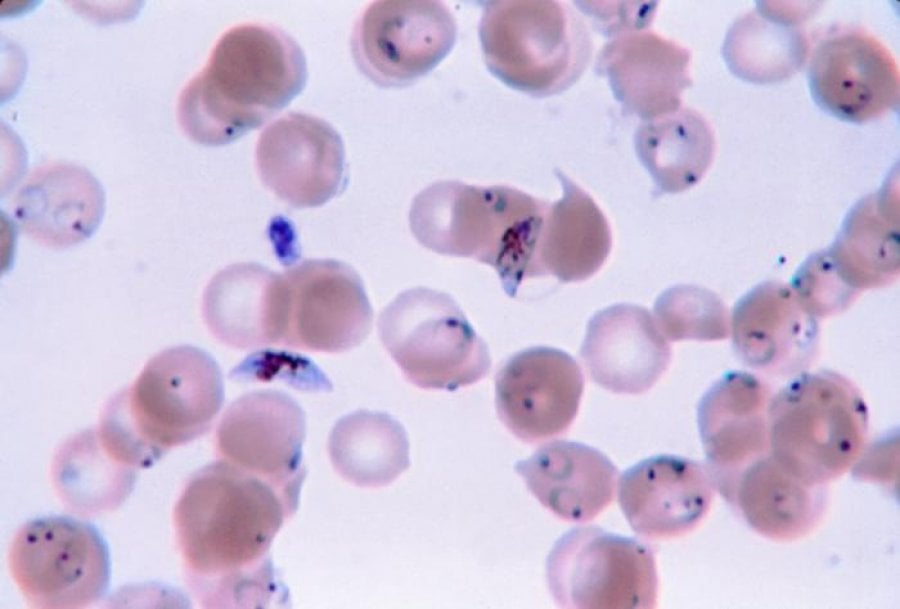
A 24-year-old patient presents with a high-grade fever, headache, and weakness since 5 days. He gives a history of blood transfusion 4 months back. The microscopic examination of the thin blood smear is given below. What is the most probable causative agent?
All are ophthalmological emergencies except -
What should be the minimum value of HbA1c to safely carry out a surgical procedure in an emergency setting?
A patient is having gastrointestinal problems including abdominal pain and distension, bloody or mucus-filled diarrhea, and tenesmus, with rectal prolapse. A stool, ova and parasites exam reveals the presence of typical Barrel-shaped eggs, possible causative agent is?
Want unlimited practice?
Get full access to all questions, explanations, and performance tracking.
Scan to download app