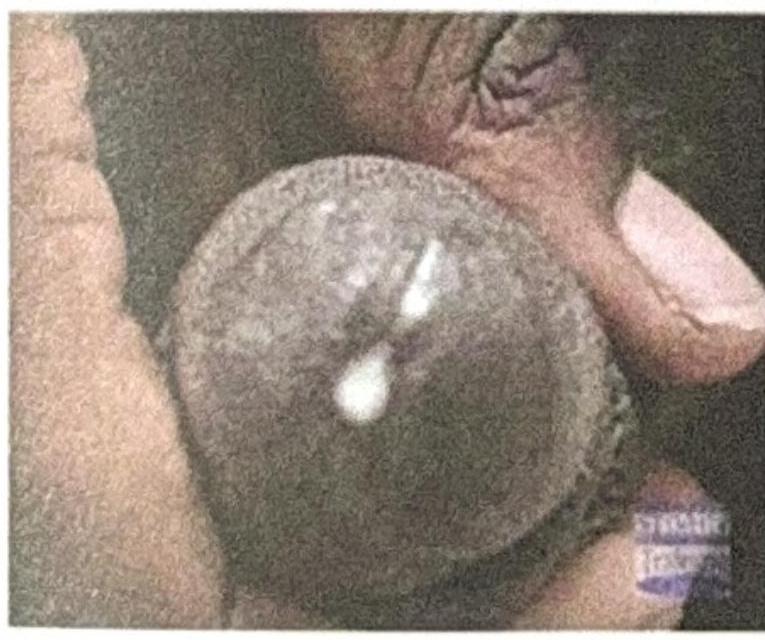
What is the single dose treatment for chlamydia?
A 25-year-old male presents with a rash. There is no fever or myalgia. A slightly pruritic maculopapular rash is noted over the abdomen, trunk, palms of the hands, and soles of the feet. Lymphadenopathy is also noted. Hypertrophic, flat, wall-like lesions are noted around the anal area. Lab studies show: PCV: 40%, HB: 14 g/dL, WBC: 13,000/ml, DLC: N50, L50. What is the most useful laboratory test in this patient?
Which of the following is NOT a typical presenting feature of Gonorrhoea?
What is true about a primary chancre?
In secondary syphilis, what is true about the rash?
Gonococcal vaginitis occurs in:
What is the treatment of non-specific urethritis?
A 24-year-old male patient with a history of primary syphilis, presenting with genital ulcer and mucocutaneous lesions, now exhibits features suggestive of neurosyphilis including meningitis. Appropriate treatment has been initiated. How will you monitor the treatment response?
In a patient with syphilis, which site is least helpful for the isolation of the causative organism?
A young female presented to the hospital OPD with suspected chlamydial infection. She was prescribed oral doxycycline for 2 weeks. After 3 weeks, she came to the hospital again with a mucopurulent cervicitis. On questioning, she admitted that she took the drug only for 3 days. What should be done next?
Explanation: **Explanation:** The correct answer is **Azithromycin**. **1. Why Azithromycin is correct:** Azithromycin is a macrolide antibiotic that inhibits protein synthesis by binding to the 50S ribosomal subunit. For uncomplicated genital *Chlamydia trachomatis* infections, a **single oral dose of 1 gram** is highly effective [1]. Its long half-life and excellent tissue penetration allow for a single-dose regimen, which ensures 100% patient compliance—a critical factor in treating sexually transmitted infections (STIs). **2. Why the other options are incorrect:** * **Doxycycline:** While Doxycycline is considered a first-line treatment for Chlamydia (and often preferred in recent CDC guidelines for rectal infections), it is **not a single-dose treatment**. It requires a 100 mg twice-daily regimen for **7 days**. * **Tetracycline:** This is an older generation drug with a shorter half-life and more side effects compared to Doxycycline. It requires multiple daily doses for 7 days and is rarely used now. * **Erythromycin:** This is typically reserved as an alternative for pregnant patients who cannot tolerate Azithromycin. It requires a 7-day course and is associated with significant gastrointestinal upset. **Clinical Pearls for NEET-PG:** * **Drug of Choice (DOC) in Pregnancy:** Azithromycin (1g single dose) is the DOC for Chlamydia in pregnant women. * **Syndromic Management (WHO/NACO):** For Urethral Discharge (Grey Kit), the treatment includes **Azithromycin 1g (stat)** plus **Cefixime 400mg (stat)** to cover both Chlamydia and Gonorrhea. * **Lymphogranuloma Venereum (LGV):** Caused by L1, L2, L3 serovars of Chlamydia; the treatment is Doxycycline for **21 days**, not a single dose. * **Partner Management:** Always treat the sexual partner(s) to prevent reinfection ("ping-pong" infection).
Explanation: ### Explanation The clinical presentation is classic for **Secondary Syphilis**, caused by *Treponema pallidum*. The hallmark features in this patient include a generalized maculopapular rash involving the **palms and soles**, generalized lymphadenopathy, and **condylomata lata** (hypertrophic, flat, wart-like lesions in the anogenital region) [1]. The absence of high fever and the presence of relative lymphocytosis (L 50%) further support a chronic infectious process rather than an acute bacterial one. **Why VDRL is the correct answer:** The **VDRL (Venereal Disease Research Laboratory)** test is a non-treponemal screening test. In secondary syphilis, the bacterial load is at its peak, making the VDRL test highly sensitive (nearly 100%). It is the most useful initial laboratory test to confirm the diagnosis in a symptomatic patient [1]. **Why other options are incorrect:** * **A. Weil-Felix titer:** Used for diagnosing Rickettsial infections. While Rickettsia causes rashes on palms and soles, it typically presents with high fever, severe headache, and myalgia, which are absent here. * **C. Chlamydia titer:** Chlamydia trachomatis (LGV) causes painful inguinal lymphadenopathy (buboes) and proctitis, but not a generalized palmoplantar rash or condylomata lata. * **D. Blood cultures:** Used for systemic bacterial infections (sepsis/enteric fever). *T. pallidum* cannot be cultured on standard blood agar. **High-Yield Clinical Pearls for NEET-PG:** 1. **Condylomata Lata vs. Acuminata:** Lata is flat/moist (Secondary Syphilis); Acuminata is cauliflower-like/pedunculated (HPV 6, 11) [1]. 2. **Prozone Phenomenon:** A false-negative VDRL in secondary syphilis due to excessively high antibody titers; requires serum dilution for diagnosis [1]. 3. **Drug of Choice:** Benzathine Penicillin G (2.4 million units IM, single dose) remains the gold standard treatment. 4. **Jarisch-Herxheimer Reaction:** An acute febrile reaction following the first dose of penicillin due to the release of treponemal endotoxins.
Explanation: **Explanation:** The correct answer is **D. Reddened lips of vulva and vagina**. In adult females, the primary site of infection for *Neisseria gonorrhoeae* is the **endocervix** (columnar epithelium), not the vagina or vulva [1]. The adult vaginal mucosa is lined by stratified squamous epithelium, which is resistant to gonococcal invasion. Therefore, vulvovaginitis (reddened lips of the vulva/vagina) is **not** a typical feature of adult gonorrhea. *Note:* Vulvovaginitis is only seen in prepubertal girls (Vulvovaginitis of children) because their vaginal epithelium is thin and lacks the protective effect of estrogen and Doderlein’s bacilli. **Analysis of Incorrect Options:** * **A. Discharge:** This is the most common presentation [1]. In men, it presents as a profuse, purulent urethral discharge [1]. In women, it presents as an odorless, mucopurulent cervico-vaginal discharge. * **B. Acute febrile episodes:** While localized gonorrhea is often afebrile, complications like Pelvic Inflammatory Disease (PID), epididymitis, or Disseminated Gonococcal Infection (DGI) frequently present with high-grade fever and constitutional symptoms. * **C. Hematuria:** Terminal hematuria or blood-tinged discharge can occur due to severe urethral mucosal inflammation (acute urethritis). **Clinical Pearls for NEET-PG:** * **Gold Standard Diagnosis:** Culture on **Thayer-Martin medium** (selective medium). * **Microscopy:** Gram-negative kidney-shaped diplococci within polymorphonuclear leukocytes (intracellular) [1]. * **Treatment of Choice:** Single dose of **Ceftriaxone (500 mg IM)** [1]. Always co-treat for Chlamydia (Azithromycin or Doxycycline) unless ruled out. * **Fitz-Hugh-Curtis Syndrome:** A complication involving peri-hepatitis ("violin-string" adhesions).
Explanation: **Explanation:** The primary chancre is the hallmark of **Primary Syphilis**, caused by the spirochete *Treponema pallidum*. It typically appears 3–4 weeks after exposure at the site of inoculation. **Why "All of the Above" is Correct:** 1. **Painless Ulcer (Option A):** Unlike chancroid (which is painful), a syphilitic chancre is characteristically **painless** and indurated (button-like consistency). This is because the infection does not typically trigger an acute inflammatory response in the local nerve endings. 2. **Painless Lymphadenopathy (Option B):** Within 1 week of the ulcer's appearance, regional lymph nodes (usually inguinal) become enlarged. These nodes are classically **painless, firm, non-fluctuant, and discrete** (often referred to as "shotty" nodes). 3. **Covered with Exudate (Option C):** While the base of a chancre is often described as "clean," it frequently produces a **thin, serous exudate** that is highly infectious and rich in spirochetes, visible under dark-field microscopy. **Clinical Pearls for NEET-PG:** * **Incubation Period:** 9 to 90 days (Average: 3 weeks). * **Hard vs. Soft Chancre:** Syphilis is a "Hard Chancre" (indurated); Chancroid (*H. ducreyi*) is a "Soft Chancre" (painful, non-indurated). * **Diagnosis:** Dark-field microscopy is the gold standard for primary syphilis as serological tests (VDRL/RPR) may be negative in the first 1–2 weeks of the lesion. * **Treatment:** A single IM injection of **Benzathine Penicillin G (2.4 million units)** is the treatment of choice.
Explanation: Secondary syphilis, caused by the spirochete Treponema pallidum, is often referred to as "The Great Imitator." The characteristic rash occurs due to hematogenous dissemination of the bacteria. [1] **1. Why "Asymptomatic" is correct:** The classic rash of secondary syphilis is typically **non-pruritic (not itchy)** and **painless**. [1] Patients often do not notice the rash until it is pointed out during a physical examination, making "asymptomatic" the most accurate clinical description among the choices. **2. Analysis of Incorrect Options:** * **A. Pruritic:** While a small percentage of patients (approx. 10-25%) may report itching, the hallmark teaching for exams is that syphilitic rashes are **non-pruritic**, distinguishing them from drug eruptions or pityriasis rosea. [1], [3] * **B. Vesicular:** Syphilis is known for being "everything but vesicular." The rash is typically maculopapular, follicular, or pustular. [1], [3] The presence of vesicles strongly points away from syphilis and toward viral infections like HSV or VZV. * **D. Tender:** The lesions are inflammatory but not tender. Tenderness would suggest a secondary bacterial infection or a different etiology like erythema nodosum. **3. Clinical Pearls for NEET-PG:** * **Distribution:** The rash characteristically involves the **palms and soles** (a high-yield finding shared with Rocky Mountain Spotted Fever and Coxsackie A). [1], [3] * **Condyloma Lata:** These are flat, moist, wart-like papules found in intertriginous areas (axilla, groin) and are highly infectious. [1] * **Other Signs:** Look for "moth-eaten" alopecia, generalized lymphadenopathy (especially epitrochlear), and snail-track ulcers in the mouth. * **Diagnosis:** Screening is done via **VDRL/RPR** (non-treponemal), and confirmation via **FTA-ABS/TPHA** (treponemal). [2]
Explanation: **Explanation:** The correct answer is **Children**. The anatomical and physiological characteristics of the female genital tract change significantly from birth through puberty, which dictates the site of gonococcal infection. **1. Why Children?** In prepubertal girls (children), the vaginal mucosa is thin, atrophic, and lined with **columnar or cuboidal epithelium**. Additionally, the vaginal pH is neutral or alkaline due to the absence of estrogen and *Lactobacillus*. This environment is highly susceptible to *Neisseria gonorrhoeae*, leading to **primary gonococcal vulvovaginitis**. In this age group, the infection is often a result of non-sexual transmission (fomites) or, importantly, must raise suspicion of child sexual abuse. **2. Why other options are incorrect:** * **Adults and Adolescents:** In post-pubertal females, increased estrogen levels cause the vaginal lining to thicken into **stratified squamous epithelium**, which is resistant to gonococcal invasion. In these groups, gonorrhea primarily causes **cervicitis** (infection of the endocervix) rather than vaginitis. * **Infants:** Newborns possess maternal estrogen for the first few weeks of life, which temporarily cornifies the vaginal epithelium, providing protection against primary vaginitis. **Clinical Pearls for NEET-PG:** * **Site of Infection:** In adult females, the **endocervix** is the most common site of gonococcal infection. * **Gold Standard Diagnosis:** Culture on **Thayer-Martin medium** (chocolate agar with antibiotics). * **Treatment:** Due to rising resistance, the current recommendation is typically a single dose of IM Ceftriaxone [1]. * **Key Concept:** If a child presents with gonococcal vulvovaginitis, clinicians must prioritize ruling out **sexual abuse**.
Explanation: **Explanation:** Non-specific urethritis (NSU), also known as Non-Gonococcal Urethritis (NGU), refers to inflammation of the urethra not caused by *Neisseria gonorrhoeae* [2]. The most common causative organism is **_Chlamydia trachomatis_** (D-K serotypes), followed by *Ureaplasma urealyticum* and *Mycoplasma genitalium* [1]. **Why Tetracycline is correct:** Tetracyclines (specifically **Doxycycline**) are the traditional drugs of choice for NSU because they are highly effective against intracellular organisms like *Chlamydia*. They inhibit protein synthesis by binding to the 30S ribosomal subunit. In clinical practice, a 7-day course of Doxycycline (100 mg BID) is the standard regimen. **Analysis of Incorrect Options:** * **Erythromycin (A):** While it can be used as an alternative (especially in pregnant patients where tetracyclines are contraindicated), it is not the primary drug of choice due to a higher incidence of gastrointestinal side effects and lower patient compliance compared to tetracyclines or macrolides like Azithromycin. * **Sulphonamides (B):** These are ineffective against *Chlamydia* and *Mycoplasma* as these organisms do not follow the typical folic acid synthesis pathways targeted by sulfa drugs. * **Ampicillin (C):** This is a beta-lactam antibiotic that targets the bacterial cell wall. Since *Chlamydia* is an intracellular pathogen and *Mycoplasma* lacks a cell wall, ampicillin is clinically ineffective. **High-Yield Clinical Pearls for NEET-PG:** * **First-line treatment:** The current CDC guidelines recommend **Doxycycline** (100mg BID for 7 days) as the first-line treatment for NGU. **Azithromycin** (1g single dose) is the preferred alternative. * **Incubation Period:** NSU has a longer incubation period (1–3 weeks) compared to Gonococcal urethritis (2–5 days) [2]. * **Clinical Presentation:** NSU typically presents with a mucoid/clear discharge, whereas Gonorrhea presents with a profuse, purulent (yellowish) discharge [2]. * **Management:** Always treat the partner simultaneously to prevent "ping-pong" infections [1].
Explanation: The monitoring of syphilis treatment response relies on the distinction between **Nontreponemal** and **Treponemal** tests [1]. **Why Option A is Correct:** The **VDRL test** (and RPR) is a nontreponemal test that measures biomarkers (reagin antibodies) produced in response to cellular damage caused by *T. pallidum*. Because these antibody titers correlate with disease activity, they are used to monitor treatment efficacy [1]. A successful response is typically defined as a **fourfold (two-dilution) decrease** in titer (e.g., from 1:32 to 1:8) within 6–12 months. In neurosyphilis, CSF-VDRL is the gold standard for monitoring the resolution of the infection. **Why the Other Options are Incorrect:** * **Options B, C, and D (TPI, FTA-ABS, ELISA):** These are **Treponemal tests** that detect specific antibodies against *T. pallidum* [1]. Once a patient tests positive, these tests usually remain positive for life (**"treponemal memory"**), regardless of successful treatment. Therefore, they cannot distinguish between an active infection and a past, treated infection, making them useless for monitoring treatment response. **Clinical Pearls for NEET-PG:** * **Screening:** Use Nontreponemal tests (VDRL/RPR) due to high sensitivity [1]. * **Confirmation:** Use Treponemal tests (FTA-ABS/TPHA) due to high specificity. * **Neurosyphilis Monitoring:** CSF-VDRL should be repeated every 6 months until the cell count is normal and the titer is declining. * **Prozone Phenomenon:** A false-negative VDRL result due to excessively high antibody titers (seen in secondary syphilis); requires serum dilution for detection [1].
Explanation: The causative organism of syphilis, *Treponema pallidum*, is highly concentrated in early lesions but becomes extremely difficult to isolate as the disease progresses into the late stages [1]. **Why Gumma is the correct answer:** A **Gumma** is the hallmark of **Tertiary Syphilis** [1]. It is a chronic, granulomatous lesion characterized by a delayed-type hypersensitivity reaction to the spirochete rather than an active, overwhelming infection. Because the host's immune response has largely cleared the systemic bacterial load by this stage, spirochetes are **extremely sparse** or absent in gummatous lesions, making them the least helpful site for isolation or visualization (e.g., via dark-field microscopy). **Analysis of incorrect options:** * **Primary Chancre:** This is the site of initial inoculation [1]. It teems with spirochetes, making dark-field microscopy of the serous exudate the gold standard for early diagnosis. * **Mucosal Patch:** Occurring in **Secondary Syphilis**, these are highly infectious lesions found on mucous membranes. They contain a very high bacterial load [1]. * **Maculopapular Rash:** Also a feature of Secondary Syphilis, these skin lesions contain viable *T. pallidum* that can be identified via biopsy or silver stains [1], though the yield is slightly lower than mucosal patches. **High-Yield Clinical Pearls for NEET-PG:** * **Dark-field Microscopy:** Best for Primary and Secondary stages; useless for Tertiary syphilis. * **Screening vs. Confirmatory:** VDRL/RPR (Nontreponemal) are for screening/monitoring treatment; FTA-ABS/TPHA (Treponemal) are for confirmation. * **Gumma Histology:** Central coagulative necrosis surrounded by lymphocytes, plasma cells, and epithelioid cells (granuloma). * **Infectivity:** Syphilis is most infectious during the Primary and Secondary stages. Tertiary syphilis is generally considered non-infectious.
Explanation: ### Explanation The patient presents with persistent **mucopurulent cervicitis** due to **non-compliance** with a multi-day antibiotic regimen. In the management of Chlamydia trachomatis, patient adherence is the most significant factor in treatment failure. **1. Why Option D is Correct:** The drug of choice for uncomplicated chlamydial genital infection is either **Doxycycline (100 mg BID for 7 days)** or **Azithromycin (1 g orally in a single dose)**. Since this patient has already demonstrated poor compliance with a 14-day course, a **single-dose supervised therapy** with Azithromycin is the most appropriate next step. It ensures 100% compliance, achieves high intracellular concentrations, and has an efficacy rate of ~97%. **2. Why Other Options are Incorrect:** * **Option A:** Rewriting the same prescription is likely to result in another failure due to the patient's proven history of non-adherence. * **Option B:** Intravenous amoxicillin is not the standard of care for uncomplicated cervicitis. While some penicillins have activity against Chlamydia, they are less effective than macrolides or tetracyclines. * **Option C:** Erythromycin is an alternative (often used in pregnancy), but it requires a multi-day, multi-dose regimen (QID for 7 days) which carries a high risk of gastrointestinal side effects and further non-compliance. **3. High-Yield Clinical Pearls for NEET-PG:** * **Gold Standard Diagnosis:** Nucleic Acid Amplification Test (NAAT). * **Co-infection:** Always screen for and empirically treat Gonorrhea (Ceftriaxone 500mg IM) if Chlamydia is suspected, as they frequently co-exist [1]. * **Partner Management:** "Expedited Partner Therapy" (EPT) is recommended; the partner must be treated even if asymptomatic to prevent "ping-pong" reinfection [1]. * **Pregnancy:** Doxycycline is contraindicated (Category D). Azithromycin 1g single dose is the preferred treatment for Chlamydia in pregnant women.
Syphilis
Practice Questions
Gonorrhea
Practice Questions
Chlamydial Infections
Practice Questions
Chancroid and Other Genital Ulcers
Practice Questions
Genital Herpes
Practice Questions
Human Papillomavirus Infections
Practice Questions
HIV and STIs
Practice Questions
Pelvic Inflammatory Disease
Practice Questions
STI Screening and Prevention
Practice Questions
Partner Notification and Treatment
Practice Questions
Sexually Transmitted Enteric Infections
Practice Questions
Special Populations Management
Practice Questions
Get full access to all questions, explanations, and performance tracking.
Start For Free