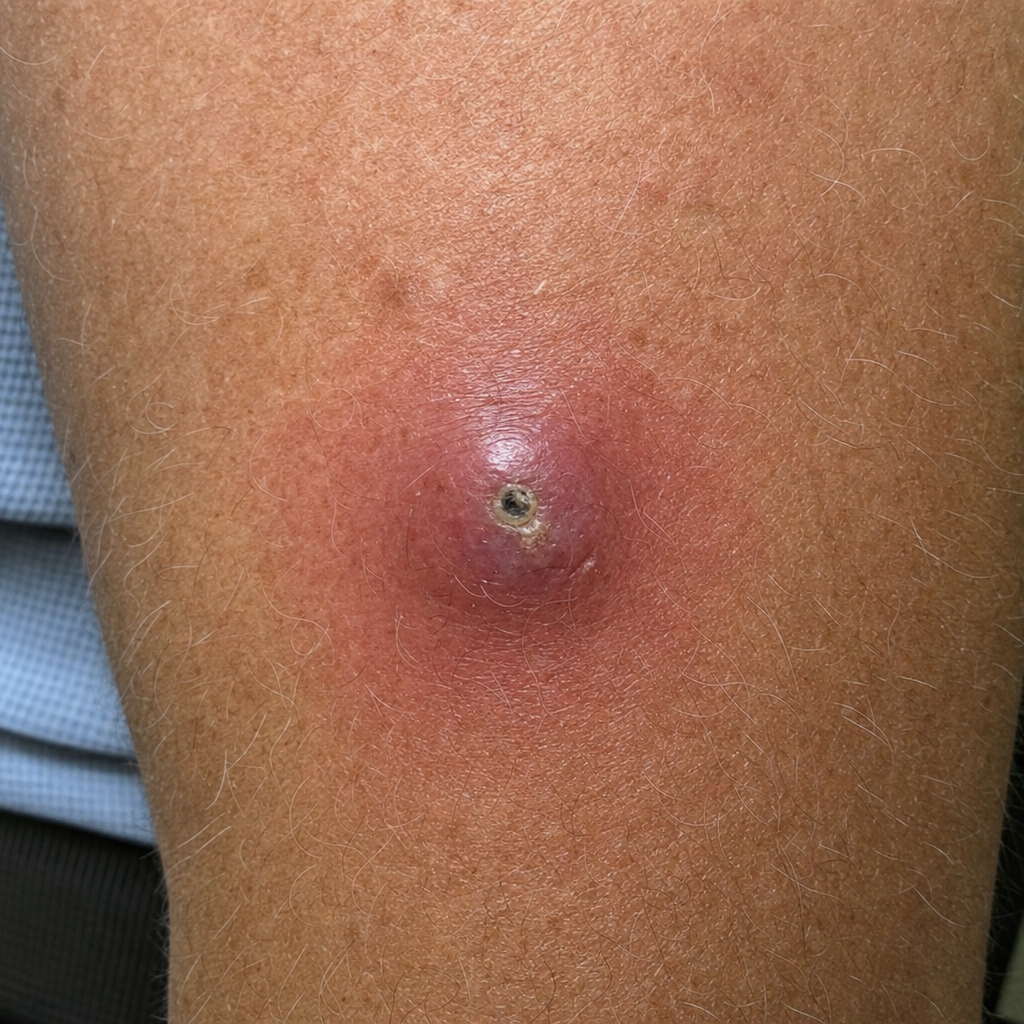
Secondary infections in HIV infected patients are classified under which category?
Which of the following is the most common cause of sporadic viral encephalitis in adults?
What is the transmission rate of the Hepatitis C virus?
Brain abscess in an immunodeficient person is typically caused by which of the following microorganisms?
CSF glucose levels are typically normal in which type of meningitis?
A 60-year-old alcoholic smoker abruptly develops high fever, shakes, a severe headache, and muscle pain. He initially has a dry, insignificant cough, but over the next few days he develops marked shortness of breath requiring assisted ventilation. Chest x-ray demonstrates homogeneous radiographic shadowing that initially involves the left lower lobe but continues to spread until both lungs are extensively involved. Culture of bronchoalveolar lavage fluid on buffered charcoal yeast extract (BCYE) demonstrates a coccobacillary pathogen. Which of the following is the most likely causative organism?
A 32-year-old woman acutely develops high fever, hypotension, and rash. This is followed by vomiting, diarrhea, confusion, and abdominal pain. In the hospital, evidence of multiorgan failure develops. Desquamation of the skin occurs 1 week after the acute illness. The illness started 3 days after the onset of menstruation. Which of the following is the most likely diagnosis?
A 24-year-old woman presents with fever, chills, and rigors. On physical examination, her temperature is 39.4°C, blood pressure 100/60 mm Hg, pulse 110/min, and oxygen saturation 95%. There is a 3/6 pansystolic murmur at the right sternal border, which increases with inspiration. Her arms show multiple tattoos and needle marks from injection drug use. Blood cultures are positive for S. aureus, and she is started on appropriate antibiotics. Her renal function is mildly impaired, and her urinalysis is positive for protein with red blood cell casts on microscopy. Which of the following mechanisms is the most likely explanation for her renal abnormalities?
Regarding tetanus, which of the following is NOT a true statement?
In AIDS, lymphadenopathy is most often due to which of the following?
Explanation: ### Explanation The classification of HIV/AIDS into categories is based on the **WHO Clinical Staging System**, which is used to assess the severity of HIV infection and guide clinical management [1]. **Why Category IV is Correct:** **Category IV (Clinical Stage 4)** represents advanced HIV infection, commonly referred to as **AIDS**. This stage is characterized by the presence of severe, life-threatening **secondary infections** (opportunistic infections) and malignancies. These include conditions like *Pneumocystis jirovecii* pneumonia, Extrapulmonary Tuberculosis, Cryptococcal meningitis, and Kaposi’s sarcoma. The presence of these "AIDS-defining illnesses" indicates profound immunosuppression (typically CD4 count <200 cells/mm³) [2]. **Analysis of Incorrect Options:** * **Category I (Stage 1):** Patients are asymptomatic or have persistent generalized lymphadenopathy (PGL) [1]. There are no secondary infections at this stage. * **Category II (Stage 2):** Characterized by mild symptoms and minor mucocutaneous manifestations (e.g., recurrent oral ulcerations, fungal nail infections, or seborrheic dermatitis) [1]. * **Category III (Stage 3):** Involves moderate systemic symptoms and advanced infections like unexplained chronic diarrhea, persistent fever, or Pulmonary Tuberculosis. While infections occur here, they are not the severe "secondary/opportunistic" infections that define Stage 4. **High-Yield NEET-PG Pearls:** * **CD4 Threshold:** Stage 4 conditions usually manifest when the CD4 count drops below **200 cells/mm³** [2]. * **Most Common Infection:** In India, **Tuberculosis** (Stage 3 if pulmonary, Stage 4 if extrapulmonary) is the most common opportunistic infection in HIV patients. * **Prophylaxis:** Trimethoprim-Sulfamethoxazole (CPT) is initiated in Stage 3 or 4 (or if CD4 <350) to prevent *Pneumocystis* and Toxoplasmosis. * **WHO vs. CDC:** While WHO uses clinical stages (1-4), the CDC classification uses categories A, B, and C based on both clinical findings and CD4 counts [1].
Explanation: **Explanation:** **1. Why Herpes Virus is Correct:** Herpes Simplex Virus-1 (HSV-1) is the most common cause of **sporadic, non-epidemic fatal viral encephalitis** in adults worldwide [1]. The underlying medical concept involves the virus remaining latent in the trigeminal ganglia; upon reactivation, it spreads retrograde to the **temporal and frontal lobes** [1]. This predilection for the temporal lobes leads to characteristic clinical features like complex partial seizures, olfactory hallucinations, and behavioral changes [1]. **2. Why the Other Options are Incorrect:** * **Enteroviruses:** While these are the most common cause of viral **meningitis**, they are a less frequent cause of encephalitis in adults compared to HSV. * **Epstein-Barr Virus (EBV):** EBV typically causes Infectious Mononucleosis. While it can cause neurological complications (like meningitis or encephalitis), it usually occurs in the context of primary infection or in immunocompromised states, making it far less common than HSV-1. * **HIV:** HIV can cause "HIV Encephalopathy" (Dementia Complex) or opportunistic infections (like CMV or Toxoplasmosis), but it is not the leading cause of acute sporadic viral encephalitis in the general adult population [1]. **3. Clinical Pearls for NEET-PG:** * **Gold Standard Diagnosis:** PCR of the CSF for HSV DNA (highly sensitive and specific). * **Imaging:** MRI is the modality of choice, showing hyperintensity in the **temporal lobes** and insular cortex [1]. * **EEG Finding:** Periodic Lateralized Epileptiform Discharges (**PLEDs**). * **Treatment:** Immediate IV **Acyclovir** (10 mg/kg every 8 hours) should be started empirically if encephalitis is suspected, as delay significantly increases mortality.
Explanation: The transmission rate of Hepatitis C Virus (HCV) is a high-yield topic for NEET-PG, particularly regarding occupational exposure and vertical transmission. [1] **Explanation of the Correct Answer (A):** The risk of HCV transmission following a single percutaneous exposure (e.g., a needle-stick injury) from an HCV-positive source is approximately **3% to 5%** (average 1.8% in some literature, but 5% is the standard textbook value for exams). [1] Unlike Hepatitis B, HCV is not highly efficient at transmitting through mucous membranes or intact skin. [2] In the context of vertical transmission (mother-to-child), the rate is also approximately **5%**, though this increases significantly if the mother is co-infected with HIV. **Analysis of Incorrect Options:** * **B (10%):** This overestimates the risk for a single exposure. While chronic infection occurs in about 75–85% of those infected, the initial transmission rate remains lower. * **C (25%) & D (50%):** These values are far too high for HCV. For comparison, the transmission rate of Hepatitis B (HBV) in a non-immune individual after a needle-stick injury from an HBeAg-positive source can be as high as **30%**. [2] **High-Yield Clinical Pearls for NEET-PG:** * **Rule of 3s (Needle-stick risk):** HIV ≈ 0.3%, HCV ≈ 3%, HBV ≈ 30% (in non-immunized). * **Sexual Transmission:** HCV is rarely transmitted sexually among monogamous heterosexual couples; however, the risk increases with multiple partners or MSM (men who have sex with men). * **Post-Exposure Prophylaxis (PEP):** Unlike HBV and HIV, there is **no effective PEP** (immunoglobulin or vaccine) for HCV. [1] Management involves monitoring HCV RNA and treating with Direct-Acting Antivirals (DAAs) only if chronic infection is established. * **Screening:** Anti-HCV antibody is the screening test of choice; HCV RNA is used to confirm active infection. [1]
Explanation: ### Explanation **Correct Option: A (Cryptococcus)** In immunocompromised individuals (especially those with HIV/AIDS, transplant recipients, or those on chronic steroids), the spectrum of CNS infections shifts from pyogenic bacteria to opportunistic pathogens. **Cryptococcus neoformans** is the most common fungal cause of CNS involvement in this population. While it typically presents as meningitis, it can also manifest as "Cryptococcomas" (fungal abscesses) or gelatinous pseudocysts within the brain parenchyma. The organism's thick polysaccharide capsule allows it to evade the host's weakened immune system, leading to granulomatous inflammation and abscess formation. **Analysis of Incorrect Options:** * **B. Staphylococcus:** *Staphylococcus aureus* is a leading cause of brain abscesses in **immunocompetent** individuals, often spreading hematogenously (e.g., from endocarditis) or via direct trauma/surgery. * **C. Pneumococcus:** *Streptococcus pneumoniae* is the most common cause of community-acquired bacterial meningitis but is a **rare** cause of focal brain abscesses. * **D. E. coli:** While *E. coli* can cause neonatal meningitis or brain abscesses following neurosurgical procedures, it is not the "typical" or most characteristic organism associated specifically with the immunodeficient state in general adult populations. **High-Yield Clinical Pearls for NEET-PG:** * **Most common cause of brain abscess (Overall):** *Streptococcus viridans* (often anaerobic/mixed). * **Toxoplasmosis:** The most common cause of **multiple** ring-enhancing lesions in HIV patients (often a key differential for Cryptococcus) [1]. * **Diagnostic Clue:** For Cryptococcus, look for "Soap bubble appearance" on MRI (basal ganglia) and positive **India Ink** or **CrAg** (Cryptococcal Antigen) test. * **Treatment:** Induction with Amphotericin B + Flucytosine, followed by Fluconazole maintenance.
Explanation: ### Explanation The diagnosis of meningitis relies heavily on CSF analysis. The core concept behind CSF glucose levels is that **bacteria, fungi, and malignant cells consume glucose** for metabolism or growth, whereas viruses do not. [1] **1. Why Viral Meningitis is Correct:** In viral (aseptic) meningitis, the virus does not utilize glucose for replication. Therefore, the CSF glucose level remains **normal** (typically >60% of simultaneous plasma glucose or >40 mg/dL) [4]. This is a hallmark finding that differentiates it from most other forms of meningitis. **2. Why the Other Options are Incorrect:** * **Pyogenic (Bacterial) Meningitis:** Bacteria consume glucose for energy, and there is impaired glucose transport across the blood-brain barrier. This leads to **markedly low** glucose levels (hypoglycorrhachia), often <40 mg/dL [3]. * **Tubercular Meningitis:** *Mycobacterium tuberculosis* causes a chronic inflammatory process that significantly **lowers** CSF glucose levels, usually accompanied by high protein and lymphocytic pleocytosis [2]. * **Carcinomatous Meningitis:** Malignant cells in the subarachnoid space have high metabolic requirements and utilize glucose rapidly, leading to **decreased** CSF glucose levels. **3. High-Yield NEET-PG Clinical Pearls:** * **Normal CSF Glucose:** 40–70 mg/dL (or 2/3rd of blood glucose). Always compare CSF glucose with a simultaneous blood glucose sample. * **Viral Exception:** Mumps and Herpes Simplex (HSV) can occasionally cause low CSF glucose, though it remains typically normal in most viral etiologies. * **The "Rule of 2s" for Bacterial Meningitis:** Look for **low** glucose (<40), **high** protein (>100), and **high** neutrophils (>1000) [3]. * **Viral CSF Profile:** Normal glucose, mildly elevated protein, and **lymphocytic** pleocytosis [4].
Explanation: ### Explanation The clinical presentation and laboratory findings point definitively to **Legionnaire’s Disease**, caused by ***Legionella pneumophila***. **Why Option A is Correct:** * **Risk Factors:** The patient is an elderly smoker and alcoholic, both of which are classic risk factors for *Legionella* [1]. * **Clinical Progression:** The "abrupt" onset of systemic symptoms (high fever, headache, myalgia) followed by a dry cough that rapidly progresses to severe respiratory failure (requiring ventilation) is characteristic [1]. * **Radiology:** *Legionella* often starts as a unilobar patch but characteristically progresses to multisegmental or bilateral consolidation. * **Gold Standard Diagnosis:** The definitive clue is the growth on **Buffered Charcoal Yeast Extract (BCYE) agar**. *Legionella* is a fastidious, aerobic, Gram-negative coccobacillus that requires **L-cysteine and iron** (provided by BCYE) for growth. **Why Other Options are Incorrect:** * **B. *Listeria monocytogenes*:** While it is a Gram-positive coccobacillus, it typically causes meningitis or sepsis in neonates or immunocompromised adults, not primary severe pneumonia. It grows on blood agar. * **C. *Streptococcus pneumoniae*:** The most common cause of community-acquired pneumonia (CAP) [1]. However, it presents with "rusty" sputum and grows easily on blood agar (alpha-hemolytic), not BCYE [2]. * **D. *Staphylococcus aureus*:** Usually causes post-viral (influenza) pneumonia with cavitary lesions or pneumatoceles on X-ray [1]. It grows on standard media like Mannitol Salt Agar. **NEET-PG High-Yield Pearls:** * **Classic Triad:** Severe pneumonia + GI symptoms (diarrhea) + CNS symptoms (confusion/headache). * **Lab Clue:** **Hyponatremia** (low sodium) is a very common association in exams. * **Diagnosis:** Urinary Antigen Test is the fastest screening method; BCYE culture is the gold standard. * **Treatment:** Macrolides (Azithromycin) or Fluoroquinolones (Levofloxacin). It is intrinsically resistant to Beta-lactams.
Explanation: ### Explanation **1. Why the Correct Answer is Right (Staphylococcal TSS):** The clinical presentation follows the classic triad of **Toxic Shock Syndrome (TSS)**: high fever, hypotension, and a diffuse macular erythroderma (rash) followed by multisystem involvement (GI, neurological, and renal). A pathognomonic feature is the **desquamation of the skin** (typically on palms and soles) occurring 1–2 weeks after the onset. [1] The underlying mechanism is the release of **TSST-1**, a **superantigen** produced by *Staphylococcus aureus*. Superantigens bypass normal antigen processing and cross-link MHC Class II with T-cell receptors, causing a massive "cytokine storm" (IL-1, IL-6, TNF-α). [1] The temporal association with **menstruation** (often linked to highly absorbent tampon use) is a classic trigger for Staphylococcal TSS. **2. Why Incorrect Options are Wrong:** * **B. Scarlet Fever:** Caused by *Streptococcus pyogenes*. While it presents with fever and a "sandpaper" rash, it typically follows pharyngitis and does not cause acute hypotension or multi-organ failure. [1] * **C. Clostridial Infection:** *Clostridium sordellii* can cause a TSS-like syndrome (often post-partum or post-abortion), but it is typically characterized by a lack of fever and a very high leukemoid reaction. * **D. Rocky Mountain Spotted Fever (RMSF):** Caused by *Rickettsia rickettsii*. The rash typically starts on the wrists and ankles and spreads centripetally. It does not typically cause the rapid desquamation seen in TSS. **3. NEET-PG High-Yield Pearls:** * **Staph vs. Strep TSS:** Staphylococcal TSS is often associated with tampons or wound infections and has a lower mortality (~3%). Streptococcal TSS (Group A Strep) is usually associated with necrotizing fasciitis or cellulitis and has a much higher mortality (>30%). [1] * **Diagnostic Criteria:** Must include fever >38.9°C, systolic BP <90 mmHg, diffuse rash, and involvement of ≥3 organ systems. * **Management:** Aggressive fluid resuscitation, removal of the source (e.g., tampon), and antibiotics (Clindamycin is often added to inhibit toxin production).
Explanation: ### Explanation **Correct Answer: C. High level of circulating immune complexes** The clinical presentation describes **Infective Endocarditis (IE)** involving the **tricuspid valve** (pansystolic murmur at the right sternal border increasing with inspiration—Carvallo’s sign), common in intravenous drug users (IVDU) [2]. The renal findings (proteinuria and RBC casts) are pathognomonic for **Glomerulonephritis (GN)** [1]. In the setting of IE, this is a **Type III Hypersensitivity reaction**. Chronic antigenemia from the valvular infection leads to the formation of **circulating immune complexes** that deposit in the glomerular basement membrane [3], activating the complement system and causing inflammatory damage. This is typically a diffuse proliferative or focal segmental glomerulonephritis. **Incorrect Options:** * **A. Septic emboli:** While common in left-sided IE (causing renal infarcts presenting with flank pain and hematuria), they rarely cause RBC casts or significant proteinuria [1]. In right-sided IE (this case), emboli typically go to the lungs, not the systemic circulation. * **B. Cardiac failure:** Prerenal azotemia would show a high BUN/Creatinine ratio and "bland" urinary sediment, not RBC casts or significant proteinuria. * **D. Fungal disease:** While fungal endocarditis occurs in IVDU (e.g., *Candida*), the renal pathology remains immune-mediated or embolic; "fungal disease" is not a primary mechanism for GN [2]. **NEET-PG High-Yield Pearls:** * **Renal manifestations of IE:** 1. Immune-complex GN (most common cause of RBC casts) [3], 2. Embolic Infarcts, 3. Drug-induced toxicity (e.g., Aminoglycosides/Vancomycin). * **Immunologic phenomena in IE:** Osler nodes, Roth spots, and Glomerulonephritis [1]. * **Right-sided IE:** Most common in IVDU; *S. aureus* is the leading pathogen; Tricuspid valve > Pulmonary valve. * **Lab finding:** Low serum complement levels (C3) are frequently seen in IE-associated GN [3].
Explanation: **Explanation:** Tetanus is caused by the neurotoxin **tetanospasmin**, produced by *Clostridium tetani*. The toxin acts by blocking the release of inhibitory neurotransmitters (GABA and glycine) from Renshaw cells in the spinal cord, leading to unchecked excitatory nerve impulses [1]. **Why Coagulopathy is the correct answer:** Coagulopathy is **not** a feature of tetanus. The pathology of tetanus is strictly neurological and neuromuscular. While severe cases may involve autonomic dysfunction (labile blood pressure, tachycardia, hyperpyrexia), the toxin does not interfere with the coagulation cascade or platelet function. **Analysis of incorrect options:** * **Trismus (Lockjaw):** This is the most common presenting symptom. It results from the masseter muscle spasm, preventing the patient from opening their mouth [1]. * **Generalized Rigidity:** The hallmark of generalized tetanus. It involves "board-like" abdominal rigidity and **opisthotonus** (arch-like hyperextension of the body). * **Respiratory Failure:** This is the leading cause of death in tetanus. It occurs due to laryngospasm, spasms of the chest wall/diaphragm, or as a complication of autonomic instability and secondary pneumonia. **High-Yield Clinical Pearls for NEET-PG:** * **Risus Sardonicus:** An abnormal, sustained spasm of the facial muscles that appears to produce grinning. * **Incubation Period:** Usually 3–21 days; a shorter incubation period correlates with increased severity and higher mortality. * **Diagnosis:** Purely **clinical**. Wound cultures are positive in only 30% of cases. * **Management:** Neutralization of unbound toxin with **Human Tetanus Immune Globulin (HTIG)**, wound debridement, and **Metronidazole** (preferred over Penicillin G as the latter is a GABA antagonist).
Explanation: In patients with HIV/AIDS, lymphadenopathy is a frequent clinical finding. The most common cause is **Persistent Generalized Lymphadenopathy (PGL)**, which histologically manifests as **non-specific follicular hyperplasia** (non-specific enlargement) [1]. This occurs due to the chronic immune activation and B-cell proliferation in response to the HIV virus itself, rather than a secondary opportunistic infection or malignancy [1]. PGL is defined as enlarged nodes (>1 cm) at two or more extra-inguinal sites persisting for more than 3 months without an obvious cause [1]. **Analysis of Incorrect Options:** * **A. Tuberculosis:** While TB is the most common *opportunistic infection* causing lymphadenopathy in AIDS patients (especially in India), it is statistically less frequent than the non-specific reactive changes caused by HIV itself [1]. * **B. Lymphoma:** HIV patients have a significantly higher risk of Non-Hodgkin Lymphoma (NHL), but it represents a small percentage of total lymphadenopathy cases compared to reactive hyperplasia [1]. * **D. Kaposi’s Sarcoma:** This is an AIDS-defining illness caused by HHV-8. While it can involve lymph nodes, it typically presents with characteristic cutaneous lesions and is far less common than non-specific enlargement [1]. **NEET-PG High-Yield Pearls:** * **PGL Definition:** Nodes >1cm, ≥2 extra-inguinal sites, >3 months duration [1]. * **Biopsy Indication:** In AIDS, a lymph node biopsy is indicated if there are constitutional symptoms (fever, weight loss), rapid enlargement of nodes, or asymmetrical/fixed nodes to rule out TB or Lymphoma [1]. * **Most common site for PGL:** Cervical, axillary, and posterior occipital nodes. * **Histology of PGL:** Early stage shows exuberant follicular hyperplasia; late stage shows follicular involution/depletion.
Principles of Antimicrobial Therapy
Practice Questions
Fever of Unknown Origin
Practice Questions
HIV/AIDS and Related Infections
Practice Questions
Tuberculosis and Mycobacterial Diseases
Practice Questions
Tropical and Parasitic Infections
Practice Questions
Viral Infections (Hepatitis, Herpes, etc.)
Practice Questions
Healthcare-Associated Infections
Practice Questions
Fungal Infections
Practice Questions
Sepsis and Septic Shock
Practice Questions
Infection in Immunocompromised Hosts
Practice Questions
Emerging and Re-emerging Infections
Practice Questions
Antimicrobial Resistance
Practice Questions
Vaccination Principles
Practice Questions
Get full access to all questions, explanations, and performance tracking.
Start For Free