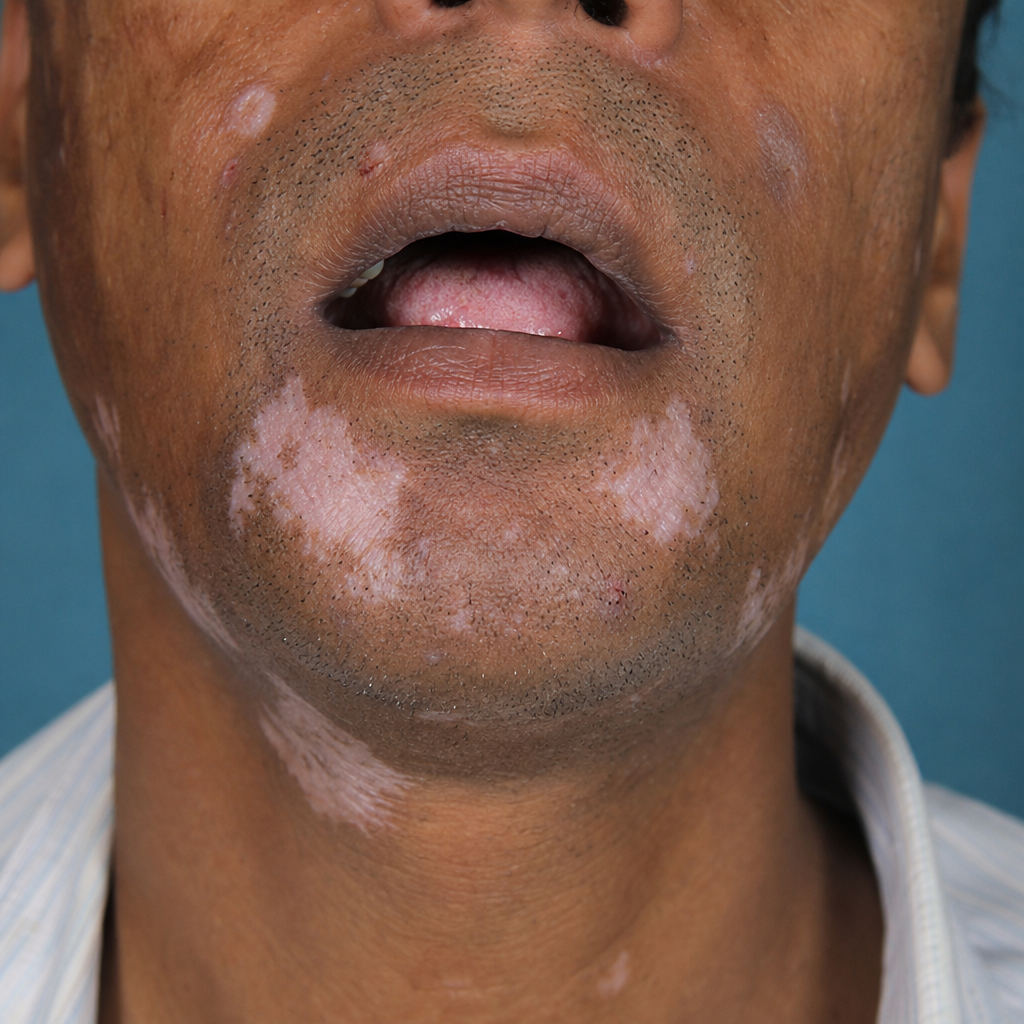
True about Trench fever are all except -
A farmer presents with multiple dicharging sinuses in the leg not responding to antibiotics. Most likely diagnosis is -
Meyers Kouwenaar syndrome is a synonym for ?
Acquired megacolon can be due to
Treatment of lepra reaction includes:
An otherwise healthy male presents with a creamy curd like white patch on the tongue. The probable diagnosis is
A 22-year-old homeless person with a known drug abuse problem and multiple opportunistic infections has a positive PPD (purified protein) test. Which of the following is the most common way this infection is acquired?
A 34-year-old man who works as a carpenter presents with symptoms of jaw discomfort, dysphagia, and pain as well as stiffness in his neck, back, and shoulders. On examination, he is unable to open his jaw, his proximal limb muscles are stiff as is his abdomen and back, but the hands and feet are relatively spared. He occasionally has violent generalized muscles spasms that cause him to stop breathing, but there is no loss of consciousness. A clinical diagnosis is made and he is treated with antibiotics, antitoxin, and diazepam as well as muscle relaxants for the spasms.For the above patient, select the most likely infecting organism.
An 80-year-old woman presents with a 4-hour history of fever, shaking chills, and disorientation. Her blood pressure is 80/40 mm Hg. Physical examination shows diffuse purpura on her upper arms and chest. Blood cultures are positive for Gram-negative organism. Which of the following cytokines is primarily involved in the pathogenesis of direct vascular injury in this patient with septic shock?
Oral candidiasis can be classified as primary and _____ based on underlying predisposing factors:
Explanation: ***Doxycycline is the treatment*** - While **doxycycline** can be used as an alternative, the primary and most effective treatment for trench fever is **azithromycin**. - **Relapse** is common in trench fever due to the **intracellular nature** of *Bartonella quintana*, requiring prolonged or repeated treatment courses. *Transmitted by Pediculus corporis* - Trench fever is indeed transmitted by the **human body louse**, *Pediculus humanus corporis*, which acquires the bacteria from an infected person's blood. - The louse then excretes infected feces, which can be rubbed into the skin through scratching or enter through mucous membranes. *Caused by Bartonella quintana* - The etiologic agent of trench fever is **Bartonella quintana**, a **Gram-negative bacterium**. - This bacterium is an **intracellular pathogen** that primarily infects **erythrocytes** and **endothelial cells**. *Also called 7-day fever* - Trench fever is also known as "5-day fever" or "shin bone fever" due to the characteristic **recurrent fever pattern** that typically recurs every five days. - The term "7-day fever" is more commonly associated with illnesses like **dengue fever** or **leptospirosis**, not trench fever.
Explanation: ***Madurella*** - This symptom complex, particularly **multiple discharging sinuses** in an agricultural worker not responding to antibiotics, is highly suggestive of **eumycetoma (true mycetoma)**. - **Madurella** species (e.g., *Madurella mycetomatis*) are the most common cause of eumycetoma, which is characterized by chronic subcutaneous infection with discharge of **grains** containing fungal elements. *Nocardia* - **Nocardia** causes **actinomycetoma**, which also presents with discharging sinuses and grains but is caused by filamentous bacteria, not fungi. - While *Nocardia* can produce similar lesions, the distinction often requires microscopic examination of the grains or culture, and the context often points to true fungi in geographical areas where Madurella is prevalent. *Actino-mycetoma* - **Actinomycetoma** refers to mycetoma caused by **filamentous bacteria** (e.g., *Nocardia, Actinomadura, Streptomyces*), which produces different types of grains and responds to different antibiotic regimens. - The question implies a lack of response to typical antibiotics, subtly suggesting a fungal etiology which is generally less responsive to standard antibacterial treatments. *Sporothrix* - **Sporothrix schenckii** causes **sporotrichosis**, which typically presents as a **lymphocutaneous infection** with a primary lesion that may ulcerate and spread along lymphatic channels, rather than extensive, chronic discharging sinuses with grains characteristic of mycetoma. - While it can occur in agricultural workers due to inoculated trauma (e.g., thorn pricks), its clinical presentation is distinct from mycetoma.
Explanation: ***Occult filariasis*** - **Meyers Kouwenaar syndrome** is a historical term used to describe **occult filariasis**, particularly those cases involving the lymphatics without the presence of microfilariae in peripheral blood. - This syndrome is characterized by **chronic lymphatic obstruction** and **eosinophilia**, often due to an immunological response to filarial antigens. *Larva migrans* - **Larva migrans** refers to conditions (cutaneous or visceral) caused by the migration of **nematode larvae** in human tissues. - It describes the migratory phase of the parasite and is not a synonym for occult filariasis, which is a specific clinical manifestation of filarial infection. *Tropical pulmonary eosinophilia* - **Tropical pulmonary eosinophilia (TPE)** is a distinct clinical syndrome characterized by **nocturnal cough**, **dyspnea**, and **marked peripheral eosinophilia**, caused by an allergic reaction to Wuchereria bancrofti or Brugia malayi microfilariae that are trapped in the lungs. - While it is a form of occult filariasis (microfilariae are absent in the blood), it is a specific presentation and not a general synonym for Meyers Kouwenaar syndrome, which typically refers to lymphatic involvement. *Cutaneous allergic reactions to Ascariasis* - **Cutaneous allergic reactions to Ascariasis** typically involve manifestations like **urticaria** or **angioedema** due to migration of Ascaris larvae or exposure to adult worms. - This is a reaction to a different parasitic infection (Ascaris lumbricoides) and does not relate to filariasis.
Explanation: ***Chagas disease*** - **Chagas disease** (caused by *Trypanosoma cruzi*) can destroy the **enteric nervous system** in the colon, leading to **megacolon** due to loss of motor neurons. - This destruction impairs colonic motility, causing stasis of fecal material, dilatation, and functional obstruction. *Typhoid* - **Typhoid fever** is caused by *Salmonella typhi* and primarily affects the small intestine and lymphoid tissue, potentially leading to **ulceration and hemorrhage** [2]. - While it can cause gastrointestinal symptoms, it does not typically result in **megacolon** as a direct complication. *Leishmaniasis* - **Leishmaniasis** is caused by *Leishmania* parasites and typically manifests as cutaneous, mucocutaneous, or visceral forms. - It primarily affects the skin, mucous membranes, or internal organs (spleen, liver, bone marrow) and is not associated with **megacolon**. *Amoebiasis* - **Amoebiasis**, caused by *Entamoeba histolytica*, can lead to **colitis, dysentery**, or liver abscesses [1]. - While severe amoebic colitis can rarely lead to **toxic megacolon** due to acute inflammation and paralysis of the colonic wall, it is distinct from the chronic neuropathic changes seen in Chagas disease leading to acquired megacolon.
Explanation: ***Corticosteroids*** - **Corticosteroids** are the cornerstone of treatment for both Type 1 (reversal reactions) and Type 2 (erythema nodosum leprosum) lepra reactions due to their potent **anti-inflammatory** and **immunosuppressive** effects [1]. - They effectively reduce the severe inflammation, pain, and nerve damage that characterize these immune-mediated reactions, with **prednisolone** being a commonly used agent [1]. *Stoppage of drug* - Stopping anti-leprosy drugs is generally **not recommended** during a lepra reaction, as the reaction is an immune response to the presence of Mycobacterium leprae [1]. - Continuing **multi-drug therapy (MDT)** is crucial to eliminate the bacteria and prevent relapse, while corticosteroids manage the inflammatory reaction [1]. *Chloroquine* - **Chloroquine** is an antimalarial drug with some anti-inflammatory properties, but it is **not a primary treatment** for lepra reactions. - Its efficacy in managing the specific immune mechanisms involved in lepra reactions is limited compared to corticosteroids. *All of the options* - This option is incorrect because stopping anti-leprosy drugs is generally avoided, and chloroquine is not a primary therapeutic agent for lepra reactions. - The main treatment involves **corticosteroids** to control the immune-mediated inflammation.
Explanation: ***Candidiasis*** - The classic presentation of **oral candidiasis** (thrush) is a **creamy, curd-like white patch** on the mucous membranes, including the tongue, which can often be scraped off. - This common fungal infection, caused by *Candida albicans*, can occur in otherwise healthy individuals, especially after antibiotic use, or with mild immunosuppression. *Histoplasmosis* - This fungal infection is typically associated with **pulmonary involvement** in endemic areas (e.g., Ohio and Mississippi River valleys). - Oral lesions, if present, are usually **firm, nodular, or ulcerative**, not creamy white patches, and often signify disseminated disease in immunocompromised individuals. *Aspergillosis* - Primarily a **pulmonary infection**, especially in immunocompromised patients, with symptoms like fever, cough, and dyspnea. [1] - Oral manifestations are rare and typically present as **necrotic ulcers** or plaques, not creamy white patches, and are usually seen in severely immunocompromised patients. [1] *Lichen Planus* - Oral lichen planus presents with **white reticular (lace-like) patterns** (Wickham's striae), plaques, or erosions on the buccal mucosa, tongue, or gingiva. - These lesions are typically **non-scrapable** and can be associated with pain or burning, differing significantly from the "creamy curd-like" description.
Explanation: ***Respiratory tract*** - **Tuberculosis (TB)**, indicated by a positive PPD, is primarily transmitted via **airborne droplets** generated when an infected person coughs, sneezes, or talks. [1] - The inhaled *Mycobacterium tuberculosis* bacilli then settle in the **lungs**, leading to infection. [1] *GI tract* - While TB can rarely affect the GI tract (e.g., through ingestion of contaminated milk or sputum), it is not the **primary route of acquisition** for pulmonary TB. - The **acidic environment of the stomach** is generally hostile to the bacteria, making this a less common entry point. *Genital tract* - **Genital tuberculosis** is a rare form of extrapulmonary TB and is **not a common route of primary infection** for pulmonary TB. [2] - It usually occurs as a result of **hematogenous dissemination** from a primary pulmonary focus. [2] *Nasal tract* - The nasal tract is part of the upper respiratory system but is not the **primary site of deposition** or infection for *Mycobacterium tuberculosis*. - The bacteria typically travel deeper into the **alveoli of the lungs** to establish infection. [1]
Explanation: ***Clostridium tetani*** - The patient's symptoms of **jaw discomfort** (lockjaw), **dysphagia**, and **generalized muscle stiffness** with violent spasms, exacerbated by stimuli leading to respiratory compromise, are classic signs of **tetanus** [1]. - **Tetanus** is caused by the neurotoxin **tetanospasmin**, produced by *Clostridium tetani*, which inhibits neurotransmitter release, causing uncontrolled muscle contractions [1]. - Management often includes symptomatic control with diazepam and muscle relaxants to manage convulsions [2]. *Toxoplasma gondii* - This parasite is typically associated with **toxoplasmosis**, which can cause flu-like symptoms, lymphadenopathy, or encephalitis, especially in immunocompromised individuals. - It does not cause the characteristic **spastic paralytic symptoms** and jaw stiffness seen in this patient. *Treponema pallidum* - This bacterium causes **syphilis**, which has various stages presenting with chancres, rashes, or neurological symptoms in later stages (neurosyphilis) [1]. - Its clinical presentation does not involve the acute, severe **muscle spasms** and **trismus** described. *Streptococcus pyogenes* - This bacterium is responsible for infections like strep throat, scarlet fever, and necrotizing fasciitis. - While it can cause severe systemic illness, it does not produce neurotoxins that lead to **spastic paralysis** and lockjaw.
Explanation: ***Tumor necrosis factor-a*** - **TNF-α** is a crucial cytokine in the pathogenesis of **septic shock** by mediating inflammation and directly causing vascular injury. - It triggers systemic immune responses, leading to **endothelial damage**, increased vascular permeability, and **hypotension**, contributing to diffuse purpura and organ dysfunction. [1], [2] *Platelet-derived growth factor* - **PDGF** is primarily involved in **wound healing** and **angiogenesis**, promoting cell growth and division. [3] - It does not have a direct role in the acute inflammatory and vascular injury seen in **septic shock**. *Transforming Growth Factor-b (TGFb)* - **TGF-β** is known for its role in **immune regulation**, **fibrosis**, and cell differentiation, often acting as an anti-inflammatory cytokine. [3] - It is not a primary mediator of the acute vascular injury and inflammatory cascade characteristic of **septic shock**. *Interferon-g* - **Interferon-γ** is important in **antiviral** and **antitumor** immunity, activating macrophages and NK cells. - While it modulates immune responses, it is not the primary cytokine responsible for the direct vascular injury and shock seen in this patient's presentation.
Explanation: ***Secondary infections*** - **Oral candidiasis** is classified as primary when it originates in the oral cavity due to localized factors. - It's classified as **secondary** when it occurs as a manifestation of a systemic disease or condition affecting the entire body, such as being **immunocompromised** [1]. *Chronic infections* - This term describes the **duration** of an infection, not its origin or underlying predisposing factors. - While oral candidiasis can become chronic, this classification does not relate to whether it's primary or secondary. *Recurrent infections* - This refers to infections that **reappear** after a period of resolution, indicating a cycle of disease [1]. - It does not categorize candidiasis based on the initial predisposing factors as primary or secondary. *Subclinical infections* - A **subclinical infection** is one that produces no noticeable symptoms, even though the pathogen is present in the body. - This classification refers to the **symptomology** of the infection, not whether it is primary or secondary in origin.
Principles of Antimicrobial Therapy
Practice Questions
Fever of Unknown Origin
Practice Questions
HIV/AIDS and Related Infections
Practice Questions
Tuberculosis and Mycobacterial Diseases
Practice Questions
Tropical and Parasitic Infections
Practice Questions
Viral Infections (Hepatitis, Herpes, etc.)
Practice Questions
Healthcare-Associated Infections
Practice Questions
Fungal Infections
Practice Questions
Sepsis and Septic Shock
Practice Questions
Infection in Immunocompromised Hosts
Practice Questions
Emerging and Re-emerging Infections
Practice Questions
Antimicrobial Resistance
Practice Questions
Vaccination Principles
Practice Questions
Get full access to all questions, explanations, and performance tracking.
Start For Free