What is the most likely organism causing epididymitis in a 30-year-old man?
Which is the most appropriate antiviral drug for bronchitis due to RSV?
CSF examination in a one-day-old term male infant with convulsions reveals cell count -- 10 RBCs/HPF, 50 cells; protein -- 70 mg/dl; sugar -- 30 mg/dl. Blood sugar is 40 mg/dl. What is the most likely diagnosis?
What is true about measles?
What is the most common viral cause of fulminant hepatic failure in pregnancy?
Epstein-Barr Virus (EBV) is associated with which of the following malignancies?
A 22-year-old female presented to the emergency department with a 4-day history of nausea, vomiting, and watery diarrhea, accompanied by a low-grade fever. She was hospitalized, treated symptomatically, and improved. Blood cultures were obtained during her admission. Upon follow-up, the blood culture results revealed the presence of Clostridium perfringens. As her physician, what is your next instruction to the patient?
Hepatitis B virus is NOT present in which of the following?
Which of the following is NOT a diagnostic criterion for infective endocarditis?
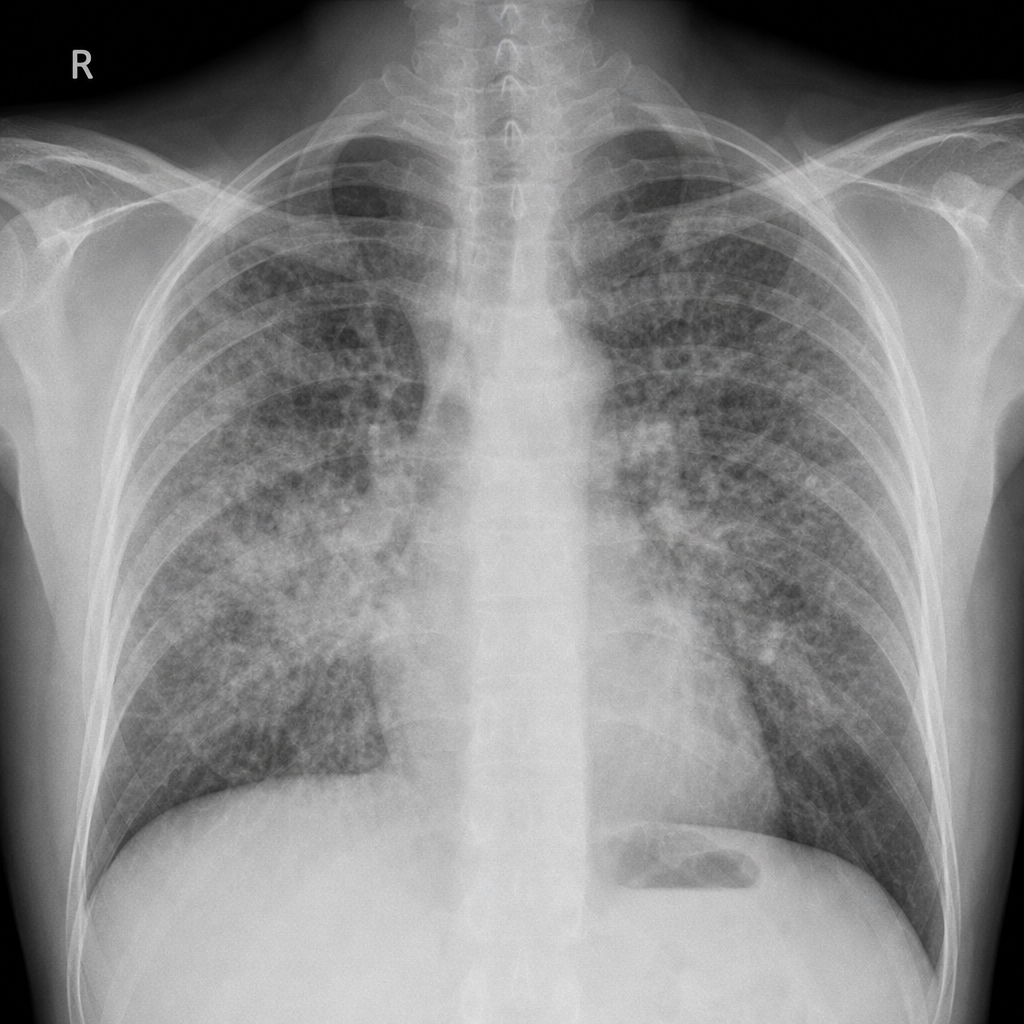
What is the normal time required to culture Mycobacterium tuberculosis?
Explanation: **Explanation:** The etiology of epididymitis is primarily determined by the patient's age and sexual history. In men **under 35 years of age**, the condition is most commonly caused by sexually transmitted infections (STIs). **1. Why Chlamydia is Correct:** *Chlamydia trachomatis* is the most frequent cause of epididymitis in sexually active men aged <35 years [1]. It typically presents with a gradual onset of scrotal pain, swelling, and may be associated with urethritis [1]. While *Neisseria gonorrhoeae* is also a common cause in this demographic, epidemiological studies consistently show *Chlamydia* as the leading pathogen [1]. **2. Why the other options are incorrect:** * **E. coli (Option A):** This is the most common cause of epididymitis in men **over 35 years** or in children. In these groups, the infection is usually associated with urinary tract infections (UTIs), bladder outlet obstruction (e.g., BPH), or recent urological instrumentation. * **Gonococci (Option B):** *Neisseria gonorrhoeae* is a major cause of STI-related epididymitis in young men, but it ranks second to *Chlamydia* [1]. Gonococcal infection often presents with more acute symptoms and a purulent urethral discharge [1]. * **Ureaplasma ureolyticum (Option D):** While *Ureaplasma* can cause non-gonococcal urethritis, it is a much rarer cause of epididymitis compared to *Chlamydia* [1]. **Clinical Pearls for NEET-PG:** * **Age <35 years:** Think STIs (*Chlamydia* > *Gonorrhea*). Treatment: Ceftriaxone (IM) + Doxycycline (Oral). * **Age >35 years:** Think Enteric organisms (*E. coli*, *Klebsiella*, *Pseudomonas*). Treatment: Fluoroquinolones (e.g., Levofloxacin). * **Prehn’s Sign:** Elevation of the scrotum relieves pain in epididymitis (Positive Prehn's), helping differentiate it from **Testicular Torsion** (Negative Prehn's), which is a surgical emergency.
Explanation: Explanation: 1. Why Ribavirin is Correct: Ribavirin is a synthetic guanosine analogue that inhibits a wide range of RNA and DNA viruses. It is the only antiviral agent specifically approved for the treatment of severe Respiratory Syncytial Virus (RSV) infections, particularly in infants and immunocompromised adults. It works by interfering with viral mRNA capping and inhibiting RNA-dependent RNA polymerase, thereby halting viral replication. In clinical practice, it is typically administered via small-particle aerosol (nebulization) for lower respiratory tract infections like bronchiolitis or bronchitis caused by RSV. 2. Why Other Options are Incorrect: * B. Acyclovir: A guanosine analogue used specifically for Herpes Simplex Virus (HSV) and Varicella-Zoster Virus (VZV) [1]. It requires viral thymidine kinase for activation, an enzyme RSV does not possess [1]. * C. Amantadine: An M2 ion channel blocker that was historically used for Influenza A only. It is ineffective against RSV and is no longer recommended for Influenza due to widespread resistance. * D. Idoxuridine: A pyrimidine analogue used primarily as a topical agent for Herpetic keratitis (HSV-1). It is too toxic for systemic use and has no role in treating respiratory viruses. 3. NEET-PG High-Yield Pearls: * Palivizumab: A humanized monoclonal antibody used for prophylaxis (not treatment) of RSV in high-risk infants (e.g., prematurity, congenital heart disease). * Ribavirin Side Effect: The most notable systemic side effect is dose-dependent hemolytic anemia. * Teratogenicity: Ribavirin is highly teratogenic (Category X); pregnancy must be avoided in both female patients and female partners of male patients for 6 months after exposure. * RSV Presentation: It is the most common cause of bronchiolitis and pneumonia in children under 1 year of age.
Explanation: ### Explanation The correct answer is **Intracranial bleed (Option B)**. To arrive at the diagnosis, we must analyze the CSF parameters in the context of a neonate: 1. **CSF Sugar/Blood Sugar Ratio:** The patient’s CSF sugar is 30 mg/dl and blood sugar is 40 mg/dl. This gives a ratio of **0.75 (75%)**. In bacterial meningitis, the CSF sugar is typically significantly decreased (usually <50% of blood glucose). A ratio of 0.75 is considered normal for a neonate. 2. **Protein Levels:** A protein level of 70 mg/dl is within the **normal range** for a term neonate (normal can be up to 100–150 mg/dl in the first week of life). 3. **Cell Count and RBCs:** The presence of **10 RBCs/HPF** in the CSF of a neonate presenting with convulsions is the most significant finding here. While a "traumatic tap" is a possibility, in the context of neonatal seizures, it strongly points toward an intracranial hemorrhage (such as intraventricular or subarachnoid hemorrhage). #### Why other options are incorrect: * **Meningitis:** Although the cell count (50 cells) is slightly elevated, the normal protein and the high CSF/Blood glucose ratio (75%) make acute bacterial meningitis unlikely. * **Hypoglycemia:** While the blood sugar is 40 mg/dl (borderline low), the question asks for a diagnosis based on the **CSF examination**. The presence of RBCs in the CSF cannot be explained by hypoglycemia alone. #### High-Yield Clinical Pearls for NEET-PG: * **Normal Neonatal CSF:** Term infants can normally have up to 20–30 WBCs/mm³ and protein up to 150 mg/dl. * **CSF/Blood Glucose Ratio:** In neonates, the normal ratio is 0.6 to 0.9. A ratio **<0.5** is highly suggestive of meningitis. * **Xanthochromia:** If the CSF was centrifuged, the presence of yellowish discoloration (xanthochromia) would confirm an older intracranial bleed rather than a traumatic tap.
Explanation: **Explanation:** Measles (Rubeola) is a highly contagious viral infection caused by the Paramyxovirus. Understanding its clinical timeline and presentation is crucial for NEET-PG. **1. Why Option A is correct:** The incubation period for measles is typically **10–12 days** from exposure to the onset of fever (prodrome) and approximately 14 days until the rash appears. This is a classic textbook value frequently tested in competitive exams. **2. Analysis of Incorrect Options:** * **Option B (Conjunctivitis is common):** While conjunctivitis is indeed a hallmark of the measles prodrome (along with Cough and Coryza—the "3 Cs"), it is **not the single "most true" or defining characteristic** when compared to the fixed incubation period in standard epidemiological data. However, in many clinical contexts, it is a common finding. *Note: In some MCQ formats, this could be considered a "distractor" if the question seeks the most specific epidemiological fact.* * **Option C (Rash starts on the abdomen):** This is incorrect. The measles rash is **exanthematous and cephalocaudal** [1]. It typically begins behind the ears and at the hairline, spreading downwards to the face, trunk, and finally the extremities. * **Option D (Koplik spots on fundus):** This is incorrect. Koplik spots are pathognomonic for measles but are found on the **buccal mucosa** (opposite the lower second molars), not the fundus of the eye [1]. **High-Yield Clinical Pearls for NEET-PG:** * **Pathognomonic Sign:** Koplik spots (appear 2 days before the rash). * **Vitamin Supplementation:** Vitamin A is recommended for all children with measles to reduce morbidity and mortality [1]. * **Infectivity:** Patients are infectious from 4 days before to 4 days after the appearance of the rash. * **SSPE:** Subacute Sclerosing Panencephalitis is a late, fatal neurological complication occurring years after the initial infection [1].
Explanation: **Explanation:** **Hepatitis E Virus (HEV)** is the most common cause of fulminant hepatic failure (FHF) in pregnant women, particularly in developing countries like India [1]. While HEV typically causes a self-limiting illness in the general population, it exhibits a unique and unexplained predilection for severity during pregnancy, especially in the **third trimester**. The mortality rate for pregnant women infected with HEV can reach as high as **20–25%** due to rapid progression to acute liver failure, hepatic encephalopathy, and disseminated intravascular coagulation (DIC). **Why the other options are incorrect:** * **Hepatitis A (HAV):** While it can cause acute hepatitis, it rarely progresses to fulminant hepatic failure and does not show increased severity specifically in pregnancy [2]. * **Hepatitis B (HBV):** Globally, HBV is a common cause of chronic liver disease and can cause FHF, but it is not the *most common* cause in the specific context of pregnancy [2]. * **Hepatitis C (HCV):** HCV primarily causes chronic infection. Acute infection is often asymptomatic and very rarely leads to fulminant liver failure [2]. **High-Yield Clinical Pearls for NEET-PG:** * **Transmission:** HEV is transmitted via the **feco-oral route** (contaminated water). * **Virology:** It is a single-stranded RNA virus (Hepeviridae family). * **Genotypes:** Genotypes 1 and 2 are associated with epidemics in developing nations; Genotypes 3 and 4 are zoonotic (pork) and seen in developed nations. * **Prognosis:** HEV is the only hepatitis virus where pregnancy is a specific risk factor for high mortality. * **Management:** Treatment is primarily supportive; there is no specific antiviral therapy approved for acute HEV in pregnancy.
Explanation: **Epstein-Barr Virus (EBV)**, also known as Human Herpesvirus 4 (HHV-4), is a potent oncogenic virus with a strong tropism for B-lymphocytes and epithelial cells. **Why Nasopharyngeal Carcinoma (NPC) is correct:** EBV is etiologically linked to the undifferentiated type of **Nasopharyngeal Carcinoma** (WHO Type III) [1]. The virus establishes a latent infection in the nasopharyngeal epithelial cells. The expression of viral oncogenes, specifically **LMP-1** (Latent Membrane Protein-1), mimics CD40 signaling, leading to constitutive activation of cell survival pathways (like NF-κB) and malignant transformation. This association is particularly prevalent in Southern China and parts of Africa [1]. **Analysis of Incorrect Options:** * **A & B (Larynx and Bladder Carcinoma):** These malignancies are primarily associated with risk factors like tobacco smoking, alcohol (larynx), and chemical exposures/Schistosomiasis (bladder). There is no established causal link between EBV and these cancers. * **D (Chronic Lymphocytic Leukemia):** CLL is a mature B-cell neoplasm not associated with EBV. However, EBV is strongly linked to other B-cell malignancies like **Burkitt Lymphoma**, **Hodgkin Lymphoma**, and **Post-transplant lymphoproliferative disorder (PTLD)** [1]. **High-Yield Clinical Pearls for NEET-PG:** * **EBV-Associated Malignancies:** Remember the mnemonic **"B-H-N"**: **B**urkitt Lymphoma (starry-sky appearance, t(8;14)), **H**odgkin Lymphoma (Mixed cellularity subtype), and **N**asopharyngeal Carcinoma [1]. * **Other Associations:** Infectious Mononucleosis (Heterophile positive), Oral Hairy Leukoplakia (in HIV), and Gastric Carcinoma (subset). * **Diagnostic Marker:** Elevated titers of antibodies against **EBNA** (EBV Nuclear Antigen) and **VCA** (Viral Capsid Antigen) are used clinically. For NPC specifically, **IgA antibodies to VCA** are a useful screening marker.
Explanation: ### Explanation **1. Why Option C is Correct:** The presence of *Clostridium perfringens* in a blood culture is never considered a contaminant; it represents a medical emergency. Even if the patient appears clinically improved, **Clostridial bacteremia** carries a high risk of rapid deterioration due to potential complications like gas gangrene (myonecrosis) or massive hemolysis. The standard of care is immediate hospitalization for **intravenous Penicillin G** (often combined with Clindamycin to inhibit toxin production). The patient must be recalled urgently to ensure the infection is eradicated and to monitor for occult deep-seated foci. **2. Why Other Options are Wrong:** * **Option A:** While *Clostridium septicum* bacteremia is strongly associated with colon cancer (requiring a colonoscopy), *C. perfringens* is more commonly associated with hepatobiliary disease, skin/soft tissue infections, or contaminated food. Colonoscopy is not the immediate priority here. * **Option B:** Waiting for a repeat blood culture is dangerous. Clostridial infections can progress to fatal sepsis within hours. Treatment must be initiated based on the initial positive culture. * **Option D:** Echocardiography is indicated for *Streptococcus bovis* or *Enterococcus* bacteremia to rule out endocarditis. It is not a routine requirement for *C. perfringens* bacteremia. **3. NEET-PG High-Yield Pearls:** * **C. perfringens:** Most common cause of gas gangrene (myonecrosis) and food poisoning (Type A strains). * **Double Zone of Hemolysis:** A classic laboratory finding on blood agar for *C. perfringens*. * **Nagler’s Reaction:** Used to identify the **Alpha-toxin** (lecithinase) produced by *C. perfringens*. * **Association Rule:** * *C. septicum* + Bacteremia = Look for **Colon Cancer**. * *S. bovis* + Bacteremia = Look for **Colon Cancer**. * *C. perfringens* + Bacteremia = Immediate **IV Penicillin**.
Explanation: The Hepatitis B Virus (HBV) is a highly infectious DNA virus that is primarily transmitted through parenteral routes, sexual contact, and vertical transmission (mother-to-child). To understand its presence in body fluids, one must distinguish between fluids that are infectious and those that are not. [1] **Why Lymph is the Correct Answer:** In the context of standard medical teaching and NEET-PG patterns, **Lymph** is considered the fluid where HBV is not typically isolated or clinically significant for transmission. While HBV is a systemic infection, it primarily replicates in hepatocytes and is released into the bloodstream. From the blood, it can be found in various secretions and excretions. **Analysis of Other Options:** * **Milk (Breast milk):** HBV is present in the breast milk of HBsAg-positive mothers. However, breastfeeding by an HBsAg-positive mother does not pose an additional risk of transmitting the virus to her infant, especially if the infant has received the HBV vaccine and HBIG at birth. * **Sweat:** HBV has been detected in sweat. While the concentration is low and it is not a common route of transmission, it is biologically present. * **Stool:** HBV can be detected in the feces, although it is not transmitted via the fecal-oral route (unlike Hepatitis A and E). **Clinical Pearls for NEET-PG:** 1. **Highest Concentration:** HBV concentration is highest in **Blood, Serum, and Serous exudates**. [1] 2. **Moderate Concentration:** It is found in moderate concentrations in **Semen, Vaginal fluid, and Saliva**. 3. **Low/Insignificant Concentration:** It is found in low concentrations in **Urine, Feces, Sweat, Tears, and Breast milk**. 4. **Key Fact:** HBV is **not** transmitted through casual contact, contaminated food, or water. 5. **Stability:** The virus is remarkably resilient and can survive on environmental surfaces for at least **7 days**.
Explanation: The diagnosis of Infective Endocarditis (IE) is primarily based on the **Modified Duke Criteria**, which categorizes findings into Major and Minor criteria [1]. **Why ESR is the correct answer:** While the Erythrocyte Sedimentation Rate (ESR) is frequently elevated in patients with IE due to chronic inflammation [3], it is **not** included in the Modified Duke Criteria. It is a highly non-specific marker and lacks the diagnostic weight required to confirm or suggest endocarditis in a clinical setting. **Analysis of other options:** * **Rheumatoid Factor (RF):** This is a recognized **Minor Criterion** under the "Immunologic phenomena" category. Other immunologic markers include glomerulonephritis, Osler’s nodes, and Roth’s spots. * **Positive Blood Culture:** This is a **Major Criterion** [1]. To meet this, one must demonstrate typical microorganisms (e.g., *S. viridans*, *S. aureus*, HACEK) from two separate blood cultures [1]. * **Positive Echocardiogram (ECG/ECHO):** Note that in medical exams, "ECG" is occasionally used as a typo for "ECHO" or refers to the **Major Criterion** of "Evidence of endocardial involvement" (e.g., vegetation, abscess, or new valvular regurgitation) visualized via Echocardiography [1]. **NEET-PG High-Yield Pearls:** * **Modified Duke Criteria:** Diagnosis requires 2 Major OR 1 Major + 3 Minor OR 5 Minor criteria [1]. * **Most Common Cause:** *Staphylococcus aureus* is now the most common cause globally (acute IE), while *Streptococcus viridans* remains common in subacute cases. * **Culture-Negative IE:** Most commonly caused by prior antibiotic use or fastidious organisms like *Coxiella burnetii* (Q fever) [2]. * **Janeway Lesions vs. Osler Nodes:** Janeway lesions are painless/embolic (Minor criteria: Vascular phenomena); Osler nodes are painful/immunologic (Minor criteria: Immunologic phenomena).
Explanation: **Explanation:** *Mycobacterium tuberculosis* (MTB) is a slow-growing, aerobic, acid-fast bacillus. Its slow growth is primarily due to its complex, lipid-rich cell wall, which limits the rate of nutrient uptake, and a long generation time of approximately 15–20 hours (compared to 20 minutes for *E. coli*) [1]. **1. Why Option A is Correct:** On traditional solid media, such as **Lowenstein-Jensen (LJ) medium**, visible colonies of MTB typically take **4 to 8 weeks** to appear. While growth may occasionally be detected as early as 3 weeks in samples with a high bacillary load, a culture is only declared negative if there is no growth after 8 weeks of incubation. **2. Why Incorrect Options are Wrong:** * **Option B (2-3 weeks):** This is too short for standard solid cultures. However, rapid liquid culture systems (like **MGIT/BACTEC**) can detect growth within this timeframe (10–21 days). * **Option C (6-10 weeks):** While cultures are held for 8 weeks, 10 weeks exceeds the standard diagnostic protocol for routine MTB identification. * **Option D (21 days):** This represents the lower limit of detection for some liquid cultures but does not represent the standard "normal time" required for the gold-standard solid culture. **Clinical Pearls for NEET-PG:** * **Gold Standard:** Culture remains the gold standard for diagnosis and drug sensitivity testing (DST). * **LJ Medium:** An egg-based medium; malachite green is added to inhibit the growth of contaminating flora. * **Rapid Diagnosis:** For immediate results, **CBNAAT (GeneXpert)** is the preferred initial test under NTEP guidelines, providing results in approximately 2 hours. * **Appearance:** On LJ medium, MTB produces characteristic **rough, tough, and buff-colored** (non-pigmented) colonies [1].
Principles of Antimicrobial Therapy
Practice Questions
Fever of Unknown Origin
Practice Questions
HIV/AIDS and Related Infections
Practice Questions
Tuberculosis and Mycobacterial Diseases
Practice Questions
Tropical and Parasitic Infections
Practice Questions
Viral Infections (Hepatitis, Herpes, etc.)
Practice Questions
Healthcare-Associated Infections
Practice Questions
Fungal Infections
Practice Questions
Sepsis and Septic Shock
Practice Questions
Infection in Immunocompromised Hosts
Practice Questions
Emerging and Re-emerging Infections
Practice Questions
Antimicrobial Resistance
Practice Questions
Vaccination Principles
Practice Questions
Get full access to all questions, explanations, and performance tracking.
Start For Free