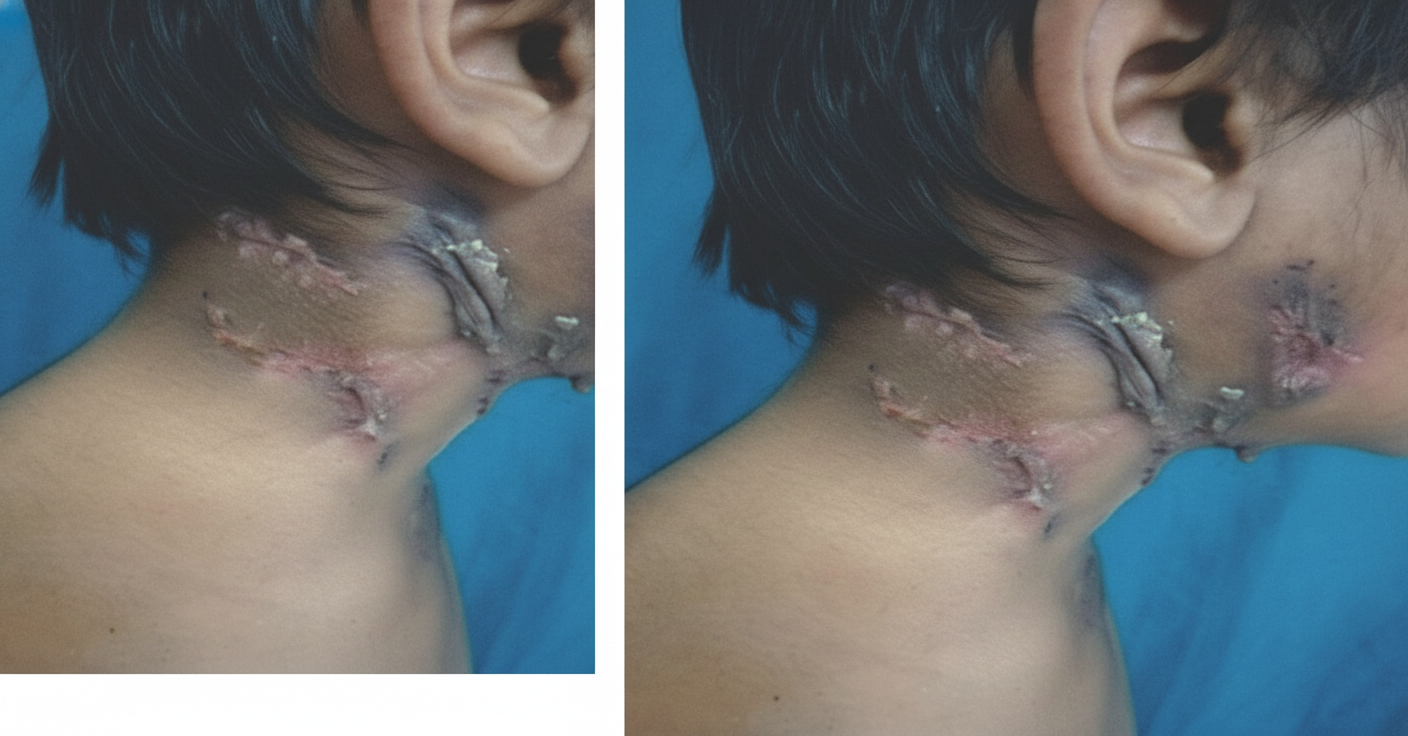
Which of the following is the LEAST common immunologic manifestation of HIV infection?
Cerebrospinal fluid (CSF) adenosine deaminase levels are significantly higher in which of the following conditions?
A patient with diarrhea has a fecal smear that is negative for leukocytes. The patient's diarrhea is most likely caused by
What is true about Rabies?
A 37-year-old female presents to the emergency room with a fever. Chest x-ray shows multiple patchy infiltrates in both lungs. Echocardiography and blood cultures suggest a diagnosis of acute bacterial endocarditis limited to the tricuspid valve. Which of the following is the most probable etiology?
Which of the following is the classical CSF finding seen in tuberculous meningitis (TBM)?
What is the principal vector of the dengue virus?
What is true about miliary tuberculosis?
A 60-year-old nursing home resident presents with a 3-day history of progressive shortness of breath and cough. The lung examination reveals right basilar crackles. The chest x-ray shows right lower lobe consolidation. Sputum culture grows methicillin-resistant Staphylococcus aureus (MRSA). Select the most appropriate isolation precaution.
A 6-year-old child presents with perianal pruritus, skin excoriation, and nocturnal enuresis, and is found to be infected with a parasite capable of autoinfection. What is the infective form of this parasite for humans?
Explanation: The hallmark of HIV infection is a progressive depletion of CD4+ T-lymphocytes and a paradoxical state of chronic immune activation. While HIV patients exhibit a high frequency of hypersensitivity reactions, **Anaphylactic reactions (Type I hypersensitivity)** are notably **least common**. **1. Why Anaphylaxis is rare (Correct Option B):** Anaphylaxis is an IgE-mediated Type I hypersensitivity reaction. In advanced HIV, there is a profound Th2/Th1 imbalance; however, the severe depletion of helper T-cells and altered B-cell signaling generally results in a **decreased** incidence of classic IgE-mediated systemic anaphylaxis compared to the general population, despite high rates of other drug-related rashes. **2. Analysis of Incorrect Options:** * **Cutaneous reactions to drugs (Option A):** This is extremely common. HIV patients have a 100-fold increased risk of reactions to **Trimethoprim-Sulfamethoxazole (TMP-SMX)**, often presenting as morbilliform rashes or Stevens-Johnson Syndrome (Type IV hypersensitivity) [1]. * **Anticardiolipin antibodies (Option C):** B-cell dysregulation and chronic inflammation lead to the production of various autoantibodies. Anticardiolipin antibodies are frequently detected in HIV patients (up to 45%), though they rarely cause clinical thrombosis. * **Oligoarticular arthritis (Option D):** HIV is associated with several spondyloarthropathies, including reactive arthritis and HIV-associated arthritis [2]. These typically present as asymmetric oligoarthritis involving the lower extremities. **High-Yield Clinical Pearls for NEET-PG:** * **Most common drug reaction in HIV:** Morbilliform skin rash due to Sulfa drugs [1]. * **Paradox of HIV:** It is a state of **Immunodeficiency** (low CD4) + **Immune Dysregulation** (Hypergammaglobulinemia and Autoantibodies). * **Common Autoimmune markers in HIV:** ANA, Anticardiolipin antibodies, and Rheumatoid Factor are often falsely positive. * **IRIS (Immune Reconstitution Inflammatory Syndrome):** Occurs after starting ART when the recovering immune system "over-reacts" to latent infections (e.g., TB, Cryptococcus) [3].
Explanation: **Explanation:** **Adenosine Deaminase (ADA)** is an enzyme involved in purine metabolism, primarily produced by T-lymphocytes during their activation and proliferation. Its measurement in body fluids serves as a surrogate marker for cell-mediated immunity. **1. Why Tuberculous Meningitis (TBM) is correct:** In TBM, the body mounts a robust cell-mediated immune response [1]. The infiltration and activation of T-lymphocytes in the subarachnoid space lead to significantly elevated levels of ADA in the CSF [2]. A cut-off value of **>10 U/L** is highly suggestive of TBM, with high sensitivity and specificity, making it a crucial rapid diagnostic tool while waiting for culture results. **2. Why other options are incorrect:** * **Bacterial Meningitis:** While ADA can be slightly elevated due to neutrophils, the levels are typically much lower than in TBM [3]. The primary diagnostic markers here are low glucose, high protein, and a predominant neutrophilic pleocytosis. * **Viral Meningitis:** This condition usually presents with normal or only minimally elevated ADA levels because the lymphocytic response is not as intense as the granulomatous inflammation seen in TB [3]. * **Syphilitic Meningitis:** Although it causes a lymphocytic pleocytosis, it does not typically trigger the specific T-cell activation pathway that results in high ADA levels. **Clinical Pearls for NEET-PG:** * **Gold Standard for TBM:** CSF Culture (BACTEC/MGIT) or GeneXpert (NAAT). * **CSF Profile in TBM:** Fibrin web/cobweb formation, high protein, low glucose, and lymphocytic pleocytosis [3]. * **ADA in other fluids:** Elevated ADA is also highly diagnostic in **Pleural effusion** and **Peritoneal fluid** (Ascites) for Tuberculosis. * **False Positives:** CSF ADA can also be elevated in CNS Lymphoma and Neurobrucellosis.
Explanation: ### Explanation The presence or absence of fecal leukocytes (white blood cells) is a critical diagnostic marker used to differentiate between **inflammatory** and **non-inflammatory** diarrhea. **1. Why Enterotoxigenic Escherichia coli (ETEC) is correct:** ETEC is the leading cause of "Traveler’s diarrhea." [1] It produces toxins (Heat-labile/LT and Heat-stable/ST) that stimulate intestinal secretion of water and electrolytes without causing mucosal invasion or cell death. Because there is no damage to the intestinal epithelium, there is no inflammatory response; hence, the fecal smear is **negative for leukocytes**. This results in watery, non-bloody diarrhea. **2. Why the other options are incorrect:** * **Campylobacter enteritis:** This is an invasive pathogen that causes mucosal inflammation and ulceration, typically resulting in inflammatory diarrhea with **positive** fecal leukocytes and often occult blood. * **Shigellosis:** *Shigella* species invade the colonic mucosa and produce Shiga toxin, leading to classic bacillary dysentery. This is characterized by high fever and stools containing mucus, blood, and **numerous** fecal leukocytes. * **Typhoid fever:** Caused by *Salmonella Typhi*, this is a systemic infection. While it involves the Peyer's patches, the stool in the early stages often shows **mononuclear cells** (lymphocytes) rather than polymorphonuclear leukocytes, but it is still classified under inflammatory/invasive patterns compared to ETEC. **3. NEET-PG High-Yield Pearls:** * **Fecal Leukocytes Present (Inflammatory):** *Shigella, Salmonella, Campylobacter, EIEC (Enteroinvasive E. coli), Yersinia, and Clostridium difficile.* * **Fecal Leukocytes Absent (Non-inflammatory):** *ETEC, Vibrio cholerae, Giardia lamblia, Viruses (Rotavirus/Norovirus), and Staphylococcus aureus* food poisoning. * **Mnemonic:** Invasive organisms "break the wall," letting the "soldiers" (WBCs) out into the stool. Toxigenic organisms just "open the tap," letting only water out.
Explanation: **Explanation:** **1. Why Option A is correct:** Rabies is a zoonotic viral disease caused by Lyssaviruses. While domestic dogs are the primary source of human rabies deaths globally (especially in Asia and Africa), **bats** are the most common source of rabies in the Americas and parts of Europe. In these regions, bat-mediated rabies is a significant public health concern, making this statement factually accurate. **2. Why the other options are incorrect:** * **Option B:** While rabies involves the brainstem, the characteristic pathology is **Limbic Encephalitis**. The virus primarily affects the hippocampus (Ammon’s horn) and the cerebellum (Purkinje cells), rather than being isolated to the brainstem. * **Option C:** Negri bodies (pathognomonic eosinophilic cytoplasmic inclusions) are most commonly found in the **Hippocampus (Ammon’s horn)** and the **Purkinje cells of the cerebellum**. They are not typically associated with the anterior pituitary. * **Option D:** **Paraesthesia** (tingling, itching, or pain) at the site of the bite is actually the **most important early diagnostic sign** of rabies, occurring in 50-80% of patients during the prodromal phase. **Clinical Pearls for NEET-PG:** * **Incubation Period:** Usually 1–3 months (highly variable based on the distance of the bite from the CNS). * **Hydrophobia:** Pathognomonic sign caused by forceful spasms of the diaphragm and accessory respiratory muscles when attempting to swallow. * **Diagnosis:** Intra-vitam diagnosis is made via **Skin biopsy** (from the nape of the neck) for viral antigen or **PCR** of saliva/CSF. * **Post-Exposure Prophylaxis (PEP):** Includes wound washing, Rabies Vaccine (Days 0, 3, 7, 14, 28), and Rabies Immunoglobulin (RIG) for Category III bites [1].
Explanation: The clinical presentation of **fever, multiple patchy lung infiltrates, and tricuspid valve endocarditis** is a classic triad for **Right-Sided Infective Endocarditis (RSIE)**. **1. Why Illicit Drug Use is Correct:** Intravenous drug use (IVDU) is the most significant risk factor for right-sided endocarditis [2]. When non-sterile needles are used, bacteria (most commonly *Staphylococcus aureus*) enter the venous system and first encounter the tricuspid valve [3]. The "patchy infiltrates" on the chest X-ray represent **septic pulmonary emboli**, which occur when infected vegetations break off the tricuspid valve and travel through the pulmonary artery into the lungs [1]. **2. Why Other Options are Incorrect:** * **Congenital Heart Disease (CHD):** While CHD (e.g., VSD, PDA) predisposes patients to endocarditis, it typically affects the left side or specific pressure-gradient sites. It is a less common cause of isolated tricuspid involvement compared to IVDU. * **Rheumatic Fever:** Chronic rheumatic heart disease predominantly affects the **Mitral valve** (most common) followed by the Aortic valve. Isolated tricuspid involvement is extremely rare in rheumatic cases. * **Rheumatoid Arthritis:** While RA can cause sterile valvular nodules or pericarditis, it is not a recognized cause of acute bacterial endocarditis. **3. NEET-PG High-Yield Pearls:** * **Most common organism in IVDU:** *Staphylococcus aureus* (often MRSA) [3]. * **Most common valve involved in IVDU:** Tricuspid Valve. * **Most common valve involved overall (Non-IVDU):** Mitral Valve. * **Radiological Hallmark:** Multiple peripheral wedge-shaped opacities or cavitary lesions (septic emboli) [1]. * **Clinical Sign:** A systolic murmur that increases with inspiration (**Carvallo’s sign**) suggests tricuspid regurgitation [2].
Explanation: ### Explanation Tuberculous Meningitis (TBM) typically presents with a **chronic inflammatory pattern** in the cerebrospinal fluid (CSF). The correct answer is **A** because of the following pathophysiological mechanisms: 1. **Increased Protein:** Inflammation of the meninges and the presence of a gelatinous exudate (especially at the base of the brain) lead to increased permeability of the blood-brain barrier, resulting in significant protein elevation (often 100–500 mg/dL) [1]. 2. **Decreased Sugar (Hypoglycorrhachia):** The metabolic activity of *Mycobacterium tuberculosis* and the infiltrating inflammatory cells consumes glucose, leading to levels typically below 40 mg/dL or a CSF/Plasma glucose ratio of <0.5. 3. **Increased Lymphocytes:** Unlike acute bacterial meningitis, TBM is a granulomatous process. While neutrophils may predominate in the very early stages (first 24–48 hours), the classical presentation is **lymphocytic pleocytosis** (usually 50–500 cells/mm³). **Analysis of Incorrect Options:** * **Option B:** Incorrect because sugar is consumed, not increased. * **Option C:** Incorrect because protein is elevated due to inflammation, and sugar is low [2]. * **Option D:** Increased neutrophils and sugar are not characteristic; neutrophils predominate in **Acute Pyogenic Meningitis**, where sugar is also low [2]. **High-Yield Clinical Pearls for NEET-PG:** * **Cobweb Coagulum:** If CSF is left standing, a "pellicle" or "cobweb" formation may occur due to high fibrinogen levels [1]. * **Adenosine Deaminase (ADA):** An ADA level >10 U/L in CSF is highly suggestive of TBM. * **Basal Exudates:** On imaging (CT/MRI), TBM characteristically shows enhancement of the basal cisterns and may lead to hydrocephalus or infarcts (Vasculitis) [1]. * **Gold Standard:** Culture on Lowenstein-Jensen (LJ) medium remains the gold standard, though GeneXpert is now preferred for rapid diagnosis.
Explanation: **Explanation:** **Dengue virus (DENV)**, a flavivirus, is primarily transmitted to humans through the bite of infected female mosquitoes of the genus *Aedes*. **Aedes aegypti** is the principal vector because it is highly anthropophilic (prefers human blood), lives in close proximity to human habitations, and breeds in stagnant clean water (e.g., flower pots, discarded tires). While *Aedes albopictus* is a secondary vector, *A. aegypti* remains the most efficient transmitter due to its frequent feeding behavior. **Analysis of Incorrect Options:** * **Anopheles culicifacies:** This is the primary vector for **Malaria** in rural India. * **Anopheles stephensi:** This is the major vector for **Malaria** in urban areas of India. * **Culex molestus:** Species of the *Culex* genus are primarily responsible for transmitting **Japanese Encephalitis** and **Lymphatic Filariasis** (specifically *Culex quinquefasciatus*). **High-Yield Clinical Pearls for NEET-PG:** * **Feeding Pattern:** *Aedes* mosquitoes are "day biters," with peak activity during early morning and late afternoon. * **Nervous Feeding:** They are "interrupted feeders," meaning they bite multiple people to complete a single blood meal, leading to rapid outbreaks within a household. * **Transovarial Transmission:** The virus can pass from the female mosquito to her eggs, allowing the virus to persist even during dry seasons. * **Control:** The most effective prevention is source reduction (eliminating breeding sites) and using larvicides like **Abate (Temephos)**.
Explanation: **Explanation:** Miliary tuberculosis (TB) is a form of disseminated tuberculosis resulting from the **hematogenous (blood-borne) spread** of *Mycobacterium tuberculosis* [1]. **Why Option D is Correct:** When TB bacilli enter the bloodstream, they are filtered by the reticuloendothelial system. This leads to the formation of tiny, discrete foci of infection (1–2 mm granulomas resembling millet seeds) across multiple organs. The **liver, spleen, bone marrow, kidneys, and lungs** are the most frequently involved sites [1]. Clinical findings often include hepatosplenomegaly and lymphadenopathy [1]. **Analysis of Incorrect Options:** * **Options A, B, and C:** Miliary TB is not exclusive to a specific phase of the disease. It can occur during **primary infection** (early hematogenous spread before cell-mediated immunity is fully established) or as a result of **reactivation** of a latent focus (secondary TB) [1]. Because it can occur in both scenarios—and even as a result of direct iatrogenic vascular erosion—stating it occurs "following" only one specific type of reactivation is restrictive and technically inaccurate in this context. **High-Yield Clinical Pearls for NEET-PG:** * **Chest X-ray:** Shows a classic "millet seed" pattern (uniform 1–2 mm nodules) throughout both lung fields [1]. * **Choroid Tubercles:** Pathognomonic yellowish lesions on the retina (fundoscopy) are seen in ~30% of cases [1]. * **Diagnosis:** Gold standard is often a biopsy (liver or bone marrow) showing granulomas, or culture of body fluids. * **Auregnostic sign:** In elderly patients, "cryptic miliary TB" can present as a fever of unknown origin (FUO) without classic radiologic findings.
Explanation: ### Explanation The correct answer is **Contact Precautions**. **1. Why Contact Precautions are correct:** Methicillin-resistant *Staphylococcus aureus* (MRSA) is primarily transmitted via direct or indirect contact with the patient or their environment (fomites) [1]. In healthcare settings, especially nursing homes and hospitals, MRSA can colonize the skin and respiratory tract. To prevent horizontal transmission between patients—often via the hands of healthcare workers—**Contact Precautions** (gloves and gown) are mandatory and maintenance of good hand hygiene is the most important prevention practice [1]. This applies to MRSA regardless of the site of infection (pneumonia, skin, or bloodstream). **2. Why other options are incorrect:** * **Standard Precautions (A):** These are used for all patients regardless of diagnosis. While they include hand hygiene, they are insufficient for multidrug-resistant organisms (MDROs) like MRSA, which require an additional layer of protection [1]. * **Droplet Precautions (C):** These are used for pathogens transmitted by large respiratory droplets (e.g., *N. meningitidis*, Influenza, Pertussis). While MRSA causes pneumonia, it is not typically spread through the air in large droplets that require a mask. * **Airborne Precautions (D):** These are reserved for pathogens transmitted via small-particle aerosols that remain suspended in the air (e.g., TB, Measles, Varicella). MRSA does not spread via this route. **3. NEET-PG Clinical Pearls:** * **MRSA Treatment:** Vancomycin is the drug of choice [2]. For MRSA pneumonia specifically, **Linezolid** is often preferred over Vancomycin due to better lung tissue penetration [2]. * **Daptomycin Warning:** Never use Daptomycin for MRSA pneumonia; it is inactivated by pulmonary surfactant. * **Decolonization:** For chronic MRSA carriers, intranasal **Mupirocin** and Chlorhexidine baths are used to eradicate the carrier state.
Explanation: ### Explanation **Diagnosis:** The clinical presentation of **perianal pruritus** (worse at night), skin excoriation, and **nocturnal enuresis** in a child is classic for **Enterobius vermicularis** (Pinworm/Seatworm). **1. Why the Correct Answer is Right:** The life cycle of *E. vermicularis* begins when the gravid female migrates to the perianal skin at night to deposit eggs. These eggs become **embryonated (infective)** within 4 to 6 hours. Infection occurs via the fecal-oral route when these embryonated eggs are ingested. The parasite is unique because it can cause **retro-infection** (larvae hatch on the perianal skin and migrate back into the colon) and **autoinfection** (hand-to-mouth transfer due to scratching), both of which involve the embryonated egg as the starting point of the cycle. **2. Why Incorrect Options are Wrong:** * **A. Filariform larvae:** This is the infective stage for *Strongyloides stercoralis*, *Ancylostoma duodenale*, and *Necator americanus* [1]. While *Strongyloides* also causes autoinfection, it presents with "larva currens" (transient itchy linear weals) and respiratory/GI symptoms rather than isolated perianal pruritus [1]. * **C & D. Adult female/male:** Adult worms live in the cecum and appendix. While the migrating female causes the symptoms, the adult stage is not the mode of transmission or the infective form for humans. **3. NEET-PG High-Yield Pearls:** * **Gold Standard Diagnosis:** NIH Swab or **Scotch Tape Test** (Cellophane tape test) performed early in the morning. Eggs are typically not found in routine stool exams. * **Morphology:** Eggs are characteristic **"D-shaped"** (planoconvex) and possess a double-layered shell. * **Treatment:** Albendazole or Mebendazole (single dose, repeated after 2 weeks). **Treat the entire family** to prevent reinfection. * **Associated Condition:** Pinworms are a known (though rare) cause of acute appendicitis in children.
Principles of Antimicrobial Therapy
Practice Questions
Fever of Unknown Origin
Practice Questions
HIV/AIDS and Related Infections
Practice Questions
Tuberculosis and Mycobacterial Diseases
Practice Questions
Tropical and Parasitic Infections
Practice Questions
Viral Infections (Hepatitis, Herpes, etc.)
Practice Questions
Healthcare-Associated Infections
Practice Questions
Fungal Infections
Practice Questions
Sepsis and Septic Shock
Practice Questions
Infection in Immunocompromised Hosts
Practice Questions
Emerging and Re-emerging Infections
Practice Questions
Antimicrobial Resistance
Practice Questions
Vaccination Principles
Practice Questions
Get full access to all questions, explanations, and performance tracking.
Start For Free