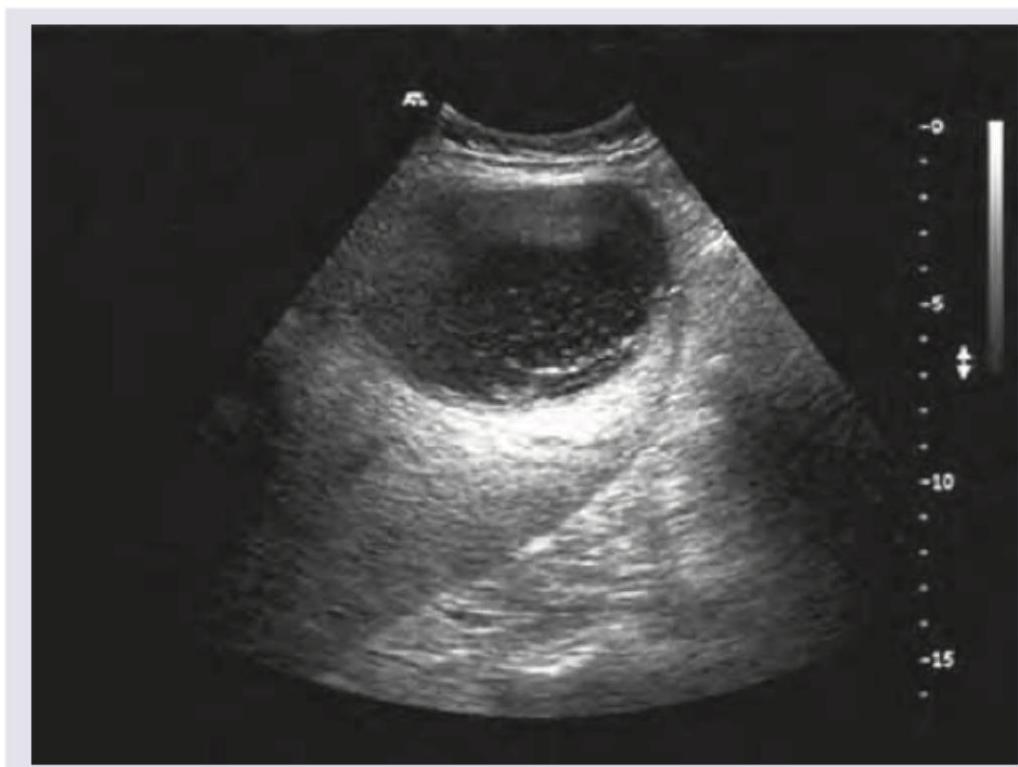
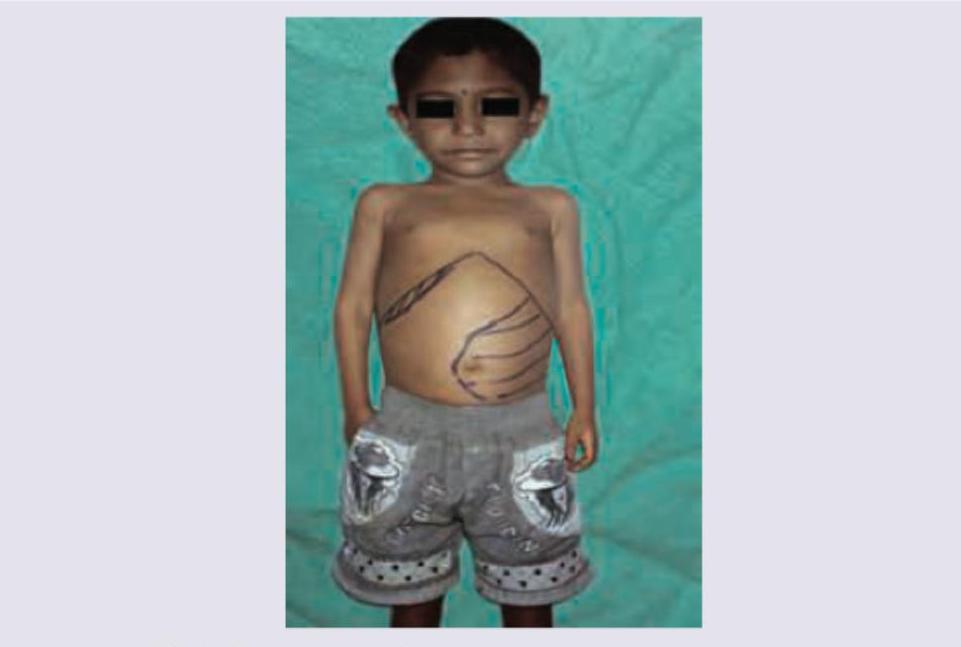
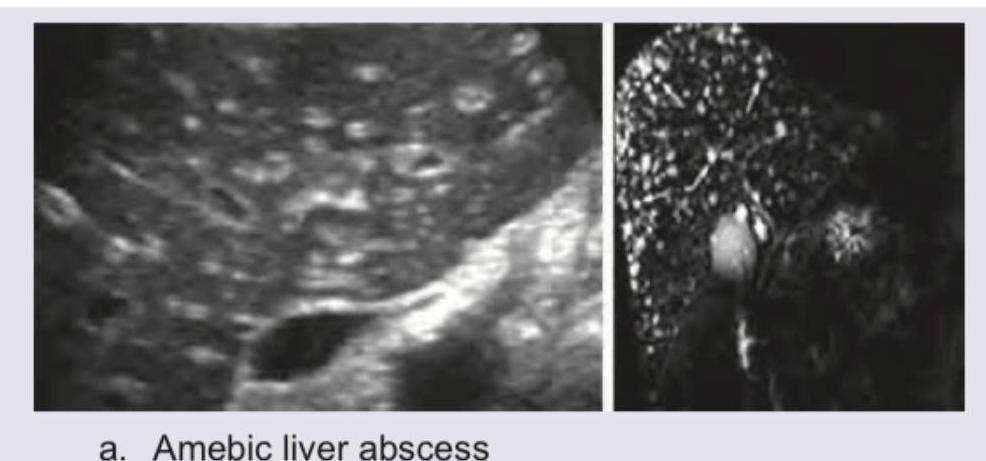
A 40-year old veterinarian presented with complaints of abdominal pain. On examination, he was found to be icteric, the liver was palpable, and ultrasonography revealed the presence of a cyst in the right lobe of the liver. What is the antigen used to perform the skin test for this condition?
The appearance of cobweb formation in CSF indicates which of the following?
A 19-year-old man presents to the emergency department after being bitten by a stray dog. There is a penetrating wound to the right forearm. The dog could not be found. The wound was cleaned with water and povidone-iodine solution. What is the most appropriate next step in management?
Prion diseases can manifest in which of the following forms?
A 40-year-old woman presents with a finger laceration sustained while cooking. Two days post-injury, she develops fever, shaking chills, and painful, mildly erythematous swelling of her hand. Her condition rapidly deteriorates with progressing erythema, development of dusky redness, bullae, and decreased sensation in the hand. What is the most important next step in managing this patient?
A 25-year-old farmer presented with a history of high-grade fever for 7 days and altered sensorium for 2 days. On examination, the patient was comatose and had conjunctival hemorrhage. Urgent investigations showed a hemoglobin of 11 gm/dl, serum bilirubin of 8 mg/dl, and urea of 78 mg/dl. Peripheral blood smear was negative for malarial parasites. What is the most likely diagnosis?
A 42-year-old male presented with high-grade fever and hepatosplenomegaly. On evaluation, a skin lesion suggestive of eschar was noticed on the thigh. The patient was diagnosed with scrub typhus. What is the best treatment for this condition?
What is the commonest feature in Poncet's disease?
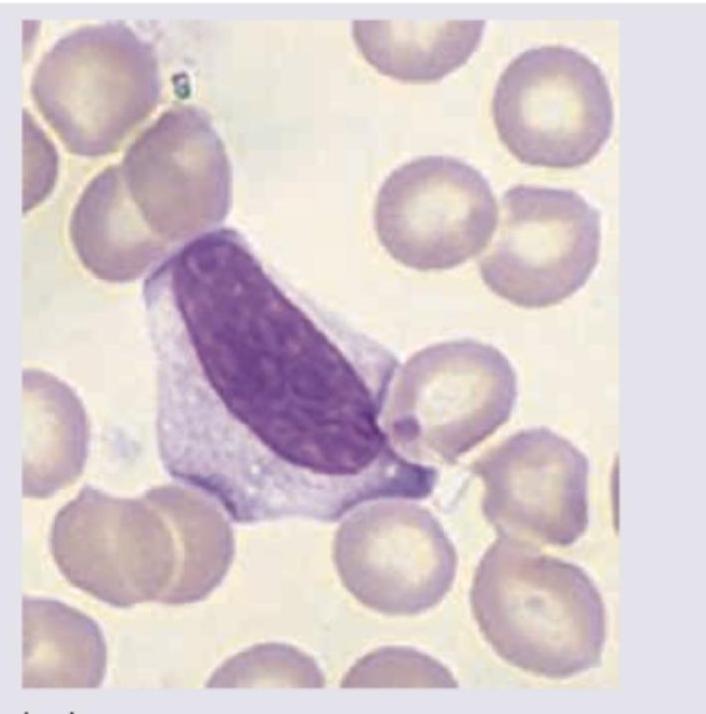
An 18-year-old woman presents with 3 weeks of malaise, 2 weeks of fever, and a sore throat. Physical examination reveals pharyngeal infection with enlarged tonsils and a patchy, white exudate; enlarged, palpable anterior and posterior cervical, axillary, and inguinal lymph nodes; tenderness in the right upper quadrant; and minimal splenomegaly. Laboratory data show hemoglobin 14 g/dL; hematocrit 42%; platelets 380,000/mL; WBC 8500/mL, with 35% segmented neutrophils, 1% eosinophils, and 64% lymphocytes, of which 36% were atypical. Which of the following is the most likely diagnosis?
All are manifestations of severe falciparum malaria, except?
Explanation: The clinical presentation of a **veterinarian** (high-risk occupation) with **jaundice, hepatomegaly, and a liver cyst** is classic for **Hydatid Disease (Cystic Echinococcosis)**, caused by *Echinococcus granulosus* [1]. The skin test historically used for this condition is the **Casoni Test**. 1. **Why Hydatid Cyst is correct:** The Casoni test is an immediate hypersensitivity skin test. It involves the intradermal injection of 0.2 ml of **sterile hydatid fluid** (derived from human or sheep cysts). A positive result is indicated by the formation of a wheal with pseudopodia within 20 minutes [1]. While largely replaced by serology (ELISA) and imaging (USG/CT) due to low specificity, it remains a classic "examiner favorite" for NEET-PG. 2. **Why other options are incorrect:** * **Cysticercosis:** Caused by *Taenia solium* larvae. Diagnosis is primarily via neuroimaging (CT/MRI) or biopsy; no specific skin test is routinely used [2]. * **Malaria:** Diagnosed via peripheral blood smears (thick/thin) or Rapid Antigen Tests (MP-RDT). * **Schistosomiasis:** While a skin test (Fairley’s test) exists, it is not used for liver cyst diagnosis. **High-Yield Clinical Pearls for NEET-PG:** * **Imaging:** USG shows "Water lily sign" (detached germinal membrane) or "Honeycombing" (daughter cysts) [1]. * **Treatment:** **PAIR** (Puncture, Aspiration, Injection of scolicidal agent like hypertonic saline, Re-aspiration). * **Drug of choice:** Albendazole. * **Complication:** Rupture of the cyst can lead to fatal **Anaphylaxis**.
Explanation: The presence of a **cobweb coagulum** (also known as a pellicle) in the Cerebrospinal Fluid (CSF) is a classic diagnostic hallmark of **Tuberculous Meningitis (TBM)** [1]. **Why Tuberculous Meningitis is correct:** In TBM, the CSF typically has a very high protein content (often >100 mg/dL). When the CSF sample is allowed to stand undisturbed for 12–24 hours, the high concentration of **fibrinogen** converts into fibrin, forming a delicate, spider-web-like clot or "pellicle." This occurs due to the chronic inflammatory process and increased permeability of the blood-brain barrier characteristic of *Mycobacterium tuberculosis* infection [1]. **Why the other options are incorrect:** * **Pyogenic (Bacterial) Meningitis:** The CSF is typically turbid or frankly purulent due to a massive influx of polymorphonuclear neutrophils (PMNs) [2]. It does not form a cobweb; instead, it may show a thick, sedimented layer of pus. * **Viral Meningitis:** The CSF is usually clear ("aseptic"), with normal or only slightly elevated protein levels, which are insufficient to form a fibrin web. * **Fungal Meningitis:** While protein can be elevated, the classic finding (especially in Cryptococcal meningitis) is a positive **India Ink** preparation showing encapsulated yeasts, not cobweb formation. **NEET-PG High-Yield Pearls for TBM:** * **CSF Biochemistry:** Low glucose (<40 mg/dL), high protein, and **lymphocytic pleocytosis** (though neutrophils may predominate in the very early stage). * **Gold Standard Diagnosis:** Culture on **Lowenstein-Jensen (LJ) medium** (takes 6–8 weeks) or BACTEC. * **Rapid Test:** Nucleic Acid Amplification Test (NAAT/GeneXpert) is the preferred initial rapid test. * **Basal Meningitis:** TBM characteristically involves the base of the brain, often leading to cranial nerve palsies (CN VI is most common) [1].
Explanation: ### Explanation **Correct Option: B. Contact the local public health professional for further advice** The management of animal bites, particularly concerning rabies risk, is highly dependent on local epidemiology and public health guidelines. In this scenario, the dog is "stray" and "could not be found," making it impossible to observe the animal for the standard 10-day period. While post-exposure prophylaxis (PEP) is often indicated in such cases, the **immediate next step** in a clinical setting—before initiating a resource-intensive and potentially unnecessary series of vaccines—is to consult local public health authorities. They maintain data on whether rabies is endemic in that specific area and provide the definitive recommendation on whether PEP is mandatory. **Why other options are incorrect:** * **A. Start postexposure prophylaxis:** While PEP (Rabies vaccine + Immunoglobulin) is likely, the decision should be guided by public health consultation regarding local rabies prevalence. In some regions, if rabies is non-existent in the local animal population, PEP may be deferred. * **C & D. Antibiotics (Doxycycline/Ceftriaxone):** While animal bites carry a risk of bacterial infection (e.g., *Pasteurella multocida*), the drug of choice for prophylaxis is typically **Amoxicillin-Clavulanate**. Doxycycline and Ceftriaxone are not first-line for routine bite wound prophylaxis. --- ### NEET-PG High-Yield Pearls: * **Wound Management:** The most critical first step in rabies prevention is immediate wound washing with soap and water for at least 15 minutes. * **WHO Categories:** * **Category I:** Touching/feeding (No PEP). * **Category II:** Nibbling of uncovered skin, minor scratches (Vaccine only). * **Category III:** Single/multiple transdermal bites, licks on broken skin, or contact with bats (Vaccine + Rabies Immunoglobulin/RIG). * **RIG Administration:** RIG should be infiltrated **in and around the wound**. Any remaining volume is injected IM at a site distant from the vaccine. * **Suturing:** Avoid suturing rabies-prone wounds. If necessary, suture loosely after infiltrating RIG.
Explanation: **Explanation:** Prion diseases, also known as **Transmissible Spongiform Encephalopathies (TSEs)**, are unique neurodegenerative disorders caused by the misfolding of the normal cellular prion protein ($PrP^C$) into a pathological, protease-resistant isoform ($PrP^{Sc}$) [1]. These diseases are unique in medicine because they can manifest through three distinct etiologies: 1. **Sporadic (Option A):** This is the most common form (accounting for ~85% of cases), exemplified by **Sporadic Creutzfeldt-Jakob Disease (sCJD)**. It occurs due to the spontaneous misfolding of $PrP^C$ or somatic mutation of the *PRNP* gene without any identifiable environmental or genetic cause. 2. **Inherited/Familial (Options B & C):** These terms are often used interchangeably in clinical practice. They result from germline mutations in the **PRNP gene** on chromosome 20. Examples include **Familial CJD (fCJD)**, **Gerstmann-Sträussler-Scheinker (GSS) syndrome**, and **Fatal Familial Insomnia (FFI)**. 3. **Acquired (Infectious):** Though not listed as a separate option, this includes transmission via medical procedures (Iatrogenic CJD) or ingestion of contaminated meat (Variant CJD). **Why "All of the above" is correct:** Since prion diseases can arise spontaneously (Sporadic) or be passed down through generations via genetic mutations (Inherited/Familial), all listed forms are valid clinical manifestations. **High-Yield Clinical Pearls for NEET-PG:** * **Hallmark Pathology:** Spongiform vacuolation, neuronal loss, and astrocytosis without an inflammatory response. * **Diagnostic Marker:** Detection of **14-3-3 protein** in Cerebrospinal Fluid (CSF) is a classic board-favorite marker for sCJD. * **EEG Finding:** Periodic sharp wave complexes (PSWCs) are characteristic of CJD. * **MRI Finding:**
Explanation: ### Explanation **Correct Option: A. Surgical consultation and exploration of the wound** The patient presents with classic "red flags" for **Necrotizing Fasciitis (NF)**, a life-threatening deep-tissue infection. The rapid progression from a simple laceration to systemic toxicity (fever, chills), dusky skin discoloration, bullae formation, and—most importantly—**anesthesia (decreased sensation)** due to the destruction of cutaneous nerves, strongly suggests NF. In necrotizing soft tissue infections, the most critical step is **early surgical debridement and exploration**. Surgery is both diagnostic (to visualize the "dishwater pus" and lack of bleeding/resistance in the fascia) and therapeutic. Delaying surgery to wait for imaging or antibiotic response significantly increases mortality. **Why Incorrect Options are Wrong:** * **B, C, & D:** While broad-spectrum antibiotics (covering *S. pyogenes*, *S. aureus*, and anaerobes) are essential, they are **adjunctive**. Antibiotics cannot penetrate necrotic, avascular tissue. Relying on medical therapy alone (whether Clindamycin, Penicillin, or Vancomycin) without surgical intervention is inadequate and leads to rapid clinical decline. --- ### NEET-PG High-Yield Pearls: * **Clinical Hallmark:** "Pain out of proportion" to physical findings in early stages, followed by anesthesia as nerves are destroyed. * **Imaging:** X-ray may show **soft tissue gas** (crepitus), but its absence does not rule out NF (especially Type II/Streptococcal). * **LRINEC Score:** Used to differentiate NF from cellulitis based on lab parameters (CRP, WBC, Hemoglobin, Sodium, Creatinine, Glucose). * **Microbiology:** * **Type I:** Polymicrobial (Aerobes + Anaerobes); common in diabetics. * **Type II:** Monomicrobial (Group A Streptococcus); occurs in otherwise healthy individuals after trauma. * **Gold Standard Management:** Immediate surgical debridement + Triple antibiotics (e.g., Carbapenem/Piperacillin-Tazobactam + Clindamycin + Vancomycin). Clindamycin is added for its **antitoxin effect** against Strep/Staph.
Explanation: The clinical presentation of high-grade fever, **conjunctival suffusion (hemorrhage)**, jaundice (elevated bilirubin), and renal dysfunction (elevated urea) in a farmer strongly suggests **Weil’s disease**, the severe form of **Leptospirosis** [1]. **Why Weil’s Disease is Correct:** Leptospirosis is a zoonotic infection caused by *Leptospira interrogans*, often transmitted via water contaminated with animal urine (common in farmers) [1]. Weil’s disease is characterized by the classic triad of **jaundice, renal failure, and hemorrhage**. Conjunctival suffusion is a pathognomonic sign. The altered sensorium in this patient likely stems from uremia or hepatic involvement [1]. The negative malaria smear helps rule out cerebral malaria, which is the primary differential [2]. **Why Other Options are Incorrect:** * **Brucellosis:** Typically presents as a chronic, undulant fever with musculoskeletal symptoms (sacroiliitis) and hepatosplenomegaly, but rarely causes acute renal failure or conjunctival hemorrhage. * **Acute Viral Hepatitis:** While it causes high bilirubin and altered sensorium (hepatic encephalopathy), it does not typically cause acute renal failure (urea 78 mg/dl) or conjunctival hemorrhage early in the course. * **Q Fever:** Caused by *Coxiella burnetii*, it usually presents as an atypical pneumonia or culture-negative endocarditis; it does not typically present with this specific icterohemorrhagic triad. **High-Yield Pearls for NEET-PG:** * **Pathognomonic Sign:** Conjunctival suffusion (redness without inflammatory exudate). * **Gold Standard Test:** Microscopic Agglutination Test (MAT) [2]. * **Drug of Choice:** Doxycycline (mild cases) or IV Penicillin G (severe cases). * **Biphasic Nature:** Leptospiremic phase (first week) followed by the Immune phase (second week).
Explanation: ### Explanation **Correct Answer: A. Oral Doxycycline** **Medical Concept:** Scrub typhus is caused by the obligate intracellular bacterium ***Orientia tsutsugamushi***, transmitted by the bite of larval trombiculid mites (chiggers). The clinical hallmark is an **eschar** at the site of the bite, accompanied by fever, headache, and lymphadenopathy. Because the pathogen is an intracellular organism, the treatment of choice must be a drug with excellent intracellular penetration. **Doxycycline** (a tetracycline) is the gold standard treatment for scrub typhus in both adults and children. It inhibits bacterial protein synthesis by binding to the 30S ribosomal subunit. **Analysis of Incorrect Options:** * **B. Oral Erythromycin:** While macrolides (like Azithromycin) are effective alternatives—especially in pregnancy or for doxycycline-resistant strains—Erythromycin is not the first-line agent due to a higher side-effect profile and lower efficacy compared to Doxycycline or Azithromycin. * **C. IV Ceftriaxone:** This is a third-generation cephalosporin that acts on the bacterial cell wall. Since *Orientia* is an intracellular pathogen and lacks a traditional peptidoglycan layer, beta-lactams are entirely ineffective. * **D. IV Gentamicin:** Aminoglycosides are ineffective against intracellular rickettsial-like organisms and are generally reserved for Gram-negative aerobic infections (e.g., Tularemia or Plague) [1]. **High-Yield Clinical Pearls for NEET-PG:** * **Vector:** Larval stage of Trombiculid mite (Chigger). * **Diagnostic Test:** **Weil-Felix test** (Heterophile antibody test) shows agglutination with **OX-K** strain. The gold standard is the Indirect Immunofluorescence Assay (IFA). * **Drug of Choice in Pregnancy:** **Azithromycin** is preferred over Doxycycline. * **The "Doxy-Response":** Patients with scrub typhus typically show dramatic clinical improvement (defervescence) within 24–48 hours of starting Doxycycline.
Explanation: **Explanation:** **Poncet’s disease**, also known as **Tuberculous Rheumatism**, is a rare aseptic reactive arthritis that occurs in the presence of active extra-articular tuberculosis (TB). 1. **Why "Joint Pains" is correct:** The hallmark of Poncet’s disease is **polyarthritis or arthralgia** (joint pains). Unlike tuberculous arthritis, which is typically a monoarticular infection where the bacilli are present in the joint, Poncet’s disease is an **immune-mediated reaction**. There is no active infection within the joint itself; instead, the joint pains are a hypersensitivity response to mycobacterial antigens located elsewhere in the body (e.g., lymph nodes or lungs). It typically presents as symmetrical involvement of large and small joints which resolves completely with Anti-Tubercular Treatment (ATT). 2. **Why other options are incorrect:** * **Hemoptysis:** While common in pulmonary TB, it is not a feature of Poncet’s disease itself, which specifically refers to the rheumatological manifestation. * **Headache:** This would suggest TB meningitis, not the reactive arthritis seen in Poncet’s. * **Vascular collapse:** This is seen in conditions like septic shock or Addisonian crisis (adrenal TB), but is unrelated to the clinical presentation of Poncet's disease. **High-Yield Pearls for NEET-PG:** * **Nature:** It is a **Reactive Arthritis**, not an infectious arthritis (Synovial fluid is sterile and PCR for TB is negative) [2]. * **Diagnosis:** It is a diagnosis of exclusion. The "Gold Standard" for diagnosis is the dramatic resolution of joint symptoms within weeks of starting **ATT**. * **Differentiation:** Unlike Pott’s spine [1] or TB hip, Poncet’s does not lead to joint destruction or permanent deformity. [1] Brian Walker. Davidson's Principles and Practice of Medicine. 22E ed. Look up risk corresponding to total points, pp. 712-713.
Explanation: **Explanation:** The clinical presentation is a classic description of **Infectious Mononucleosis (IM)**, typically caused by the **Epstein-Barr Virus (EBV)**. The diagnosis is based on the clinical triad of **fever, pharyngitis, and lymphadenopathy** (characteristically involving the posterior cervical nodes). **Why Option C is correct:** The patient exhibits systemic lymphadenopathy (cervical, axillary, and inguinal) and splenomegaly. The laboratory findings are definitive: a relative and absolute **lymphocytosis** with a high percentage of **atypical lymphocytes** (Downey cells) [1]. These are activated T-cells responding to EBV-infected B-cells. The RUQ tenderness suggests mild hepatitis, which occurs in approximately 90% of IM cases [1]. **Why other options are incorrect:** * **A. Infectious Hepatitis:** While RUQ tenderness and malaise occur, hepatitis does not typically present with exudative pharyngitis or significant atypical lymphocytosis. * **B. Lymphocytic Leukemia:** While it causes lymphadenopathy and lymphocytosis, the cells would be "blasts" or malignant cells rather than reactive atypical lymphocytes. The normal hemoglobin and platelet counts make acute leukemia unlikely. * **D. Hodgkin’s Disease:** This usually presents with painless, "rubbery" lymphadenopathy (often mediastinal) and lacks the acute onset of exudative pharyngitis and high-grade atypical lymphocytosis [1]. **NEET-PG High-Yield Pearls:** * **Heterophile Antibody Test (Monospot):** The initial screening test of choice. * **Atypical Lymphocytes:** Defined as >10% of the total WBC count in IM. * **Ampicillin/Amoxicillin Rash:** If these antibiotics are mistakenly given for the sore throat, a maculopapular rash often develops. * **Complication:** Splenic rupture is a rare but serious risk; patients must avoid contact sports for 3–4 weeks.
Explanation: ### Explanation The classification of **Severe Falciparum Malaria** is based on WHO criteria, which identify clinical or laboratory findings that indicate a high risk of mortality. **Why Hemoglobinuria is the Correct Answer:** While hemoglobinuria (Blackwater fever) is a classic complication of malaria caused by brisk intravascular hemolysis, it is **not** currently listed as an independent criterion for "Severe Malaria" in the latest WHO guidelines. It is considered a complication, but the severity is instead defined by the resulting end-organ damage, such as acute kidney injury or severe anemia. **Analysis of Incorrect Options (Criteria for Severe Malaria):** * **Option A (Serum pH < 7.25):** Metabolic acidosis is a hallmark of severe malaria. A base deficit of >8 mmol/L or a plasma bicarbonate level <15 mmol/L (or pH < 7.35) signifies poor tissue perfusion and lactic acidosis. * **Option B (Plasma glucose < 40 mg/dL):** Hypoglycemia is a critical indicator of severity, often exacerbated by quinine therapy (which stimulates insulin secretion) or high parasite biomass consuming host glucose. * **Option C (Urine output < 400 mL):** Oliguria (UOP < 400 mL/24h in adults) or a serum creatinine >3 mg/dL defines Acute Kidney Injury (AKI) in malaria, a major feature of multi-organ dysfunction. **Clinical Pearls for NEET-PG:** * **Hyperparasitemia:** Defined as >10% parasitemia in low-transmission areas or >5% in high-transmission areas. * **Cerebral Malaria:** Defined by a Glasgow Coma Scale (GCS) score <11. * **Drug of Choice:** Intravenous **Artesunate** is the gold standard for severe malaria (superior to Quinine). * **Pulmonary Edema:** Often presents as ARDS and is a common cause of death in adults with severe malaria [1].
Principles of Antimicrobial Therapy
Practice Questions
Fever of Unknown Origin
Practice Questions
HIV/AIDS and Related Infections
Practice Questions
Tuberculosis and Mycobacterial Diseases
Practice Questions
Tropical and Parasitic Infections
Practice Questions
Viral Infections (Hepatitis, Herpes, etc.)
Practice Questions
Healthcare-Associated Infections
Practice Questions
Fungal Infections
Practice Questions
Sepsis and Septic Shock
Practice Questions
Infection in Immunocompromised Hosts
Practice Questions
Emerging and Re-emerging Infections
Practice Questions
Antimicrobial Resistance
Practice Questions
Vaccination Principles
Practice Questions
Get full access to all questions, explanations, and performance tracking.
Start For Free