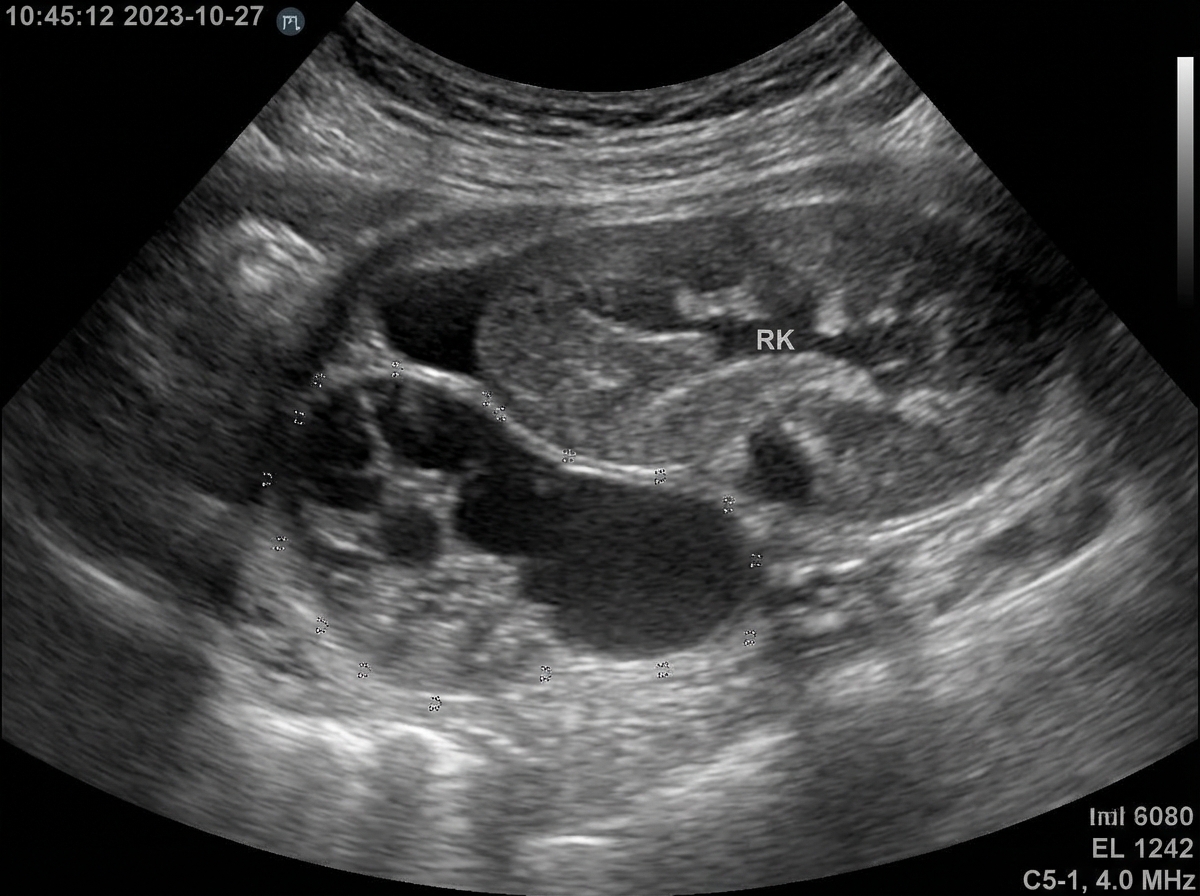
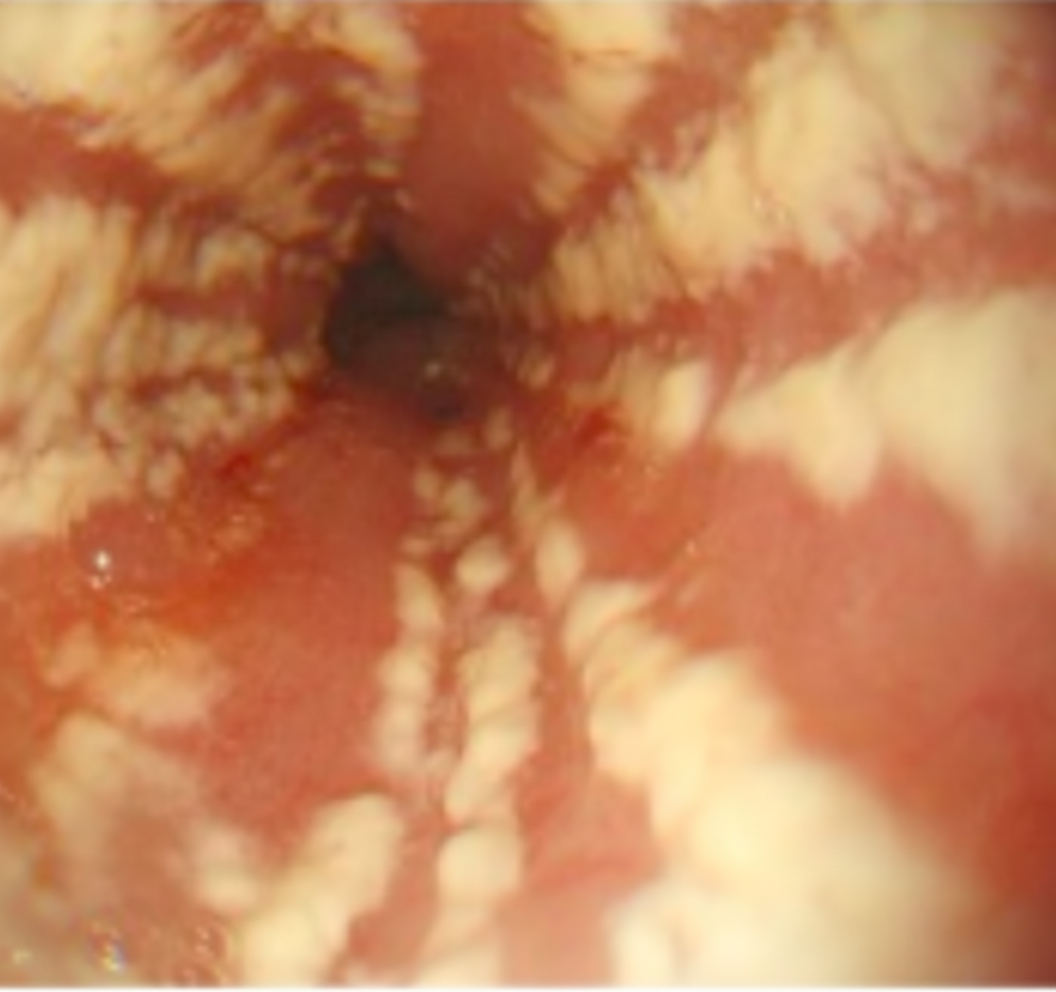
All of the following statements regarding primary effusion lymphoma are true EXCEPT?
Which of the following is the most effective treatment of severe malaria?
Which of the following statements about Hepatitis C is TRUE?
After administration of intravenous quinine, the patient develops restlessness and sweating. What is the reason for this?
Group A beta-hemolytic streptococci cross-reacts with which cardiac structure?
A diabetic patient presents with fungal infection of the sinuses and peri-orbital region with significant visual impairment. What is the best drug for treatment in this patient?
In long-treated lepromatous leprosy patients, from which site are bacilli most frequently detected?
All the following are characteristics of AIDS when CD4 cell count drops below 100 cells, EXCEPT:
Reactivation tuberculosis is usually seen where?
A 40-year-old paddy farmer presented with fever, chills, headache, and myalgias for 2 days. The patient also complained of acute onset of cough, shortness of breath, and a few episodes of hemoptysis. On examination, scleral icterus was present. There is a history of a minor lower limb injury while working in the fields, which were infested with rats. Lab findings revealed anemia, leukocytosis, deranged RFTs, prolonged PT and aPTT, increased serum bilirubin and alkaline phosphatase levels. Blood cultures, dark field microscopy, cultures, and MAT test were performed. Which electrolyte derangement will be most likely seen in the above condition?
Explanation: **Primary Effusion Lymphoma (PEL)** is a rare, aggressive B-cell non-Hodgkin lymphoma that primarily presents as malignant effusions in body cavities (pleural, pericardial, or peritoneal) without a detectable solid tumor mass [1]. ### Explanation of Options: * **Why Option C is the correct answer (False statement):** The proliferating cells in PEL are **B-cells**, not NK cells. Although these cells often lack traditional B-cell surface markers (CD19, CD20) due to their highly undifferentiated state, they demonstrate clonal immunoglobulin gene rearrangements, confirming their B-cell lineage. * **Option A (True):** PEL is also known as **body cavity lymphoma** because it characteristically grows as a liquid phase in the serous spaces. * **Option B (True):** **HHV-8 (Human Herpesvirus-8)**, also known as Kaposi Sarcoma-associated Herpesvirus (KSHV), is the essential causative agent. Co-infection with **EBV** is also present in about 60-70% of cases. * **Option D (True):** PEL is most commonly seen in patients with advanced **HIV/AIDS** (low CD4 counts) or other profound states of immunosuppression. ### High-Yield Clinical Pearls for NEET-PG: * **Immunophenotype:** Typically "null" phenotype (negative for CD19, CD20, CD79a) but positive for **CD45** and activation markers like **CD138** (syndecan-1), suggesting a plasma cell-like differentiation. * **Key Association:** Always look for the triad of **HIV + HHV-8 + Serous Effusion** in clinical vignettes. * **Prognosis:** Extremely poor; standard CHOP chemotherapy often has a limited response. * **Differential:** Do not confuse with *Burkitt Lymphoma* (c-myc translocation) or *Primary CNS Lymphoma* (EBV associated), both of which are also common in HIV patients [1].
Explanation: **Explanation:** The management of malaria is a high-yield topic for NEET-PG. According to the latest WHO and National Vector Borne Disease Control Programme (NVBDCP) guidelines, **Artemisinin-based Combination Therapy (ACT)** is the treatment of choice for severe malaria and uncomplicated *P. falciparum* malaria. **Why ACT is Correct:** Artemisinin derivatives (like Artesunate or Artemether) are the most potent antimalarials. They produce a rapid reduction in parasite biomass and quick clinical resolution. In **severe malaria**, the standard of care is **Intravenous (IV) Artesunate** for at least 24 hours, followed by a full oral course of ACT [1]. ACTs combine a fast-acting artemisinin with a long-acting partner drug (e.g., Lumefantrine, Piperaquine) to ensure complete clearance of remaining parasites and prevent resistance. **Why Other Options are Incorrect:** * **Chloroquine:** Once the gold standard, it is now largely ineffective against *P. falciparum* due to widespread resistance. It remains the drug of choice only for sensitive *P. vivax* cases. * **Primaquine:** This is used primarily for its **gametocidal** action (to prevent transmission) and for **radical cure** (to kill hypnozoites in the liver) in *P. vivax* and *P. ovale*. It is not used as a primary treatment for acute severe malaria. * **Doxycycline:** This is a slow-acting antimalarial used as an adjunct to Quinine or for prophylaxis. It is never used as monotherapy for severe malaria. **High-Yield Clinical Pearls:** * **Drug of Choice for Severe Malaria:** IV Artesunate (preferred over Quinine due to lower risk of hypoglycemia) [1]. * **ACT in Pregnancy:** ACT is now recommended for *P. falciparum* in **all trimesters**, including the first. * **Blackwater Fever:** A complication of *P. falciparum* (and historically Quinine use) characterized by massive intravascular hemolysis and hemoglobinuria.
Explanation: **Explanation:** **Hepatitis C Virus (HCV)** is a significant cause of chronic liver disease worldwide. The correct statement is that it is the **most common indication for liver transplantation** (Option B) [1]. This is because HCV has a high propensity for chronicity (75–85% of infected individuals), leading to progressive cirrhosis and end-stage renal disease over decades. **Analysis of Options:** * **Option A is incorrect:** HCV is a single-stranded, enveloped **RNA virus** belonging to the *Flaviviridae* family. * **Option C is incorrect:** Chronic HCV infection is a major risk factor for **Hepatocellular Carcinoma (HCC)**. Unlike HBV, HCV causes cancer primarily through the pathway of chronic inflammation and cirrhosis rather than genomic integration. * **Option D is incorrect:** Co-infection with Hepatitis B (HBV) is possible, especially in high-risk groups like intravenous drug users. Such co-infections often lead to more rapid progression of liver fibrosis. **High-Yield Clinical Pearls for NEET-PG:** * **Transmission:** Primarily parenteral (blood-borne). Sexual and vertical transmission are less efficient compared to HBV. * **Diagnosis:** Screening is done via **Anti-HCV antibodies** (ELISA). Confirmation of active infection requires **HCV-RNA** (PCR) [2]. * **Extrahepatic Manifestations:** HCV is strongly associated with **Mixed Cryoglobulinemia**, Membranoproliferative Glomerulonephritis (MPGN), Porphyria Cutanea Tarda, and Lichen Planus. * **Treatment:** The current standard of care involves **Direct-Acting Antivirals (DAAs)** like Sofosbuvir, which achieve a Sustained Virologic Response (SVR) in >95% of cases.
Explanation: **Explanation:** The correct answer is **Hypoglycemia**. **Mechanism:** Quinine is a potent stimulator of the **pancreatic beta cells**, leading to the hypersecretion of insulin (hyperinsulinemia). In patients with severe malaria, glucose consumption is already high due to the parasite's metabolism and the host's febrile state. The addition of quinine-induced insulin release frequently results in profound hypoglycemia. Clinical signs of hypoglycemia include autonomic symptoms such as **restlessness, sweating (diaphoresis), tachycardia, and anxiety**, which can progress to coma if untreated [1]. **Analysis of Incorrect Options:** * **A. Hyperglycemia:** Quinine causes an increase in insulin levels, which lowers blood glucose; it does not raise it. * **C. Arrhythmias:** While quinine is cardiotoxic in high doses (causing QT prolongation), the specific symptoms of restlessness and sweating immediately following administration are classic markers of an acute hypoglycemic episode rather than a rhythm disturbance. * **D. Cinchonism:** This is a cluster of symptoms associated with quinine toxicity, characterized by **tinnitus, high-frequency hearing loss, dizziness, and nausea**. While it is a common side effect, it does not typically present with acute autonomic symptoms like sweating and restlessness. **High-Yield NEET-PG Pearls:** * **Drug of Choice:** While Artesunate is now the preferred treatment for severe malaria, Quinine remains a high-yield topic for its side effect profile. * **Monitoring:** Always monitor blood glucose levels in patients receiving IV Quinine, especially in pregnant women (who are more prone to hypoglycemia). * **Management:** If hypoglycemia occurs, it should be treated with intravenous 25% or 50% dextrose. * **Blackwater Fever:** Another serious complication of Quinine therapy involving massive intravascular hemolysis and hemoglobinuria.
Explanation: ### Explanation The correct answer is **A. Valves and myocardium**. **Underlying Medical Concept: Molecular Mimicry** Acute Rheumatic Fever (ARF) is an autoimmune response following a Group A Streptococcal (GAS) pharyngitis. The pathogenesis is based on **molecular mimicry**, where the immune system produces antibodies against the streptococcal **M protein**. These antibodies cross-react with human host tissues due to structural similarities: 1. **Myocardium:** The streptococcal M protein and the cell wall polysaccharide (N-acetyl-beta-D-glucosamine) cross-react with **cardiac myosin** and tropomyosin, leading to myocarditis and the formation of pathognomonic **Aschoff bodies**. 2. **Valves:** The antibodies also target **valvular endothelium** and laminin. This triggers an inflammatory cascade (involving T-cells) that results in the characteristic "verrucae" along the lines of closure, eventually leading to chronic valvular heart disease (most commonly the Mitral valve) [1]. **Analysis of Incorrect Options:** * **B. Annular ring:** While the annulus can be involved in advanced chronic remodeling, it is not the primary site of initial cross-reactivity. * **C. Endocardium:** While ARF causes endocarditis, the term is too narrow. The cross-reactivity specifically targets the functional components (valves) and the muscular layer (myocardium) simultaneously. * **D. Pericardium:** Although ARF can cause pericarditis (part of pancarditis), the specific molecular mimicry involving M-protein is primarily linked to myosin (myocardium) and valvular structures [1]. **NEET-PG High-Yield Pearls:** * **Jones Criteria:** Used for diagnosis (Major: Joint, Carditis, Nodules, Erythema marginatum, Sydenham chorea) [1]. * **Most common valve involved:** Mitral > Aortic > Tricuspid > Pulmonary [1]. * **Early lesion:** Mitral Regurgitation; **Late lesion:** Mitral Stenosis [1]. * **Aschoff bodies:** Contain **Anitschkow cells** ("caterpillar cells" with ovoid nuclei and wavy chromatin).
Explanation: **Explanation:** The clinical presentation of a diabetic patient with fungal sinusitis, periorbital involvement, and visual impairment is classic for **Mucormycosis** (specifically Rhinocerebral Mucormycosis) [1]. This is a life-threatening, angioinvasive fungal infection that occurs most commonly in patients with uncontrolled diabetes mellitus (especially those in ketoacidosis) or immunosuppression [1]. **Why Amphotericin B is the correct answer:** **Liposomal Amphotericin B** is the drug of choice for Mucormycosis [1]. It works by binding to ergosterol in the fungal cell membrane, creating pores that lead to cell death. Because Mucormycosis is rapidly progressive and carries a high mortality rate, aggressive intravenous antifungal therapy combined with surgical debridement is mandatory [1]. **Why the other options are incorrect:** * **Itraconazole & Ketoconazole:** These are azole antifungals. While they are effective against some fungi (like *Candida* or *Histoplasma*), they have **no activity** against the *Mucorales* order (the causative agents of Mucormycosis). * **Broad-spectrum antibiotics:** These target bacteria, not fungi. While they may be used to treat secondary bacterial infections, they are ineffective against the primary fungal pathology and may even worsen the condition by altering normal flora. **High-Yield Clinical Pearls for NEET-PG:** * **Risk Factor:** Diabetic Ketoacidosis (DKA) is the strongest risk factor because the fungi thrive in acidic, iron-rich environments [1]. * **Diagnosis:** Look for **broad, non-septate hyphae with right-angle (90°) branching** on KOH mount or biopsy. * **Clinical Sign:** A **black eschar** on the palate or nasal turbinates is a pathognomonic finding. * **Alternative Drug:** **Isavuconazole** or **Posaconazole** can be used as step-down therapy or in patients intolerant to Amphotericin B.
Explanation: In patients with Lepromatous Leprosy (LL) undergoing long-term treatment, the **dorsum of the fingers** is the most frequent site for detecting persistent bacilli. This is primarily due to the **"Cooler Temperature Hypothesis."** *Mycobacterium leprae* has a predilection for cooler areas of the body (optimal growth at 30–33°C). While treatment effectively clears bacilli from highly vascular or warmer areas, the relatively lower temperature and peripheral location of the finger dorsum allow the bacilli to persist longer, making it a "sanctuary site" during follow-up. **Analysis of Options:** * **Dorsum of fingers (Correct):** As mentioned, the cooler temperature and distal location make this the most common site for finding residual bacilli in treated cases. * **Nasal mucosa:** While the nasal mucosa is the most common site for finding bacilli in **untreated** LL patients (and the primary source of exit for the organism), it responds rapidly to Multi-Drug Therapy (MDT) [1]. Bacilli usually disappear from the nose within weeks of starting treatment [1]. * **Ear lobe:** This is a classic site for routine slit-skin smears (SSS) in diagnosis, but it is not the most frequent site for persistence after long-term therapy compared to the fingers. * **Skin lesion:** Active skin lesions show high bacterial loads initially, but the Bacillary Index (BI) in these lesions drops significantly with standard MDT. **High-Yield Pearls for NEET-PG:** * **Most common site for bacilli in untreated LL:** Nasal mucosa [1]. * **Most common site for persistence in treated LL:** Dorsum of fingers. * **Standard Slit-Skin Smear (SSS) sites:** Usually 4–6 sites are taken, including both ear lobes, two forehead sites, and two active lesions. * **Morphological Index (MI):** Measures the percentage of solid-staining (viable) bacilli; it drops to zero within 3–6 months of effective treatment. * **Bacteriological Index (BI):** Measures the total density of bacilli (live and dead); it takes years to become negative.
Explanation: The progression of HIV/AIDS is characterized by a predictable decline in CD4+ T-cell counts, which correlates with the onset of specific opportunistic infections and malignancies [1]. **Why Option B is the Correct Answer:** **Persistent Generalized Lymphadenopathy (PGL)** is defined as enlarged lymph nodes (>1 cm) in two or more extra-inguinal sites for more than three months. Crucially, PGL is a feature of the **early clinical stage** of HIV infection (WHO Stage 1 or 2), typically occurring when the CD4 count is still relatively preserved (**>500 cells/mm³**) [2]. As the disease progresses to advanced AIDS (CD4 <200), the architecture of the lymph nodes often collapses (lymphocyte depletion), and PGL may actually resolve. **Why the other options are incorrect:** * **CNS Toxoplasmosis (D):** This is the most common cause of space-occupying lesions in AIDS patients [3]. It typically occurs when the CD4 count drops below **100 cells/mm³** [1]. * **Cryptococcal Meningitis (C):** This fungal infection is a major cause of morbidity in AIDS. It is rarely seen unless the CD4 count is **<100 cells/mm³** (often <50). * **Non-Hodgkin Lymphoma (A):** High-grade B-cell lymphomas (like Burkitt’s or Primary CNS Lymphoma) are AIDS-defining illnesses that frequently occur at advanced stages of immunosuppression, typically when CD4 counts are **<100 cells/mm³** [3]. **High-Yield Clinical Pearls for NEET-PG:** * **CD4 <200:** *Pneumocystis jirovecii* pneumonia (PCP). * **CD4 <100:** Toxoplasmosis, Cryptococcosis, Cryptosporidiosis. * **CD4 <50:** *Mycobacterium avium* complex (MAC), CMV Retinitis, and Primary CNS Lymphoma. * **Prophylaxis:** Trimethoprim-Sulfamethoxazole (TMP-SMX) is started when CD4 <200 to prevent PCP and Toxoplasmosis [3].
Explanation: **Explanation:** Reactivation (Secondary) Tuberculosis occurs in individuals previously sensitized to *Mycobacterium tuberculosis*. The classic site of involvement is the **apical and posterior segments of the upper lobes** (Option A) [1]. **Why Option A is correct:** * **High Oxygen Tension:** *M. tuberculosis* is a strict aerobe. The apices of the lungs have the highest ventilation-perfusion (V/Q) ratio, resulting in higher alveolar oxygen tension ($P_AO_2$), which favors the growth of the bacilli. * **Impaired Lymphatic Drainage:** Lower lymphatic flow in the upper lobes prevents the upper lobe apices from being cleared effectively of bacteria, allowing them to proliferate during reactivation. **Analysis of Incorrect Options:** * **Option B (Middle Lobe):** This is not a characteristic site for reactivation. However, "Middle Lobe Syndrome" (atelectasis) can occur due to extrinsic compression of the bronchus by tuberculous lymphadenopathy. * **Option C (Lower Lobe):** Primary TB typically involves the lower part of the upper lobe or the upper part of the lower lobe (Ghon focus) [1]. While reactivation can occasionally involve the superior segment of the lower lobe, the upper lobe apices remain the most frequent site. * **Option D (Pleural Space):** Involvement here leads to tuberculous pleurisy or empyema, which are complications or specific manifestations rather than the primary site of parenchymal reactivation. **High-Yield Clinical Pearls for NEET-PG:** * **Cavitation:** Unlike primary TB, secondary TB is characterized by **cavitation**, which leads to hematogenous spread or miliary TB. * **Ghon Complex:** Seen in Primary TB; consists of a parenchymal lesion + draining lymph node [1]. * **Ranke Complex:** A healed, calcified Ghon complex [1]. * **Simon’s Focus:** A nodular scar at the lung apex representing a healed primary infection; it is often the precursor site for reactivation.
Explanation: ### **Explanation** **Diagnosis: Leptospirosis (Weil’s Disease)** The clinical presentation of a paddy farmer with fever, jaundice (scleral icterus), renal dysfunction (deranged RFTs), and pulmonary hemorrhage (hemoptysis) following exposure to rat-infested water is classic for **Weil’s Disease**, the severe form of Leptospirosis [1]. **1. Why Hypokalemia and Hyponatremia are correct:** Unlike most causes of acute kidney injury (AKI) which present with hyperkalemia, **Leptospirosis is uniquely associated with hypokalemia.** * **Hypokalemia:** Leptospira toxins inhibit the Na+/K+-ATPase pump in the proximal tubule and induce a "Fanconi-like" syndrome. This leads to impaired sodium reabsorption and increased distal delivery of sodium, which triggers potassium wasting in the urine. * **Hyponatremia:** This occurs due to a combination of salt-wasting nephropathy, increased levels of ADH (SIADH-like picture), and volume depletion. **2. Why other options are incorrect:** * **A & B (Hyperkalemia):** In most AKIs (like ATN), potassium rises. However, in Leptospirosis, the specific tubular defect causes potassium loss, making hyperkalemia rare unless there is profound oliguria or rhabdomyolysis in the terminal stages [1]. * **B & C (Hypernatremia):** Hypernatremia is typically seen in states of pure water loss (e.g., Diabetes Insipidus). In Leptospirosis, the defect in sodium reabsorption and the systemic inflammatory response lead to low, not high, sodium levels. **3. Clinical Pearls for NEET-PG:** * **Triad of Weil’s Disease:** Jaundice, Renal Failure, and Hemorrhage. * **The "Lepto-Sign":** Conjunctival suffusion (redness without inflammatory exudate) is a pathognomonic physical finding. * **Pulmonary Hemorrhage:** This is the most common cause of death in severe Leptospirosis. * **Gold Standard Test:** Microscopic Agglutination Test (MAT) [1]. * **Treatment:** Doxycycline (mild) or IV Penicillin G/Ceftriaxone (severe) [1].
Principles of Antimicrobial Therapy
Practice Questions
Fever of Unknown Origin
Practice Questions
HIV/AIDS and Related Infections
Practice Questions
Tuberculosis and Mycobacterial Diseases
Practice Questions
Tropical and Parasitic Infections
Practice Questions
Viral Infections (Hepatitis, Herpes, etc.)
Practice Questions
Healthcare-Associated Infections
Practice Questions
Fungal Infections
Practice Questions
Sepsis and Septic Shock
Practice Questions
Infection in Immunocompromised Hosts
Practice Questions
Emerging and Re-emerging Infections
Practice Questions
Antimicrobial Resistance
Practice Questions
Vaccination Principles
Practice Questions
Get full access to all questions, explanations, and performance tracking.
Start For Free