Which of the following is NOT associated with coarctation of the aorta?
Which of the following deficiencies does not cause dilated cardiomyopathy?
True about coarctation of the aorta?
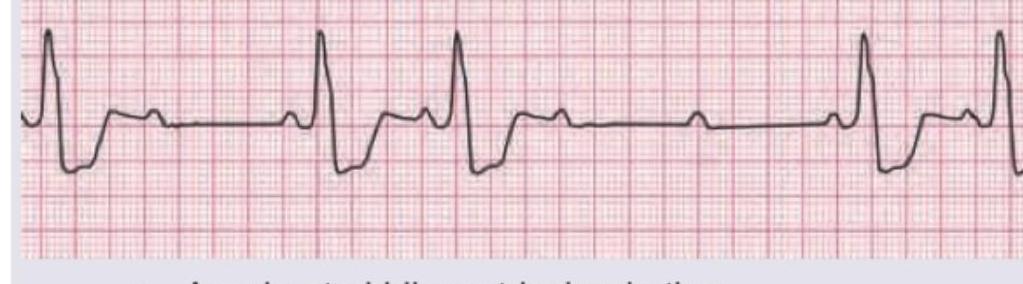
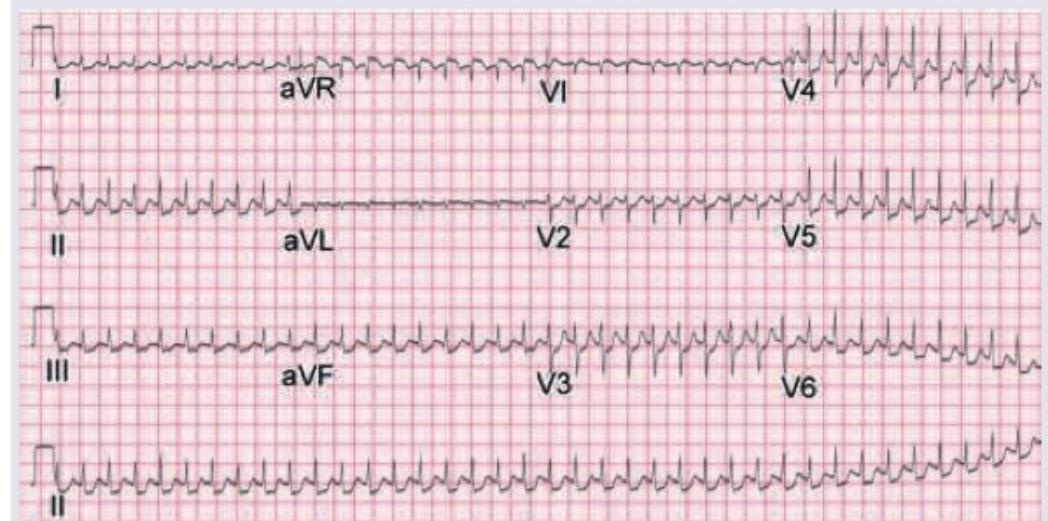
Accelerated Idioventricular Rhythm (AIVR) is the most common arrhythmia associated with:
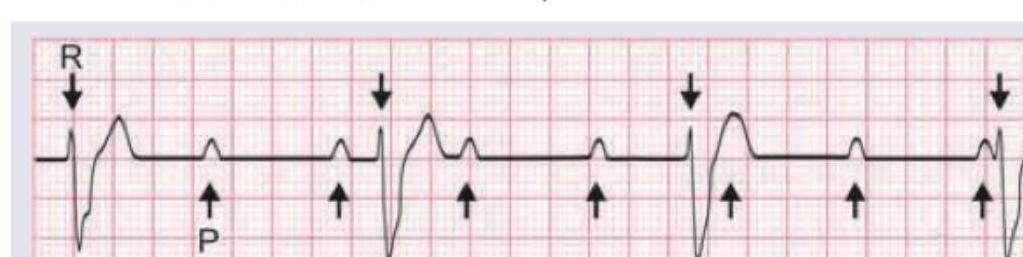
Which of the following conditions is associated with a giant 'a' wave in the jugular venous pressure?
A patient presents with a new systolic murmur in the left lower sternum following a myocardial infarction. Which of the following is the LEAST likely cause?
Carey Coombs murmur is seen in:
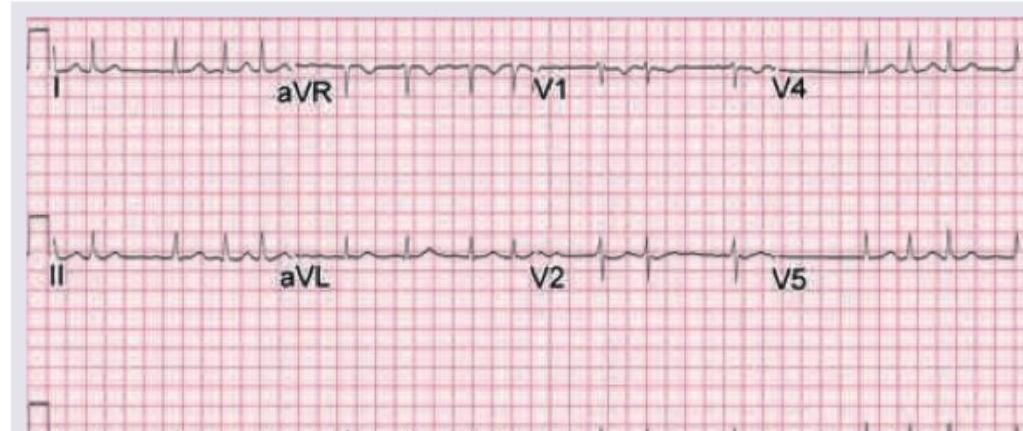
Cardiac tamponade is characterized by all of the following except:
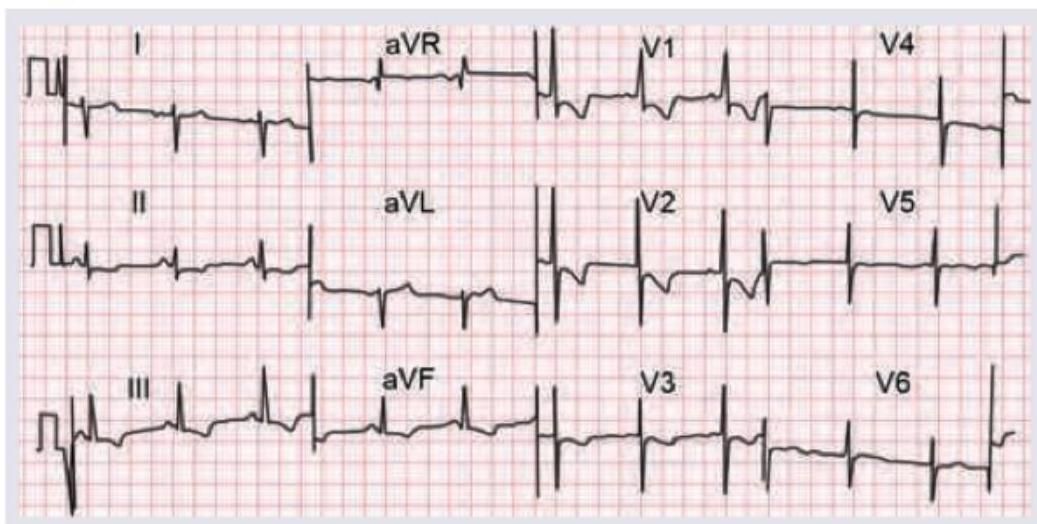
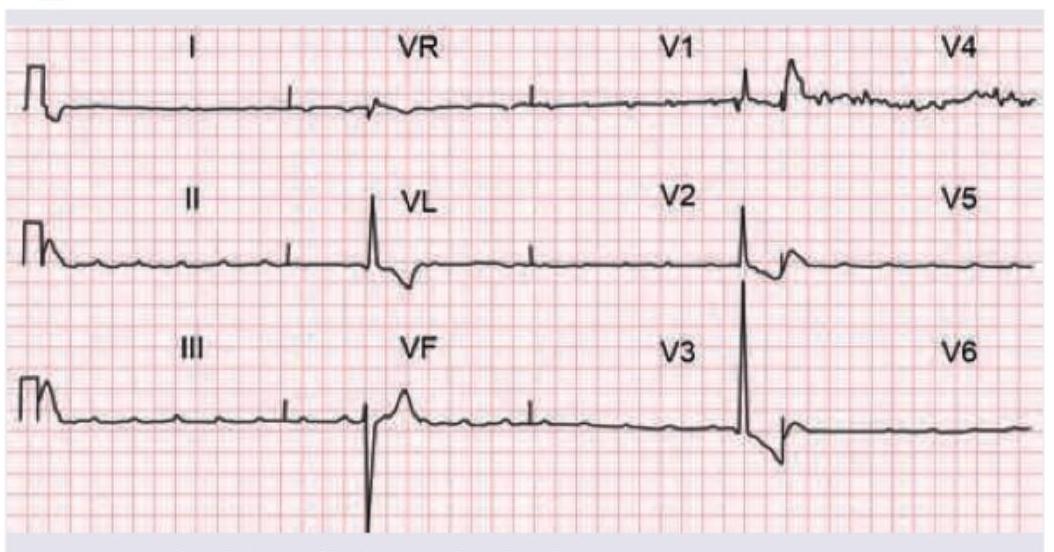
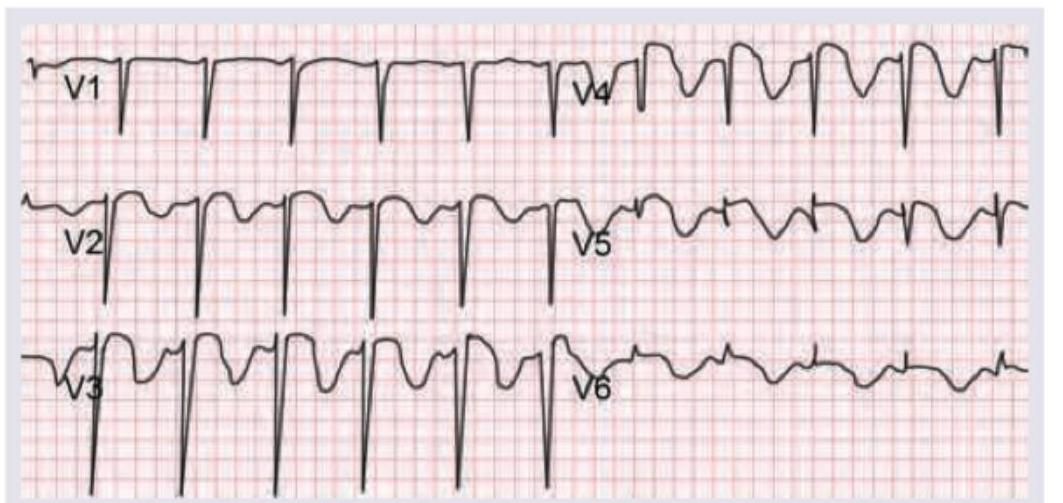
Which of the following statements is not true about Brugada syndrome?
A 56-year-old female presents with severe chest pain and breathlessness after coming back from cremation grounds due to the death of her husband. ECG shows ST elevation in the precordial leads, most noticeably in V2-V3. Troponin T and BNP are mildly elevated. Invasive coronary angiography shows completely normal coronary arteries. A transthoracic echocardiogram demonstrates apical akinesis and a left ventricular ejection fraction of 40%. What is the most likely diagnosis?
Explanation: Explanation: Coarctation of the aorta is a congenital narrowing of the aortic lumen, typically occurring near the insertion of the ductus arteriosus. **Why Renal Artery Stenosis is the correct answer:** Renal artery stenosis is **not** an associated congenital anomaly of coarctation. While both conditions cause secondary hypertension, they are distinct pathological entities. In coarctation, hypertension occurs due to mechanical obstruction and subsequent activation of the Renin-Angiotensin-Aldosterone System (RAAS) because of reduced renal perfusion *downstream* of the narrowing, not because of a stenosed renal artery itself. **Analysis of incorrect options:** * **Patent Ductus Arteriosus (PDA):** This is frequently associated with the "pre-ductal" (infantile) type of coarctation [1]. * **Bicuspid Aortic Valve:** This is the **most common** associated cardiac anomaly, occurring in up to 50-85% of patients with coarctation. * **Turner’s Syndrome (45, XO):** Approximately 15-20% of females with Turner’s syndrome have coarctation of the aorta [1]. It is a classic association frequently tested in exams. **NEET-PG High-Yield Pearls:** * **Clinical Sign:** Radio-femoral delay and a blood pressure upper limb > lower limb (>20 mmHg difference) [1]. * **X-ray Findings:** "Rib notching" (due to dilated intercostal collaterals) and the "Figure of 3" sign on barium swallow or CXR. * **Associated Risk:** Increased incidence of **Berry aneurysms** (Circle of Willis), which can lead to subarachnoid hemorrhage. Coarctation is also a predisposing factor for aortic dissection [2]. * **Murmur:** Midsystolic murmur heard best over the left back (interscapular area).
Explanation: Dilated Cardiomyopathy (DCM) is characterized by ventricular dilation and impaired systolic function [1]. While many cases are idiopathic or genetic, several nutritional and metabolic deficiencies are well-recognized reversible causes of DCM. **Why Manganese is the correct answer:** Manganese (Mn) is a trace element essential for enzyme function (e.g., superoxide dismutase), but its deficiency is not clinically associated with cardiomyopathy. In contrast, manganese **toxicity** (manganism) primarily affects the central nervous system, leading to a Parkinsonian-like syndrome, rather than the myocardium. **Why the other options are incorrect:** * **Calcium (Option A):** Chronic **hypocalcemia** (often due to hypoparathyroidism) leads to reduced myocardial contractility because calcium is essential for excitation-contraction coupling. This can result in a reversible form of DCM. * **Selenium (Option B):** Selenium deficiency is a classic cause of DCM, known as **Keshan Disease**. Selenium is a cofactor for glutathione peroxidase; its absence leads to oxidative damage to myocytes. * **Carnitine (Option D):** Carnitine is required for the transport of long-chain fatty acids into the mitochondria for beta-oxidation. Systemic or primary myocardial carnitine deficiency results in impaired energy production, leading to lipid accumulation in myocytes and DCM (often seen in pediatric populations). **NEET-PG High-Yield Pearls:** * **Thiamine (Vitamin B1) Deficiency:** Causes "Wet Beriberi," a high-output heart failure that can progress to DCM [2], [3]. * **Hypophosphatemia:** Another metabolic cause of reversible DCM often overlooked in ICU settings [4]. * **Keshan Disease:** Named after a province in China with selenium-poor soil; it is the "favorite" deficiency-related cardiomyopathy in exams. * **Reversibility:** Nutritional cardiomyopathies are high-yield because they are among the few forms of heart failure that can be completely reversed with supplementation.
Explanation: **Explanation:** **1. Why Option A is Correct:** Coarctation of the aorta is a localized narrowing of the aortic lumen. In the vast majority of cases (90%), the constriction occurs **distal to the origin of the left subclavian artery**, near the insertion of the ligamentum arteriosum (the "juxtaductal" position). This anatomical landmark is crucial because it explains why blood pressure is typically higher in the right arm (and often the left) compared to the lower extremities. **2. Why the other options are incorrect:** * **Option B:** While it can be diagnosed in adults, the most common age of presentation is **infancy** (neonatal period) for severe cases, or **childhood**. If it remains undetected, it is usually diagnosed by age 5-10 during routine screening for hypertension. * **Option C:** Rib notching is a classic sign, but it occurs on the **lower margins** of the ribs (3rd to 8th). This is due to pressure erosion from dilated, tortuous **intercostal arteries** acting as collateral channels to bypass the obstruction. * **Option D:** Coarctation increases afterload on the **Left Ventricle**. Therefore, the characteristic finding is **Left Ventricular Hypertrophy (LVH)**, not right. **Clinical Pearls for NEET-PG:** * **Associations:** Strongly associated with **Bicuspid Aortic Valve** (up to 70% of cases) and **Turner Syndrome** (45, XO) [1]. * **Physical Exam:** Look for **radio-femoral delay** [1] and a BP systolic difference >20 mmHg between upper and lower limbs. * **Imaging:** The **"Figure of 3" sign** on Chest X-ray (pre-stenotic dilation, indentation at coarctation, and post-stenotic dilation) and the **"E" sign** on barium swallow. * **Complications:** Berry aneurysms (Circle of Willis), infective endocarditis, and premature coronary artery disease.
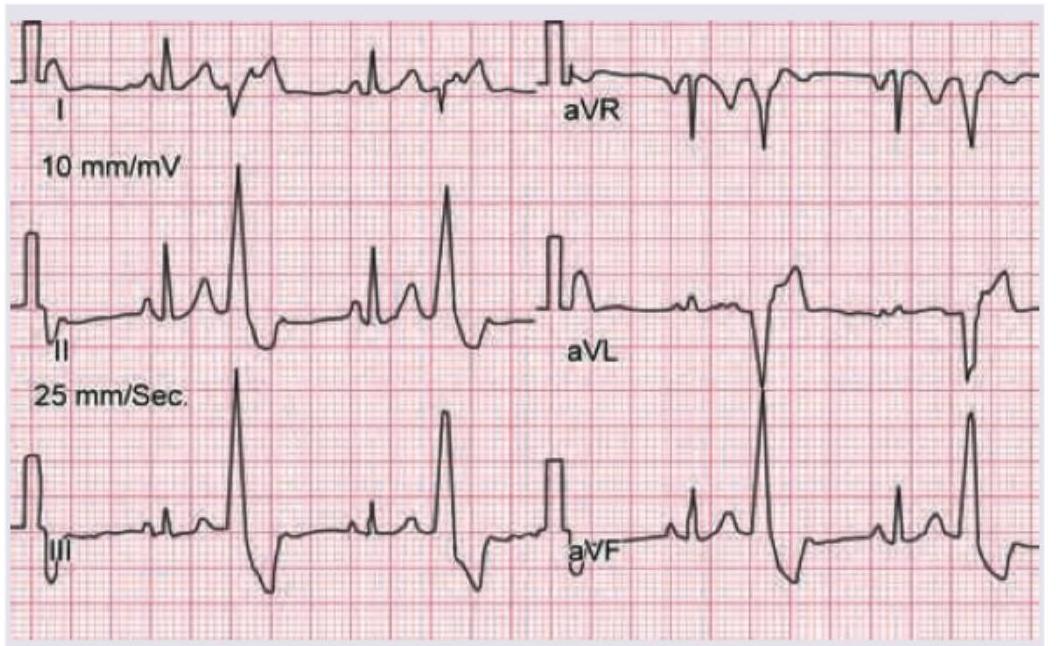
Explanation: **Explanation:** **Accelerated Idioventricular Rhythm (AIVR)**, also known as "slow ventricular tachycardia," is a ventricular rhythm with a rate typically between 60 and 110 beats per minute. **1. Why Myocardial Reperfusion is Correct:** AIVR is the most characteristic arrhythmia seen following the restoration of blood flow to an ischemic myocardium (reperfusion). It is frequently observed after successful thrombolysis or Primary Percutaneous Coronary Intervention (PCI) in patients with acute MI. The underlying mechanism is increased automaticity of the Purkinje fibers, triggered by free radical release and calcium overload during the reperfusion phase. It is generally considered a **benign, self-limiting sign** of successful reperfusion and rarely requires treatment [1]. **2. Analysis of Incorrect Options:** * **A. Dilated Cardiomyopathy:** While patients with DCM are prone to various arrhythmias (like PVCs, VT, or AFib) due to structural remodeling, AIVR is not the most common or characteristic finding. * **C. Digitalis Intoxication:** Digoxin toxicity typically presents with increased automaticity and decreased conduction. Common arrhythmias include PVCs (most common), Bidirectional VT, and Paroxysmal Atrial Tachycardia with AV block. * **D. Myocarditis:** This usually presents with sinus tachycardia, non-specific ST-T changes, or various degrees of heart block, but AIVR is not the primary association. **3. NEET-PG High-Yield Pearls:** * **Rate:** 60–110 bpm (distinguishes it from Ventricular Escape Rhythm <40 bpm and VT >120 bpm). * **ECG Features:** Wide QRS complexes, regular rhythm, and frequent "fusion beats" or "capture beats" at the onset/offset. * **Clinical Significance:** In the setting of MI, it is a **"Reperfusion Arrhythmia."** [1]. * **Management:** Observation only. Do not suppress with anti-arrhythmics (like Lidocaine), as it may lead to asystole by suppressing the only functioning pacemaker.
Explanation: ### Explanation The **'a' wave** in the jugular venous pulse (JVP) represents **right atrial contraction**. It occurs at the end of diastole, forcing the final volume of blood into the right ventricle. **1. Why Tricuspid Stenosis is Correct:** In **Tricuspid Stenosis**, there is a mechanical obstruction to blood flow from the right atrium (RA) to the right ventricle (RV). To overcome this resistance and fill the ventricle, the RA must contract more forcefully. This increased pressure during atrial systole is reflected back into the jugular vein as a **giant (prominent) 'a' wave**. Other conditions causing giant 'a' waves include Pulmonary Stenosis and Pulmonary Hypertension (due to decreased RV compliance). **2. Analysis of Incorrect Options:** * **Atrial Septal Defect (ASD):** Typically presents with a large 'a' wave only if there is associated pulmonary hypertension. Classically, ASD is associated with a **prominent 'v' wave** or equalized 'a' and 'v' waves due to the large volume shunting into the RA [1]. * **SVC Obstruction:** In this condition, the JVP is **non-pulsatile**. The physical obstruction prevents the transmission of atrial pressure changes to the internal jugular vein. * **Complete Heart Block:** This is associated with **"Cannon" 'a' waves**. These occur sporadically when the RA contracts against a closed tricuspid valve (AV dissociation). Unlike the "giant" 'a' waves of stenosis, cannon waves are intermittent and much more dramatic. **3. High-Yield Clinical Pearls for NEET-PG:** * **Absent 'a' wave:** Atrial Fibrillation (no coordinated atrial contraction). * **Giant 'a' wave:** Tricuspid Stenosis, Pulmonary Stenosis, Right Heart Failure. * **Cannon 'a' wave:** Complete Heart Block, Ventricular Tachycardia, Junctional Rhythms. * **Prominent 'v' wave:** Tricuspid Regurgitation (Lancisi’s sign) [2]. * **Steep 'y' descent:** Constrictive Pericarditis (Friedreich’s sign) and Tricuspid Regurgitation.
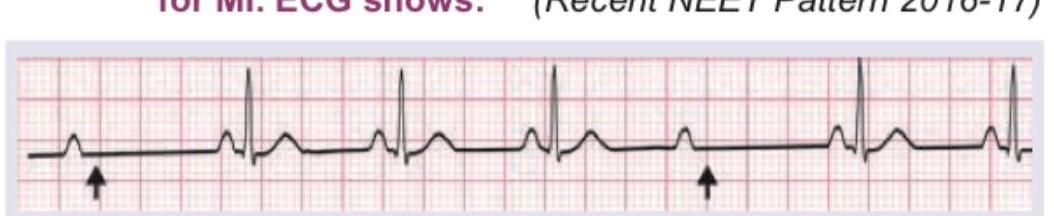
Explanation: ### Explanation The correct answer is **A. Complete heart block**. **Why it is the LEAST likely cause:** Complete heart block (CHB) is a conduction abnormality, not a structural mechanical defect. While CHB is a known complication of myocardial infarction (especially inferior wall MI), it typically presents with **bradycardia and cannon 'a' waves** in the jugular venous pulse, rather than a new systolic murmur. A systolic murmur indicates turbulent blood flow during ventricular contraction, which is not a characteristic feature of an isolated conduction block. **Analysis of Incorrect Options:** * **B. Rupture of the interventricular septum (VSD):** This is a classic post-MI mechanical complication (usually 3–5 days post-MI). It produces a harsh, pansystolic murmur loudest at the **left lower sternal border**, often accompanied by a palpable thrill. * **C. Papillary muscle dysfunction:** Ischemia or rupture of the papillary muscles leads to **Mitral Regurgitation (MR)**. This presents as a systolic murmur, typically loudest at the apex but often radiating to the axilla or heard along the left sternal border. * **D. Ischemic cardiomyopathy:** Severe ischemia can lead to ventricular dilatation. This dilatation stretches the mitral valve annulus, resulting in **functional mitral regurgitation**, which manifests as a systolic murmur. **NEET-PG High-Yield Pearls:** * **VSD vs. MR:** Both present with post-MI systolic murmurs. If the murmur is at the **left sternal border with a thrill**, think VSD. If it is at the **apex radiating to the axilla**, think Papillary Muscle Rupture. * **Right Heart Catheterization:** In VSD, there is a **"step-up" in oxygen saturation** from the right atrium to the right ventricle. * **Timing:** Most mechanical complications (Septal rupture, Papillary rupture, Free wall rupture) occur within **3 to 7 days** post-MI.
Explanation: ### Explanation **Correct Answer: B. Acute rheumatic carditis** The **Carey Coombs murmur** is a classic clinical sign of **acute rheumatic fever** involving the endocardium (valvulitis) [1]. It is a short, mid-diastolic murmur heard best at the apex. **Pathophysiology:** During the acute phase of rheumatic carditis, the mitral valve leaflets become inflamed and edematous. This swelling, often accompanied by small verrucae along the closure lines, creates a functional narrowing of the mitral orifice [1]. As blood flows from the left atrium to the left ventricle during the rapid filling phase of diastole, the relative stenosis causes turbulence, resulting in the murmur. Unlike permanent mitral stenosis, this murmur is **transient** and disappears as the acute inflammation subsides. **Analysis of Incorrect Options:** * **A. Severe mitral stenosis:** This presents with a long, rumbling mid-diastolic murmur with **presystolic accentuation** and is preceded by an **opening snap**. Carey Coombs lacks both the opening snap and the presystolic accentuation. * **C. Pure aortic regurgitation:** This is associated with the **Austin Flint murmur**, a mid-diastolic murmur caused by the regurgitant jet from the aorta striking the anterior leaflet of the mitral valve, causing it to vibrate and partially obstruct inflow [2]. * **D. Severe pulmonary hypertension:** This is associated with the **Graham Steell murmur**, which is a high-pitched, decrescendo early diastolic murmur heard at the left sternal border due to functional pulmonary regurgitation. **High-Yield Clinical Pearls for NEET-PG:** * **Carey Coombs vs. Mitral Stenosis:** Carey Coombs is soft, lacks an opening snap, and is evanescent (temporary). * **Jones Criteria:** Carditis is a major criterion for the diagnosis of Acute Rheumatic Fever [1]. * **Auscultation Tip:** The murmur is best heard with the bell of the stethoscope at the apex in the left lateral decubitus position.
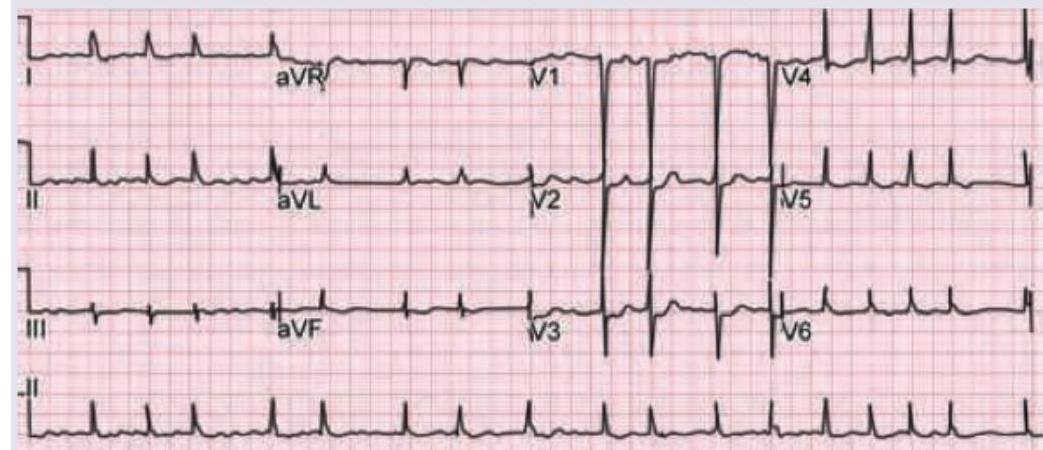
Explanation: Cardiac tamponade is a life-threatening condition caused by the accumulation of fluid in the pericardial space, leading to increased intrapericardial pressure and impaired diastolic filling of the heart [1]. ### **Explanation of Options** * **A. Irregular pulse (Correct Answer):** Cardiac tamponade typically presents with a **regular tachycardia** as a compensatory mechanism to maintain cardiac output in the face of low stroke volume. An irregular pulse is not a characteristic feature; it is more commonly associated with conditions like atrial fibrillation or premature beats. * **B. Hypotension:** This is a hallmark of tamponade. Increased intrapericardial pressure prevents the heart from filling, leading to decreased stroke volume and a subsequent drop in systemic blood pressure [1]. * **C. Reduced pulse pressure:** As stroke volume falls, the systolic blood pressure drops significantly while diastolic pressure is maintained by compensatory peripheral vasoconstriction, leading to a "narrow" or reduced pulse pressure [2]. * **D. Pulsus paradoxus:** This is a classic sign defined as an exaggerated drop in systolic blood pressure (>10 mmHg) during inspiration. In tamponade, the rigid pericardium causes the interventricular septum to bulge into the left ventricle during inspiration (ventricular interdependence), further reducing left-sided filling and output. ### **High-Yield Clinical Pearls for NEET-PG** * **Beck’s Triad:** Hypotension, Jugular Venous Distension (JVD), and Muffled Heart Sounds. * **ECG Findings:** Low voltage QRS complexes and **Electrical Alternans** (beat-to-beat variation in QRS amplitude due to the heart "swinging" in fluid) [1]. * **JVP Pattern:** Characterized by a **prominent 'x' descent** and an **absent 'y' descent** (due to restricted diastolic filling). * **Treatment:** Immediate **pericardiocentesis** is the definitive management [1].
Explanation: ### Explanation **Brugada Syndrome** is an autosomal dominant genetic arrhythmia syndrome characterized by a specific ECG pattern and an increased risk of sudden cardiac death (SCD) in the absence of structural heart disease. **Why Option D is the correct (False) statement:** The treatment of choice for symptomatic Brugada syndrome or those at high risk for SCD is an **Implantable Cardioverter Defibrillator (ICD)**, not a pacemaker. While pacemakers manage bradyarrhythmias, they cannot terminate the polymorphic ventricular tachycardia or ventricular fibrillation (VF) that causes death in these patients. **Analysis of other options:** * **Option A:** It is primarily a "sodium channelopathy." Approximately 20–30% of cases are linked to a mutation in the **SCN5A gene**, which encodes the alpha subunit of the cardiac sodium channel. * **Option B:** The syndrome is characterized by a "pseudo-right bundle branch block" and **ST-segment elevation in leads V1–V3**. Many patients remain asymptomatic until a lethal arrhythmic event occurs, often during sleep or fever. * **Option C:** It is a leading cause of **Sudden Cardiac Death** in young males, particularly those of Southeast Asian descent (where it is sometimes called *Lai Tai* or *Bangungut*). **High-Yield Clinical Pearls for NEET-PG:** 1. **ECG Pattern (Type 1):** "Coved-type" ST elevation ≥2mm followed by a negative T-wave in V1-V3. 2. **Triggers:** Fever, alcohol, and certain drugs (e.g., Class IA/IC antiarrhythmics, TCAs) can unmask the ECG pattern. 3. **Provocative Testing:** If the ECG is equivocal, sodium channel blockers like **Ajmaline** or **Procainamide** are used to unmask the pattern. 4. **Pharmacotherapy:** **Quinidine** (an Ito channel blocker) may be used as adjunctive therapy or in patients where an ICD is not feasible.
Explanation: **Explanation:** The clinical presentation is a classic description of **Takotsubo Cardiomyopathy**, also known as "Broken Heart Syndrome" or "Stress-induced Cardiomyopathy." **1. Why Takotsubo Cardiomyopathy is correct:** This condition typically affects postmenopausal women following an intense emotional or physical stressor (e.g., the death of a spouse) [2]. The pathophysiology involves a **catecholamine surge** leading to microvascular dysfunction or direct myocardial toxicity. Key diagnostic features present in this case include: * **ECG changes:** ST-segment elevation (mimicking an anterior MI). * **Biomarkers:** Mild elevation of Troponins and BNP. * **Angiography:** Absence of obstructive coronary artery disease. * **Echocardiography:** Characteristic **apical ballooning** (apical akinesis with basal hyperkinesis), giving the heart the shape of a Japanese octopus trap (*Takotsubo*). **2. Why other options are incorrect:** * **Anxiety:** While the patient is stressed, anxiety alone cannot explain the ST elevation, elevated troponins, or regional wall motion abnormalities [2]. * **Septal Myocardial Infarction:** Although the ECG mimics an MI, the **normal coronary arteries** on angiography rule out obstructive atherosclerotic infarction [1]. * **Coronary Artery Spasm (Prinzmetal Angina):** While it can cause ST elevation and normal coronaries, it typically presents as transient pain at rest and does not characteristically cause the specific apical ballooning pattern seen on echo. **Clinical Pearls for NEET-PG:** * **Demographics:** Most common in postmenopausal females (>90%). * **Diagnosis:** Requires the **Mayo Clinic Diagnostic Criteria**. * **Prognosis:** Generally excellent; LV function usually recovers within 1–4 weeks with supportive care (ACE inhibitors, Beta-blockers). * **Complication:** Left ventricular outflow tract (LVOT) obstruction can occur due to basal hypercontractility.
Coronary Artery Disease and Angina
Practice Questions
Acute Coronary Syndromes
Practice Questions
Heart Failure
Practice Questions
Cardiac Arrhythmias
Practice Questions
Valvular Heart Diseases
Practice Questions
Cardiomyopathies
Practice Questions
Pericardial Diseases
Practice Questions
Congenital Heart Disease in Adults
Practice Questions
Hypertension and Hypertensive Emergencies
Practice Questions
Pulmonary Hypertension
Practice Questions
Non-invasive Cardiac Diagnostics
Practice Questions
Preventive Cardiology
Practice Questions
Get full access to all questions, explanations, and performance tracking.
Start For Free