Which of the following conditions is effectively managed with an intracardiac defibrillator?
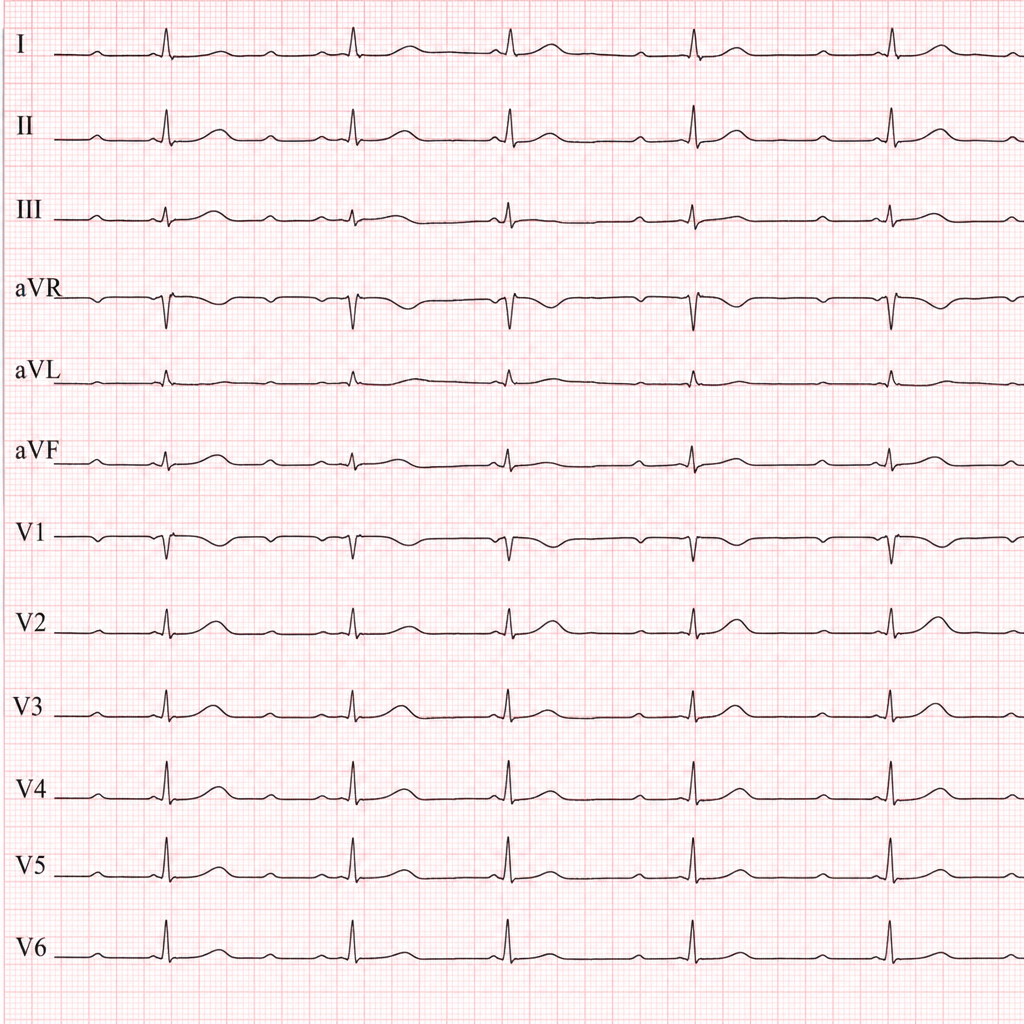
A 23-year-old male presented with excruciating chest pain and palpitations after consuming multiple energy drinks. His ECG showed sinus tachycardia but no ST changes. His pulse was 90/min and BP was 130/90 mm Hg. The pain subsided shortly after. His physical examination was normal. He reported that his father had a myocardial infarction at the age of 60. All laboratory findings, including troponin and D-dimer tests, were within normal ranges. What should be the next step in management?
What is the most common cause of orthostatic hypotension?
Recurrent ischemic events following thrombolysis have been pathophysiologically linked to which of the following factors?
What is the level of LDL cholesterol at which therapy should be initiated in a patient without coronary artery disease and no risk factors?
Roth's spots are seen in which condition?
A 55-year-old woman with a recent diagnosis of amyloidosis presents with increasing shortness of breath, fatigue, and edema. Examination reveals a JVP of 10 cm with prominent x and y descents but a negative Kussmaul's sign. Her blood pressure is 90/70 mm Hg, pulse is 100/min with low volume, and there is no pulsus paradoxus or abnormal heart sounds. What is the most likely diagnosis for this patient presenting with shortness of breath and peripheral edema?
Ventricular aneurysm has one of the following characteristic features?
Which of the following is the least common site for vegetation?
Which of the following are immune complex lesions in subacute bacterial endocarditis (SBE)?
Explanation: The primary indication for an **Implantable Cardioverter Defibrillator (ICD)** is the prevention of **Sudden Cardiac Death (SCD)** due to life-threatening ventricular arrhythmias (Ventricular Tachycardia or Ventricular Fibrillation). ### **Detailed Explanation** 1. **Arrhythmogenic RV Dysplasia (ARVD):** This is a genetic cardiomyopathy where myocardium is replaced by fibrofatty tissue. It is a highly arrhythmogenic substrate. ICD is the definitive treatment for patients at high risk of SCD (e.g., history of syncope or documented VT). 2. **Brugada Syndrome:** A channelopathy characterized by ST-elevation in V1-V3 and RBBB morphology. Since there is no effective long-term pharmacological therapy to prevent VF in these patients, an ICD is the gold standard for symptomatic patients or those who have survived cardiac arrest. 3. **Left Ventricular (LV) Aneurysm:** Post-myocardial infarction, the scarred, aneurysmal tissue creates a re-entrant circuit, which is a common trigger for monomorphic VT. Patients with low ejection fractions (<35%) or documented VT post-MI are primary candidates for ICD therapy. ### **High-Yield Clinical Pearls for NEET-PG** * **Primary Prevention:** ICD is indicated in patients with ischemic or non-ischemic cardiomyopathy with **LVEF ≤ 35%** and NYHA Class II or III symptoms. * **Secondary Prevention:** Indicated for survivors of cardiac arrest due to VF or hemodynamically unstable VT not due to a reversible cause. * **Hypertrophic Cardiomyopathy (HCM):** Also a classic indication for ICD if high-risk features (e.g., wall thickness >30mm, family history of SCD) are present. * **Contraindication:** ICDs are generally not implanted if the life expectancy is <1 year or in cases of "Incessant VT" (where the device would fire continuously).
Explanation: ### Explanation **Correct Answer: D. No further investigation is required** The patient’s presentation is classic for **caffeine-induced chest pain** and palpitations. Energy drinks contain high concentrations of caffeine and taurine, which act as sympathomimetics, causing sinus tachycardia and increased myocardial oxygen demand [1]. **Why Option D is correct:** The diagnosis of Acute Coronary Syndrome (ACS) or significant cardiac pathology is ruled out based on the following: 1. **Low Pre-test Probability:** He is a young male (23 years old) with no significant risk factors (his father’s MI at age 60 is considered a late-onset event, not a premature family history). 2. **Normal Investigations:** Normal ECG, negative Troponins (ruling out MI), and negative D-dimer (ruling out Pulmonary Embolism) [2]. 3. **Clinical Course:** The pain was transient and subsided spontaneously once the sympathomimetic effects of the energy drinks waned. In a low-risk patient with normal biomarkers and a clear precipitant, no further cardiac workup is indicated. **Why other options are incorrect:** * **Option A:** Observation is unnecessary as the symptoms have resolved, and the patient is hemodynamically stable with normal labs. * **Options B & C:** Stress testing (TMT or Stress Echo) is indicated for patients with intermediate pre-test probability of Coronary Artery Disease (CAD) or those with stable angina [3]. Performing these in a low-risk, asymptomatic 23-year-old leads to high rates of false positives and unnecessary invasive procedures. **Clinical Pearls for NEET-PG:** * **Premature CAD Family History:** Defined as MI in a first-degree male relative <55 years or female relative <65 years. This patient’s father (age 60) does not meet the criteria. * **Caffeine Toxicity:** Can cause SVT, atrial fibrillation, and rarely, coronary vasospasm. * **Management:** Reassurance and lifestyle modification (avoiding excessive stimulants) are the mainstays for such presentations.
Explanation: **Explanation:** **1. Why Peripheral Neuropathy is Correct:** Orthostatic hypotension (OH) is defined as a drop in systolic BP ≥20 mmHg or diastolic BP ≥10 mmHg within 3 minutes of standing [3]. The most common cause of chronic autonomic failure leading to OH is **peripheral neuropathy**, particularly **Diabetic Autonomic Neuropathy** [1], [2]. Under normal physiological conditions, standing causes blood to pool in the lower extremities. This triggers a baroreceptor reflex, leading to sympathetic activation and peripheral vasoconstriction. In peripheral neuropathy (seen in Diabetes, Amyloidosis, or Vitamin B12 deficiency), the autonomic nerves are damaged, failing to constrict peripheral vessels and maintain systemic vascular resistance, resulting in a significant drop in blood pressure [4]. **2. Analysis of Incorrect Options:** * **Carcinoid Syndrome:** Typically presents with flushing, diarrhea, and right-sided heart failure. While it involves vasoactive substances (serotonin), it is not a primary cause of orthostatic hypotension. * **Pheochromocytoma:** This usually causes **paroxysmal hypertension**. While it can occasionally cause OH due to low plasma volume or catecholamine-induced receptor desensitization, it is a rare cause compared to neuropathy. * **Hypothyroidism:** More commonly associated with bradycardia and diastolic hypertension (due to increased systemic vascular resistance). It does not typically cause autonomic failure. **3. High-Yield Clinical Pearls for NEET-PG:** * **Most common cause of OH overall:** Hypovolemia (dehydration) or drugs (Diuretics, Alpha-blockers). * **Most common neurogenic cause:** Diabetic Autonomic Neuropathy [2]. * **Shy-Drager Syndrome (Multiple System Atrophy):** A high-yield CNS cause of severe orthostatic hypotension combined with Parkinsonian features. * **Management Tip:** First-line non-pharmacological treatment includes increased salt/water intake and compression stockings. First-line drug: **Midodrine** (alpha-1 agonist) or **Fludrocortisone**.
Explanation: The correct answer is **Fibrinopeptide A**. **Pathophysiological Basis:** Thrombolytic therapy (like Streptokinase or tPA) aims to dissolve an occluding clot by converting plasminogen to plasmin [1, 3]. However, this process is paradoxically associated with a **prothrombotic state**. When a clot is lysed, "clot-bound" thrombin is released into the systemic circulation. This active thrombin acts on fibrinogen to produce **Fibrinopeptide A**, a sensitive biochemical marker of active thrombin generation and fibrin formation [3]. Elevated levels of Fibrinopeptide A indicate ongoing thrombogenesis, which significantly increases the risk of re-occlusion and recurrent ischemic events immediately following successful thrombolysis. **Analysis of Incorrect Options:** * **Triglycerides (A):** While elevated triglycerides are a long-term risk factor for atherosclerosis, they do not play an acute role in post-thrombolysis re-occlusion. * **Lipoprotein (a) (C):** High Lp(a) levels are associated with increased cardiovascular risk due to its structural similarity to plasminogen (inhibiting fibrinolysis), but it is not the specific marker linked to recurrent ischemia post-thrombolysis. * **Antibodies to thrombolytic agents (D):** While antibodies (especially against Streptokinase) can neutralize the drug and reduce its efficacy in *subsequent* administrations, they are not the primary cause of acute recurrent ischemia after the initial drug has already exerted its effect [4]. **High-Yield Pearls for NEET-PG:** * **The "Thrombin Paradox":** Thrombolysis successfully lyses the clot but simultaneously creates a highly thrombogenic environment by releasing bound thrombin. * To counteract this, **adjunctive anticoagulation** (e.g., Heparin) and **antiplatelet therapy** (e.g., Aspirin) are mandatory post-thrombolysis to prevent re-infarction. * **Fibrinopeptide A** is considered a "molecular marker of hemostatic activation."
Explanation: The management of dyslipidemia is guided by the patient’s overall cardiovascular risk profile. According to the **ACC/AHA guidelines**, the threshold for initiating pharmacological therapy (statins) depends on the presence of Atherosclerotic Cardiovascular Disease (ASCVD), diabetes, or specific LDL levels. **1. Why 190 mg/dL is correct:** In a primary prevention patient (no clinical CAD) with **no other risk factors** (e.g., hypertension, smoking, low HDL, or diabetes), the threshold for automatic initiation of high-intensity statin therapy is an **LDL-C ≥ 190 mg/dL**. At this level, the risk of a cardiovascular event is high enough to warrant treatment regardless of the calculated 10-year ASCVD risk score, as it often suggests a genetic predisposition like Familial Hypercholesterolemia. **2. Why other options are incorrect:** * **100 mg/dL:** This is the traditional "optimal" level. It is the treatment target for very high-risk patients with established CAD [1], but not a threshold for starting therapy in healthy individuals. * **130 mg/dL:** This is considered "borderline high." Therapy at this level is usually only considered if the patient has multiple risk factors or a high 10-year ASCVD risk score (>7.5% to 20%) [1]. * **160 mg/dL:** While "high," in the absence of any risk factors, lifestyle modifications are prioritized over immediate pharmacotherapy unless the level crosses the 190 mg/dL mark. **High-Yield Clinical Pearls for NEET-PG:** * **Diabetes Mellitus:** In patients aged 40–75 with DM, statins are started if LDL is **>70 mg/dL**, regardless of the 10-year risk. * **Statins:** They are the first-line agents; they work by inhibiting **HMG-CoA reductase** [2]. * **Rule of 5:** For every 40 mg/dL (1 mmol/L) reduction in LDL, there is a ~20% reduction in major cardiovascular events.
Explanation: Infective Endocarditis (IE) is the correct answer. Roth’s spots are a classic peripheral manifestation of IE, specifically categorized as an immunological phenomenon. Pathophysiologically, they are retinal hemorrhages with central pale (white) spots [1]. They occur due to retinal capillary rupture followed by fibrin-platelet plug formation at the site of injury. While once thought to be pathognomonic for IE, they are now understood to be a non-specific finding seen in several systemic conditions [1]. Analysis of Incorrect Options: * Rheumatic Endocarditis: While Rheumatic Fever involves the endocardium, its peripheral signs are different (e.g., Erythema marginatum, subcutaneous nodules). It does not typically cause the micro-embolic or immunological retinal lesions seen in IE. * Central Retinal Arterial Occlusion (CRAO): This presents with a "Cherry-red spot" at the macula due to retinal ischemia, not Roth’s spots. * Typhoid: Typhoid fever is associated with "Rose spots" (faint pink macules on the trunk), which are dermatological, not ophthalmological. High-Yield Clinical Pearls for NEET-PG: * Duke’s Criteria: Roth’s spots are included under the Minor Clinical Criteria for the diagnosis of Infective Endocarditis [1]. * Other Immunological Phenomena in IE: Glomerulonephritis, Osler’s nodes (painful, on finger pads), and Rheumatoid factor positivity. * Differential Diagnosis for Roth's Spots: Beyond IE, they can be seen in Leukemia (most common cause after IE), Diabetes Mellitus, Severe Anemia, and Systemic Lupus Erythematosus (SLE). * Mnemonic: Remember "FROM JANE" for IE features: Fever, Roth’s spots, Osler’s nodes, Murmur, Janeway lesions, Anemia, Nail-bed (splinter) hemorrhages, Emboli.
Explanation: The patient presents with signs of right-sided heart failure (elevated JVP, edema) in the setting of systemic amyloidosis [1]. The key to differentiating these cardiac pathologies lies in the JVP waveform and physical exam findings. **1. Why Restrictive Cardiomyopathy (RCM) is correct:** Amyloidosis is the most common cause of RCM. In RCM, the ventricles are stiff, leading to impaired diastolic filling. This results in **prominent 'x' and 'y' descents** in the JVP. Crucially, **Kussmaul’s sign** (a paradoxical rise in JVP during inspiration) is typically **absent** in RCM (unlike Constrictive Pericarditis), and there is no pulsus paradoxus. **2. Why the other options are incorrect:** * **Cardiac Tamponade:** Characterized by Beck’s Triad (hypotension, muffled heart sounds, elevated JVP) [2]. However, it features a **blunted 'y' descent** (due to impaired diastolic filling) and **pulsus paradoxus**, both of which are absent here. [2] * **Constrictive Pericarditis (CP):** While CP also shows prominent 'x' and 'y' descents (Friedreich’s sign), it is classically associated with a **positive Kussmaul’s sign** [3] and often a pericardial knock. * **RV Myocardial Infarction:** Usually presents acutely with clear lungs and hypotension [4]. While it shows elevated JVP and Kussmaul’s sign, it is not associated with the chronic infiltrative history of amyloidosis. **High-Yield Clinical Pearls for NEET-PG:** * **Amyloidosis + Low Voltage ECG + Thickened Ventricles on Echo** = Pathognomonic for Restrictive Cardiomyopathy. * **JVP Waveforms:** * *Tamponade:* Absent 'y' descent. [2] * *Constrictive Pericarditis/RCM:* Prominent 'y' descent. * **Kussmaul’s Sign:** Seen in Constrictive Pericarditis, RV Infarction, and Tricuspid Stenosis; usually absent in Cardiac Tamponade and RCM.
Explanation: ### Explanation **Correct Answer: A. Persistent ST segment elevation** **Mechanism:** A ventricular aneurysm is a late complication of a transmural myocardial infarction (MI), occurring in approximately 5–10% of patients [1]. It results from the thinning and stretching of the infarcted myocardial wall, which becomes fibrotic and non-contractile (dyskinetic). The hallmark ECG finding is **persistent ST-segment elevation** (usually in the precordial leads) that remains present for **more than 6 weeks** following an acute MI [1]. This occurs because the fibrotic, scarred tissue creates a "current of injury" or mechanical stress at the border zone between the aneurysm and the viable myocardium [2]. Unlike an acute MI, these ST elevations are typically stable over time and are not accompanied by reciprocal changes or evolving T-wave inversions. **Why other options are incorrect:** * **B. Persistent ST segment depression:** This is usually a sign of subendocardial ischemia or digitalis effect, not a structural aneurysm. * **C & D. LBBB and RBBB:** While bundle branch blocks can occur post-MI due to septal damage, they are not specific or diagnostic features of a ventricular aneurysm. **High-Yield Clinical Pearls for NEET-PG:** * **Most Common Site:** The **apex** of the left ventricle (associated with LAD occlusion). * **Physical Exam:** Look for a **"double apical impulse"** or a diffuse, displaced apical beat [1]. * **Imaging:** Echocardiography is the gold standard for diagnosis, showing a localized area of **dyskinesia** (paradoxical bulging during systole) [1]. * **Complications:** Systemic embolism (due to mural thrombus), refractory heart failure, and ventricular arrhythmias [1]. * **Distinction:** Unlike a *pseudoaneurysm* (which is a contained rupture with a high risk of bursting), a true aneurysm rarely ruptures because it is composed of tough fibrous tissue.
Explanation: ### Explanation The development of Infective Endocarditis (IE) typically requires two factors: a high-pressure gradient causing turbulent blood flow and an underlying endothelial injury. **Why ASD is the Correct Answer:** In an **Atrial Septal Defect (ASD)**, the pressure gradient between the left and right atrium is very low. Consequently, the blood flow is laminar rather than turbulent. Without high-velocity turbulence, there is minimal trauma to the endocardium, preventing the formation of sterile platelet-fibrin thrombi (Non-Bacterial Thrombotic Endocarditis), which are necessary for bacteria to adhere to. Therefore, ASD is considered a **low-risk** condition for IE and is the least common site for vegetations among the options provided. **Analysis of Incorrect Options:** * **Mitral Regurgitation (MR):** This is the **most common** underlying valvular lesion associated with IE. The high-pressure jet from the left ventricle to the left atrium creates significant turbulence, facilitating vegetation formation on the atrial surface of the leaflets. * **Aortic Stenosis (AS):** The high-velocity flow across the narrowed aortic valve creates significant shear stress and turbulence, making it a high-risk site for IE. * **Mitral Stenosis (MS):** While less common than MR, MS still involves a pressure gradient across the valve and structural deformity of the leaflets, making it more susceptible to IE than a simple ASD. **NEET-PG Clinical Pearls:** * **Ventricular Septal Defect (VSD):** Unlike ASD, VSD is a **high-risk** site because of the high-pressure gradient between the ventricles. * **Venturi Effect:** Vegetations usually form on the low-pressure side of the orifice (e.g., the atrial side of the mitral valve in MR or the ventricular side of the aortic valve in AR). * **Prophylaxis:** According to current AHA guidelines, routine antibiotic prophylaxis is **not** recommended for ASD, VSD, or most valvular lesions unless there is a prosthetic valve or a history of prior IE [1].
Explanation: In Infective Endocarditis (IE), clinical manifestations are broadly categorized into three mechanisms: **direct infection** (vegetations), **septic emboli** (mechanical blockage), and **immunological phenomena** (Type III hypersensitivity) [2]. ### **Explanation of the Correct Answer** The correct answer is **All of these** because Osler nodes, microscopic hematuria, and Roth spots are all classic manifestations of **circulating immune complex (IC) deposition** and subsequent complement activation. * **Osler Nodes:** These are painful, erythematous, pea-sized nodules typically found on the pads of fingers and toes. Unlike Janeway lesions (which are embolic and painless), Osler nodes are caused by immune-mediated vasculitis. * **Microscopic Hematuria:** This occurs due to **Immune Complex-mediated Glomerulonephritis** [1]. The deposition of ICs in the glomerular basement membrane leads to inflammation, allowing RBCs to leak into the urine. * **Roth Spots:** These are retinal hemorrhages with central pale spots (representing fibrin-platelet plugs or inflammatory exudate). They are considered an immunological phenomenon in the context of SBE [3]. ### **High-Yield Clinical Pearls for NEET-PG** * **Janeway Lesions vs. Osler Nodes:** This is a frequent "catch" in exams. * **Janeway Lesions:** Embolic, Painless, Palms/Soles. * **Osler Nodes:** Immunological, Painful, Pads of digits. * **Splinter Hemorrhages:** These are typically embolic in nature, appearing as linear streaks under the nail bed. * **Duke Criteria:** Remember that "Immunological phenomena" (including the options above plus a positive Rheumatoid Factor) constitute one **Minor Criterion** for the diagnosis of IE [3]. * **Most Common Cause of SBE:** *Streptococcus viridans* (often following dental procedures). In contrast, *Staphylococcus aureus* is the leading cause of Acute IE.
Coronary Artery Disease and Angina
Practice Questions
Acute Coronary Syndromes
Practice Questions
Heart Failure
Practice Questions
Cardiac Arrhythmias
Practice Questions
Valvular Heart Diseases
Practice Questions
Cardiomyopathies
Practice Questions
Pericardial Diseases
Practice Questions
Congenital Heart Disease in Adults
Practice Questions
Hypertension and Hypertensive Emergencies
Practice Questions
Pulmonary Hypertension
Practice Questions
Non-invasive Cardiac Diagnostics
Practice Questions
Preventive Cardiology
Practice Questions
Get full access to all questions, explanations, and performance tracking.
Start For Free