What is the most common parasite causing myocarditis?
What is the management of uncomplicated essential hypertension?
Which of the following is a common risk factor for coronary heart disease, except?
Which valvular lesion is being repaired in a 20-year-old man presenting with a malar flush?
Pulsus paradoxus is seen in all except?
A young patient presents with a systolic murmur at the apex. The murmur increases with both handgrip and Valsalva maneuver. Which of the following conditions is most likely?
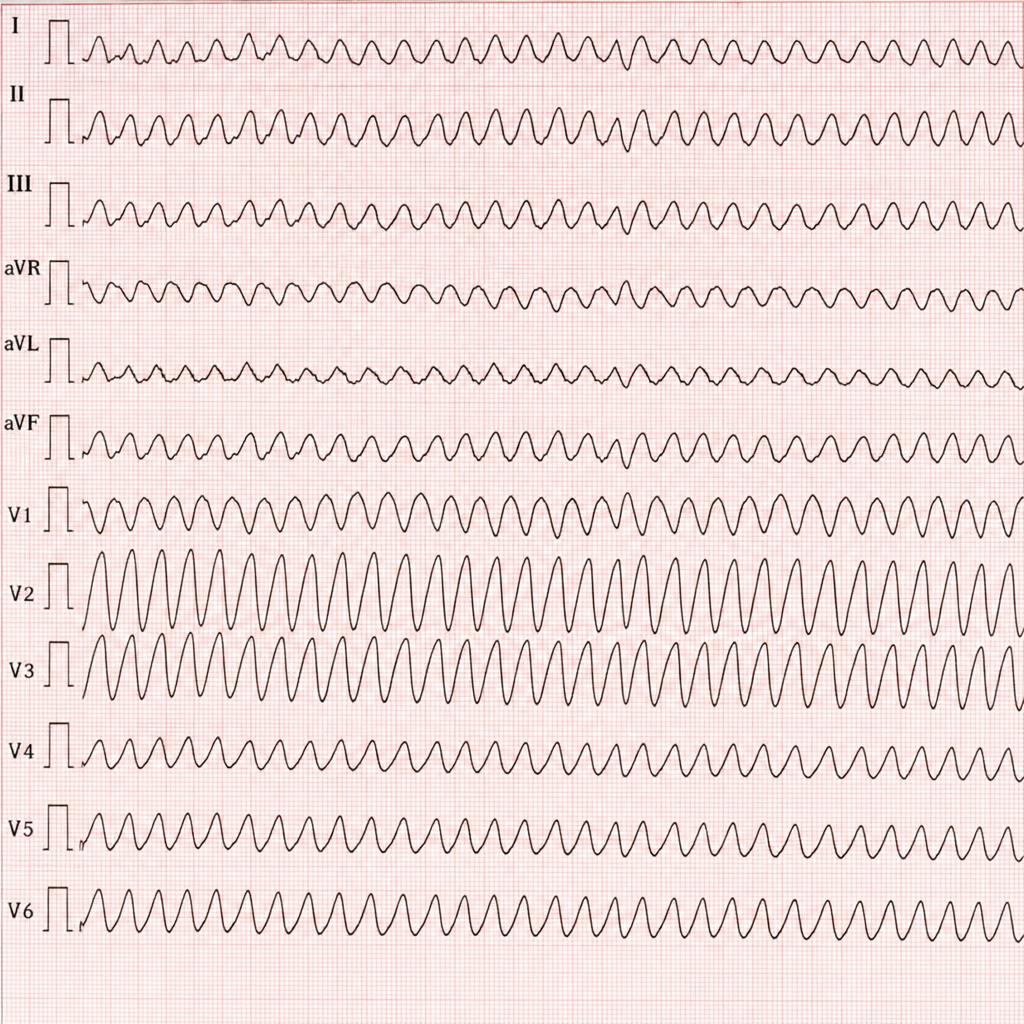
A 38-year-old man develops severe retrosternal chest pain radiating to the back, aggravated by breathing and movement. He has no significant past medical history but had a mild upper respiratory tract infection 1 week ago. His electrocardiogram is shown in Figure. Which of the following is the most likely cause for his condition?

Pulsus paradoxus is characteristically seen in cardiac tamponade. Absence of pulsus paradoxus is seen when cardiac tamponade is associated with all except one of the following?
Which of the following dietary interventions reduces the further risk in patients who have had a myocardial infarction (MI)?
Beck's triad of cardiac tamponade includes all except?
Explanation: **Explanation:** **1. Why Trichinella is correct:** *Trichinella spiralis* is widely recognized as the most common parasite to cause myocarditis globally. While the adult worms live in the intestines, the larvae migrate to striated muscles. Although the larvae do not encyst in the cardiac muscle (unlike skeletal muscle), their migration through the myocardium triggers a profound inflammatory response, eosinophilic infiltration, and interstitial edema. This can lead to arrhythmias, heart failure, and is the leading cause of death in the second or third week of trichinellosis. **2. Why the other options are incorrect:** * **Trypanosoma cruzi (Option B):** This causes **Chagas disease**. While it is a major cause of chronic parasitic cardiomyopathy (leading to apical aneurysms and RBBB) particularly in South America, *Trichinella* remains the more frequent cause of acute parasitic myocarditis in broader clinical literature. * **Ascaris (Option C):** *Ascaris lumbricoides* primarily involves the GI tract and the lungs (Loeffler’s syndrome). Cardiac involvement is extremely rare and usually incidental [1]. * **Plasmodium (Option D):** Malaria typically causes microvascular sequestration and anemia. While "malarial myocarditis" is described in severe *P. falciparum*, it is a rare complication compared to the frequency of myocardial involvement in trichinellosis. **3. Clinical Pearls for NEET-PG:** * **Classic Triad of Trichinellosis:** Periorbital edema, myositis (muscle pain/tenderness), and eosinophilia. * **ECG Changes:** Look for non-specific ST-T wave changes or conduction delays. * **Diagnosis:** Muscle biopsy (showing larvae in skeletal muscle) or serology (ELISA). * **Treatment:** Albendazole/Mebendazole + Corticosteroids (to reduce the inflammatory response to dying larvae).
Explanation: **Explanation:** The management of uncomplicated essential hypertension follows a multi-modal approach aimed at reducing long-term cardiovascular risk. According to current JNC and AHA/ACC guidelines, the cornerstone of therapy is the combination of **Lifestyle Modifications** and **Pharmacotherapy** [1]. 1. **Why Option C is Correct:** Hypertension is a chronic systemic condition. Lifestyle changes (DASH diet, sodium restriction <2.4g/day, and aerobic exercise) can lower systolic BP by 5–20 mmHg. However, in most patients, lifestyle changes alone are insufficient to reach the target BP (<140/90 or <130/80 mmHg depending on guidelines). Therefore, the integration of diet, exercise, and medication (typically ACE inhibitors, ARBs, CCBs, or Thiazides) provides the most effective risk reduction [1]. 2. **Why Other Options are Incorrect:** * **Option A:** Untreated hypertension leads to end-organ damage (LVH, stroke, chronic kidney disease) [1]. * **Option B:** While essential, lifestyle modification alone is usually reserved only for "Pre-hypertension" or as a trial in very low-risk Stage 1 patients for a short period. * **Option D:** Medication without lifestyle changes is suboptimal; weight loss and salt restriction significantly enhance the efficacy of antihypertensive drugs [1]. **High-Yield Clinical Pearls for NEET-PG:** * **Initial Drug of Choice:** For non-black patients, ACE inhibitors, ARBs, or CCBs are preferred. For the black population, Thiazides or CCBs are first-line [1]. * **Most Common Cause:** Essential hypertension (95%); the most common cause of secondary hypertension is **Renal Parenchymal Disease** [1]. * **Weight Loss:** This is the most effective lifestyle modification (approx. 1 mmHg drop per 1 kg weight loss). * **Target BP:** Generally <130/80 mmHg for all patients as per recent aggressive guidelines [1].
Explanation: **Explanation:** The correct answer is **B. Decreased homocysteinaemia**. In clinical practice, it is **Hyperhomocysteinaemia** (elevated levels of homocysteine in the blood) that acts as an independent risk factor for coronary heart disease (CHD). Homocysteine promotes atherosclerosis by causing endothelial dysfunction, oxidative stress, and stimulating smooth muscle cell proliferation. Therefore, "decreased" levels are not a risk factor. **Analysis of Options:** * **A. Family History:** A positive family history (especially in first-degree male relatives <55 years or female relatives <65 years) is a non-modifiable major risk factor for premature CHD [1]. * **C. HDL < 40 mg/dL:** High-Density Lipoprotein (HDL) is "good cholesterol." Low levels (<40 mg/dL in men, <50 mg/dL in women) are strongly associated with increased cardiovascular risk [2], whereas high HDL (>60 mg/dL) is considered cardioprotective [3]. * **D. Type 1 DM:** Diabetes Mellitus (both Type 1 and Type 2) is considered a **"Coronary Artery Disease Risk Equivalent,"** meaning a diabetic patient has the same 10-year risk of a myocardial infarction as a non-diabetic patient who has already had a previous heart attack. **High-Yield Clinical Pearls for NEET-PG:** * **Modifiable Risk Factors:** Hypertension, Dyslipidemia (High LDL, Low HDL), Smoking, Diabetes, and Obesity [2]. * **Non-Modifiable Risk Factors:** Age, Male gender, and Family history [1]. * **Emerging Risk Factors:** Elevated Lipoprotein(a), High-sensitivity C-reactive protein (hs-CRP), and Hyperhomocysteinaemia. * **Homocysteine Metabolism:** Deficiencies in Vitamin B12, B6, and Folic acid can lead to hyperhomocysteinaemia.
Explanation: **Explanation:** The correct answer is **Mitral Stenosis (MS)**. **Why Mitral Stenosis is correct:** The "malar flush" (also known as *facies mitralis*) is a classic clinical sign of chronic, severe mitral stenosis [1]. It is characterized by plum-colored or violaceous patches over the cheeks. The underlying pathophysiology involves a chronic decrease in cardiac output leading to systemic vasoconstriction and pulmonary hypertension [1]. This results in secondary right-sided heart failure and venous stasis, causing the capillaries in the malar region to become engorged and cyanotic [1]. **Why the other options are incorrect:** * **Mitral Regurgitation (MR):** While MR also affects the mitral valve, it typically presents with symptoms of left heart failure (dyspnea, fatigue) and a pansystolic murmur, but it does not classically produce the malar flush [2]. * **Aortic Stenosis (AS):** AS is characterized by the triad of Angina, Syncope, and Dyspnea (SAD). Patients often appear pale due to low cardiac output, rather than flushed. * **Aortic Regurgitation (AR):** AR presents with "peripheral signs" of hyperdynamic circulation (e.g., Corrigan’s pulse, de Musset’s sign, Quincke’s pulse) and a wide pulse pressure, but not a malar flush [3]. **High-Yield Clinical Pearls for NEET-PG:** * **Most common cause of MS:** Rheumatic Heart Disease (99% of cases). * **Auscultation:** Loud S1, Opening Snap (OS), and a mid-diastolic rumbling murmur heard best at the apex in the left lateral position [1]. * **ECG Findings:** "P-mitrale" (broad, notched P-waves in Lead II) indicating left atrial enlargement. * **Complications:** Atrial fibrillation (due to LA enlargement) and systemic thromboembolism are common [1].
Explanation: **Explanation** **Pulsus Paradoxus** is defined as an exaggerated fall in systolic blood pressure (>10 mmHg) during inspiration. Under normal physiological conditions, inspiration increases venous return to the right heart, causing the interventricular septum to bulge slightly into the left ventricle (LV), minimally reducing LV stroke volume. **1. Why Option A is Correct (The Exception):** In **Intermittent Positive-Pressure Ventilation (IPPV)**, the physiology is reversed. During the inspiratory phase of the ventilator, intrathoracic pressure becomes **positive**. This increases LV output (by squeezing pulmonary blood into the LV) and decreases venous return to the right heart [1]. Therefore, blood pressure may actually **rise** during inspiration (Reverse Pulsus Paradoxus), rather than fall. **2. Why the Other Options are Incorrect:** * **COPD/Asthma (B):** Severe respiratory distress causes massive swings in intrathoracic pressure. The highly negative pressure during inspiration "pools" blood in the lungs and increases LV afterload, leading to a significant drop in systolic BP. * **Pulmonary Embolism (C):** Acute right ventricular (RV) strain and dilation cause the septum to shift into the LV, compromising LV filling and causing pulsus paradoxus. * **Constrictive Pericarditis (D):** While more classic in **Cardiac Tamponade**, it occurs in about 1/3rd of cases of constrictive pericarditis due to "ventricular interdependence" within a rigid pericardial shell. **Clinical Pearls for NEET-PG:** * **Gold Standard Diagnosis:** Sphygmomanometry (noting the difference between the first Korotkoff sound heard during expiration and the sound heard throughout the respiratory cycle). * **Classic Association:** Cardiac Tamponade (Most common cause). * **Kussmaul’s Sign vs. Pulsus Paradoxus:** Kussmaul’s sign (raised JVP on inspiration) is common in Constrictive Pericarditis, while Pulsus Paradoxus is the hallmark of Cardiac Tamponade. * **Reverse Pulsus Paradoxus:** Seen in IPPV, Hypertrophic Obstructive Cardiomyopathy (HOCM), and Left Ventricular Failure.
Explanation: ### Explanation The correct answer is **Mitral Valve Prolapse (MVP)**. This question tests your understanding of dynamic auscultation, which is high-yield for NEET-PG. #### 1. Why MVP is Correct MVP typically presents with a mid-systolic click and a late systolic murmur at the apex [1]. Its intensity and timing are highly sensitive to changes in **Left Ventricular (LV) volume**: * **Valsalva Maneuver (Strain phase):** Decreases venous return (preload), leading to a smaller LV volume. In a smaller ventricle, the redundant mitral valve leaflets prolapse earlier and more severely, making the murmur **longer and louder**. * **Handgrip:** Increases systemic vascular resistance (afterload). This increases the pressure gradient against which the heart pumps, worsening the regurgitation and making the murmur **louder**. * *Note:* MVP and HOCM are the only two common murmurs that increase with Valsalva, but only MVP increases with handgrip (HOCM decreases with handgrip). #### 2. Why Other Options are Incorrect * **Aortic Stenosis (B):** An ejection systolic murmur that **decreases** with both Valsalva (less flow across the valve) and Handgrip (increased afterload reduces the pressure gradient) [3]. * **Ventricular Septal Defect (D):** A pansystolic murmur that **decreases** with Valsalva (reduced preload) but **increases** with Handgrip (increased afterload forces more blood through the shunt). * **Atrial Septal Defect (A):** Characterized by a fixed split S2 and a flow murmur across the pulmonic valve [4]. It does not typically increase with these maneuvers in the same pattern. #### 3. NEET-PG Clinical Pearls * **The "Rule of Two":** MVP and HOCM are the "exceptions." Most murmurs decrease with Valsalva/Standing; these two **increase**. * **Handgrip Rule:** Handgrip increases afterload. It **increases** murmurs of MR [2], VSD, and AR, but **decreases** murmurs of AS and HOCM. * **MVP + Handgrip:** Because MVP often involves Mitral Regurgitation, the increased afterload from handgrip makes the regurgitant murmur louder.
Explanation: ***A viral infection*** - The **pleuritic chest pain** that worsens with breathing and movement, following a recent **upper respiratory tract infection**, is highly suggestive of **viral pericarditis**. - The **ECG pattern** would typically show **diffuse concave ST elevation** and **PR depression** without reciprocal changes, characteristic of **pericarditis** rather than myocardial infarction. *Occlusion of the left anterior descending artery* - Would cause **STEMI** with **convex ST elevation** in leads V1-V6, I, and aVL, not the diffuse pattern seen in pericarditis. - Pain would be **crushing substernal** and not typically **pleuritic** or positional in nature. *Occlusion of the circumflex artery* - Would present with **posterior STEMI** showing **ST depression** in V1-V3 and **ST elevation** in posterior leads (V7-V9). - The **pleuritic nature** of pain and **positional aggravation** are not typical features of myocardial infarction. *Dissection of the aortic artery* - Typically presents with **sudden, tearing chest pain** radiating to the back, but pain is **not pleuritic** or positional. - Would show **widened mediastinum** on chest X-ray and **pulse deficits** or **blood pressure differences** between arms, not ECG changes of pericarditis.
Explanation: **Explanation:** **Pulsus paradoxus** is defined as an exaggerated drop in systolic blood pressure (>10 mmHg) during inspiration. In cardiac tamponade, this occurs due to **ventricular interdependence** within a fixed pericardial space [1]: inspiration increases right ventricular (RV) filling, which shifts the interventricular septum to the left, reducing left ventricular (LV) stroke volume. **Why Mitral Regurgitation (MR) is the Correct Answer:** Mitral Regurgitation does **not** prevent pulsus paradoxus. In fact, MR is not typically associated with the absence of pulsus paradoxus in tamponade. The question asks for the "except" option; therefore, we look for the condition that does *not* mask or abolish pulsus paradoxus. **Analysis of Incorrect Options (Conditions where Pulsus Paradoxus is ABSENT):** 1. **Aortic Regurgitation (AR):** This is a classic cause for the absence of pulsus paradoxus in tamponade [3]. The LV fills from both the left atrium and the aorta during diastole. This "double filling" maintains LV volume and prevents the septum from shifting significantly, thereby masking the paradoxus. 2. **Atrial Septal Defect (ASD):** In ASD, the inspiratory increase in systemic venous return to the right heart is offset by a decrease in the left-to-right shunt [2]. This keeps the total volume of the right heart relatively constant, preventing the septal shift. 3. **Ventricular Septal Defect (VSD):** Similar to ASD, the shunting mechanism equilibrates pressures and volumes between ventricles, mitigating the exaggerated septal shift required for pulsus paradoxus. **High-Yield Clinical Pearls for NEET-PG:** * **Reverse Pulsus Paradoxus:** Seen in Hypertrophic Obstructive Cardiomyopathy (HOCM) and intermittent positive pressure ventilation. * **Pulsus Paradoxus without Tamponade:** Seen in severe Asthma/COPD, Constrictive Pericarditis (in 1/3rd of cases), and Pulmonary Embolism. * **Kussmaul’s Sign:** Characteristically absent in Cardiac Tamponade but present in Constrictive Pericarditis.
Explanation: **Explanation** **Correct Option: D. Omega-3 polyunsaturated fatty acids (PUFAs)** The secondary prevention of Myocardial Infarction (MI) focuses on stabilizing plaques and reducing arrhythmic risk. Omega-3 PUFAs (specifically Eicosapentaenoic acid [EPA] and Docosahexaenoic acid [DHA]) have been shown to significantly reduce the risk of sudden cardiac death and recurrent MI. * **Mechanism:** They exert cardioprotective effects by reducing serum triglycerides, inhibiting platelet aggregation, improving endothelial function, and possessing potent anti-arrhythmic properties (by stabilizing the electrical activity of myocardial cells). The landmark **GISSI-Prevenzione trial** demonstrated that 1g/day of n-3 PUFAs reduced mortality in post-MI patients. Quitting smoking, consuming oily fish, and adopting a diet low in saturated fat can produce further reductions in cardiovascular risk [1]. **Analysis of Incorrect Options:** * **A. High fiber diet:** While beneficial for general cardiovascular health and lowering LDL cholesterol, it does not have the same level of evidence for acute risk reduction immediately following an MI compared to PUFAs. * **B. Sterol esters:** Plant sterols/stanols compete with cholesterol for absorption in the gut [2]. While they help in managing hypercholesterolemia, they are not specifically indicated as a primary intervention to reduce post-MI mortality. * **C. Potassium supplements:** These are indicated only if a patient is hypokalemic (often due to diuretic use). Routine supplementation without documented deficiency does not reduce post-MI risk and can be dangerous in patients on ACE inhibitors or ARBs. **Clinical Pearls for NEET-PG:** * **Mediterranean Diet:** Often cited as the best overall dietary pattern for secondary prevention (rich in alpha-linolenic acid). * **Target:** The AHA recommends at least two servings of fatty fish per week for heart health. * **Post-MI Drugs that improve survival:** Beta-blockers, ACE inhibitors/ARBs, Statins [4], and Antiplatelets (Aspirin/P2Y12 inhibitors) [3].
Explanation: **Explanation:** Beck’s triad is a classic clinical sign used to diagnose **acute cardiac tamponade**, a life-threatening condition where fluid accumulates in the pericardial sac, leading to increased intrapericardial pressure and impaired cardiac filling [1]. **Why Hypertension is the Correct Answer:** In cardiac tamponade, the external pressure on the heart prevents the ventricles from expanding fully during diastole. This leads to a significant drop in stroke volume and cardiac output. Consequently, patients present with **hypotension** (low blood pressure), not hypertension. Therefore, hypertension is the "except" in this list. **Analysis of Other Options:** * **Hypotension:** As explained, reduced stroke volume leads to a drop in systemic arterial blood pressure. * **Raised Jugular Venous Pressure (JVP):** Because the right heart cannot fill properly due to external compression, venous return is backed up, leading to jugular venous distension. * **Absent (Muffled) Heart Sounds:** The accumulation of fluid in the pericardial space acts as an insulating barrier between the heart and the chest wall, making heart sounds appear distant or faint on auscultation. **High-Yield Clinical Pearls for NEET-PG:** * **Pulsus Paradoxus:** A key finding in tamponade defined as an inspiratory fall in systolic BP >10 mmHg. * **ECG Findings:** Look for **low voltage complexes** and **electrical alternans** (alternating height of QRS complexes due to the heart "swinging" in fluid) [1]. * **Echocardiography:** The gold standard for diagnosis; look for **diastolic collapse** of the right atrium and right ventricle [1]. * **Management:** The definitive treatment is urgent **pericardiocentesis**.
Coronary Artery Disease and Angina
Practice Questions
Acute Coronary Syndromes
Practice Questions
Heart Failure
Practice Questions
Cardiac Arrhythmias
Practice Questions
Valvular Heart Diseases
Practice Questions
Cardiomyopathies
Practice Questions
Pericardial Diseases
Practice Questions
Congenital Heart Disease in Adults
Practice Questions
Hypertension and Hypertensive Emergencies
Practice Questions
Pulmonary Hypertension
Practice Questions
Non-invasive Cardiac Diagnostics
Practice Questions
Preventive Cardiology
Practice Questions
Get full access to all questions, explanations, and performance tracking.
Start For Free