Loud pulmonary component of the second heart sound is heard in which condition?
A female patient presents with short stature and a history of wearing socks even in the summer season. Physical examination reveals icy cold toes with cyanosis. What is the likely underlying condition?
Which of the following arrhythmias is most likely to be heritable?
A young male with acute myeloid leukemia was treated with induction chemotherapy. Two months later, he presents with bilateral pedal edema and dyspnea on exertion, as well as paroxysmal nocturnal dyspnea. Which of the following is the most likely cause of his current symptoms?
Which of the following is not an indicator of chronic congestive heart failure?
A 60-year-old male patient is receiving aspirin, atorvastatin, isosorbide mononitrate, and a beta-blocker for chronic stable angina. He presents to the ER with episodes of unusually severe and long-lasting anginal chest pain each day over the past 3 days. His ECG and cardiac enzymes are normal. Which of the following is the best course of action?
Which of the following is true of Rheumatic fever?
A patient with non-valvular atrial fibrillation requires anticoagulation therapy. Which scoring system can be used to calculate the 1-year risk of developing a major bleed?
Which of the following is NOT a major criterion for the Jones classification?
Digoxin is contraindicated in which of the following conditions?
Explanation: The second heart sound (S2) consists of two components: A2 (aortic) and P2 (pulmonary). The intensity of **P2** is primarily determined by the pressure gradient across the pulmonary valve and the speed of its closure. **1. Why Pulmonary Hypertension is Correct:** In **Pulmonary Hypertension (PH)**, the elevated pressure in the pulmonary artery causes the pulmonary valve to slam shut with greater force and velocity at the end of systole. This results in an increased intensity of the P2 component, making it "loud" or "accentuated." This is a hallmark physical finding of PH [1]. **2. Analysis of Incorrect Options:** * **Tetralogy of Fallot (TOF):** Characterized by pulmonary stenosis and an anteriorly displaced aorta. The P2 is typically **soft or absent** because the pulmonary valve is malformed or the blood flow into the pulmonary artery is significantly reduced. * **Eisenmenger’s Syndrome:** While this involves pulmonary hypertension, the question asks for the condition where a loud P2 is a primary diagnostic feature. In advanced Eisenmenger's, the S2 often becomes **singular** (A2 and P2 fuse) because the pressures in the systemic and pulmonary circuits equalize, though the P2 component itself remains loud. However, "Pulmonary Hypertension" is the more fundamental physiological answer. * **Pulmonary Stenosis:** Here, the pulmonary valve is stiff or narrowed. This leads to a **soft or delayed P2** because the valve leaflets cannot move freely or snap shut effectively [2]. **Clinical Pearls for NEET-PG:** * **P2 > A2:** Normally, A2 is louder than P2. If P2 is louder than A2 at the apex, it is a definitive sign of Pulmonary Hypertension. * **Wide Fixed Split S2:** Classic for Atrial Septal Defect (ASD). * **Reverse (Paradoxical) Splitting:** Seen in Left Bundle Branch Block (LBBB) and Severe Aortic Stenosis.
Explanation: **Explanation:** The clinical presentation of **short stature**, **icy cold toes**, and **cyanosis** (specifically differential cyanosis/ischemia) is a classic description of **Coarctation of the Aorta (CoA)**. [1] **1. Why Coarctation of the Aorta is correct:** CoA involves a narrowing of the aorta, typically distal to the origin of the left subclavian artery. This leads to high blood pressure in the upper extremities and significantly reduced perfusion to the lower extremities. The "history of wearing socks in summer" is a classic clinical clue indicating **intermittent claudication** and chronic coldness of the feet due to poor arterial supply. Short stature is frequently associated with CoA because it is a hallmark feature of **Turner Syndrome (45,XO)**, where CoA is the most common cardiovascular malformation (occurring in ~15-20% of cases). [2] **2. Why other options are incorrect:** * **Hyperparathyroidism:** Typically presents with "stones, bones, abdominal groans, and psychic overtones" due to hypercalcemia; it does not cause localized lower limb ischemia. * **Neurofibromatosis (NF-1):** While NF-1 can be associated with renal artery stenosis (causing hypertension), it does not typically present with short stature and cold toes as primary features. * **Multiple Myeloma:** A plasma cell dyscrasia presenting with bone pain, anemia, and renal failure in older adults; it has no association with the pediatric/syndromic presentation described. **Clinical Pearls for NEET-PG:** * **Radio-femoral delay:** The most important physical sign of CoA. [1] * **Rib Notching:** Seen on X-ray due to collateral circulation through intercostal arteries (usually ribs 3-8). * **Figure-of-3 sign:** Seen on Chest X-ray (pre-stenotic dilation, indentation, and post-stenotic dilation). * **Turner Syndrome:** Always screen these patients for CoA using echocardiography. [2]
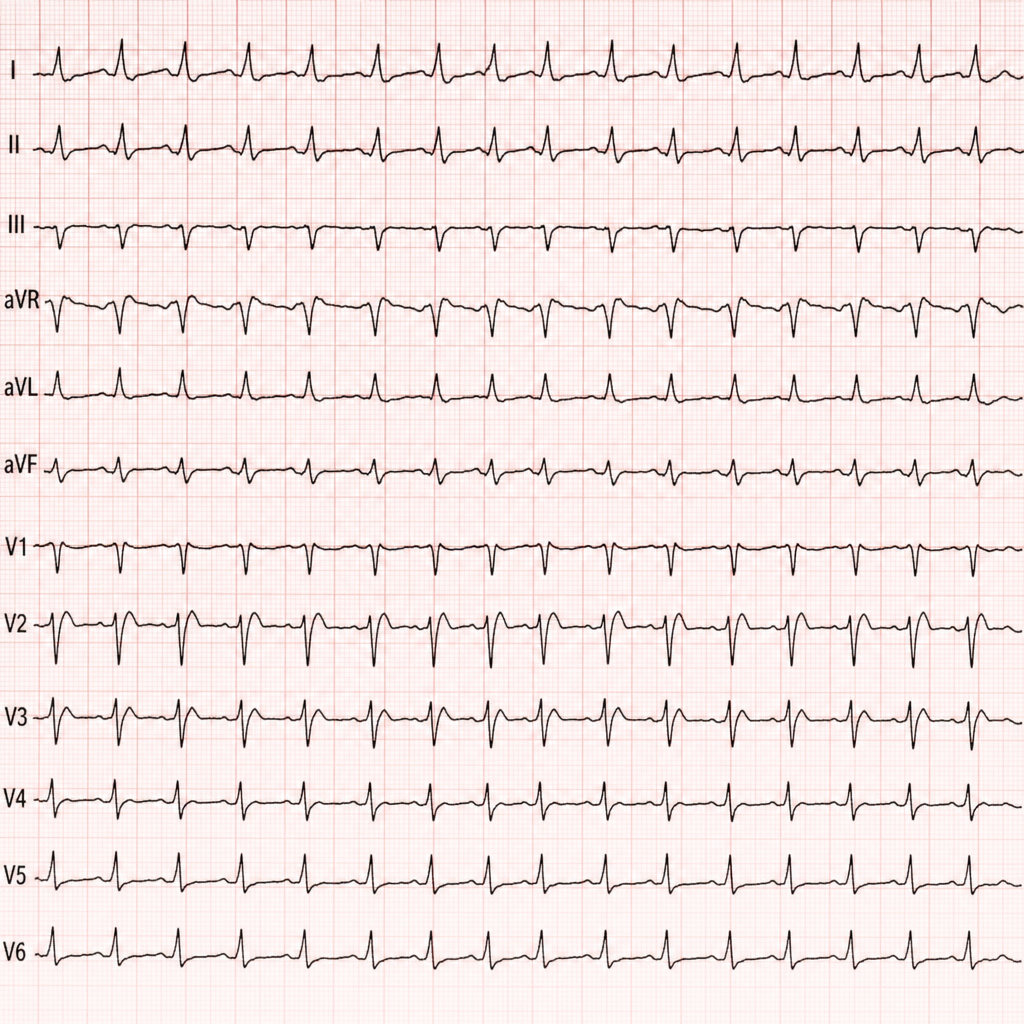
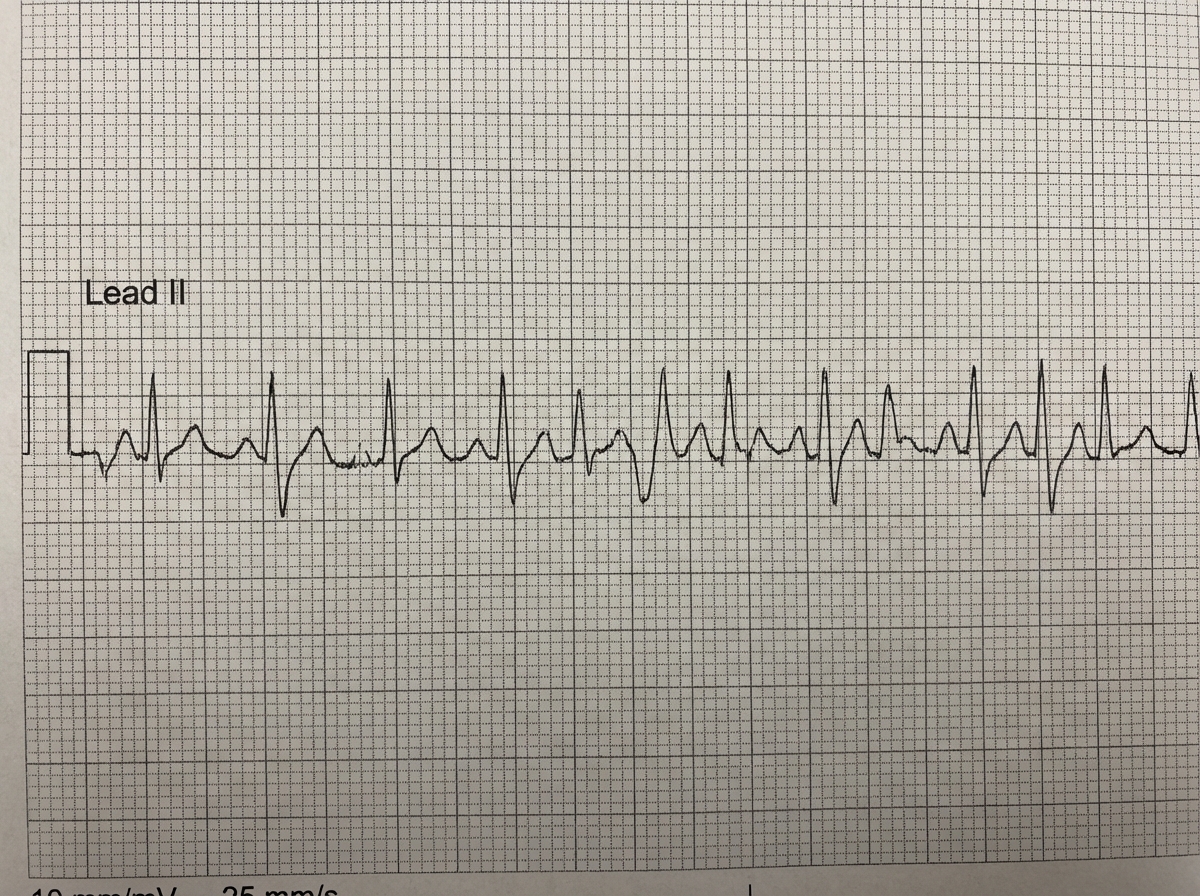
Explanation: **Explanation:** **Long QT Syndrome (LQTS)** is the most likely heritable arrhythmia among the options. It is a prototypical **channelopathy** [3] caused by mutations in genes encoding cardiac ion channels (primarily potassium and sodium) [1]. It follows distinct inheritance patterns: * **Romano-Ward Syndrome:** Autosomal dominant (most common; no deafness). * **Jervell and Lange-Nielsen Syndrome:** Autosomal recessive (associated with sensorineural deafness). These mutations lead to delayed ventricular repolarization, predisposing patients to *Torsades de Pointes* and sudden cardiac death [1], [2]. **Analysis of Incorrect Options:** * **Short QT Syndrome:** While also a heritable channelopathy, it is **extremely rare** compared to the prevalence of Long QT Syndrome. In the context of NEET-PG, LQTS is the classic representative of inherited arrhythmias. * **Ventricular Ectopy:** Most commonly caused by acquired factors such as electrolyte imbalances (hypokalemia), myocardial ischemia, caffeine, or stress. It is rarely a primary genetic condition. * **WPW Syndrome:** While familial clusters exist (associated with PRKAG2 mutations), the vast majority of cases are **sporadic** and occur due to the persistence of an embryological remnant (Bundle of Kent) [4] rather than a clear Mendelian inheritance pattern. **High-Yield Clinical Pearls for NEET-PG:** * **LQTS Type 1:** Triggered by exercise/swimming (KCNQ1 mutation). * **LQTS Type 2:** Triggered by auditory stimuli/emotion (KCNH2 mutation). * **LQTS Type 3:** Occurs during sleep/rest (SCN5A mutation). * **Drug of Choice:** Beta-blockers (Propranolol/Nadolol) are the mainstay, except in LQTS3 where they are less effective. * **ECG Hallmark:** QTc >440ms in men or >460ms in women [1].
Explanation: **Explanation:** The clinical presentation of bilateral pedal edema, dyspnea on exertion, and paroxysmal nocturnal dyspnea (PND) in a patient previously treated for Acute Myeloid Leukemia (AML) strongly suggests **congestive heart failure (CHF)** [1]. The most likely cause is **Dilated Cardiomyopathy (DCM)** secondary to **Anthracycline-induced cardiotoxicity**. Anthracyclines (e.g., Doxorubicin, Daunorubicin) are the backbone of AML induction therapy. They cause dose-dependent, irreversible myocardial damage through the formation of iron-anthracycline complexes and free radicals, leading to lipid peroxidation of the cardiomyocyte membranes. This results in ventricular dilatation and impaired systolic function (reduced ejection fraction). **Why other options are incorrect:** * **Restrictive Cardiomyopathy:** Usually associated with infiltrative disorders like amyloidosis or post-radiation fibrosis. While some chemo agents cause this, anthracyclines characteristically lead to a dilated phenotype. * **Hypertrophic Cardiomyopathy:** This is typically a genetic condition (mutations in sarcomeric proteins) and is not a known complication of chemotherapy. * **Pericardial Fibrosis:** This leads to constrictive pericarditis, often seen after chest radiation or chronic inflammation, rather than as a direct result of standard AML induction chemotherapy. **High-Yield Clinical Pearls for NEET-PG:** * **Doxorubicin Toxicity:** The risk increases significantly once the cumulative dose exceeds **450–550 mg/m²**. * **Monitoring:** Baseline and periodic **Echocardiography or MUGA scans** are mandatory to monitor the Left Ventricular Ejection Fraction (LVEF) [2]. * **Prevention:** **Dexrazoxane** (an iron chelator) can be used to reduce free radical formation and protect the myocardium in high-risk patients. * **Histology:** Look for "myofibrillar loss and cytoplasmic vacuolization" on endomyocardial biopsy.
Explanation: In the context of chronic congestive heart failure (CHF), clinicians rely on specific biomarkers to assess myocardial stress, systemic inflammation, and ongoing injury. **Why "Siuin" is the correct answer:** The term **"Siuin"** is not a recognized medical biomarker or clinical indicator for heart failure. It appears to be a distractor or a typographical error in the question source. In medical examinations, identifying the "nonsense" term among established clinical markers is a key test-taking skill. **Analysis of Incorrect Options:** * **Brain Natriuretic Peptide (BNP):** This is the gold-standard biomarker for CHF [1]. It is released by the ventricles in response to increased wall tension and volume overload [1]. It has a high negative predictive value for excluding heart failure. * **CRP (C-Reactive Protein):** Chronic CHF is increasingly recognized as a pro-inflammatory state. Elevated CRP levels are common in heart failure patients and serve as an indicator of systemic inflammation and poor long-term prognosis. * **Troponin:** While primarily used for acute coronary syndromes [2], chronic low-level elevations of Troponin (especially high-sensitivity Troponin) are frequently seen in chronic CHF. This indicates ongoing subclinical cardiomyocyte necrosis or "leakage" due to wall stress and is a marker of disease severity [2]. **High-Yield Clinical Pearls for NEET-PG:** * **BNP vs. NT-proBNP:** NT-proBNP has a longer half-life and is more stable than BNP. * **The "Rule Out" Value:** BNP <100 pg/mL or NT-proBNP <300 pg/mL effectively rules out acute heart failure [1]. * **Neprilysin Inhibitors (ARNI):** Patients on Sacubitril/Valsartan will have **elevated BNP** levels (as the drug prevents its breakdown), so **NT-proBNP** must be used instead to monitor these patients.
Explanation: ### Explanation **Diagnosis: Unstable Angina (UA)** The patient presents with a change in the pattern of his chronic stable angina (increased severity and duration), which characterizes **Unstable Angina**. Since the ECG and cardiac enzymes are normal, he falls into the UA category of Acute Coronary Syndrome (ACS) [3]. **1. Why Option B is Correct:** The management of UA/NSTEMI focuses on preventing further thrombus formation and stabilizing the plaque. * **Dual Antiplatelet Therapy (DAPT):** Since the patient is already on Aspirin, adding a P2Y12 inhibitor like **Clopidogrel** is essential [2]. * **Anticoagulation:** **Low-molecular-weight heparin (LMWH)**, such as Enoxaparin, is indicated to reduce the risk of progression to myocardial infarction (MI) or death. Admission is mandatory for stabilization and risk stratification. **2. Why Other Options are Incorrect:** * **Option A:** Digoxin increases myocardial oxygen demand due to its positive inotropic effect and has no role in the acute management of ACS; it may actually worsen ischemia. * **Option C:** Thrombolytic therapy (e.g., Streptokinase, Alteplase) is **strictly contraindicated** in UA/NSTEMI [1]. It is only indicated for STEMI when primary PCI is not available within the recommended timeframe. In NSTEMI/UA, it can paradoxically increase mortality [1]. * **Option D:** "No change in medication" is inappropriate. The patient has progressed from stable to unstable disease, indicating a high risk of an impending MI. **3. NEET-PG High-Yield Pearls:** * **Definition of UA:** Angina at rest, new-onset severe angina, or increasing (crescendo) angina [3]. * **UA vs. NSTEMI:** Both may show ST-depression or T-wave inversion, but **NSTEMI has elevated cardiac biomarkers** (Troponins), whereas UA does not [3]. * **TIMI/GRACE Score:** These are used in the ER to risk-stratify UA/NSTEMI patients to decide between an early invasive vs. conservative strategy. * **Avoid Nitrates** if the patient has taken Sildenafil within 24 hours or has right ventricular infarction.
Explanation: The **Aschoff body** is the pathognomonic histological hallmark of Acute Rheumatic Fever (ARF). These are areas of focal fibrinoid necrosis surrounded by inflammatory cells (lymphocytes, plasma cells, and macrophages). A key feature within these bodies is the **Anitschkow cell** (caterpillar cell), which is a modified macrophage with a characteristic serrated chromatin pattern. **2. Analysis of Incorrect Options:** * **Option B:** While the description of Erythema marginatum (non-itchy, trunk/proximal limbs) is clinically accurate, Option A is the "most true" fundamental pathological definition [1]. However, in many standardized exams, if multiple statements are factually correct, the **pathological hallmark** is prioritized as the definitive feature of the disease entity. * **Option C:** Sydenham’s chorea is known for its **long latent period** (1–6 months) after the initial streptococcal infection [1]. It often appears when other clinical features like carditis or arthritis have already subsided, making it a "late" manifestation. * **Option D:** This is a common terminology trap. **Primary prophylaxis** refers to the treatment of the *initial* Group A Streptococcal pharyngitis to prevent the first attack of ARF. **Secondary prophylaxis** refers to the *periodic* (usually monthly) use of penicillin to prevent recurrent attacks in patients who have already had ARF [3]. **High-Yield Clinical Pearls for NEET-PG:** * **Jones Criteria (Revised 2015):** Remember the mnemonic **J♥NES** (Joints-polyarthritis, ♥-Carditis, Nodules, Erythema marginatum, Sydenham chorea) [1]. * **Most common valve involved:** Mitral valve (Mitral Regurgitation in acute phase; Mitral Stenosis in chronic phase) [2]. * **Anitschkow Cells:** Look for "caterpillar nuclei" in pathology descriptions. * **Secondary Prophylaxis Duration:** 5 years or until age 21 (whichever is longer) for ARF without carditis; 10 years or until age 40 for ARF with carditis and persistent valvular disease [3].
Explanation: **Explanation:** The **HAS-BLED** score is the standard clinical tool used to estimate the **1-year risk of major bleeding** in patients with atrial fibrillation (AF) who are starting or are currently on anticoagulant therapy. A score of ≥3 indicates a "high risk" of bleeding, necessitating caution and regular clinical review rather than necessarily withholding anticoagulation. **Breakdown of Options:** * **HAS-BLED (Correct):** This acronym stands for **H**ypertension, **A**bnormal renal/liver function, **S**troke, **B**leeding history/predisposition, **L**abile INR, **E**lderly (>65 years), and **D**rugs/Alcohol. It specifically predicts bleeding risk. * **CHA2DS2-VASc:** This is used to estimate the **thromboembolic (stroke) risk** in patients with non-valvular AF [1]. It determines whether a patient *needs* anticoagulation, whereas HAS-BLED assesses the *safety* of that treatment. * **HEA:** This is not a standard scoring system for anticoagulation or bleeding risk in cardiology. * **NIHSS (National Institutes of Health Stroke Scale):** This is a tool used by healthcare providers to objectively quantify the **impairment caused by a stroke** (severity) in the acute setting. **High-Yield Clinical Pearls for NEET-PG:** * **Anticoagulation Threshold:** In AF, anticoagulation is generally recommended if the CHA2DS2-VASc score is **≥2 in men** or **≥3 in women** [1]. * **Modifiable Risk Factors:** The primary utility of HAS-BLED is to identify and correct modifiable bleeding risk factors (e.g., uncontrolled hypertension or NSAID use). * **Major Bleed Definition:** In these scores, a major bleed usually refers to intracranial hemorrhage, bleeding requiring hospitalization, or a hemoglobin drop >2 g/dL.
Explanation: ### Explanation The **Jones Criteria** are used to diagnose the first episode of **Acute Rheumatic Fever (ARF)**, a non-suppurative sequela of Group A *Streptococcus* (GAS) pharyngitis. The diagnosis requires evidence of a preceding GAS infection plus either two major criteria or one major and two minor criteria [1]. **Why Erythema Multiforme is the Correct Answer:** **Erythema multiforme** is a hypersensitivity reaction often triggered by infections (like Herpes Simplex) or medications; it is **not** associated with ARF. The major cutaneous manifestation of ARF is **Erythema marginatum**, which presents as evanescent, non-pruritic, pink rings with central clearing, primarily on the trunk. **Analysis of Incorrect Options (Major Criteria):** * **Carditis (A):** The most serious manifestation, often presenting as pancarditis (valvulitis, myocarditis, and pericarditis) [1]. * **Arthritis (B):** Specifically **Migratory Polyarthritis**, typically involving large joints (knees, ankles, elbows, wrists). * **Erythema marginatum (C):** A classic major dermatological criterion (as described above). **High-Yield Clinical Pearls for NEET-PG:** * **Mnemonic for Major Criteria (JONES):** **J**oints (Migratory Polyarthritis), **O** (Carditis - shaped like a heart), **N**odules (Subcutaneous), **E**rythema marginatum, **S**ydenham chorea. * **Minor Criteria:** Fever, Arthralgia, prolonged PR interval on ECG, and elevated inflammatory markers (ESR/CRP). * **Subcutaneous Nodules:** These are firm, painless, and typically found over bony prominences or tendons. * **Sydenham Chorea:** Also known as "St. Vitus' Dance," it may be the sole manifestation of ARF and has a long latent period [1]. * **Essential Requirement:** Evidence of preceding GAS infection (Positive throat culture, Rapid Antigen Test, or elevated ASO titer) is mandatory for diagnosis [1].
Explanation: **Explanation:** The correct answer is **Viral myocarditis with heart failure**. **1. Why Viral Myocarditis is the Correct Answer:** In viral myocarditis, the myocardium is acutely inflamed and highly irritable. Digoxin works by inhibiting the Na+/K+ ATPase pump, which increases intracellular calcium. In an already inflamed heart, this excess calcium significantly lowers the threshold for arrhythmias. Patients with myocarditis are hypersensitive to the toxic effects of Digoxin, even at therapeutic doses, leading to a high risk of fatal ventricular arrhythmias. Therefore, it is generally avoided in the acute phase of myocarditis. **2. Analysis of Incorrect Options:** * **Atrial Fibrillation (AF) with Heart Failure:** This is a classic **indication** for Digoxin. It provides rate control by increasing vagal tone and slowing conduction through the AV node, while its positive inotropic effect helps manage heart failure. * **Small VSD/ASD with Heart Failure:** While the definitive treatment for symptomatic shunts is surgical or device closure, Digoxin can be used as part of medical management to control symptoms of congestive heart failure by improving myocardial contractility. It is not contraindicated. **3. Clinical Pearls for NEET-PG:** * **Absolute Contraindications:** Hypertrophic Obstructive Cardiomyopathy (HOCM) – as it increases outflow obstruction; Wolff-Parkinson-White (WPW) syndrome with AF – as it may shorten the refractory period of the accessory pathway; and Ventricular Tachycardia. * **Electrolyte Sensitivity:** Hypokalemia, hypomagnesemia, and hypercalcemia predispose to Digoxin toxicity. * **ECG Finding:** The most common ECG finding in toxicity is **Ventricular Bigeminy**, while the most characteristic/specific is **Atrial Tachycardia with AV block**. * **Reverse Tick Sign:** This refers to ST-segment depression (sagging) seen in patients on therapeutic doses, not necessarily toxicity.
Coronary Artery Disease and Angina
Practice Questions
Acute Coronary Syndromes
Practice Questions
Heart Failure
Practice Questions
Cardiac Arrhythmias
Practice Questions
Valvular Heart Diseases
Practice Questions
Cardiomyopathies
Practice Questions
Pericardial Diseases
Practice Questions
Congenital Heart Disease in Adults
Practice Questions
Hypertension and Hypertensive Emergencies
Practice Questions
Pulmonary Hypertension
Practice Questions
Non-invasive Cardiac Diagnostics
Practice Questions
Preventive Cardiology
Practice Questions
Get full access to all questions, explanations, and performance tracking.
Start For Free