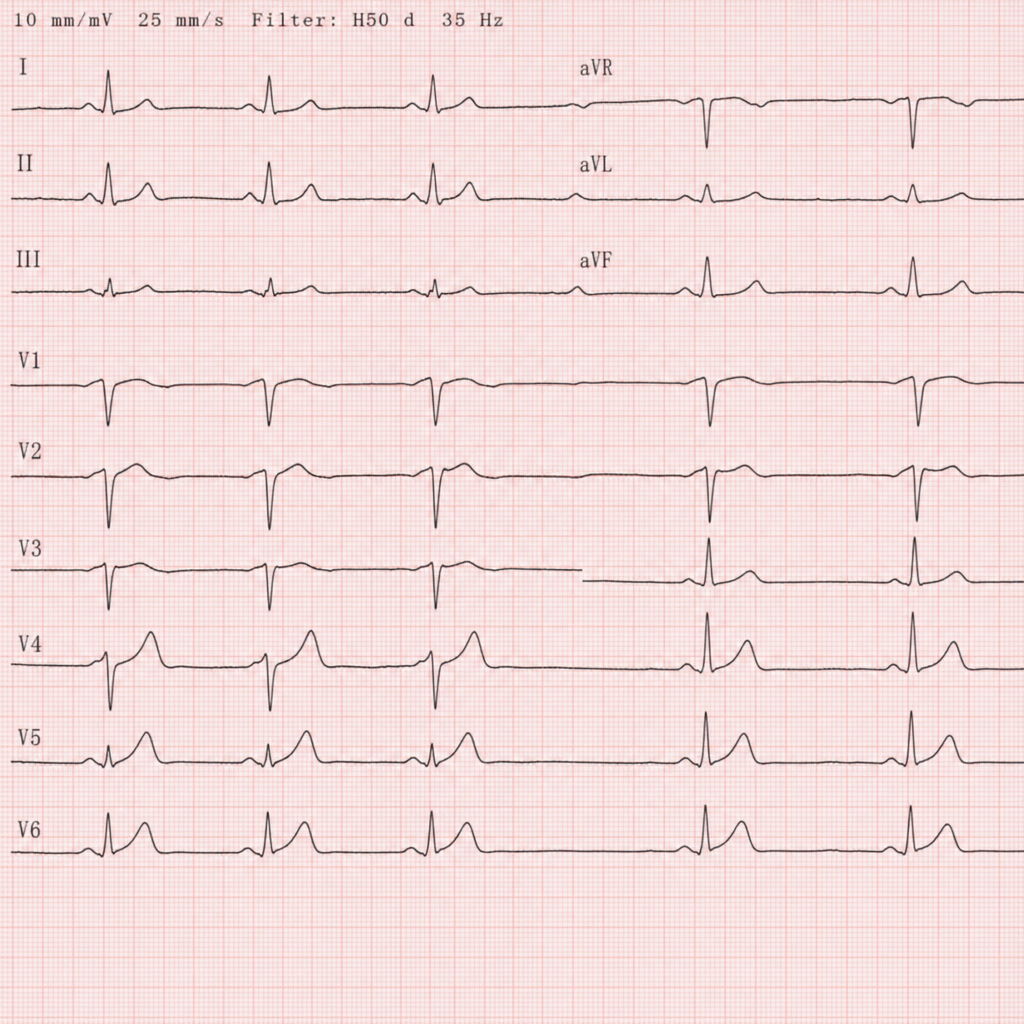
A patient presents with acute rheumatic carditis with fever. The true statement is:
MC valve involved in Rheumatic fever -
What is the most common cause of death in acute rheumatic fever?
For Rx of ventricular fibrillation in an adult, DC shock of what joules should be started with?
Which of the following is a high pitched sound:
A 42-year-old woman is admitted to the emergency department after a fall from the balcony of her apartment. During physical examination there is an absence of heart sounds, reduced systolic pressure, reduced cardiac output, and engorged jugular veins. Which condition is most likely characterized by these signs?
A patient developed breathlessness and chest pain, on second postoperative after a total hip replacement. Echo-cardiography showed right ventricular dilatation and tricuspid regurgitation. What is the most likely diagnosis.
Which of the following is a major criterion of Rheumatic fever according to Jones criteria? a) Chorea b) Erythema nodosum c) Arthritis d) Fever e) Carditis
A previously healthy patient presents with dyspnea and low grade fever since 4 months. His lungs are clear. JVP is normal. ECG showed low voltage complexes. What is the possible diagnosis?
In septum primum type of ASD overburden occurs in which chamber?
Explanation: ***Signs of inflammation and necrosis*** - Acute rheumatic carditis involves a systemic inflammatory response, leading to **inflammation of the heart muscle (myocarditis)**, which can involve cellular necrosis. [1] - The inflammatory process in rheumatic carditis is mediated by an autoimmune response to streptococcal antigens, causing damage to cardiac tissues. [1] *Reduced myocardial contractility* - While severe inflammation and damage in rheumatic carditis can ultimately lead to **reduced myocardial contractility**, this is a consequence rather than the primary, true underlying pathological process described. - The initial and primary pathological finding during acute rheumatic carditis is the **inflammation and formation of Aschoff bodies**, not necessarily immediate and direct, macroscopic reduction in contractility. [1] *Increase in troponin T* - An increase in **troponin T** indicates myocardial damage, which can occur in severe cases of acute rheumatic carditis due to extensive inflammation and myocardial cell necrosis. - However, **troponin elevation** is a biomarker of injury, not a direct pathological description of the tissue changes themselves, and may not be present in all forms or stages of acute rheumatic carditis where inflammation is the predominant feature. *Valve replacement will ameliorate C.C.F.* - **Valve replacement** addresses severe valvular damage that often develops as a **long-term complication of rheumatic fever (chronic rheumatic heart disease)**, which can lead to congestive cardiac failure (CCF). - During the acute phase of **rheumatic carditis**, the primary issue is inflammation of all layers of the heart (pericarditis, myocarditis, endocarditis), and valve replacement is not the immediate treatment for acute CCF resulting from acute myocarditis. [1]
Explanation: ***Mitral*** - The **mitral valve** is the most frequently affected valve in **rheumatic heart disease**, often leading to **mitral regurgitation** or **mitral stenosis** [1]. - Its susceptibility is attributed to high-pressure stress and inflammation during the acute rheumatic fever phase. *Tricuspid* - The **tricuspid valve** is rarely involved in rheumatic fever; when it is, it typically occurs in conjunction with severe mitral and/or aortic valve disease. - Isolated tricuspid valve disease due to rheumatic fever is exceptionally uncommon. *Aortic* - The **aortic valve** is the second most commonly affected valve in rheumatic heart disease, often leading to **aortic stenosis** or **aortic regurgitation** [1]. - While significant, its involvement is less frequent than that of the mitral valve. *Pulmonary* - The **pulmonary valve** is almost never affected by rheumatic fever, even in cases of severe pancarditis. - Its low-pressure environment and anatomical position likely contribute to its protection from inflammatory damage.
Explanation: ***Myocarditis*** - **Myocarditis**, or inflammation of the heart muscle, is the most serious manifestation of **acute rheumatic fever** and the most common cause of death. - Severe myocarditis can lead to **heart failure**, arrhythmias, and cardiogenic shock, which are often fatal during the acute phase [1]. *Streptococcal sepsis* - While acute rheumatic fever is triggered by a **Group A Streptococcus (GAS)** infection, death is typically due to the autoimmune response attacking the heart, not direct overwhelming sepsis [1]. - **Sepsis** would be a more direct consequence of an uncontrolled bacterial infection, whereas rheumatic fever is a post-infectious sequela. *Pericarditis* - **Pericarditis**, or inflammation of the sac surrounding the heart, can occur in acute rheumatic fever [1]. - While it can cause chest pain and effusions, isolated pericarditis is rarely fatal compared to the direct impact of myocardial damage. *Endocarditis* - **Endocarditis** in acute rheumatic fever refers to inflammation of the heart valves, resulting in damage that can lead to chronic rheumatic heart disease. - While severe valvular damage can occur, death during the **acute phase** is more commonly due to the global dysfunction of the heart muscle (**myocarditis**) rather than the immediate effects of valvular inflammation [1].
Explanation: 200J - For monophasic defibrillators, the initial dose for ventricular fibrillation (VF) in an adult is generally 200 joules [1]. - This dosage aims to deliver a sufficient electrical shock to depolarize the entire myocardium and terminate the arrhythmia so that the heart’s natural pacemaker can resume normal rhythm [2]. 250J - This is not the standard initial energy dose recommended for the first shock in adult ventricular fibrillation with a monophasic defibrillator. - While higher energy levels may be used for subsequent shocks if the initial lower dose is ineffective, 250J is not the typical starting point. 360J - A 360J shock is typically the maximum dose used with a monophasic defibrillator and is often reserved for subsequent shocks if initial lower energy shocks fail to convert ventricular fibrillation. - Starting with the maximum dose is not recommended due to increased risk of myocardial damage and post-shock arrhythmias. 300J - This energy level is not the standard initial dose for the first shock in adult ventricular fibrillation using a monophasic defibrillator. - While higher than 200J, it's not the recommended starting point and would typically be considered for subsequent shocks in some protocols, especially if 200J fails.
Explanation: ***Opening Snap*** - An opening snap is a **high-pitched** heart sound heard in early diastole, often associated with **mitral stenosis** [1]. - It occurs due to the abrupt opening of a **stenosed mitral valve** and is best heard with the diaphragm of the stethoscope [1]. *4th heart sound* - The fourth heart sound (**S4**) is a **low-frequency** sound, sometimes called an "atrial gallop." - It is best heard with the **bell** of the stethoscope and occurs due to atrial contraction into a stiff ventricle. *Tumour plop* - A tumour plop is a **low-pitched** sound, typically associated with an atrial myxoma. - It results from the tumor prolapsing into the ventricle during **diastole**, *1st heart sound* - The first heart sound (**S1**) is caused by the closure of the **mitral and tricuspid valves** at the beginning of systole. - While audible, it is generally considered a **mid-frequency** sound, not typically as high-pitched as an opening snap.
Explanation: PHRhc2sgZGVzY3JpcHRpb24+CgoqKipDYXJkaWFjIHRhbXBvbmFkZSoqKgogIC0gVGhlIGNvbWJpbmF0aW9uIG9mICoqYWJzZW50IGhlYXJ0IHNvdW5kcyoqLCAqKnJlZHVjZWQgc3lzdG9saWMgcHJlc3N1cmUqKiwgKipyZWR1Y2VkIGNhcmRpYWMgb3V0cHV0KiosIGFuZCAqKmVuZ29yZ2VkIGp1Z3VsYXIgdmVpbnMqKiBjb25zdGl0dXRlcyAqKkJlY2sncyB0cmlhZCoqLCB3aGljaCBpcyBwYXRob2dub21vbmljIGZvciBjYXJkaWFjIHRhbXBvbmFkZS4KICAtIFRoaXMgY29uZGl0aW9uIGludm9sdmVzIHRoZSBhY2N1bXVsYXRpb24gb2YgZmx1aWQgaW4gdGhlICoqcGVyaWNhcmRpYWwgc2FjKiogWzFdLCBjb21wcmVzc2luZyB0aGUgaGVhcnQgYW5kIHNldmVyZWx5IGltcGFpcmluZyBpdHMgYWJpbGl0eSB0byBmaWxsIGFuZCBwdW1wIGJsb29kIFszXS4KCipIZW1vdGhvcmF4KgogIC0gUmVmZXJzIHRvIGJsb29kIGFjY3VtdWxhdGlvbiBpbiB0aGUgKipwbGV1cmFsIHNwYWNlKiosIHdoaWNoIHdvdWxkIGxlYWQgdG8gZGltaW5pc2hlZCBvciBhYnNlbnQgYnJlYXRoIHNvdW5kcyBvbiB0aGUgYWZmZWN0ZWQgc2lkZSwgbm90IHByaW1hcmlseSBhYnNlbnQgaGVhcnQgc291bmRzLgogIC0gV2hpbGUgaXQgY2FuIGNhdXNlICoqcmVkdWNlZCBjYXJkaWFjIG91dHB1dCoqIGR1ZSB0byBoeXBvdm9sZW1pYSwgaXQgdHlwaWNhbGx5IGRvZXMgbm90IHByZXNlbnQgd2l0aCAqKmVuZ29yZ2VkIGp1Z3VsYXIgdmVpbnMqKiBhcyBhIHByaW1hcnkgZmluZGluZyBpbiB0aGUgYWJzZW5jZSBvZiBtYXNzaXZlIGJsZWVkaW5nIHdpdGggdmVub3VzIGNvbmdlc3Rpb24gb3Igb3RoZXIgY29tcGxpY2F0aW9ucy4KCipQbmV1bW90aG9yYXgqCiAgLSBJbnZvbHZlcyBhaXIgYWNjdW11bGF0aW9uIGluIHRoZSAqKnBsZXVyYWwgc3BhY2UqKiwgbGVhZGluZyB0byBhYnNlbnQgYnJlYXRoIHNvdW5kcyBhbmQgaHlwZXItcmVzb25hbmNlIG9uIHRoZSBhZmZlY3RlZCBzaWRlLCBhbmQgcG90ZW50aWFsbHkgKip0cmFjaGVhbCBkZXZpYXRpb24qKiBpbiB0ZW5zaW9uIHBuZXVtb3Rob3JheC4KICAtIFdoaWxlIGEgKip0ZW5zaW9uIHBuZXVtb3Rob3JheCoqIGNhbiBjYXVzZSAqKnJlZHVjZWQgY2FyZGlhYyBvdXRwdXQqKiBhbmQgKiplbmdvcmdlZCBqdWd1bGFyIHZlaW5zKiogZHVlIHRvIG1lZGlhc3RpbmFsIHNoaWZ0IGFuZCBpbXBhaXJlZCB2ZW5vdXMgcmV0dXJuLCBpdCB3b3VsZCBub3QgdHlwaWNhbGx5IHJlc3VsdCBpbiAqKmFic2VudCBoZWFydCBzb3VuZHMqKi4KCipIZW1vcG5ldW1vdGhvcmF4KgogIC0gVGhpcyBjb25kaXRpb24gaW52b2x2ZXMgYm90aCAqKmJsb29kIGFuZCBhaXIgaW4gdGhlIHBsZXVyYWwgc3BhY2UqKiwgY29tYmluaW5nIGZlYXR1cmVzIG9mIGJvdGggaGVtb3Rob3JheCBhbmQgcG5ldW1vdGhvcmF4LgogIC0gTGlrZSB0aGUgb3RoZXIgcGxldXJhbCBzcGFjZSBpc3N1ZXMsIGl0IHdvdWxkIGNhdXNlIGFic2VudCBicmVhdGggc291bmRzIGFuZCBwb3RlbnRpYWxseSBzaWducyBvZiByZXNwaXJhdG9yeSBkaXN0cmVzcyBhbmQgaHlwb3ZvbGVtaWMgc2hvY2ssIGJ1dCAqKmFic2VudCBoZWFydCBzb3VuZHMqKiBhcmUgbm90IGEgcHJpbWFyeSBkaWFnbm9zdGljIGZlYXR1cmUuCgo8L3Rhc2sgZGVzY3JpcHRpb24+
Explanation: ***Pulmonary embolism*** - The combination of **postoperative status** (especially after hip replacement), sudden **breathlessness**, **chest pain**, and **right ventricular dilatation** with **tricuspid regurgitation** on echocardiography is highly indicative of acute pulmonary embolism [1]. - **Right ventricular strain** and dilatation occur due to increased pulmonary vascular resistance caused by the embolus, leading to right heart failure and subsequent tricuspid regurgitation [1]. *Acute MI* - While MI can cause chest pain and breathlessness, the echocardiographic findings of **isolated right ventricular dilatation** and **tricuspid regurgitation** are not typical [2]. - MI typically affects the left ventricle, and right ventricular involvement is usually associated with inferior MI [2]. *Hypotensive shock* - Hypotensive shock is a state of organ hypoperfusion and can be a consequence of many conditions, including pulmonary embolism, but it is not the diagnosis itself. - It would not specifically explain the **right ventricular dilatation** or isolated tricuspid regurgitation on echocardiography as the primary cause. *Cardiac tamponade* - Cardiac tamponade involves the accumulation of fluid in the pericardial sac, compressing the heart and impairing ventricular filling [3]. - Echocardiography in tamponade typically shows **pericardial effusion**, diastolic collapse of the right atrium and ventricle, and not primarily isolated right ventricular dilatation with tricuspid regurgitation [3].
Explanation: ***Carditis*** - **Carditis** is one of the major manifestations of rheumatic fever [1], indicating inflammation of the heart muscle, valves, or pericardium. - It is a serious complication and can lead to **rheumatic heart disease**. *Erythema nodosum* - **Erythema nodosum** is a non-specific inflammatory condition of the subcutaneous fat and is not a major or minor criterion for rheumatic fever. - It is often associated with other systemic diseases or medications. *Fever* - **Fever** is considered a minor manifestation in the Jones criteria for rheumatic fever [1]. - While common, it is less specific than major criteria like carditis or chorea [1]. *Erythema marginatum* - **Erythema marginatum** is a characteristic rash seen in rheumatic fever and is a major criterion [1]. - It is a distinctive fleeting, non-pruritic rash with red margins and a clear center. *Prolonged PR interval* - A **prolonged PR interval** on an ECG is a minor criterion for rheumatic fever, indicating first-degree AV block. - It reflects cardiac involvement but is not as severe or specific an indicator as overt carditis [1].
Explanation: ***Tuberculous pericardial effusion*** - **Dyspnea** and a **low-grade fever** persisting for several months are suggestive of **tuberculosis** [1]. - **Low voltage complexes on ECG** are characteristic of a **pericardial effusion**, where fluid dampens electrical activity [1]. *Rheumatic mitral stenosis* - While it can cause **dyspnea**, the absence of **JVP elevation** and **clear lungs** make significant heart failure less likely [2]. - ECG in mitral stenosis would typically show **left atrial enlargement** and potentially **atrial fibrillation**, not widespread low voltage. *Hypertrophic cardiomyopathy* - This condition presents with **dyspnea** and can cause **abnormal ECG findings** (e.g., left ventricular hypertrophy, Q waves), but not typically **low voltage complexes**. - **Clear lungs** and normal JVP are inconsistent with severe heart failure from the condition [3]. *Syphilitic aortic aneurysm* - This condition affects the **aorta** and can lead to **aortic regurgitation** or **aortic dissection**, but usually presents differently. - While it can cause **dyspnea** due to heart failure or mass effect, it does not typically cause **low voltage complexes on ECG** or **low-grade fever** for months as the primary presentation.
Explanation: ***RA + RV*** - In a **septum primum ASD**, blood shunts from the left atrium to the right atrium due to higher left-sided pressures [3]. - This increased volume then flows into the **right ventricle**, causing **volume overload** in both the right atrium and right ventricle [1], [3]. *LA* - The left atrium experiences **decreased pressure** and **volume** as blood shunts out, not overload. - The primary burden is on the right side of the heart, not the left atrium. *LA + LV* - The left atrium and left ventricle do not experience **volume overload** in a typical ASD; instead, they may have reduced filling [2]. - The shunt primarily offloads the left side and creates overload on the right side [3]. *RA + LA* - While the **right atrium** is volume overloaded, the **left atrium** is not; it is actually under-filled. - The combination of right atrial overload and left atrial normal or slightly reduced volume does not accurately describe the overall burden.
Coronary Artery Disease and Angina
Practice Questions
Acute Coronary Syndromes
Practice Questions
Heart Failure
Practice Questions
Cardiac Arrhythmias
Practice Questions
Valvular Heart Diseases
Practice Questions
Cardiomyopathies
Practice Questions
Pericardial Diseases
Practice Questions
Congenital Heart Disease in Adults
Practice Questions
Hypertension and Hypertensive Emergencies
Practice Questions
Pulmonary Hypertension
Practice Questions
Non-invasive Cardiac Diagnostics
Practice Questions
Preventive Cardiology
Practice Questions
Get full access to all questions, explanations, and performance tracking.
Start For Free