Antibiotic prophylaxis for infective endocarditis is indicated in which of the following conditions?
A patient with hypertension is taking anti-hypertensive drugs but BP is not controlled even after adding diuretics in treatment. Patient's serum electrolyte shows hypokalemia. What is the next step in treatment of this patient?
A patient with known rheumatic heart disease is now found to have a 1–2 cm aneurysm on imaging. What is the most appropriate next step in management?
A 39-year-old male with symptoms of stress and work-life imbalance is diagnosed with Stage 2 hypertension (blood pressure 150/95 mmHg on three separate occasions) and impaired fasting glucose (120 mg/dL). What is the most appropriate pharmacological management?
A female patient complains of chest pain while waking up in the morning. Pain is more in winter months. Which of the following best describes this patient?
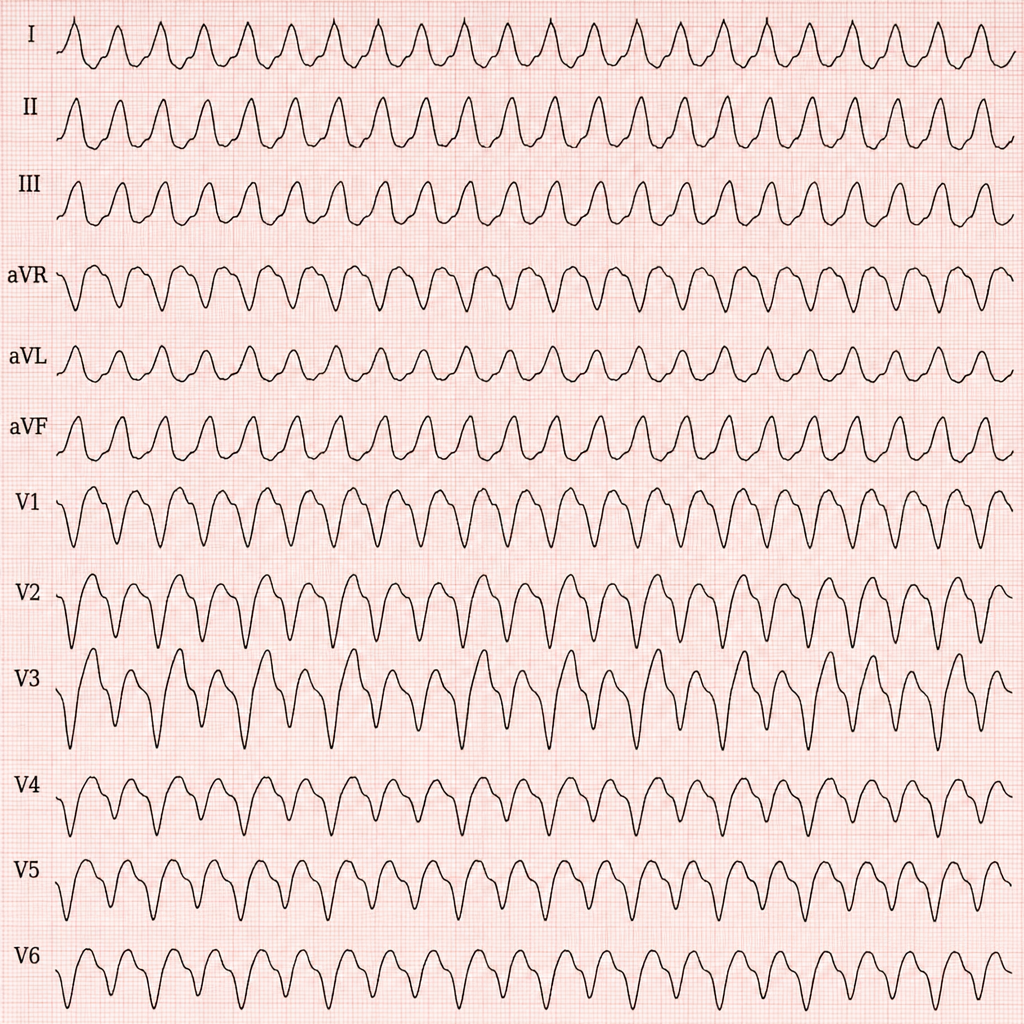
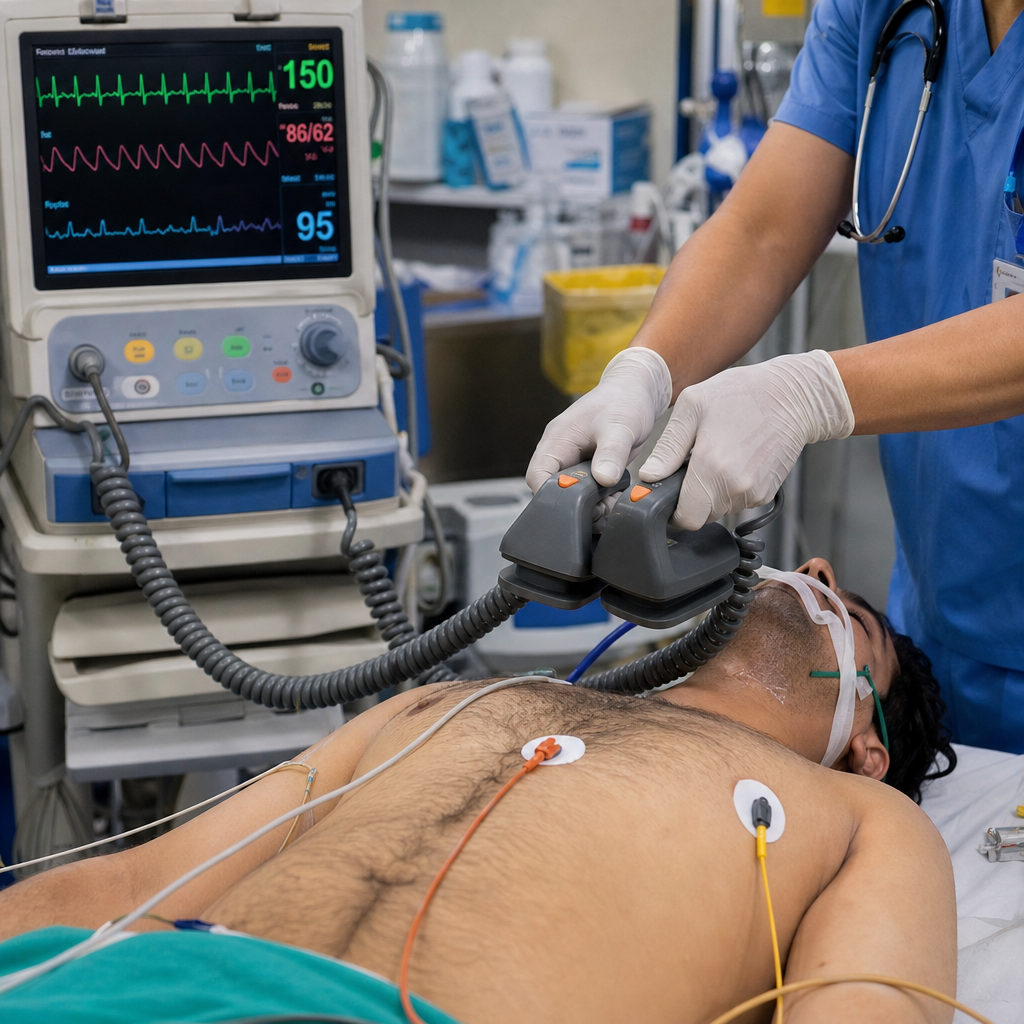
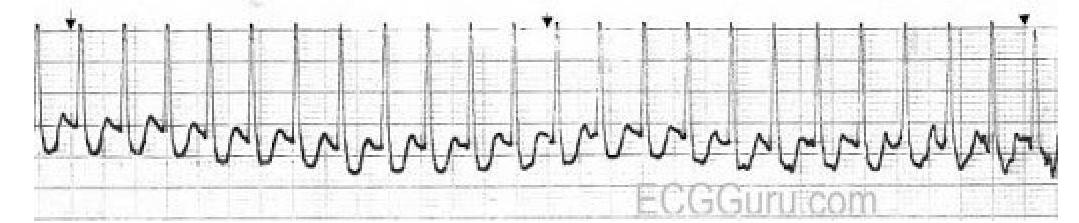
A patient after MI develops a broad QRS complex tachycardia. His BP is 120/85 mm Hg. ECG is given below. Best management?
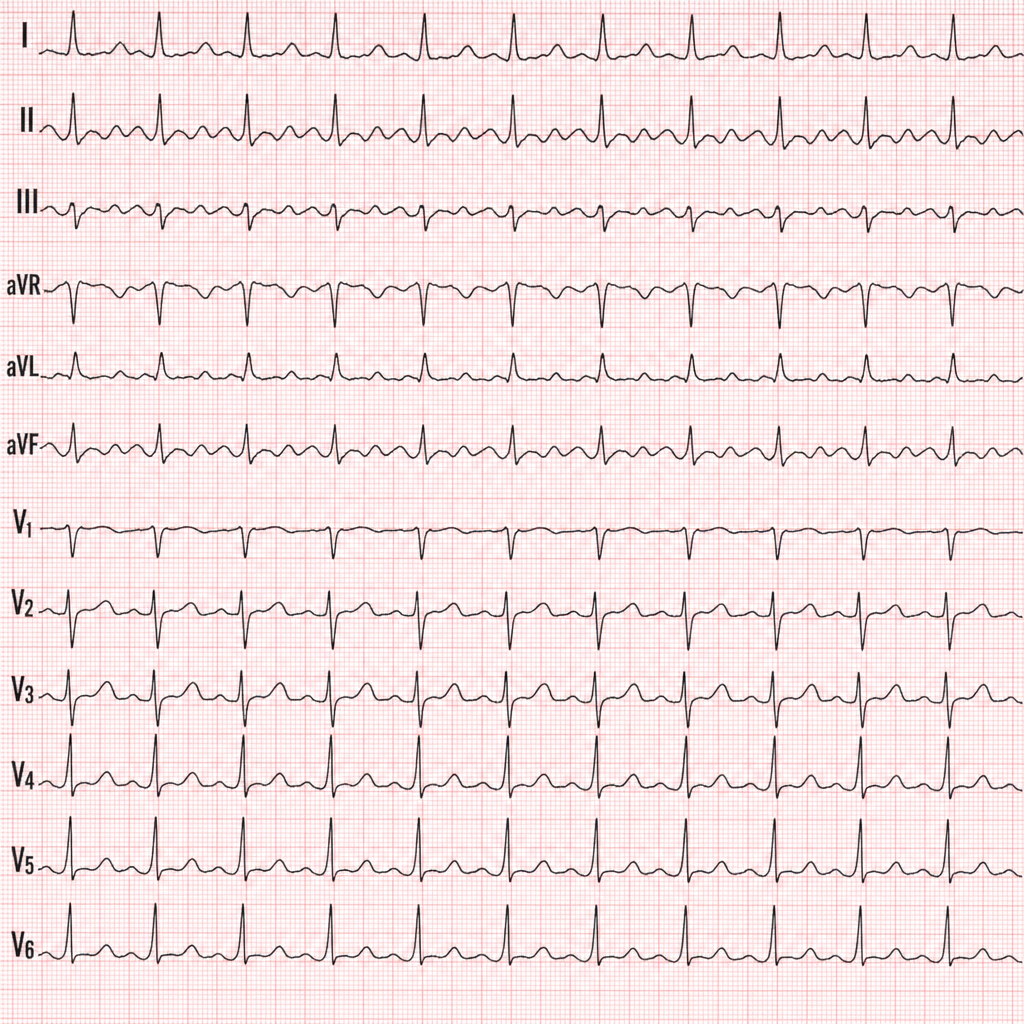
A patient presents to the ER with central chest pain. He has a past medical history of heart disease. ECG is shown below. What is the diagnosis?
A patient with a history of rheumatic fever presents with a loud S1 and a low-pitched mid-diastolic murmur at the apex (best heard with the patient in the left lateral position). What is the most likely diagnosis?
A 25-year-old female with a previous history of rheumatic fever. Examination shows a loud S1 and mid-diastolic murmur. Which of the following valvular heart diseases does she have?
Explanation: **Explanation:** The current guidelines (AHA/ACC and ESC) have significantly narrowed the indications for antibiotic prophylaxis to prevent Infective Endocarditis (IE) [1]. Prophylaxis is now reserved only for patients with the **highest risk** of adverse outcomes from IE undergoing high-risk dental procedures. **Why Coarctation of the Aorta is Correct:** **Coarctation of the aorta** is classified under **Cyanotic Congenital Heart Disease (CHD)** or complex CHD categories that require prophylaxis if they involve prosthetic material or remain unrepaired [1]. In the context of NEET-PG, high-risk categories include: 1. Prosthetic heart valves (including TAVI). 2. Prior history of Infective Endocarditis. 3. Unrepaired cyanotic CHD (including palliative shunts/conduits). 4. Repaired CHD with prosthetic material (first 6 months post-op). 5. Cardiac transplant recipients with valve regurgitation. **Why Incorrect Options are Wrong:** * **A. Isolated Secundum ASD:** This is a low-pressure shunt with minimal turbulence. It does not require prophylaxis. * **B. Mitral Valve Prolapse (MVP) without regurgitation:** Even MVP with regurgitation [3] is no longer recommended for prophylaxis under current guidelines, as the risk of IE is low compared to the risk of antibiotic side effects [1][2]. * **C. Prior CABG:** Coronary artery bypass grafts do not involve the endocardial surface or heart valves directly in a way that increases IE risk; therefore, prophylaxis is not indicated. **High-Yield Clinical Pearls for NEET-PG:** * **Prophylaxis is ONLY recommended for dental procedures** involving manipulation of gingival tissue or the periapical region of teeth [2]. * **NOT recommended** for routine GI or GU procedures (e.g., endoscopy, colonoscopy) unless an active infection is being treated. * **Drug of Choice:** Oral **Amoxicillin (2g)** 30–60 minutes before the procedure. If allergic to penicillin, use **Clindamycin (600mg)** or Azithromycin/Clarithromycin (500mg).
Explanation: ### Explanation The current guidelines for **Infective Endocarditis (IE) prophylaxis** (AHA/ESC) have become significantly more restrictive, focusing only on patients with the highest risk of adverse outcomes from IE. [1] **Why Coarctation of the Aorta is Correct:** Under the updated guidelines, antibiotic prophylaxis is indicated for **Cyanotic Congenital Heart Disease (CHD)** that has not been repaired, or for 6 months following a repair using prosthetic material. However, **Coarctation of the Aorta** is a high-turbulence lesion. While some modern guidelines have downgraded it, in the context of NEET-PG and standard medical examinations, it remains categorized under "High-risk" or "Complex Congenital Heart Disease" requiring prophylaxis, especially if associated with a bicuspid aortic valve or prosthetic repair. **Analysis of Incorrect Options:** * **A. Isolated Secundum ASD:** This is a low-pressure, low-turbulence lesion. The endothelial damage required for vegetation formation is minimal; hence, prophylaxis is **not** recommended. * **B. Mitral Valve Prolapse (MVP) without regurgitation:** MVP, even with regurgitation, is no longer an indication for prophylaxis. The risk of IE in MVP is low compared to the risks of antibiotic resistance and anaphylaxis. [1] * **C. Prior CABG:** Coronary artery bypass grafts are vascular procedures involving vessels, not the endocardium or heart valves. They do not increase the risk of IE. **High-Yield Clinical Pearls for NEET-PG:** * **Indications for IE Prophylaxis:** 1. Prosthetic heart valves (including TAVI). [1] 2. Prosthetic material used for cardiac valve repair (annuloplasty rings/cords). 3. Previous history of Infective Endocarditis. 4. Unrepaired cyanotic CHD or repaired CHD with residual shunts/valvular regurgitation at the site of a prosthetic patch. * **Procedure of Choice:** Prophylaxis is only recommended for **dental procedures** involving manipulation of gingival tissue or the periapical region of teeth. [1] * **Drug of Choice:** **Amoxicillin** (2g orally 30–60 mins before the procedure). If allergic to Penicillin, use **Clindamycin** (600mg) or Azithromycin/Clarithromycin (500mg).
Explanation: ***Spironolactone*** - The combination of **resistant hypertension** (uncontrolled BP despite standard therapy including a diuretic) and **hypokalemia** strongly suggests **Primary Aldosteronism**. - **Spironolactone** is an **aldosterone antagonist** (potassium-sparing diuretic) and is the drug of choice for treating hypertension secondary to hyperaldosteronism, as it corrects both the hypokalemia and the high blood pressure [1]. *KCL* - **Potassium chloride** (KCL) would correct the hypokalemia temporarily, but it does not address the underlying cause (aldosterone excess) or control the **resistant hypertension** [1]. - Supplementation alone is insufficient when the source of hypokalemia is excessive renal potassium loss driven by high aldosterone levels. *Torasemide* - **Torasemide** is a **loop diuretic**; adding it to the regimen will significantly increase potassium excretion, thereby **worsening the existing hypokalemia**. - Loop diuretics are potent potassium-wasting agents and are contraindicated when the suspicion is high for Primary Aldosteronism presenting with hypokalemia. *Hydrochlorothiazide* - **Hydrochlorothiazide** (HCTZ) is a **thiazide diuretic** (also a potassium-wasting drug). - Similar to Torasemide, adding HCTZ would exacerbate the **hypokalemia** and is not the appropriate therapy for hypertension suspected to be caused by mineralocorticoid excess.
Explanation: ***IV antibiotics*** - In a patient with **rheumatic heart disease (RHD)**, the finding of an aneurysm on imaging should raise strong suspicion for a **mycotic aneurysm**, especially given the increased risk of **infective endocarditis (IE)** in RHD patients [1]. - **Mycotic aneurysms** are infected arterial wall dilations that occur as a complication of IE, resulting from septic emboli or direct bacterial invasion of the vessel wall [2]. - **First-line management** consists of **prolonged IV antibiotics** (4-6 weeks) targeting the causative organism, along with close monitoring for aneurysm expansion or rupture. - Blood cultures, echocardiography, and infectious disease consultation are essential components of the workup [1]. *Aspirin lifelong* - While **aspirin** is important for long-term secondary prevention in RHD patients to reduce thromboembolic risk, it is **not the immediate priority** when an aneurysm is discovered. - In the setting of a **mycotic aneurysm**, aspirin may actually **increase bleeding risk** if the aneurysm ruptures and should be used cautiously [3]. - Long-term antiplatelet therapy would be considered after the acute infectious complication is addressed. *Aspirin + Clopidogrel* - **Dual antiplatelet therapy (DAPT)** is reserved for acute coronary syndromes or post-percutaneous coronary intervention, not for routine management of aneurysms in RHD. - In the context of a potential **mycotic aneurysm**, DAPT would significantly increase the risk of **catastrophic bleeding** without providing benefit. *Aspirin for 3 weeks* - Short-term aspirin therapy does not address the underlying pathology of a **mycotic aneurysm**, which requires targeted antimicrobial therapy. - This duration is insufficient for either treating the infection or providing adequate long-term vascular protection in RHD.
Explanation: Start telmisartan - **Telmisartan** is an Angiotensin II Receptor Blocker (ARB), the most appropriate first-line choice for treating **Stage 2 hypertension** (150/95 mmHg) in patients with metabolic risk factors like **impaired fasting glucose**. [1] - ARBs are **metabolically neutral or beneficial**, providing cardiovascular protection and reducing progression to diabetes in patients with prediabetes. [1] - They offer **renal protection** (nephropathy prevention), which is crucial in patients at risk for developing diabetes mellitus. [1] - ARBs and ACE inhibitors are preferred over other antihypertensives in patients with metabolic syndrome. [1] *Start glucocorticoids* - Glucocorticoids are **absolutely contraindicated** in hypertension management and would severely worsen both conditions. - They cause **iatrogenic hypertension** and **hyperglycemia**, potentially precipitating diabetes mellitus. - This option represents a dangerous treatment choice with no role in this clinical scenario. *Start thiazide diuretic* - While thiazide diuretics are effective antihypertensives and commonly used first-line agents, they have **adverse metabolic effects**. [1] - Thiazides can worsen **glucose tolerance** and precipitate diabetes in prediabetic patients. [1] - They may also cause **dyslipidemia** and worsen metabolic syndrome components. - In patients with impaired fasting glucose, ARBs/ACE inhibitors are preferred due to their superior metabolic profile. [1] *Advise rest only, no pharmacological treatment* - **Stage 2 hypertension** (≥140/90 mmHg) with confirmed multiple elevated readings requires **immediate pharmacological therapy** alongside lifestyle modifications. - While addressing stress and work-life balance through lifestyle changes is important, these measures alone are insufficient for Stage 2 hypertension. - Delaying treatment increases cardiovascular risk, including stroke, myocardial infarction, and heart failure. [1] - Current guidelines (ACC/AHA, ESC/ESH) mandate pharmacological intervention for Stage 2 hypertension at initial diagnosis. [1]
Explanation: ***Ach-induced coronary vasoconstriction***- This clinical presentation—chest pain at rest (especially in the morning hours) and exacerbation during winter months (due to cold exposure)—is the hallmark of **Variant (Prinzmetal's) angina**, which is caused by transient **coronary vasospasm**. [1]- The mechanism involves underlying endothelial dysfunction leading to hyperreactivity of coronary smooth muscle, which can be demonstrated via provoked spasm using agents like **Acetylcholine (ACh)** during diagnostic tests. [1]*Fixed plaque obstruction*- This pathology defines **Stable Angina**, where chest pain is typically predictable and primarily brought on by physical **exertion** when myocardial oxygen demand exceeds fixed supply. [1]- Stable angina rarely occurs exclusively at rest upon waking and does not typically exhibit marked seasonal variation associated with **vasospasm** triggers like cold.*Subendocardial ischemia due to increased demand of myocardium*- Demand ischemia results from factors that increase myocardial workload (e.g., high heart rate, exercise), leading to supply-demand mismatch, which is minimized during rest/sleep. [1]- Prinzmetal's angina is a *supply* problem (vasospasm) causing acute, severe **transmural ischemia**, often presenting with transient **ST elevation** on ECG, differentiating it from typical subendocardial demand ischemia.*Increased sympathomimetic drive in morning hours*- While the natural circadian rhythm involves an increase in sympathetic tone upon waking, potentially triggering cardiac events, this does not describe the specific mechanism of the chest pain.- The symptoms described are most diagnostic of **Prinzmetal's angina**, a distinct disorder defined by localized arterial hyperreactivity rather than general sympathetic increase.
Explanation: ***Amiodarone iv*** - The ECG shows a **monomorphic wide-complex tachycardia** in a patient with a history of myocardial infarction, which is presumed to be **ventricular tachycardia (VT)** until proven otherwise. - For a **hemodynamically stable** patient (BP 120/85 mm Hg), intravenous antiarrhythmics like **amiodarone** or procainamide are the first-line treatment for terminating the arrhythmia. *Labetalol iv* - Intravenous beta-blockers like labetalol are generally avoided in the acute management of VT, especially in patients with structural heart disease. - Their **negative inotropic** effects can precipitate **hemodynamic collapse** and cardiogenic shock in a heart already compromised by a recent MI. *Metoprolol iv* - Similar to labetalol, metoprolol is a beta-blocker that is not recommended for the acute termination of VT. - While crucial for long-term management post-MI, its administration during an active VT episode can lead to severe **hypotension** and cardiac decompensation. *Nitroglycerin iv* - Nitroglycerin is a vasodilator used for ischemic chest pain and has no **antiarrhythmic properties** to terminate VT. - Its use could cause significant **vasodilation** and hypotension, potentially destabilizing the patient and converting a stable VT into an unstable one requiring immediate cardioversion.
Explanation: ***Anterolateral MI*** - The ECG shows significant **ST-segment elevation** in the anterior leads (**V1-V4**) and the lateral leads (**I, aVL, V5, V6**), which is characteristic of an extensive anterolateral myocardial infarction. - This pattern typically indicates an occlusion of the proximal **Left Anterior Descending (LAD) artery**. The ST depression in the inferior leads (II, III, aVF) represents **reciprocal changes**. *Inferolateral MI* - An inferolateral MI would present with ST elevation in the **inferior leads (II, III, aVF)** and lateral leads (I, aVL, V5, V6). - This ECG shows **ST depression** in the inferior leads, which argues against an inferior wall infarction and instead supports an anterior MI as reciprocal changes. *Acute pericarditis* - Acute pericarditis typically causes **diffuse, concave ST elevation** across multiple territories, not localized to the anterolateral leads as seen here. - It is also often associated with **PR segment depression**, which is not a prominent feature in this ECG. The ST segments here are **convex (coved)**, which is more typical for MI. *Constrictive pericarditis* - This is a chronic condition and does not cause acute ST-segment elevation. Its ECG findings are usually non-specific. - Typical findings for constrictive pericarditis include **low-voltage QRS complexes** and generalized T-wave flattening or inversion, which are not present on this ECG.
Explanation: ***Mitral Stenosis (MS)*** - The classic auscultatory findings include a **loud S1** (due to forceful closure of the stiff mitral valve) and a low-pitched, rumbling **mid-diastolic murmur** at the apex, which are pathognomonic for MS [3]. - A history of **rheumatic fever** is the most common cause of mitral stenosis worldwide. The murmur is best heard in the **left lateral decubitus position**, and an **opening snap (OS)** may be heard after S2 [1], [3]. *Tricuspid Stenosis (TS)* - TS produces a mid-diastolic murmur, but it is best heard at the **left lower sternal border**, not the apex [2]. - The murmur of TS characteristically **intensifies with inspiration** (Carvallo's sign), a feature not described in this patient. *Mitral Regurgitation (MR)* - MR causes a **holosystolic (pansystolic) murmur**, meaning it occurs throughout systole, not diastole. - In chronic MR, the S1 sound is typically **soft or absent**, not loud, due to incomplete closure of the mitral valve leaflets. *Aortic Regurgitation (AR)* - AR is characterized by a high-pitched, blowing, **early diastolic decrescendo murmur** best heard along the left sternal border [4]. - It is associated with signs of a wide pulse pressure, such as **bounding peripheral pulses** (Corrigan's pulse), not a loud S1 or a mid-diastolic murmur at the apex.
Explanation: ***MS*** - The combination of a history of **rheumatic fever** (the most common cause of MS globally) and the specific auscultatory findings are highly diagnostic of **mitral stenosis** [1]. - A **loud S1** results from the abrupt closure of the stiffened, high-pressure mitral valve, and a **mid-diastolic murmur** is caused by turbulent flow across the stenotic valve during rapid ventricular filling [2], [3]. *TS* - Tricuspid Stenosis (TS) is a rare sequelae of rheumatic fever and typically presents with a mid-diastolic murmur that *increases* with **inspiration** (**Carvallo's sign**) [2]. - The murmur of TS is best heard at the **left sternal border** (tricuspid area) and is usually accompanied by prominent signs of systemic congestion (e.g., ascites). *MR* - **Mitral Regurgitation** produces a high-pitched, blowing **holosystolic murmur** that typically radiates to the axilla, not a mid-diastolic murmur. - A loud S1 is often *absent* in significant MR as the valve leaflets do not coapt properly; S1 is usually normal or soft. *AR* - **Aortic Regurgitation** is characterized by a high-pitched **diastolic decrescendo murmur** best heard along the left sternal border [4]. - AR is frequently associated with signs of increased stroke volume and wide pulse pressure, such as the **Water-hammer pulse**, none of which are characteristic of this presentation.
Coronary Artery Disease and Angina
Practice Questions
Acute Coronary Syndromes
Practice Questions
Heart Failure
Practice Questions
Cardiac Arrhythmias
Practice Questions
Valvular Heart Diseases
Practice Questions
Cardiomyopathies
Practice Questions
Pericardial Diseases
Practice Questions
Congenital Heart Disease in Adults
Practice Questions
Hypertension and Hypertensive Emergencies
Practice Questions
Pulmonary Hypertension
Practice Questions
Non-invasive Cardiac Diagnostics
Practice Questions
Preventive Cardiology
Practice Questions
Get full access to all questions, explanations, and performance tracking.
Start For Free