
Pathophysiology of Asphyxia — MCQs

Burking includes:
Neurogenic shock is characterized by:
A male patient presents to the emergency department. The arterial blood gas report is as follows: pH, 7.2; pCO2, 81 mmHg; and HCO3, 40 meq/L. Which of the following is the most likely diagnosis?
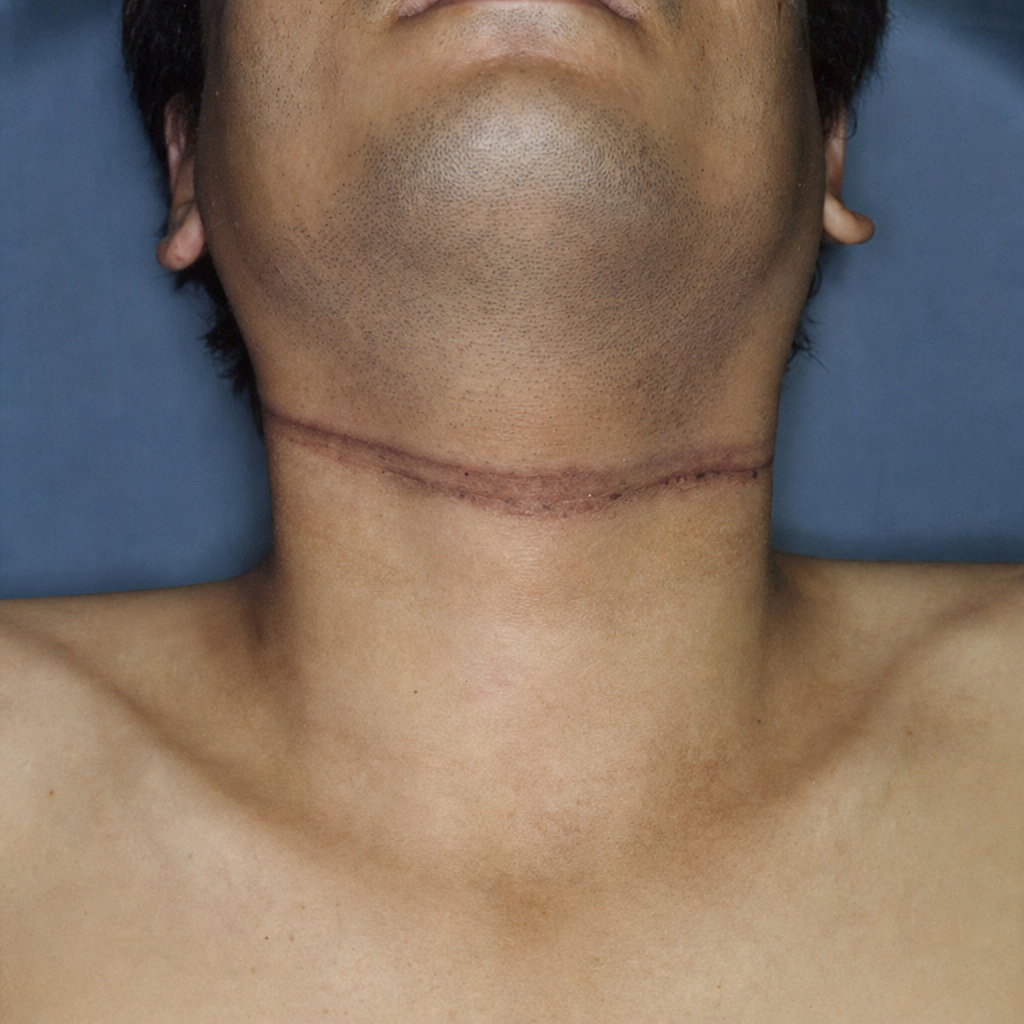
The dead body shows the following finding as seen in the image. What is the most likely cause of death?
The lab reports of a patient given below: pH = 7.2, HCO3 = 10 mEq/L, PCO2 = 30 mmHg. This exemplifies which of the following disorders?
Which of the following is not a sign of cerebral compression?
An unconscious child is brought to the casualty. What is the correct sequence of the management?
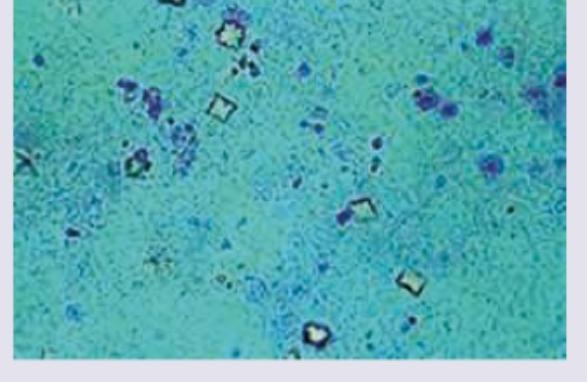
An unconscious patient was brought to the casualty. ABG reveals metabolic acidosis with hypocalcemia. The urine specimen from this patient is shown below. Identify the substance:
Which of the following is NOT a post-mortem finding in carbon monoxide poisoning?
A loop of thin string is thrown around the neck of the victim in what type of strangulation?
Want unlimited practice?
Get full access to all questions, explanations, and performance tracking.
Scan to download app