A 25-year-old man develops hypopigmented atrophic patches with diminished sensation on his face. What is the most likely diagnosis?
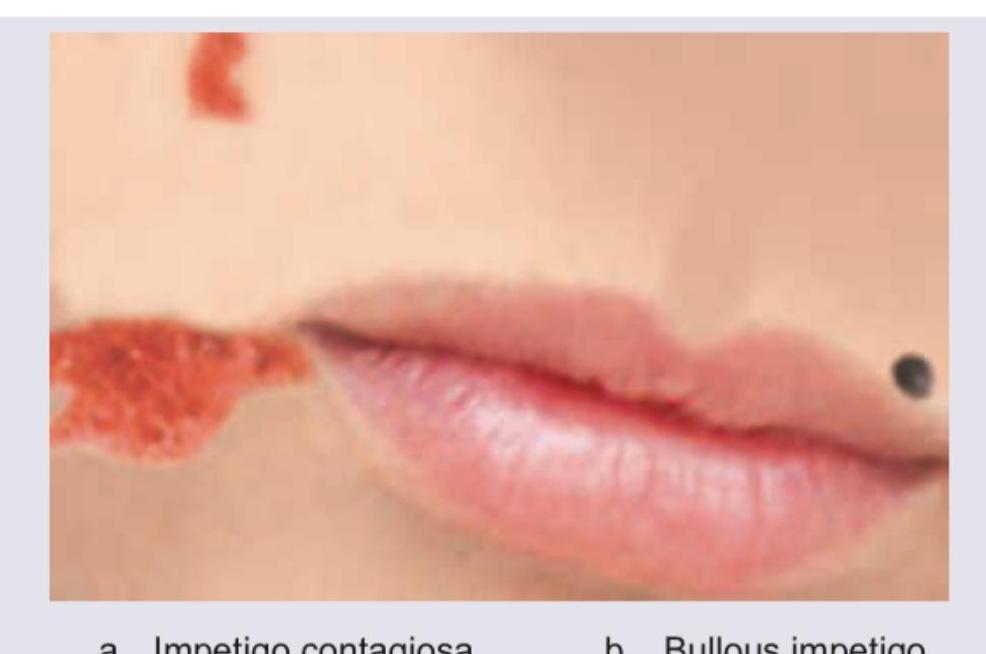
Which of the following is the least preferred treatment for impetigo?
Bullous impetigo is primarily caused by which of the following?
What is the first-line treatment for localized impetigo?
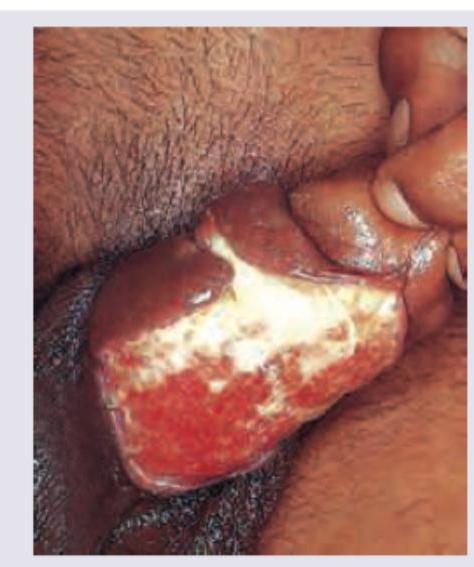
What is the treatment for granuloma inguinale?
Which of the following statements is true regarding donovanosis?
A boil is due to staphylococcal infection of:
Which of the following statements about impetigo is false?
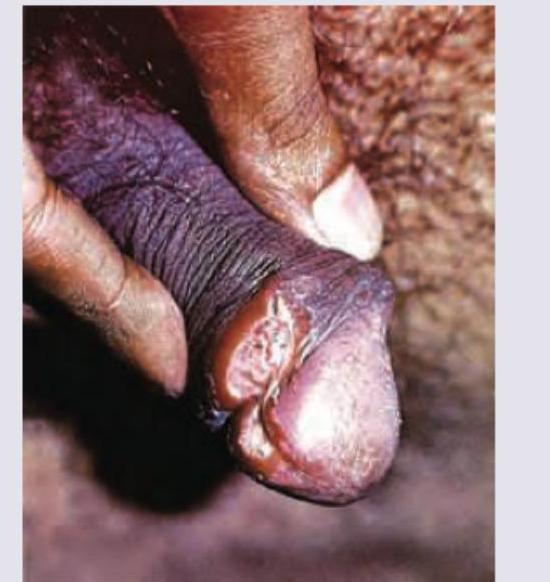
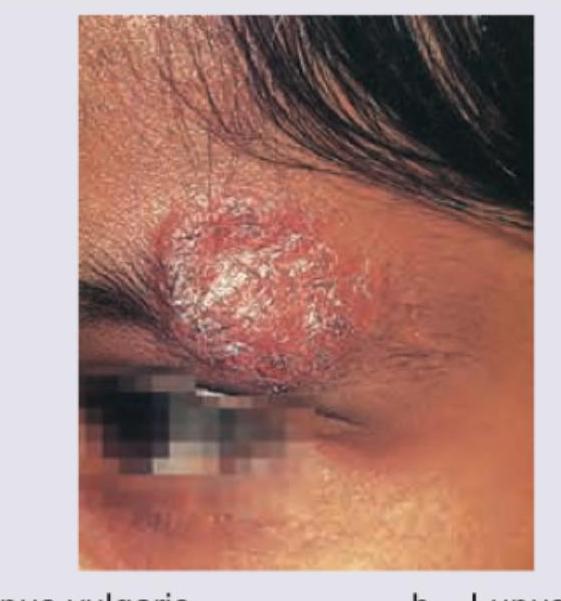
The explosive and widespread form of secondary syphilis in immune-compromised individuals is known as:
A 16-year-old student reported for the evaluation of multiple hypopigmented macules on the trunk and limbs. Which of the following tests is not useful in making a diagnosis of leprosy?
Explanation: ***Indeterminate leprosy*** - This is the earliest stage of leprosy, characterized by **hypopigmented or erythematous patches** with **diminished or absent sensation** (hypesthesia or anesthesia). - The lesions are typically **few in number** (1-5), ill-defined, and may show subtle **atrophy** due to involvement of dermal nerves and adnexal structures. - **Loss of sensation** is the key diagnostic feature that distinguishes leprosy from other hypopigmentary disorders. In early cases, sensory loss may be subtle and require careful examination. - The face is a common site for leprosy lesions due to the cooler temperature preferred by *Mycobacterium leprae*. *Pityriasis alba* - Presents with **hypopigmented patches with fine scales**, commonly seen in children and adolescents on the face. - Lesions have **normal sensation** (not anesthetic) and are **not atrophic**. - Generally resolves spontaneously without treatment. *Pityriasis versicolor* - Caused by **Malassezia yeast**, presenting as hypo- or hyperpigmented patches with fine scales. - Lesions have **normal sensation** and are typically found on the **trunk and proximal extremities**. - Not atrophic and can be confirmed with KOH examination showing "spaghetti and meatballs" appearance. *Borderline leprosy* - Represents mid-spectrum disease with **multiple, well-defined plaques** showing clear asymmetry. - Shows **definite anesthesia** with demonstrable nerve thickening. - Lesions are more numerous and polymorphic compared to indeterminate leprosy, with clearer immunological classification.
Explanation: ***Topical gentamicin*** - **Gentamicin** is an **aminoglycoside** with a broad spectrum of activity, and it is usually reserved for serious infections due to its potential for **ototoxicity** and **nephrotoxicity**. - While it has antibacterial properties, it is not a first-line treatment for impetigo due to the availability of safer and equally effective topical antibiotics. *Topical mupirocin* - **Mupirocin** is a highly effective topical antibiotic for **impetigo**, particularly against **Staphylococcus aureus** and **Streptococcus pyogenes**. - It is often considered a **first-line therapy** for localized impetigo due to its low systemic absorption and favorable safety profile. *Systemic erythromycin* - **Erythromycin** is a **macrolide antibiotic** that can be used for impetigo, especially in cases of extensive involvement or when topical treatments are insufficient. - It was once a common choice, but its use has decreased due to increasing **bacterial resistance** and the emergence of other effective systemic options. *Systemic cephalosporins* - **Systemic cephalosporins**, such as **cephalexin**, are effective oral antibiotics for impetigo, particularly in cases of widespread disease or when topical therapy fails. - They are generally well-tolerated and provide good coverage against the typical causative organisms of impetigo.
Explanation: ***Staphylococcus aureus*** - **Bullous impetigo** is a distinct form of impetigo characterized by **blisters or bullae**, caused by specific strains of *Staphylococcus aureus* that produce **exfoliative toxins**. - These toxins target **desmoglein 1**, an adhesion protein, leading to epidermal cleavage and the formation of superficial blisters. *Streptococcus pyogenes* - This bacterium is the primary cause of **non-bullous impetigo** (impetigo contagiosa), which presents as small vesicles that rupture and form honey-colored crusts. - While it can cause other skin infections, it does not typically produce the exfoliative toxins responsible for bullous impetigo. *Escherichia coli* - **Escherichia coli** is a common inhabitant of the **gastrointestinal tract** and a frequent cause of urinary tract infections, sepsis, and diarrheal diseases. - It is not associated with impetigo or other primary skin infections in immunocompetent individuals. *Yersinia pestis* - **Yersinia pestis** is the causative agent of **plague**, a severe infectious disease that manifests as bubonic, pneumonic, or septicemic forms. - This bacterium is transmitted by **fleas** and is not implicated in causing impetigo.
Explanation: ***Mupirocin*** - **Topical mupirocin** is the recommended **first-line treatment** for **localized impetigo**, particularly when only a few lesions are present. - It is effective against **Staphylococcus aureus** and **Streptococcus pyogenes**, the most common causative organisms. - Applied 2-3 times daily for 5-7 days. *Cefalexin* - **Cefalexin** is an **oral antibiotic** used for impetigo that is widespread or unresponsive to topical therapy, not for localized cases. - It is a **first-generation cephalosporin** effective against gram-positive bacteria. - Reserved for extensive disease or when topical therapy is impractical. *Erythromycin* - **Erythromycin** is an **oral antibiotic** but is generally reserved for penicillin-allergic patients or more extensive impetigo. - Due to increasing microbial resistance, it is often not the preferred first-line systemic agent. - Resistance rates vary geographically and can limit effectiveness. *Clindamycin* - **Clindamycin** is an **oral or topical antibiotic** primarily used for impetigo when there is concern for **MRSA (methicillin-resistant S. aureus)**. - May be used in cases of penicillin allergy or suspected resistant organisms. - Not the first-line choice for typical localized impetigo due to its broader spectrum and potential for side effects.
Explanation: ***Azithromycin*** - **Azithromycin** is the recommended first-line treatment for **granuloma inguinale** (donovanosis) caused by *Klebsiella granulomatis*. - Current recommended regimens: **Azithromycin 1g orally once weekly** OR **500mg daily for at least 3 weeks** (until all lesions have completely healed). - Preferred due to excellent tissue penetration, good efficacy, and convenient dosing that improves patient compliance. *Tetracycline* - **Tetracycline** (500mg four times daily) was historically used but has been largely replaced by **doxycycline** (100mg twice daily) as the preferred tetracycline-class antibiotic. - While effective against *Klebsiella granulomatis*, it requires frequent dosing leading to poor adherence. - **Doxycycline** (not listed here) is actually considered a co-first-line option alongside azithromycin in current CDC guidelines. *Clarithromycin* - **Clarithromycin** is a macrolide antibiotic but is not a recommended first-line agent for granuloma inguinale. - Limited clinical data supports its use for this condition, and it is not included in standard treatment guidelines. - Azithromycin from the same macrolide class is preferred due to better-established efficacy. *Streptomycin* - **Streptomycin** is an aminoglycoside antibiotic primarily used for mycobacterial infections (e.g., tuberculosis, plague). - Not indicated for granuloma inguinale as *Klebsiella granulomatis* responds well to macrolides (azithromycin) and tetracyclines (doxycycline). - Requires parenteral administration and has significant toxicity concerns (ototoxicity, nephrotoxicity).
Explanation: ***Painless ulcerative lesions are characteristic of donovanosis*** - Donovanosis, also known as granuloma inguinale, is characterized by **painless, progressive ulcerative lesions** that can bleed easily. - The lesions typically start as papules or nodules and then erode to form **granulomatous ulcers** with a beefy red appearance. - This is a key distinguishing feature from chancroid (painful ulcers) and primary syphilis. *Pseudolymphadenopathy is characteristic* - While donovanosis can lead to swelling in the inguinal region, it's typically **pseudobuboes** (subcutaneous granulomas) rather than true lymphadenopathy. - However, this is not a defining characteristic, as pseudobuboes are less common and occur in advanced cases. - The primary feature remains the **painless ulcerative lesions**. *Penicillin is used for treatment* - **Penicillin** is not the standard treatment for donovanosis; it is ineffective against *Klebsiella granulomatis*. - The recommended treatment involves **macrolides** (e.g., azithromycin) or **tetracyclines** (e.g., doxycycline) for at least 3 weeks or until lesions heal. - Alternative regimens include **cotrimoxazole** or **fluoroquinolones**. *Painful ulcer is characteristic* - Donovanosis ulcers are typically **painless**, which distinguishes them from other genital ulcers like those seen in herpes or chancroid. - The **lack of pain** often contributes to delayed presentation and progression of the disease.
Explanation: ***Hair follicle*** - A **boil**, also known as a **furuncle**, is a **deep bacterial infection** of a **hair follicle** and the surrounding tissue. - It is most commonly caused by **Staphylococcus aureus**. *Sweat gland* - While sebaceous glands and apocrine sweat glands can be involved in other skin abscesses (e.g., **hidradenitis suppurativa**), a classic boil originates from a hair follicle. - Infections of sweat glands alone are not typically classified as boils. *Subcutaneous tissue* - An infection primarily in the **subcutaneous tissue** is more characteristic of **cellulitis** or a **cutaneous abscess**, which is a broader term for a collection of pus. - A boil starts specifically at a hair follicle and then extends into deeper tissues. *Epidermis* - The **epidermis** is the outermost layer of the skin, and infections limited to this layer are usually superficial, such as **impetigo**. - A boil is a much deeper infection, involving structures beneath the epidermis.
Explanation: ***Primarily caused by a viral infection*** - Impetigo is a **bacterial skin infection**, not viral, primarily caused by *Staphylococcus aureus* or *Streptococcus pyogenes*. - This statement is **false** because viruses are not the causative agents of impetigo. *Commonly presents with honey-colored crusts* - The characteristic clinical sign of impetigo, especially non-bullous impetigo, is the presence of **vesicles** and **pustules** that rupture and form **honey-colored crusts**. - This is a true and common presentation of impetigo, making the statement correct. *Can be caused by Staphylococcus aureus* - *Staphylococcus aureus* is indeed one of the **primary bacterial pathogens** responsible for causing impetigo, particularly bullous impetigo. - This statement is true, as *S. aureus* infection is a well-established cause of impetigo. *It predisposes to glomerulonephritis* - Impetigo caused by certain strains of *Streptococcus pyogenes* can lead to **post-streptococcal glomerulonephritis** (PSGN), a serious renal complication. - This statement is true, highlighting a significant potential complication of impetigo.
Explanation: ***Lues maligna*** - This is an **aggressive, ulcerative, and widespread** form of secondary syphilis that typically occurs in **immunocompromised individuals**, such as those with HIV. - It presents with **necrotic lesions** that have a characteristic punched-out or crater-like appearance. *Condylomata lata* - These are **moist, flat-topped, wart-like lesions** that appear in the anogenital region and other moist intertriginous areas. - While a manifestation of secondary syphilis, they are not typically described as "explosive and widespread" in the same ulcerative way as lues maligna. *Mucous patches* - These are **painless, gray-white lesions** found on the mucous membranes of the mouth, pharynx, genitals, and rectum during secondary syphilis. - They are highly infectious but do not represent the aggressive, widespread, and ulcerative form seen in immunocompromised individuals. *Lupus vulgaris* - This is a form of **cutaneous tuberculosis**, not syphilis, caused by Mycobacterium tuberculosis. - It presents as chronic, progressive nodules and plaques that can lead to significant tissue destruction, but it is entirely unrelated to syphilis.
Explanation: ***Lepromin test*** - The **lepromin test** is a measure of cell-mediated immunity to *Mycobacterium leprae* antigens, specifically used for classification of leprosy type and prognosis NOT for diagnosing the disease. - A positive lepromin test indicates a strong cell-mediated immune response, typical of **tuberculoid leprosy**, while a negative test is seen in **lepromatous leprosy**. *Sensation testing* - **Sensory loss** (hypoesthesia or anesthesia) within the hypopigmented lesions is a key diagnostic feature of leprosy due to nerve involvement. - This test is a crucial clinical tool to differentiate leprosy from other causes of hypopigmentation. *Slit smears* - **Slit skin smears** are used to detect and quantify acid-fast bacilli in skin lesions, providing a bacterial index for diagnosis and classification. - The presence of **acid-fast bacilli** confirms the diagnosis of leprosy and helps categorize it into paucibacillary or multibacillary forms. *Skin biopsy* - A **skin biopsy** of a suspected lesion can reveal characteristic histological changes, such as granuloma formation or nerve damage, confirming leprosy. - It aids in differentiating leprosy from other **granulomatous diseases** and is essential for definitive diagnosis when clinical features are ambiguous.
Impetigo
Practice Questions
Folliculitis, Furuncles, and Carbuncles
Practice Questions
Ecthyma
Practice Questions
Erysipelas and Cellulitis
Practice Questions
Staphylococcal Scalded Skin Syndrome
Practice Questions
Necrotizing Fasciitis
Practice Questions
Cutaneous Tuberculosis
Practice Questions
Leprosy
Practice Questions
Lyme Disease
Practice Questions
Syphilis
Practice Questions
Antibiotic Resistance in Dermatology
Practice Questions
Prophylaxis and Management
Practice Questions
Get full access to all questions, explanations, and performance tracking.
Start For Free