What is the isolation period for Hepatitis A?
Which of the following indicators is not included in the calculation of the Human Poverty Index (HPI-1)?
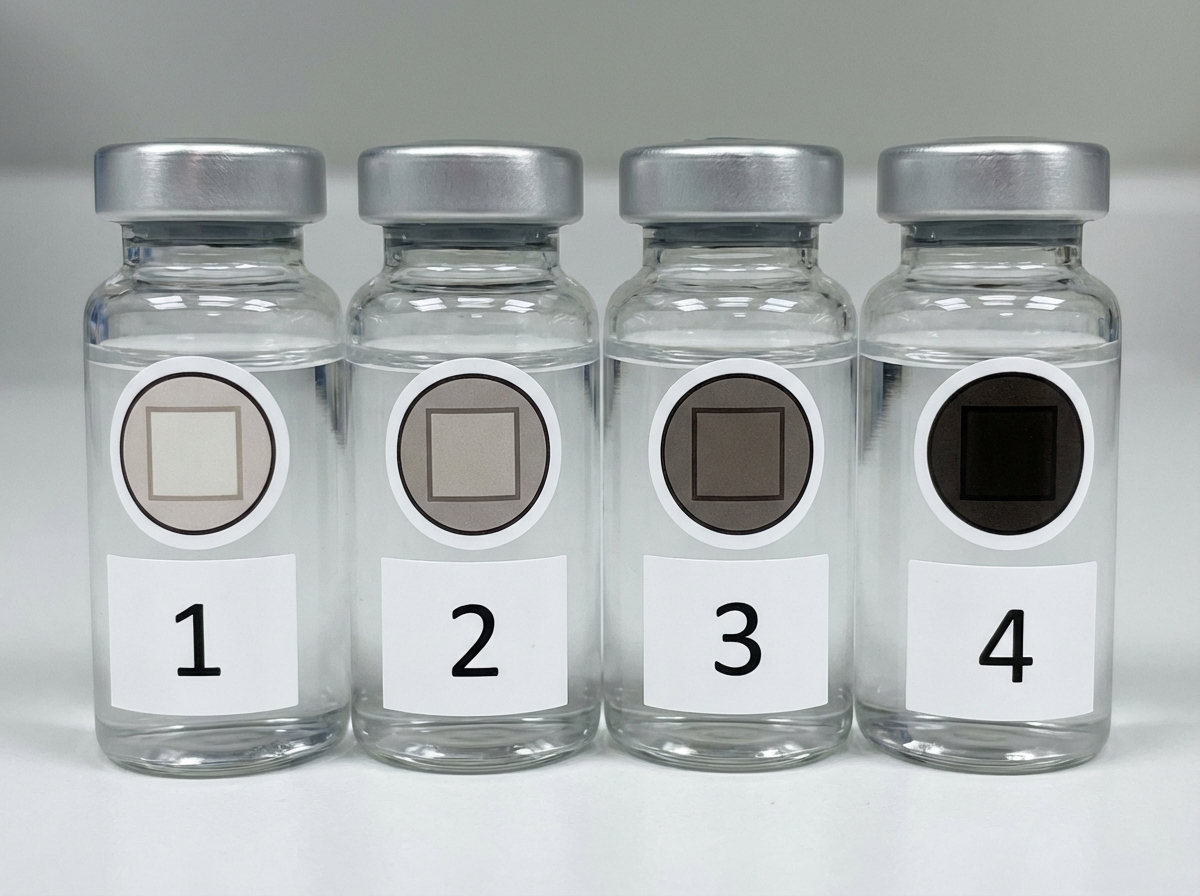
Which of the following vaccines can be used?
What is the percentage of people examined showing microfilaria in blood and/or disease manifestation called?
Maximum infant mortality is seen during which period?
What is the best epidemiological study to establish causality?
In a cohort study, nonsmokers were found to have carcinoma of the lung. What does this finding indicate?
What was the goal for the reduction in morbidity and mortality due to malaria by 2010?
According to WHO, what classification is given to a spleen rate of 11-50%?
What does a true positive indicate?
Explanation: **Explanation:** The isolation period for Hepatitis A is **2 weeks**, specifically calculated from the onset of clinical symptoms (jaundice). **Why 2 weeks is correct:** Hepatitis A virus (HAV) is primarily transmitted via the feco-oral route. The period of maximum infectivity occurs during the late incubation period (2 weeks before the onset of jaundice) and continues for about **one week after** the appearance of jaundice. Therefore, isolating the patient for 2 weeks from the onset of symptoms covers the tail end of viral shedding in the feces, effectively preventing the spread of the virus in community or hospital settings. **Analysis of Incorrect Options:** * **A. 1 week:** While viral shedding decreases significantly after 7 days of jaundice, it may still persist in some individuals. One week is considered insufficient for complete safety in public health guidelines. * **C & D. 3 and 4 weeks:** These periods are unnecessarily long. By the end of the second week of jaundice, fecal excretion of the virus typically reaches non-detectable levels, making prolonged isolation clinically redundant. **High-Yield Clinical Pearls for NEET-PG:** * **Incubation Period:** 15–45 days (Average: 28 days). * **Secondary Attack Rate (SAR):** High among household contacts. * **Control of Outbreak:** The most effective measure is the administration of the Hepatitis A vaccine. * **Post-exposure Prophylaxis:** Should be given within 2 weeks of exposure (Vaccine is preferred over Immunoglobulin for ages 1–40). * **Diagnosis:** Detection of **IgM anti-HAV** is the gold standard for acute infection.
Explanation: The **Human Poverty Index (HPI-1)** was introduced by the UNDP to measure deprivation in the same three dimensions as the Human Development Index (HDI): longevity, knowledge, and standard of living. ### **Explanation of the Correct Answer** **D. Combined gross enrolment ratio** is the correct answer because it is a component of the **Human Development Index (HDI)**, not the HPI-1. While the HDI measures average achievements in a country, the HPI-1 measures the *deprivation* or gaps in those achievements. ### **Analysis of Components of HPI-1** The HPI-1 (for developing countries) is calculated using three specific indicators of deprivation: 1. **Longevity (P1):** Measured by the percentage of people not expected to survive to **age 40**. 2. **Knowledge (P2):** Measured by the **Adult Literacy Rate** (specifically, the percentage of adults who are illiterate). Thus, **Option A** is a component. 3. **Decent Standard of Living (P3):** This is a composite of two variables: * **Option C:** Percentage of the population **not using an improved water source**. * **Option B:** Percentage of **children underweight for age**. ### **High-Yield NEET-PG Pearls** * **HPI-1 vs. HPI-2:** HPI-1 is for developing countries (deprivation of life until age 40), while HPI-2 is for developed countries (deprivation of life until age 60 + includes social exclusion). * **Evolution of Indices:** In 2010, the HPI was replaced by the **Multidimensional Poverty Index (MPI)** in the Human Development Reports. * **HDI Components:** Life expectancy at birth, Mean years of schooling, Expected years of schooling, and GNI per capita. * **PQLI (Physical Quality of Life Index):** Includes Infant Mortality Rate (IMR), Life Expectancy at Age 1, and Literacy. It does **not** include per capita income.
Explanation: ***1 and 2 alone*** - **Vaccine Vial Monitor (VVM)** on vials 1 and 2 shows the **inner square is lighter than or equal to the outer circle**, indicating vaccines are safe to use. - These vials have maintained proper **cold chain integrity** and retain their potency for immunization. *1 alone* - While vial 1 is usable (VVM inner square lighter than outer circle), vial 2 is also safe to use with similar VVM status. - This option incorrectly excludes vial 2, which has maintained **cold chain requirements** and is equally suitable. *3 and 4 alone* - Vials 3 and 4 show **VVM inner square darker than the outer circle**, indicating **heat exposure** and loss of vaccine potency. - These vaccines must **never be used** as they pose risk of vaccination failure and compromised immunity. *2 alone* - While vial 2 is usable (VVM shows proper cold chain maintenance), vial 1 is also safe to use. - This option incorrectly excludes vial 1, which has identical **VVM status** and maintained vaccine efficacy.
Explanation: ### Explanation **1. Why the Correct Answer is Right:** The **Filaria Endemicity Rate** is a comprehensive epidemiological indicator used to assess the overall burden of lymphatic filariasis in a community. It is calculated as the percentage of people examined who show **either** microfilaria in their blood (infection) **and/or** clinical signs of the disease (manifestation), such as elephantiasis or hydrocele. * **Formula:** (Number of persons with microfilaria + Number of persons with disease / Total persons examined) × 100. **2. Analysis of Incorrect Options:** * **A. Microfilaria Rate:** This refers specifically to the percentage of people whose blood samples are positive for microfilaria (infection only). It does not include those with clinical disease manifestations. * **B. Microfilaria Detection Rate:** This is not a standard epidemiological term in filariasis surveys; it is often confused with the Microfilaria Rate. * **C. Annual Infection Rate:** This measures the probability of a person being infected with filarial larvae over one year, usually calculated based on the density of infective mosquitoes and the biting rate (Entomological Inoculation Rate). **3. High-Yield Clinical Pearls for NEET-PG:** * **Microfilaria Density:** The average number of microfilariae per mm³ of blood in the examined population. * **Night Blood Survey:** Since microfilariae (*W. bancrofti*) exhibit **nocturnal periodicity**, blood collection must be done between **10 PM and 2 AM**. * **Elimination Goal:** The Global Programme to Eliminate Lymphatic Filariasis (GPELF) aims for elimination using **Mass Drug Administration (MDA)** of DEC + Albendazole (and Ivermectin in IDA regimens). * **Target:** Elimination is defined as a Microfilaria rate of **<1%** in the community.
Explanation: **Explanation:** The correct answer is **A. 0-4 months**. **1. Why 0-4 months is correct:** Infant Mortality Rate (IMR) refers to the number of deaths per 1,000 live births within the first year of life. Statistically, the risk of mortality is highest immediately after birth and decreases as the infant grows. Approximately **two-thirds (60-70%)** of all infant deaths occur during the **Neonatal period (0-28 days)**. Within the neonatal period, the first week (Early Neonatal) is the most critical. Since the 0-4 month window encompasses the entire neonatal period and the early post-neonatal phase, it accounts for the vast majority of infant deaths due to causes like prematurity, low birth weight, birth asphyxia, and congenital anomalies. **2. Why other options are incorrect:** * **B, C, and D (4-12 months):** These represent the late post-neonatal period. While infants in these stages are susceptible to environmental factors like diarrheal diseases and acute respiratory infections (ARI), the mortality rate is significantly lower than in the first few months of life. As the child’s immune system matures and birth-related complications are survived, the statistical probability of death declines. **3. High-Yield Clinical Pearls for NEET-PG:** * **Most common cause of IMR in India:** Low Birth Weight (LBW) and Prematurity. * **Most common cause of Post-Neonatal mortality:** Diarrheal diseases and Pneumonia. * **Neonatal Mortality Rate (NMR):** Deaths within 28 days. It is the most sensitive indicator of maternal and newborn care. * **Early Neonatal Mortality:** Deaths within the first 7 days (accounts for the maximum chunk of IMR). * **Current IMR Trend:** In India, IMR has been steadily declining, but the neonatal component remains the hardest to reduce.
Explanation: **Explanation:** In epidemiology, establishing causality requires demonstrating a temporal relationship where the exposure precedes the outcome. **Why Cohort Study is the correct answer:** A **Cohort study** is a longitudinal, prospective study that starts with individuals who are exposed and non-exposed to a risk factor and follows them forward in time to see who develops the disease. Because it moves from **cause to effect**, it is the best observational study design to establish **temporality** (the most important criterion of Bradford Hill’s criteria for causality). It allows for the direct calculation of **Relative Risk (RR)** and **Incidence**, providing strong evidence for a causal association. **Why other options are incorrect:** * **Case-control study:** This study moves backward from **effect to cause**. Since it starts with diseased individuals, it is prone to recall bias and cannot definitively prove that the exposure occurred before the disease onset. * **Cross-sectional study:** This provides a "snapshot" of a population at a single point in time. Because exposure and outcome are measured simultaneously, it cannot establish a temporal sequence (the "chicken or egg" dilemma). * **Ecological study:** This uses populations or groups as the unit of study rather than individuals. It is prone to "Ecological Fallacy," where associations at the group level may not apply to individuals. **High-Yield Clinical Pearls for NEET-PG:** * **Gold Standard for Causality:** While Randomized Controlled Trials (RCTs) are the gold standard for *intervention* efficacy, among **observational** studies, the **Cohort study** is the best for establishing causality. * **Hierarchy of Evidence:** RCT > Cohort > Case-Control > Cross-sectional > Case Series/Report. * **Key Metric:** Cohort studies measure **Relative Risk (RR)**; Case-control studies measure **Odds Ratio (OR)**. * **Best for Rare Diseases:** Case-control study. * **Best for Rare Exposures:** Cohort study.
Explanation: ### Explanation **1. Why the Correct Answer is Right:** In epidemiology, the concept of **multifactorial causation** states that most non-communicable diseases (like cancer) are not caused by a single isolated factor but by a complex interaction of multiple genetic, environmental, and behavioral factors. In a cohort study, if individuals who have never been exposed to the primary risk factor (smoking) still develop the outcome (lung cancer), it signifies that other independent risk factors are at play. These may include exposure to radon gas, asbestos, air pollution, or genetic susceptibility. This demonstrates that while smoking is a major risk factor, it is neither **necessary** (the disease can occur without it) nor **sufficient** (not every smoker gets cancer) to cause the disease on its own. **2. Analysis of Incorrect Options:** * **Option A:** This is logically incorrect. The presence of cancer in nonsmokers does not negate the proven causal link between smoking and lung cancer; it simply means smoking is not the *only* cause. * **Option C:** This is the opposite of the truth. If smoking were the sole cause, the incidence of lung cancer among nonsmokers in the cohort would be zero. * **Option D:** While passive smoking (second-hand smoke) is a known risk factor for lung cancer, the question asks what the presence of the disease in nonsmokers indicates *broadly* regarding etiology. "Multifactorial" is the more comprehensive epidemiological conclusion. **3. NEET-PG High-Yield Pearls:** * **Web of Causation:** A model suited for chronic diseases where multiple factors act together. * **Risk Factor vs. Risk Determinant:** A risk factor (like smoking) is modifiable, whereas a determinant (like age or genetics) is often non-modifiable. * **Attributable Risk:** This measure helps determine how much of the disease in the exposed group is specifically due to the exposure (e.g., how much lung cancer in smokers is due to smoking vs. other factors).
Explanation: ### Explanation **Correct Answer: D. 50% reduction** The goal of reducing malaria morbidity and mortality by **50% by the year 2010** was a central objective of the **Roll Back Malaria (RBM)** partnership. Launched in 1998 by the WHO, UNICEF, UNDP, and the World Bank, the RBM initiative aimed to provide a coordinated global response to malaria. The specific milestone set during the **Abuja Declaration (2000)** was to halve the malaria burden by 2010 compared to the levels seen in 2000. **Analysis of Options:** * **A. 25% reduction:** This was an interim milestone for some regional programs but not the primary global target for 2010. * **B. 100% reduction:** Total elimination or eradication was not the target for 2010. Eradication remains a long-term vision, while the **National Framework for Malaria Elimination in India** now targets 2030 for zero indigenous cases. * **C. 75% reduction:** This was the target set for **2015** (a 75% reduction in cases compared to 2000 levels), aligning with the Millennium Development Goals (MDGs). **High-Yield Clinical Pearls for NEET-PG:** * **National Framework for Malaria Elimination (NFME) India:** Targets elimination (zero cases) by **2030**, with a goal of making all districts malaria-free by 2027. * **World Malaria Day:** Observed on **April 25th**. * **API (Annual Parasite Incidence):** The primary indicator used in India to classify malaria endemicity. An API <1 per 1000 population is the threshold for entering the "elimination phase." * **Drug of Choice:** For *P. falciparum* in India, the standard is **ACT (Artesunate + Sulfadoxine-Pyrimethamine)**, except in North-Eastern states where **AL (Artemether-Lumefantrine)** is used due to resistance.
Explanation: This question pertains to the **WHO classification of Malaria Endemicity**, which is primarily based on the **Spleen Rate** (the percentage of children aged 2–9 years with a palpable spleen) in a given community. ### **Explanation of the Correct Answer** The correct answer is **Mesoendemic**. According to the WHO criteria, malaria endemicity is categorized as follows: * **Hypoendemic:** Spleen rate in children (2–9 years) is **≤ 10%**. * **Mesoendemic:** Spleen rate in children (2–9 years) is **11–50%**. * **Hyperendemic:** Spleen rate in children (2–9 years) is **constantly > 50%**. In this stage, the adult spleen rate is also high (> 25%). * **Holoendemic:** Spleen rate in children (2–9 years) is **constantly > 75%**. However, the adult spleen rate is low (due to high immunity). Since the question specifies a range of 11–50%, it falls squarely into the **Mesoendemic** category. ### **Why Other Options are Incorrect** * **Holoendemic:** Incorrect because it requires a spleen rate > 75% in children and is characterized by intense transmission where adults develop significant immunity. * **Hyperendemic:** Incorrect because it requires a spleen rate > 50% in children and a high spleen rate in the adult population. ### **NEET-PG High-Yield Pearls** * **Age Group:** Remember that the standard WHO spleen rate is measured in children aged **2 to 9 years**. * **Hackett’s Grading:** While the spleen rate measures the *prevalence* of enlarged spleens, **Hackett’s Grading (0 to 5)** is used to measure the *degree* of splenic enlargement. * **Adult Spleen Rate:** This is a key differentiator between Hyperendemic (High adult spleen rate) and Holoendemic (Low adult spleen rate due to acquired immunity). * **Endemic vs. Epidemic:** Endemicity refers to the constant presence of the disease, whereas an epidemic is a sudden increase above expected levels.
Explanation: **Explanation:** In epidemiology, the performance of a screening test is measured by its ability to correctly identify the presence or absence of a disease. **Why Sensitivity is correct:** **Sensitivity** (also known as the **True Positive Rate**) is the ability of a test to correctly identify those who actually have the disease. It is calculated as: * *Sensitivity = [True Positives (TP) / (True Positives + False Negatives)] × 100* A "True Positive" directly contributes to the numerator of sensitivity, representing the proportion of diseased individuals who are correctly identified by the test. **Why other options are incorrect:** * **Specificity:** This is the **True Negative Rate**. it measures the ability of a test to correctly identify those *without* the disease. It is calculated using True Negatives (TN). * **Predictive Value:** This refers to the probability that a person with a positive test actually has the disease (Positive Predictive Value) or a person with a negative test is healthy (Negative Predictive Value). It depends on the prevalence of the disease in the population. * **Validity:** This is a broader term indicating the overall accuracy of a test (how close the results are to the truth). It comprises both Sensitivity and Specificity. **High-Yield NEET-PG Pearls:** 1. **SNOp:** **S**ensitivity rules **O**ut a disease when the result is **N**egative (High sensitivity = Low False Negatives). 2. **SPIn:** **S**pecificity rules **I**n a disease when the result is **P**ositive (High specificity = Low False Positives). 3. **Screening vs. Diagnosis:** Screening tests require high **Sensitivity** (to catch all cases), while confirmatory/diagnostic tests require high **Specificity** (to avoid false labeling). 4. Sensitivity and Specificity are **inherent properties** of a test and do not change with disease prevalence, unlike Predictive Values.
Principles of Epidemiology
Practice Questions
Measures of Disease Frequency
Practice Questions
Epidemiological Study Designs
Practice Questions
Descriptive Epidemiology
Practice Questions
Analytical Epidemiology
Practice Questions
Experimental Epidemiology
Practice Questions
Screening for Disease
Practice Questions
Surveillance Systems
Practice Questions
Investigation of an Epidemic
Practice Questions
Association and Causation
Practice Questions
Modern Epidemiological Methods
Practice Questions
Critical Appraisal of Epidemiological Studies
Practice Questions
Get full access to all questions, explanations, and performance tracking.
Start For Free