
Anesthesia for Congenital Heart Disease — MCQs

Induction agent of choice in a child with cyanotic heart disease is
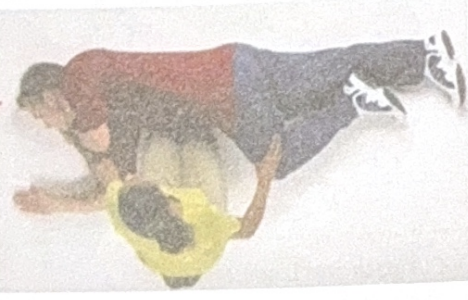
In which clinical scenario would you find a patient requiring the resuscitation technique shown in the image?
A 6 month old child is suffering from patent ductus arteriosus (PDA) with congestive cardiac failure. Ligation of ductus arteriosus was decided for surgical management. The most appropriate inhalational anaesthetic agent of choice with minimal haemodynamic alteration for induction of anaesthesia is –
A child with Tetralogy of Fallot develops worsening cyanosis and fainting spells. Which immediate intervention is recommended?
What is the initial palliative treatment for Tetralogy of Fallot?
A pregnant woman is diagnosed with Graves' disease. The most appropriate therapy for her would be:
A 5 year old boy suffering from Duchenne muscular dystrophy has to undergo tendon lengthening procedure. The most appropriate anaesthetic would be –
Which of the following is a PGE1 analogue used in medical treatments?
Which of the following is most cardio depressant
Which drug is most commonly used for conscious sedation during MRI procedures in pediatric patients?
Want unlimited practice?
Get full access to all questions, explanations, and performance tracking.
Scan to download app