
Principles of Anatomical Variations — MCQs

Double aortic arch is associated with which syndrome?
Which of the following is an acquired condition?
The labia majora develop from which embryological structure?
A 55-year-old patient from Chhattisgarh presents with progressive muscle weakness, stiffness of both lower limbs, and complete paralysis. What is the most important history that should be asked?
What is the pattern of inheritance in neural tube defects?
Most common syndrome associated with A-V canal defect -
Branchial cleft anomalies are present at birth or shortly after birth. Which of the following is TRUE about branchial anomaly?
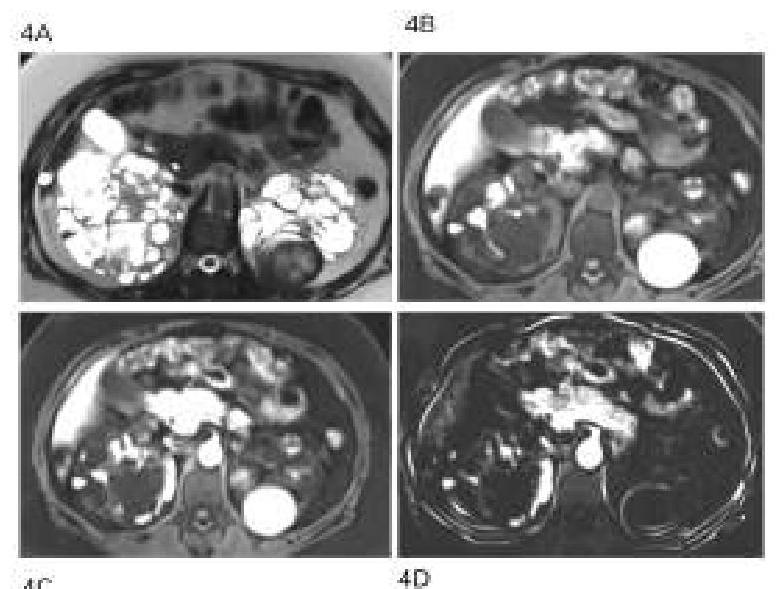
A 40-year-old man with a known case of hypertension presented with multiple episodes of hematuria and loin pain. His elder brother passed away due to a stroke at the age of 40. What is the probable diagnosis based on the clinical presentation?
Angiographically, the typical "beaded" or "pile of plates" appearance involving the internal carotid artery is seen in -
Which of the following represents a common variation in the arteries arising from the arch of the aorta?
Want unlimited practice?
Get full access to all questions, explanations, and performance tracking.
Scan to download app