Internal Medicine
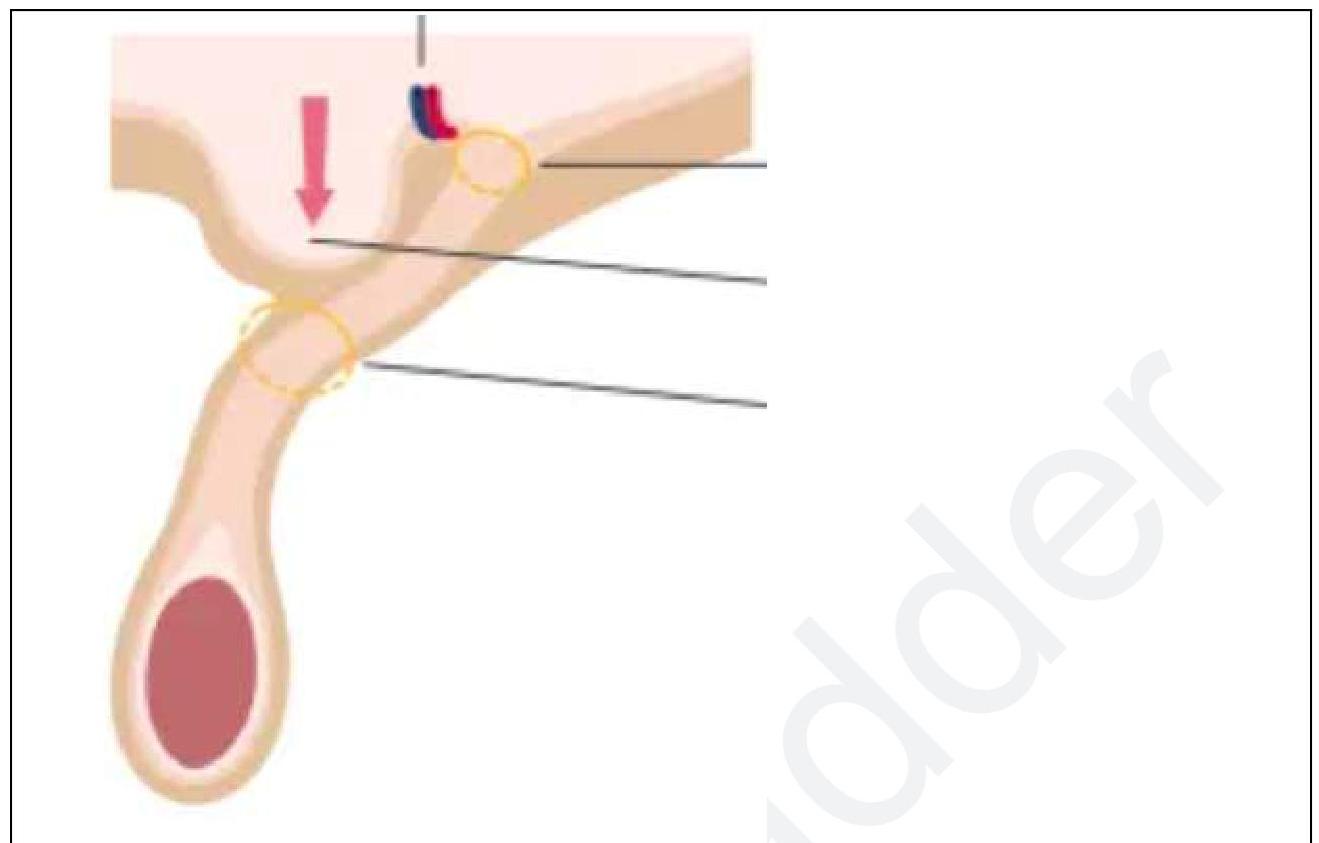
2 questionsWhich of the following is a known risk factor for cholangiocarcinoma?
A patient presents with fever and jaundice after repairing sewers. What is the most appropriate test to diagnose the infection in this patient?
NEET-PG 2023 - Internal Medicine NEET-PG Practice Questions and MCQs
Question 101: Which of the following is a known risk factor for cholangiocarcinoma?
- A. Giardia lamblia (intestinal protozoa) infection
- B. Ascaris lumbricoides (roundworm) infection
- C. Clonorchis sinensis infestation (Correct Answer)
- D. Paragonimus westermani infestation
Explanation: ***Clonorchis sinensis infestation*** - **Clonorchis sinensis**, also known as the Chinese liver fluke, is a well-established and significant risk factor for the development of **cholangiocarcinoma**. - Chronic inflammation and irritation of the bile ducts caused by the parasite are believed to promote malignant transformation. *Giardia lamblia (intestinal protozoa) infection* - **Giardia lamblia** is a common intestinal parasite causing giardiasis, characterized by diarrhea and malabsorption. - While it affects the gastrointestinal tract, there is **no known association** between *Giardia* infection and an increased risk of cholangiocarcinoma. *Paragonimus westermani infestation* - **Paragonimus westermani** is a lung fluke that primarily causes paragonimiasis, affecting the lungs and leading to cough and hemoptysis. - This parasite is not associated with direct bile duct inflammation or an increased risk of **cholangiocarcinoma**. *Ascaris lumbricoides (roundworm) infection* - **Ascaris lumbricoides** is a large intestinal roundworm that can cause intestinal obstruction or nutrient deficiencies. - Although it can occasionally migrate into the biliary tree, it is **not considered a risk factor** for cholangiocarcinoma [1].
Question 102: A patient presents with fever and jaundice after repairing sewers. What is the most appropriate test to diagnose the infection in this patient?
- A. Weil Felix test
- B. Paul Bunnell test
- C. Microscopic agglutination test (Correct Answer)
- D. Microimmunofluorescence test
Explanation: ***Microscopic agglutination test*** - The patient's presentation (fever, jaundice, history of repairing sewers) is highly suggestive of **leptospirosis** [1]. The **Microscopic Agglutination Test (MAT)** is considered the gold standard for diagnosing leptospirosis, as it directly detects antibodies against *Leptospira* serovars [1]. - MAT provides **serovar-specific results** and is highly sensitive and specific, especially when acute and convalescent phase sera are tested [1]. *Weil Felix test* - The Weil-Felix test is used to diagnose **rickettsial infections**, not leptospirosis. - It detects antibodies that cross-react with antigens of certain *Proteus* species. *Paul Bunnell test* - The Paul-Bunnell test is used to detect **heterophile antibodies** associated with **infectious mononucleosis** (Epstein-Barr virus infection). - This test is not relevant for diagnosing bacterial infections like leptospirosis. *Microimmunofluorescence test* - The microimmunofluorescence (MIF) test is primarily used for the diagnosis of **chlamydial infections** and sometimes for rickettsial diseases. - While an antibody-detection test, it is not the standard or preferred method for diagnosing leptospirosis.
Obstetrics and Gynecology
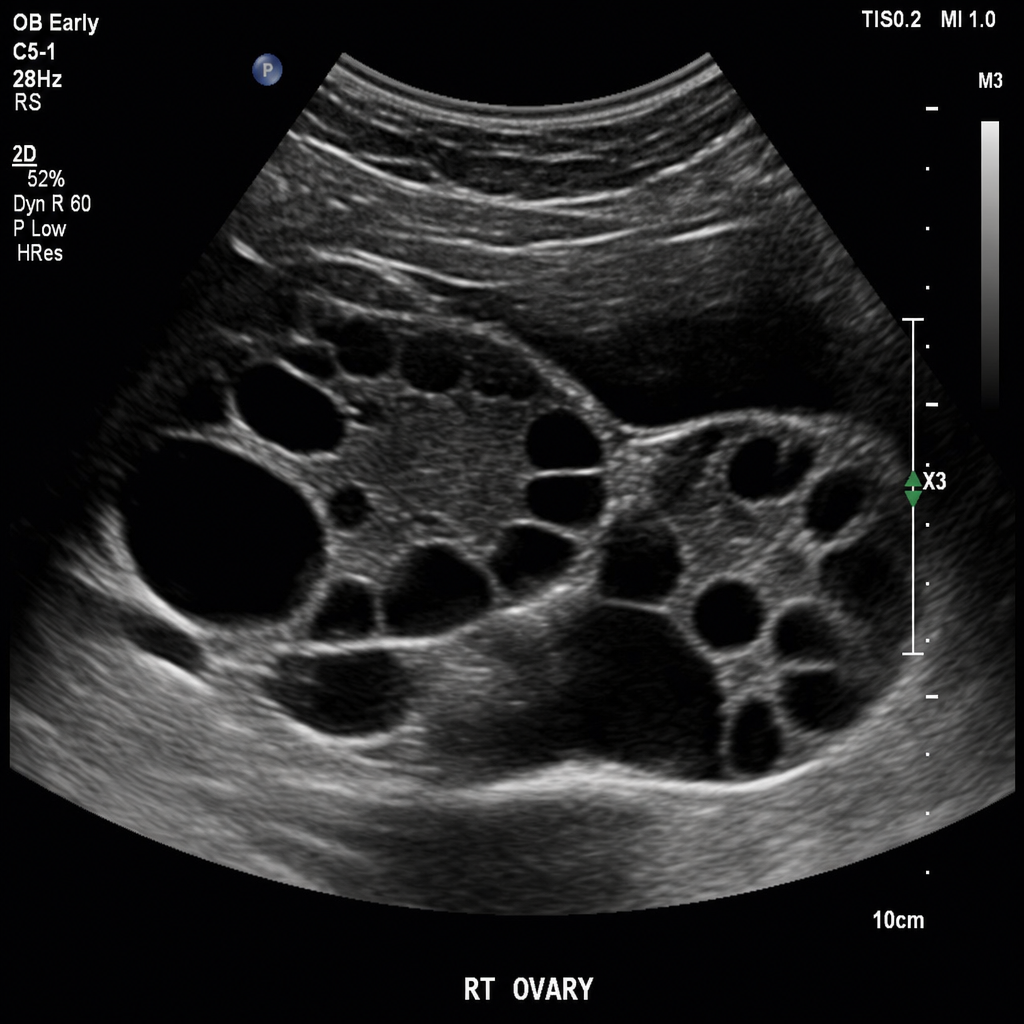
1 questionsA 29-year-old primigravida presents at 36 weeks of gestation with a transverse lie. What is the recommended management?
NEET-PG 2023 - Obstetrics and Gynecology NEET-PG Practice Questions and MCQs
Question 101: A 29-year-old primigravida presents at 36 weeks of gestation with a transverse lie. What is the recommended management?
- A. Induce labor
- B. Perform amniotomy
- C. Schedule cesarean delivery (Correct Answer)
- D. Attempt external cephalic version
Explanation: ***Schedule cesarean delivery*** - A persistent **transverse lie** at 36 weeks makes vaginal delivery impossible and requires definitive management. - **Cesarean delivery** is the definitive and safest option for ensuring maternal and fetal well-being when the transverse lie persists. - While external cephalic version may be attempted first, if unsuccessful, contraindicated, or the lie remains transverse near term, cesarean section is mandatory. - Attempting vaginal delivery with transverse lie risks **cord prolapse**, **uterine rupture**, and **obstructed labor**. *Induce labor* - Inducing labor with a transverse lie is **absolutely contraindicated** due to impossibility of vaginal delivery. - The fetal shoulder or arm would present first, preventing engagement and causing **obstructed labor**. - High risk of **cord prolapse**, **uterine rupture**, and severe maternal-fetal complications. *Perform amniotomy* - **Amniotomy** (artificial rupture of membranes) with a transverse lie is extremely dangerous and contraindicated. - Significantly increases the risk of **cord prolapse** as membranes rupture without an engaged presenting part. - Would necessitate immediate cesarean delivery in emergency conditions, worsening outcomes. *Attempt external cephalic version* - While **external cephalic version (ECV)** can be attempted for transverse lie at 36-37 weeks, it has lower success rates (30-50%) compared to breech presentation. - However, the question asks for "recommended management" which refers to the **definitive management plan** - cesarean delivery remains the final recommendation when transverse lie persists. - ECV may be offered as an option to avoid cesarean, but has risks including **placental abruption**, **fetal distress**, and **failure** requiring cesarean anyway. - At 36 weeks with persistent transverse lie, planning for cesarean delivery is the safest definitive approach.
Ophthalmology
1 questionsWhich of the following ocular findings is not associated with diabetes?
NEET-PG 2023 - Ophthalmology NEET-PG Practice Questions and MCQs
Question 101: Which of the following ocular findings is not associated with diabetes?
- A. Retinopathy
- B. Early senile cataract
- C. Neovascular glaucoma
- D. Blepharophimosis (Correct Answer)
Explanation: ***Blepharophimosis*** - This is a **congenital disorder** characterized by small palpebral fissures, ptosis, and epicanthus inversus, which is **not associated with diabetes**. - It is a **developmental anomaly** of the eyelids, with no known link to metabolic conditions like diabetes. *Retinopathy* - **Diabetic retinopathy** is a common and serious complication of diabetes, caused by damage to the blood vessels in the retina. - It can lead to vision loss if not managed, and is directly linked to **poor glycemic control**. *Early senile cataract* - Diabetes is a significant risk factor for the **earlier development and progression of cataracts**, including senile cataracts. - High blood sugar levels can cause changes in the lens, leading to **opacification** and impaired vision. *Neovascular glaucoma* - This severe form of **secondary glaucoma** is often a complication of advanced **diabetic retinopathy**. - Ischemia in the retina triggers the growth of **new blood vessels** on the iris and in the angle of the eye, obstructing aqueous outflow and raising intraocular pressure.
Pediatrics
2 questionsWhich vitamin deficiency is most commonly associated with rickets in children?
A 2-year-old child with a history of eczema presents with a red, scaly rash around the mouth and extremities. A dietary history reveals excessive consumption of cow's milk. What nutritional deficiency is most likely?
NEET-PG 2023 - Pediatrics NEET-PG Practice Questions and MCQs
Question 101: Which vitamin deficiency is most commonly associated with rickets in children?
- A. Vitamin A
- B. Vitamin C
- C. Vitamin D (Correct Answer)
- D. Vitamin K
Explanation: ***Vitamin D*** - **Vitamin D** plays a crucial role in the absorption of **calcium** and **phosphate**, which are essential for proper **bone mineralization**. - A deficiency leads to impaired mineralization of newly formed bone matrix, resulting in soft, weak bones characteristic of **rickets** in children and **osteomalacia** in adults. *Vitamin A* - **Vitamin A** is primarily involved in **vision**, immune function, and cell growth and differentiation. - While essential for health, its deficiency is not directly linked to the skeletal deformities seen in rickets. *Vitamin C* - **Vitamin C** is vital for **collagen synthesis**, a key component of connective tissues, skin, and bone matrix. - Its deficiency causes **scurvy**, characterized by bleeding gums, poor wound healing, and joint pain, not the bone deformities of rickets. *Vitamin K* - **Vitamin K** is essential for **blood coagulation** and plays a role in bone metabolism through the carboxylation of certain bone proteins like **osteocalcin**. - However, its deficiency primarily leads to bleeding disorders and does not cause rickets.
Question 102: A 2-year-old child with a history of eczema presents with a red, scaly rash around the mouth and extremities. A dietary history reveals excessive consumption of cow's milk. What nutritional deficiency is most likely?
- A. Zinc deficiency (Correct Answer)
- B. Iron deficiency
- C. Vitamin D deficiency
- D. Vitamin C deficiency
Explanation: ***Zinc deficiency*** - The combination of **eczema**, perioral and acral **dermatitis** (red, scaly rash around the mouth and extremities), and a diet rich in **cow's milk** in a 2-year-old strongly points to zinc deficiency. - Cow's milk can inhibit **zinc absorption**, and infants with eczema may have increased zinc demands or impaired absorption. *Iron deficiency* - While common in toddlers, especially with high cow's milk intake, **iron deficiency** primarily manifests as **anemia**, pallor, and fatigue, not a characteristic rash. - It does not typically cause the specific **dermatitis** described. *Vitamin D deficiency* - Primarily linked to **rickets** in children, causing bone deformities and growth delays. - Does not present with a **red, scaly rash** around the mouth and extremities. *Vitamin C deficiency* - Leads to **scurvy**, characterized by swollen, bleeding gums, perifollicular hemorrhages, and poor wound healing. - The described **dermatological symptoms** are not typical of vitamin C deficiency.
Pharmacology
1 questionsWhich of the following is NOT a side effect of amiodarone?
NEET-PG 2023 - Pharmacology NEET-PG Practice Questions and MCQs
Question 101: Which of the following is NOT a side effect of amiodarone?
- A. Corneal microdeposits
- B. Photosensitivity
- C. Tachycardia (Correct Answer)
- D. Pulmonary fibrosis
Explanation: ***Tachycardia*** - **Amiodarone** is an antiarrhythmic drug primarily used to treat and prevent **tachyarrhythmias**, meaning it generally slows down heart rate and is not associated with causing tachycardia. - Its main effect is to prolong the **refractory period** in myocardial cells, which helps to stabilize abnormal heart rhythms, rather than inducing them. *Pulmonary fibrosis* - **Amiodarone** is well-known for its potential to cause **pulmonary toxicity**, including **interstitial lung disease** and **pulmonary fibrosis**, which can be severe and even fatal. - This side effect is thought to be dose-dependent and can manifest as shortness of breath and cough, requiring careful monitoring. *Corneal microdeposits* - **Corneal microdeposits**, often described as **whorl keratopathy** or **cornea verticillata**, are a very common and usually benign side effect of **amiodarone**. - These deposits typically do not affect vision but can cause blurred vision or halos around lights in some patients. *Photosensitivity* - **Photosensitivity** is a common dermatological side effect of **amiodarone**, leading to an exaggerated sunburn reaction or a grayish-blue skin discoloration in sun-exposed areas. - Patients are advised to use **sunscreen** and protective clothing while on **amiodarone** to minimize this risk.
Physiology
1 questionsA patient presents with symptoms of muscle weakness and fatigue. Serum potassium levels are significantly elevated. How does hyperkalemia affect the resting membrane potential and action potential generation in neurons?
NEET-PG 2023 - Physiology NEET-PG Practice Questions and MCQs
Question 101: A patient presents with symptoms of muscle weakness and fatigue. Serum potassium levels are significantly elevated. How does hyperkalemia affect the resting membrane potential and action potential generation in neurons?
- A. Hyperpolarizes the resting membrane potential, making action potentials harder to generate
- B. No change in resting membrane potential, no change in action potential generation
- C. Hyperpolarizes the resting membrane potential, making action potentials easier to generate
- D. Depolarizes the resting membrane potential, making action potentials harder to generate (Correct Answer)
Explanation: ***Depolarizes the resting membrane potential, making action potentials harder to generate*** - Hyperkalemia causes the **extracellular potassium concentration** to rise, which leads to a **less negative resting membrane potential** (depolarization), bringing it closer to the threshold for action potential firing. - However, prolonged depolarization **inactivates voltage-gated sodium channels**, making them unresponsive to further stimulation and **preventing the generation of new action potentials**. - This explains the **paradoxical muscle weakness** seen in hyperkalemia despite initial membrane depolarization. *Hyperpolarizes the resting membrane potential, making action potentials harder to generate* - This statement incorrectly suggests that hyperkalemia causes hyperpolarization (more negative resting potential). Hyperkalemia actually **depolarizes** (makes less negative) the resting membrane potential. - While hyperpolarization would make action potentials harder to generate, this is not the mechanism in hyperkalemia. *Hyperpolarizes the resting membrane potential, making action potentials easier to generate* - This is incorrect because hyperkalemia causes **depolarization**, not hyperpolarization of the resting membrane potential. - Hyperpolarization would move the membrane potential further from threshold, making action potentials harder, not easier to generate. *No change in resting membrane potential, no change in action potential generation* - This is incorrect as serum potassium levels are a primary determinant of the **resting membrane potential** of excitable cells according to the **Nernst equation**. - Significant changes in potassium levels directly alter the **electrochemical gradient** and the membrane potential, thereby affecting excitability.
Surgery
2 questionsWhat is the most likely diagnosis for the parotid mass with mixed consistency shown in the image?

In a patient with esophageal cancer and dysphagia affecting liquid intake, what is the most appropriate intervention to ensure nutritional support?
NEET-PG 2023 - Surgery NEET-PG Practice Questions and MCQs
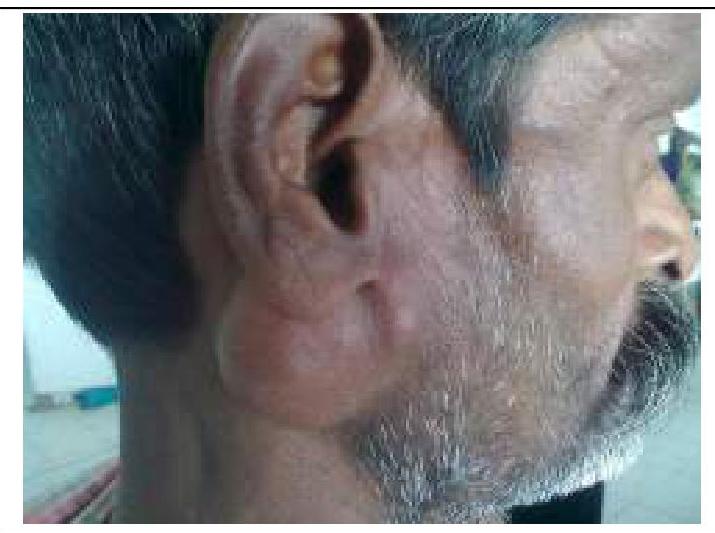
Question 101: What is the most likely diagnosis for the parotid mass with mixed consistency shown in the image?
- A. Pleomorphic adenoma (Correct Answer)
- B. Sebaceous cyst
- C. Dermoid cyst
- D. None of the options
Explanation: ***Pleomorphic adenoma*** - The **mixed consistency** of the parotid mass indicates a **benign tumor**, predominantly of epithelial and mesenchymal origin, typical of pleomorphic adenomas. - This type of tumor is usually **pain-free** and can exhibit a **soft** and **firm** texture on examination [1]. *Sebaceous cyst* - Typically presents as a **smooth, fluctuant nodule** and usually has a **firm consistency** rather than mixed. - Generally not seen as a parotid mass; usually found on the skin in areas with sebaceous glands. *Dermoid cyst* - Generally presents as a **well-defined, soft, and mobile mass**, not commonly associated with mixed consistency. - Often contains **keratin** and has a more homogenous consistency rather than the mixed characteristics of pleomorphic adenoma. *All* - As not all options are suitable for the description of a **mixed consistency parotid mass**, this option is incorrect. - Only **pleomorphic adenoma** aligns with the specific clinical presentation detailed in the question [1]. **References:** [1] Kumar V, Abbas AK, et al.. Robbins and Cotran Pathologic Basis of Disease. 9th ed. Head and Neck, pp. 751-753.
Question 102: In a patient with esophageal cancer and dysphagia affecting liquid intake, what is the most appropriate intervention to ensure nutritional support?
- A. Total parenteral nutrition
- B. Nasogastric tube feeding
- C. Esophageal stent placement
- D. Placement of a percutaneous endoscopic gastrostomy tube (Correct Answer)
Explanation: ***Placement of a percutaneous endoscopic gastrostomy tube*** - The question tests the principle that **gastrostomy tube feeding offers long-term nutritional support** for patients with esophageal obstruction and **dysphagia**, ensuring adequate caloric intake directly into the stomach. - Gastrostomy tubes are preferred over nasogastric tubes for **long-term feeding** (>4-6 weeks) due to better patient comfort, reduced risk of aspiration, and ease of care. - **Clinical Note:** In severe esophageal obstruction, a true PEG (percutaneous endoscopic gastrostomy) may not be technically feasible due to inability to pass the endoscope. In such cases, **radiologically inserted gastrostomy (RIG)** or **surgical gastrostomy** would be performed instead, but the principle of enteral feeding via gastrostomy remains the same. - The **functioning gastrointestinal tract** should always be utilized when possible (enteral feeding preferred over parenteral). *Total parenteral nutrition* - **TPN is reserved for patients with non-functional gastrointestinal tracts** or those who cannot tolerate enteral feeding, which is not applicable here as the stomach and intestines remain functional. - It carries **higher risks of infection, hepatic complications, metabolic derangements**, and is significantly more expensive compared to enteral feeding. - Following the principle: **"If the gut works, use it"** - enteral nutrition is always preferred when feasible. *Nasogastric tube feeding* - **Nasogastric tubes cannot be passed through an obstructing esophageal tumor** and are typically only suitable for short-term feeding (less than 4-6 weeks). - They are uncomfortable for patients and pose a **higher risk of aspiration pneumonia**. - Not appropriate for long-term nutritional support in malignancy. *Esophageal stent placement* - Esophageal stents are **palliative interventions primarily used to alleviate dysphagia** and restore oral intake in malignant obstruction. - While stents may allow some oral nutrition, they **do not guarantee adequate or reliable nutritional support**, especially as disease progresses. - Stents can lead to complications such as **tumor overgrowth, stent migration, fistula formation, or chest pain**, which may further compromise nutritional intake. - When the primary goal is **ensuring adequate nutritional support** rather than just relieving dysphagia, a feeding gastrostomy is more reliable.