Biochemistry
1 questionsA young boy with a thin build and long fingers presents with diminished vision. On examination, subluxation of the lens is observed, and cystathionine synthase deficiency is detected. Which amino acid should the patient be supplemented with?
NEET-PG 2021 - Biochemistry NEET-PG Practice Questions and MCQs
Question 81: A young boy with a thin build and long fingers presents with diminished vision. On examination, subluxation of the lens is observed, and cystathionine synthase deficiency is detected. Which amino acid should the patient be supplemented with?
- A. Tyrosine
- B. Serine
- C. Cysteine (Correct Answer)
- D. Methionine
- E. Glycine
Explanation: ***Cysteine*** - In **cystathionine synthase deficiency** (homocystinuria), the body cannot convert **homocysteine to cystathionine**, and subsequently to **cysteine**. - **Cysteine** therefore becomes an **essential amino acid** in these patients and must be supplemented. *Tyrosine* - **Tyrosine** is a non-essential amino acid synthesized from **phenylalanine**, and its deficiency is not directly related to cystathionine synthase deficiency. - It is not involved in the **methionine or homocysteine metabolic pathway** that is disrupted in homocystinuria. *Serine* - **Serine** is a substrate for the **cystathionine synthase enzyme**, which combines with **homocysteine** to form **cystathionine**. - Supplementation with serine alone would not bypass the enzyme deficiency or provide the essential product, **cysteine**. *Methionine* - **Methionine** is the precursor to **homocysteine**, and in cystathionine synthase deficiency, there's often an accumulation of methionine and homocysteine. - Therefore, **methionine restriction** is typically part of the treatment, not supplementation. *Glycine* - **Glycine** is involved in one-carbon metabolism but is not directly involved in the **transsulfuration pathway** affected by cystathionine synthase deficiency. - Glycine supplementation would not address the inability to synthesize **cysteine** from homocysteine.
Internal Medicine
3 questionsA 33-year-old female patient presents with an inability to see the right side from both eyes (right homonymous hemianopia). What is the most probable cause?
A patient complained of gradual diminution of vision. On examination, the patient had dry eyes and a rough corneal surface. What deficiency is most likely causing these manifestations?
A young male presents with acute redness of the eye. His X-ray of the spine is shown below. What is the most likely condition?

NEET-PG 2021 - Internal Medicine NEET-PG Practice Questions and MCQs
Question 81: A 33-year-old female patient presents with an inability to see the right side from both eyes (right homonymous hemianopia). What is the most probable cause?
- A. Right occipital lobe lesion
- B. Injury to Left Optic Tract (Correct Answer)
- C. Optic chiasma lesion
- D. Right optic nerve lesion
Explanation: ***Injury to Left Optic Tract*** - A lesion in the **left optic tract** interrupts nerve fibers carrying visual information from the temporal half of the left retina and the nasal half of the right retina [1]. - This results in the loss of vision from the **right visual field** in both eyes, known as **right homonymous hemianopia** [1]. *Right occipital lobe lesion* - A lesion in the **right occipital lobe** would cause a **left homonymous hemianopia**, affecting the left visual field from both eyes [1]. - The visual pathways cross before reaching the occipital cortex, meaning the right occipital lobe processes input from the left visual fields. *Optic chiasma lesion* - A lesion at the **optic chiasma** typically affects the **nasal rectine fibers** from both eyes, causing **bitemporal hemianopia** (loss of vision in the temporal fields of both eyes) [1]. - This presentation is distinct from homonymous hemianopia. *Right optic nerve lesion* - A lesion in the **right optic nerve** would cause complete blindness in the **right eye** (right anopsia/monocular blindness), not a homonymous visual field defect [1]. - The optic nerve carries all visual information from a single eye before any crossing occurs.
Question 82: A patient complained of gradual diminution of vision. On examination, the patient had dry eyes and a rough corneal surface. What deficiency is most likely causing these manifestations?
- A. Iron
- B. Protein
- C. Niacin
- D. Vitamin A (Correct Answer)
Explanation: ***Vitamin A*** - **Vitamin A deficiency** is a common cause of **xerophthalmia**, characterized by **dry eyes** (**xerosis conjunctivae**) and roughening of the **cornea** due to impaired mucin production [1]. In vitamin A deficiency, mucus-secreting cells are replaced by keratin-producing cells [2]. - Progression of ocular epithelial keratinization can lead to **Bitot's spots**, corneal ulceration, and ultimately **blindness** [1], [2]. *Iron* - **Iron deficiency** primarily leads to **iron-deficiency anemia**, causing fatigue, pallor, and weakness, but not directly ocular manifestations like dry eyes or rough cornea. - While severe anemia can cause some visual disturbances, it does not typically present with the specific **xerophthalmic** changes seen here. *Protein* - **Protein deficiency** can lead to conditions like **kwashiorkor** (edema, muscle wasting) or **marasmus** (severe wasting), which broadly impair health and immunity. - However, it does not directly cause the specific ocular signs of **dryness** and **corneal roughening** as a primary deficiency, though it can exacerbate other nutritional deficiencies. *Niacin* - **Niacin (Vitamin B3) deficiency** causes **pellagra**, characterized by the "3 Ds": **dermatitis**, **diarrhea**, and **dementia**. - Ocular symptoms are not a common or primary feature of niacin deficiency; it does not cause **dry eyes** or **corneal roughening**.
Question 83: A young male presents with acute redness of the eye. His X-ray of the spine is shown below. What is the most likely condition?
- A. Psoriatic Arthritis
- B. Rheumatoid Arthritis
- C. Sjögren Syndrome
- D. Ankylosing Spondylitis (Correct Answer)
Explanation: ***Ankylosing Spondylitis*** - The young male presenting with **acute redness of the eye** (uveitis) and a spinal X-ray showing changes consistent with **bamboo spine** (fusion of vertebrae due to syndesmophyte formation) is highly indicative of ankylosing spondylitis. - This condition is a chronic inflammatory disorder primarily affecting the **axial skeleton** (spine and sacroiliac joints) and is often associated with extra-articular manifestations like **uveitis**. *Psoriatic Arthritis* - While psoriatic arthritis can affect the spine and cause uveitis, the characteristic imaging findings in the provided X-ray, particularly the **bamboo spine**, are more classical for ankylosing spondylitis. - Psoriatic spondylitis often presents with more asymmetric and less diffuse spinal involvement compared to ankylosing spondylitis. *Rheumatoid Arthritis* - Rheumatoid arthritis primarily affects the **peripheral joints** (e.g., small joints of hands and feet) and typically spares the axial skeleton, except for involvement of the **cervical spine**. - **Uveitis** is a rare extra-articular manifestation in rheumatoid arthritis, and the X-ray findings are not typical for this condition. *Sjögren Syndrome* - Sjögren syndrome is a chronic autoimmune disease characterized by **dry eyes** (keratoconjunctivitis sicca) and **dry mouth** (xerostomia) due to lymphocytic infiltration of exocrine glands. - While it can cause some joint pain, it does not typically lead to the characteristic spinal changes seen on the X-ray or acute uveitis.
Ophthalmology
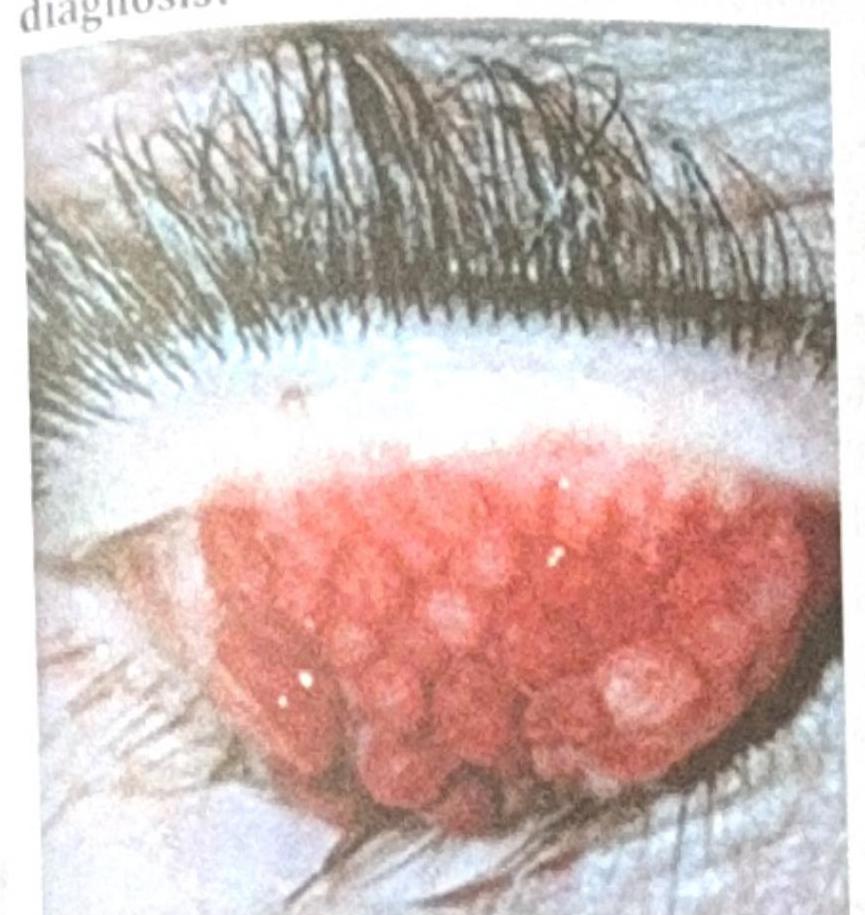
5 questionsA patient with contact lens use for the past 2 years presents with the ocular findings shown in the image below. What is the most probable diagnosis?

A 15-year-old girl with myopic astigmatism does not want to wear glasses. What is the best alternative for her?
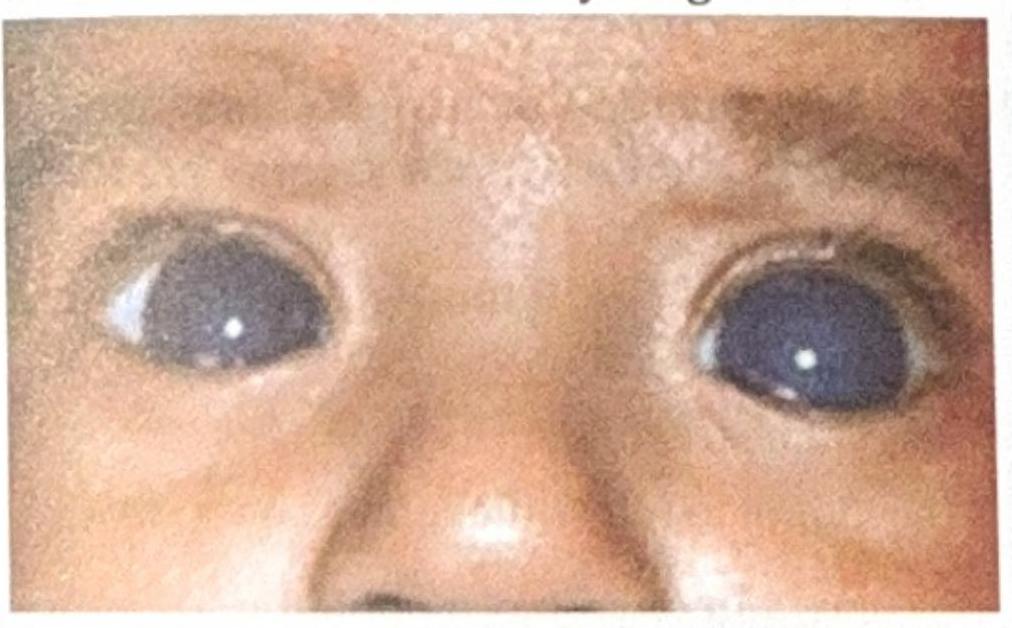
A one-month-old baby presents with excessive tearing (watering) and an increased corneal size. What is the most likely diagnosis?

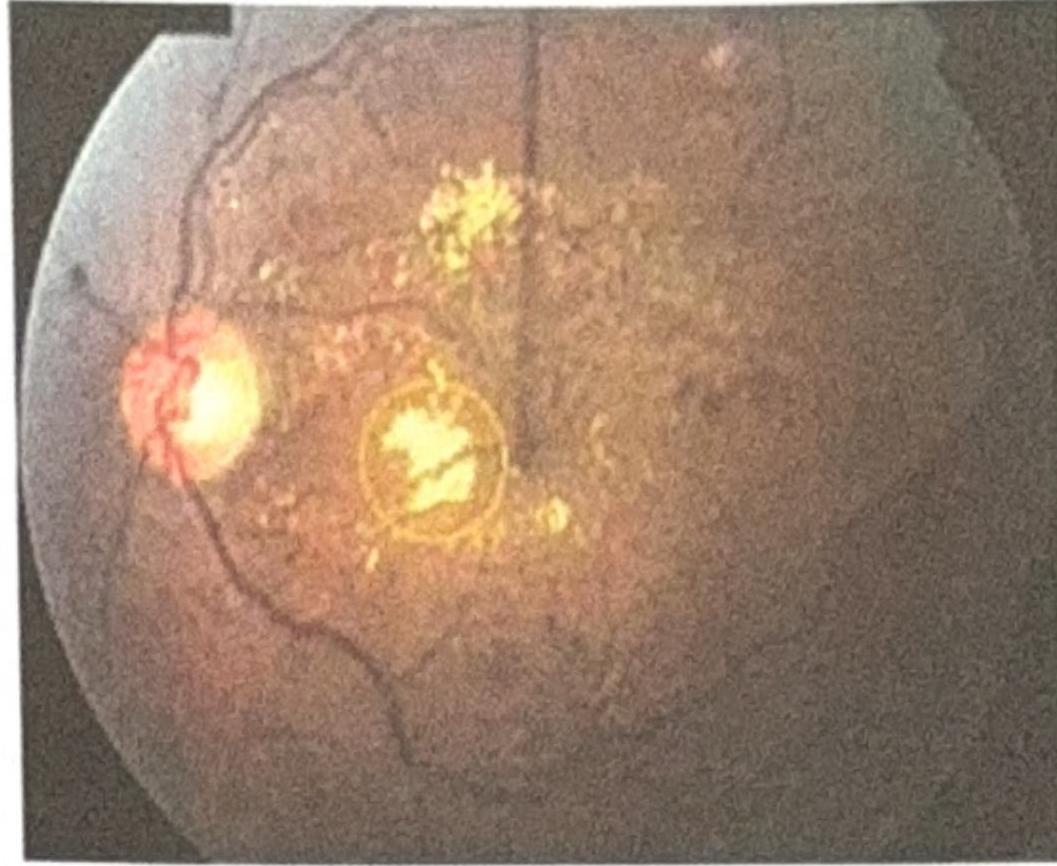
An elderly woman presented with gradual painless diminution of vision. The fundus picture is shown below. What is the most likely diagnosis?

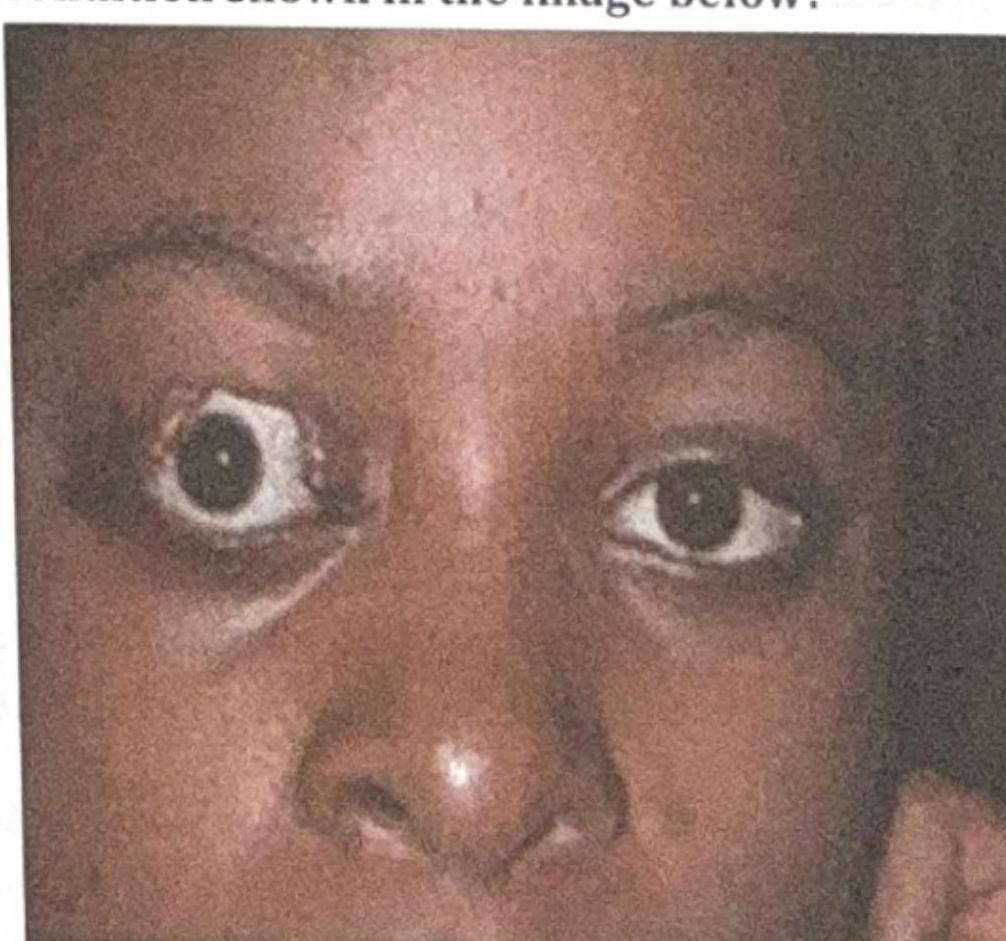
What is the most likely complication of the condition shown in the image below?

NEET-PG 2021 - Ophthalmology NEET-PG Practice Questions and MCQs
Question 81: A patient with contact lens use for the past 2 years presents with the ocular findings shown in the image below. What is the most probable diagnosis?
- A. Trachoma
- B. Giant Papillary conjunctivitis (Correct Answer)
- C. Ocular Surface Squamous Neoplasia (OSSN)
- D. Vernal Keratoconjunctivitis
Explanation: ***Giant Papillary conjunctivitis*** - The image shows **large, elevated papillae** on the **tarsal conjunctiva**, which are characteristic findings of giant papillary conjunctivitis. - This condition is common among **contact lens wearers**, caused by chronic mechanical irritation and an allergic response to lens material or deposits. *Trachoma* - Trachoma is a **chronic infectious disease** caused by *Chlamydia trachomatis*, leading to scarring of the conjunctiva. - It typically presents with **follicles** in the early stages, followed by **scarring** and **pannus formation**, not the large papillae seen here. *Ocular Surface Squamous Neoplasia (OSSN)* - OSSN refers to a spectrum of conditions from **dysplasia to squamous cell carcinoma** affecting the conjunctiva or cornea. - It usually presents as a **gelatinous, fleshy, or leukoplakic lesion**, often at the limbus, which is distinct from the diffuse papillae shown. *Vernal Keratoconjunctivitis* - Vernal keratoconjunctivitis (VKC) is a **severe form of allergic conjunctivitis** but primarily affects children and young adults with a history of atopy. - While it can cause large papillae (cobblestone papillae), it is not specifically associated with contact lens wear and usually has other systemic allergic manifestations.
Question 82: A 15-year-old girl with myopic astigmatism does not want to wear glasses. What is the best alternative for her?
- A. LASIK
- B. Spherical Specs
- C. Contact lenses (Toric) (Correct Answer)
- D. FEMTO Lasik
Explanation: ***Contact lenses (Toric)*** - **Toric contact lenses** are specifically designed to correct **astigmatism**, along with myopia or hyperopia, by having different refractive powers in different meridians. - They offer a non-surgical alternative to glasses, addressing the patient's desire not to wear spectacles, and are generally safe and effective for teenagers. *LASIK* - **LASIK (Laser-Assisted In Situ Keratomileusis)** is a surgical procedure to correct refractive errors, but it is not typically recommended for individuals under **18-21 years of age** due to continued eye growth and refractive changes. - The patient's age of 15 makes her an unsuitable candidate for LASIK at this time. *Spherical Specs* - **Spherical spectacles** are designed to correct myopia or hyperopia but cannot adequately correct **astigmatism**, which is a significant component of this patient's refractive error. - The patient also explicitly states she does not want to wear glasses, making this option undesirable. *FEMTO Lasik* - **FEMTO LASIK** is an advanced form of LASIK that uses a femtosecond laser to create the corneal flap, offering higher precision and safety. - However, similar to traditional LASIK, it is a **refractive surgical procedure** and typically not performed on patients younger than **18 years old** due to ongoing eye development.
Question 83: A one-month-old baby presents with excessive tearing (watering) and an increased corneal size. What is the most likely diagnosis?
- A. Galactosemia
- B. Buphthalmos (Correct Answer)
- C. Cataract
- D. Hurler syndrome
Explanation: ***Buphthalmos*** - **Buphthalmos** refers to the enlargement of the eye in infants, typically caused by **congenital glaucoma**, which results in increased intraocular pressure. - The combination of **excessive tearing (epiphora)** and an **increased corneal size** (seen in the image as unusually large corneas for a one-month-old) are classic signs of buphthalmos due to elevated intraocular pressure stretching the infant's pliable sclera and cornea. *Galactosemia* - **Galactosemia** is a metabolic disorder that can cause cataracts and, in severe cases, liver damage and intellectual disability, but it does **not typically cause buphthalmos or enlarged corneas**. - While cataracts can lead to poor vision, they don't explain the excessive tearing or corneal enlargement. *Cataract* - A **cataract** is an opacity in the lens of the eye, which can cause blurry vision and a white pupil reflex (leukocoria), but **does not cause increased corneal size or excessive tearing** as primary symptoms. - While cataracts can occur in infants, they do not present with the specific combination of signs described. *Hurler syndrome* - **Hurler syndrome** is a lysosomal storage disorder (mucopolysaccharidosis type I) that can cause various ocular abnormalities, including **corneal clouding**, but typically **not corneal enlargement or buphthalmos**. - Other features include coarse facial features, skeletal abnormalities, and developmental delay, which are not mentioned in the presentation criteria.
Question 84: An elderly woman presented with gradual painless diminution of vision. The fundus picture is shown below. What is the most likely diagnosis?
- A. Central Retinal Artery Occlusion (CRAO)
- B. Hypertensive Retinopathy
- C. Central Retinal Vein Occlusion (CRVO) (Correct Answer)
- D. Diabetic Retinopathy
Explanation: ***Central Retinal Vein Occlusion (CRVO)*** - The image displays characteristic findings of CRVO, including **widespread retinal hemorrhages**, **dilated and tortuous retinal veins**, and **cotton wool spots**. - The presence of **macular edema** (indicated by the bright, somewhat circular lesion near the center with surrounding exudates) also points to CRVO, which causes gradual, painless vision loss. *Central Retinal Artery Occlusion (CRAO)* - CRAO typically presents with sudden, profound, and painless vision loss, and the classic fundoscopic finding is a **cherry-red spot** in the macula with diffuse retinal whitening due to ischemia. - The image does not show these features; instead, it shows significant hemorrhages and dilated veins, which are inconsistent with CRAO. *Hypertensive Retinopathy* - Hypertensive retinopathy might show **arteriolar narrowing**, **AV nipping**, **cotton wool spots**, and sometimes hemorrhages, but the widespread, severe hemorrhages and marked venous dilation seen here are much more typical of CRVO. - While it can cause vision changes, the pattern of ocular findings is less severe and more chronic compared to the acute presentation of CRVO. *Diabetic Retinopathy* - Diabetic retinopathy can involve dot-blot hemorrhages, microaneurysms, hard exudates, and sometimes cotton wool spots, but the extensive, diffuse retinal hemorrhages in all four quadrants, along with the severely dilated and tortuous veins shown, are not the primary distinguishing features of typical diabetic retinopathy stages. - While **proliferative diabetic retinopathy (PDR)** can involve hemorrhages, the pattern in the image strongly suggests a vascular occlusion rather than the progressive microvascular damage of diabetes.
Question 85: What is the most likely complication of the condition shown in the image below?
- A. Exposure Keratitis (Correct Answer)
- B. Difficulty in eye movement
- C. Cataract
- D. Glaucoma
Explanation: ***Exposure Keratitis*** - The image shows **proptosis** (exophthalmos) of the right eye, where the eyeball protrudes forward. This condition often leads to incomplete eyelid closure (lagophthalmos). - **Exposure keratitis** occurs when the cornea is inadequately covered by the eyelids, leading to drying and damage due to constant exposure to air and environmental factors. *Difficulty in eye movement* - While **proptosis** can sometimes be associated with restricted eye movements (e.g., in severe Graves' ophthalmopathy due to muscle swelling), it is not the **most likely direct complication** of the exposure itself. - The image primarily depicts the physical displacement of the globe, which predisposes to corneal issues, not necessarily oculomotor dysfunction as the primary complication. *Cataract* - **Cataracts** are opacities of the lens and are typically associated with aging, trauma, or certain systemic conditions (e.g., diabetes, steroid use). - They are not a direct or common complication of **proptosis** or the resulting **exposure of the ocular surface**. *Glaucoma* - **Glaucoma** is a group of conditions characterized by damage to the optic nerve, often due to elevated intraocular pressure. - While severe **proptosis** leading to orbital congestion can theoretically increase intraocular pressure, it is not the most direct or prevalent complication compared to **exposure keratitis**, which is a direct consequence of inadequate globe protection.
Pathology
1 questionsA child presenting with a whitish pupillary reflex (leukocoria) was treated with enucleation. Histopathology of the specimen showed Flexner-Wintersteiner rosettes. What is the most likely diagnosis?
NEET-PG 2021 - Pathology NEET-PG Practice Questions and MCQs
Question 81: A child presenting with a whitish pupillary reflex (leukocoria) was treated with enucleation. Histopathology of the specimen showed Flexner-Wintersteiner rosettes. What is the most likely diagnosis?
- A. Retinoblastoma (Correct Answer)
- B. Astrocytoma
- C. Medulloblastoma
- D. Rhabdomyosarcoma
Explanation: ***Retinoblastoma*** - The presence of **leukocoria** (whitish pupillary reflex) in a child is the most common presenting sign of **retinoblastoma** [2]. - **Flexner-Wintersteiner rosettes** are characteristic histological features of retinoblastoma, confirming the diagnosis [1]. *Astrocytoma* - Astrocytomas are **brain tumors** that typically do not cause leukocoria or originate in the retina [3]. - Their histology involves glial cells and would not show Flexner-Wintersteiner rosettes [3]. *Medulloblastoma* - Medulloblastomas are **malignant brain tumors** of the cerebellum, presenting with symptoms like ataxia and hydrocephalus [4]. - They are not associated with leukocoria or retinal involvement. *Rhabdomyosarcoma* - Rhabdomyosarcoma is a **malignant tumor of skeletal muscle**, most commonly found in the head and neck, genitourinary tract, or extremities. - While it can occur in the orbit, its histology is distinct and involves rhabdomyoblasts, not rosettes, and it's less likely to present purely as leukocoria. **References:** [1] Kumar V, Abbas AK, et al.. Robbins and Cotran Pathologic Basis of Disease. 9th ed. The Eye, pp. 1341-1342. [2] Cross SS. Underwood's Pathology: A Clinical Approach. 6th ed. Common Clinical Manifestations Of Central And Peripheral Nervous System Disease, pp. 737-738. [3] Cross SS. Underwood's Pathology: A Clinical Approach. 6th ed. Common Clinical Manifestations Of Central And Peripheral Nervous System Disease, pp. 725-726. [4] Kumar V, Abbas AK, et al.. Robbins and Cotran Pathologic Basis of Disease. 9th ed. The Central Nervous System, pp. 1314-1315.